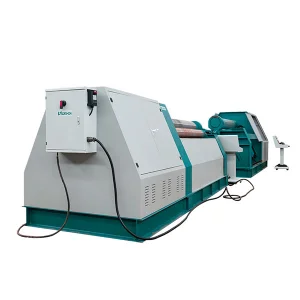
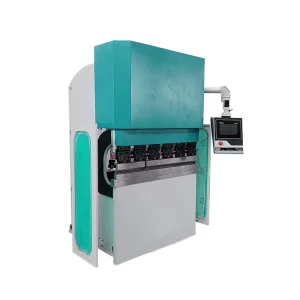
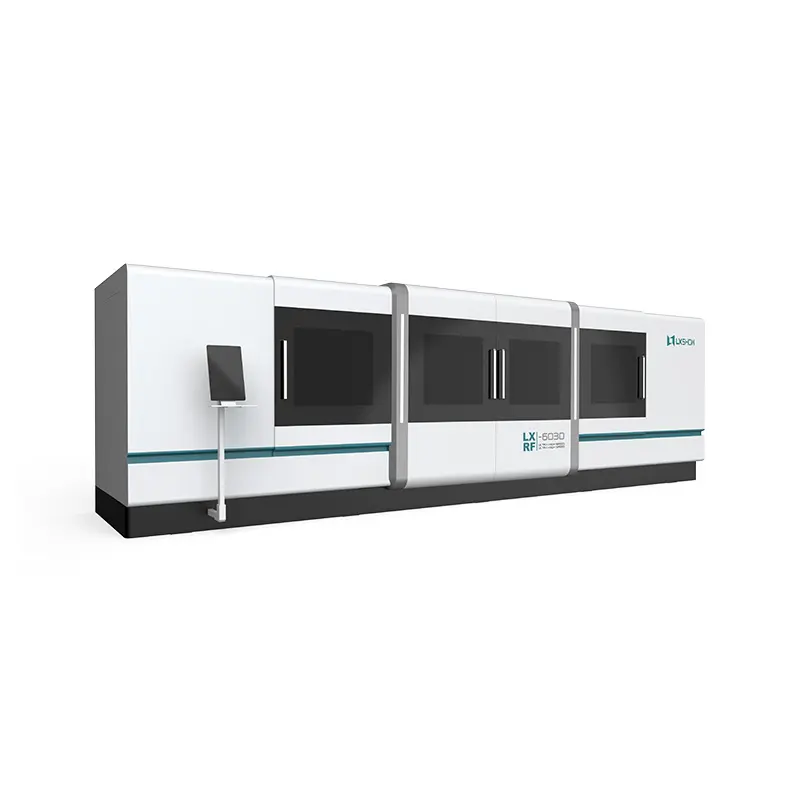
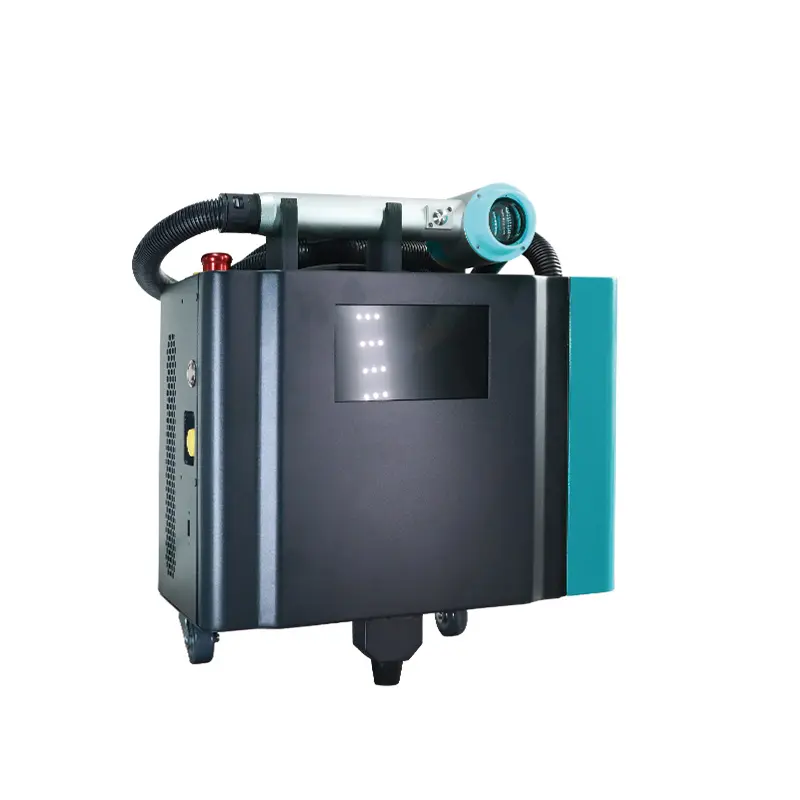
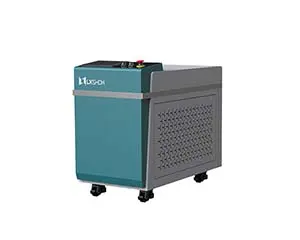
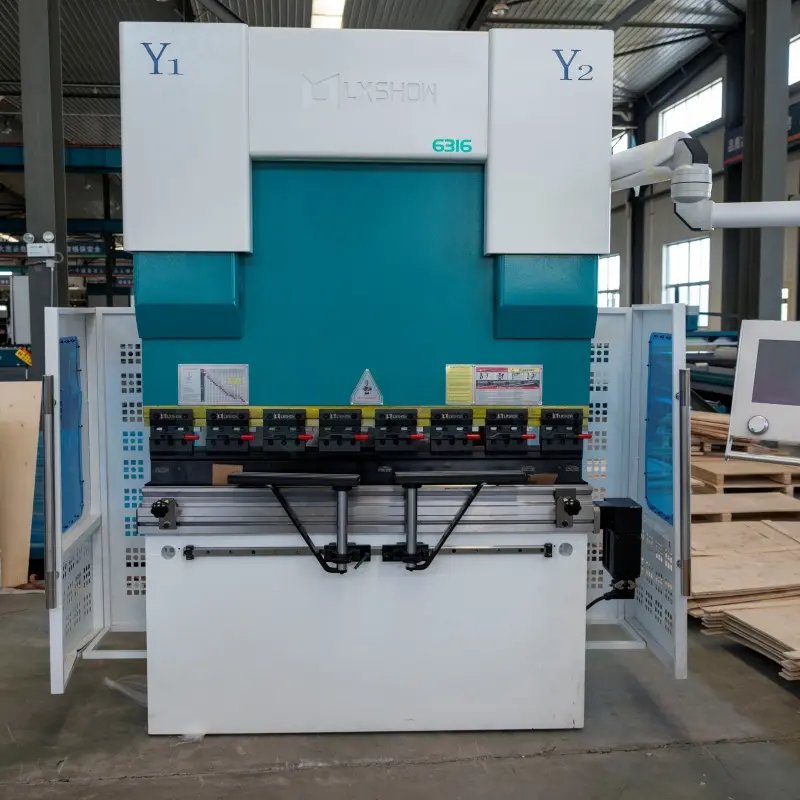
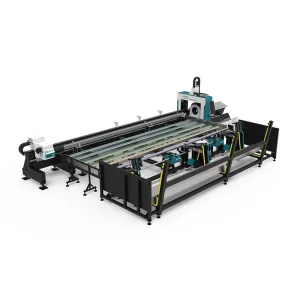
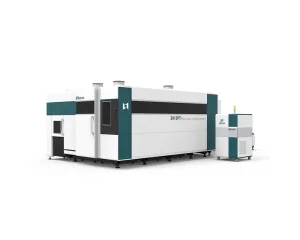
Deploy industrial strength directly to your manufacturing floor. Discover high-quality fiber cutting, de-burring, marking, and bending machines.
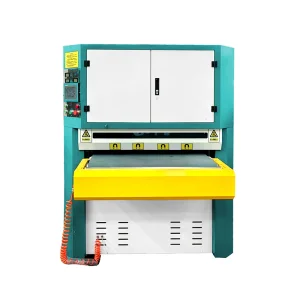
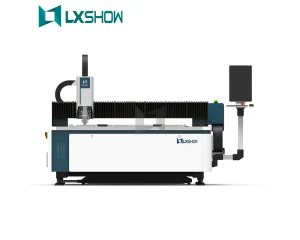
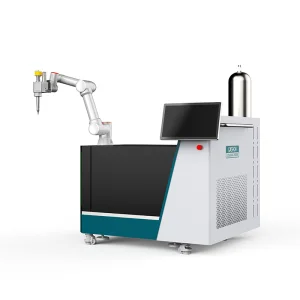
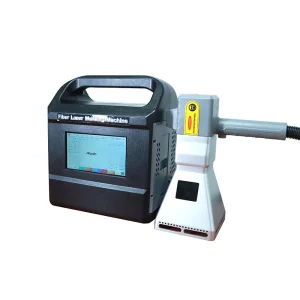
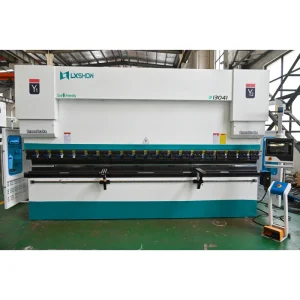
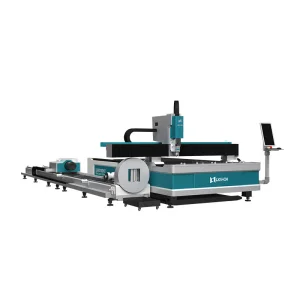
Across modern metal manufacturing and industrial export lines, the demand for precision, agility, and minimal footprint has birthed a new standard: the desktop laser cutter for metal. Historically, fiber laser cutting was reserved for large-scale, warehouse-consuming gantries. While these multi-kilowatt behemoths remain essential for thick structural steel plate profiling, they present massive barriers to entry regarding physical footprint, capital expenditure, and operational overhead.
Today, global market pressures demand dynamic local manufacturing setups, fast prototyping, and customizable production. Modern micro-factories, hardware startups, specialized electronics fabricators, and medical device manufacturers require the same micron-level precision as heavy industry but in a condensed, energy-efficient package. A high-performance desktop fiber laser cutter solves this paradox, combining fiber optic laser delivery, high-speed linear drives, and intelligent CNC software to profile carbon steel, stainless steel, aluminum, brass, and copper on a footprint of less than two square meters.
"By decentralizing heavy metal fabrication into smaller footprint machines, global exporters can rapidly customize sheet metal parts near the customer, cutting down logistics costs and dramatically reducing lead times."
For exporters and component manufacturers, the ability to prototype and produce within the same workspace is a massive competitive advantage. A desktop metal laser cutting solution serves as a critical bridge. When configured with a 1000W to 3000W fiber laser source, these compact workhorses handle production-quality cuts of sheets up to 3mm or even 5mm thickness with a clean, dross-free edge finish.
Instead of waiting weeks for external fabrication shops to deliver sheet metal parts, companies can iterate, cut, deburr, and weld their components on-site within hours. This efficiency reduces capital tied up in inventory, allowing manufacturers to adopt Just-In-Time (JIT) methods. Furthermore, these desktop units have lower power requirements (typically utilizing single-phase or low-amp three-phase connections), yielding lower operating expenses and helping organizations meet modern environmental directives.
Understanding how a compact desktop laser processes metal requires looking at the laser source physics. Unlike CO2 lasers, which use gas mixtures and a 10.6 µm wavelength, fiber lasers generate beams through active optical fibers doped with rare-earth elements (usually ytterbium). This produces a highly concentrated wavelength of approximately 1.06 µm.
The 1.06 µm wavelength is absorbed by metals at a rate up to ten times higher than CO2 wavelengths. This yields high speeds when cutting thin-to-medium gauge sheet metals. The beam is routed via a flexible fiber cable directly to the cutting head, eliminating complex mirror path designs that require frequent realignment.
| Metal Type | Optimal Wavelength | Recommended Power (Desktop) | Assist Gas Requirement | Typical Max Cutting Thickness |
|---|---|---|---|---|
| Stainless Steel | 1.06 µm (Fiber) | 1000W - 2000W | Nitrogen (N₂) for clean edge | 3.0 mm - 5.0 mm |
| Carbon Steel | 1.06 µm (Fiber) | 1000W - 1500W | Oxygen (O₂) for rapid oxidization | 4.0 mm - 6.0 mm |
| Aluminum | 1.06 µm (Fiber) | 2000W - 3000W | Nitrogen (N₂) or Air at high pressure | 2.0 mm - 3.0 mm |
| Copper / Brass | 1.06 µm (Reflective) | 3000W with Isolator | Oxygen (O₂) or Nitrogen (N₂) | 1.5 mm - 2.0 mm |
For highly reflective materials like copper and brass, back-reflection can damage the optical resonator of standard lasers. Quality desktop laser cutters mitigate this with back-reflection isolation systems. These isolators redirect returning rays safely, enabling continuous, high-speed cutting on reflective sheets.
For international metal manufacturers and machinery exporters, cross-border compliance is critical. A machine that cannot be legally operated in North America or Europe is a liability. Leading manufacturing plants must certify their equipment to meet regional standards:
Global support goes beyond paperwork. It requires local technical service centers, diagnostic networks, and ready spare parts. If a laser source or control board goes down, a manufacturer needs rapid assistance. Top-tier providers offer cloud-based remote diagnostics to minimize downtime.
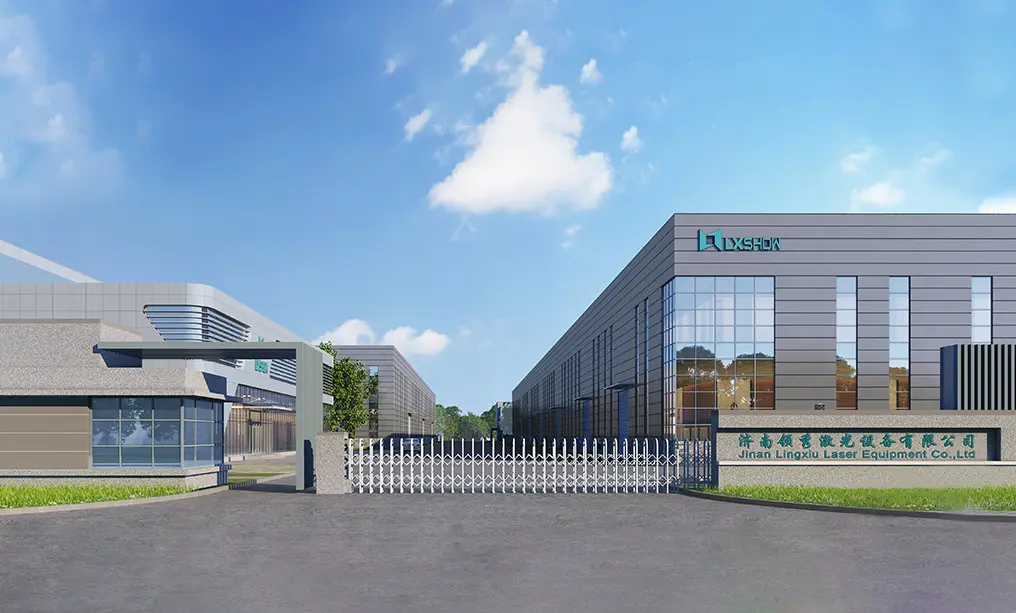
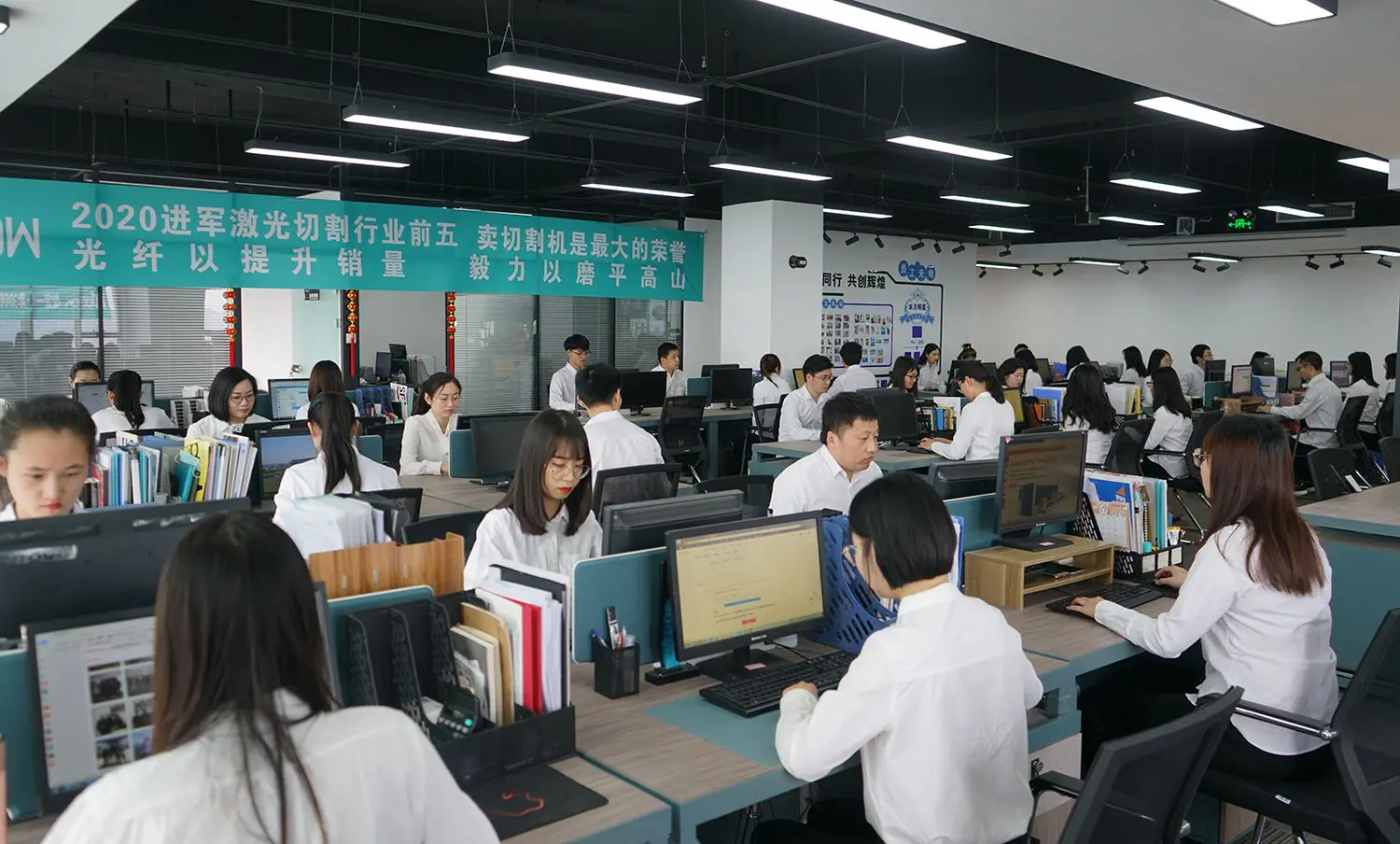
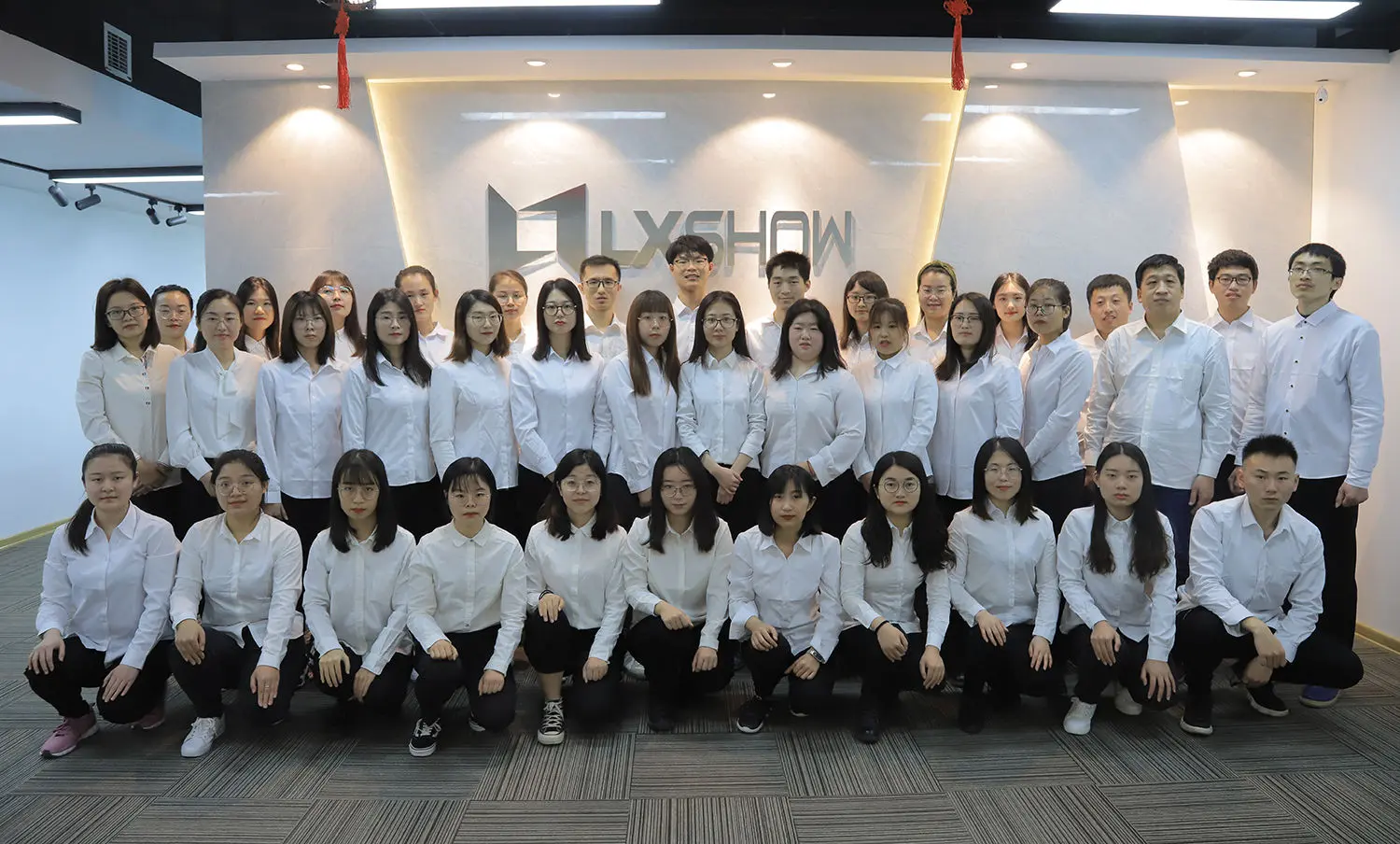
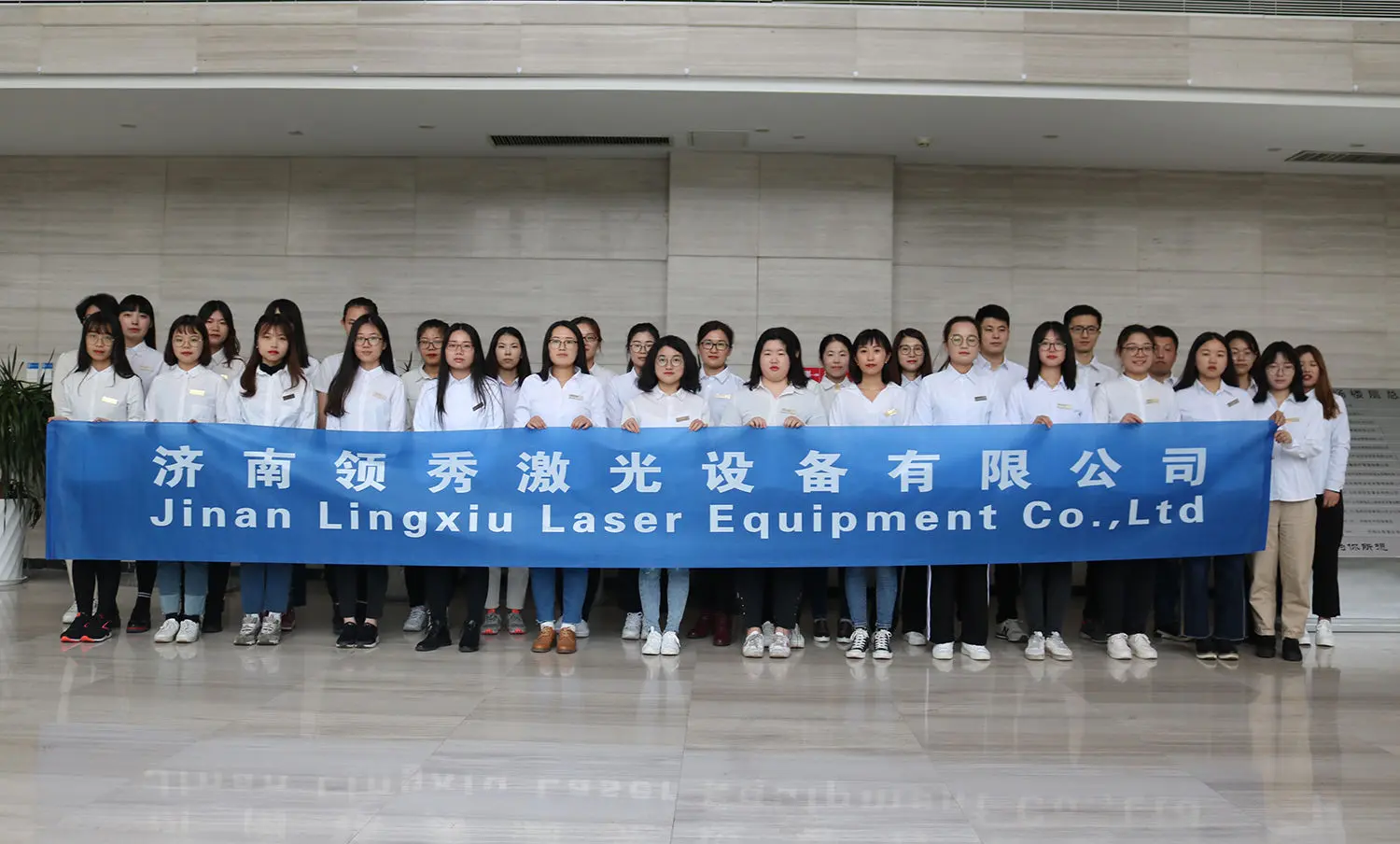
Established in July 2004, LXSHOW has expanded to over 150 countries and regions, serving 20,000+ active users with premium laser cutting, welding, and cleaning systems.
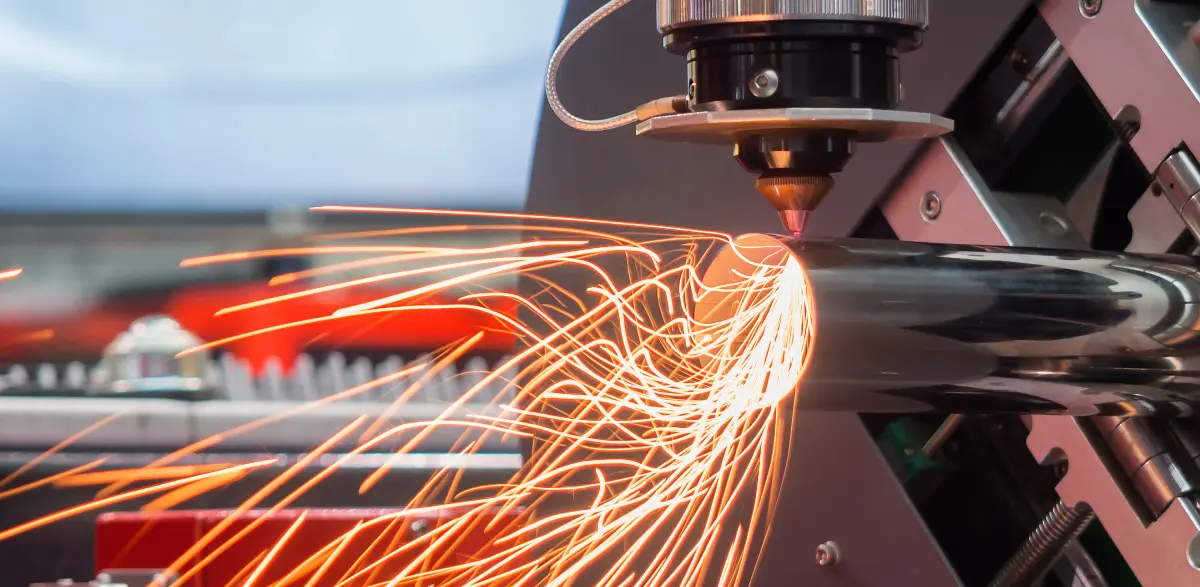
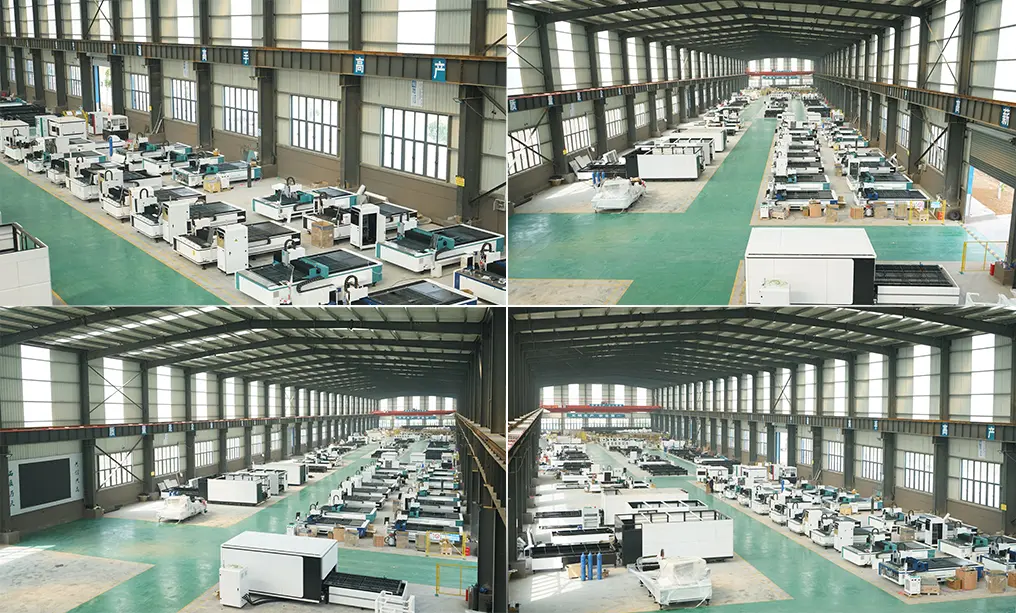

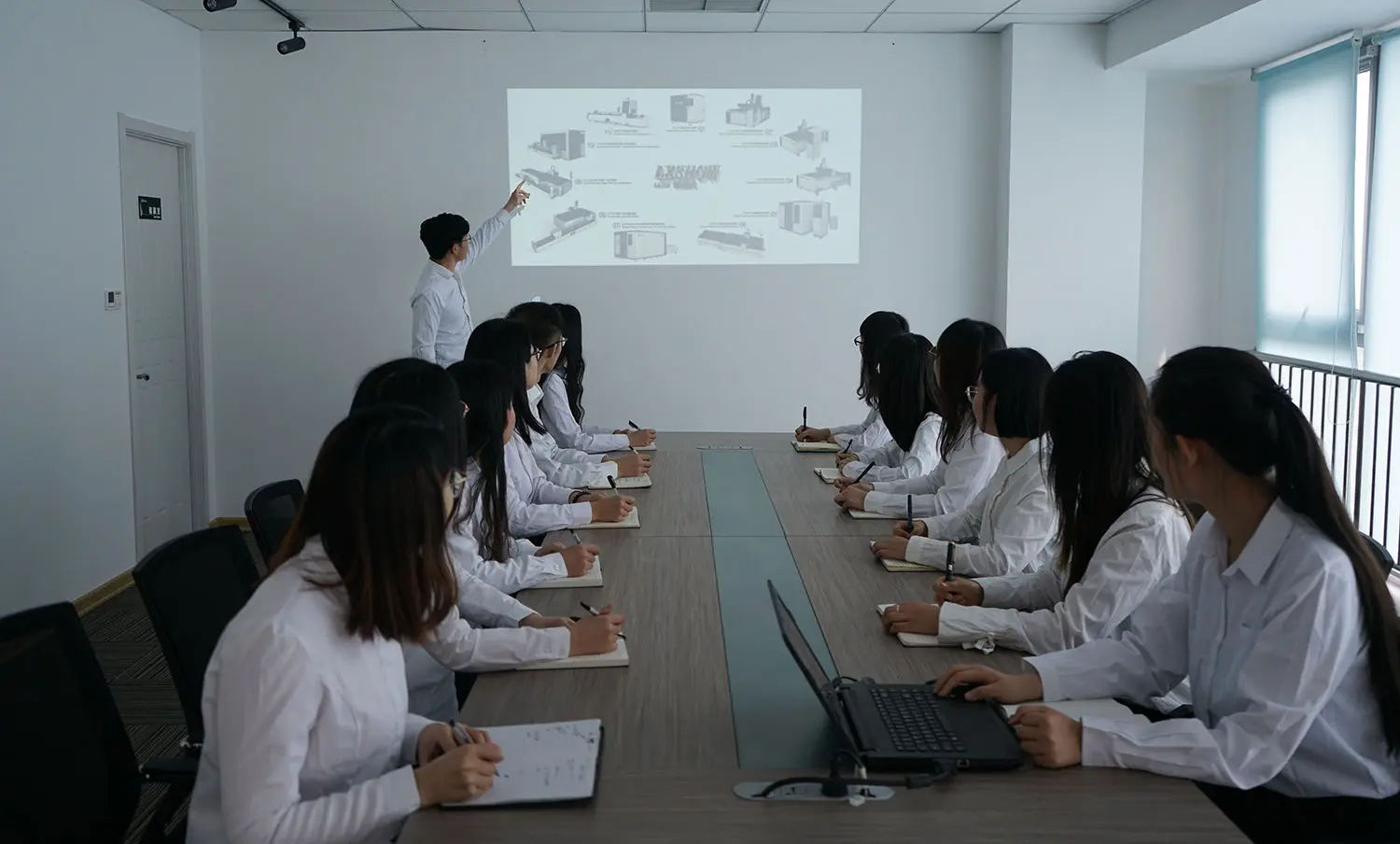
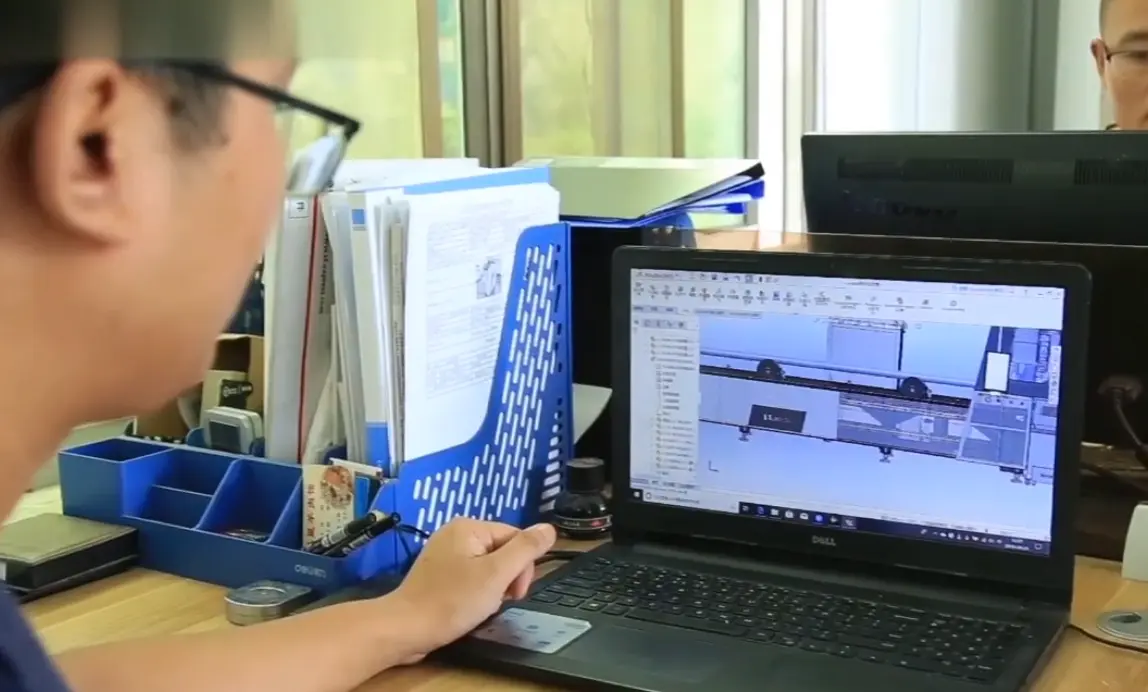
Our desktop laser cutter and sheet-tube combinations are engineered to process a broad range of materials across various industries, including medical instruments, aerospace components, custom sign fabrication, hardware, and automotive bracket modifications.
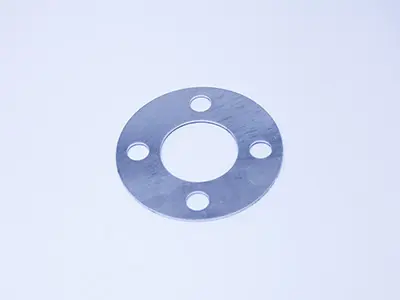
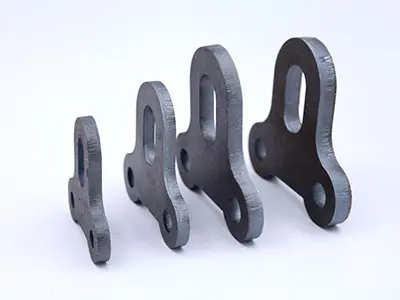
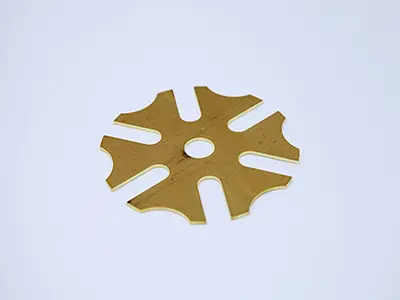
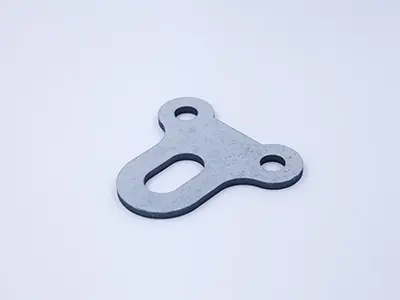
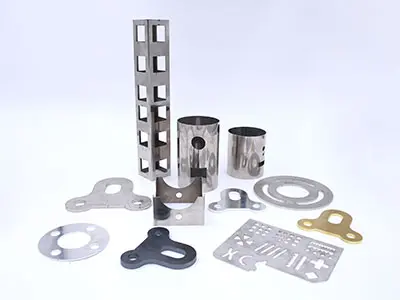
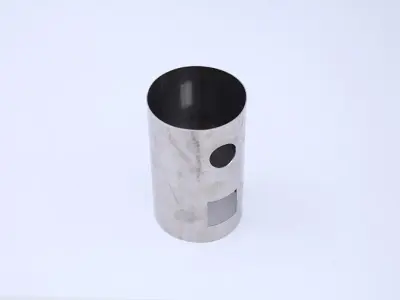
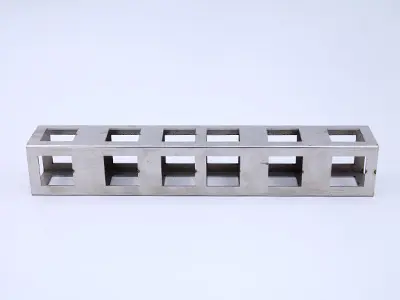
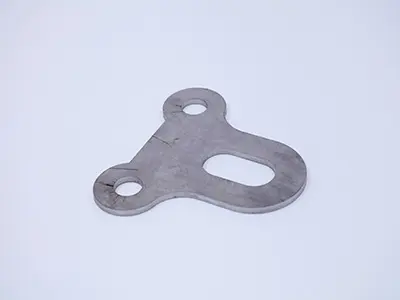
To achieve high-efficiency fabrication, components require operations beyond cutting. Post-cut workflows demand precision bending, weld preparation (laser cleaning), assembly (handheld/robotic laser welding), and edge finishing (deburring). Exploring these adjacent technologies helps manufacturers optimize cycle times.
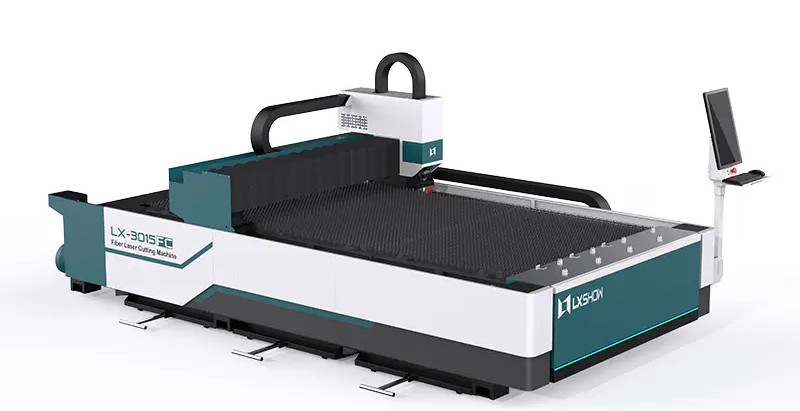
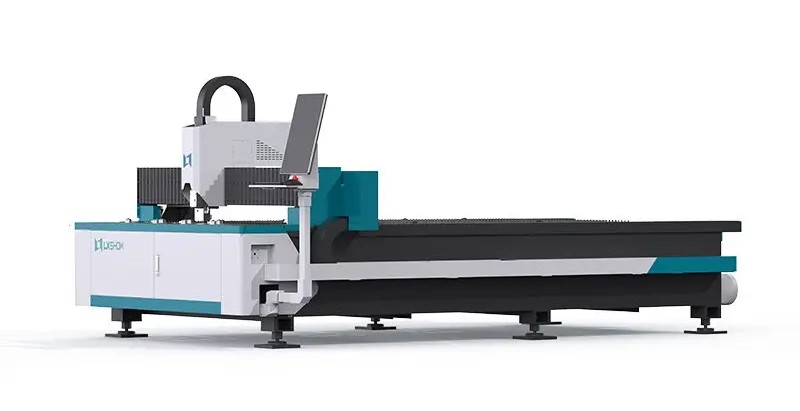
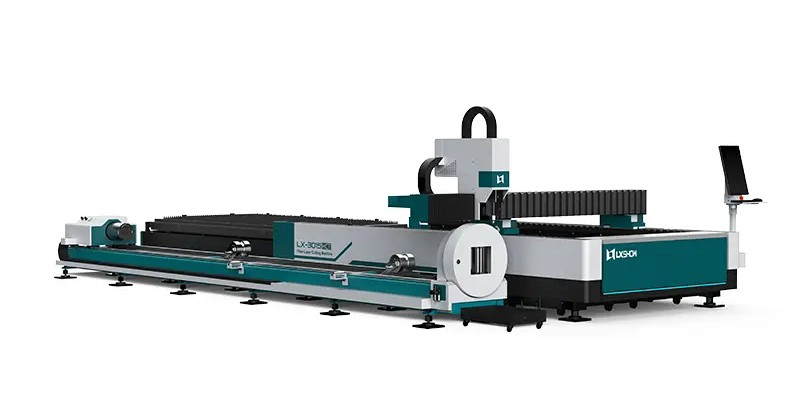
As we approach 2026 and look ahead to 2040, the role of desktop laser cutters in manufacturing is shifting from isolated workstations to fully networked nodes in intelligent IoT-enabled facilities. Our machinery development strategy addresses this transition through three main areas:
Modern compact laser cutters now utilize AI algorithms within their control interfaces to automatically nesting parts, calculate optimized lead-ins, and minimize cut paths. This reduces kerf width overlapping and scrap rate, keeping material waste below 4%. Real-time path optimization helps prevent collisions on small cutouts, preserving nozzle integrity.
Integrated capacitive height sensors continuously monitor the gap between the nozzle and the metal sheet. They respond to physical deformations in thin sheets within milliseconds to prevent collisions. Additionally, real-time gas flow controllers adjust auxiliary pressure based on the current cutting vector, saving nitrogen and oxygen during rapid traverses.
Our long-term development roadmap focuses on building self-optimizing machinery. By leveraging predictive diagnostics, these systems can forecast protective window degradation, chiller water purity, and laser module degradation before failures occur. Connecting these desktop units with automated pallet handling and industrial cobots moves us closer to achieving fully automated "lights-out" micro-manufacturing.
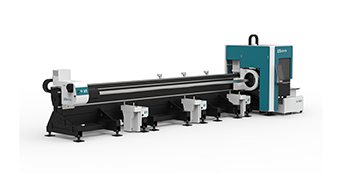
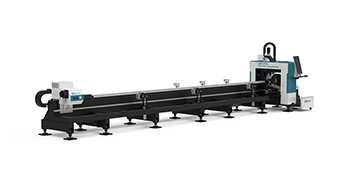
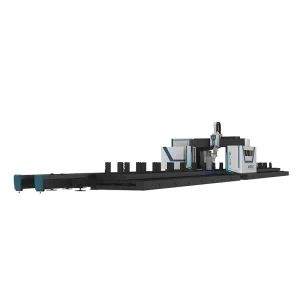
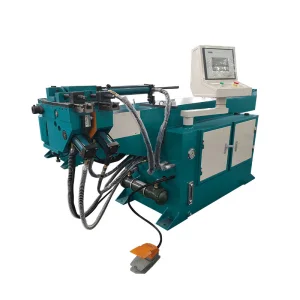
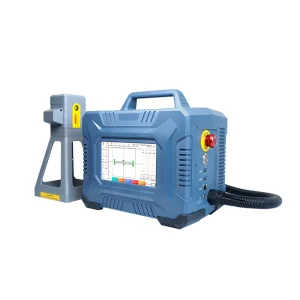
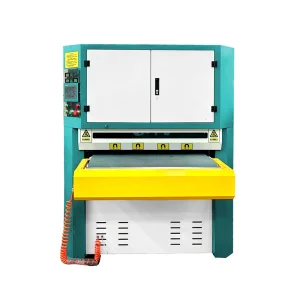
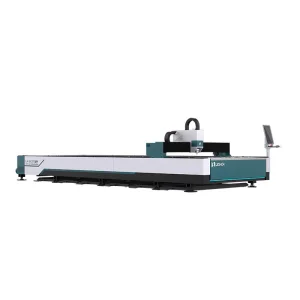
Browse our extended catalog of laser tube profiling cutters, heavy-duty industrial pipe processing, and high-accuracy bending lines.
 Lxshow