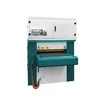
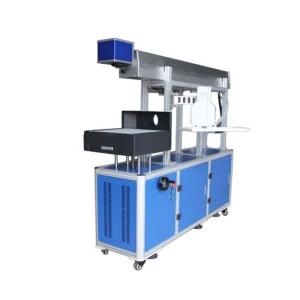
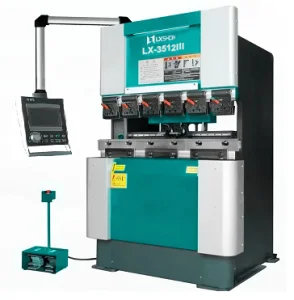
Optimized 450mm Series Double Belt Deburring and Edge Rounding Machinery Tailored for Tokyo’s Sheet Metal Fabrication Standards
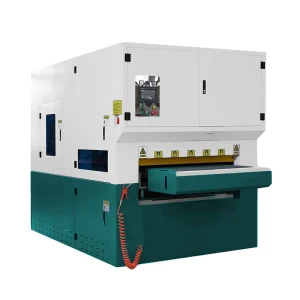
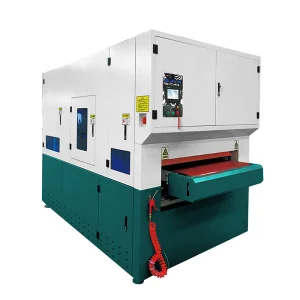
The Tokyo Metropolitan Area, housing the historic manufacturing hubs of Ota Ward, Kawasaki, and the broader Kanto industrial belt, represents the global gold standard for high-mix, low-volume precision fabrication. Unlike mass production lines, Tokyo's metal-working infrastructure prioritizes exceptional component tolerance, micro-edge geometries, and impeccable cosmetic finishes. Key sectors—ranging from advanced semiconductor manufacturing equipment (SME) in Hachioji to aerospace subcontractors and high-end medical imaging hardware systems—demand sheet metal components that are entirely free of burrs, slag, and micro-cracks.
In these sophisticated sectors, the laser-cutting process or precision punching of stainless steel, aluminum alloys, and high-tensile carbon steel is only the first step. The subsequent deburring and edge-rounding phases dictate the component's viability. Sharp metal edges jeopardize handling safety, compromise electrical insulation coatings, and lead to early corrosion. Tokyo's manufacturers are increasingly adopting automatic mechanical deburring systems over manual processes. This paradigm shift is driven by severe labor constraints in Japan (spurred by demographic challenges) and the pursuit of repeatable R-axis chamfering specifications that manual grinders cannot achieve.
“For Tokyo’s SME and medical suppliers, a micro-burr smaller than 0.1 mm on a stainless steel vacuum chamber plate can cause sealing failures or particle contamination. Our FCT & 450 Series machines deliver the micro-level surface uniformity mandated by Japan's strictest industrial codes.”
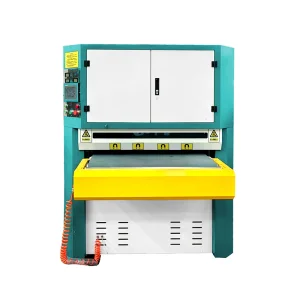
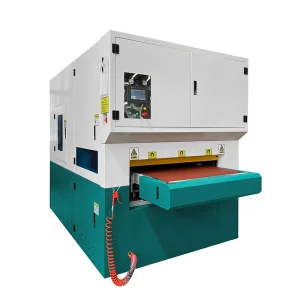
Furthermore, Tokyo's spatial constraints mean that local manufacturers operate in multi-story urban factories where space optimization is critical. The footprint of processing equipment is a vital purchasing criterion. The 450 Series deburring machines are specifically engineered to provide heavy-duty double-belt edge processing within a compact chassis, maximizing square-meter yield for tight Tokyo workshops.
The evolution of edge deburring and laser cutting technology is shifting rapidly toward digital integration, sensor-driven closed-loop feedback, and green manufacturing. Our R&D roadmap targets three core technical milestones designed to meet the demands of advanced factories in the next decade:
Traditional finishing systems rely on operators manually setting the abrasive roller depth, which introduces errors and inconsistent belt wear. Our next-generation systems implement contact-pressure sensors and laser-based surface profile scanners. When a sheet metal part enters the conveyor, the machine measures its thickness in real-time and dynamically adjusts the pneumatic pressure of the abrasive belts. This guarantees consistent chamfering on varying sheet thicknesses without damaging the core material's structural integrity.
Abrasive belt failure during high-throughput cycles ruins parts and halts lines. By integrating vibration sensors, temperature probes, and motor torque telemetry, our systems analyze the degradation curve of the aluminum oxide or silicon carbide grain media. Operators receive advance alerts via common manufacturing execution protocols before the belt degrades past the threshold required for JIS-level edge profiles.
| Feature Spec | Manual Finishing Methods | 450 Series Auto-Systems | Next-Gen Integrated Smart Line |
|---|---|---|---|
| Process Cycle Time | 120-180 sec / part | 5-15 sec / part | Variable flow sync < 5 sec |
| Edge Uniformity | Operator-dependent (High variance) | Repeatable R0.2 - R1.0 mm | Closed-loop adaptive precision |
| Labor Requirment | High (Requires skilled grinders) | Low (Load/unload operator only) | Fully Automated (AGV/Robot Ready) |
| Oxide Layer Removal | Inconsistent manual wire brushing | 100% removal via structured wire belts | Chemical-free laser-assist cleaning |
Advanced Laser Cutting, CNC Bending, and Marking Technologies Integrated to Form a Complete Smart Factory Ecosystem
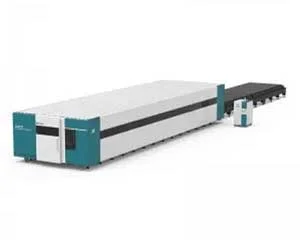
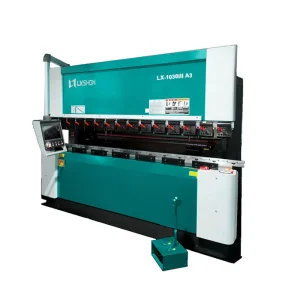
In modern high-speed steel and aluminum fabrication, post-cutting edge preparation is often a significant bottleneck. Standard thermal cutting procedures, including oxygen-fuel, plasma, and high-power nitrogen fiber laser cutting, alter the metallurgy of the workpiece's edges. High laser temperatures can create hard oxide coatings on materials like carbon steel. If these oxide layers are not removed before painting or powder coating, the protective finish will prematurely peel, exposing the raw steel to corrosion. This defect can lead to structural failures, costly product recalls, and damage to a manufacturer's brand reputation.
Our FCT and 450 Series industrial lines address these challenges with integrated process solutions:
Combining Advanced European R&D with Scalable China-Based High-Precision Manufacturing Infrastructure
Year of Establishment
Production Facility (sqm)
Countries Served Worldwide
Active Industrial Users
Our production facilities utilize advanced Factory 4.0 infrastructure to ensure high quality and cost-competitive rates. Spanning over 32,000 square meters of specialized assembly space and supported by a design team of 50+ engineers, we handle the entire fabrication process in-house. This includes heavy frame tempering, precision structural machining, and the final integration of high-performance components (including IPG lasers, Yaskawa servo drives, and SMC pneumatics).
By using modular assembly methods and maintaining a deep inventory of spare parts, we insulate global buyers from geopolitical supply shocks. This enables us to maintain lead times that are 40% shorter than domestic European or Japanese builders. Every machine undergoes a rigorous 72-hour continuous stress test, checked with laser interferometers, before leaving the factory. This guarantees that each system complies with CE, FDA, and ISO 9001 quality standards.
Deploying industrial machinery within Japan requires strict compliance with local safety standards and utility requirements. We provide complete localization support to ensure that our equipment integrates seamlessly into Japanese factories:
For multinational procurement teams, selecting an industrial equipment supplier involves evaluating total cost of ownership (TCO), quality control protocols, and customization options. We offer a structured OEM/ODM workflow designed to support large-scale industrial projects:
Key Specifications, Operations, and Maintenance of the 450 Series Deburring Systems
The 450 Series features a digital thickness interface with 0.1 mm precision. The conveyor height is adjustable to handle sheet metal parts ranging in thickness from 0.5 mm up to 100 mm. For thin sheets, a high-grip vacuum conveyor belt ensures that small or thin parts remain securely in place during high-pressure processing.
Yes, when configured with heavy-duty wire-brush rollers, the LX-RRS-M-450 can strip laser oxide layers from carbon steel edges. Removing this oxide layer is essential to ensure proper adhesion for powder coatings and paints, preventing premature corrosion.
Abrasive belt lifespan varies depending on the material (stainless steel vs. aluminum) and contact force, typically averaging 80 to 120 processing hours. The 450 Series features a fast-clamping pneumatic tension system that allows operators to swap out belts in under three minutes, minimizing maintenance downtime.
Safety is a top priority. When processing aluminum, the dry-type machine must be connected to an explosion-proof wet dust collector. This system mixes fine aluminum particles with water immediately to prevent dust combustion. The machine's cabinet also features explosion-venting panels and safety interlocks.
Depending on the feed speed, abrasive grit rating, and brush speed, the 450 Series can achieve an edge radius ranging from R0.1 mm up to R2.0 mm. For most structural steel projects, a radius of R0.5 mm is standard to ensure safety and paint coverage.
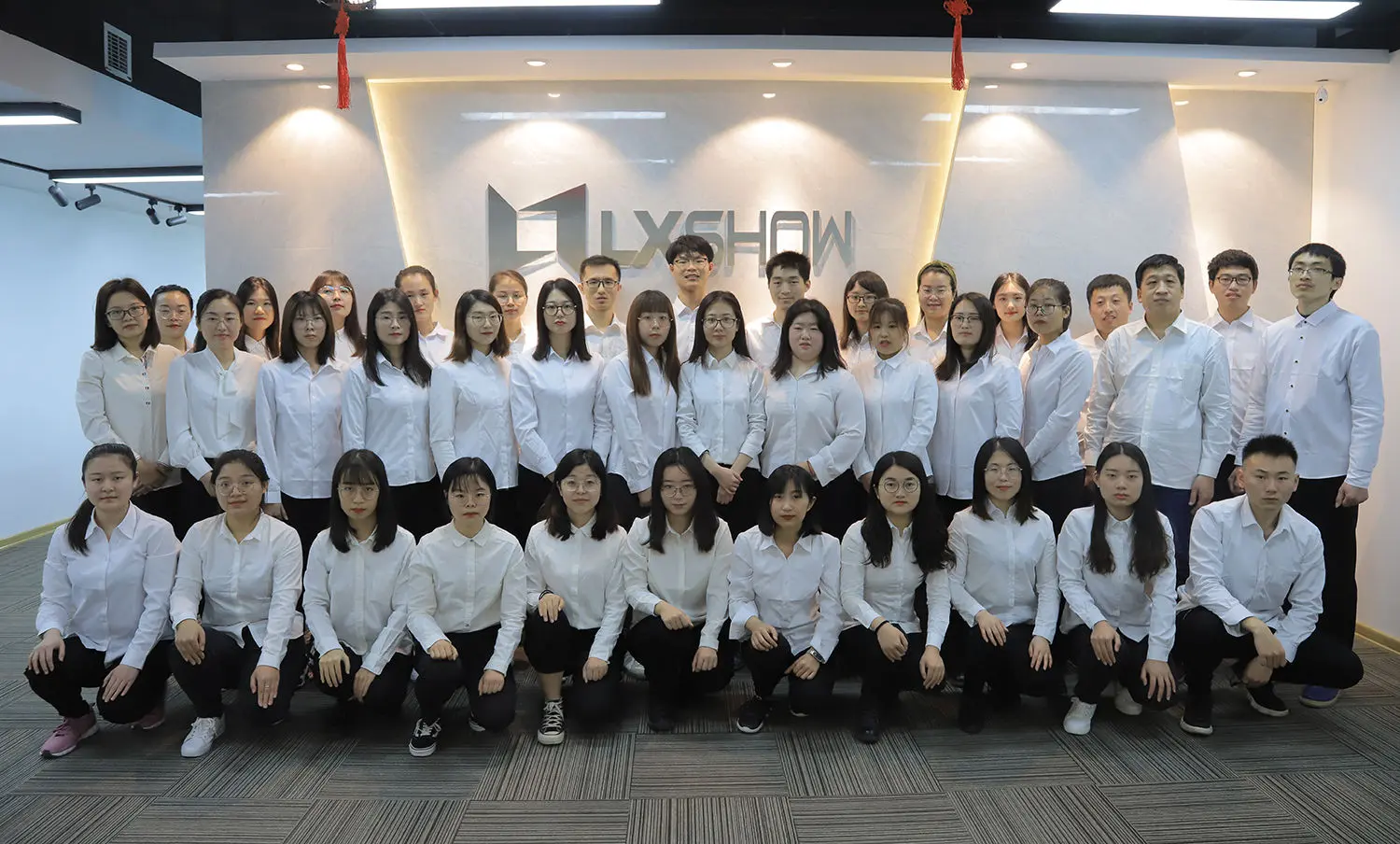
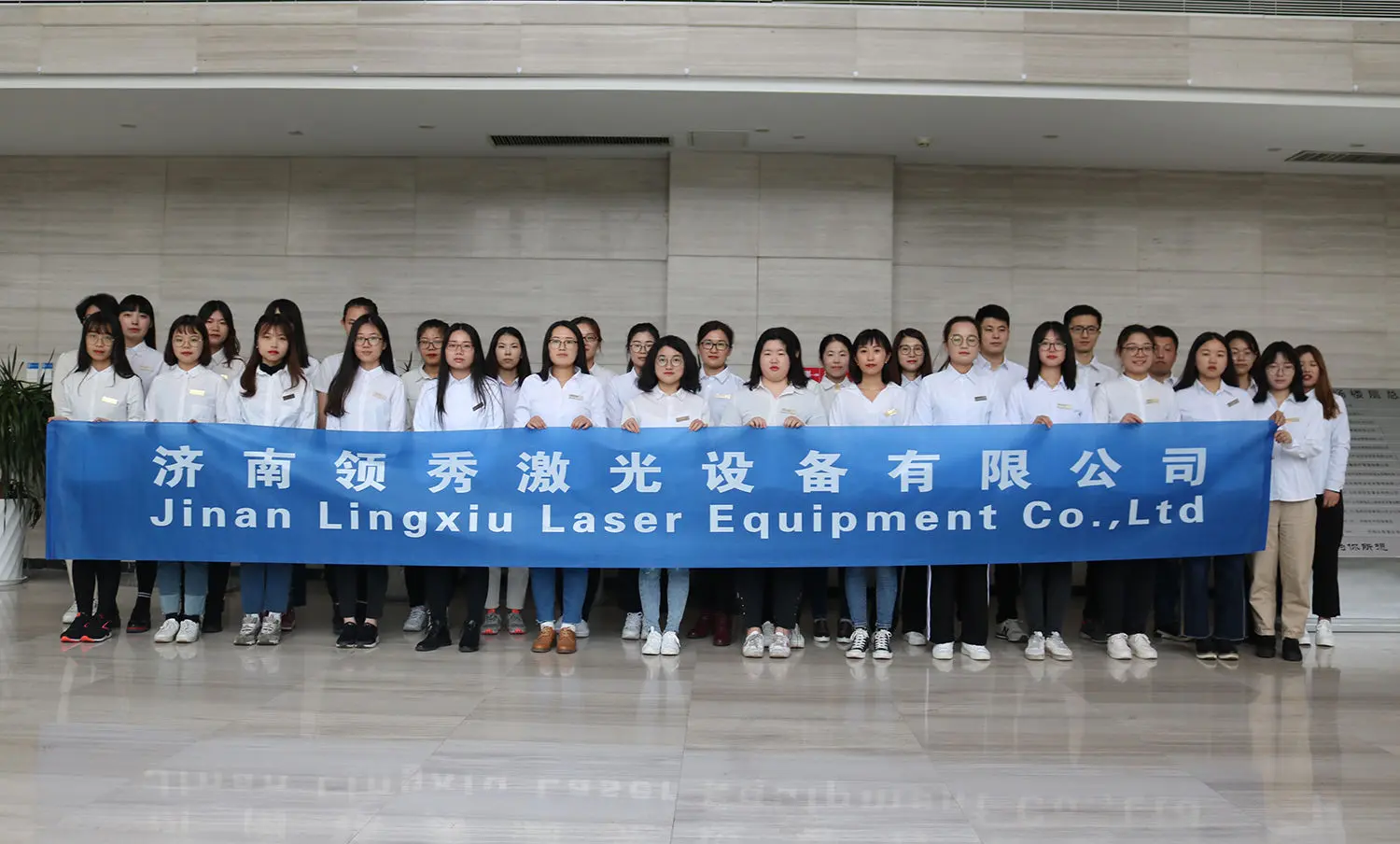
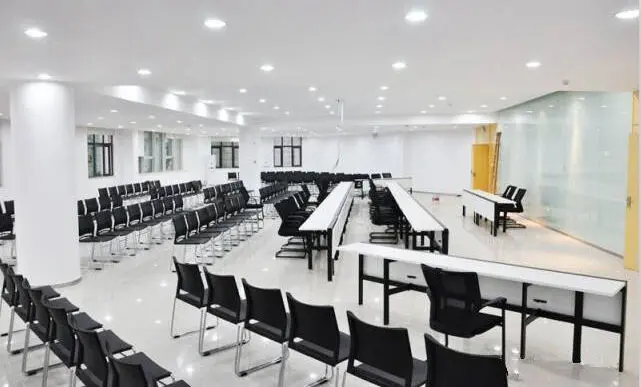
Tour Our Modern Testing Facilities and Engineering Offices Serving Our Global Industrial Customer Base
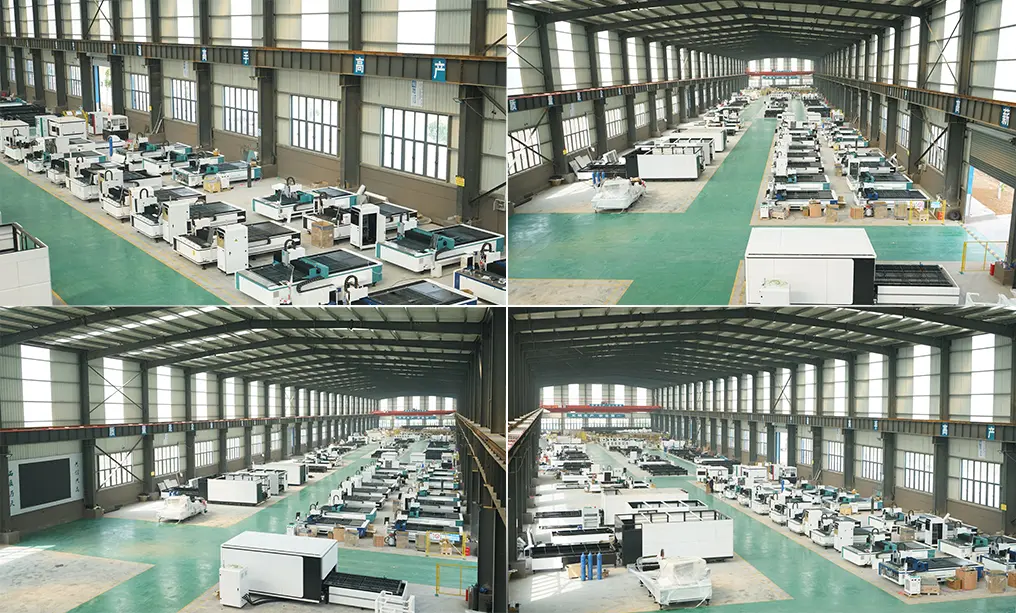
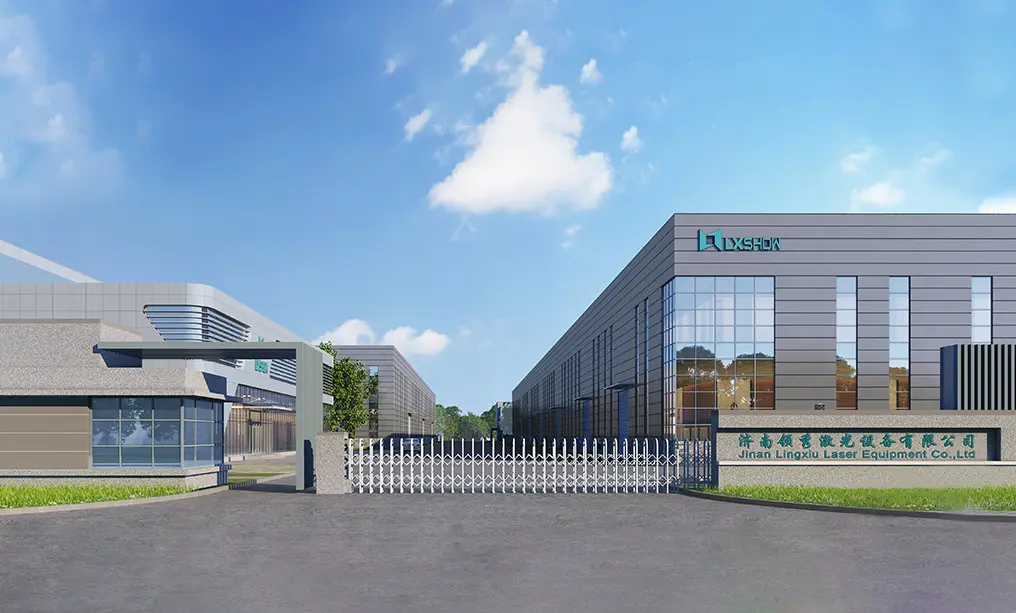
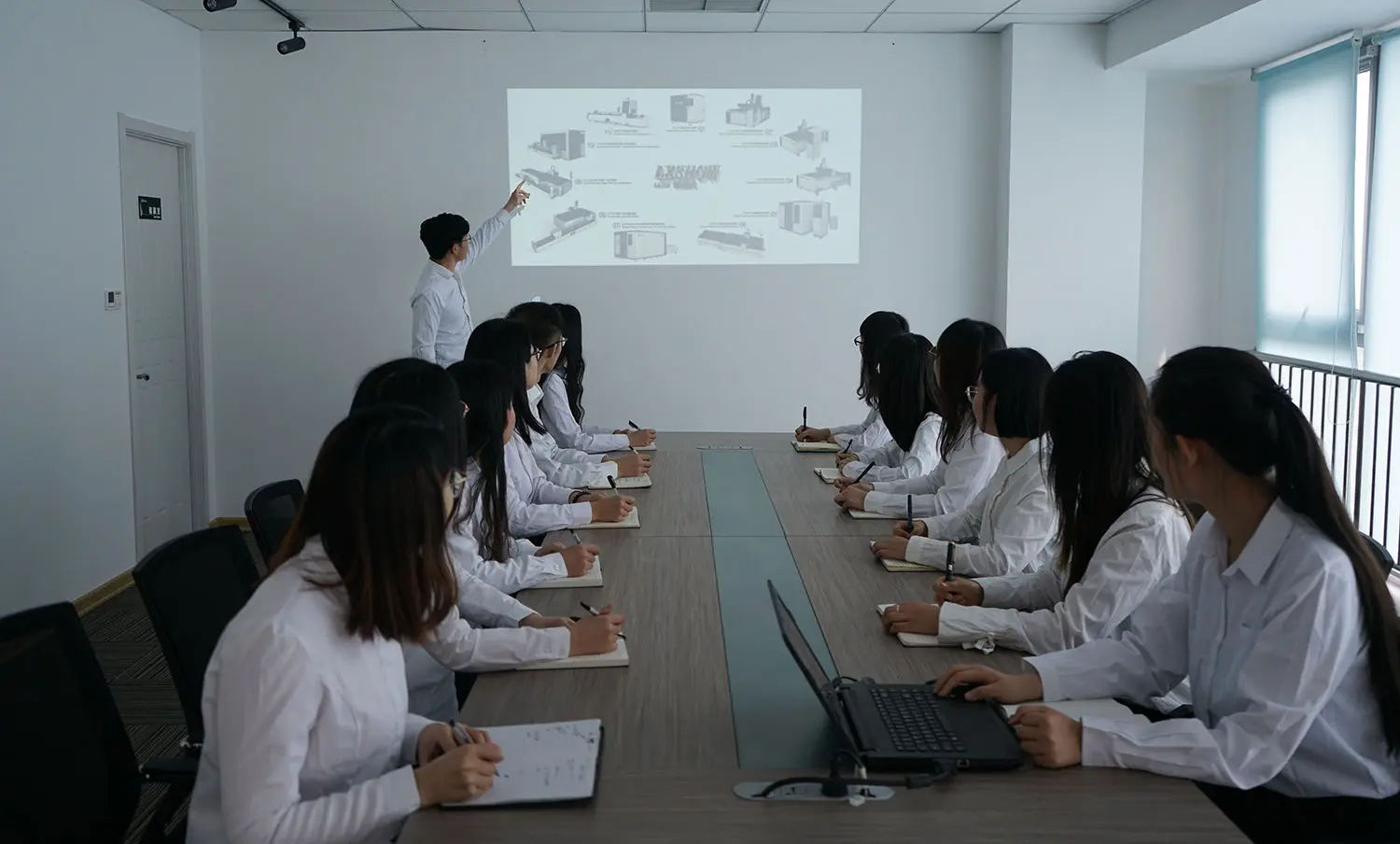
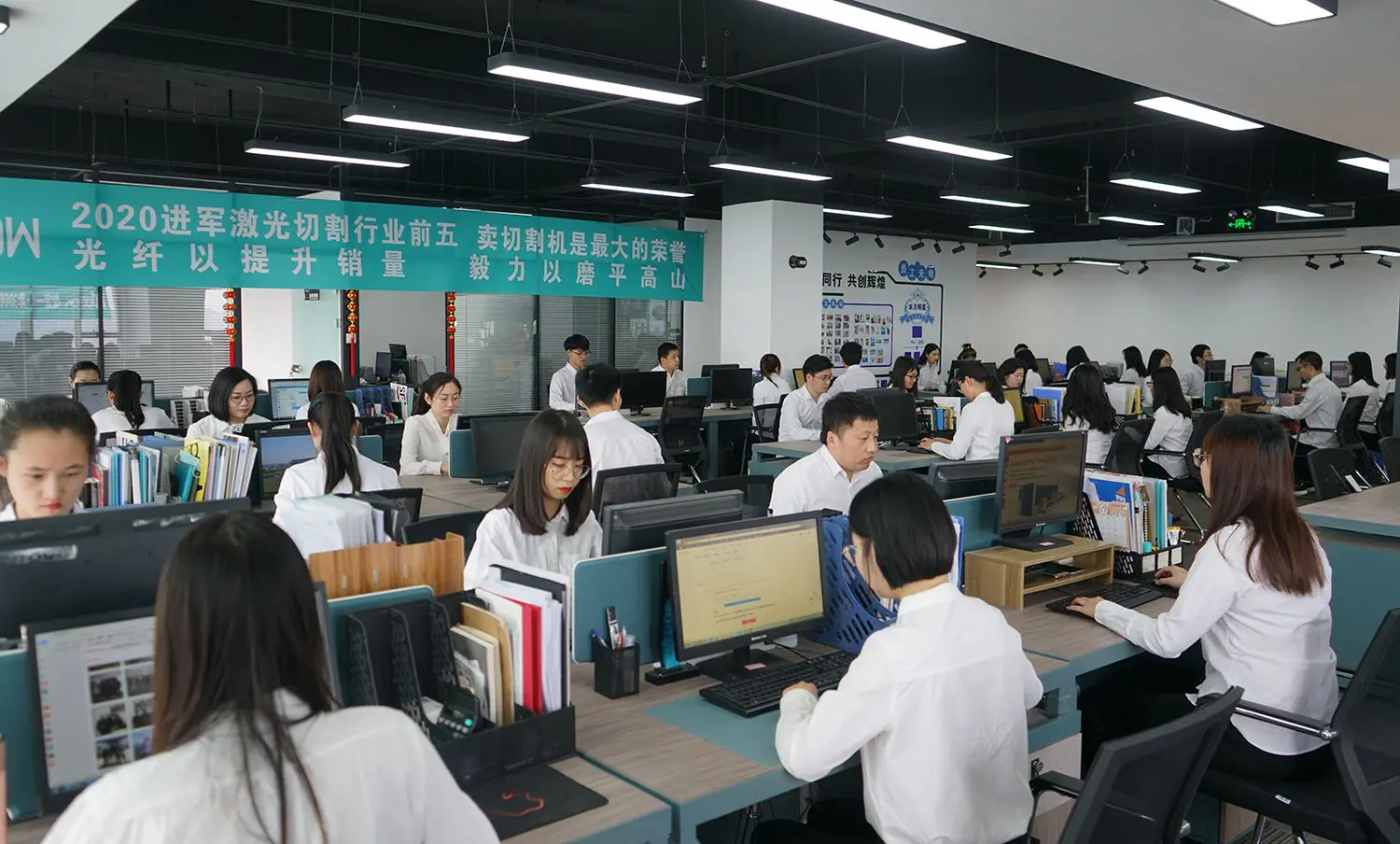
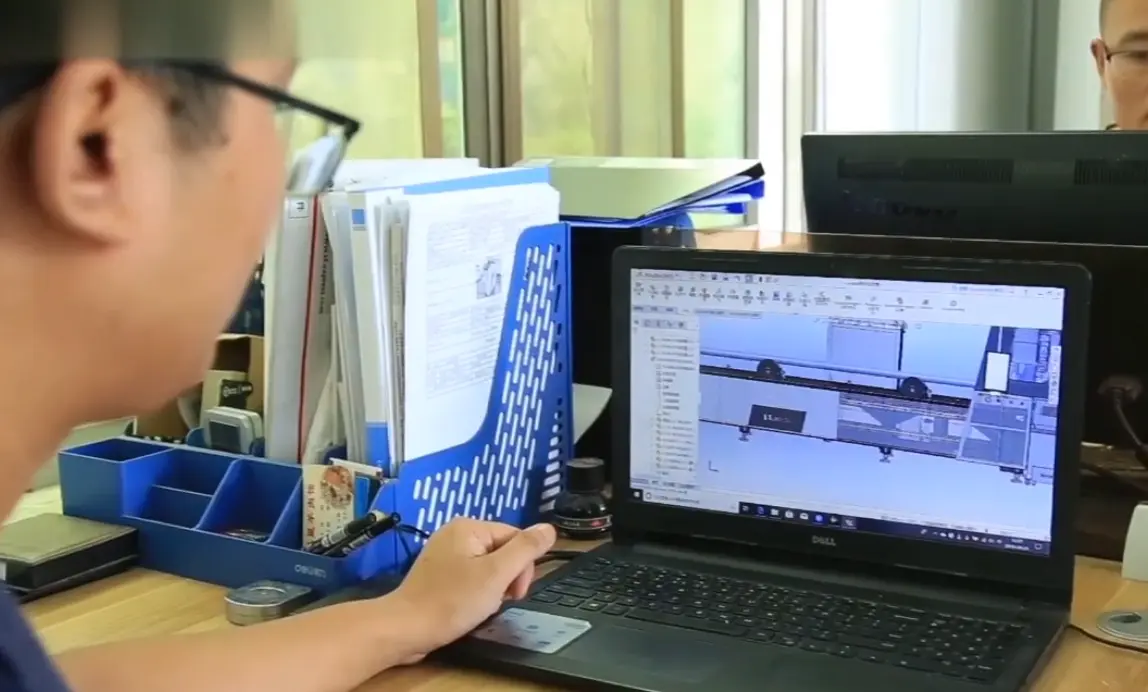
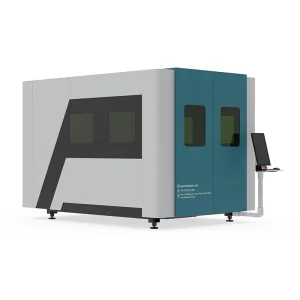
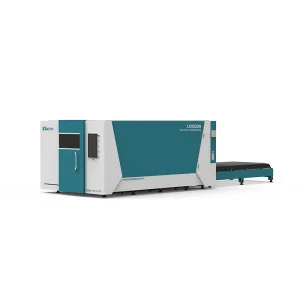
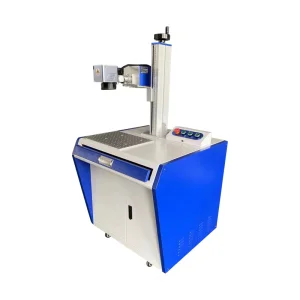
Explore Our Complete Range of Industrial Laser Systems, Finishing Machinery, and Bending Centers Serving Tokyo
 Lxshow