Advancing Metal Fabrication, Heavy Manufacturing, and Precision Engineering in Iraq with World-Class Laser Technology
As Iraq enters a key era of infrastructure reconstruction, localized steel manufacturing, oil and gas piping systems, and construction sectors are facing high demands for productivity. To meet these international parameters, traditional metal cutting and fabrication systems are transitioning into smart solutions. The introduction of the 1000 Series Fiber Laser Systems and localized C-Series configurations offers significant manufacturing capability for regional operators.
Established in July 2004, our manufacturing operation maintains a 32,000+ square meter factory alongside 500+ square meters of advanced research and office space. Over 18 years of technical focus on smart laser engineering has allowed us to deliver top-tier machinery verified under the European Union CE authentication, American FDA certificates, and ISO 9001 standards. We have assisted companies in over 150 countries to upgrade their metal fabrication procedures.
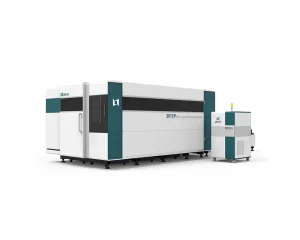
Our industrial systems are used across a range of heavy and precise sectors, including construction structures, vehicle manufacturing, machinery production, custom metal design, and specialized oil pipelines. By combining durable construction with thermal control systems, we ensure these machines operate consistently in the challenging Middle Eastern climate.
High-performance machinery configured for heavy infrastructure, fabrication, and metal restoration projects
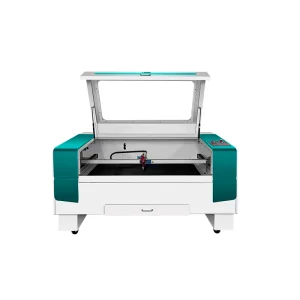
Thermal stability engineering designed for manufacturing in high-temperature environments
Heavy industries in Basra, Baghdad, and Erbil require equipment that can withstand high temperatures and dust. Our systems are built with sealing components, climate-controlled electrical cabinets, and advanced water chillers to ensure steady output during thermal peaks.
Operating laser systems in Iraq's industrial sector requires consideration of dust, ambient temperatures reaching 50°C in summer, and power supply variations. Standard laser equipment can face component failure or optical degradation in these environments. Our C-Series and 1000 Series fiber laser cutters feature hermetically sealed cabinets with integrated air conditioning to keep the fiber source and CNC control components within optimal temperature ranges.
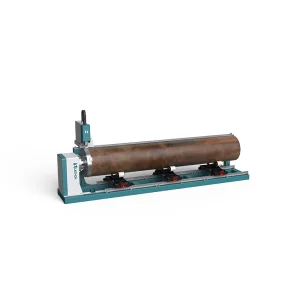
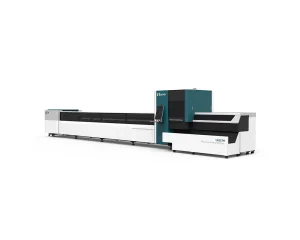
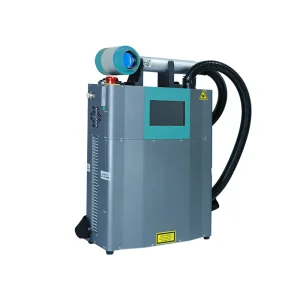
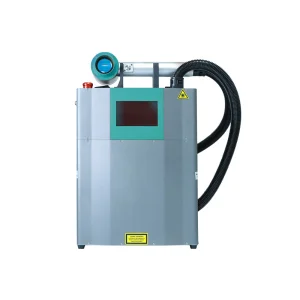
For the Iraqi oil and gas sector in Basra, pipe restoration and precision tube processing require consistent machinery. Manual rust cleaning is time-consuming and creates chemical waste. Our ODM LXC Metal Tube Laser Rust Removal Cleaning Machines offer a clean alternative, using laser ablation to prepare pipes for welding. This system removes rust and coatings without affecting the base metal, meeting the structural standards of the oil industry.
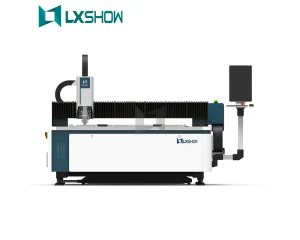
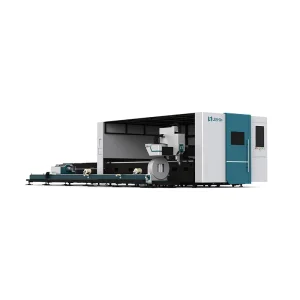
Additionally, structural fabricators in Baghdad and Erbil utilize the LX3015C Series for sheet metal processing. These machines feature cast-iron beds and aviation-grade aluminum gantry structures, offering stable operation and high speeds even under extended shifts. This structural stability supports local factories in increasing their throughput for construction materials, metal cladding, and industrial equipment.
Modernizing regional manufacturing operations with automated systems and multi-axis laser technologies
Integrating automated loading and unloading systems with fiber lasers minimizes manual intervention. This helps regional factories maintain safe working conditions and steady production cycles.
Laser cladding allows for the refurbishment of damaged industrial components, such as pump shafts and valves. This technology helps reduce the need for imported replacement parts, lowering local operational costs.
Connecting laser machinery to cloud monitoring networks enables remote diagnostics. This allows our service technicians to assist local operations with adjustments and preventive maintenance recommendations.
Leveraging advanced manufacturing facilities to deliver reliable machinery directly to Middle Eastern hubs
Ensuring operational reliability in industrial machinery requires a strong and organized supply chain. Our manufacturing facilities utilize automated machining centers, structural welding lines, and rigorous QC testing steps to maintain high quality control. Our scale helps protect customers from the components shortages and logistical delays common in smaller operations.
Every laser cutting and welding system undergoes 72 hours of continuous stress testing, laser path alignment checks, and dynamic calibration before packing. Our key components, including fiber laser sources, cutting heads, and servo motors, are sourced from recognized suppliers to guarantee the availability of spare parts over the lifespan of the machine.
For industrial buyers in Iraq, this supply network ensures consistent access to replacement parts, custom nozzle configurations, and technical upgrades. By managing our production steps in-house—from design and mechanical construction to electronic assembly—we can configure systems to match localized industrial power networks, including custom setups for voltage stabilization.
Before shipping to Iraqi ports, every system goes through testing to confirm it meets regional operational conditions:
Ensuring smooth logistics and technical integration from the factory to your site
Shipping to Umm Qasr Port and regional land routes ensures safe and predictable transport to your facility.
We provide the necessary documentation, including certificates of conformity and customs paperwork, to assist with clearance.
Our technical team assists with foundation design, electrical connections, and gas supply planning before the machine arrives.
We offer training on CNC software, cutting speeds, safety protocols, and general maintenance for local teams.
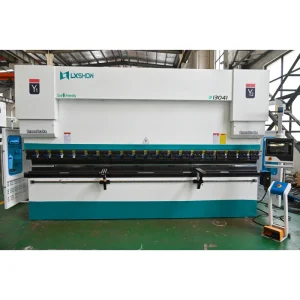
High-precision bending, cutting, cladding, and metal preparation machinery for manufacturing operations
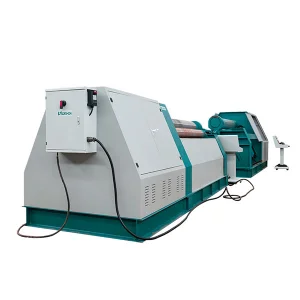
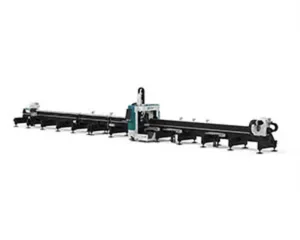
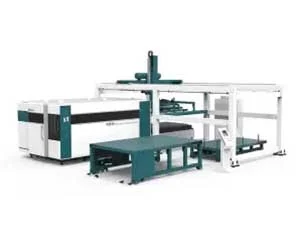
Answers to technical and operational questions regarding laser systems in Middle Eastern industrial environments
 Lxshow