Explore our primary array of high-power fiber laser cutting, welding, and cleaning machines engineered for heavy-duty metal fabrication.
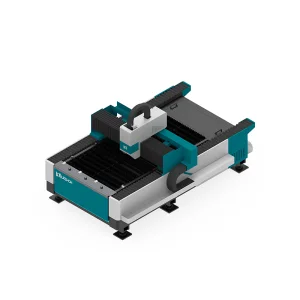
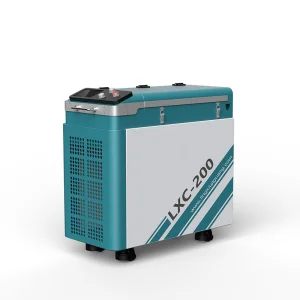
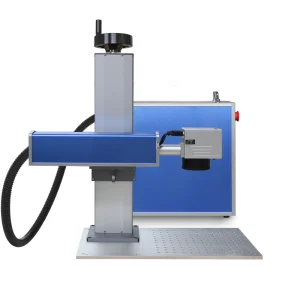
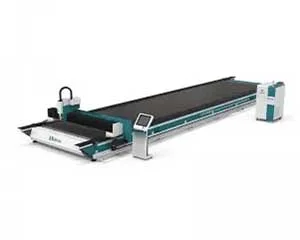
The manufacturing sector is undergoing an unprecedented shift toward digitalized automation, where precision, speed, and material efficiency define competitive advantage. The global demand for wholesale steel laser cutters for sale continues to surge as industrial fabricators replace traditional mechanical shearing and plasma cutting with high-performance solid-state fiber laser technology. Key regional markets across North America, Europe, and Asia-Pacific are witnessing massive infrastructure expansions, driving the need for scalable sheet metal processing solutions.
In mature markets such as the United States and Germany, fabricators are prioritizing ultra-high-power fiber systems (ranging from 12kW to over 40kW) to speed up cycles, minimize secondary processing, and lower per-part costs. Meanwhile, developing economies in Southeast Asia and Latin America are modernizing their manufacturing sectors by adopting entry-level to mid-power fiber laser solutions, leveraging their highly flexible capabilities for diverse processing runs. The integration of intelligent CNC platforms and automated loading/unloading configurations has transformed fiber laser systems from stand-alone machines into critical nodes within the modern Smart Factory (Industry 4.0).
Continuous innovation in active fiber resonators and optical path designs has unlocked unprecedented efficiency. The industry is currently defined by three primary technological trajectories:
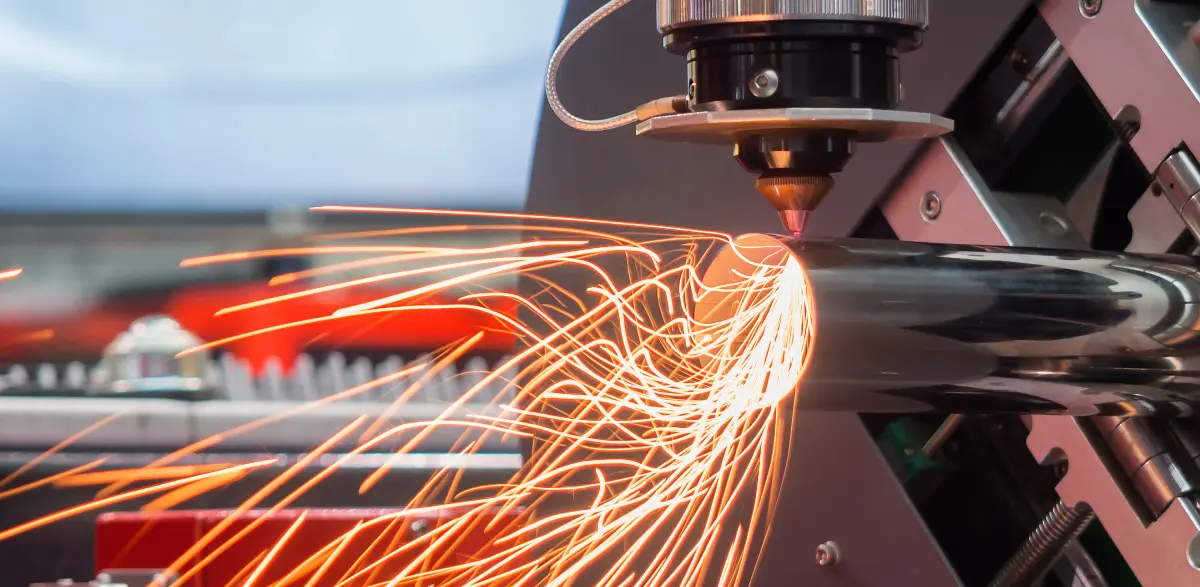
Fiber lasers operate at a wavelength of approximately 1.06 to 1.08 microns, which is 10 times shorter than that of CO2 lasers. This shorter wavelength yields an absorption rate that is up to 300% higher in metals—especially non-ferrous metals like copper, brass, and aluminum. The result is a highly concentrated power density that allows for faster processing of thin sheets, while also achieving energy conversion efficiency exceeding 35% (compared to just 8-10% for CO2 systems).
A technical reference outlining speed, auxiliary gas selections, and processing characteristics across common metallic alloys.
| Material Classification | Optimal Laser Wavelength | Auxiliary Gas Selection | Industrial Cutting Quality / Edge Finish |
|---|---|---|---|
| Carbon Steel | 1.07 μm (Fiber) | Oxygen (O2) / Compressed Air | Smooth finish, minor oxidation (O2), high speed on thin sheets (Air) |
| Stainless Steel | 1.07 μm (Fiber) | Nitrogen (N2) / High-Pressure Air | Oxide-free bright section, excellent corrosion resistance preserved |
| Aluminum Alloys | 1.07 μm (Fiber) | Nitrogen (N2) / High-Pressure Air | Burr-free edge finish on high-speed setups, excellent reflectivity handling |
| Copper & Brass | 1.07 μm (Fiber) | Oxygen (O2) / High-Pressure Nitrogen | Requires back-reflection isolation; produces highly accurate clean kerfs |
Modern metal fabrication demands a cohesive workflow where machines communicate and coordinate seamlessly. High-performance sheet metal cutting represents only the initial stage of production. To address structural deformation, surface impurities, and post-cutting joining requirements, our factory supplies integrated solution loops:
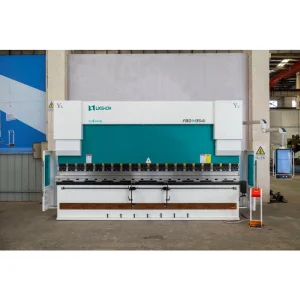
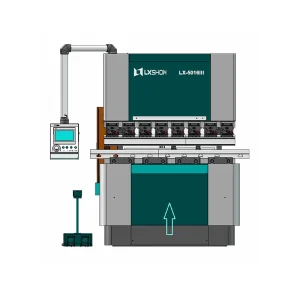
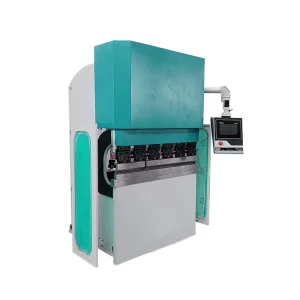
Once components are cut with laser precision, they are transferred to CNC Bending Machines (such as the WE67K Series Electro-hydraulic Servo Bending Machine or All-Electric Bending Machines). These machines leverage multi-axis back-gauge systems to ensure highly repeatable angular accuracy across varying batch thicknesses.
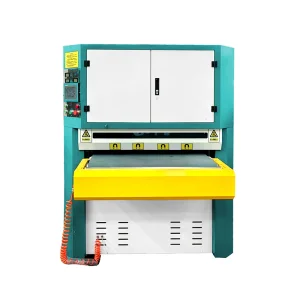
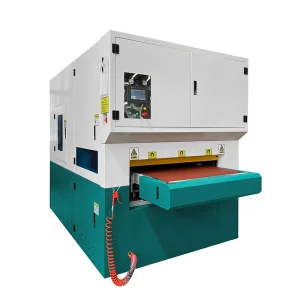
High-speed laser cutting can occasionally leave small micro-dross deposits on complex geometries. Incorporating a Double Belt Deburring Machine (like the LX-RR-M-450) or a Flat Metal Deburring Machinery (LX-RRS-M-1000) guarantees smooth edges, creating parts that are ready for assembly and painting.
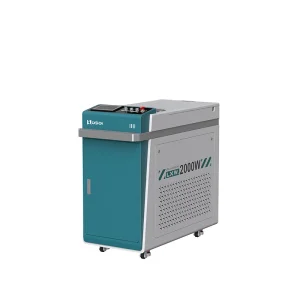
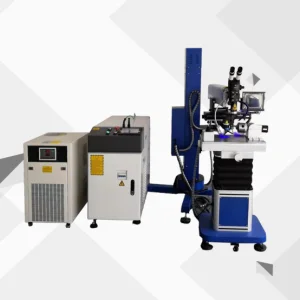
For structural assembly, handheld and robotic fiber laser welding systems (such as the LXW-1500W) provide clean joints with minimal heat-affected zones. In addition, portable laser cleaning units easily remove rust, paint, and scale without chemical solvents, ensuring surfaces are clean and prepped for finishing.
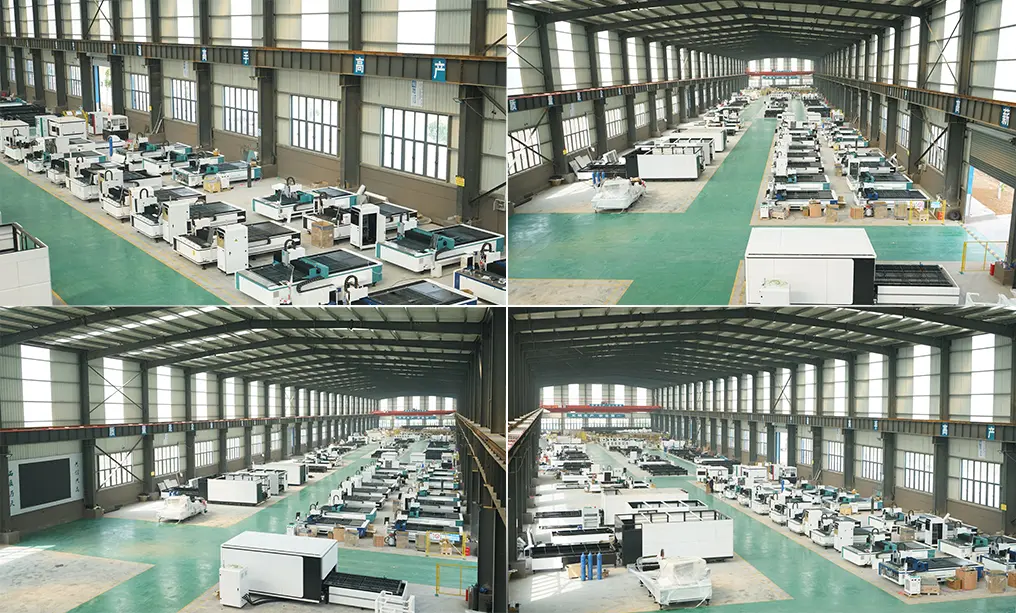
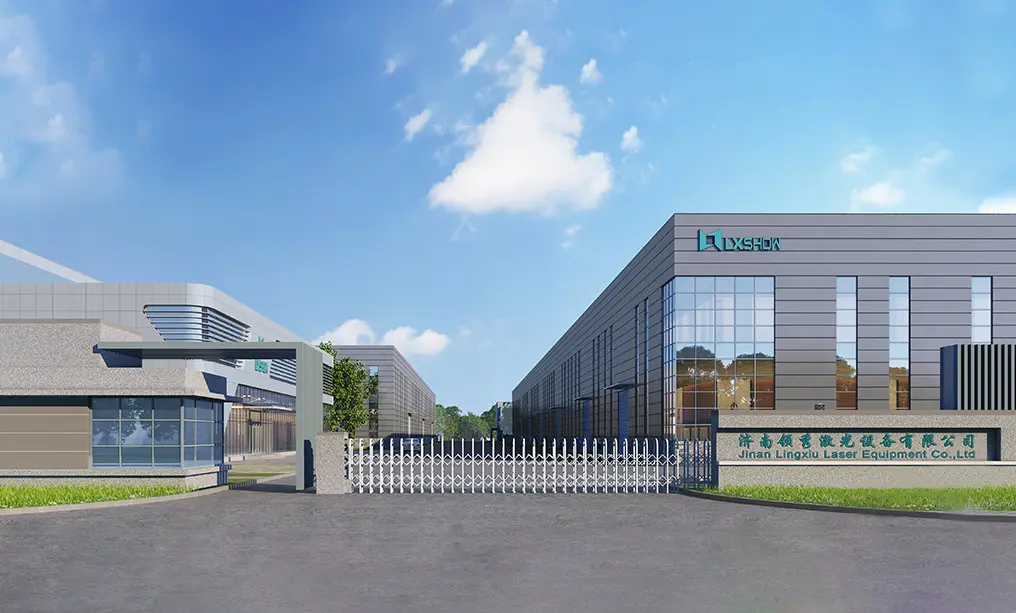
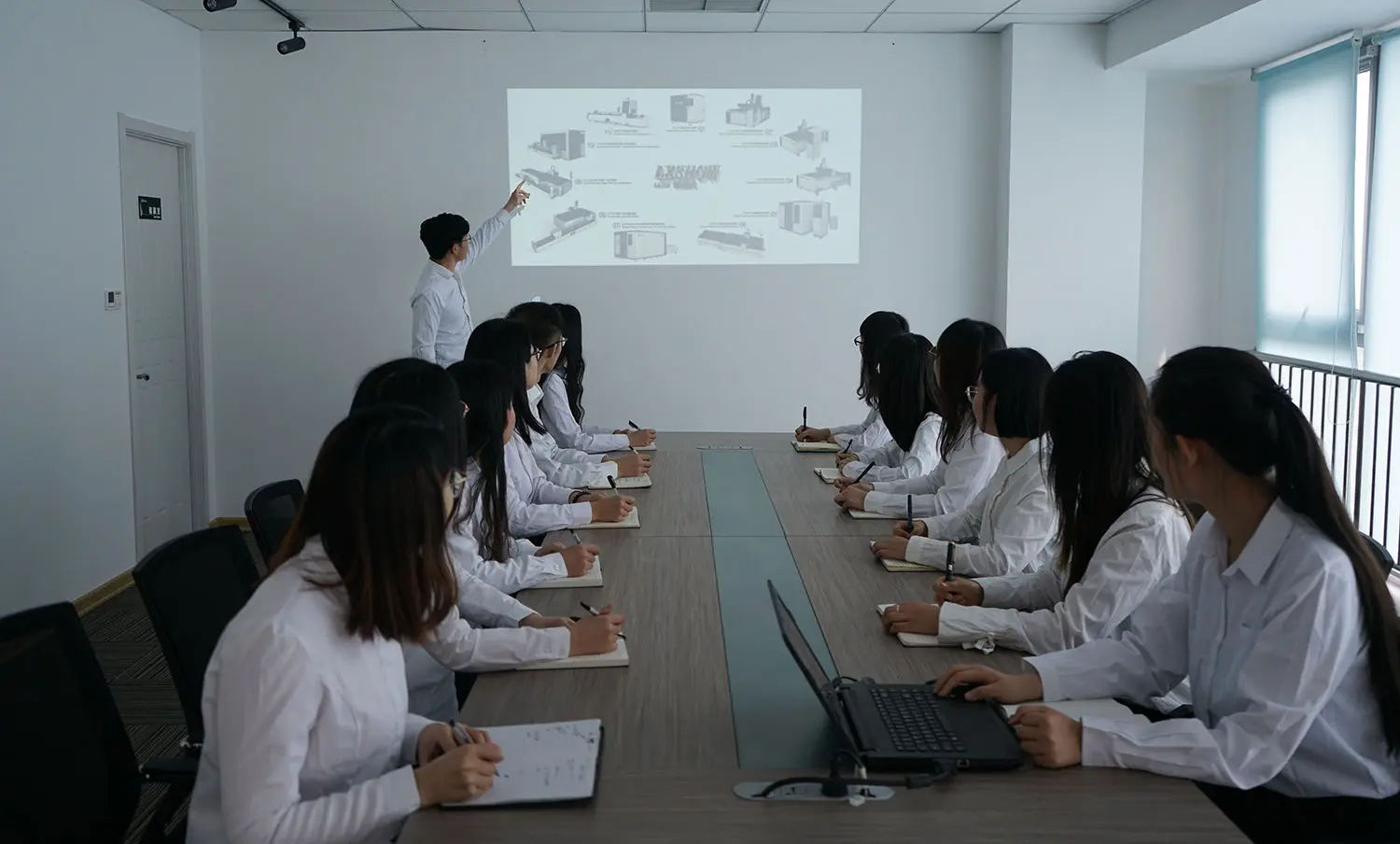
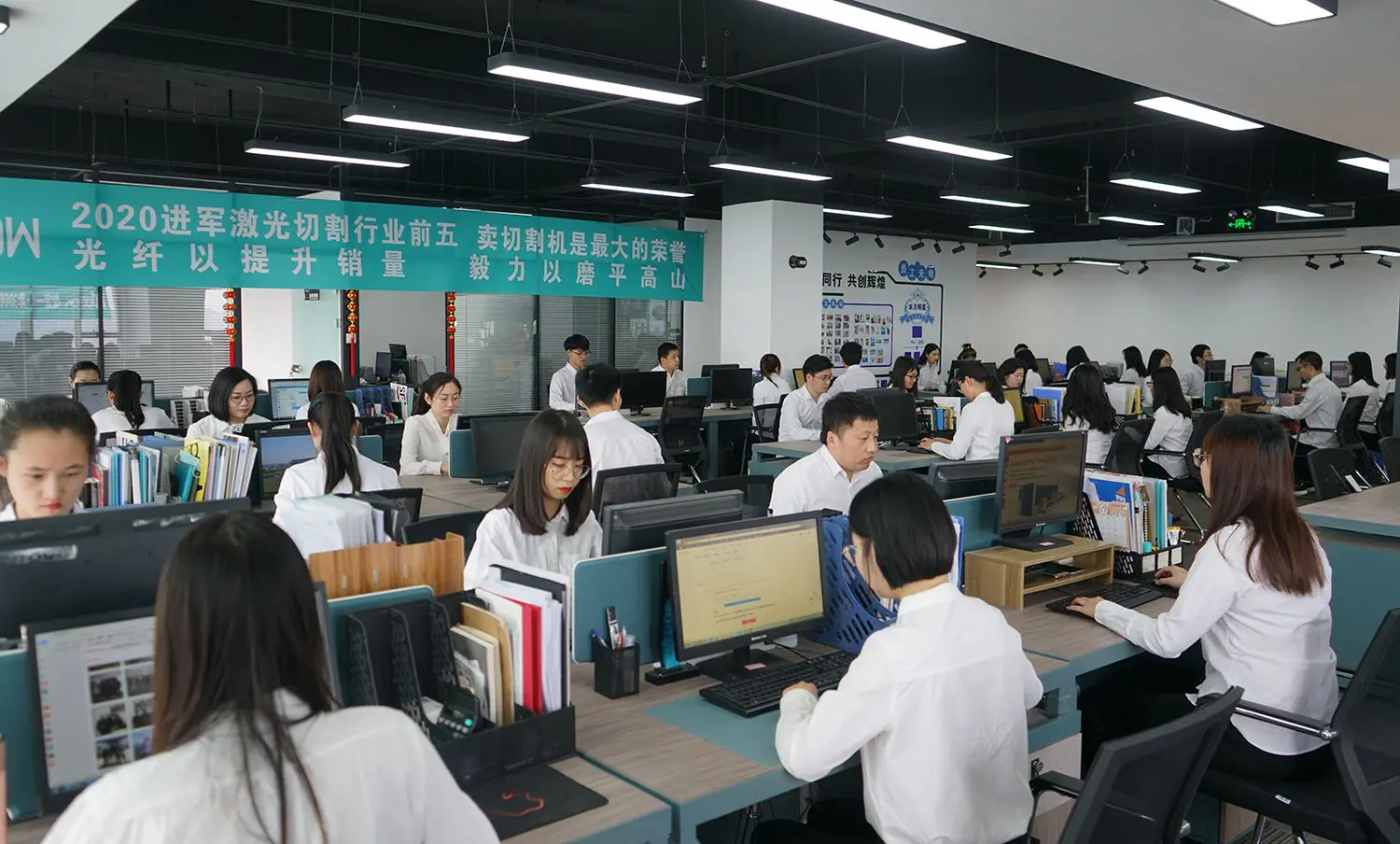
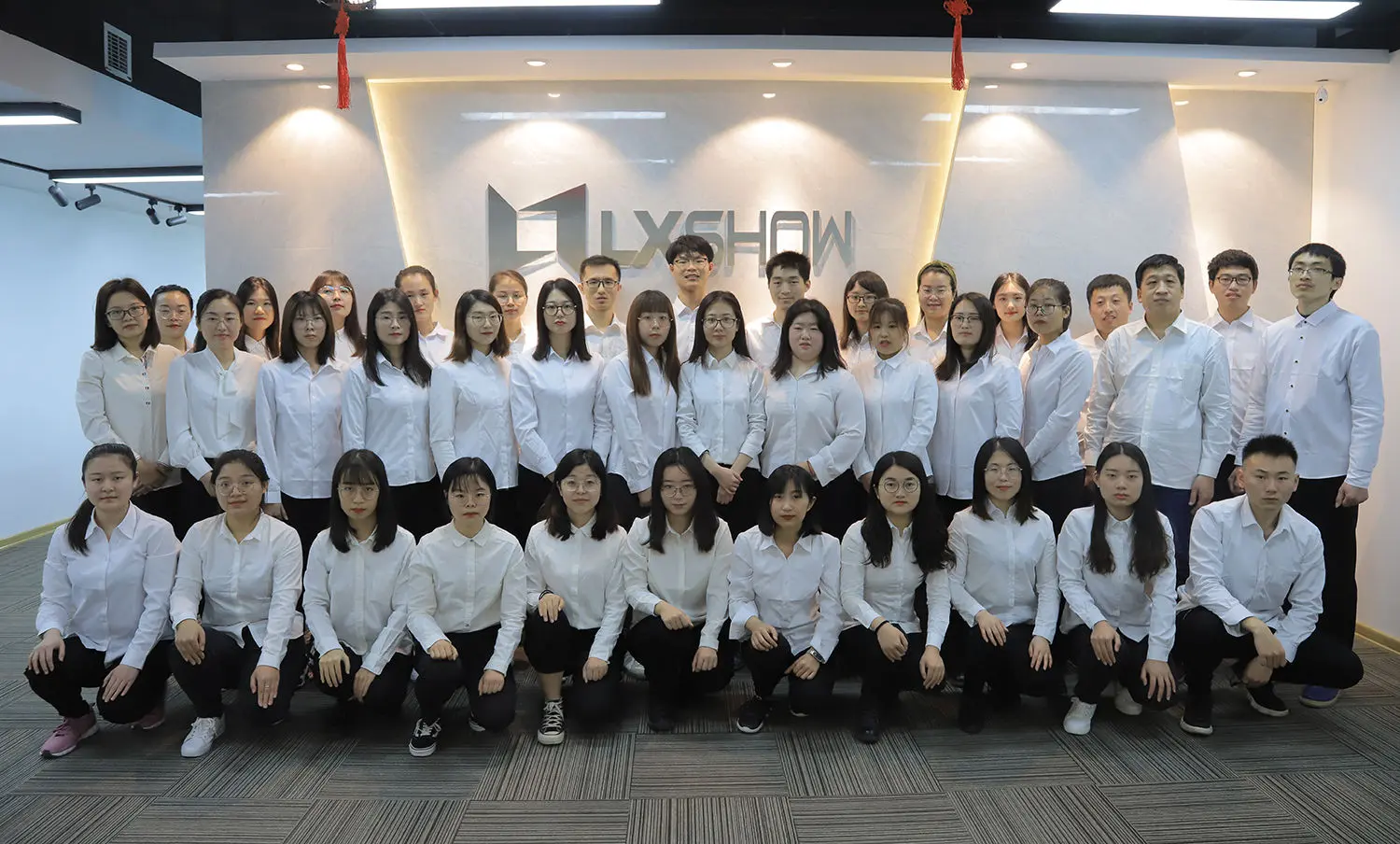
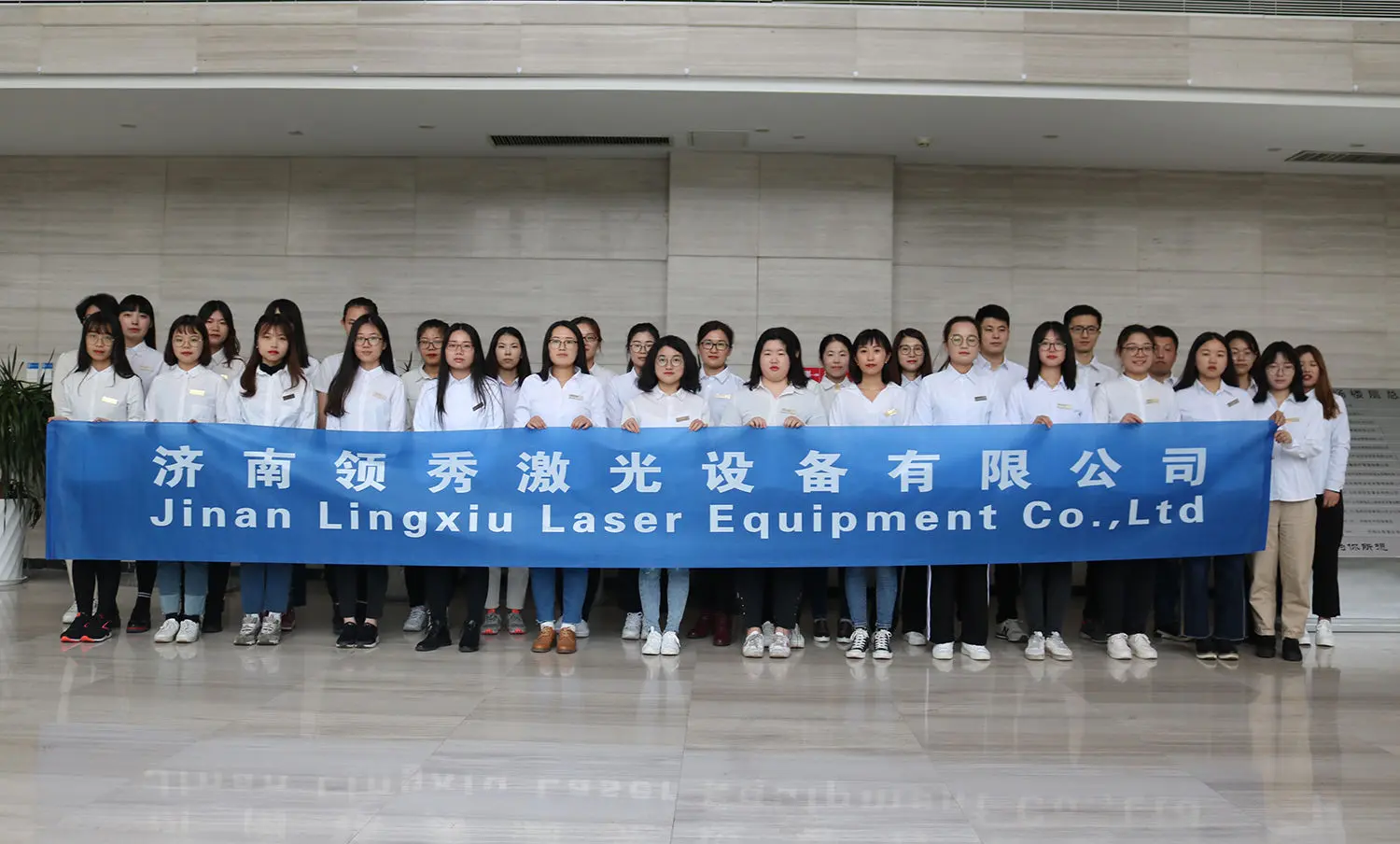
Established in July 2004, our manufacturing infrastructure has grown to span over 32,000 square meters of specialized production facilities, alongside a 500-square-meter R&D laboratory. With more than 20,000 installations worldwide across 150 countries, we maintain strict quality control standards to ensure reliability on the factory floor.
All structural components undergo thermal stress relief annealing to guarantee long-term alignment stability. Our production processes are fully certified to ISO 9001 standards, and our machines carry European Union CE authentication and American FDA certificates. This ensures compliance with international quality and safety regulations.

Critical engineering and purchasing answers for factory managers, procurement teams, and metal fabricators.
Fiber lasers offer a wavelength of 1.07 microns, which is much more readily absorbed by metals than the 10.6 micron wavelength of CO2 lasers. This allows for cutting speeds up to three times faster on thin and medium-thickness steel sheets. Additionally, fiber lasers achieve wall-plug efficiency (electrical-to-optical conversion) of over 35%, drastically reducing operating costs and energy consumption.
High-power fiber lasers operate at extreme acceleration rates (often exceeding 1.5G). If a heavy welded steel bed is not stress-relieved by high-temperature annealing (typically at 600°C for over 24 hours), the internal structural stresses will release slowly over time. This causes microscopic warping, which compromises cutting accuracy and mechanical alignment.
Oxygen (O2) acts as an active cutting gas, starting an exothermic reaction that produces heat to help cut thick carbon steel at lower pressures. Nitrogen (N2) is an inert shielding gas that expels molten metal via pressure alone. This prevents oxidation and leaves a bright, clean, weld-ready cut edge on stainless steel and aluminum.
Yes. Modern fiber laser cutters feature advanced optical isolation devices and back-reflection absorption blocks. These protect the laser generator from damage caused by back-reflected energy when cutting copper, brass, and gold alloys.
For European markets, systems must carry CE marking, which verifies compliance with Machinery, Low Voltage, and Electromagnetic Compatibility Directives. For the United States, FDA certification and access numbers are required for Class 4 laser devices. These certifications ensure the machine features proper enclosures, interlocks, and light path shielding to protect operators.
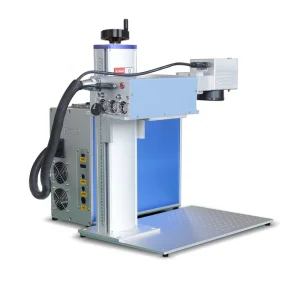
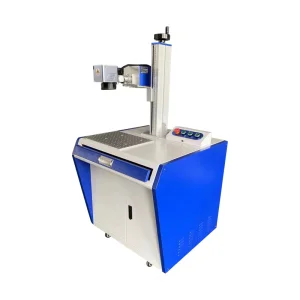
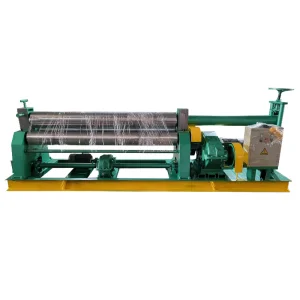
Complete your production line with our high-performance bending, marking, rolling, and deburring solutions.
 Lxshow