Discover our highly precise laser metal cutting, tube processing, bending, and finishing systems trusted by top manufacturers.
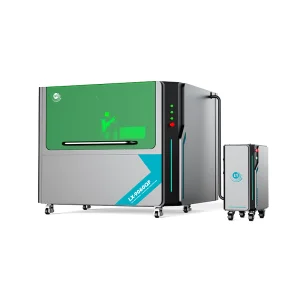
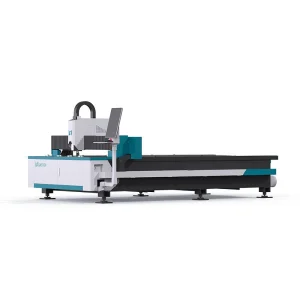
Aluminum is one of the most widely used metals in aerospace, automotive, electronics, and structural manufacturing. However, from a metallurgical and thermal standpoint, processing aluminum using laser technology presents distinct physical challenges compared to processing carbon steel or stainless steel. As a leading specialized manufacturer, we design our laser cutting machines to bypass these issues directly.
High thermal conductivity means that heat applied to the localized spot is rapidly conducted away into the bulk material. This hinders the rapid localized melting needed to initiate clean vaporized cutting, demanding higher initial laser density. Furthermore, the material’s reflective properties can cause severe back-reflection, sending reflected laser light back up through the delivery optics. Without proper hardware countermeasures, this leads to structural damage to the optical resonators.
To overcome this, our advanced fiber laser units are engineered with active back-reflection isolation systems. These components absorb and safely redirect reflected energy, allowing continuous, high-speed cutting of highly reflective aluminum alloys (including the 1000, 3000, 5000, and 6000 series) without risk of equipment wear or beam instability.
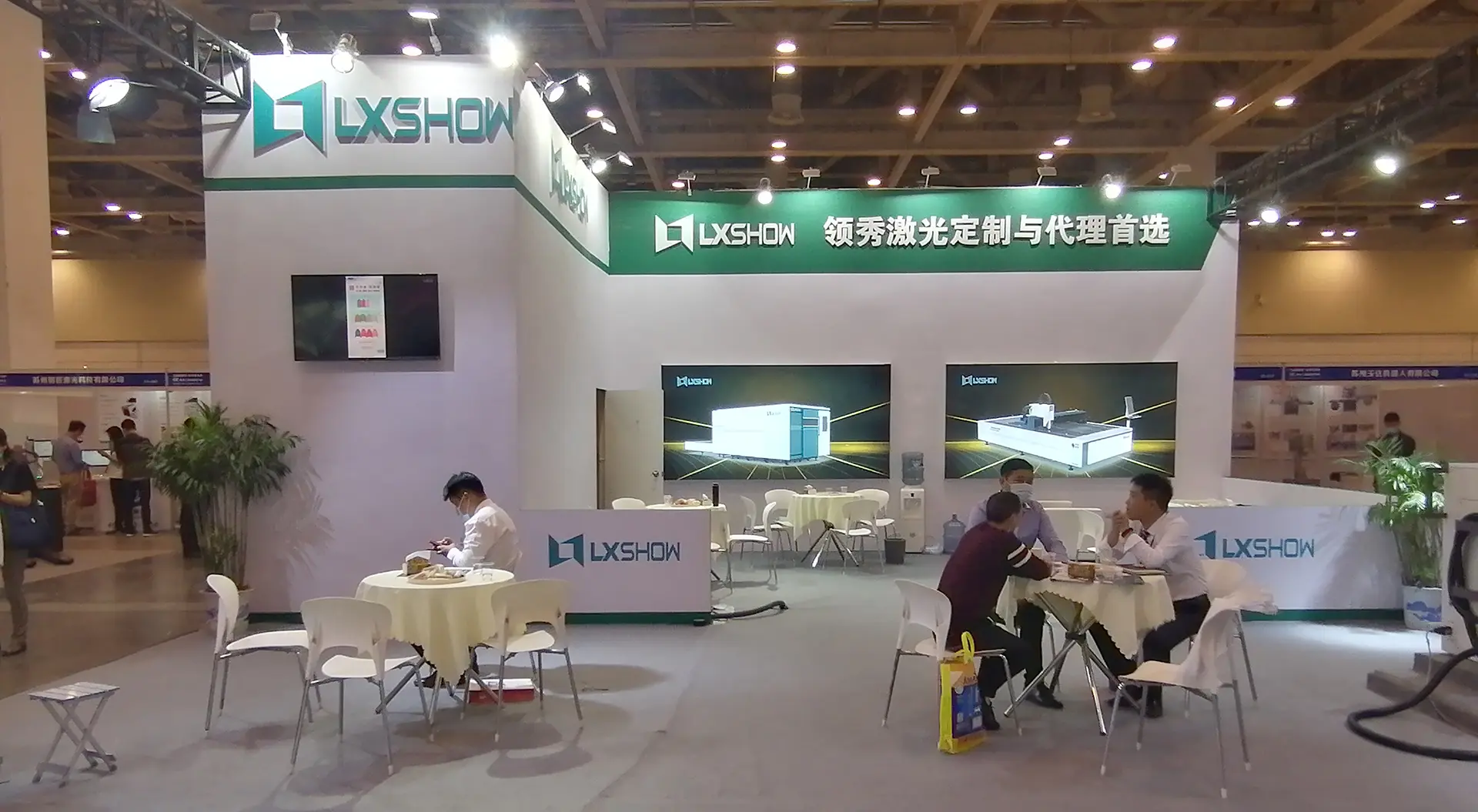
Established in July 2004, we have spent 18+ years focusing on industrial laser excellence and providing reliable OEM services globally.
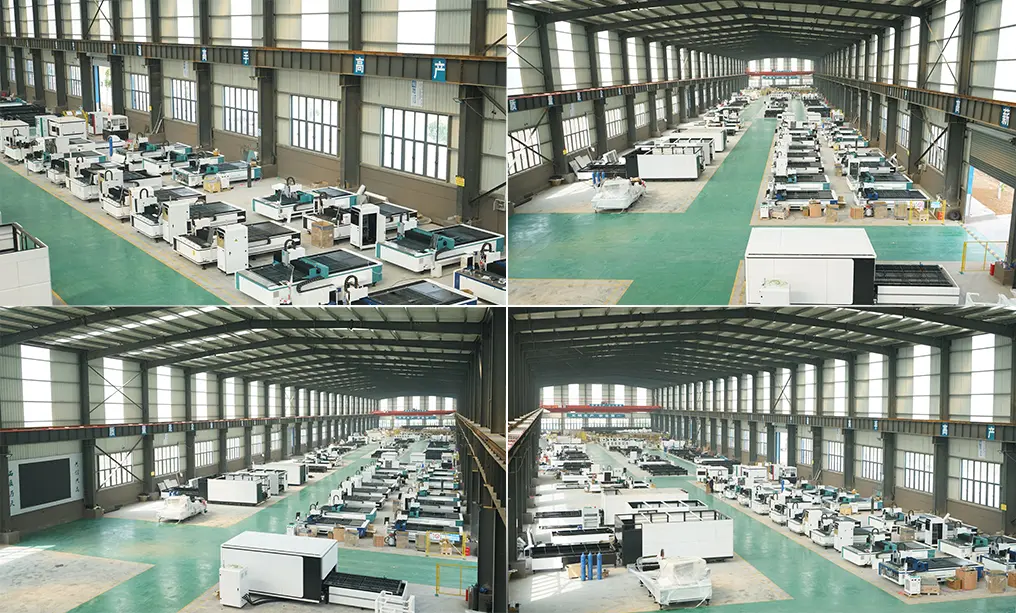
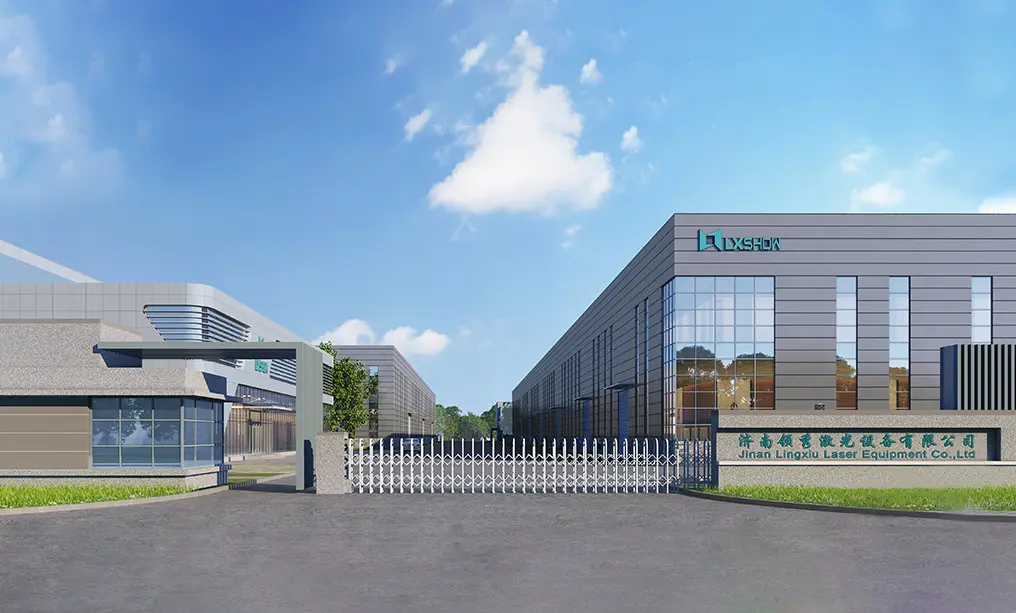
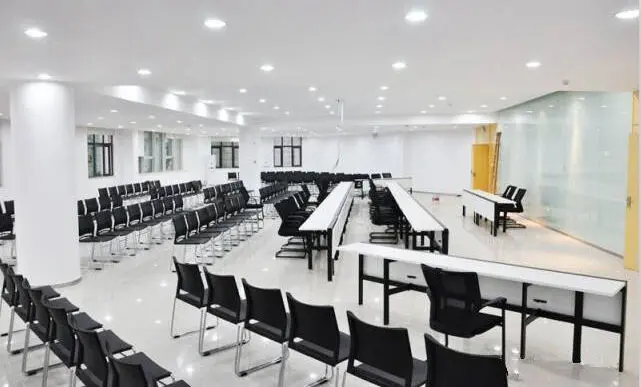
Our robust physical presence includes a 32,000+ square meter factory and over 500 square meters of specialized R&D and office space. In this environment, we assemble, test, and calibrate high-power fiber laser machines designed to meet the strict demands of Industry 4.0. We verify that all components comply with international quality protocols. Every single machine we build holds European Union CE authentication, an American FDA certificate, and operates under strict ISO 9001 quality management standards.
By using fully vertical manufacturing processes, we control the production cycle from heavy gantry milling and stress-relieved heat treatment to the alignment of optical paths. This internal manufacturing setup prevents gantry deformation, maintaining positioning accuracies within ±0.03mm over decades of continuous operation. We act as a critical supplier, offering reliable OEM support to more than 30 major global brands and maintaining strong supply chains across the USA, Canada, Australia, Europe, Southeast Asia, and Africa.
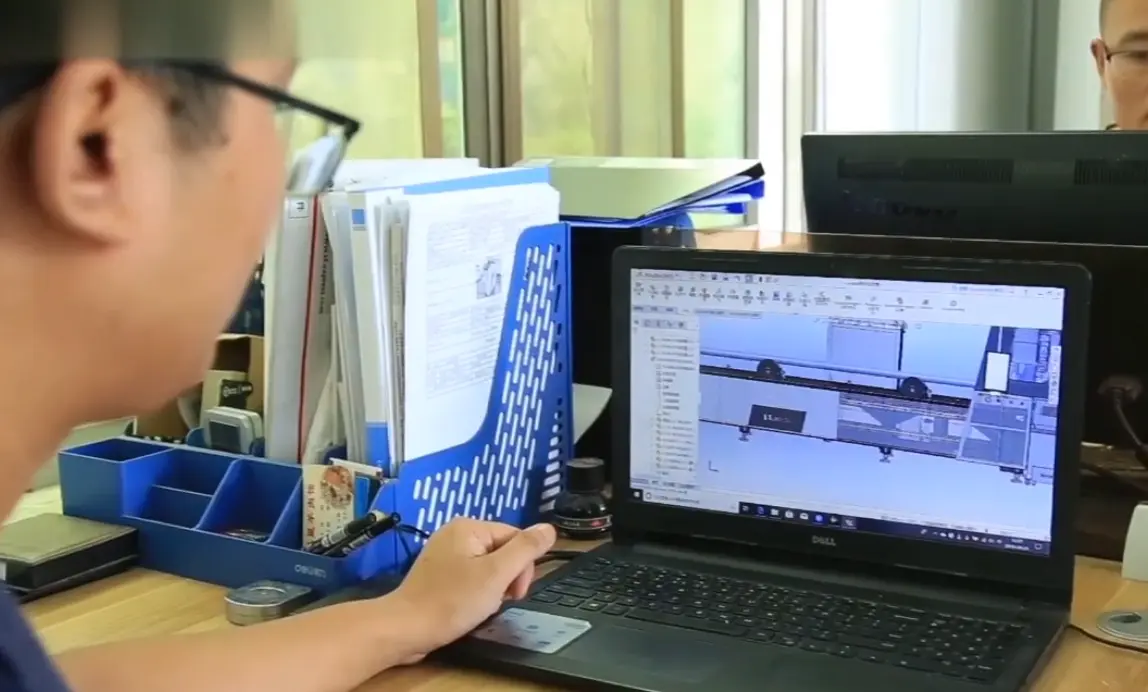
How our R&D keeps our systems ahead of the curve in high-power cutting efficiency.
Cutting aluminum requires precise control over helper gases. Our nozzles are configured for optimized Nitrogen (N2) flow to clean away molten aluminum quickly, preventing oxidation and minimizing the burr formation common in traditional oxygen cuts. We also supply air-assist options for cost-effective cutting of thinner aluminum sheets.
By using variable beam mode technology, we adapt the laser profile dynamically. We use a tight, high-intensity focal point to pierce aluminum quickly, then change to a ring-shaped profile for high-speed cutting. This approach generates a wider kerf that ejects slag efficiently, producing smoother cut edges.
Traditional laser cutters can suffer damage from light reflecting back into the fiber. Our optical units feature physical isolation chambers combined with real-time digital sensors. If any back-reflection is detected, the CNC controller shifts parameters instantly to protect the laser source.
Looking toward 2040, we are developing automated manufacturing systems that integrate CNC laser cutting with robotic sorting arms, smart warehouse storage, and automatic bending units. This fully connected structure minimizes handling labor, accelerates cycle times, and keeps your manufacturing line highly productive.
Our machinery forms the backbone of sheet metal processing lines worldwide, serving diverse sectors with high-efficiency output.
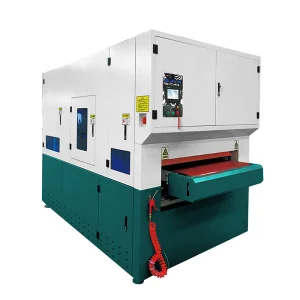
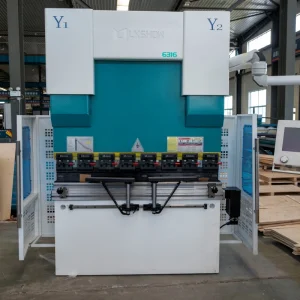
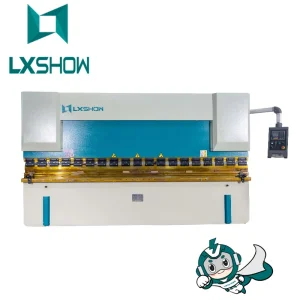
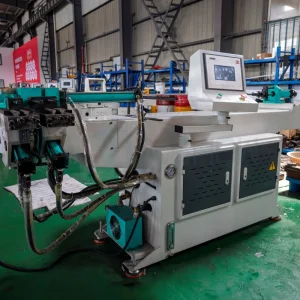
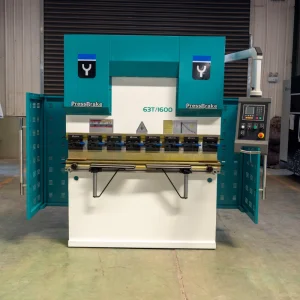
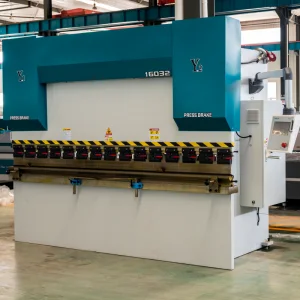
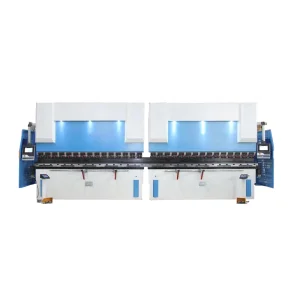
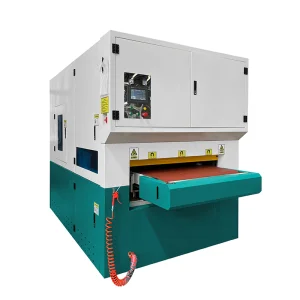
Industrial laser cutting serves as more than an isolated tool; it acts as a central hub within modern sheet metal fabrication. Our machinery links together with downstream operations such as electro-hydraulic servo bending, deburring, and surface finishing to create an integrated production line. For example, once the fiber laser cuts the structural profiles, they are quickly formed with our WE67K and WC67K series press brakes and processed through our LX-RRS edge polishing systems. This workflow ensures that parts arrive at final assembly without burrs, dimensional errors, or surface scratches.
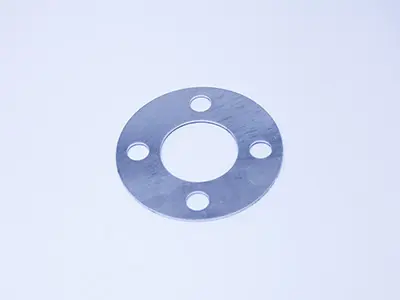 Aluminum
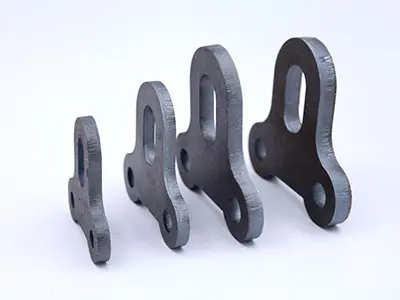 Carbon Steel
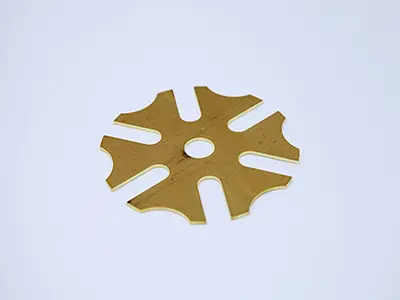 Copper
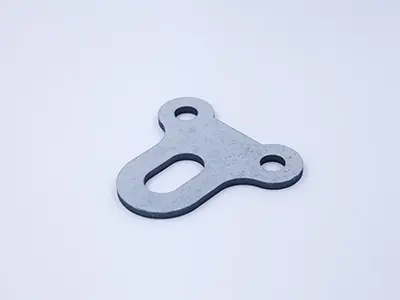 Galvanized
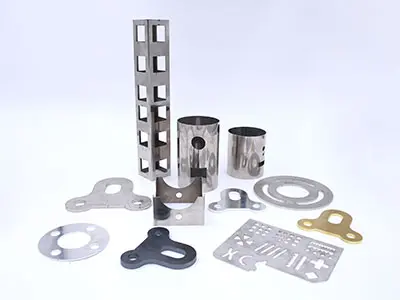 Other Metal
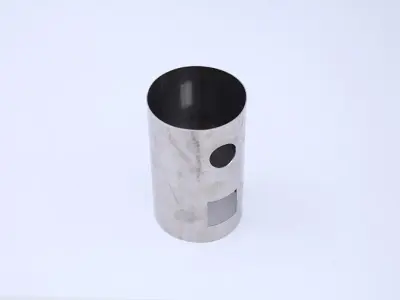 Round Tube
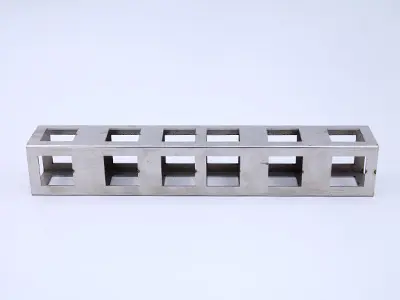 Square Tube
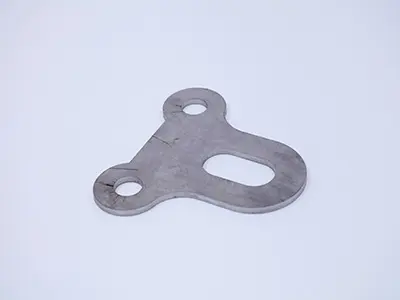 Stainless Steel
How our engineering decisions deliver maximum value and lower total cost of ownership (TCO) for procurement teams.
For procurement officers and factory owners, purchasing industrial laser cutters involves analyzing long-term operational costs alongside the initial purchase price. The total cost of ownership (TCO) is determined by four main factors: gas consumption, electricity usage, consumable lifespan, and preventative maintenance schedules.
Gas Efficiency Optimization: Helper gas represents a major operational cost when cutting aluminum. Our advanced, aerodynamic nozzle structures reduce nitrogen gas consumption by up to 30% by maintaining a consistent, laminar flow. This flow flushes molten alloy out of the kerf using less pressure, saving money on bulk gas costs over time.
Energy Conversion Efficiency: Older CO2 lasers operate at a low wall-plug efficiency of only 8% to 10%. In contrast, our modern fiber laser sources achieve energy conversion efficiencies above 35%. This reduces electric bills and cuts down on the cooling demands of industrial chillers, lowering utility expenses across your facility.
Durable Consumables & Optical Isolation: We use high-grade protective window glasses and durable copper nozzles to extend service life. Our automated focal adjustments prevent the cutting head from colliding with lifting sheets, reducing downtime and keeping production running smoothly.
Ensuring your machines run safely while meeting all local industrial codes and environmental standards.
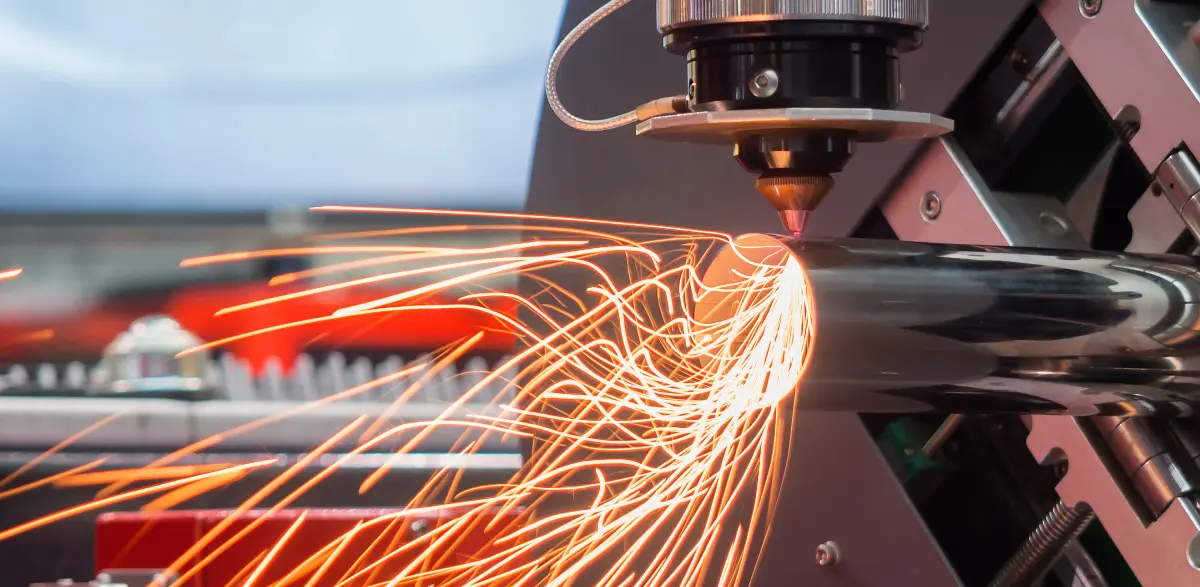
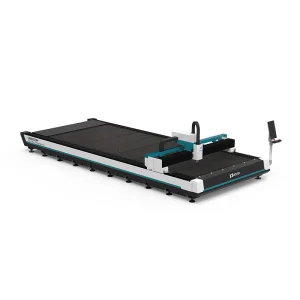
Exporting high-power laser equipment to over 150 countries requires deep familiarity with local safety codes. Our fiber laser cutting tables are built with fully enclosed, light-tight safety structures. This design keeps scatter radiation contained, protecting operators and satisfying local regulations, including CE EN60825 safety protocols and USA FDA CDRH standards.
We back our machinery with a localized global support structure. We provide on-site installation, preventative checkups, and operator training to keep your staff working safely. With our remote diagnostics tools, our engineers can log into your machine's CNC controller from our central R&D office, resolving software issues and tuning parameters without requiring an on-site service call.
Get direct answers to common questions about using lasers to cut reflective aluminum alloys.
Aluminum reflects over 90% of standard near-infrared light wavelengths (1.06 µm). This high reflectivity, combined with its high thermal conductivity, makes it difficult to melt initially. The reflected energy can travel back up the laser fiber, potentially damaging the resonator. Our machines use optical isolators and real-time reflection sensors to absorb and vent these reflections, protecting the equipment.
Nitrogen (N2) is the standard recommendation because it cools the cut line without reacting with the metal, resulting in clean, oxide-free edges that are ready for welding or painting. Clean, dry compressed air can be used as a cheaper alternative for thinner sheets, while Oxygen is generally avoided because it causes heavy oxidation and burrs on aluminum.
A 3KW fiber laser can clean-cut aluminum plates up to 8mm thick, while a 6KW laser handles plates up to 16mm thick. For thicker plates, up to 25mm, we recommend our 12KW to 20KW fiber laser systems, which maintain high cutting speeds and clean edge quality.
We fabricate all our machine frames and gantries using high-tensile steel, which is tempered in thermal stress-relief ovens to prevent warping. The linear guide seats are then precision-milled using dynamic CNC milling centers. This engineering process ensures the gantry remains aligned and accurate within ±0.02mm/m for decades of service.
Yes, we provide OEM manufacturing services for over 30 equipment brands worldwide. We customize sheet size configurations, gantry layouts, CNC interfaces, and exterior colors to match your brand requirements, while meeting all CE, FDA, and ISO standards.
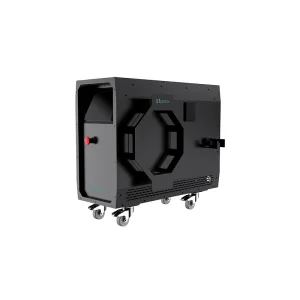
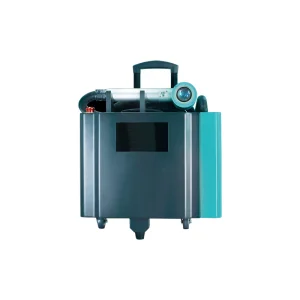
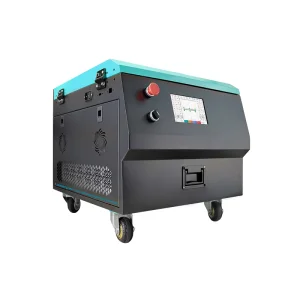
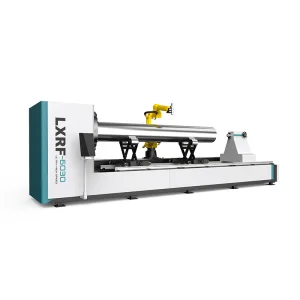
Complete your fabrication shop with our high-power cutters, heavy-duty press brakes, and pulse laser cleaners.
 Lxshow