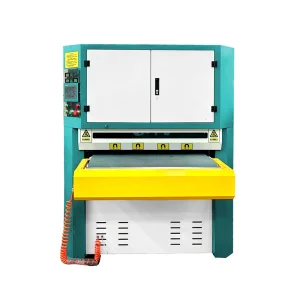
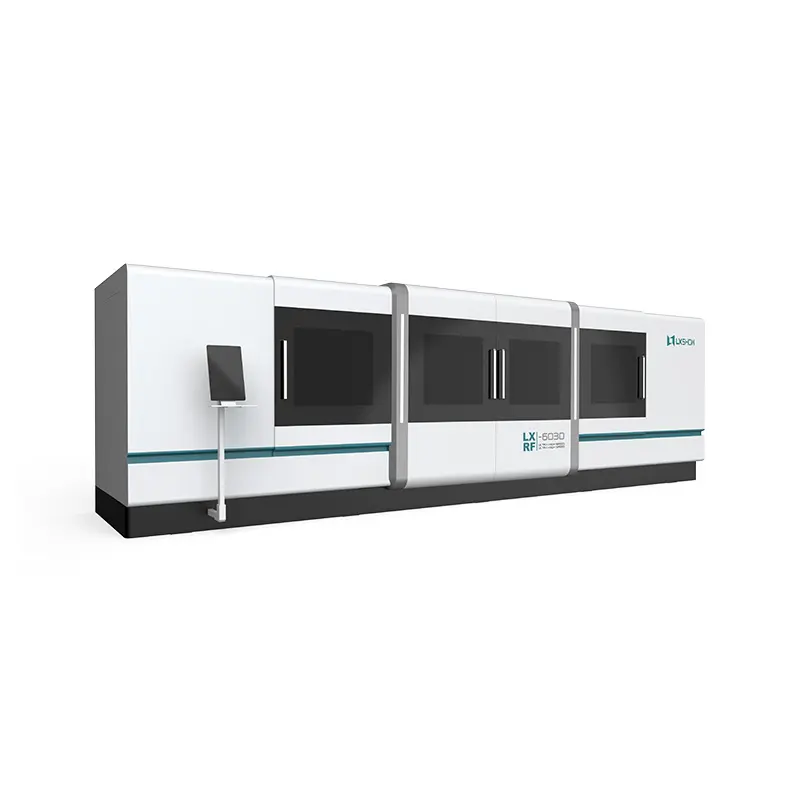
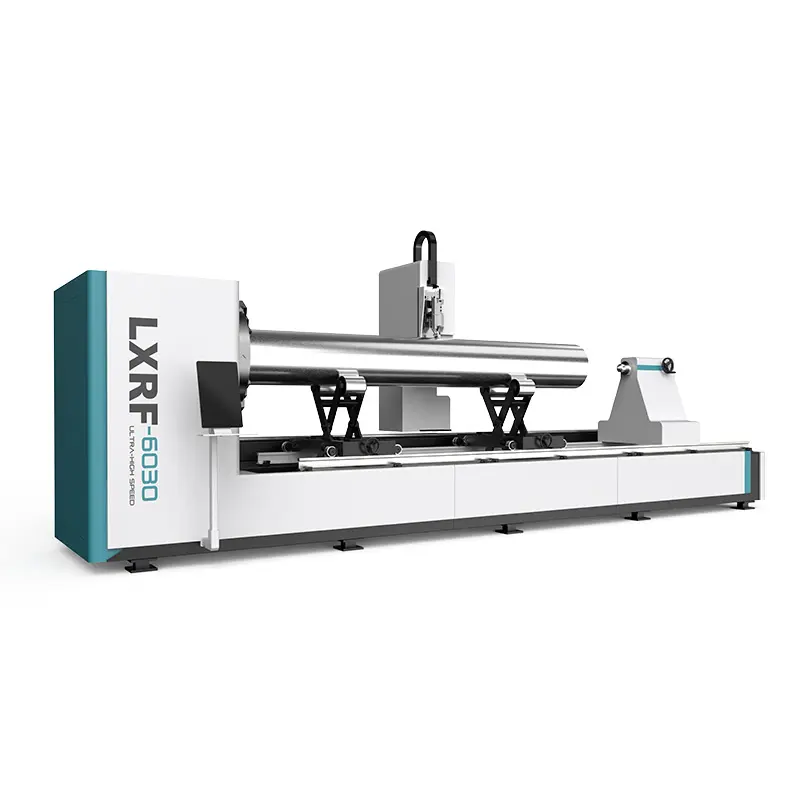
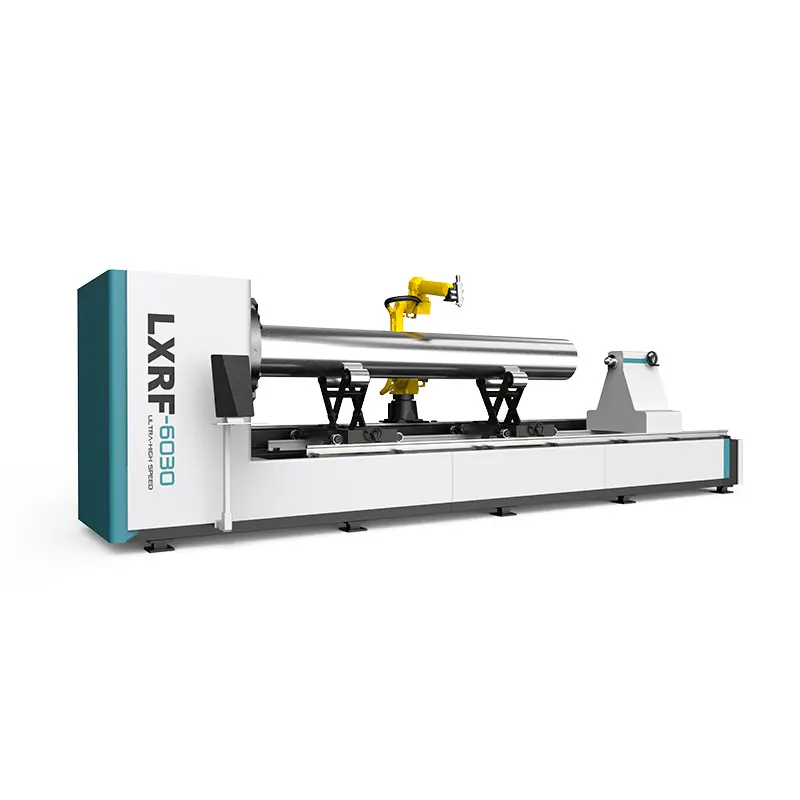
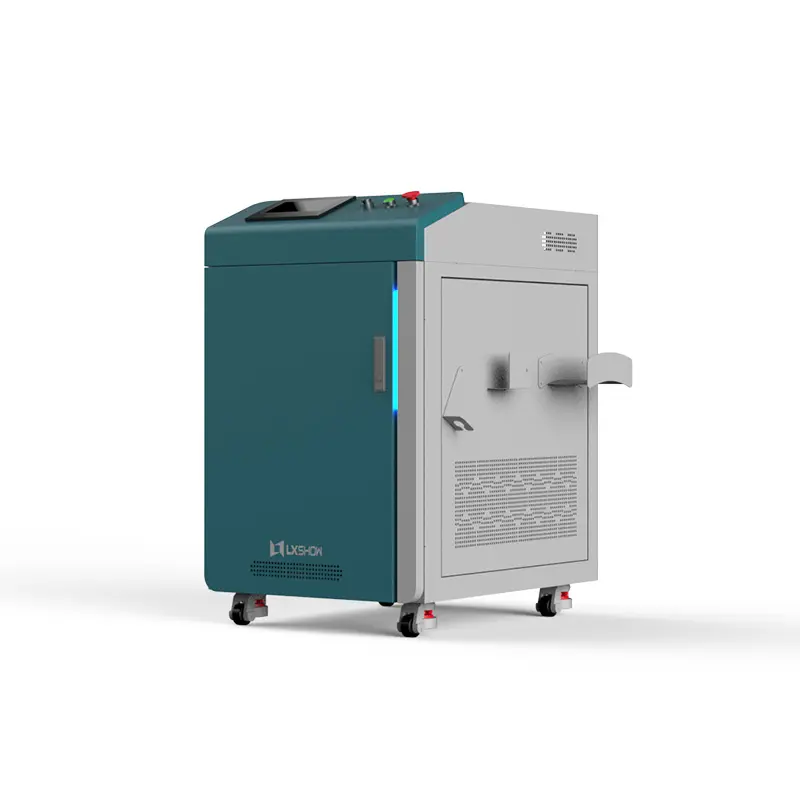
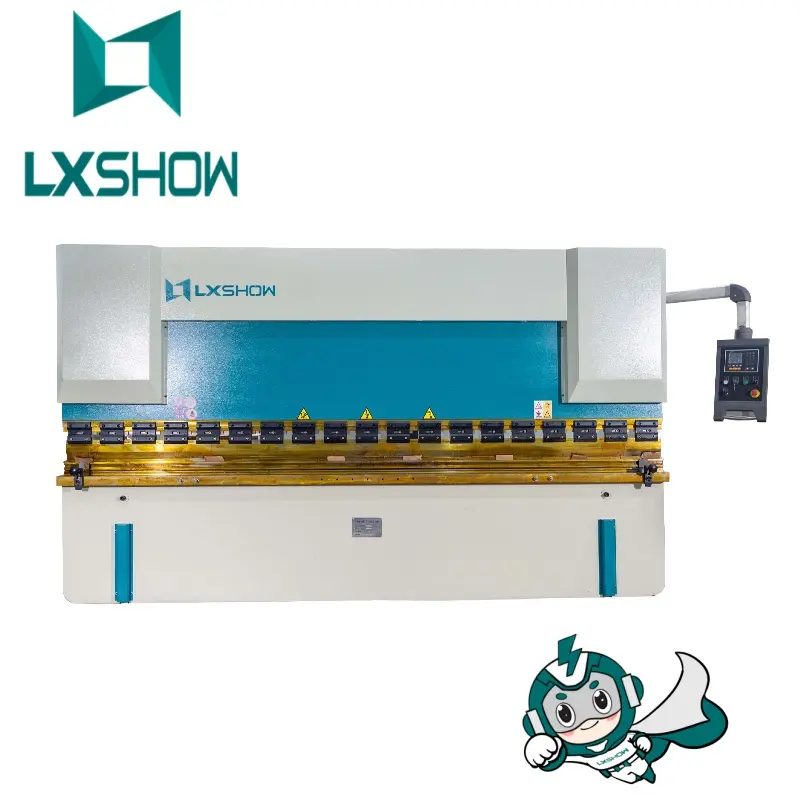
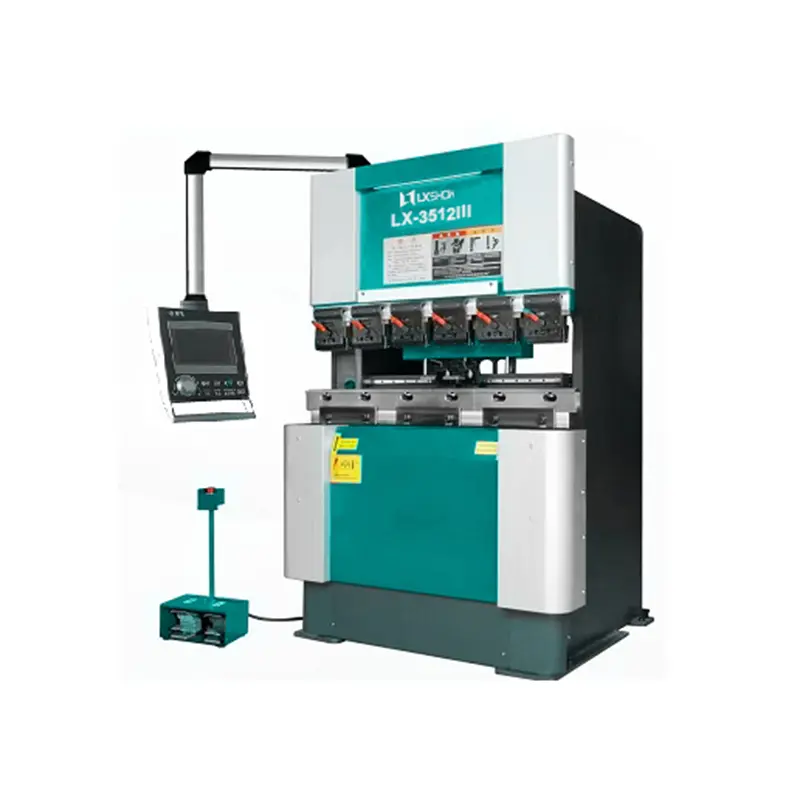
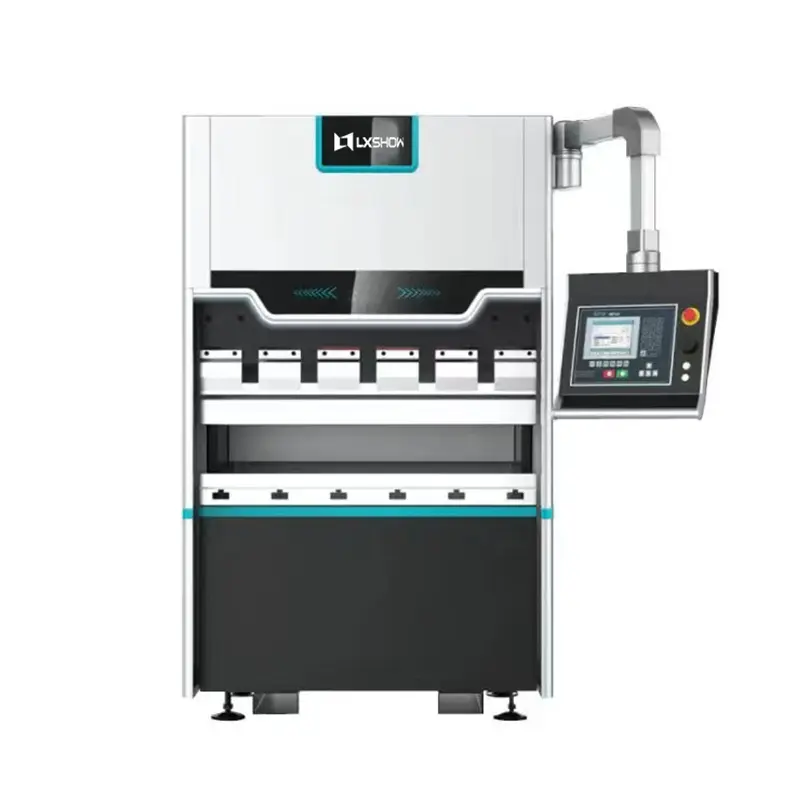
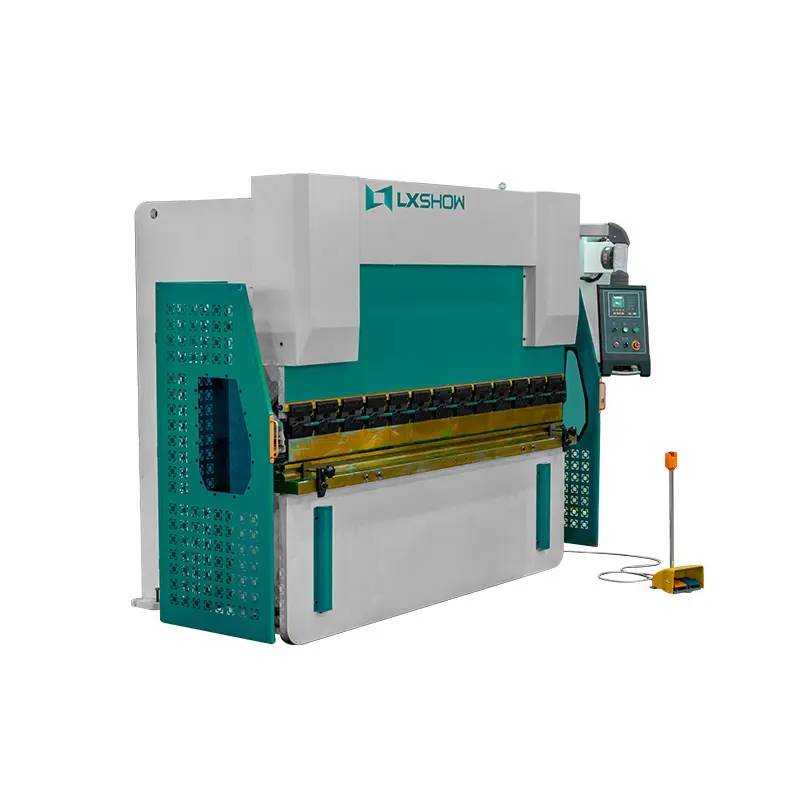
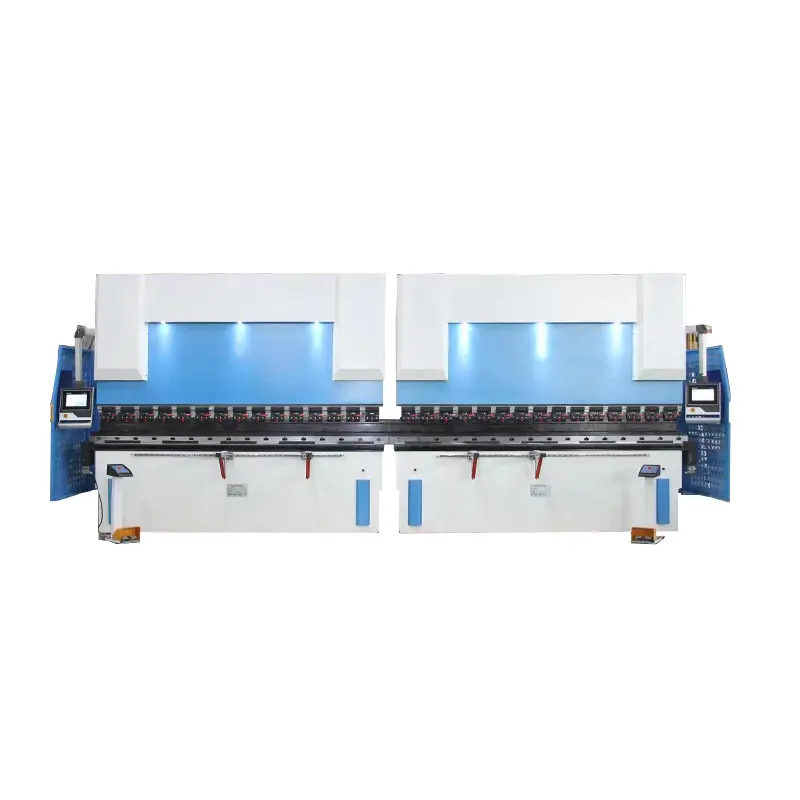
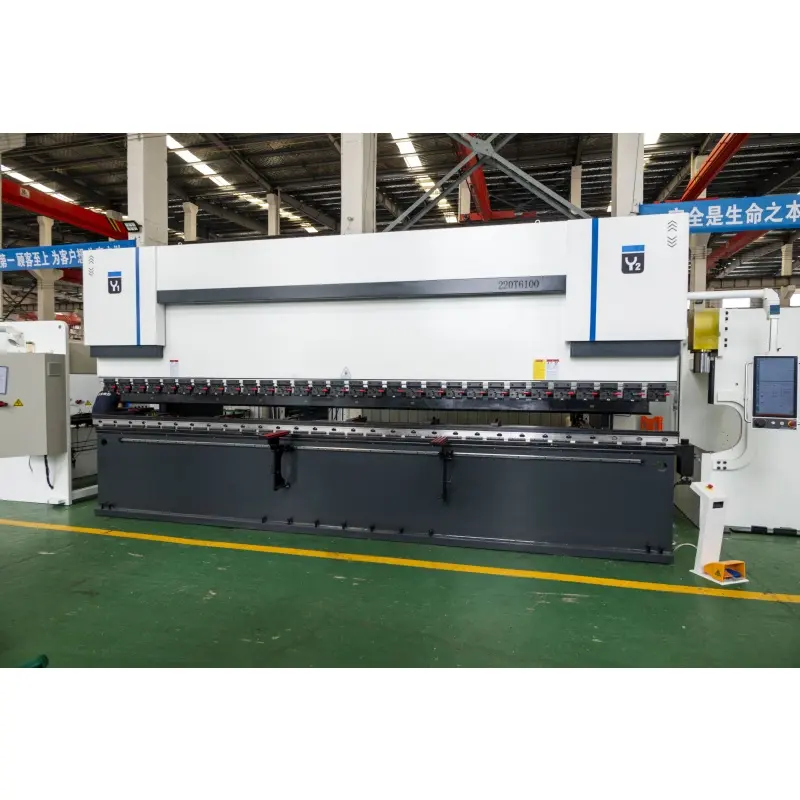
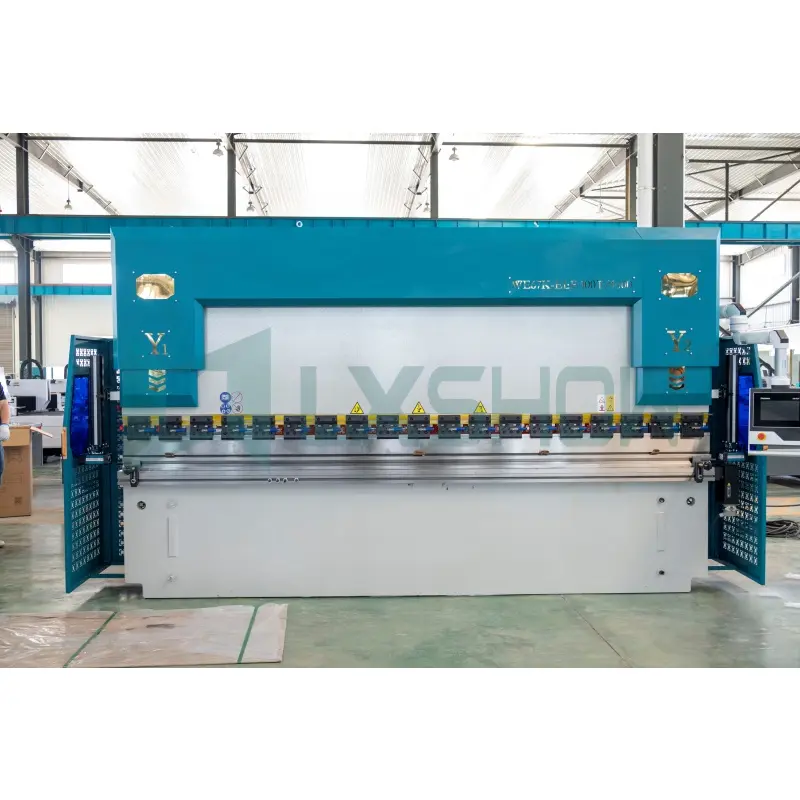
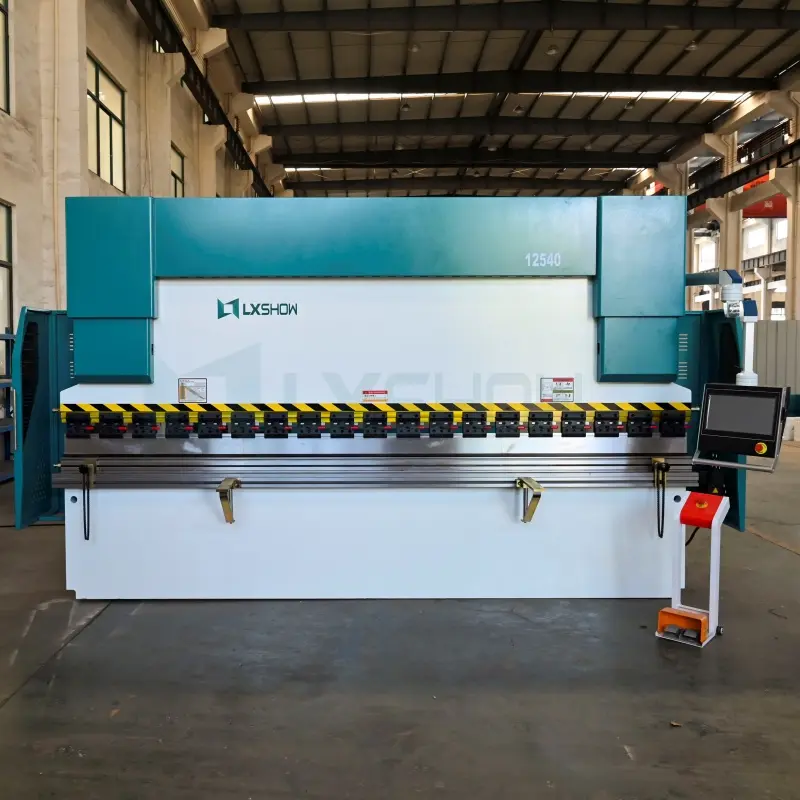
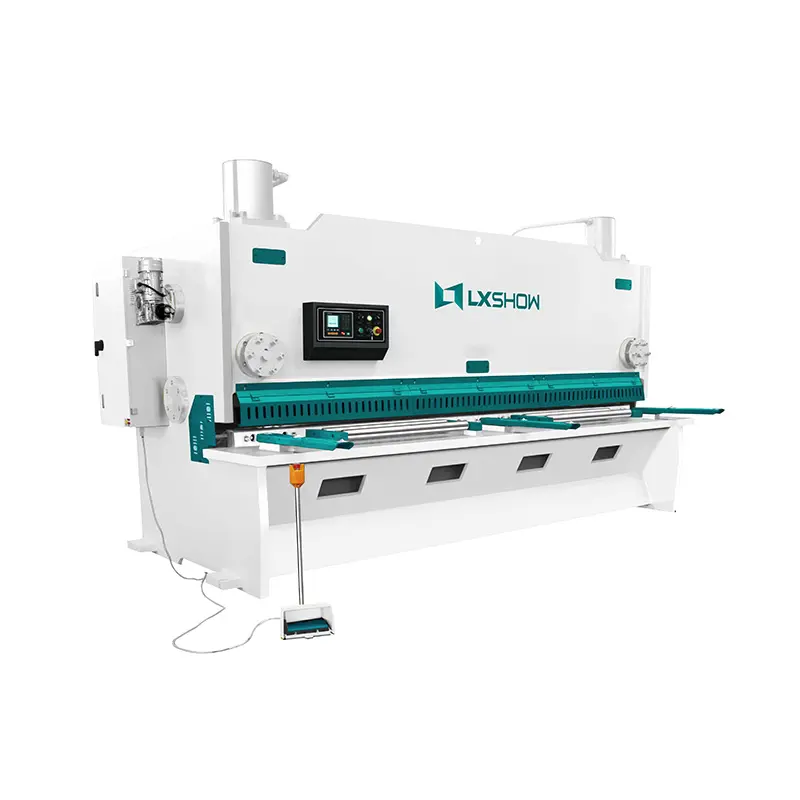
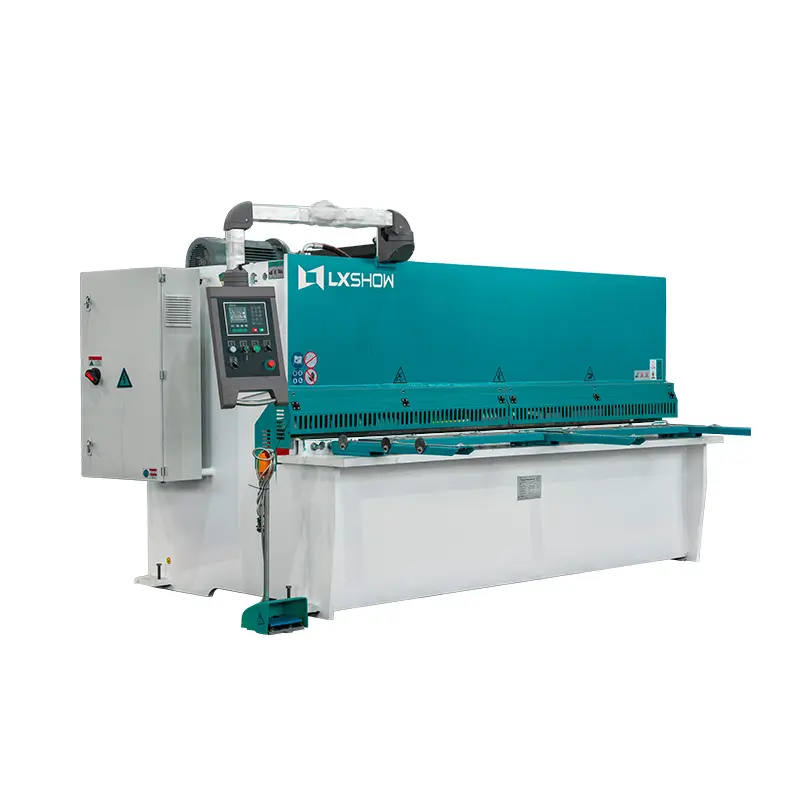
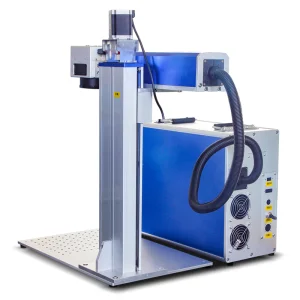
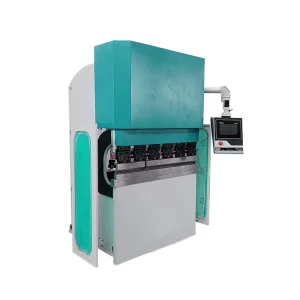
Explore our leading machinery ranges engineered to drive manufacturing optimization, high-output efficiency, and material utilization.
The global industrial sector is undergoing a monumental transition toward highly automated, intelligent fabrication processes. Sheet metal cutting and processing stand as the foundational bedrock of this transformation. Traditional methods of punching, shearing, and mechanical milling are rapidly being replaced by advanced fiber laser technologies, CNC hydraulic forming, and automated multi-process finishings. In today's hyper-competitive marketplace, industrial buyers require manufacturing machinery that does not merely execute a design, but optimizes the entire lifecycle of the raw material—reducing waste, eliminating thermal distortions, and ensuring perfect structural repeatability.
This shift is driven primarily by the demands of major industries including aerospace engineering, structural heavy machinery, modern automotive chassis development, logistics automation, and premium precision components. With the rise of high-tensile steels and specialized light-weight alloys like aluminum and copper, cutting systems must deliver incredible laser power density combined with highly advanced motion control to achieve micron-level accuracy. Factory operators must secure machinery that functions reliably under 24/7 continuous operation cycles, satisfying strict international safety standards.
Understanding the trajectory of metal processing systems is crucial for long-term capital investments. Key trends defining the industry today include:
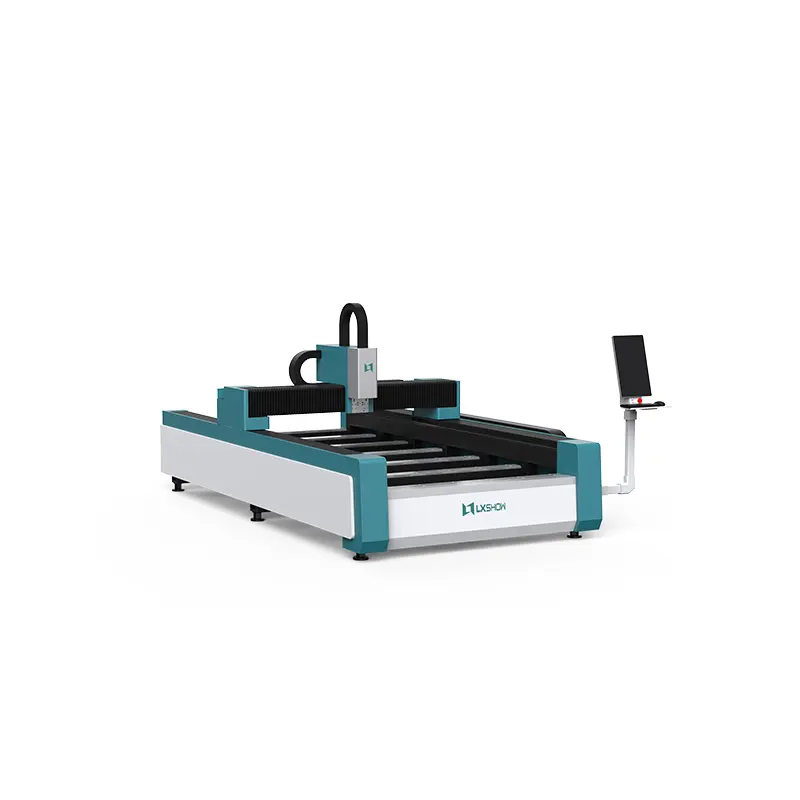
The progression of fiber laser power from 1kW systems to 12kW and 30kW platforms has redefined structural plate cutting. High-power systems allow for extremely rapid processing speeds on medium thicknesses and enable clean, oxide-free cuts on thick mild steel and stainless steel using cost-effective high-pressure air or nitrogen assist gases.
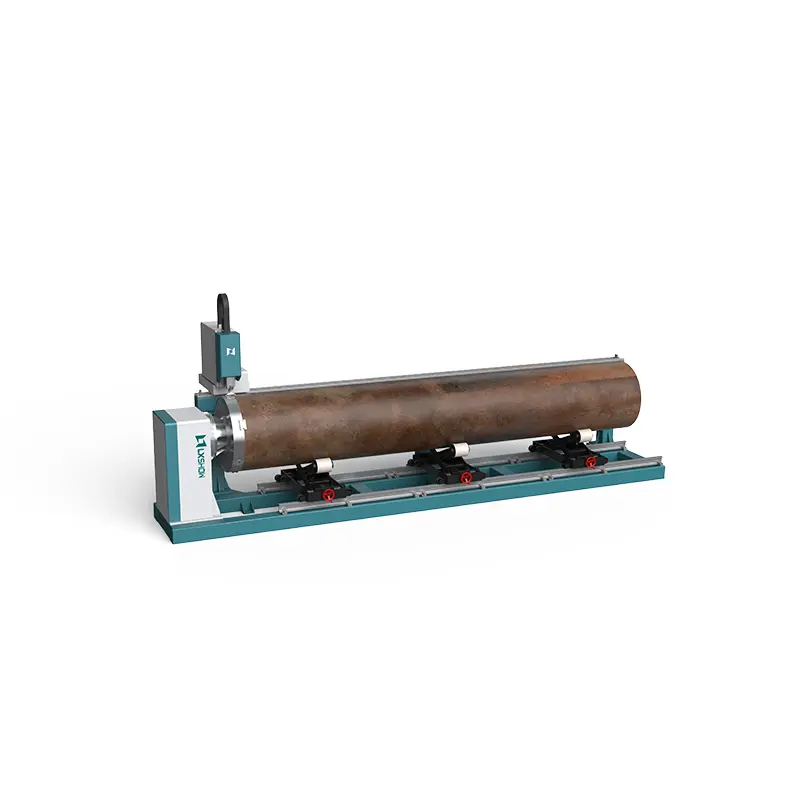
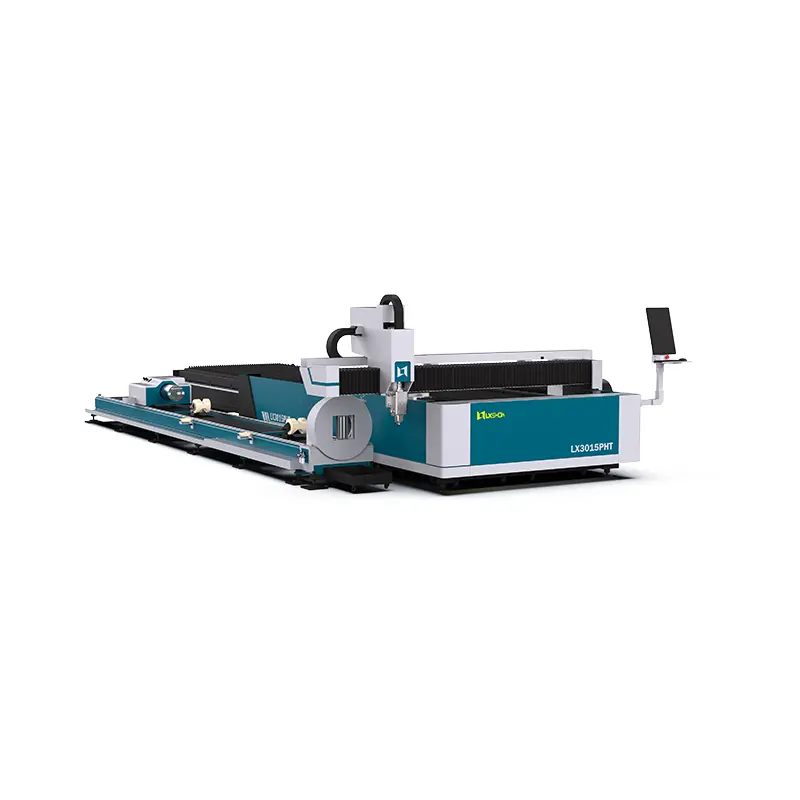
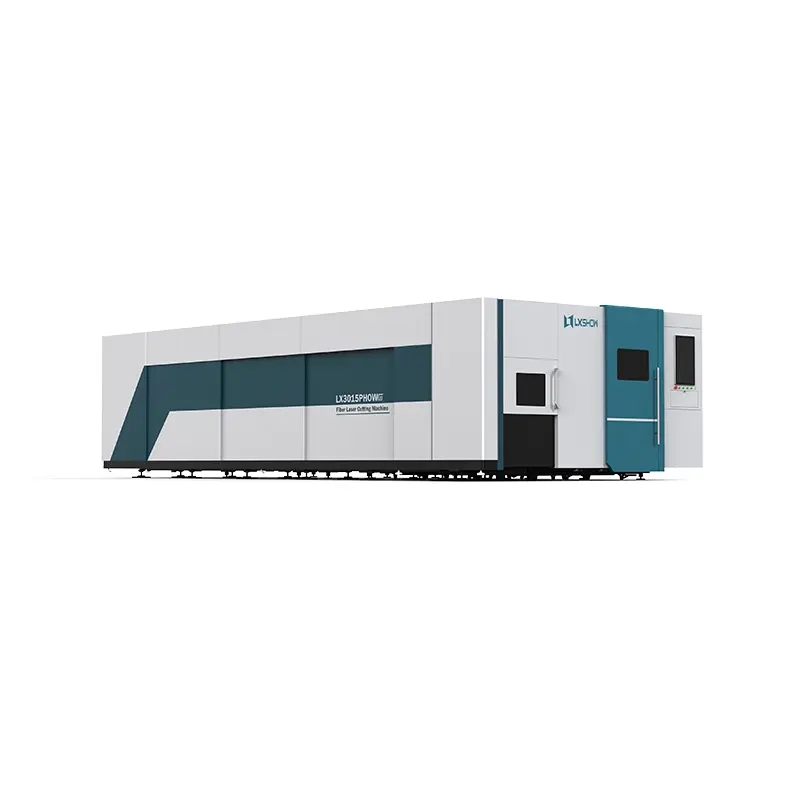
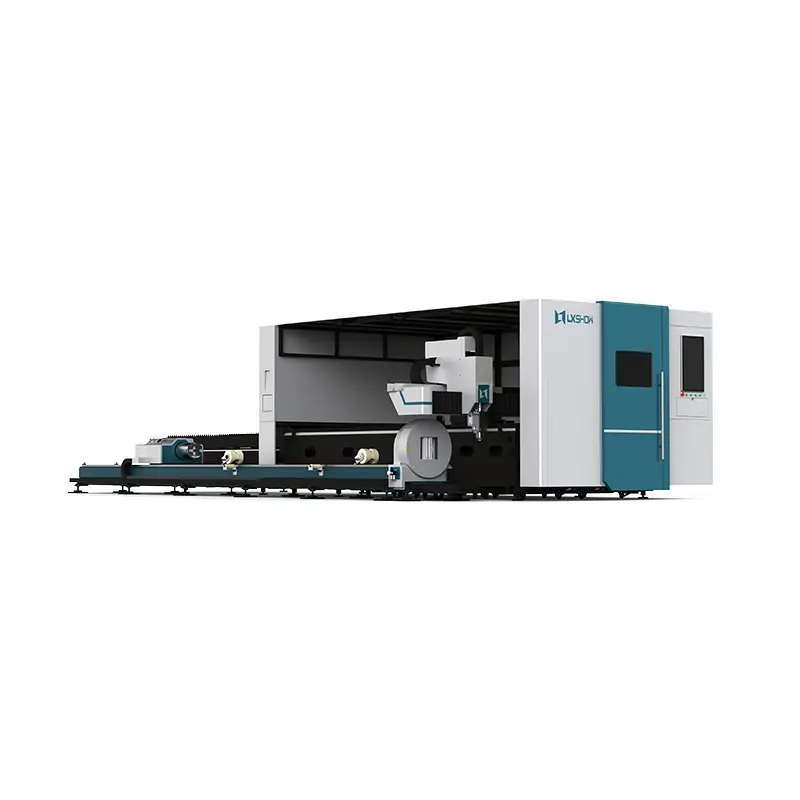
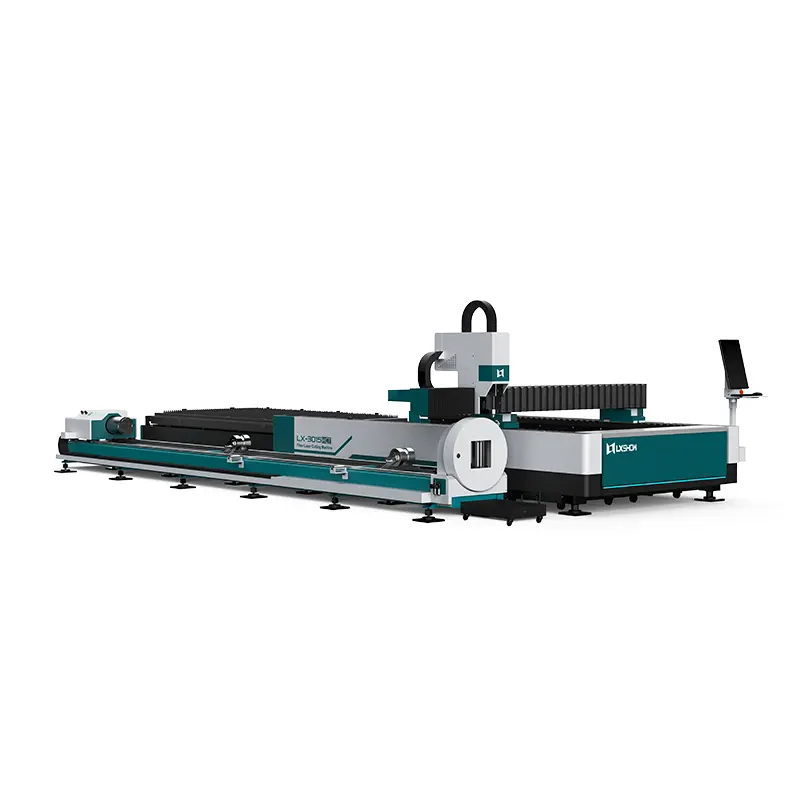
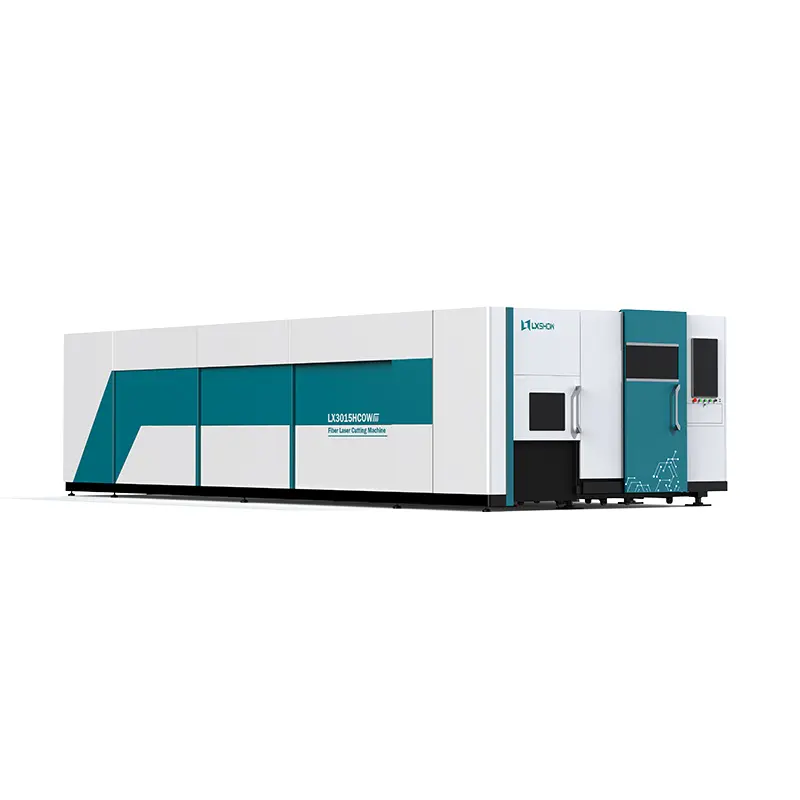
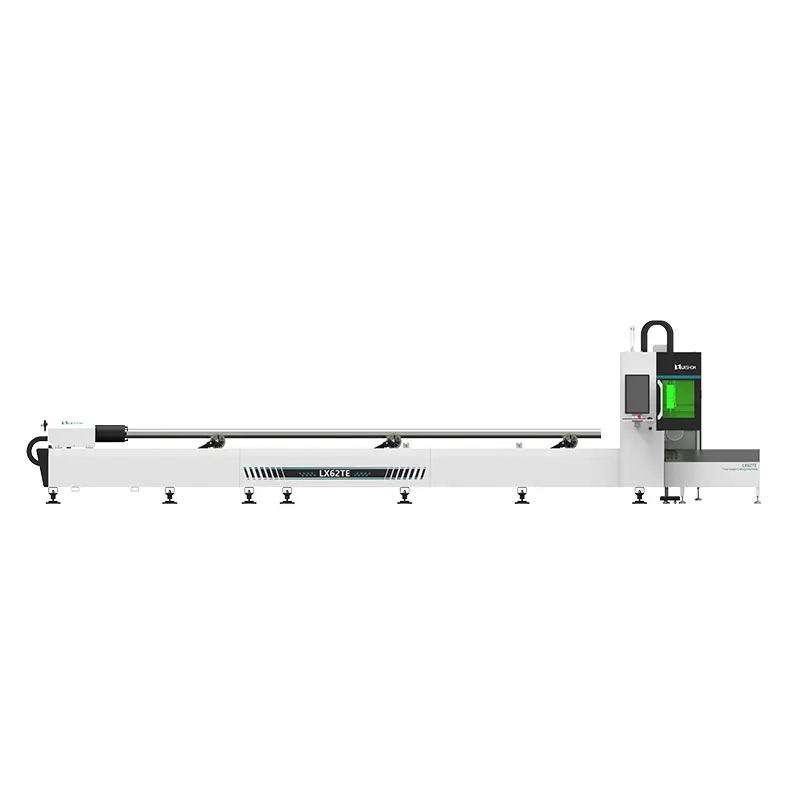
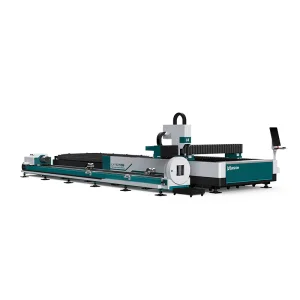
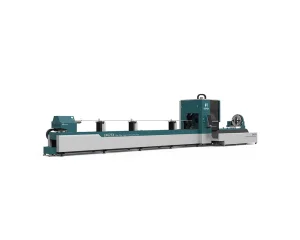
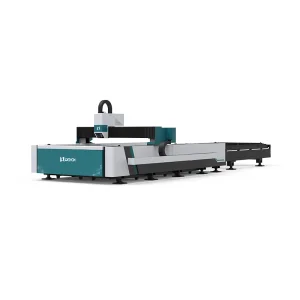
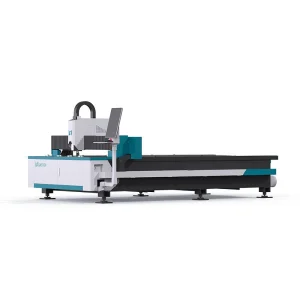
Modern smart workshops are transitioning from single-purpose machines to versatile combo machines. Combined sheet and tube fiber laser systems (such as the 3015HCT and 3015HCOW) allow manufacturing plants to process flat sheets and complex tubular profiles on a single footprint, optimizing floor space and drastically reducing initial capital expenditures.
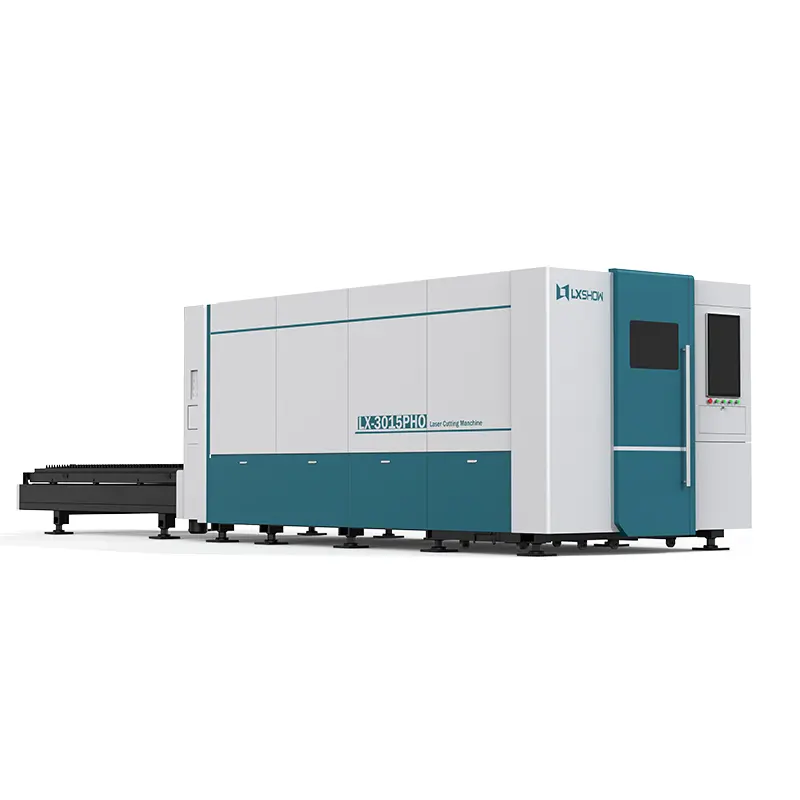
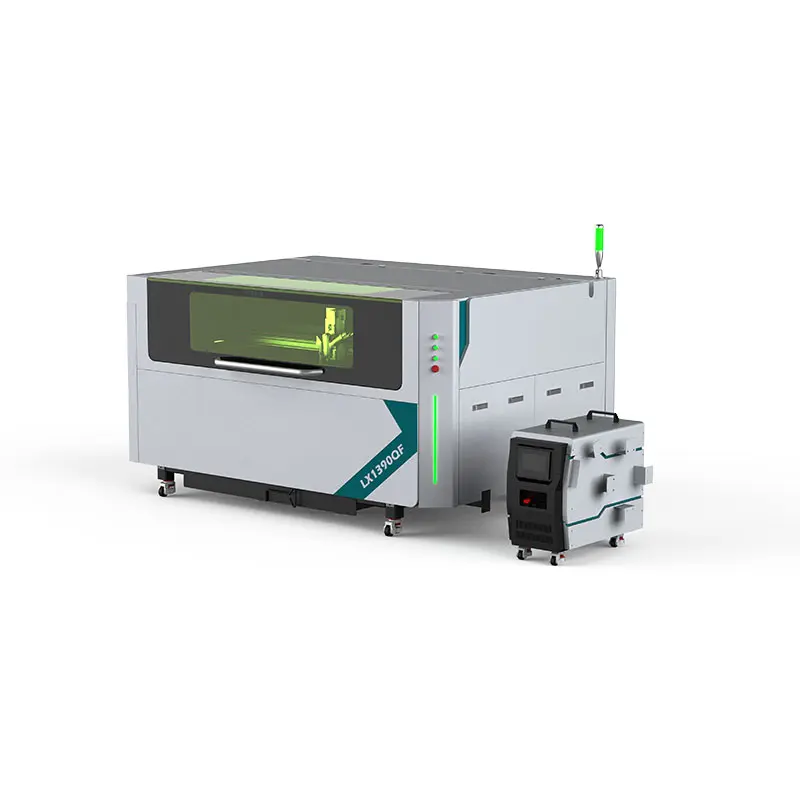
Non-productive loading and unloading times represent a significant bottleneck. Dual shuttle exchange tables permit operators to clean cut parts and reload new sheets while the laser continues to process raw materials inside an enclosed safety cabin, achieving near-constant manufacturing up-time.
Established in July 2004, LXSHOW owns more than 500 square meters of researching and office space, and a massive 32,000+ square meter manufacturing base. All machines have passed the European Union CE authentication, American FDA certificate, and are certified to ISO 9001.
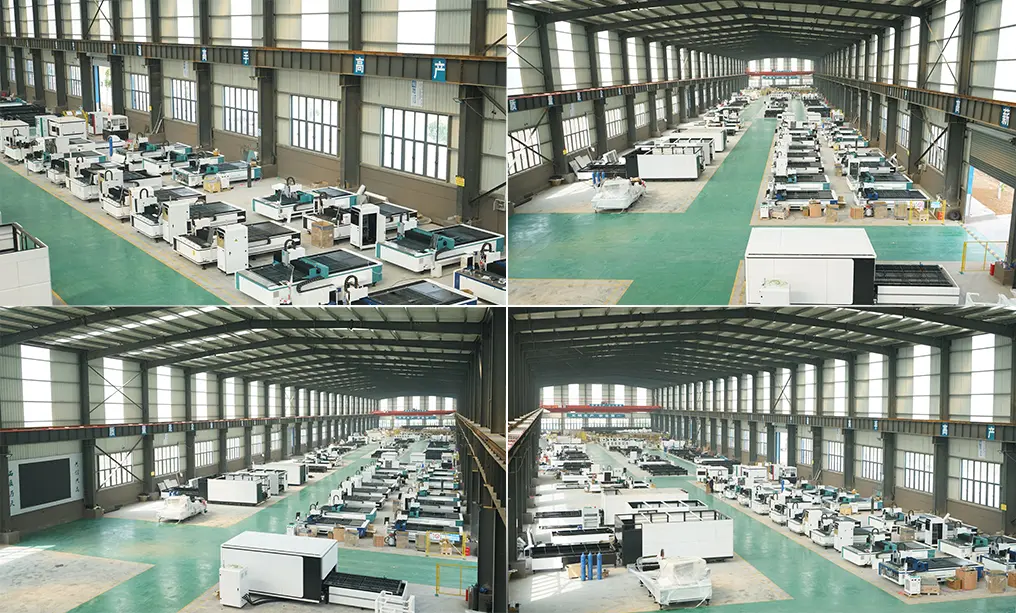
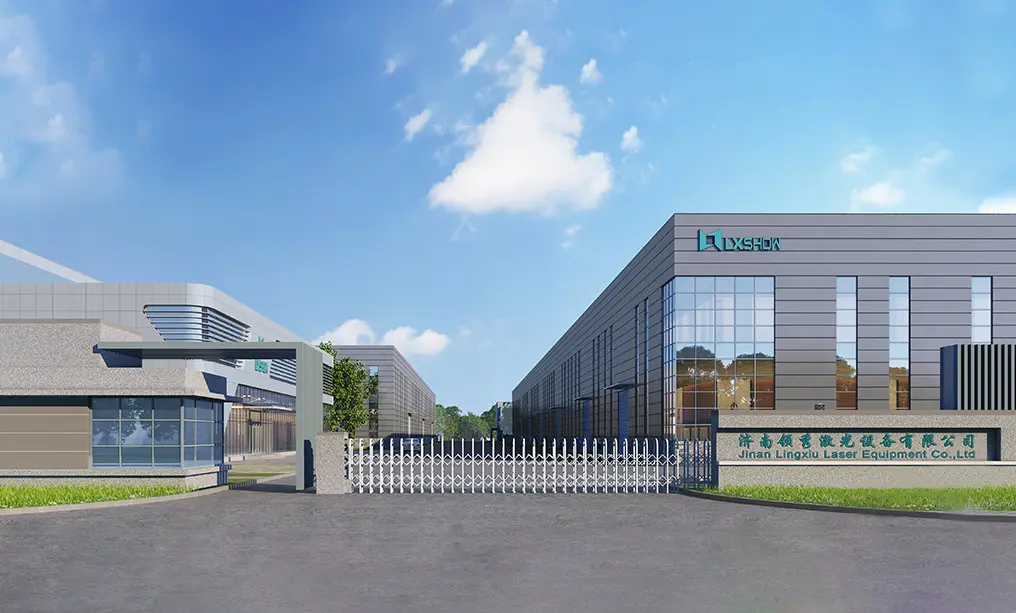
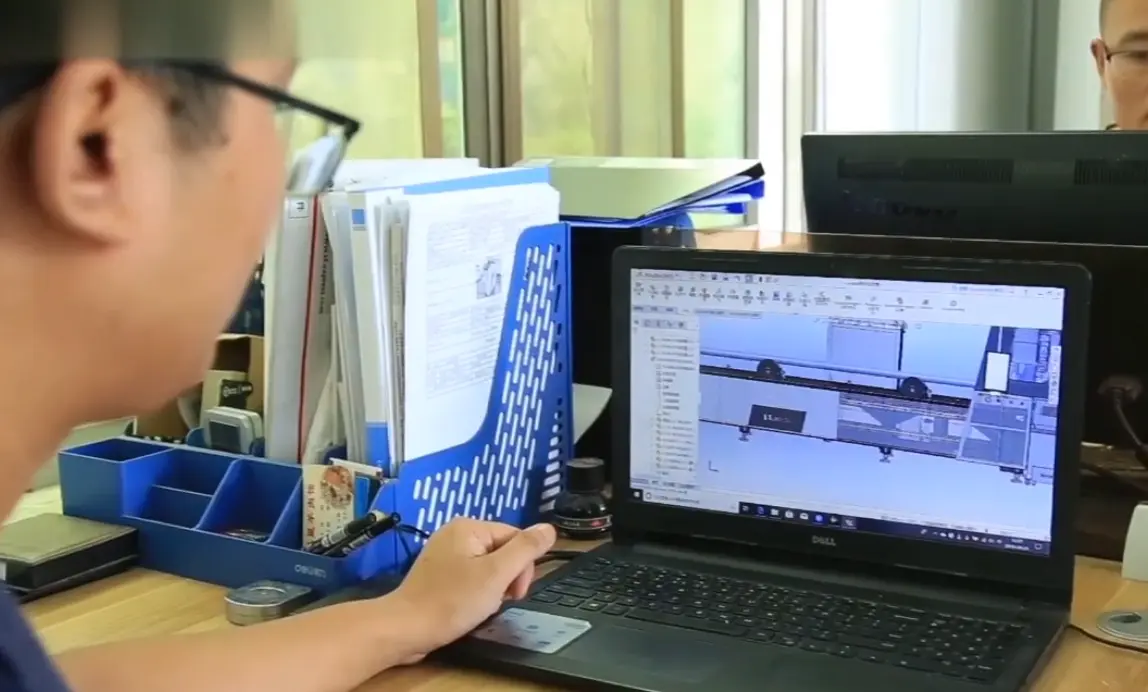
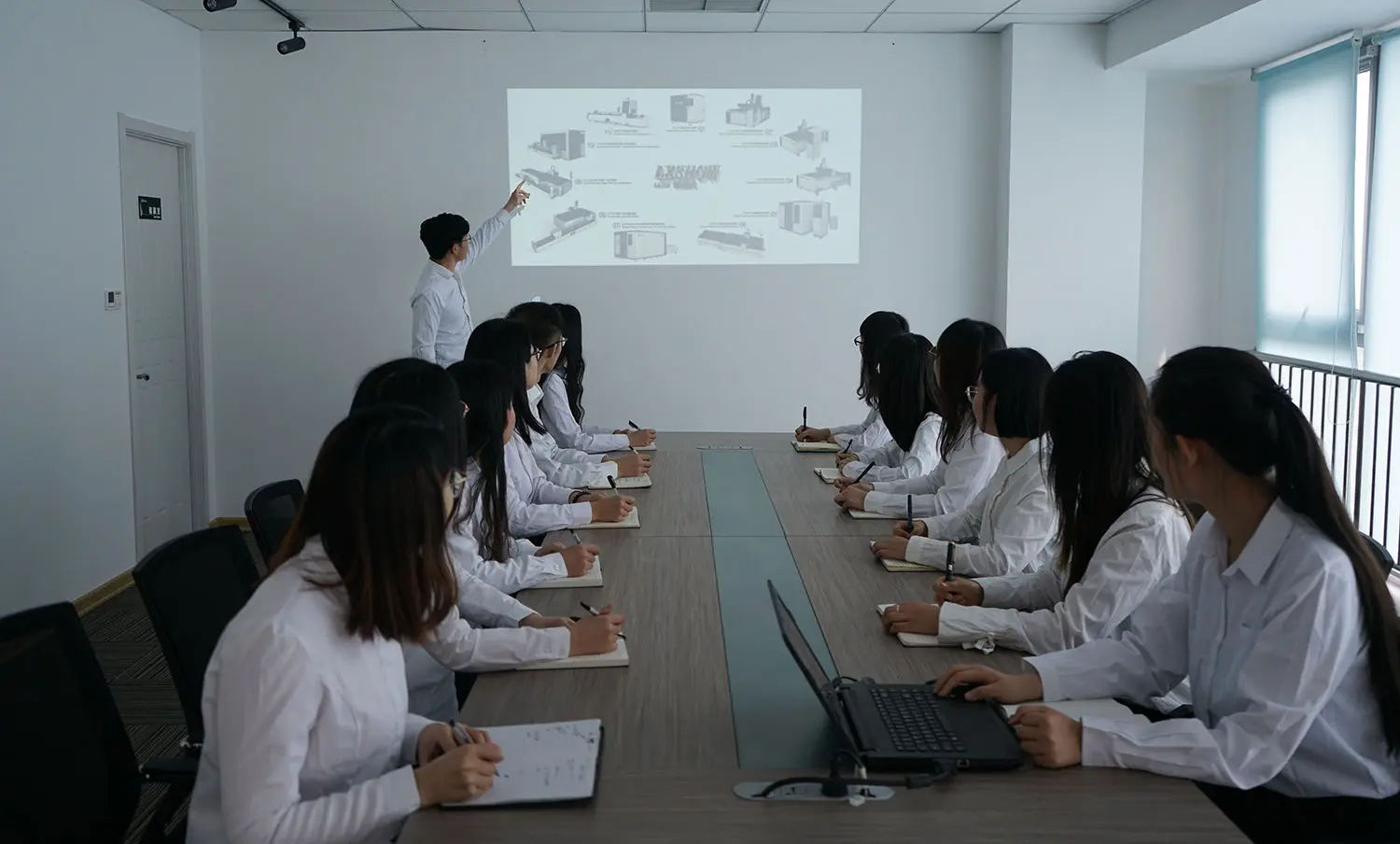
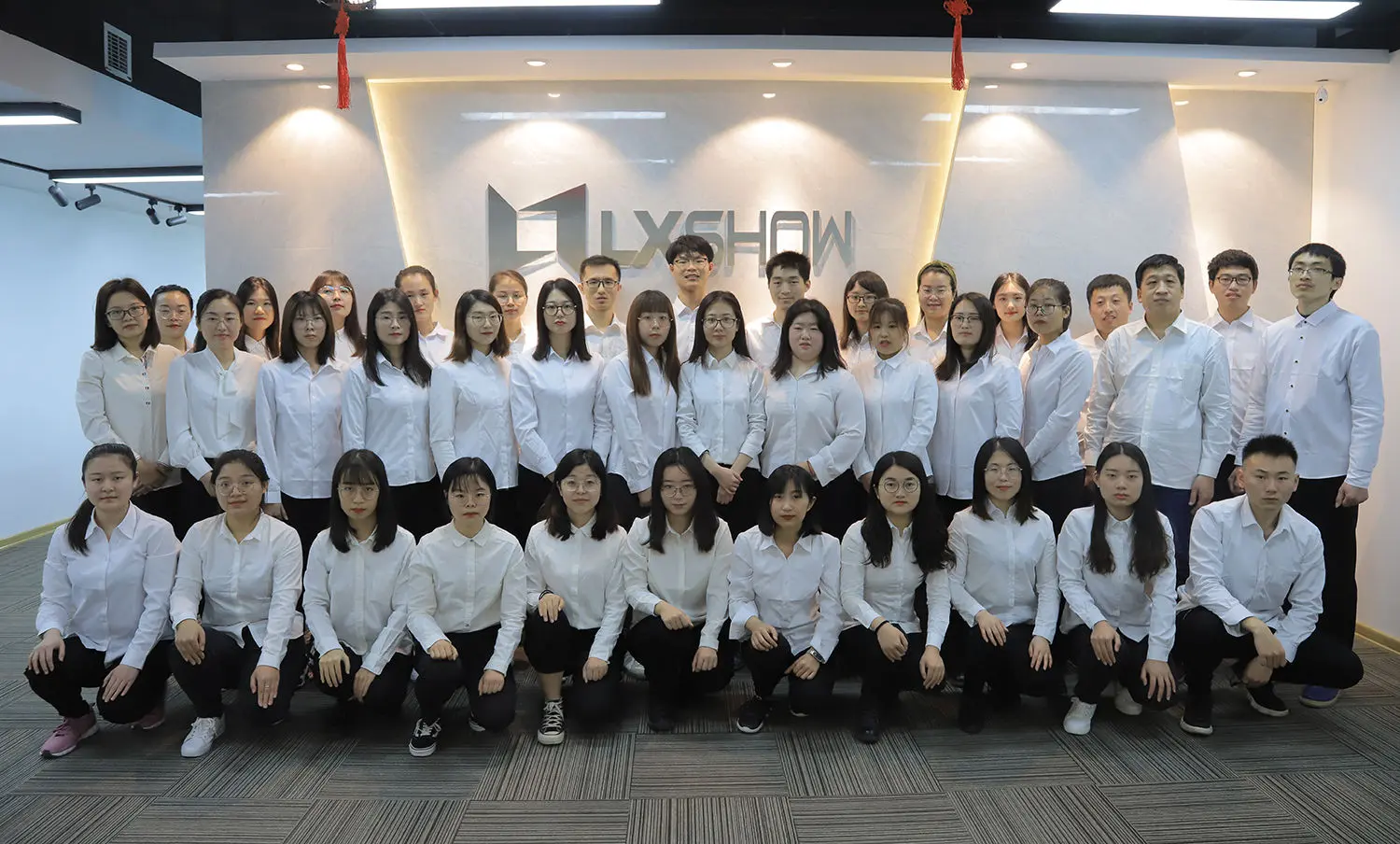
China's intelligent manufacturing sector has transitioned from a high-volume base to a global hub of high-tech research, development, and vertical system integration. Operating under the stringent frameworks of Industry 4.0, advanced production complexes like LXSHOW leverage regional supply chain densities to ensure absolute components quality and rapid lead times. By manufacturing structural elements, frame weldments, stress-relieving heat treatments, and precision machining under one roof, we dramatically reduce external dependency, providing resilient delivery schedules even amidst global logistical disruptions.
Furthermore, this close proximity to major component ecosystems (such as linear guide rails, servo motors, electrical contacts, and premium optical components) provides an unmatched price-to-performance ratio. These efficiency savings are directly reinvested into strict quality control protocols—including dynamic laser interferometer tests, circularity test profiles, and rigorous continuous burn-in operations prior to packaging and dispatch. As an OEM partner for over 30 international machinery manufacturers, our capability to standardize precision components across vast production lines ensures that every machine leaving the facility acts as a reliable long-term asset.
Procurement professionals and factory managers must balance capital investments against long-term operational expenditures (OPEX). Selecting the right OEM partner requires a deep understanding of total cost of ownership (TCO). Our system configurations address these aspects:
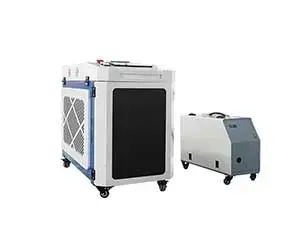
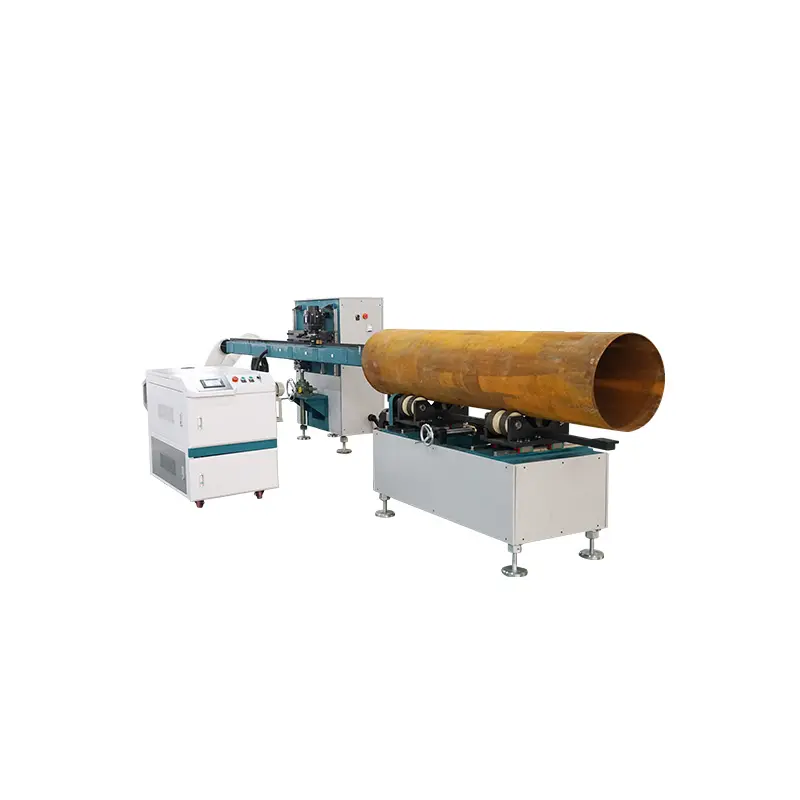
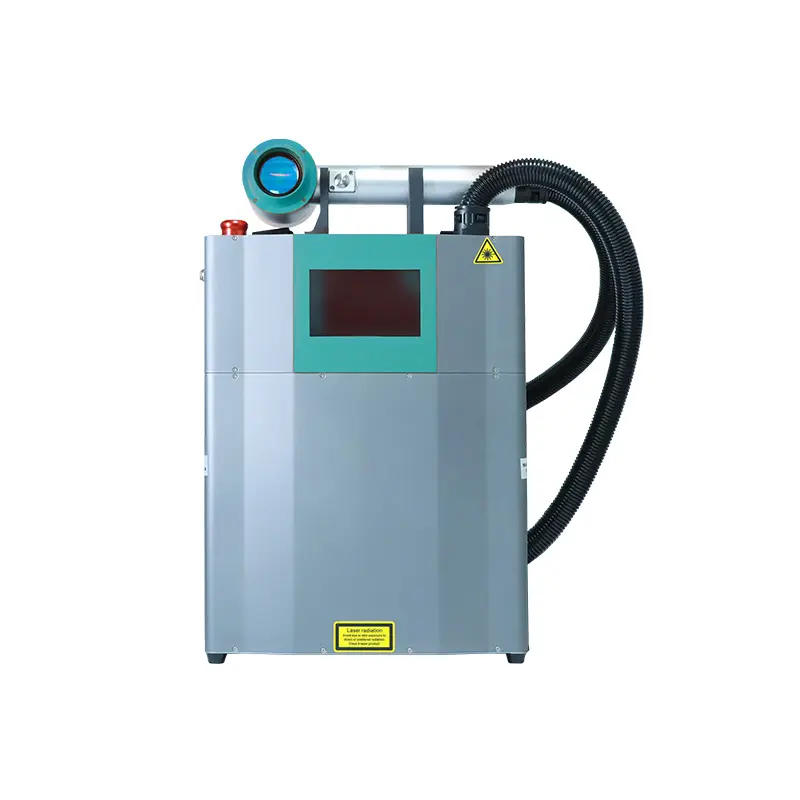
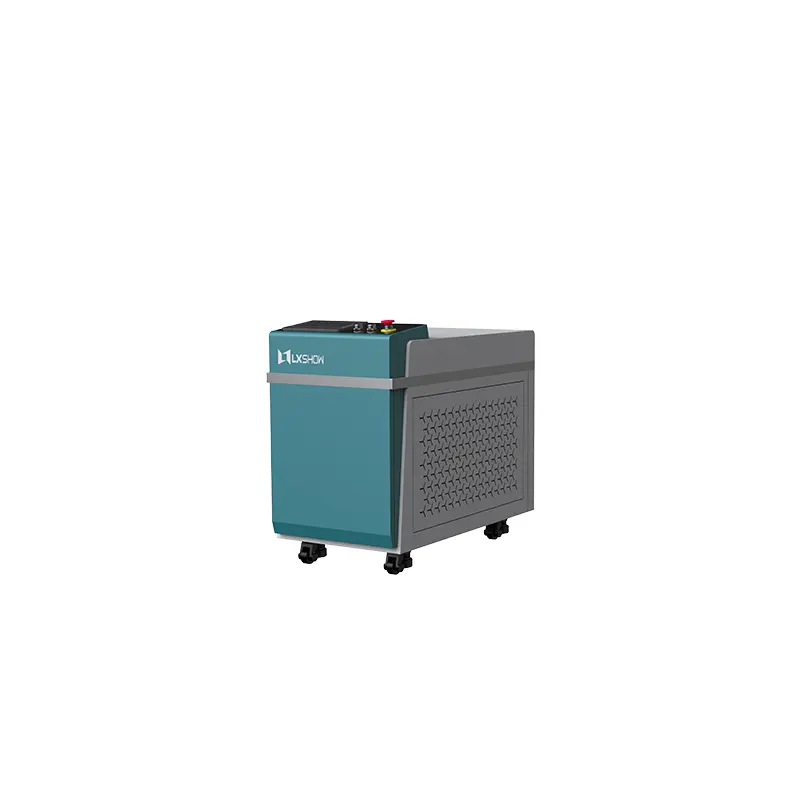
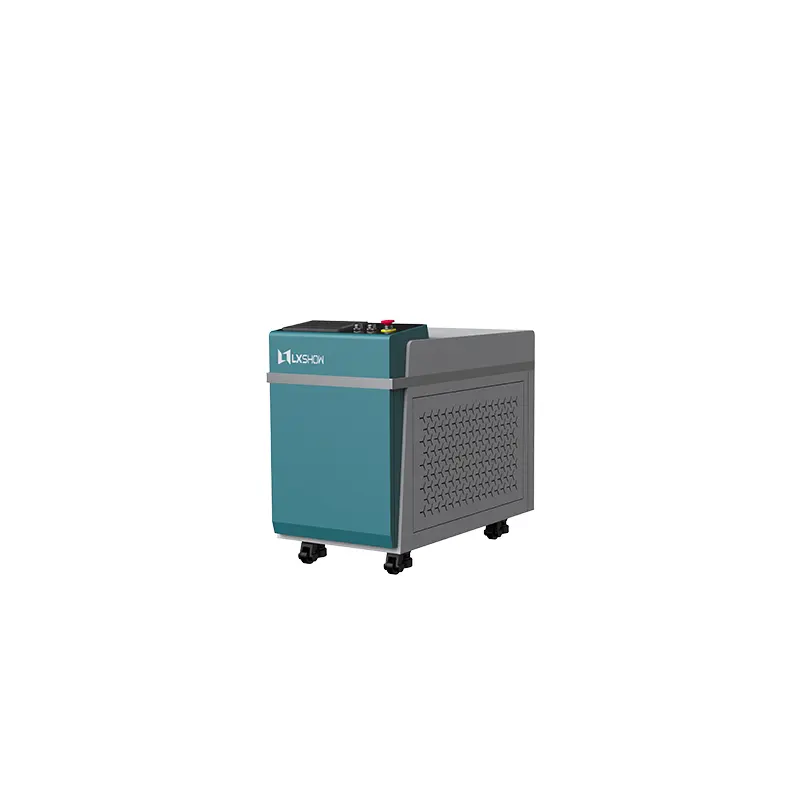
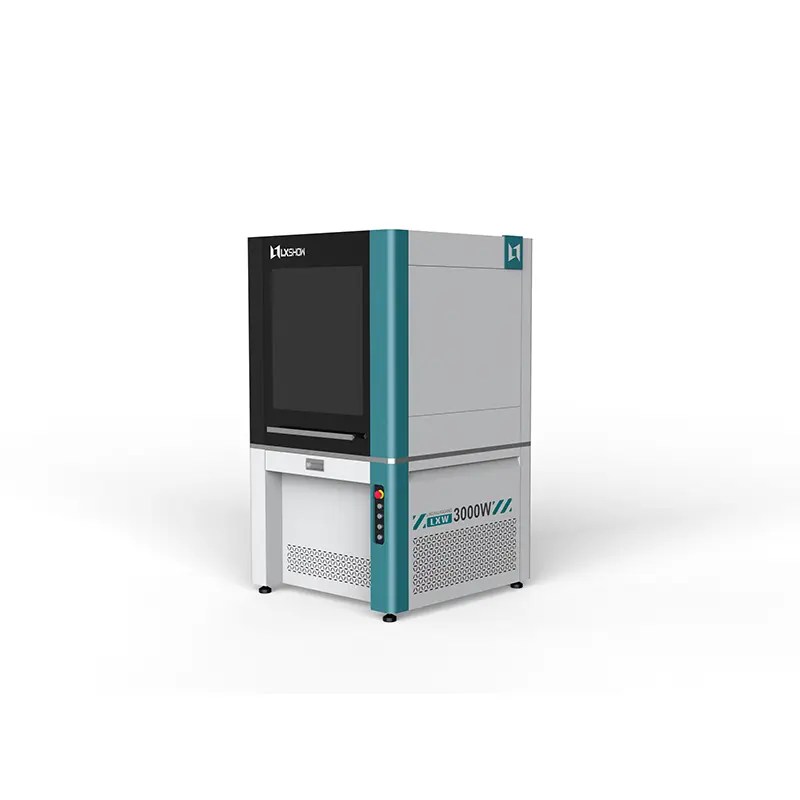
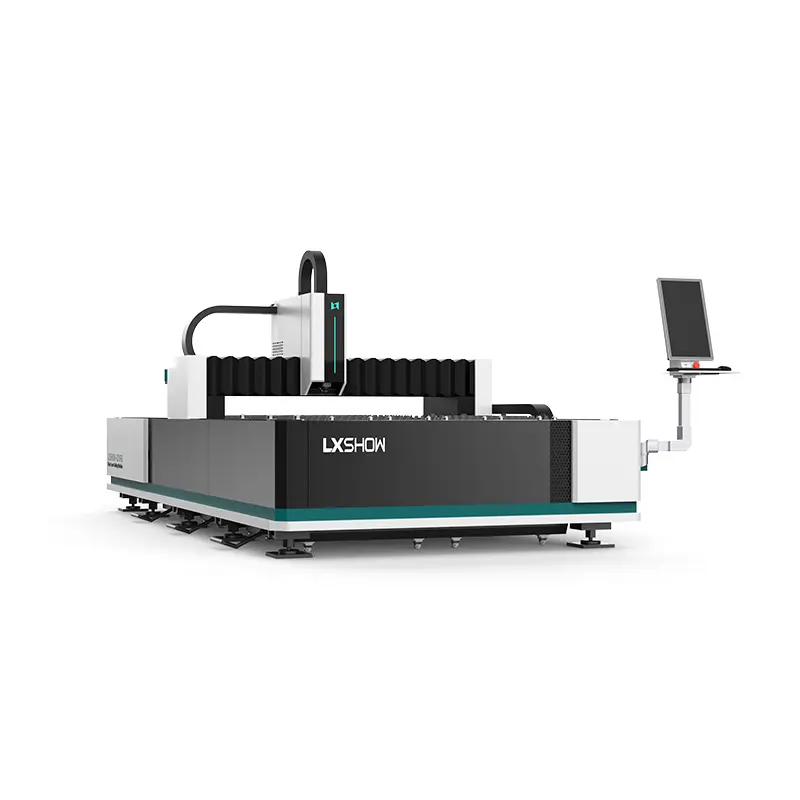
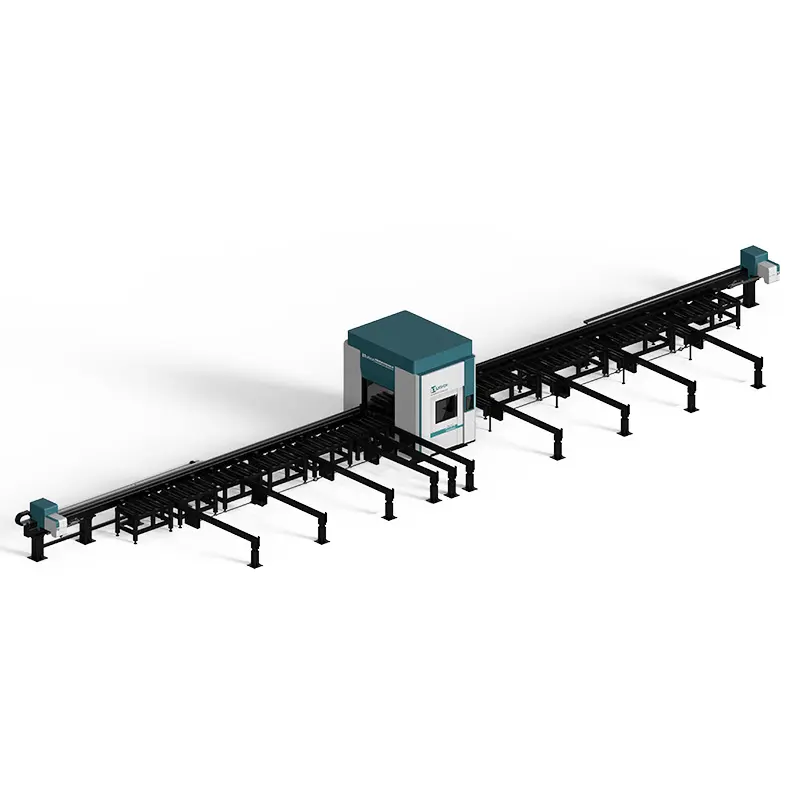
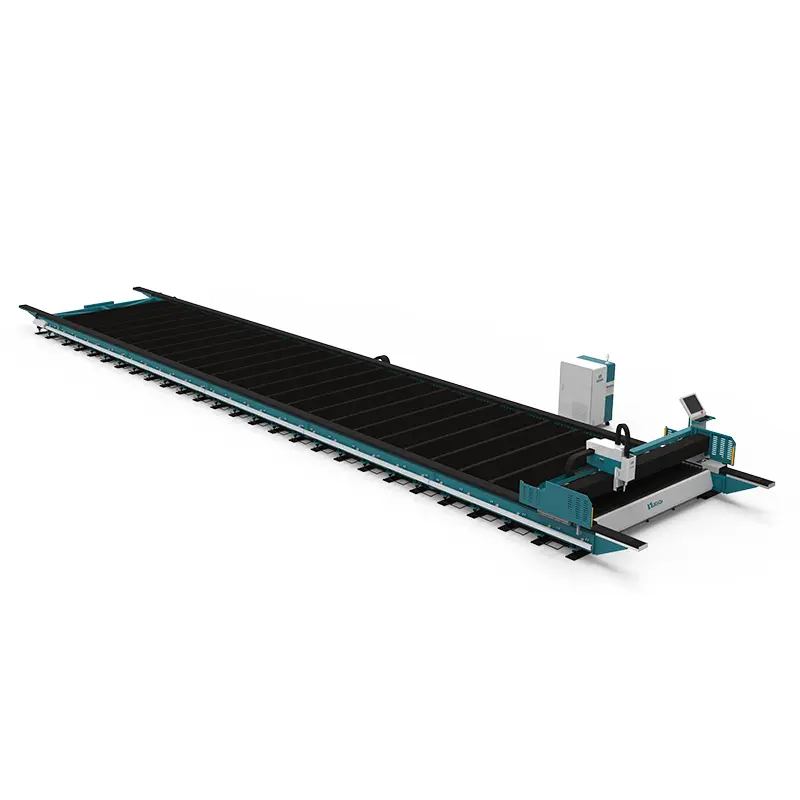
Our complete machinery lines are built to handle structural sheets, pipes, specialized welds, precision surface cleanings, and heavy-duty forming.
Our industrial systems are optimized for different metals, guaranteeing optimal thermal management, cutting tolerances, and edge finish quality.
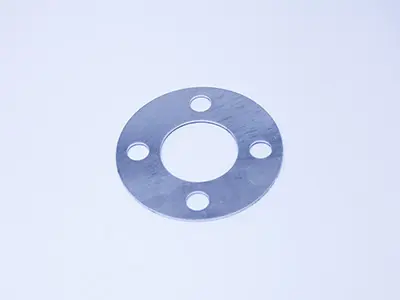
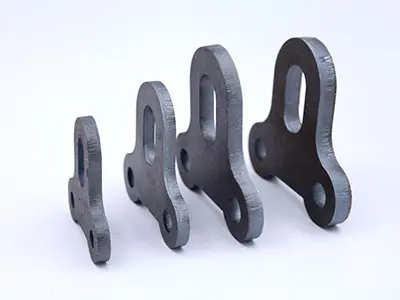
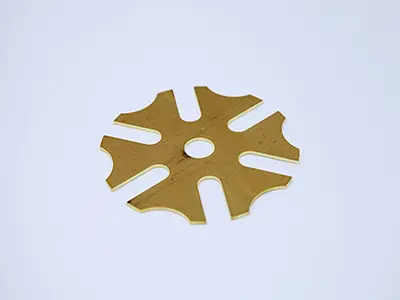
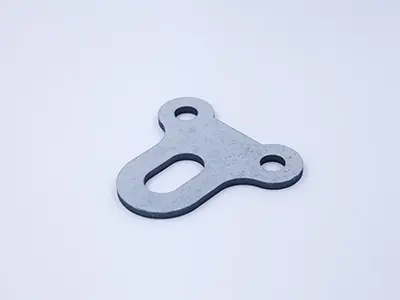
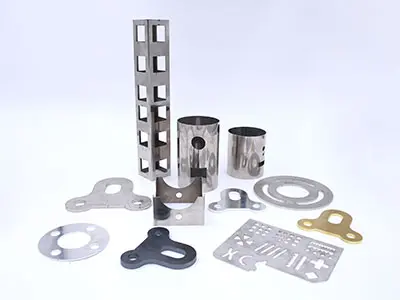
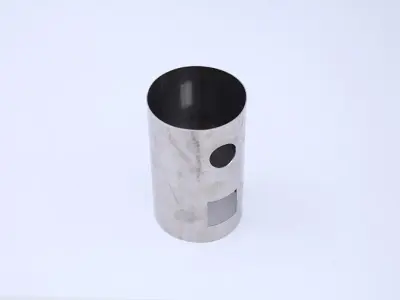
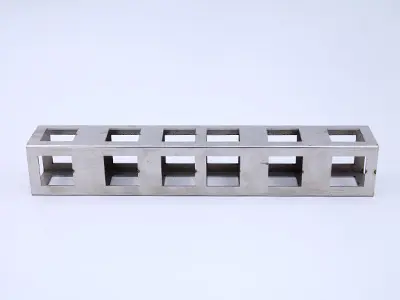
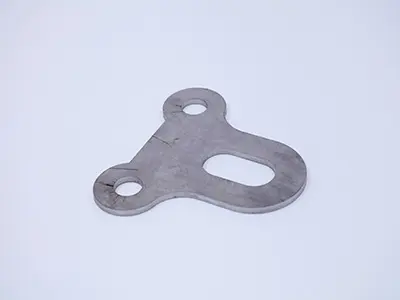
From micro-engineering components to heavy structural frames, see where our machines drive production.
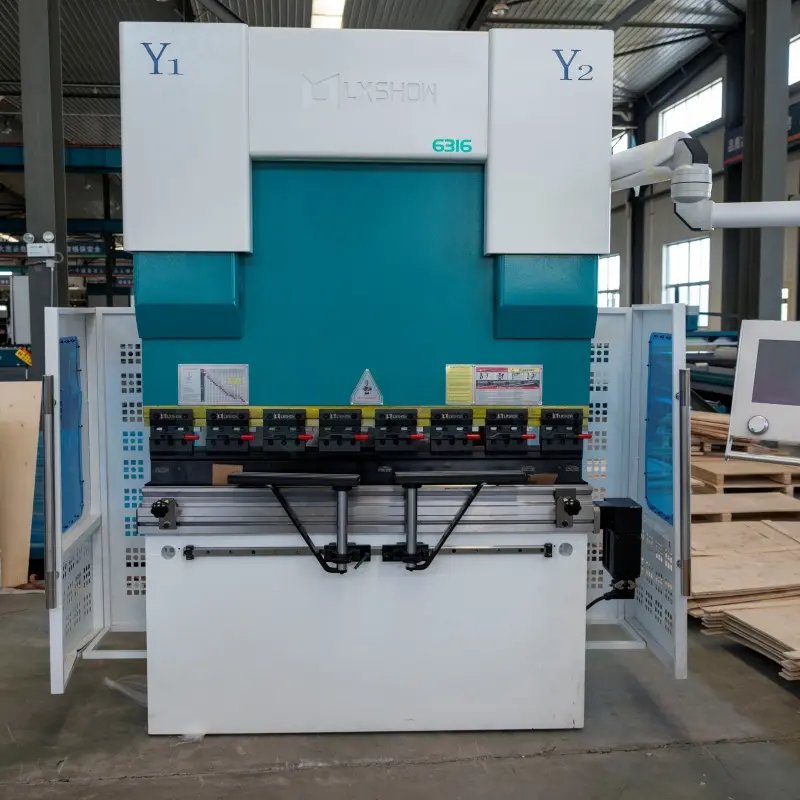
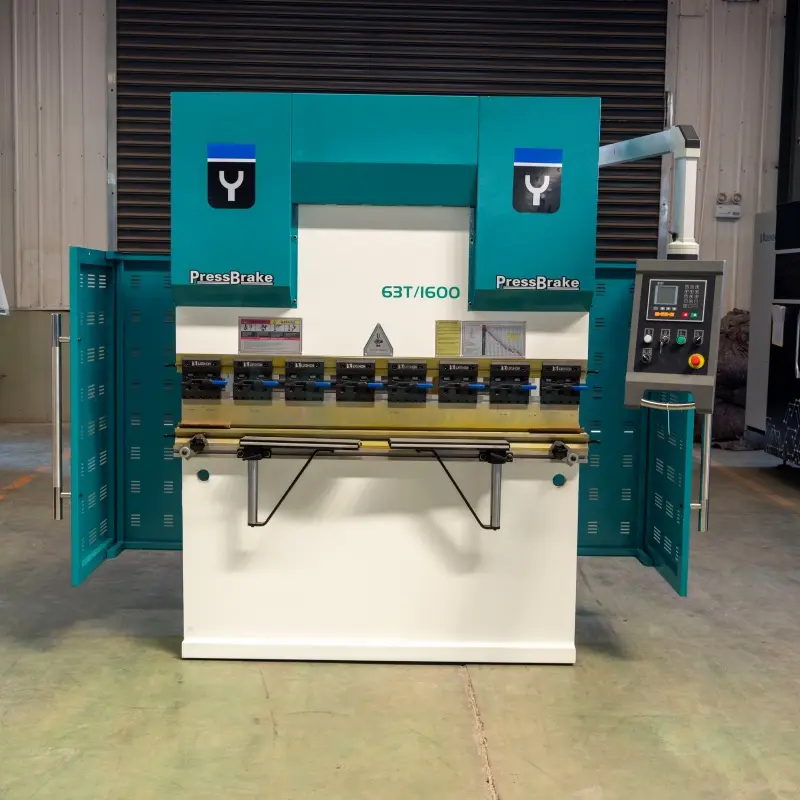
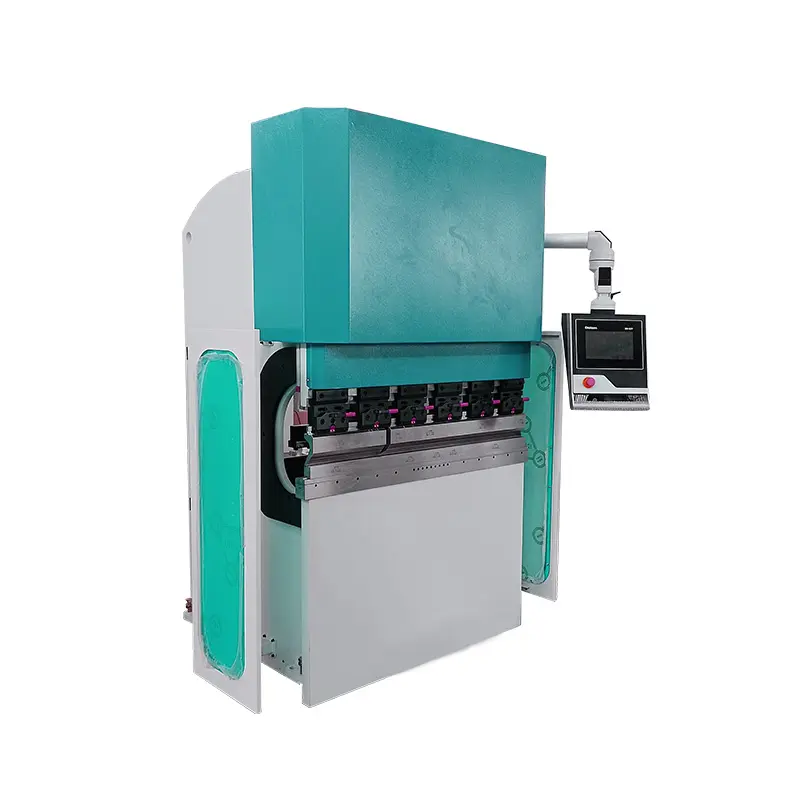
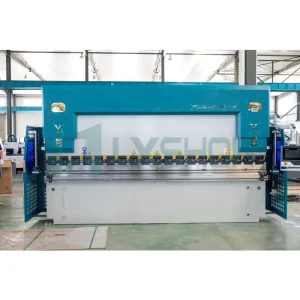
In automotive production, fiber laser cutters process safety frames and brackets from high-strength steel with high speed and zero tool wear. They work in sync with CNC press brakes, ensuring that bent profiles maintain structural integrity with minimal spring-back deviations.
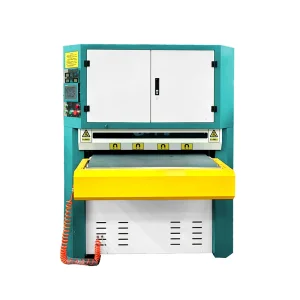
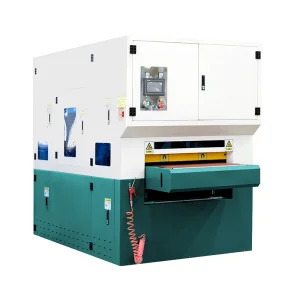
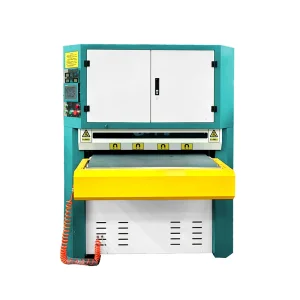
For high-precision cabinets and electrical hardware enclosures, the combination of our fiber laser cutters and deburring systems ensures that components are cut, cleared of burrs, and finished with smooth radii to prevent cable damage during final assembly. This closed-loop fabrication increases assembly speed, reduces scrap rates, and complies with safety standards.
Get answers to critical technical questions to help you make informed decisions when upgrading your machinery.
Explore our additional professional machinery lines built to support high-performance metal forming, finishing, and processing.
 Lxshow