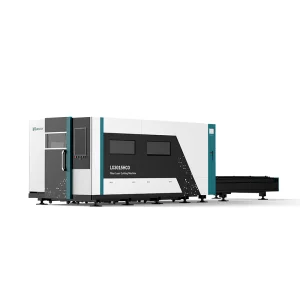
Explore our premium high-efficiency CNC fiber laser cutting systems, laser cleaning solutions, and advanced metal forming machines designed for heavy industrial processing.
Understanding the transition to ultra-high-efficiency solid-state lasers and key growth metrics in global smart manufacturing.
Modern industrial requirements have shifted rapidly from 1kW-3kW systems up to high-kilowatt classes of 12kW, 20kW, and 30kW. This evolution enables thick plate splitting with unprecedented beam quality and minimum heat-affected zones (HAZ).
Smart cutting systems utilize integrated Ethernet communication (e.g., EtherCAT bus systems) to monitor nozzle health, dynamic focal adjustments, and gas consumption metrics in real-time, drastically mitigating manual alignment errors.
Transitioning from mechanical cutting methods to fiber lasers dramatically decreases industrial hazardous waste. The operation eliminates cooling fluids and mechanical tooling wear, operating purely through clean, compressed assist gas mechanics.
A technical guide for industrial supply chain directors optimizing for equipment lifecycle, standardization, and return on investment.
When sourcing heavy laser systems, procurement teams face high-stakes technical decisions. Quality assurance is not merely a label; it requires rigorous mechanical and electrical compliance certification.
We guarantee absolute compatibility through comprehensive certifications, having passed the European Union CE authentication, the American FDA certificate, and global ISO 9001 quality management standard compliance audits.
Additionally, the critical mechanical component configuration is fully traceable: from world-renowned resonators (Raycus, IPG, Max) to dynamic cutting heads (Precitec, Raytools) and advanced servo controllers, reducing maintenance cycles and maximizing machine uptime.
Modern laser platforms offer significantly superior wall-plug efficiencies compared to legacy machinery. A fiber laser's electro-optical conversion rate exceeds 30%, compared to only 8-10% for traditional CO2 systems.
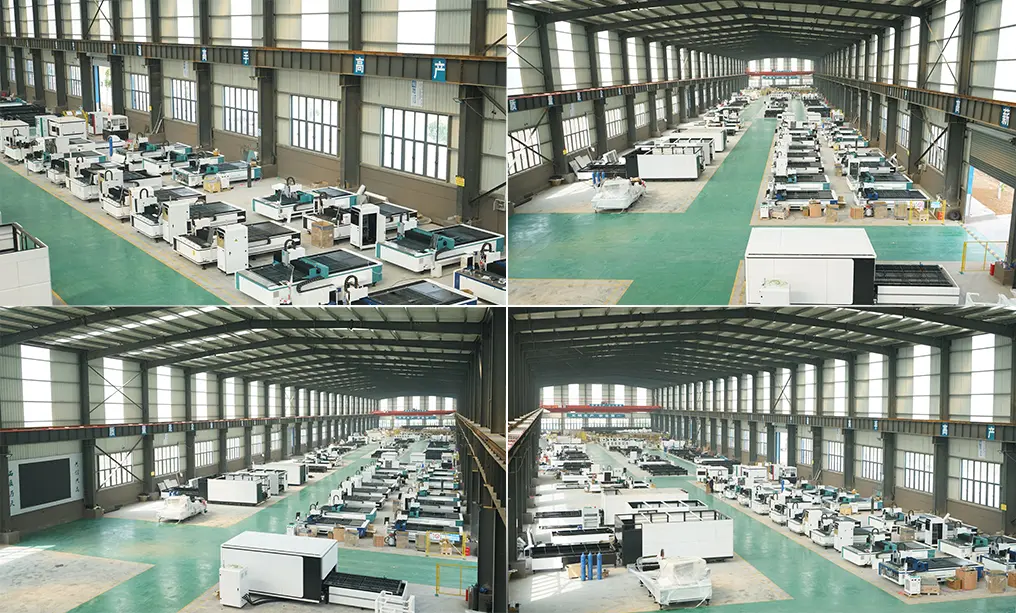
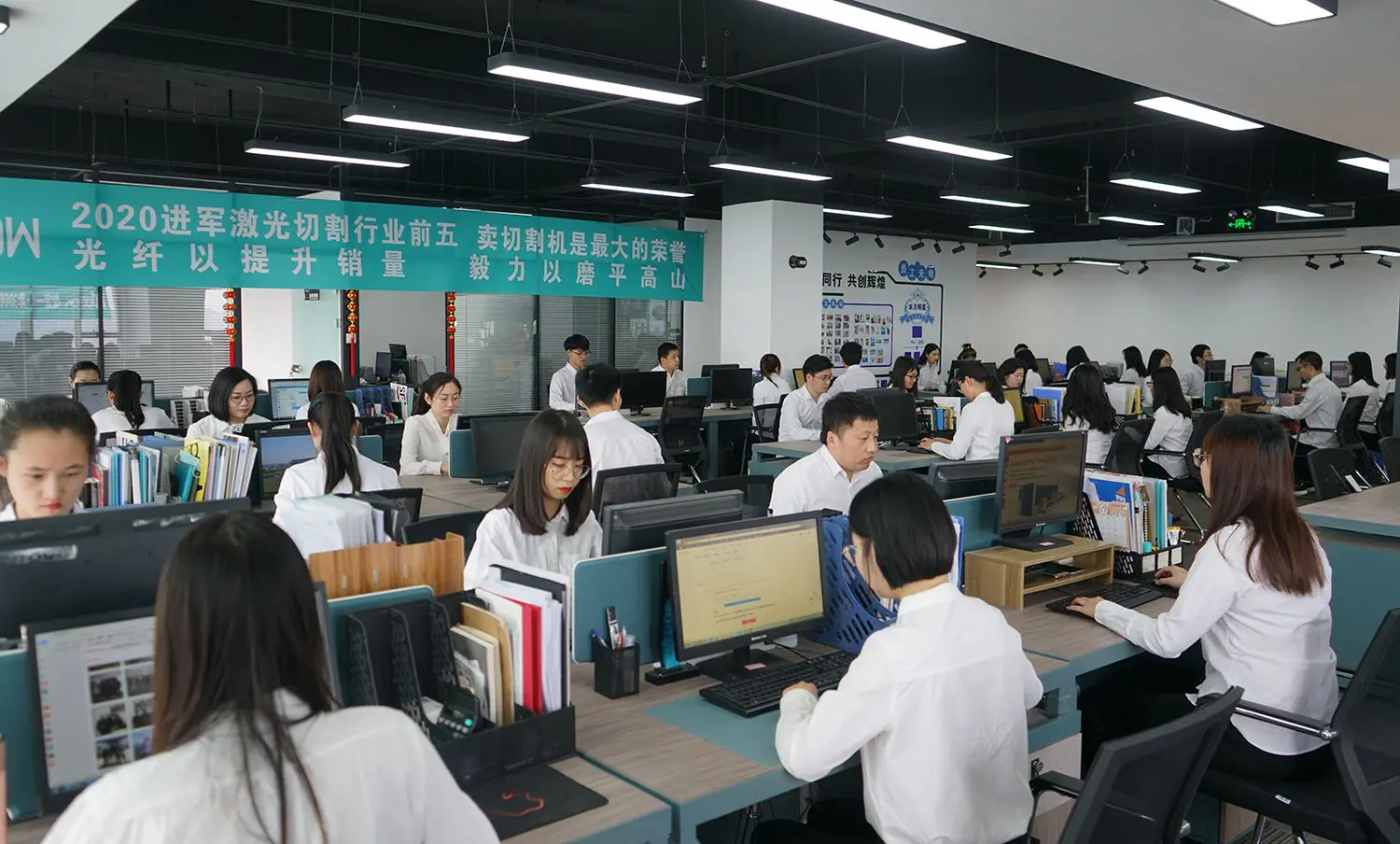
Combining heavy mechanical engineering with smart manufacturing clusters to deliver reliable industrial platforms at scale.
Our machine beds undergo a thermal tempering process at 600°C to 650°C, followed by structural aging. This ensures the structural frame remains free of mechanical deformation or warping over a lifetime exceeding 20 years.
We provide tailormade OEM systems for more than 30 global manufacturers. This includes customization of frame widths, axis configurations, specialized control software interfaces, and automation modules.
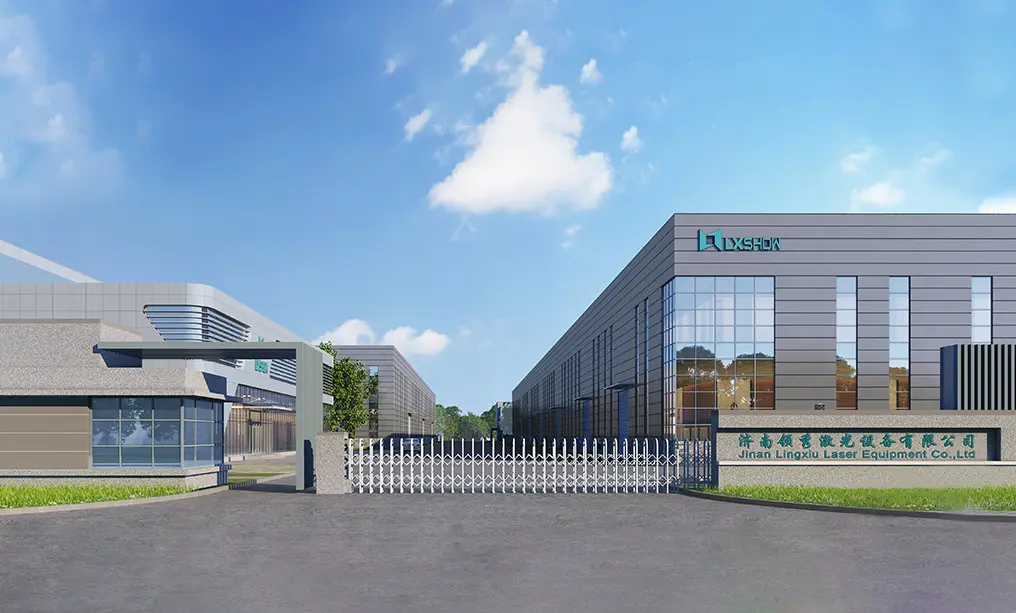
Located in Jinan, the premier laser industrial hub in China, our supply chain ensures access to dynamic castings, precision gear racks, custom laser components, and advanced electronic interfaces, offering unmatched cost efficiency.

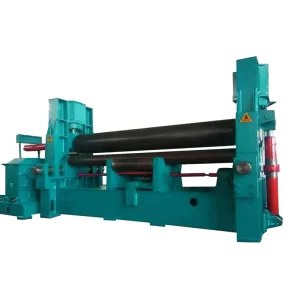
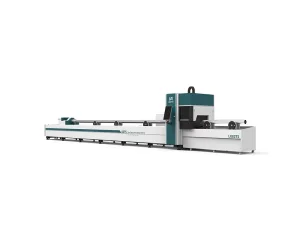
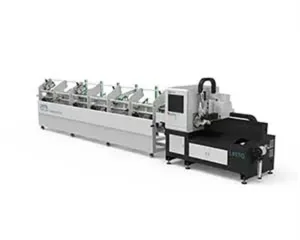
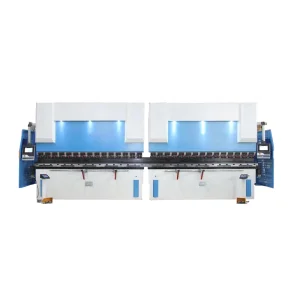
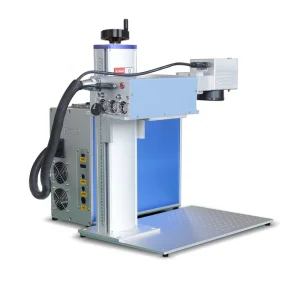
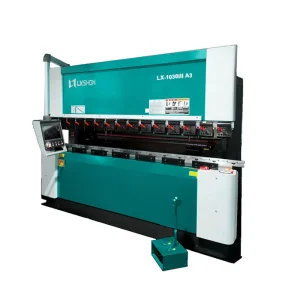
Specialized equipment designed for heavy sheet metal, thick plates, complex profiles, and precise structural manipulation.
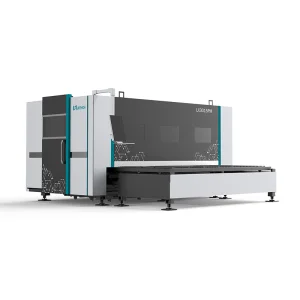
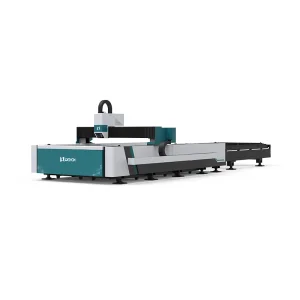
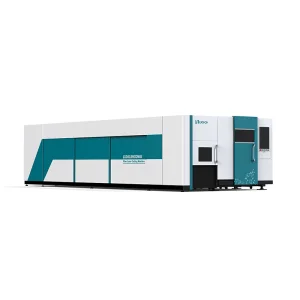
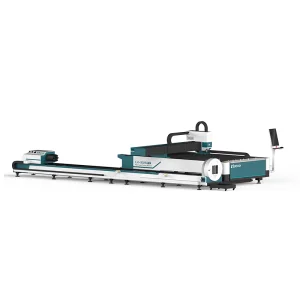
Engineered for high-speed cutting of carbon steel, stainless steel, and highly reflective metals like aluminum, copper, and brass. Configurable with dual-exchange shuttle tables and full protective enclosures.
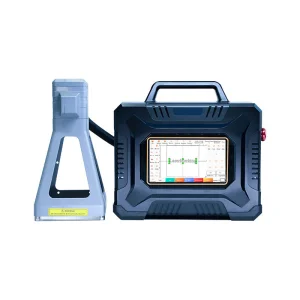
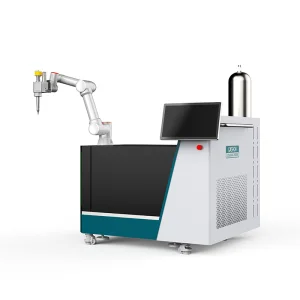
Capable of deep penetration welding with minimal heat dissipation, eliminating weld distortion and the need for post-weld grinding. Features manual handheld or robotic arm integrations.
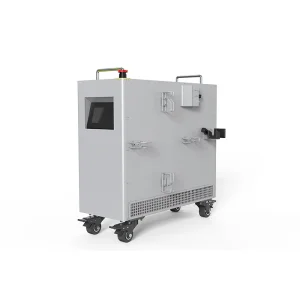
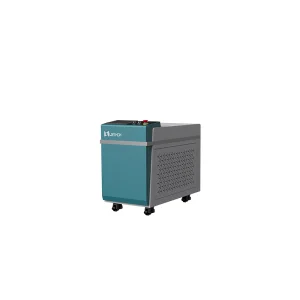
Non-contact cleaning lasers effectively clean metal oxides, rust, paint, and organic contaminants. Laser cladding systems are also available to apply wear-resistant surface layers.
Our laser machinery supports a wide range of industrial metal sheet types, pipe geometries, and alloy types:
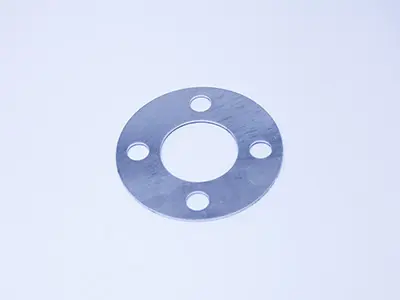 Aluminum
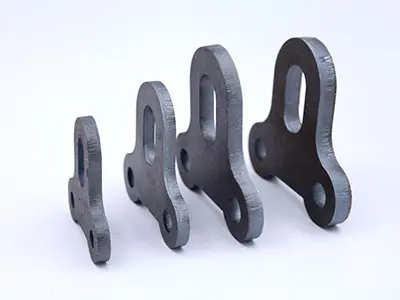 Carbon Steel
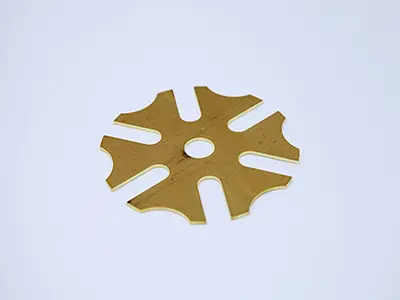 Copper
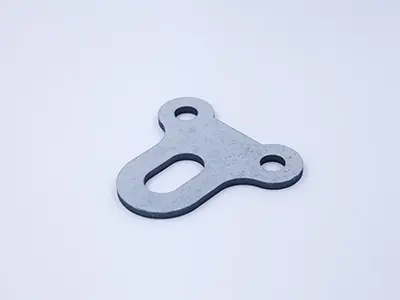 Galvanized Steel
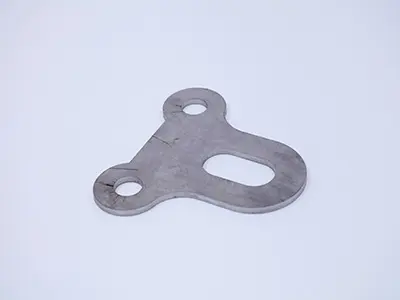 Stainless Steel
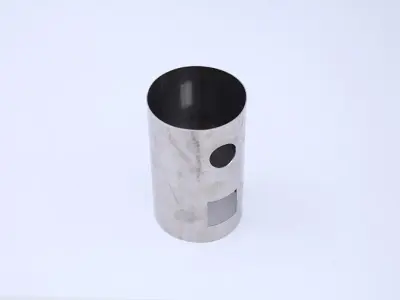 Round Tube
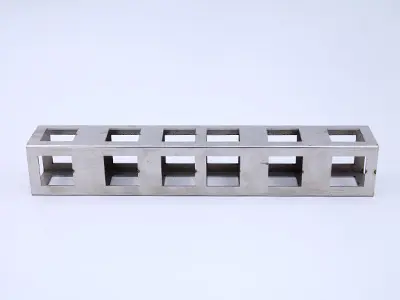 Square Tube
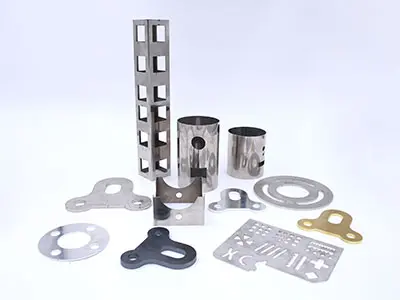 Other Alloys
How laser systems solve critical production bottlenecks across key global industrial sectors.
Modern electric vehicle manufacturing requires high-speed, high-precision processing of automotive structural frames. By utilizing our advanced laser systems, Tier-1 automotive parts manufacturers can process complex geometries in high-strength steel alloy components, drastically lowering production cycle times compared to mechanical stamping dies.
In agricultural machinery manufacturing and crane chassis assembly, heavy plates must be cut with precise weld prep angles. Ultra-high-power fiber systems process raw carbon steel plates up to 50mm thick, generating clean edges with minimal taper, ready for high-strength welding processes.
Stainless steel food service machinery demands highly decorative, burr-free edges to satisfy hygiene standards. Utilizing nitrogen assist gas prevents dynamic edge discoloration, eliminating post-cut acid washing or manual polishing cycles.
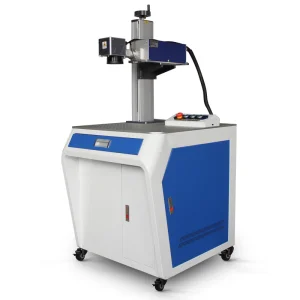
Micro-scale tooling and dynamic integrated circuitry necessitate highly localized laser marking and ultra-fine UV cutting. These systems operate with minimum pulse widths to prevent heat accumulation, protecting delicate silicon substrates and surrounding materials.
Get professional advice on mechanical physics, electrical standards, and sourcing logistics.
Discover our range of advanced high-power fiber laser cutters, high-precision hydraulic forming benders, and automatic robotic welding cells.
 Lxshow