Engineered for superior tolerance control, continuous industrial output, and maximum material utilization
Analyzing market growth, technological paradigm shifts, and global output metrics
The global metal fabrication landscape has undergone a monumental shift, largely driven by the evolution of high-power fiber laser technology. Historically, structural manufacturing, automotive design, and heavy machinery production relied heavily on mechanical stamping, plasma arc cutting, or legacy CO2 lasers. However, as global supply chains demand shorter lead times, higher dimensional accuracy, and minimized material scrap rates, the market for OEM laser cutting of steel has expanded exponentially.
Today, fiber laser resonators with output capacities ranging from 1kW to over 30kW have democratized high-speed steel processing. Industries are no longer restricted by tooling wear or the geometric limitations of physical dies. For instance, carbon steel—a staple in structural engineering—presents complex thermal challenges. Advanced CNC fiber lasers overcome these issues by utilizing pressurized nitrogen or oxygen as assist gases, resulting in dross-free edges that eliminate secondary finishing processes. This technological efficiency has driven a massive surge in global procurement, establishing a multi-billion dollar export market dominated by vertically integrated OEM manufacturers.
From a geographical perspective, regional manufacturing clusters in North America, Western Europe, and the Asia-Pacific command the largest share of consumption. However, the supply side of high-power industrial systems relies heavily on manufacturing hubs capable of scaling production without diluting technical standards. This is where specialized OEM exporters bridge the gap, bringing certified compliance, customizable designs, and structural reliability to global buyers.
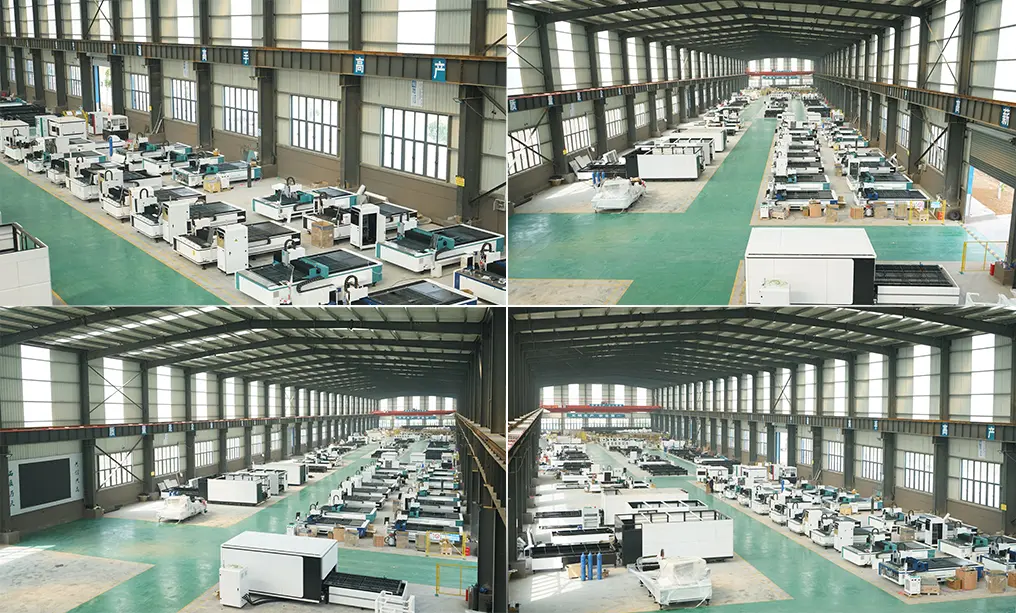
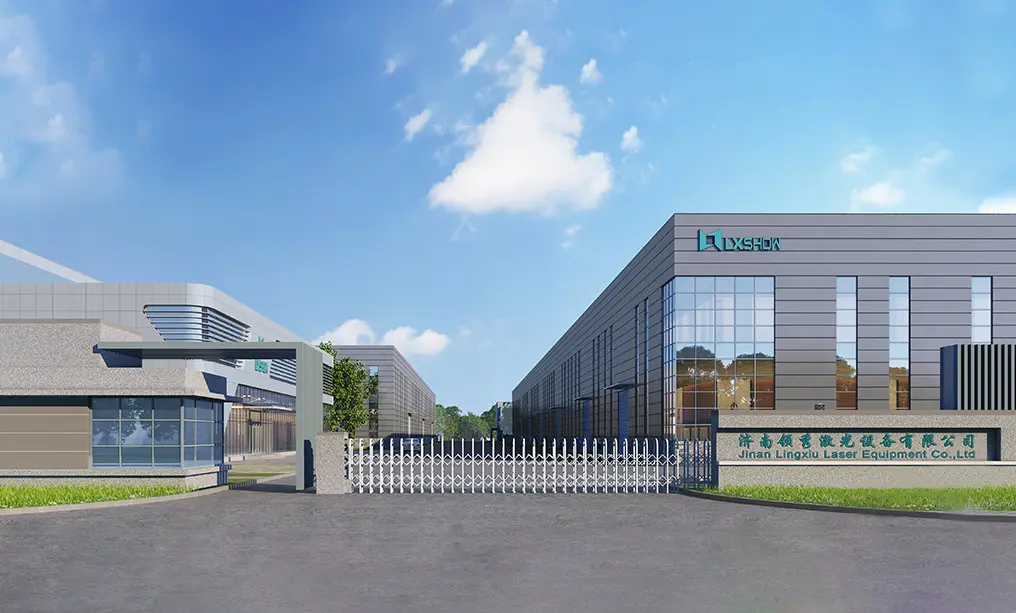
Established in July 2004, LXSHOW has stood at the absolute forefront of high-precision CNC laser engineering. Serving a robust base of more than 20,000 users across 150+ countries, we have committed ourselves to translating technological innovation into customer-centric reliability. Spanning an expansive production footprint that includes more than 500 square meters of dedicated R&D/office space and a state-of-the-art 32,000 square meter manufacturing factory, our operations are built to support both large-scale volume manufacturing and specialized customized OEM configurations.
Every unit leaving our facilities is manufactured in strict compliance with international benchmarks. Our production processes and machinery have successfully passed the European Union CE authentication, American FDA certification, and are certified under ISO 9001 quality management standards. This ensures that our global network of distributors and direct industrial clients receive machinery that satisfies rigorous localized safety and performance regulations.
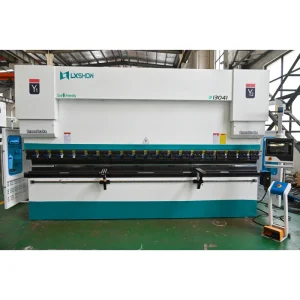
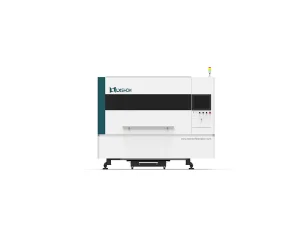
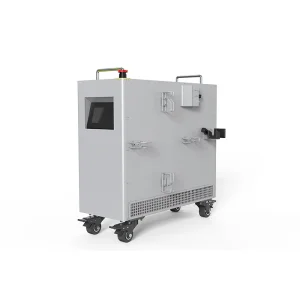
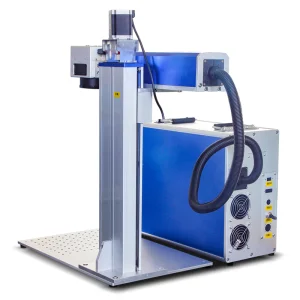
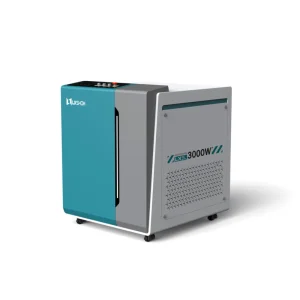
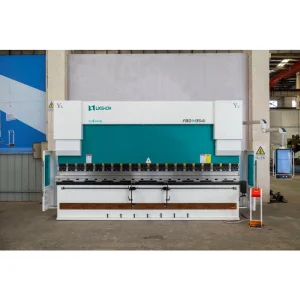
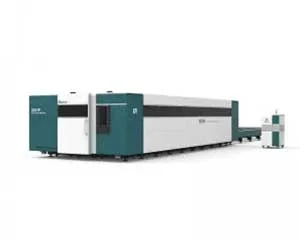
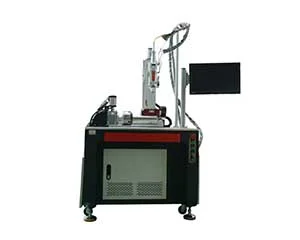
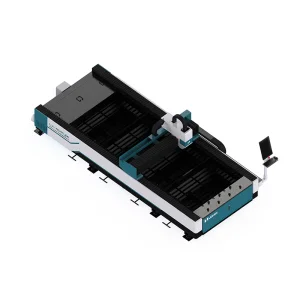
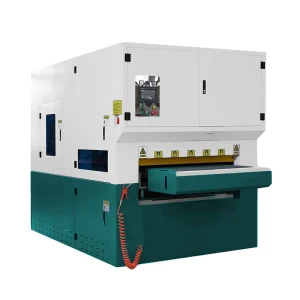
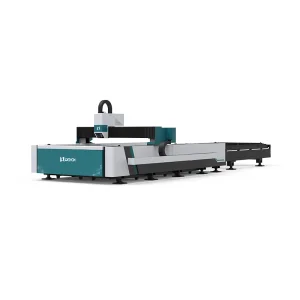
Currently, our diverse systems support over 30 global brands with robust OEM engineering services. Our main product line centers around:
How localized supply chains, technical clusters, and raw capacity deliver maximum value to global buyers
Chinese industrial clusters, particularly in optical and mechanical hardware, have achieved near-perfect integration. From localized semiconductor diode processing to state-of-the-art gantry machining, every component is sourced within tightly synchronized ecosystems, minimizing logistics-related overhead and reducing production lead times.
Armed with an in-house engineering and design team, our factory can pivot layouts, optimize gantry structures, or modify software controls within days. This speed is unmatched in Western markets, where long design approval cycles often stall custom requirements.
By pairing international structural components (such as Swiss Raytools cutting heads, high-torque Yaskawa servo motors, and premium rack-and-pinion rails) with localized assembly methods, we provide machinery that offers premium accuracy and speed at a fraction of the traditional cost structure.
For global procurement specialists, this operational efficiency translates directly into lower capital expenditure (CAPEX) and faster return on investment (ROI). In an era where margins are compressed, selecting an exporter with a mature supply chain ensures that you receive high-performance sheet metal tools that do not compromise on technical longevity.
Our fiber laser systems are optimized for a wide spectrum of ferrous, non-ferrous, and profile geometries
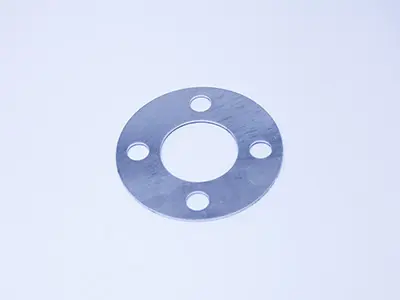
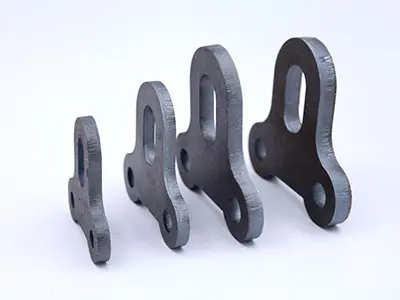
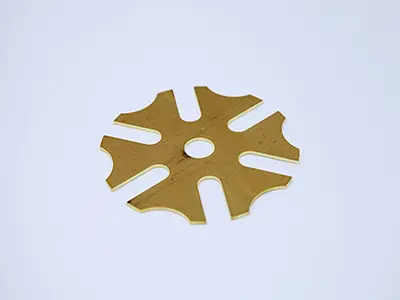
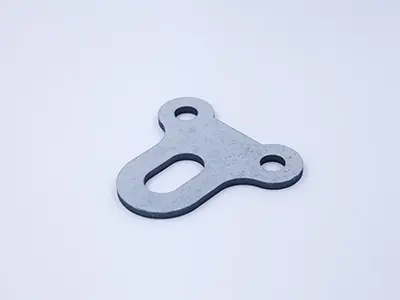
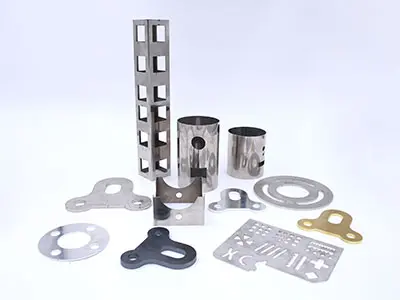
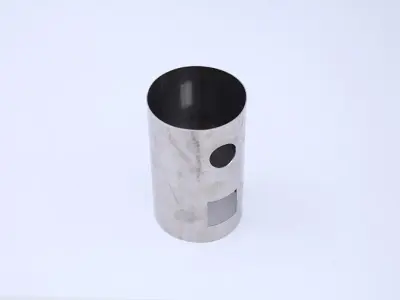
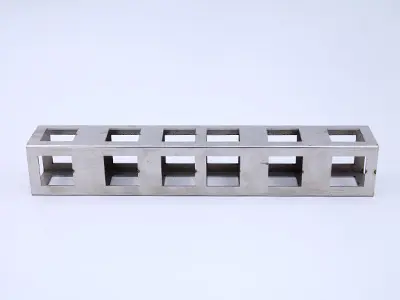
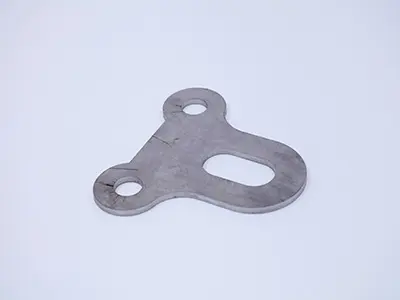
Each alloy responds differently to laser energy. Highly reflective metals, like copper and aluminum, require specialized back-reflection protection inside the fiber resonator to prevent optical feedback damage. On the other hand, carbon steel requires dynamic cutting parameter control: oxygen gas assists cut speed by inducing exothermic reactions, while nitrogen assist gas is used for clean stainless steel processing to avoid oxidation. Our CNC controls allow operators to store pre-loaded parameter libraries, minimizing error and scrap during production transitions.
Real-world applications of smart laser machinery in modern industrial ecosystems
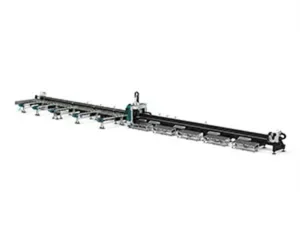
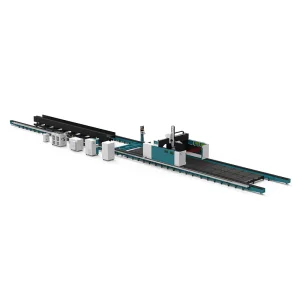
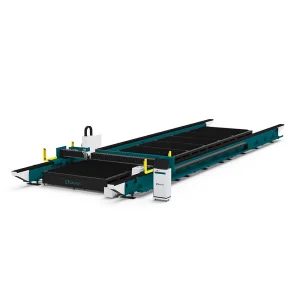
In heavy equipment manufacturing—such as excavators, structural building columns, crane booms, and concrete batch plants—durability is paramount. High-power ground rail fiber lasers, such as the ODM 13025LC, allow operators to process thick mild steel plates over a massive envelope. With gantry spans that handle sheets exceeding 10 meters, structural fabrication yards can nesting-cut multiple large members in a single run, reducing heat deformation and structural weld prep time.
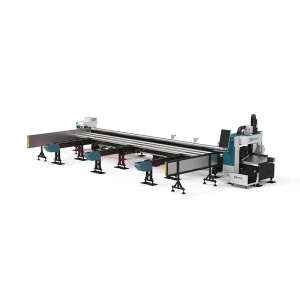
Automotive suppliers operate in a hyper-competitive space where margins are thin. Hydroformed exhaust components, structural chassis parts, and mounting brackets require complex cuts along curved geometries. Our 3D laser head assemblies and high-speed tube laser machinery (e.g., LX122TXA) allow for multi-axis cuts on round, square, and complex-shaped profiles, maintaining dimensional consistency across large-volume runs.
Aerospace alloys, high-grade stainless steels, and semiconductor process components demand exceptional clean-cut edges and zero thermal stress micro-cracking. Using ultra-fine focus laser optic arrays, our mini fiber laser systems (such as the LX1390M) are ideal for precision enclosures, thermal shields, and micro-bracket components. These systems prevent material warping and deliver high dimensional accuracy.
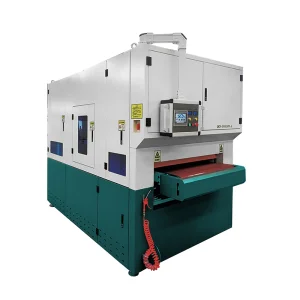
Medical tools, food-grade storage devices, and kitchen hardware demand flawless sanitary finishes. Stainless steel sheets cut with fiber lasers do not suffer from surface oxidation when processed with nitrogen gas. By pairing laser cutting with post-processing tools like our double abrasive belt deburring machine (LX-RRS-M-450), manufacturers can guarantee soft, safe edges suitable for consumers and clinical environments alike.
Evaluating the convergence of automation, sustainability, and high-power technology
| Trend Dimension | Legacy Technology Paradigm | Next-Generation Laser Systems | Strategic Impact on Manufacturing |
|---|---|---|---|
| Automation & Robotics | Manual plate loading, manual sheet nesting, basic CNC controls. | Dual exchange worktables, three-chuck systems, robotic arms, smart nesting software. | Drastic reductions in cycle setup times, minimized human error, and 24/7 dark-factory run capacity. |
| Resonator Power Outputs | 1kW to 4kW systems, slow speeds on thicker plates, limited thickness capability. | 12kW to 30kW+ ultra-high power, air-assisted high-speed cutting parameters. | High productivity rates on thick plates, lower operational costs by switching from oxygen to compressed air assist. |
| Environmental Sustainability | Chemical rust removal, high-energy-consumption CO2 tubes, high carbon footprint. | High-efficiency fiber lasers, zero-chemical laser cleaning, low-draw power components. | Compliance with global green manufacturing mandates (EPA, RoHS, Carbon Border Adjustments). |
| Supply Chain Integration | Single-use standalone tooling, disconnected upstream/downstream lines. | Integrated laser cutting, CNC bending, and robotic welding with unified CAD/CAM files. | Reduced component transfer times, lower WIP stock levels, and simplified production management. |
The shift from traditional laser cutting to high-power fiber laser systems represents more than a speed upgrade. It is an overall optimization of the production floor. As energy prices fluctuate globally, the high wall-plug efficiency of fiber lasers (typically exceeding 35% compared to just 10% for traditional CO2 systems) has become a deciding factor for procurement managers. Furthermore, the integration of smart systems with Internet of Things (IoT) monitoring allows for predictive maintenance, ensuring that downtime is scheduled rather than reactive.
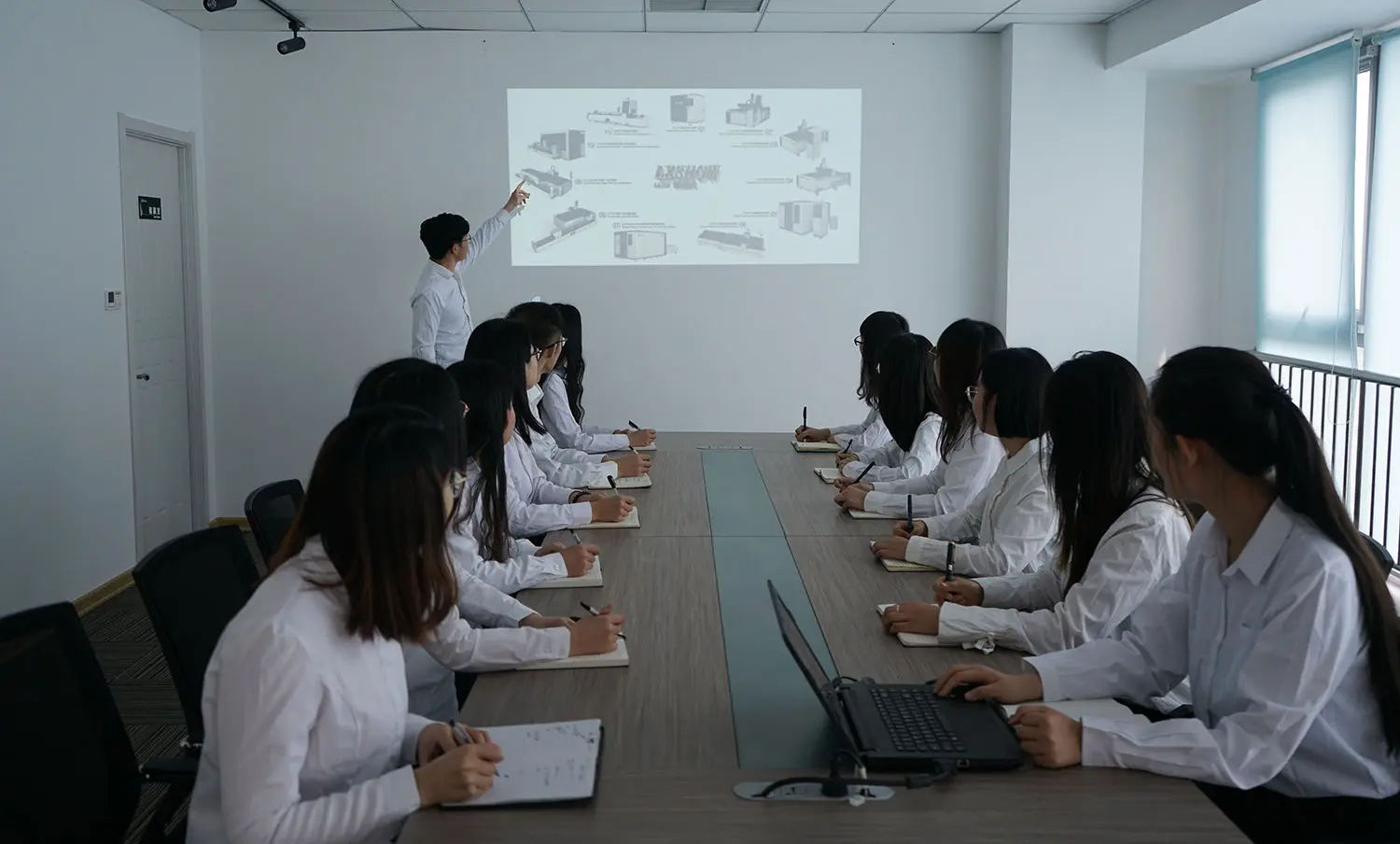
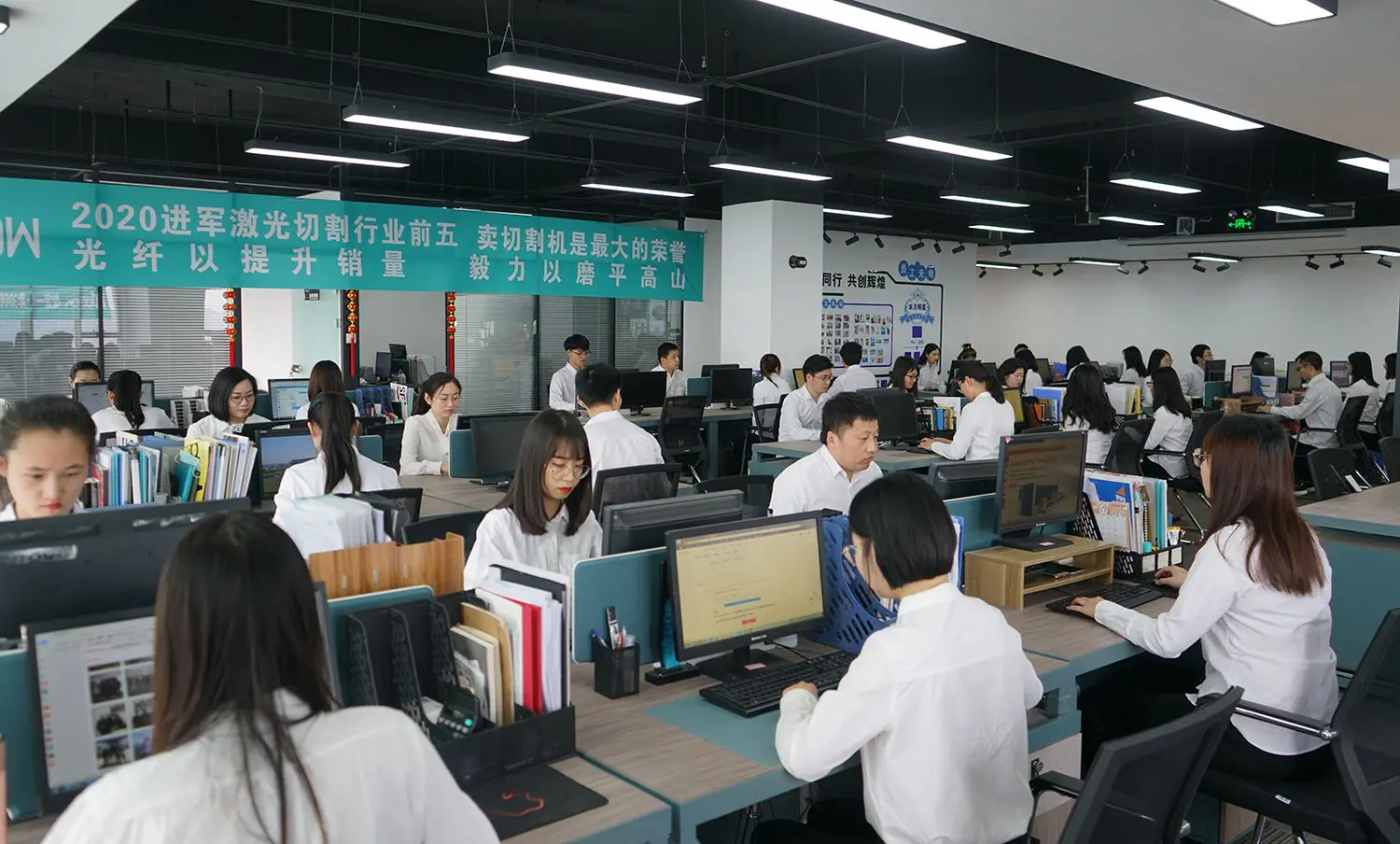
A look inside our 32,000 square meter factory, R&D centers, and administrative offices

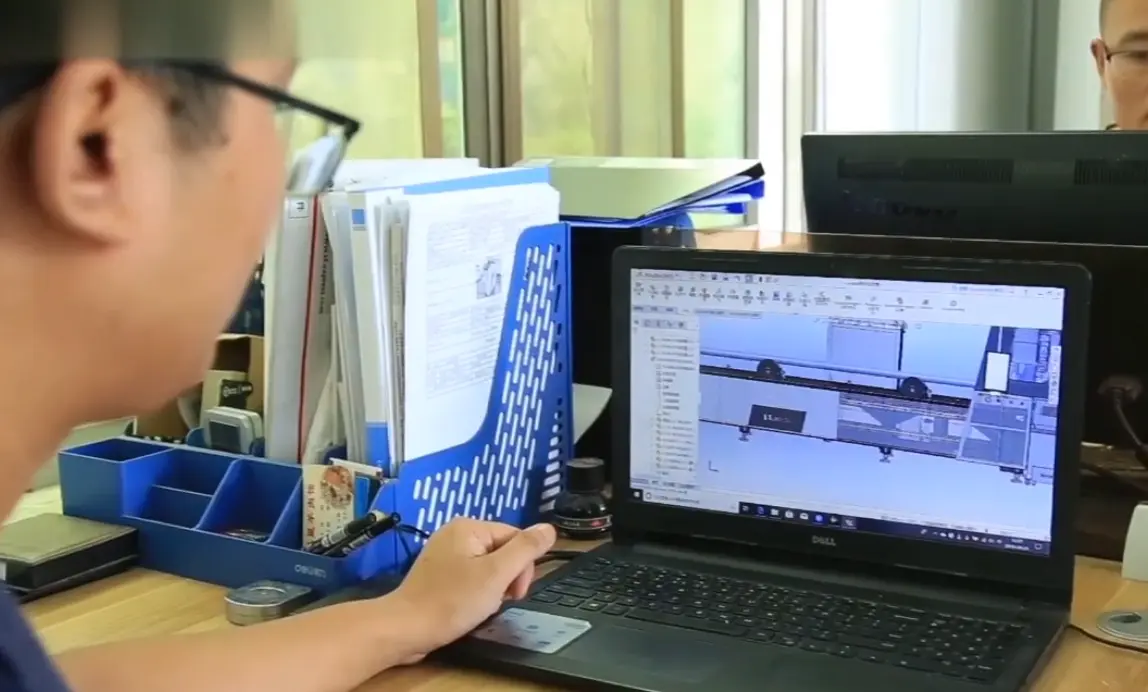
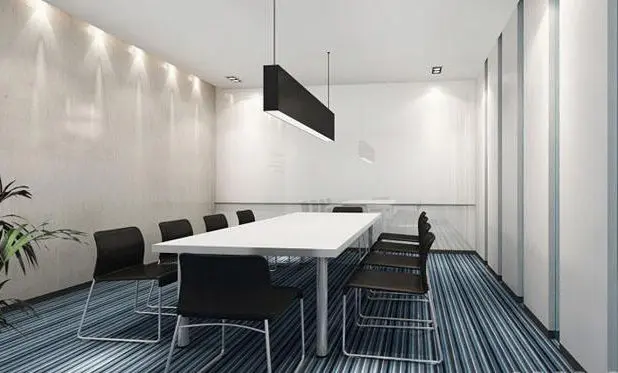
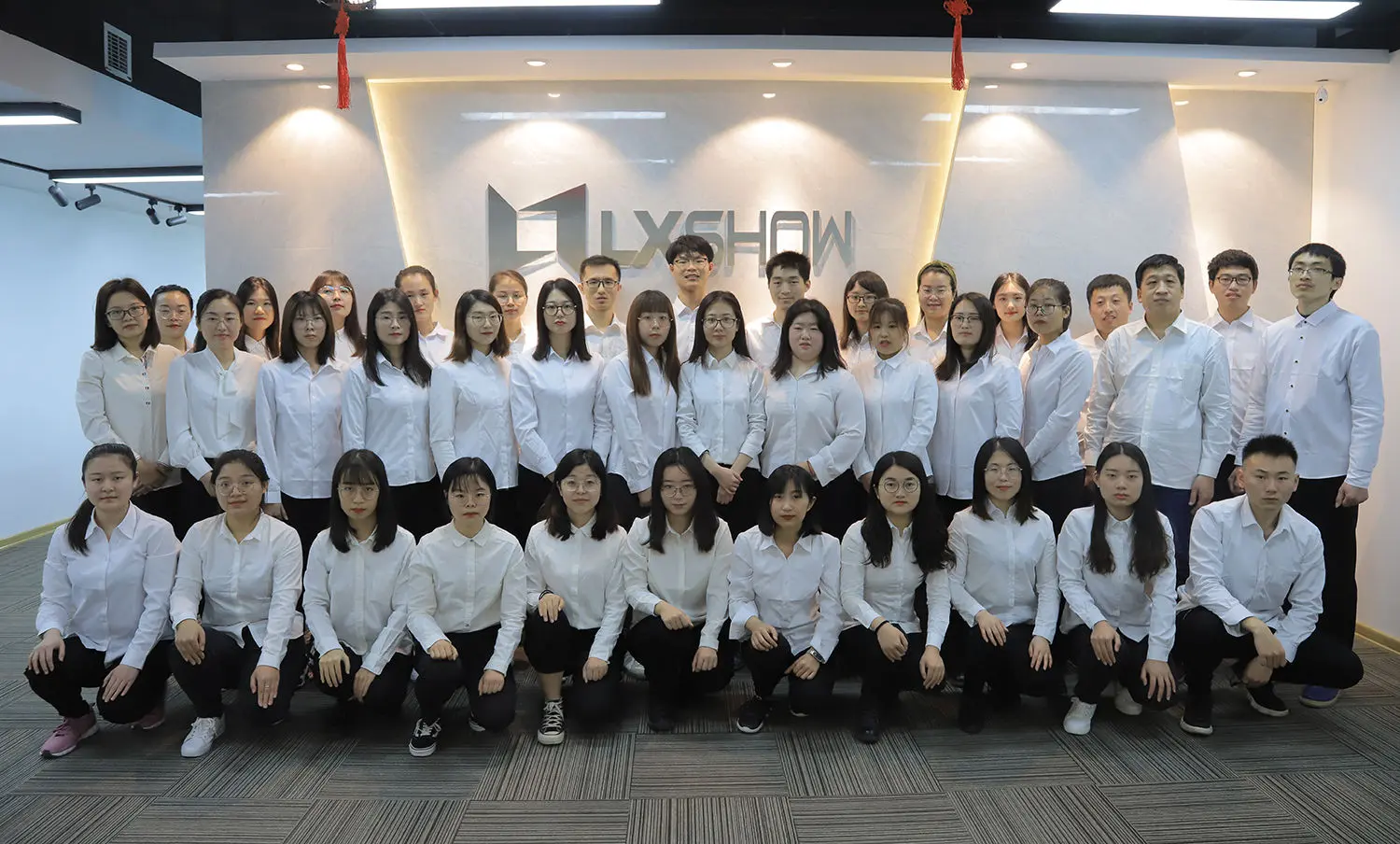
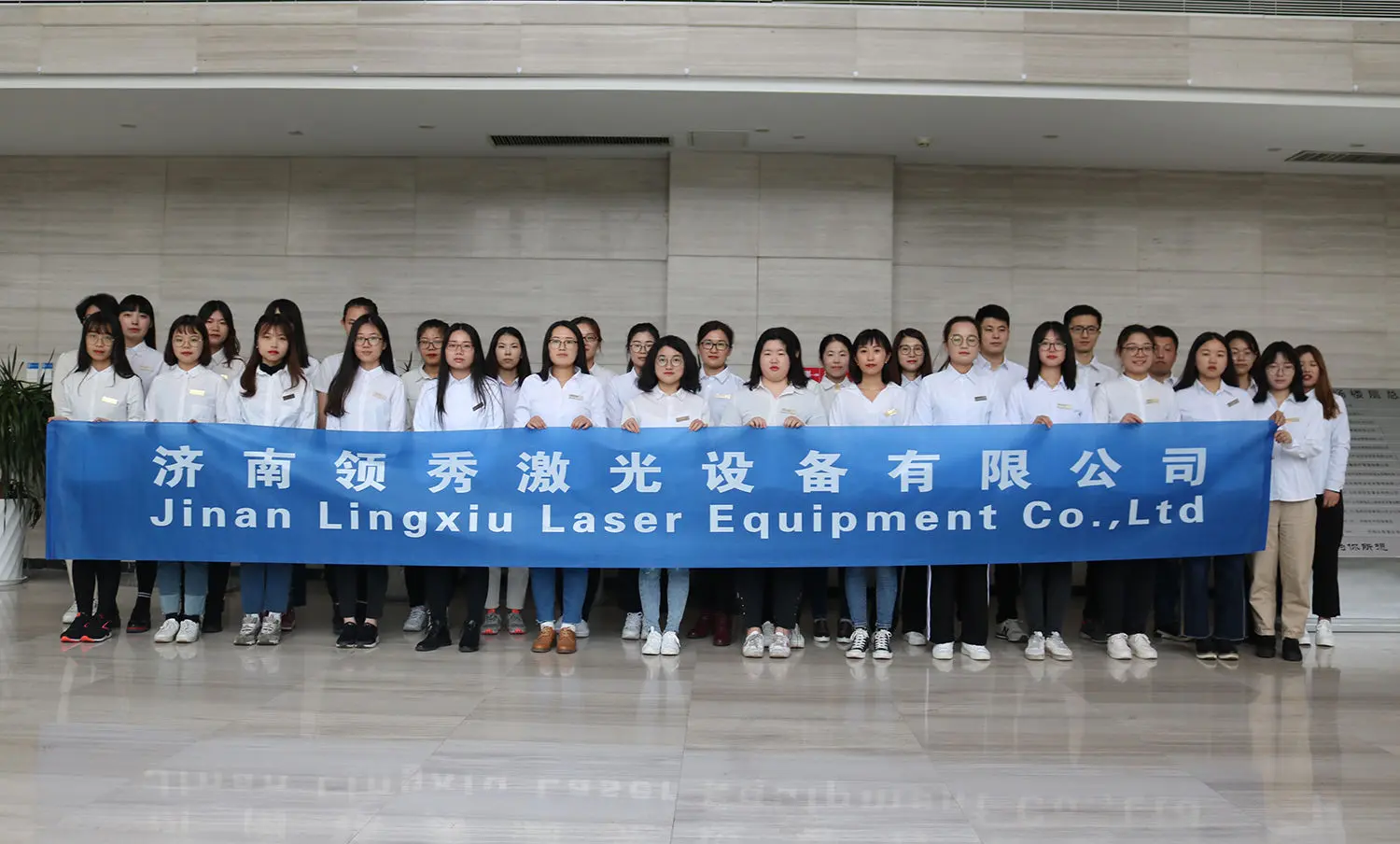
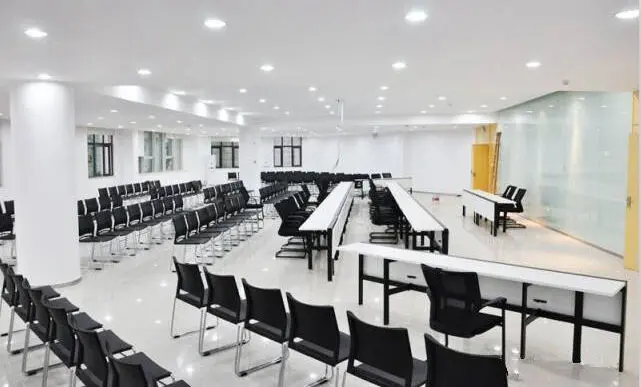
Key considerations for procurement managers, engineering firms, and high-volume importers
Sourcing industrial laser cutting platforms requires looking beyond just price and raw kW ratings. A system's performance is determined by how its optical system, mechanical movement, software, and frames interact. Procurement engineers should pay close attention to the following key details:
High-power fiber lasers operate with rapid acceleration profiles, sometimes exceeding 1.5G. If a machine bed is poorly constructed or lacks stress-relieving heat treatment, structural micro-warps will develop over time. This ruins cut accuracy and leads to premature rail wear. LXSHOW uses heavy plate-welded beds that undergo high-temperature tempering cycles to guarantee structural alignment over a decade of continuous service.
The reliability of your machine depends on its weakest component. High-quality resonators from industry leaders like IPG, Maxphotonics, and Raycus offer stable output beams and long operational lifespans. Similarly, premium optical cutting heads with auto-focus sensors protect the machine from crashes and automatically adjust the focal point during mid-job material thickness changes.
Software like CypCut or specialized CNC controllers act as the bridge between design files and metal parts. These platforms support clean nesting layouts, automatic edge finding, fly-cutting paths, and micro-joints. This level of control reduces material waste and speeds up processing times, keeping operators safe and workflows efficient.
Answers to common technical, logistics, and OEM questions from procurement professionals
Advanced manufacturing tools built to optimize fabrication speed and minimize production down-time
 Lxshow