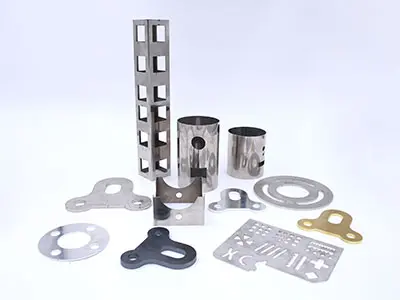
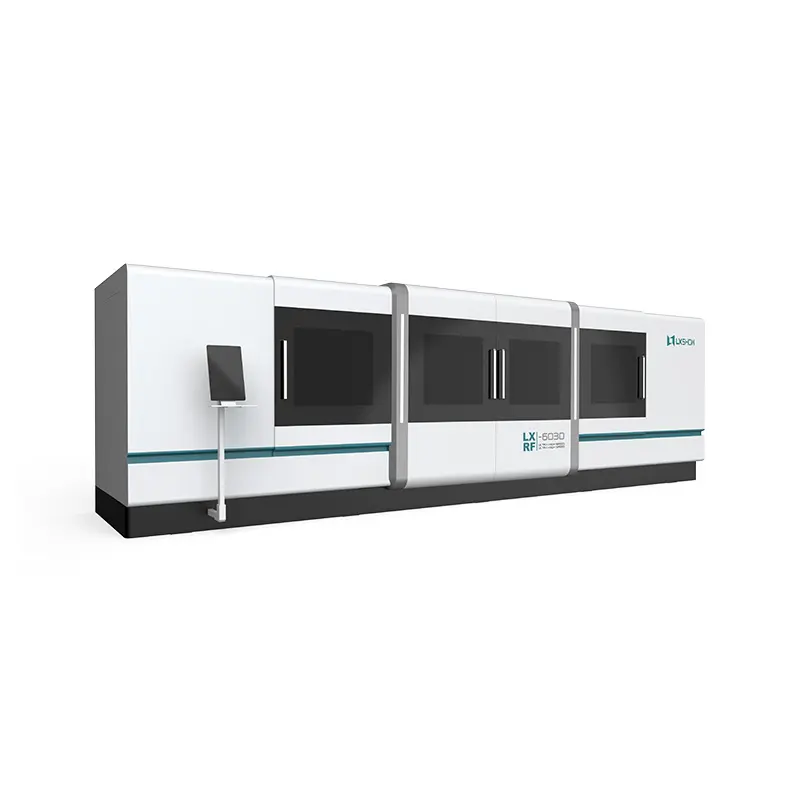
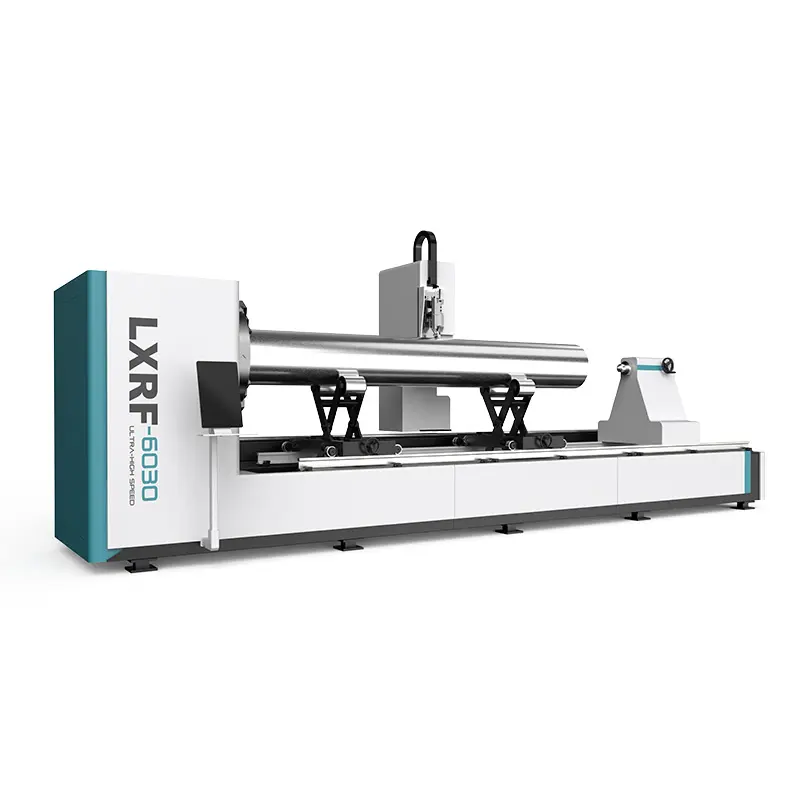
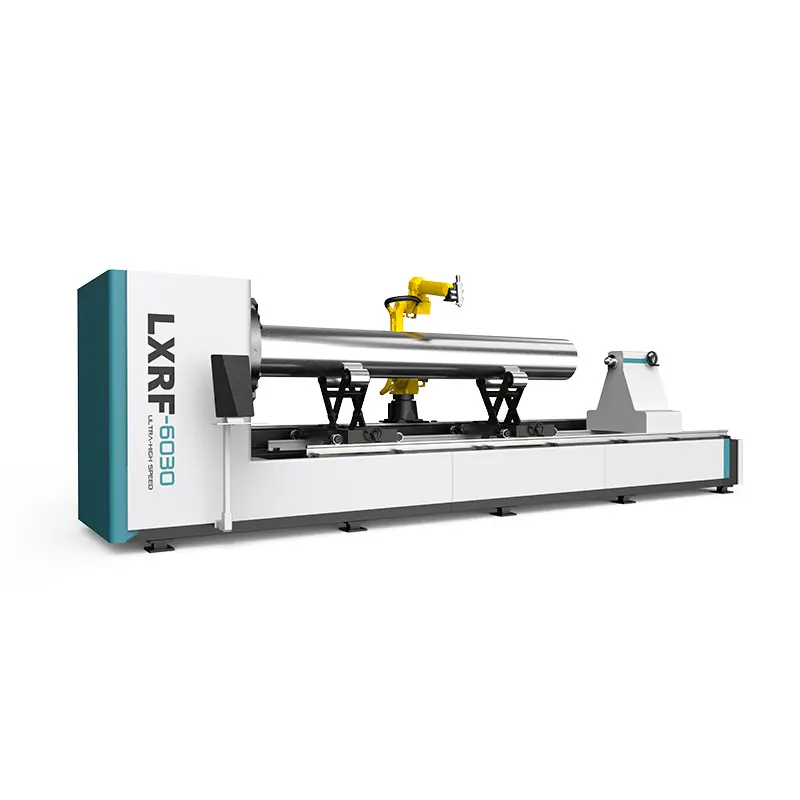
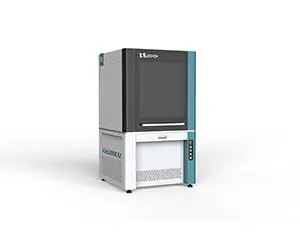
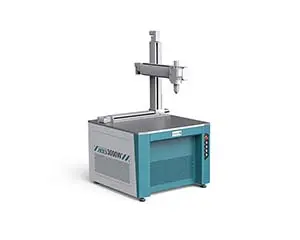
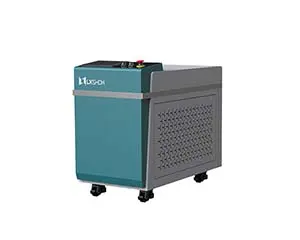
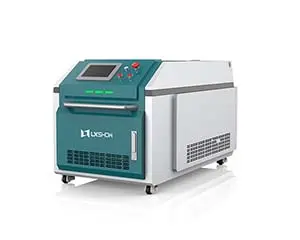
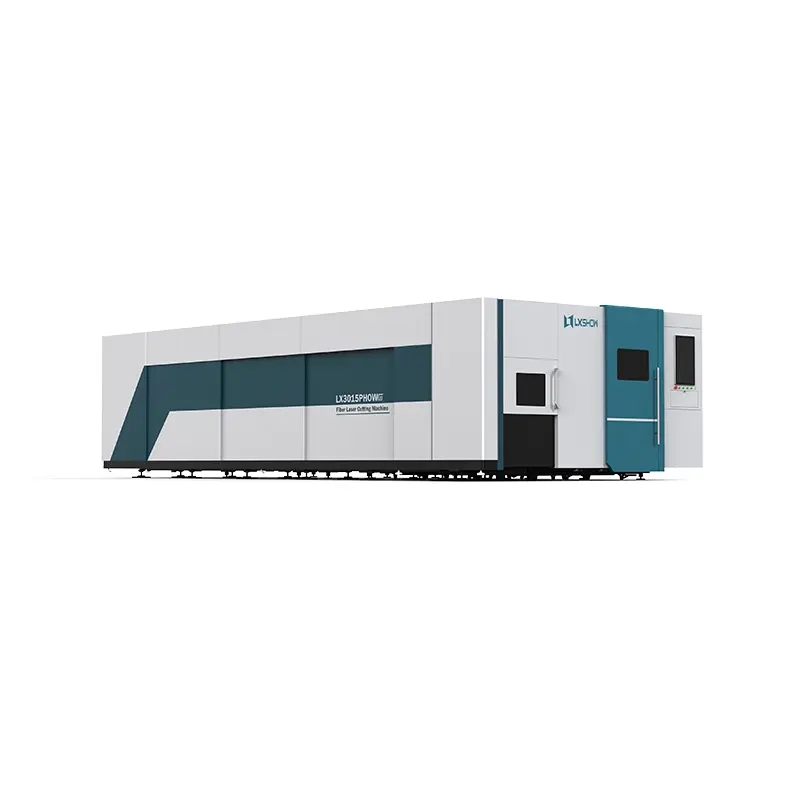
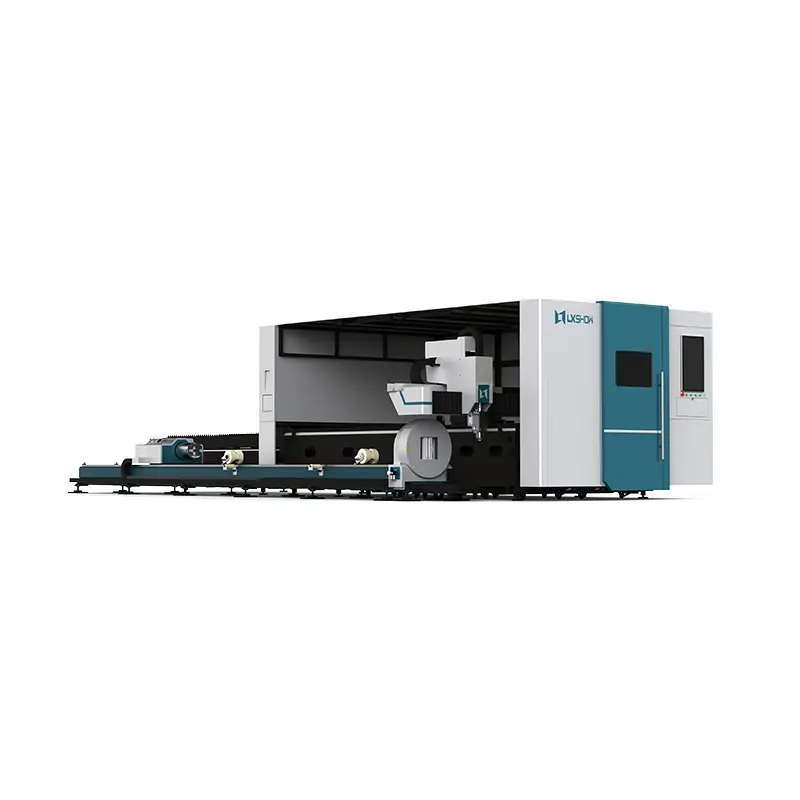
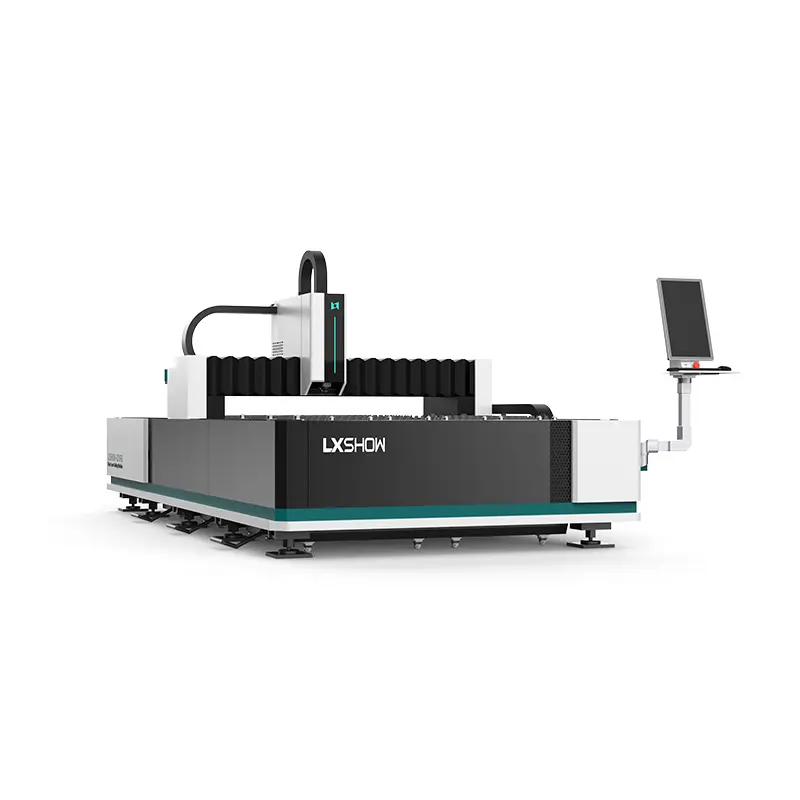
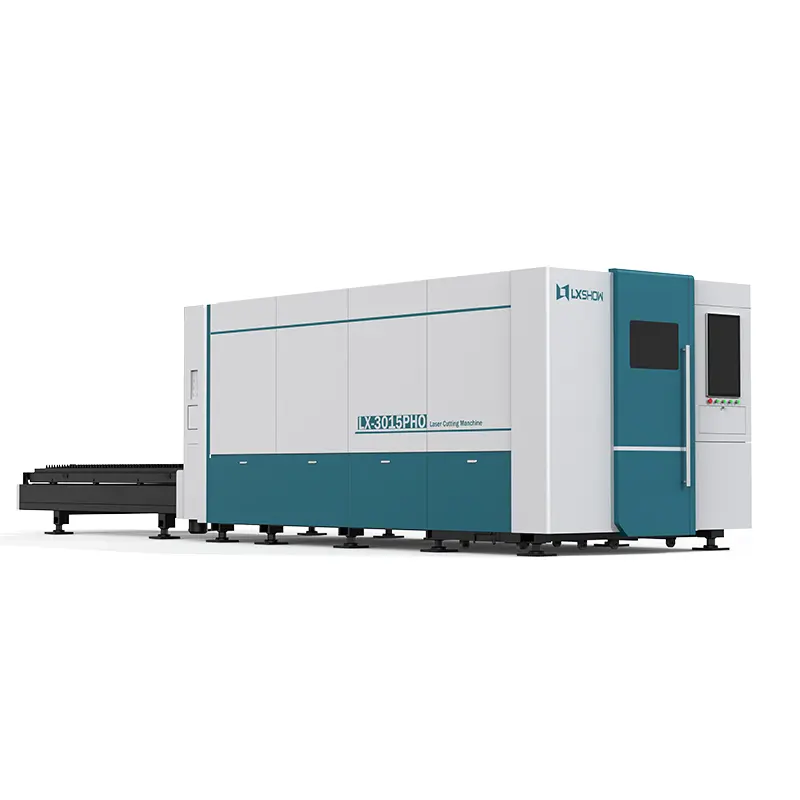
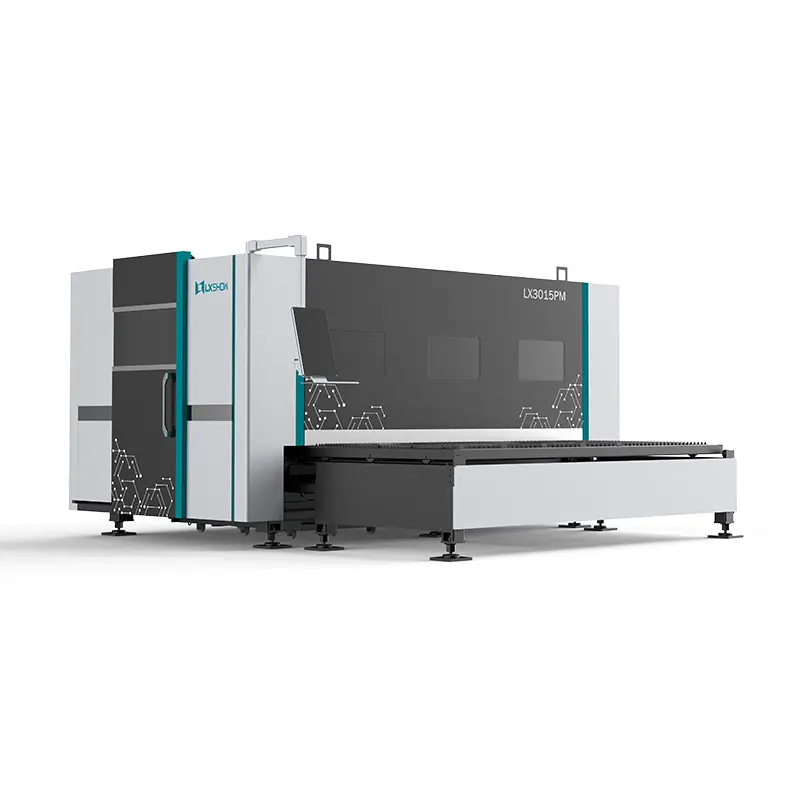
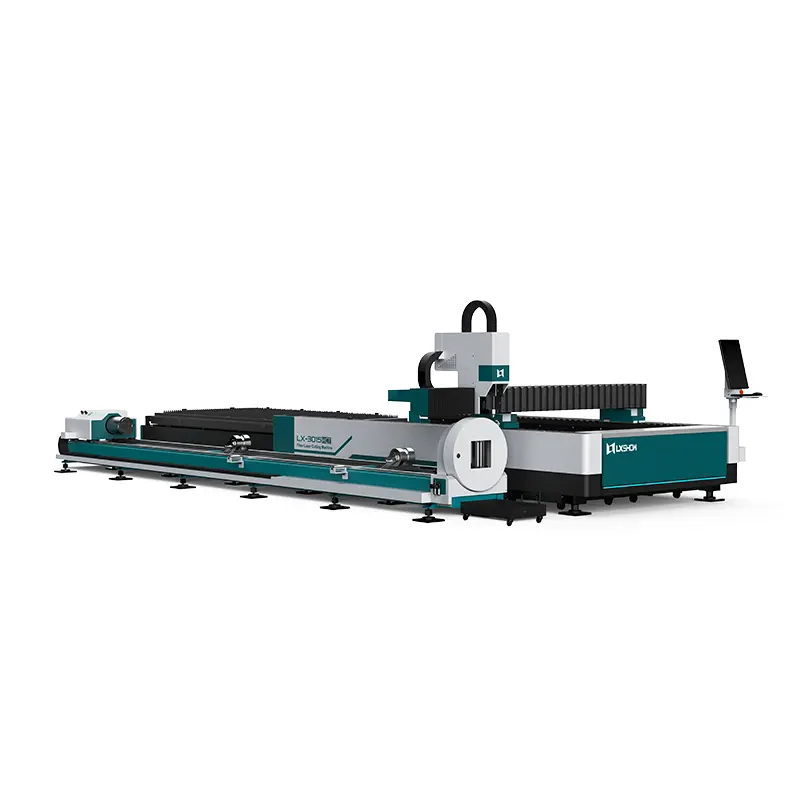
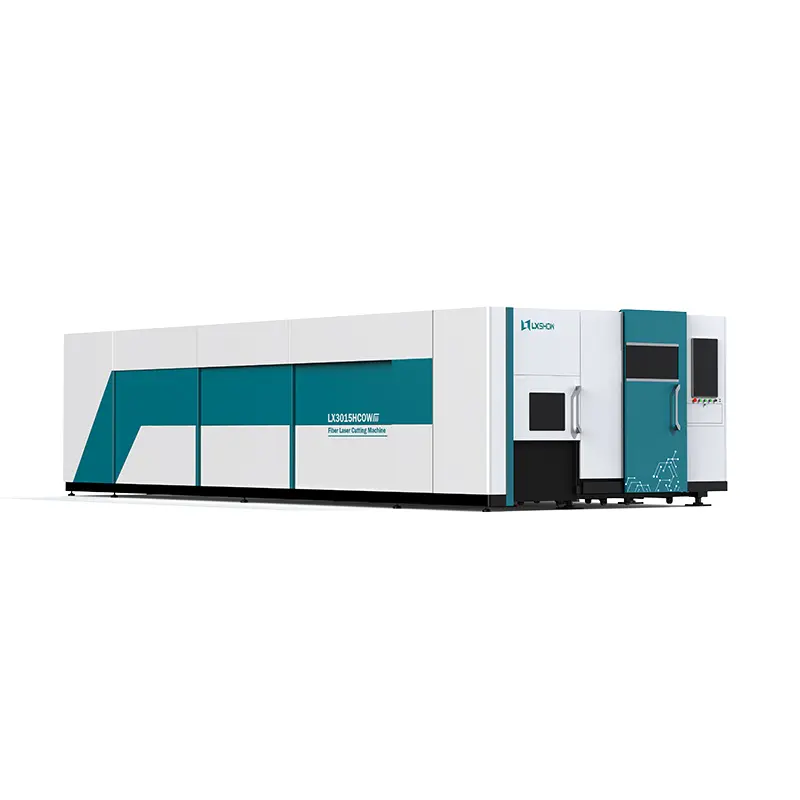
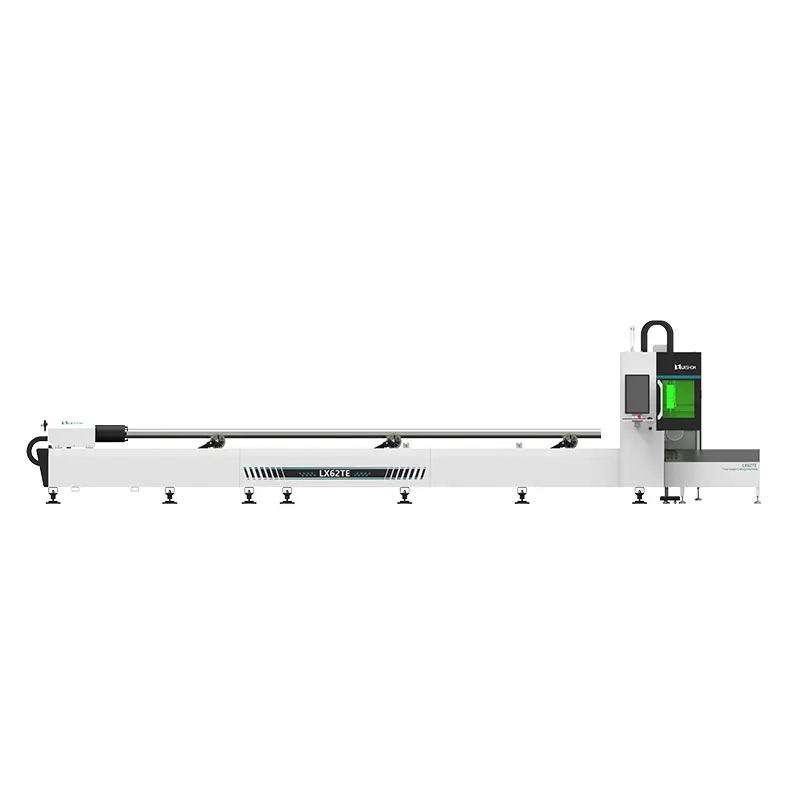
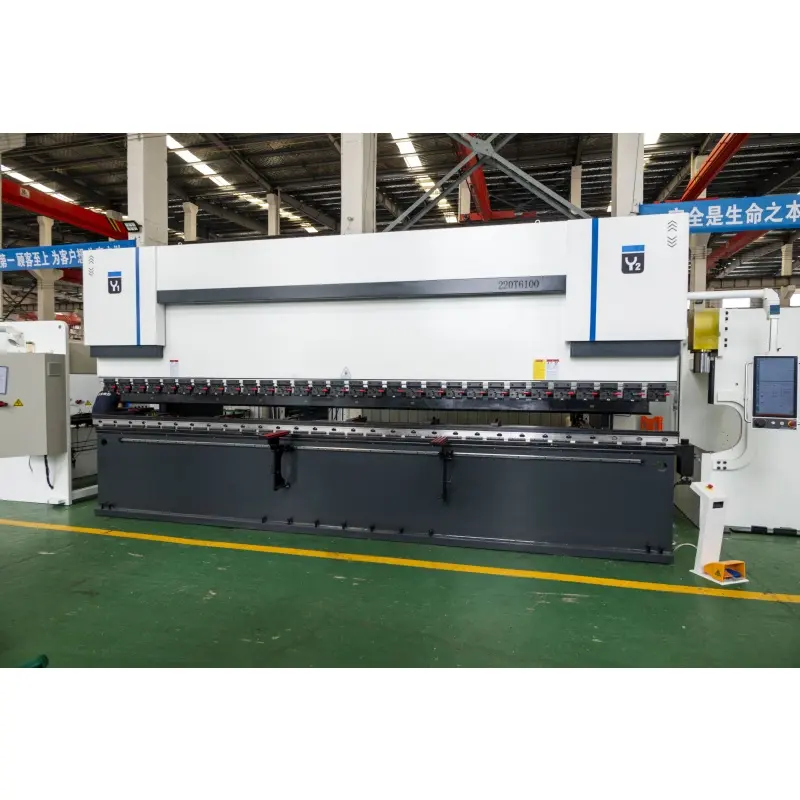
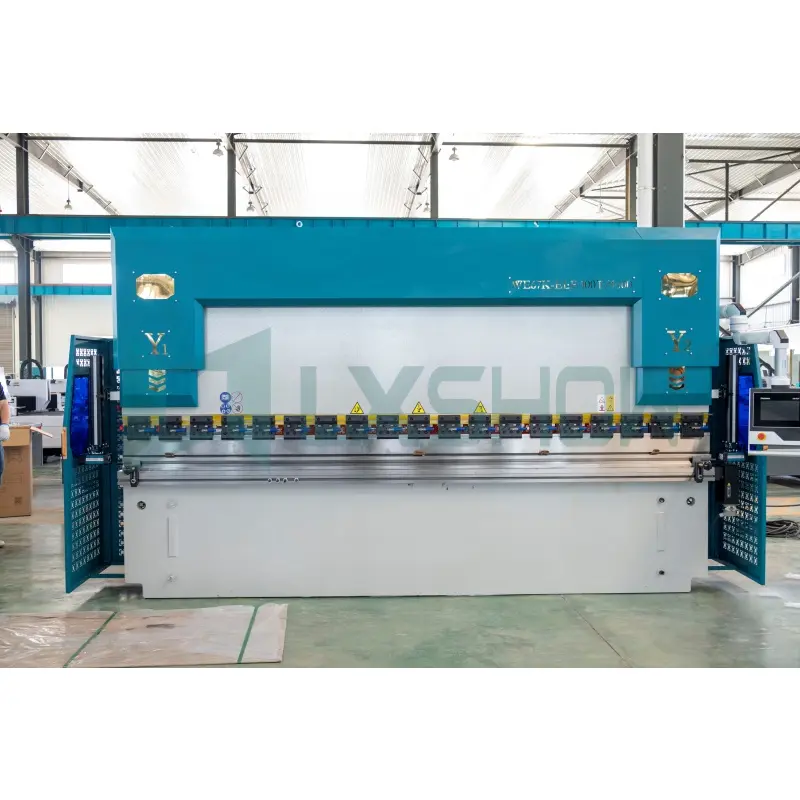
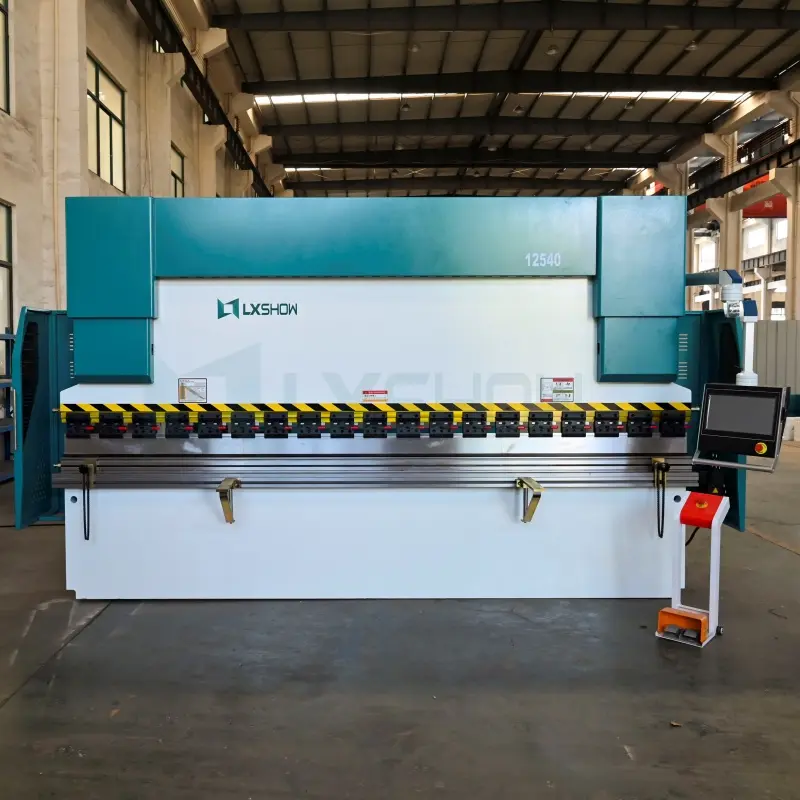
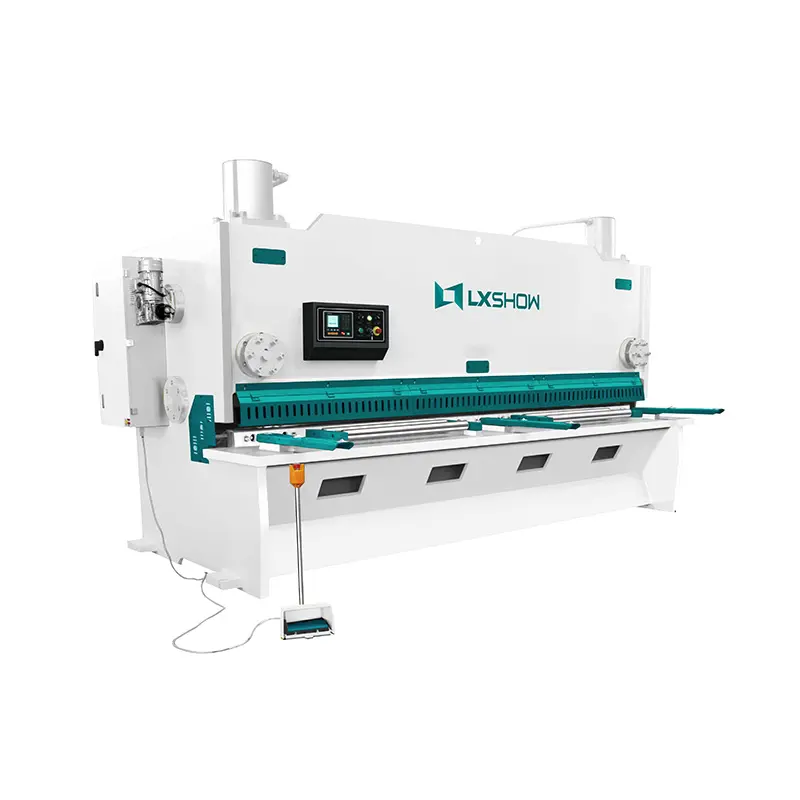
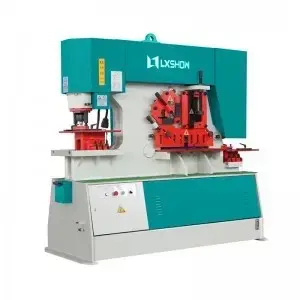
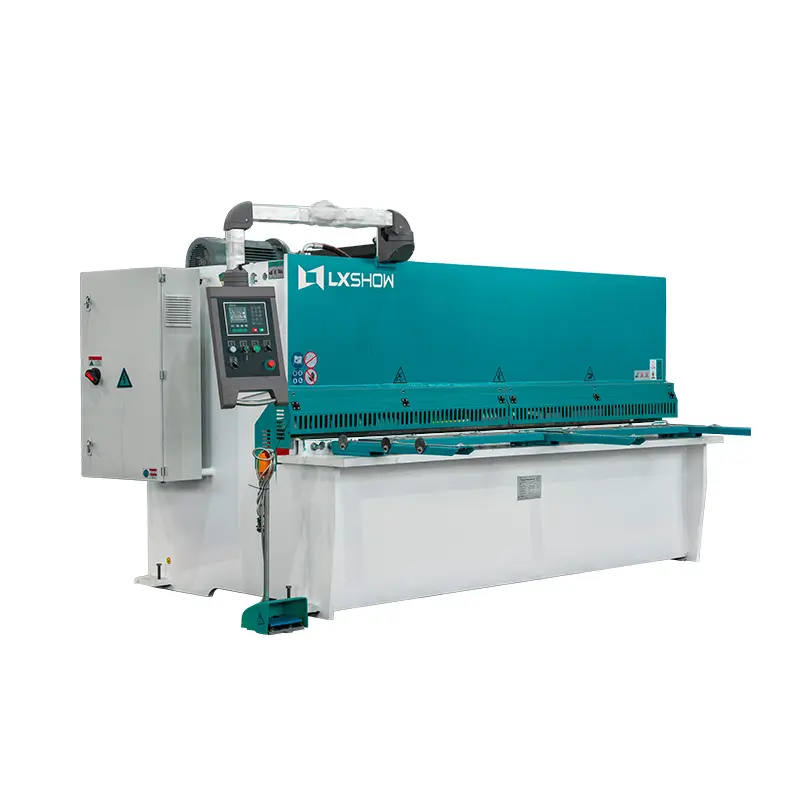
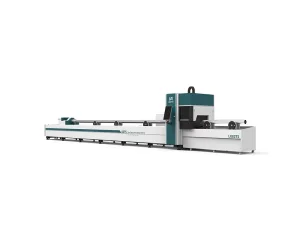
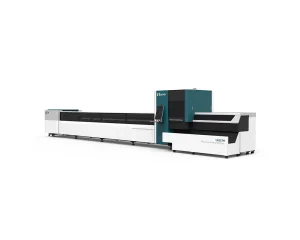
High-performance CNC machinery driving efficiency, speed, and accuracy in modern metal architectural fabrication.
In the contemporary structural and architectural engineering landscape, the demands on exterior and interior entryway portals have expanded far beyond basic ingress and egress control. Modern commercial, security, and industrial projects demand a precise convergence of robust physical security, thermal insulation, acoustic control, and tailored aesthetic geometry. This whitepaper analyzes the manufacturing frameworks, materials science, and global market dynamics of OEM Laser Cut Steel Doors, establishing how advanced CNC fiber laser processing systems have revolutionized custom metal fabrication for architectural exporters worldwide.
The global steel door market is undergoing a structural transition. Driven by stringent fire safety regulations, growing industrial security threats, and the rise of sustainable green building initiatives, the demand for precision-engineered steel doors has surged. Traditional mechanical tooling and manual stamping processes are no longer economically viable or structurally adequate to satisfy modern bespoke project specifications.
Exporters of steel doors must align with international standards such as UL 10C for positive pressure fire tests, BS 476 for fire resistance, and EN 1627 for burglar resistance classes (RC1 to RC6). Laser cutting technologies allow fabricators to integrate structural design calculations directly into production pipelines. This capability allows manufacturers to customize panel sheets for high-stress applications such as coastal regions (where localized high-salinity atmospheres require specific alloy grades like Grade 316 stainless steel) and seismic zones (requiring flexible structural internal ribbing).
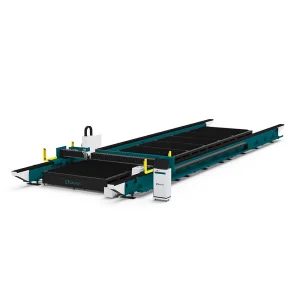
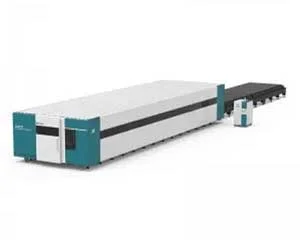
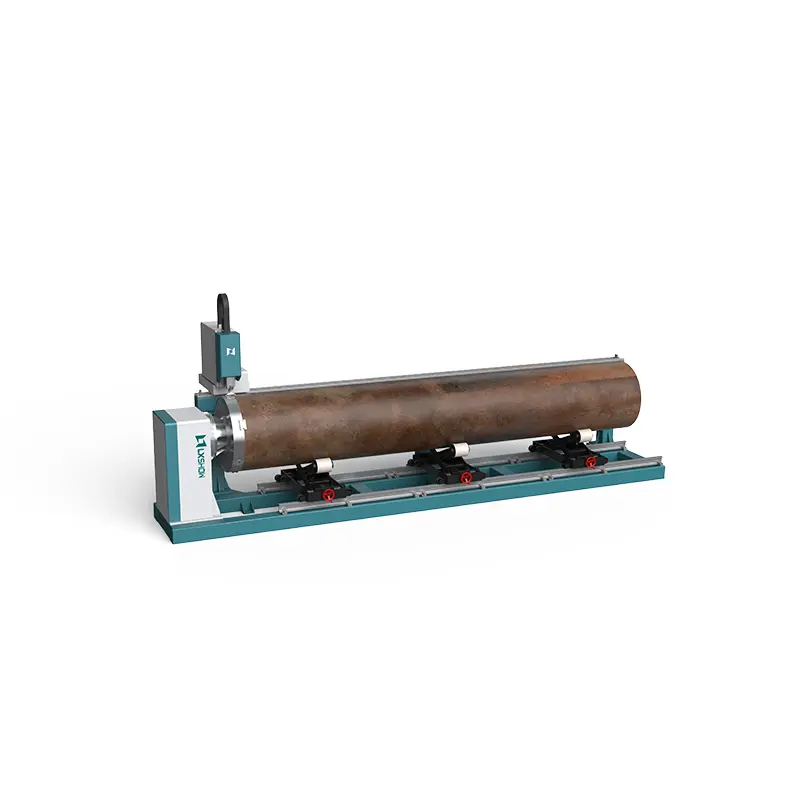
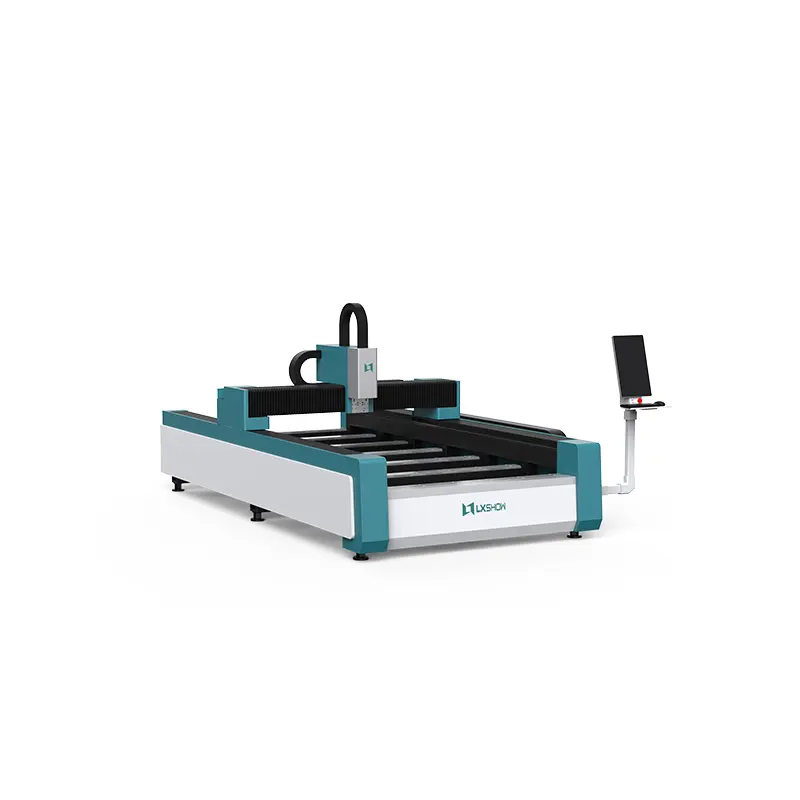
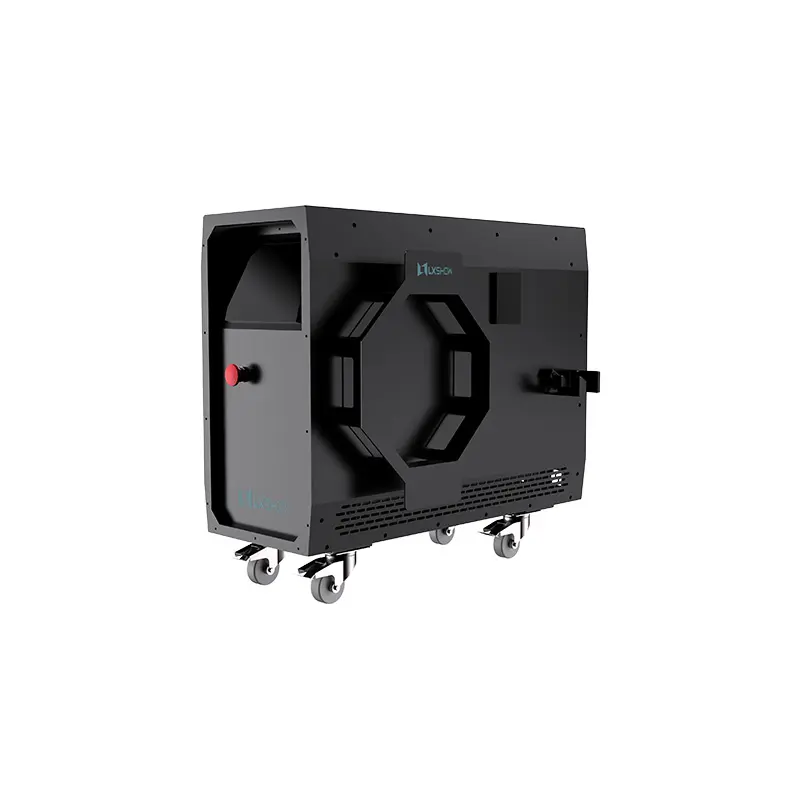
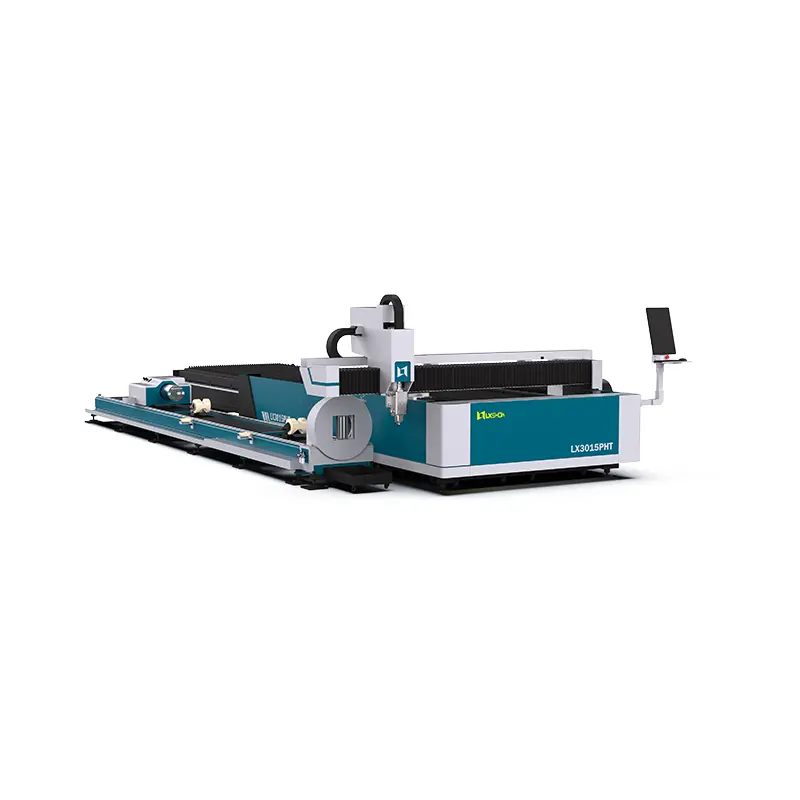
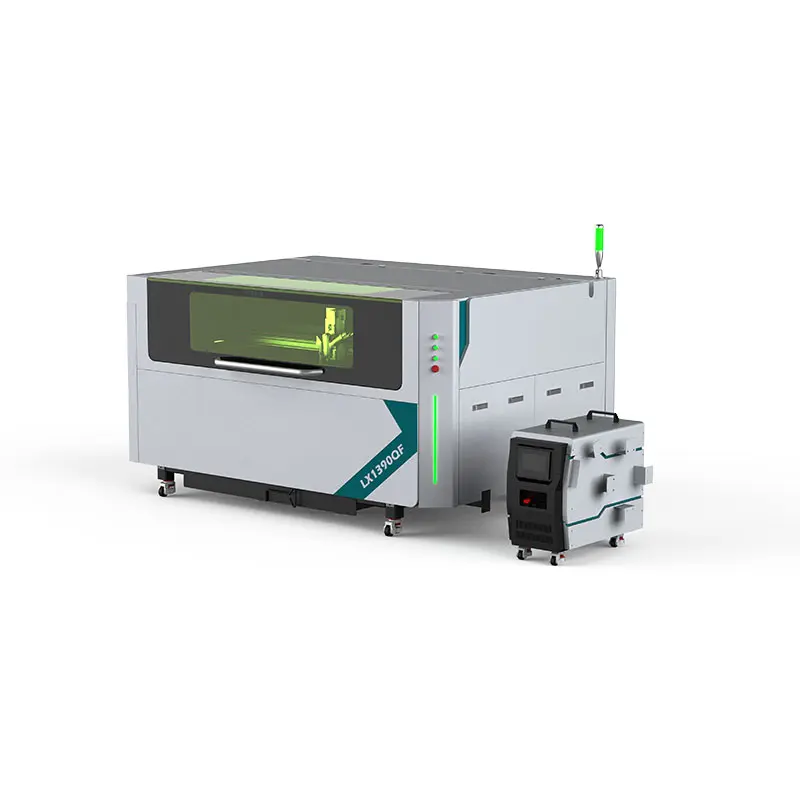
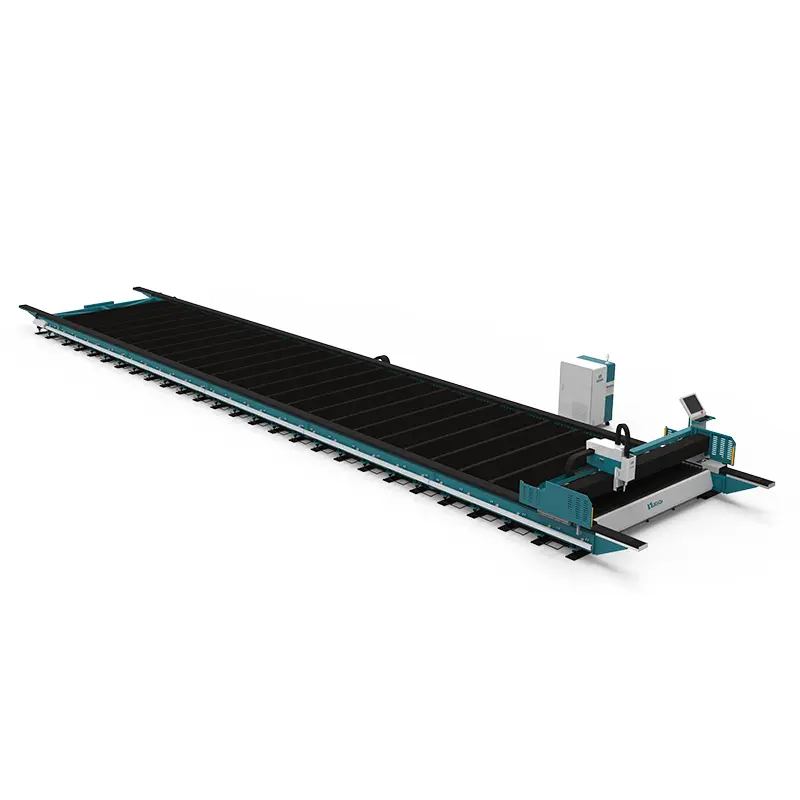
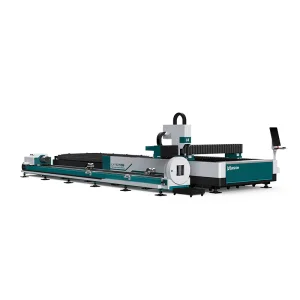
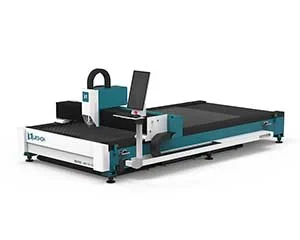
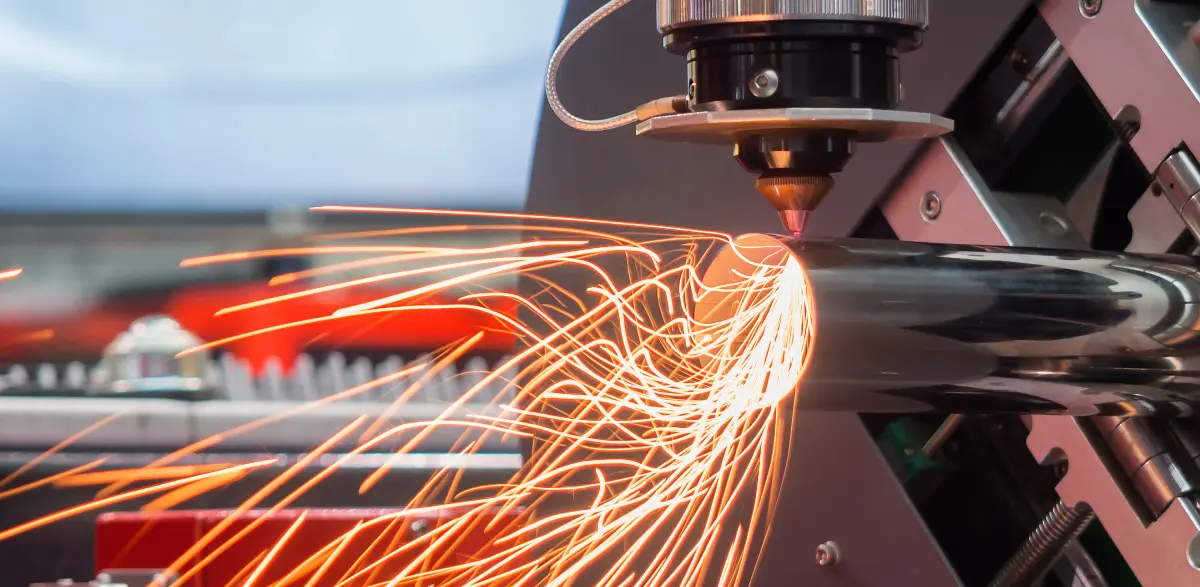
The core advantage of employing high-power fiber laser cutting machines (like our ODM 13025LC Heavy Duty High Power Ground Rail Laser Cutting Machine) lies in the mitigation of thermal stress and microstructural deformation during steel processing. Unlike traditional punching presses, laser cutting utilizes a focused coherent light beam to melt and vaporize the target alloy along a vector path. This contactless thermal ablation method delivers significant advantages:
Modern architectural requirements have catalyzed the diversification of metal substrates used in OEM door production. Stainless steel remains the standard for pharmaceutical environments and marine zones due to its superior anti-corrosive properties. Galvanized steel, with its zinc-iron coating, provides cost-effective atmospheric corrosion resistance for commercial building perimeters. Aluminum, celebrated for its high strength-to-weight ratio, is increasingly used in modern architectural glazing profiles and lightweight high-traffic doors.
Utilizing high-tensile carbon steel plates cut on automated fiber lasers, these doors feature heavy-gauge reinforcing stiffeners, multi-point locking systems, and blast-resistant cores, engineered specifically for banks, data centers, and critical government infrastructure.
Designed for corporate headquarters, luxury developments, and public buildings. Laser-cut dynamic geometric designs, combined with seamless weld lines from fiber laser welding machines, provide high aesthetic appeal without sacrificing security or durability.
Manufactured from Grade 316 stainless steel to withstand regular sanitation chemicals and biological agents. Sealed internals prevent particulate contamination, matching the stringent requirements of pharmaceutical, food production, and micro-semiconductor plants.
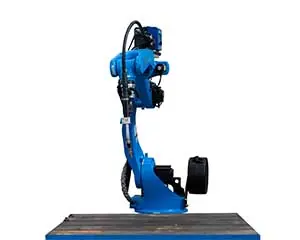
As a global leader in laser smart equipment, our technological vision extends toward the year 2040, aiming to define the next generation of smart manufacturing plants. The production of OEM Laser Cut Steel Doors is no longer a collection of isolated processes; it is now an integrated digital workflow. By combining automated CAD/CAM nesting algorithms with heavy-duty robotic handling, raw sheet metal flows through the fabrication pipeline with minimal manual intervention:
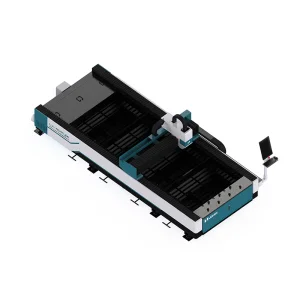
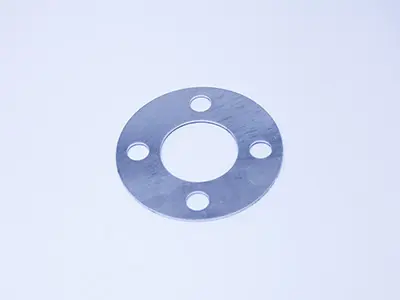
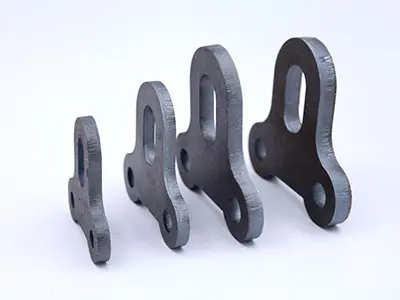
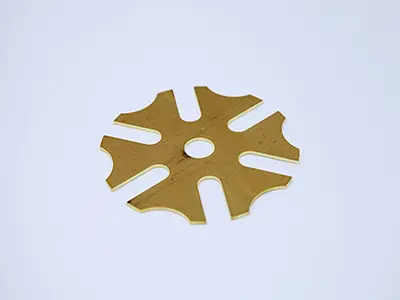
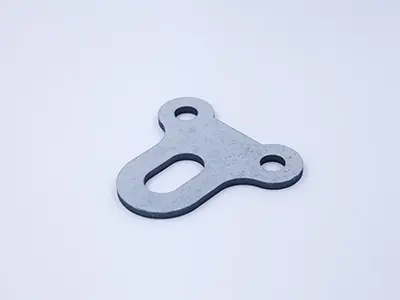
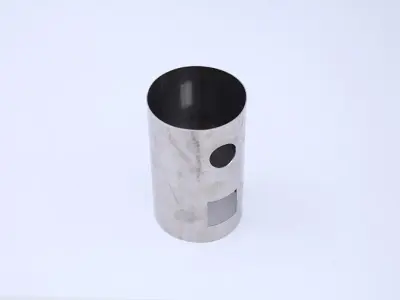
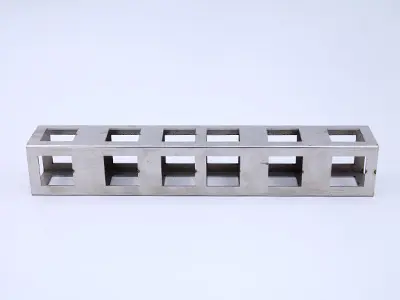
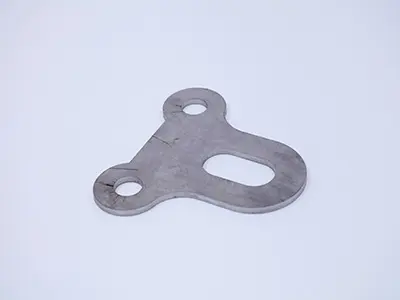
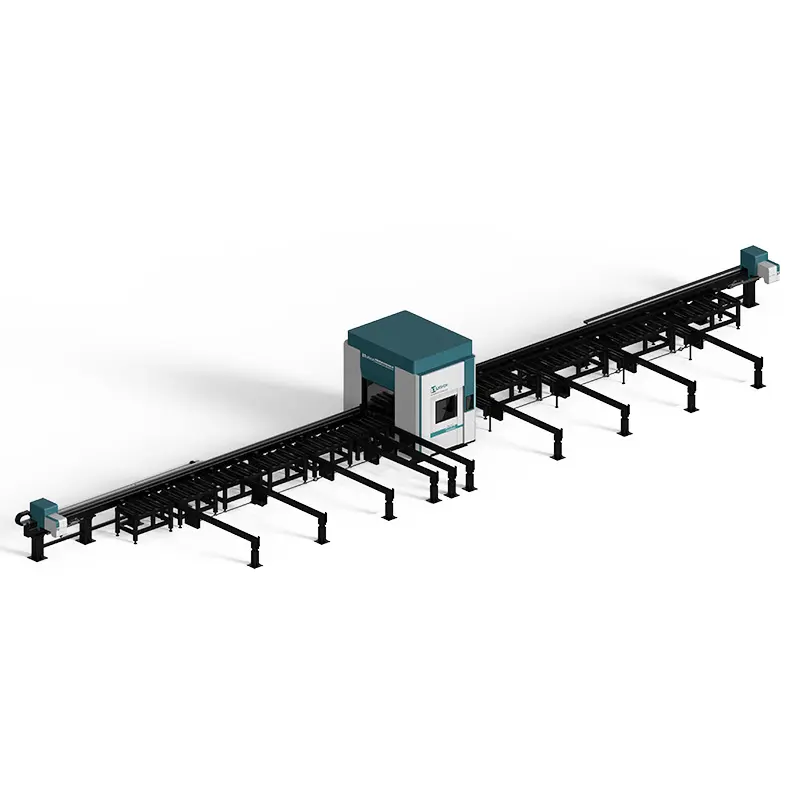
Raw steel plates (ranging from 1.0mm up to 25.0mm thick) are processed using high-power fiber laser cutters. This stage ensures exact cutouts for locks, hinges, and decorative geometric motifs.
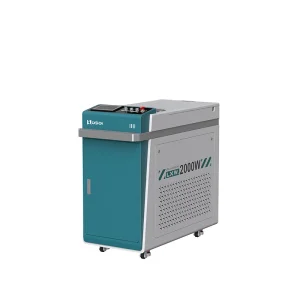
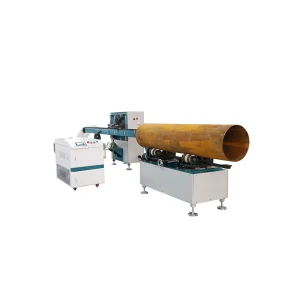
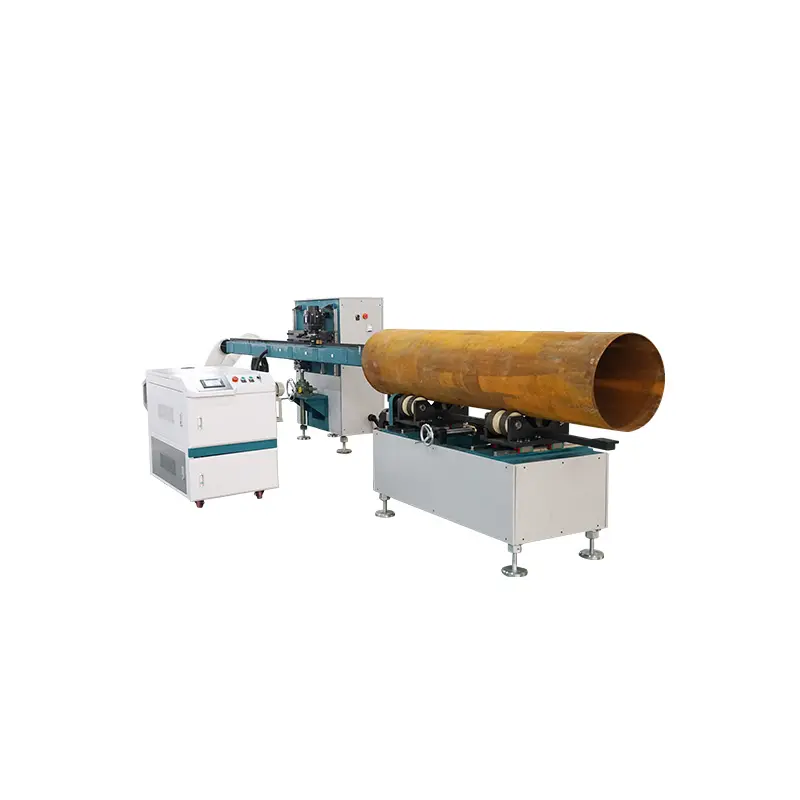
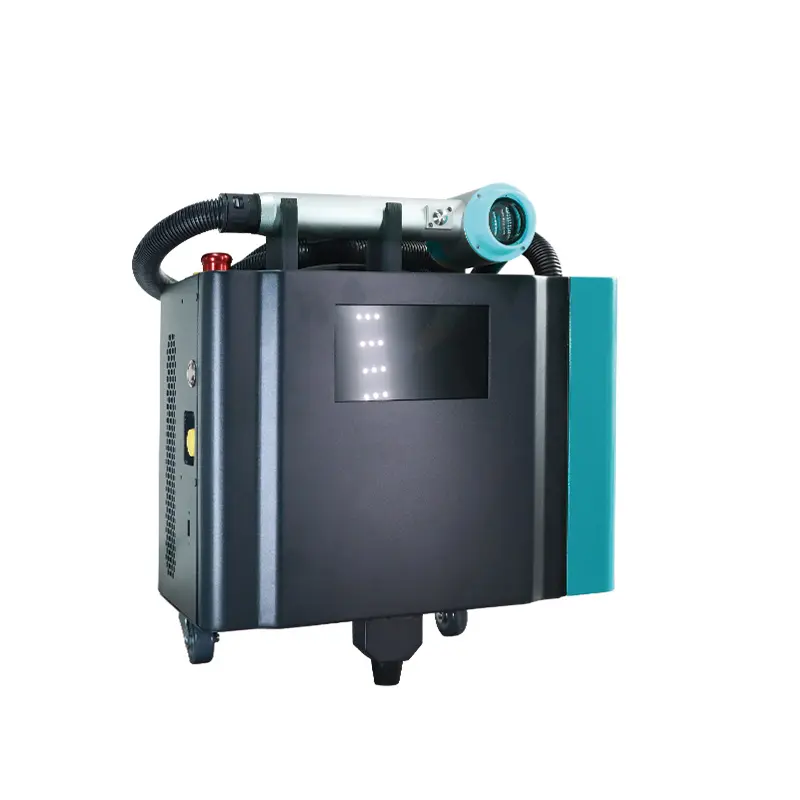
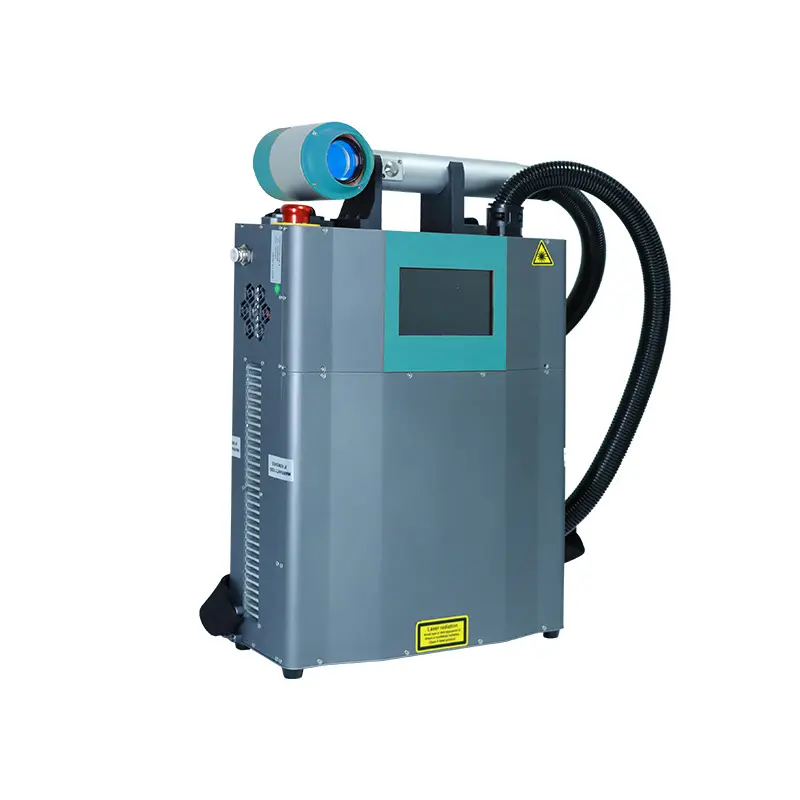
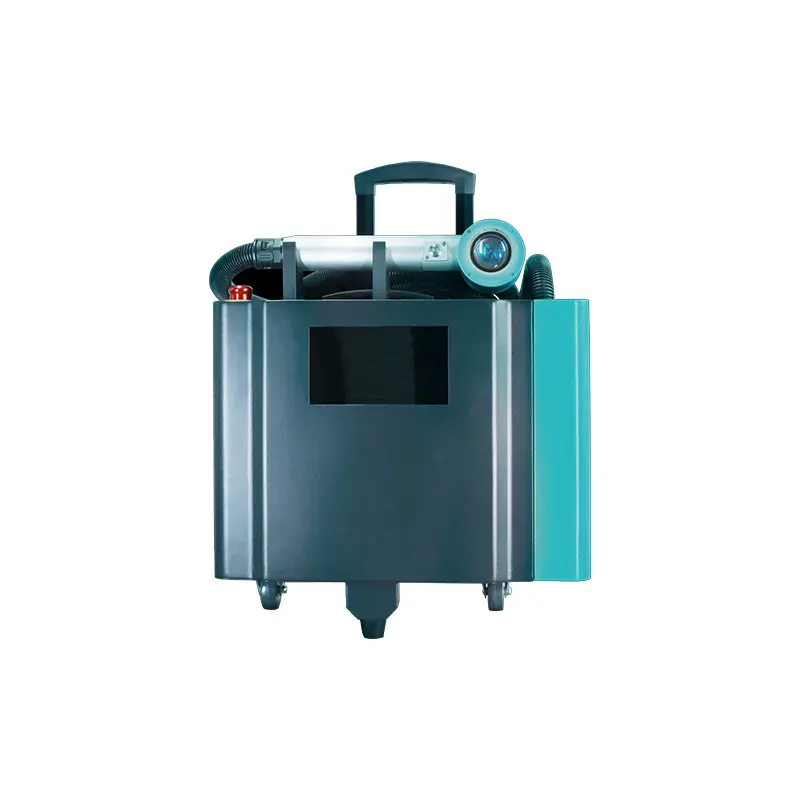
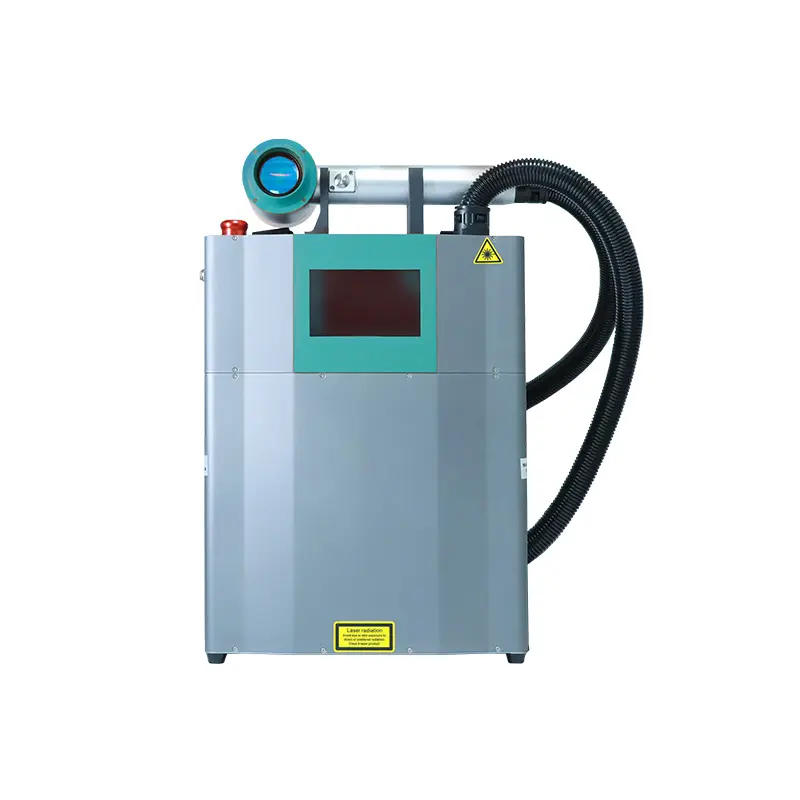
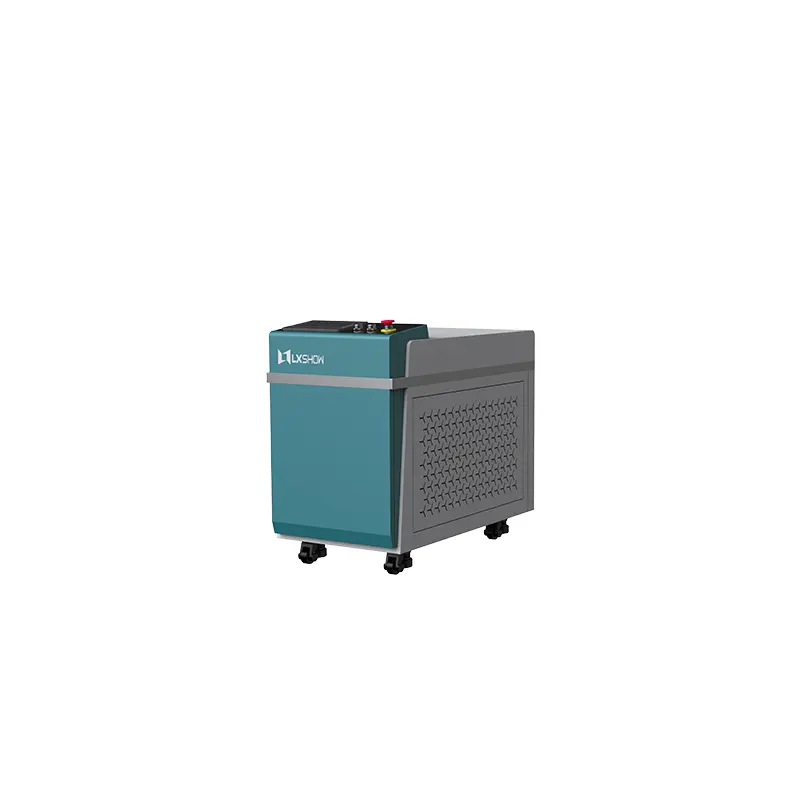
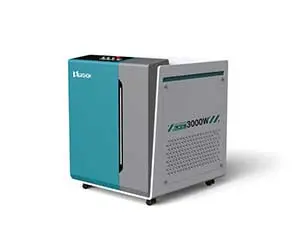
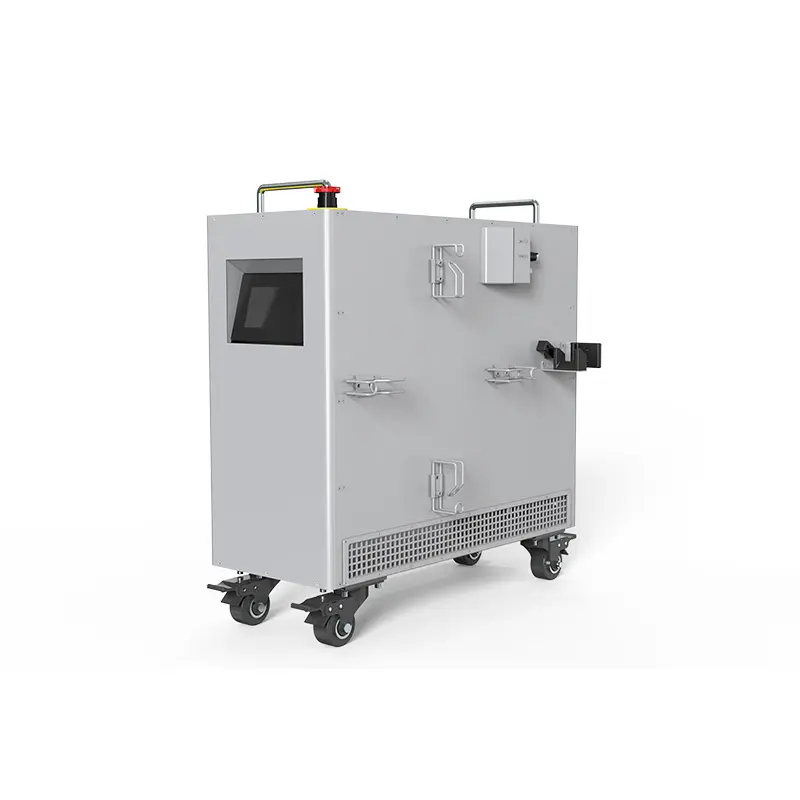
Using localized laser rust removal and cleaning systems, oxide layers and mill scale are vaporized. This ensures optimal adhesion for post-fabrication electrostatic powder coatings or zinc-rich corrosion-resistant primers.
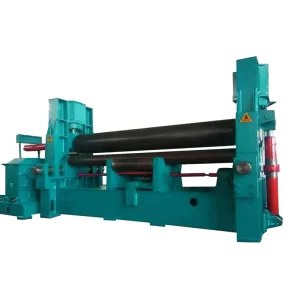
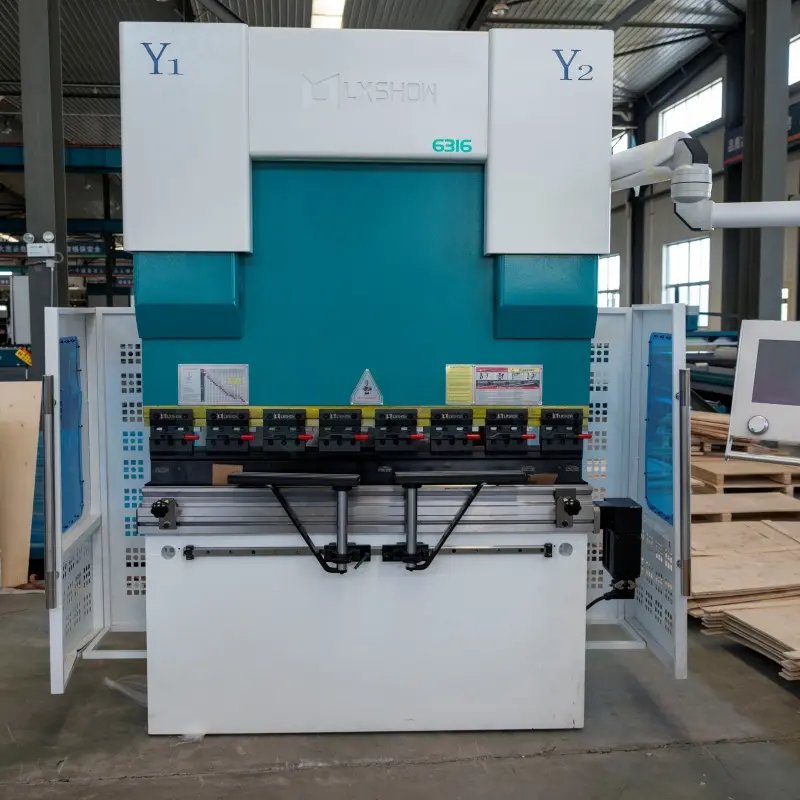
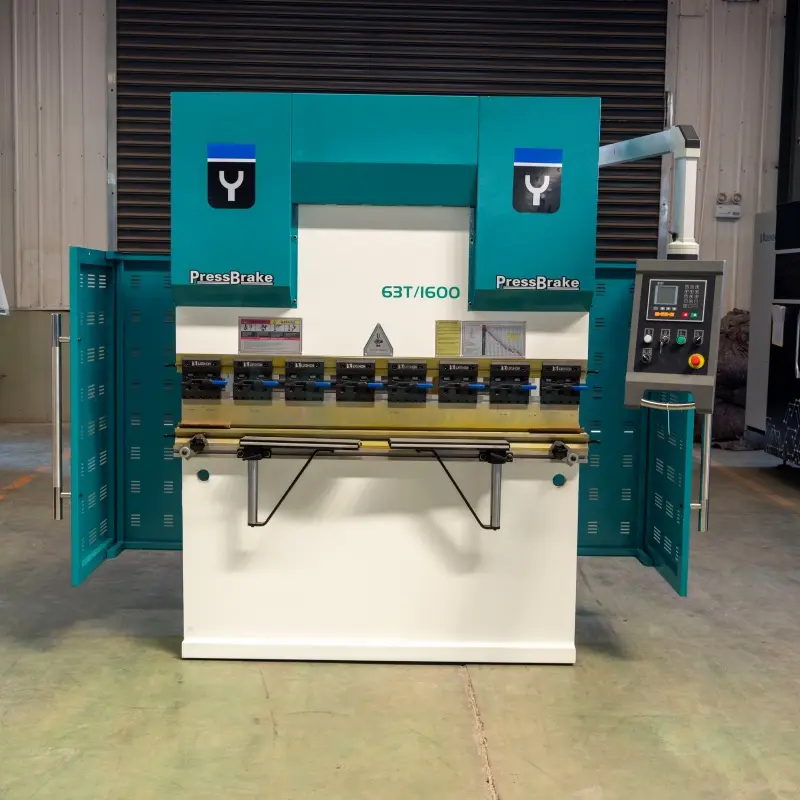
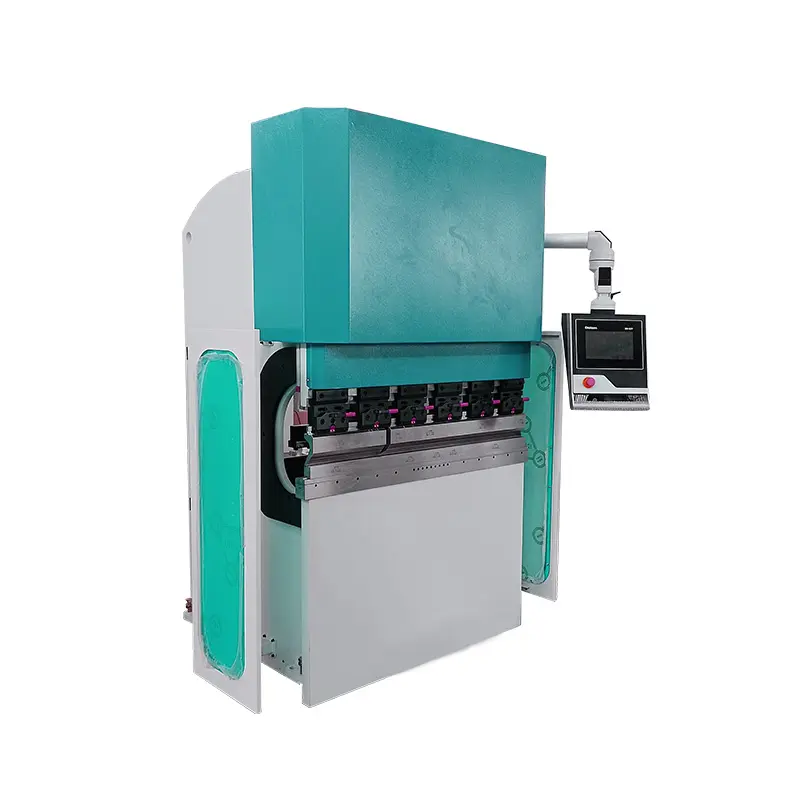
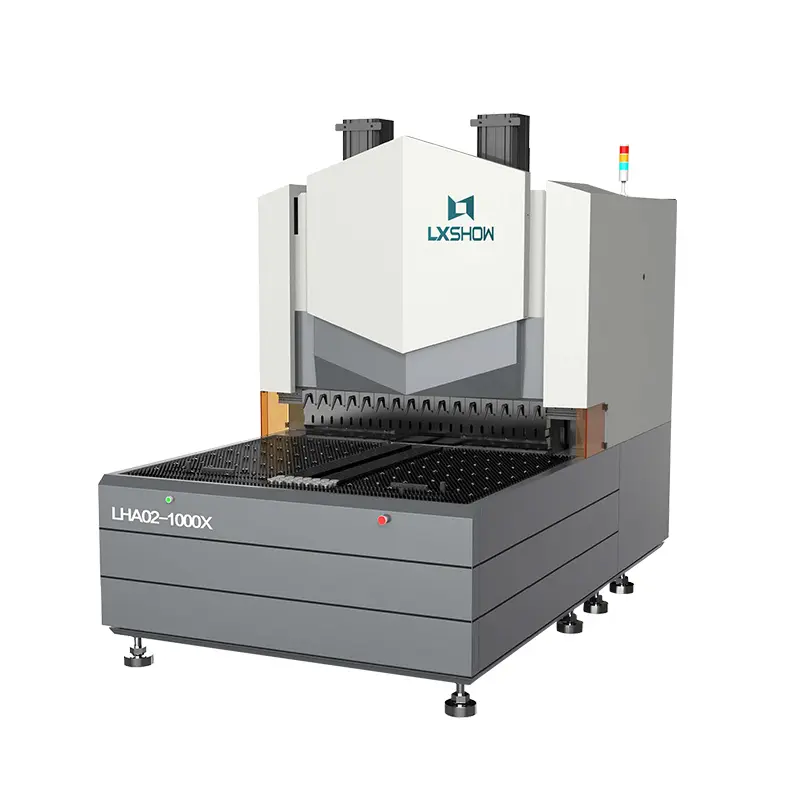
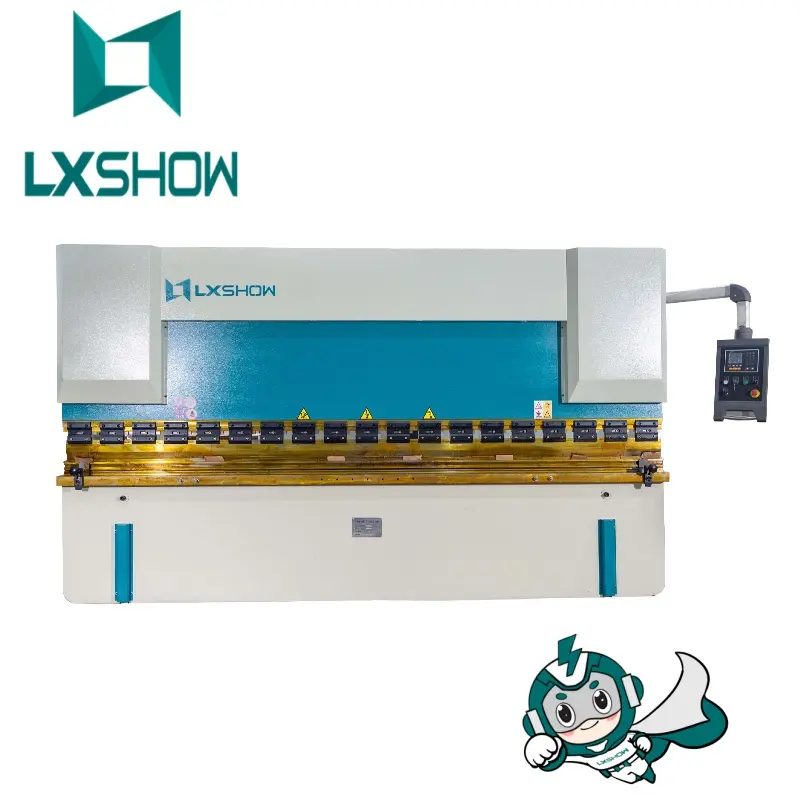
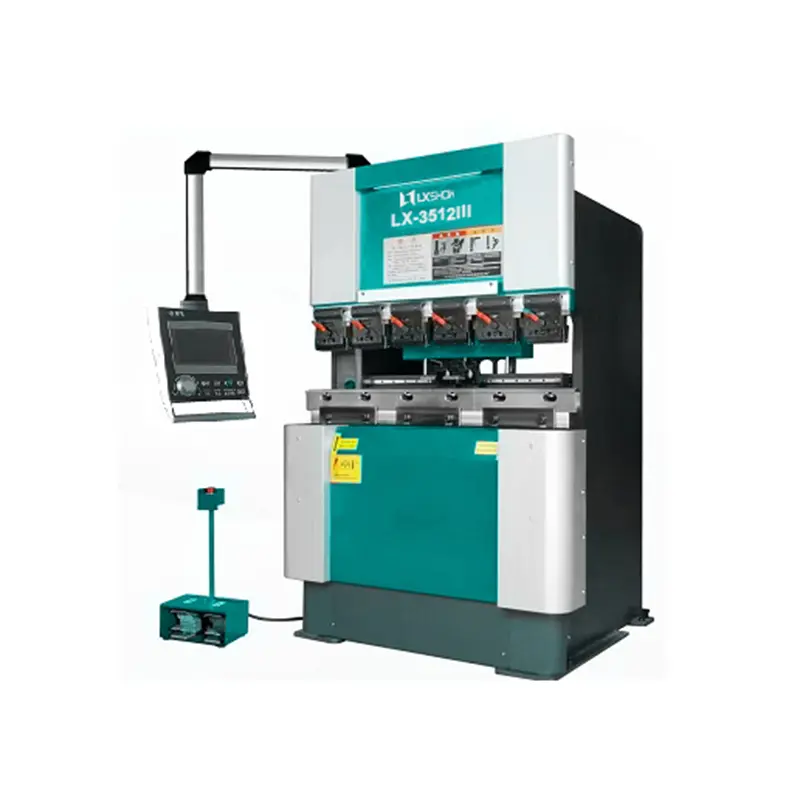
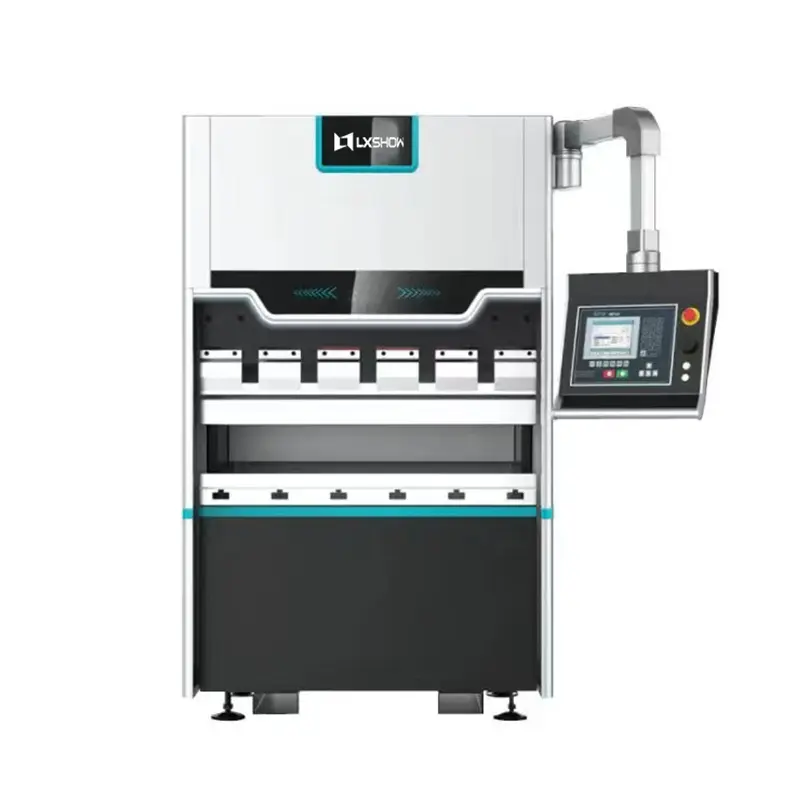
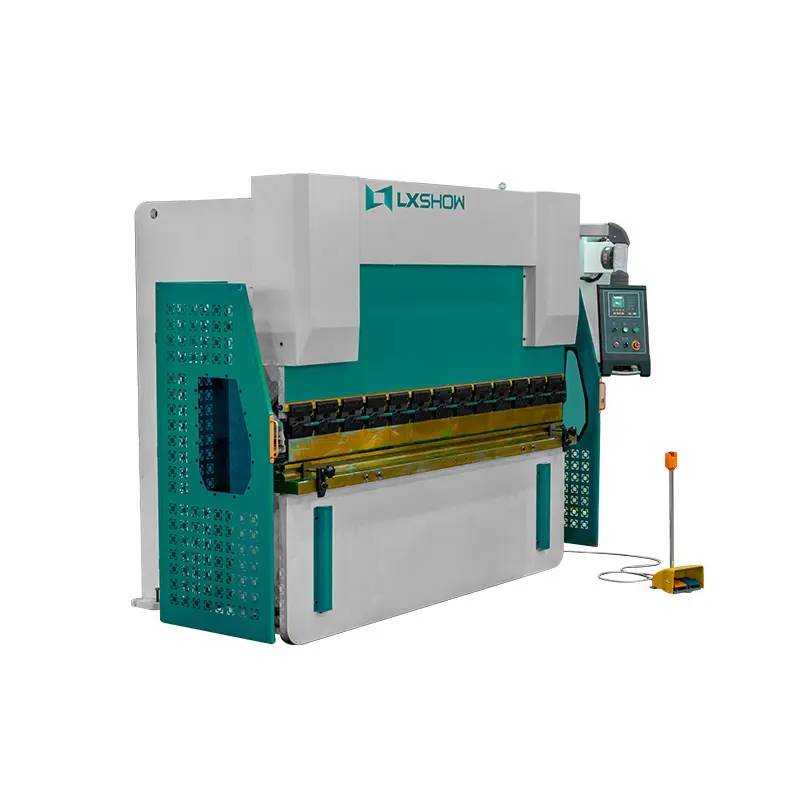
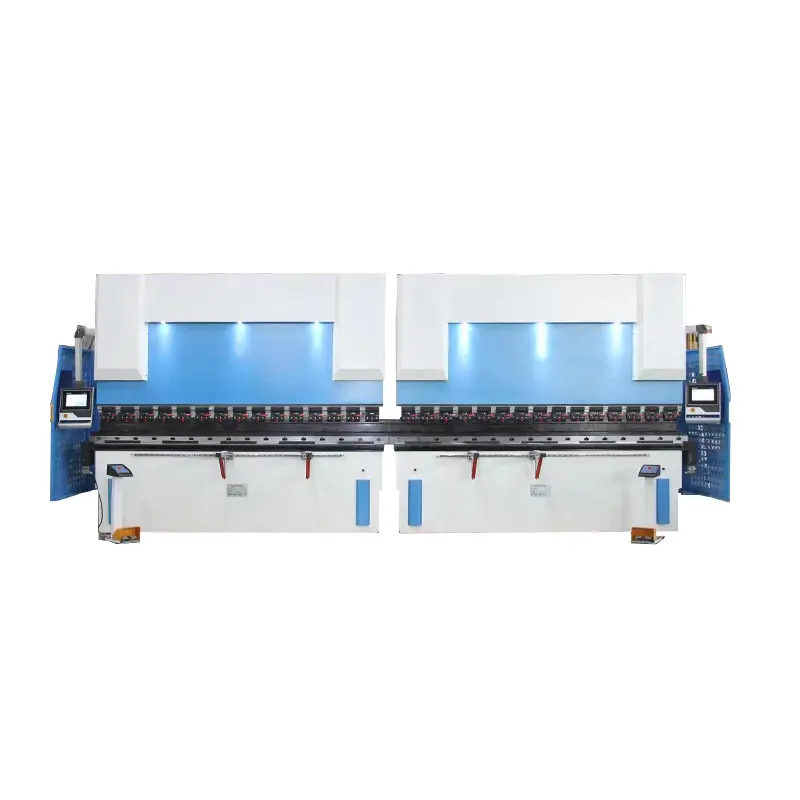
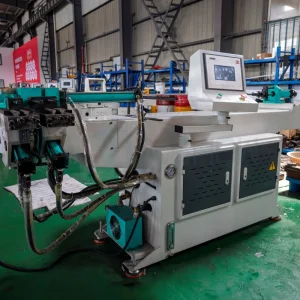
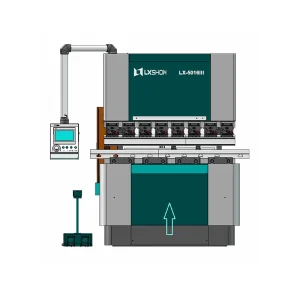
Advanced multi-axis CNC press brakes form the door edges, pan returns, and reinforcing channels. Controlled bending maintains angular accuracy to guarantee tight tolerances for the assembly phase.
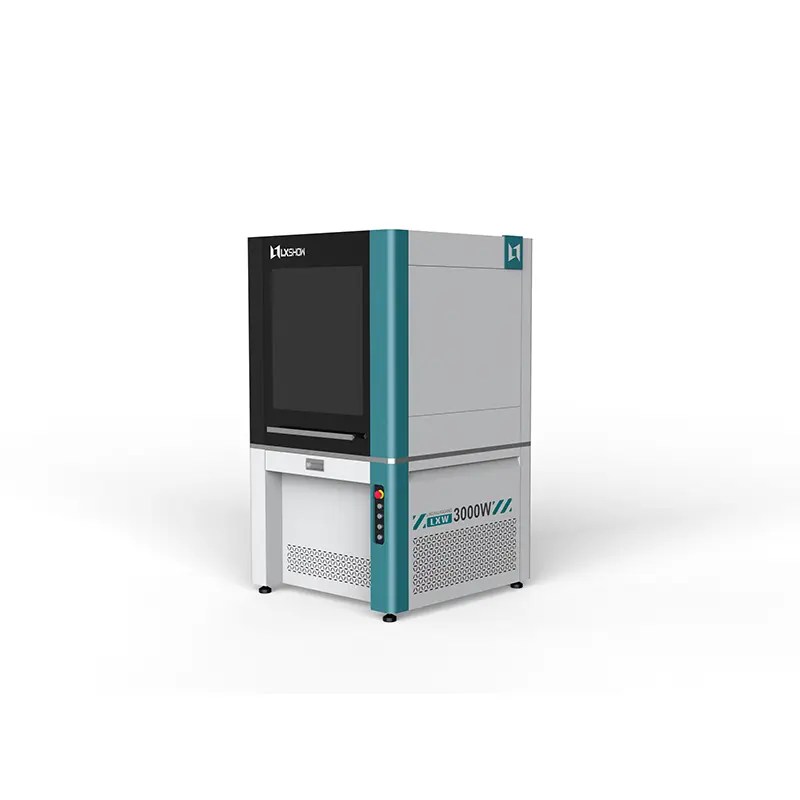
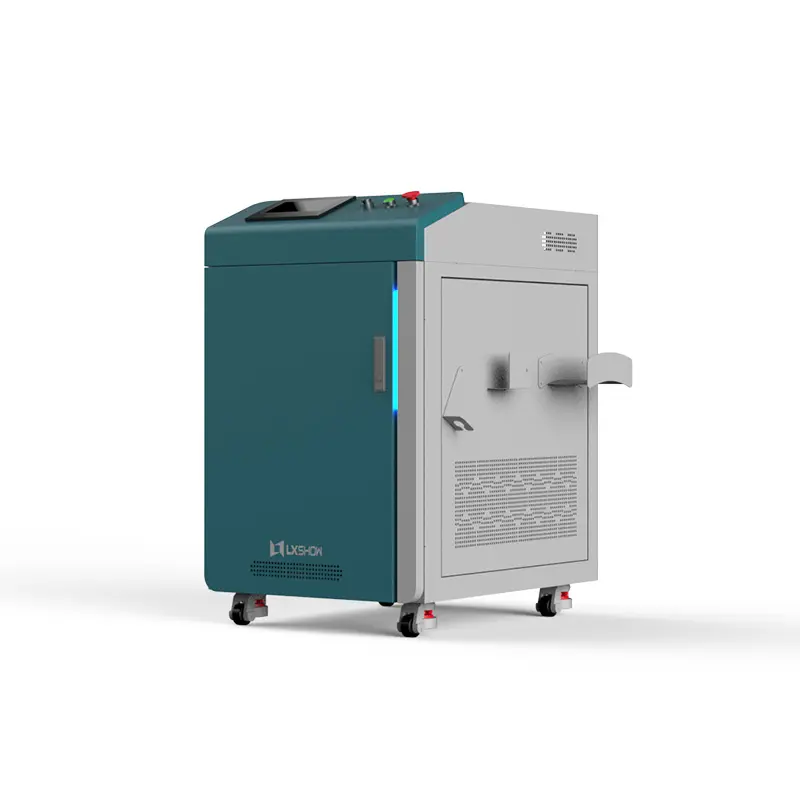
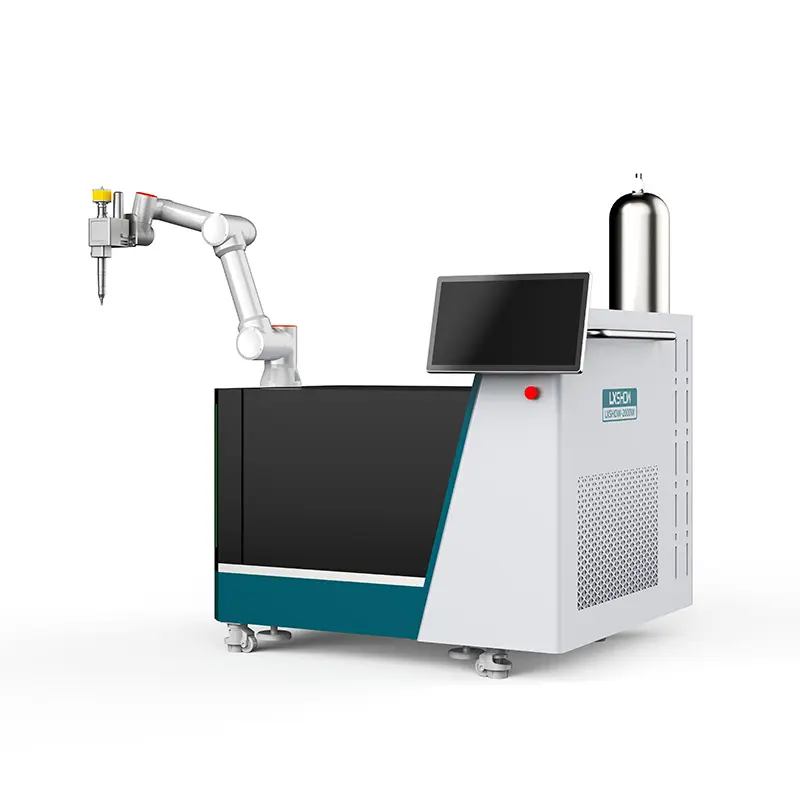
The front and back door skins, along with internal structural channels, are welded using high-energy fiber laser welders. The resulting narrow weld seams minimize thermal distortion, reducing the need for manual grinding.
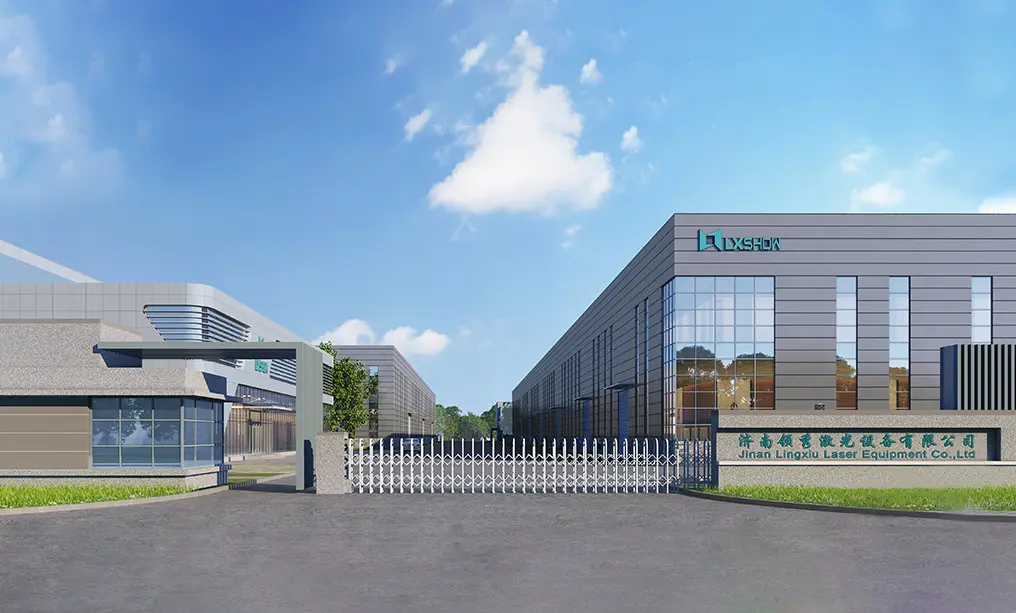
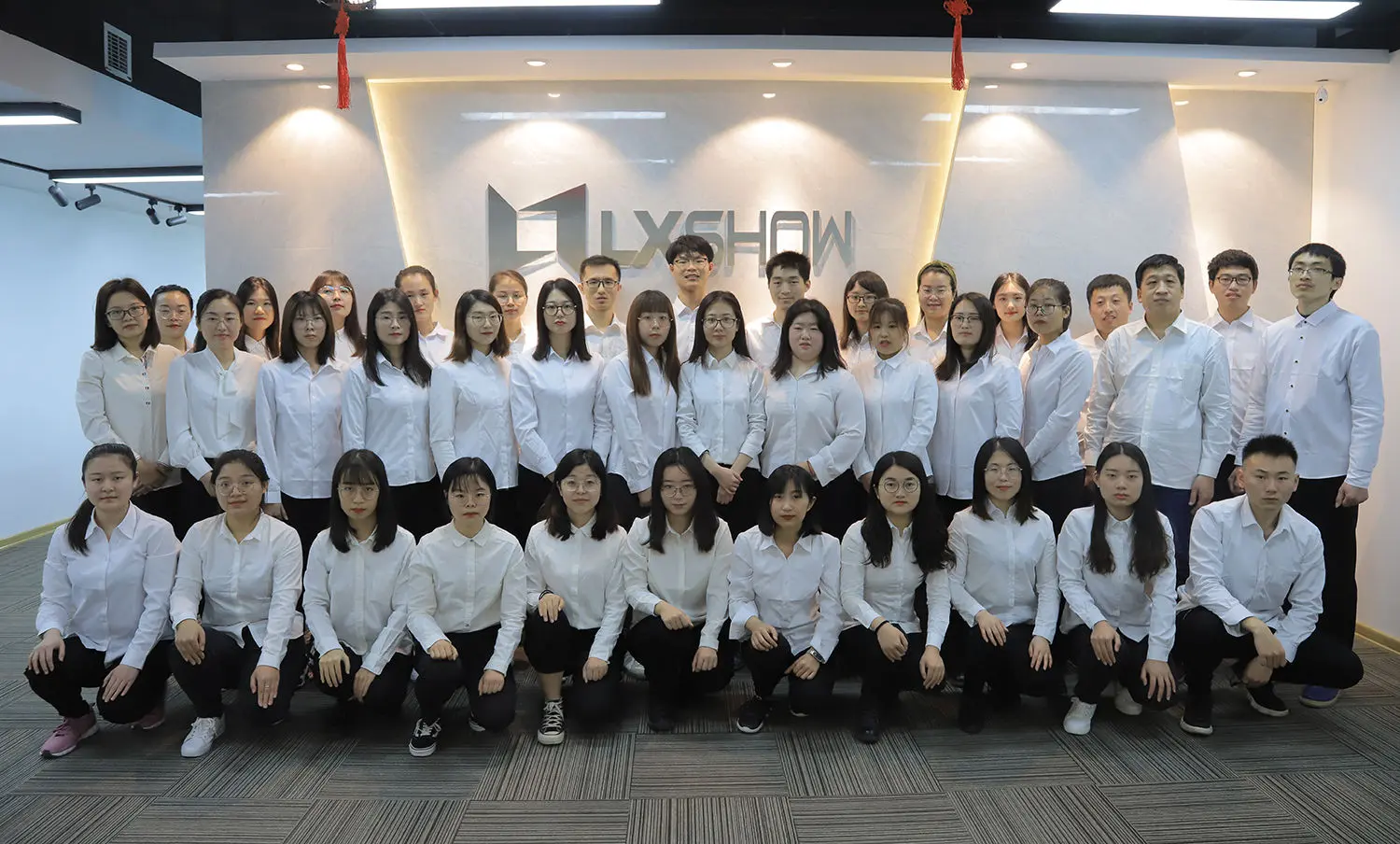
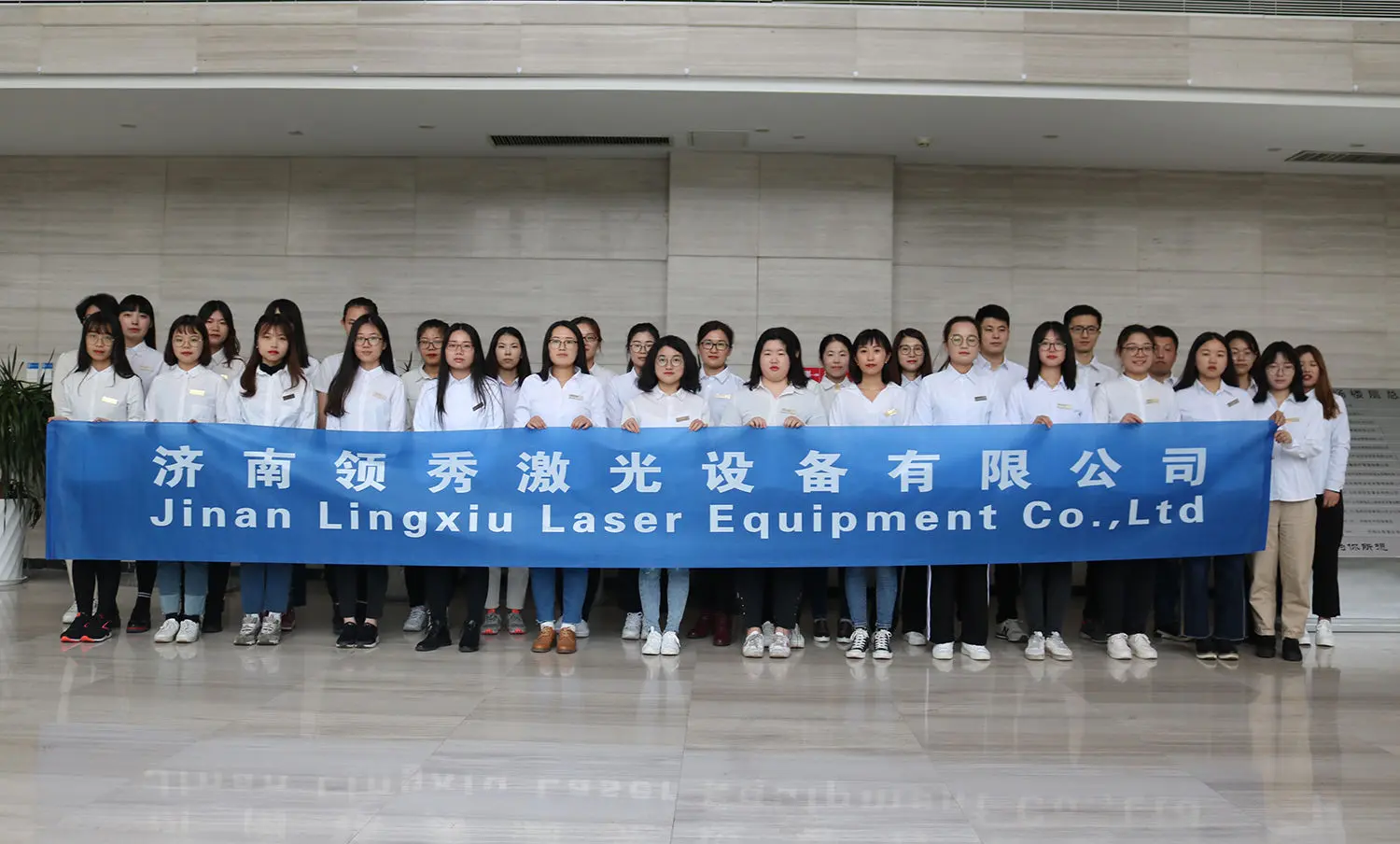
Established in July 2004, our group has spent over 18 years refining its technological focus on laser metal processing equipment. With a state-of-the-art office and research center covering more than 500 square meters and a manufacturing facility extending over 32,000 square meters, we are structured to meet the high volume demands of global infrastructure projects. All manufacturing processes are certified to ISO 9001 standards, and our machinery carries European Union CE authentication and American FDA certification, ensuring compliance with global regulatory frameworks.
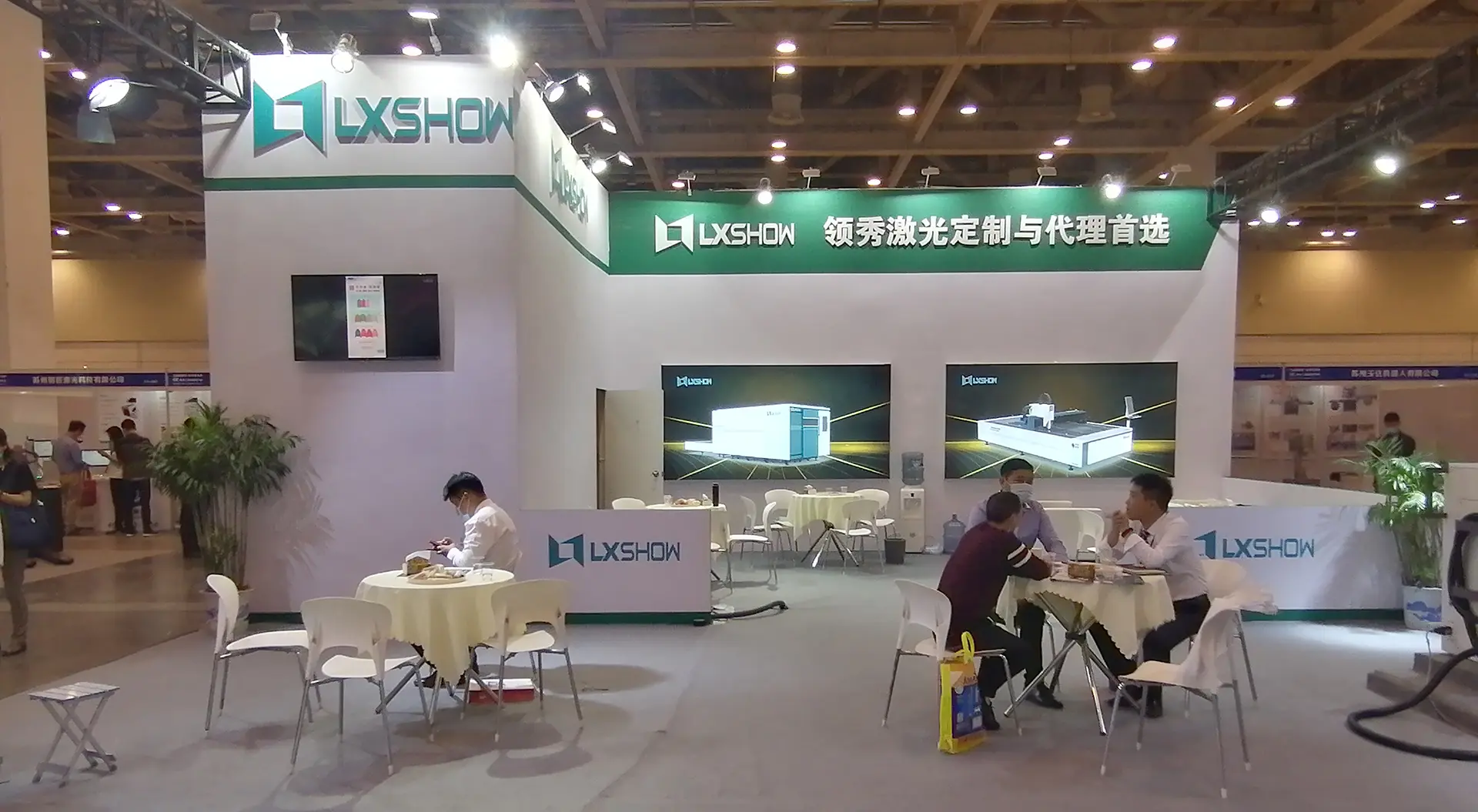
To date, our products are distributed to more than 150 countries, serving over 20,000 users globally. We also act as a primary OEM partner for more than 30 international industrial machinery brands, demonstrating our reliability, capabilities, and capacity as a leading supplier.
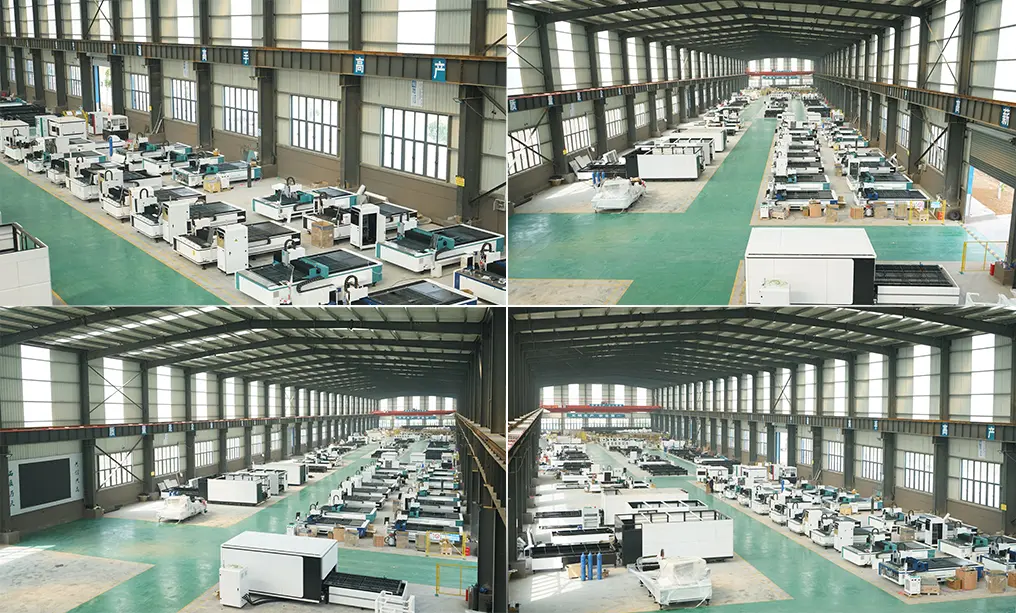


High-capacity structural systems designed to deliver performance for global industrial exporters and manufacturers.
 Lxshow