OEM CNC Laser Cutting Machine For Metal Suppliers & Factories

Empowering Smarter Global Metal Processing with Leading CNC Technology and Robust OEM Solutions

18+ Years
Laser Innovation Excellence (Since 2004)
150+
Countries & Regions Reached
20,000+
Active Worldwide Systems Installed
32,000 m²
Modern Smart Factory Production Base

1. Global CNC Metal Cutting Trends: Decarbonization, Automation & Fiber Scaleup

The metal fabrication landscape is shifting rapidly. Today, industrial organizations are looking for more than just simple speed; they need precision, efficiency, and environmental sustainability. Traditional cutting methods are being replaced by high-power fiber laser solutions. These CNC laser cutting machines deliver better wall-plug efficiency, reduce power consumption, and virtually eliminate thermal distortion across various metals.

Key developments include high-power fiber laser sources scaling from 6kW and 12kW up to 30kW and 40kW. This power increase allows operators to cut thicker metal sheets at faster speeds while using nitrogen or compressed air instead of oxygen. This change cuts down on secondary processing stages like edge polishing and deburring, helping streamline overall factory operations.

Advanced Wavelength Optima

Fiber lasers emit at a wavelength of roughly 1.06 micrometers, meaning they are absorbed well by metals, including reflective materials like brass and copper.

Autonomous Nesting

Smart CNC software calculates the best material arrangements in real-time, reducing sheet waste by up to 18% and cutting per-part costs.

Clean Tech Operations

Zero carbon emissions at the point of use, low auxiliary gas consumption, and low noise levels help factories meet environmental and safety standards.

Additionally, modern CNC laser cutting systems integrate directly into automated factory networks. These systems communicate with automated loading/unloading configurations and shopfloor MES (Manufacturing Execution Systems). This allows modern metalworking companies to run continuous shifts with minimal operator intervention.

Metallurgical Adaptability & Material Classifications

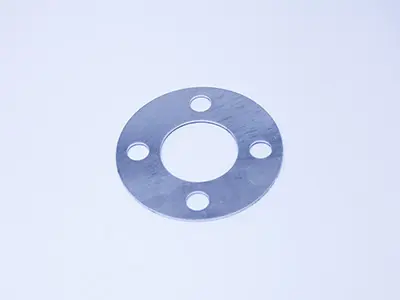
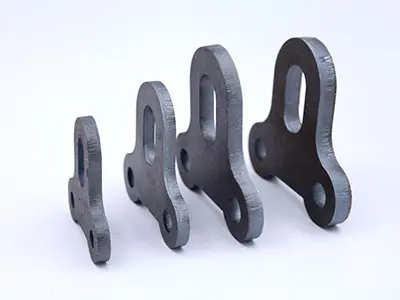
Our equipment works seamlessly with a wide range of metals, ensuring clean edges and high dimensional accuracy for every material.
Aluminum processing
Aluminum
Carbon Steel processing
Carbon Steel
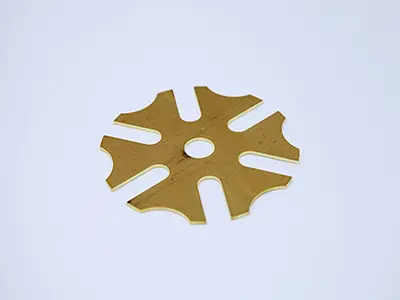
Copper processing
Copper
Galvanized steel processing
Galvanized Steel
Other Metal alloy processing
Other Metal Alloys
Round Tube cutting
Round Tube
Square Tube cutting
Square Tube
Stainless steel processing
Stainless Steel

2. China Industry 4.0: Supply Chain Resilience & Efficiency

China's industrial sector has transitioned from simple assembly to high-end smart manufacturing. This shift is driven by deep domestic supply chain integration, regional clustering, and significant R&D investments. Our facility features a 32,000-square-meter manufacturing area and a 500-square-meter dedicated R&D space, allowing us to manage the entire manufacturing process in-house. We handle everything from initial structural stress-relieving frame welding to the final alignment of precision optics.

This integrated production model offers real benefits for international buyers:

  • Optimized Component Integration: By sourcing core structures, guide rails, CNC beds, and custom electronics within a close manufacturing cluster, we reduce logistics delays and maintain strict quality standards.
  • Structural Integrity: Our CNC machine beds undergo stress-relief tempering and vibration aging. This ensures the frame remains stable and keeps its high geometric precision over years of intense industrial use.
  • High Cost-Performance: Combining smart production with scale benefits allows us to offer custom, high-end machines at competitive prices. This helps global distributors improve their market position and margins.

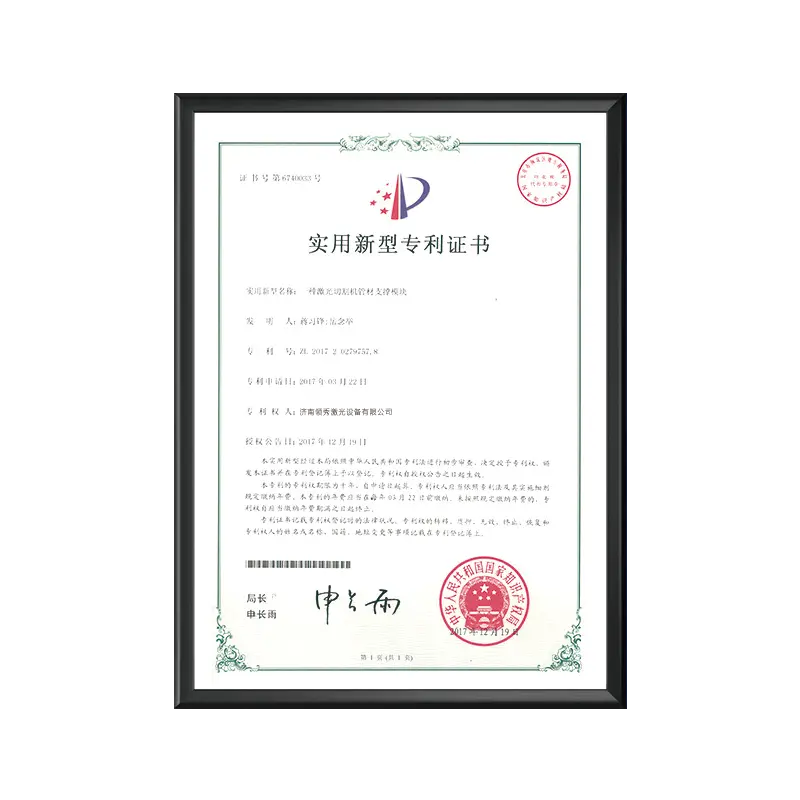
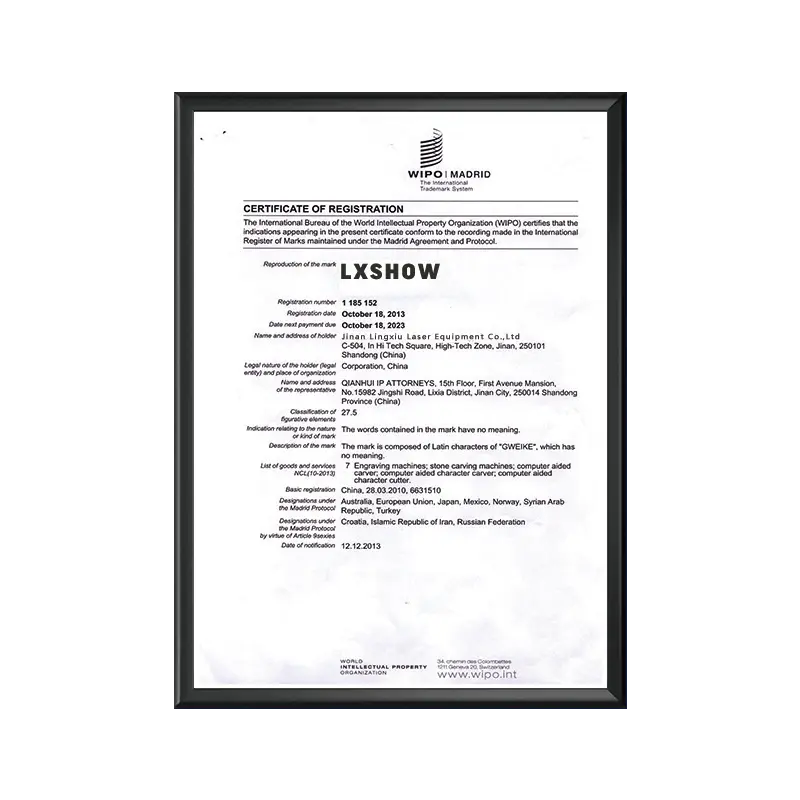
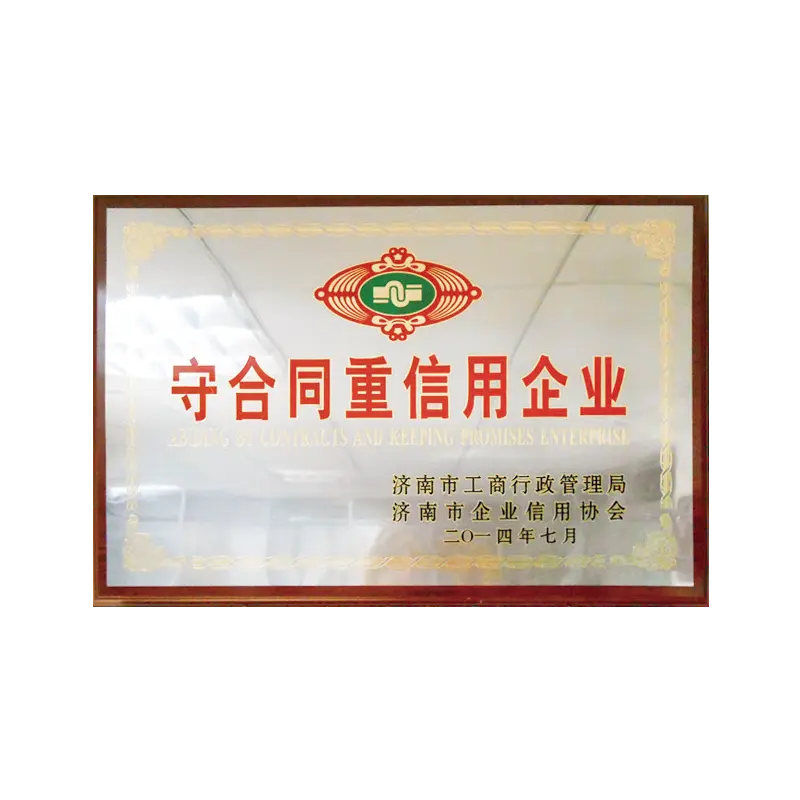
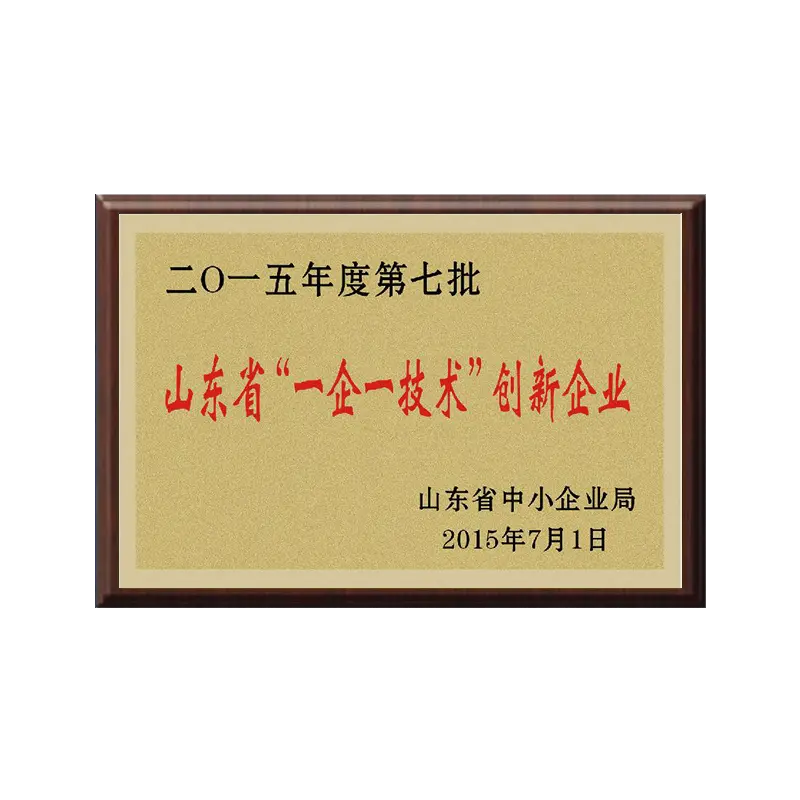
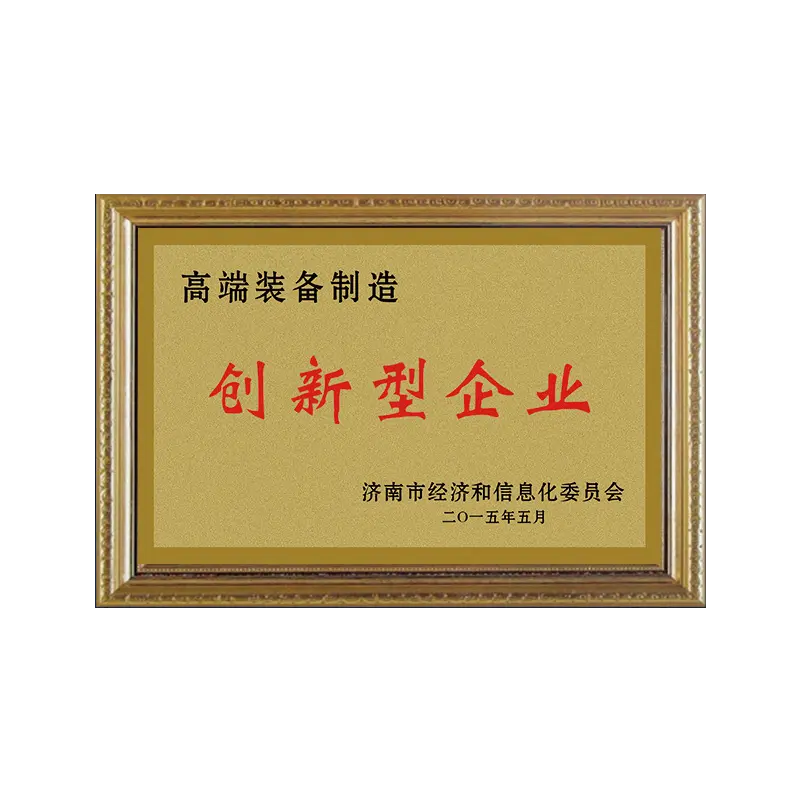
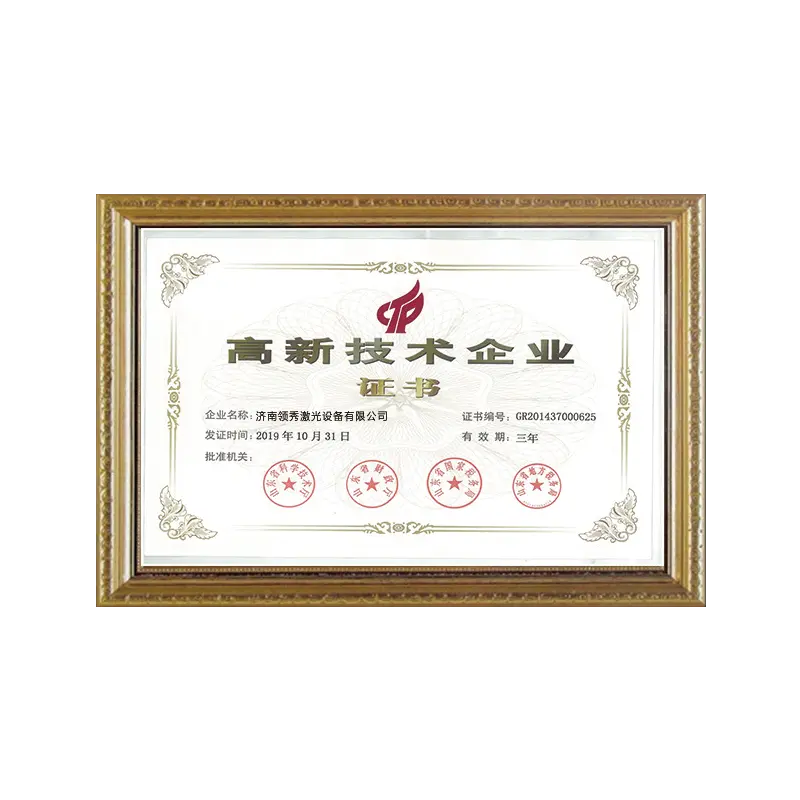
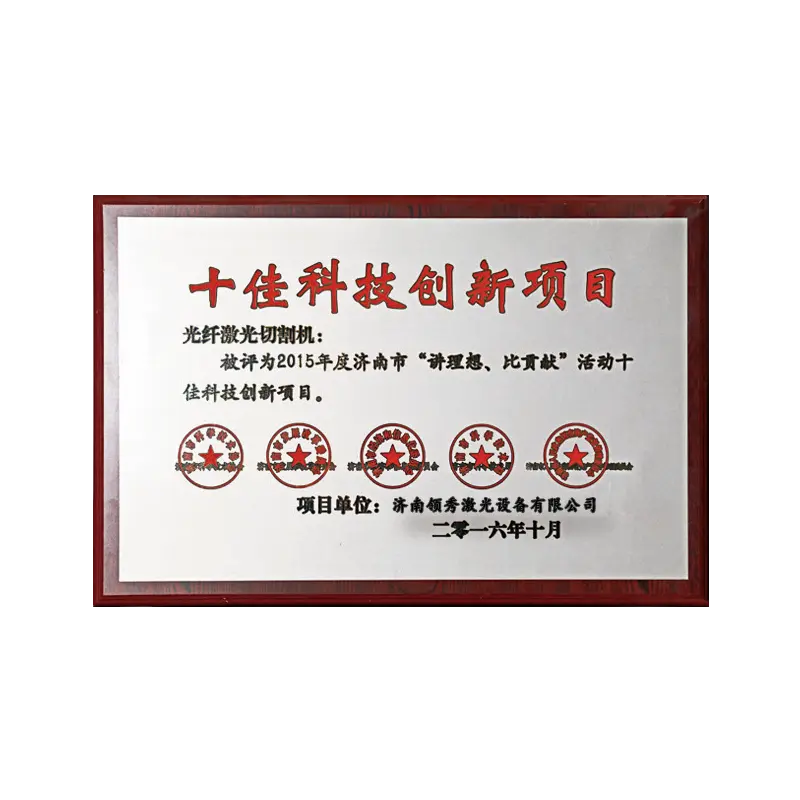
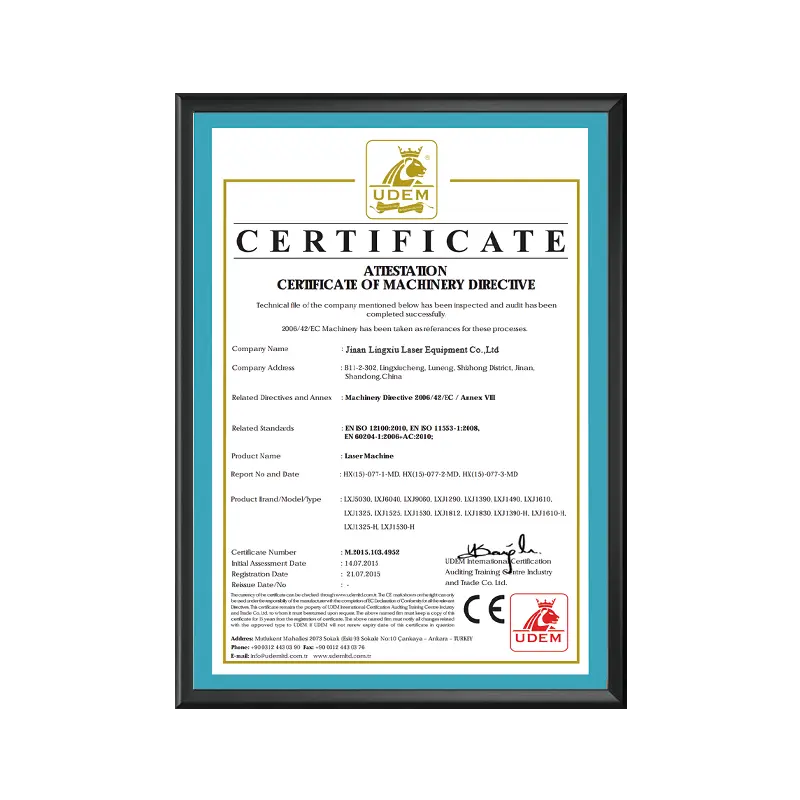
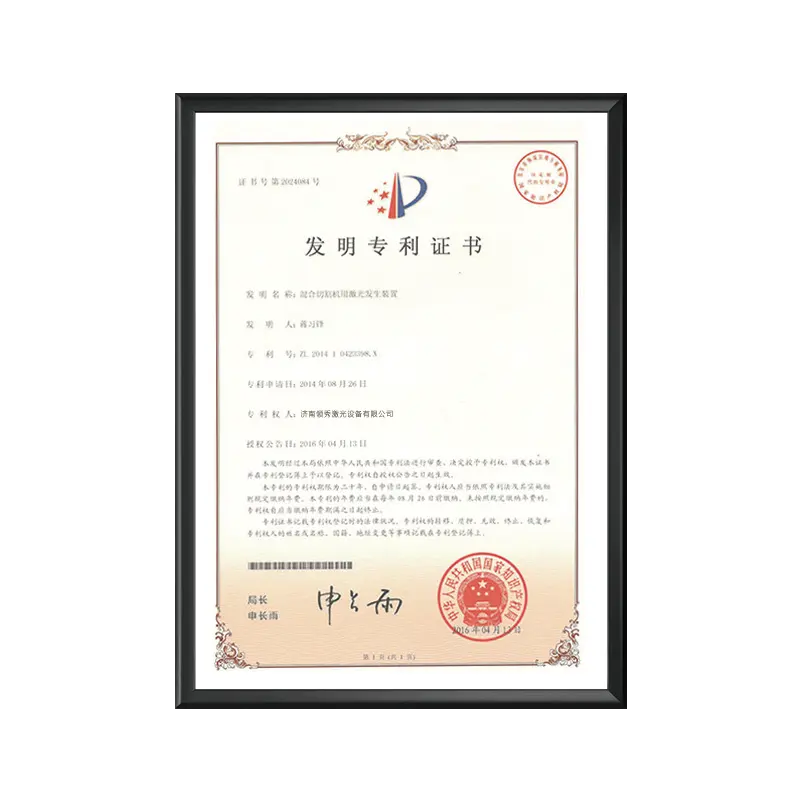
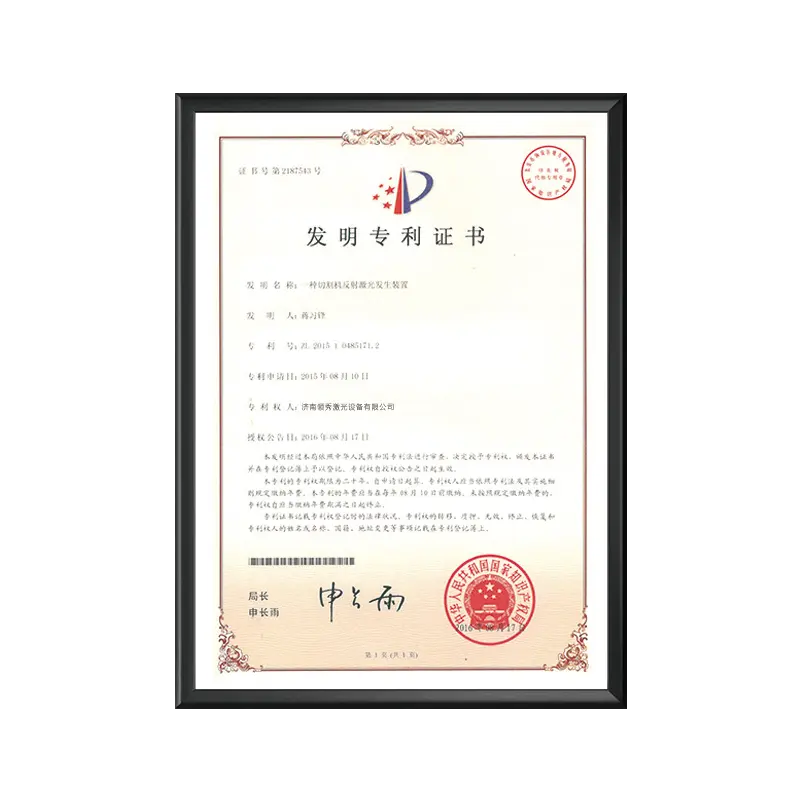
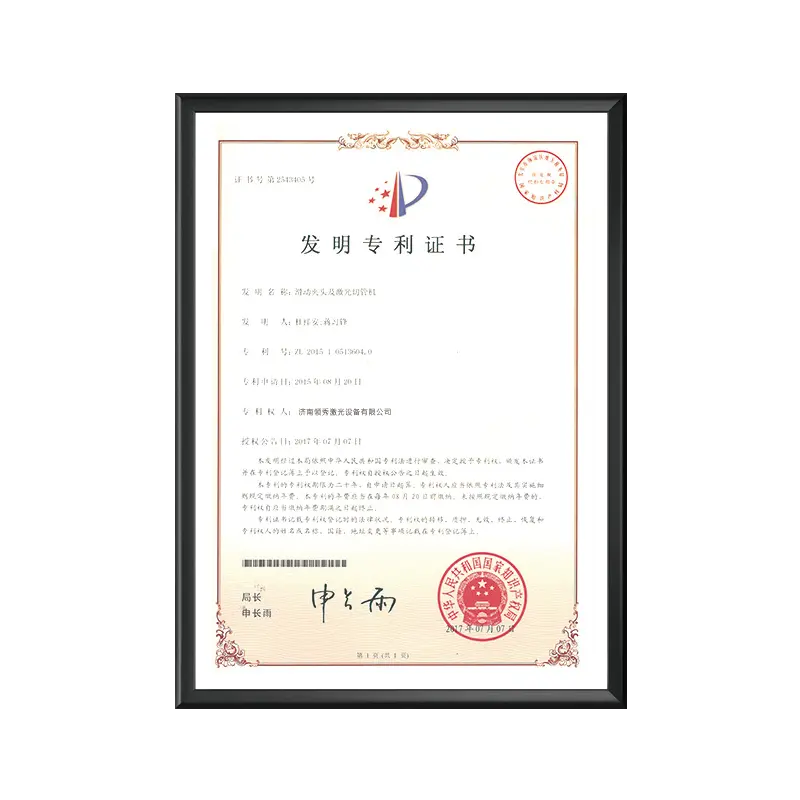
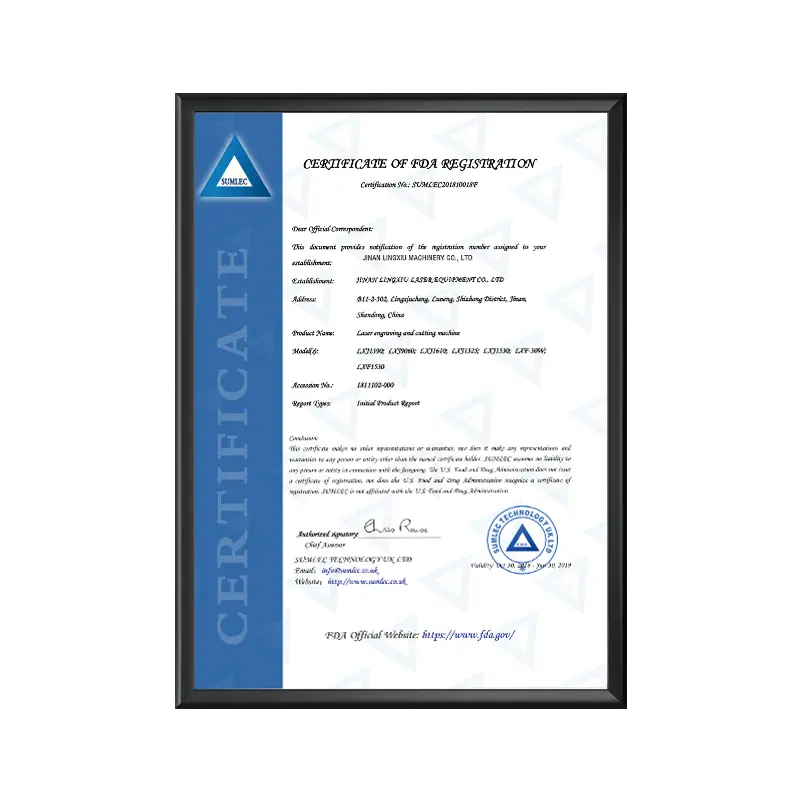
With international certifications like EU CE compliance, USA FDA registration, and ISO 9001 quality management, our systems are built to meet the regulatory standards of challenging industrial markets worldwide.
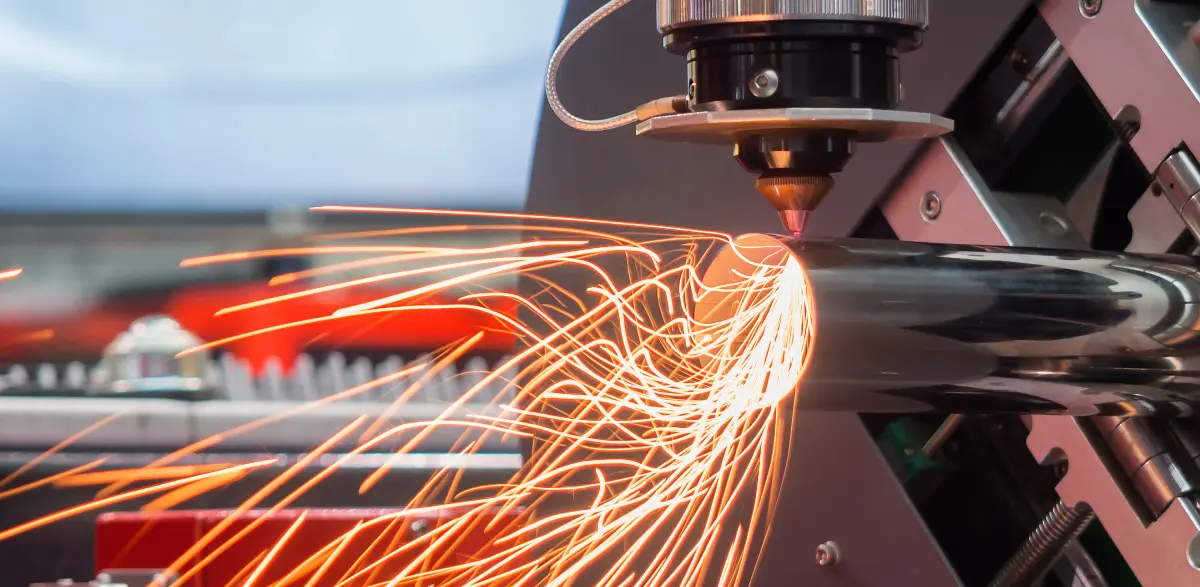
Helping World Metal Cutting

Automated assembly line, processing heavy-duty fiber laser systems for global delivery.

Industry Application Sectors

Our CNC laser and metalworking machinery serve as core equipment for key global manufacturing industries.

Hardware & Fasteners
Kitchenware & Catering
Sheet Metal Enclosures
Automotive & Transit
Electrical Cabinets
Hardware Enclosures
Crafts & Industrial Art
Advertising Signage
Sporting & Fitness Goods
Lighting & Luminaire
Heavy Machinery Parts
Precision Glasses & Optics

3. Smart Factory Products: Laser Cutting, Welding, Cleaning & Bending

Modern sheet metal workshops need more than stand-alone machinery; they need integrated workflows. That's why we've expanded our product line to support the entire fabrication process. From raw material preparation to shape forming, welding, and surface treatment, we offer a complete machinery lineup:

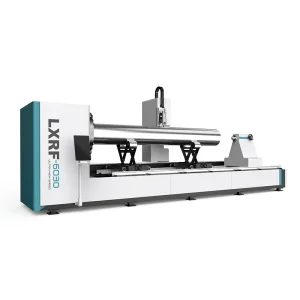
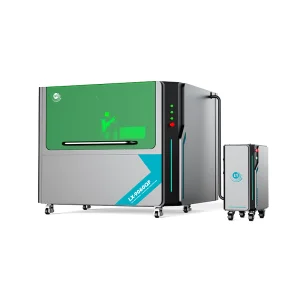
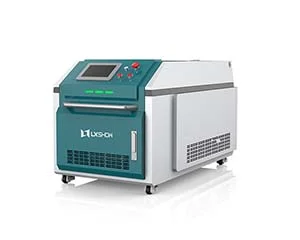
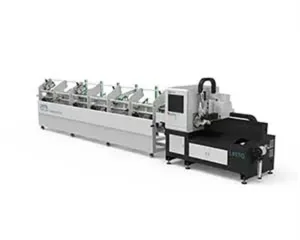
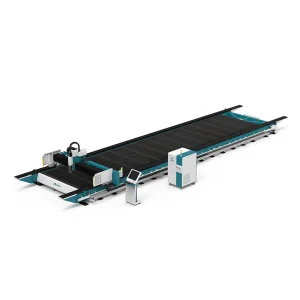
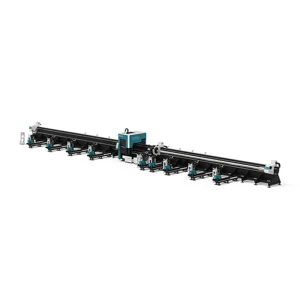
  1. CNC Fiber Laser Cutting Machines: High-precision sheet systems, specialized tube processors (like the LX123H 4-chuck and LX9TQA automatic feed systems), and dual-use sheet/tube machines. These units cut with high speed, small heat-affected zones, and clean edges.
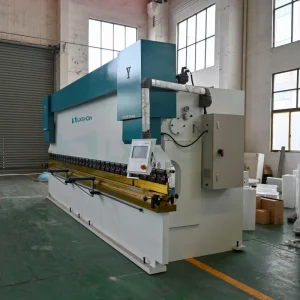
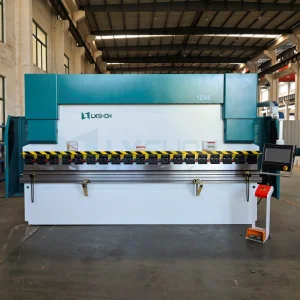
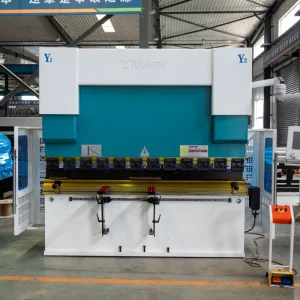
  2. Industrial CNC Press Brakes (Bending): Electro-hydraulic servo machines, including the WE67K and WC67K series. These benders deliver exact angles and reliable repeatability across various sheet thicknesses.
  3. Laser Welding Systems: Our handheld and robotic laser welders (such as the LXW series) work much faster than traditional TIG or MIG welding. They produce clean, smooth joints that require little to no secondary grinding.
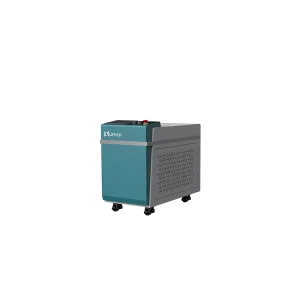
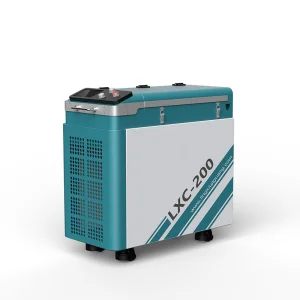
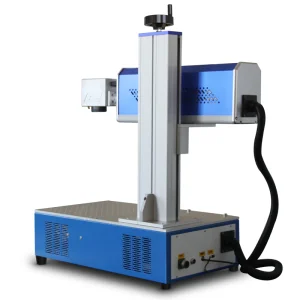
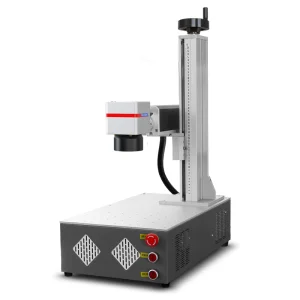
  4. Laser Cleaning Solutions: Our eco-friendly laser cleaning systems (like the LXC series) quickly remove rust, paint, oxidation, and oil without chemical solvents or abrasive media.
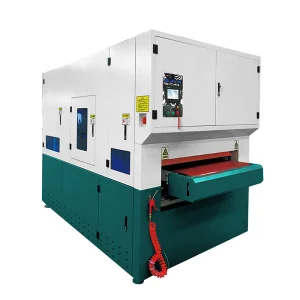
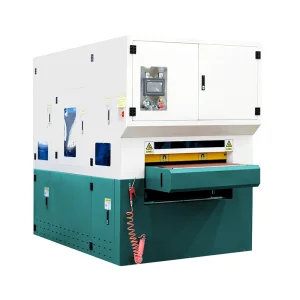
  5. Surface Deburring & Edge Polishing: Specialized finishing systems (such as the LX-RRS-A-450 and LX-RRS-A-1300) ensure parts are safe, smooth, and ready for powder coating or final assembly.

By aligning these machines in a single workflow, plants can reduce handling times, eliminate human error, and achieve consistent quality.
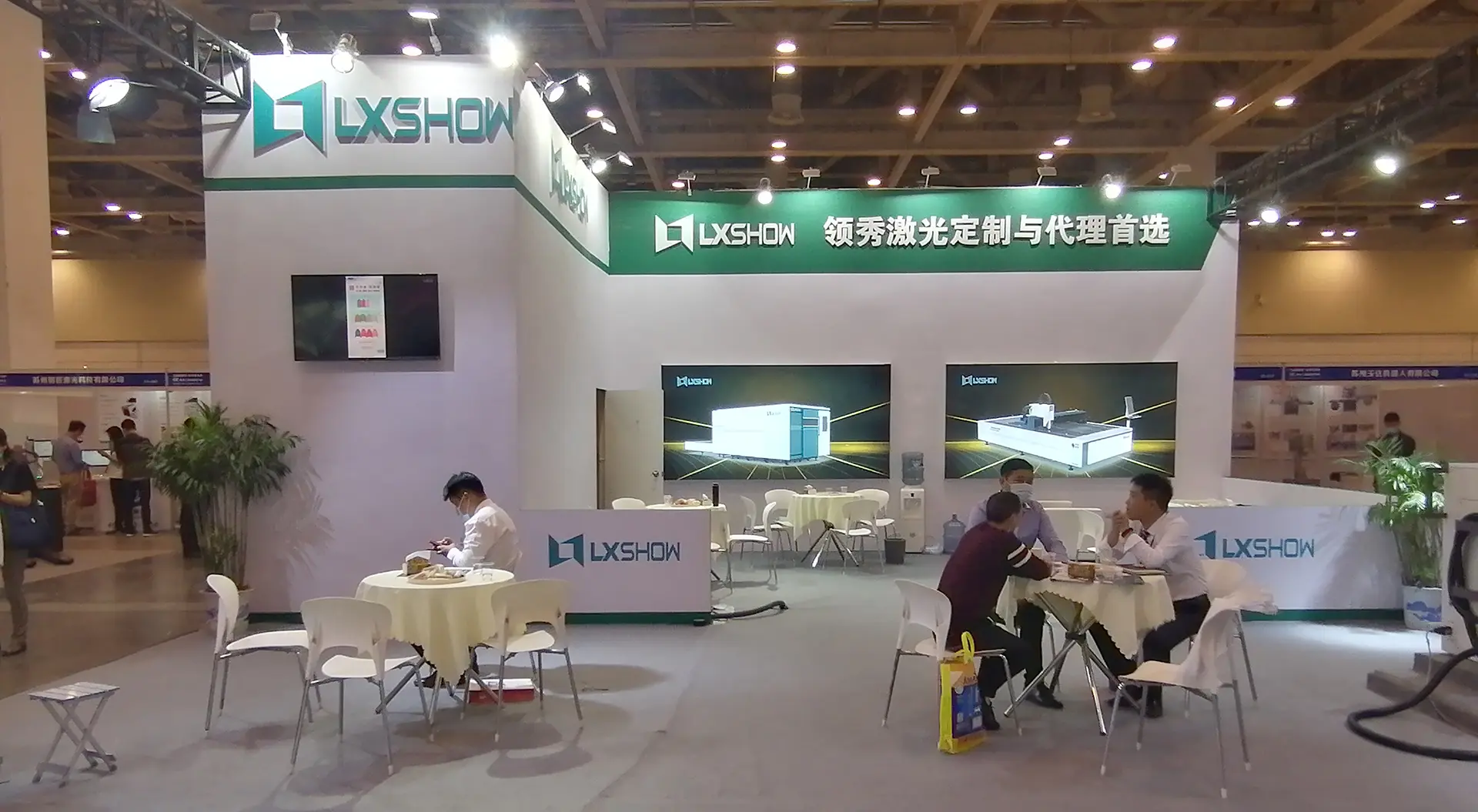
About Products overview

Overview of the laser application center showing high-power fiber laser machines.

Smart Facility & Team Infrastructure

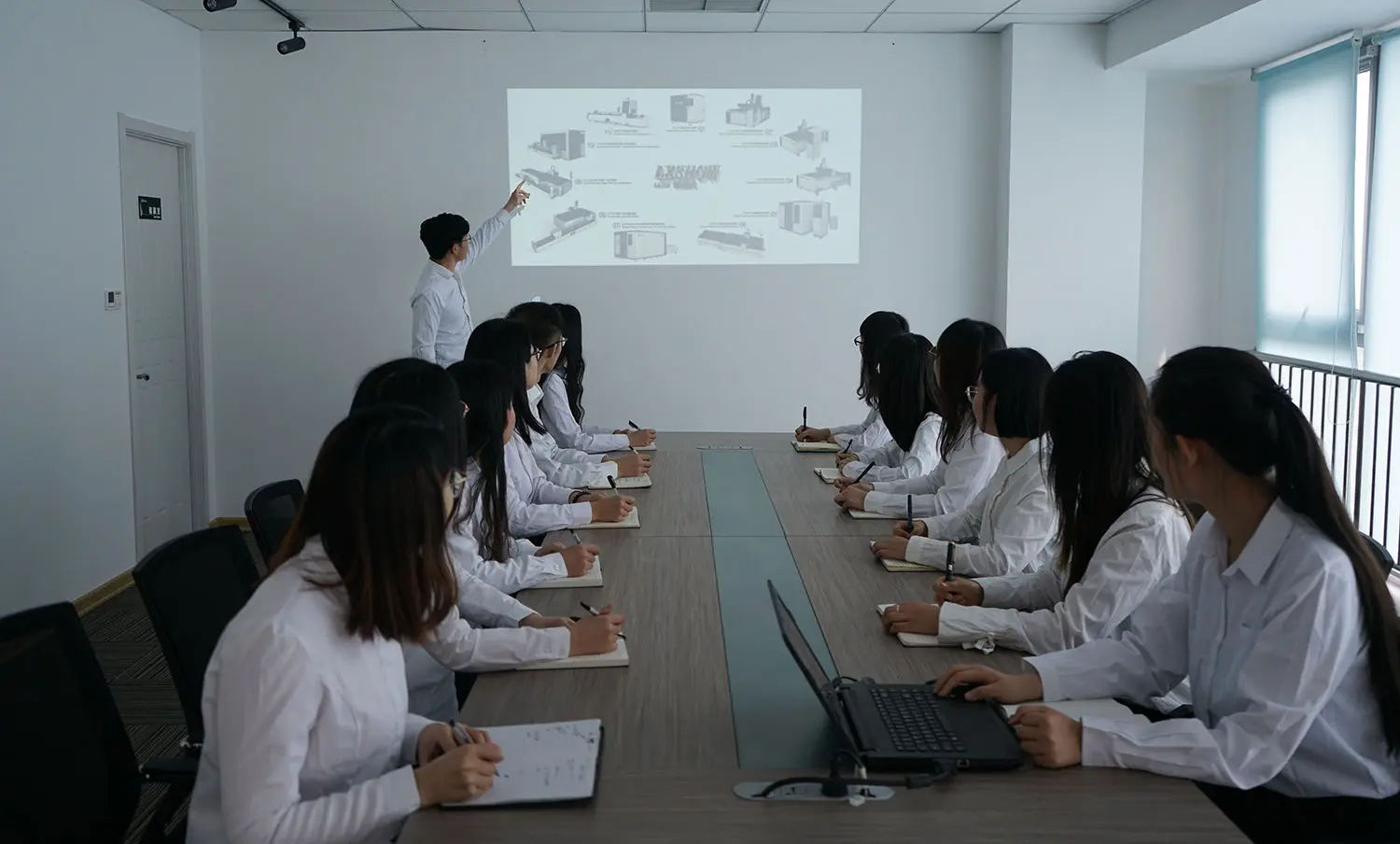
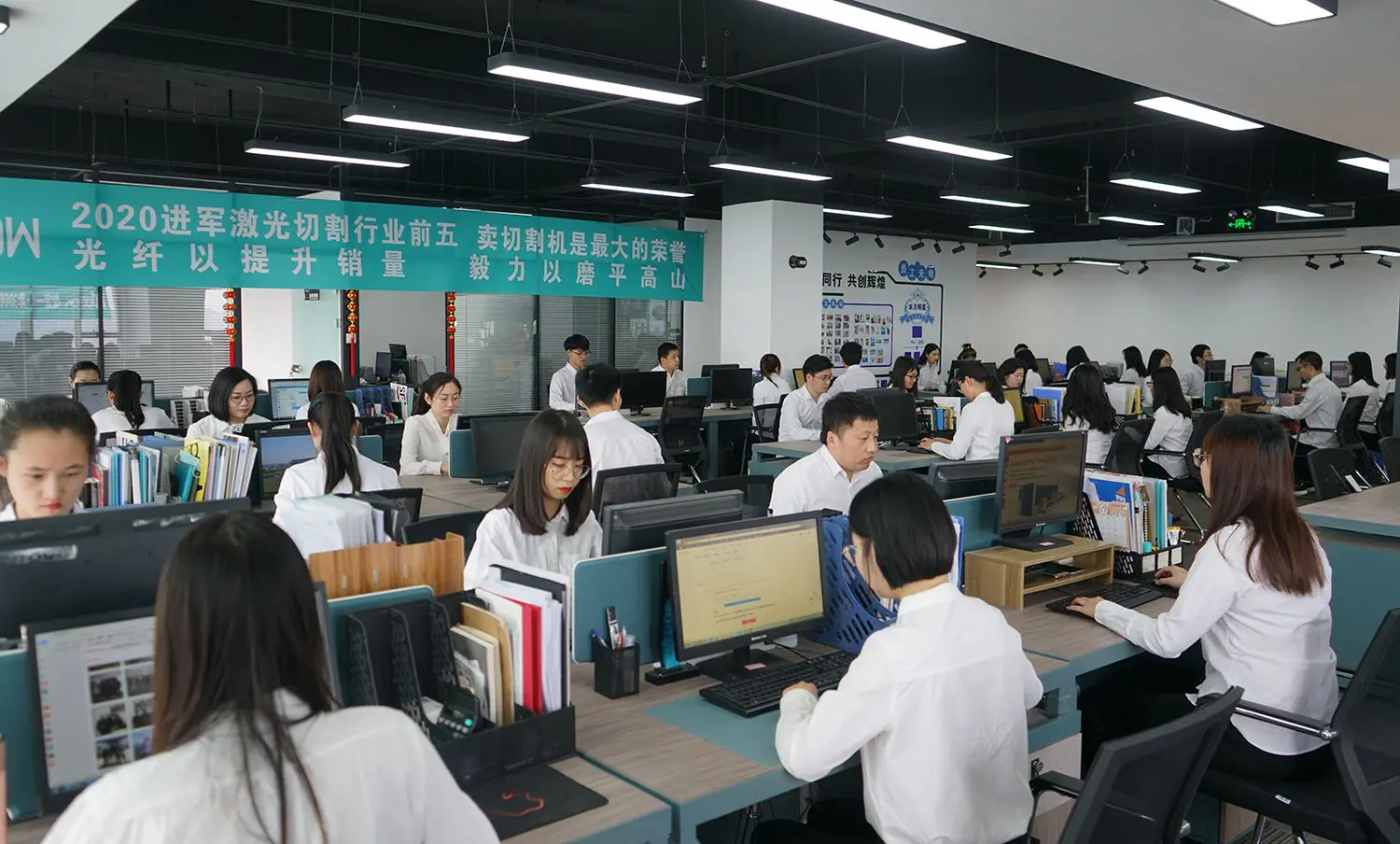
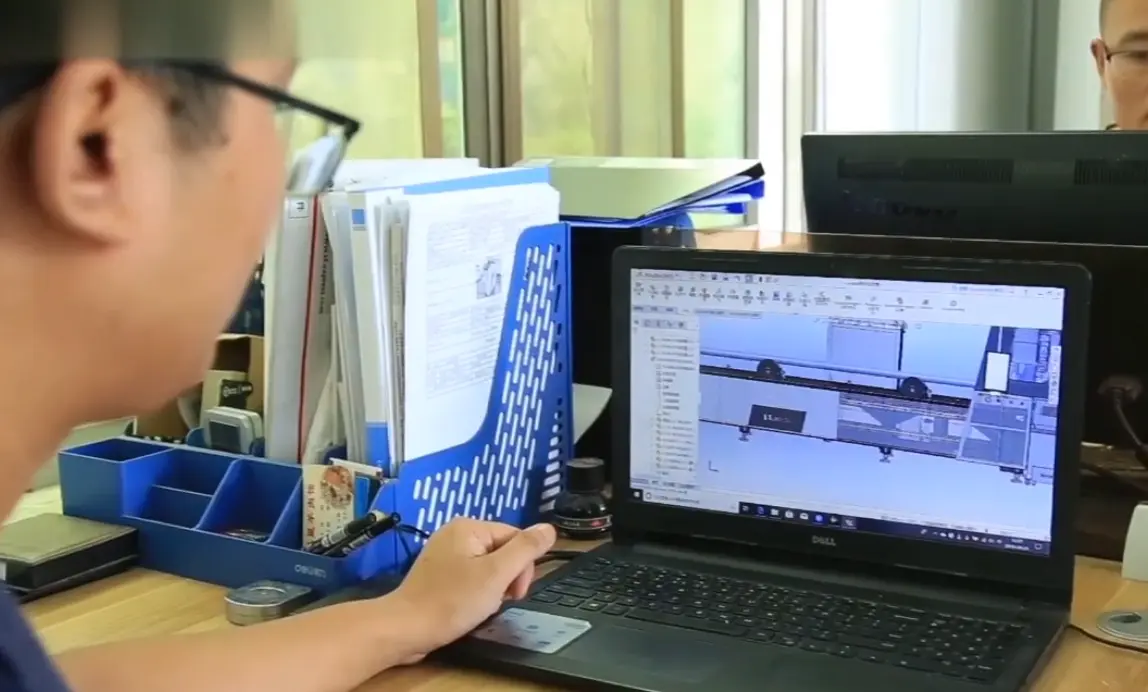
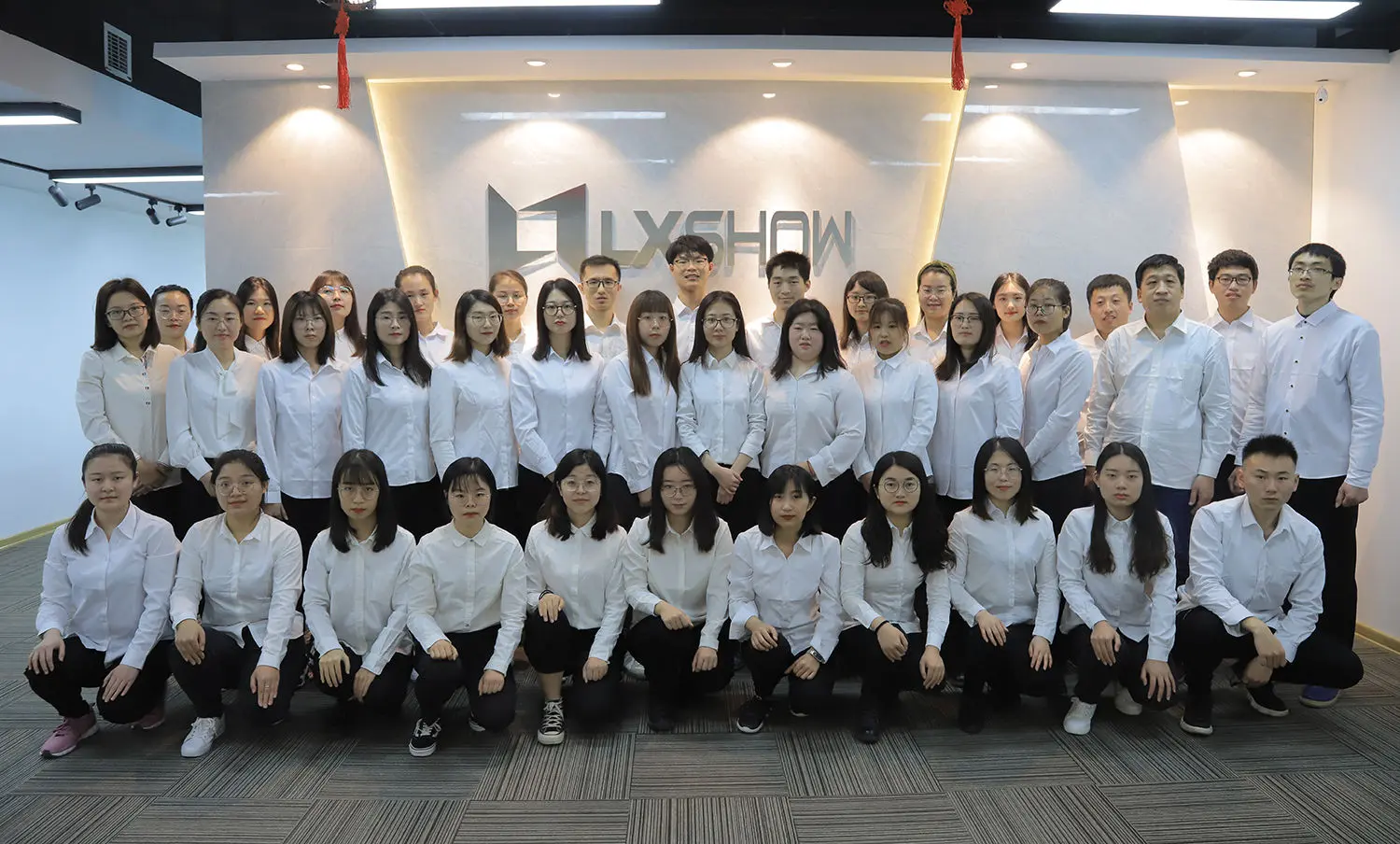
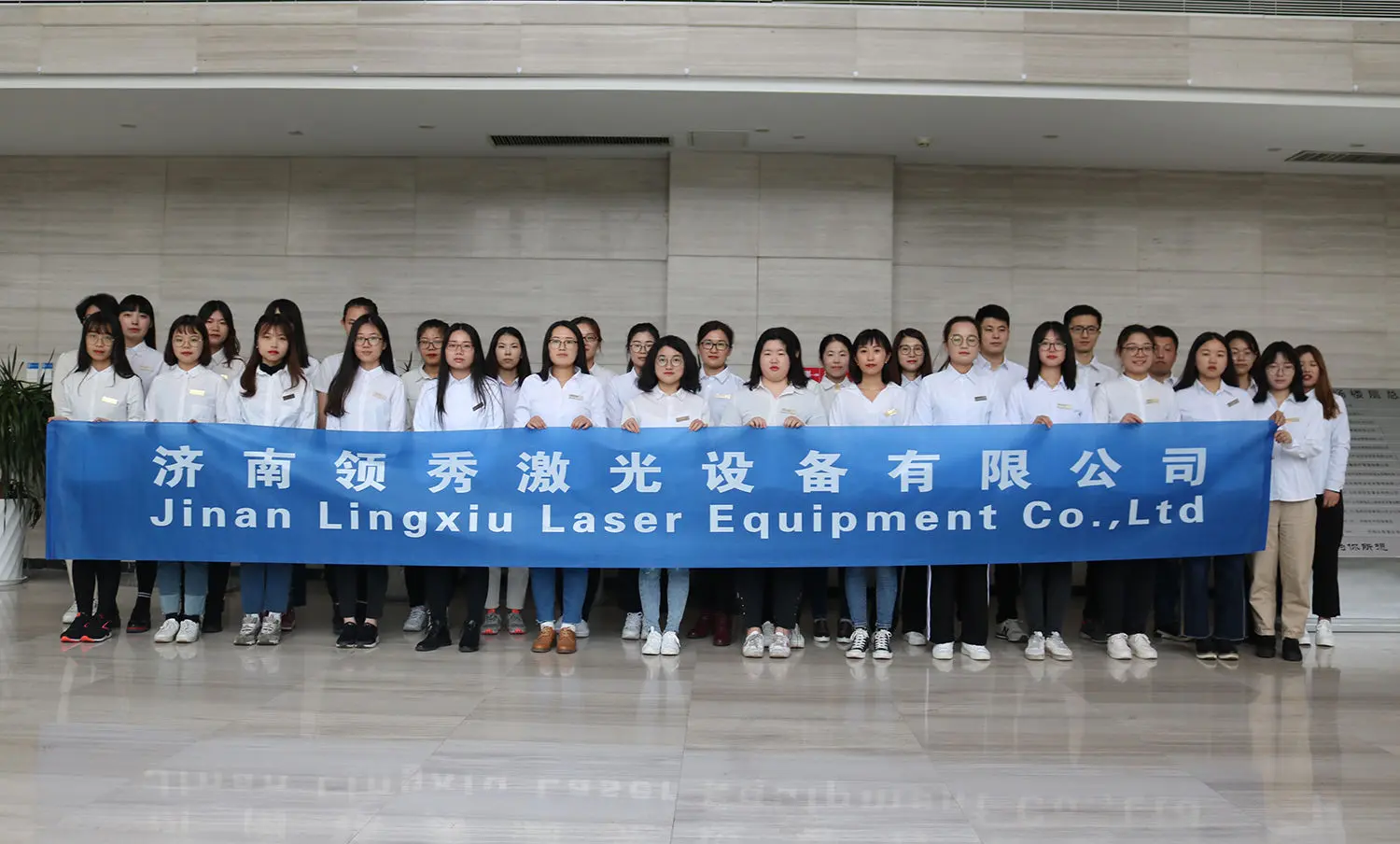
An inside look at our 32,000 m² factory, R&D workspaces, design offices, and professional service teams.
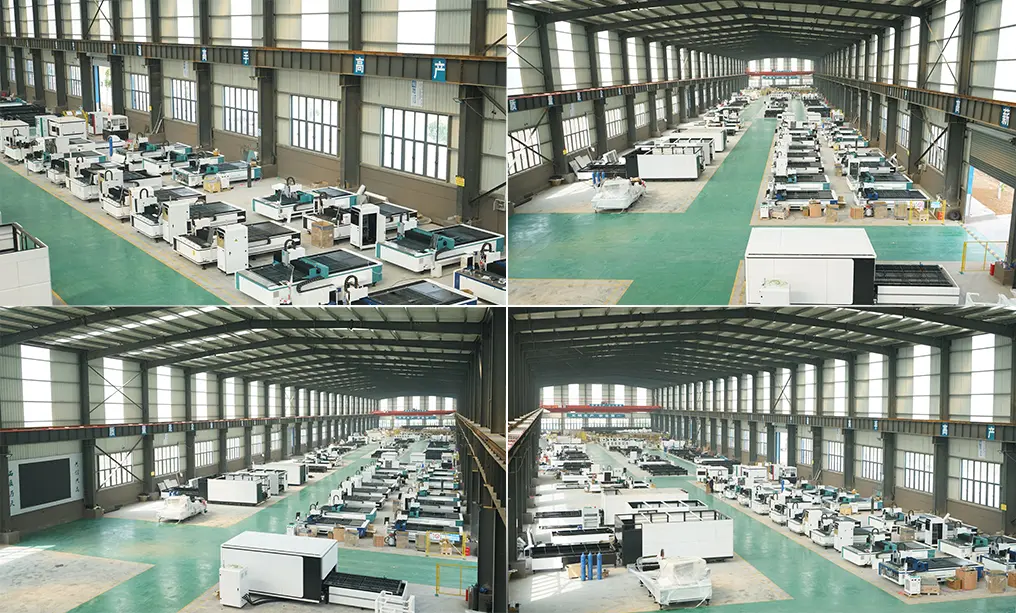
Production Workshop
Workshop
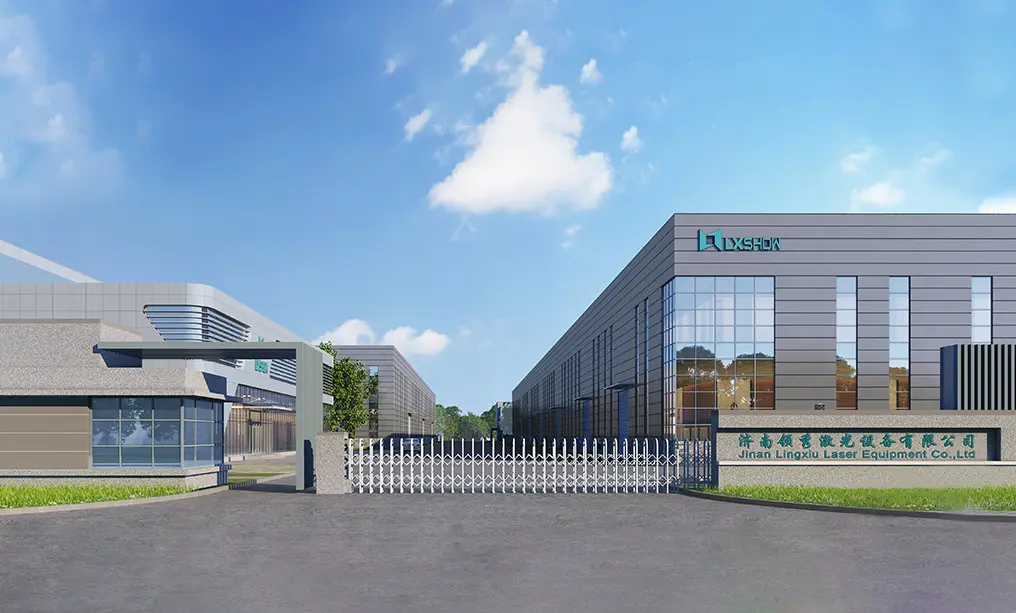
Factory exterior
Lxshow Factory
Front desk area
Front Desk
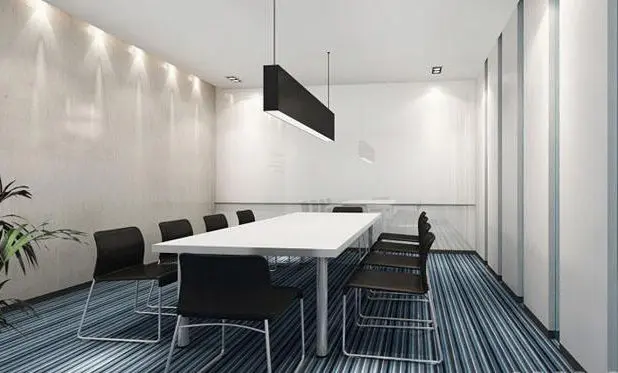
Meeting Room
Meeting Room
Corporate office
Lxshow Work Office
Machine Design Team
Machine Design Team
Reception office
Reception Office
Sales force 1
Sales Team 1
Sales force 2
Sales Team 2
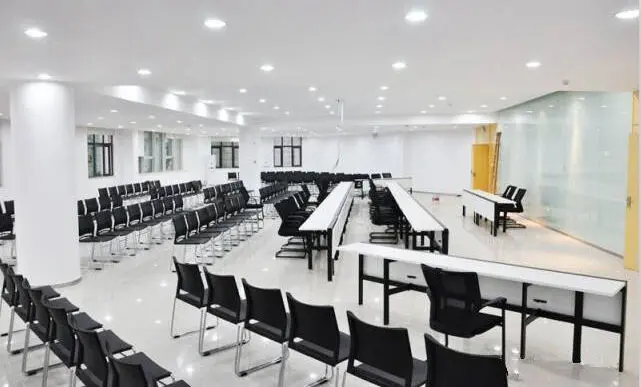
Training Room
Training Room

4. The Strategic Logic of OEM/ODM Partnerships for Machine Distributors

For industrial machine suppliers, building a strong OEM/ODM partnership is a key growth driver. Working directly with a primary manufacturer allows distributors to customize equipment configurations for their local market needs while avoiding heavy initial R&D costs. We currently provide OEM services to more than 30 global brands, tailoring machinery specifications to suit local industry requirements.

Our OEM process covers:

  • Software & Interface Customization: We offer localized CNC software interfaces (such as CypCut, FSCUT, or specialized CNC controls) with multi-language support. This makes the machines easier to adopt and use for local operators.
  • Configurable Component Options: Partners can select specific sub-systems—including laser sources (IPG, Raycus, Maxphotonics), cutting heads (Raytools, Precitec), and servo motors (Yaskawa, Delta)—to match local customer preferences and servicing capabilities.
  • Custom Enclosures & Styling: We configure protective housings, color palettes, and brand labels to fit the distributor’s brand identity, ensuring compliance with local safety standards (like fully enclosed double exchange tables).
  • Technical Support & Field Training: We support distributors with deep training programs, detailed diagnostic manuals, and remote video engineering services to help keep user operations running smoothly.

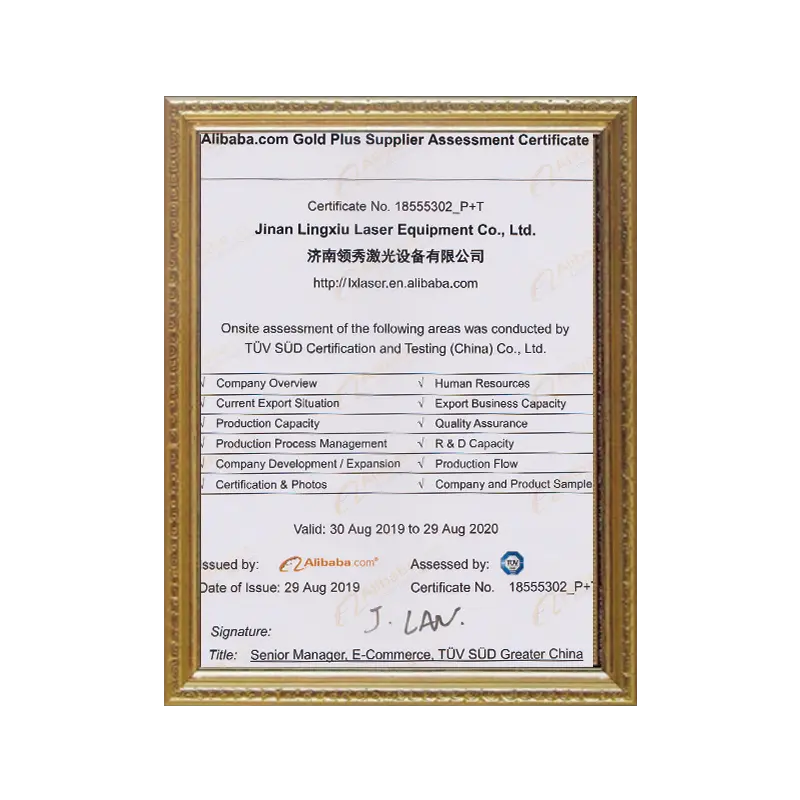
Global Certification & Brand Footprint

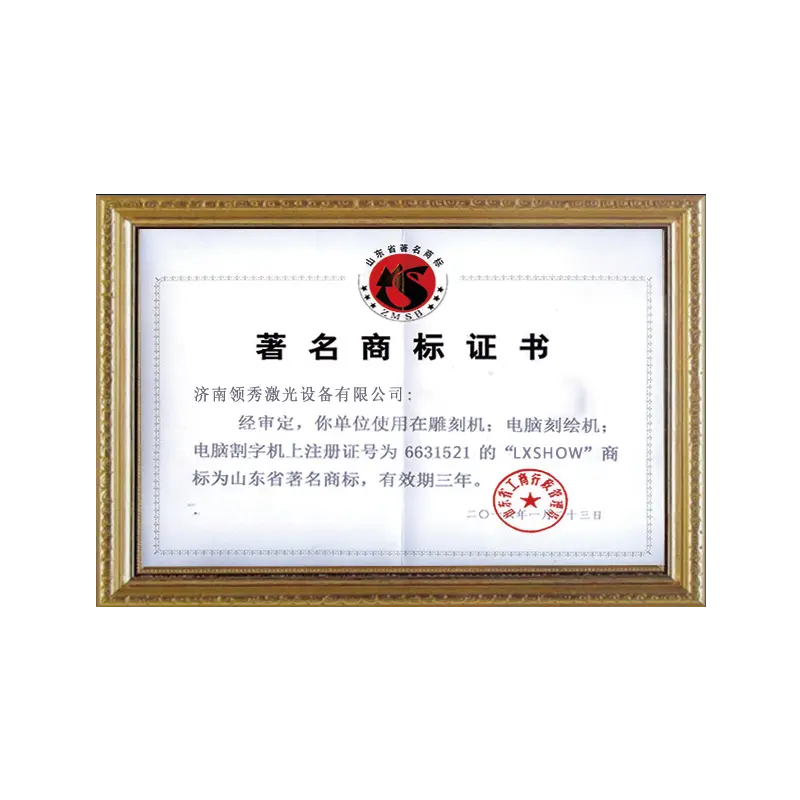
Compliance, verified standards, and quality management systems recognized across major international markets.
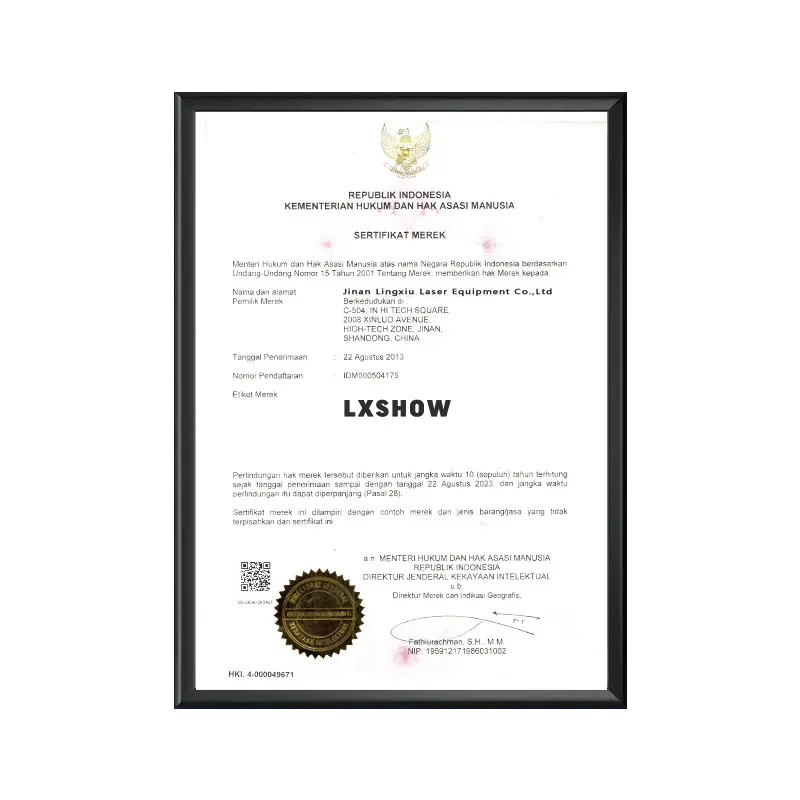
Certification 1
Certification 2
Certification 3
Certification 4
Certification 5
Certification 6
Certification 7
Certification 8
Certification 9
Certification 10
Certification 11
Certification 12
Certification 13
Certification 14
Certification 15
Certification 16
Certification 17
Certification 18

Expert Strategic & Engineering FAQ

Detailed answers to key technical questions about fiber laser machinery, setup, and global purchasing.

How does fiber laser cutting compare to CO2 laser technology for metal fabrication?
Fiber lasers are highly efficient when cutting metals, offering a processing speed for thin sheets that is up to three times faster than CO2 lasers. The 1.06µm fiber wavelength is absorbed much better by metals, particularly reflective ones like aluminum, brass, and copper. In addition, fiber systems run without complex internal mirrors or gas pipes, lowering maintenance costs and reducing energy consumption by up to 50% compared to traditional CO2 systems.
What is the benefit of a multi-chuck configuration in CNC tube laser cutting?
Multi-chuck systems, like our four-chuck LX123H configuration, clamp the metal tube securely along its entire length. This design minimizes pipe sagging and deformation, allowing for high precision even on long, heavy tubes. It also enables close-to-zero tailing waste, saving valuable raw material during high-volume production.
How does laser cleaning improve preparation compared to chemical washing?
Laser cleaning uses focused laser pulses to vaporize rust, paint, and contaminants without damaging the base metal. It is a dry process that requires no chemicals or abrasive media, making it eco-friendly and safer for operators. This method cuts down on waste disposal costs and prep times, making it ideal for automotive, aerospace, and general steel fabrication.
What thickness limits apply to oxygen vs nitrogen assist gas cutting?
Oxygen is typically used for cutting thicker carbon steel because it triggers an exothermic reaction that speeds up the cut. However, this leaves an oxide layer on the cut edge that requires removal before painting. Nitrogen, used as an inert assist gas, prevents oxidation, leaving a bright, clean edge ready for immediate welding or painting. This makes nitrogen ideal for stainless steel and aluminum, though it requires higher pressure and laser power for thick plates.
What OEM customization options are available for local distributors?
We provide full custom configurations: from choosing laser sources (IPG, Raycus, Maxphotonics) and selecting specialized cutting heads (Raytools, Precitec) to customizing mechanical designs, software languages, and enclosure colors. This flexibility helps distributors offer tailored products that align with their local market demands and brand identity.