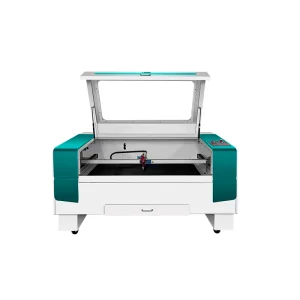
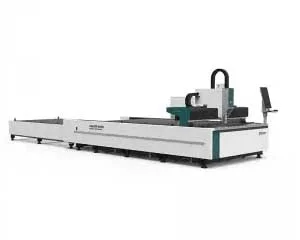
Explore our top-performing industrial laser cutting, welding, and cleaning configurations designed to process high-reflectivity alloys like aluminum with maximum precision and zero defect rate.
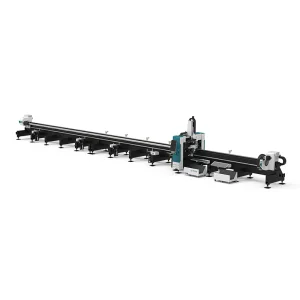
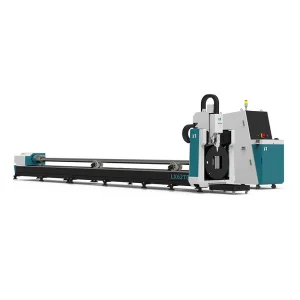
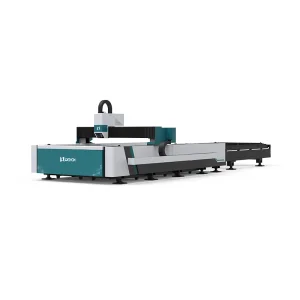
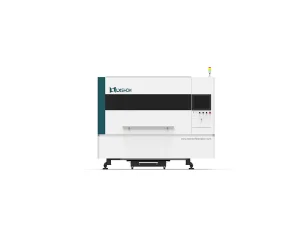
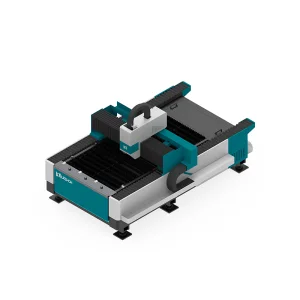
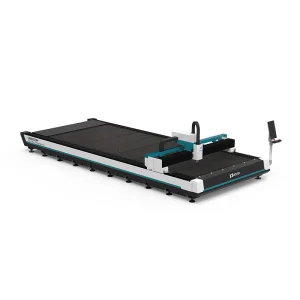
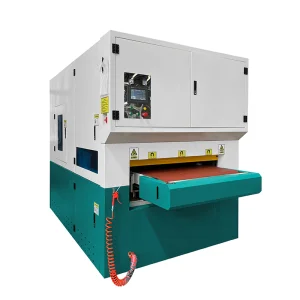
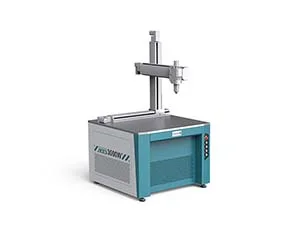
In the domain of modern precision manufacturing, aluminum and its diverse alloys represent the cornerstone of lightweight, structurally robust, and corrosion-resistant product design. However, fabricating components from aluminum sheets via traditional mechanical methods frequently introduces undesirable stresses, edge distortion, and micro-cracking. To address these limitations, OEM Aluminium Sheet Laser Cutting has emerged as the preferred processing methodology across sectors demanding high dimensional accuracy and metallurgical integrity. By utilizing advanced thermal-cutting technologies, global manufacturers can realize intricate geometries, high-tolerance profiles, and clean edges ready for secondary welding or structural assembly.
Aluminum exhibits thermodynamic characteristics that present distinct challenges to conventional thermal processing. Its exceptional thermal conductivity—which is up to five times greater than carbon steel—means that applied heat energy rapidly dissipates away from the cutting zone. Concurrently, its high reflectivity (especially under infrared wavelengths of approximately 1.06 micrometers) reflects a significant percentage of incoming laser light during the initial piercing phase. Without proper parameter optimization, these properties can lead to inconsistent melt puddles, severe burring, and optical damage to the laser delivery fiber.
To overcome this metallurgical paradox, modern fiber lasers utilize high power density beams that immediately surpass the ionization threshold of the material, shifting it from a solid reflection state to an absorption state. This process requires precise modulation of frequency, pulse length, and assist-gas chemistry. By controlling the Heat Affected Zone (HAZ), manufacturers preserve the tempered mechanical characteristics of heat-treatable alloys (such as the 6000 and 7000 series), preventing local softening and maintaining structural capability near the cut boundaries.
| Alloy Series | Primary Alloying Elements | Laser Cutability Index | Key Challenges & Solutions |
|---|---|---|---|
| 1000 Series (Pure Al) | None (99.00%+ Pure) | Moderate (High Reflectivity) | Requires optical isolators; clean nitrogen assist to avoid melting. | 3000 Series | Manganese (Mn) | Excellent | Standard laser settings; produces clean, burr-free edges for general sheet metal. |
| 5000 Series (Marine) | Magnesium (Mg) | High | Requires careful dross control; magnesium vaporizes easily under high energy. |
| 6000 Series (Structural) | Silicon & Magnesium | Excellent | Susceptible to micro-fractures; laser pulse profiling and gas dynamic nozzle design prevent heat pooling. |
| 7000 Series (Aerospace) | Zinc (Zn) | Moderate (Difficult) | High tendency for micro-cracks; requires high-power fiber lasers with fast feed rates. |
The global demand for lightweight structural materials is driven by energy efficiency and emission reduction initiatives. In automotive structural designs, reducing curb weight directly influences battery range in electric vehicles (EVs) and fuel economy in internal combustion engines. OEMs require aluminum sheet metal cutting services that integrate seamlessly with automated robotic welding lines. Laser cutting plays a crucial role in this environment by delivering components with tight tolerances (±0.05 mm), ensuring consistency in assembly and minimizing welding defects.
Similarly, the aerospace sector depends on precision profiling for fuselage skins, bulkheads, and interior brackets. In these applications, fatigue life is critical. Edges cut with sub-optimal parameters can contain micro-cracks that act as stress concentration points under cyclic loading. By utilizing high-frequency pulse modulation, fiber lasers generate smooth cut surfaces that require minimal post-process machining, meeting strict aerospace quality criteria. In the electronics sector, laser processing produces thin, complex enclosures for handheld devices and thermal heat sinks, where heat management and EMI shielding are primary requirements.
Advanced laser modulation limits thermal exposure to within 0.1 mm of the cut edge. This preserves the tempered strength of structural alloys and prevents micro-cracks that lead to premature fatigue failures under structural loads.
Achieving a dross-free edge profile on aluminum sheets depends on three main variables: laser wavelength, beam quality (BPP), and assist-gas dynamics. While legacy CO2 lasers (10.6 µm wavelength) were heavily reflected by aluminum, fiber lasers operate at approximately 1.07 µm. At this wavelength, aluminum's energy absorption is up to three times higher, facilitating a more efficient melt pool creation.
Assist gas selection is equally critical. Oxygen causes exothermic oxidation, which increases cutting speeds but leaves an oxidized, brittle edge unsuitable for high-quality welding. Therefore, nitrogen is typically used at high pressures (12 to 18 bar) to mechanically expel the molten metal from the kerf before it can oxidize. The gas flow must be laminar; turbulent flow within the kerf creates irregular ripples on the cut edge, leading to secondary deburring requirements. This is where modern nozzle geometries, such as supersonic nozzles, help stabilize the gas stream, ensuring consistent edge quality across various sheet thicknesses.
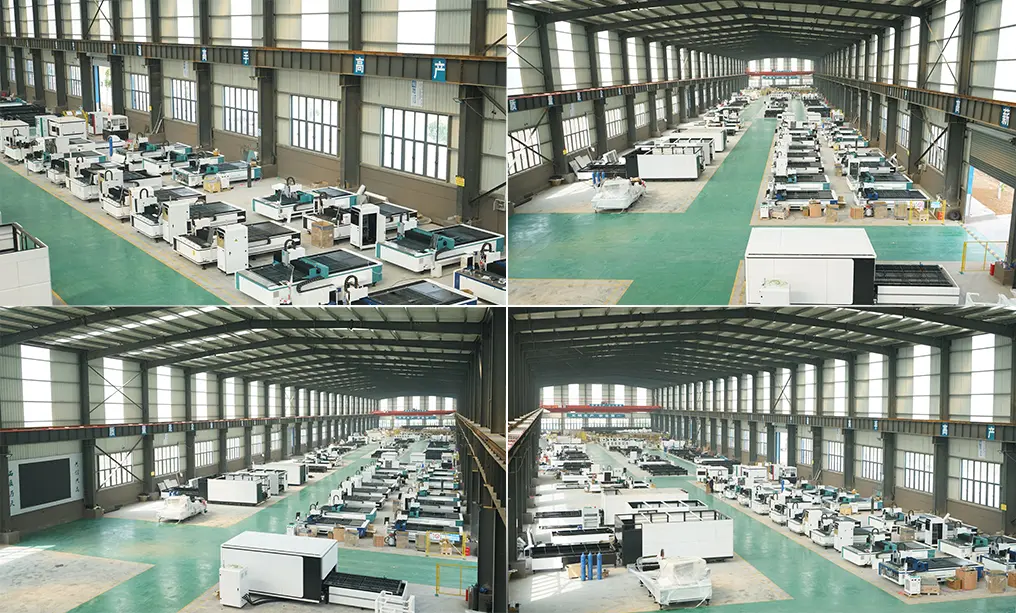
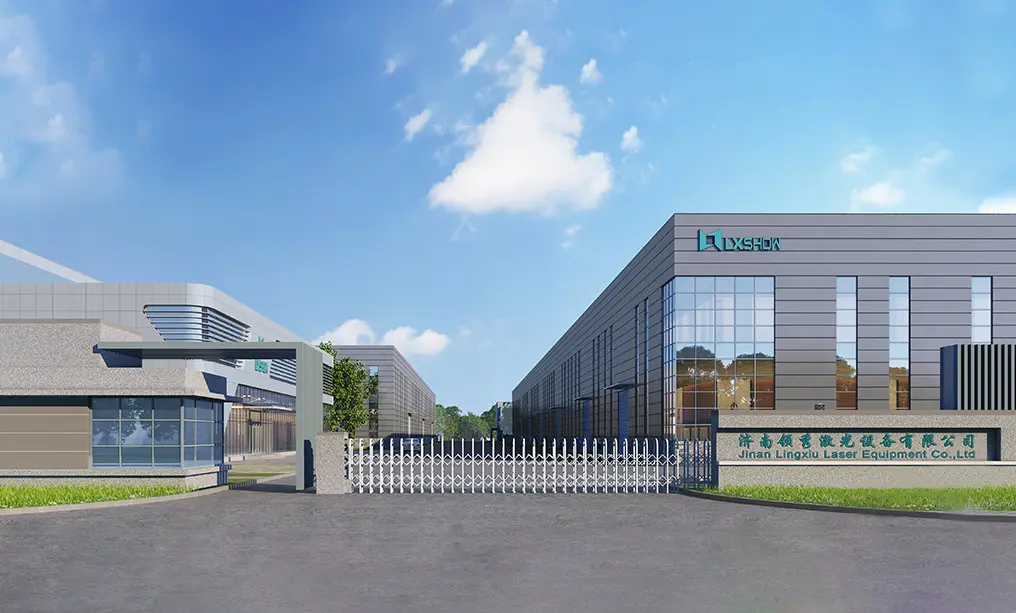
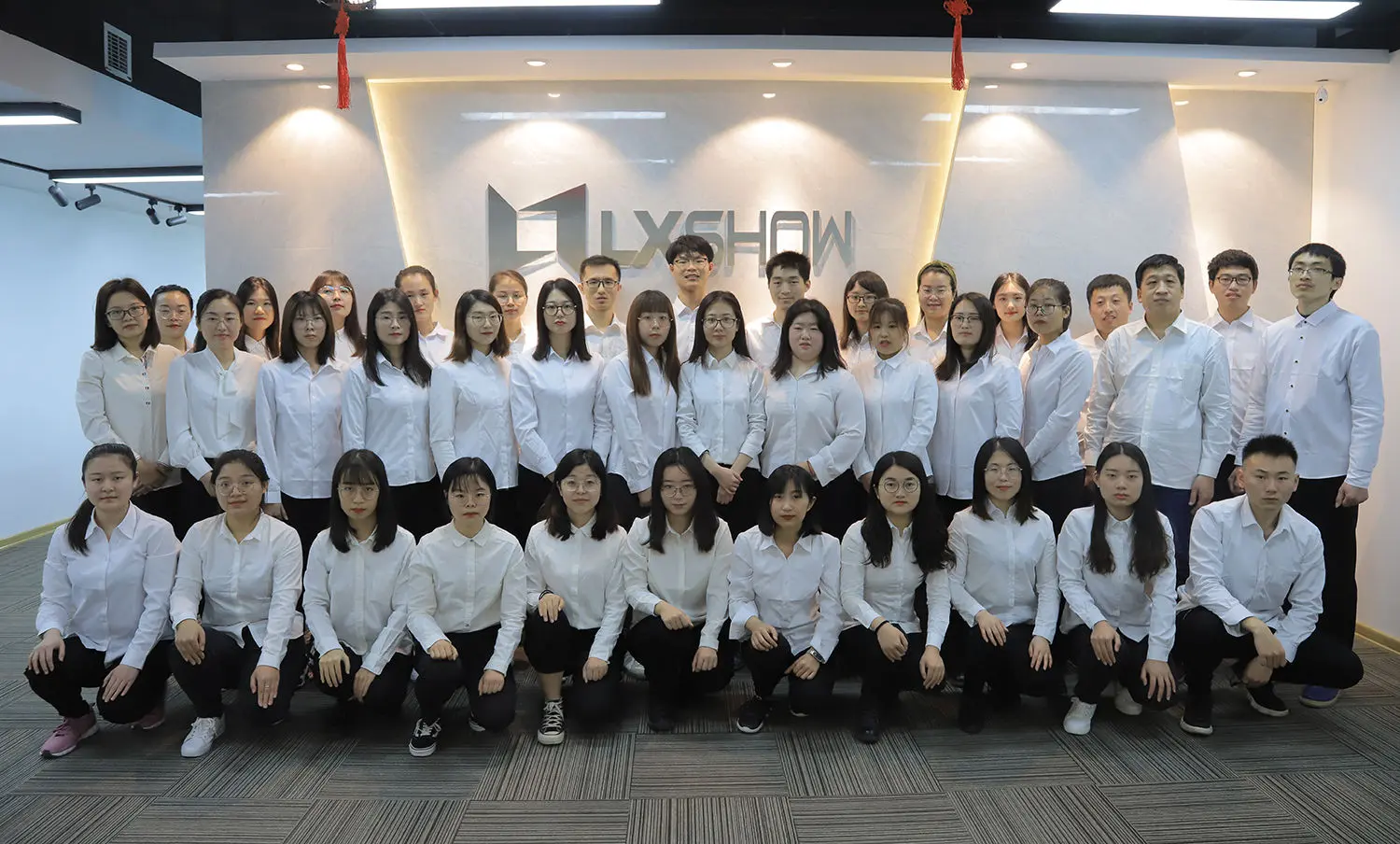
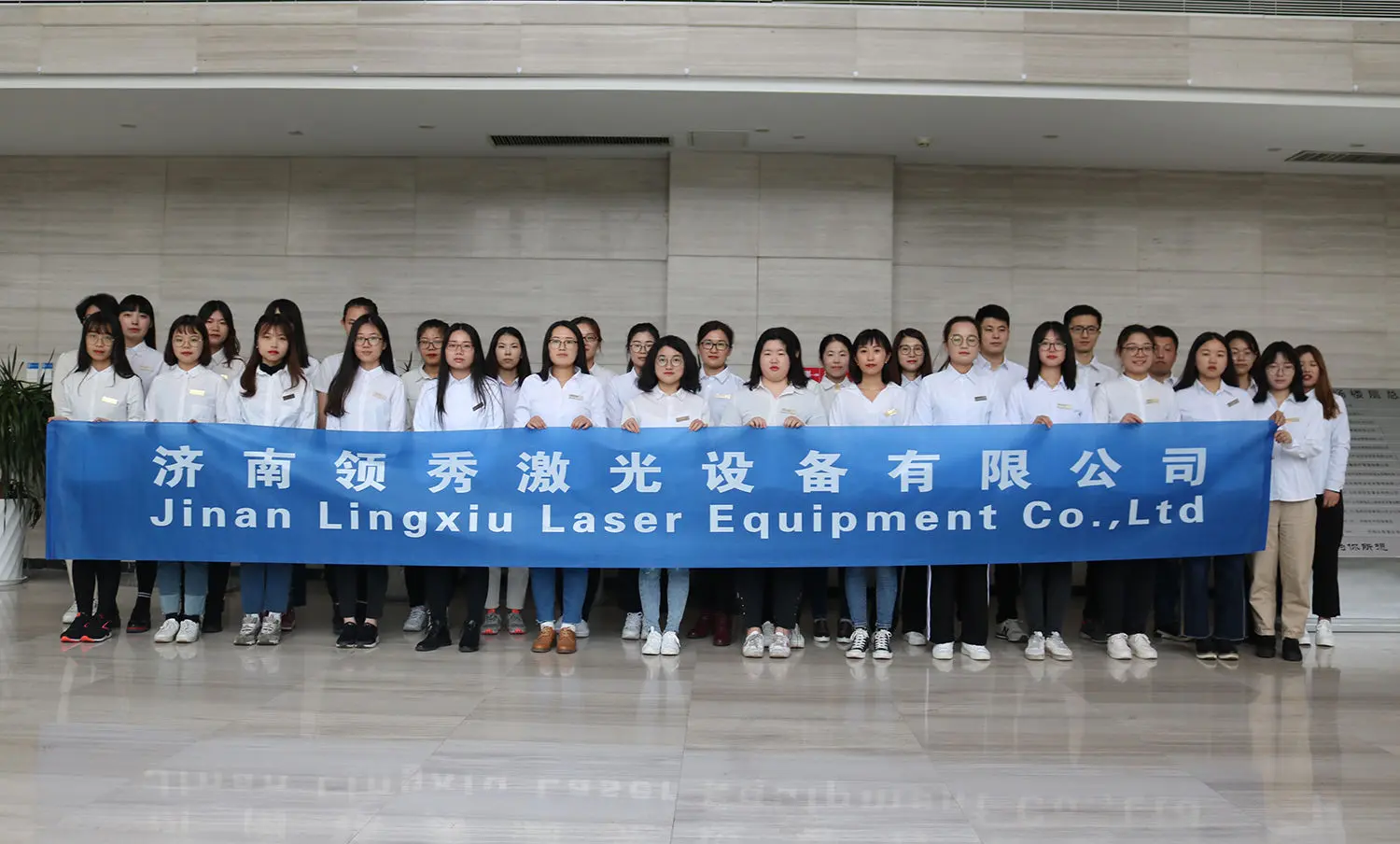
Established in July 2004, our facility covers more than 32,000 square meters of production space alongside 500 square meters of dedicated R&D office space. We deliver OEM services for over 30 global brands, and our equipment operates in 150+ countries.
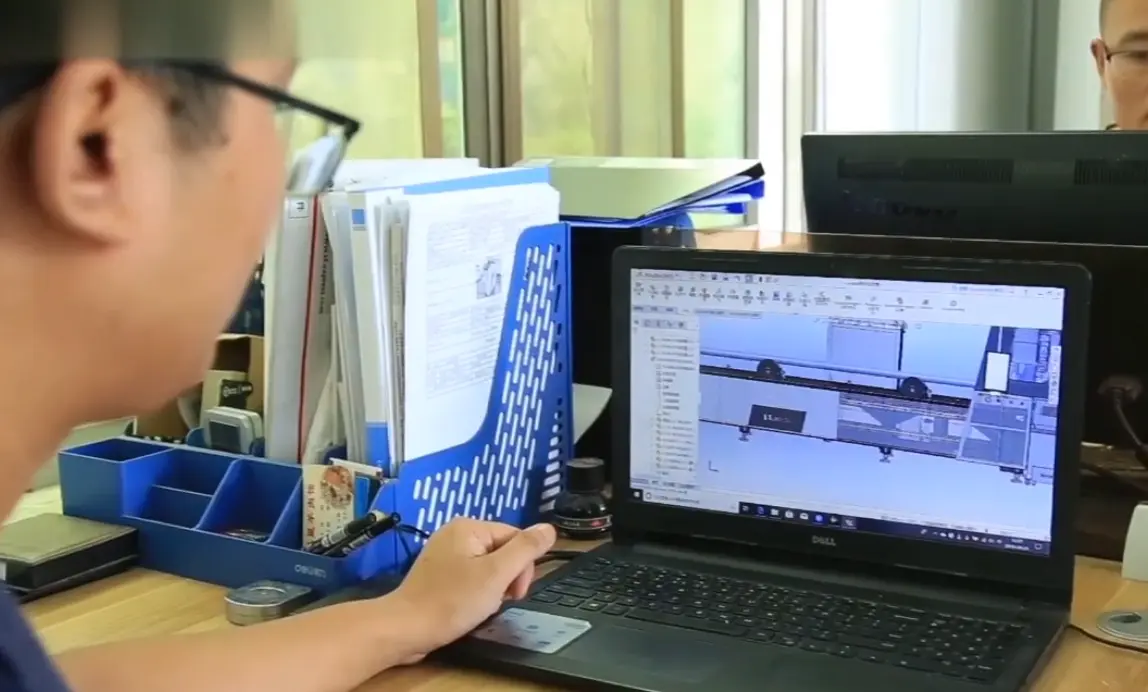
Our production environment is optimized for smart manufacturing, incorporating automated laser cutting lines, robotic assembly, and digital quality monitoring systems designed to prepare our clients for future smart factories.
Every laser system conforms to rigorous safety protocols. Our entire product line is certified under European Union CE, United States FDA, and ISO 9001 quality management guidelines, ensuring seamless global integration.
We supply high-efficiency laser machines to clients in the USA, Canada, Australia, Europe, Southeast Asia, and Africa. We offer complete OEM services, including custom software, structural layouts, and assist-gas integration.

The transition toward smart manufacturing and digitalized supply chains has altered procurement strategies for industrial equipment. Large-scale structural fabricators and automotive Tier-1 suppliers no longer evaluate machinery based solely on initial cost. Instead, Total Cost of Ownership (TCO) and overall efficiency metrics dictate purchasing decisions. When processing high-value aluminum alloys, material scrap rates are a primary concern. Implementing nesting software alongside modern laser equipment helps maximize sheet utilization, reducing production waste.
Our global footprint enables us to observe changing regional requirements. In European markets, strict energy directives mandate high-efficiency electrical layouts, driving the adoption of energy-saving fiber laser power sources over CO2 systems. In North American markets, high demand for heavy machinery and custom infrastructure designs requires large-format, high-power cutting systems (12kW to 30kW). These systems are capable of processing thick structural sheets quickly and cleanly. Our international export channels and localized technical centers ensure that regardless of regional power configurations or local compliance standards, our systems deliver consistent reliability.
Purchasing capital equipment requires reliable ongoing support. We address this through a localized service strategy that includes remote diagnostics, regional parts warehouses, and factory-trained service technicians. If an operator encounters an issue, our engineers can access the CNC system remotely to adjust parameters and update drivers, minimizing downtime.
Compliance is integrated into our manufacturing process. We design all enclosures to meet Class 1 safety regulations, protecting operators from stray laser radiation. We also configure localized exhaust systems to extract fine aluminum dust particles, which can present combustion hazards if allowed to accumulate. By engineering active filtration systems and venting channels directly into the cutting enclosure, we help factories maintain safe, compliant working environments.
The industrial laser processing field is shifting toward intelligent, self-optimizing machinery. Modern laser heads incorporate sensor arrays that monitor reflection levels, cut stability, and thermal conditions in real-time. If the sensor detects unstable melt kinetics or risk of dross formation, the controller automatically adjusts nozzle height, gas pressure, and cutting feed rate. This feedback loop is essential for processing high-reflectivity materials like aluminum without operator intervention.
Furthermore, the integration of multi-wavelength technology will allow systems to adjust beam characteristics based on material thickness and alloy type. We are also designing systems compatible with green and blue wavelengths, which are absorbed more efficiently by copper and aluminum. These developments will help reduce power requirements and increase cutting speeds, contributing to our goal of becoming a major global provider of industrial laser solutions by 2040.
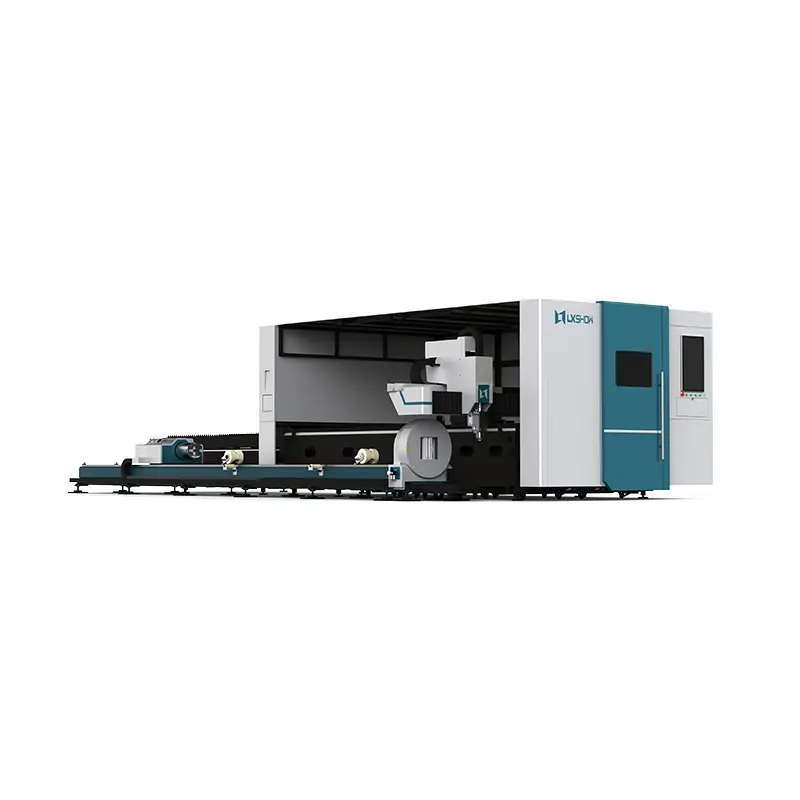
Our laser machinery serves various industrial manufacturing needs, processing diverse materials to strict specifications across multiple sectors.
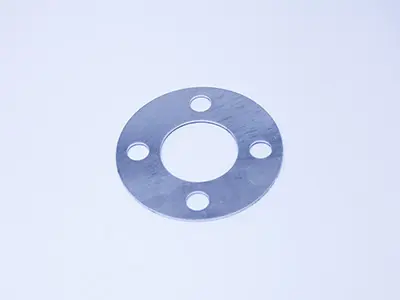
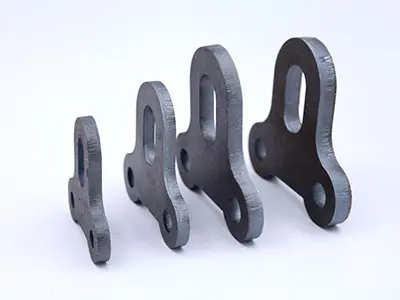
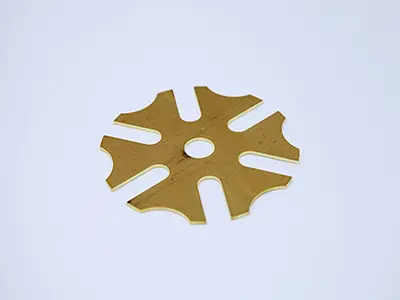
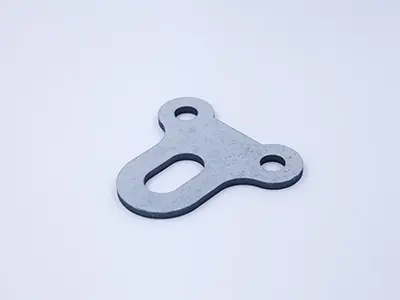
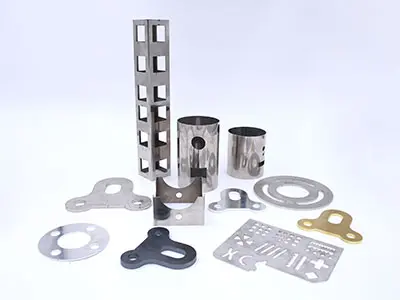
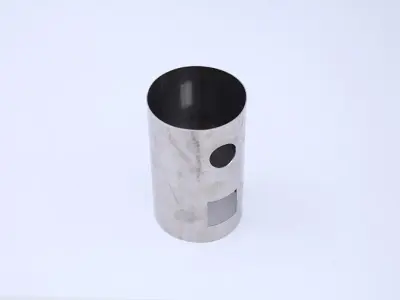
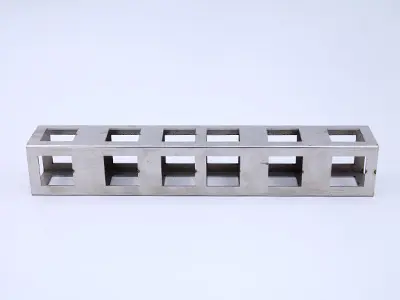
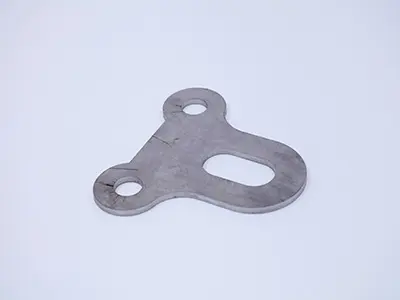
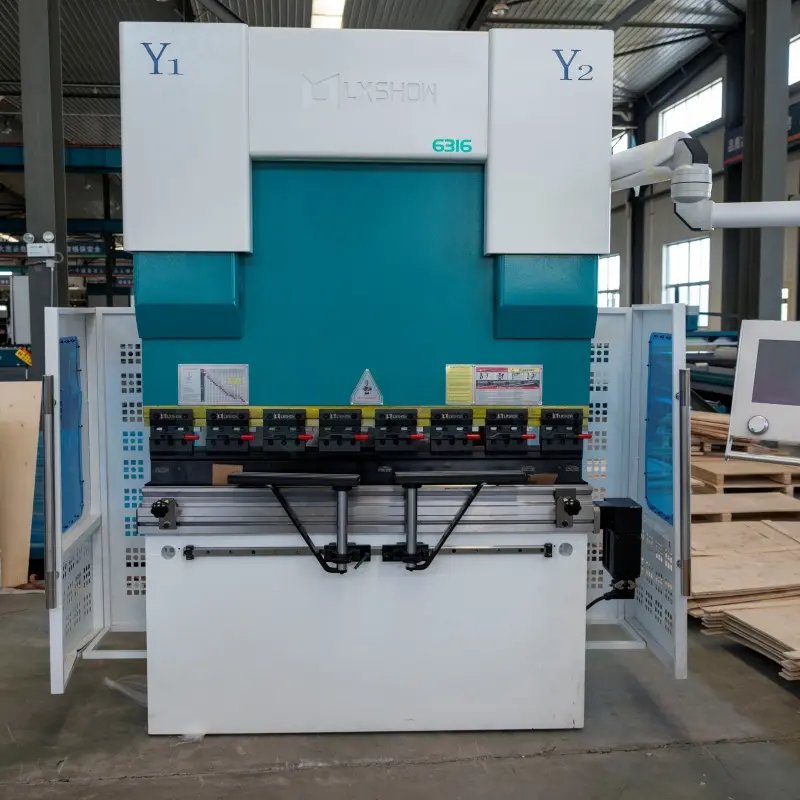
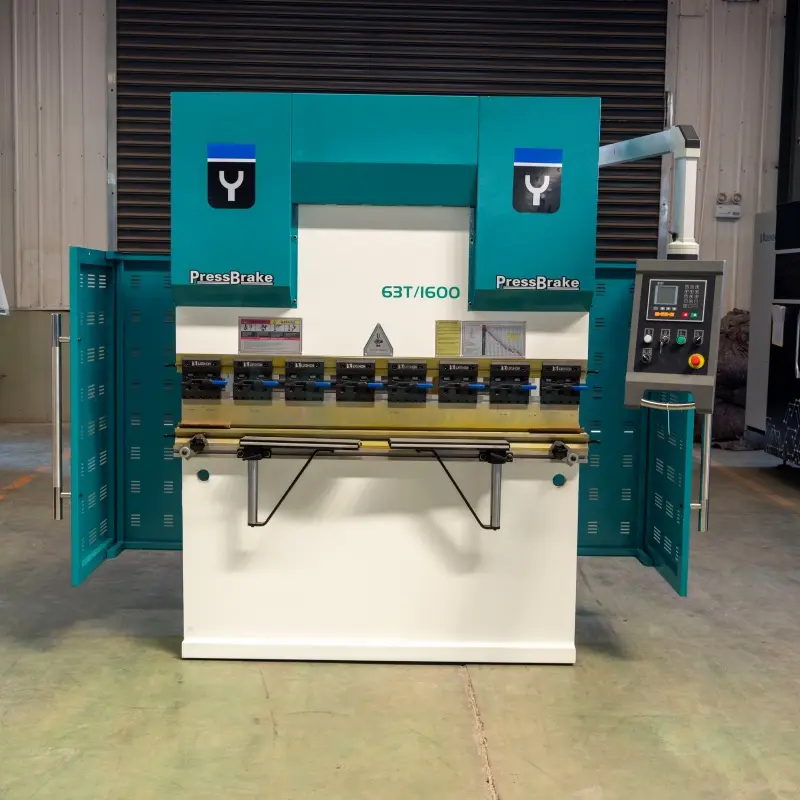
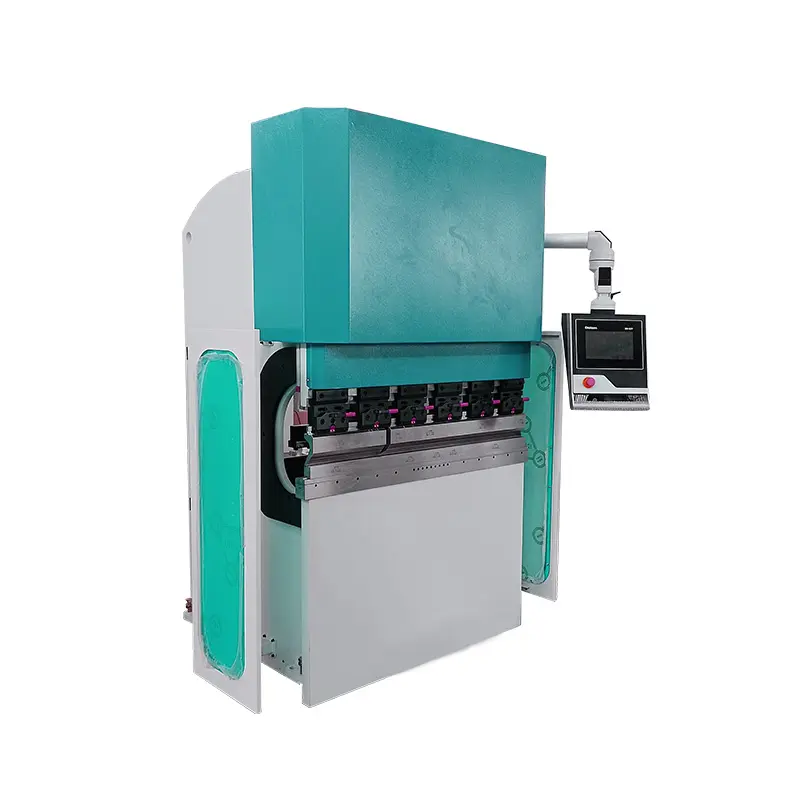
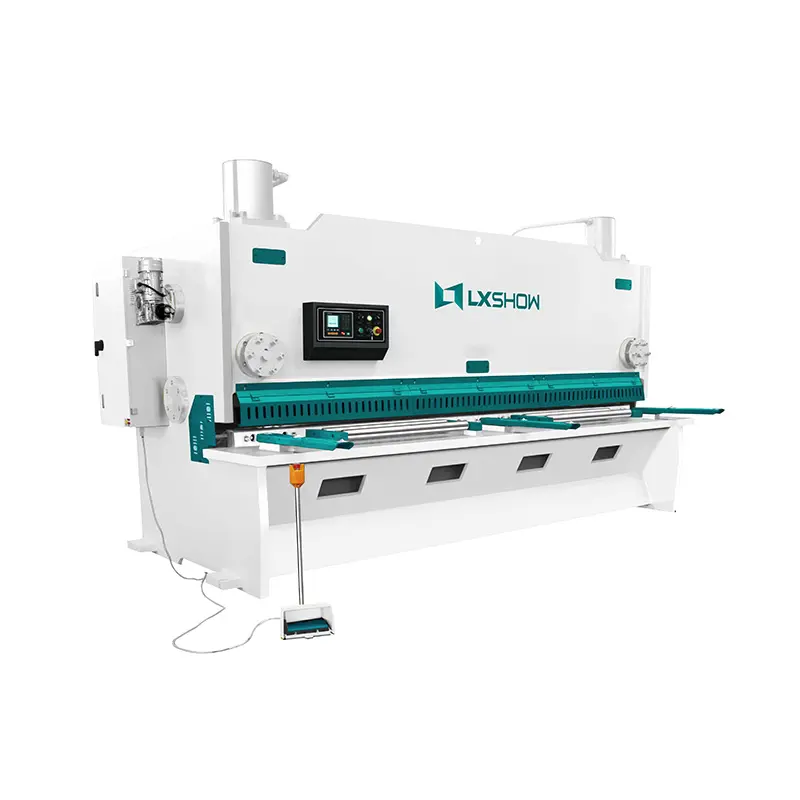
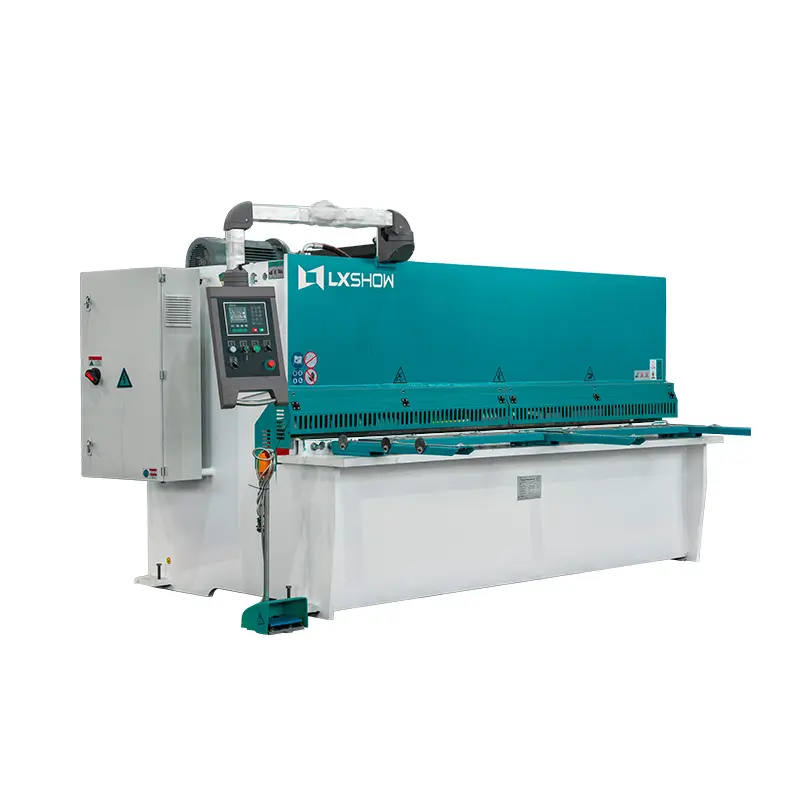
From single axis cladding systems to multi-ton press brakes and heavy-duty sheet shears, our comprehensive range supports diverse metal fabrication processes.
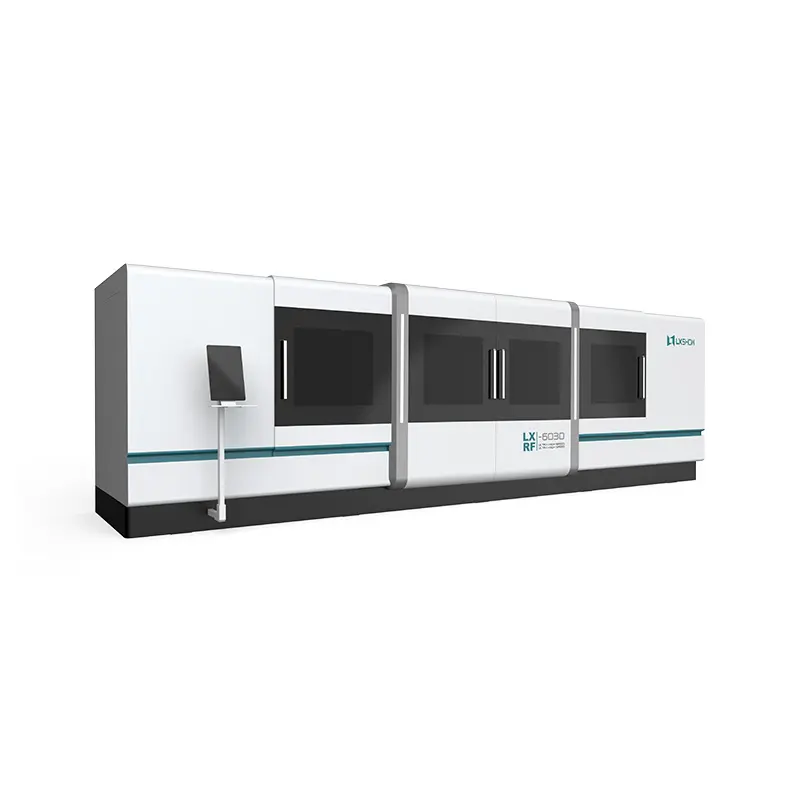
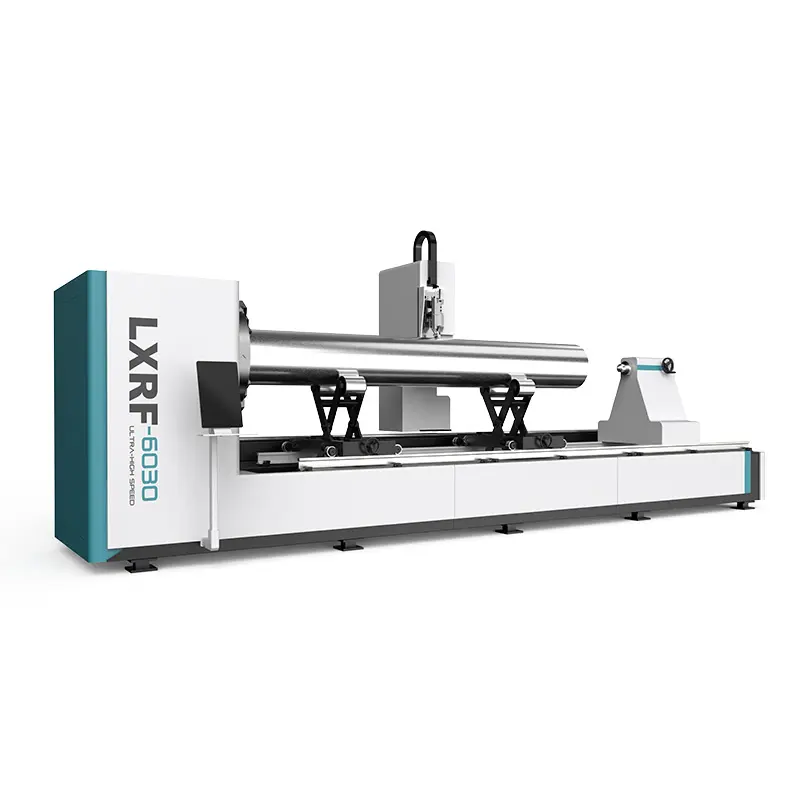
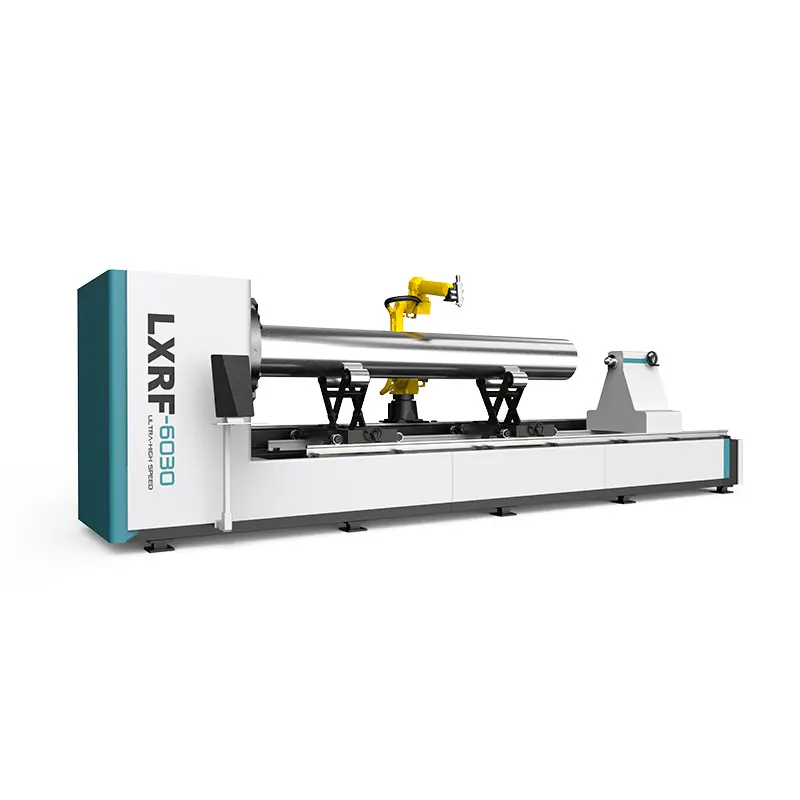
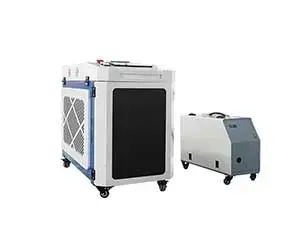
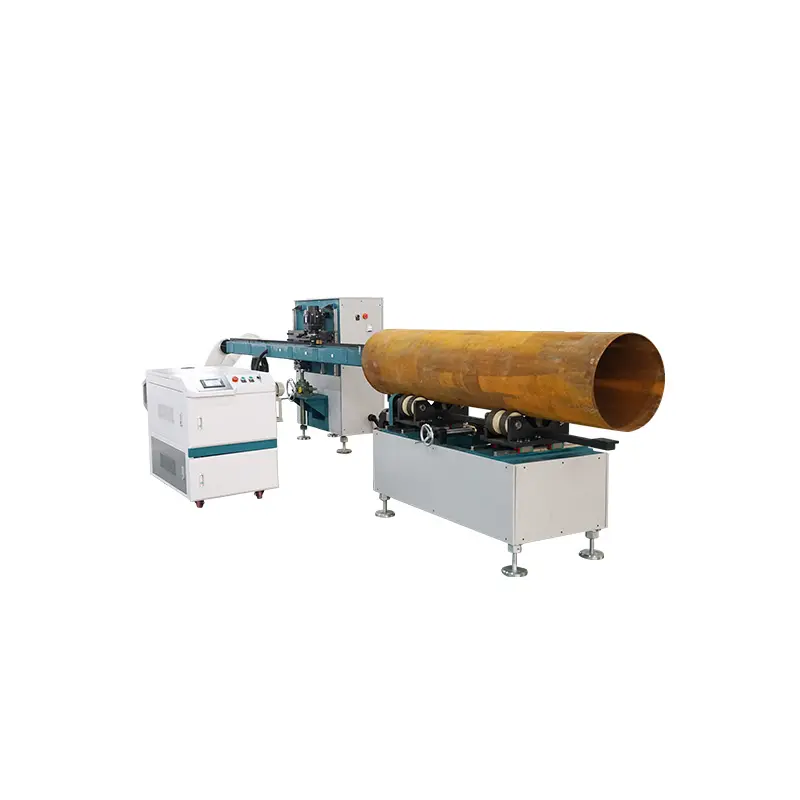
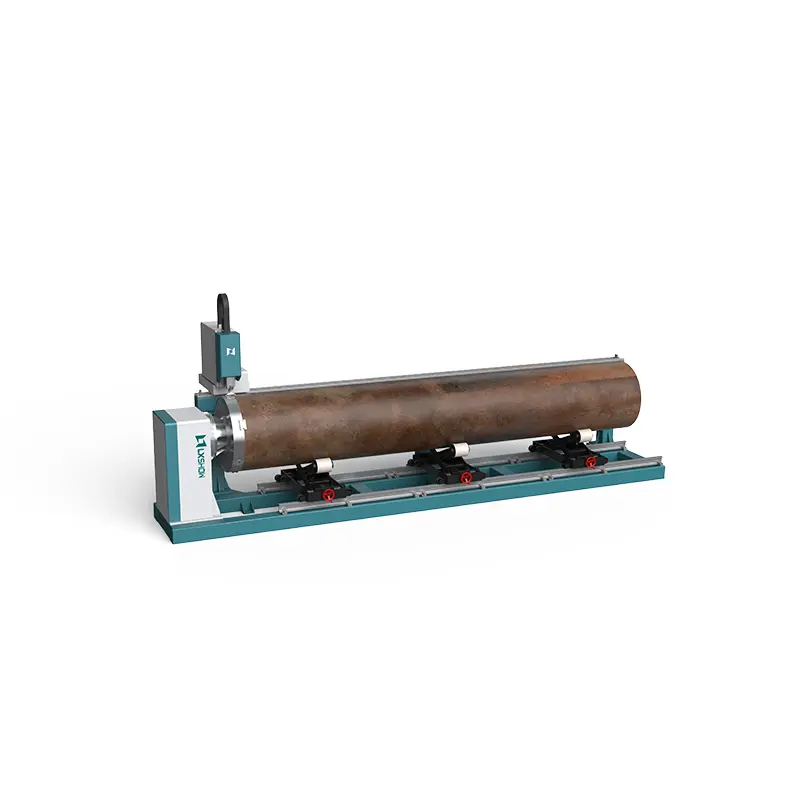
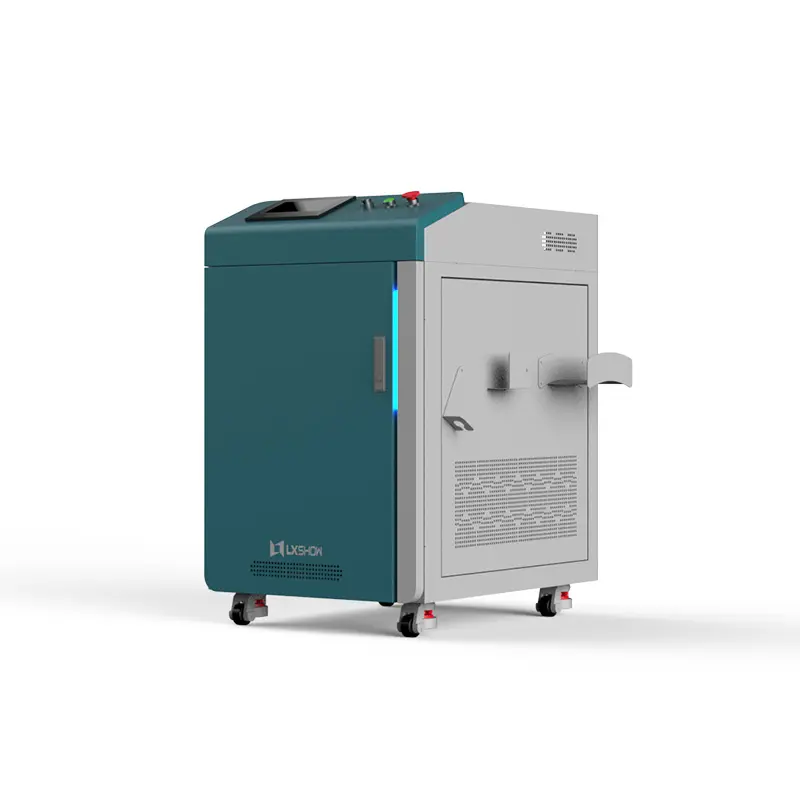
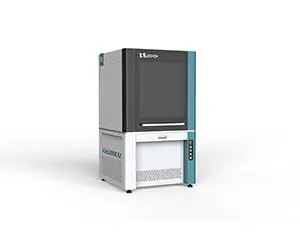
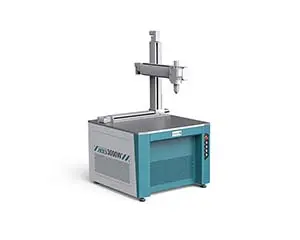
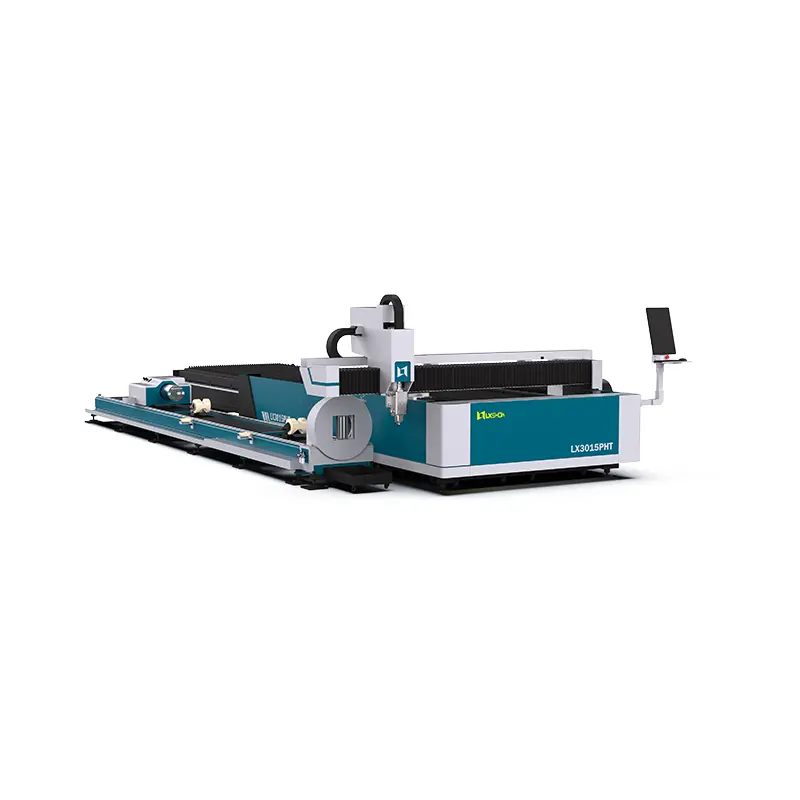
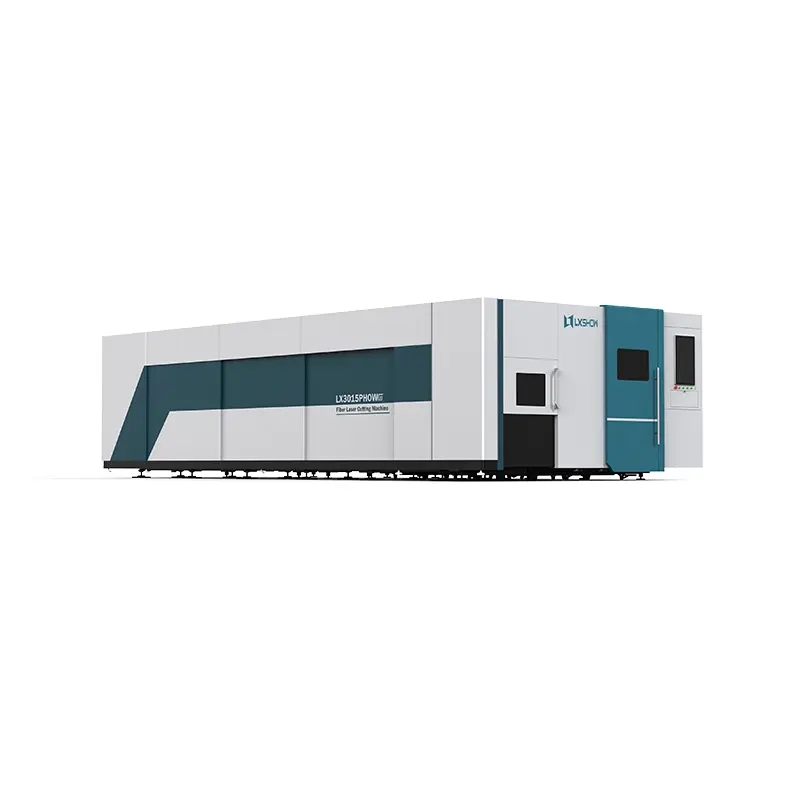
Answers to common technical and operational questions regarding laser processing of aluminum and related structural metals.
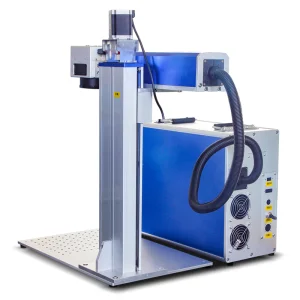
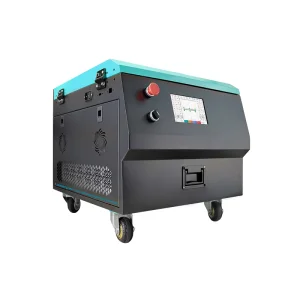
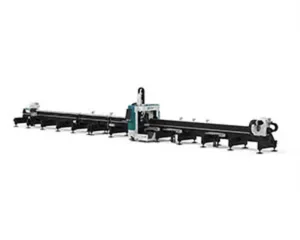
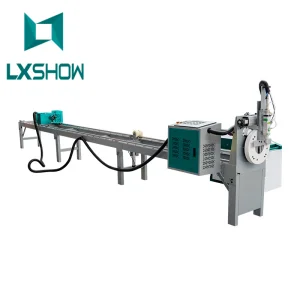
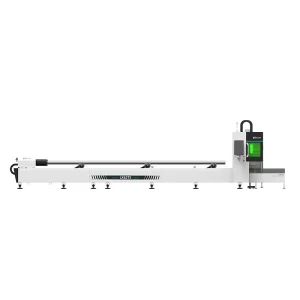
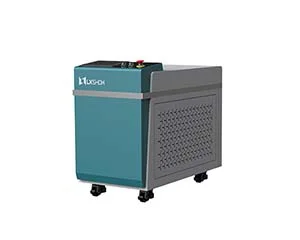
Our second product showcase features precision laser systems, cleaning solutions, and structural welding equipment designed for high-throughput OEM operations.
 Lxshow