 Lxshow
The Global Evolution of Sheet Metal Laser Cutting Technologies
In the contemporary industrial manufacturing paradigm, sheet metal laser cutting has transitioned from an advanced optional capability to a foundational requirement for production agility. The global demand for high-speed, high-precision thermal profiling has driven exponential growth in the deployment of fiber laser systems. Unlike traditional mechanical shearing or punching methods, modern fiber laser systems offer unmatched geometric flexibility, zero tooling wear, and minimal material waste. Globally, the sheet metal fabrication market is projected to reach unprecedented valuations, fueled by rapid industrialization, expansion in the automotive and electric vehicle (EV) sectors, and the infrastructural modernization of developing nations.
"The core engine of this structural growth lies in the optimization of the Original Design Manufacturer (ODM) ecosystem. Globally focused buyers are no longer seeking basic equipment assembly; they require deeply integrated engineering solutions capable of aligning with dynamic local standards."
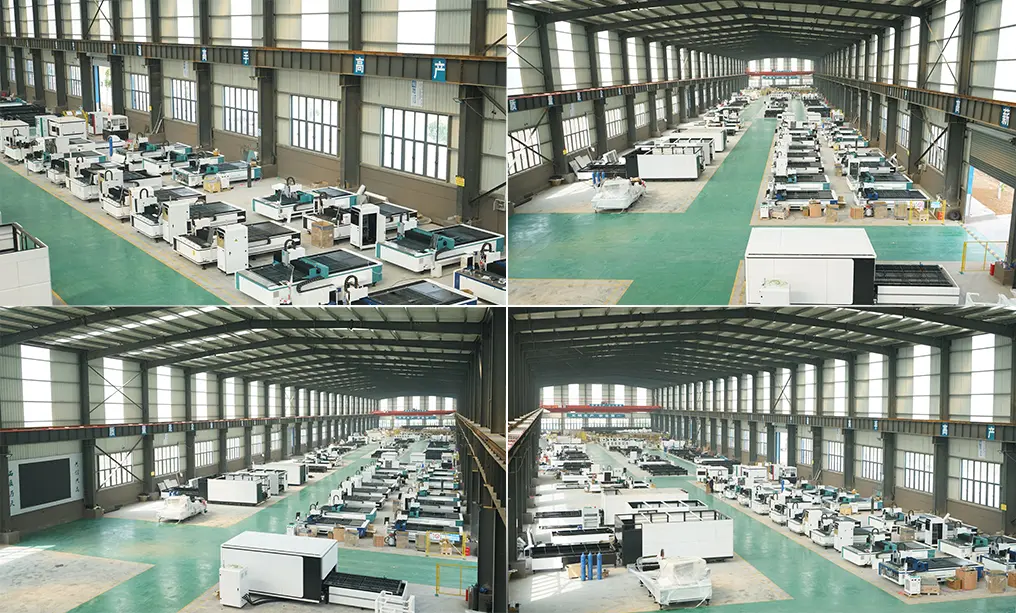
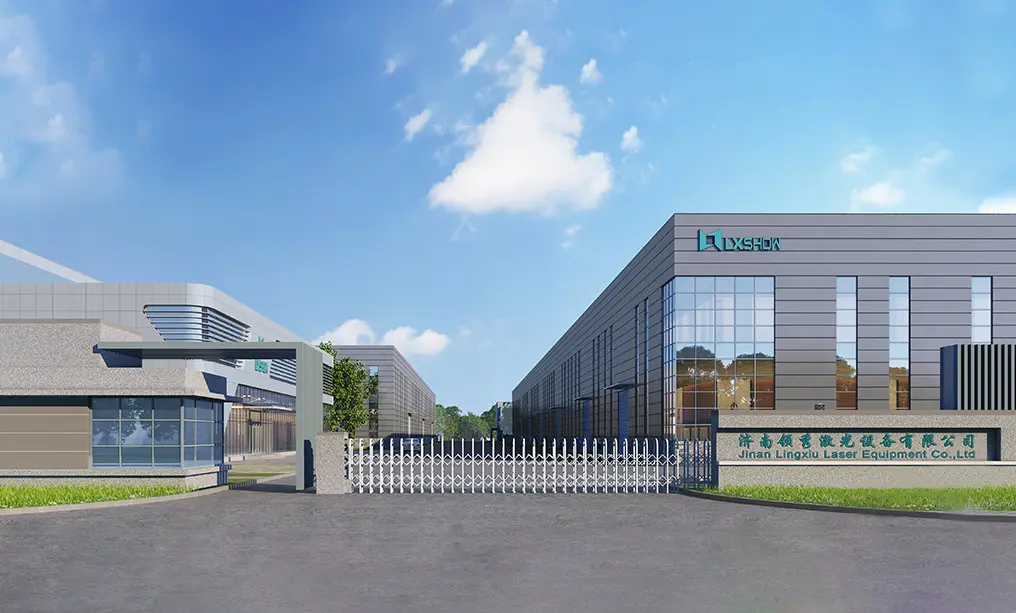
Since the establishment of our manufacturing pipeline in July 2004, we have recognized this technological pivot. Our focus has shifted from local machinery distribution to providing comprehensive ODM services, managing design requirements for over 30 international manufacturers. Operating across a 32,000 square meter factory space and utilizing 500 square meters of dedicated research and development offices, we have cultivated the capacity to engineer customized structural frames, optimized CNC layouts, and automated material handling integrations that bridge the gap between traditional mechanical engineering and Industry 4.0 paradigms.
E-E-A-T Paradigm: Uncompromised Global Manufacturing Compliance
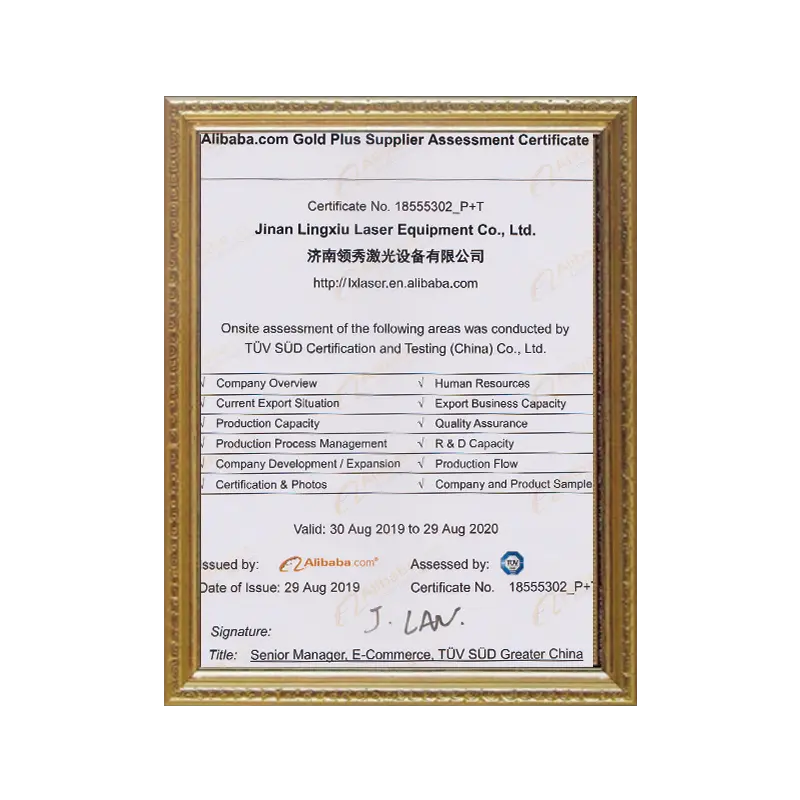
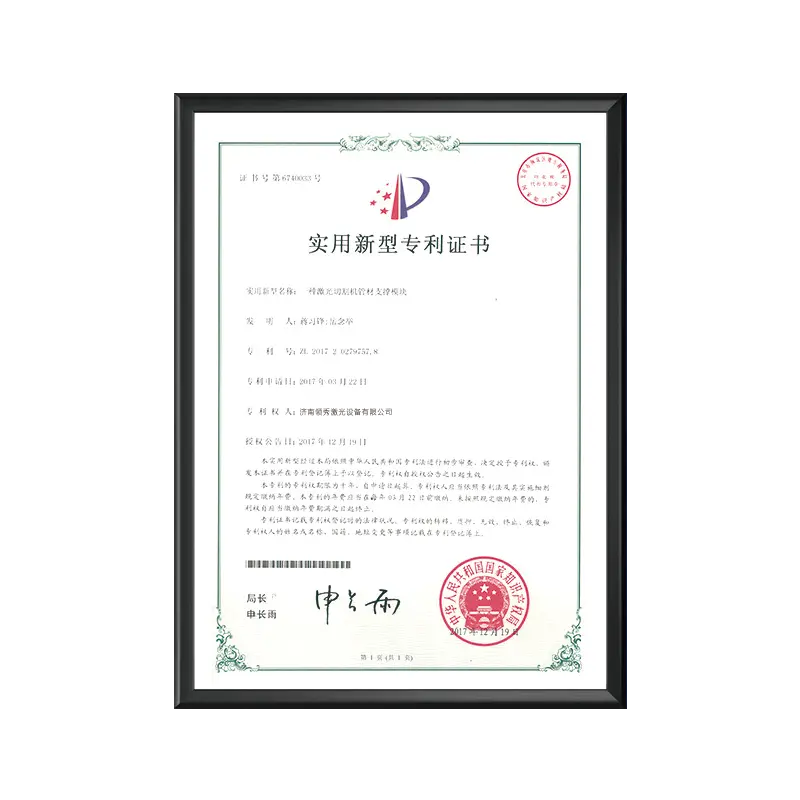
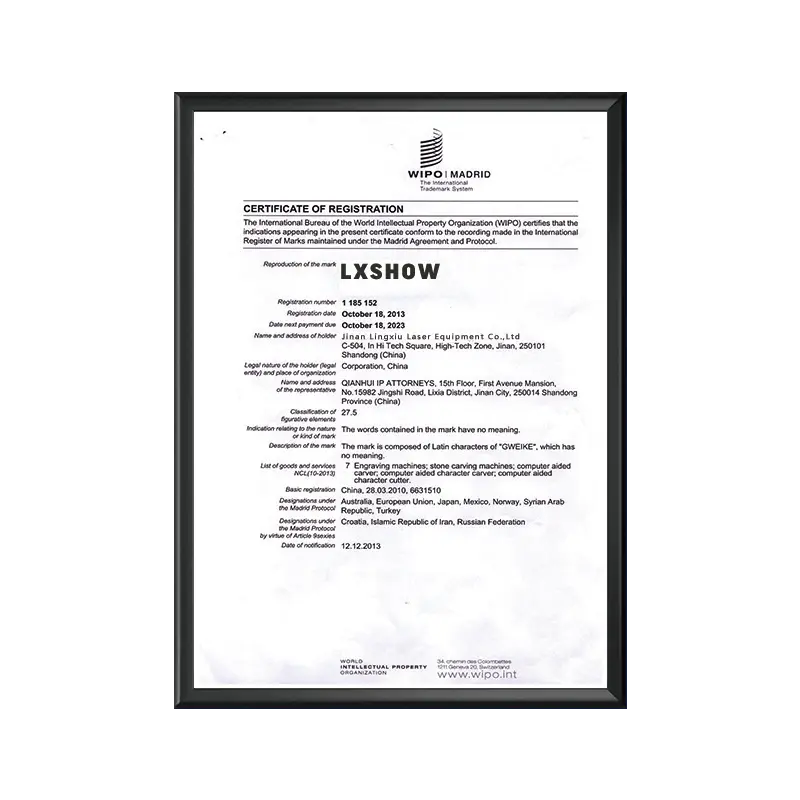
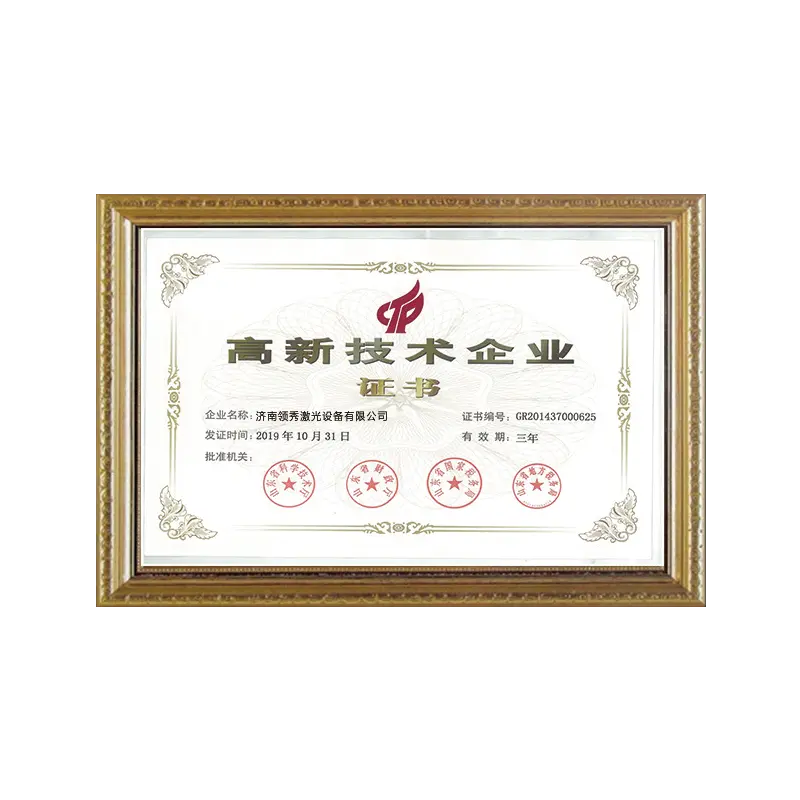
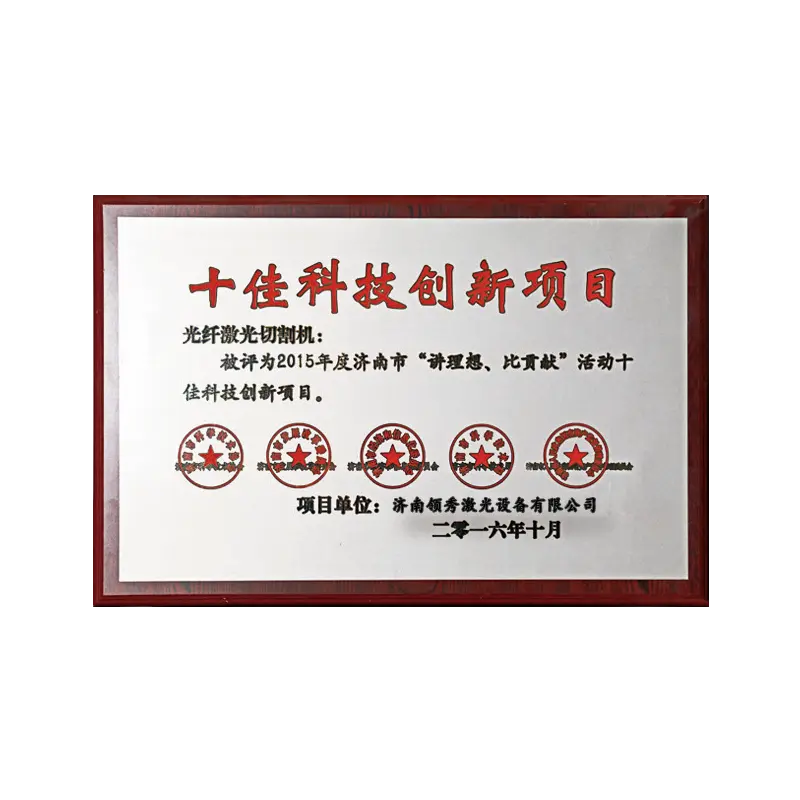
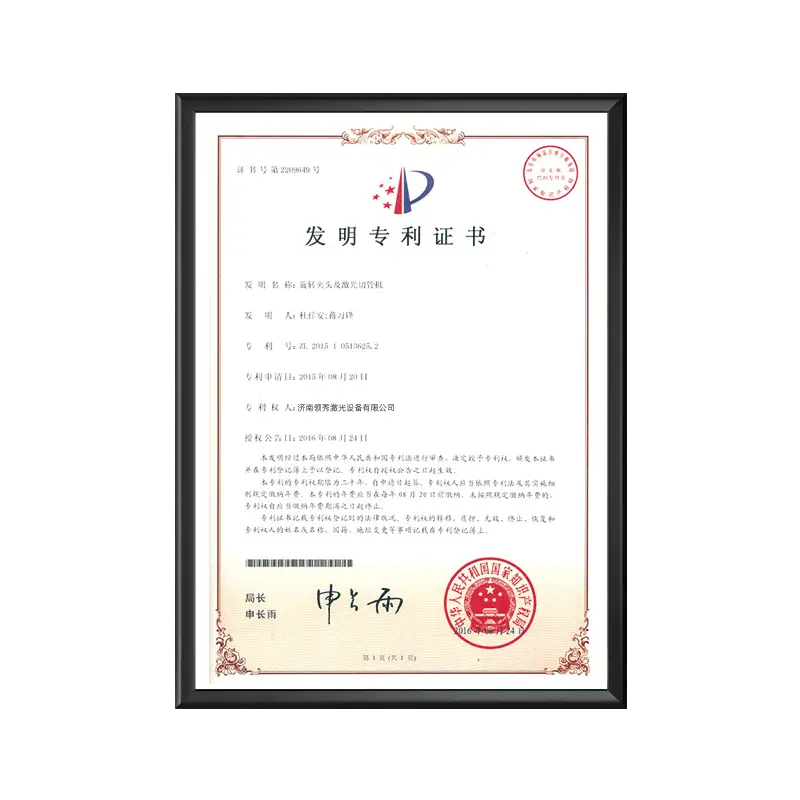
For international buyers and procurement engineers, the authority and trustworthiness of an OEM/ODM partner are evaluated through strict technical compliance and certification frameworks. The international trade of high-power optical systems is heavily regulated due to potential safety hazards, necessitating stringent quality control protocols.
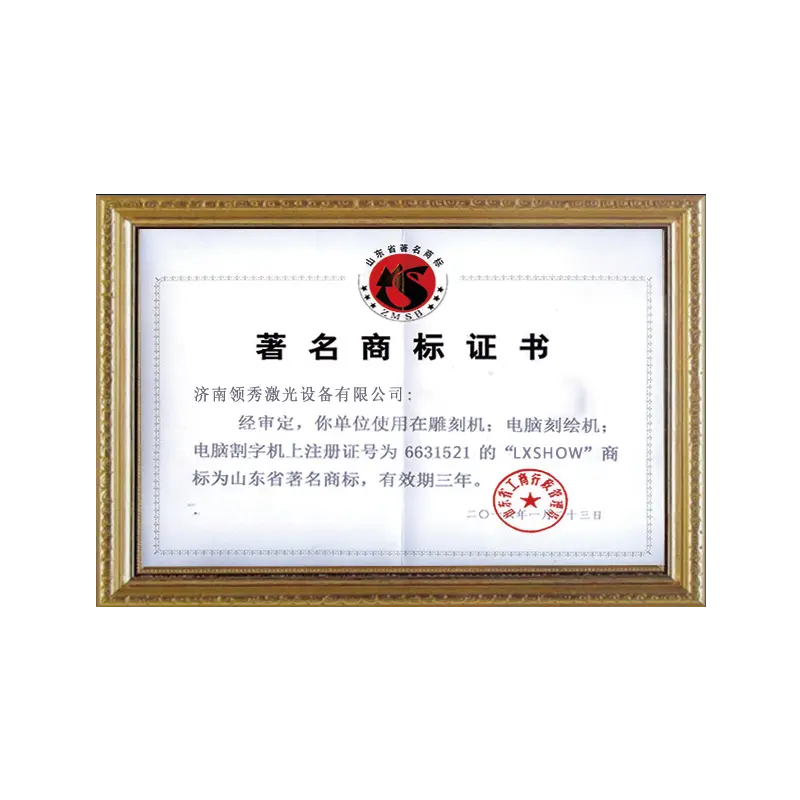
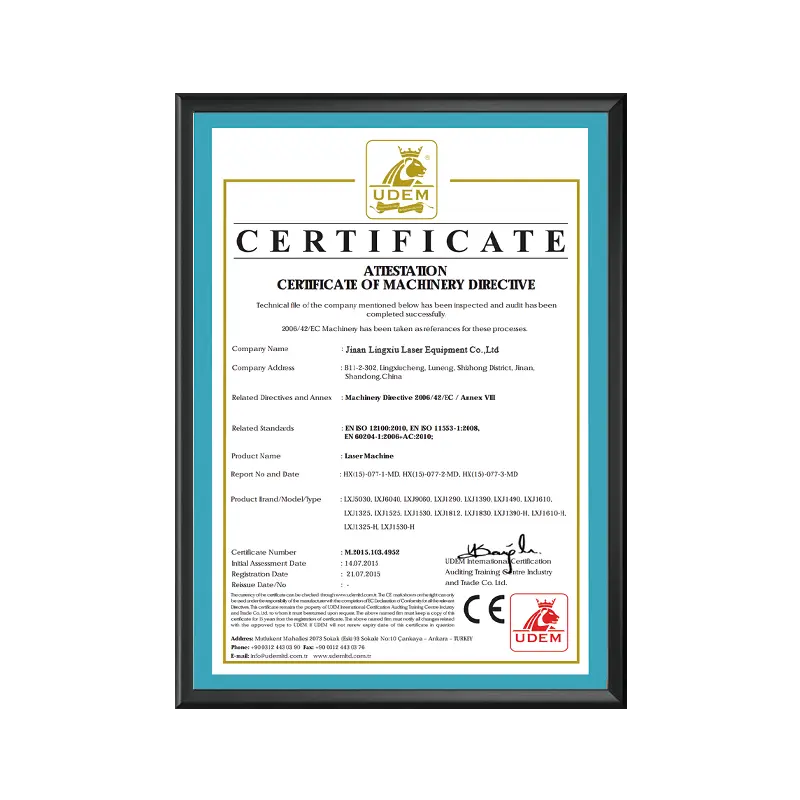
- European Union CE Authentication: All high-power and low-power fiber laser cutters, cleaners, and welders are constructed to conform to European health, safety, and environmental protection standards.
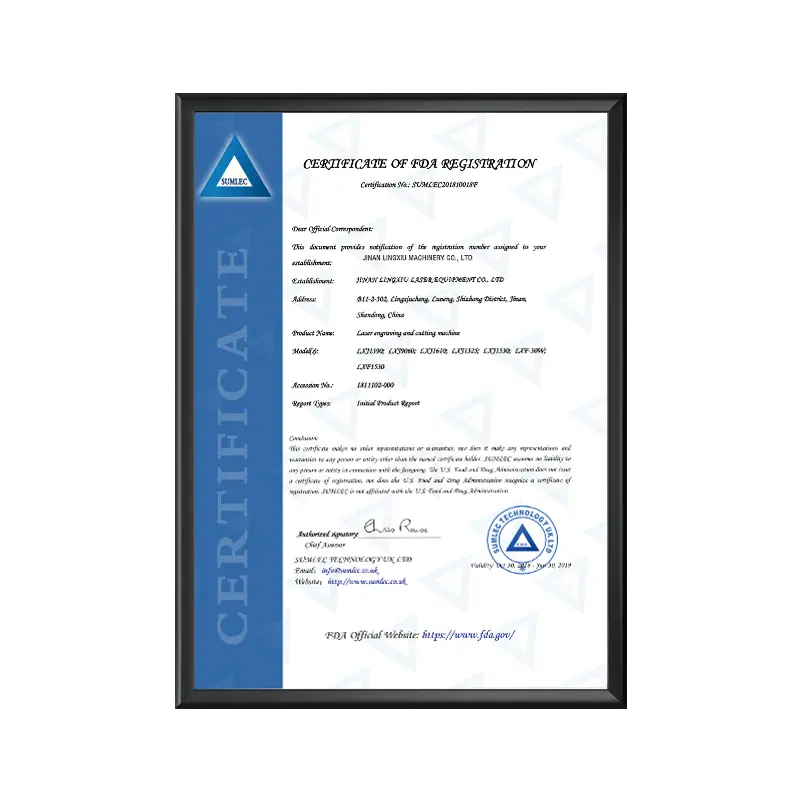
- American FDA Certificate: Compliance with the Food and Drug Administration's laser product regulations ensures proper shielding, interlocks, and warning mechanisms for our class IV laser equipment.
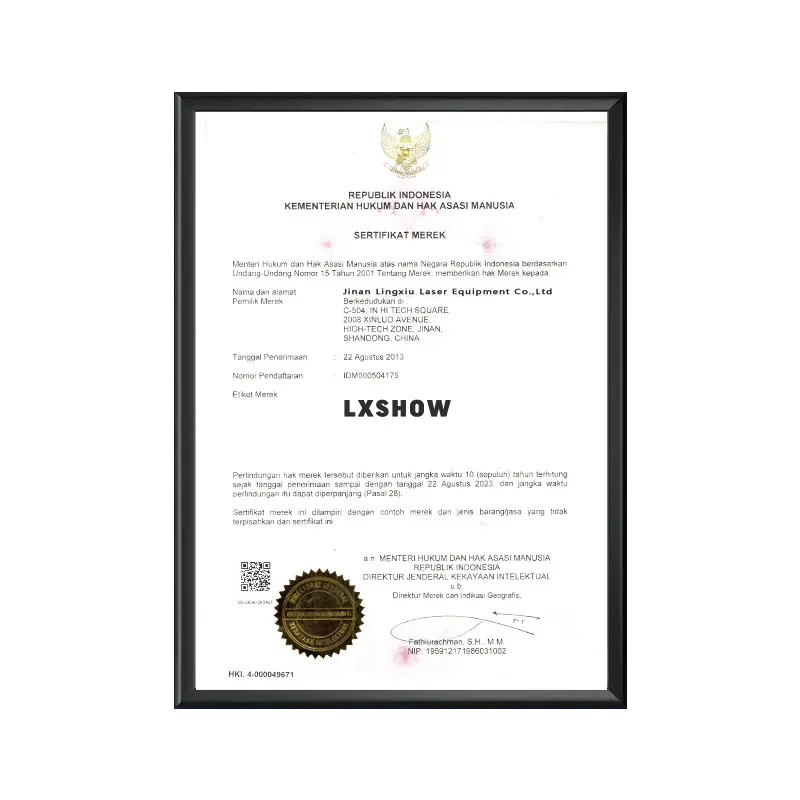
- ISO 9001 Certification: Our manufacturing processes are standardized under a global quality management system, covering every phase from raw material inspection (sheet metal, structural weldments) to optical alignment, final calibration, and containerization.
Our commitment to these quality frameworks has enabled us to export sheet metal machinery to USA, Canada, Australia, Europe, Southeast Asia, Africa, and other regions, establishing a customer base spanning more than 120 countries. With a customer-centric and innovation-focused mindset, we aim to establish ourselves as one of the most prominent manufacturers in the global laser market by 2040.
Strategic Technical Roadmap: Technology Convergence to 2040
The industrial roadmap for metal processing equipment highlights three key trends: increased power density, automated multi-axis control, and process consolidation. Our engineering roadmap addresses these trends by systematically updating our mechanical structures, control software, and cleaning solutions:
1. Ultra-High Power Resonators
Deployment of 10kW to 30kW fiber resonators featuring advanced beam shaping technology to execute clean cuts in heavy-duty carbon steel and reflective materials like aluminum and copper without edge deformation.
2. Intelligent Multi-Axis Integration
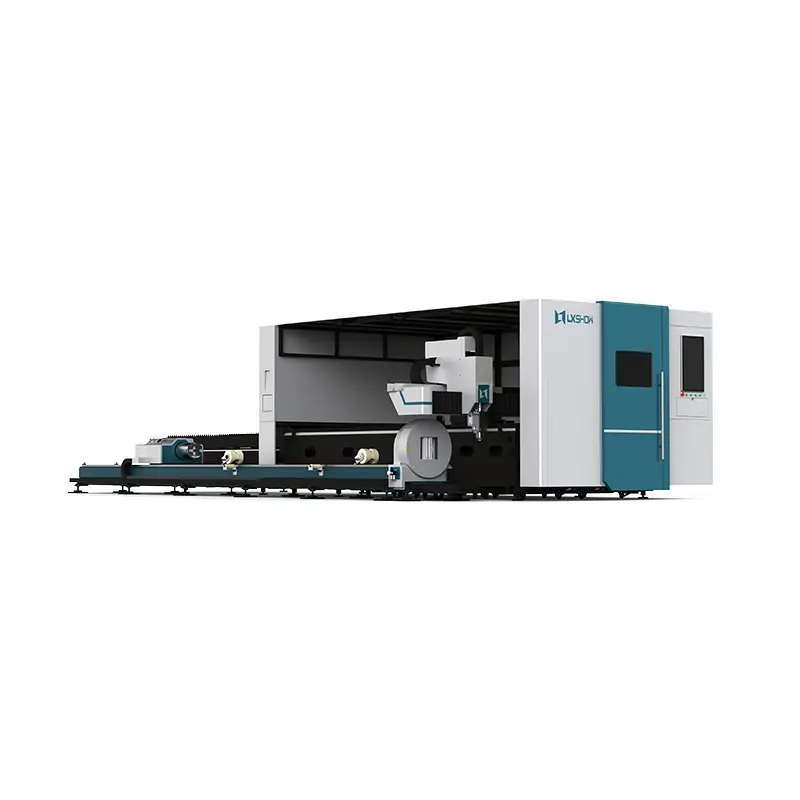
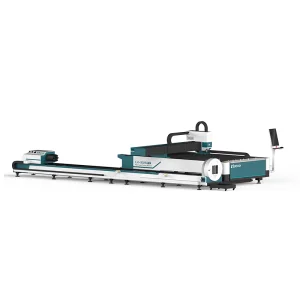
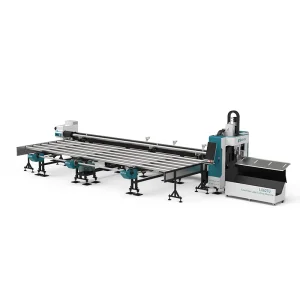
Consolidating sheet and tube laser cutting into single physical configurations. Integrating 3D chuck motion systems with high-torque servo drives and real-time positioning feedback to eliminate secondary machining steps.
3. Adaptive Bending & Post-Processing
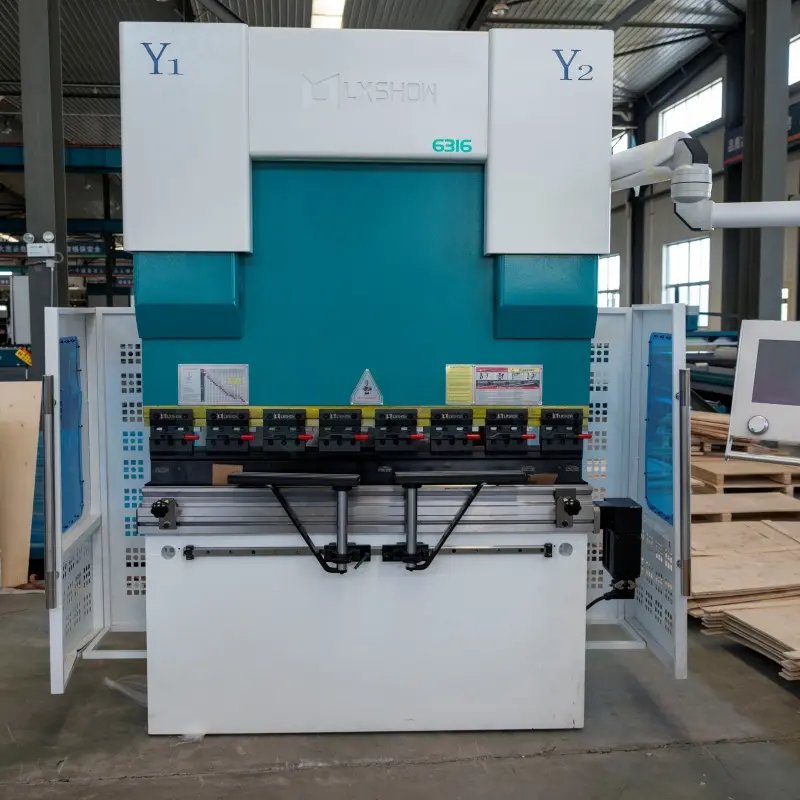
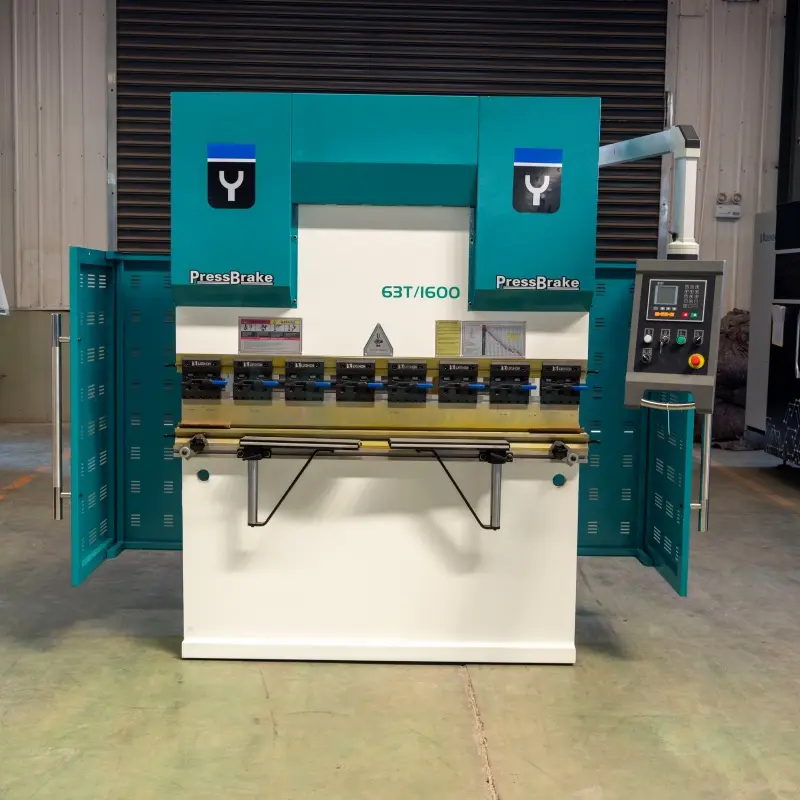
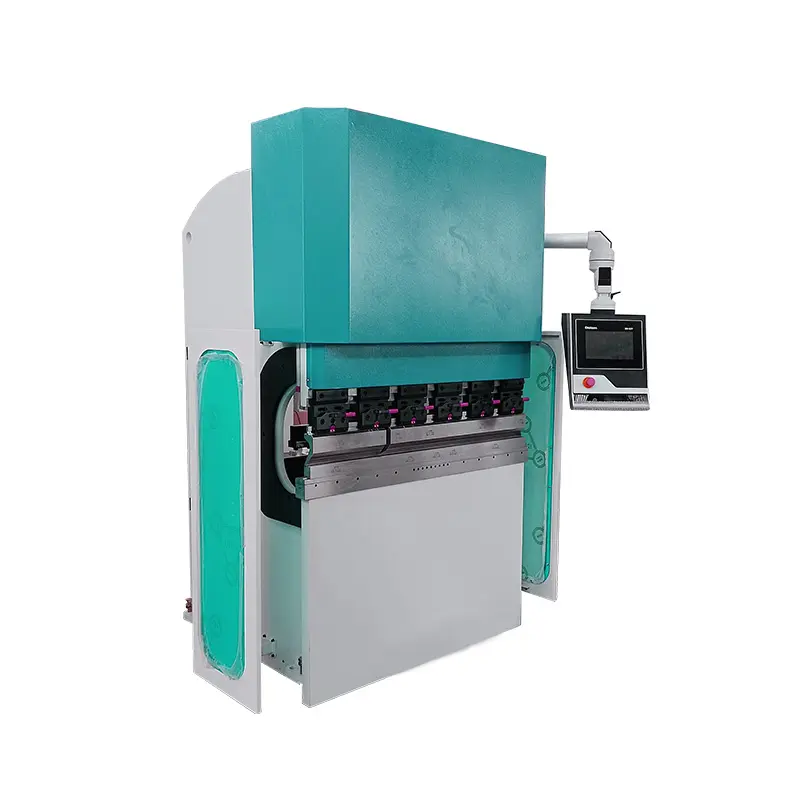
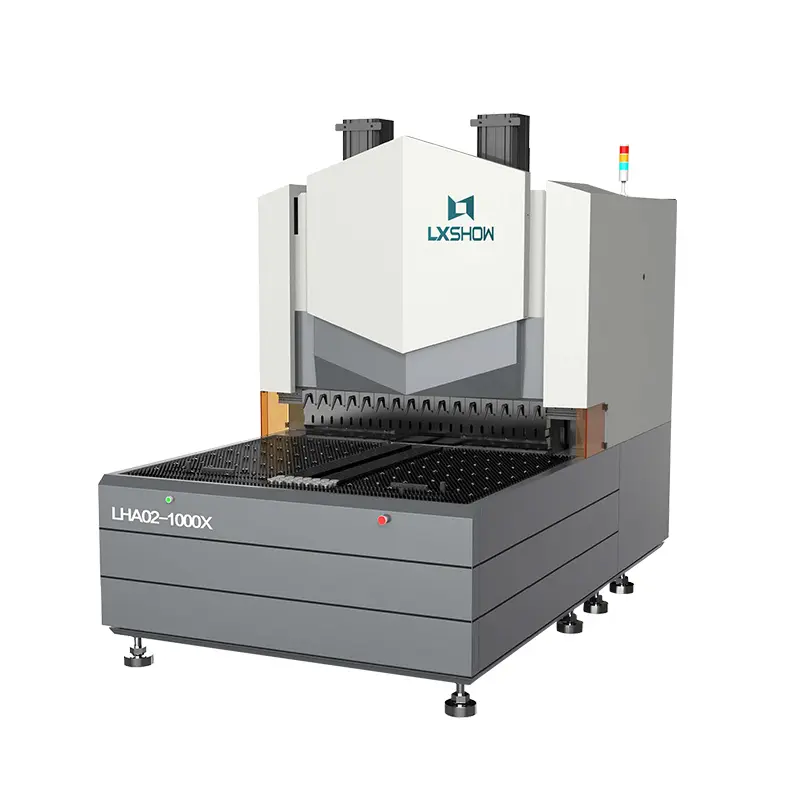
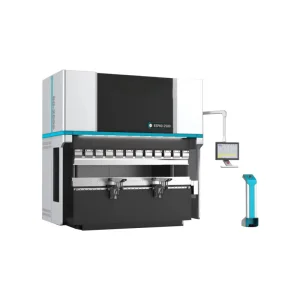
Integrating fully electric CNC press brakes featuring multi-axis backgauges and closed-loop hydraulic crowning systems to ensure consistent bending angles across variable material thicknesses.
Macro Industry Solutions: Integrated Production Lines
Modern factories are moving away from isolated machining units in favor of interconnected production lines. To facilitate this transition, our product portfolio provides complete solutions spanning every stage of metal processing: surface preparation, thermal profiling, mechanical bending, structural welding, and finishing.
1. Precision Sheet & Tube Laser Cutting
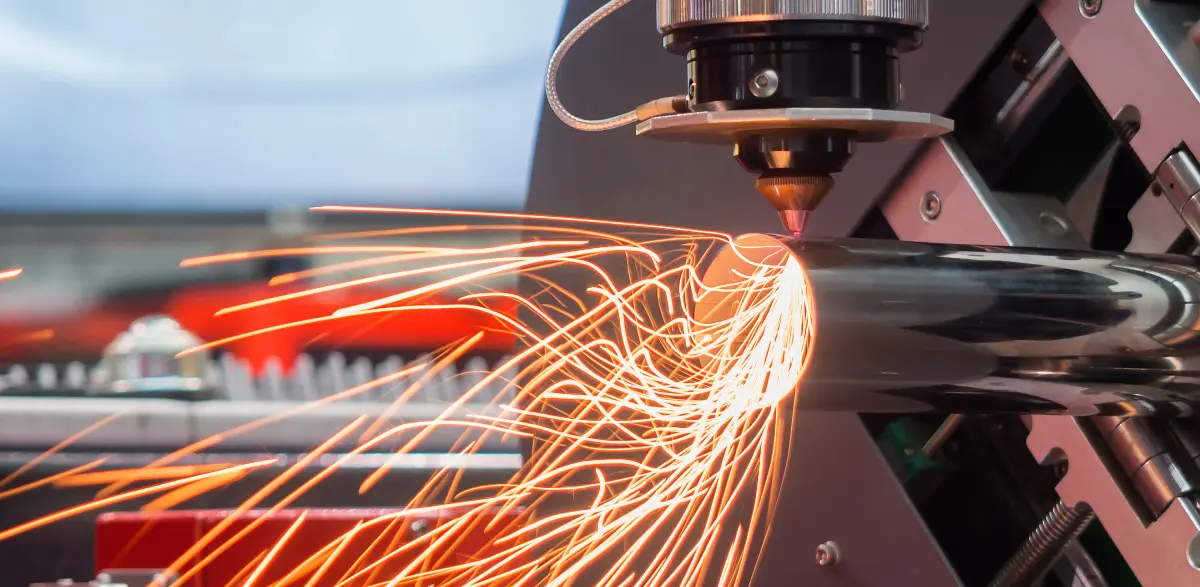
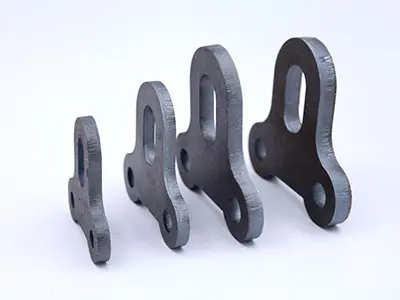
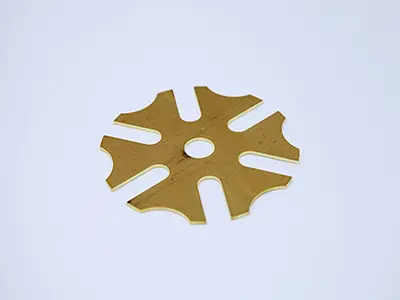
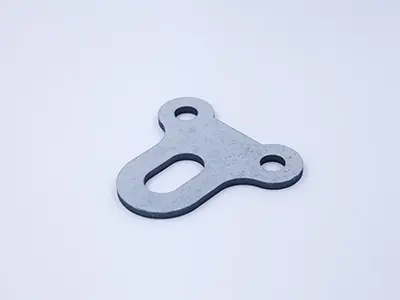
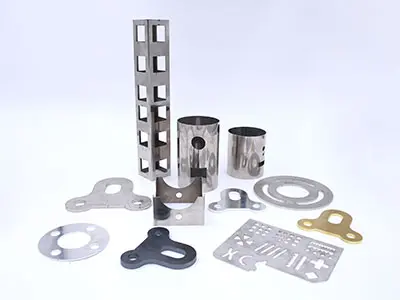
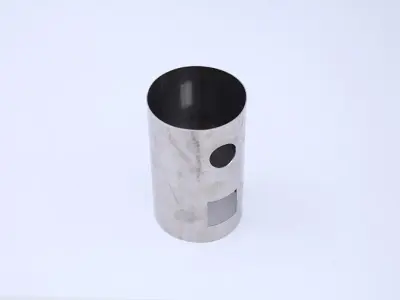
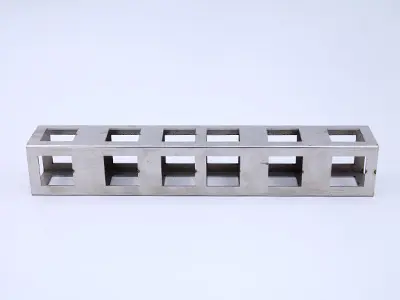
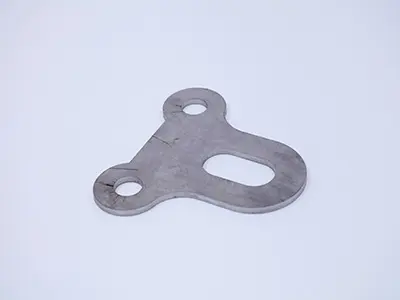
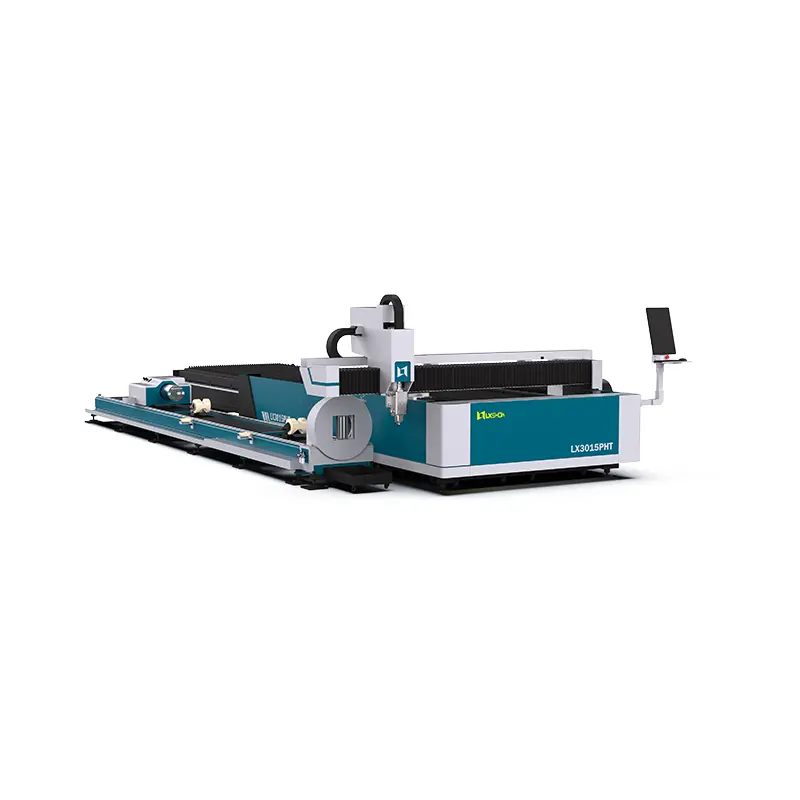
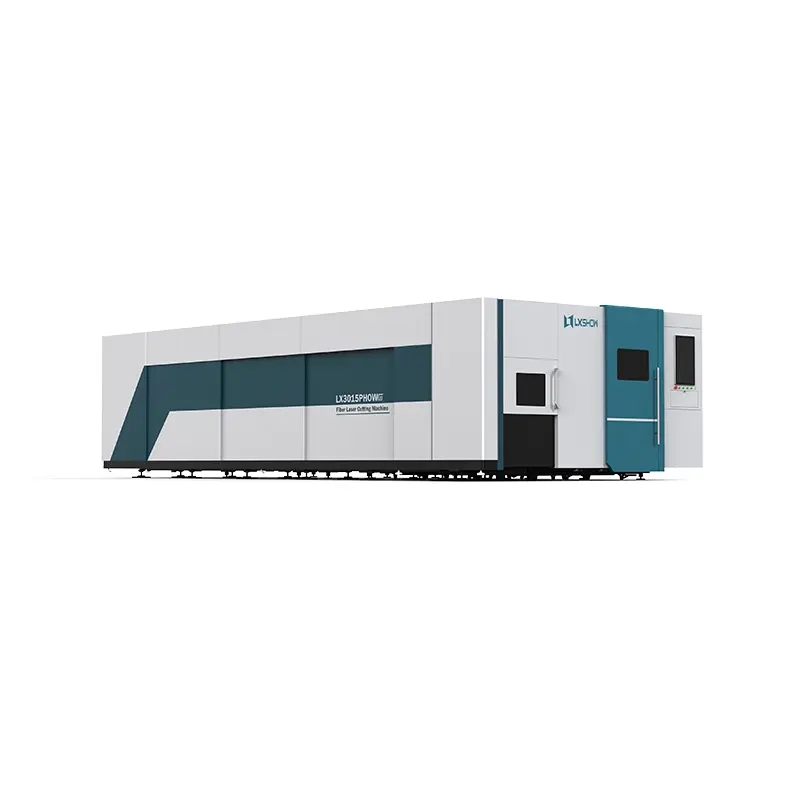
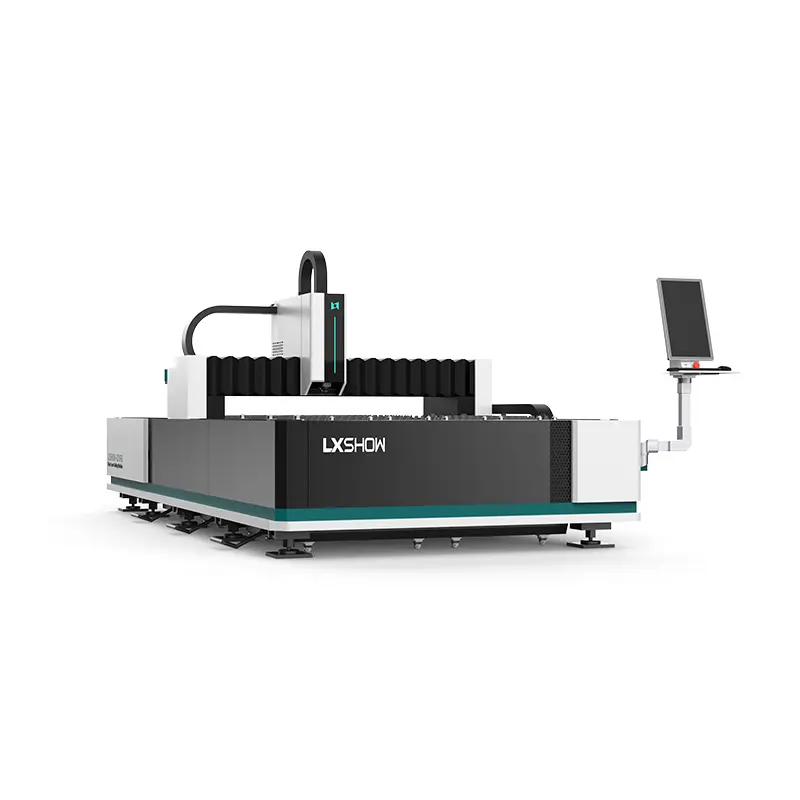
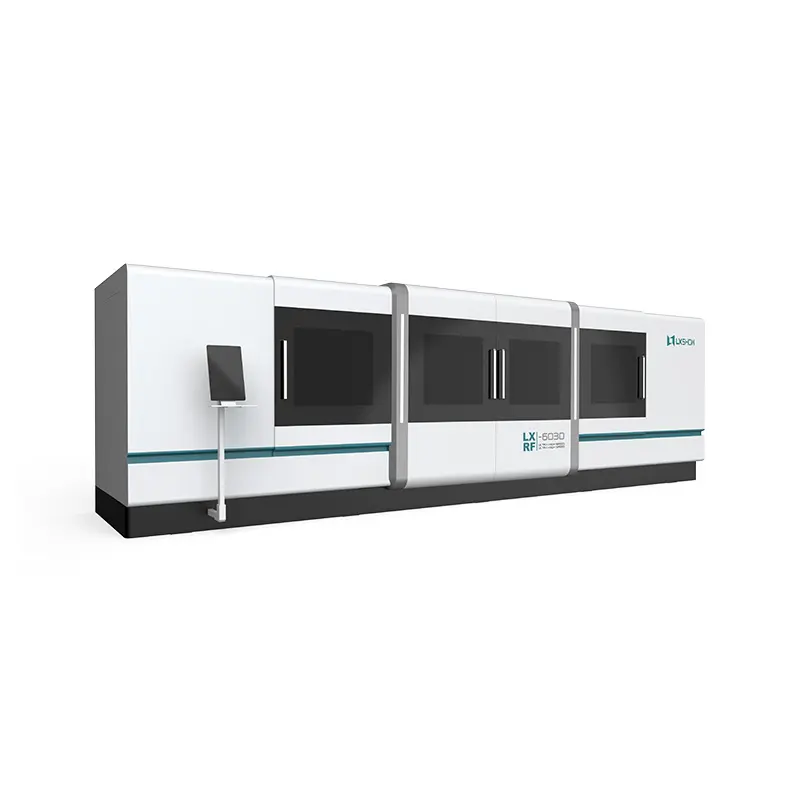
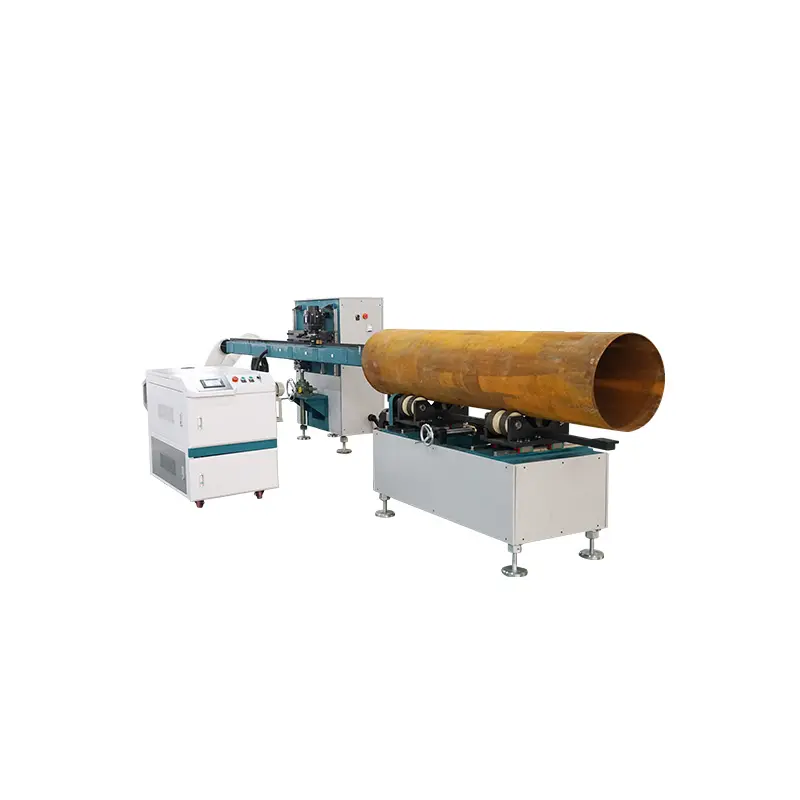
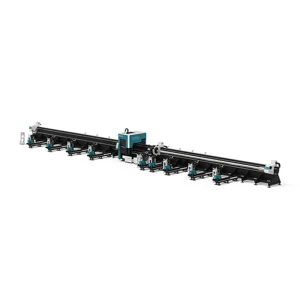
Our flagship fiber laser cutters are engineered with exchange worktables, protective enclosures, and heavy-duty structural steel bases. High-power configurations are designed to optimize assist gas dynamics, utilizing nitrogen or compressed air to produce clean cuts in stainless steel, carbon steel, and non-ferrous alloys, reducing the need for post-cut grinding.
2. Post-Cut Deburring & Surface Prep
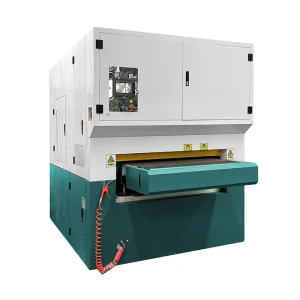
To prepare components for subsequent powder coating or welding steps, the LX-RRW-800 Deburring Machine provides high-efficiency surface rust removal, edge rounding, and wire drawing. This process eliminates sharp edges and oxide layers, improving paint adhesion and safety handling on the assembly floor.
3. Advanced Press Brake Forming
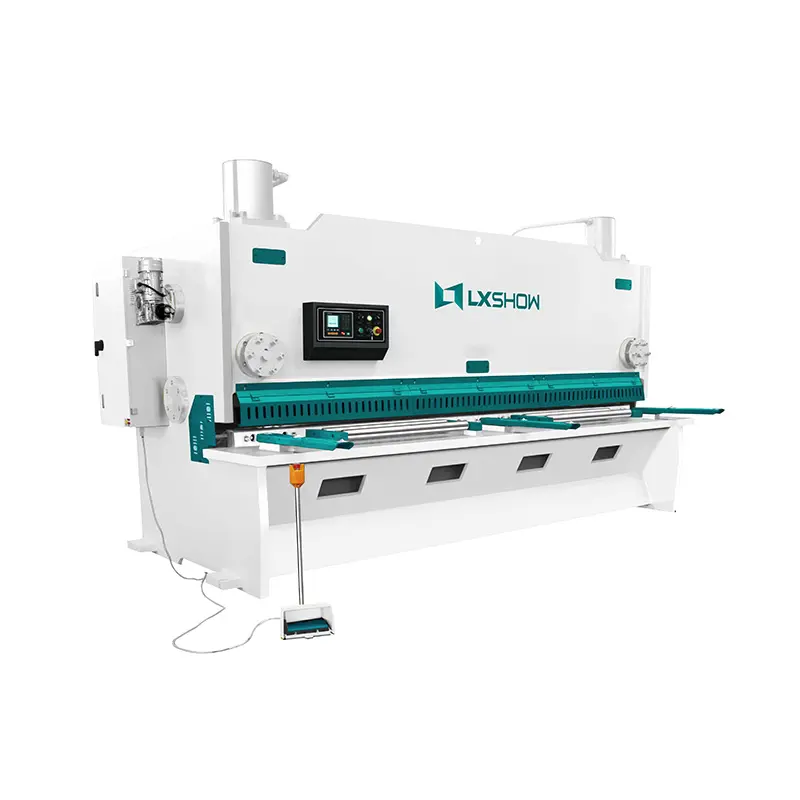
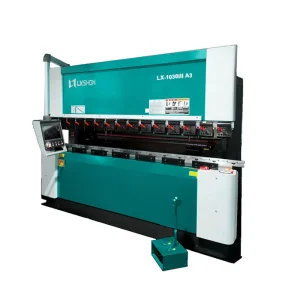
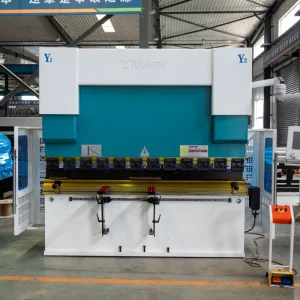
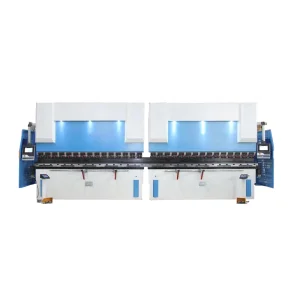
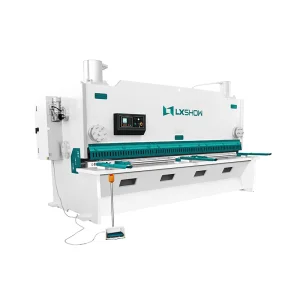
Bending accuracy is achieved through our WE67K Electro-hydraulic Servo Bending Machines and ESP65-2500 CNC Fully Electric press brakes. Equipped with dual mechanical linkages and automatic deflection compensation, these systems maintain precise angular tolerances even when processing complex multi-bend geometries.
4. Portable Laser Cleaning & Welding
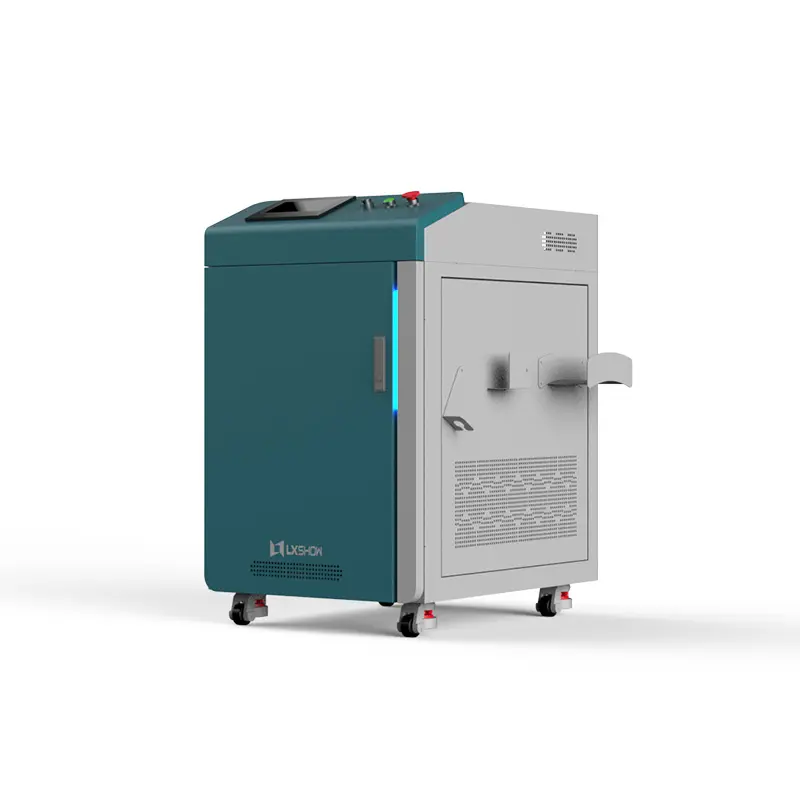
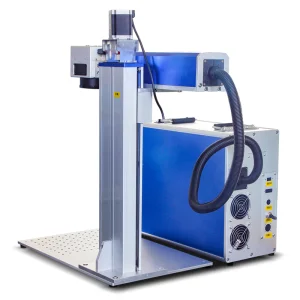
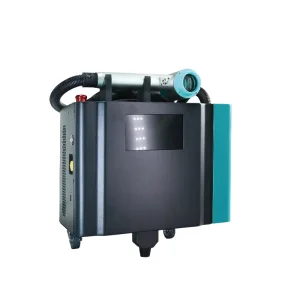
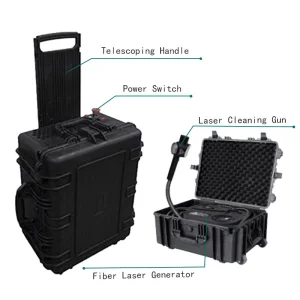
Post-forming assembly is supported by our handheld laser welding (LXW series) and cleaning systems (LXC series). These systems enable high-speed joining and localized paint/rust removal with minimal heat input, reducing thermal distortion compared to traditional MIG/TIG processes.
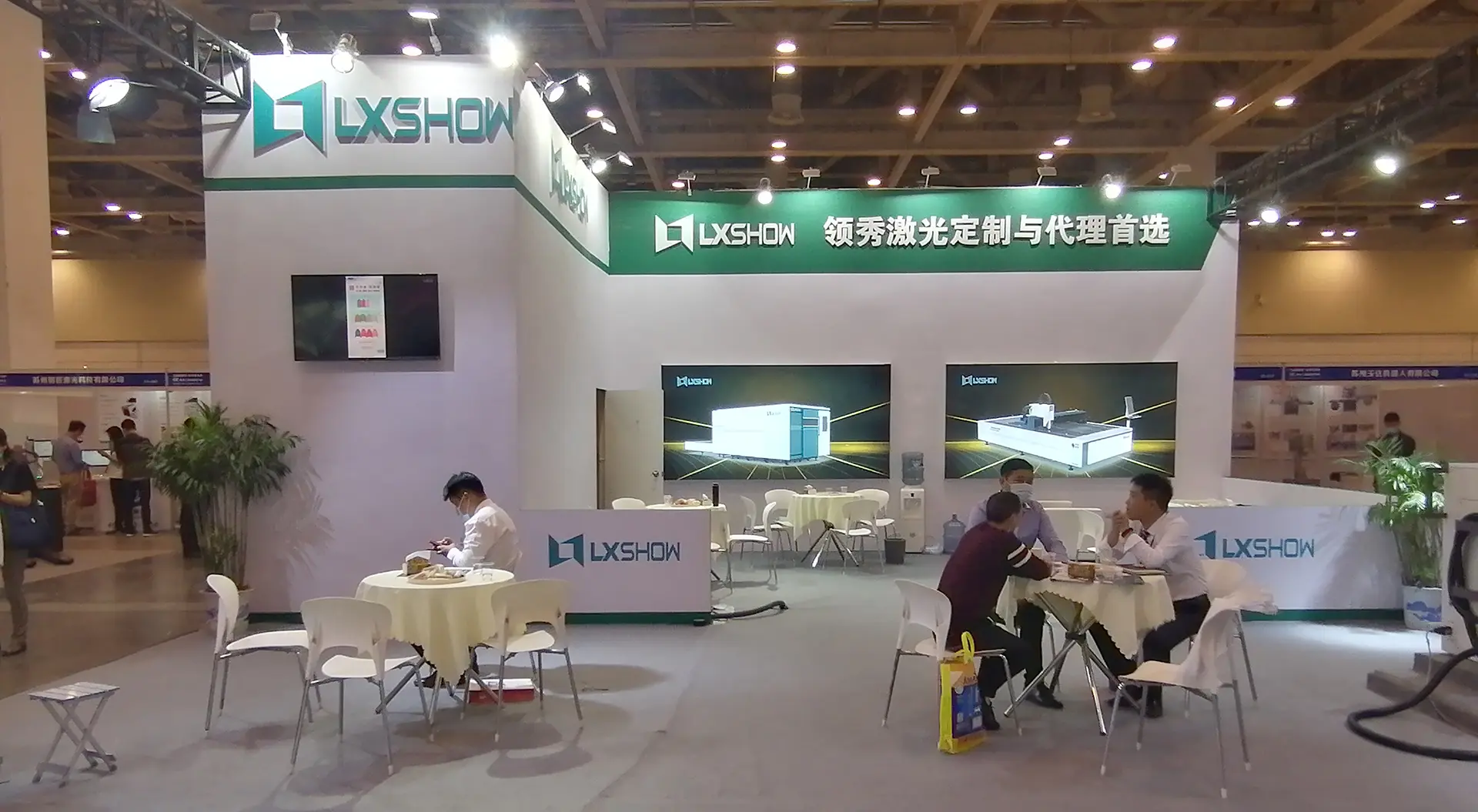
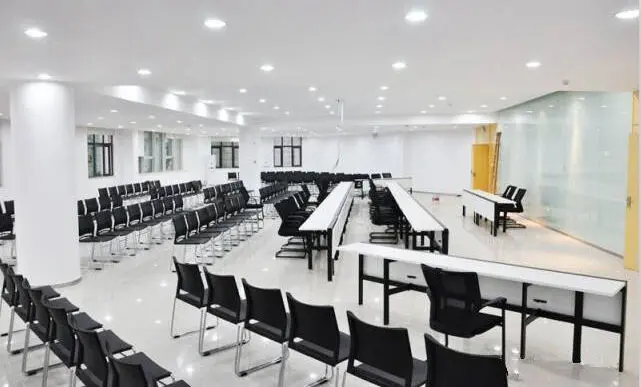
Fig 1: Modern Industrial Laser System Assembly & Quality Control Center
Technical Q&A: Addressing Core Engineering Inquiries
What are the advantages of Fiber Lasers over traditional CO2 Lasers when cutting reflective metals?
Fiber lasers operate at a wavelength of approximately 1.06 micrometers, which is absorbed more efficiently by metals like aluminum, brass, and copper compared to the 10.6 micrometer wavelength of CO2 lasers. This high absorption rate reduces the risk of back-reflection, which can damage the optical path, while increasing cutting speeds in thin-to-medium sheets and reducing power consumption.
How does the double mechanical linkage in the WE67K series bender improve bending accuracy?
The double mechanical linkage coordinates the hydraulic cylinders at both ends of the press brake. By synchronizing the ram movement mechanically, the system minimizes angular deviation caused by off-center loading or uneven material hardness. This setup works in tandem with electro-hydraulic servo valves to ensure consistent, repeatable angles over long production runs.
What is the industrial utility of pulsed laser cleaning versus continuous wave (CW) laser cleaning?
Pulsed laser cleaning (such as our 100W and 200W systems) delivers brief, high-energy laser pulses that ablate oxides, paint, and contaminants without overheating the substrate, making it suitable for precision molds and sensitive alloys. Continuous wave (CW) laser cleaning provides continuous energy delivery, offering high throughput for rapid rust removal and paint stripping on heavy structural plates prior to welding.
How do deburring machines support downstream assembly automation?
Automated assembly robots require highly consistent workpieces to prevent grip failures or alignment errors. A deburring machine like the LX-RRW-800 removes vertical slag and burrs while rounding outer edges uniformly. This processing eliminates geometric irregularities and prevents manual handling injuries, supporting automated downstream processes.