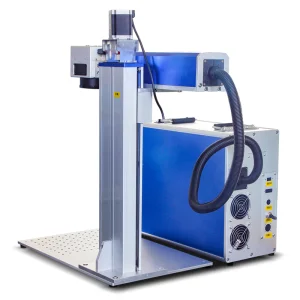
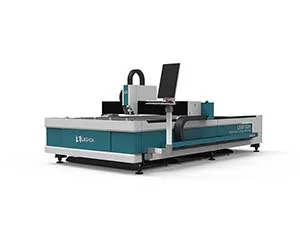
Explore our premium high-speed tube cutters, compact sheet metal processing setups, and automated CNC laser equipment configured for rapid deployment.
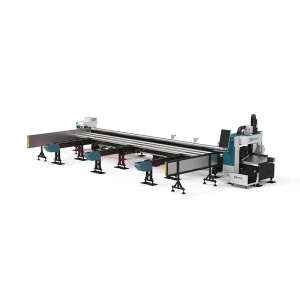
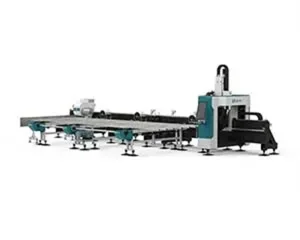
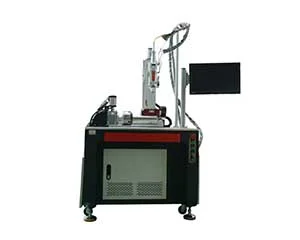
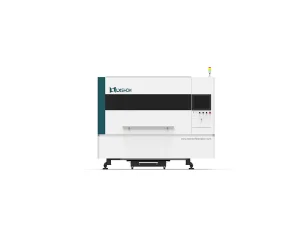
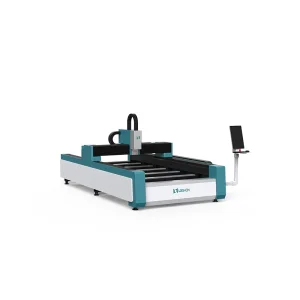
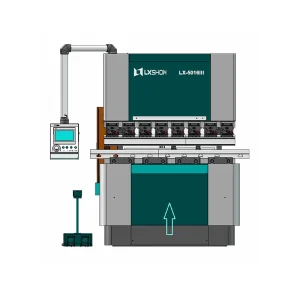
The manufacturing sector is undergoing an unprecedented shift. Historically dominated by conventional mechanical sawing, plasma cutting, and abrasive waterjets, the metal fabrication industry has rapidly transitioned toward Fiber Laser Technology. Over the last decade, industrial fiber lasers have advanced from niche cutting applications to becoming the backbone of sheet metal, heavy machinery, automotive components, and structural construction workflows.
Global demand for precision engineering has catalyzed the development of multi-kilowatt fiber systems. Modern engineering mandates minimal Heat-Affected Zones (HAZ), high edge quality, and maximum throughput. As industries demand tighter tolerances for aerospace subassemblies and battery enclosures for electric vehicles (EVs), the reliance on obsolete mechanical shearing has yielded to high-precision CNC fiber lasers, air-cooled hand-held laser welders, and eco-friendly laser cleaning systems.
Currently, European and North American manufacturing hubs prioritize total ownership cost, energy efficiency, and low maintenance overhead. Consequently, the integration of intelligent CAD/CAM nesting software alongside auto-loading gantries has transformed standalone laser cutters into fully autonomous cells. This paradigm shift directly increases Information Gain for operations managers, who now rely on real-time telemetry from cutting heads to schedule predictive maintenance.
Cutting and welding high-strength structural steel and aluminum components with absolute dimensional accuracy for vehicle safety cells.
Minimizing thermal stress in titanium alloys and composite honeycomb templates, conforming to strict aviation regulatory frameworks.
High-reliability welding of high-conductivity copper busbars and battery modules utilizing advanced wobbling beam heads.
The manufacturing ecosystem in China, particularly concentrated within high-tech industrial parks, has established a global gold standard for laser machine supply. This concentration provides significant advantages in vertical integration and supply chain reliability. From raw steel frame annealing to proprietary design of optical assemblies, Chinese manufacturing delivers rapid scale and technological deployment that is difficult to replicate elsewhere.
A core differentiator is the localized availability of key sub-components. By partnering with leading motion control manufacturers, laser source providers (such as Raycus, Maxphotonics, and JPT), and cutting head specialists, Chinese factories reduce lead times to a fraction of the industry average. Furthermore, heavy structural machine beds undergo rigorous thermal stress-relief tempering for over 24 hours to prevent physical deformation during high-acceleration runs.
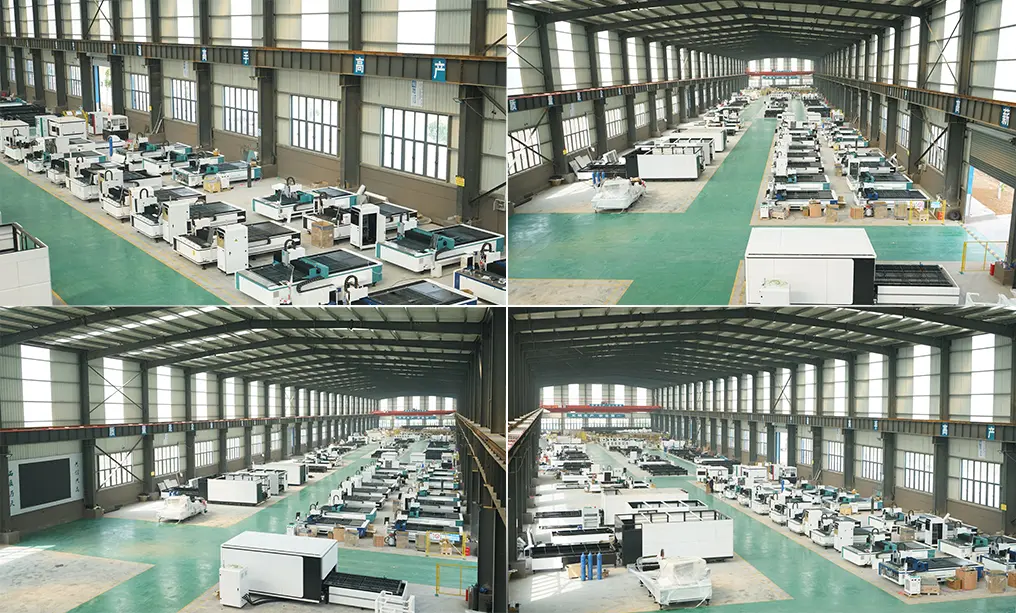
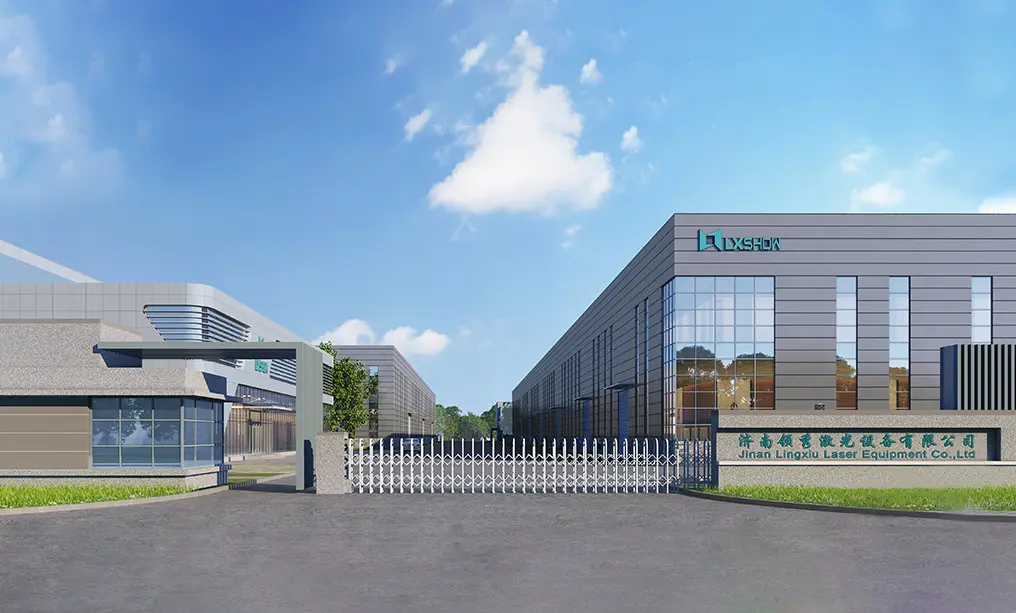
By consolidating these steps within unified production sites—such as our 32,000 square meter factory—we ensure that all CNC operations, mechanical alignment, and electronic wiring conform directly to international benchmarks. This integration facilitates robust OEM/ODM collaborations, offering customization of chassis configurations, software branding, and automated sorting integrations to fit specific local factory layouts globally.
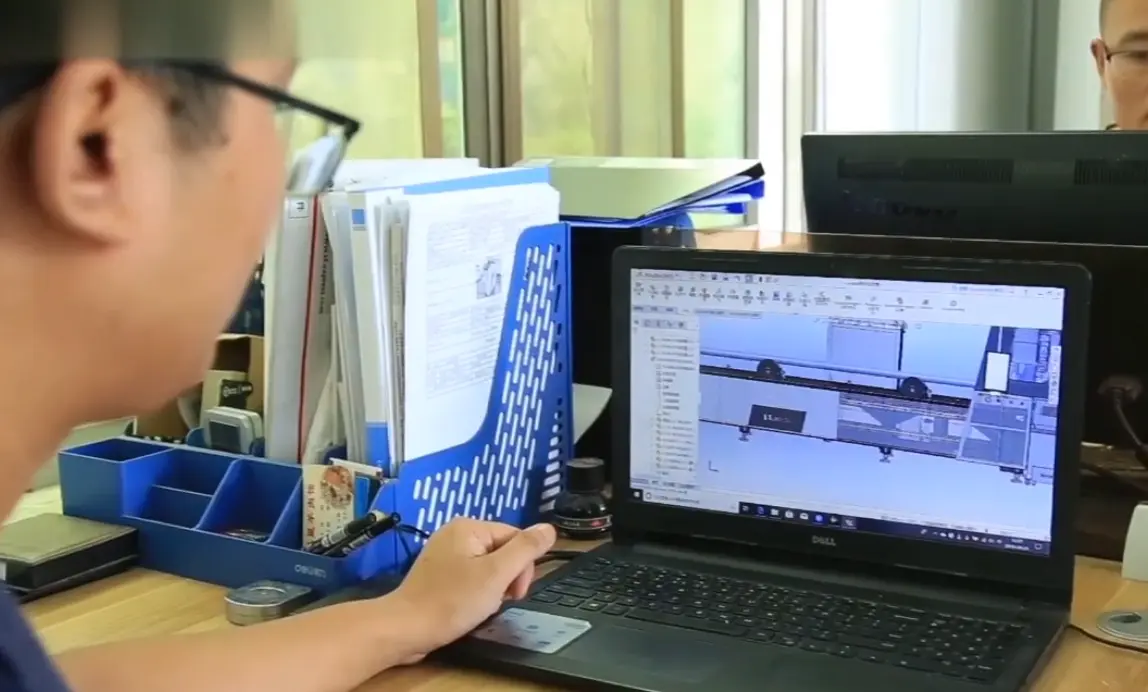
Laser systems are highly versatile across sectors. The optimal configuration depends on localized production environments, metal alloys, production speeds, and surrounding environmental conditions. We engineer custom solutions to match these specific operating parameters:
Processing thick plates of carbon steel, copper, and structural H-beams. Utilizing protective optical gas assistance (N2 or O2) paired with high-power exchange table systems (up to 30kW) to ensure continuous operation under harsh shop conditions.
For network enclosures, electrical cabinets, and HVAC systems. Precise sheet laser cutting eliminates micro-burrs and reduces secondary deburring labor, streamlining downstream bending and assembly operations.
Used extensively in fitness equipment, furniture frames, and logistics structures. Incorporating automatic chuck centering and tube feeding modules to achieve zero-defect perpendicular cuts and complex joinery profiling.
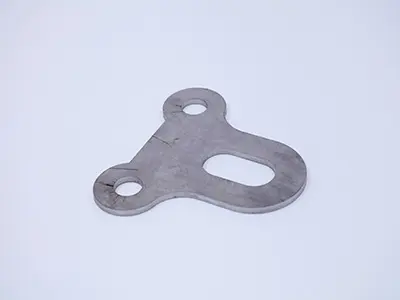
Material classification is critical for determining optical absorption parameters. Fiber lasers operate at a wavelength of approximately 1.06 microns, which is absorbed efficiently by metals. The chart below matches key materials to their optimal industrial processing parameters:
The industrial landscape is moving toward interconnected, intelligent automation. Modern factories expect laser systems to act as data nodes within the enterprise's wider network. Our systems utilize EtherCAT bus control architectures to monitor real-time cut quality, gas pressure, and nozzle temperatures.
Furthermore, environmental compliance and energy efficiency are key design considerations. Conventional CO2 lasers run at low wall-plug efficiencies (~10%), whereas fiber systems achieve efficiencies between 30% and 40%, directly lowering power consumption. The addition of handheld laser cleaning technology also provides a green alternative to traditional chemical pickling and media blasting, offering efficient oxide and rust removal without chemical runoffs.
Our design roadmap targets complete automation integration. Incorporating standard robotic arms, smart sorting racks, and vision inspection modules helps factories reduce cycle times, minimize labor bottlenecks, and move closer to lights-out manufacturing.
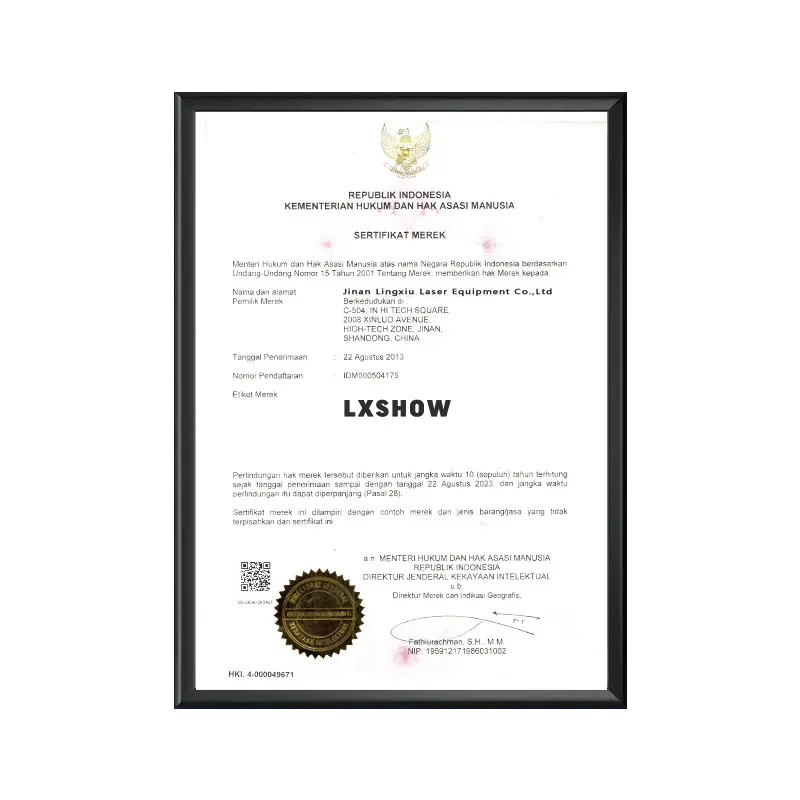
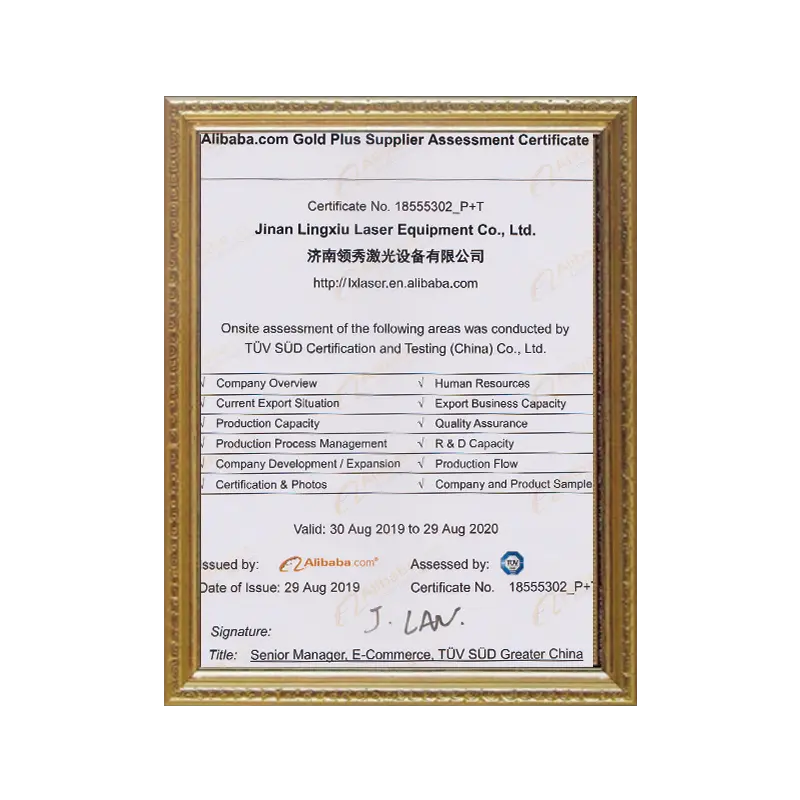
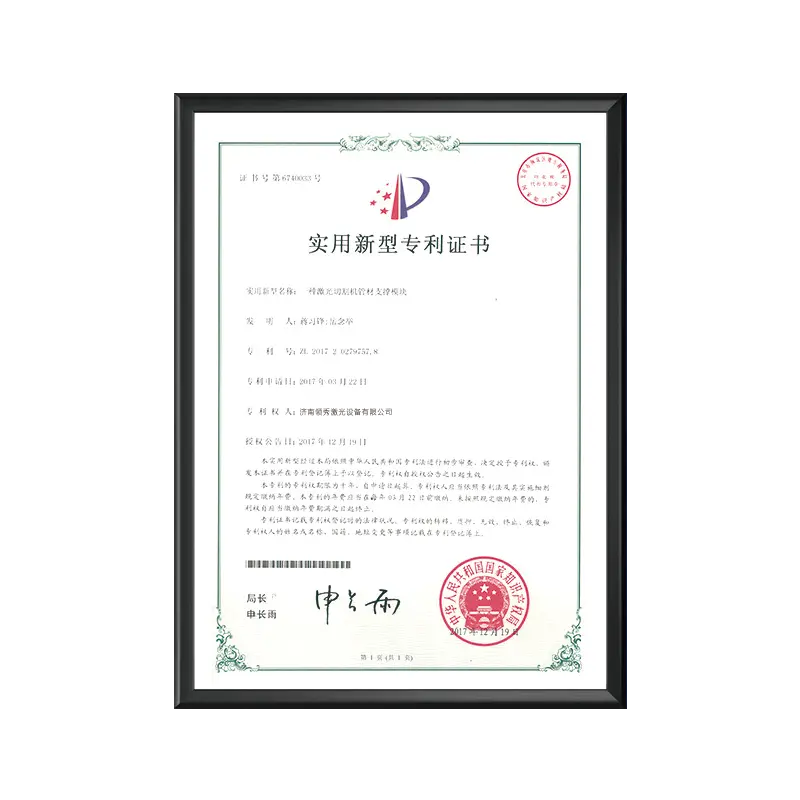
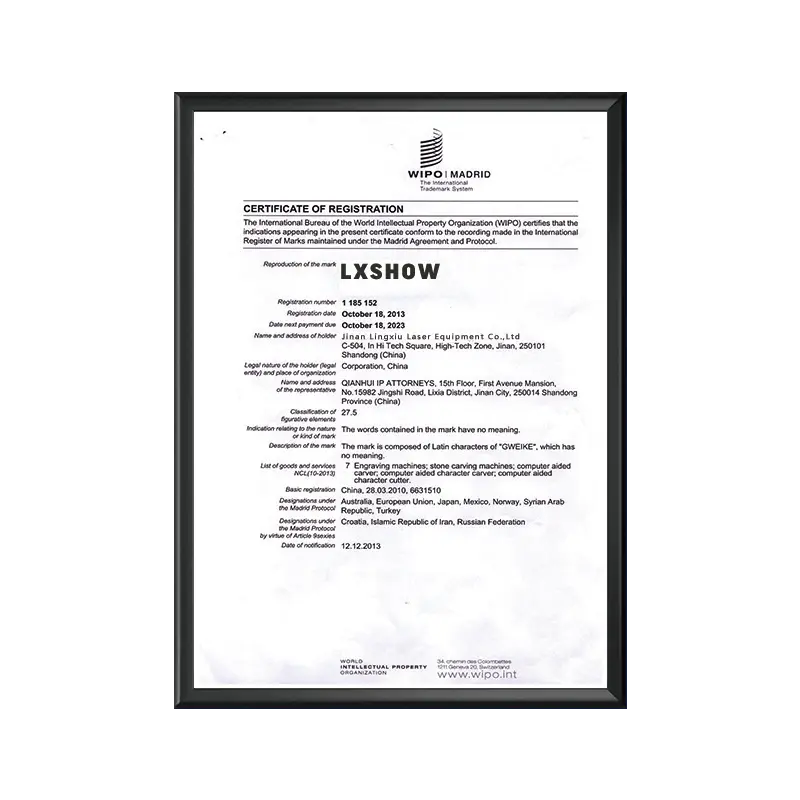
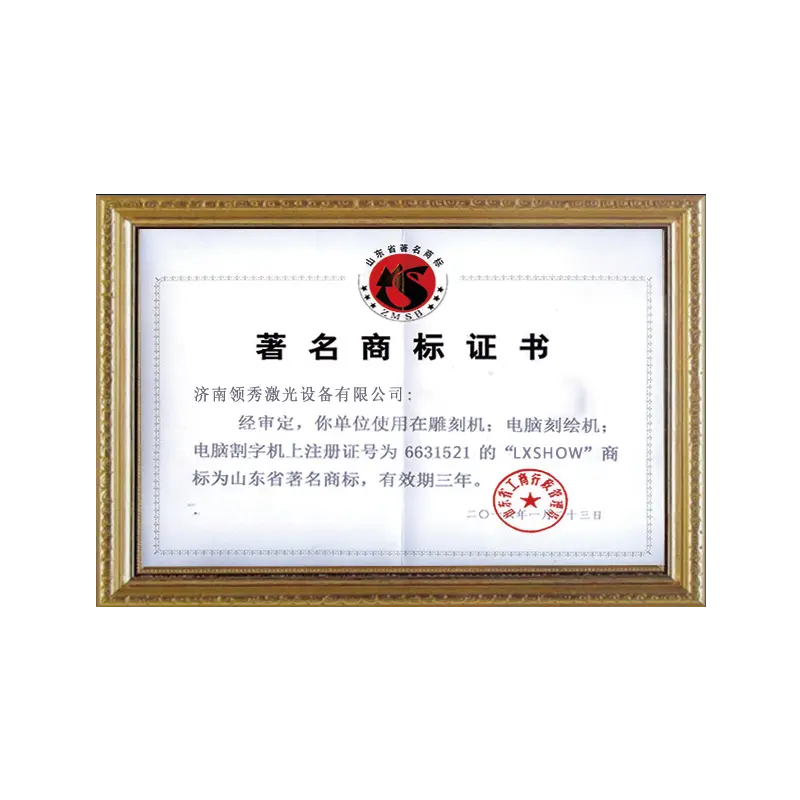
Selecting an industrial laser ODM partner requires evaluating several core factors beyond initial capital costs. Global procurement managers should assess:
Frequently asked technical questions regarding industrial laser operation, maintenance, and utility requirements.
Explore our heavy-duty plate cutters, high-precision air-cooled hand welders, and large-format cleaning platforms.
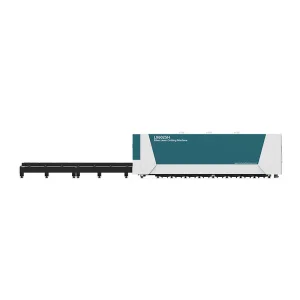
 Lxshow