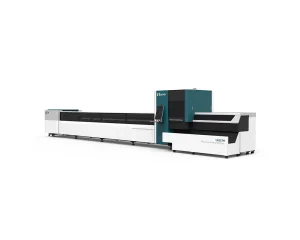
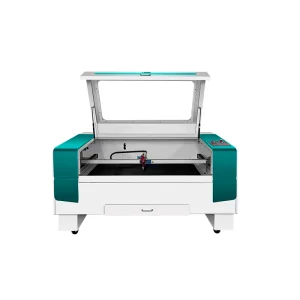
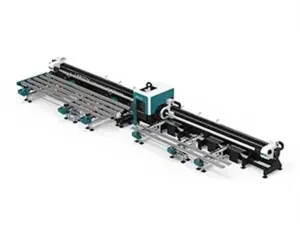
Discover our highly requested mini laser cutters, bending apparatuses, and smart industrial automation solutions engineered for excellence.
The global metal fabrication landscape is undergoing a monumental paradigm shift. As high-precision industries such as medical devices, micro-electronics, aerospace components, and custom jewelry seek greater control over heat-affected zones (HAZ) and dimensional tolerance, Mini Laser Metal Cutting Machines have emerged as critical infrastructure.
Unlike bulky, high-tonnage gantry laser systems, modern mini laser cutters are designed with a compact footprint, allowing businesses to maximize workshop floor efficiency without compromising on power density or cutting dynamics. Backed by solid-state fiber optical paths and integrated with smart CNC control boards, these systems deliver micron-level accuracy at incredibly low operational costs.
By prioritizing Information Gain, our whitepaper outlines why strategic procurement divisions are divesting from conventional methods in favor of intelligent, compact fiber systems that seamlessly merge high dynamic performance with energy efficiency.
Miniaturization in laser metalworking translates directly to specialized mechanical dynamics. A smaller gantry possesses less mass, leading to lower inertia and higher acceleration parameters. This structural advantage permits:
Analyzing market insights and technological breakthroughs shaping the future of small-scale metal processing.
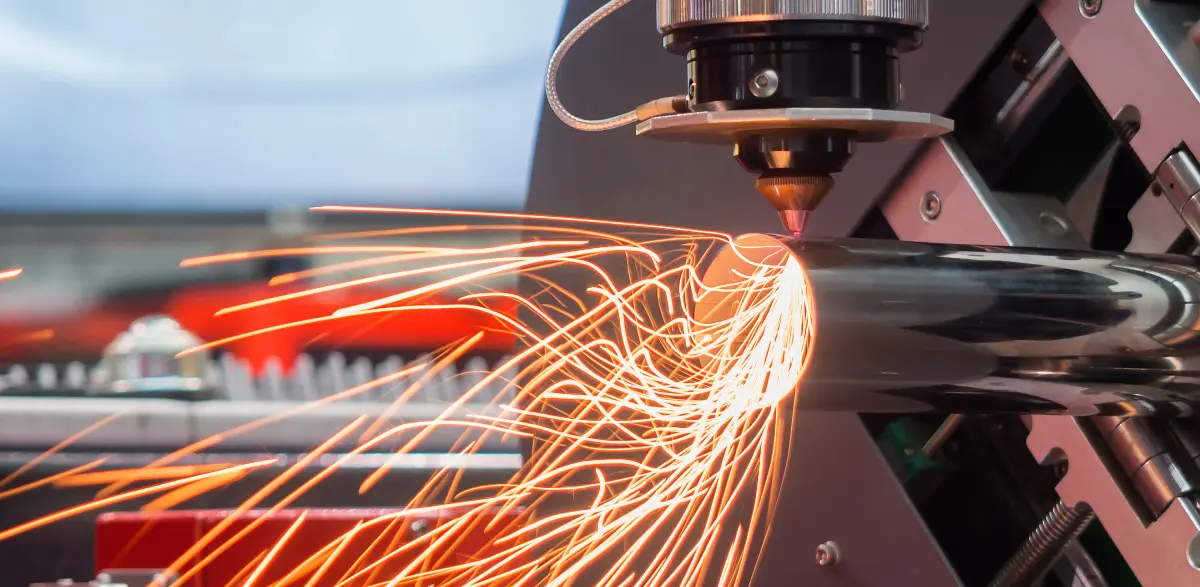
Modern mini laser metal cutting machines are shifting away from older CO2 setups towards advanced high-brightness fiber lasers. Fiber technology features high absorption rates in metals, reducing electricity usage by over 50%. The ultra-fine focus diameter ensures high power density for clean cuts through stainless steel, brass, and copper.
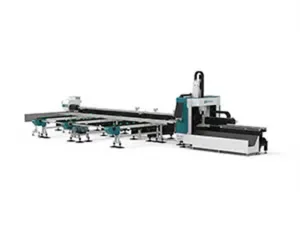
Equipment versatility is a critical growth metric. Highly integrated systems, such as the LX1390QF Enclosed 6-in-1 Combined Laser Cutter, merge plate and tube processing within a single compact workspace. This hybrid methodology reduces total facility investment costs while enhancing manufacturing capabilities.
By connecting cutting heads directly to automated loaders and industrial robot arms, micro-machined parts are processed around the clock. Integrated software automatically transmits operating telemetries to central dashboards, reducing human intervention and aligning production with future factory ecosystems.
International procurement departments are looking past initial purchase price to consider the **Total Cost of Ownership (TCO)**, structural dependability, and global compliance certifications. The selection process for mini fiber laser systems typically focuses on three primary operational parameters:
Our organization addresses these specific industrial expectations by building rugged machines certified to global safety and quality standards, ensuring smooth integration and compliance across international borders.
Our production facilities maintain strict quality controls, with all equipment certified to global standards:
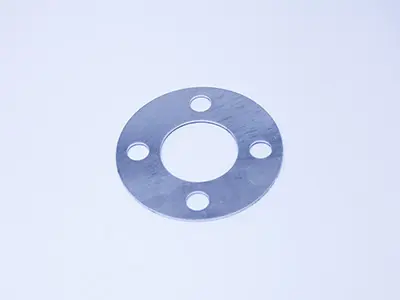
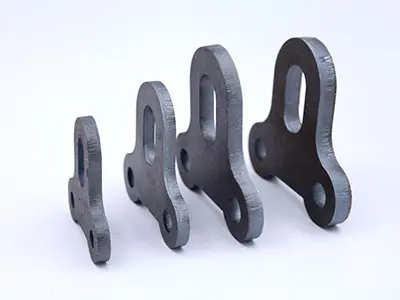
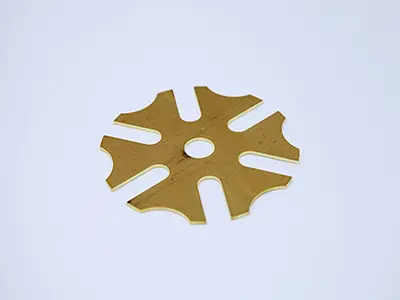
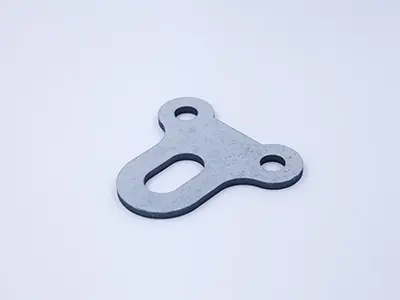
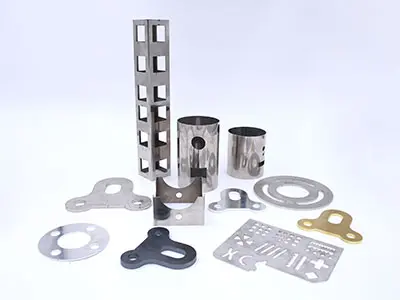
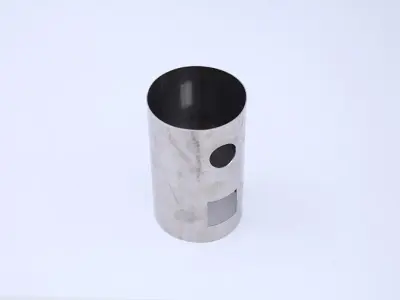
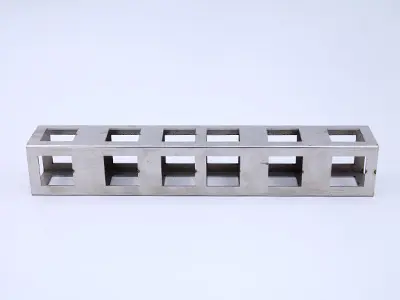
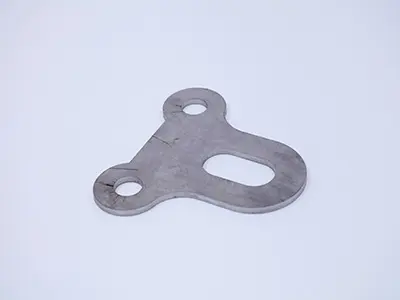
How our compact machinery integrates into macro-level production ecosystems to optimize factory-wide efficiency.
Mini fiber lasers are highly suited for profiling battery connectors, electrical busbars, and complex bracket fixtures. High positioning accuracy makes them ideal for manufacturing interior switchgear panels and custom dashboard sub-assemblies.
Cutting titanium, cobalt-chromium, and specialized alloys requires precise thermal management. Our mini systems feature programmable pulse widths to prevent heat buildup, ensuring medical implants and aerospace components meet strict regulatory standards.
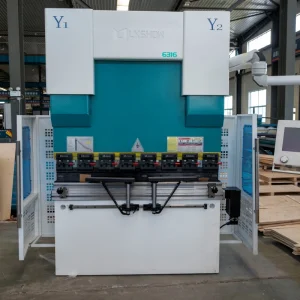
Small fabrication shops leverage our mini cutters alongside machinery like the WE67K Electro-hydraulic Servo Bending Machine. This combination allows for fast design iterations and cost-effective production of brackets, casings, and customized panels.
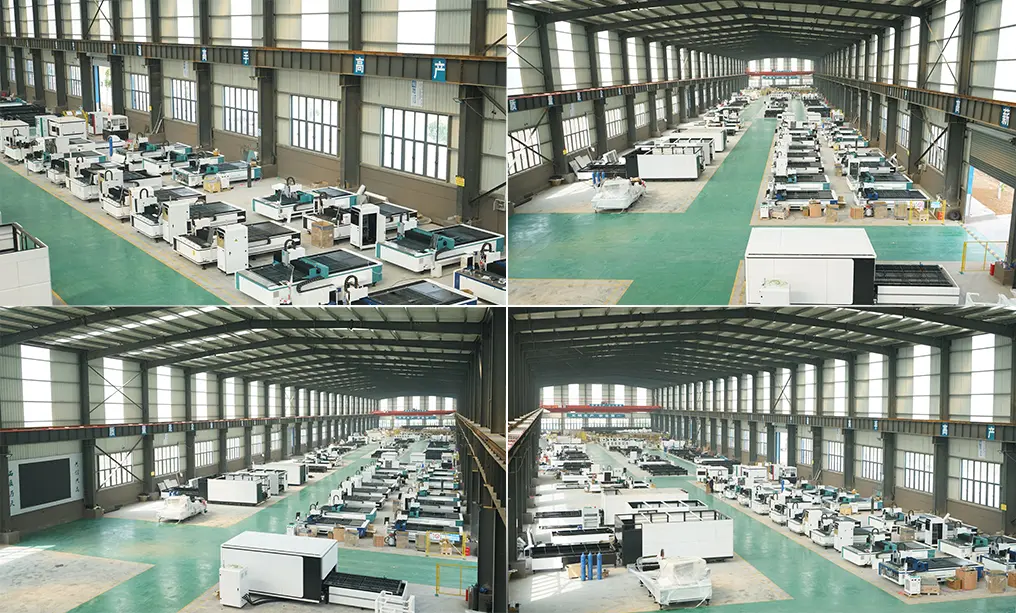
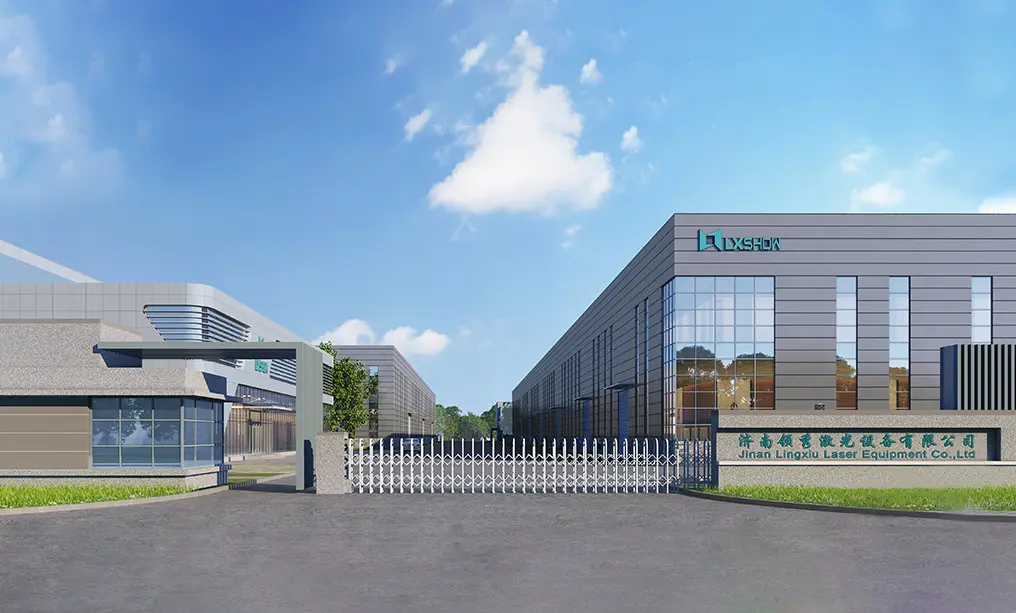
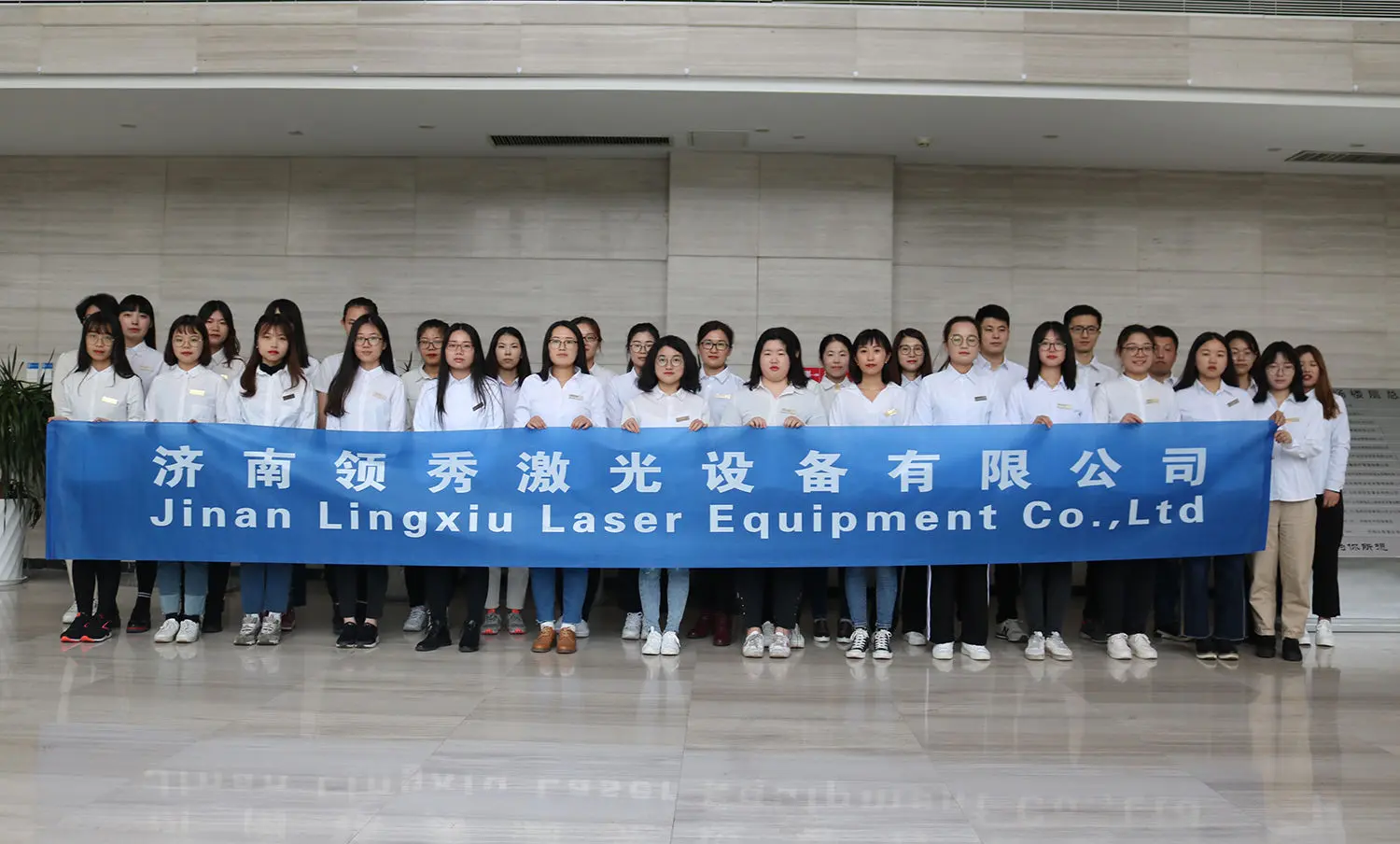
Established in July 2004, LXSHOW has grown into a leading manufacturer of intelligent laser equipment. Operating from a modern 32,000 square meter factory along with a 500 square meter dedicated research and design facility, we develop advanced systems that support smart factory transformations around the world.
Our product portfolio focuses on three core segments: Laser Cutting Machines, Laser Welding Machines, and Laser Cleaning Machines. Supported by a professional communications and service center, our goal is to build industrial ecosystems that help companies transition toward smart manufacturing and Industry 4.0 automation.

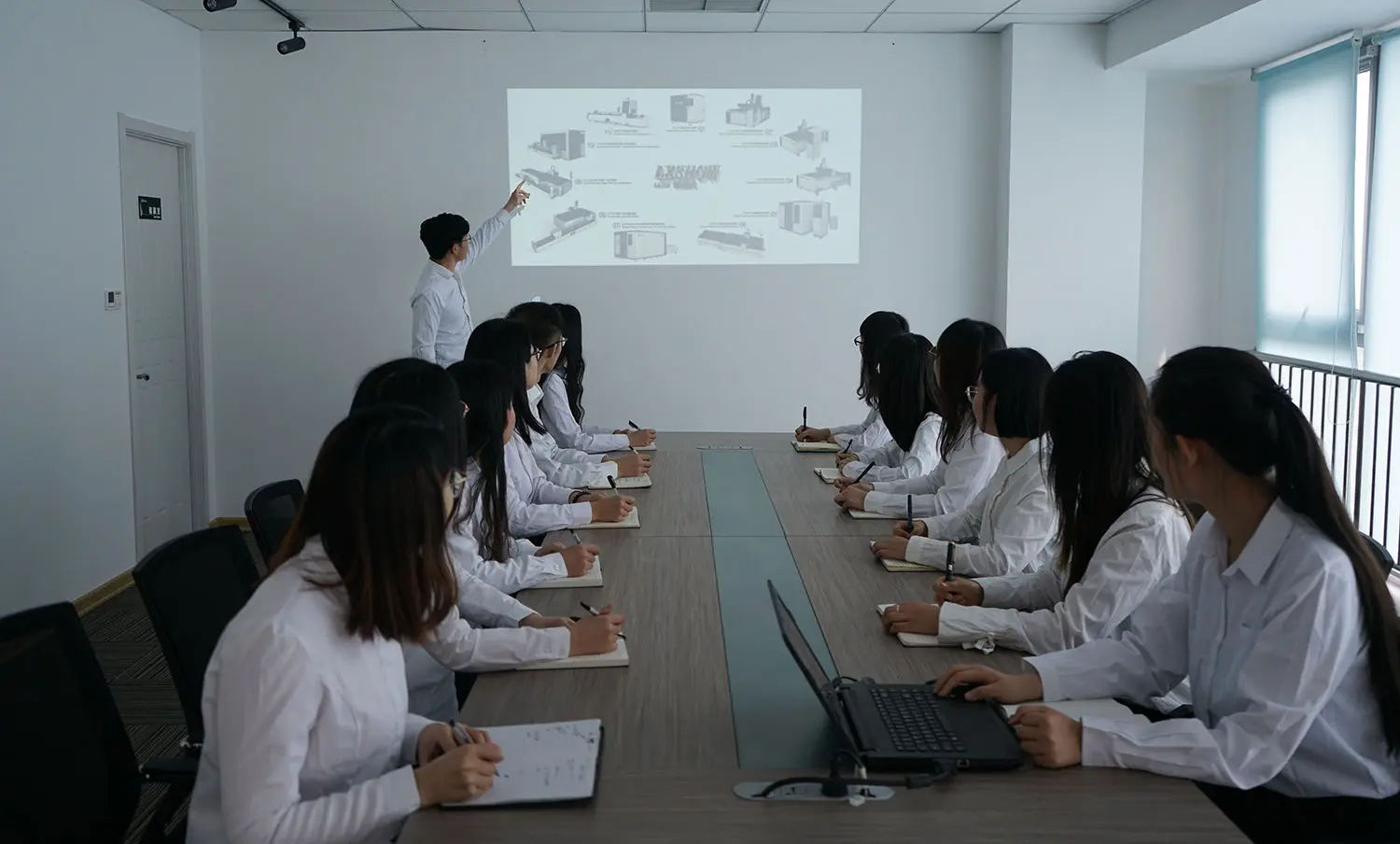
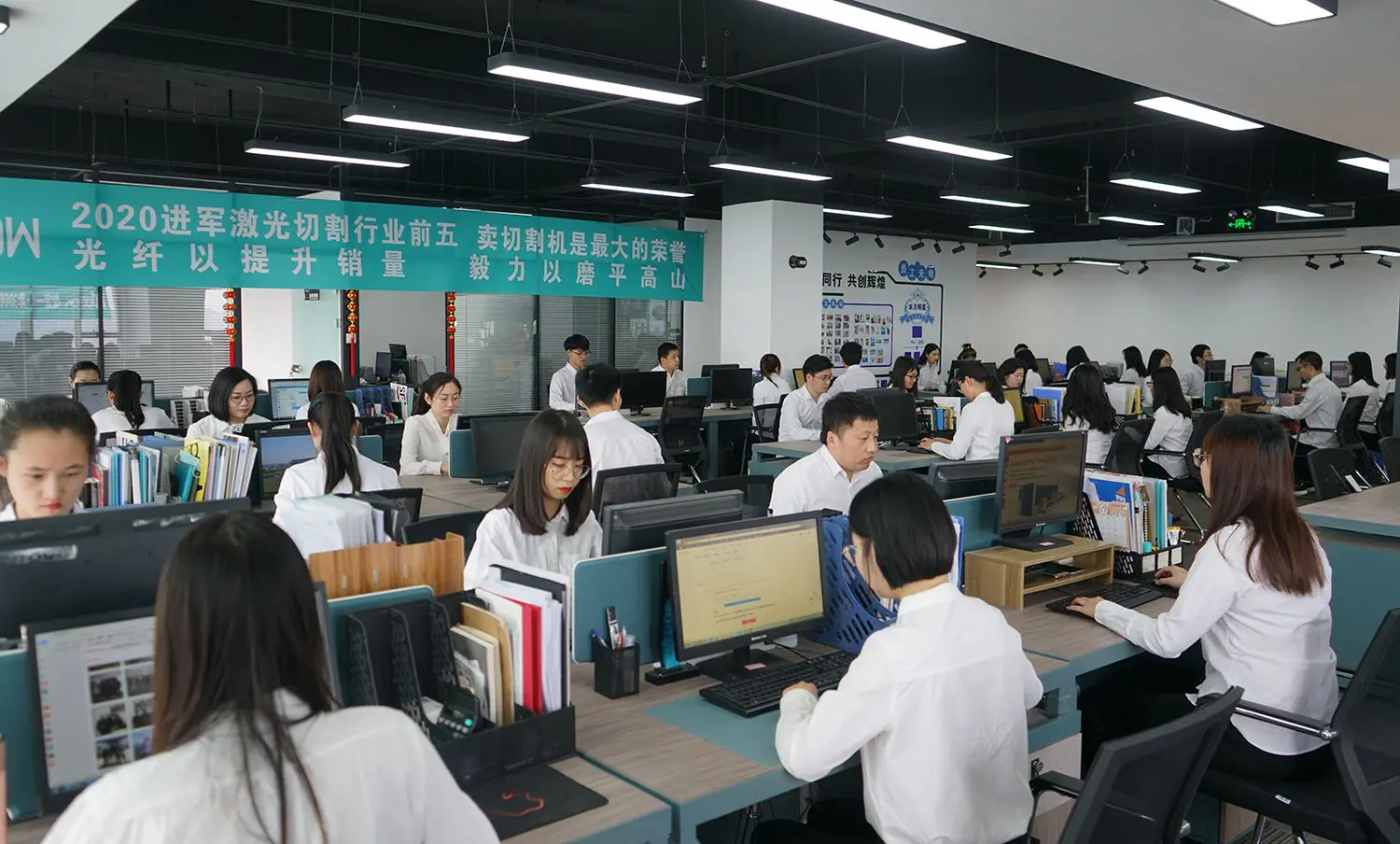
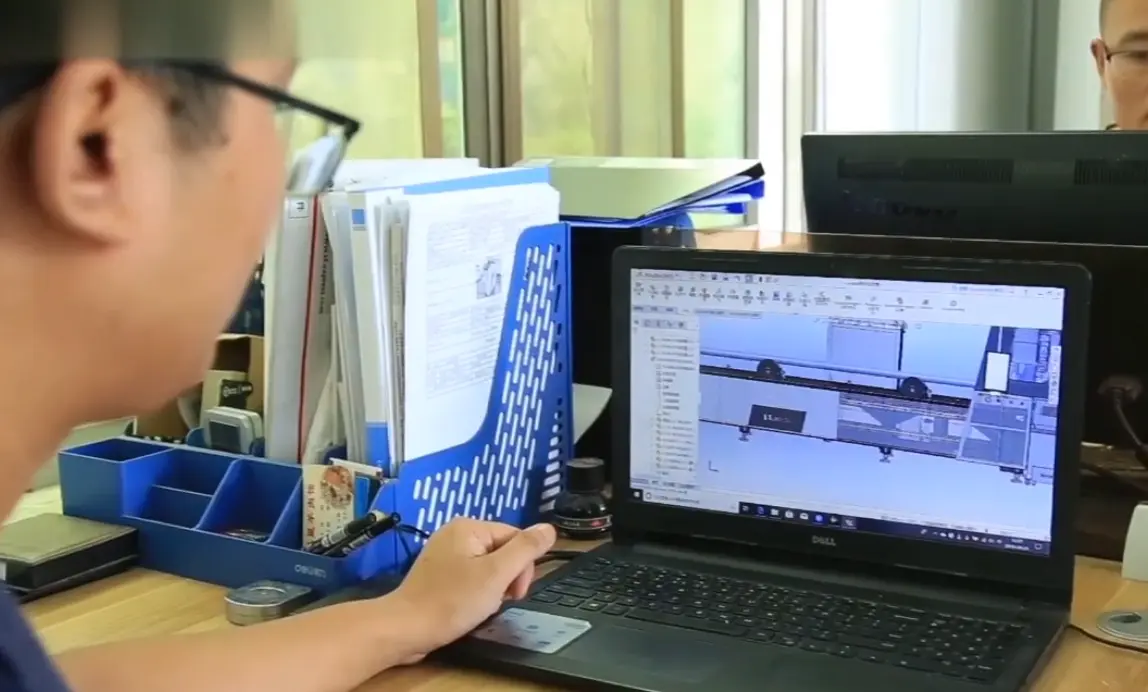
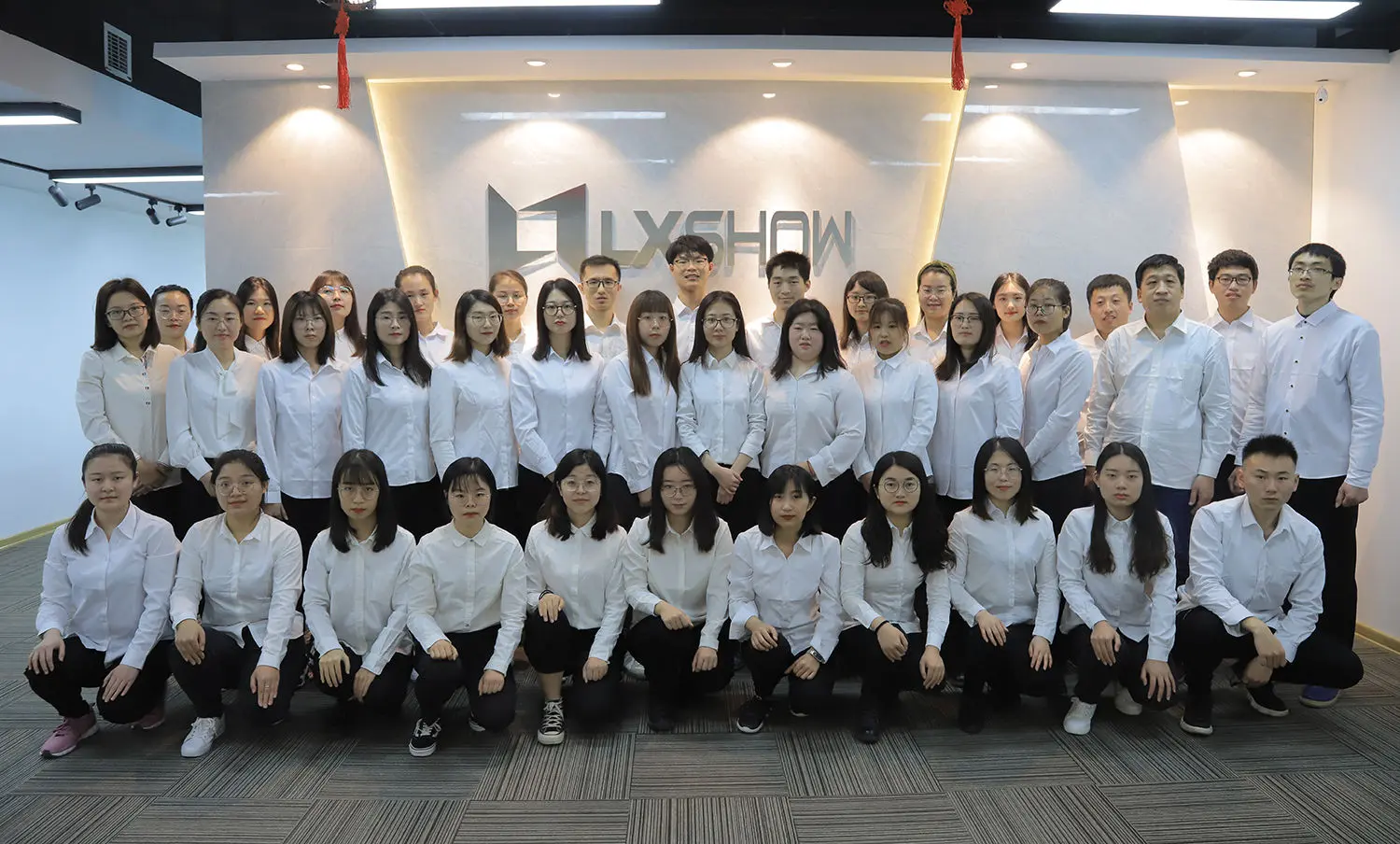
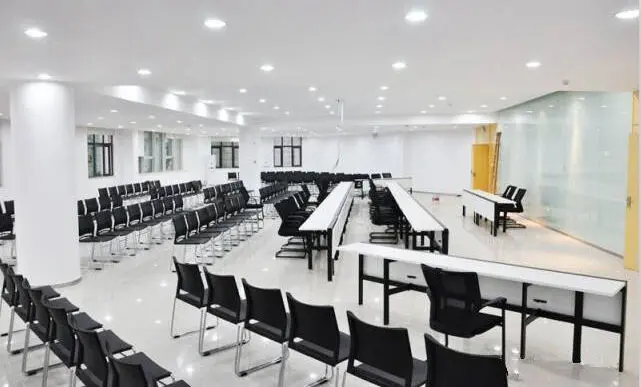
We provide localized technical assistance across key global markets. From routine maintenance to programming assistance, our engineering departments help keep your machinery operational.
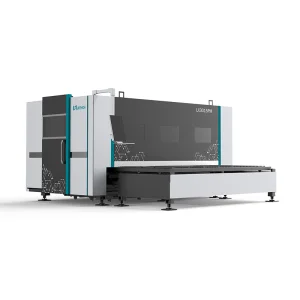
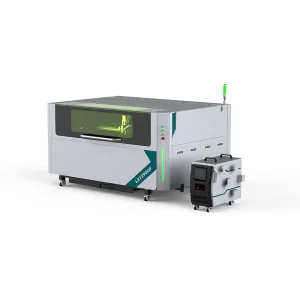
Operating high-frequency lasers requires proper safety engineering. Our mini laser systems feature fully enclosed cabinets with safety-interlocked doors, preventing accidental exposure to the fiber wavelength.
The observation windows use certified protective glass, permitting safe viewing of the cutting process. Integral exhaust ports pull away fumes and particulate matter, maintaining clean air conditions in the workshop.
Combined with our focus on CE and FDA standards, these safety provisions help companies maintain compliance with strict regional worker protection regulations.
How we are investing in advanced R&D to lead the next generation of laser smart equipment.
Future cutting heads will feature integrated visual sensors to monitor kerf quality in real-time. By automatically adjusting assist gas pressure and focal position during the cut, these heads can eliminate dross buildup and reduce material waste.
Our engineering research focuses on increasing the electrical-to-optical conversion efficiency of our laser sources. Our target is to achieve a 45% wall-plug efficiency, helping users lower their overall energy footprints.
We are developing AI-supported CNC controllers that adapt laser output power based on real-time feedback from material sensors. This system identifies alloy variations and adjusts feedrates instantly, preventing cutting errors.
Technical answers to help buyers evaluate performance, safety, and integration requirements.
Fiber lasers operate at a wavelength of approximately 1.06 microns, which is absorbed much more readily by metals compared to the 10.6-micron wavelength of CO2 lasers. This high absorption rate allows fiber systems to cut thin metals much faster while using less power. Additionally, fiber systems utilize solid-state delivery cables rather than complex mirror paths, which reduces maintenance and alignments.
A smaller gantry has less mass and inertia, allowing the drive motors to accelerate and decelerate the cutting head faster. This high acceleration helps maintain consistent feedrates on intricate paths, minimizing dwell-time heat buildup and reducing dross formation on sharp corners.
Stainless steel is typically cut using nitrogen (N2) or compressed air to prevent oxidation and maintain a bright, clean edge. Carbon steel is commonly cut using oxygen (O2), which creates an exothermic reaction that assists the laser beam in melting thicker sections of the plate.
Fully enclosed mini laser cutters equipped with safety-interlocked doors and certified filtration windows are classified as Class 1 laser systems. This enclosed design allows safe operation within standard production environments without requiring operators to wear specialized protective goggles.
Hybrid cutters combine a standard flat-cutting bed with an auxiliary rotary chuck module on one side. The CNC software handles the transition between flat Cartesian coordinates and rotary axes, allowing operators to switch between sheet metal and tube profiling on a single machine footprint.
Fiber lasers require very little daily maintenance because their optical paths are completely sealed. Main tasks focus on keeping the protective window lens clean, checking the alignment of the nozzle, keeping the guide rails lubricated, and checking the chiller fluid levels to ensure stable temperature control.
Explore our line of heavy-duty fiber cutters, cladding systems, surface deburrers, and precision laser welders.
 Lxshow