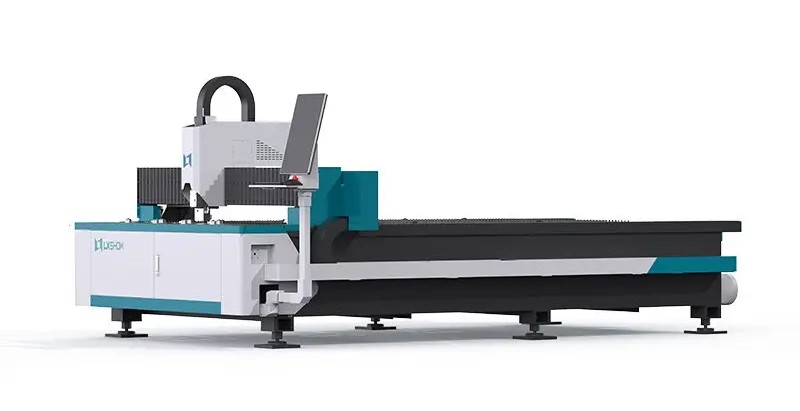
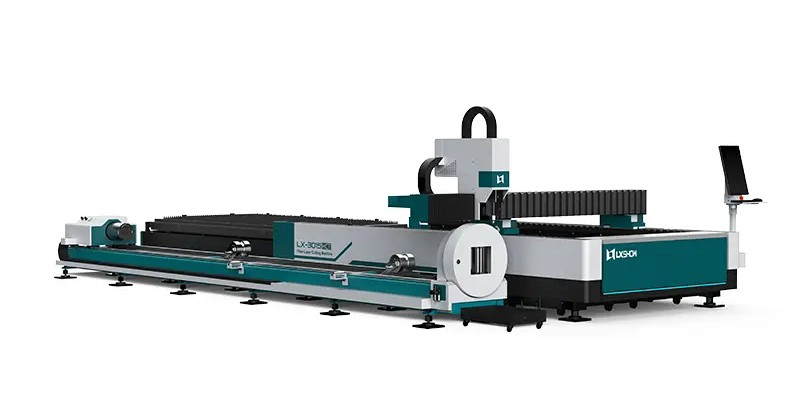
Direct engineering solutions from our manufacturing base. Integrating state-of-the-art power distribution, rugged gantry architectures, and digital control frameworks to ensure continuous industrial uptime.
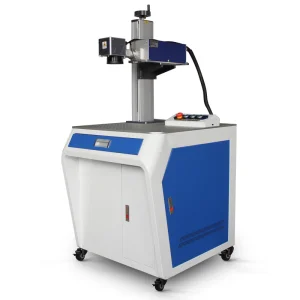
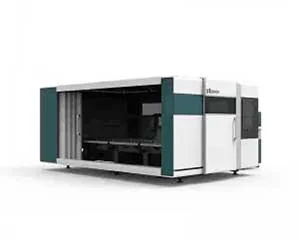
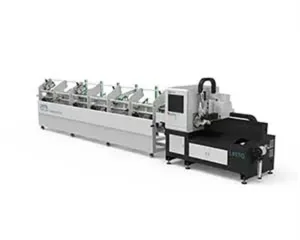
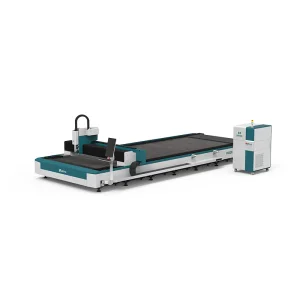
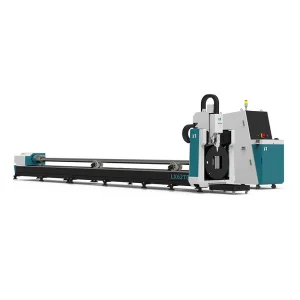
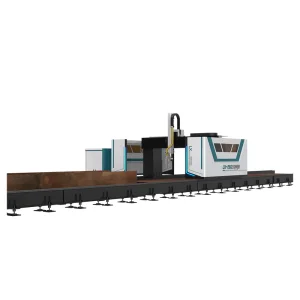
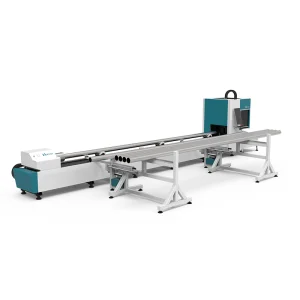
In the current industrial landscape, the paradigm shift toward Industry 4.0 demands a massive upgrade in basic fabrication methods. Traditional mechanical shearing and oxy-fuel cutting systems are rapidly being phased out because they cannot meet the demand for micro-tolerances, rapid throughput, and materials flexibility. High-quality fibre laser cutting machines represent the pinnacle of this revolution, enabling manufacturers to transition seamlessly from low-volume custom runs to large-scale, automated production cycles.
Processing superalloys like Titanium, Inconel, and aviation-grade aluminum requires minimal heat-affected zones (HAZ). Our high-precision fiber optics prevent material micro-cracking, preserving component integrity under massive aerodynamic stresses.
High-strength steels (HSS) used in vehicle body-in-white structures require high dynamic response speeds. Our intelligent dual-drive gantries ensure zero-defect throughput of safety-critical components at structural frame lines.
Structural engineering projects rely heavily on heavy-gauge H-Beams, channel rails, and thick plate gussets. Our ultra-high-power fiber systems process raw raw-iron structures effortlessly, replacing labor-intensive machining.
Beyond mere speed, the ecological cost of production has forced global factories to rethink auxiliary expenses. Fiber lasers offer wall-plug efficiencies of up to 40%, far outstripping older CO2 models (typically 8–10%). This reduction in energy footprint, coupled with localized nitrogen/oxygen control systems, allows global exporters to meet stringent sustainability quotas mandated by modern carbon-tax regulations.
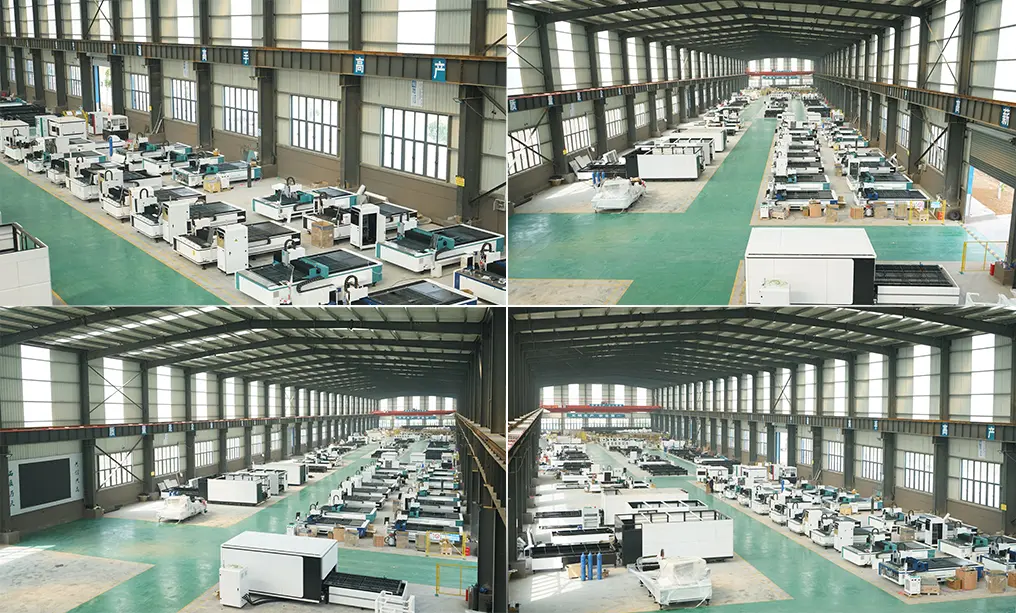
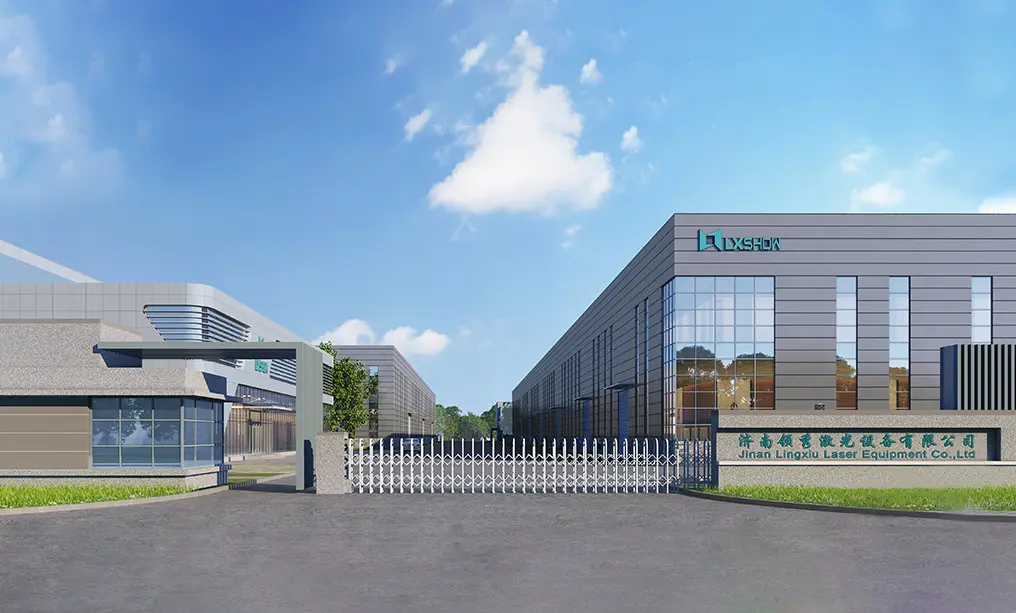
Established in July 2004, our manufacturing infrastructure has grown from a specialized technical department into a massive enterprise. Spanning a modern 32,000 square meter factory along with over 500 square meters of specialized R&D space, our operational footprint ensures that we can handle massive volume orders while preserving customization capability.
| Strategic Indicator | Operational Status & Capabilities | Competitive Advantage (Information Gain) |
|---|---|---|
| Supply Chain Capabilities | Direct procurement partnerships with IPG, Raycus, CypCut, and Precitec. | Ensures cost-efficient machine assemblies and immediate component replacement globally. |
| Global Footprint | Active deployment across 120+ countries (USA, Germany, UK, Canada, Australia, etc.) | Comprehensive multi-lingual user networks with robust operational feedback loops. |
| OEM / ODM Capacity | Serving as the primary designer and builder for over 30 leading regional brands. | Highly flexible production lines optimized for custom colors, proprietary CNC integrations, and specialized safety enclosures. |
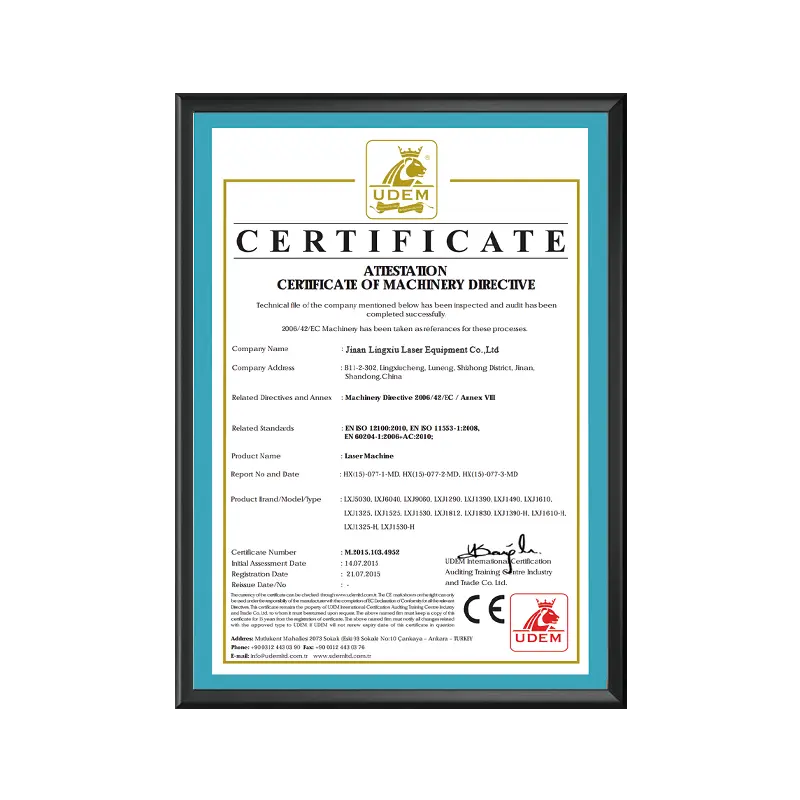
| Regulatory Compliance | Fully certified in European Union (CE), United States (FDA), and global standards (ISO 9001). | Hassle-free customs clearance, verified occupational safety, and long-term legal security. |
By implementing automated quality control gates at every stage of machine assembly—from the initial stress-relieving heat-treatment of the welded steel bed to the final laser interferometric calibration—we guarantee that every machine exported meets standard accuracy benchmarks down to ±0.02 mm.
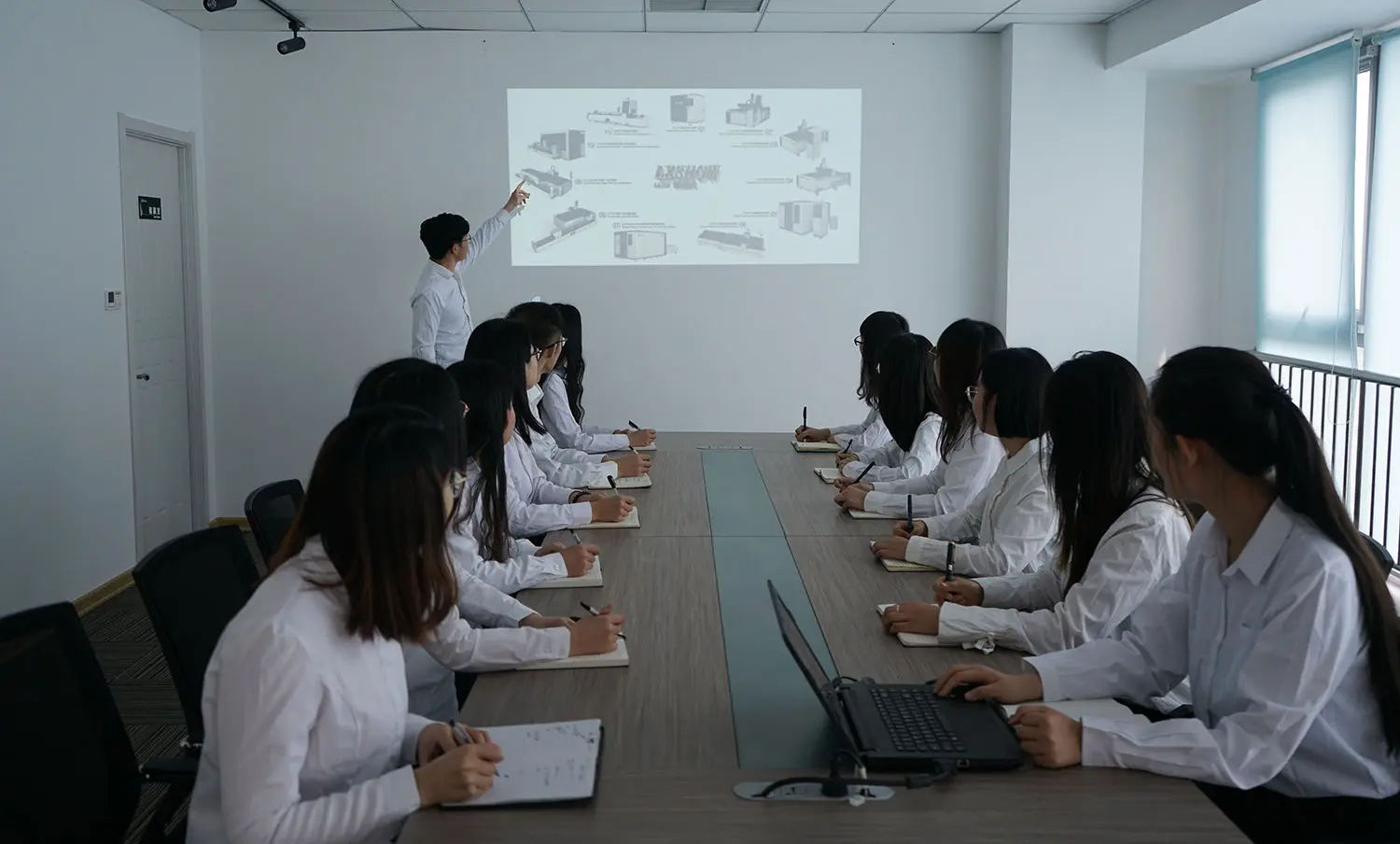
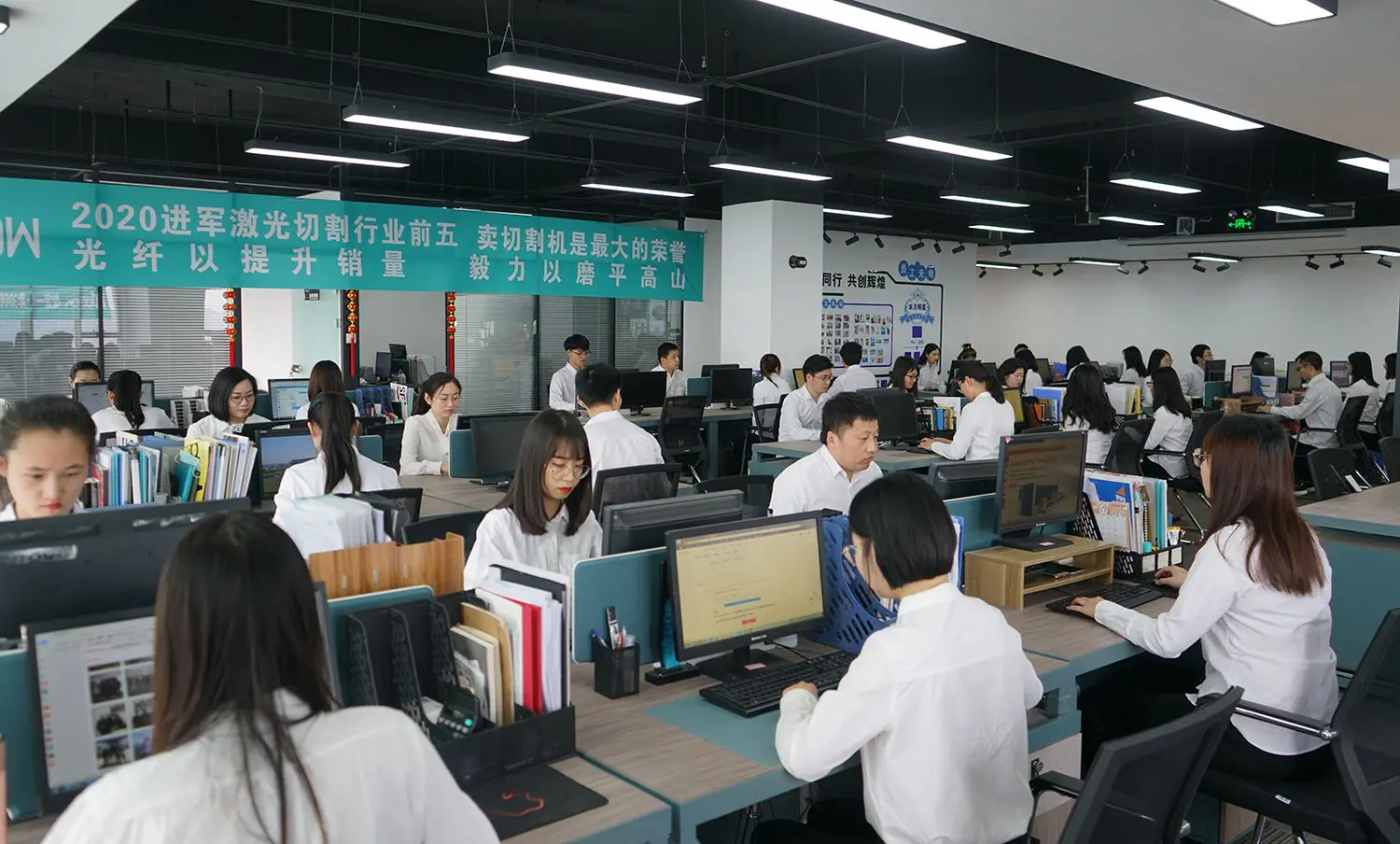
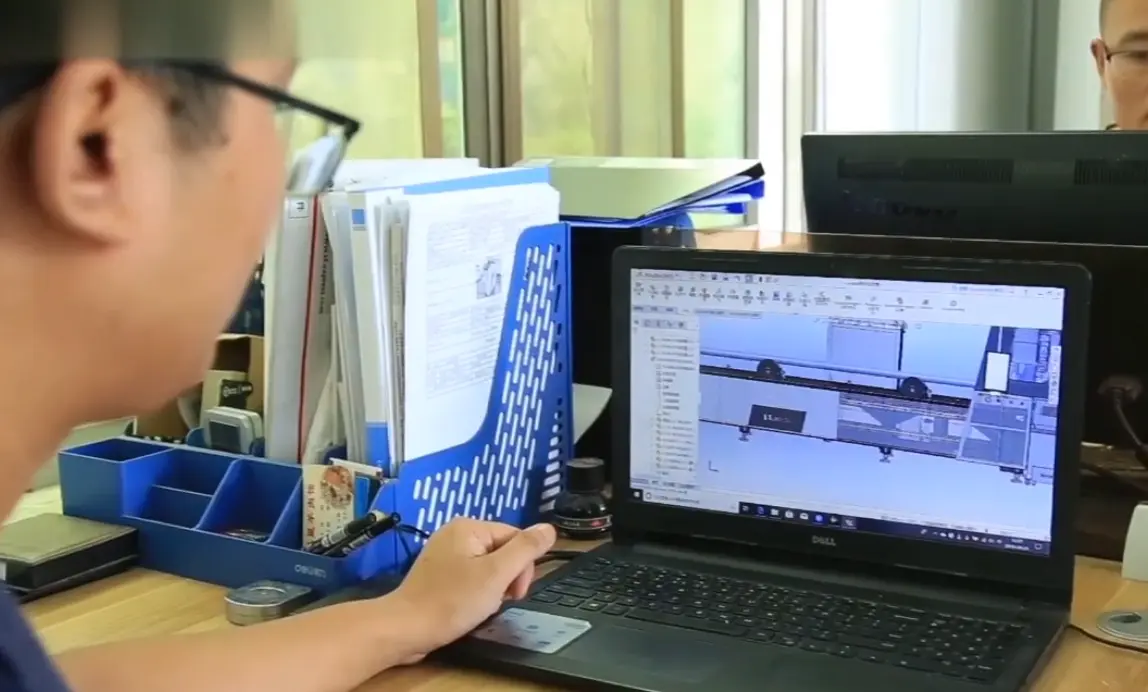
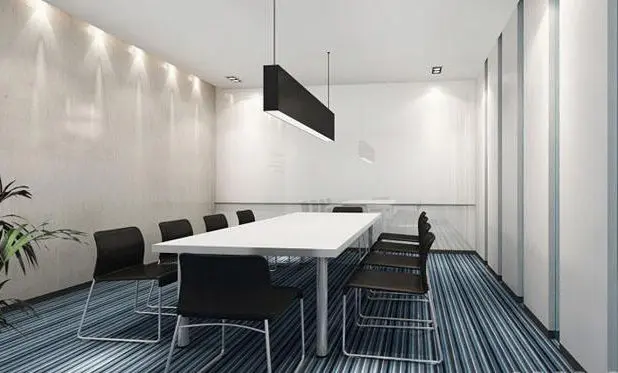
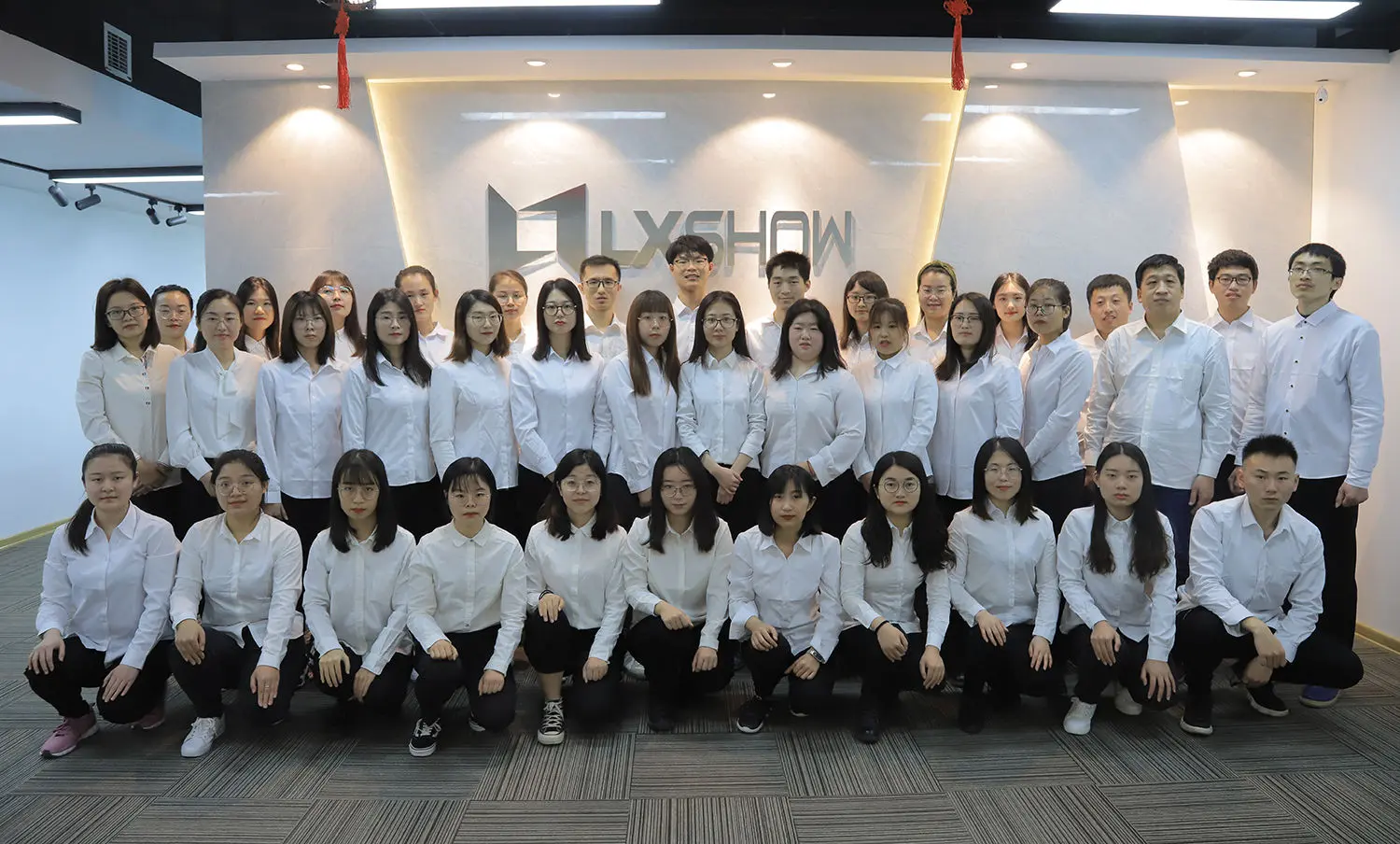
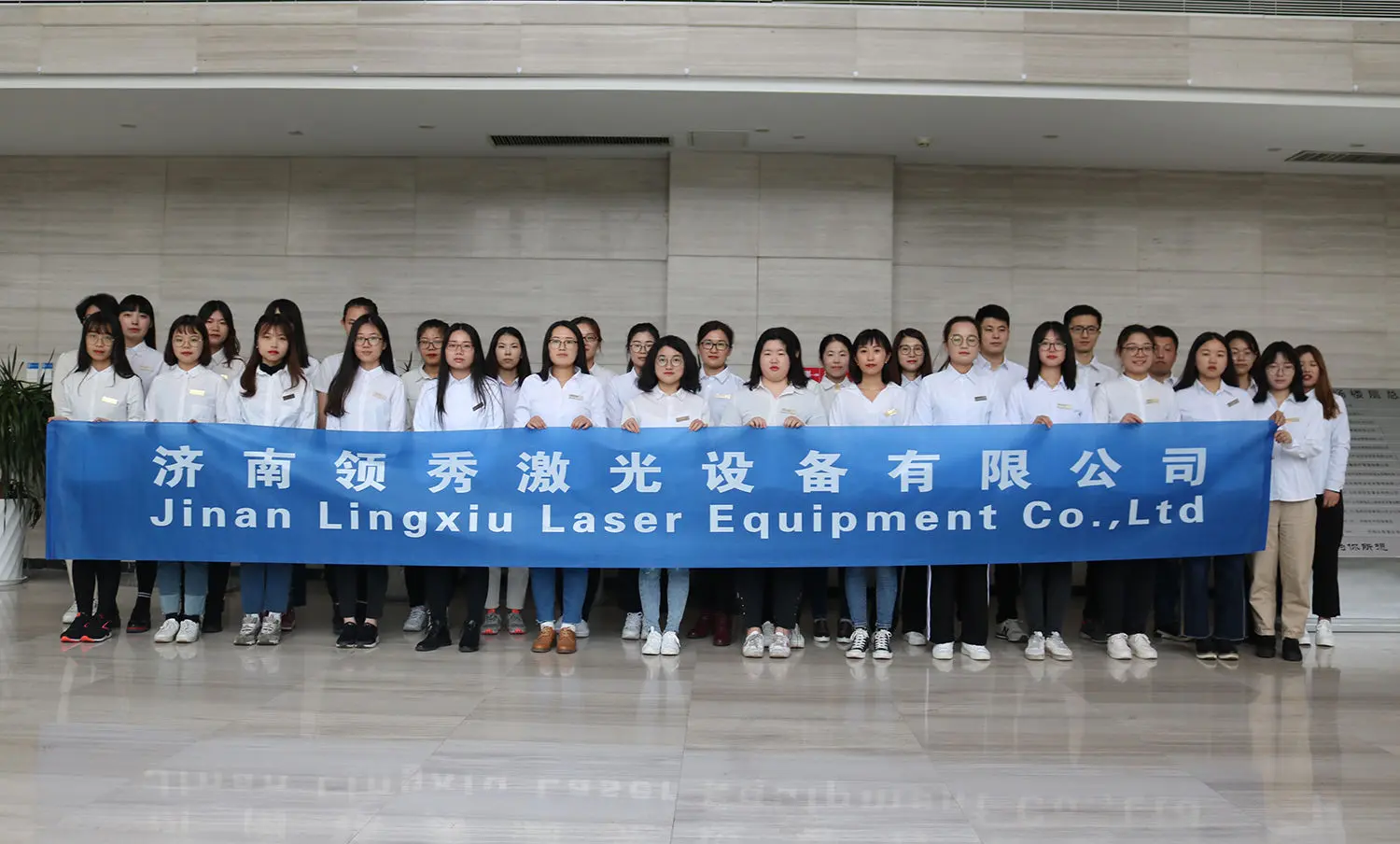
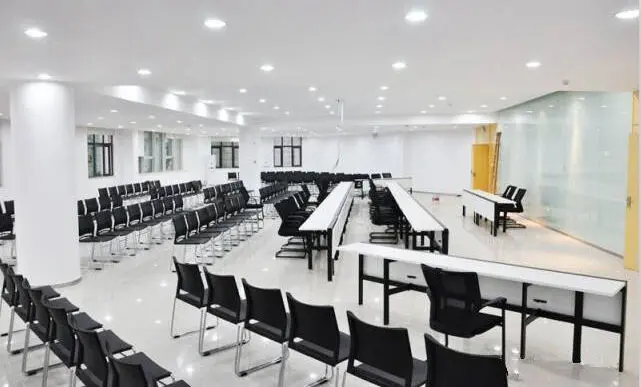
Take an inside look at our state-of-the-art facilities, engineering suites, and collaborative environments where global smart manufacturing equipment is developed.
When shipping high-powered equipment overseas, our duty extends far beyond simple transport logistics. We provide full localization support that covers safety certifications, engineering training, and regulatory alignments.
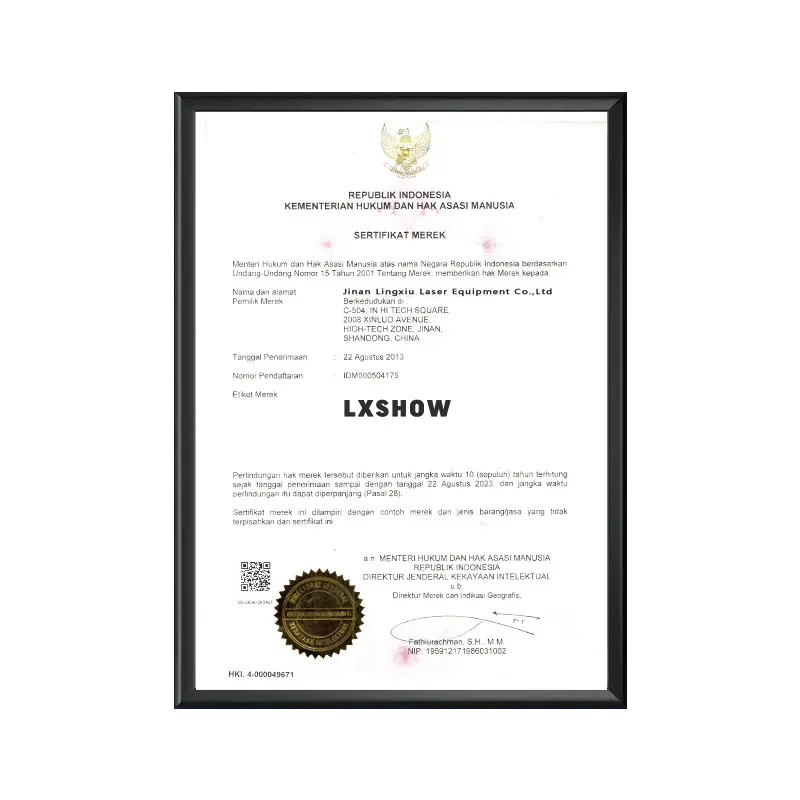
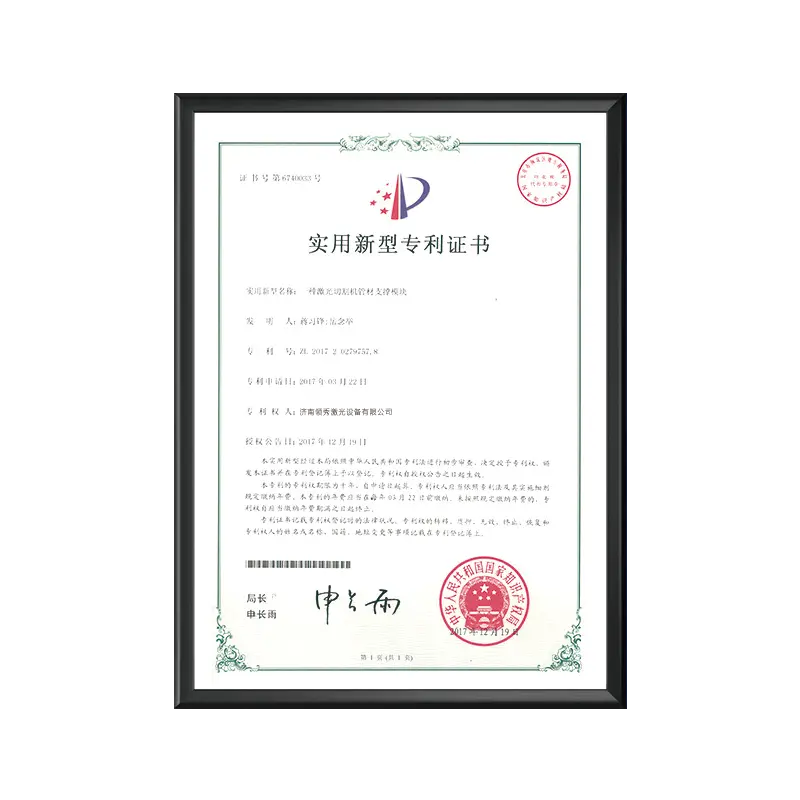
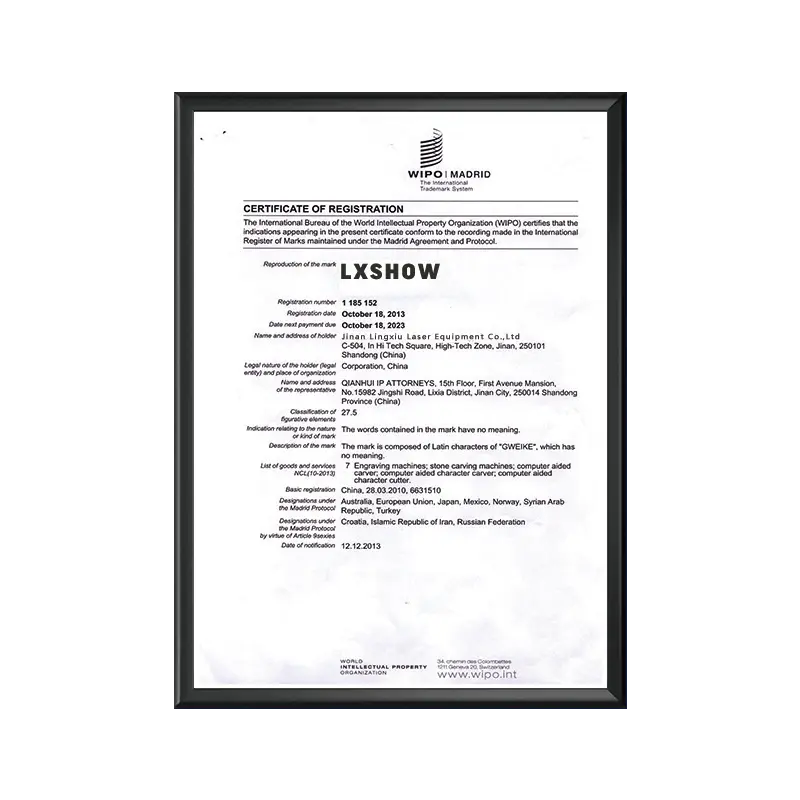
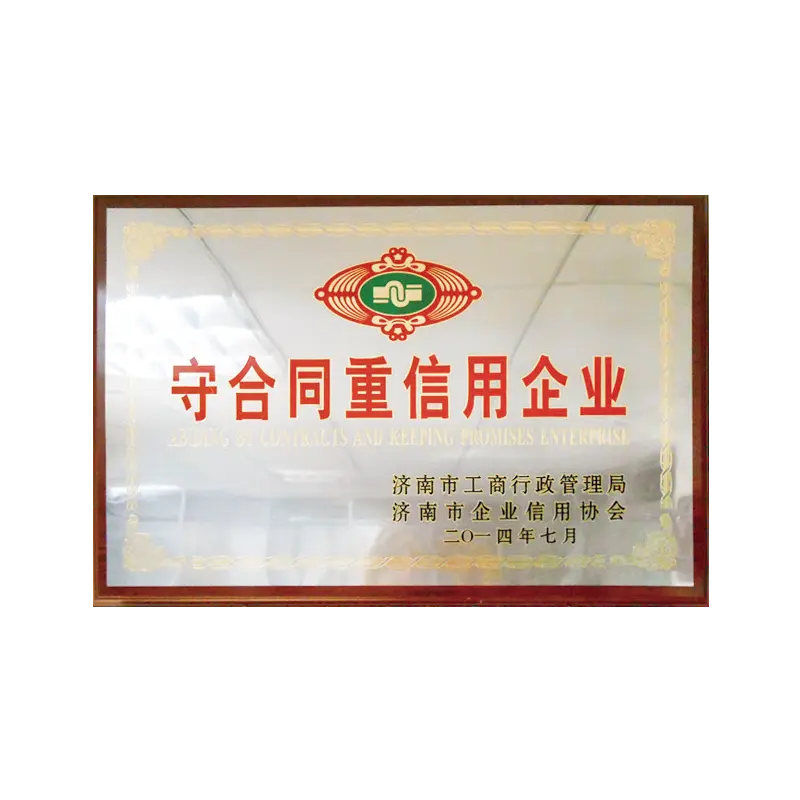
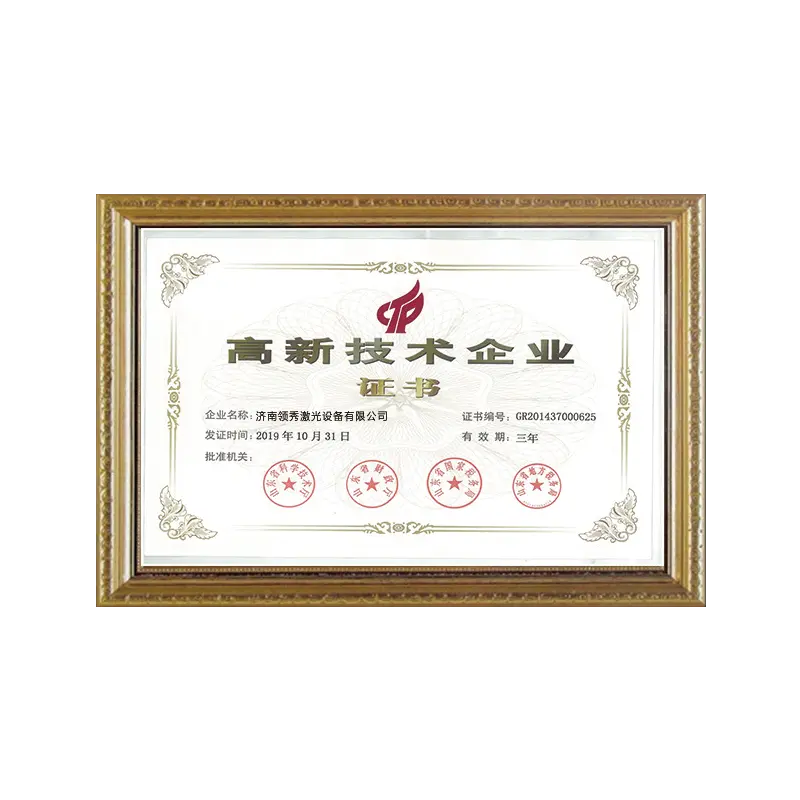
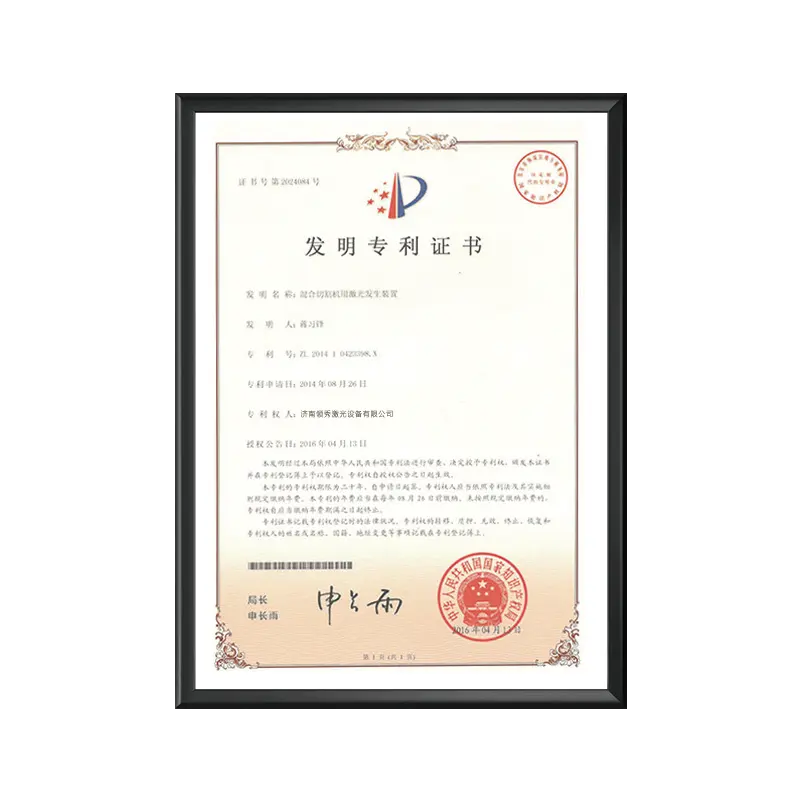
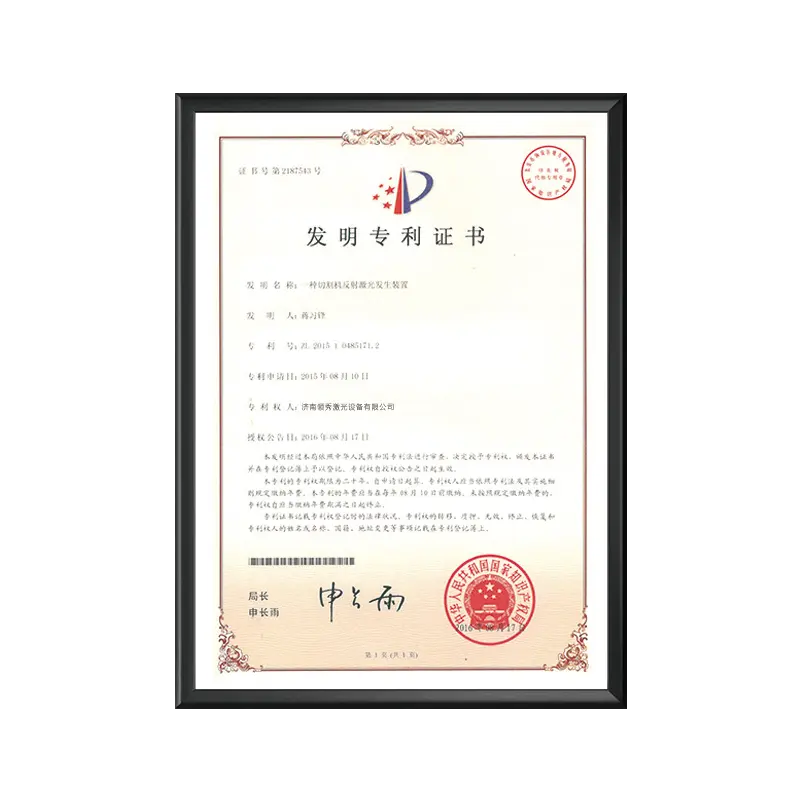
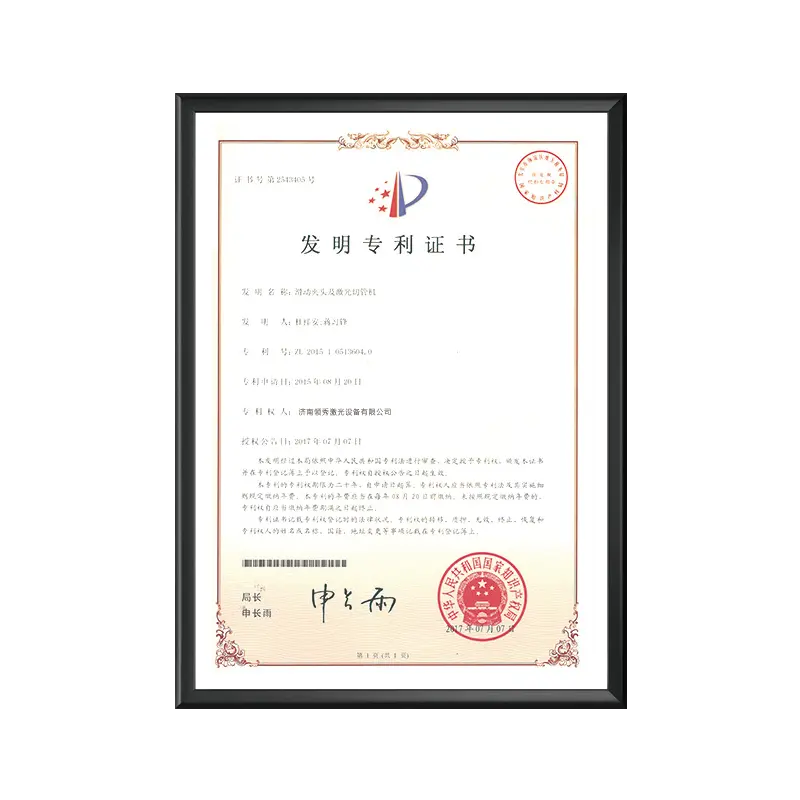
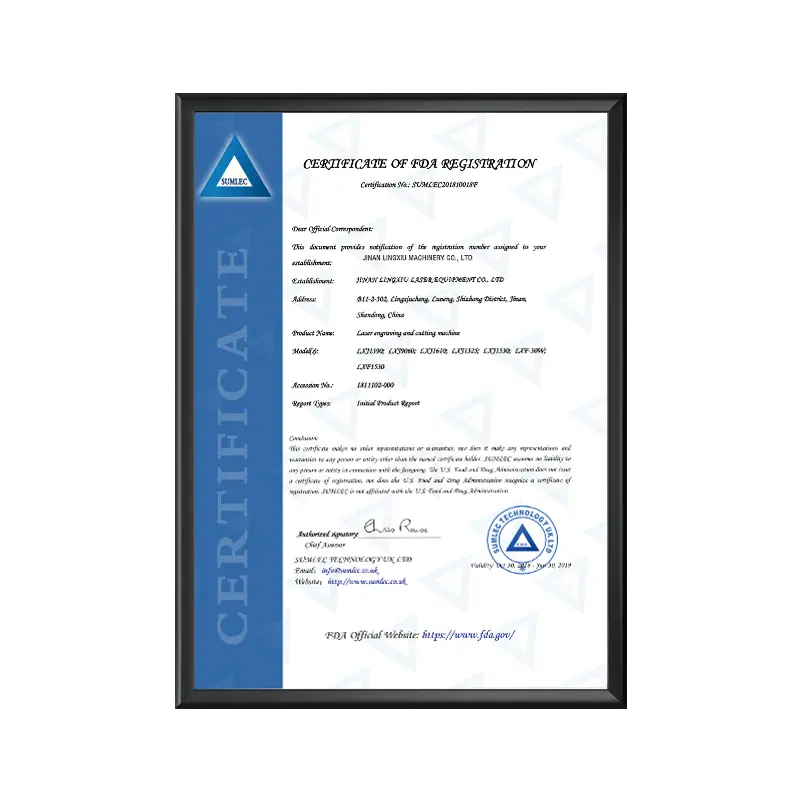
Our FDA Registration ensures that all laser machines comply with radiation safety standards required by the US Department of Health and Human Services (HHS). Likewise, our CE Machinery Directives verification guarantees electrical, mechanical, and safety controls meet strict European standards. Through these credentials, our customers enjoy lower insurance premiums, safe floor environments, and smooth customs processes.
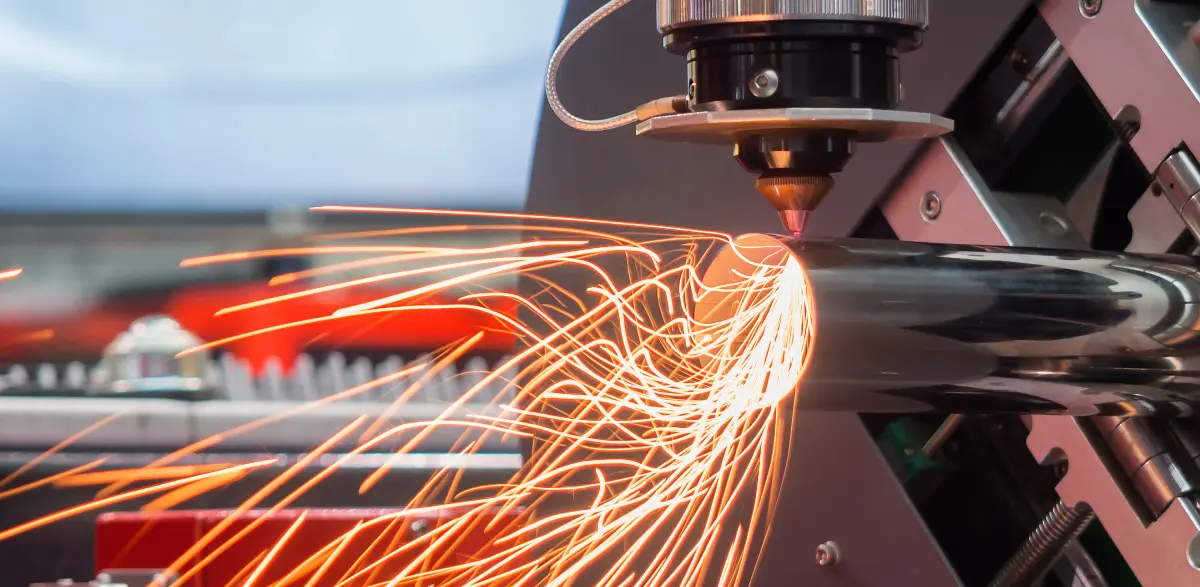
Different metals react differently to laser heat inputs. Our systems are engineered with specific cut parameter databases to optimize cutting speeds and reduce gas consumption across various metal profiles.
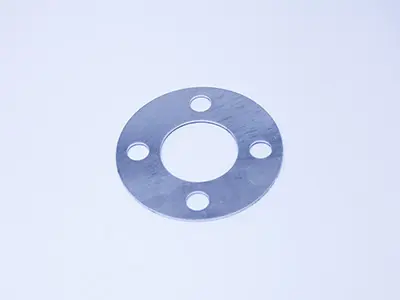
High-reflection protection stops beam back-reflection from damaging optics during continuous processing of soft non-ferrous sheets.
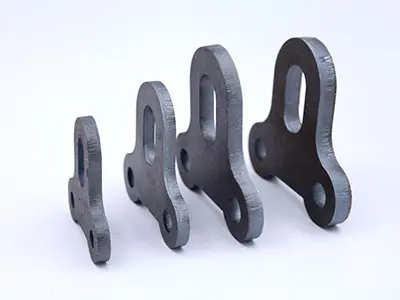
Oxygen-assist cutting achieves glass-like edges on thick low-carbon plate sections without excessive slag buildup.
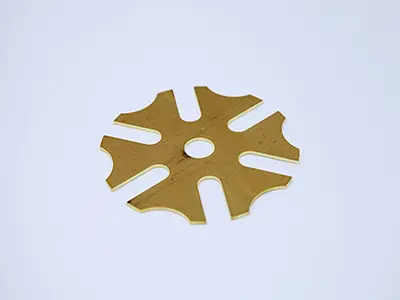
Dynamic beam profiling targets red brass and highly conductive alloys, ensuring excellent edge quality and zero micro-melting.
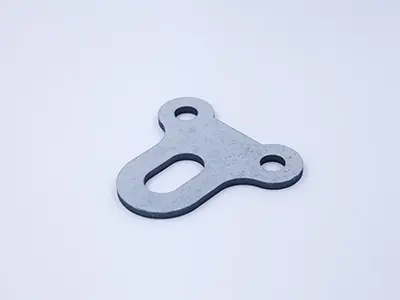
High cutting speed evaporates zinc coatings cleanly around the kerf, keeping the core material clean and protected against rust.
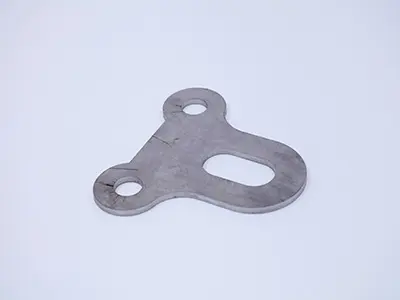
Nitrogen-assist cutting delivers bright, burr-free surfaces, eliminating post-cut cleaning for medical-grade equipment.
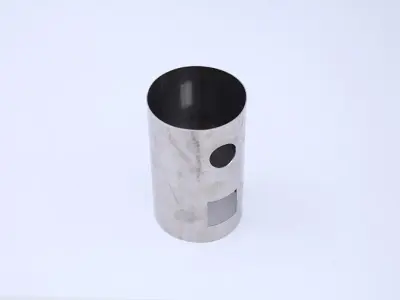
Rotating chuck configurations align hollow tubes, allowing clean intersections and holes in high-speed operations.
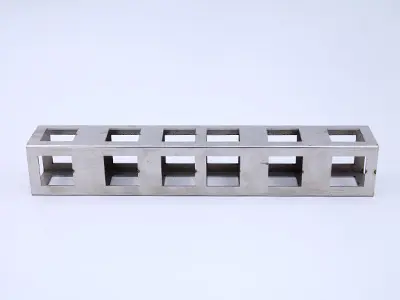
Real-time corner speed modulation prevents over-burning at tight geometry intersections, securing precise fits.
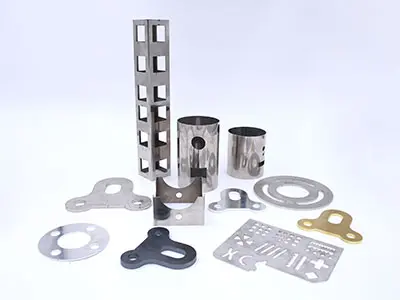
Adaptive control software handles tool steels, special alloys, and custom metal configurations with minimal setup.
Innovation is the core driver of our industrial leadership. Our development timeline looks far ahead. "Before 2040, we will be one of the most important companies in the global laser field." To make this vision a reality, our engineering team works on next-generation developments focused on three key areas:
Integrating edge processing chips directly into laser heads. These systems detect light emissions from the cut in real time, automatically adjusting focus, gas pressure, and speed to prevent failures and eliminate scrap metal.
Building closed-loop factory systems where lasers, bending systems, and cleaning units talk to each other. Material handlers automatically move finished cut parts directly into post-processing and surface-treatment stations.
Real-time status updates allow predictive maintenance on fiber sources and mechanical gantries. By diagnosing issues before they cause failure, we keep global processing lines running smoothly.
Our comprehensive lineup covers every aspect of metal sheet fabrication, post-cut deburring, industrial welding, and rust removal.
Get expert answers on configuration, safety, maintenance, and material processing from our technical team.
Assist gases affect edge quality, processing speed, and operating costs. Oxygen triggers an exothermic reaction, making it ideal for thick carbon steel, though it leaves a dark oxide layer. Nitrogen acts as a cooling shield, preventing oxidation to deliver clean, bright cuts in stainless steel and aluminum. Compressed air is a cost-effective alternative for thinner sheets, using high pressure to eject molten metal and speed up throughput.
A dual exchange table lets you load raw sheets and unload finished parts on one shuttle while the machine cuts on the other. This cuts loading downtime to under 15 seconds, keeping the laser running continuously and boosting daily productivity by up to 50% compared to single-table setups.
Cutting materials like copper, brass, and aluminum can send back-reflections into the laser source, potentially damaging optical components. To prevent this, our systems use isolators and back-reflection sensors that monitor returning light. If a dangerous reflection is detected, the system immediately cuts the beam to protect the optical cavity and preserve system life.
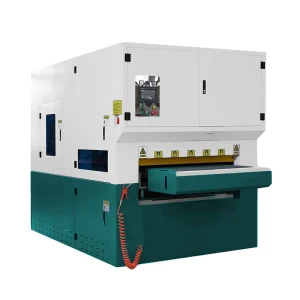
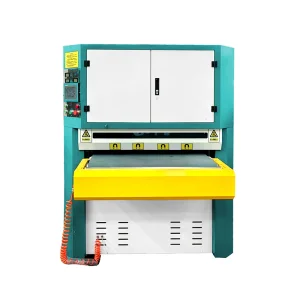
Even high-precision laser cuts can leave minor micro-burrs and sharp edges that affect downstream welding, painting, or assembly. Integrating double abrasive belt deburring units like the LX-RRS-M-450 guarantees uniform, rounded edge profiles. This step prevents coating wear and ensures compliance with strict quality standards for structural vehicle components.
Higher laser powers do more than just cut thicker metals; they significantly increase processing speeds on medium-thickness plates. A 20kW system cuts 10mm stainless steel up to four times faster than a 4kW system, while using less assist gas. This efficiency lowers the cost per part, making high-power lasers highly profitable for high-volume fabricators.
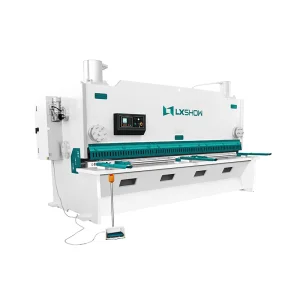
Beyond cutting, modern sheet metal production requires robust welding, cleaning, and bending systems. Our auxiliary equipment line integrates seamlessly with your main cutting systems.
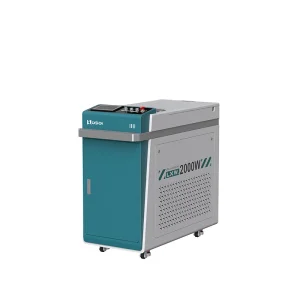
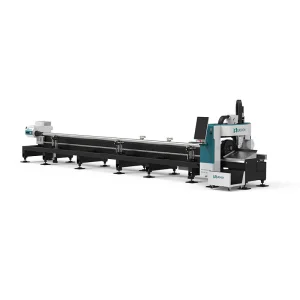
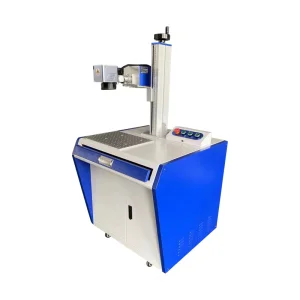
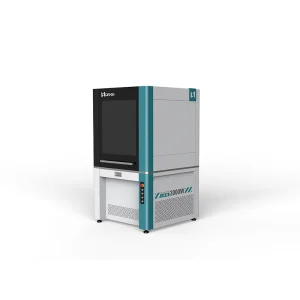
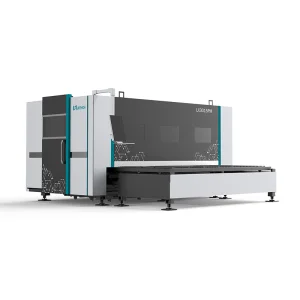
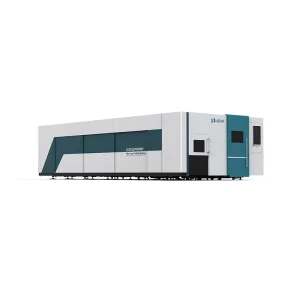
To assist system buyers, we have compiled our technical specifications below, mapping recommended laser powers to structural metal sheet thicknesses.
| Laser Source Power | Maximum Carbon Steel (Mild) Thickness | Maximum Stainless Steel Thickness | Maximum Aluminum Thickness | Assist Gas Options |
|---|---|---|---|---|
| 1,500 Watts (1.5 kW) | 12 mm | 5 mm | 4 mm | O₂ / N₂ / Compressed Air |
| 3,000 Watts (3.0 kW) | 20 mm | 10 mm | 8 mm | O₂ / N₂ / Compressed Air |
| 6,000 Watts (6.0 kW) | 25 mm | 16 mm | 16 mm | O₂ / N₂ / Compressed Air |
| 12,000 Watts (12 kW) | 40 mm | 40 mm | 30 mm | O₂ / N₂ / High-Pressure Air |
| 20,000 - 30,000 Watts (20-30 kW) | 60+ mm | 50+ mm | 50 mm | Custom Gas Mixing Controllers |
Note: The cut speeds and thicknesses listed depend on optimal optical calibration, proper nozzle selection, stable auxiliary gas pressure, and high-quality raw materials.
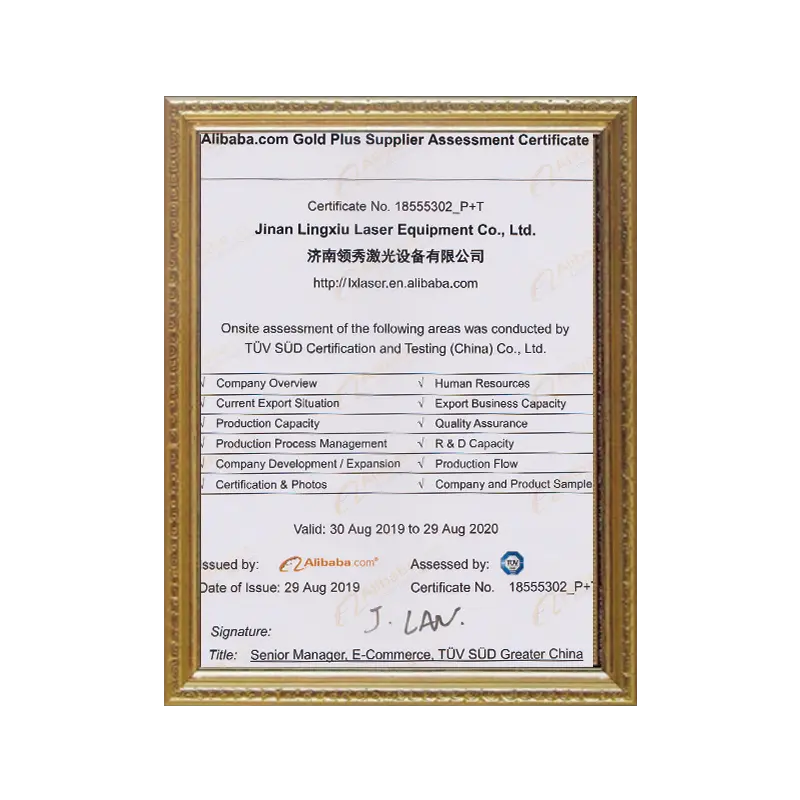
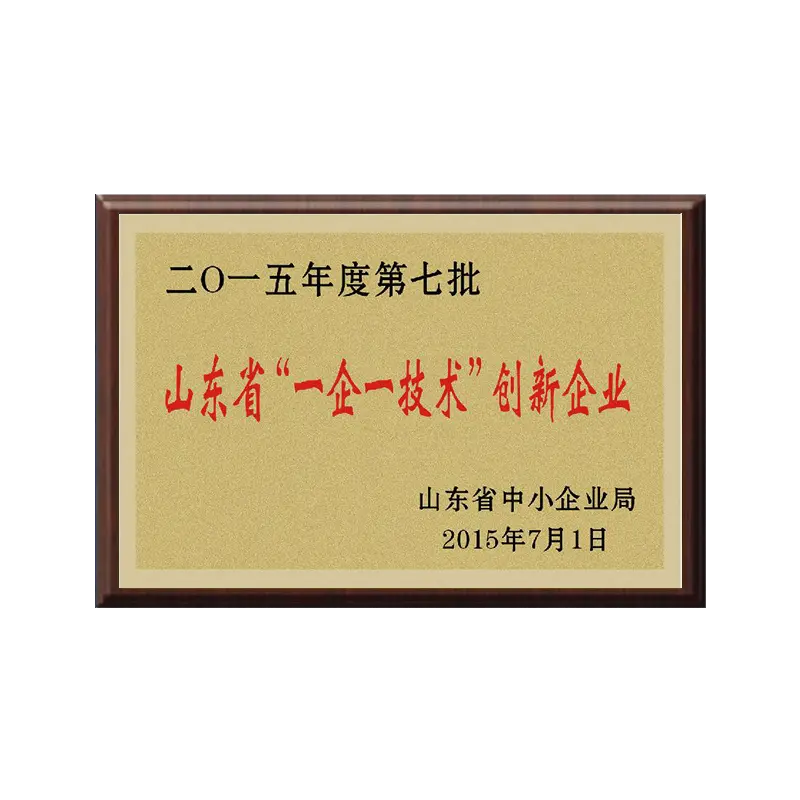
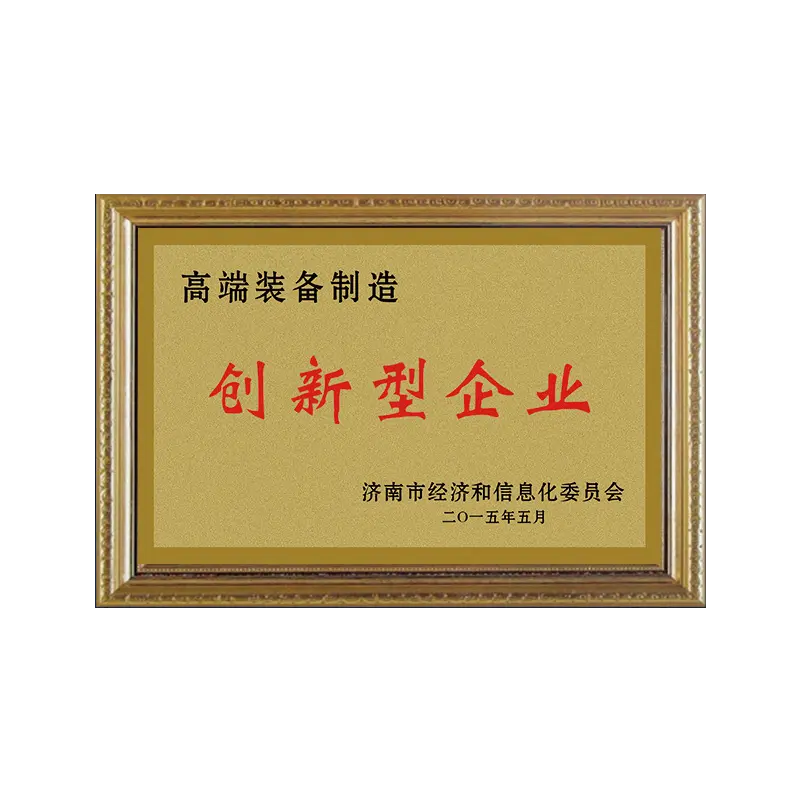
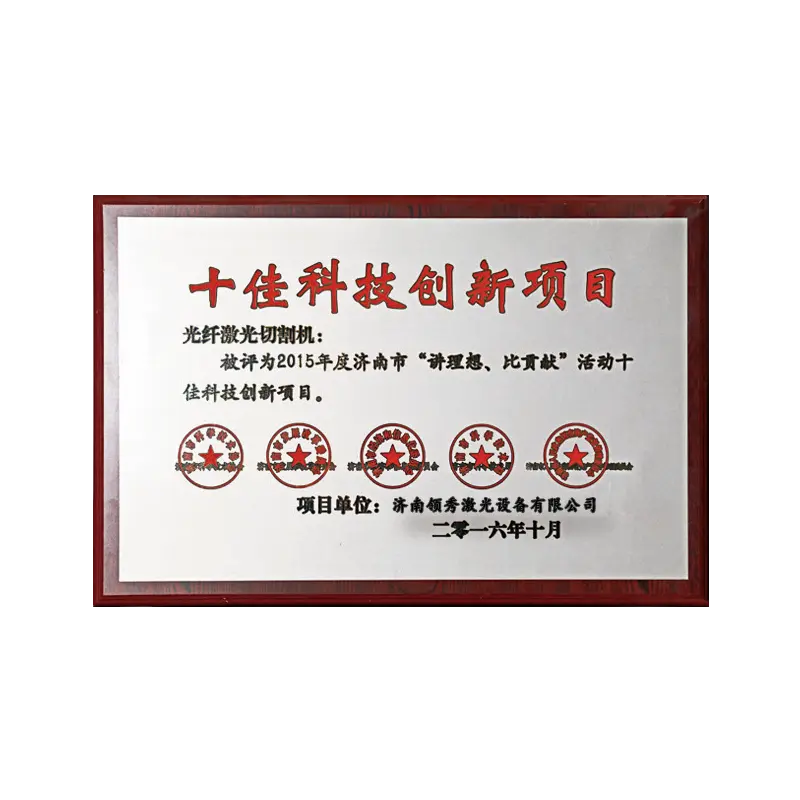
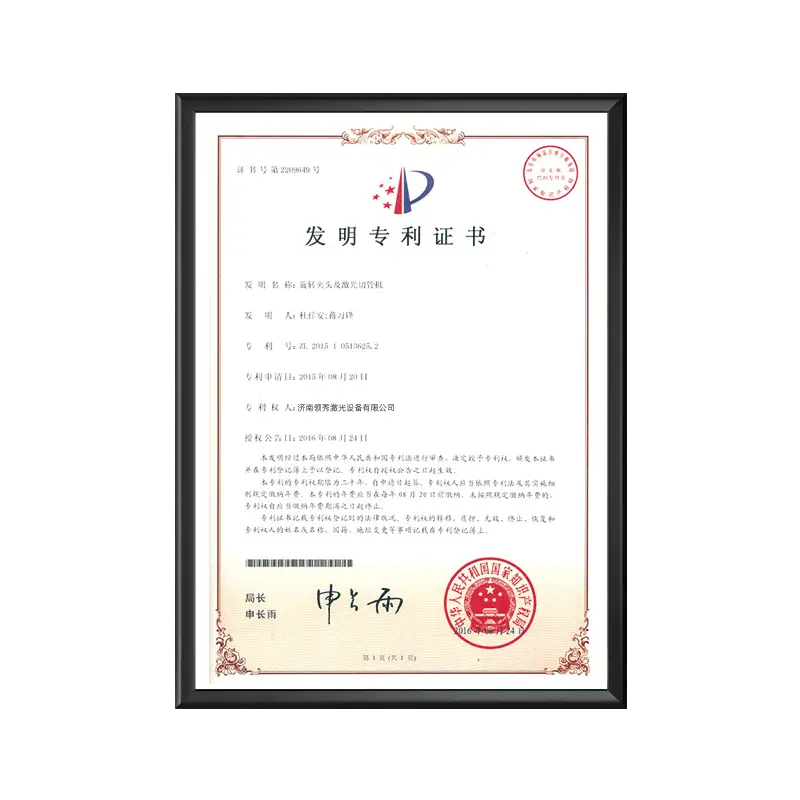
Each year, thousands of machines leave our facilities to support manufacturing lines worldwide. Our products are backed by high-quality components and globally recognized engineering practices.
Our specialized catalogs cover key production steps, from surface cladding to precision folding.
Enables stable, long-term cladding and wear-resistant layers on thick base metal parts.
Non-contact cleaning systems remove rust, oxides, paint, and residue without damaging base materials.
Precision sheet bending solutions featuring electro-hydraulic servo drives for consistent angle control.
 Lxshow