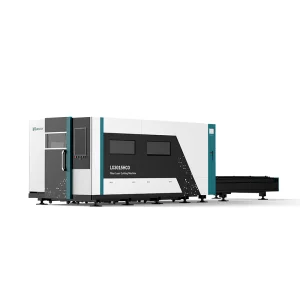
Brass is a highly valued copper-zinc alloy known for its superior electrical conductivity, resistance to corrosion, and aesthetic appeal. However, processing it with traditional laser cutters poses significant manufacturing challenges due to its highly reflective nature and high thermal conductivity. Standard CO2 lasers struggle with brass, as a significant portion of the infrared radiation is reflected, which can cause devastating damage back into the laser resonator.
As a leading brass cutting machine manufacturer, our modern industrial systems leverage specialized fiber laser wavelengths (~1.07 µm). At this wavelength, brass absorbs laser energy much more efficiently compared to older CO2 technology (~10.6 µm). This allows for deep penetration, minimal heat-affected zones (HAZ), and clean, burr-free edge quality.
To counter back-reflection, our machines are built with advanced back-reflection isolation modules that safely shunt stray light away from critical components, enabling uninterrupted long-term production.
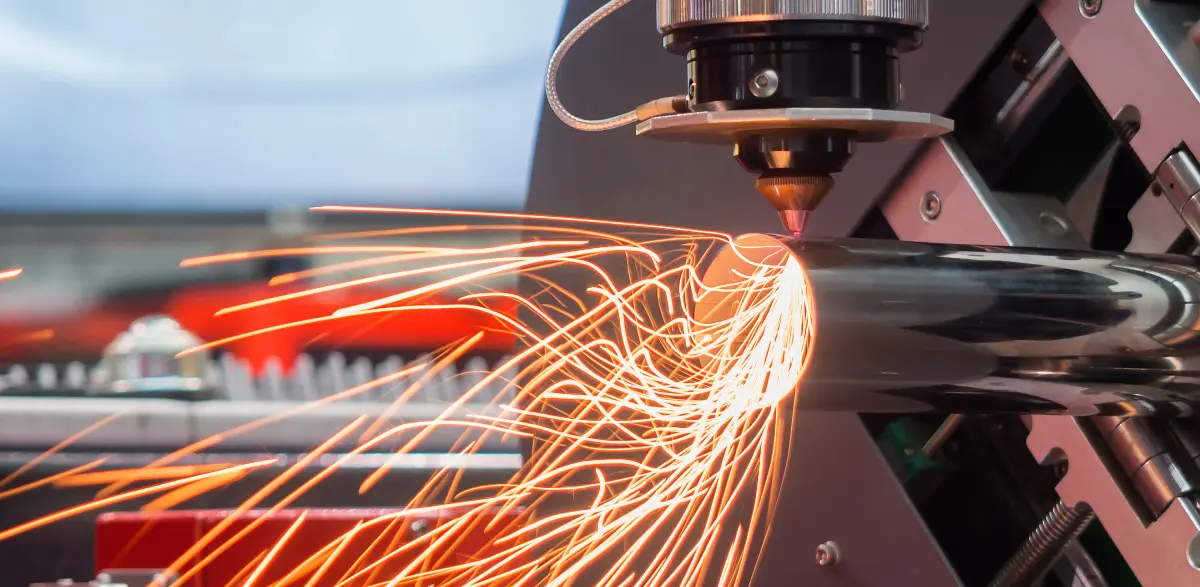
Moving from traditional 2kW systems towards 12kW and 30kW fiber systems. Higher wattage directly increases processing speed on thick copper and brass sheets while drastically reducing the risk of zinc vaporization defects.
Real-time optical sensors detect early signs of back-reflected laser beams within milliseconds. The CNC controller immediately adjusts beam modulation to prevent damage to optical fiber cables and diodes.
Autonomous adjustment of cutting heights and auxiliary gas pressure (Nitrogen vs. Oxygen) based on sheet composition. Keeps slag accumulation to virtually zero, mitigating manual post-processing steps.
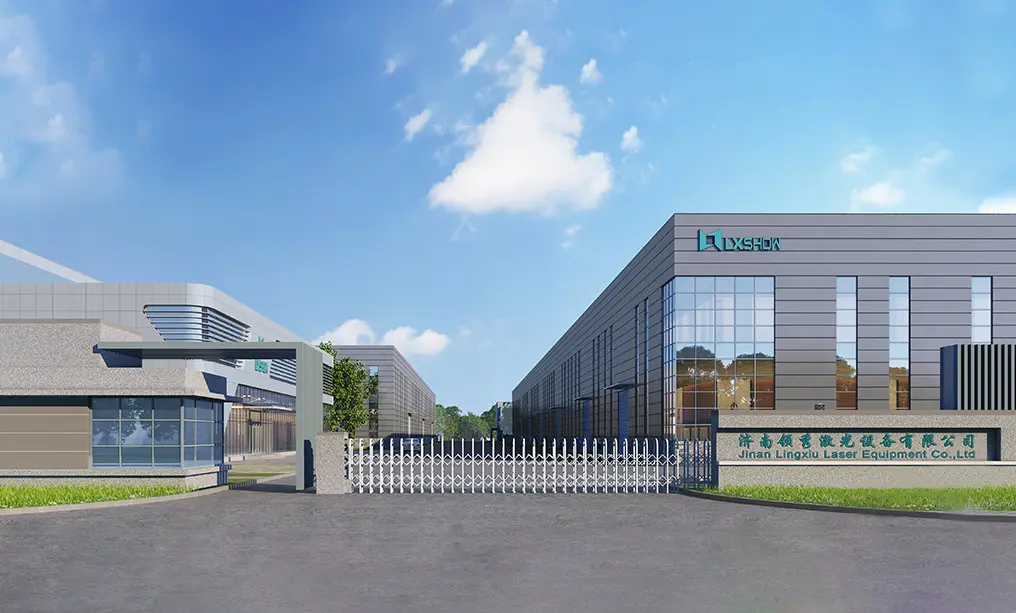
Established in 2004, our production plant operates across 32,000 square meters of highly automated manufacturing space, utilizing advanced CNC machining centers to fabricate structurally sound machine beds. Our machine frames undergo rigorous stress-relieving thermal treatments to ensure thermal stability and long-term geometric precision, even during high-velocity accelerations.
By consolidating localized supply chains in Jinan, China, we minimize logistical overheads. This vertical integration allows us to procure premium mechanical components—such as YY/APEX racks and pinions, Shimpo reducers, and Raytools cutting heads—at competitive volume pricing. We pass these cost efficiencies directly to our global customers, offering institutional reliability without the inflated premiums of traditional Western machinery brands.
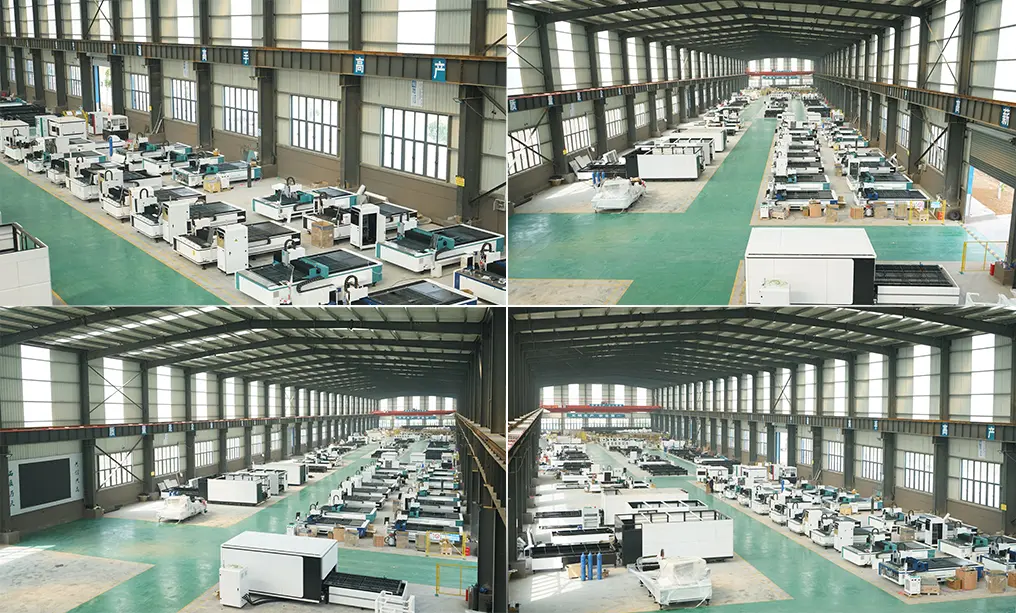
High-performance laser cutting systems are essential in the modern metalworking ecosystem. The requirements differ fundamentally across industries: automotive lines need high speeds and minimal thermal deformation; power grids need clean cuts in copper busbars; consumer electronics demand micro-precision without surface burrs.
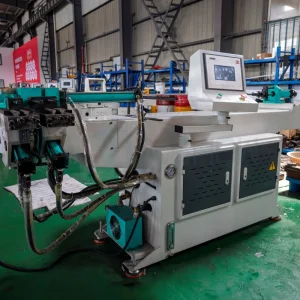
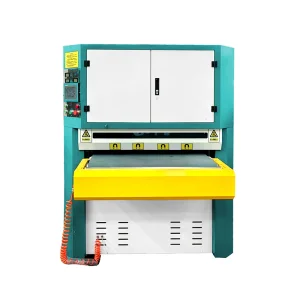
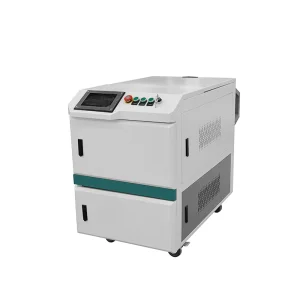
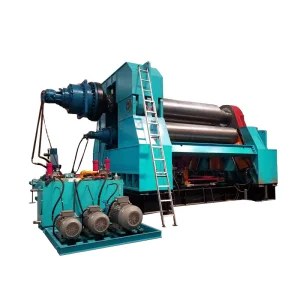
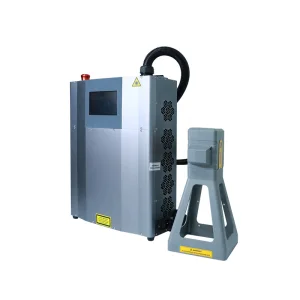
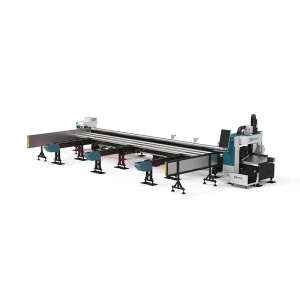
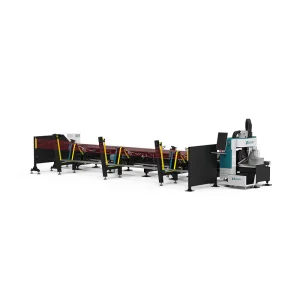
Our machinery addresses these multi-industry needs by handling sheet metals, complex tubes, and structural steel. Beyond fiber laser cutting, our production lines support secondary operations, such as laser cleaning for surface oxides and high-speed CNC bending to form final parts.
 Aluminum
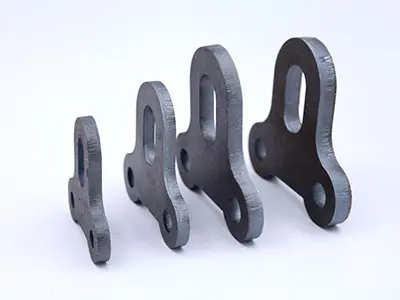 Carbon Steel
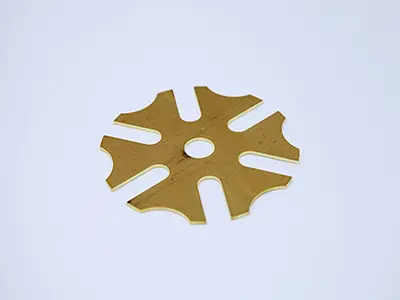 Copper & Brass
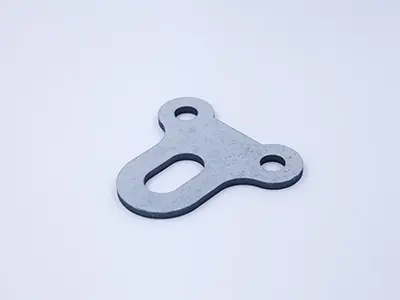 Galvanized Steel
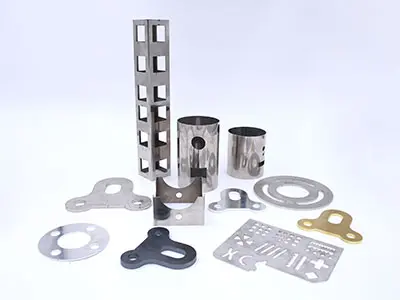 Other Metal Alloys
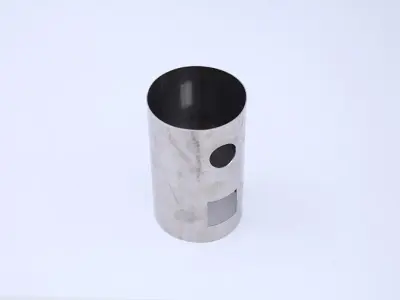 Round Tube Profile
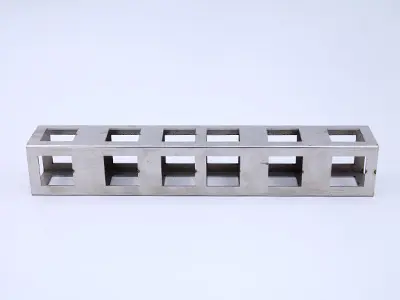 Square Tube Profile
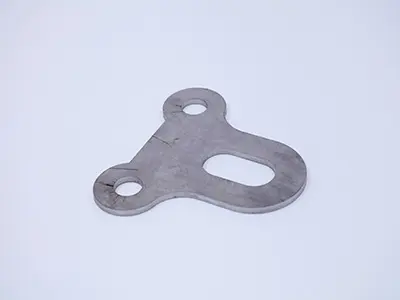 Stainless Steel
Analyze beyond the initial machine purchase. Factor in energy consumption, gas volume configuration, cutting speeds, and diode lifetimes (often exceeding 100,000 operating hours). Our energy-saving software controls optimize auxiliary gas flow, reducing operating expenditures by up to 25% compared to legacy systems.
For high-volume manufacturing environments, machines must run continuously. Heavy-duty carbon structural steel bed frames prevent physical twisting under extreme thermal stress, maintaining mechanical positioning accuracy of ±0.02mm over a decade of continuous operational shifts.
Ensure the CNC control systems interface with standardized CAD/CAM software (such as CypCut, CypTube, or Lantek). Intuitive nesting programs reduce scrap rates by optimizing layouts, saving valuable raw materials like brass, copper, and stainless steel.
Navigating international safety directives is vital for manufacturing line deployment. All of our laser cutting, welding, and cleaning machines strictly adhere to global regulatory standards:
We stand by our clients long after commission. We provide comprehensive operational training, 24/7 remote diagnostics, and on-site field engineering support across our global partner networks. This ensures minimal downtime during critical production cycles.
Highly reflective alloys can bounce back laser radiation. Our fiber lasers utilize multi-stage optical isolators that absorb back-reflections, protecting the diode structure and ensuring normal operational lifetimes exceeding 100,000 hours.
Nitrogen is preferred for clean-cut edges. High-pressure Nitrogen (usually 12 to 18 bar) blows out the molten metal fast enough to prevent zinc oxidation, preserving the native color of the cut face. Oxygen can be used for thicker sections, but it will leave a slight oxide layer.
Alloys with higher lead content (like C36000 free-cutting brass) melt more uniformly, allowing for slightly faster feed speeds. High-purity yellow brass (C26000) is more reflective and conductive, requiring slower speed profiles or higher laser power to maintain a stable cut.
Because fiber lasers accelerate rapidly, any vibrations can cause cutting artifacts or micro-cracks on the brass edge. Our heavy-duty, stress-relieved welded frames provide structural stability, preventing vibrations and keeping cutting accuracy consistent.
Vaporized zinc creates particulate fumes that are harmful if inhaled. Our machinery features high-volume segmented dust extraction pathways and particulate air filtration units to remove air contaminants from the workspace.
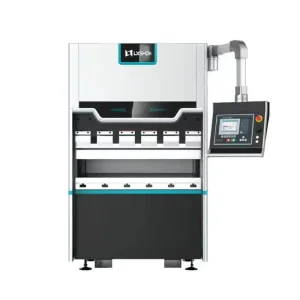
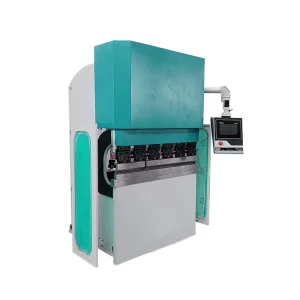
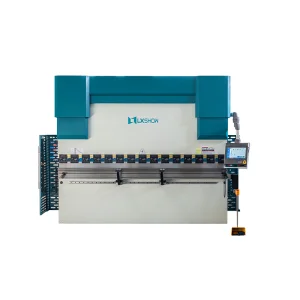
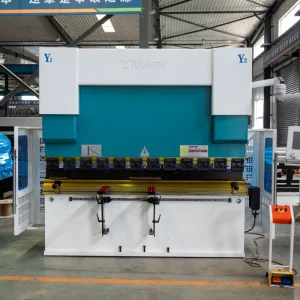
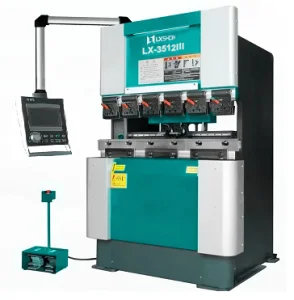
Advanced electro-hydraulic servo sheet metal press brakes designed for forming brass plates, copper bars, and steel brackets with high repeat positioning accuracy.
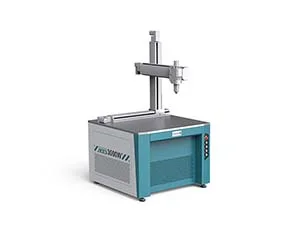
Equipment configurations built for surface hardening, layer deposition, and high-strength seam joining on alloy tubes and structural parts.
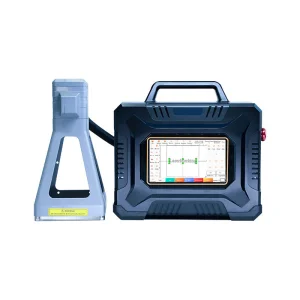
Eco-friendly laser cleaning systems that remove grease, oxide layers, and paint coatings from metals without requiring chemical solvents.
 Lxshow