18 Years of Industrial Leadership in Laser Smart Equipment
Helping the global metal fabrication sector transition into Smart Manufacturing and Industry 4.0 automation systems.
18+
Years Dedicated R&D Experience
32,000㎡
Modern Production Base
150+
Exporting Countries & Regions
20,000+
Active Industrial Users Worldwide
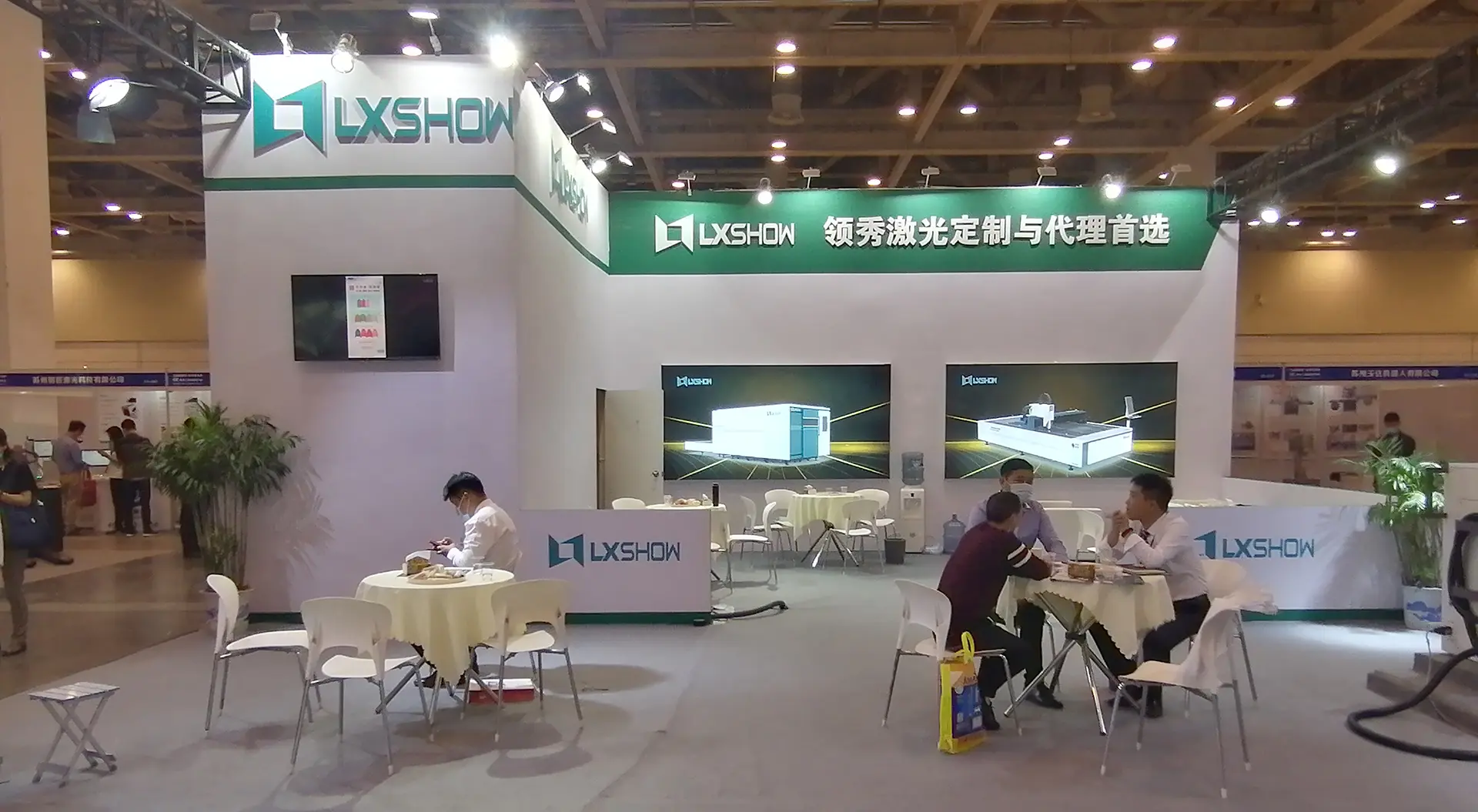
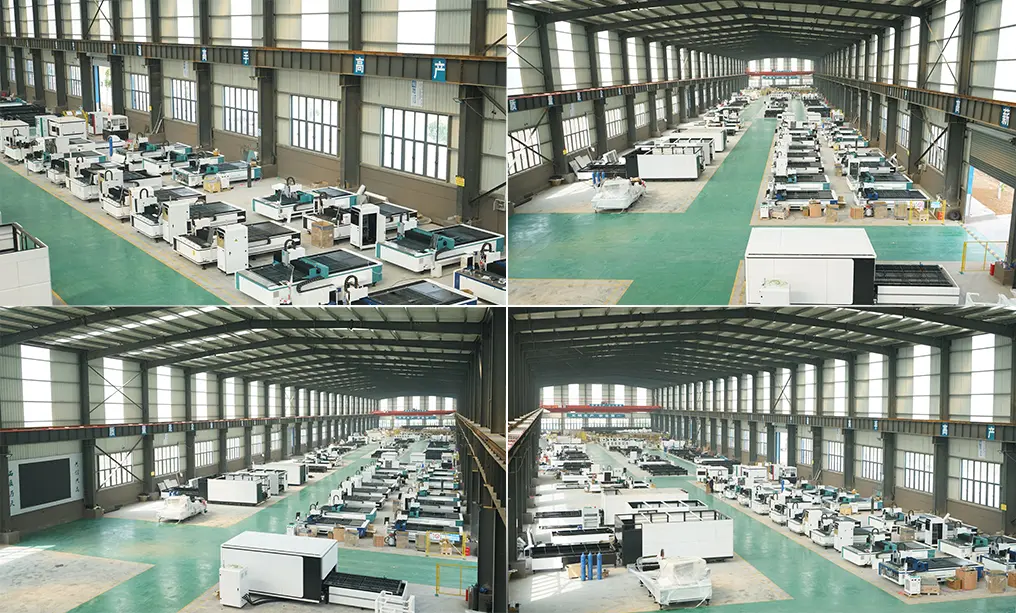
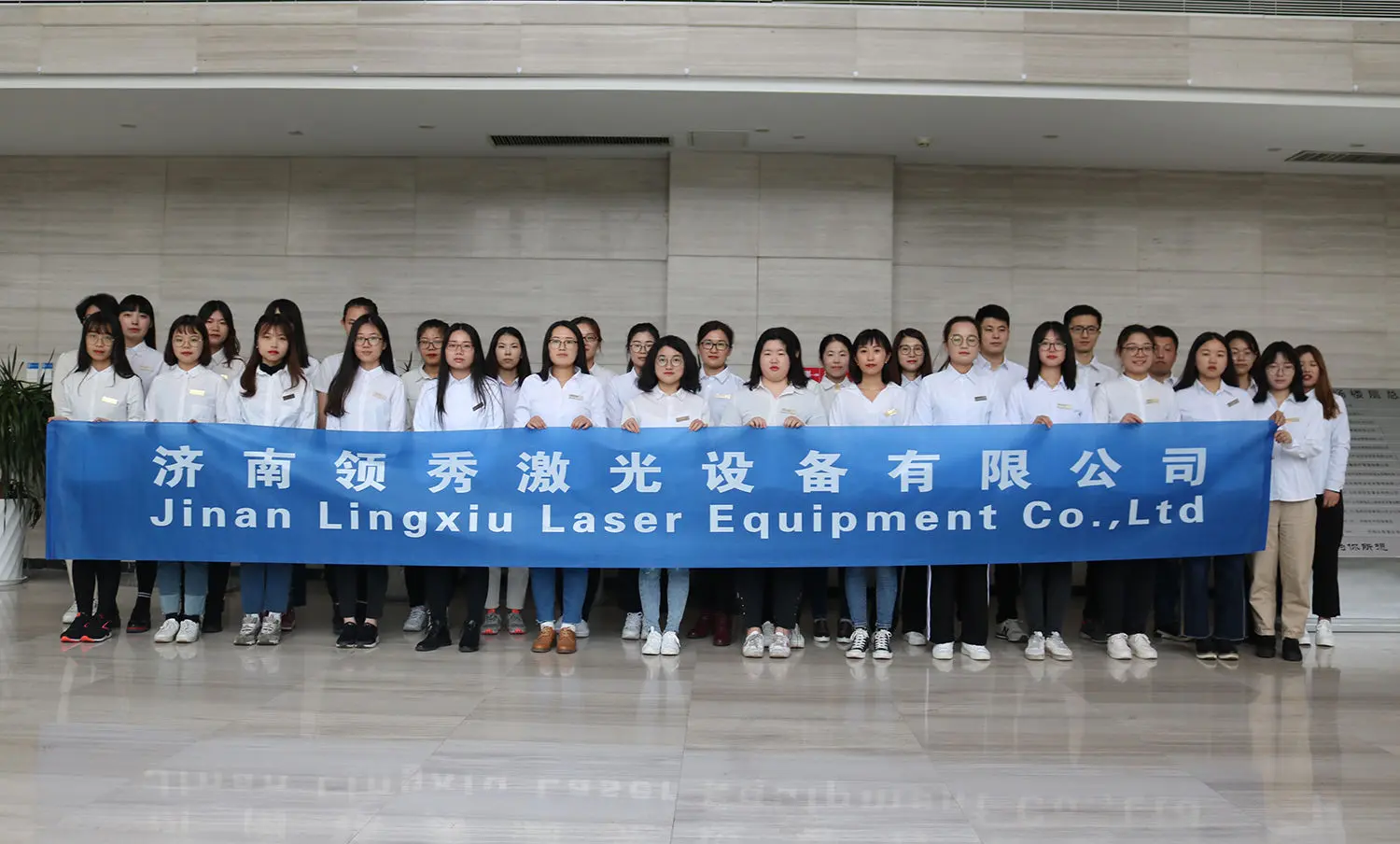
Established in July 2004, our factory is a leading international developer of industrial laser machines. We have grown to occupy over 500 square meters of specialized research and office facilities alongside a 32,000 square meter ISO 9001 certified manufacturing plant.
All of our machinery is manufactured under rigorous quality systems and has passed the European Union CE authentication, American FDA certification, and is fully certified to ISO 9001 standards. We provide comprehensive OEM service for over 30 global industrial brands, supporting businesses in driving cost efficiency.
The Evolution and Technological Trends of Mild Steel (MS) Laser Cutting
Mild Steel (often abbreviated as MS or carbon steel) has long been the bedrock of heavy engineering, structural fabrication, structural columns, automotive manufacturing, and general machinery frames. Historically, cutting mild steel required conventional methods such as oxy-fuel flame cutting, plasma arc cutting, or mechanical shearing. While these methods were sufficient for raw shape production, they fell short when high precision, narrow kerf widths, and clean edge quality were required.
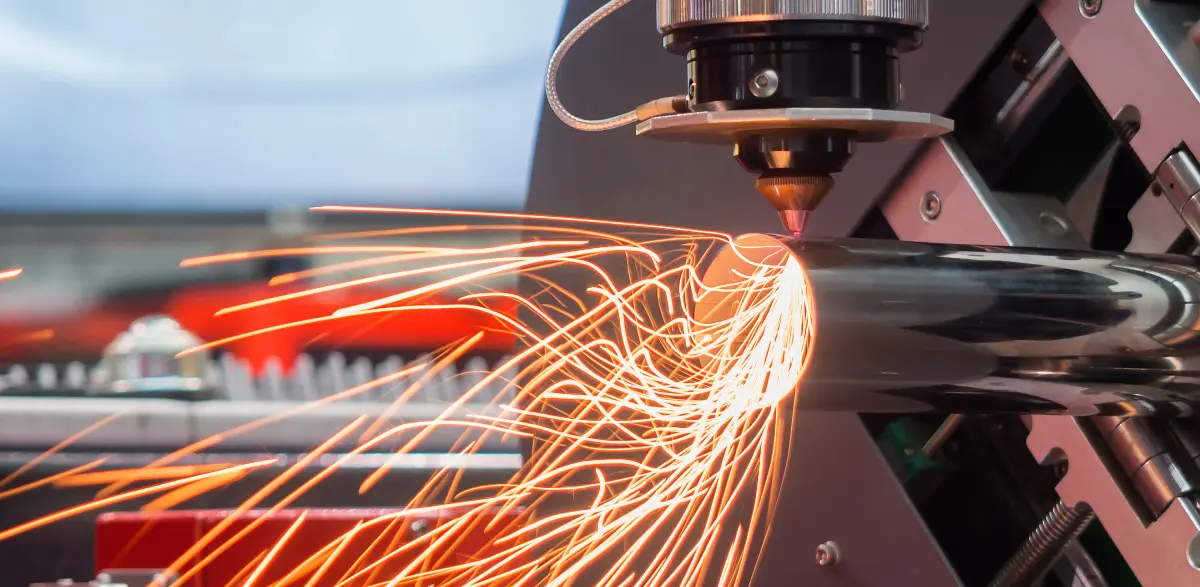
The introduction of Fiber Laser Technology transformed MS fabrication. Operating at a wavelength of approximately 1.06 micrometers, fiber laser beams feature higher energy density and absorption coefficients on carbon steel compared to legacy CO2 lasers. The technology has evolved along key trajectories:
Ultra-High Power Scales: Power capacities have scaled from early 1kW configurations to ultra-high-power outputs exceeding 30kW. Higher power yields single-pass cutting of thick plates up to 50mm while sustaining optimal feed rates.
Autofocus Intellicuts: Modern cutting heads employ closed-loop capacitive sensors that dynamically adjust focus according to real-time material height fluctuations, preventing head collisions and optimizing cut consistency.
Intelligent Gas Assistance Systems: Dynamic switching between oxygen ($O_2$) assist gas for exothermic heavy-plate processing, and nitrogen ($N_2$) or high-pressure dry air for high-speed, oxide-free edge profiles.
Technical Selection Guide & Key Parameters for Sourcing Managers
Sourcing a professional MS laser cutting machine involves reviewing detailed technical specifications rather than focusing solely on nominal machine costs. Buyers must verify the structural engineering, driving configurations, and control interfaces of the factory's output. The matrix below details the primary industrial benchmarks:
Technical Component
Standard Specification
Premium/Industrial Spec
Direct Operational Benefit
Laser Source
1kW - 3kW Raycus/Maxphotonics
6kW - 30kW IPG/Raycus Premium
Faster cutting speeds on thick MS, high beam parameter product (BPP) stability.
Gantry structure
Cast Aluminum Gantry
Aerospace-grade Segmented Aluminum Gantry
Minimal inertia, high-acceleration tracking dynamics without structural distortion.
Machine Bed Frame
Steel Tube Welded Bed
Mortise-and-Tenon Plate Welded Heavy-Duty Bed
Eliminates structural fatigue; thermal annealing at 600°C ensures bed stability for 20+ years.
Drive Mechanism
Standard Rack & Pinion
YYC Helical Rack & Pinion + Shimpo Reducer
Sub-micron positioning accuracy (±0.02mm) and long-term durability.
CNC Software
Basic CypCut System
CypCut FSCUT 4000/8000 series with EtherCAT
Support for dynamic nesting, real-time edge-seeking, and loop-cutting configurations.
1. Power Scaling
Higher power lasers yield faster feed rates on medium thicknesses, reducing the heat-affected zone (HAZ) and thermal deformation on thin sheet metals.
2. Bed Rigidity
A heavy plate welded bed absorbs vibrational forces generated during high-speed directional changes, maintaining cutting accuracy over time.
3. Smart Software
Nesting algorithms reduce raw scrap rates by arranging component layouts efficiently, helping to lower per-unit material costs.
Global Sourcing Context and Procurement Requirements
Procuring from famous Chinese MS laser cutting machine factories offers key advantages: access to vertically integrated manufacturing ecosystems, fast technical innovation cycles, and cost-effective production capacity. However, sourcing teams must navigate specific requirements:
Compliance and Certification: Ensure the factory provides verified documentation matching local electrical and environmental regulations. Machines must feature authenticated CE marking for the EU, FDA compliance for the US, and UL-listed electrical panels where required.
Localized Technical Support: The initial purchase price is only one component of the Total Cost of Ownership (TCO). Buyers should select manufacturers with established international support networks, remote online diagnostics, and local partner service centers to minimize downtime.
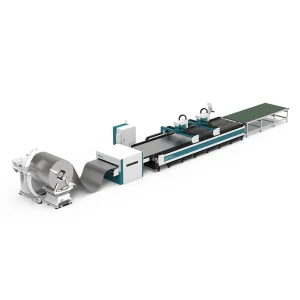
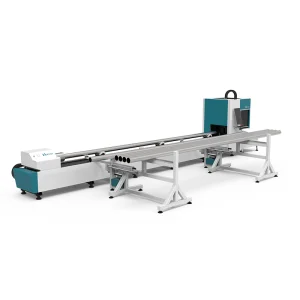
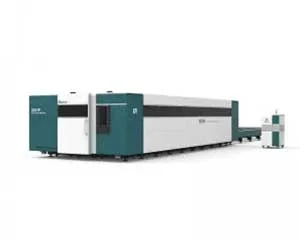
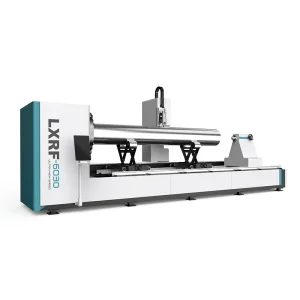
OEM and Customization Options: Manufacturers should support custom configurations, such as modifying table sizes, integrating automated loading/unloading systems, or including specialized tooling like unwinding lines (e.g., LX6015FLD) and tube modules (e.g., LX62TA).
Streamlined Production Integration
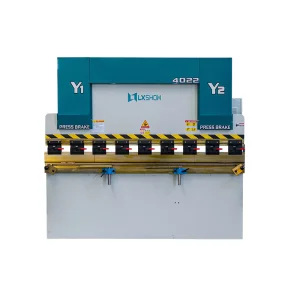
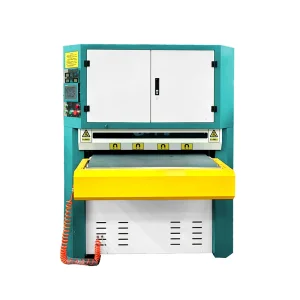
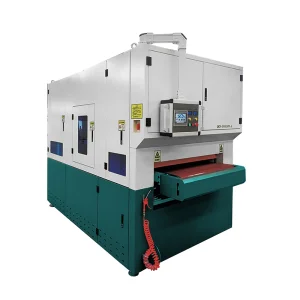
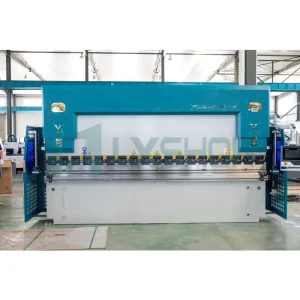
Integrating a laser cutting system into a wider sheet metal workflow requires coordinating multiple processes. Once the laser completes the high-precision profiling on mild steel or aluminum, parts generally proceed to secondary operations. These steps include laser cleaning for scale removal, bending (utilizing CNC press brakes like the WE67K series), and edge finishing via deburring systems (such as the LX-RR-M-1000).
By consolidating cutting, bending, and finishing systems under a single factory workflow design, manufacturers can optimize production efficiency, reduce labor overhead, and minimize downstream bottlenecking.
Macro Industry Application Solutions
High-performance laser machinery is deployed across diverse industrial sectors. Each sector demands specific performance envelopes from MS laser systems:
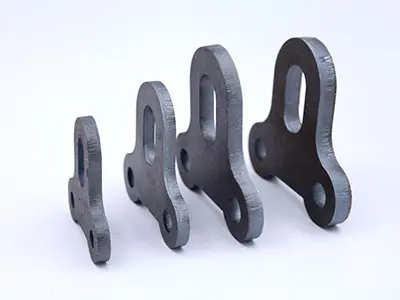
Automotive and Transportation: High-speed processing of chassis structural members, suspension components, brackets, and body panels. Focus is placed on minimizing the heat-affected zone to preserve the base mechanical properties of automotive structural steels.
Heavy Machinery & Agriculture: Production of heavy-gauge structural components for excavators, tractors, harvesters, and crane boom structures. These applications require high-power systems (12kW - 30kW) capable of cleanly cutting thick plates.
Electrical Cabinets & HVAC: Precision sheet metal profiling (1.0mm - 3.0mm MS) requiring complex venting patterns, knockouts, and precise fold lines. Speed, accuracy, and nesting efficiency are critical for these workflows.
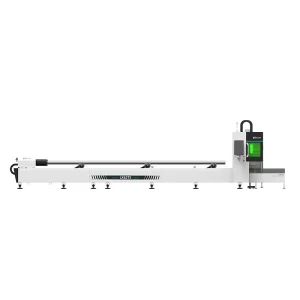
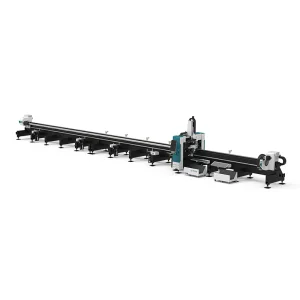
Structural Steel & Construction: Processing of carbon steel beams, square tubes, and flat sheets for structural connections, cladding plates, and bracket components. Dual-use sheet and tube cutters are frequently utilized here to maximize processing flexibility.
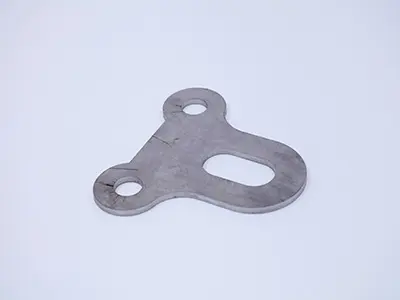
Carbon Steel / MS
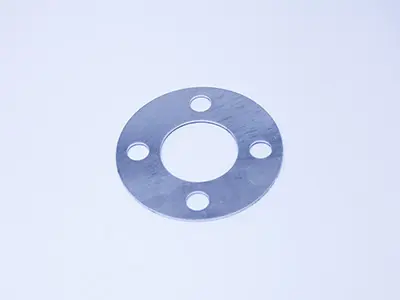
Stainless Steel
Aluminum Alloys
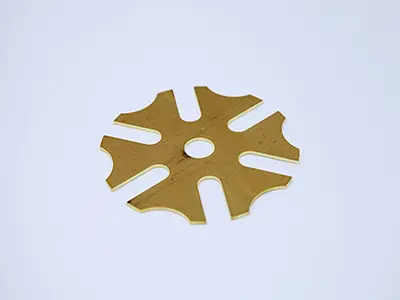
Copper & Brass
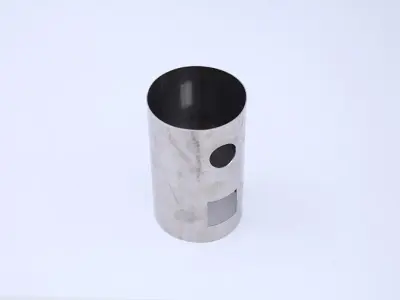
Round Steel Tube
Square Steel Profile
Technical Roadmap and Future Outlook (Toward 2040)
The industrial metal processing sector is moving rapidly toward automation and digital integration. Our development strategy targets several key advancements:
AI-Powered Nozzle Integration: Real-time visual monitoring using coaxial cameras to detect nozzle contamination and automatically adjust nozzle alignment, gas flow rate, and focal point height dynamically.
Smart IoT Manufacturing: Transitioning individual laser units into connected IoT nodes. Cloud-based telemetry monitors thermal performance, power drop, and consumable life to enable predictive maintenance and minimize unscheduled downtime.
Automated Sorting & Nesting: Combining laser cutting tables with mechanical unloaders and sorting robots. Vision systems recognize sliced parts and sort them onto specific pallets, removing manual sorting bottlenecks.
Industrial Base and Quality Systems Tour
Industrial buyers prioritize factory capacity, engineering standards, and quality management systems when selecting manufacturing partners. We maintain transparent operations across our primary facility and administrative offices:
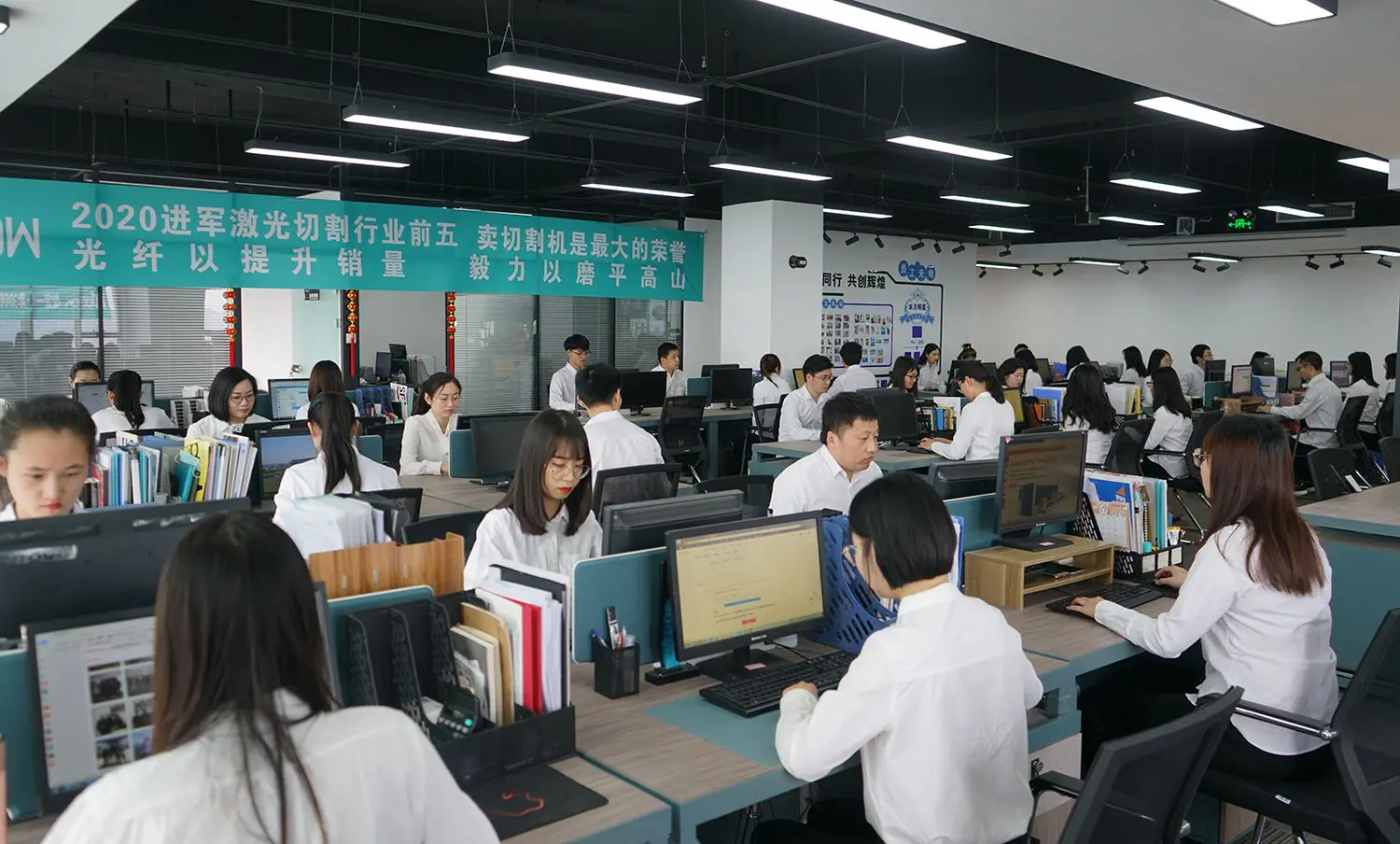
Main Machine Assembly Shop
Heavy Machine Bed Fabrication
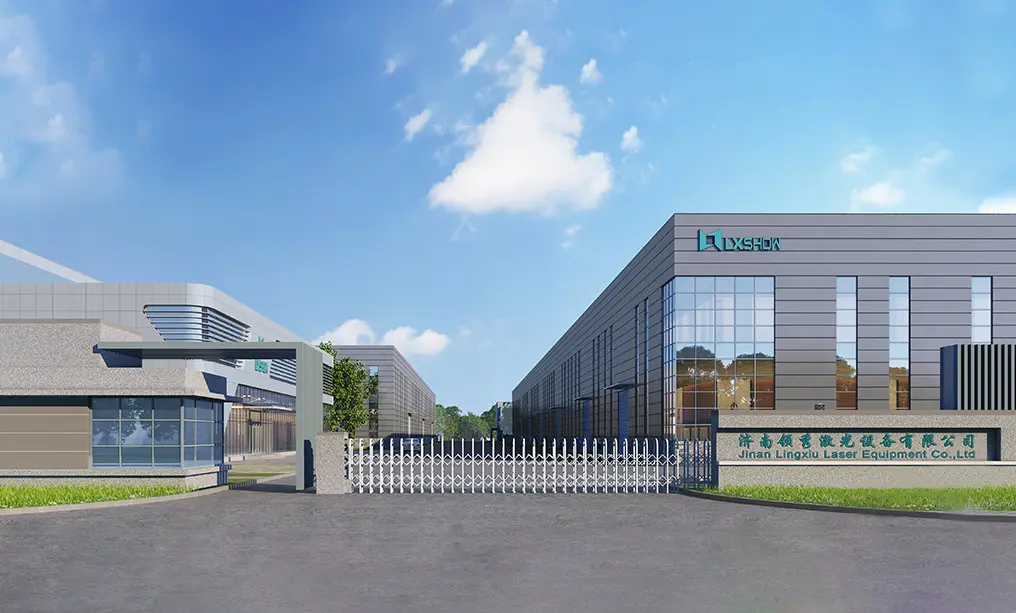
Administrative Center Reception
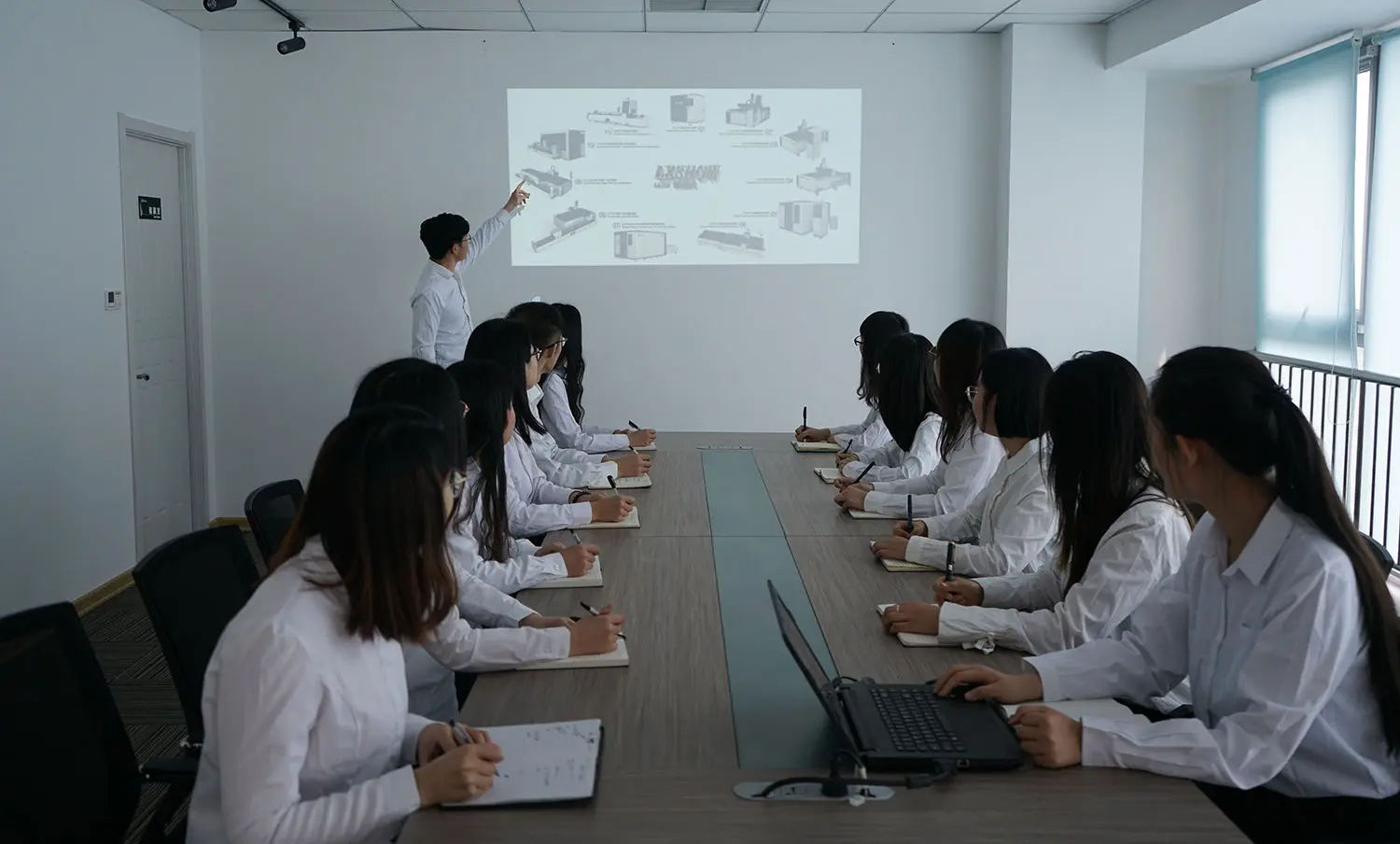
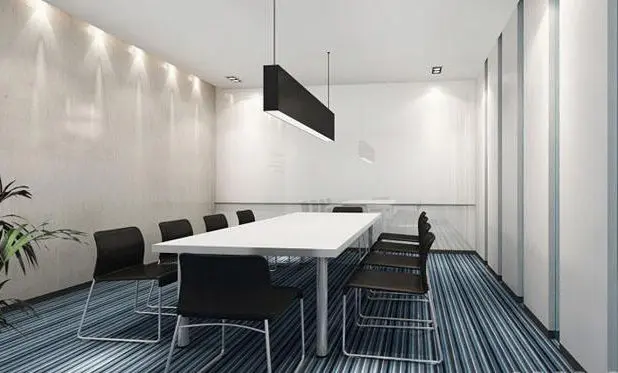
Technical Conference Room
International Commerce Center
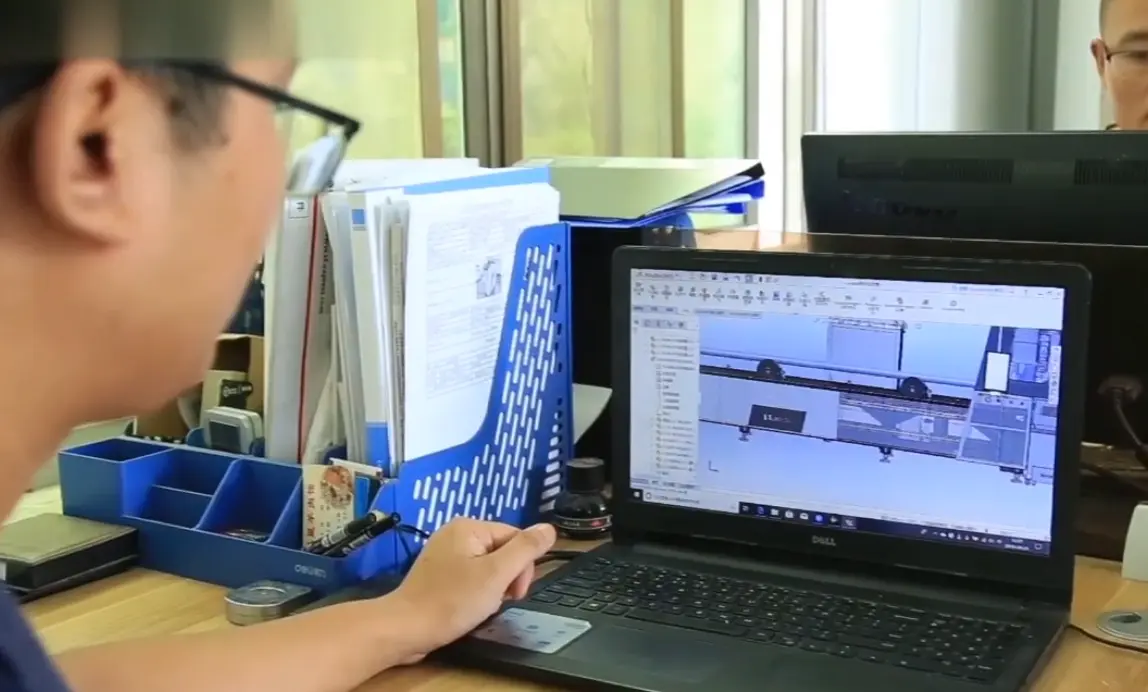
Lead R&D CAD/FEA Design Team
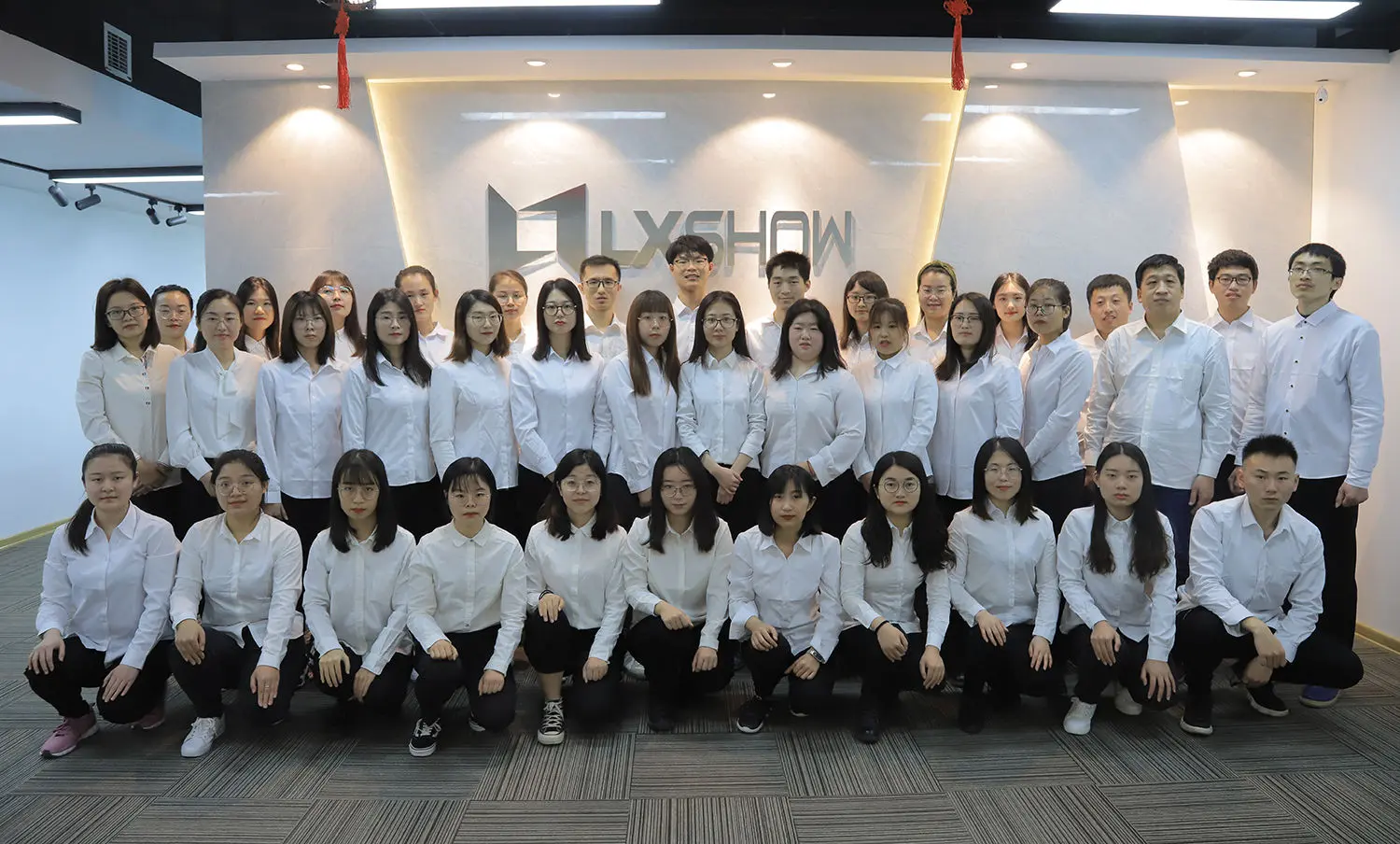
Partner Welcome & Consulting
Asia Pacific & MEA Export Division
EU & Americas Support Division
Industrial Q&A: Mild Steel Laser Processing
Q1: What are the main benefits of cutting Mild Steel using fiber lasers instead of CO2 systems?
Fiber lasers operate at a wavelength (~1.06µm) that is more readily absorbed by mild steel compared to CO2 lasers (~10.6µm). This higher absorption rate yields 2 to 3 times faster cutting speeds on thin and medium sheet metal. Furthermore, fiber lasers feature wall plug efficiency (WPE) exceeding 35%, significantly reducing electricity consumption and operating costs compared to CO2 systems.
Q2: When sourcing a mild steel laser cutter, how should I select the optimal laser power?
Power selection is determined by your target sheet thickness and production volume requirements. For sheets up to 8mm, a 1.5kW to 3kW system provides fast, cost-effective processing. For medium thicknesses (10mm - 20mm), a 6kW to 12kW system is recommended. For heavy plate applications exceeding 25mm, ultra-high-power units from 15kW to 30kW+ are required to maintain cut edge quality and throughput.
Q3: How does auxiliary gas selection impact the cut edge quality of Mild Steel?
Oxygen ($O_2$) is typically used for thicker mild steel. The oxygen reacts exothermically with the carbon steel to generate heat, assisting the cutting process at lower gas pressures. However, this creates a thin oxide layer on the cut edge that may require removal before painting or powder coating. Utilizing Nitrogen ($N_2$) or high-pressure dry air prevents oxidation, producing clean, weld-ready edges on thin-to-medium sheets.
Q4: Why does bed structural design impact the long-term positioning accuracy of laser systems?
Under high acceleration rates (1.0G - 2.0G), the rapid movements of the gantry generate significant vibrational stress. A light, unannealed frame can warp over time, leading to positional deviation. Our heavy-duty plate-welded frames undergo 600°C stress-relief heat treatment and natural aging to ensure the bed remains stable, protecting long-term cutting accuracy.
Q5: What are the main features of the CypCut software used on China-sourced laser cutters?
CypCut is a professional CNC software platform designed for fiber laser cutting. Key capabilities include nesting algorithms to minimize scrap, automatic edge-seeking to detect sheet alignment, fly-cut paths for high-speed grid processing, and diagnostic utilities that simplify setup and calibration.
Q6: How do you support overseas clients with technical service and troubleshooting?
We provide remote technical support using secure online diagnostic systems. When issues are reported, our engineers can connect to the CNC interface to verify parameter settings, inspect alarm logs, and update system files. For hardware issues, we maintain localized spare parts hubs and dispatch regional field technicians to minimize production downtime.
Q7: Can your factory support custom machine configurations and OEM requests?
Yes, we provide OEM services for over 30 global brands. We can customize bed sizes, install enclosed exchange tables, integrate rotary axis attachments for tube processing, and customize gantry heights, color schemes, and software layouts to match your production requirements.
Q8: What mechanical and safety standards do your laser cutting machines meet?
All machines are manufactured to international standards. They feature European CE markings, are certified to ISO 9001 quality management standards, and are registered with the US FDA. We utilize fully enclosed cabinets with OD6+ laser protective windows and safety interlocks to protect operators from laser radiation.
Q9: How do auxiliary tools like laser cleaners and deburring systems fit into a laser cutting line?
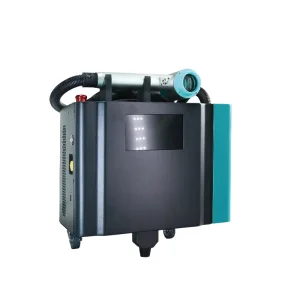
While laser cutting produces precise parts, downstream steps are often required to prepare pieces for assembly. Laser cleaning systems (such as the LXC series) remove surface rust, oil, and mill scale prior to welding. Deburring and polishing machines (like the LX-RR-M-1000) smooth cut edges, providing a consistent finish across production runs.
Q10: What are typical production lead times, and how are machines secured for international shipping?
Standard machine configurations are typically built and calibrated within 20 to 30 days. Custom configurations may require 40 to 50 days. Machines are secured using anti-rust coatings, vacuum-sealed barrier foils, heavy-duty structural bracing, and custom wooden crates to prevent movement and moisture damage during sea transport.

 Lxshow