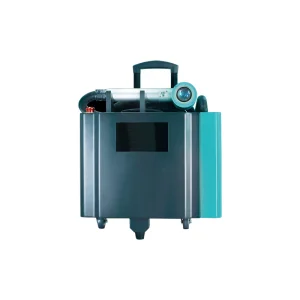
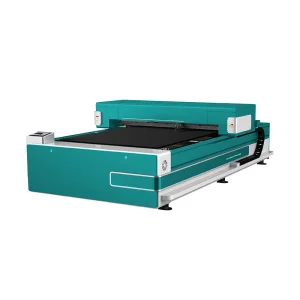
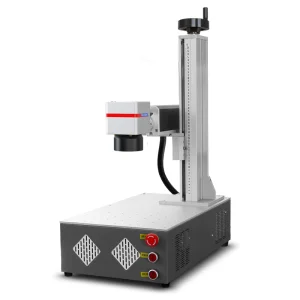
Explore our core selection of precision engineering systems tailored for industrial galvanized steel cutting, finishing, and advanced fabrication.
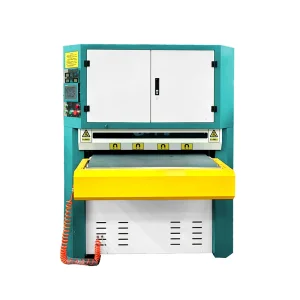
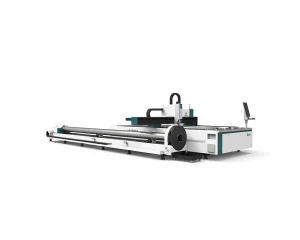
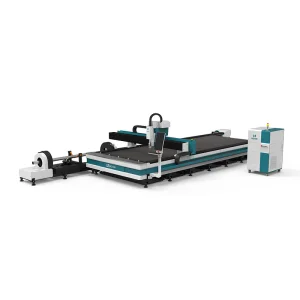
Within modern heavy industrial engineering, procurement teams struggle to identify reliable suppliers who can offer high-precision laser-cut galvanized steel without compromising the integrity of the corrosion-resistant zinc layer. Galvanized steel is coated with zinc to provide cathodic protection, but this introduces significant physical challenges during thermal processing. Selecting qualified factories with specialized machinery and proven experience is critical to preventing production delays, edge oxidation, and poor component performance.
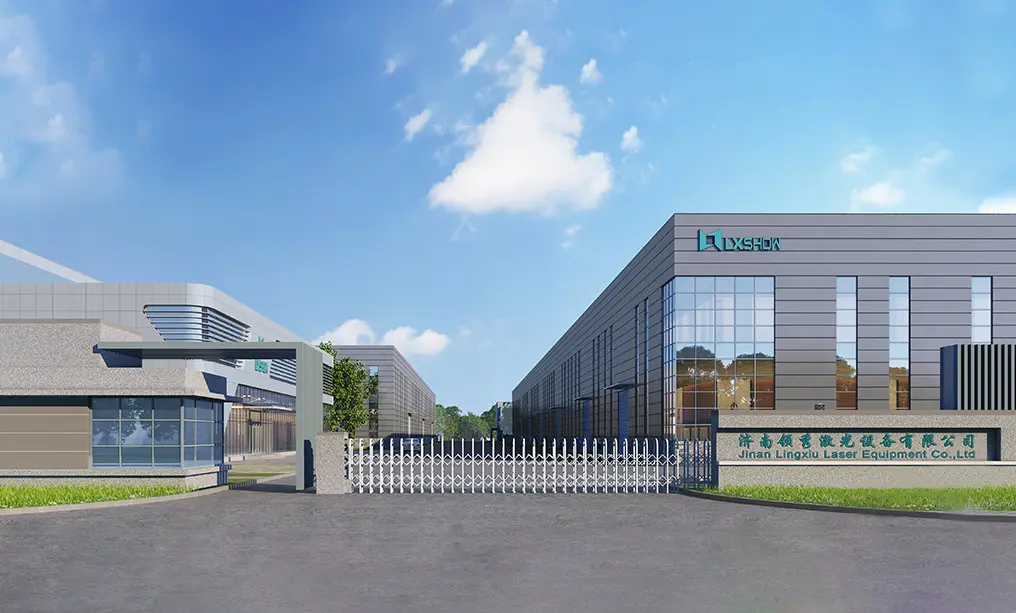
Established in July 2004, our manufacturing network has built a reputation for excellence in global supply chains. Representing a network that operates over 32,000 square meters of production space and has supported projects in 150+ countries, we align our operations directly with high compliance frameworks. Whether supporting structural infrastructure or precision automotive enclosures, our manufacturing footprint provides standard-setting solutions for global markets.
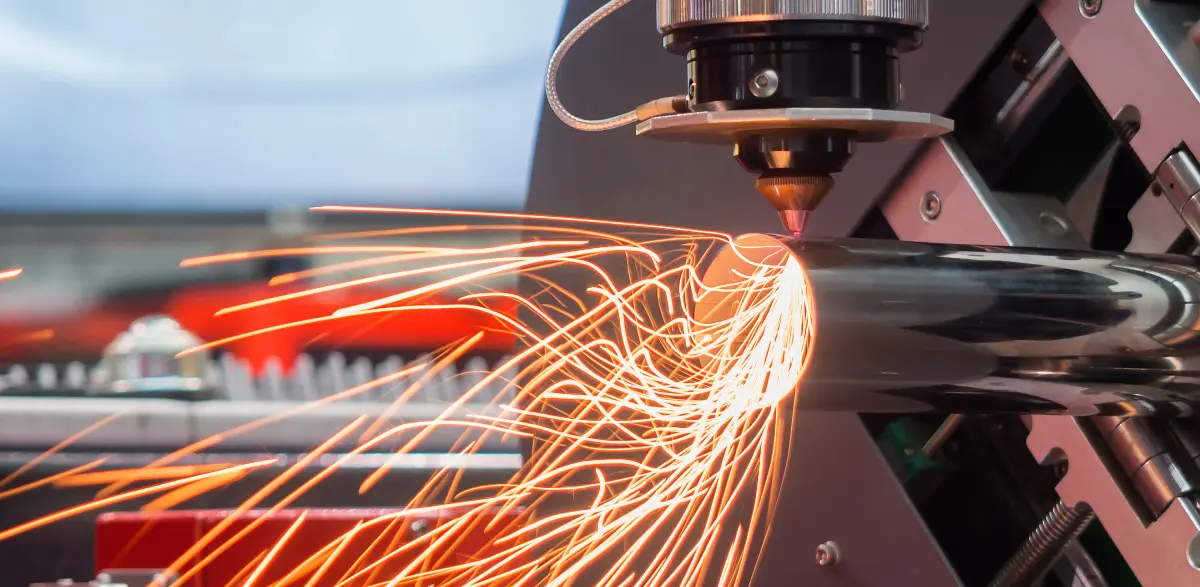
Processing zinc-coated steel sheets requires optimized optical settings and exact auxiliary gas management to ensure high cutting quality.
Zinc boils at a much lower temperature (907°C) than steel melts (1538°C). When hit by the laser beam, the zinc layer vaporizes rapidly. This expansion of gas can disrupt the molten steel stream beneath it, resulting in high turbulence, dross deposition, and edge defects if the power ratio is not correctly balanced.
Using Nitrogen (N2) at high pressure (typically 12-16 Bar) is standard to prevent carbonization, resulting in clean, weld-ready cut edges. While Oxygen (O2) increases speed by starting an exothermic reaction, it forms a dark zinc oxide layer along the cut surface, which requires post-treatment if paint adhesion is necessary.
The vaporization of zinc produces high volumes of zinc oxide particulate. Advanced factories integrate strong localized extraction tables and high-capacity dust collector units into their CNC sheet cutters. This protects optical lenses, maintains laser beam stability, and ensures operators are not exposed to toxic zinc fumes.
| Material Thickness | Optimal Laser Power | Auxiliary Gas Selection | Cutting Pressure (Bar) | Edge Quality Standard |
|---|---|---|---|---|
| 1.0 mm - 1.5 mm | 1,500W - 2,000W | Nitrogen (N2) / Clean Air | 10 - 12 Bar | Excellent, Burr-free, Bright Metal Finish |
| 2.0 mm - 3.0 mm | 3,000W - 4,000W | Nitrogen (N2) | 12 - 14 Bar | Minimal Micro-Dross, Low Surface Roughness |
| 4.0 mm - 6.0 mm | 6,000W - 12,000W | Nitrogen / High-purity O2 (with slow feed) | 14 - 16 Bar | Requires post-cut wash if painting; high dimensional accuracy |
Customized laser cutting and fabrication solutions designed to support demanding industrial applications across various sectors worldwide.
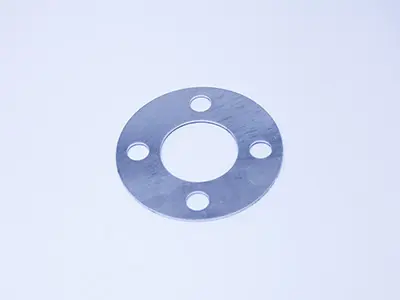
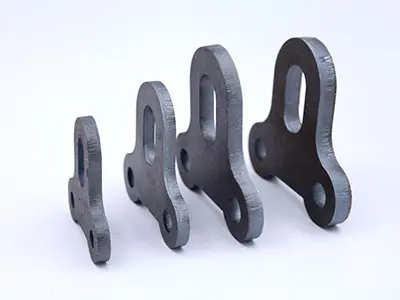
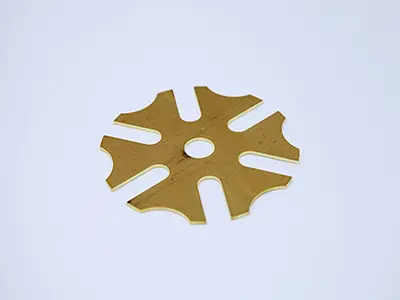
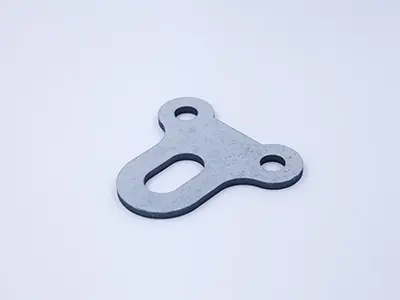
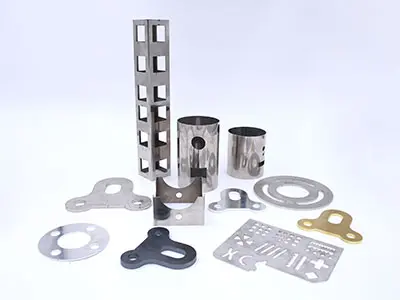
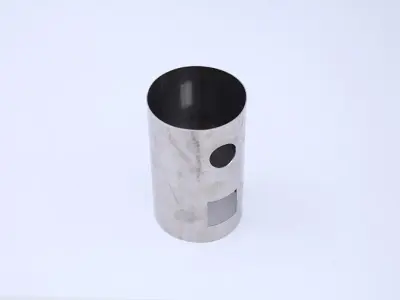
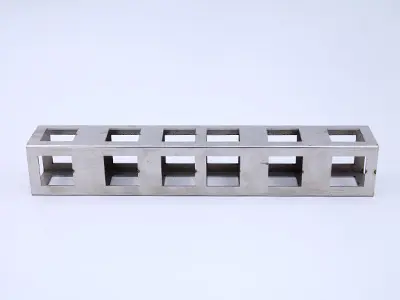
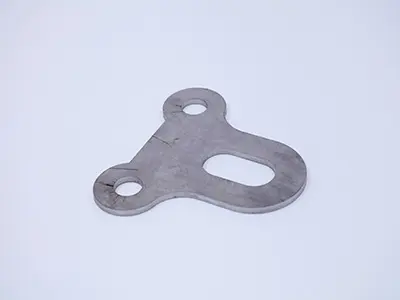
Galvanized steel is widely used in automotive chassis brackets, body panels, and utility trailers due to its rust protection. Laser systems cut these complex geometries at high speeds, minimizing Heat Affected Zones (HAZ) and preserving the zinc coating close to the cut edge.
Industrial ventilation ducts, switchgear cabinets, and outdoor electrical enclosures rely on galvanized steel to prevent environmental corrosion. Standard-format fiber laser cutters provide the speed and nesting efficiency required for high-volume sheet metal fabrication.
Solar tracker mounting frames, structural purlins, and agricultural equipment rely on structural galvanized steel. Laser processing ensures precise bolt-hole alignment and cutouts, making field assembly faster and reducing labor costs.
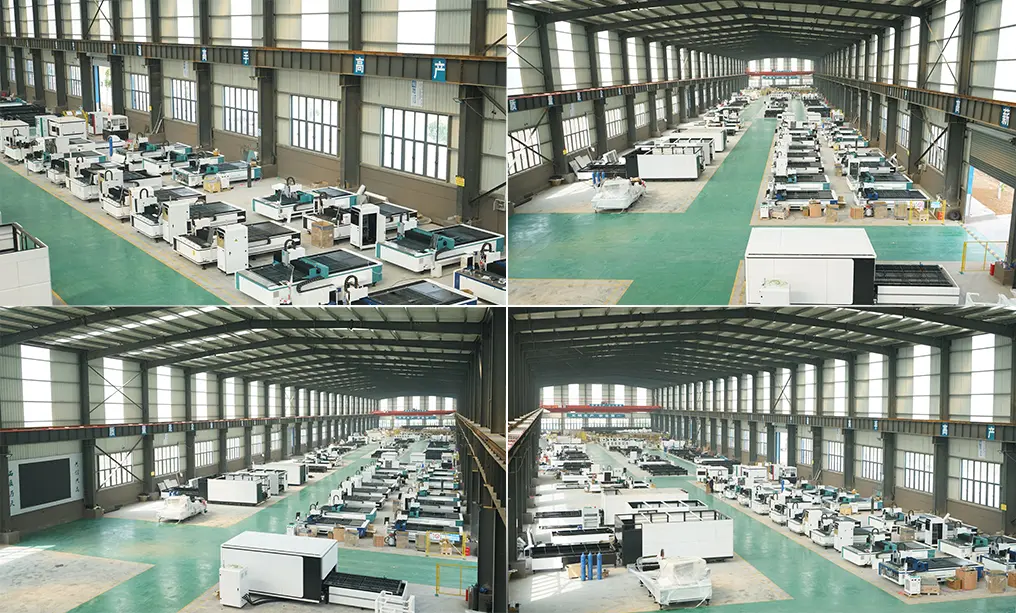
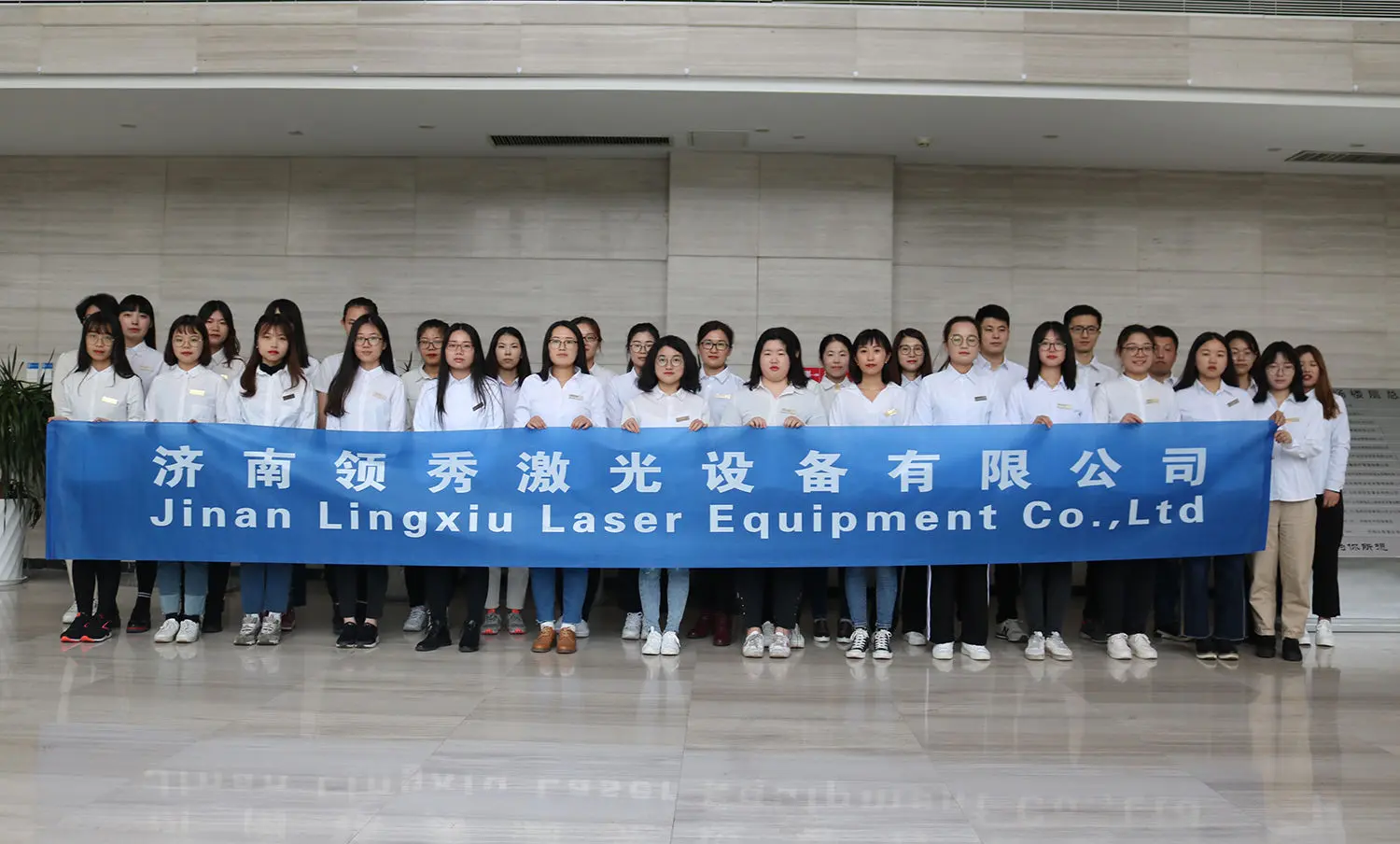
Take an inside look at our 32,000-square-meter facility, housing advanced assembly bays, precision design teams, and ISO-certified quality control labs.

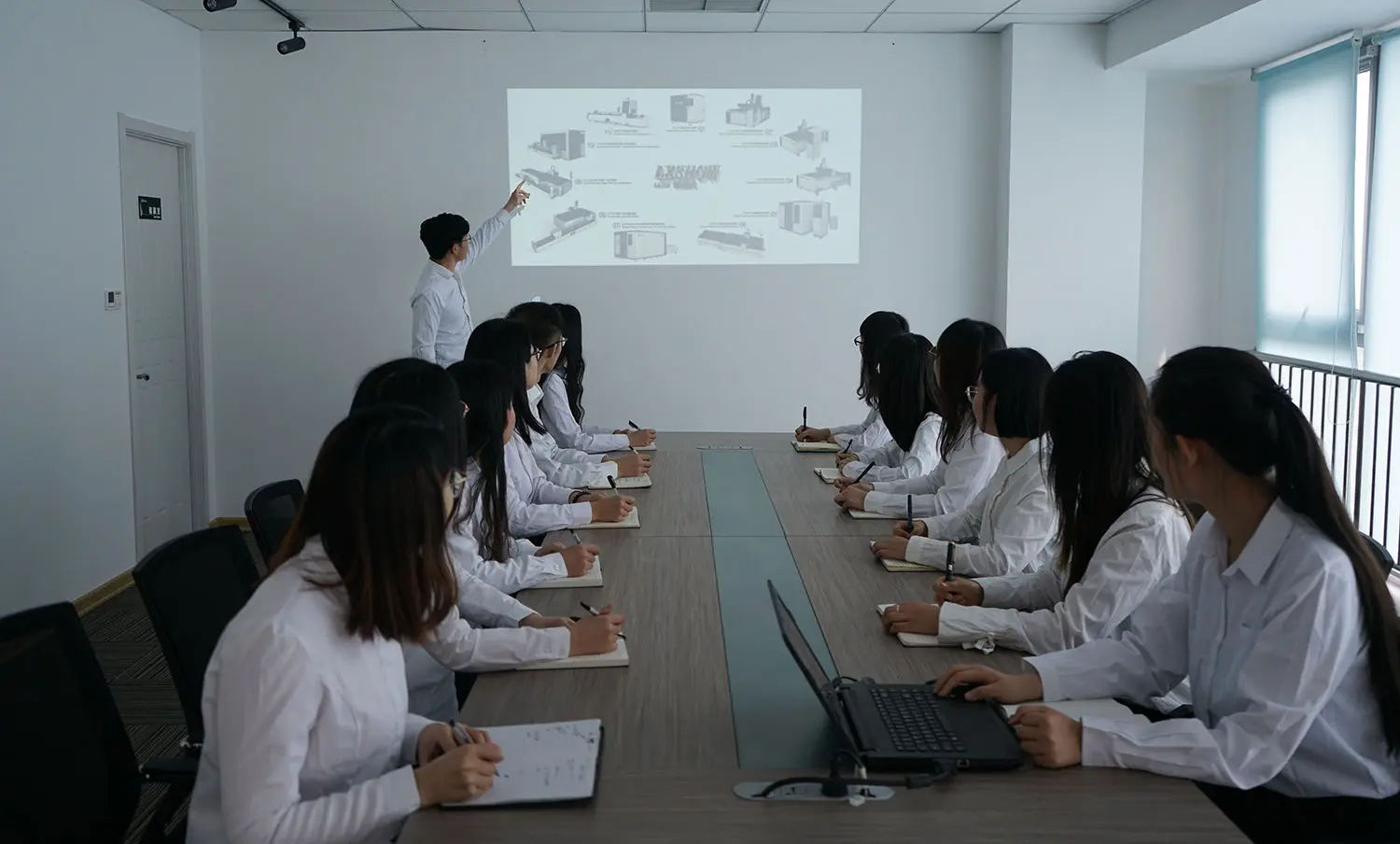
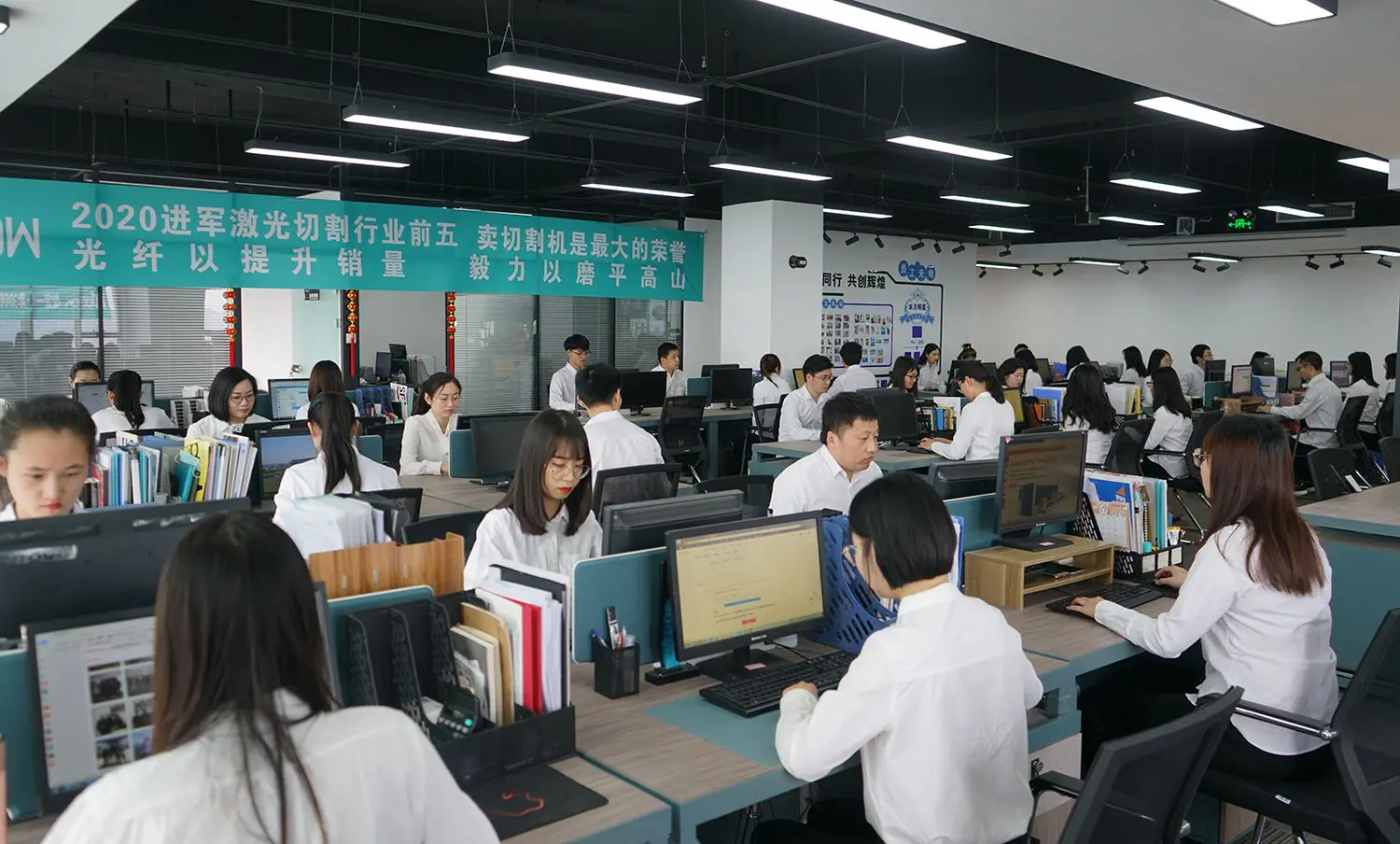
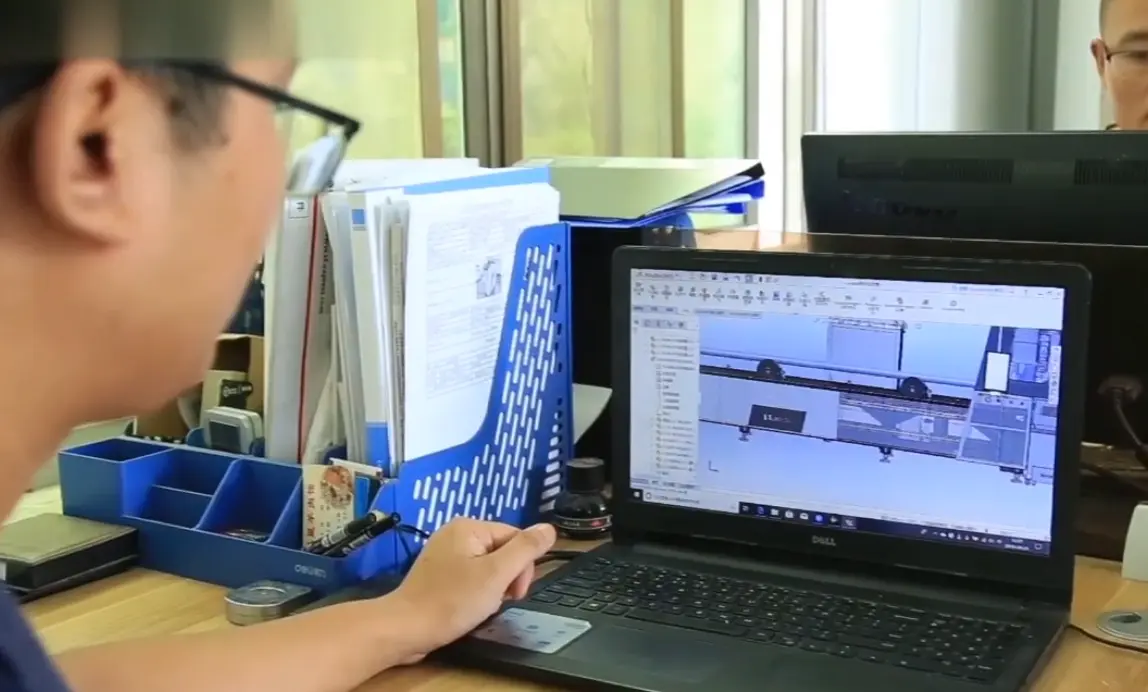

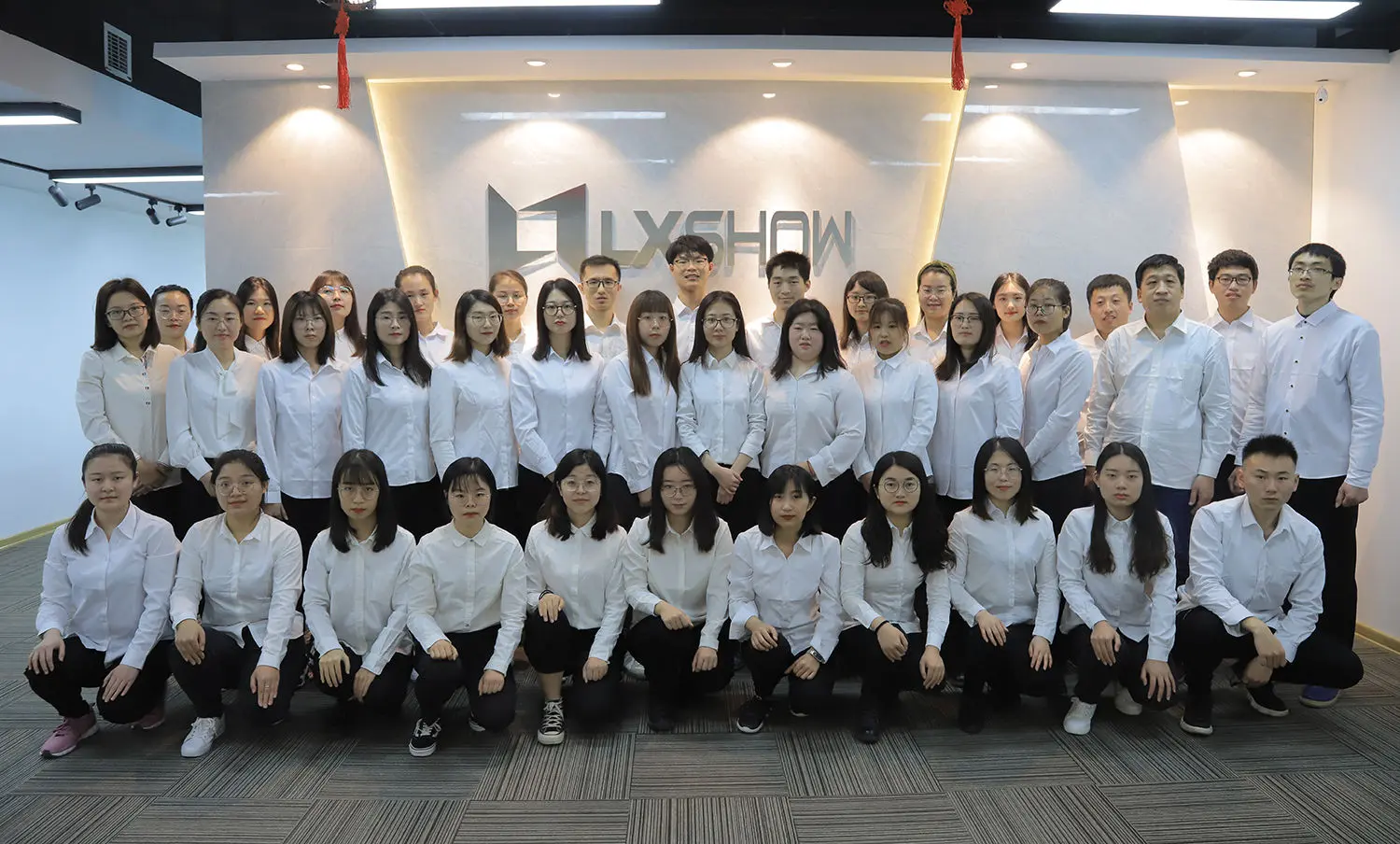

Every laser system and metal-cutting machine leaves our facility with certification to verify compliance with international regulations. Our production processes conform to European Union CE authentication, the American FDA certificate requirements, and the ISO 9001 quality management framework. By focusing on smart manufacturing design, we are working toward developing future industry 4.0 production environments. This strategy allows us to deliver high precision and reliability to companies in critical manufacturing sectors, including aerospace, defense, automotive, and power generation.
How we are driving the future of thermal cutting, automated material handling, and next-generation smart manufacturing.
Integrating machine-vision sensors into the cutting head to monitor sparks in real time. This system dynamically adjusts feed speed and gas pressure when cutting through uneven galvanized zinc layers, preventing micro-explosions and optimizing cut quality.
Developing fully automated loading, cutting, and deburring lines. Integrating these systems with automated guided vehicles (AGVs) allows for continuous operation, reducing manual labor costs and helping industrial facilities improve productivity.
Our long-term roadmap focuses on building self-optimizing machinery networks. We plan to expand cloud diagnostics to support predictive maintenance schedules, helping clients reduce downtime and maintain high performance across global operations.
Expert answers to common engineering questions regarding the laser cutting, cleaning, and preparation of galvanized steel sheets.
The low melting point of the zinc layer (419°C) and its boiling point (907°C) are significantly lower than those of the steel core. This temperature difference causes the zinc to vaporize rapidly while the steel is only starting to melt. The expanding zinc vapor can disrupt the gas jet expelling the molten steel, creating dross and potential edge anomalies.
Nitrogen (N2) is highly recommended for applications requiring paint adhesion, as it keeps the cut edges clean and free of oxides. Oxygen (O2) increases cutting speeds but leaves a thin zinc-oxide film on the edge. Clean compressed air is a cost-effective alternative for thinner sheets, balancing speed and operating cost.
Because zinc has a high electrochemical potential, it acts as a sacrificial anode. In thinner sheets (under 2mm), zinc will typically creep across the cut edge to restore protection. For thicker sheets, applying a cold-galvanizing spray or protective primer to the cut edges is recommended to prevent localized rusting.
Yes, vaporized zinc reacts with atmospheric oxygen to form zinc oxide (ZnO) fumes. Inhaling these fumes can cause metal fume fever, characterized by flu-like symptoms. Adequate shop ventilation, localized down-draft cutting tables, and integrated dust collectors are essential for maintaining safety.
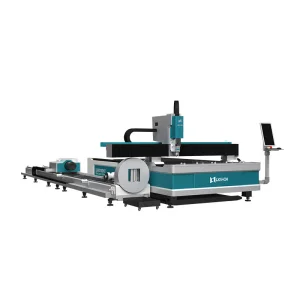
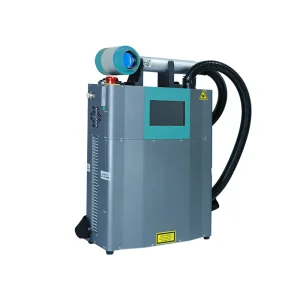
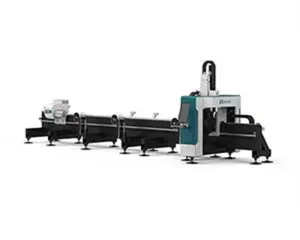
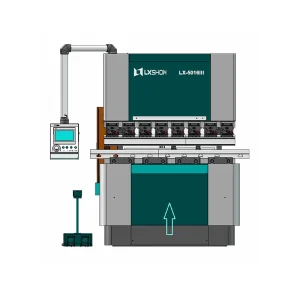
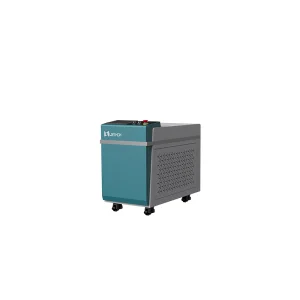
Explore our heavy-duty industrial series, including fiber laser pipe cutters, hydraulic press brakes, and automated deburring systems.
 Lxshow