Explore our flagship catalog featuring ultra-high speed CNC fiber lasers, smart tube cutting lines, and precision folding solutions.
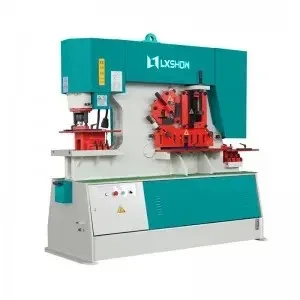
Modern industrial processing demands uncompromising speed, meticulous accuracy, and material efficiency. As a leading global pioneer in intelligent laser manufacturing, we provide enterprise clients with ultra-precise laser cutting, welding, and surface treatment configurations optimized for next-generation factory pipelines.
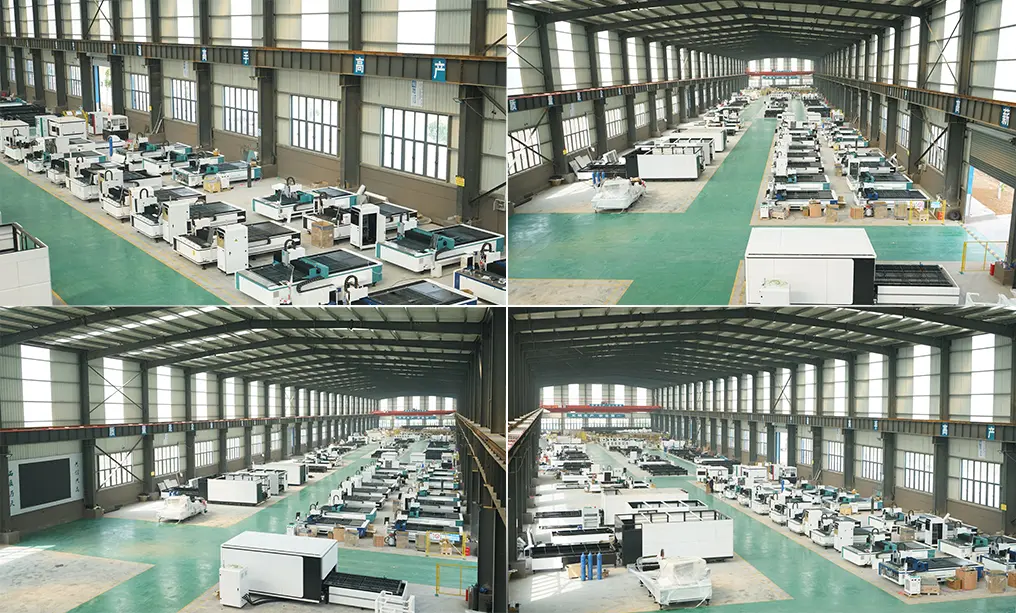
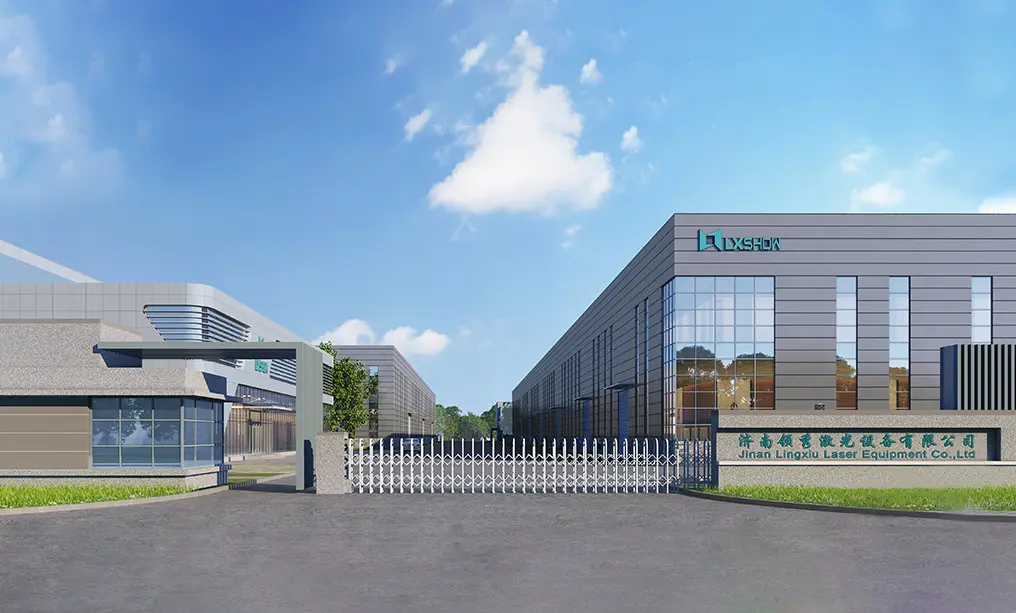
Our infrastructure, established in July 2004, has expanded from local operations into a comprehensive 32,000 square meter intelligent fabrication complex. By incorporating state-of-the-art optical components, advanced mechanical assemblies, and high-performance CNC nesting algorithms, we help companies transition from legacy toolsets into integrated Industry 4.0 smart ecosystems.
Why international manufacturing giants, regional distributors, and OEM buyers rely on our highly consolidated and efficient production ecosystems.
From frame structures, bed heat treatment, and precision milling of linear guide rails in our own workshops, to component validation, every manufacturing phase is tightly controlled within our production campus to minimize supply disruptions.
By leveraging Chinese industrial clusters for base materials and components (such as Raycus/MAX laser sources, high-precision chucks, and domestic bed castings), we achieve unparalleled machinery cost efficiency without sacrificing quality standards.
Our experienced R&D team of mechanical engineers, optical specialists, and software developers offers direct OEM and ODM services for over 30 global brands, modifying configurations to suit specific localized workflow demands.
Understanding the critical operation, performance, and legal safety standards essential for smooth deployment in strict regulatory zones.
| Regulatory Standard / Metric | Compliance Details & Testing Specifications | Impact on Enterprise Operations |
|---|---|---|
| EU CE Authentication | Certified compliant with EN ISO 12100 (Safety of machinery) and EN 60825-1 (Laser safety standard). Includes dual-channel safety interlocks, optical shielding, and structural enclosure safeguards. | Enables legal import and operational validation across European Union territories, ensuring operator safety under OSHA equivalent requirements. |
| US FDA Accession Number | Class IV laser products registered under Center for Devices and Radiological Health (CDRH). Meets precise wave emission control and interlock criteria. | Ensures frictionless customs clearance and strict compliance with North American workplace safety codes (ANSI Z136). |
| ISO 9001 Quality System | Comprehensive factory audit compliance spanning purchasing, incoming quality control (IQC), assembly checkpoints, and 72-hour dynamic load testing. | Guarantees equipment repeatability, structural longevity, and minimal out-of-box component failure rates. |
| Industry 4.0 Connectivity | Integrated network interfaces supporting Modbus, OPC UA protocols, and compatibility with standard MES/ERP configurations. | Facilitates real-time remote process monitoring, automated predictive maintenance, and seamless line scheduling. |
Inside our production headquarters: where design engineering, assembly, calibration, and customer service align to deliver manufacturing excellence.

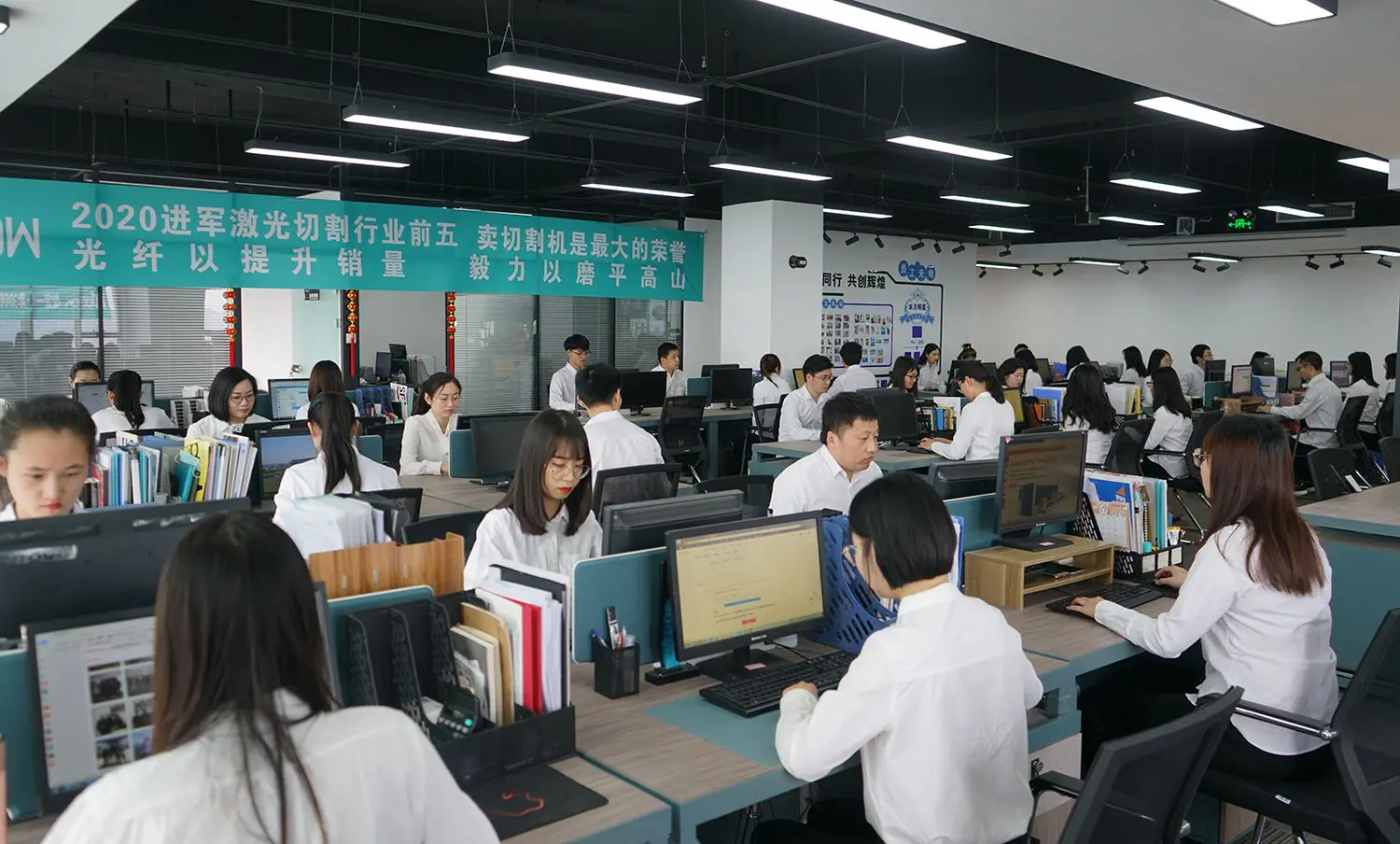
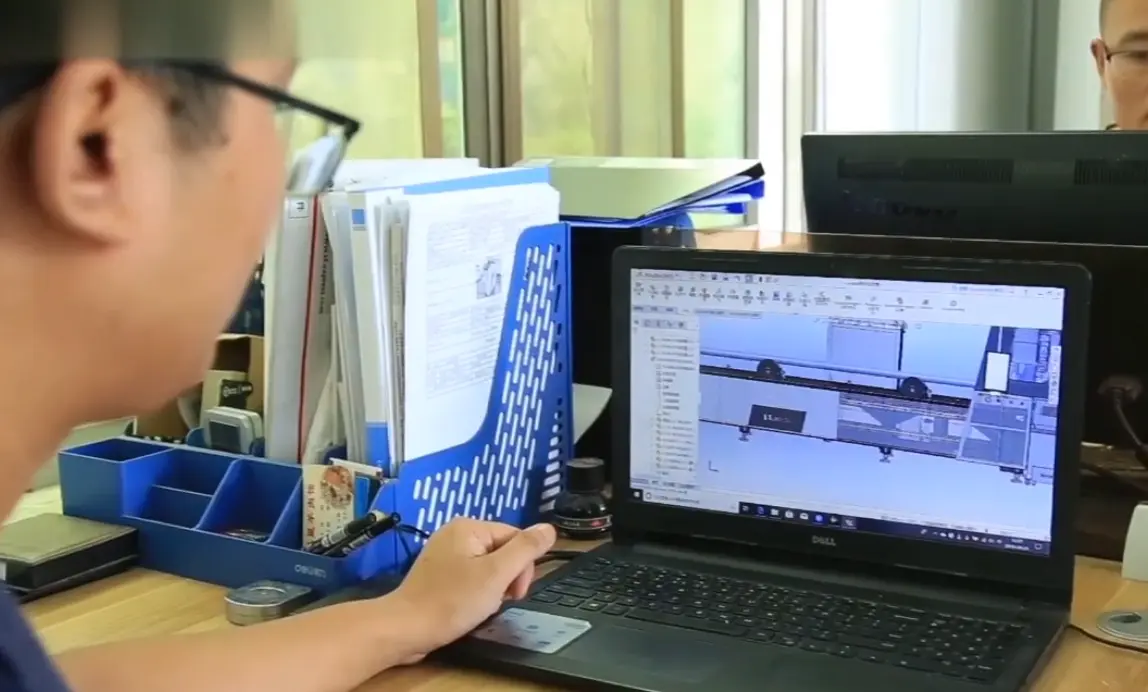
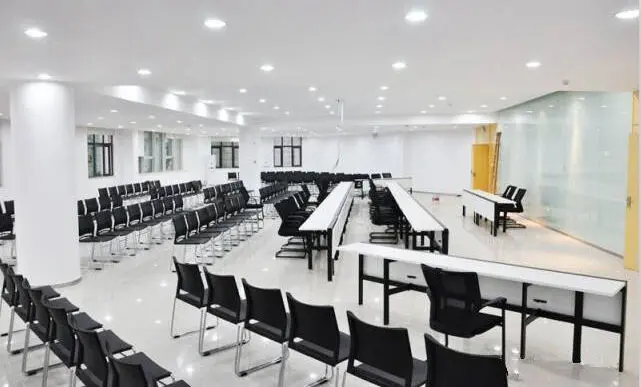
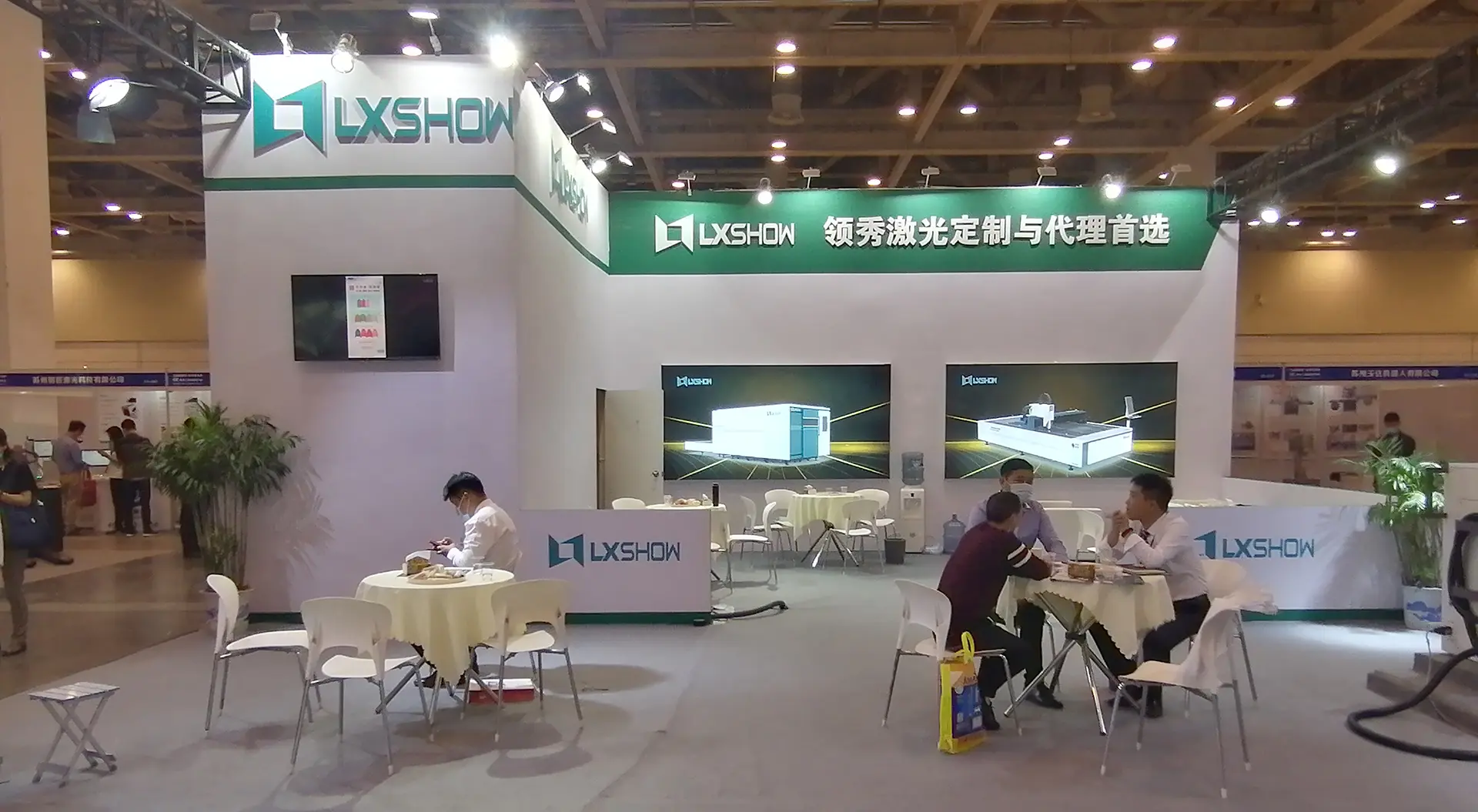
Modern metal working requires systems that can adapt dynamically to varying alloy configurations without loss of precision. Our machines are calibrated for multi-alloy operations, optimizing power density, gas assist variables, and cutting feeds automatically based on the targeted material:
Aluminum & Copper: High reflection metals typically require advanced optical isolators and specialized fiber cutting configurations to protect internal diodes from back-reflections while maintaining high-speed processing.
Carbon & Stainless Steel: Oxygen-assisted processes for thick carbon steel plate cutting focus on minimized heat-affected zones (HAZ) and zero dross adhesion, while nitrogen-assisted stainless cuts deliver pristine, oxidation-free edges for quick welding prep.
Galvanized Alloys & Tubes: Rotary chuck systems maintain precision alignment on round, square, and profile-based tubes without deforming structural thin-wall materials.
How we guarantee operational uptime and service capability on a global scale as technology pushes toward 2040.
By focusing on high-power architectures (12kW to 30kW+), machine vision auto-nesting, and robotic welding arms, our equipment prevents technological obsolescence. We align our engineering goals with green manufacturing policies, optimizing electrical consumption, gas usage efficiency, and dust filtration extraction systems to lower environmental footprints.
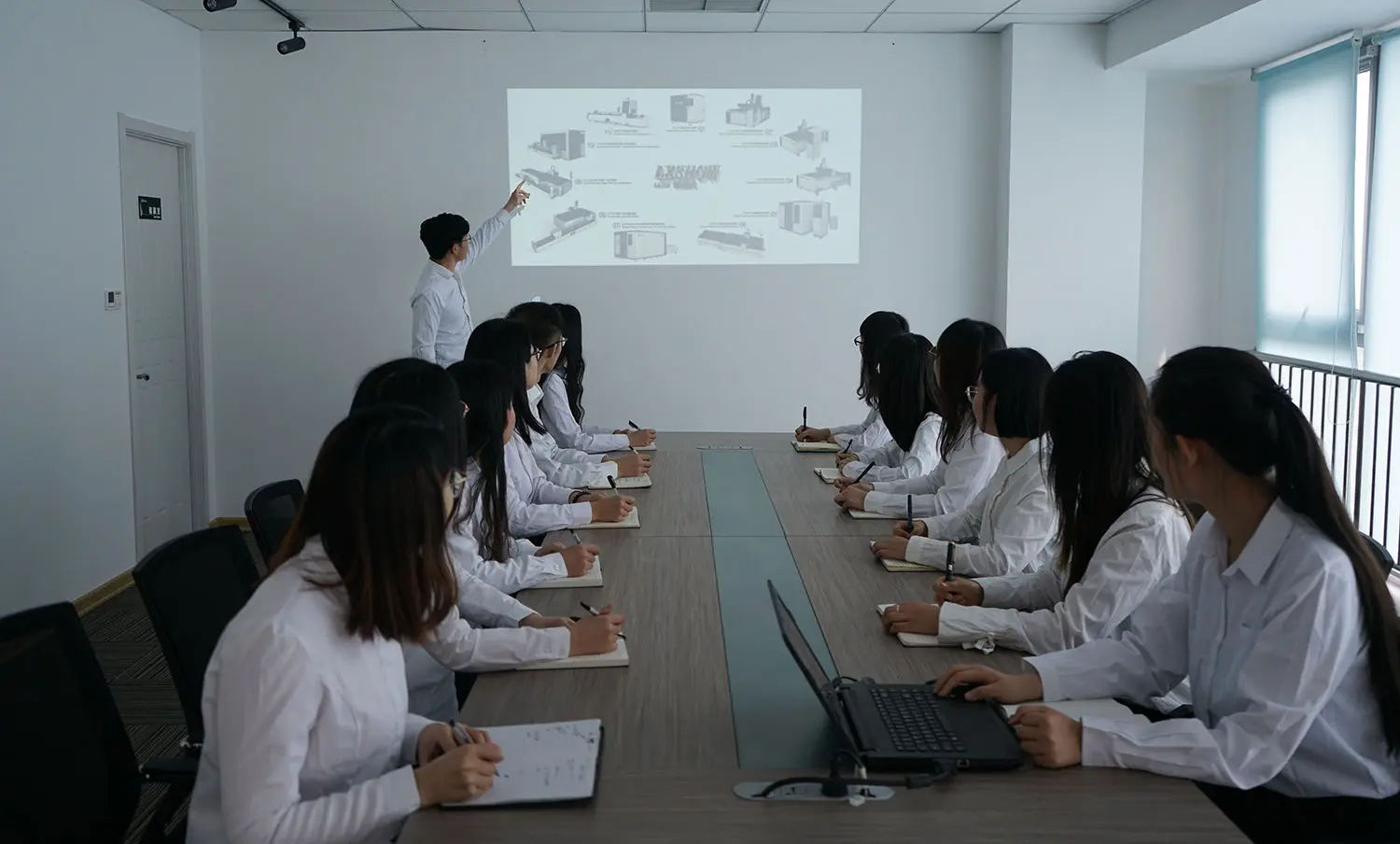
Recognizing that downstream equipment downtime costs thousands of dollars hourly, we support our installations with localized supply networks, multi-language technical consulting centers, and remote cloud-based optical diagnostics. Training pipelines are structured for quick operator ramp-ups, guaranteeing safe and productive system deployment.
A technical guide to understanding how modern CNC laser systems, synchronized automation, and precision secondary processing maximize throughput.
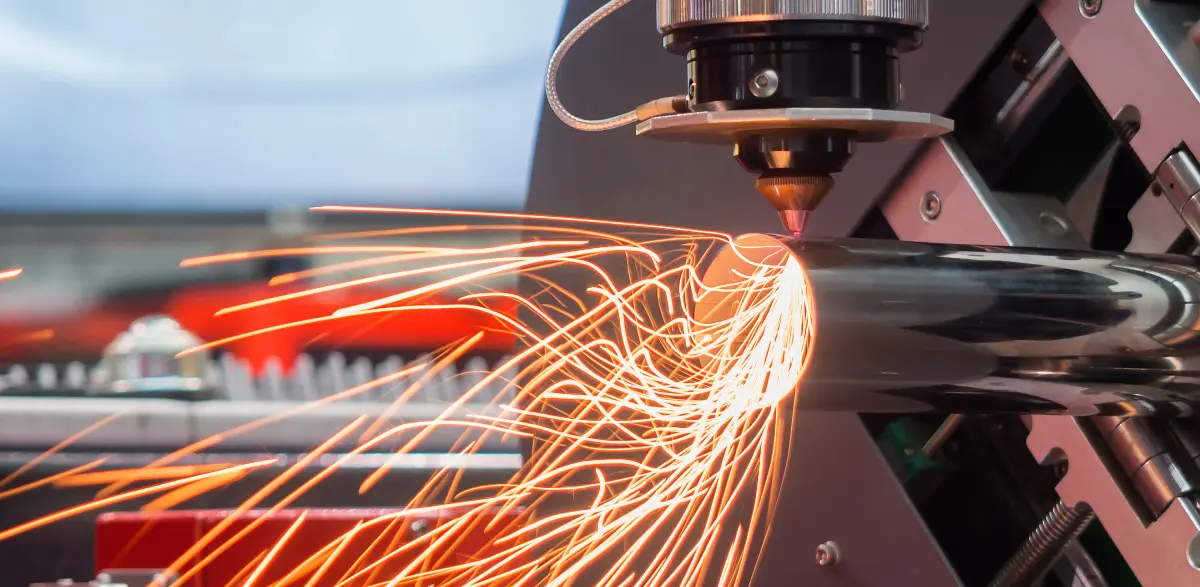
The progression from traditional carbon dioxide (CO2) lasers to solid-state fiber laser technologies has revolutionized sheet metal fabrication. Fiber lasers operate at a wavelength of approximately 1.06 microns, which is absorbed far more readily by common metals than the 10.6-micron wavelength of gas lasers. This high absorption rate, combined with beam spot sizes measuring in the tens of microns, translates into dramatic increases in power density. As power levels have scaled from historical averages of 2kW up to 30kW and beyond, cutting feeds on materials like stainless steel, structural carbon steel, and non-ferrous alloys have grown exponentially. This enables operators to cut thicker cross-sections with negligible kerf widths and smooth edge finishes.
High-speed laser processing demands structural bases that can handle massive dynamic acceleration and deceleration without bending or flexing. Standard welded steel frames are prone to internal stresses that degrade accuracy over time. To counter this, advanced platforms feature heavy-walled steel plates welded and subjected to stress-relieving thermal cycles, or high-tensile cast iron structures. This thermal annealing process eliminates micro-structural stresses, ensuring that linear rails, rack-and-pinion transmission mechanisms, and optical gantry coordinates remain aligned within micron tolerances even under continuous high-gravity accelerations (up to 1.5G).
Optimal fiber laser delivery requires advanced cutting heads with autofocusing mechanisms. As material thickness changes during complex nests, focus control systems automatically adjust the lens positioning relative to the workpiece. Integrating sensor modules inside the cutting head protects optical components from back-reflections and monitors nozzle condition. Furthermore, gas delivery systems dynamically regulate helper gas pressures (oxygen, nitrogen, or clean compressed air), optimizing kerf purging and preventing recast metal from clinging to the bottom of the cut, ensuring clean workpieces ready for assembly.
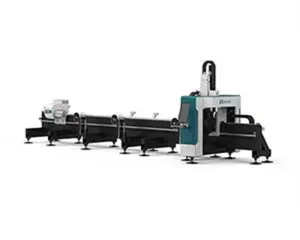
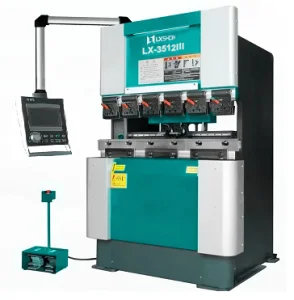
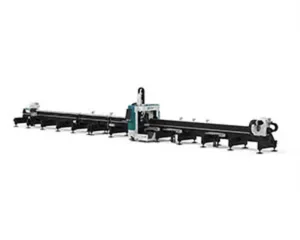
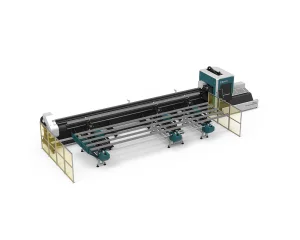
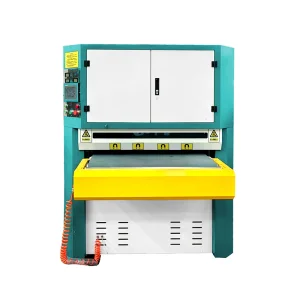
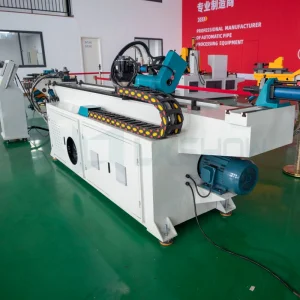
Producing a high-quality finished part involves more than just cutting. Downstream operations like deburring and edge rounding are essential for worker safety, coating adhesion, and aesthetic quality. Double-belt deburring systems remove heavy burrs and slag from flat steel sheets in a single pass. From there, electro-hydraulic servo CNC press brakes and flexible folding machines form the sheet metal with precise angles. For hollow structural profiles, dedicated three-chuck tube laser cutters offer high stability and continuous automatic feeding, processing round, square, and special profiles with zero material waste.
Essential insights from our chief engineering team on machine selection, operational safety, gas configuration, and localized warranty structures.
Laser power level is directly proportional to cutting speed and maximum penetrable thickness. For example, a 3kW fiber laser is optimized for sheet metals up to 20mm carbon steel and 10mm stainless steel. Moving to high-power systems (e.g., 12kW to 20kW) increases cutting speed in mid-range thicknesses by 200% to 400%, while enabling high-quality nitrogen cutting on plates up to 40mm. Choosing the right power level should balance your typical material mix, thickness requirements, and desired throughput speed.
Stainless steel is typically processed with high-pressure nitrogen gas. Nitrogen acts as an inert shielding agent, preventing oxidation and preserving a bright, paint-ready edge. Carbon steel cutting, on the other hand, utilizes oxygen helper gas to induce an exothermic reaction that aids the cutting process, reducing required laser power for thick materials but leaving a thin oxide layer. For thin sheets, clean, dry compressed air can also be used as a cost-effective alternative.
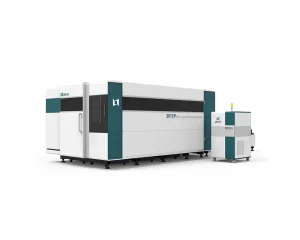
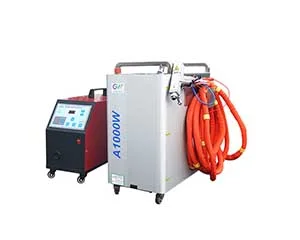
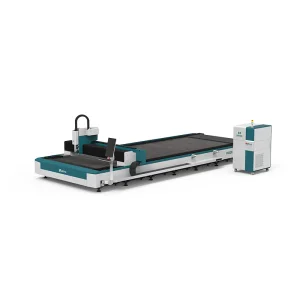
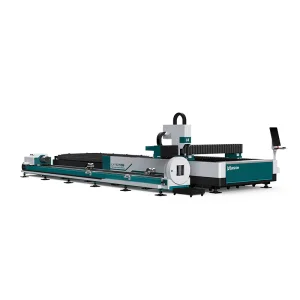
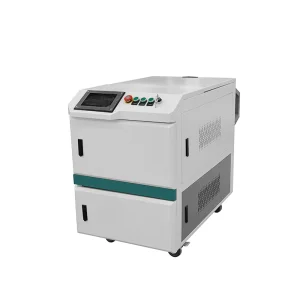
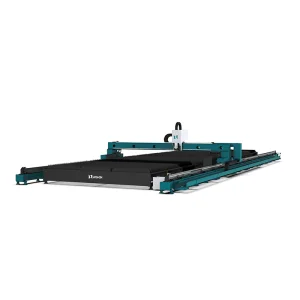
Our fully enclosed sheet laser cutting systems (like the 3015PHO series) feature protective housings fitted with optical filter windows certified to laser safety ratings. They include safety interlock circuits that halt beam propagation instantly if doors are opened during operation. Handheld laser welders and cleaning systems also feature grounding contact loops and safety triggers to prevent accidental eye exposure.
Every smart CNC fiber system we ship is equipped with remote network diagnostic access. With user permission, our software engineers can log into the machine to update firmware, calibrate positioning errors, and isolate component issues. For physical maintenance, we ship critical replacement parts via express logistics and collaborate with localized technician partners to minimize downtime.
Complete your production setup with automated loaders, advanced deburring systems, versatile pipe benders, and handheld welding solutions.
 Lxshow