Explore our flagship systems engineered for high-precision manufacturing, metal fabrication, rust removal, and industrial forming.
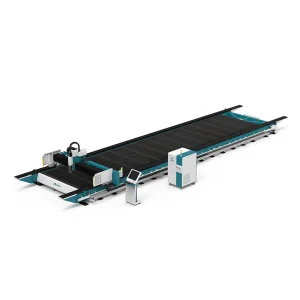
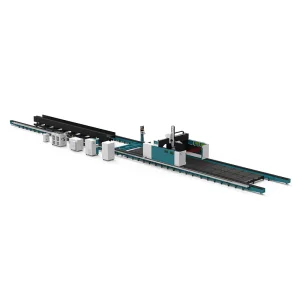
Analyses, technical pathways, and global procurement paradigms for next-generation smart factories.
In the current era of agile prototyping and rapid production cycles, the demand for highly precise, low-footprint desktop laser cutters has surged. Modern industries require systems that merge the flexibility of small footprints with the rigid capabilities of traditional industrial-scale fiber and gas laser machines. As a pioneering force established in July 2004, our enterprise has overseen the transition from bulky, manual-control laser systems to intelligent, CNC-driven fiber and UV configurations. Currently, the desktop laser cutting market is segmenting into specialized tiers: high-performance optical engineering systems for electronic components, and versatile workhorse systems for rapid tooling.
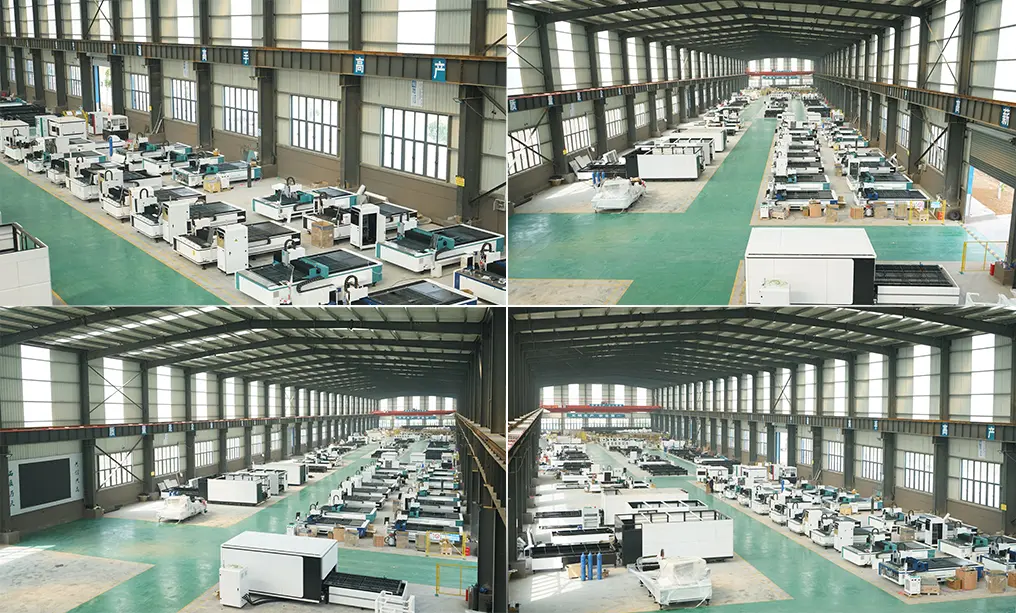
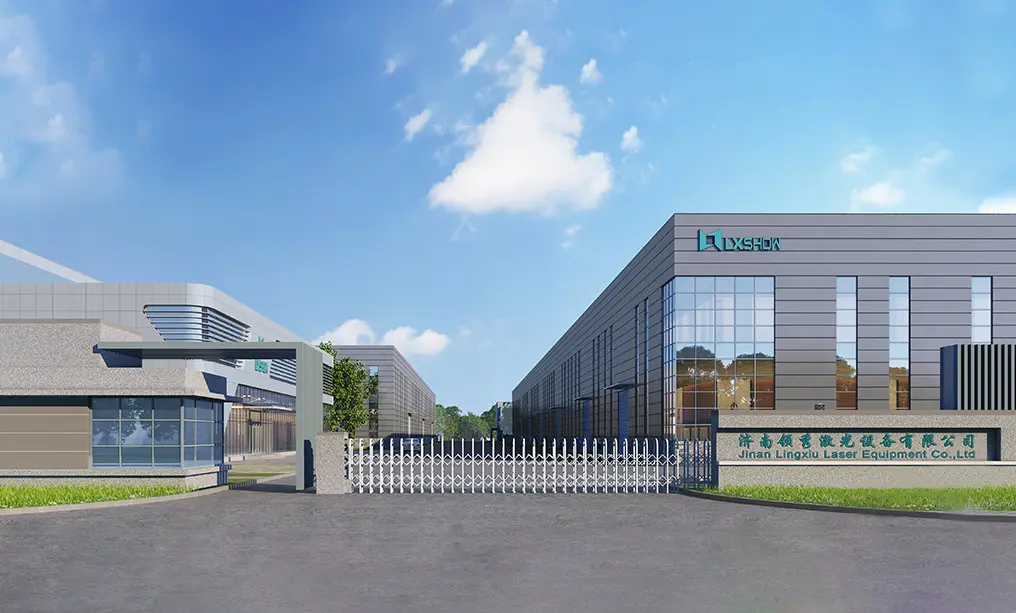
For companies looking to scale operations, procuring desktop laser cutters requires a thorough understanding of mechanical stability, source parameters, and optical transmission loss. Our commitment to global industrialization is backed by an extensive 32,000 square meter factory and a dedicated research office measuring over 500 square meters. Through continuous investment, we help bridge the gap between initial prototyping and enterprise-grade mass production, providing scalable systems designed for over 150 countries worldwide.
The differentiation between consumer desktop engravers and industrial-grade desktop laser cutters lies in the architecture of their drive systems, optical pathways, and safety features.
These units leverage solid-state fiber laser sources (ranging from 1000W to 4000W) designed to deliver high beam quality directly through a flexible fiber delivery cable. Unlike conventional systems, the LX1330QF delivers a highly focused spot size, maximizing absorption and processing efficiency for copper, aluminum, and stainless steel.
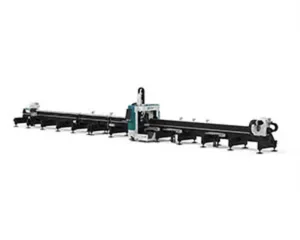
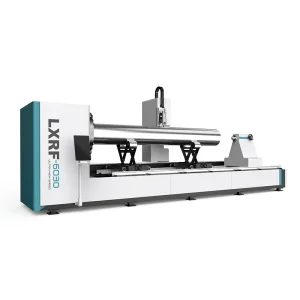
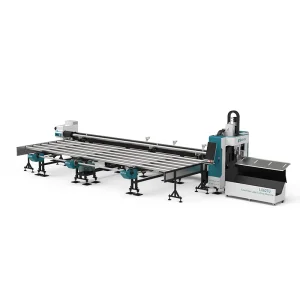
This design integrates tube and sheet cutting into a single space-saving enclosure. It eliminates the need for standalone systems by processing complex tube geometries and flat panels sequentially. Features include integrated pneumatic chucks, active thermal management, and a robust Class 1 enclosure.
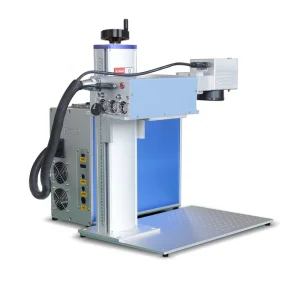
Moreover, the optical pathway of systems like the *High-Quality Split UV Laser Cutting Machine* provides low thermal effect micro-machining. By employing a 355nm UV wavelength, the laser processes polymers, glass, and delicate semiconductor matrices via cold ablation, minimizing thermal stress and protecting sensitive sub-layers.
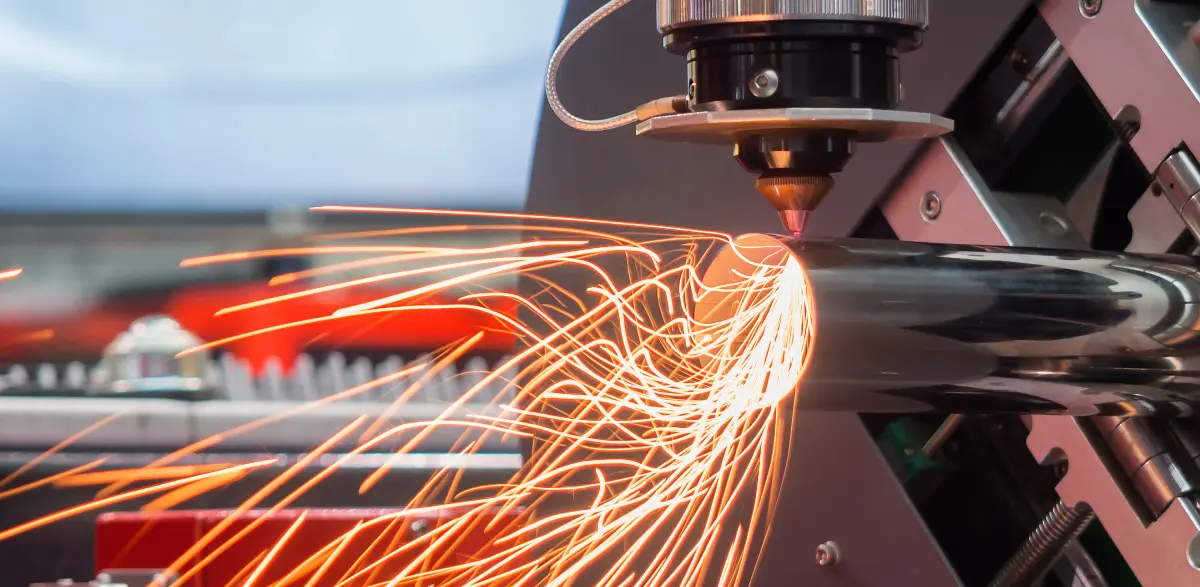
Fig 1. High-precision industrial fiber laser cutting head in action, demonstrating focused spot thermal processing.
Choosing the right laser system depends on the mechanical properties and thermal characteristics of the target materials. The table below outlines material interactions across our product lineup:
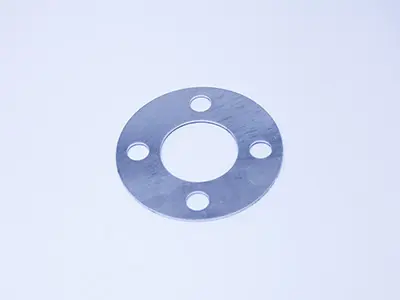
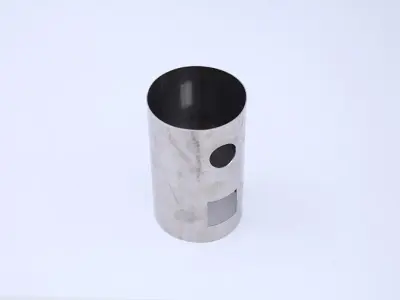
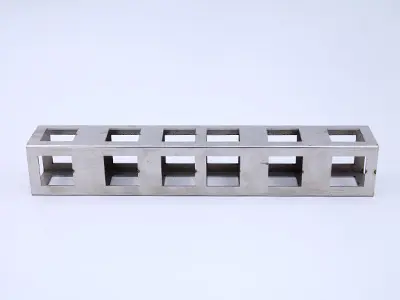
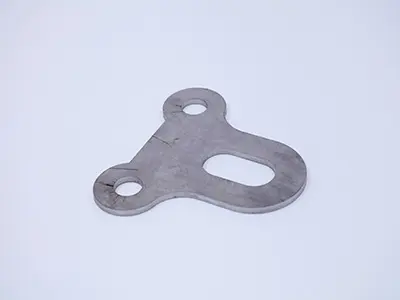
These materials are used in key industries such as:
For corporate buyers, assessing a desktop or compact industrial laser cutter goes beyond upfront hardware costs. Key factors include:
Our fiber laser systems achieve electrical-to-optical conversion efficiencies of over 35%. This reduces ongoing power consumption and minimizes the maintenance costs associated with traditional CO2 optical pathways.
Compatibility with standard CAM/CAD workflows, G-code protocols, and smart factory suites like CypCut or Lantek helps minimize operators' learning curves.
We provide custom mechanical layouts, variable optical source integration (IPG, Raycus, Maxphotonics), and customized enclosure configurations for over 30 global OEMs.
As manufacturing shifts toward Industry 4.0, standalone laser systems are transitioning into connected nodes within digital production lines. We are developing solutions to integrate:
Predictive Maintenance via AI Sensors: High-performance cutting heads will continuously monitor temperatures, assist gas dynamics, and check protection window status in real time to prevent unforeseen optical damage.
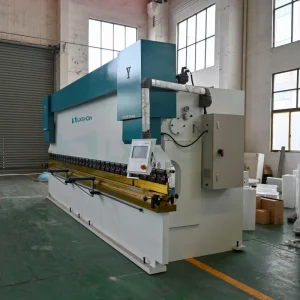
Multi-Axis Coordination: Linking fiber laser cutting heads with automated bending units (such as the WG67K-200t6000 CNC Sheet Steel Bending Machine) and robotic arms creates automated, closed-loop metal processing lines.
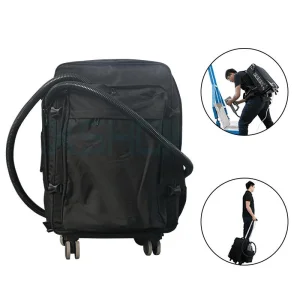
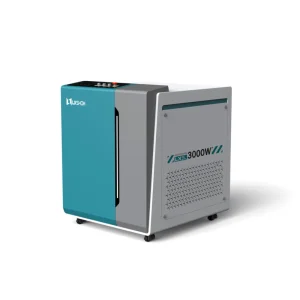
Closed-Loop Clean Tech: Handheld and stationary fiber laser cleaning systems (including our 100W backpack and high-capacity 3000W water-cooled variants) automate surface preparation and rust removal before the welding or painting stages.
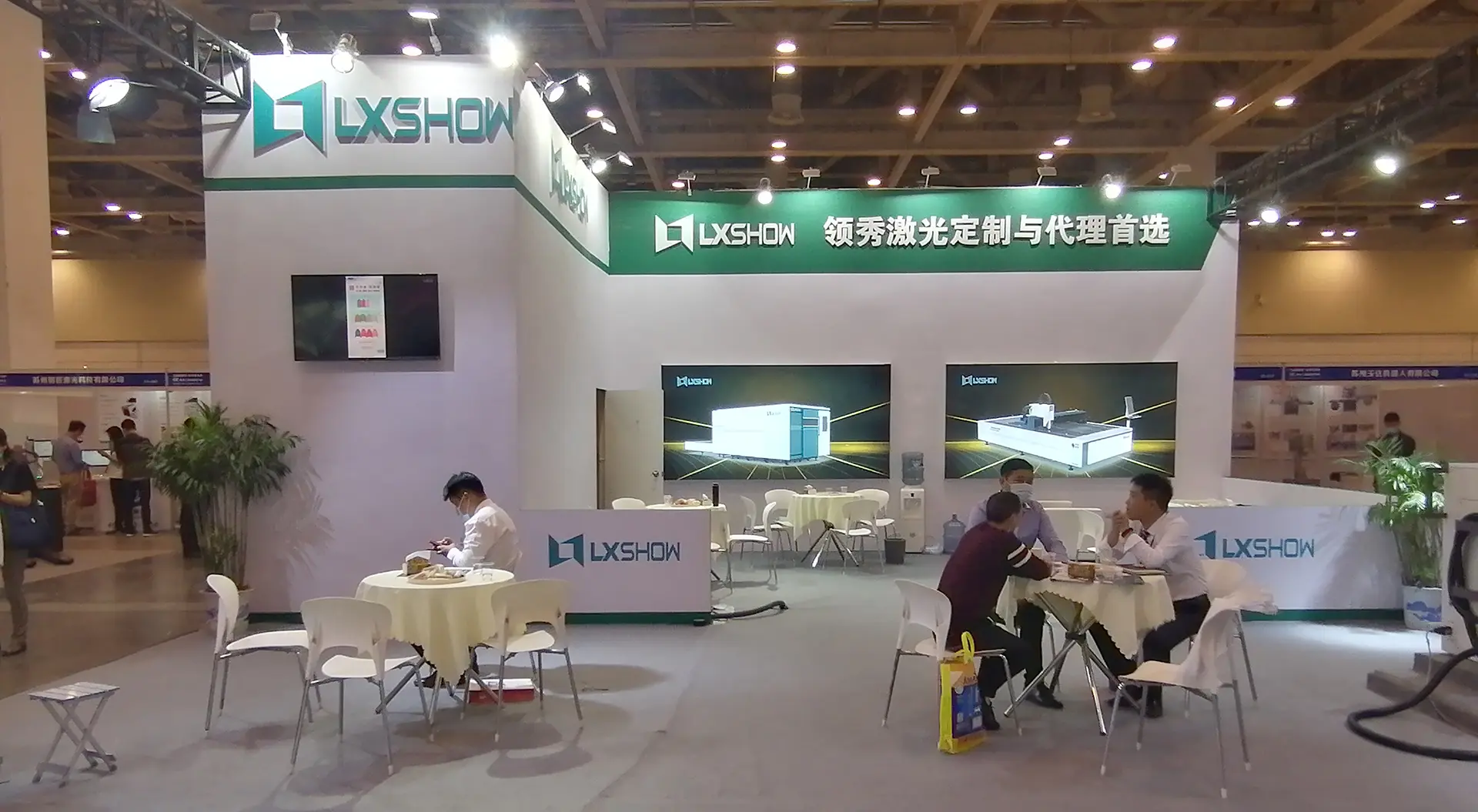
Fig 2. The LXSHOW integrated production catalog, including welding, cleaning, and material handling systems.
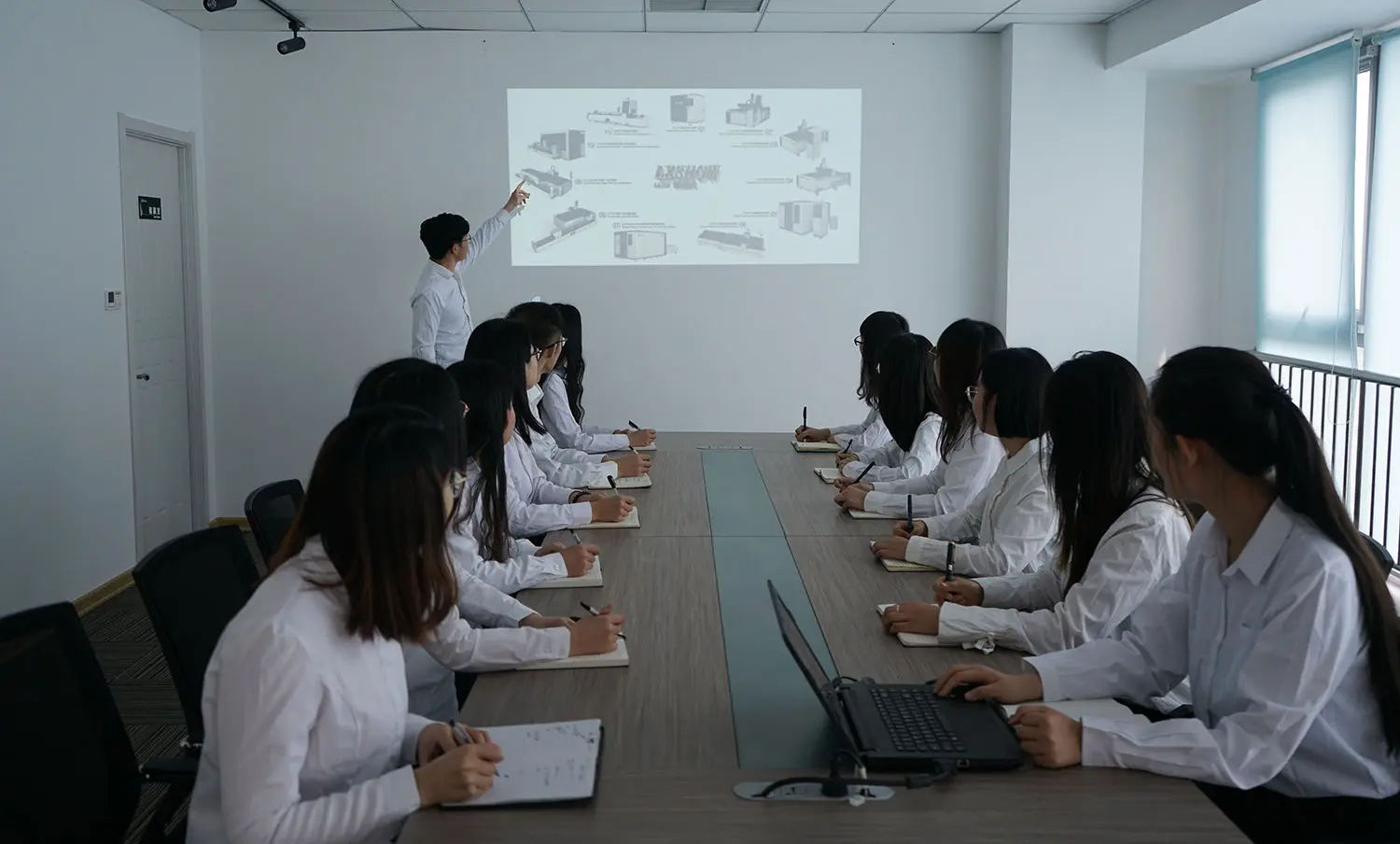
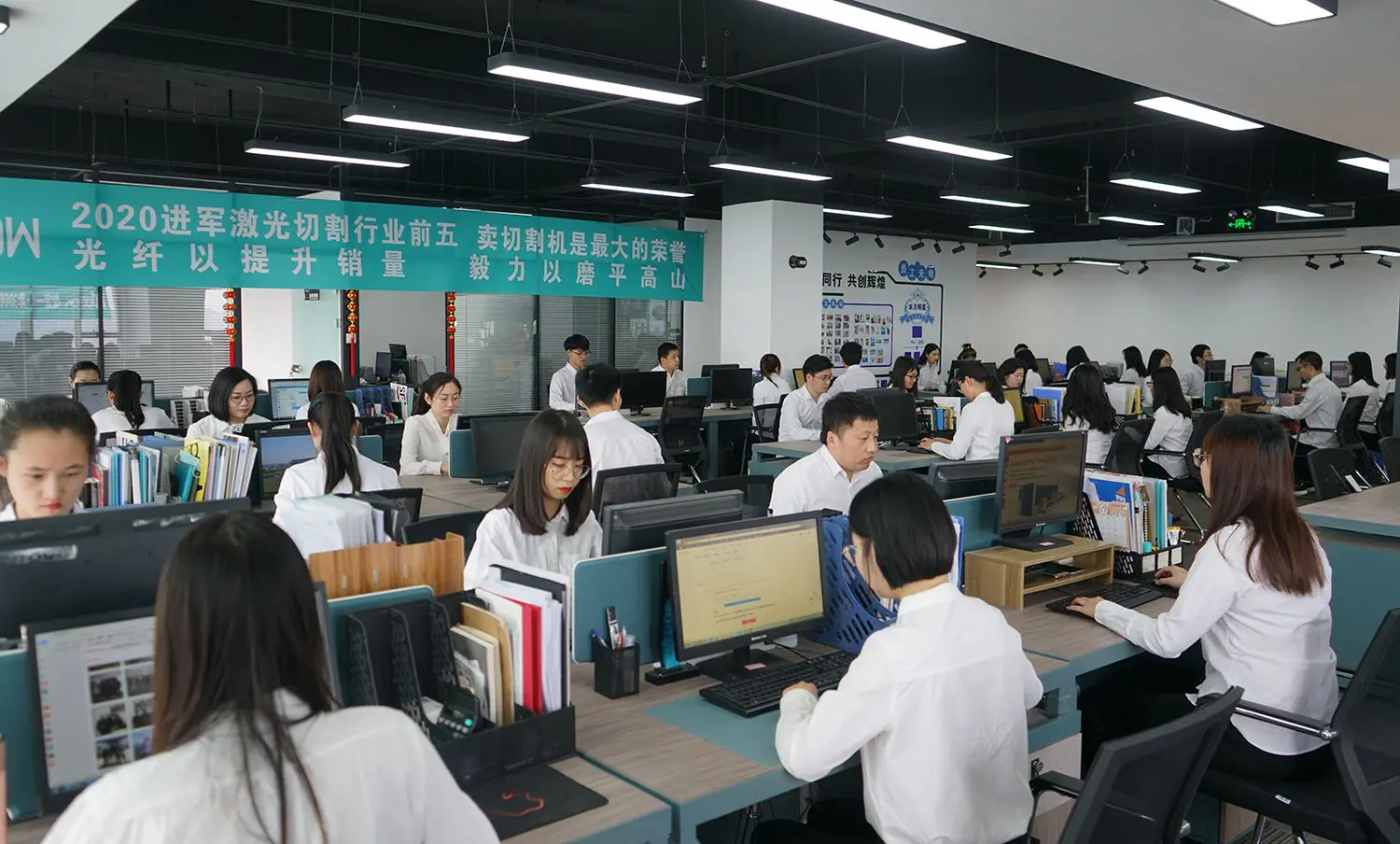
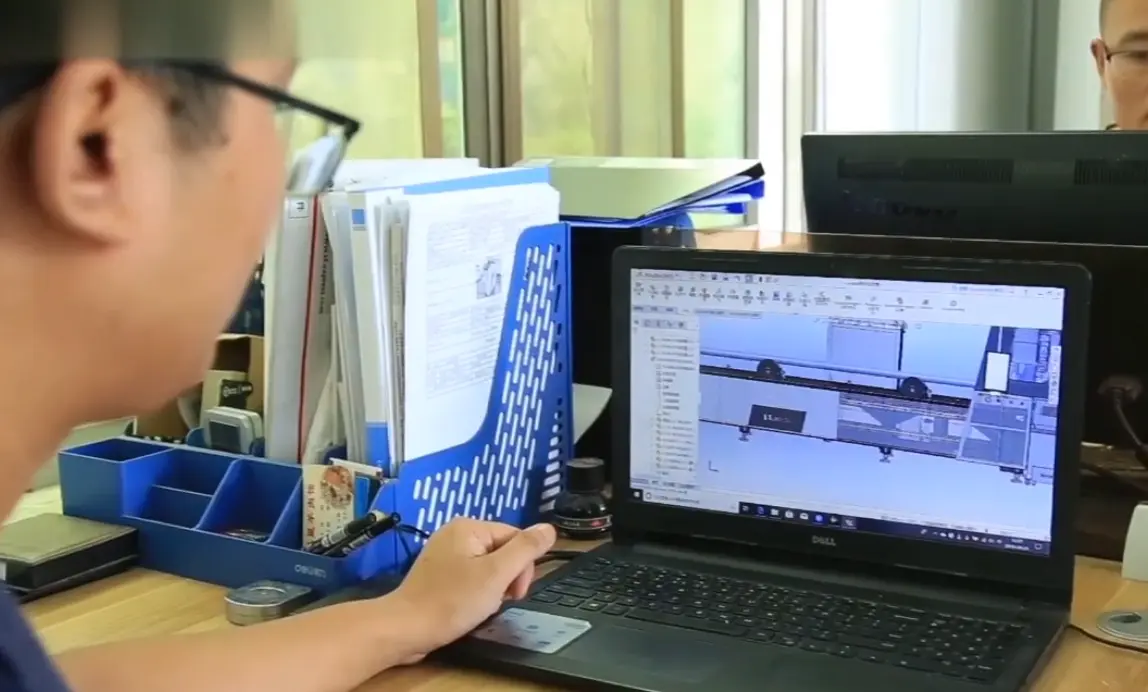
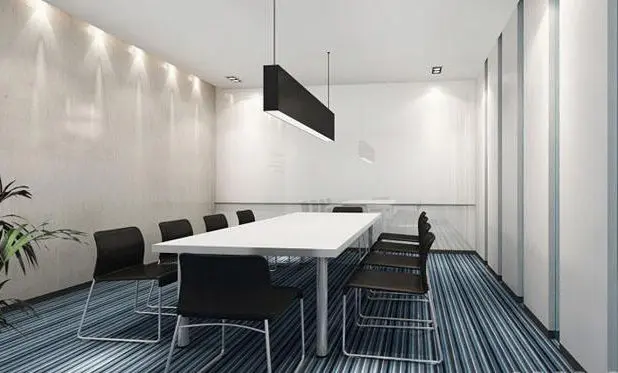
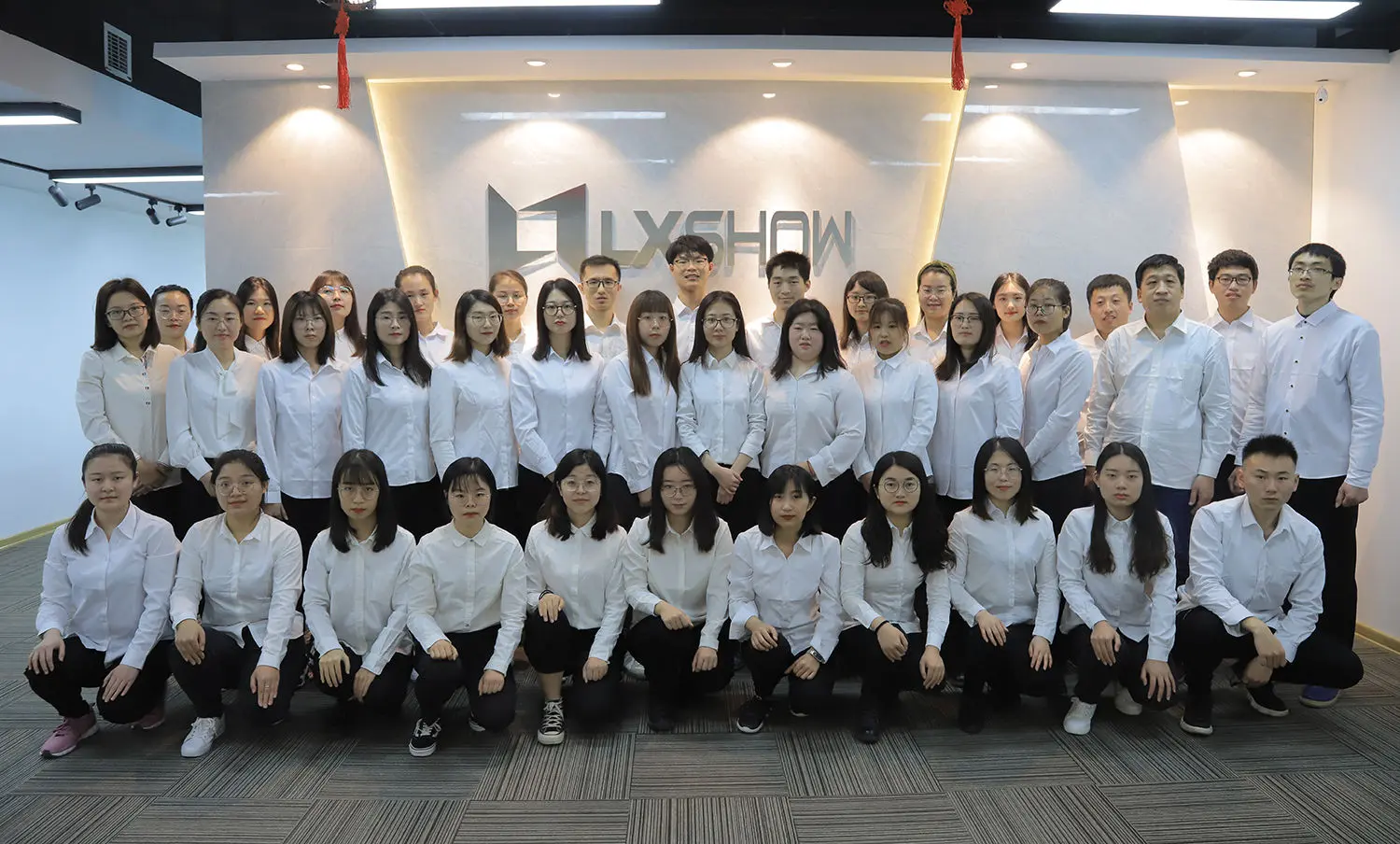
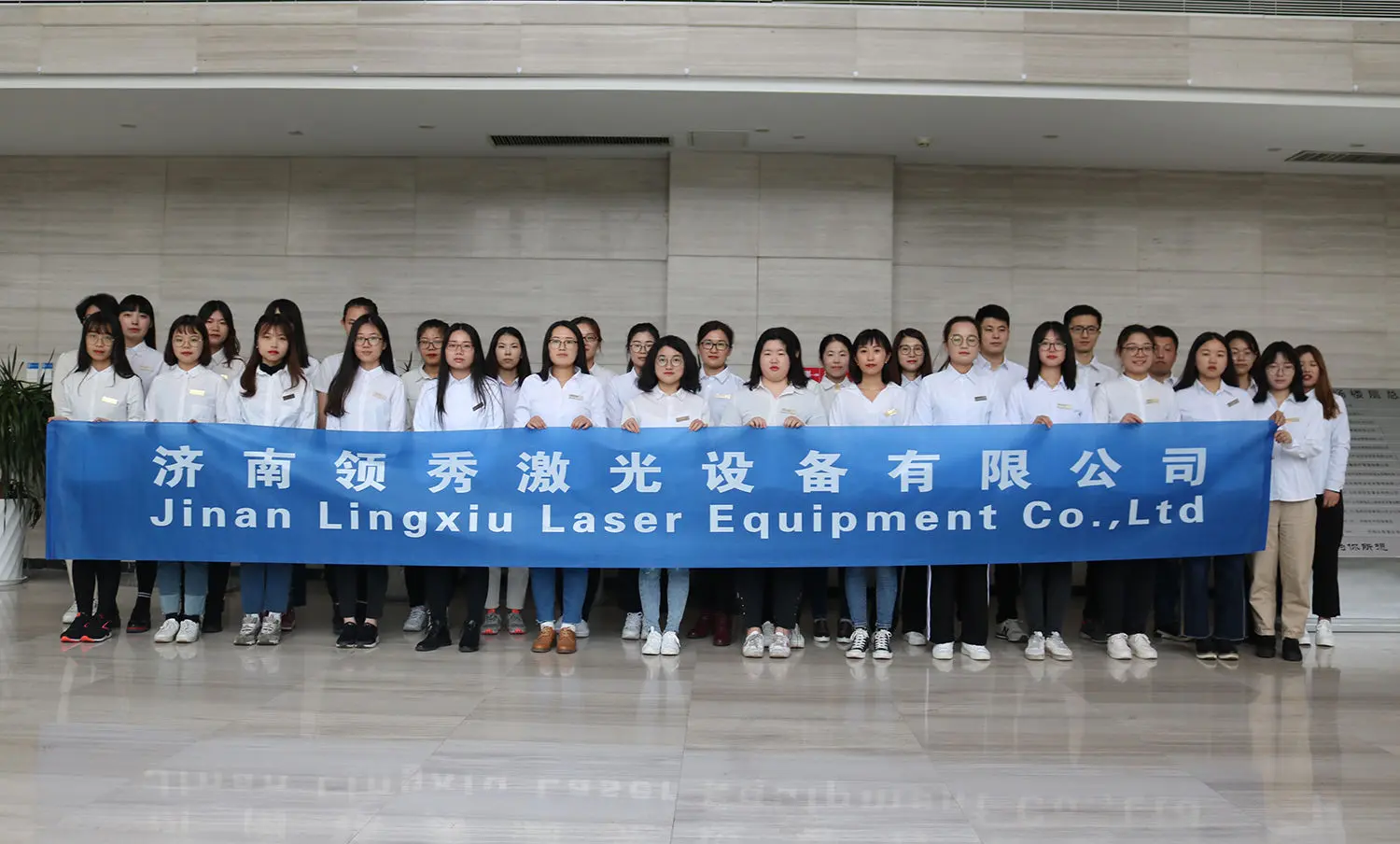
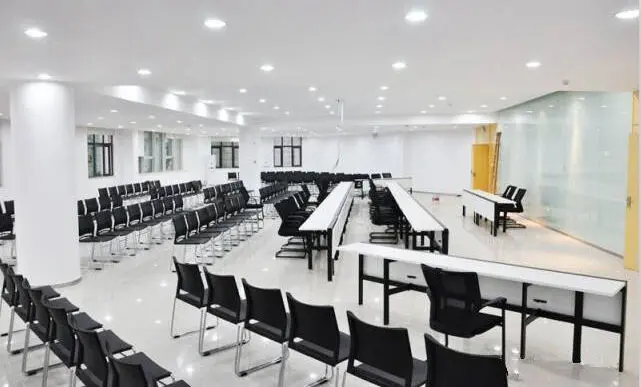
A transparent look inside our 32,000 square meter factory, engineering departments, and training facilities.
Explore our heavy-duty industrial systems, automatic tube processors, and surface treatment lines.
 Lxshow