Aluminium is one of the most critical structural metals in modern engineering, celebrated for its high strength-to-weight ratio, structural elasticity, and natural corrosion resistance. However, processed aluminium alloys pose significant challenges to standard thermal cutting systems. Due to high reflectivity and thermal conductivity, standard lasers often struggle with back-reflection damage and thermal dissipation issues.
As a pioneering manufacturer of fiber laser cutters, we integrate advanced high-speed CNC controls, specific optical path isolators, and custom gas flow dynamics. This ensures clean, burr-free cuts, eliminating micro-cracking and HAZ (Heat Affected Zone) crystallization. Our technology makes aluminium laser cutting highly repeatable and efficient for volume production.
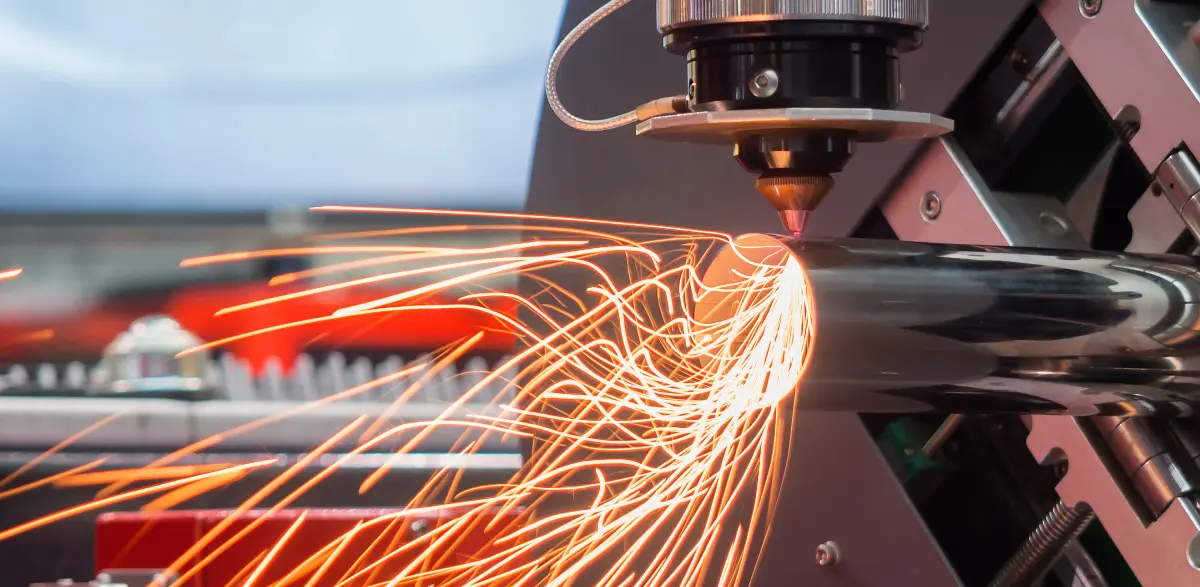
Historically, sheet metal fabrication shops relied on CO2 lasers (operating at a wavelength of 10.6 μm) for standard metal cutting. When presented with aluminium alloys (such as the 5xxx marine-grade and 6xxx structural-grade), CO2 systems encountered significant hurdles. Aluminium absorbs only a fraction of the 10.6 μm wavelength energy; the remainder is reflected. This back-reflection frequently damaged expensive CO2 resonators and optical delivery paths.
The introduction of solid-state fiber laser technology (operating at a wavelength of 1.07 μm) revolutionized aluminium fabrication. At this shorter wavelength, aluminium's energy absorption rate increases significantly. This translates into high-speed processing, narrow kerf widths, and negligible distortion. By using fiber lasers, manufacturers can run continuous production cycles on reflective non-ferrous metals without risking key optical component failures.
Procurement teams sourcing machinery for automotive, aerospace, and electrical enclosures prioritize stability. Highly reflective materials require robust protection systems. When selecting an industrial laser cutter for aluminium, procurement agents must evaluate several key features:
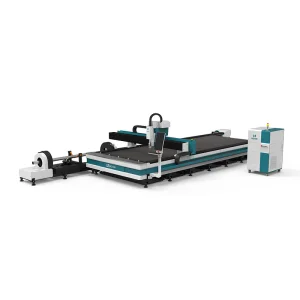
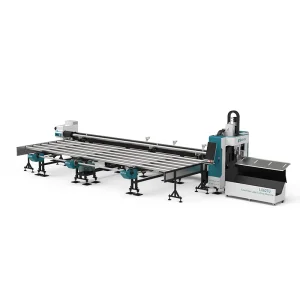
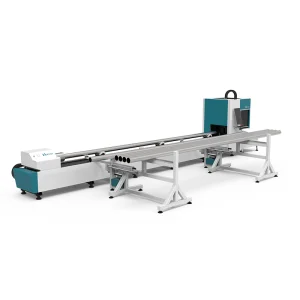
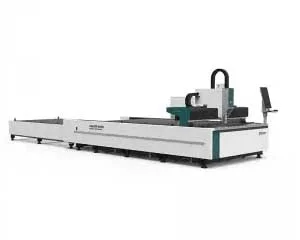
Through our rigorous testing and development, our plate and tube laser cutters incorporate these specific configurations. This guarantees trouble-free operation even during high-volume production of raw 1050, 5052, and 6061 aluminium sheets.
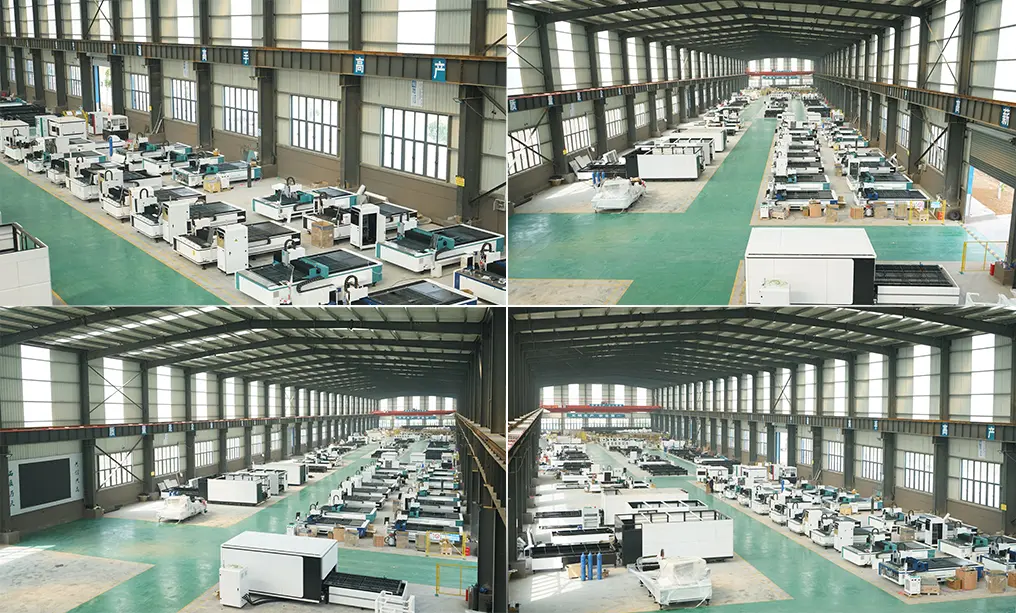
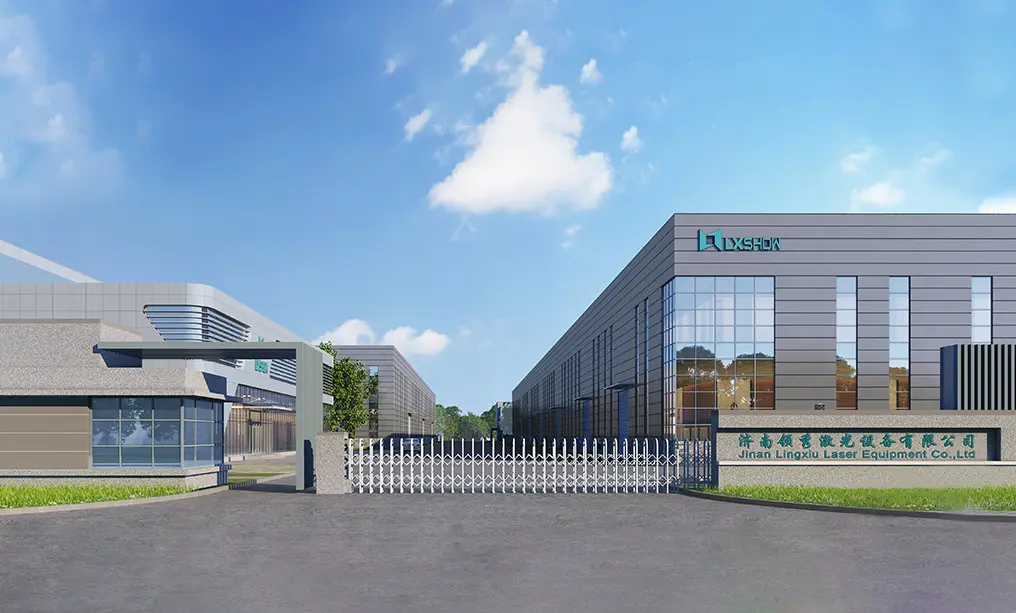
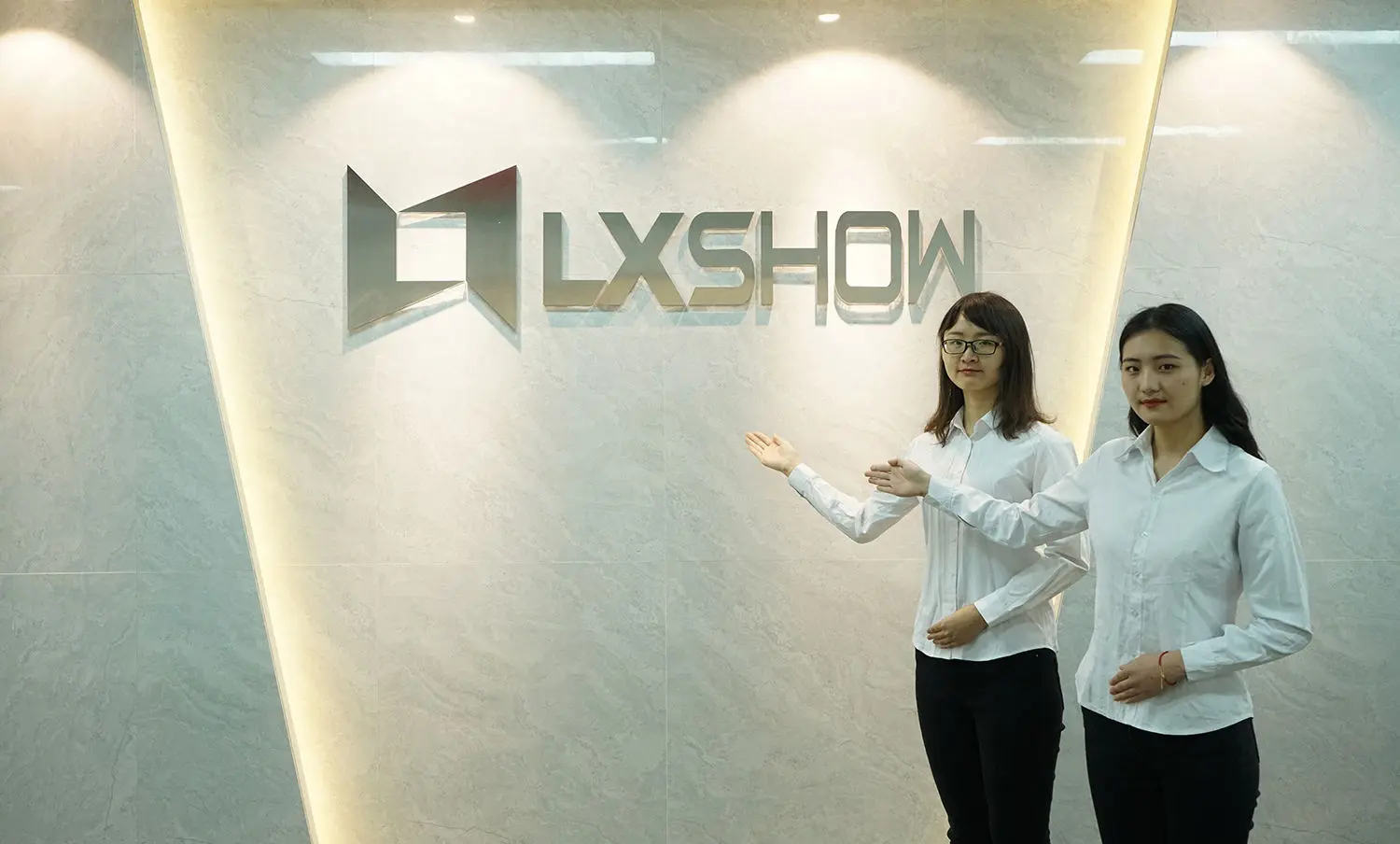
Established in July 2004, our company has grown from a specialized local engineering office into a global manufacturing force. We operate from more than 500 square meters of dedicated R&D and administrative office space, paired with a modern, state-of-the-art 32,000 square meter factory floor.
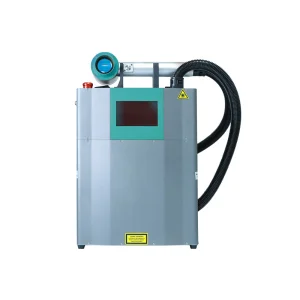
Over the last 18 years, our development focus has remained clear: advanced fiber laser cutting, high-efficiency laser welding, and precision laser cleaning. Today, our machines hold CE, FDA, and ISO 9001 certifications. Our products support smart manufacturing initiatives in over 120 countries, including the USA, Canada, Australia, Europe, Southeast Asia, and Africa. We also serve as a trusted OEM supplier to more than 30 global industrial machinery brands.
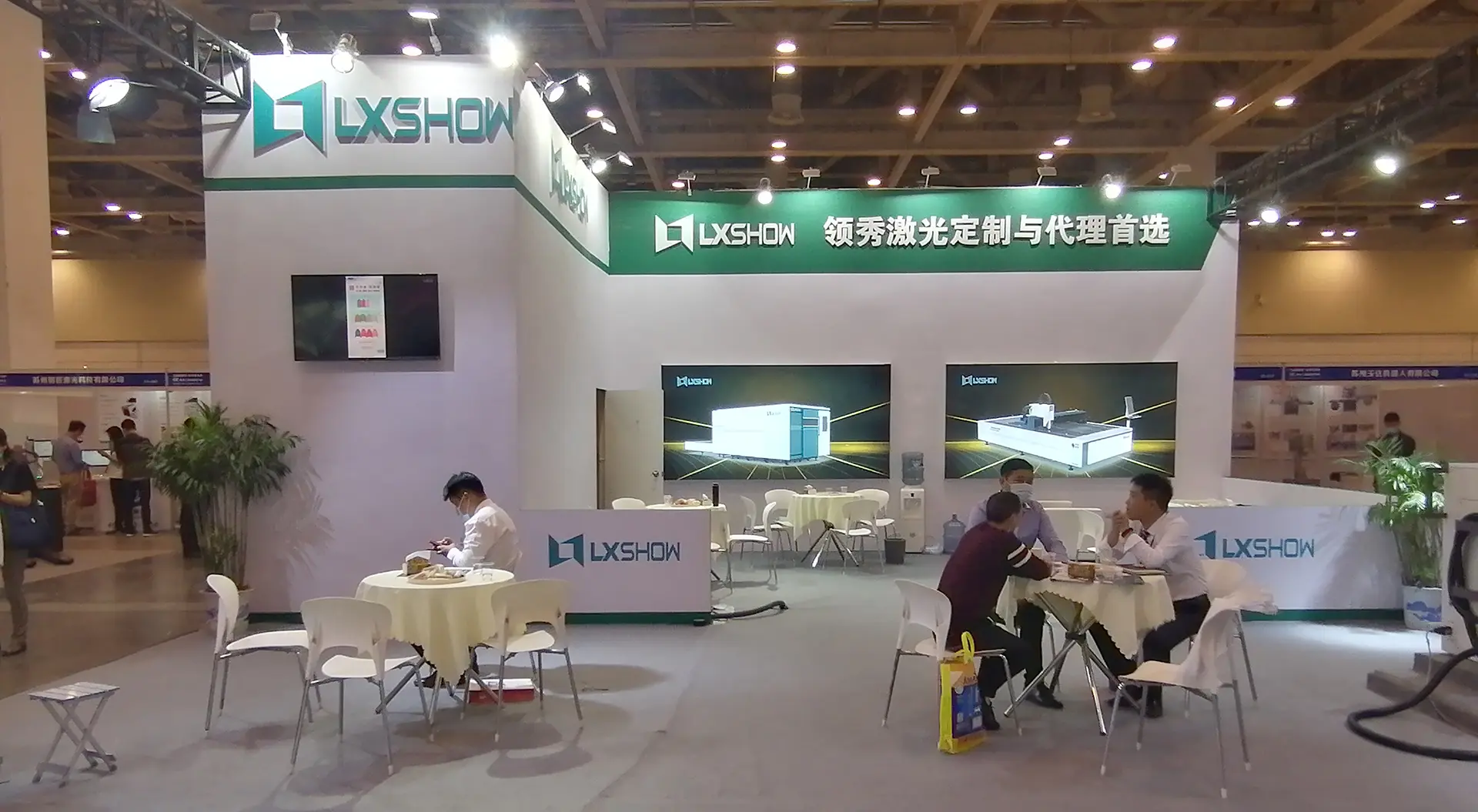
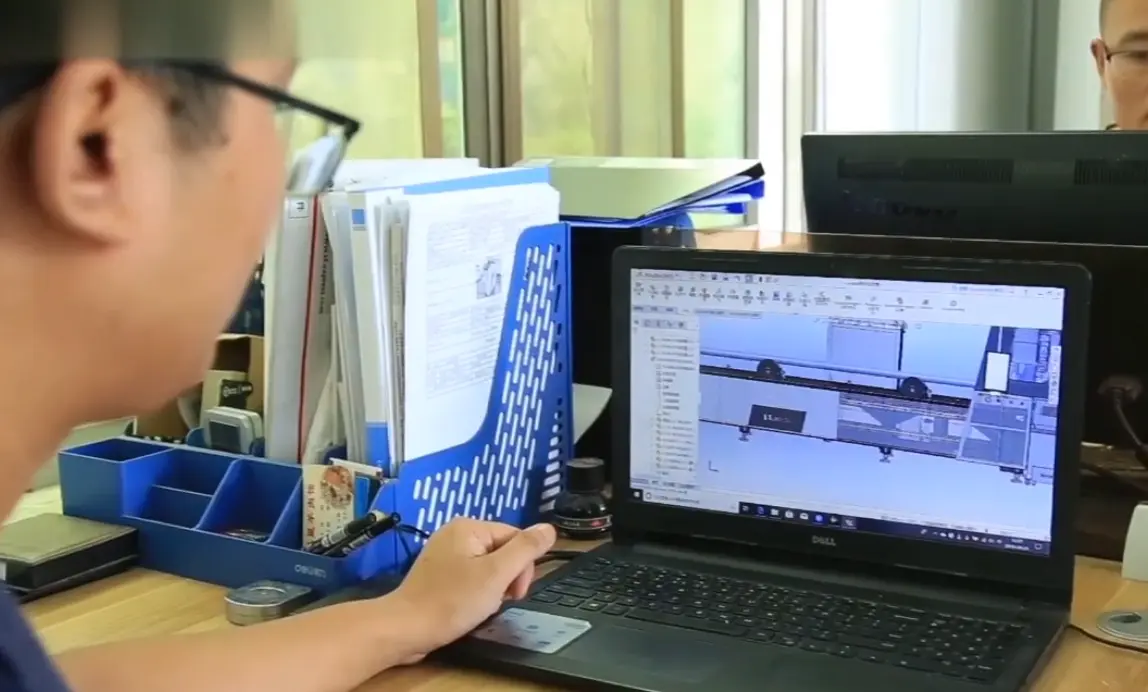
Our aluminium laser cutting systems target high-precision industrial sectors. The aerospace sector requires high-accuracy machining of 7075-T6 sheets for fuselage stringers and structural ribs. To prevent microstructural micro-cracks, our machines maintain exact temperature stability at the kerf, keeping the heat-affected zone minimal.
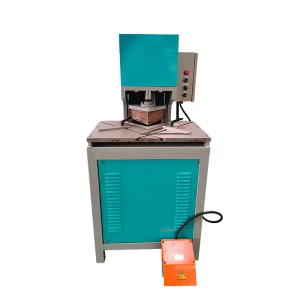
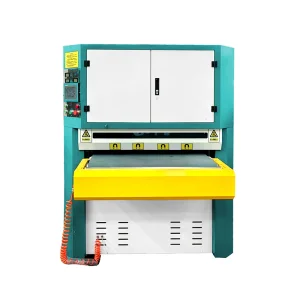
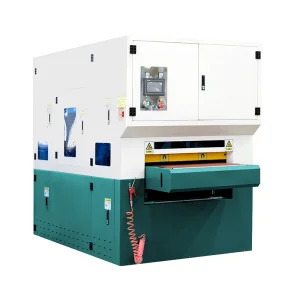
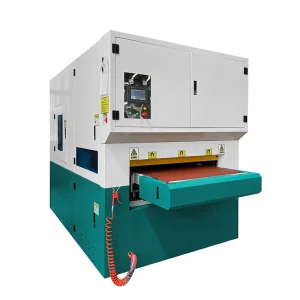
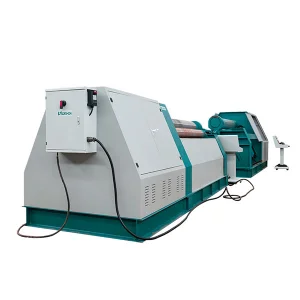
In the automotive industry, manufacturers of electric vehicles (EVs) rely on our fiber lasers to cut and weld battery trays, chassis components, and body panels. We help automotive OEMs streamline their lines by combining high-speed fiber cutting with secondary processes, such as automatic deburring (LX-RRS-A-800) and mechanical bending (WE67K).
Reliability is crucial for high-value machinery. To protect your investment, every CNC fiber laser cutter, cleaning machine, and bending system we ship complies with global regulatory standards:
Our complete machinery portfolio meets EU electrical, electromagnetic, and mechanical safety directives, allowing import into European Union markets.
Our lasers feature proper structural enclosures, safety interlocks, and optical viewing windows that comply with US FDA radiation safety standards.
Our production facilities maintain strict quality management systems, from inbound components inspection to final machine calibration and load testing.
A machine is only as good as the service that supports it. Operating in more than 150 countries, we maintain a robust global technical support ecosystem. Remote diagnostic tools allow our field-certified technicians to troubleshoot control parameters via cloud interfaces. When on-site assistance is required, we deploy technicians from local service hubs in North America, Europe, Australia, and Southeast Asia to minimize downtime.
Every equipment delivery includes a comprehensive training package. This program covers laser safety, diagnostic routines, CAD/CAM nesting optimization, and preventive maintenance. This ensures your engineering team is prepared to run the machine safely and efficiently.
Our long-term goal is clear: "Before 2040, we will be one of the most important companies in the laser field." To achieve this, our research initiatives focus on high-efficiency, intelligent laser manufacturing systems. Our technical development roadmap centers on three key areas:
 Lxshow