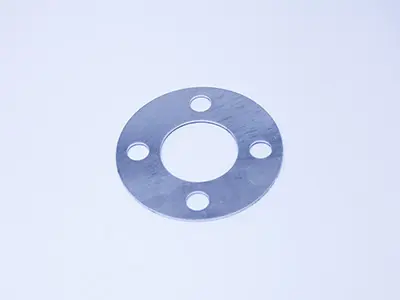
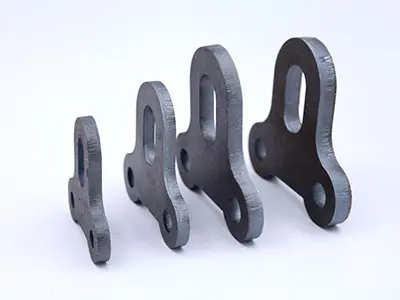
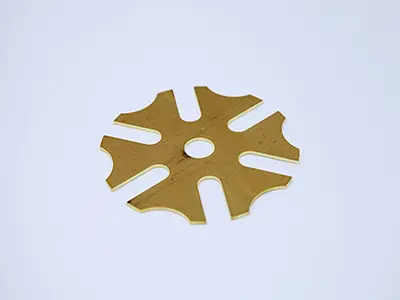
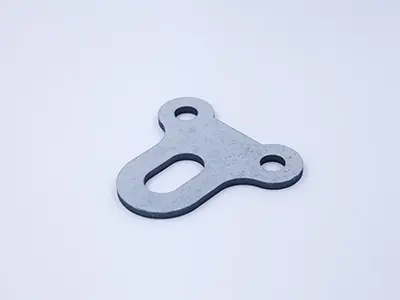
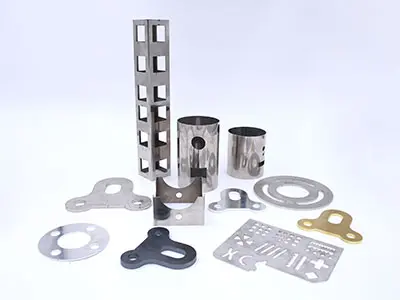
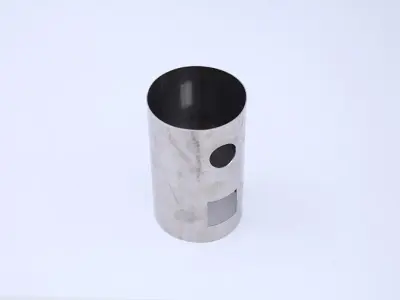
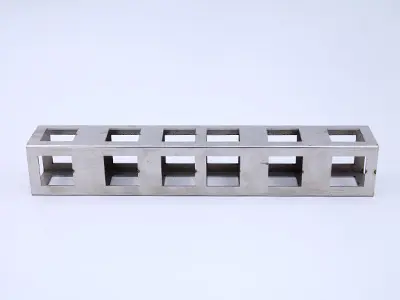
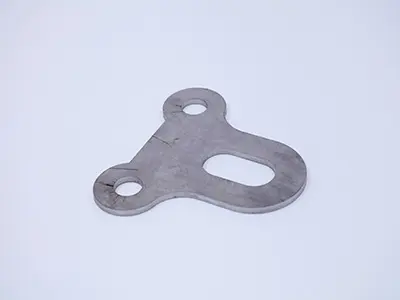
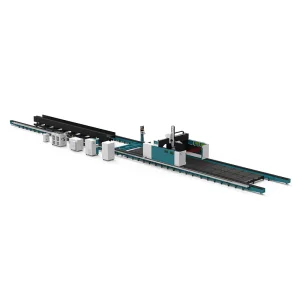
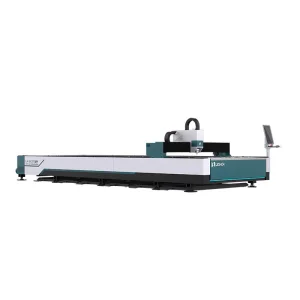
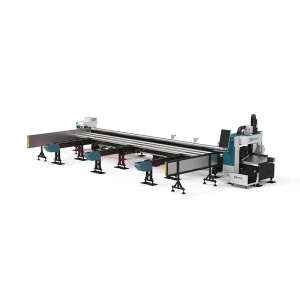
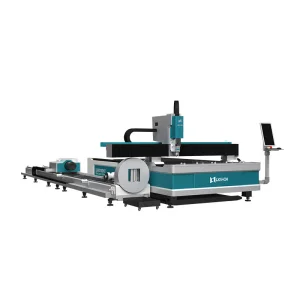
Explore our top-selling custom laser systems designed for heavy steel plate cutting, high-efficiency tube profiling, and structural sheet metal processing.
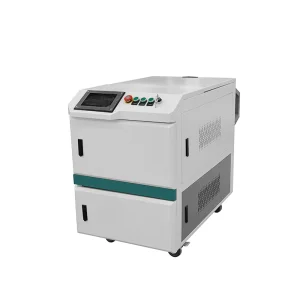
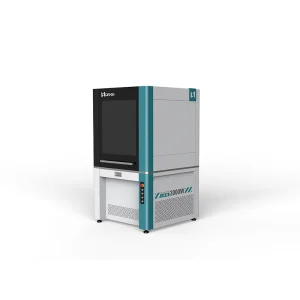
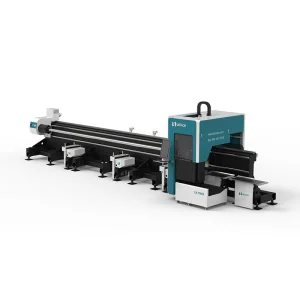
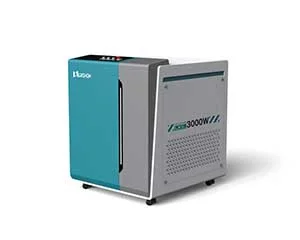
The industrial landscape for sheet metal fabrication and structural steel manufacturing is experiencing a massive paradigm shift. As standard thermal cutting methods like oxy-fuel and plasma hit their engineering limits in terms of precision, edge quality, and heat-affected zone (HAZ) mitigation, high-power fiber laser cutting machines for steel have emerged as the definitive industrial standard. For modern steel suppliers, service centers, and manufacturing factories, upgrading to high-performance laser equipment is no longer an optional growth strategy—it is a critical requirement for maintaining supply chain relevance.
Historically, fiber lasers were relegated to thin-gauge materials due to constraints in optical power density and beam profiling. Over the past decade, however, the industry has seen the commercial viability of 12kW, 20kW, and even 30kW+ fiber laser sources. This transition has unlocked the capability to cut ultra-thick carbon steel (up to 50mm) and stainless steel plates with unparalleled speed and edge cleanliness.
By employing dynamic laser beam shaping (Collimation adjustment and mode selection), modern laser systems can automatically adapt the kerf width and spot size to match specific material qualities. In cutting carbon steel, the use of auxiliary oxygen gas generates an exothermic reaction that accelerates cutting speeds. In contrast, for stainless steel and aluminum, high-pressure nitrogen gas is used to purge the molten zone, preventing oxidation and preserving a bright, weld-ready surface finish.
Enterprise procurement professionals are shifting away from generic off-the-shelf machinery. The modern factory demands high integration, meaning laser cutters must communicate directly with Manufacturing Execution Systems (MES) and automated warehouse storage towers. Procurement teams look for key indicators of longevity and safety, including European Union CE authentication, American FDA certification, and ISO 9001 compliance.
Furthermore, global buyers require specific machinery customization:
The rise of China’s intelligent manufacturing paradigm, commonly referred to as Factory 4.0, has redefined the economics of laser machine sourcing. Through deep vertical integration, raw materials, high-precision guide rails, laser heads, and electrical control units are sourced within concentrated industrial corridors. This localized manufacturing ecosystem provides deep resilience against global supply chain shocks.
For international buyers, sourcing a custom laser cutting machine for steel from a tier-1 Chinese manufacturer like LXSHOW offers significant competitive advantages:
Components are manufactured, quality-controlled, and assembled under a unified system, ensuring seamless software-hardware compatibility.
From frame size scaling to unique laser power integrations, machinery can be optimized to fit existing factory footprints and electrical layouts.
Adherence to global standards—incorporating dual-cycle testing, structural stress relaxation, and optical power calibration over 72 continuous run hours.
This manufacturing infrastructure allows us to build smart manufacturing environments, enabling companies worldwide to transition away from labor-intensive processes toward fully automated factory floors. Since 2004, our production models have helped enterprises across 120+ countries digitize their fabrication lines.
Our advanced laser processing systems are calibrated to handle a diverse range of metal materials, ensuring high edge quality, clean corners, and minimal thermal deformation.
Our heavy industrial machinery is engineered specifically to service highly demanding sectors:
Combining high precision, structural rigidity, and low operational costs. Discover our core product categories.
Ideal for surface enhancement, structural repair, and wear-resistant coatings. Ensures long-term reliability for thick metal components.
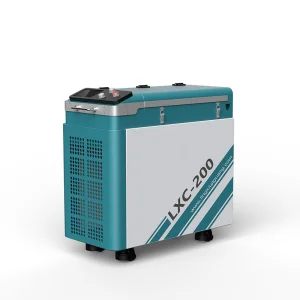
Handheld and automated solutions for non-abrasive rust, paint, oxide layer, and grease removal. Preserves basic metallic integrity.
High-speed, water-cooled fiber laser welding systems. Achieves clean joints, high penetration, and minimal thermal distortion.
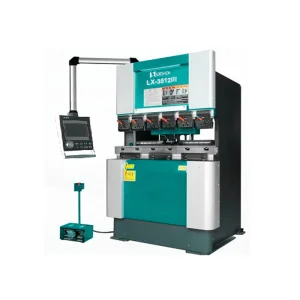
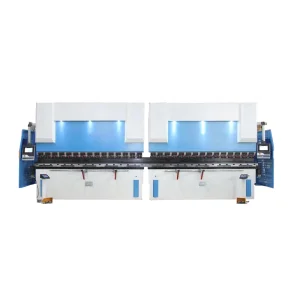
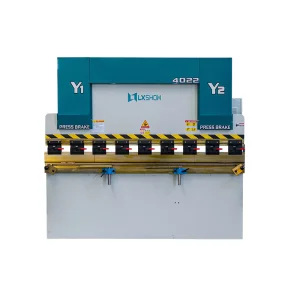
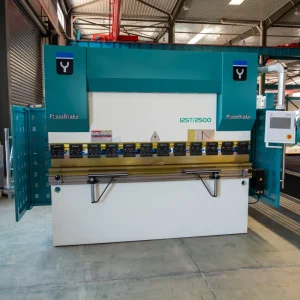
Electro-hydraulic servo press brakes and all-electric bending machines for precise angle folding of steel sheets.
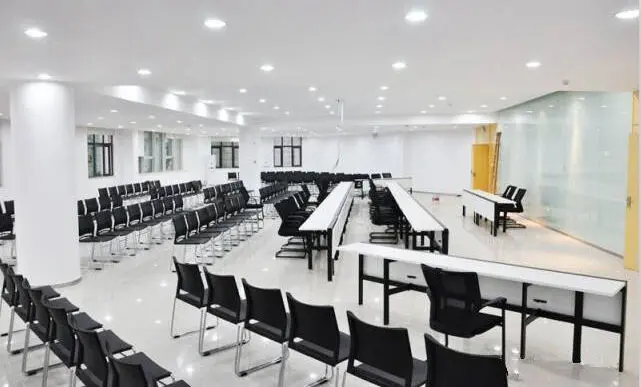
Our physical workspace encompasses research facilities, heavy assembly halls, and precision testing labs. Explore our locations and departments.
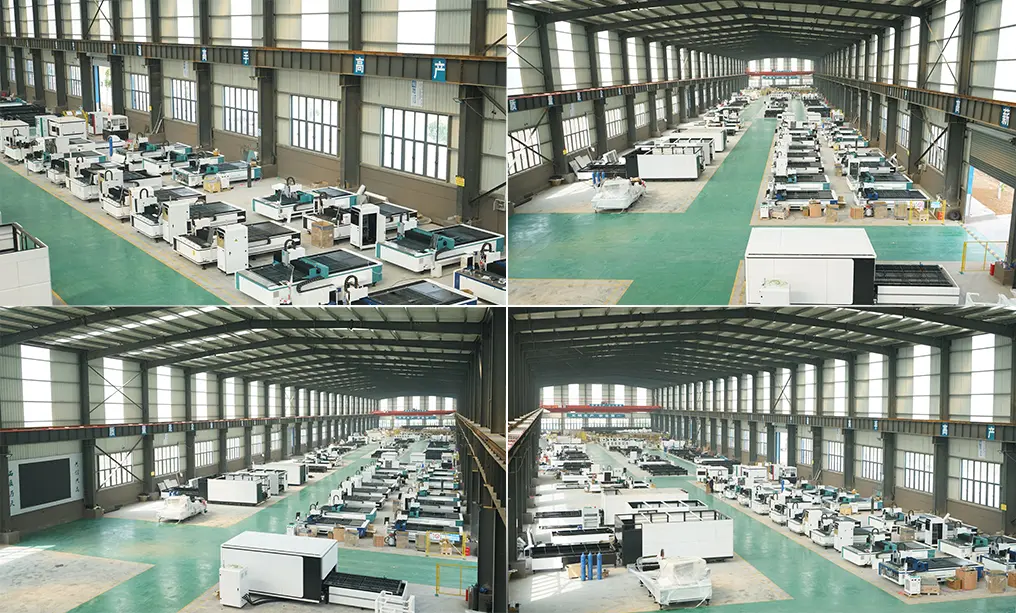
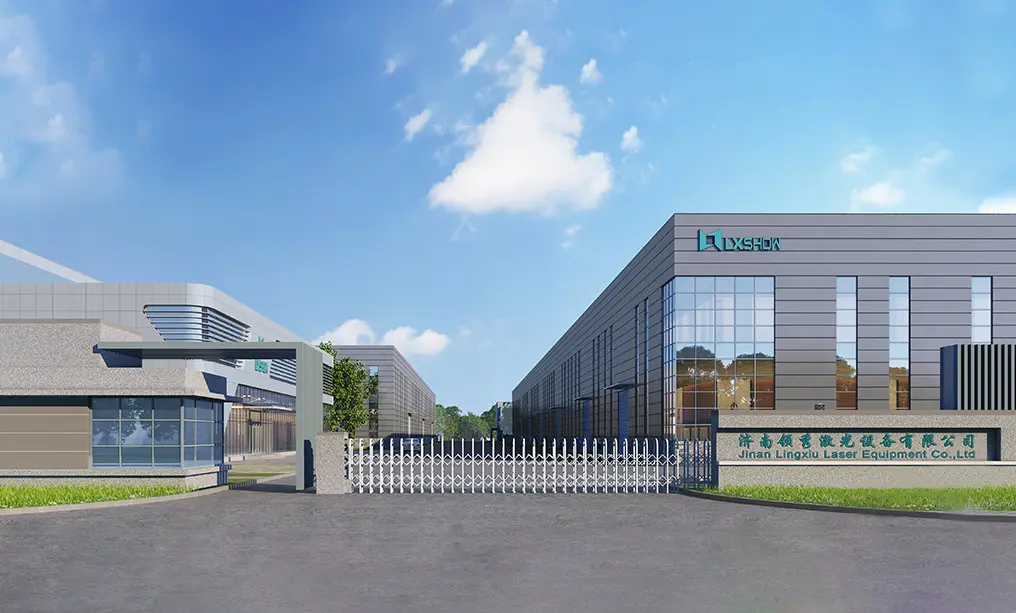

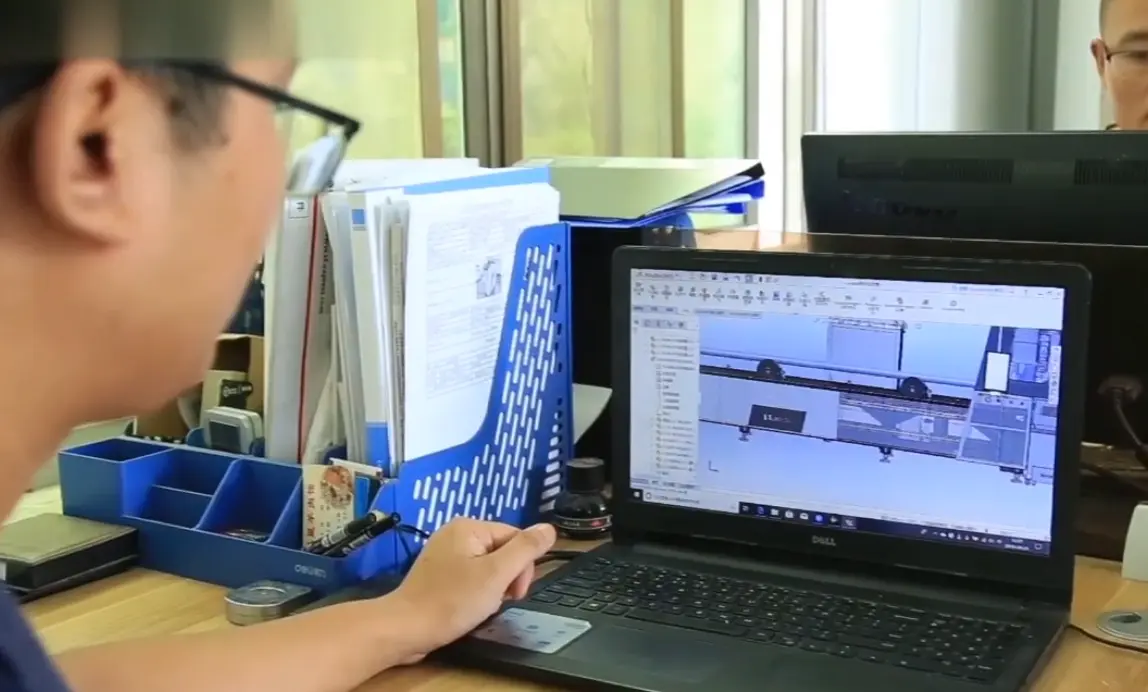
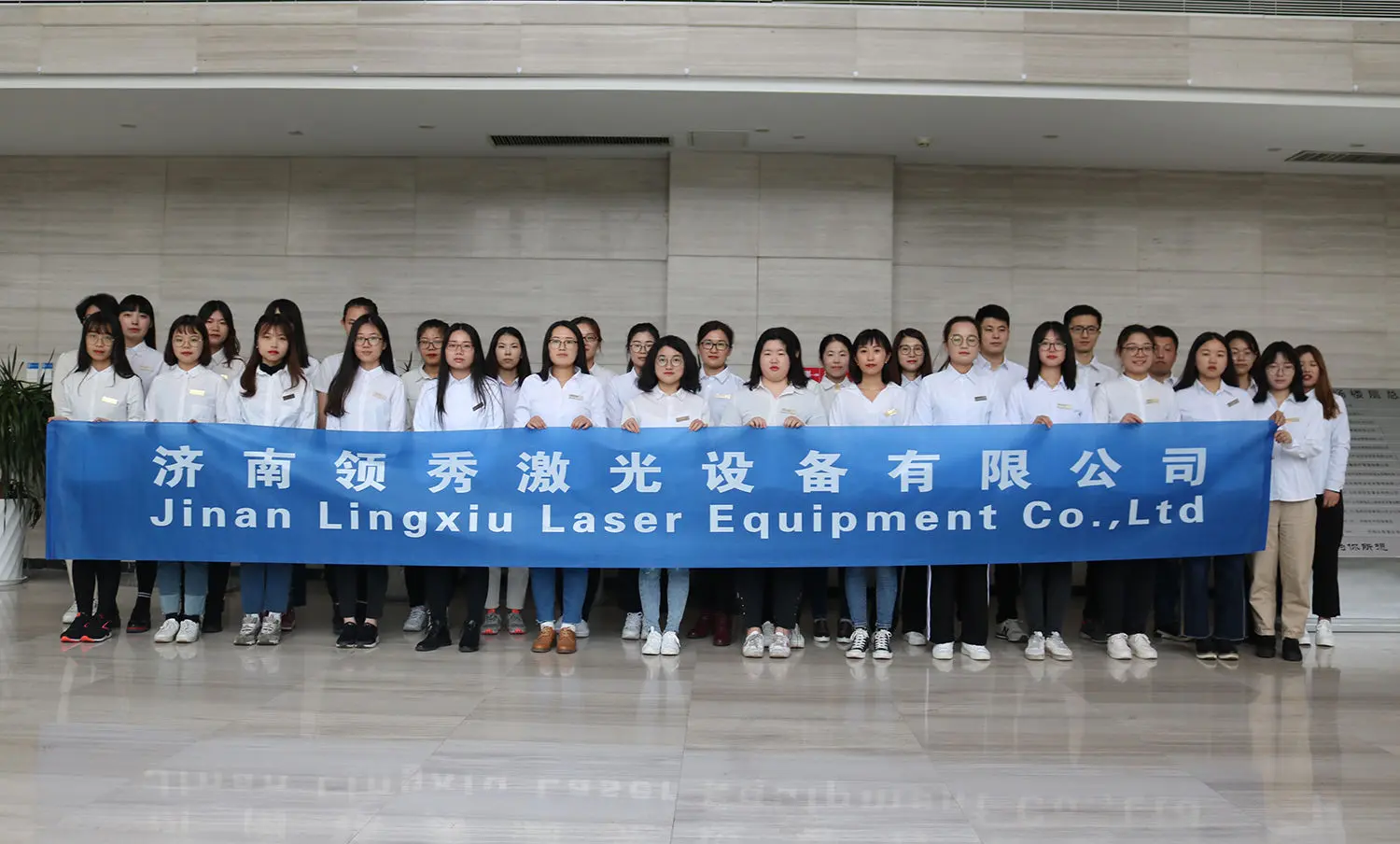
Detailed technical answers to common queries regarding laser source selection, steel behavior, gas pressure, and CNC press brake operations.
For structural steel, the optimal power depends on production speed requirements. 1kW to 3kW systems cut carbon steel efficiently up to 12mm. For heavy plates ranging from 16mm to 25mm, a 6kW to 12kW system is recommended. For high-speed production cutting of plates exceeding 30mm, 20kW to 30kW fiber laser sources are utilized. High-power systems dramatically reduce the Heat Affected Zone (HAZ), resulting in minimal carbon buildup and superior edge perpendicularity.
Oxygen is primarily used for carbon steel. The oxygen gas reacts chemically with the heated iron, releasing thermal energy that speeds up the melting process. However, this leaves an oxidized layer on the cut edge, which must be removed before welding or painting. Nitrogen is used under high pressure to cut stainless steel and aluminum. Because nitrogen is inert, it acts solely as a physical force to blow out the molten metal, resulting in an oxide-free edge that is instantly ready for structural assembly.
WE67K series press brakes utilize a closed-loop electro-hydraulic servo system to coordinate ram movement. In contrast to mechanical linkages, servo-hydraulic systems continuously monitor cylinder positions using linear scales. If the ram shifts unevenly under off-center loads, the valves instantly modulate hydraulic pressure to adjust parallelism. This prevents bending inaccuracies across long sheets of steel and compensates for frame deflection automatically.
Yes, high-power pulse laser cleaners are ideal for this application. By delivering high-frequency, nanosecond pulses of light, the energy density creates rapid vaporization of oxides and rust without transferring destructive thermal energy into the core steel substrate. This selective ablation process ensures the metal is clean and prepared for coating without altering the metallurgical properties of the alloy.
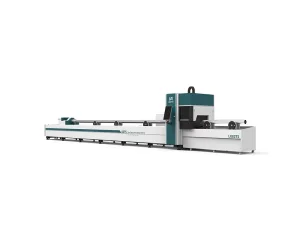
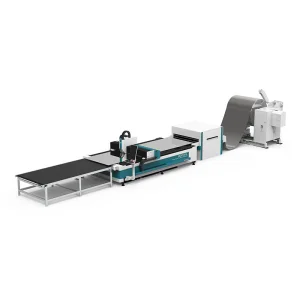
The complete range of smart laser machining platforms, including fiber sheet cutting, coil-fed systems, and heavy shear tools.
 Lxshow