Select industrial laser cutting, welding, and bending systems engineered for global manufacturing clusters.
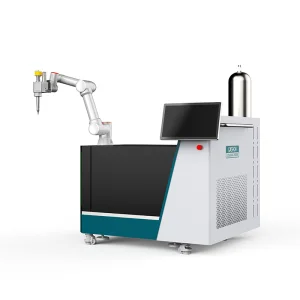
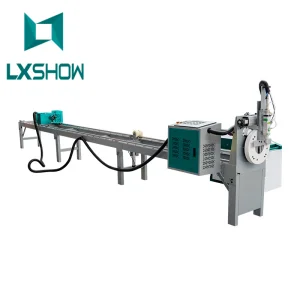
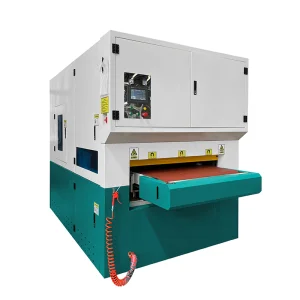
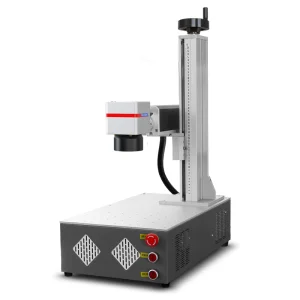
Understanding market dynamics, technology paradigm shifts, and supply chain adjustments across the global manufacturing landscape.
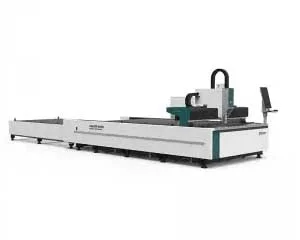
The global metal fabrication industry is experiencing a profound transition driven by the necessity for structural light-weighting, micro-precision, and automated high-yield output. Traditionally dominated by mechanical punching, plasma cutting, and legacy CO2 laser systems, the modern manufacturing floor relies heavily on high-power fiber laser cutting machines. Over the last decade, fiber laser generators have demonstrated superior electrical-optical conversion efficiency (exceeding 30%, compared to just 8-10% for CO2 lasers), vastly reducing operating costs and carbon footprint.
As industrial activities expand across automotive body-in-white fabrication, aerospace structural engineering, agricultural machinery manufacturing, and complex HVAC sheet metal work, the demand for customizable CNC metal lasers has surged. Enterprises are moving away from stock machine footprints in favor of customized solutions that accommodate specific material tolerances, processing lengths, and automated material handling.
Currently, Europe and North America maintain high demand for advanced, fully-enclosed fiber laser cutters with integrated exchange tables to meet strict safety and environmental standards (such as CE and FDA classifications). Concurrently, emerging industrial corridors in Southeast Asia and Latin America are accelerating their factory upgrades, investing in cost-effective yet highly durable CNC platforms to increase regional manufacturing output.
How domestic industrial clusters and supply-chain optimization deliver cost-effective and highly reliable metalworking machinery.
China's prominence as the primary exporter of metal laser cutting systems is rooted in complete industrial vertical integration. Located in key manufacturing hubs, Chinese factories benefit from robust local ecosystems comprising laser source developers, precision rack-and-pinion manufacturers, gantry builders, and high-precision CNC controller designers. This proximity eliminates logistical lag times, allowing rapid prototyping and lower unit costs.
Our facility, established in July 2004, spans over 32,000 square meters of state-of-the-art production workshop area. Over the course of 18+ years, we have transitioned from a localized machinery supplier to a global OEM partner producing high-precision fiber laser cutting, welding, and cleaning machines for over 30 international brands.
Chinese manufacturing efficiency is not merely a matter of scale; it is defined by strict quality control protocols. All units manufactured within our production lines undergo strict stress testing, gantry alignment checks utilizing advanced laser interferometers, and electronic component isolation tests. Consequently, our systems carry European Union CE authentication, American FDA certificates, and are certified under the ISO 9001 quality management framework. This ensures that global procurement managers receive machinery that complies fully with their regional safety and operational regulations.
Transparent display of our R&D departments, design desks, testing facilities, and assembly lines.
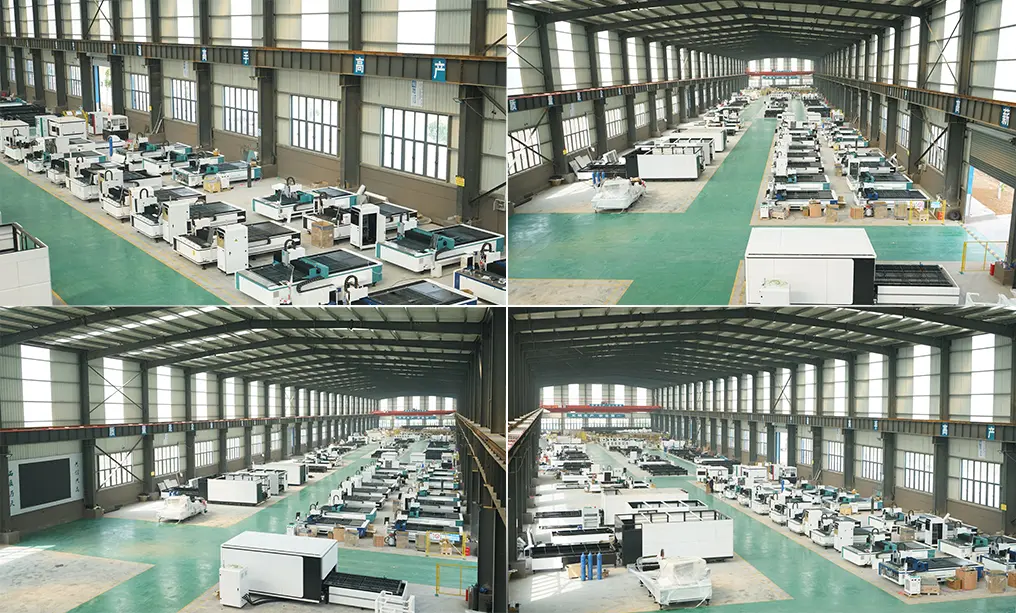
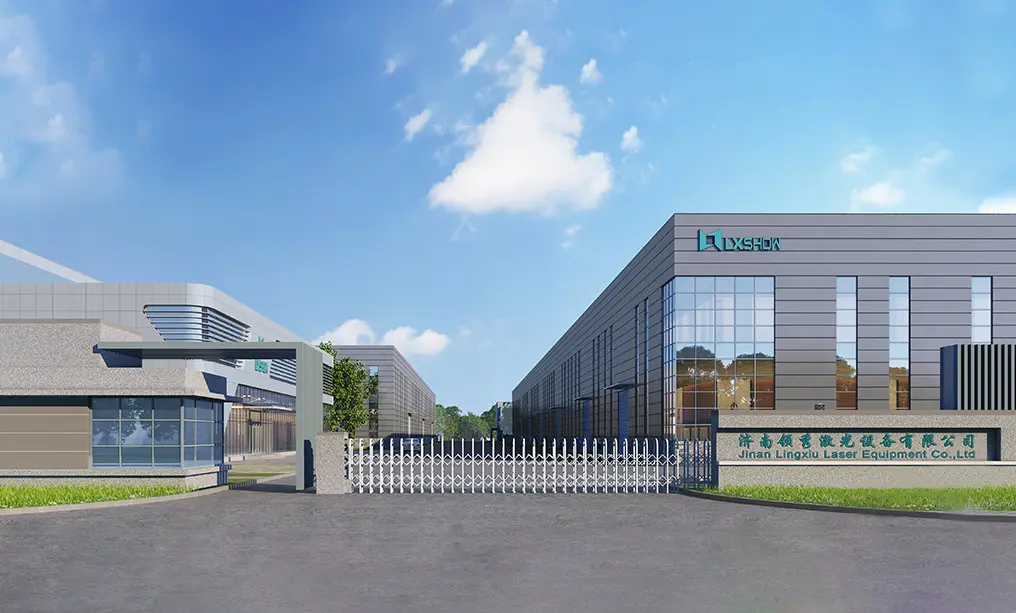

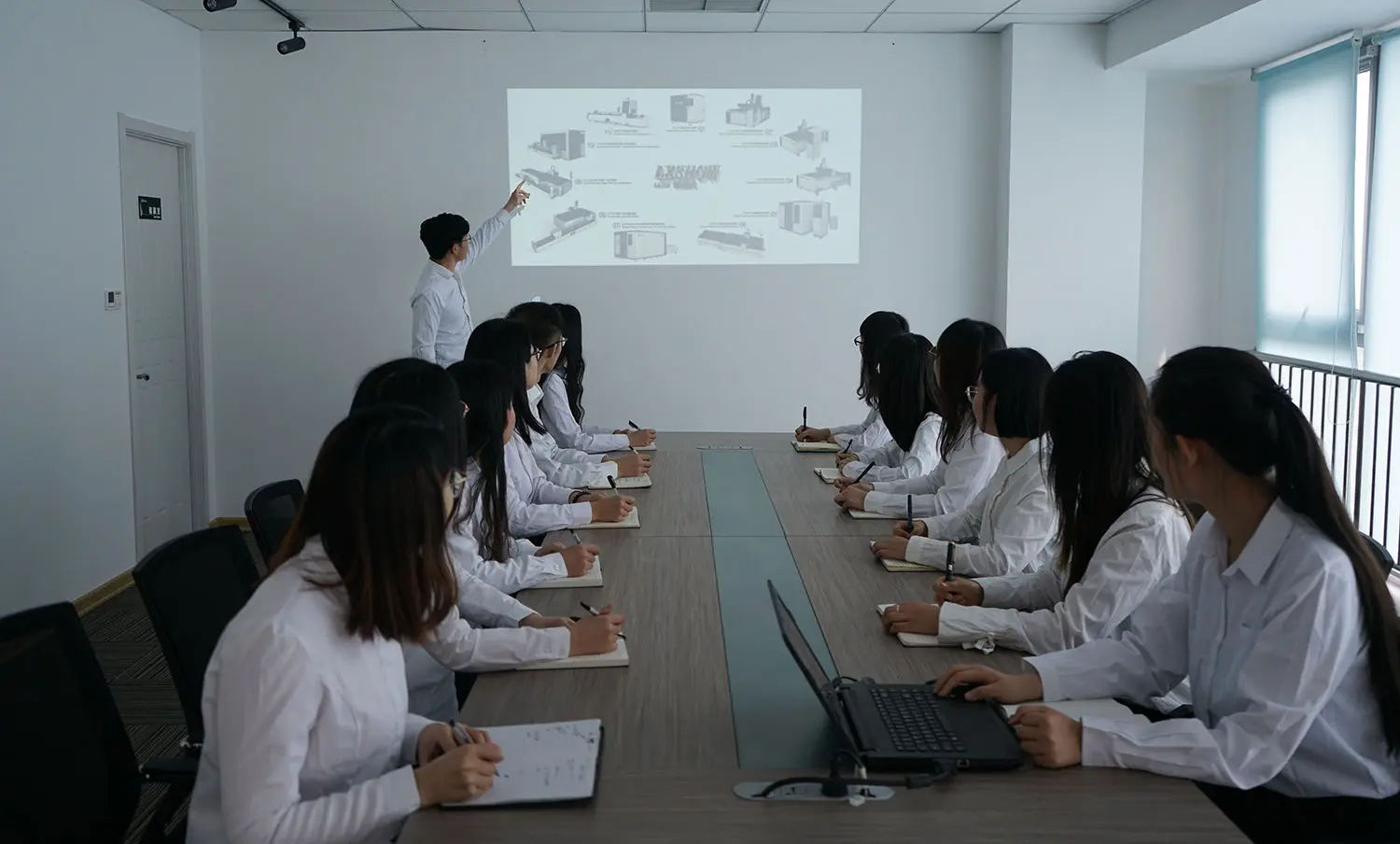
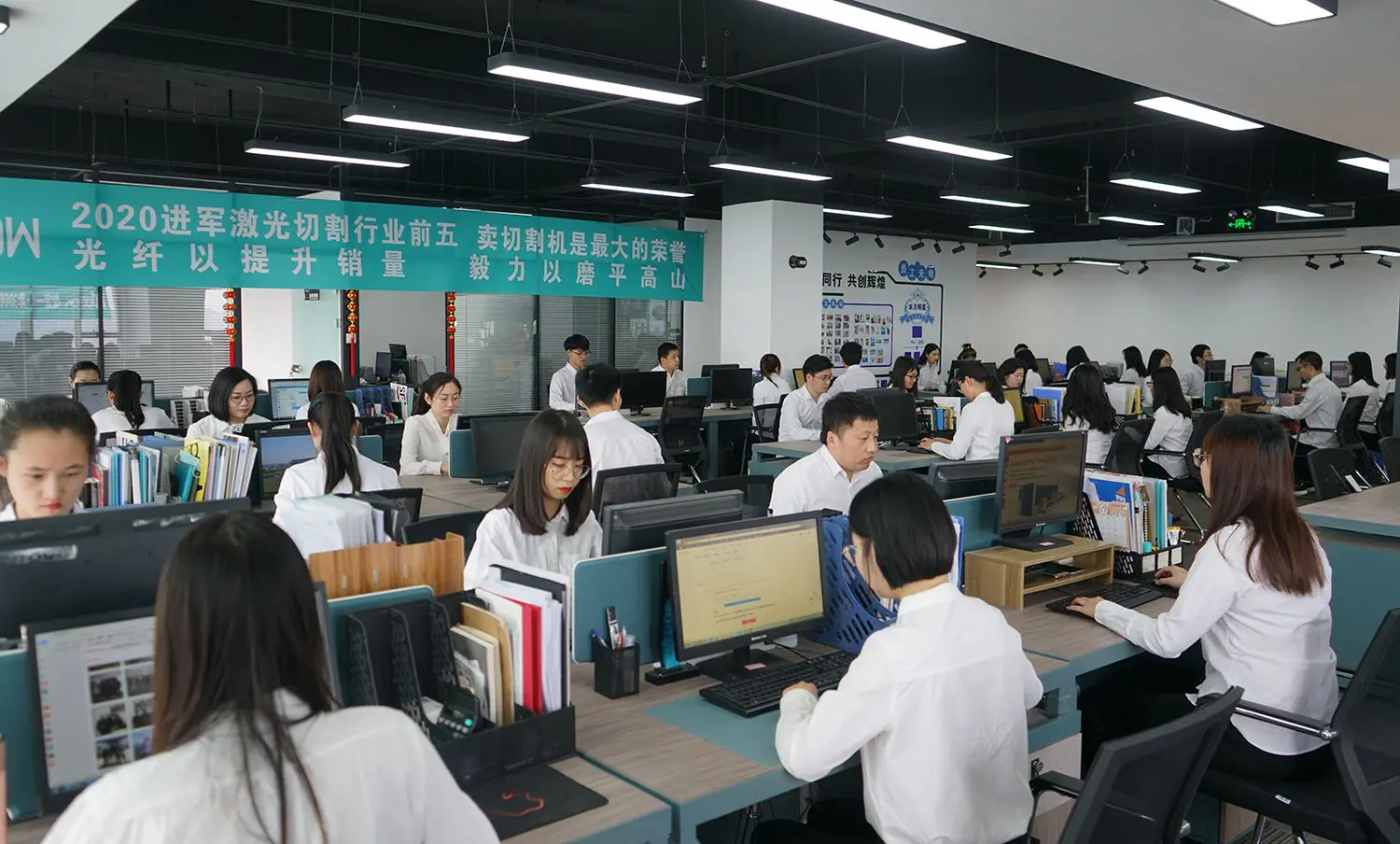
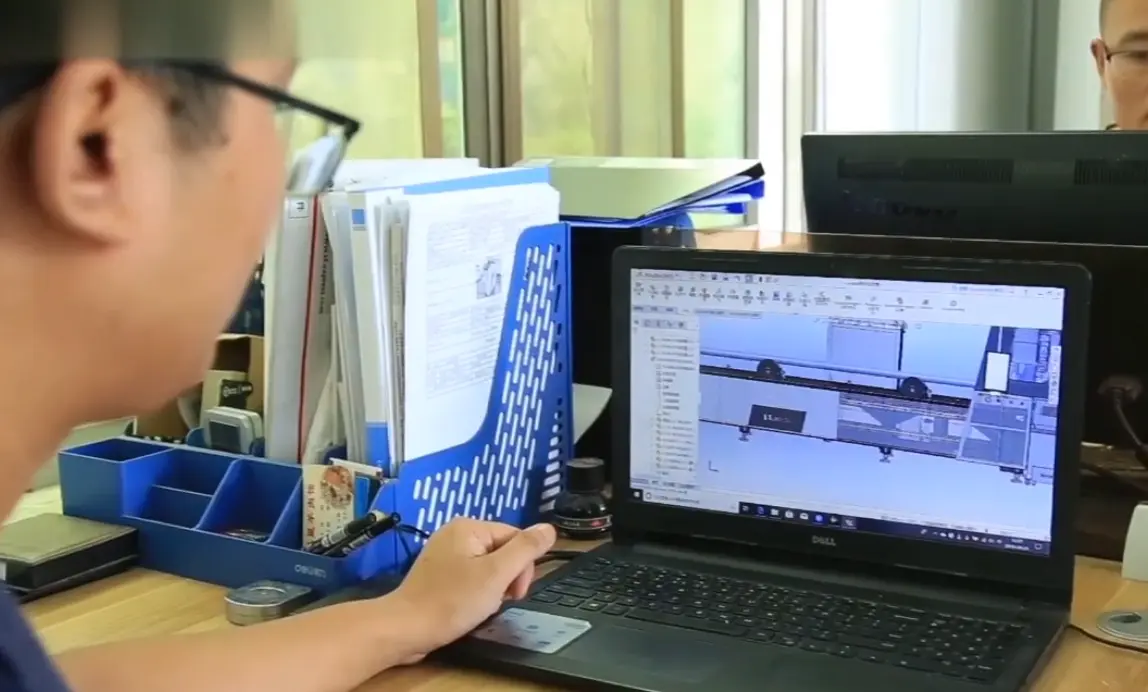
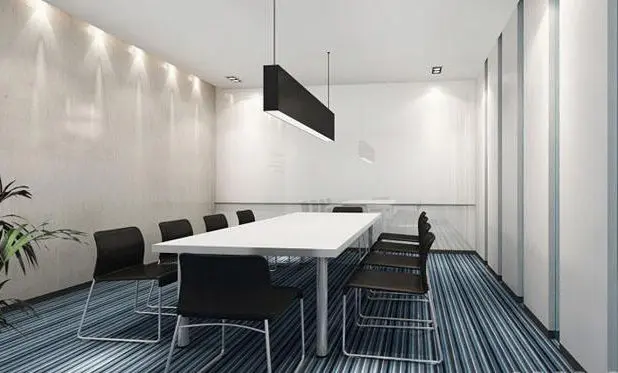
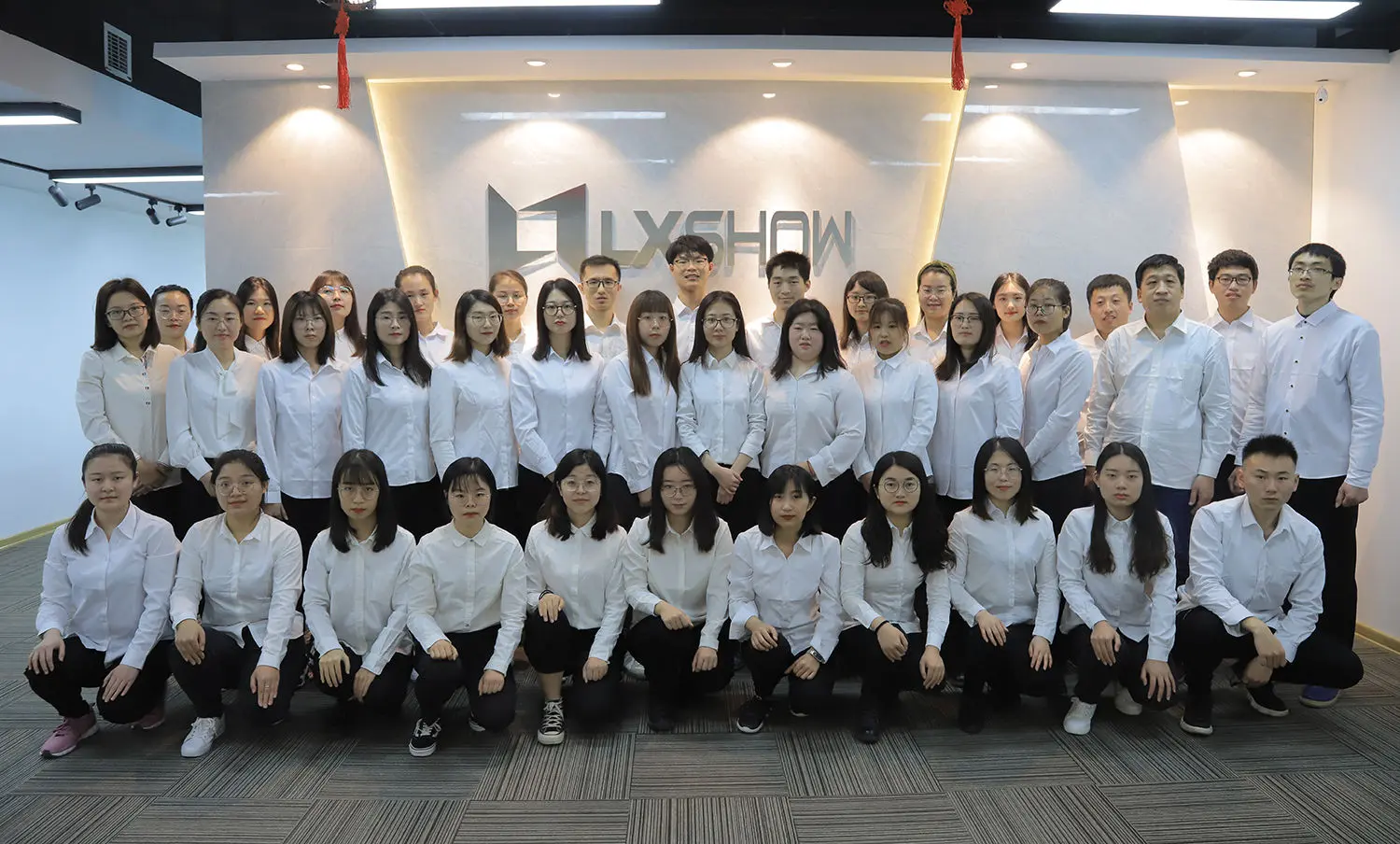
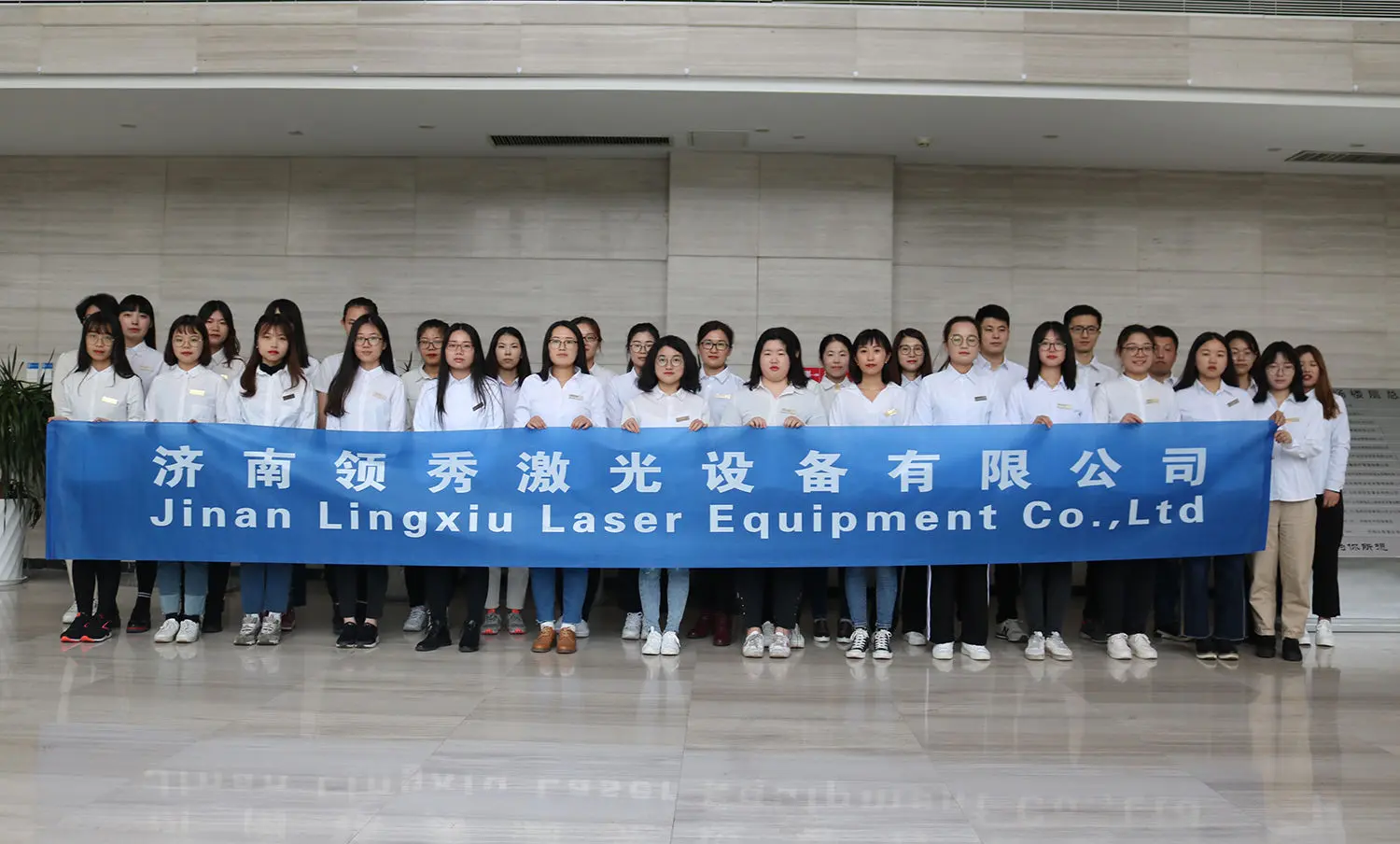
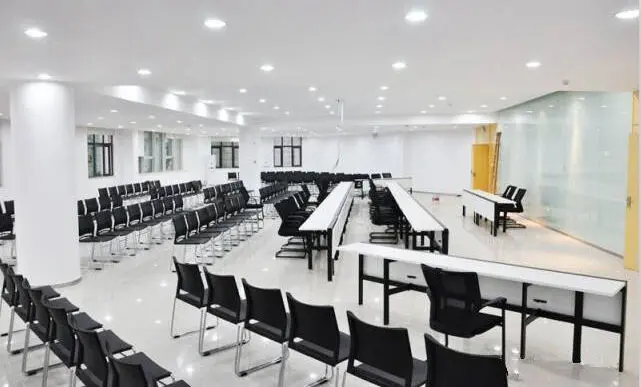
Adapting fiber laser dynamics to specific material properties and sector requirements.
Industrial clients rarely require generic "off-the-shelf" machinery. Component variations demand customizable setups for maximum cutting quality and speed. Our customizable program spans several critical layers:
These customized laser cutting systems are utilized across a wide variety of global industries, including:
In terms of materials, the physics of laser-metal interactions require precise configuration. Reflective metals demand distinct parameter tuning to prevent beam back-reflection and protect the machine's optics:
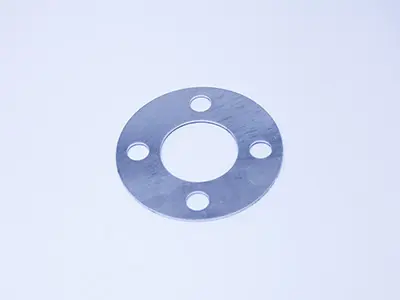 Aluminum
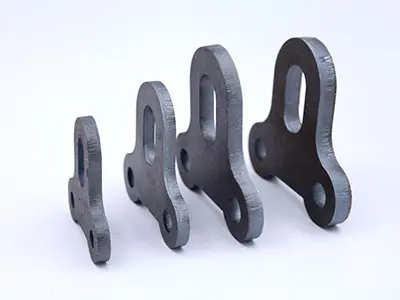 Carbon Steel
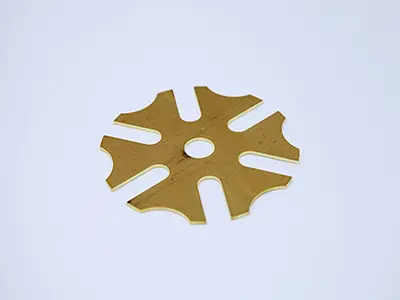 Copper
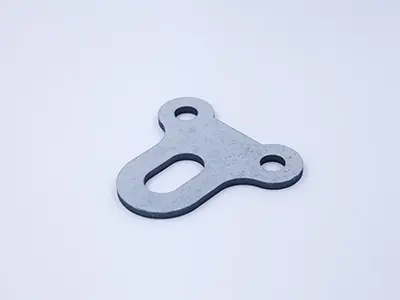 Galvanized Steel
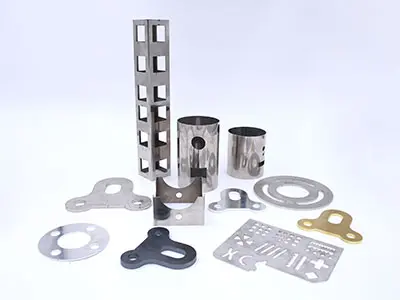 Special Alloys
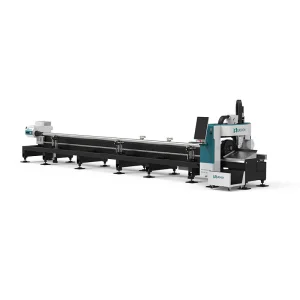
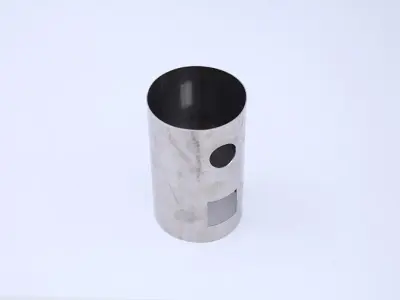 Round Tubes
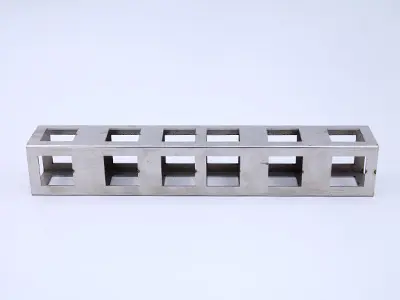 Square profiles
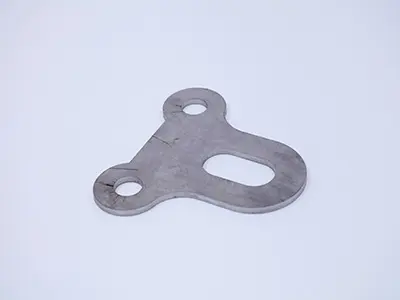 Stainless Steel
The shift toward fully automated fabrication lines, AI nesting, and eco-friendly machinery.
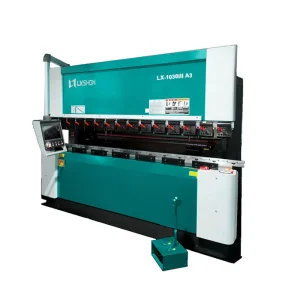
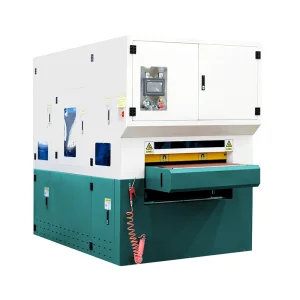
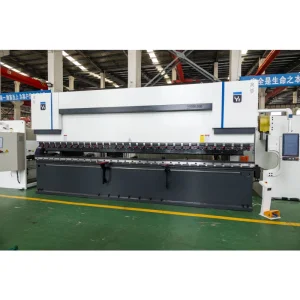
The sheet metal processing landscape is shifting toward complete process integration. Raw cutting is now connected with subsequent bending, cleaning, and welding operations under a unified shop floor control network. This digital connection minimizes staging inventory and optimizes flow.
We have designed our systems to act as foundational nodes for Smart Industry Factory Ecosystems. Key developments in our engineering roadmap include:
Our goal is to build future-ready, energy-efficient manufacturing systems that help enterprises establish high-yield smart factories.
Criteria for evaluating custom laser cutting machines, including total cost of ownership and safety compliance.
Purchasing high-power metalworking machinery represents a major capital expenditure. Procurement managers must evaluate options based on overall cost-of-ownership (TCO) and long-term machine reliability:
Answers to common operational, mechanical, and logistical questions from global buyers.
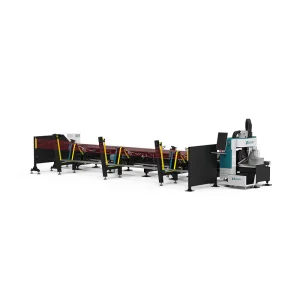
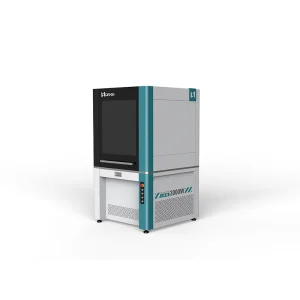
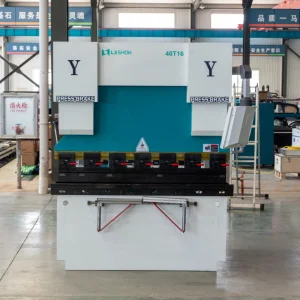
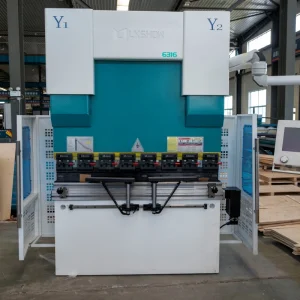
Explore additional fiber metal cutters, handheld welders, rust-cleaning devices, and sheet metal folding equipment.
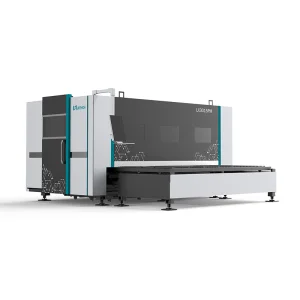
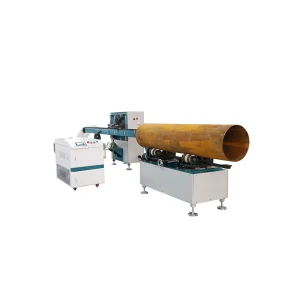
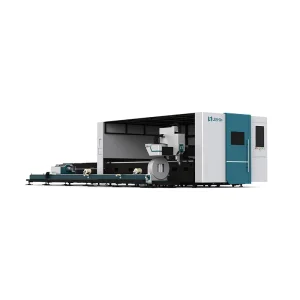
 Lxshow