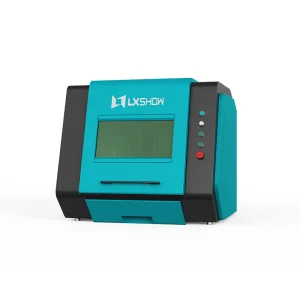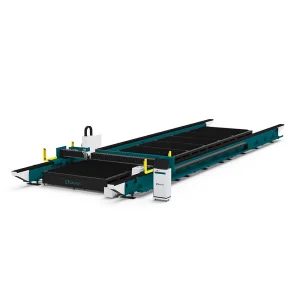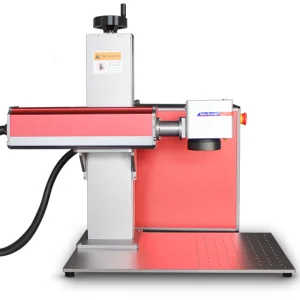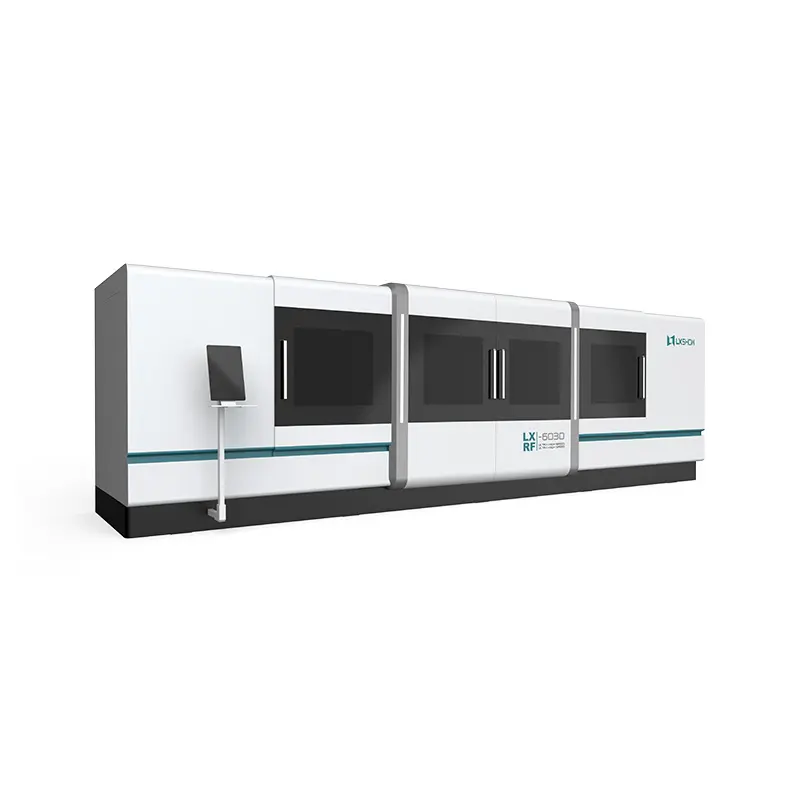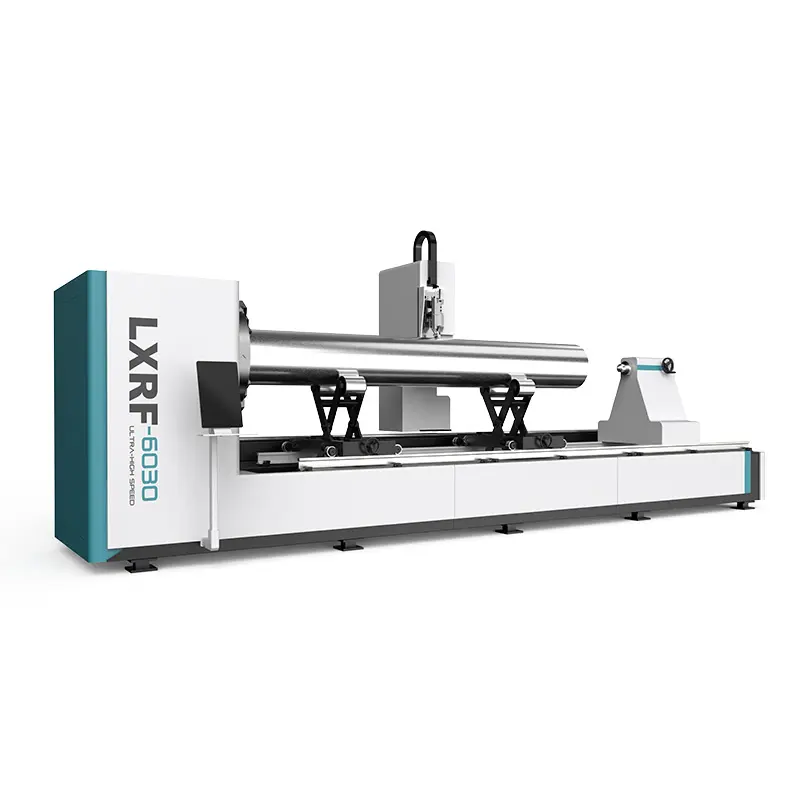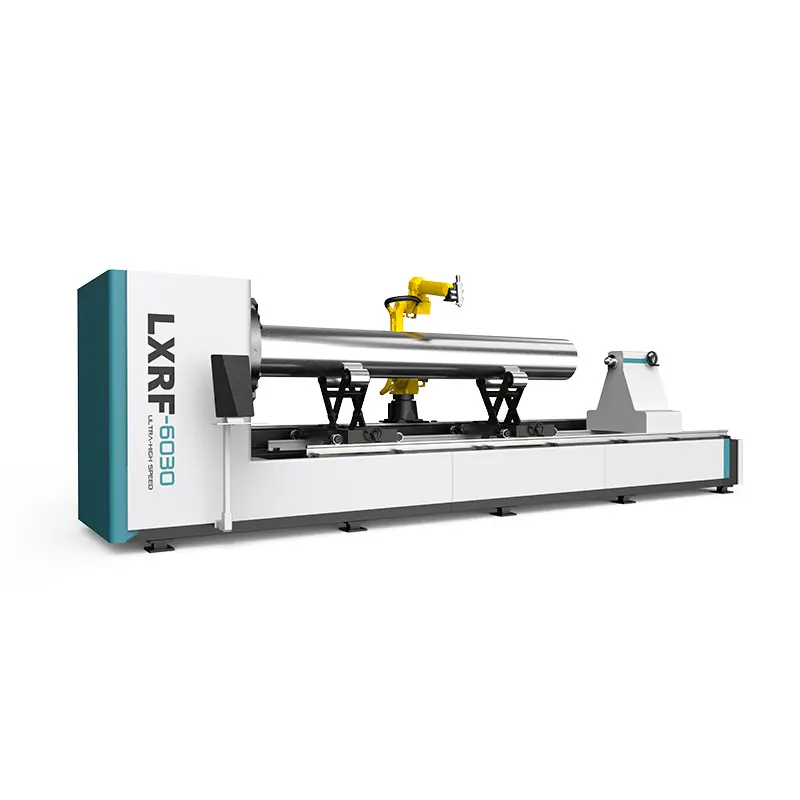
In modern precision engineering, the requirement for high-density, low-footprint fabrication equipment has grown exponentially. The transition from massive, high-power floor gantry units to highly sophisticated custom desktop metal laser cutters represents a paradigm shift. Today, micro-machining centers, rapid prototyping hubs, and customized small-batch fabrication facilities look to compact desktop configurations to achieve high-precision tolerances without committing vast floor spaces.
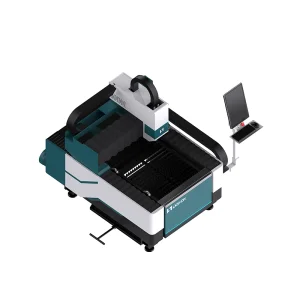
As a premier custom desktop metal laser cutter factory, we combine high-density fiber optics, rigid mechanical gantries, and advanced CAD/CAM automation interfaces. Desktop fiber laser units operate in the range of 1kW to 3kW, optimizing beam quality and cutting spot sizes for intricate geometries. This concentration of energy yields a minimal heat-affected zone (HAZ), reducing post-processing and thermal deformation in fragile alloys, aerospace parts, and medical instruments.
By leveraging shorter wavelengths (typically 1.064μm for fiber sources), desktop metal laser systems achieve focus diameters that are a fraction of traditional CO2 units. This yields higher absorption rates in reflective materials like aluminum and brass, enabling high speed, pristine edge finishes, and unmatched repeatability.
Industrial sourcing managers are evaluating suppliers on two fronts: component lifecycle value and customization agility. Standard catalog machines often fail to integrate seamlessly into existing conveyor chains, safety cells, or software structures. Selecting a custom desktop metal laser cutter manufacturer enables operators to configure custom bed dimensions, automated rotary attachments for small-diameter tubes, tailored laser safety enclosures (compliant with CDRH Class 1 and European CE protocols), and customized dual gas assists.
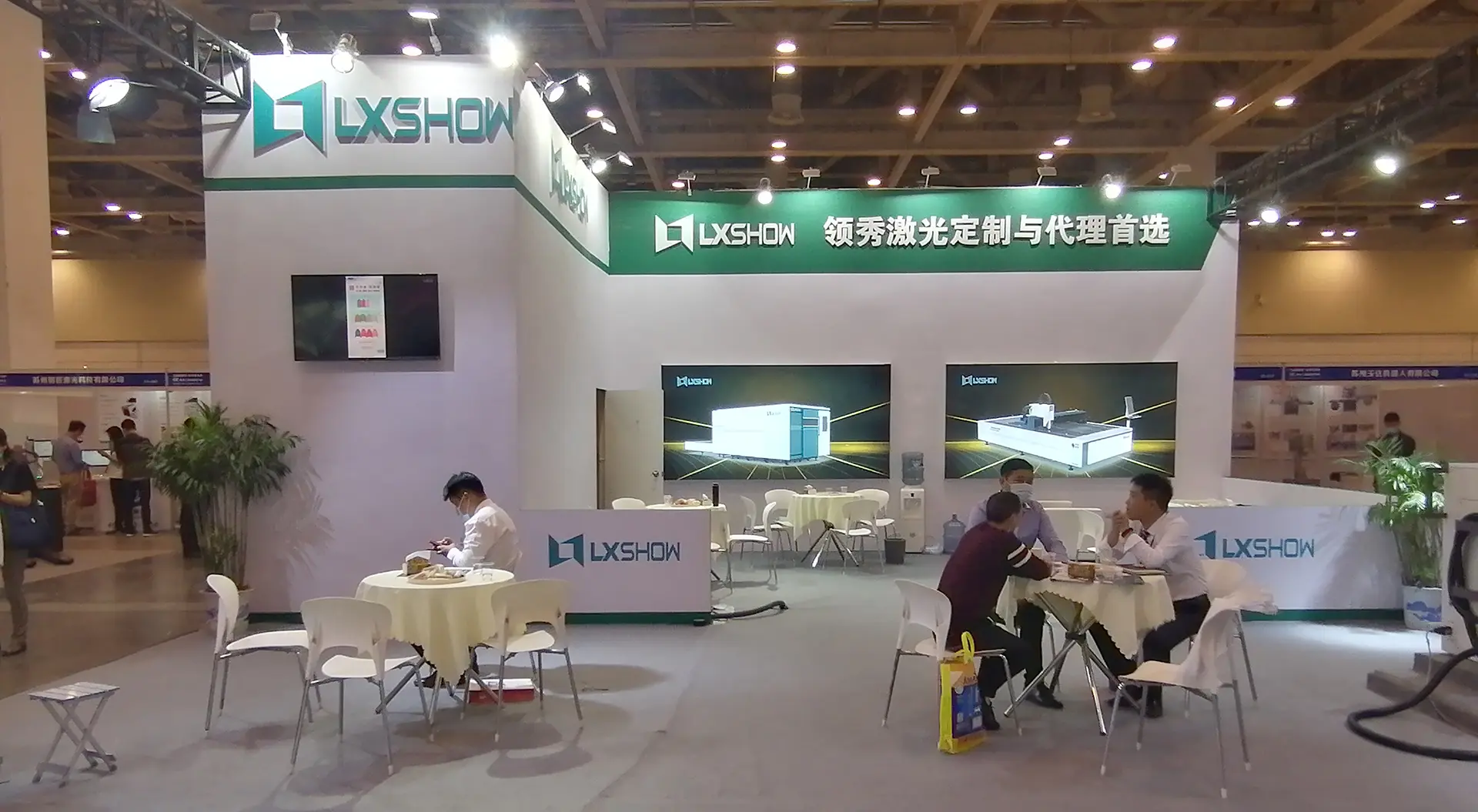
Explore our production facilities, engineering spaces, and testing grounds, representing over 32,000 square meters of smart manufacturing footprint.
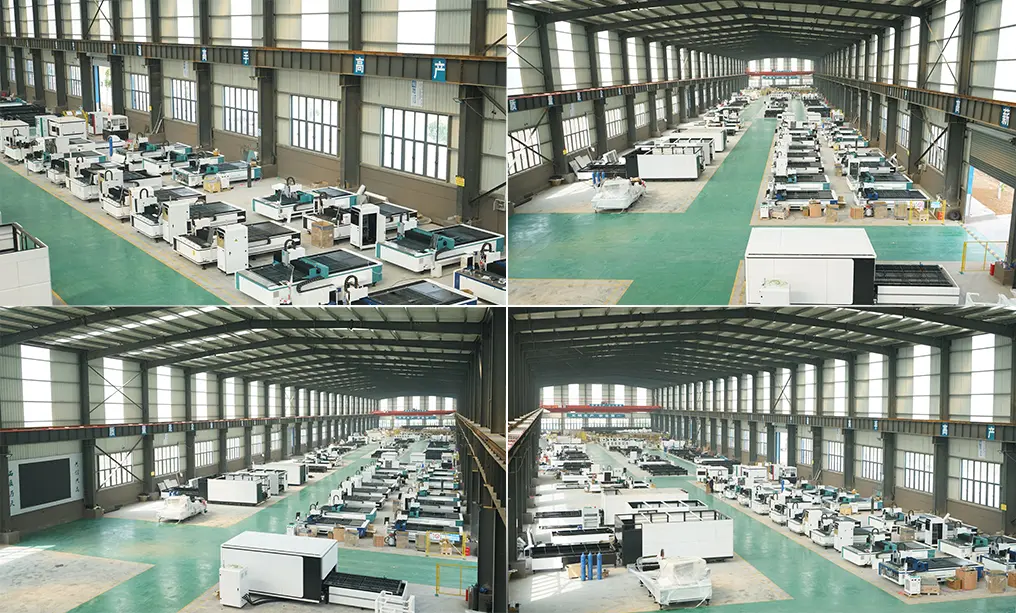
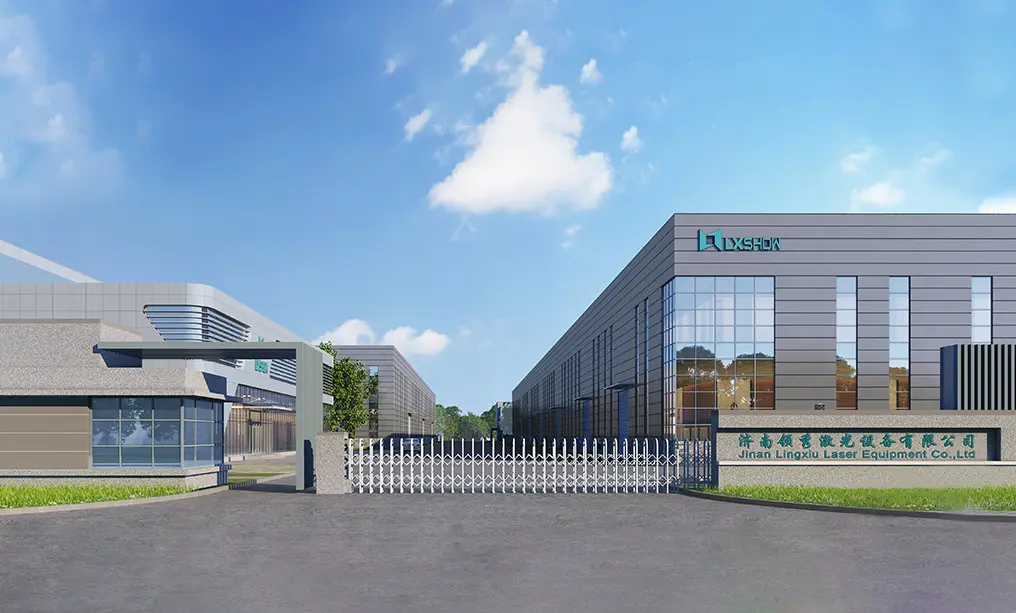

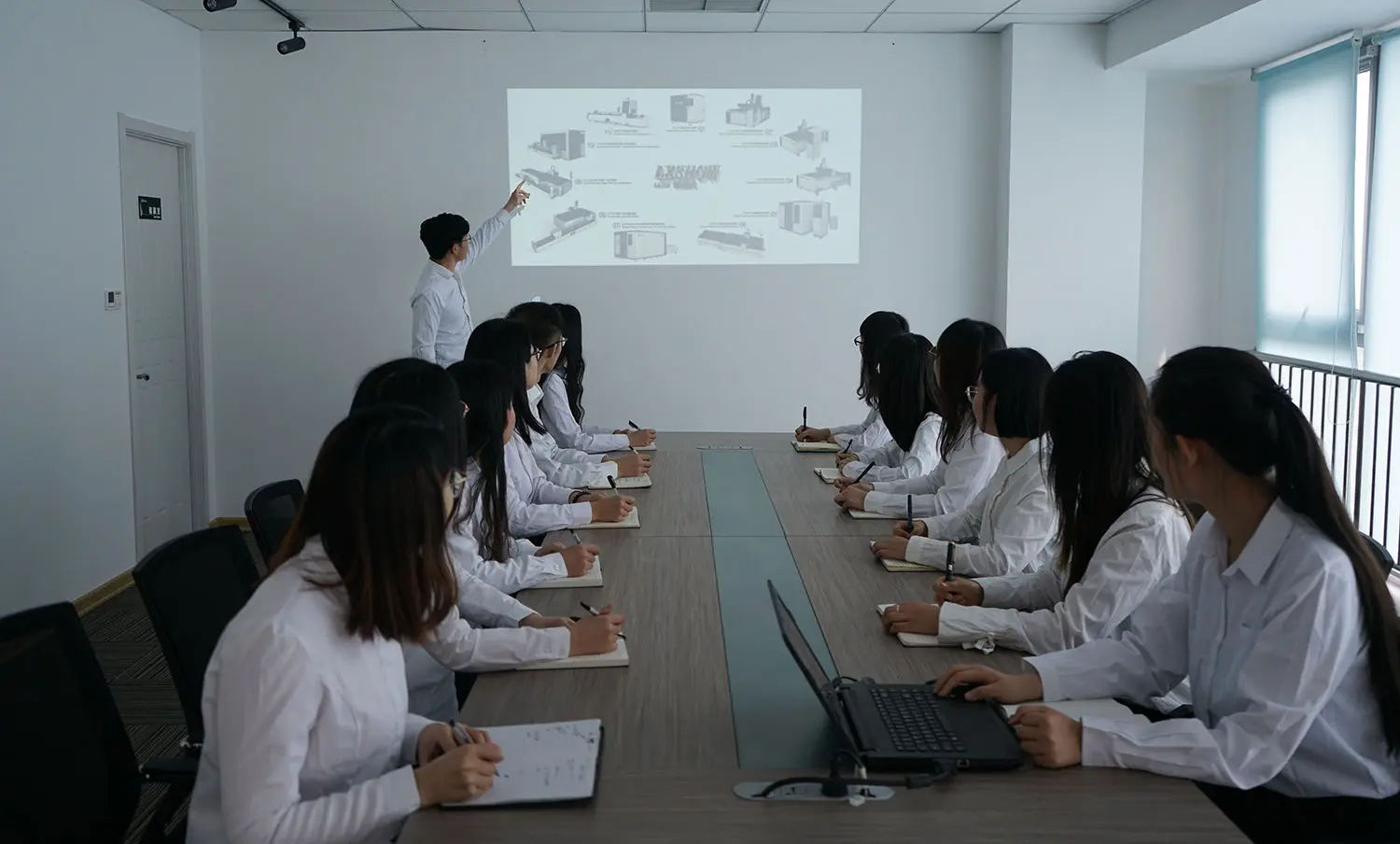
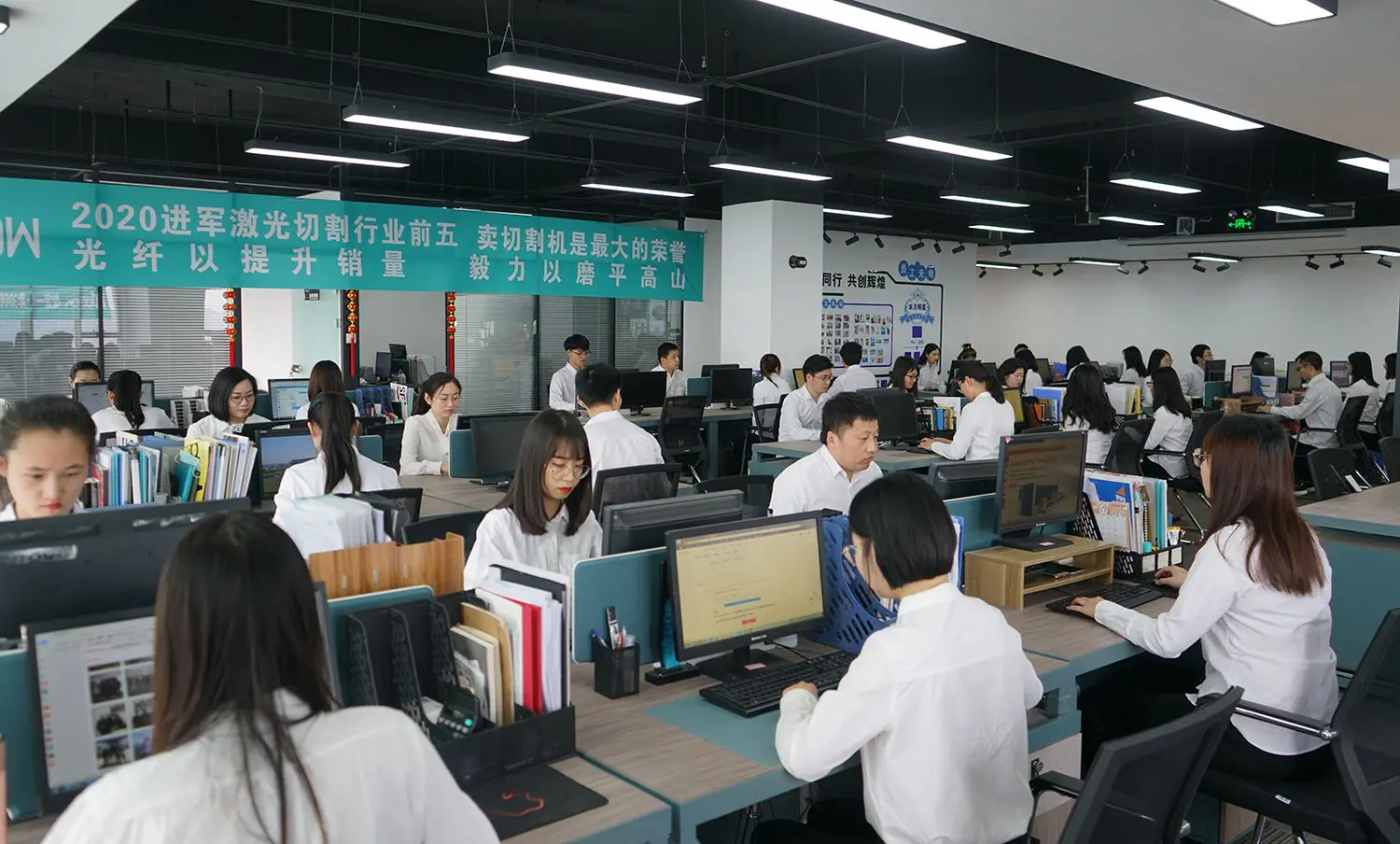
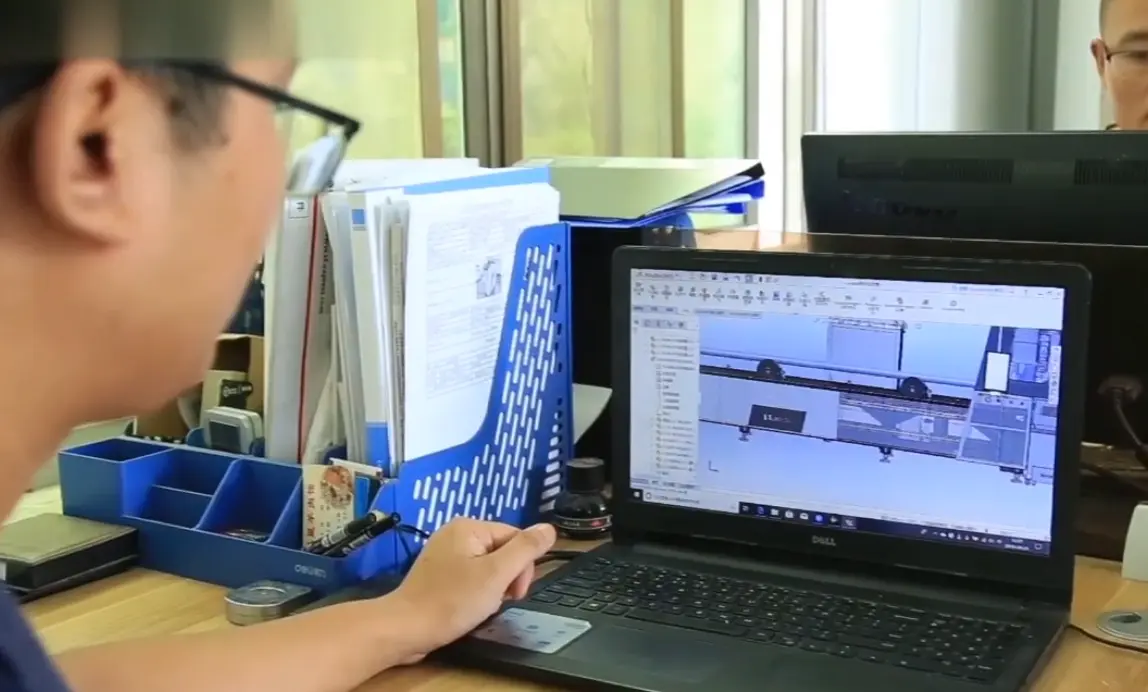
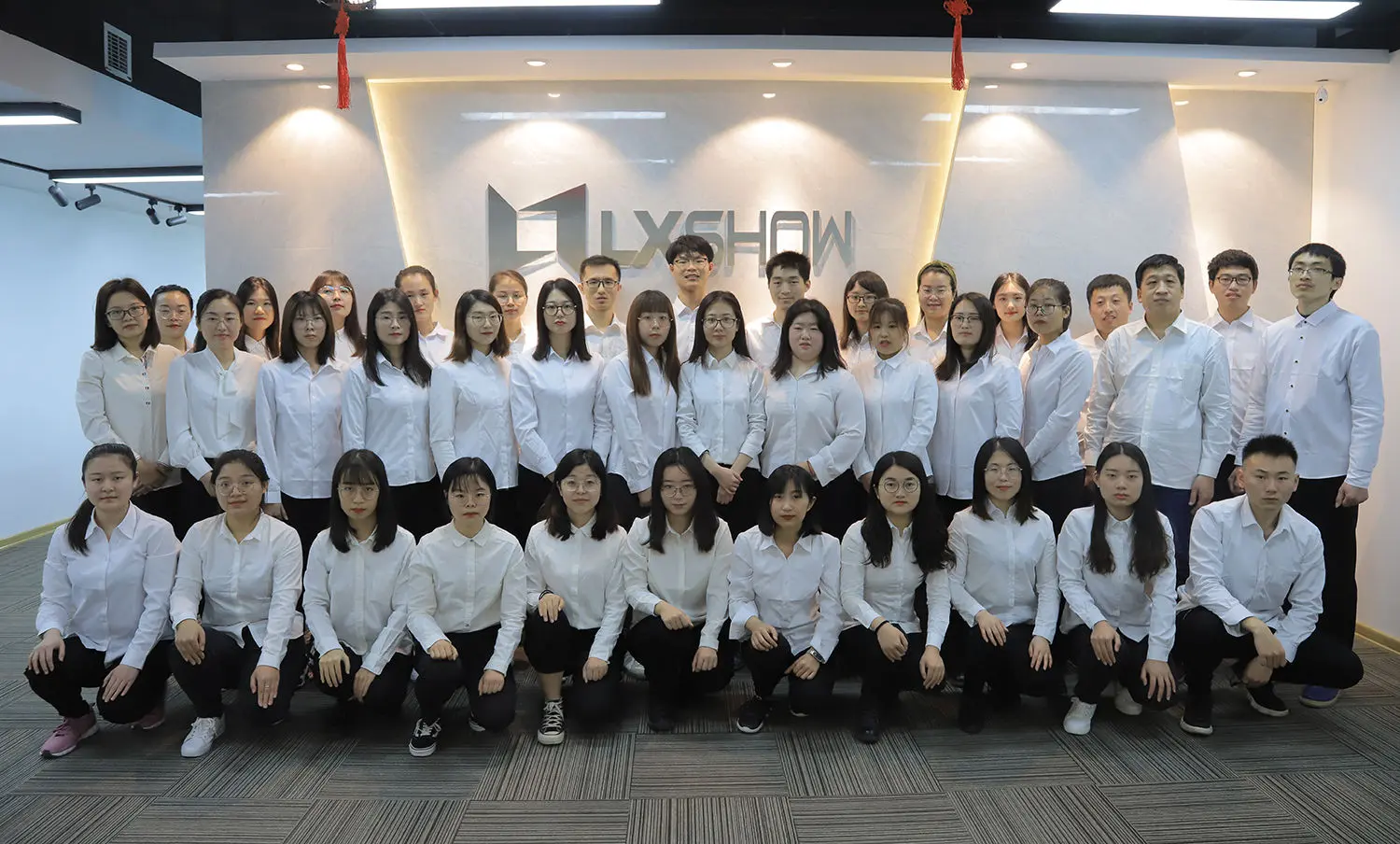
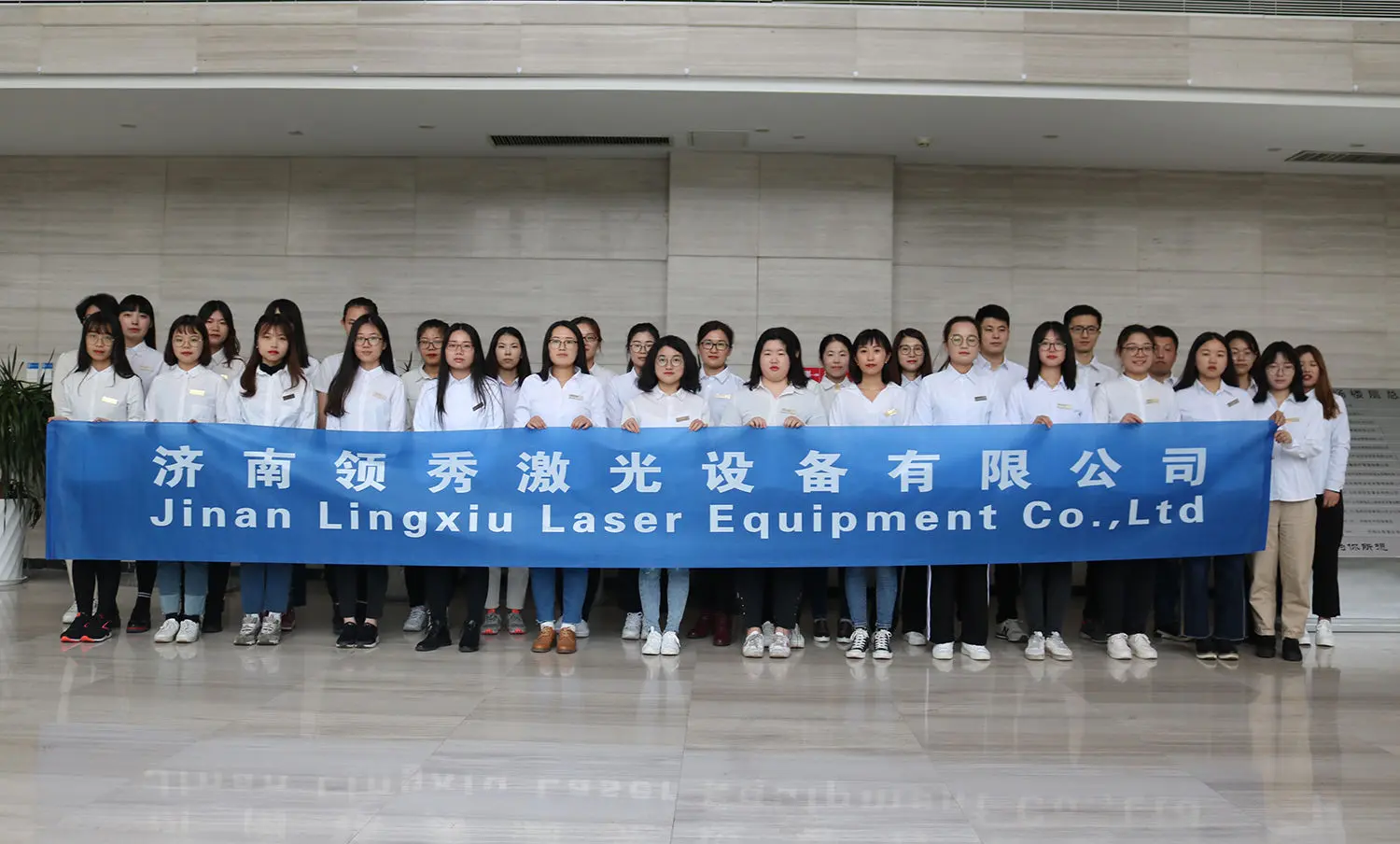
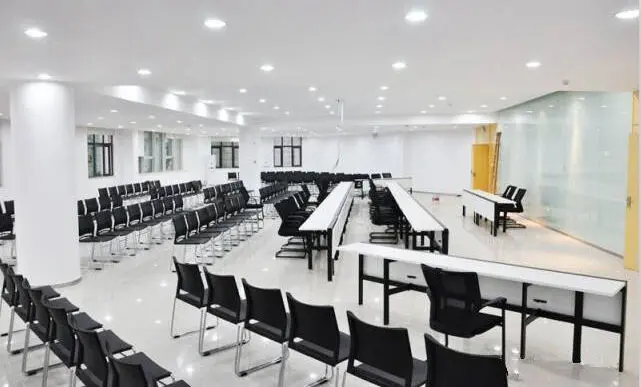
Manufacturing precision machinery requires rigid adherence to global safety codes. Established in July 2004, our facility has worked to develop robust optical cutting frameworks. Over 18 years, our development footprint has expanded to a 32,000 square meter factory supported by a dedicated 500 square meter testing facility. Every system we ship meets safety guidelines, certified to the European Union’s CE Authentication, American FDA Regulations, and ISO 9001 quality management standards.
This level of control ensures our systems remain durable over extended production schedules. Serving more than 150 countries, we maintain active OEM partnerships with over 30 global industrial machinery brands. Our quality controls extend from frame stress-relief annealing to laser source calibration using interferometers, validating alignment accuracy down to the micron level.
Operating out of China's premier industrial laser manufacturing belt allows us to optimize supply chain cost structures. Because component suppliers for linear guide rails, gearboxes, servo motors, and collimation heads are co-located nearby, our lead times are cut in half compared to European or American factories.
By integrating local supply chains with international components (such as IPG, Raycus, or JPT laser sources, YYC rack-and-pinions, and Shimpo reducers), we deliver robust machines at accessible cost levels. This enables small to mid-sized businesses to procure high-end systems that deliver strong returns on investment.
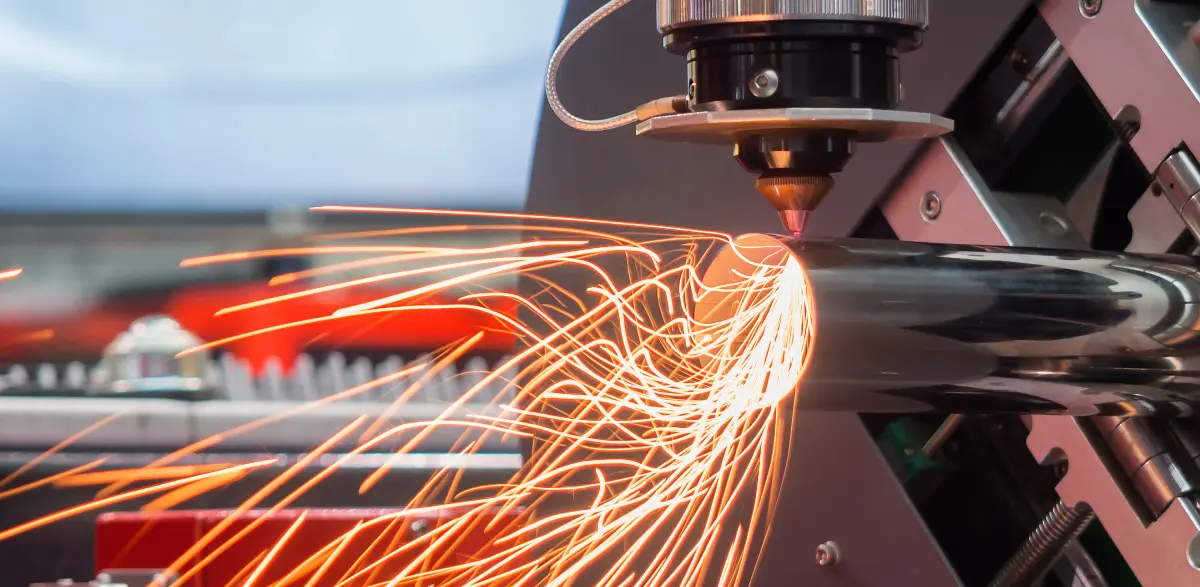
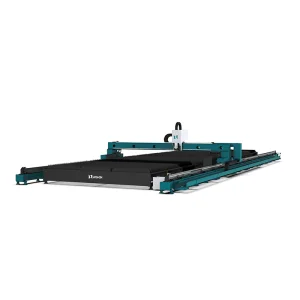
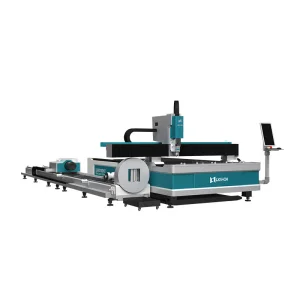
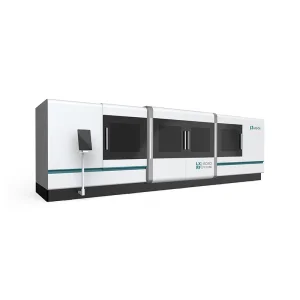
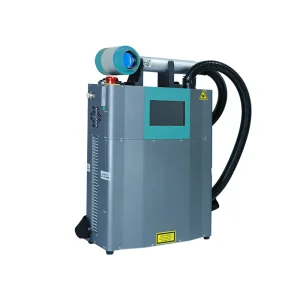
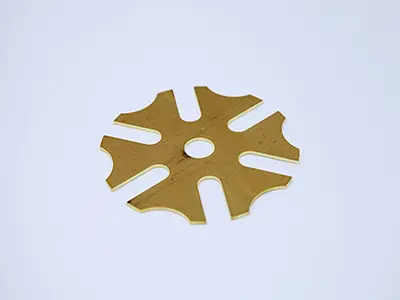
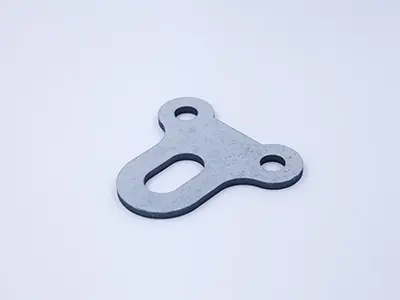
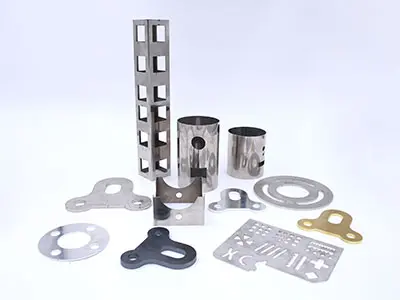
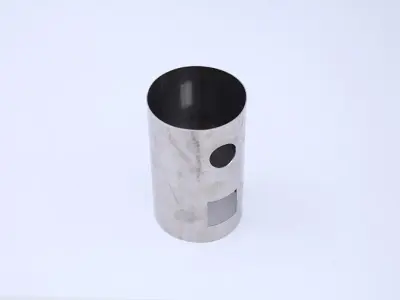
Our industrial laser systems are built to process a wide range of metals, tubes, and specialized structural elements with high speed and clean cuts.
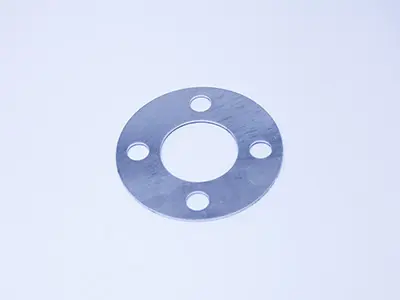
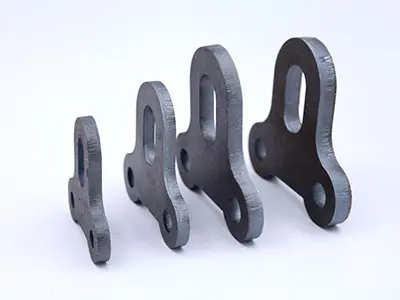
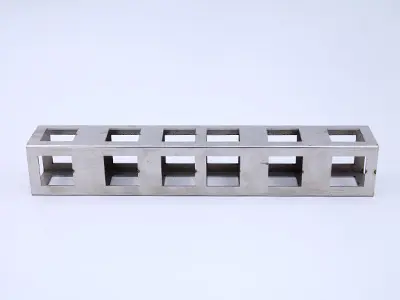
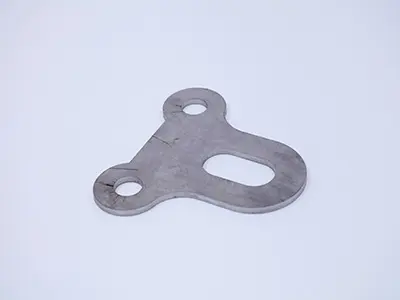
The manufacturing sector is transiting towards automation, remote telemetry, and machine-learning diagnostic systems. By integrating vision systems directly above the cutting focal plane, custom desktop metal laser cutters can recognize physical sheet positioning and automatically adjust layout alignments in real-time. This nesting automation reduces scrap rates by up to 22%, saving raw materials over long production runs.
Our research strategy aims to deliver automated manufacturing cells. We focus on integrating smart loaders with double-exchange platforms, enabling lights-out production of thin plates. By developing smart sensors that monitor back-reflection, laser systems can now adjust focal distance on the fly to protect critical optics when processing highly reflective surfaces like copper.
For industrial buyers, purchasing a custom desktop metal laser cutter requires evaluating total cost of ownership (TCO) against production capacity. The main factors to consider include:
Determine the thickness limits of your materials. While 1kW is sufficient for thin sheets, thicker plates require 2kW to 3kW to maintain edge quality and cutting speeds.
Select your assist gases based on the material: Oxygen for thick carbon steel, Nitrogen for oxide-free stainless steel, and Compressed Air for cost-effective thin sheet processing.
Confirm the system includes certified laser safety viewing windows, interlocked access panels, and high-volume dust filtration systems to meet local safety regulations.
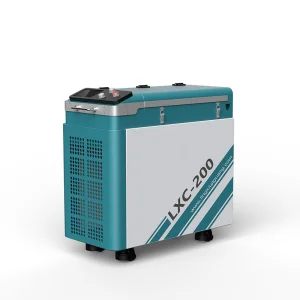
Highly precise laser cladding technology for restoring surface structures and hardening tool steels.
Non-contact rust, paint, and oxide removal utilizing pulsed laser sources to maintain base substrates.
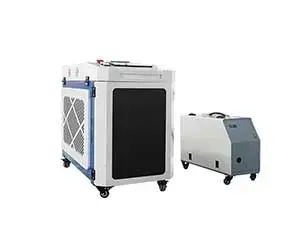 LXW-1500W Integrated Laser Welder & Cleaner
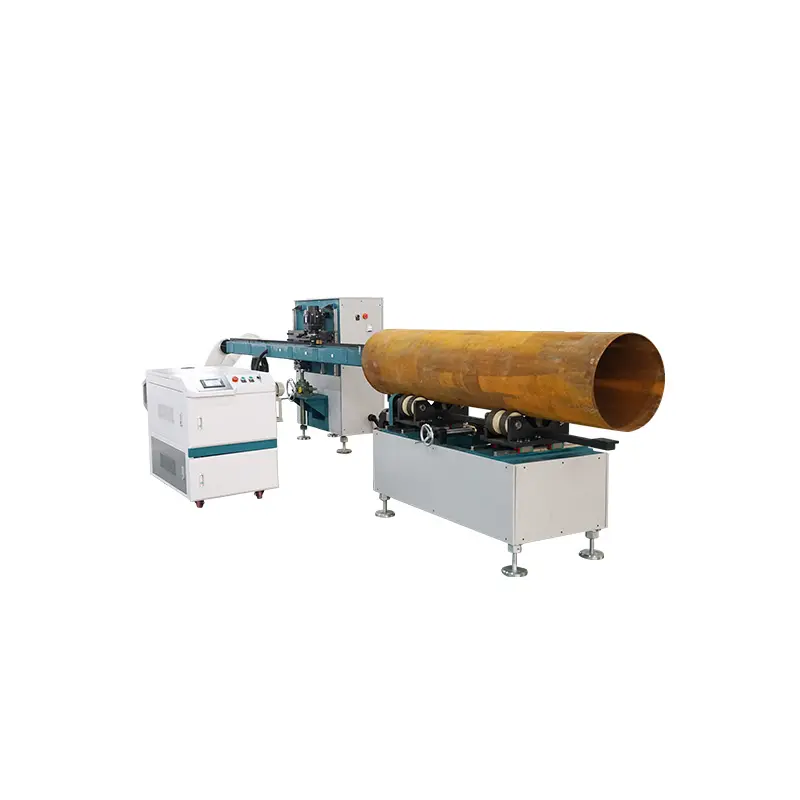 LXC Metal Tube Inner Wall Derusting System
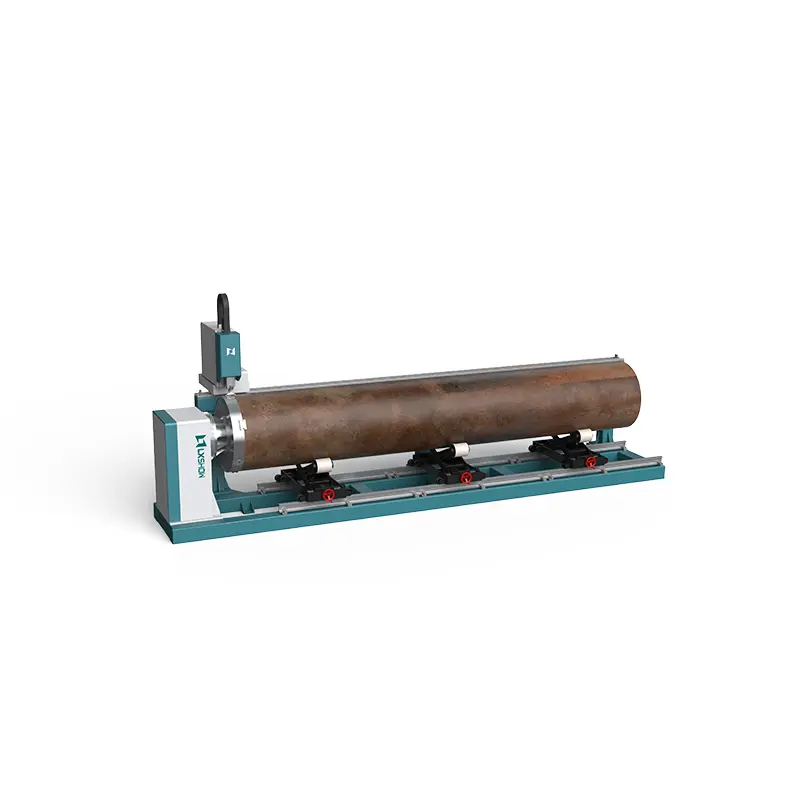 LXC Outer Wall Laser Rust Removal Cleaner
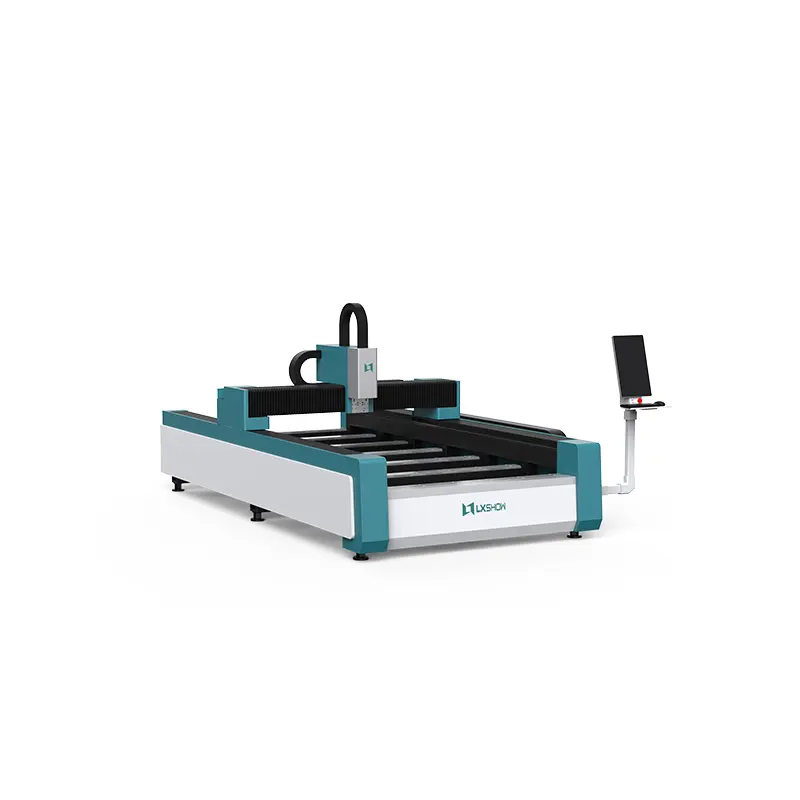 LXC Large Format Sheet Metal Laser Cleaning Machine
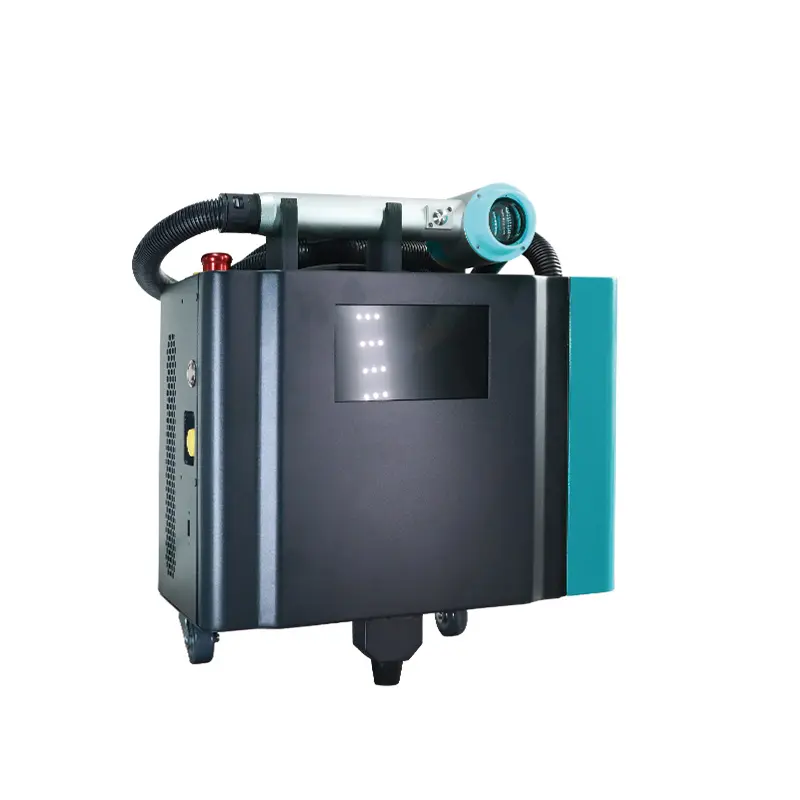 New Design Portable Fiber Laser Cleaner
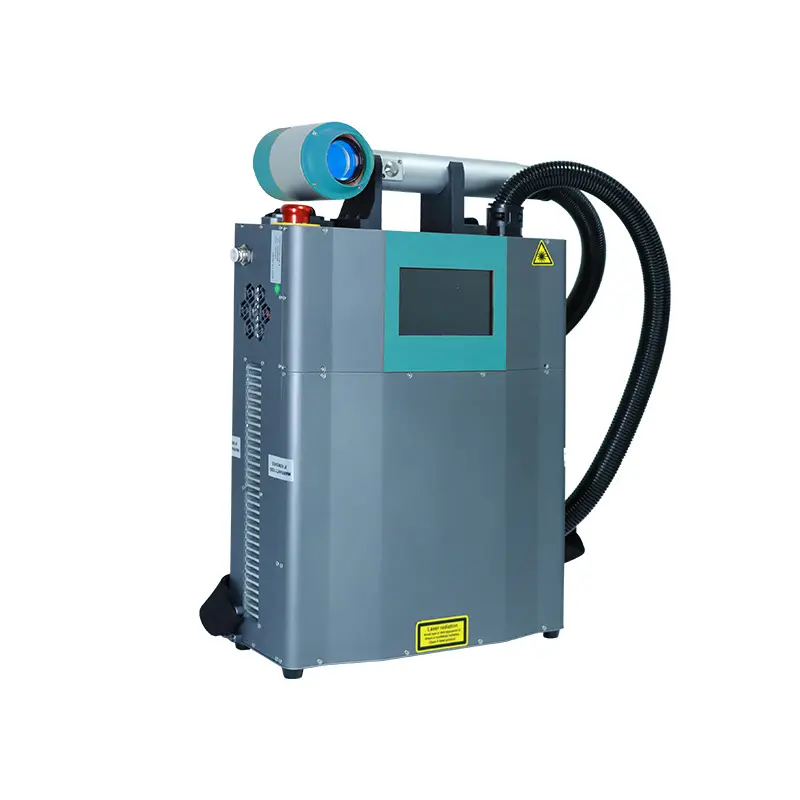 Backpack Style Laser Cleaner for Stainless Steel
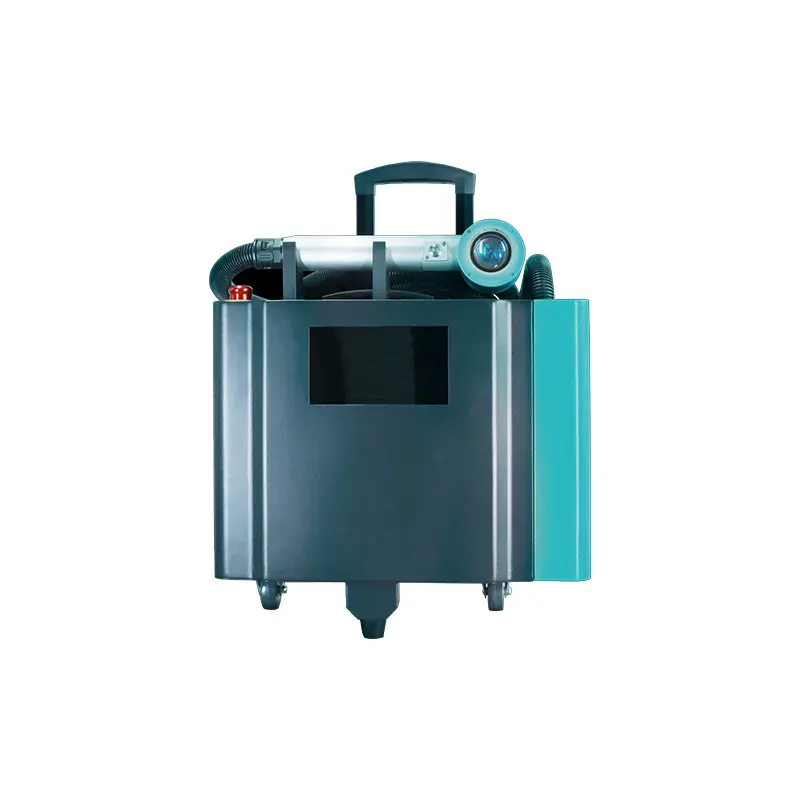 New Pulse Tie Rod 200W Fiber Laser Cleaning Machine
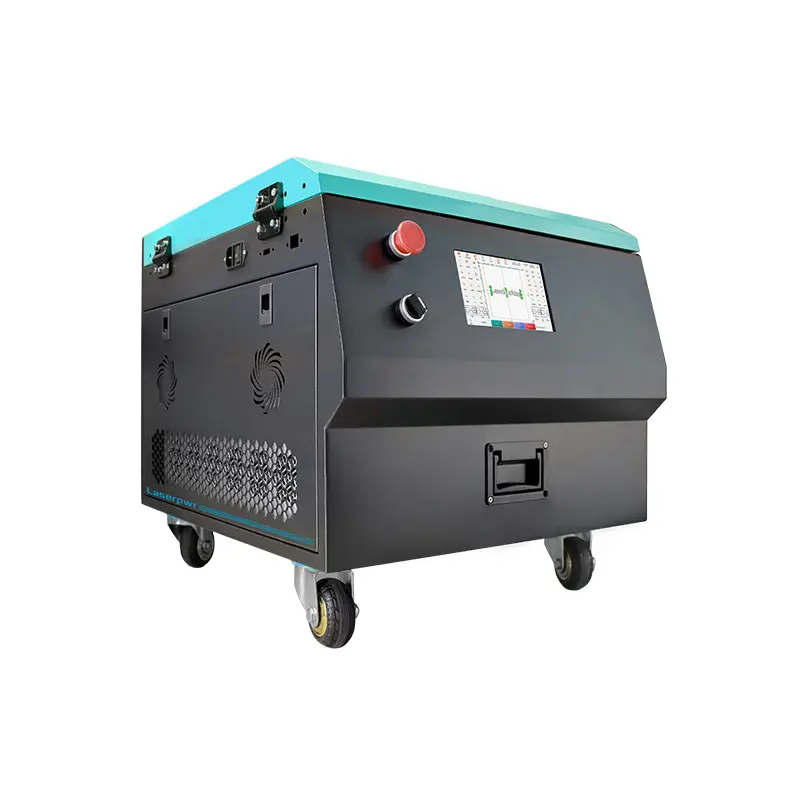 2024 Lxshow New 200W Pulse Tie Rod Laser Cleaner
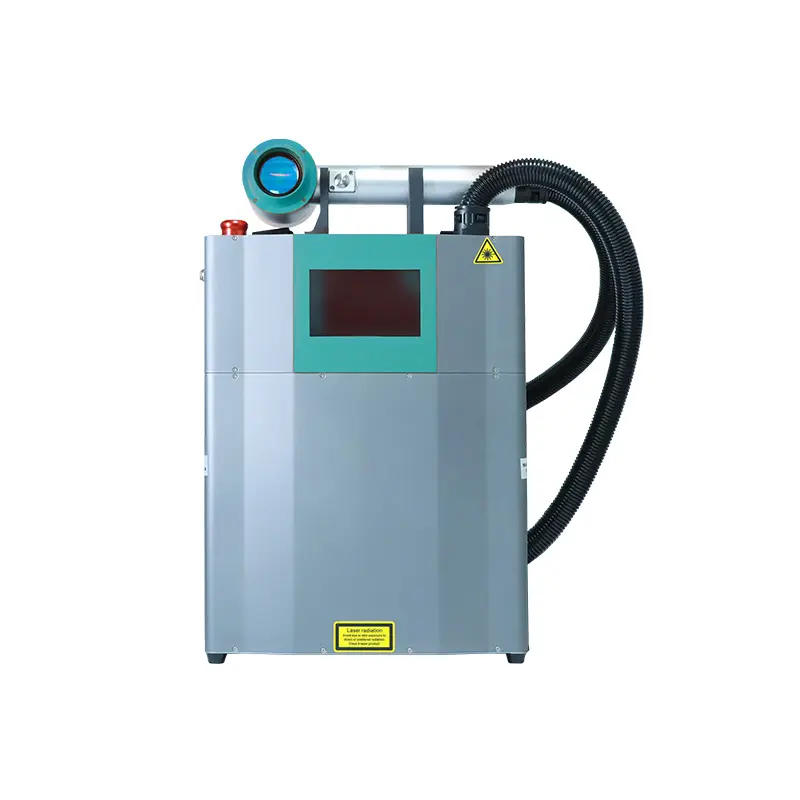 Lxshow 100W Backpack Rust Remover Machine
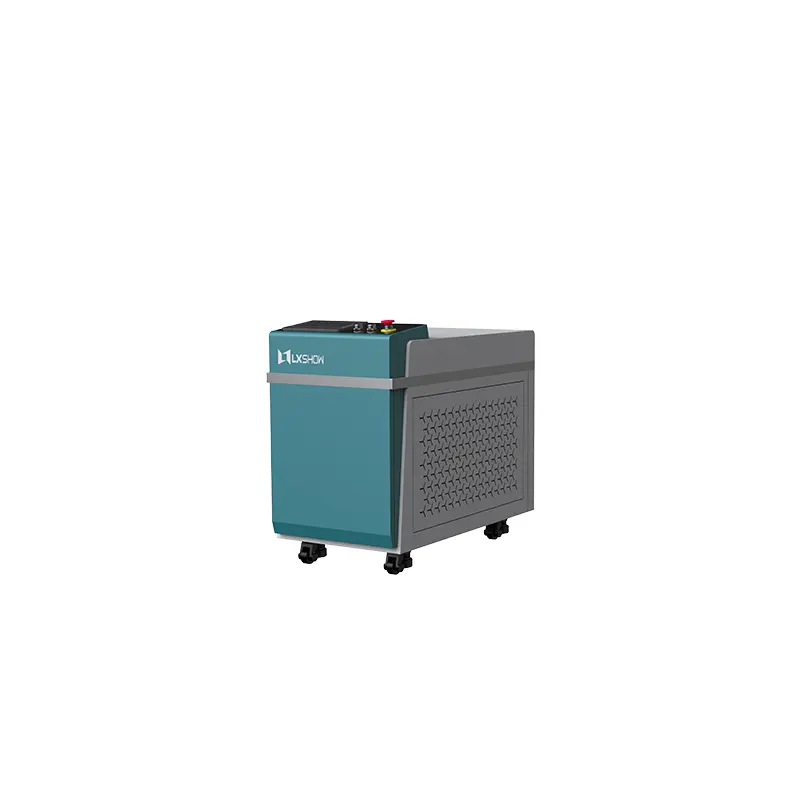 Economy Model Laser Cleaning Machine
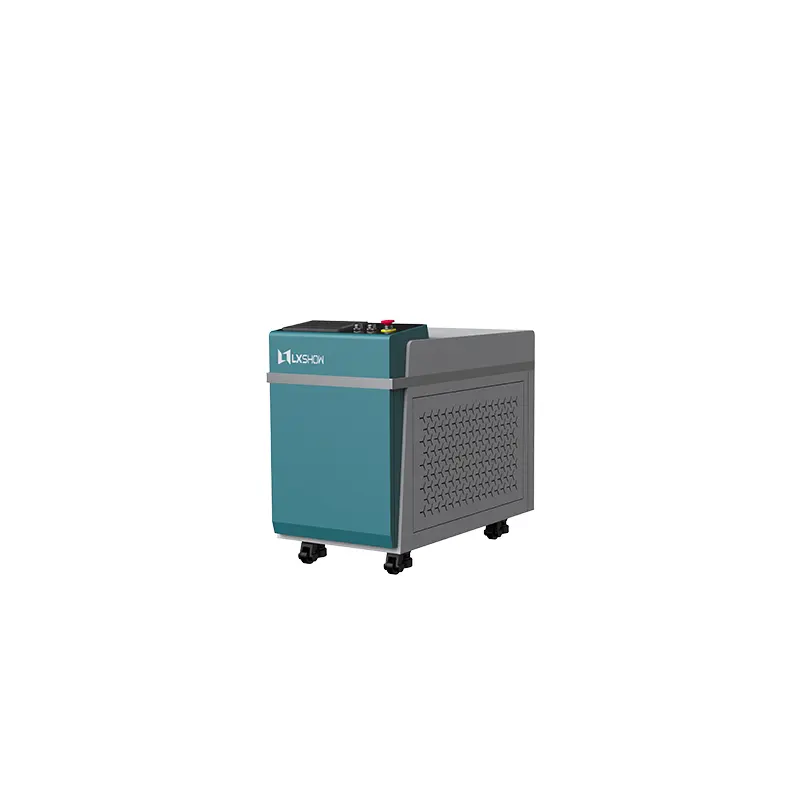 LXC Small Handheld Laser Cleaner
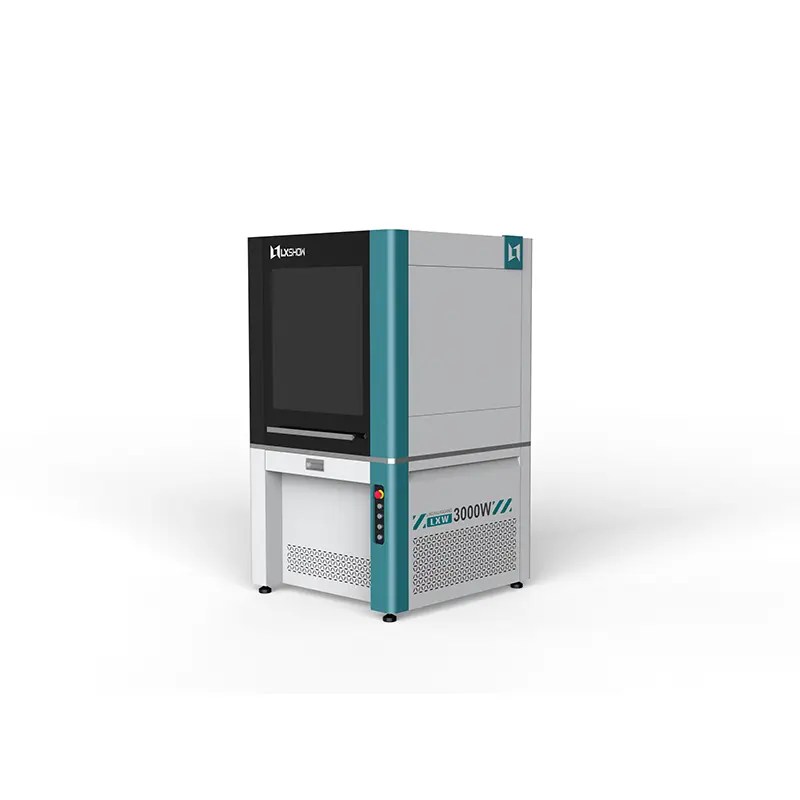 LXC Fully Surrounded Flat Metal Derusting Machine
Handheld and automated fiber welding platforms for continuous high-strength joint structures.
 Economy Model Laser Welder
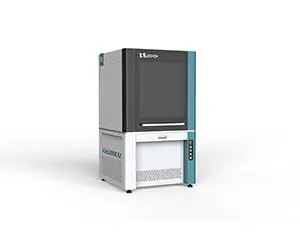 LXW Fully Surrounded Flat Metal Laser Welder
 LXW Tabletop Laser Metal Welding Machine
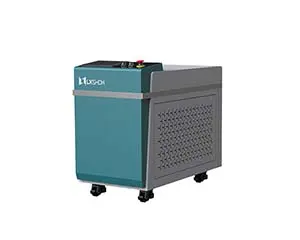 LXW 1500W Handheld Laser Welding Machine
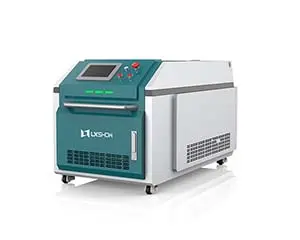 LXW 3000W Handheld Fiber Optic Laser Welder
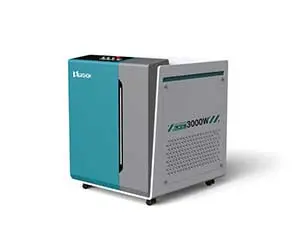 LXW High Power Welder with Cooling Device
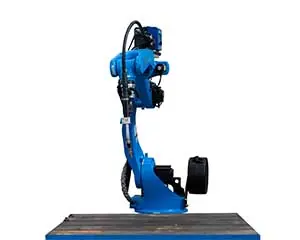 LXW-Arc Welding Machine for Steel & Iron
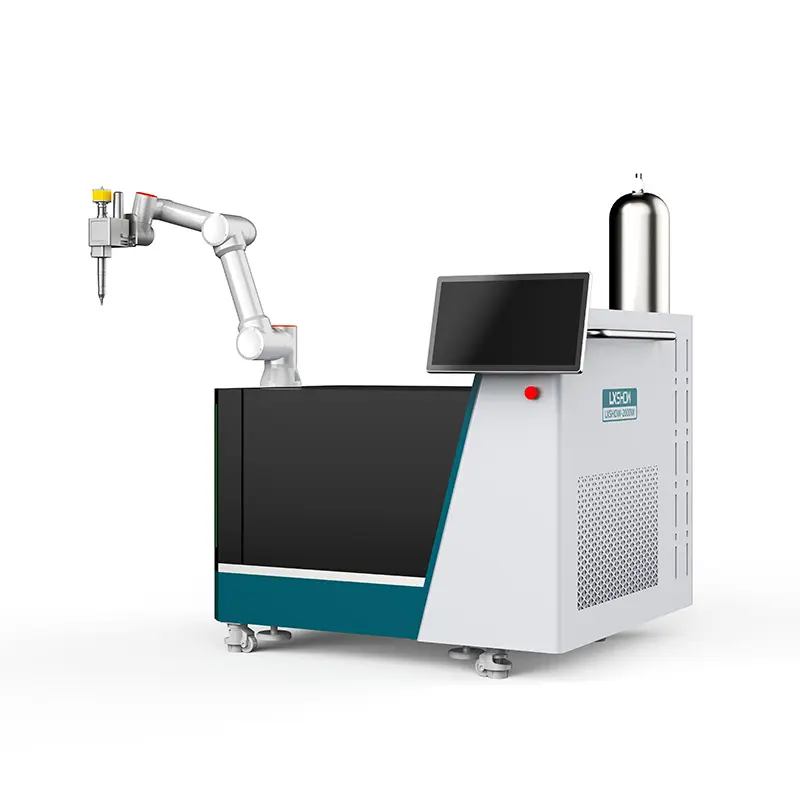 CNC Laser Welder with Robotic Arm
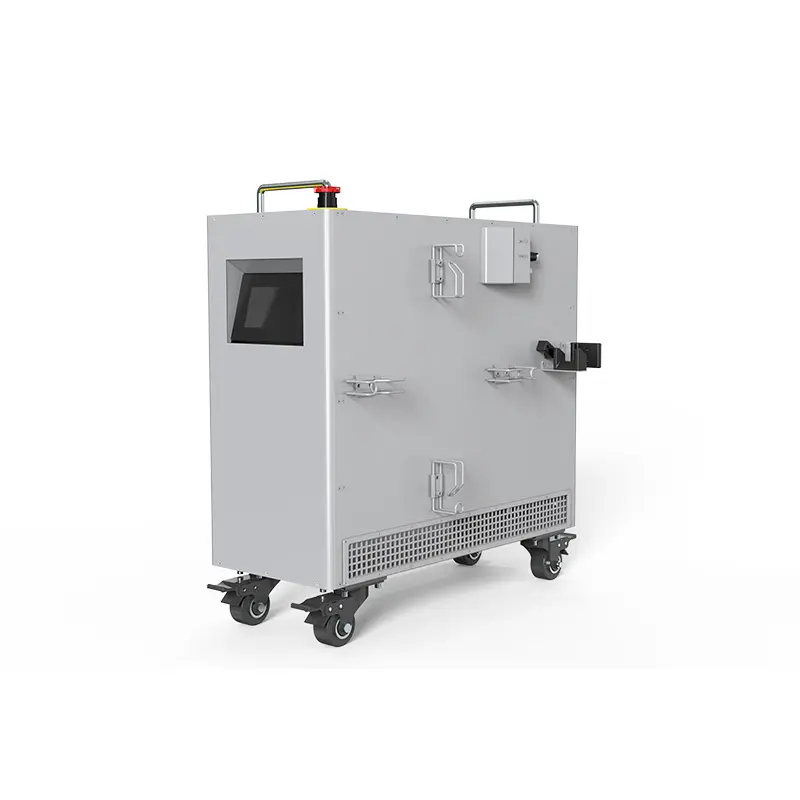 LXW-1500W Reci Laser Welding Machine
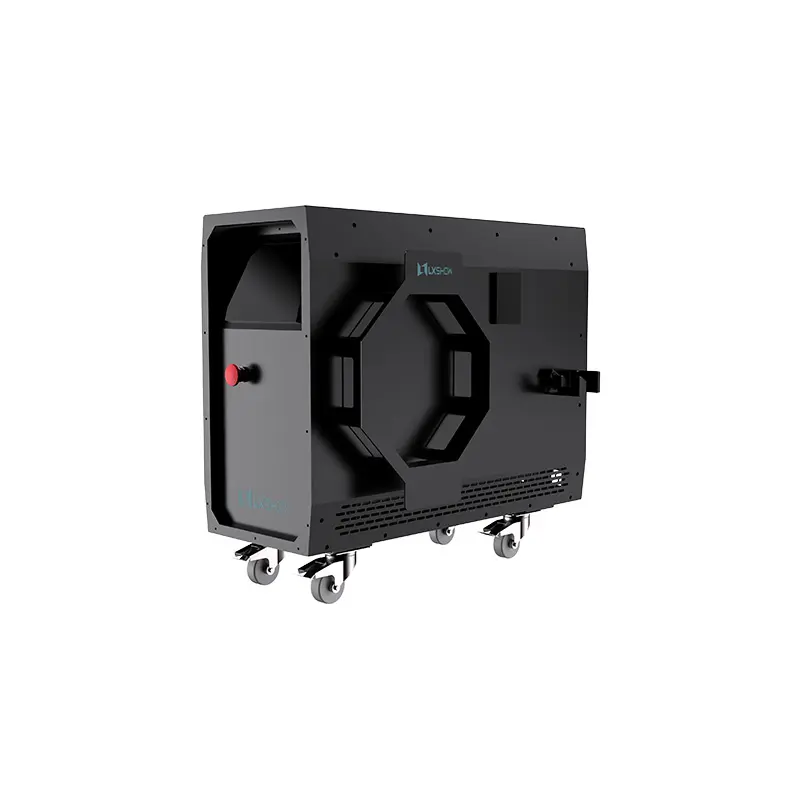 Air Cooling Laser Welding Machine
 Handheld Fiber Laser Welder IPG/Raycus/JPT
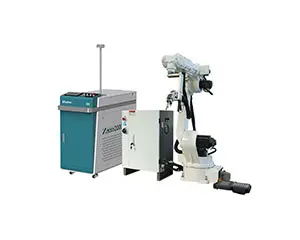 Robot Arm Equipped Fiber Laser Welder
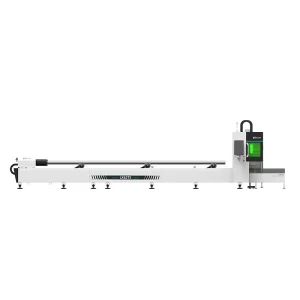
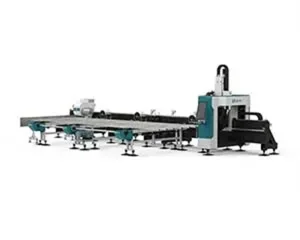
Advanced sheet and pipe combination cutting beds using high-power modular laser engines.
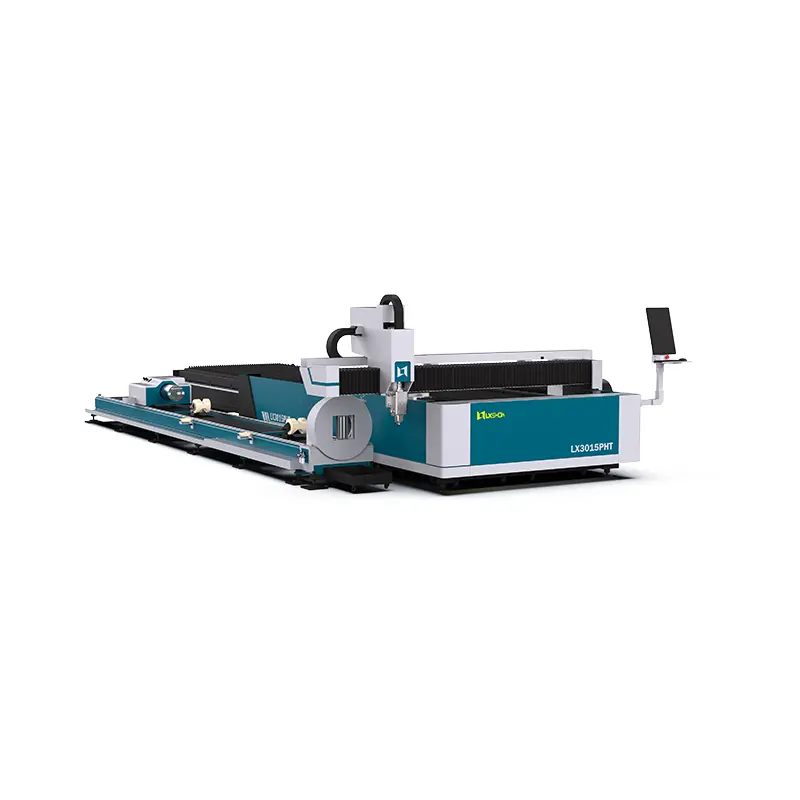 3015PHT Sheet & Pipe Fiber Laser Cutter
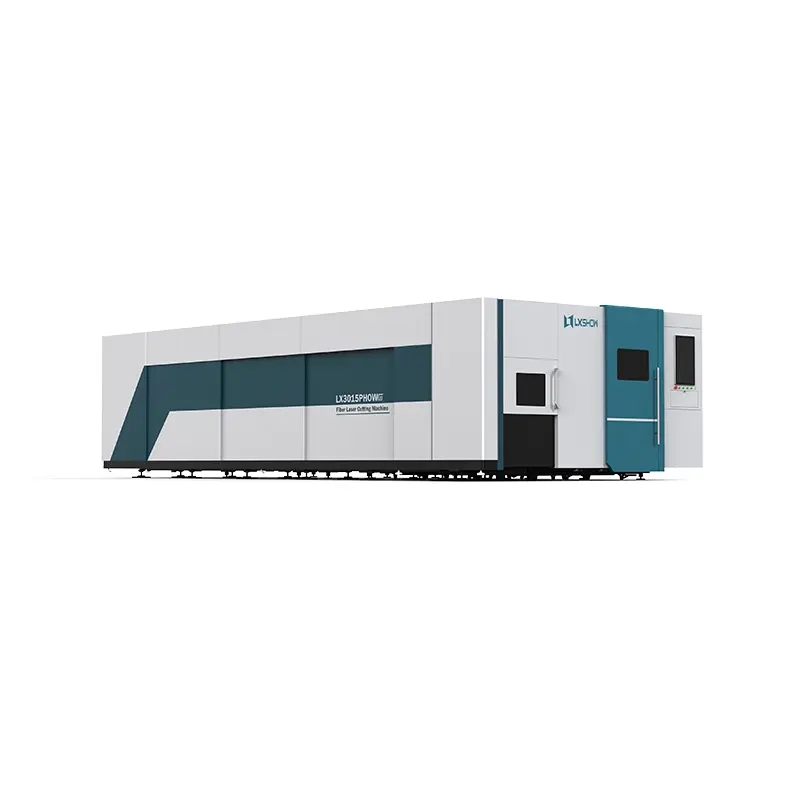 3015PHOW High Power Closed Exchange Cutter
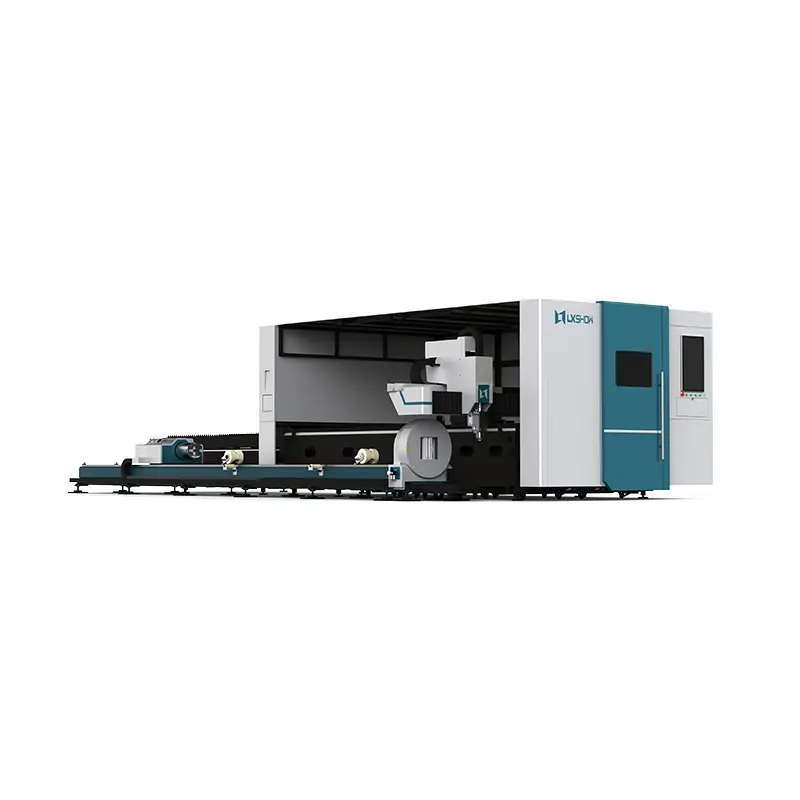 3015PHOT Exchange Table Sheet & Tube Cutter
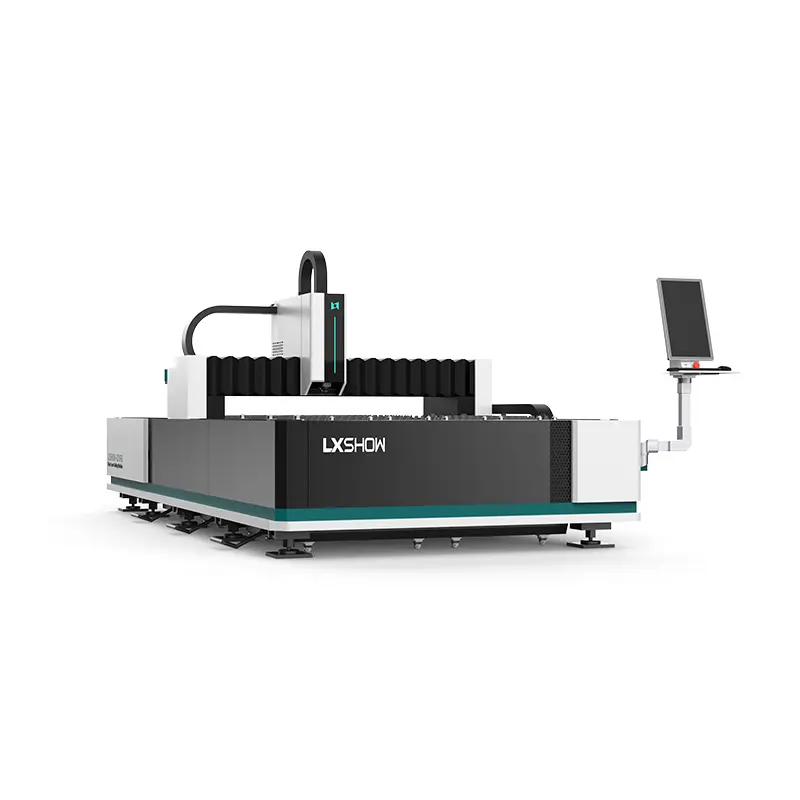 3015FG Premium Luxury Design Laser Cutter
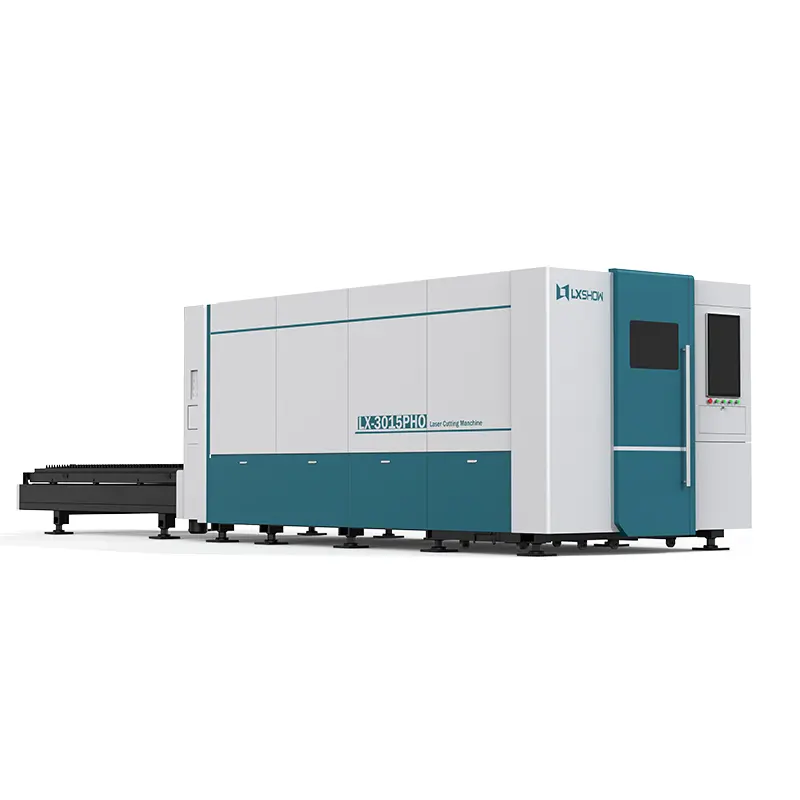 3015PHO Closed Double Exchange Laser Cutter
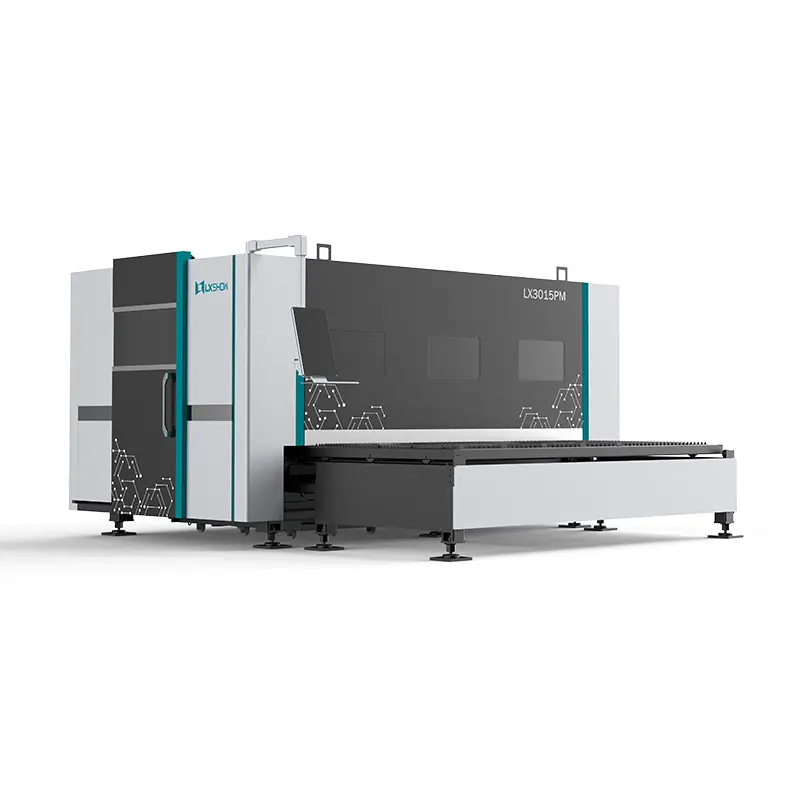 LX3015PM CNC Fiber Metal Laser Cutter
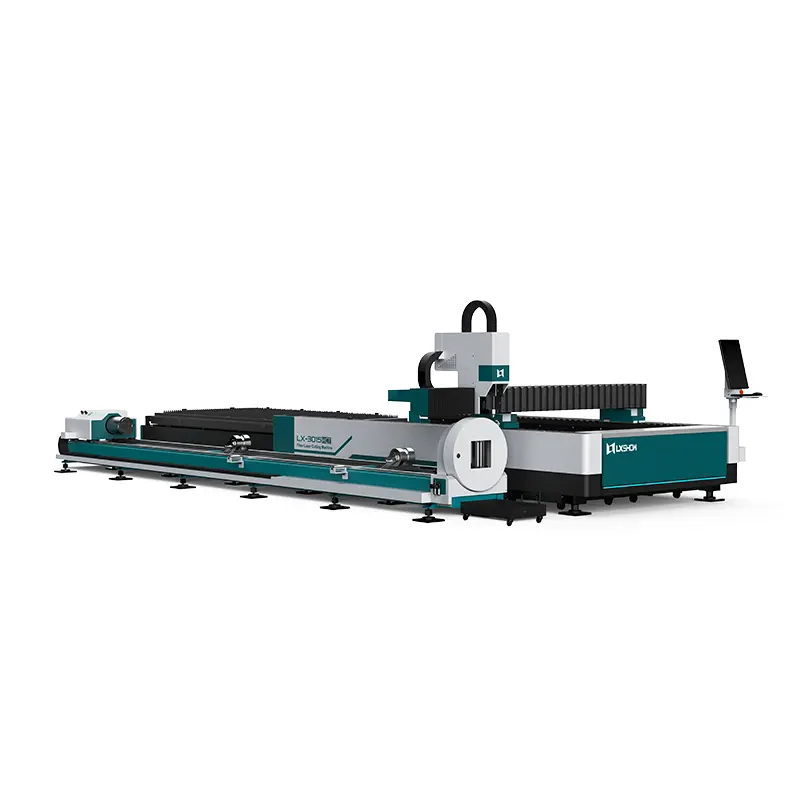 3015HCT Versatile Plate & Pipe Laser Cutter
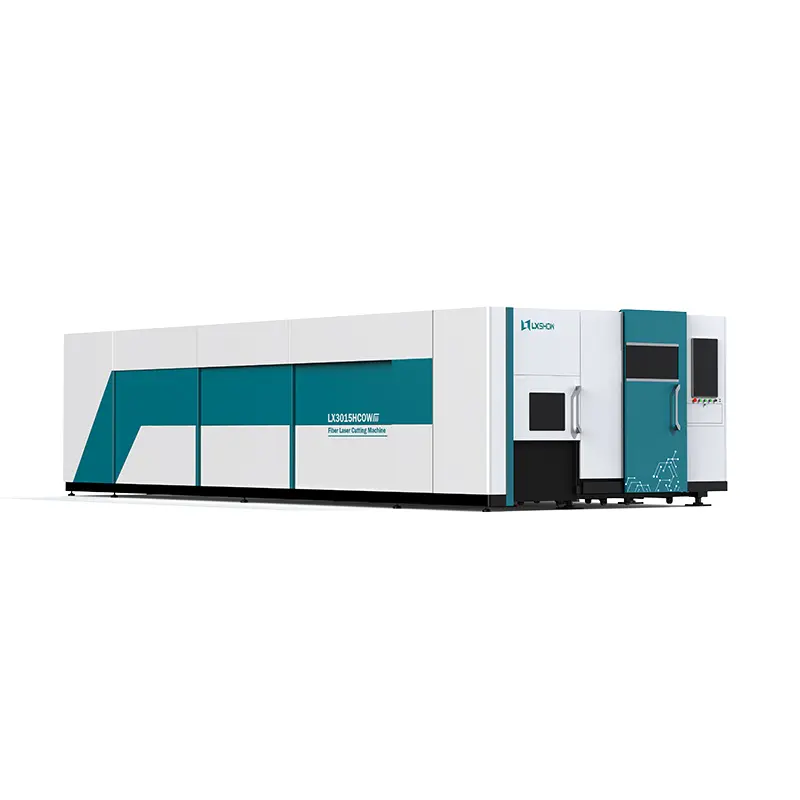 3015HCOW Enclosed 1-12KW Sheet & Tube Cutter
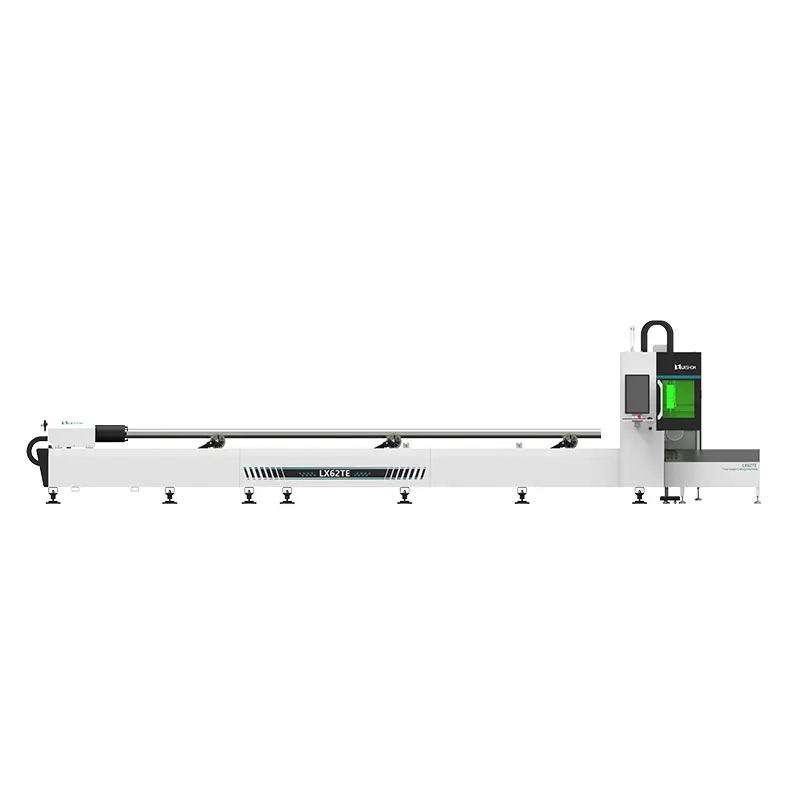 LX62TE Professional Pipe & Tube Laser Cutter
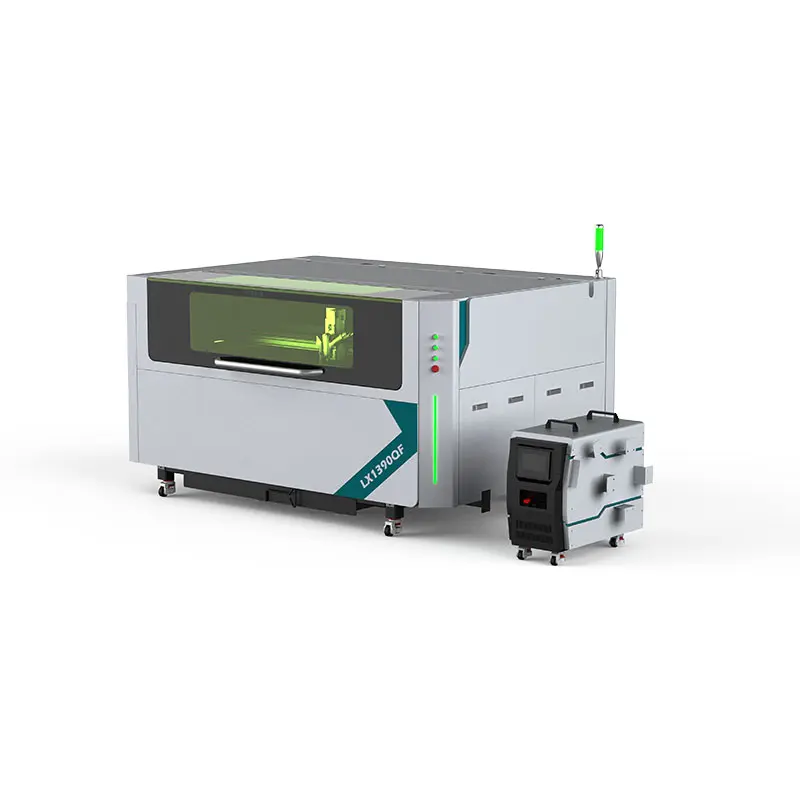 Lx1390qf Enclosed 6-in-1 Combined Laser Cutter
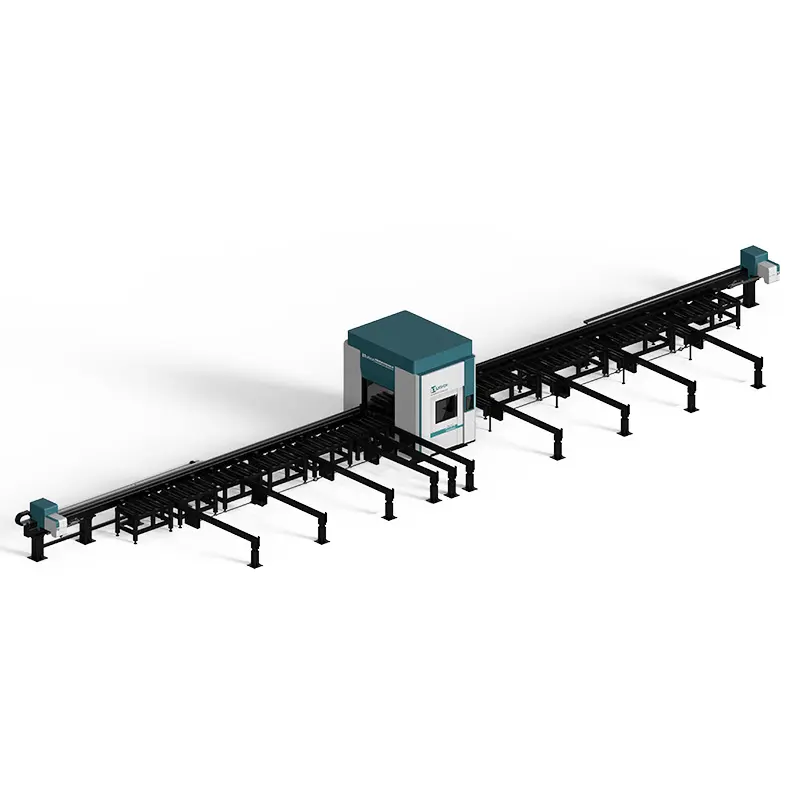 LX650FBHGA H-Steel Profile Laser Cutter
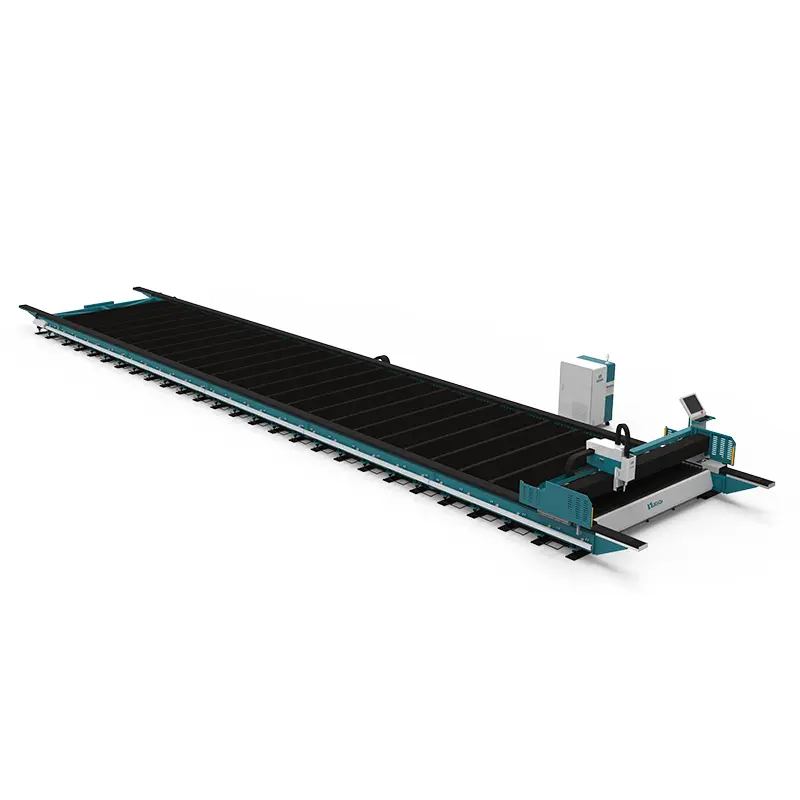 20035LD Ultra-Large Format 30kW Laser Cutter
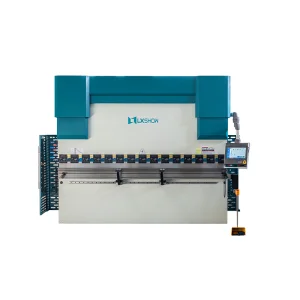
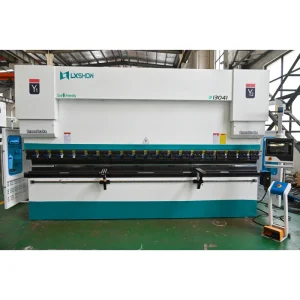
Electro-hydraulic servo-driven CNC bending brakes for precise structural metal deformation.
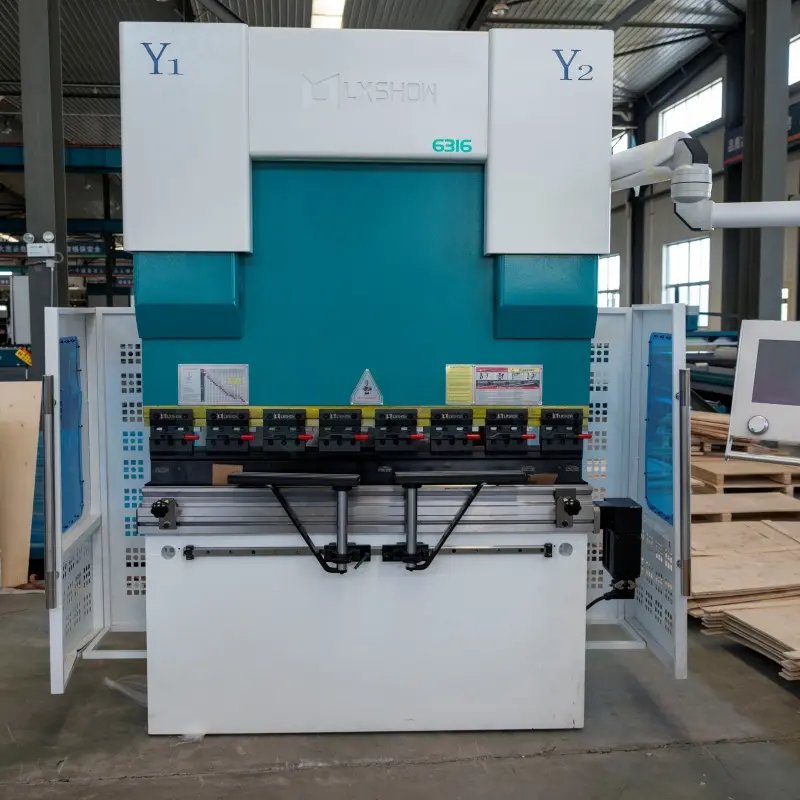 WE67K-63T1600 Electro-hydraulic Servo Bender
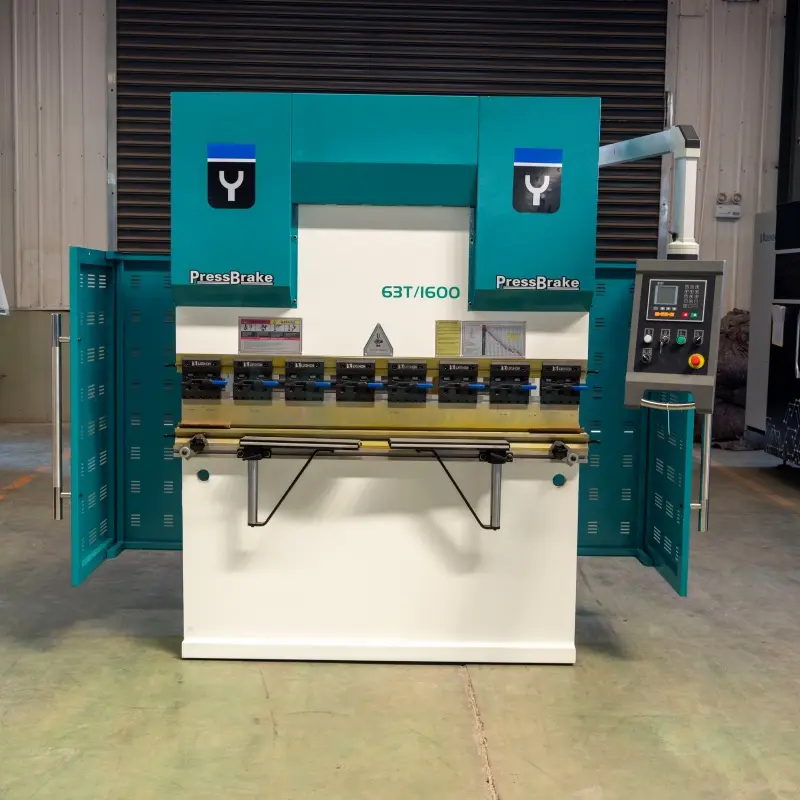 WC67K-63T1600 Sheet Metal Brake
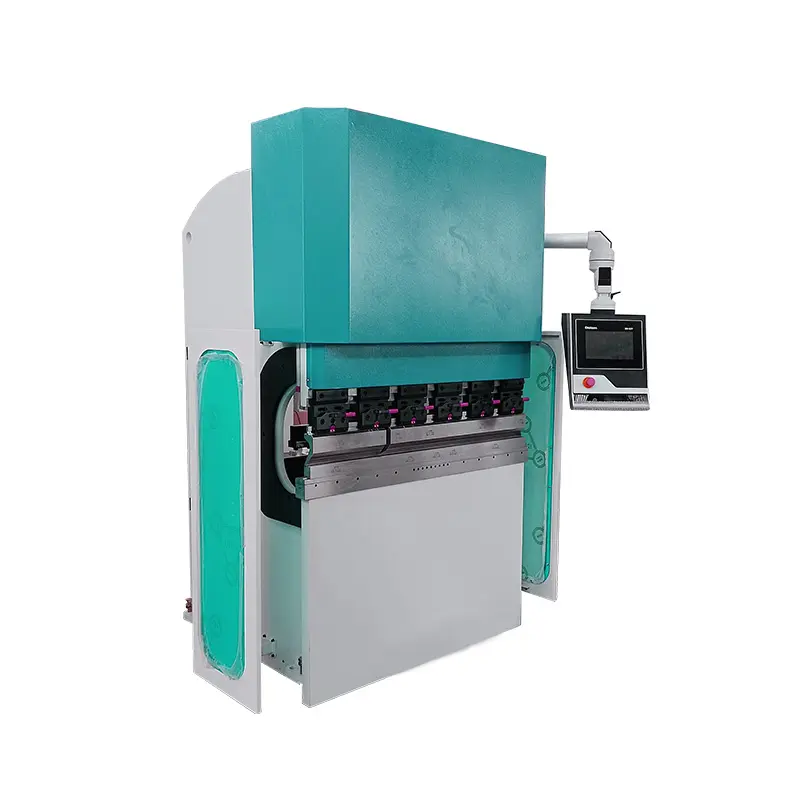 CNC Pure Electrical Servo Bending Machine
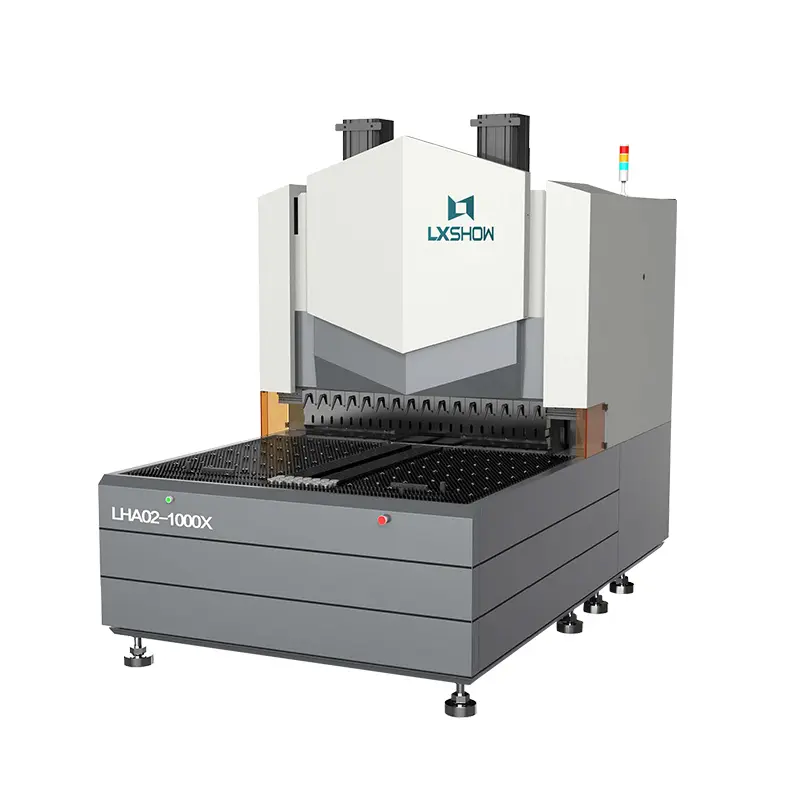 LHA05 Flexible CNC Bending Machine
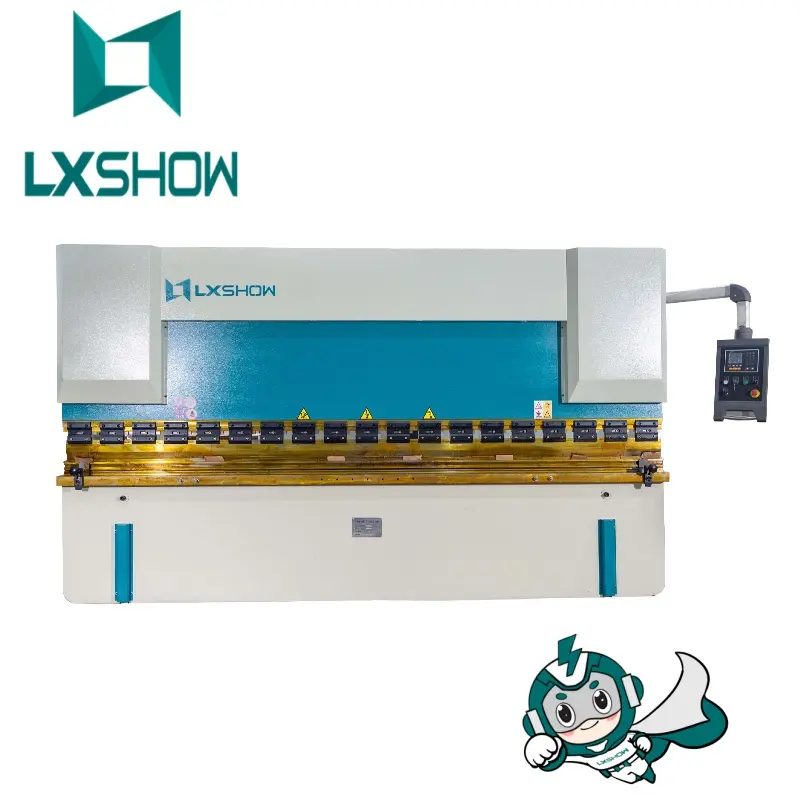 WC67K-125T4000 CNC Bending Machine
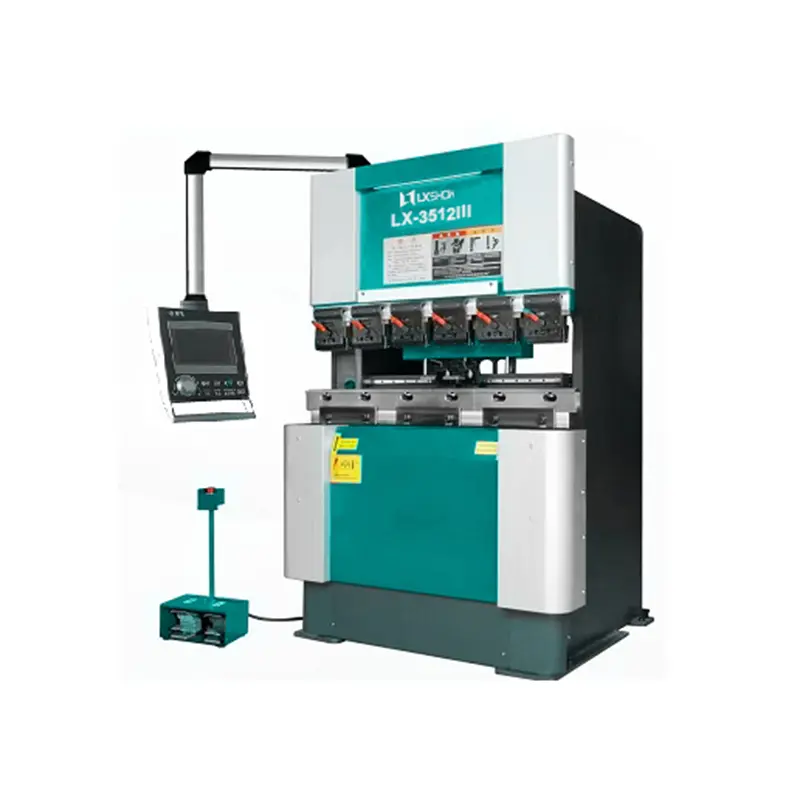 LX-3512 All-Electric Bending Machine
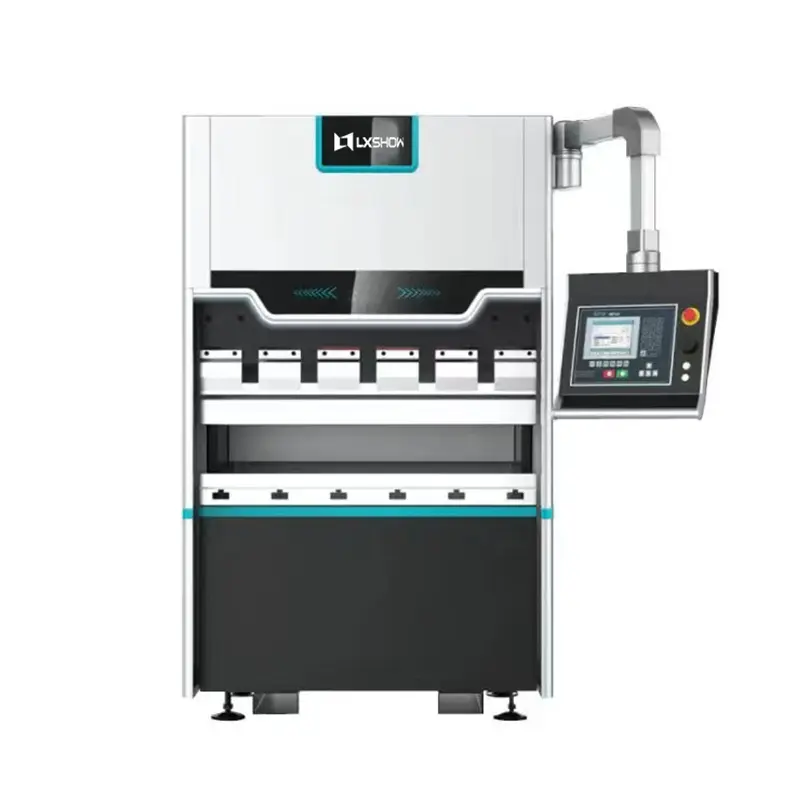 LX-350T-1250 Full Electrical Servo CNC Bender
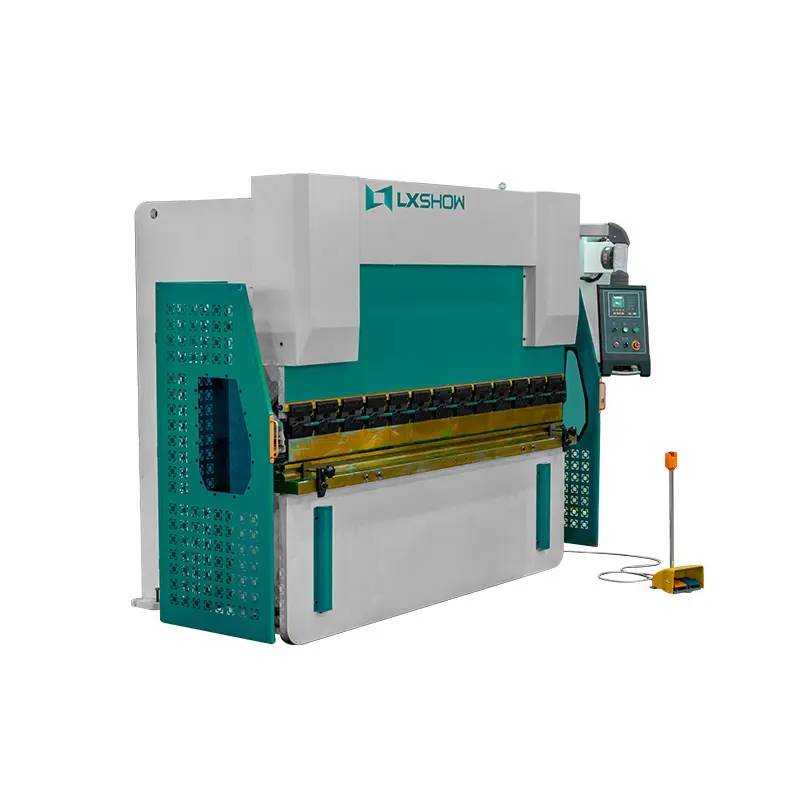 WC67K-100T4000 Torsion Axis CNC Bender
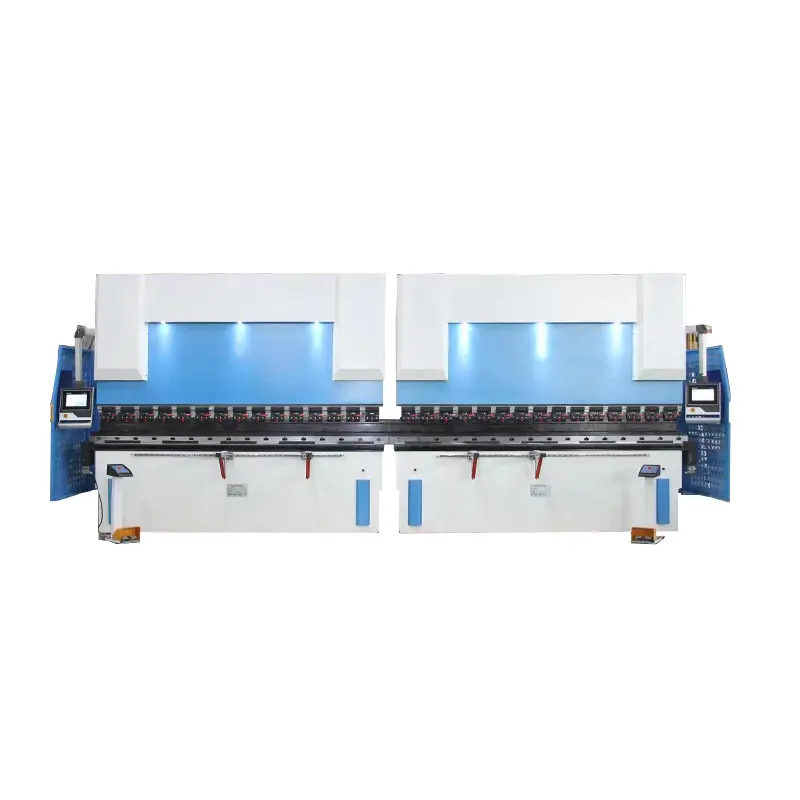 WE67K-300T4000 Double Linkage Hydraulic Bender
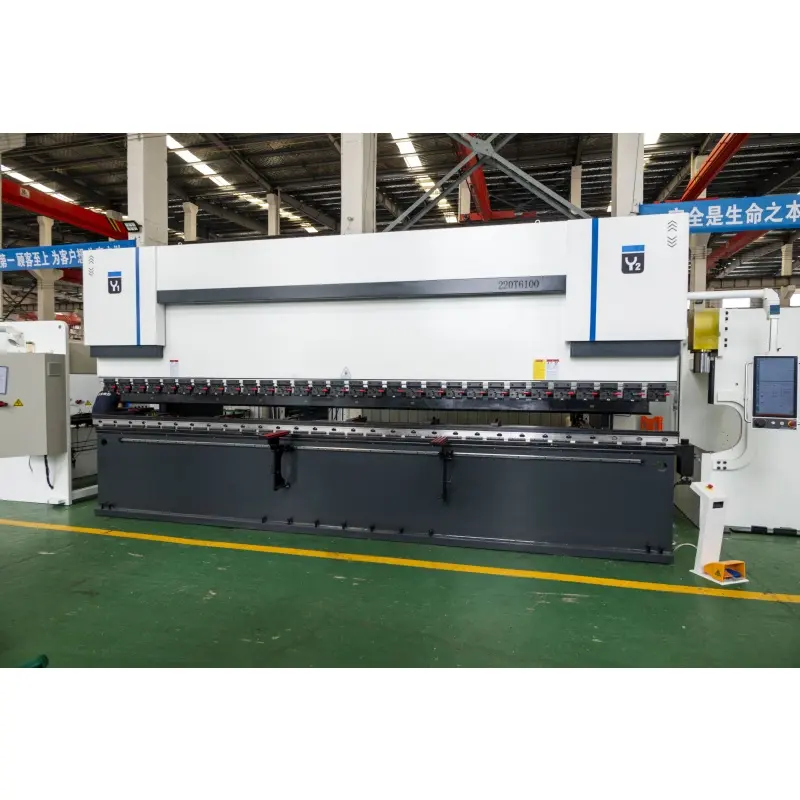 WE67K-220T6100 Customized Sheet Metal Bender
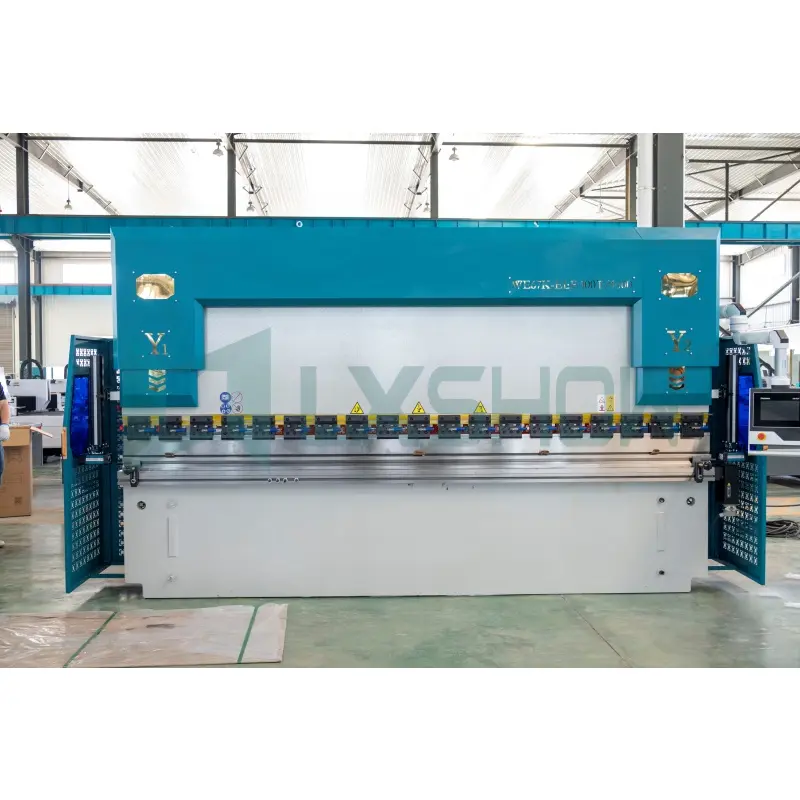 WE67K-100T4000 Electric CNC Bending Machine
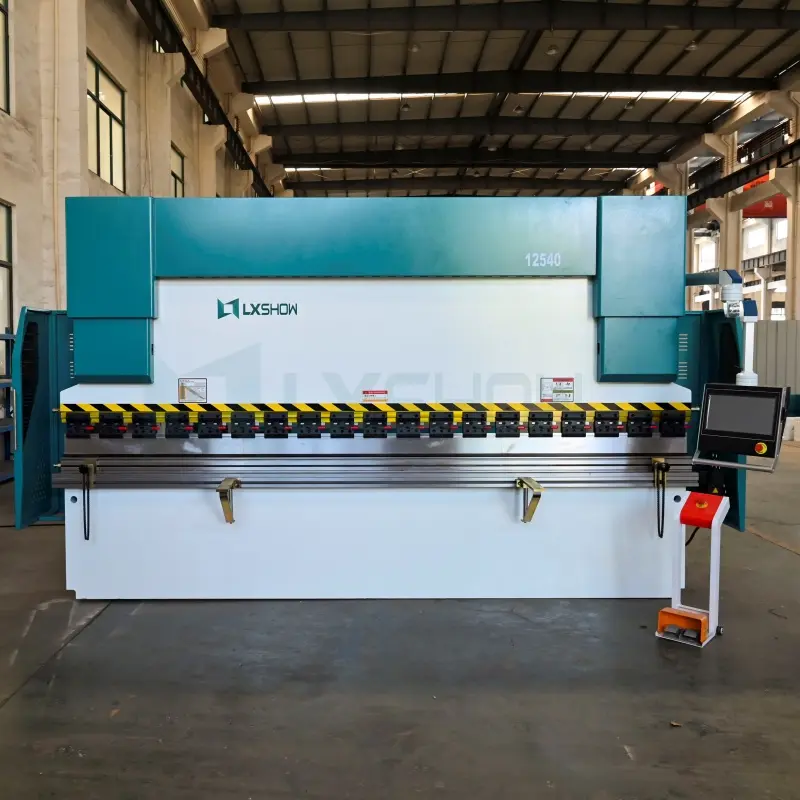 WE67K-125T4000 Automatic CNC Metal Bender
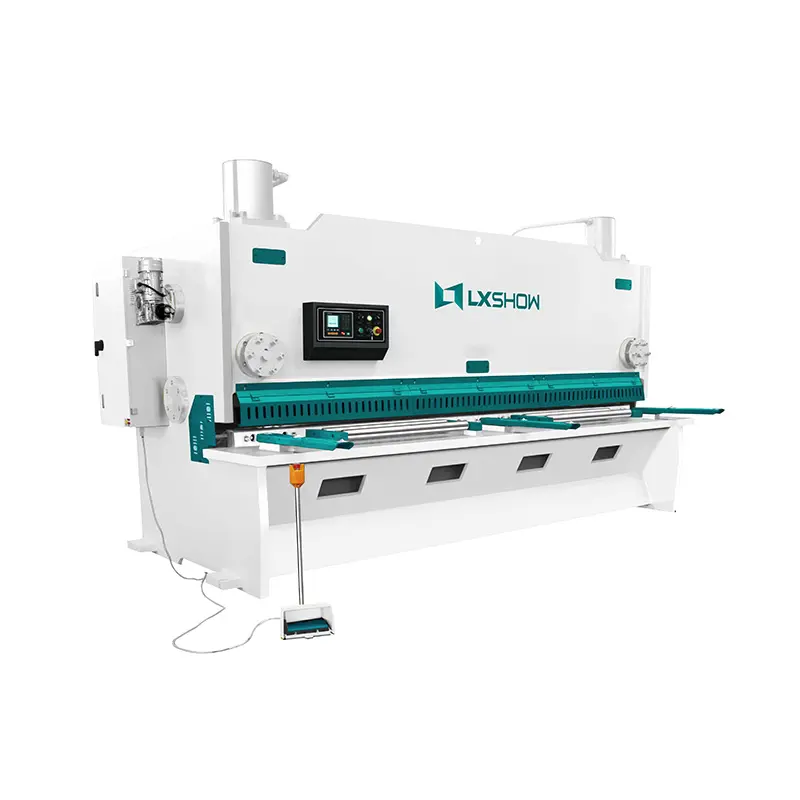
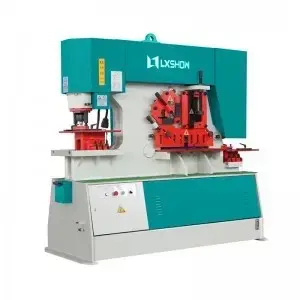
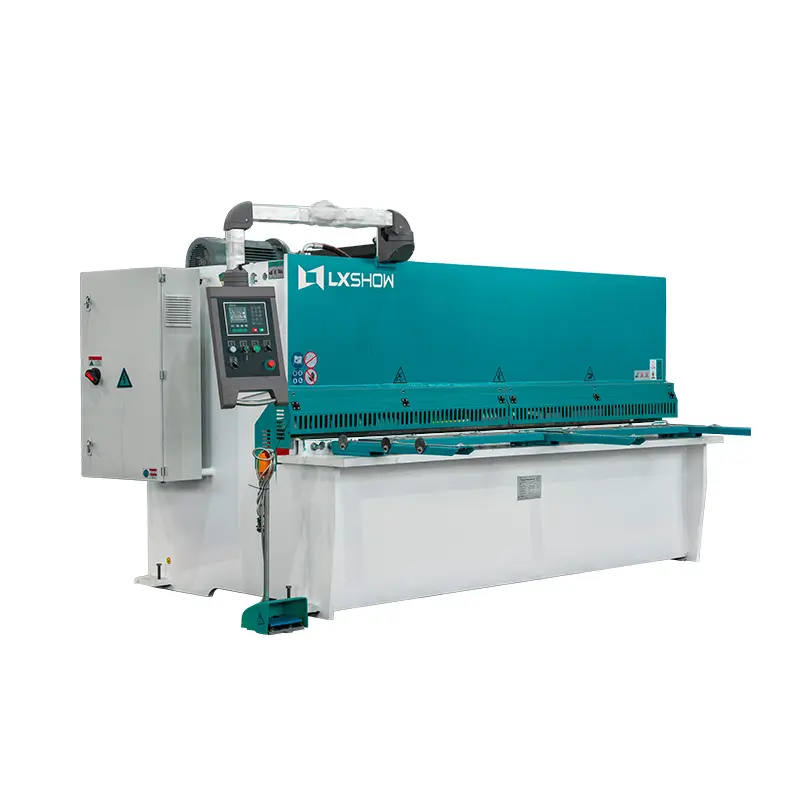
Heavy-duty hydraulic and mechanical shearing tools for reliable metal panel processing.
 Lxshow