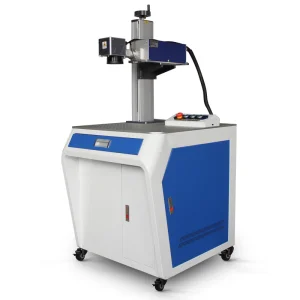
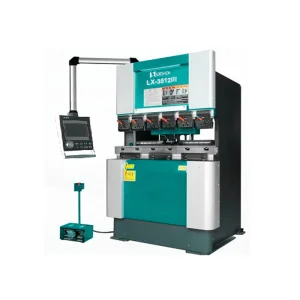
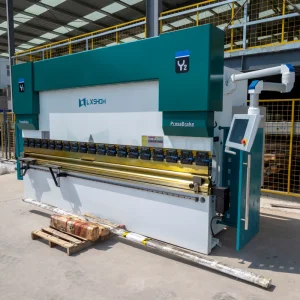
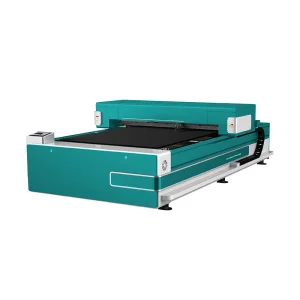
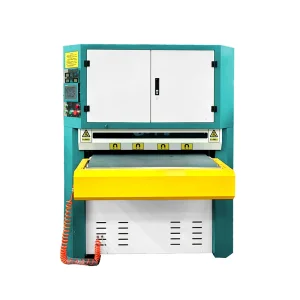
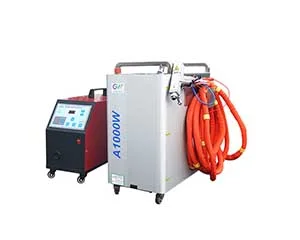
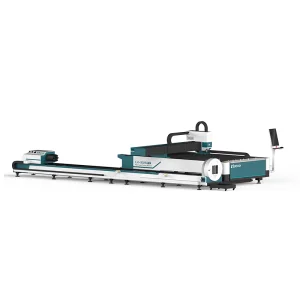
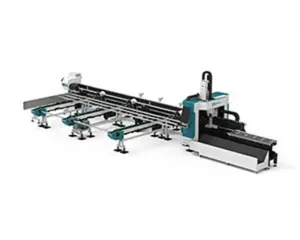
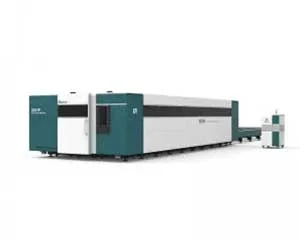
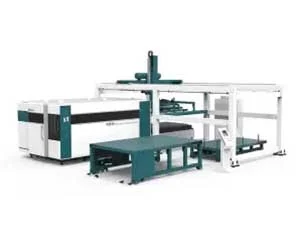
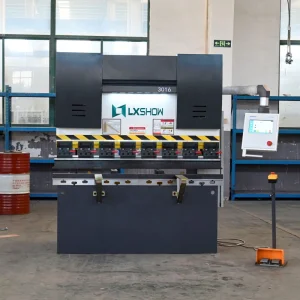
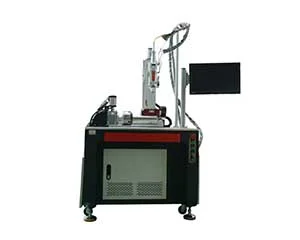
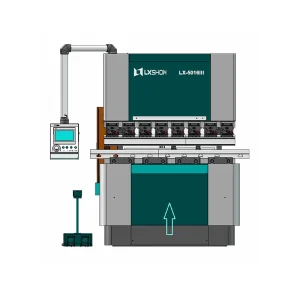
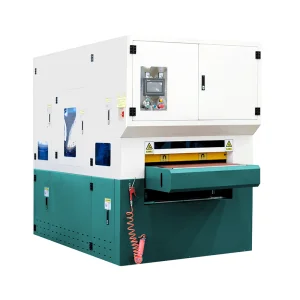
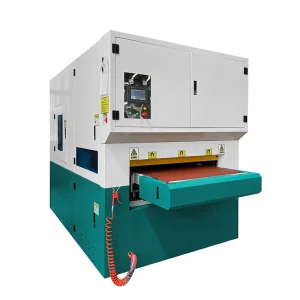
Explore our advanced suite of manufacturing machinery, designed to facilitate robust batch production, sheet metal bending, and intricate finishing workflows.
Aluminum is highly valued across industries for its lightweight properties, high strength-to-weight ratio, and natural corrosion resistance. However, from a laser processing perspective, aluminum presents unique physical challenges—namely high reflectivity and rapid thermal conductivity. Overcoming these limitations requires advanced manufacturing principles and specialized optical parameters.
In its solid state, aluminum reflects up to 90% of infrared radiation at typical CO2 laser wavelengths (10.6 µm). This can cause back-reflections that damage internal optics. Modern fiber lasers operating at 1.07 µm mitigate this issue due to a significantly higher absorption coefficient in aluminum. This wavelength allows for localized energy delivery, ensuring a clean cut through the metal before high thermal conductivity can dissipate the heat.
The choice of assist gas dictates the final edge chemistry. Nitrogen (N2) cutting is the industry standard for aerospace and electronics; it acts as a shielding gas to prevent oxidation, resulting in a bright, clean surface ideal for subsequent anodizing or welding. Oxygen (O2) cutting, while introducing minor surface oxidation, speeds up processing rates on exceptionally thick plates by initiating an exothermic reaction.
| Aluminum Grade | Primary Alloying Elements | Laser Cutability Index | Common Applications |
|---|---|---|---|
| 1000 Series (e.g., 1050 / 1060) | Pure Aluminum (99%+) | High (Soft, requires high pulse rate) | Chemical equipment, electrical conductors, reflectors |
| 3000 Series (e.g., 3003) | Manganese | Excellent | Kitchenware, heat exchangers, pressure vessels |
| 5000 Series (e.g., 5052 / 5083) | Magnesium | Excellent (Minimal dross) | Marine hulls, automotive brackets, fuel tanks |
| 6000 Series (e.g., 6061 / 6082) | Magnesium & Silicon | Moderate (High thermal heat sink) | Structural components, framing, EV battery trays |
| 7000 Series (e.g., 7075) | Zinc | Low-Moderate (Requires optimized parameters) | Aerospace structural ribs, high-stress tooling parts |
China's industrial infrastructure offers unique structural advantages for metal fabrication. By concentrating steel, raw aluminum refineries, component manufacturers, and software developers within integrated industrial parks, Chinese fabrication hubs like Jinan achieve unprecedented speed-to-market.
At LXSHOW, we leverage this localized ecosystem to combine raw material cost efficiencies with high-end optical components (such as Raycus and IPG fiber sources). This integrated supply chain enables us to supply components with tight dimensional tolerances (up to ±0.05 mm) and short lead times.
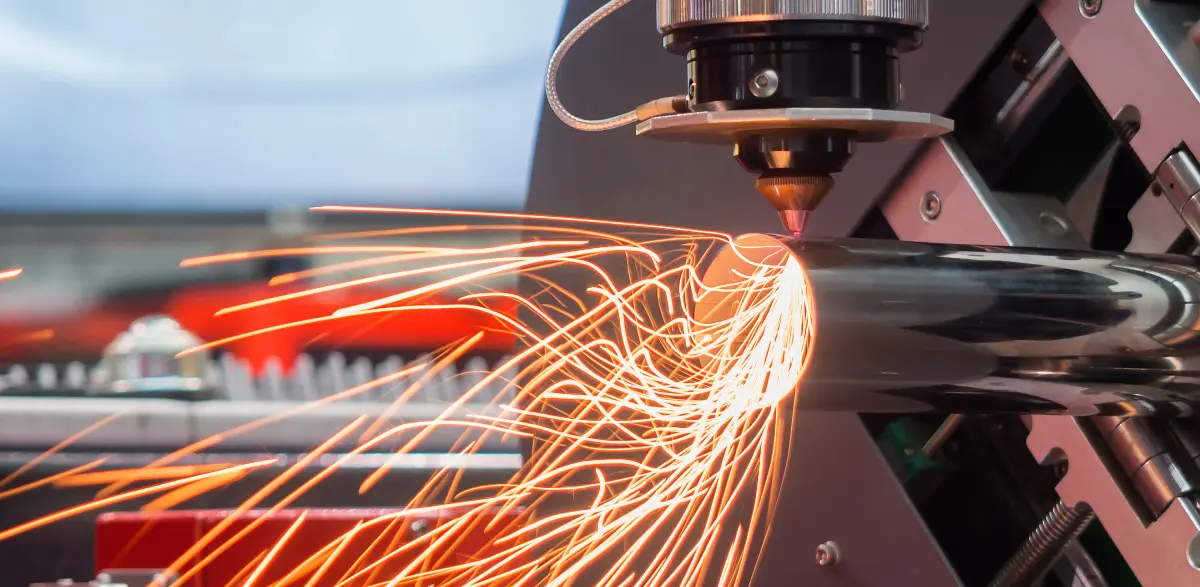
Explore our research, design, and manufacturing facilities where we coordinate international logistics and smart manufacturing initiatives.
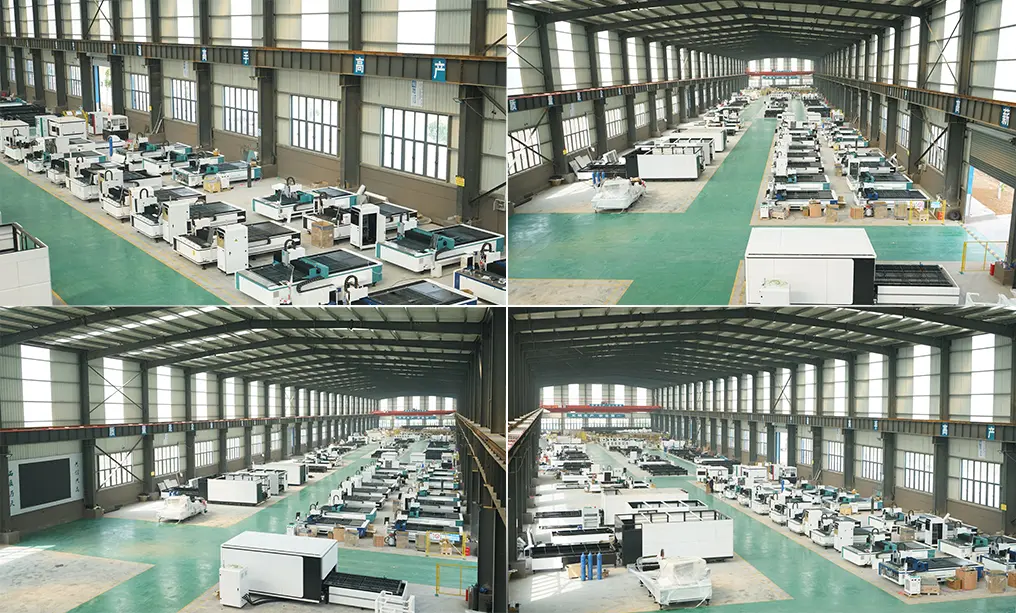
Equipped with high-precision fiber laser tables and mechanical press brakes.
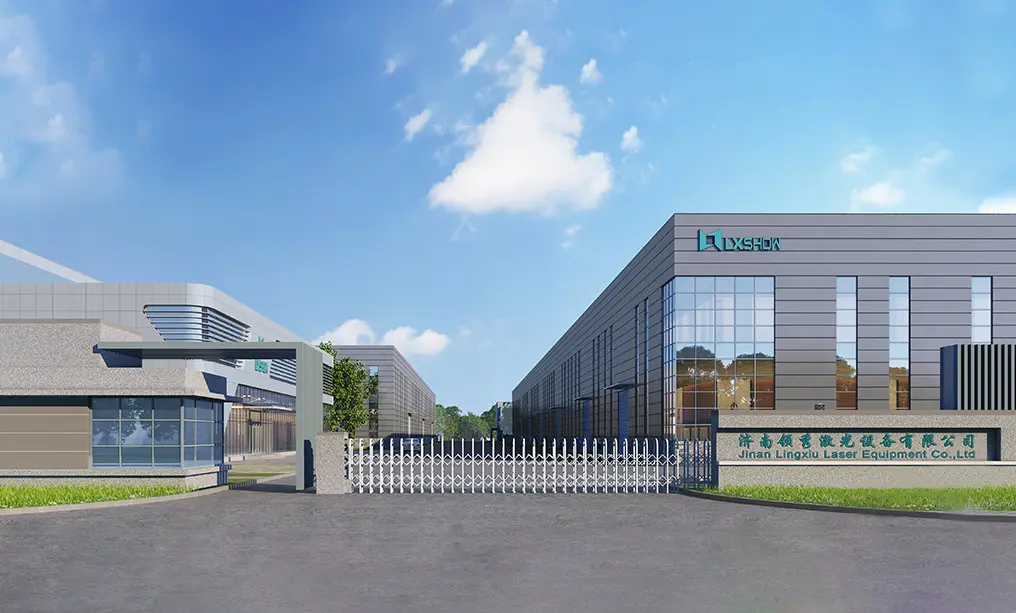
State-of-the-art staging area for CNC mechanical frame alignments.
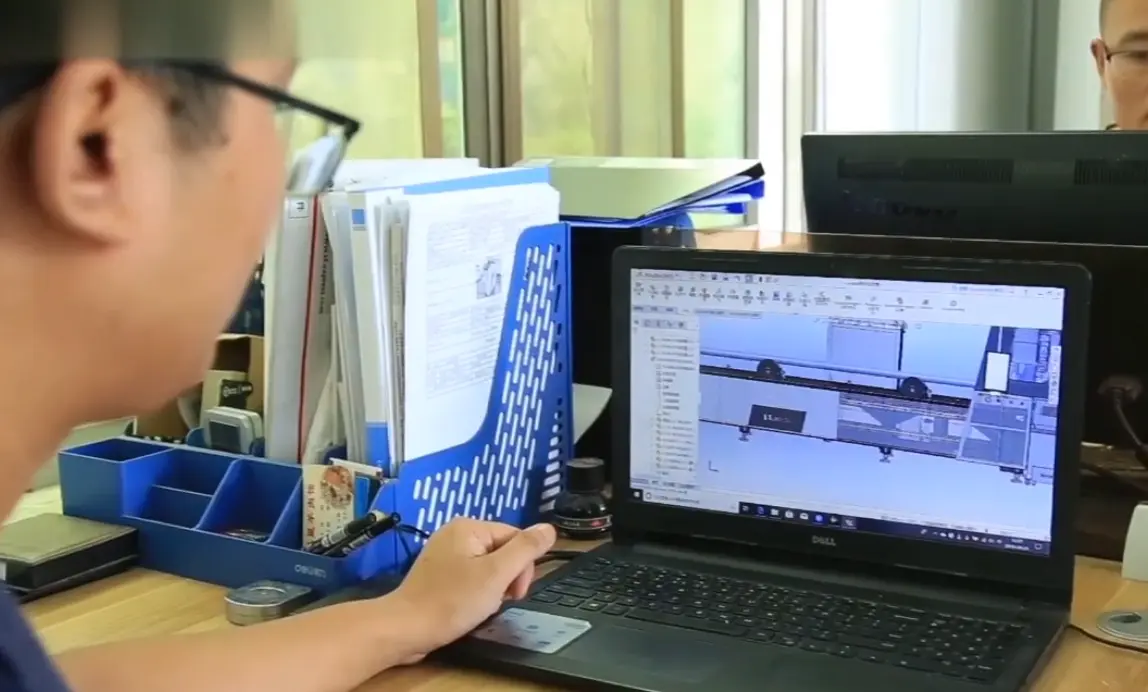
Customization engineers specializing in OEM configurations.
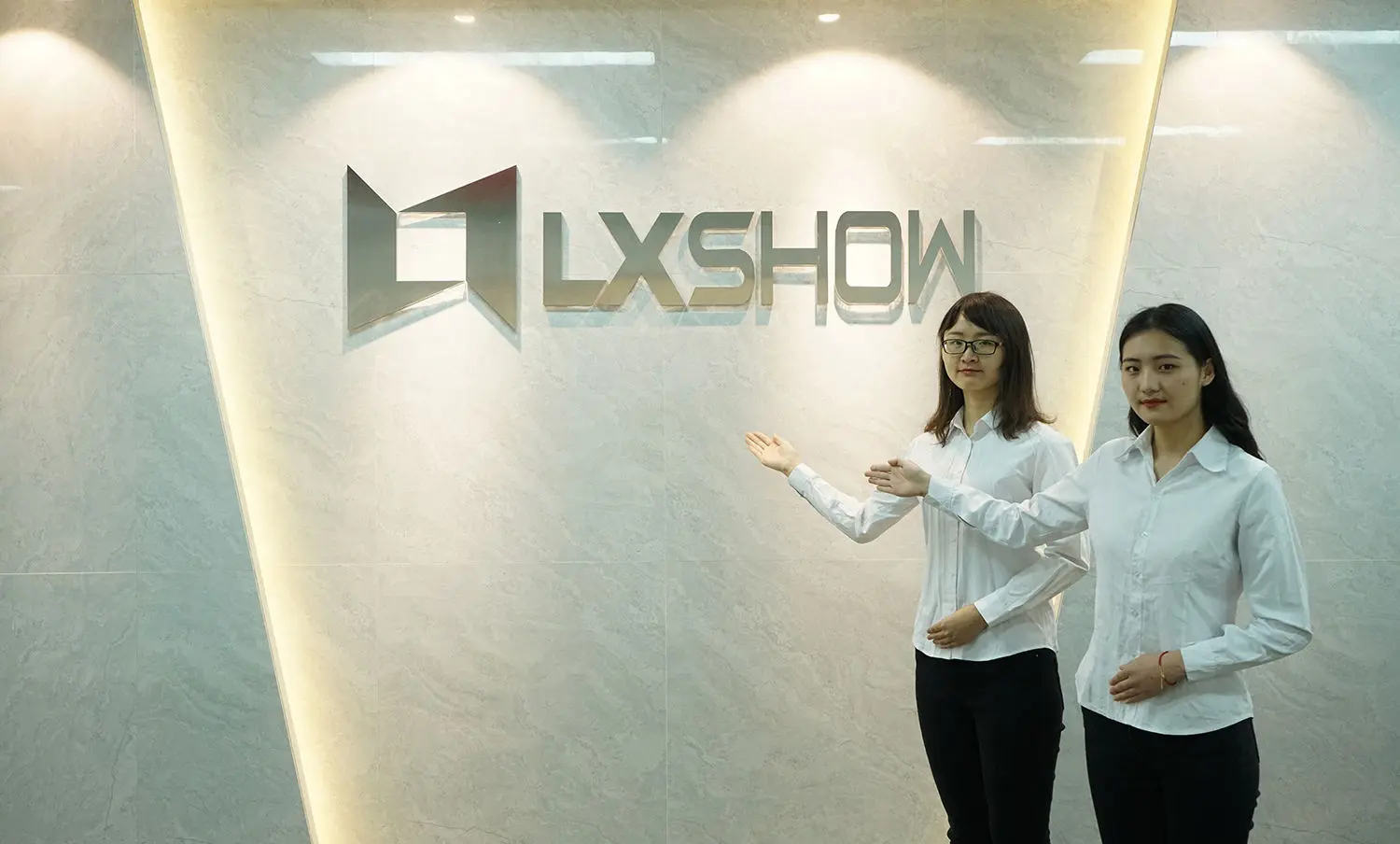
Over 500 square meters of researching and client coordination office space.
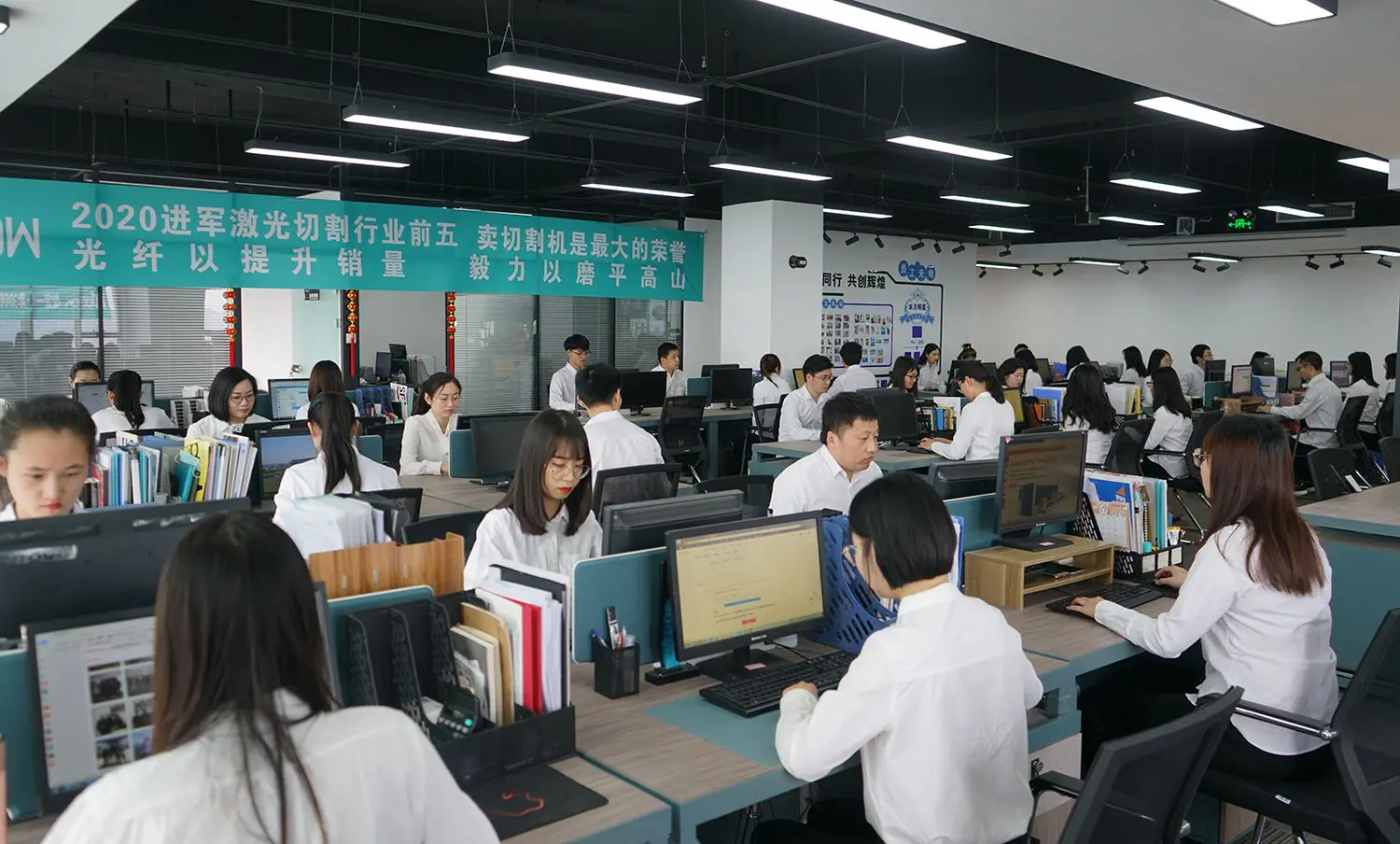
Our sales and operations department working 24/7 for overseas delivery tracking.
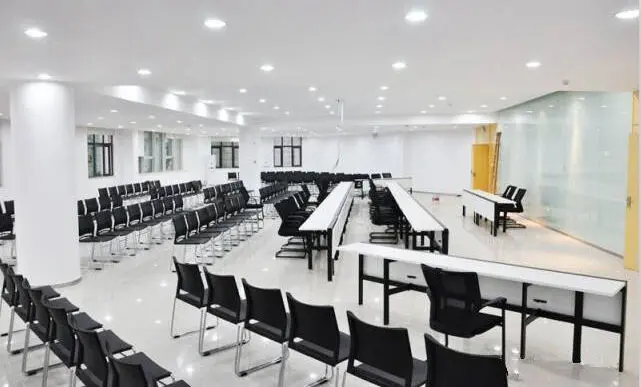
Customer support and partner certification facilities for laser operations.
High-precision aluminum laser cutting is not a one-size-fits-all manufacturing process. Specific industry verticals demand custom approaches regarding surface treatment, thickness allowances, and structural integrity.
Aerospace housings typically utilize 7075-T6 or 2024 alloys for structural strength. Laser cutting these components requires real-time thermal monitoring to avoid structural fatigue, enabling the manufacturing of lightweight mounting brackets and complex sensor housings.
EV lightweight requirements demand structural 6000 series aluminum profiles. High-speed lasers slice through extruded profiles and plates, preparing clean joint preps for laser welding, ensuring airtight and crash-resistant enclosures.
Consumer laptops and mobile framework rely on anodized 5000 and 6000 series aluminum. Clean, burr-free cuts cut down processing cycles, preparing panels for instant assembly and heat dissipation fin attachments.
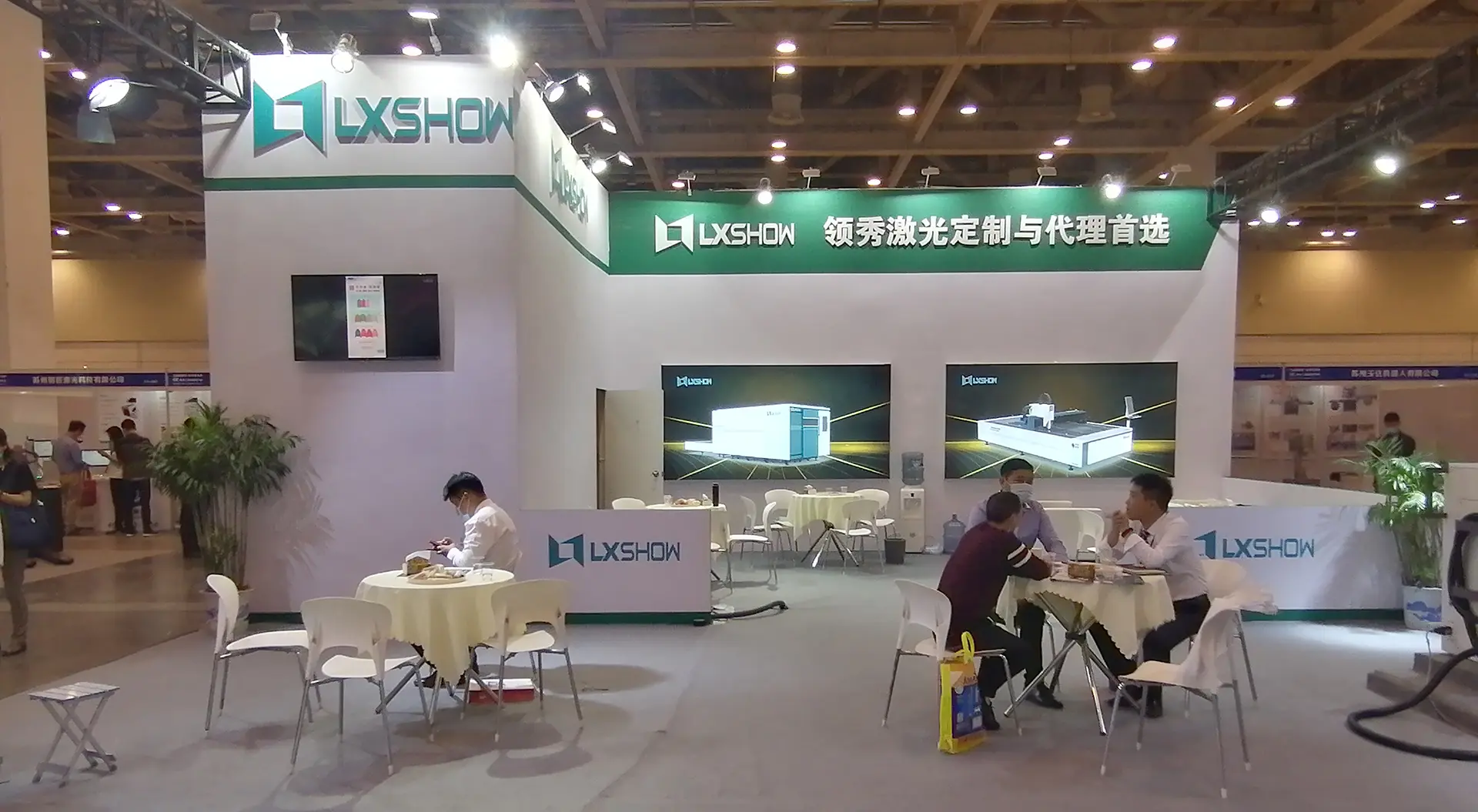
The laser cutting industry is undergoing a digital transformation. Smart machinery no longer operates in isolation. Through cloud integration and real-time sensor loops, we are building factory structures that communicate directly with CAD/CAM engines.
Our latest fiber laser installations support automated loading and unloading gantries, visual defect detection, and intelligent scrap recovery. This not only lowers operational costs but ensures consistency across large-scale manufacturing runs.
"Technological innovation, excellence. LXSHOW laser, your trusted brand!"
Here are standard answers to technical questions concerning the procurement, design, and physical characteristics of custom aluminum laser cutting.
Procuring custom laser-cut parts from an overseas supplier requires clear quality verification checkpoints. To ensure reliability, engineering and procurement teams should follow this step-by-step checklist:
A laser cutter's precision relies on structural rigidity and linear movements. Inquire if the supplier uses high-quality laser sources (such as IPG, Raycus) and stable CNC control systems (like Cypcut) to guarantee repeatability.
Ensure the factory provides Mill Test Certificates or MTRs. This guarantees that a 6061-T6 aluminum sheet meets ASTM or EN composition requirements, preventing failure under structural loads.
Aluminum is a soft material, easily scratched during sea transit. Verify that your supplier uses robust packaging, interleaving parts with clean paper or protective films and crating them in reinforced wooden crates.
Maximize your output efficiency with our high-power laser tubes, press brakes, and edge rounding machines.
 Lxshow