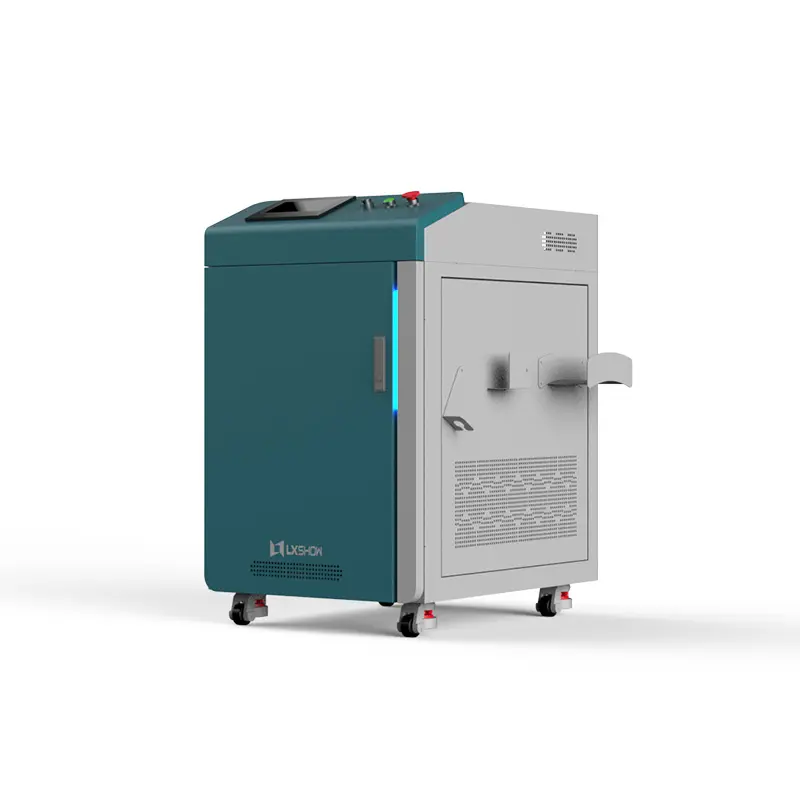
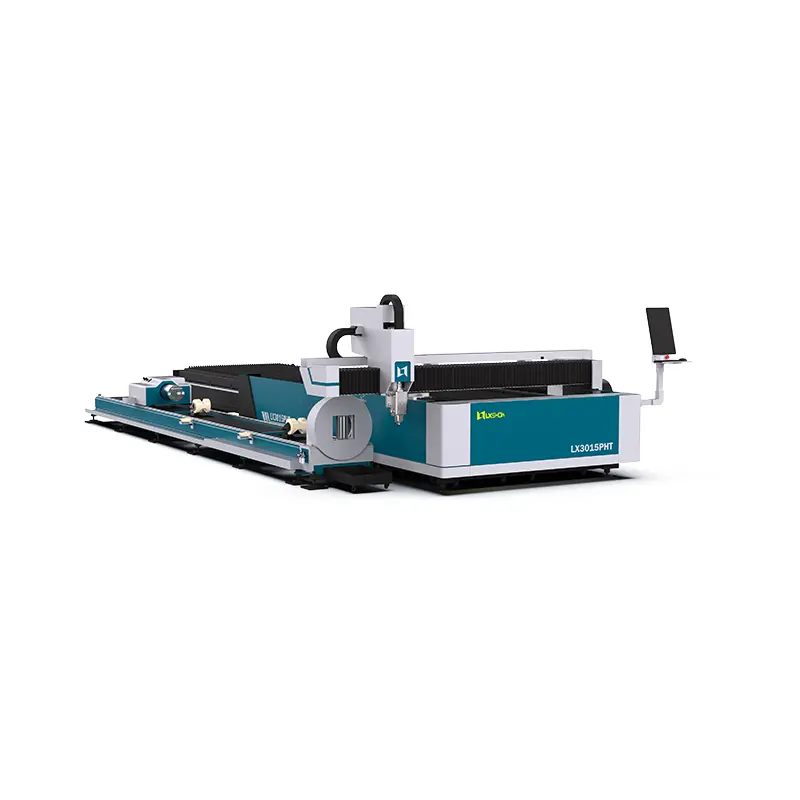
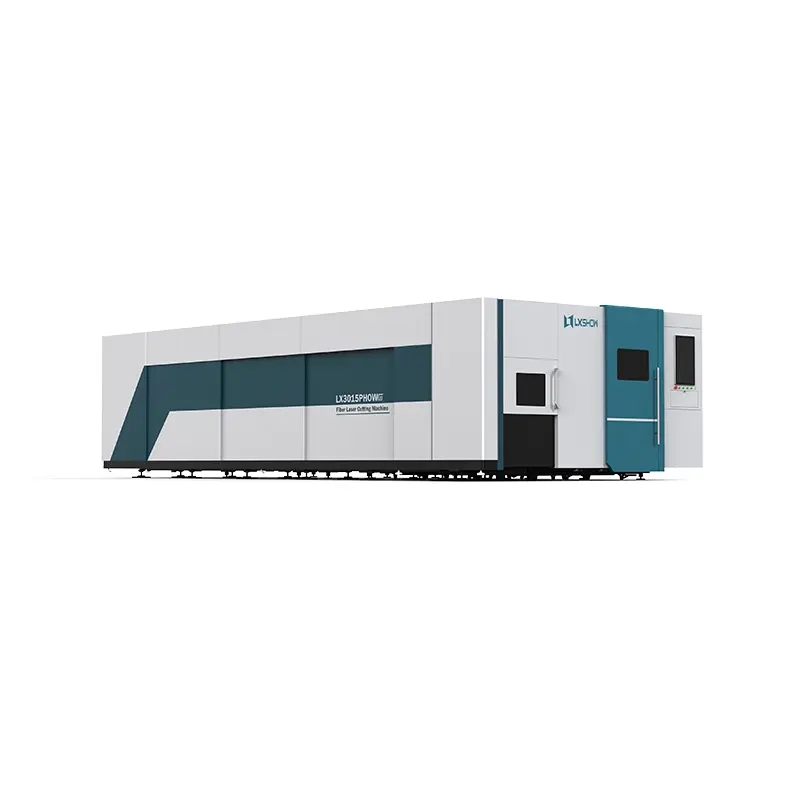
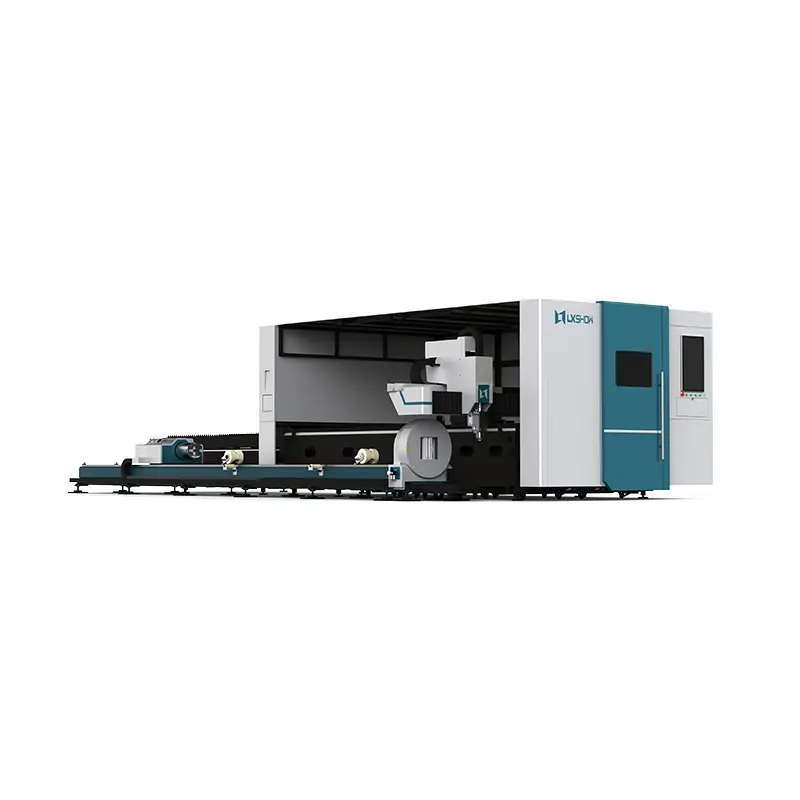
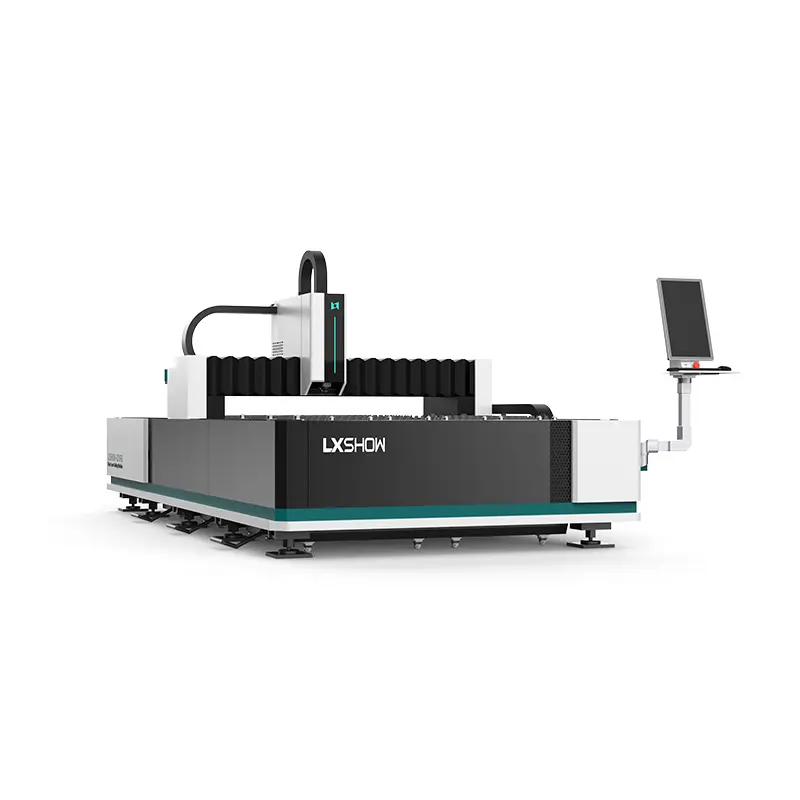
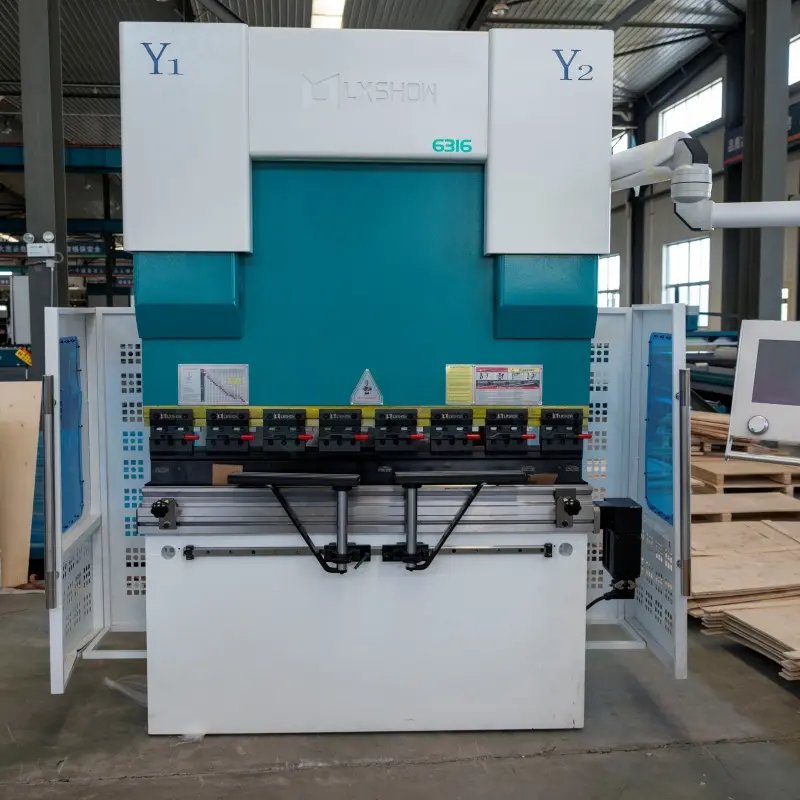
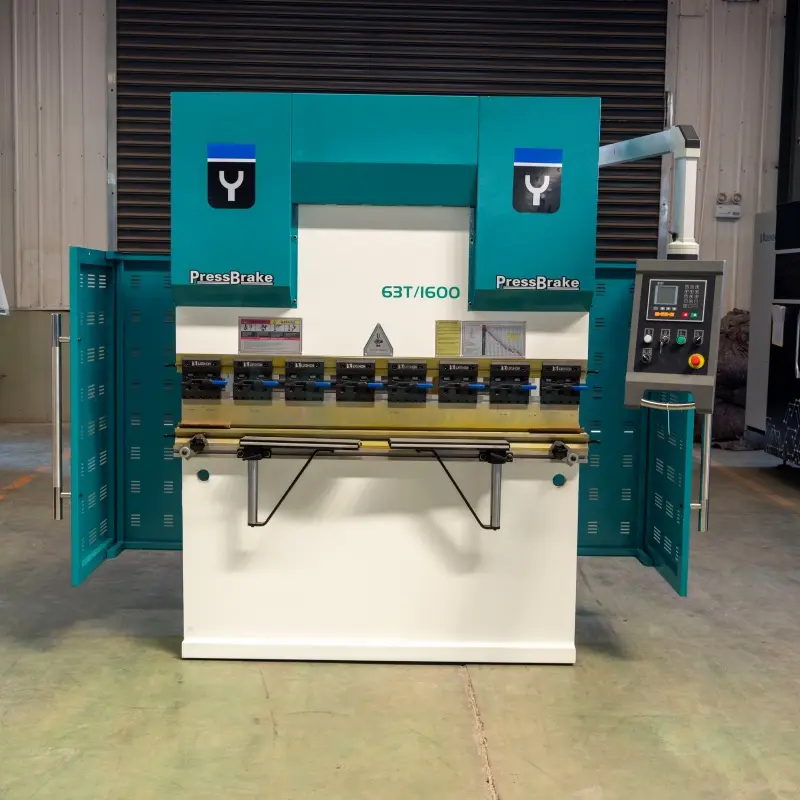
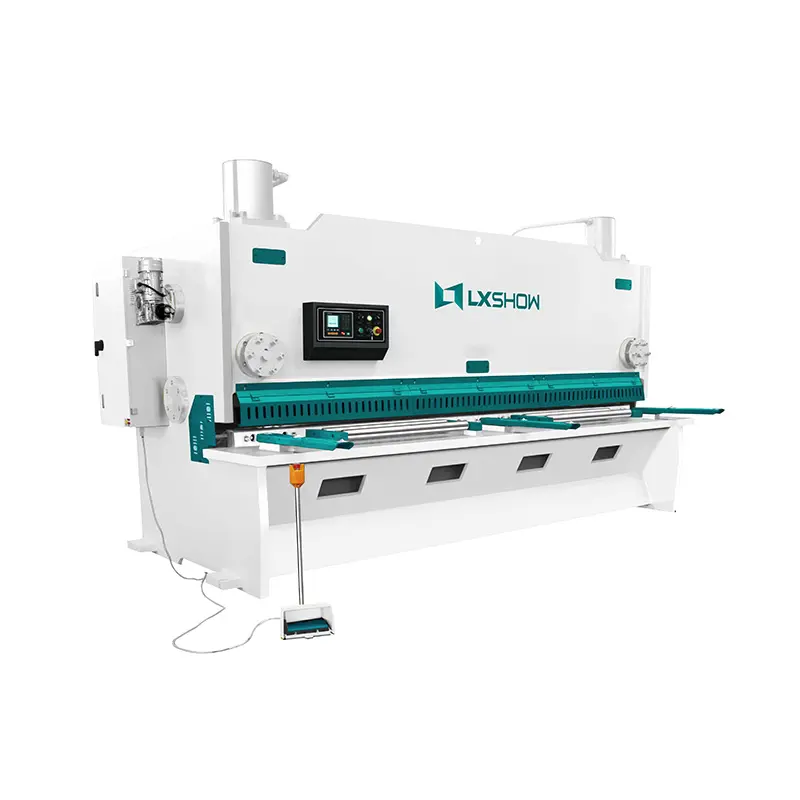
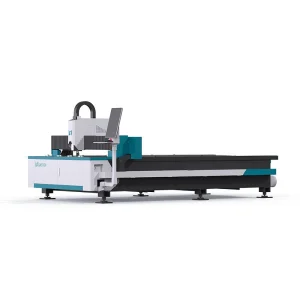
Explore our core high-capacity fiber laser systems, automatic pipe cutters, and metal post-processing machinery engineered for global buyers.
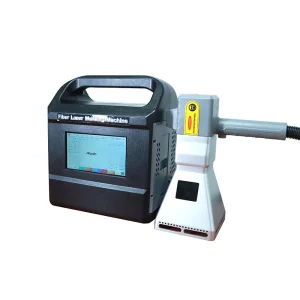
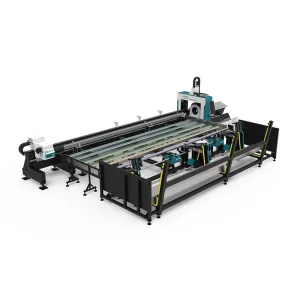
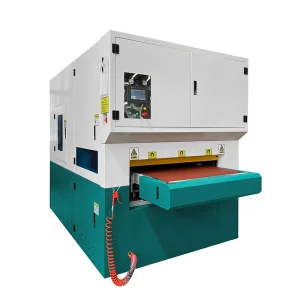
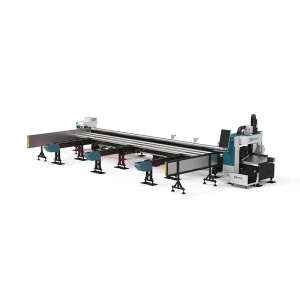
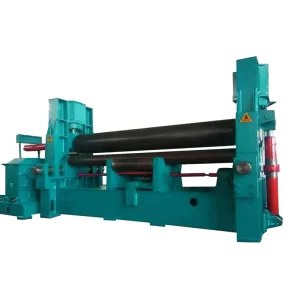
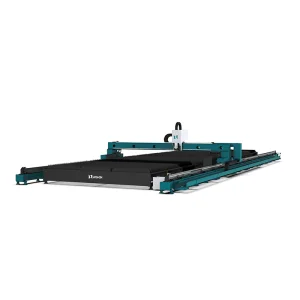
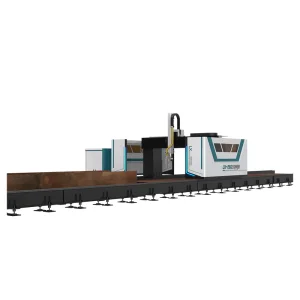
A professional whitepaper mapping the shift from conventional mechanical cutting to ultra-high-efficiency fiber laser technology.
The global metal fabrication landscape is experiencing a massive technological paradigm shift. Conventional subtractive manufacturing methods—such as plasma cutting, mechanical punching, and waterjet processes—are rapidly being superseded by solid-state fiber laser systems. Driven by the need for tight dimensional tolerances, minimal thermal deformation zones (HAZ), and unparalleled throughput speeds, industrial operators across North America, the European Union, and dynamic South East Asian economies are aggressively integrating fiber laser technologies into their core production lines.
In this global supply chain matrix, China has emerged as the premier design, manufacturing, and export hub for high-performance laser systems. Anchored by specialized regional industrial zones like Jinan, Shandong, Chinese manufacturers leverage deep vertical integration. By manufacturing robust heavy-duty frames, mechanical gantries, and combining them with world-class optical heads, servo systems, and cutting-edge software, Chinese manufacturers provide the global manufacturing market with superior machinery at highly competitive cost-to-performance metrics.
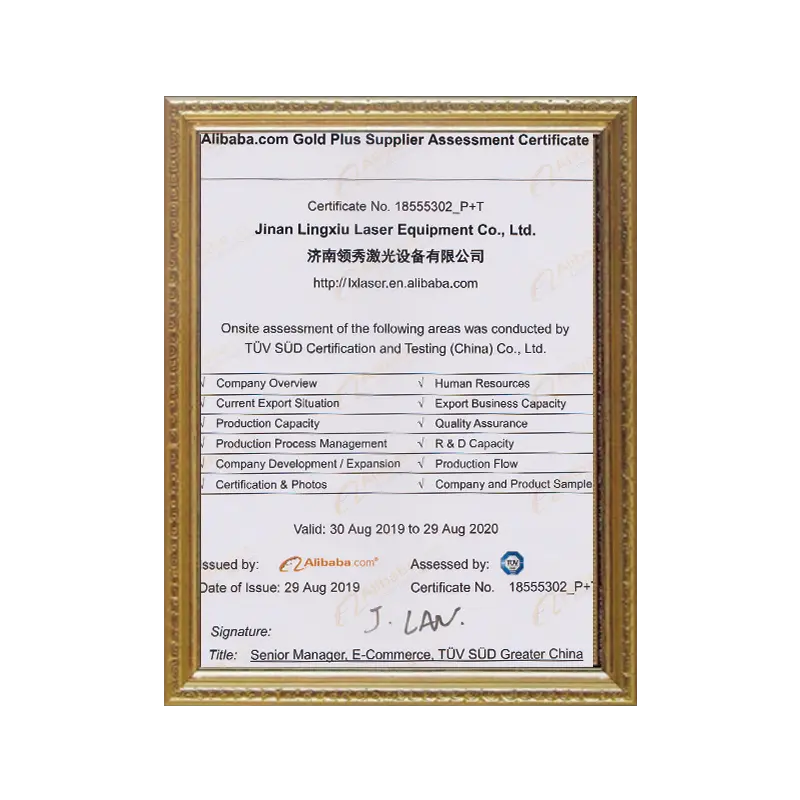
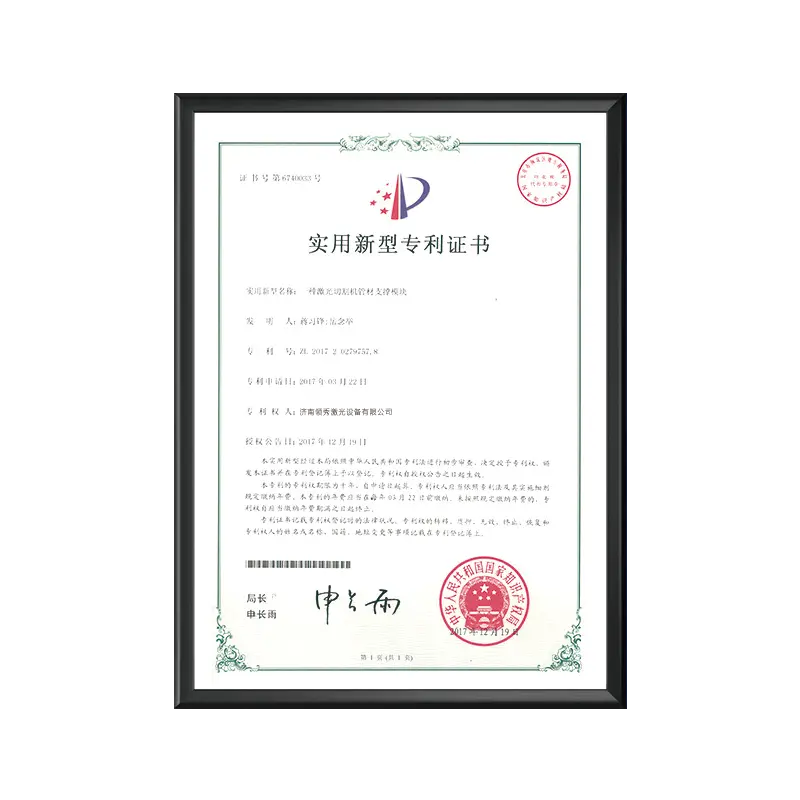
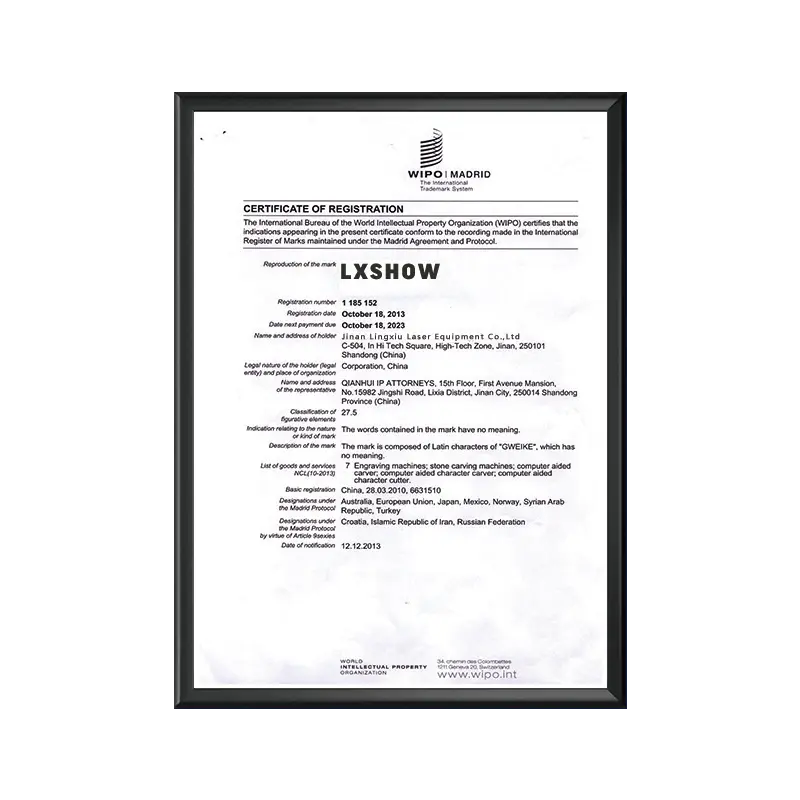
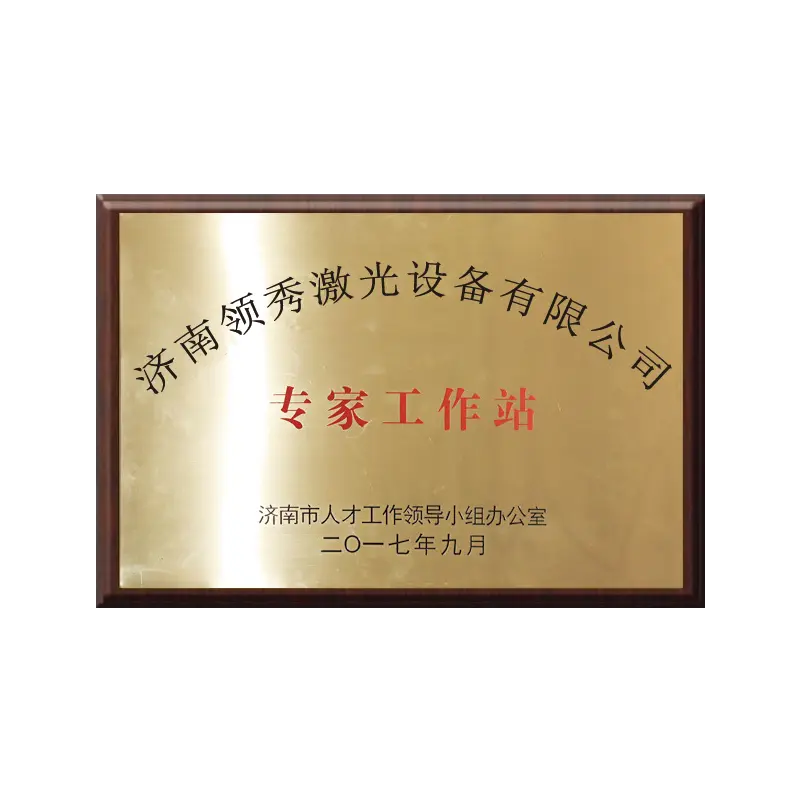
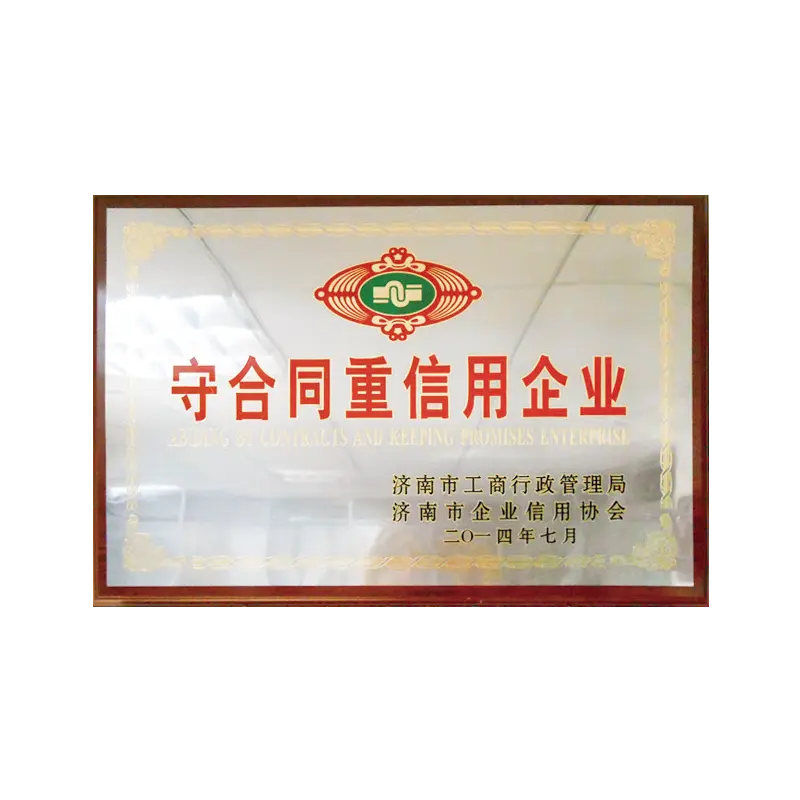
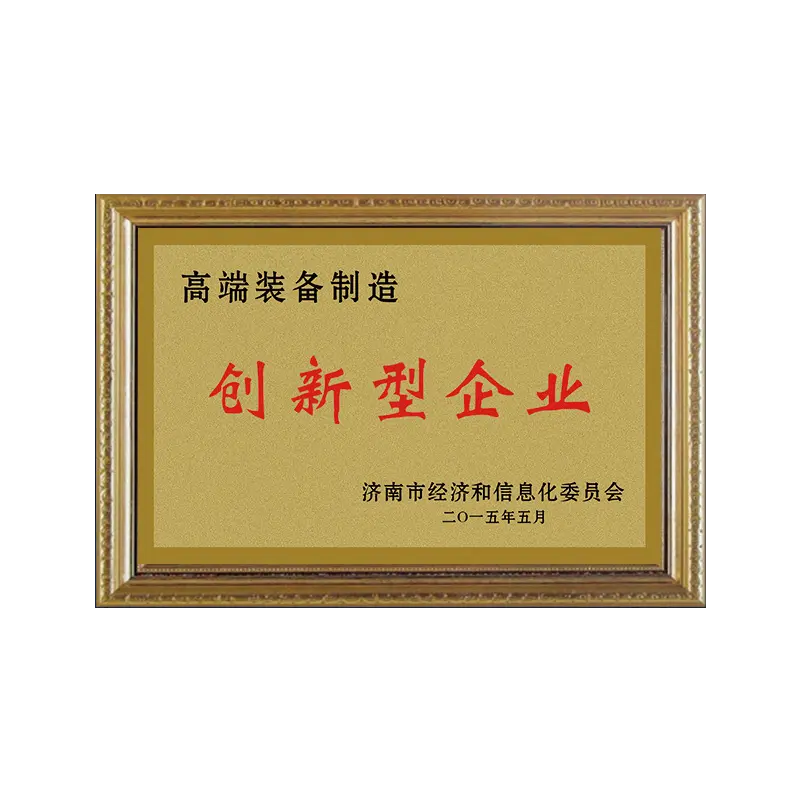
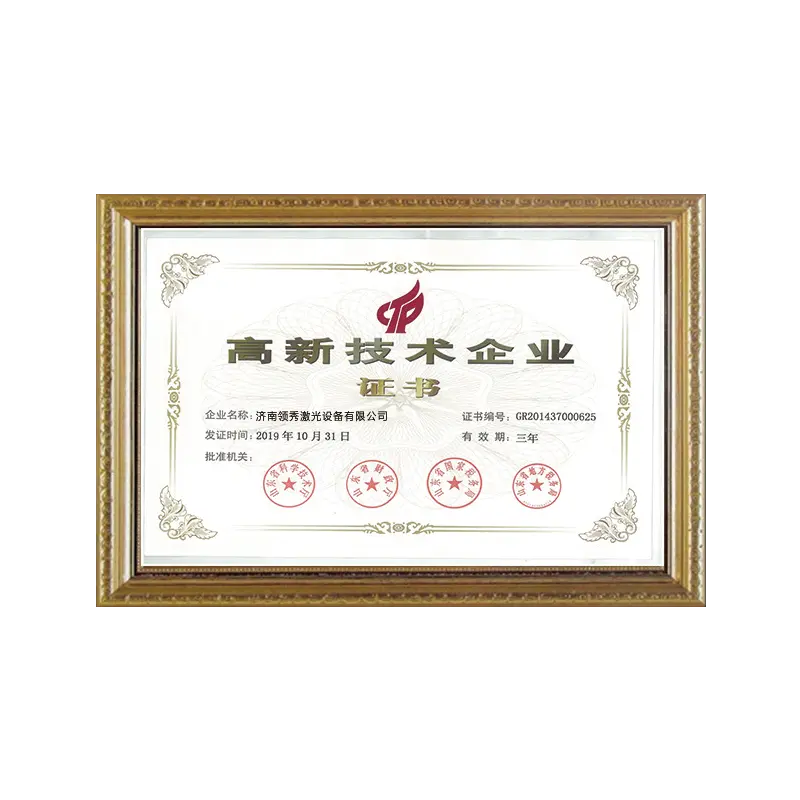
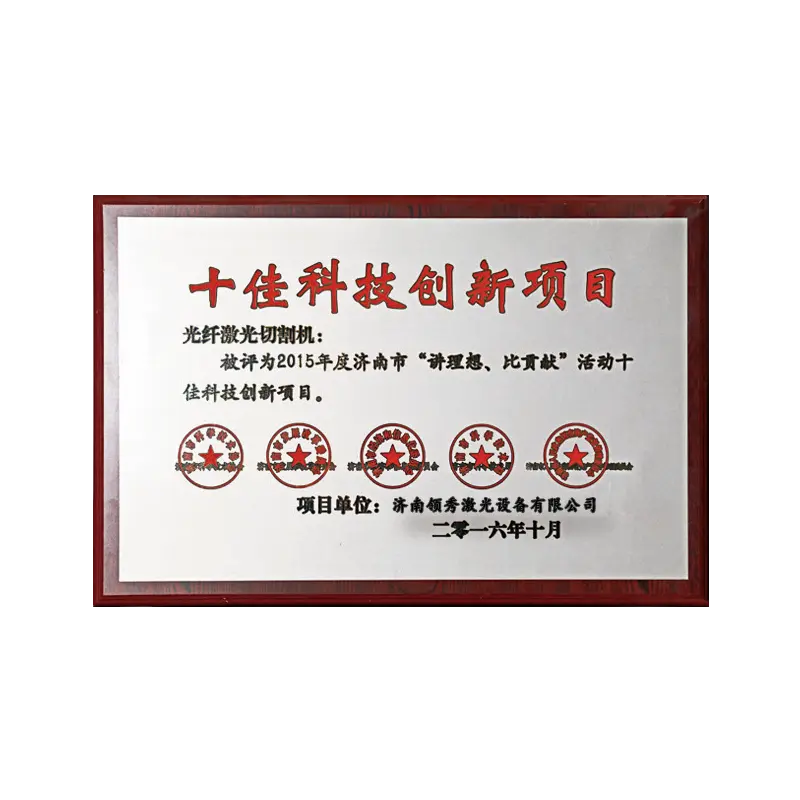
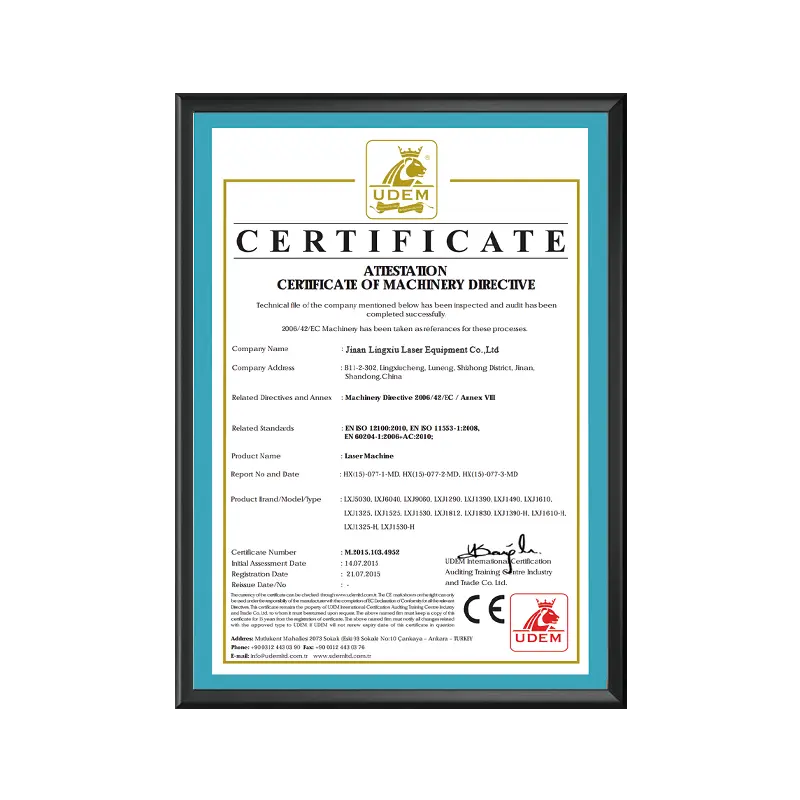
Proven credibility, international certifications, and global footprint built since July 2004.
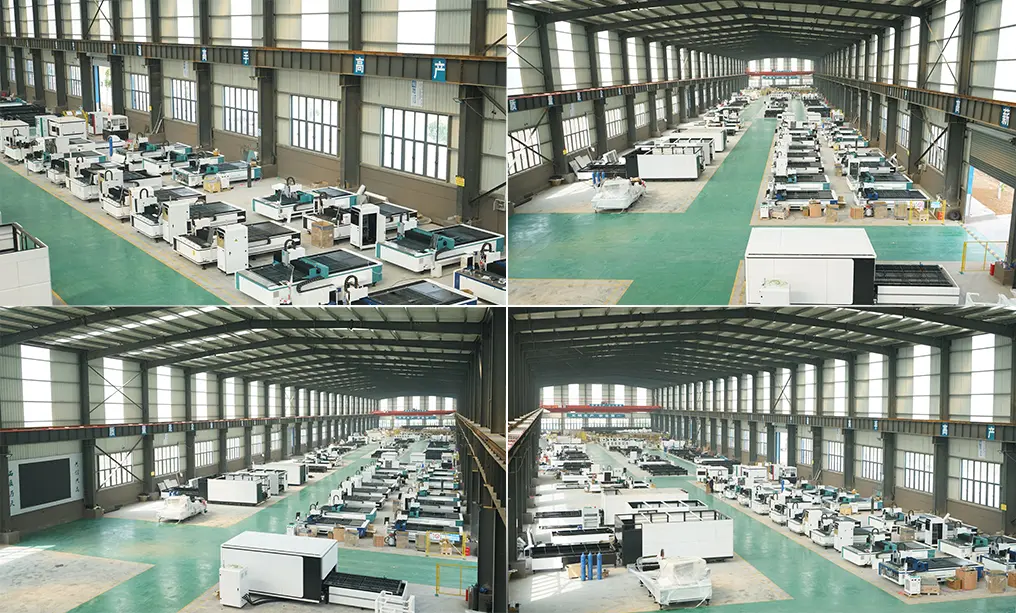
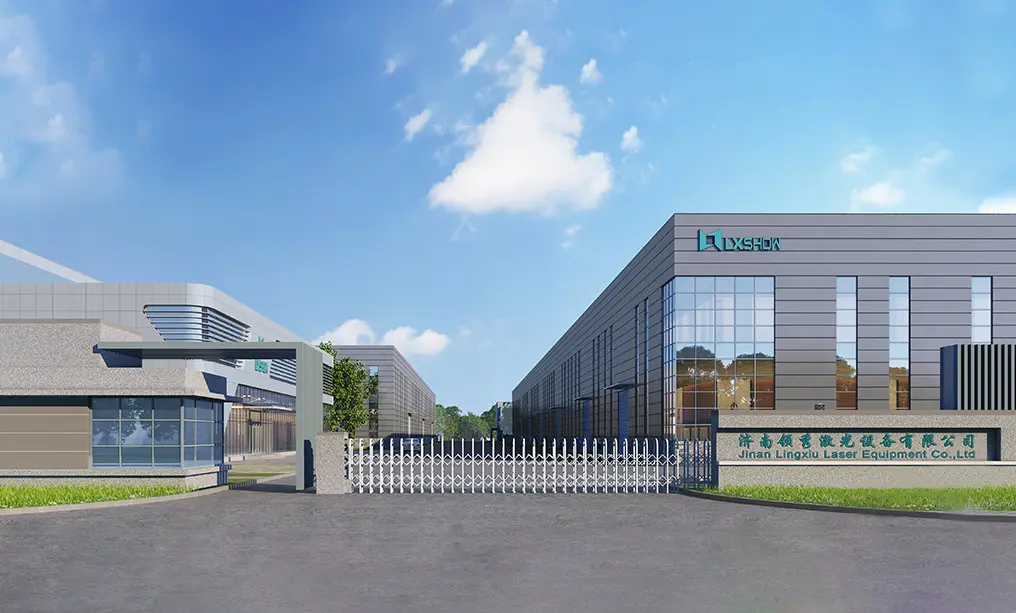
Established in July 2004, our organization has systematically invested in research and development, maintaining a state-of-the-art 500 square meter R&D and office hub alongside an expansive 32,000 square meter smart manufacturing plant. Unlike assembly-only workshops, we execute key fabrication steps internally. From structural stress relief of the heavy steel bases to the final optical path alignment of multi-kilowatt lasers, every step is stringently monitored under ISO 9001 quality management structures.
Currently, our systems power factories across the USA, Canada, Australia, Europe, South East Asia, and Africa. In addition to our direct supply lines, we provide specialized OEM/ODM development services for over 30 leading global laser equipment brands, validating our position as a top-tier industry exporter.
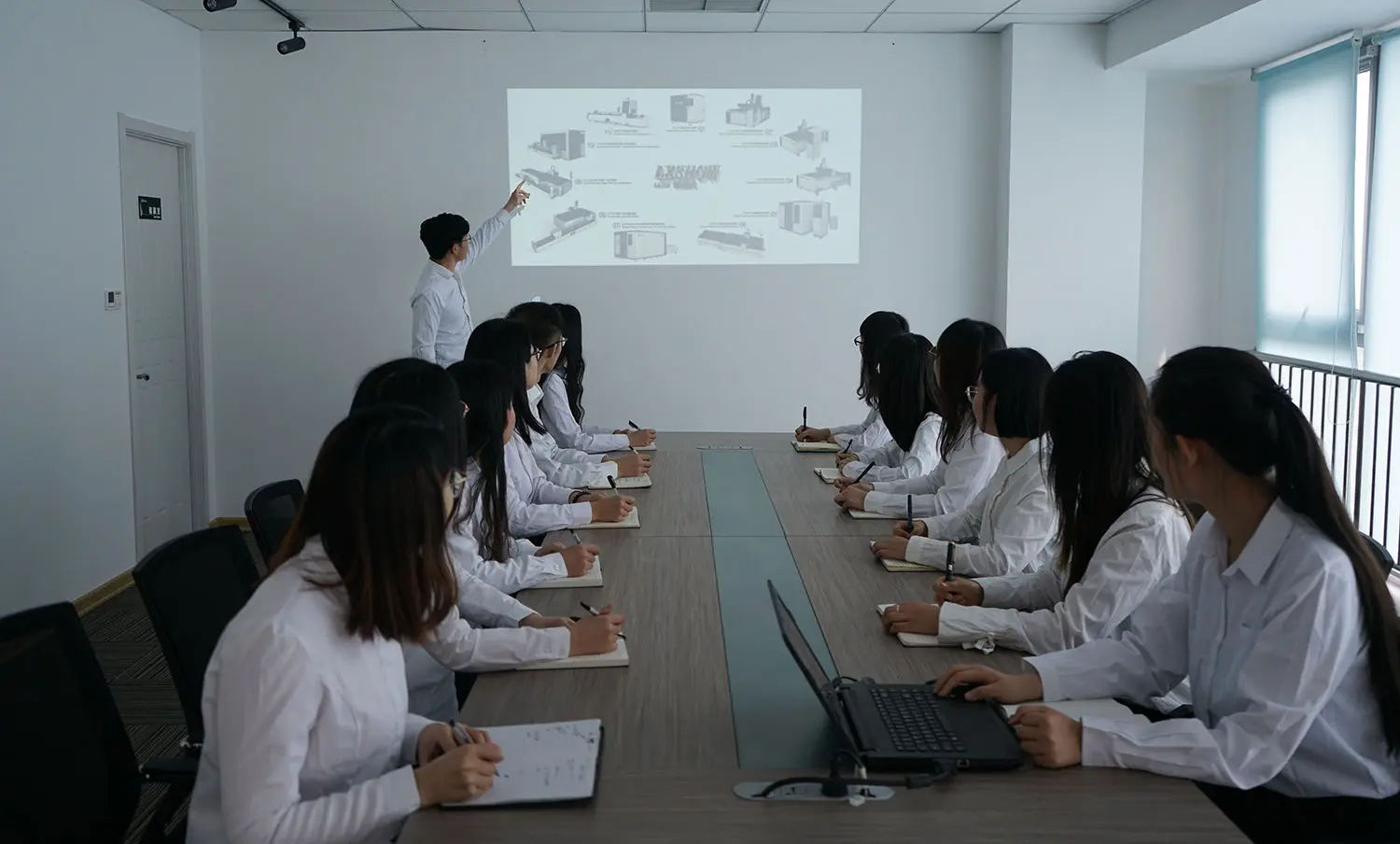
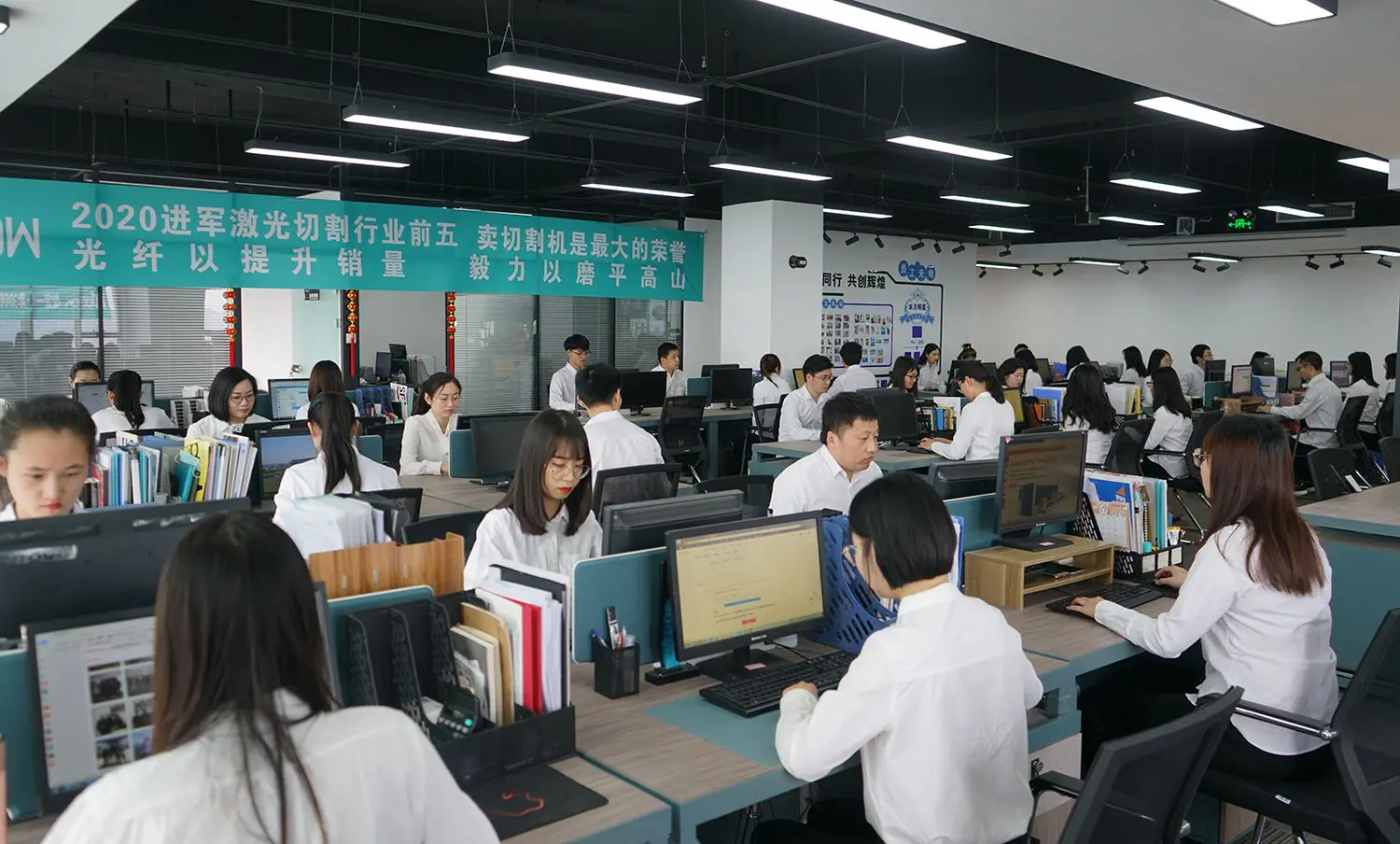
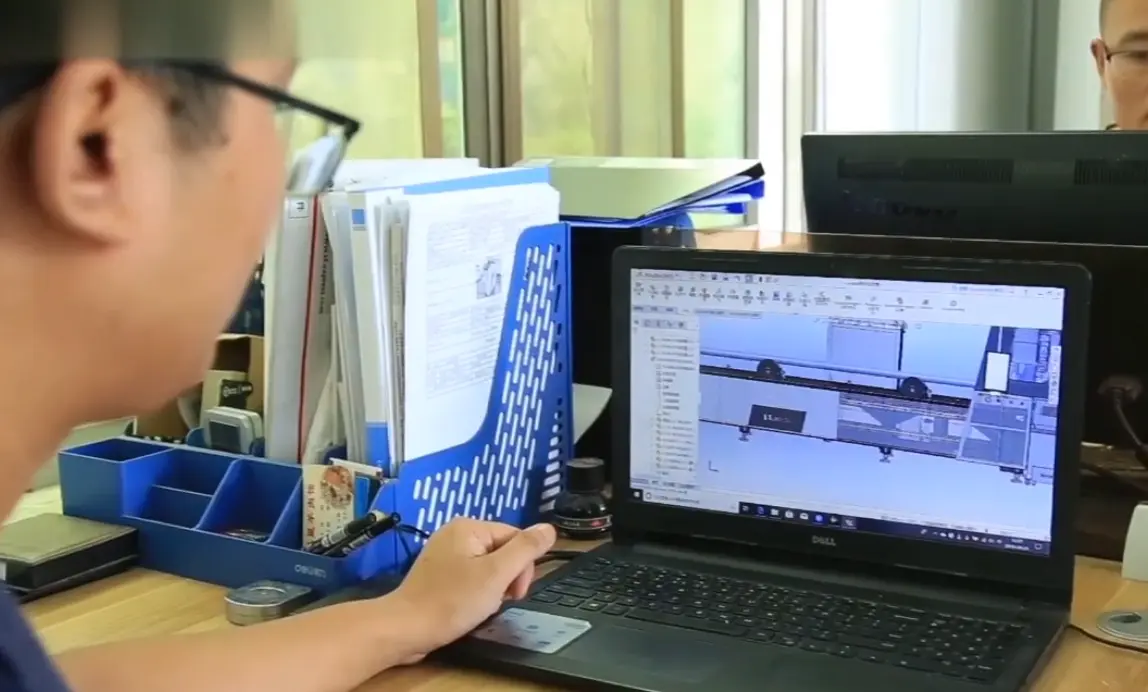
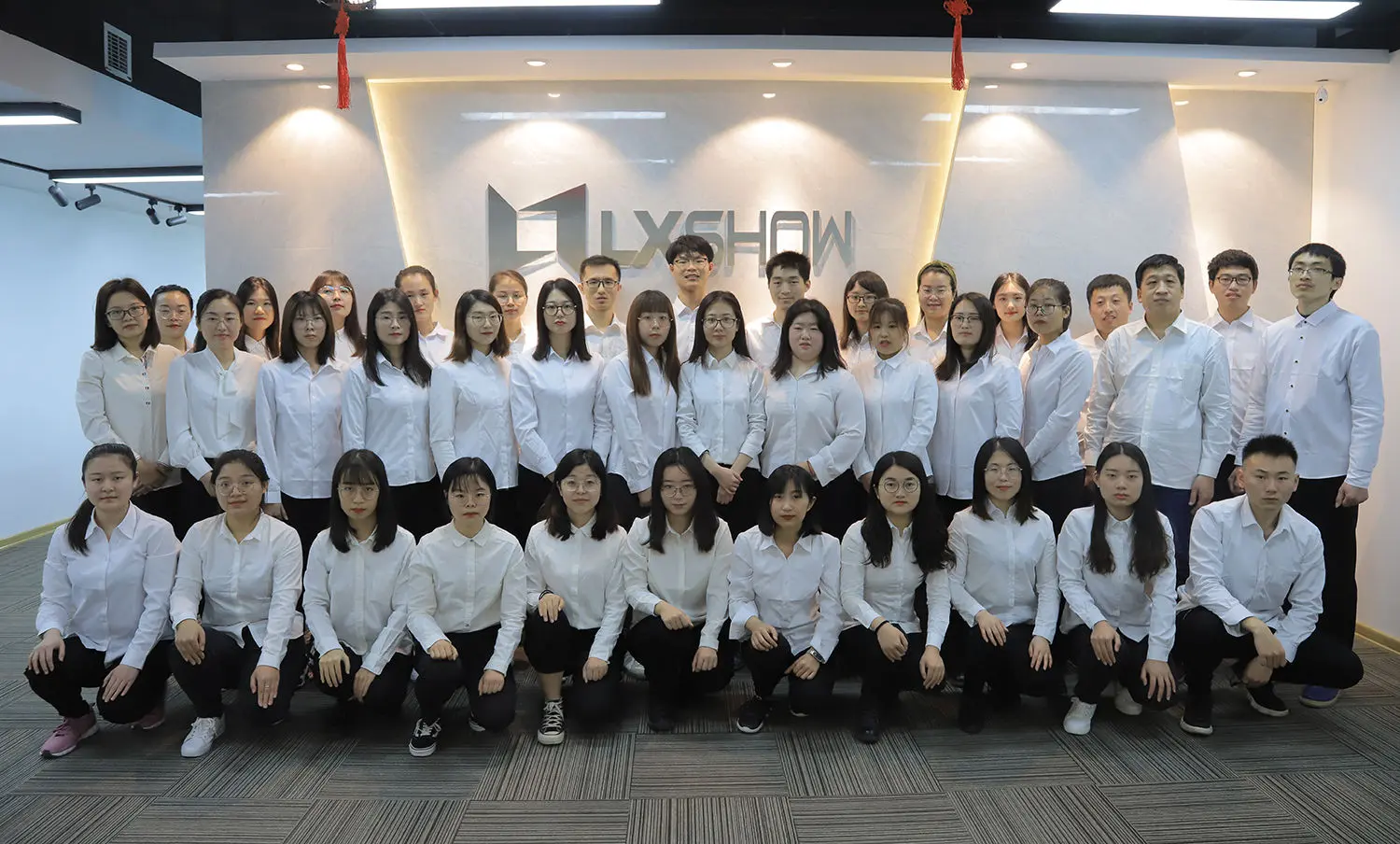
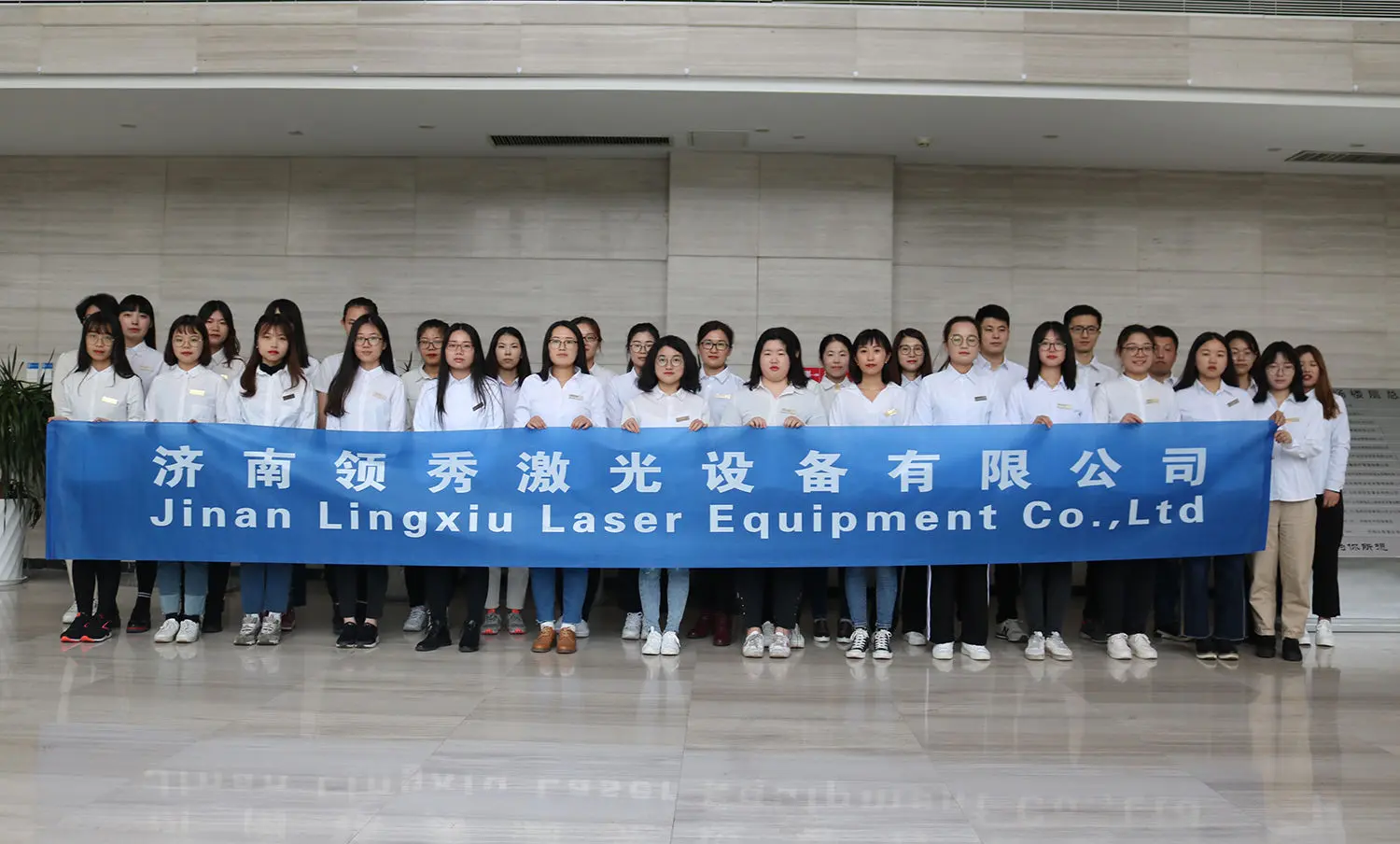
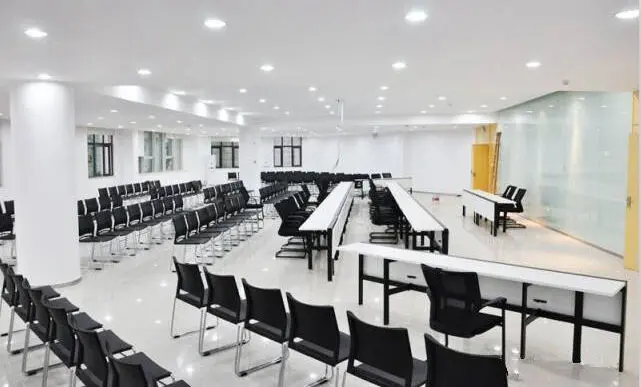
A glimpse inside the specialized engineering workshops, design hubs, and testing facilities that build our systems.


How next-generation lasers are transforming industrial smart manufacturing.
As we march towards 2040, the goal is simple yet challenging: helping companies build smart manufacturing infrastructures and enabling Industry 4.0 paradigms. Modern metal processing is evolving beyond standalone laser machines into integrated digital ecosystems. The technological roadmap focuses on three main developments:
Next-generation laser cutting heads feature arrays of internal optical, acoustic, and thermal sensors. If a machine detects back-reflection or slag formation while cutting a thick plate of carbon steel, the CNC control system adjusts parameters automatically. Modifying cutting gas pressure, laser focal position, and travel speed on-the-fly reduces reject rates to nearly zero.
In high-power zones (12kW to 40kW), the cutting speed of thick sheet metal scales exponentially. By utilizing custom high-speed nozzles and nitrogen-oxygen gas mixers, operators can slice through thick stainless steel and carbon steel plates at unprecedented speeds, while reducing gas consumption by up to 40% compared to traditional configurations.
The manufacturing floor of 2040 will merge technologies. By aligning fiber laser cutting with laser cladding systems and automated post-processing machinery (such as flat metal deburring and edge rounding systems), manufacturers can convert raw sheet metal into fully finished, coated, and ready-to-assemble components on a single continuous production line.
| Technology Metric | Traditional Methods (CO2/Plasma) | Modern Fiber Lasers (2024-2026) | Industry 4.0 Smart Lasers (2030-2040) |
|---|---|---|---|
| Wall Plug Efficiency (WPE) | 5% - 10% | 35% - 40% | >50% (Projected) |
| Edge Quality & Deburring Need | High (Manual grinding required) | Low (Clean cutting edge) | Zero-defect (Self-correcting beam profile) |
| Smart Automation | Manual CNC programming | Active anti-collision, Auto-sheet loading | Fully autonomous IoT plant integration |
| Materials Compatibility | Highly limited (No reflective copper/brass) | Full metals compatibility | Advanced superalloys and composite matrices |
Our machinery is engineered to process diverse metals for complex industrial applications.
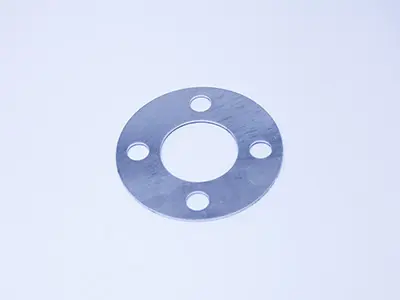
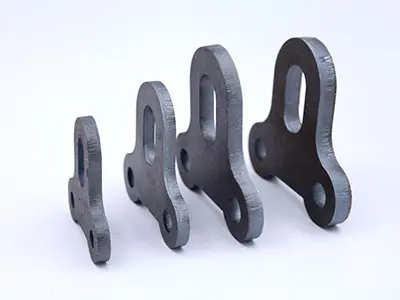
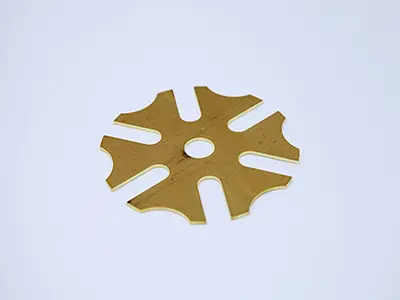
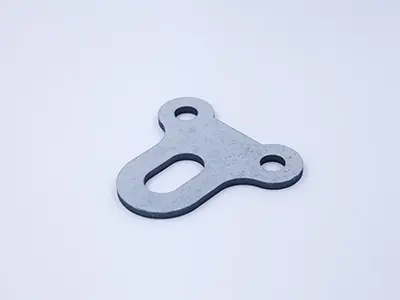
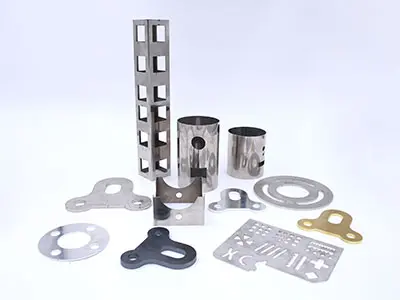
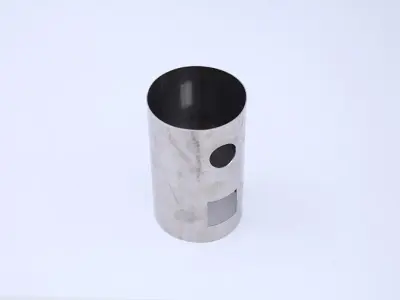
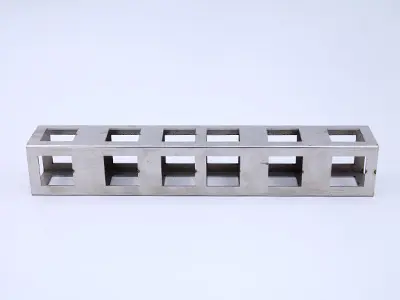
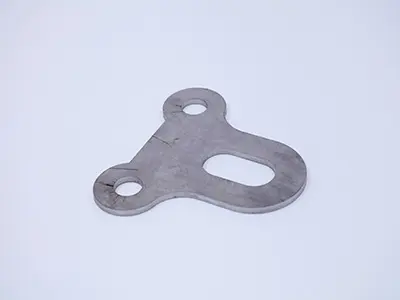
Detailed blueprints and structure views of our fiber laser enclosures, sheet metal rollers, and heavy-duty frame designs.


From raw structural plates to polished, deburred finished parts, we supply the complete machining line.
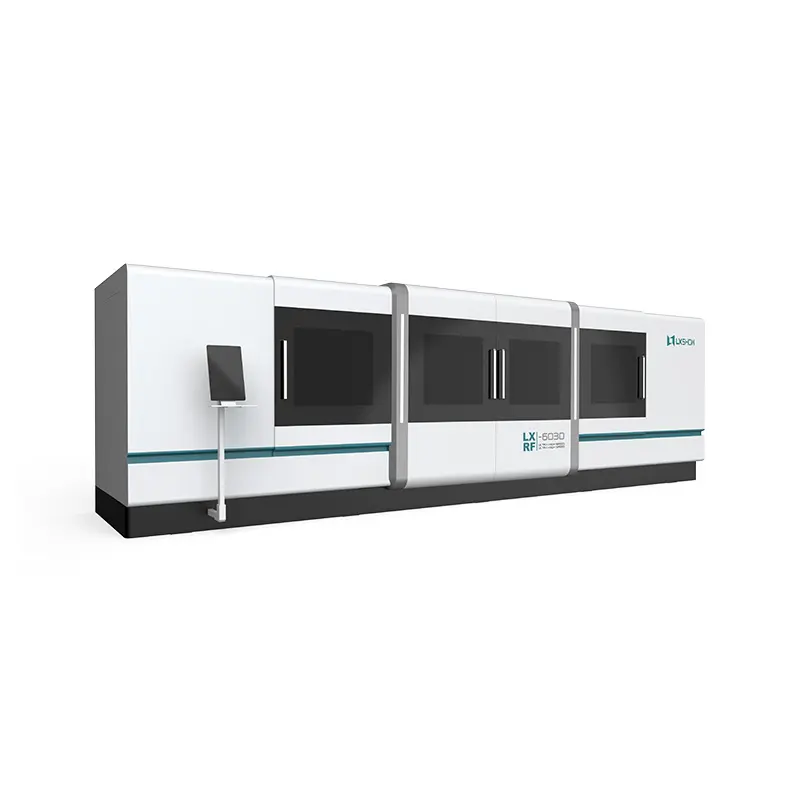
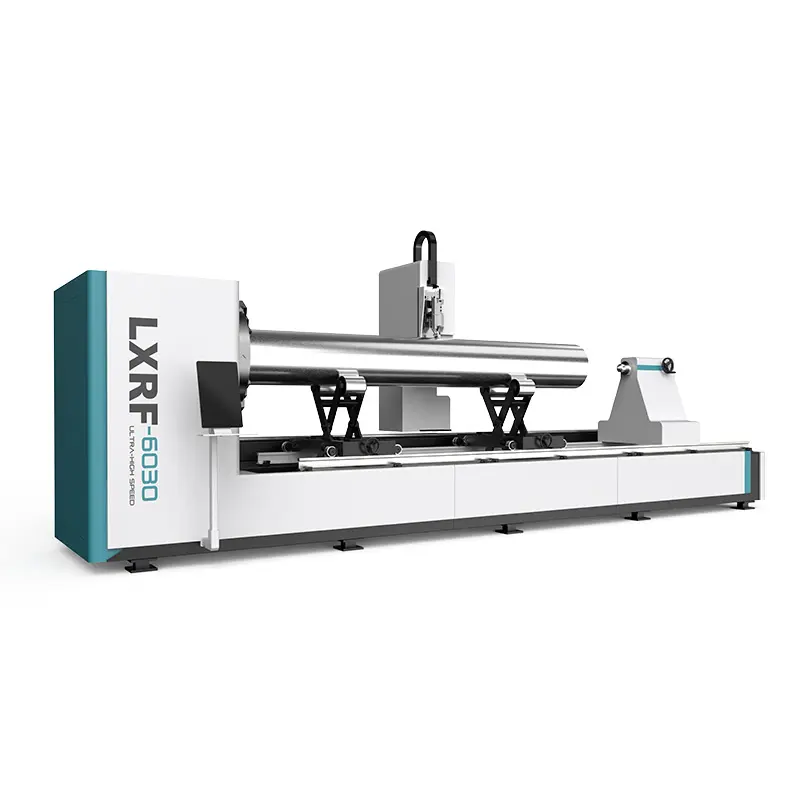
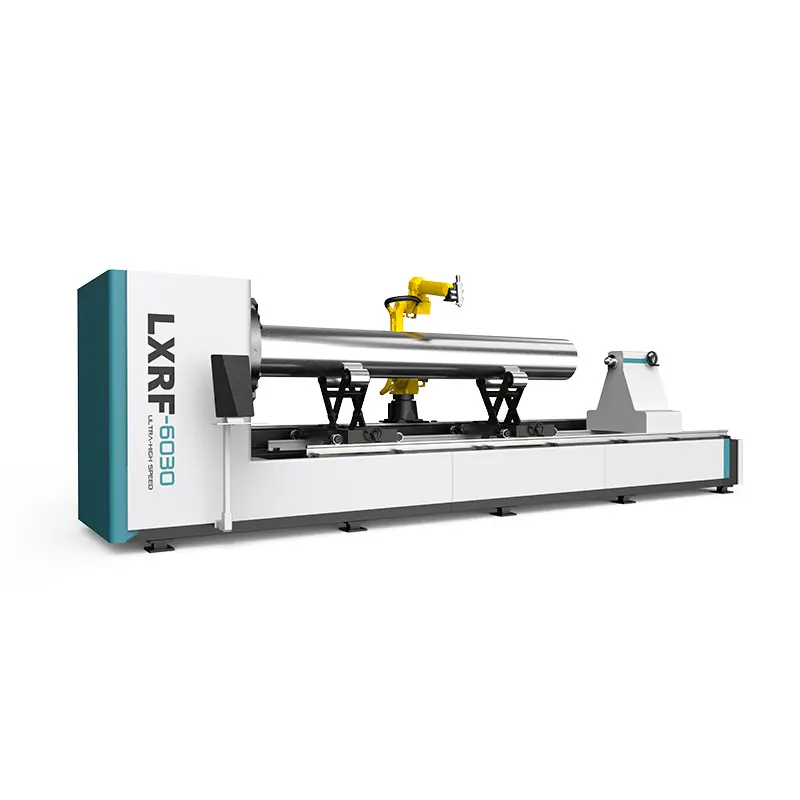
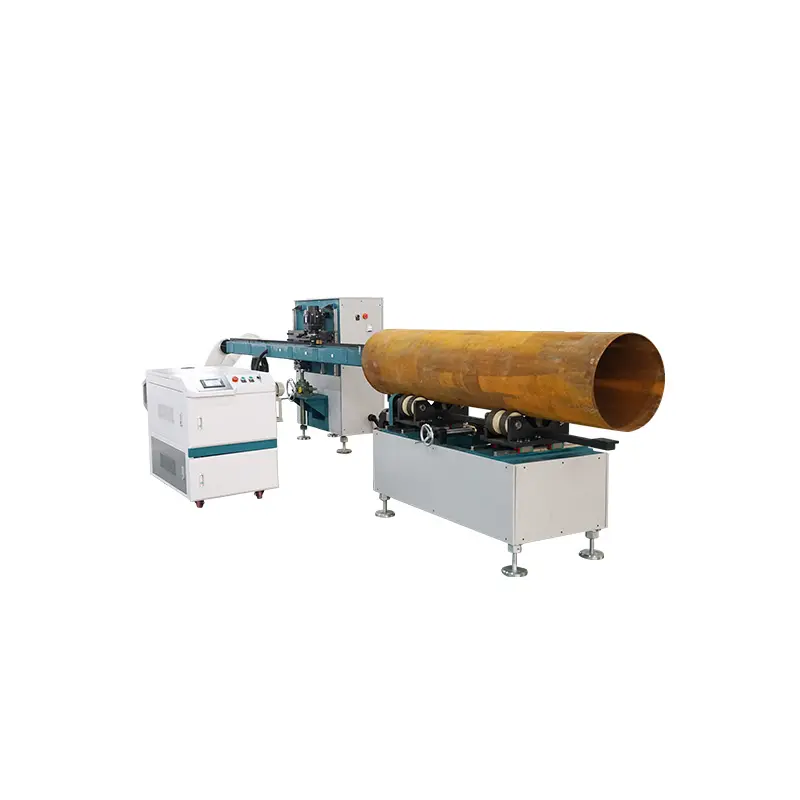
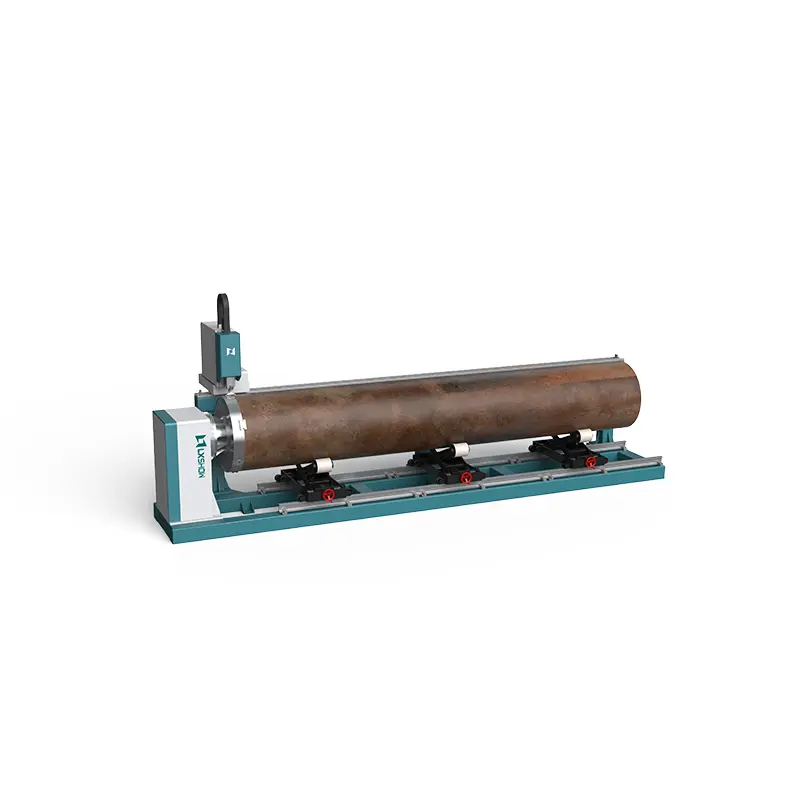
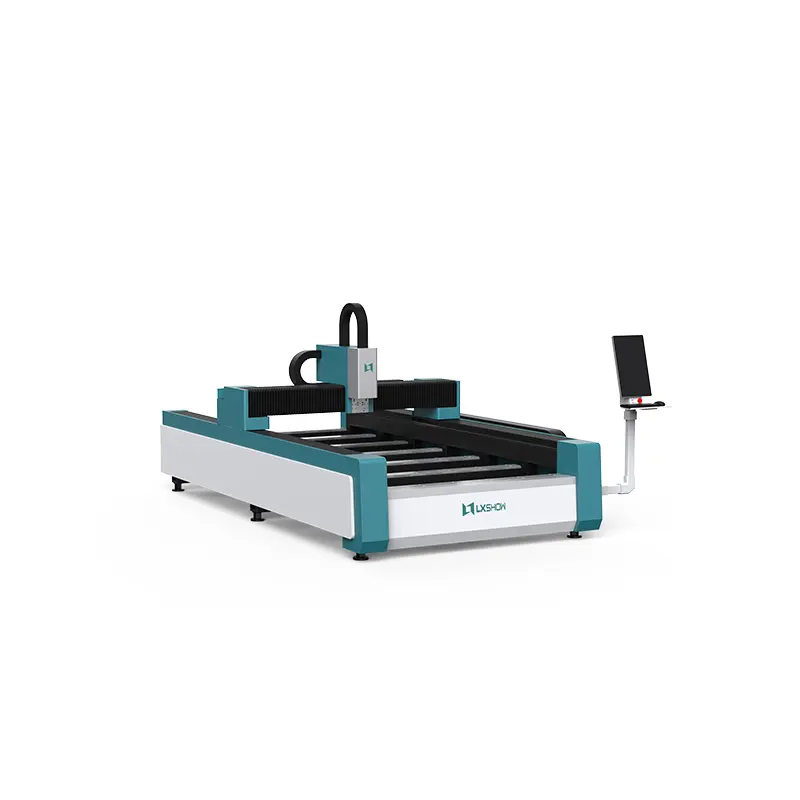
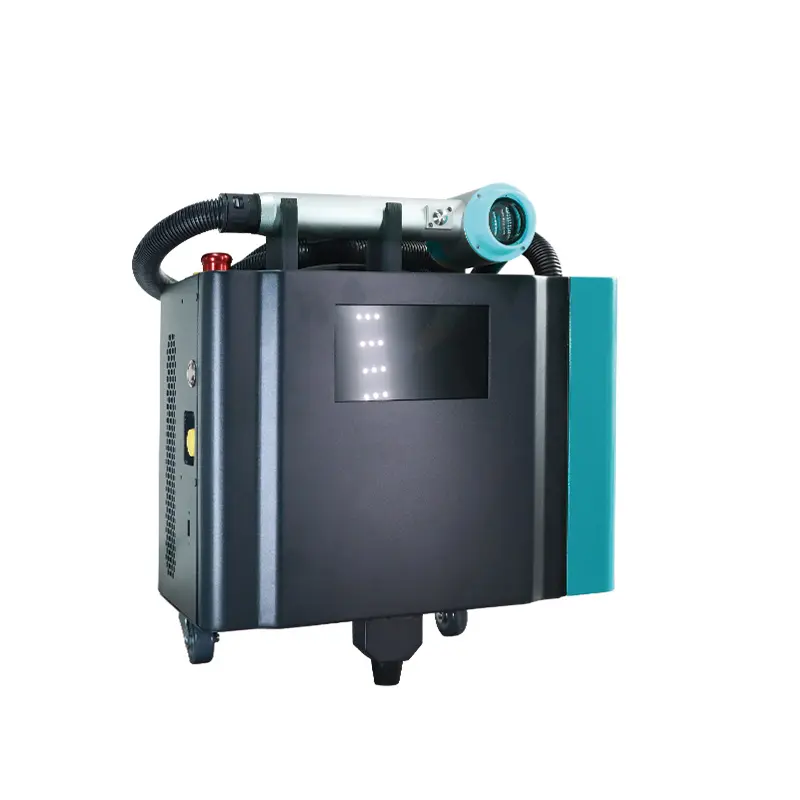
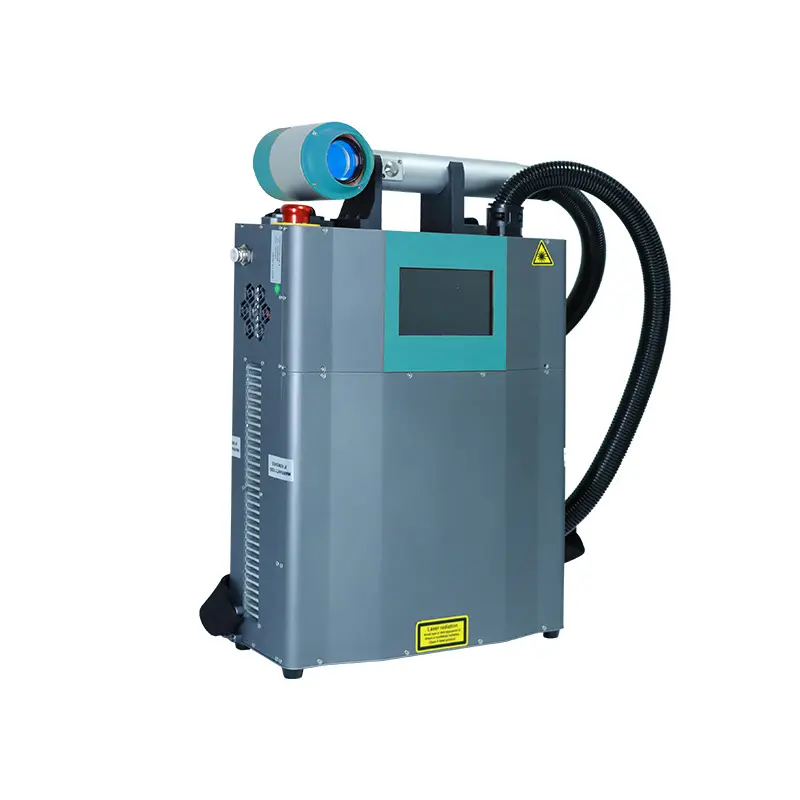
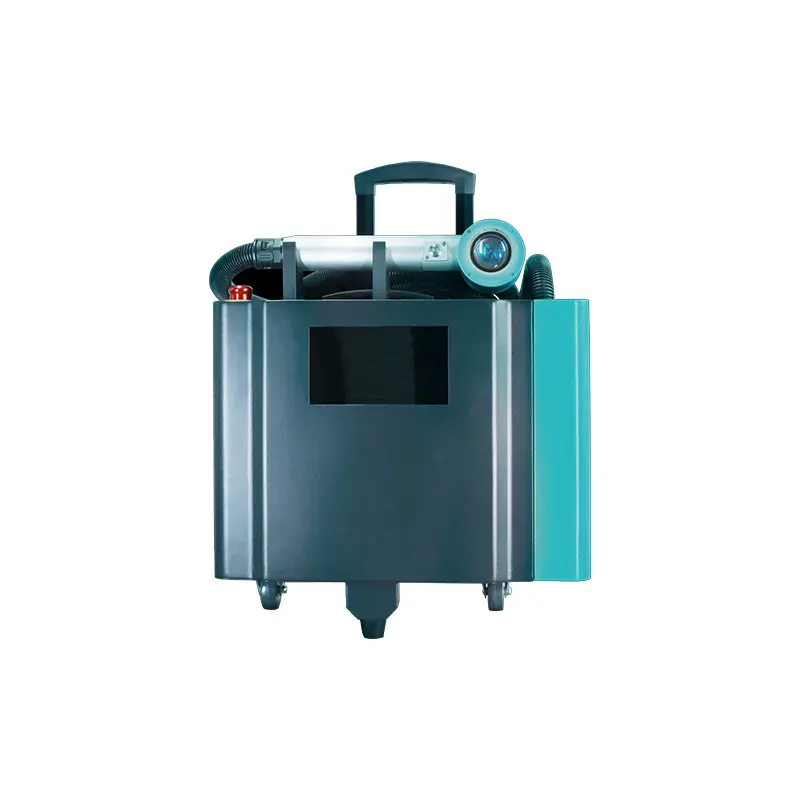
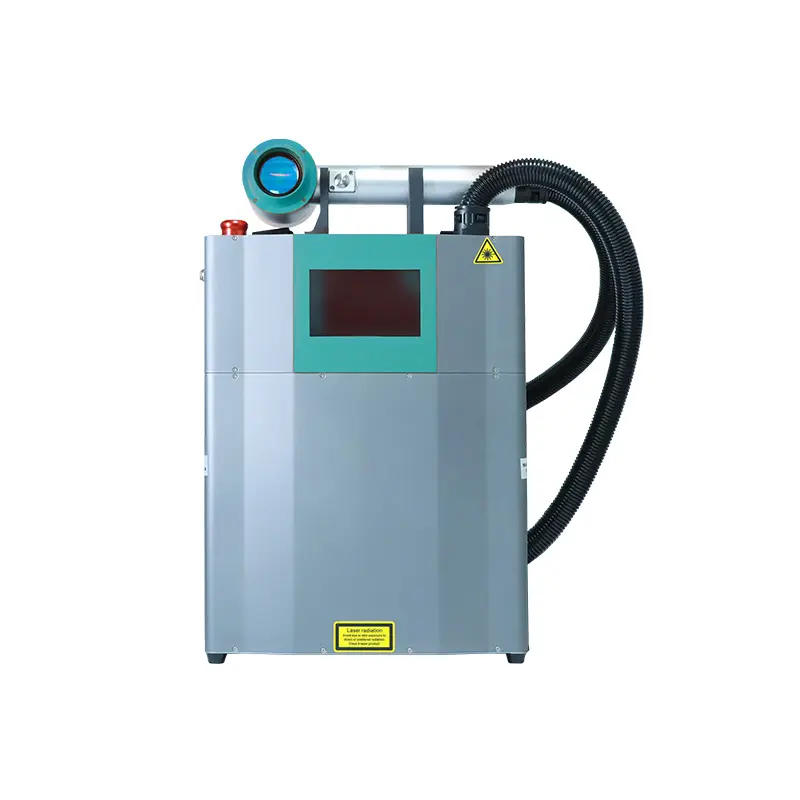
A professional structural overview detailing optimized layouts, gas consumption strategies, and downstream integration.
Modern metal fabrication requires looking beyond individual machines to optimize the entire processing workflow. To remain competitive globally, manufacturers must evaluate how metal moves through their facility. Here, we outline the primary downstream and upstream processes designed to maximize throughput and ensure consistent quality:
For high-throughput manufacturers, loading and unloading thick metal sheets manually introduces substantial downtime. Integrating exchange tables (like those on the 3015PHOW) allows the operator to unload a finished nest and reload a raw sheet while the laser is actively cutting. Implementing automated loading arms and pipe feeders reduces changeover time by up to 75%, directly increasing overall equipment effectiveness (OEE).
Auxiliary gas choice heavily impacts operating costs and edge finish quality:
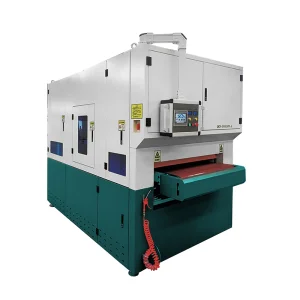
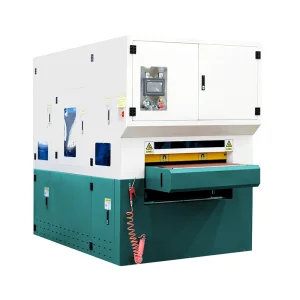
No matter how precise the laser cut is, high-power thermal cutting can create sharp edges or micro-burrs on complex parts. Introducing downstream automated deburring systems (such as the LX-RRS-M-1000 Flat Metal Deburring Machine) ensures parts meet strict post-processing requirements, protecting operators during assembly and ensuring excellent paint adhesion.
Expert technical answers addressing the most common questions from procurement teams, structural designers, and factory managers.
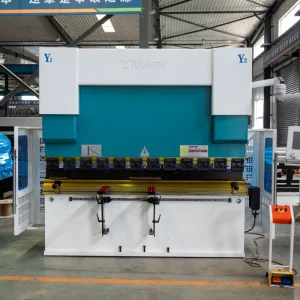
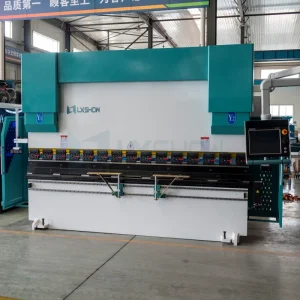
Discover our comprehensive range of high-efficiency press brakes, metal sheet benders, and precision plate roll equipment.
 Lxshow