The global metal fabrication landscape has undergone a tectonic shift over the past decade. The transition from legacy technologies—such as mechanical punching, waterjet cutting, and CO2 lasers—to high-power fiber laser cutting technology has redefined standard processing metrics. When evaluating the Metal Cutting Laser Machine Price, procurement managers, plant directors, and financial stakeholders must look past simple initial capital expenditure (CAPEX) to grasp the macro-industrial forces driving pricing and total cost of ownership (TCO).
Today, industrial fiber laser cutters operate as the backbone of modern structural fabrication, automotive sub-assembly, aerospace component manufacturing, and smart kitchenware production. The entry-level price for basic sheet metal laser cutters starts within accessible ranges for small-to-medium enterprises (SMEs), while ultra-high-power (up to 40kW) configurations represent capital-intensive investments tailored for continuous multi-shift heavy machinery and shipbuilding sectors. This price variance is directly linked to the structural rigidity of the machine bed, the reliability of the motion control system, the efficiency of the laser source, and the local implementation of automation components like exchange tables and tube axes.
The global fiber laser market is projected to reach several billion dollars by 2030, sustained by rapid infrastructure development and industrial modernization in regions such as Southeast Asia, North America, and Eastern Europe.
Modern fiber lasers yield up to a 50% reduction in operating costs compared to classic CO2 systems, owing to their solid-state design, negligible maintenance requirements, and superior electrical conversion efficiency.
Export routes have matured significantly. Established manufacturing centers now provide seamless global delivery networks, complete with localized field engineering support and regulatory certifications.
As manufacturers strive to align with sustainable production initiatives, energy efficiency has emerged as a key pricing driver. A high-efficiency fiber laser source converts electrical energy to optical power at rates exceeding 35%, drastically lowering utility overheads. Consequently, forward-thinking buyers recognize that paying an optimized price for premium laser systems pays dividends over the machine’s lifecycle through increased throughput and lower per-part manufacturing costs.
Choosing the correct laser machine configuration requires understanding the delicate interplay between laser power, material thickness, and gas mechanics. The chart below represents the technical boundaries and performance outputs for modern sheet and tube laser systems.
For manufacturers looking to process mild steel, stainless steel, aluminum, and highly reflective metals like brass or copper, the wavelength of fiber lasers (typically 1.06 micrometers) offers unmatched absorption levels. When paired with high-rigidity machine beds that have undergone thermal stress relief annealing processes, these systems achieve positioning accuracies of ±0.03mm and acceleration speeds of up to 1.5G.
A crucial factor determining both the cut edge quality and the ongoing operational cost of the laser machine is the gas management system. Nitrogen is utilized to execute high-speed, oxide-free cuts in stainless steel and aluminum, maintaining clean surfaces that are immediately ready for secondary welding or powder coating. Oxygen, on the other hand, is the primary agent used for thicker mild steel plates, utilizing an exothermic reaction that allows lower laser powers to cut deeper into structural metals. High-pressure compressed air cutting has also gained significant traction as an alternative, lowering costs for sheet processing up to 6mm.
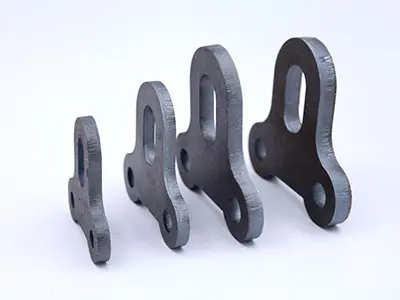
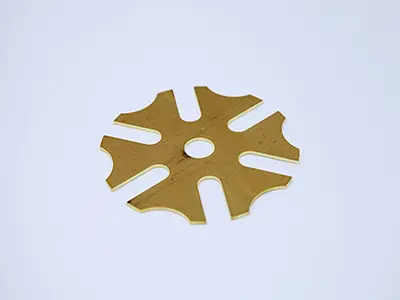
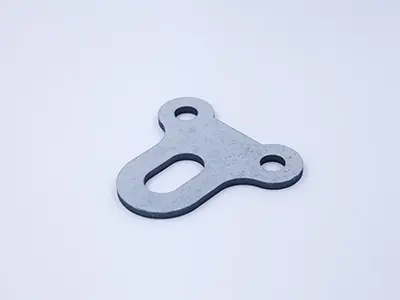
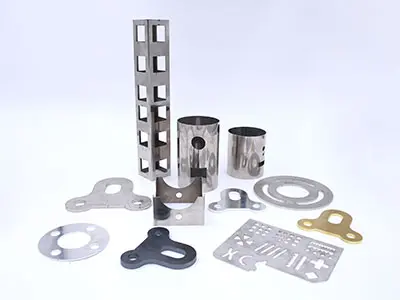
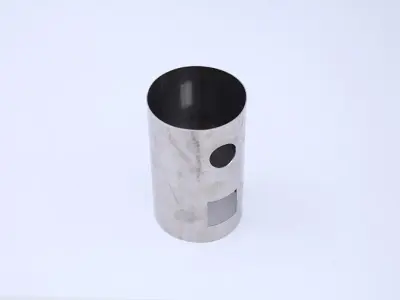
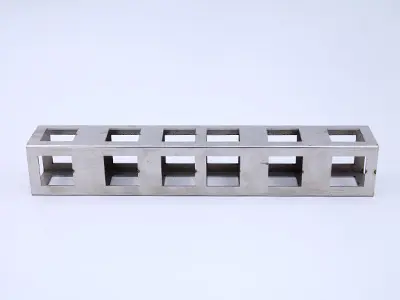
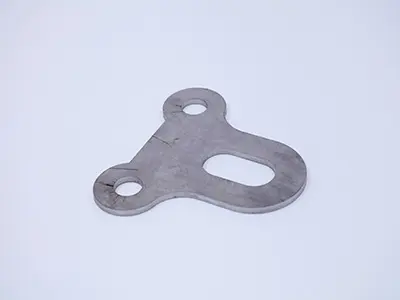
From precision electronic brackets to massive structural components, modern laser cutting systems process an extensive array of materials across multiple industries. Browse our material index and sector specializations below.
Our solutions cater directly to demanding sectors including: Automotive Sub-assemblies, Aerospace Avionics & Structural Parts, Heavy Machinery Manufacturing, Precision Mold Making, Semiconductor Tooling, Commercial HVAC & Sheet Metal Cabinet Production, Consumer Goods & Kitchenware, Advertising Signage & Artistic Metal Crafts.
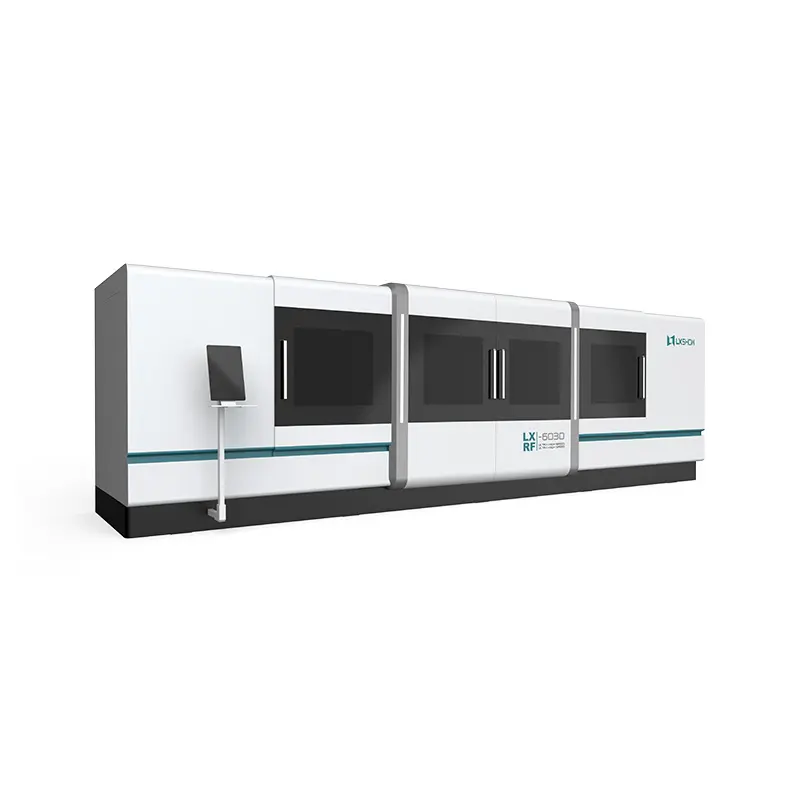
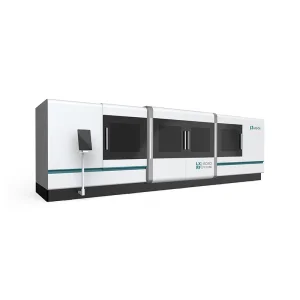
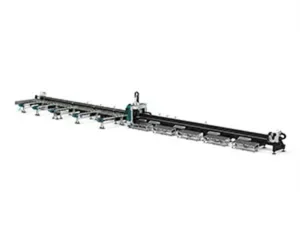
Processing thick plates with extreme stability. Ultra-large format systems allow continuous processing of beams, channels, and structural profiles without manual handling delays.
High speed and precision are critical. Integrating robotic arms with specialized fiber laser heads enables dynamic 3D cutting of hydroformed profiles, saving fabrication hours.
Ensuring ultra-fine tolerances. Micro-lasers cut complex lead frames, sensor mounts, and precision enclosures out of specialty alloys without thermal deformation.
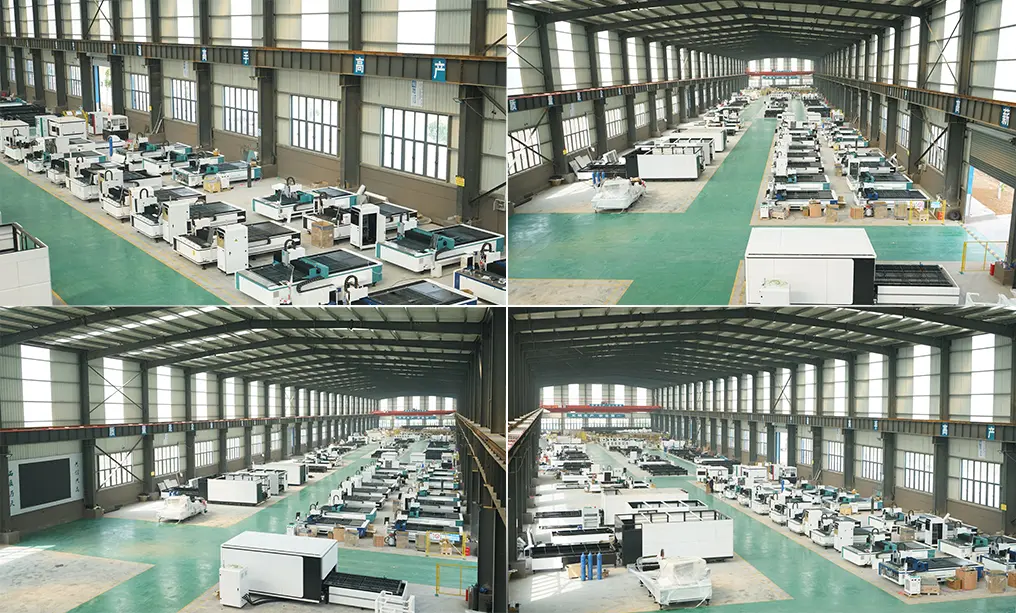
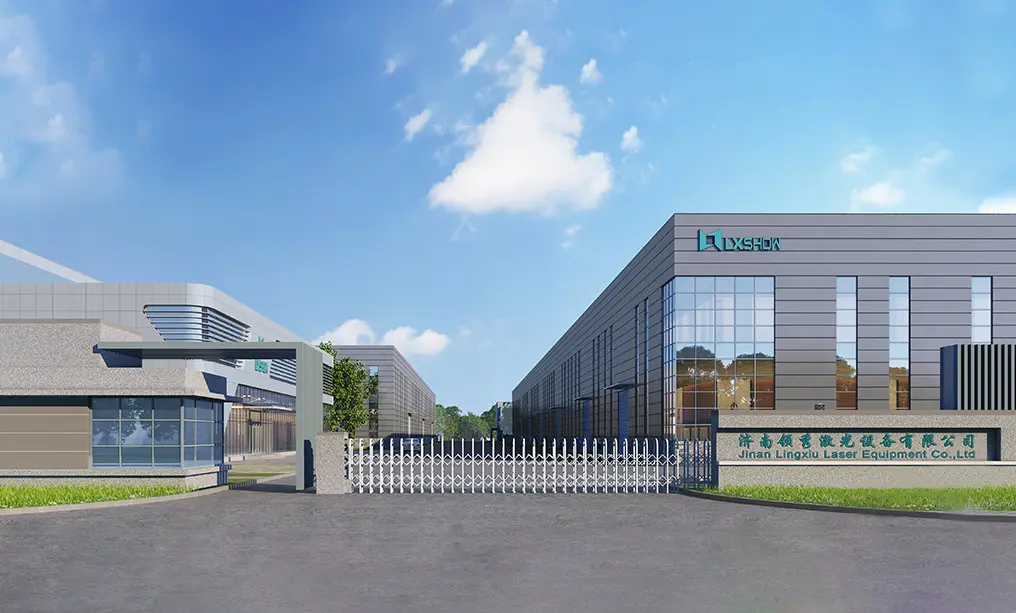
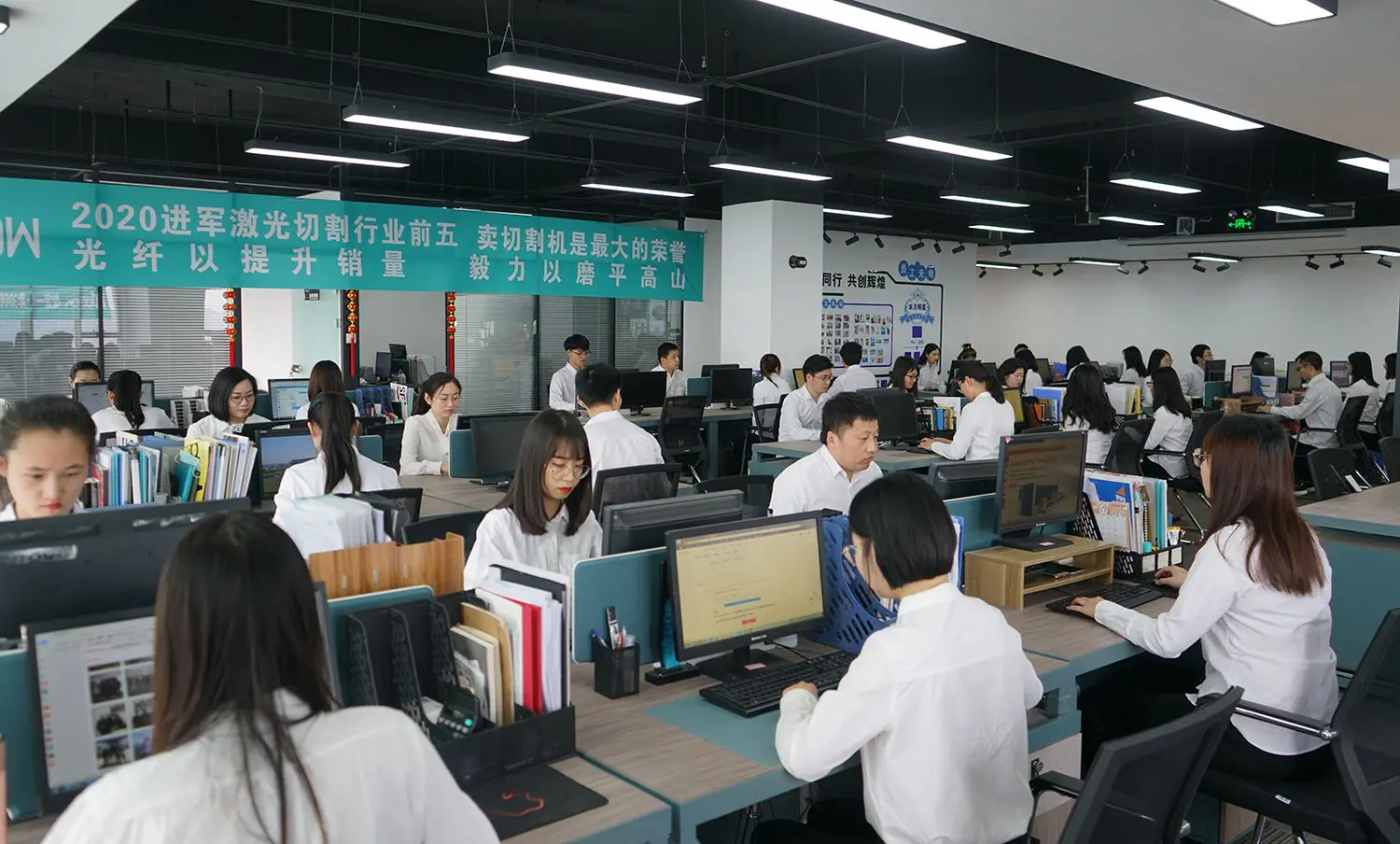
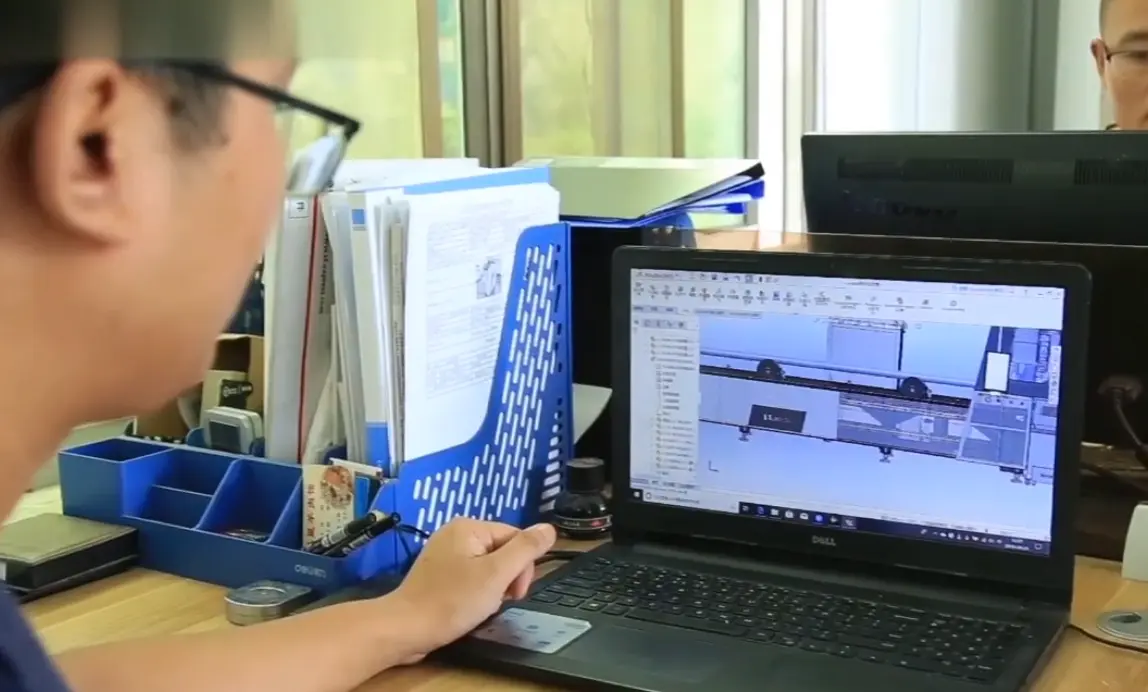
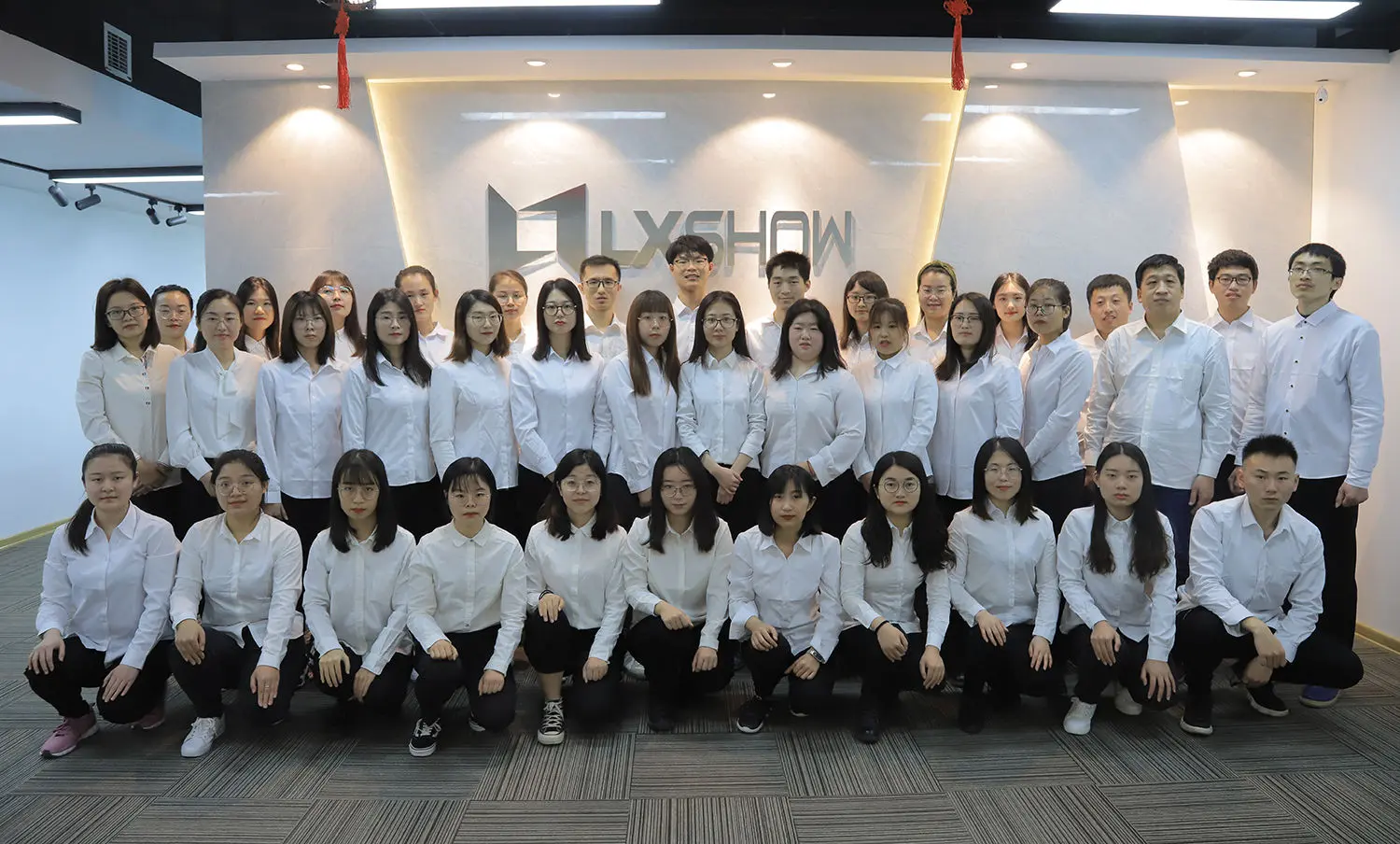
Established in July 2004, we have committed ourselves to the advancement of high-precision CNC smart manufacturing. Our modern manufacturing footprint spans more than 32,000 square meters of state-of-the-art production space, accompanied by 500 square meters of research and office space dedicated to fiber optics, software engineering, and customer success.
To ensure global alignment with international trade safety regulations, all export machinery is certified to the highest standards, having passed the European Union CE authentication, the American FDA certificate, and certified under ISO 9001 quality management protocols. Over the past 18 years, we have provided high-performance industrial OEM services to more than 30 major manufacturers worldwide.

As we transition deeper into the era of Industry 4.0, our technological vision remains clear: to build smart, highly integrated production systems that help global metal fabricators build next-generation plants. Before 2040, we aim to establish ourselves as one of the most vital contributors to the global laser field. Our current developmental roadmap focuses heavily on:
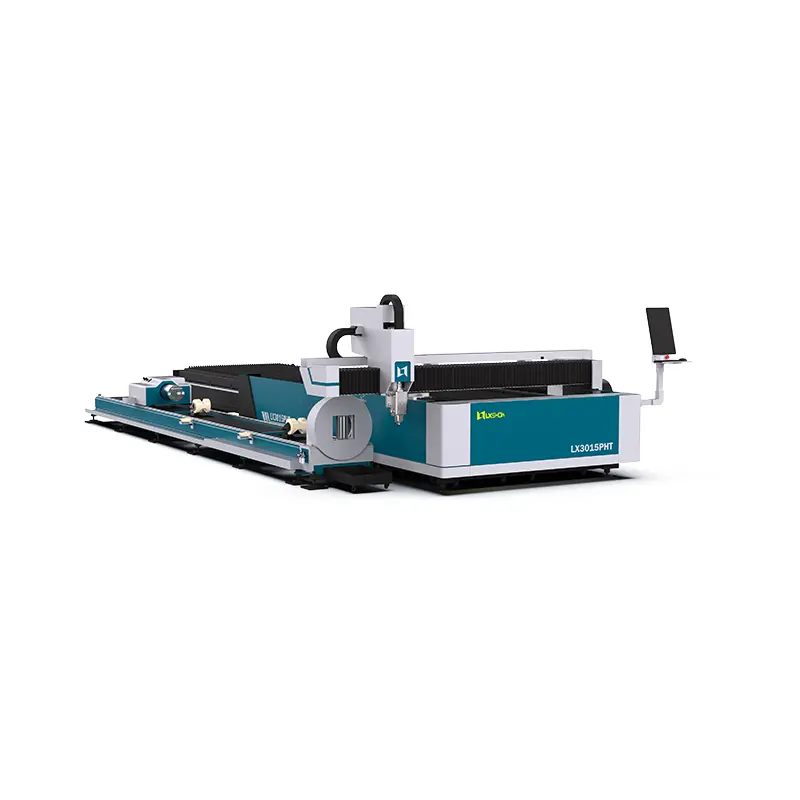
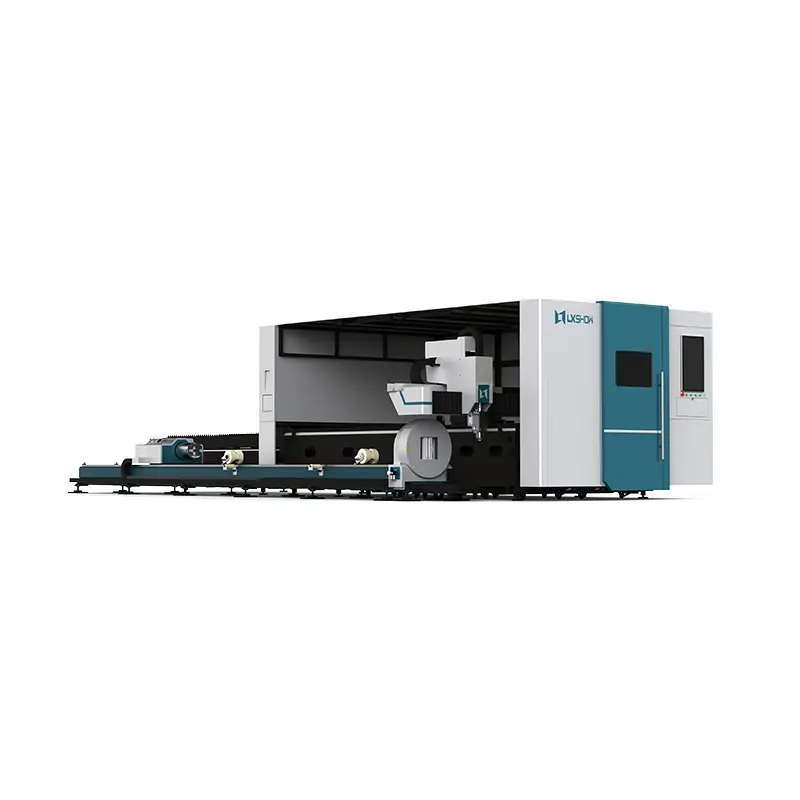
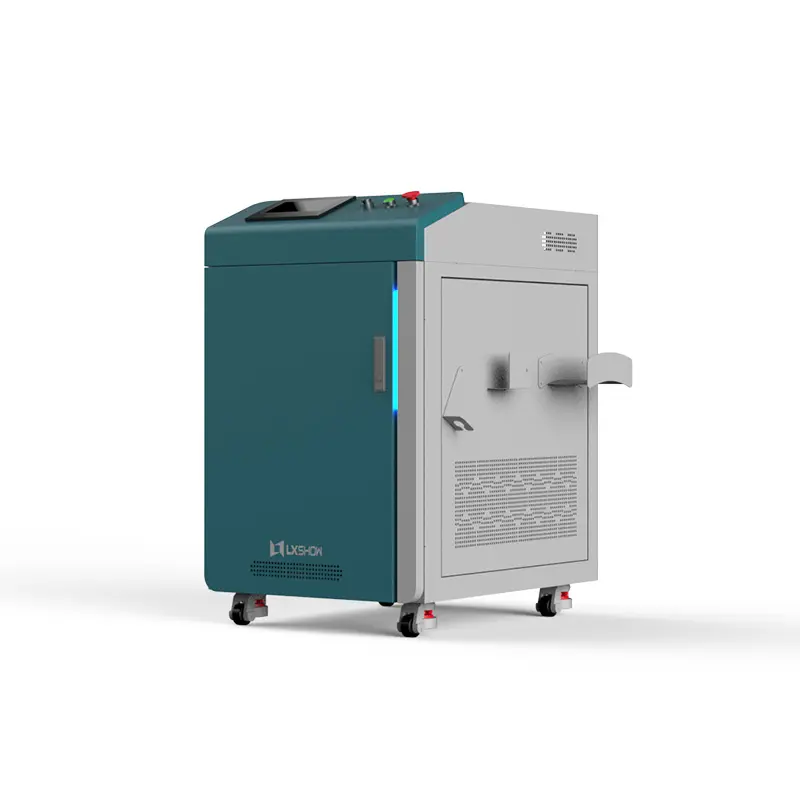
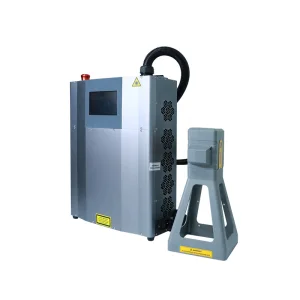
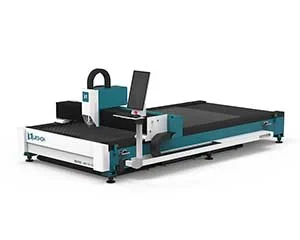
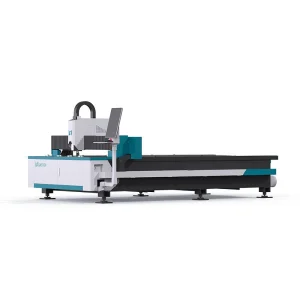
Whether you require a sheet laser cutting machine, a multi-axis laser tube processing center, or high-performance handheld fiber welding and cleaning systems, our commitment to technological innovation guarantees that your machinery remains competitive for decades to come.
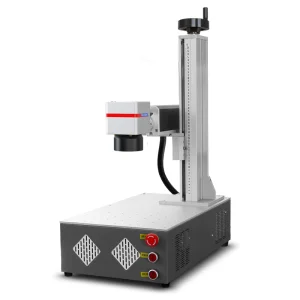
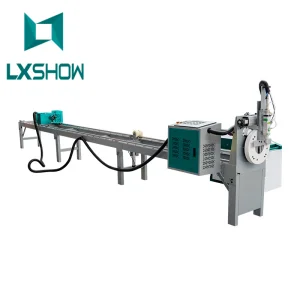
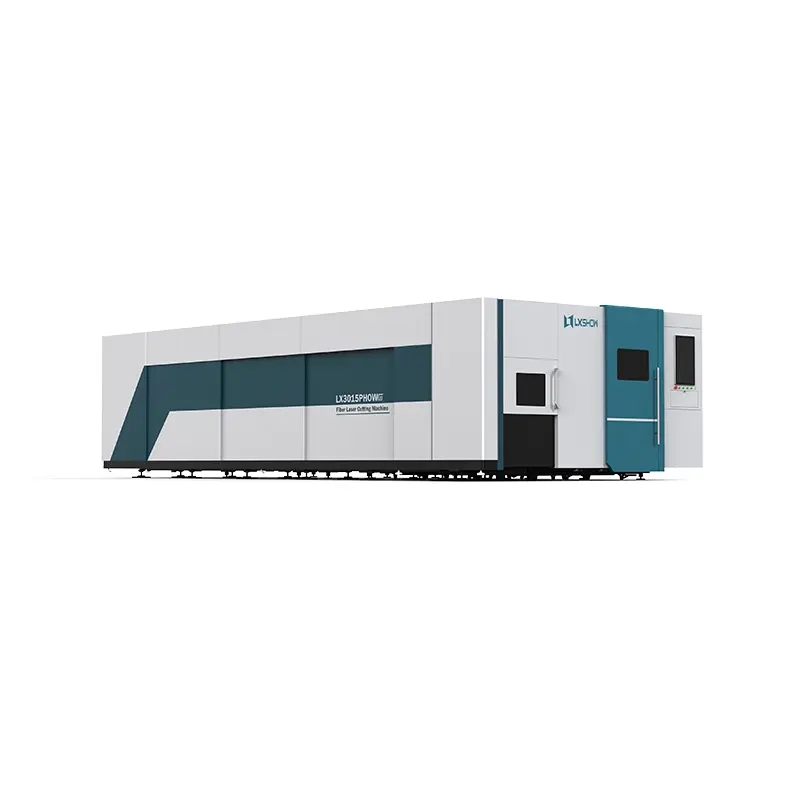
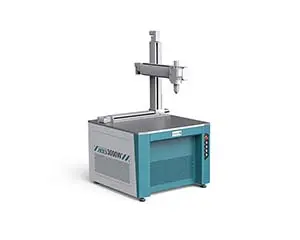
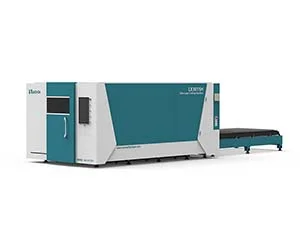
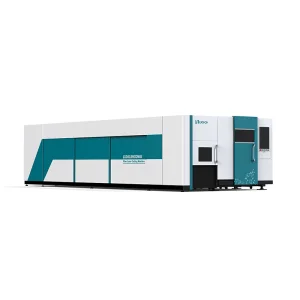
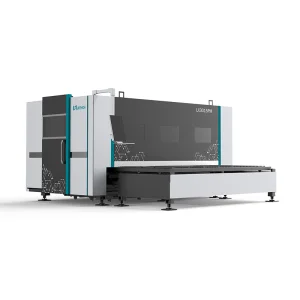
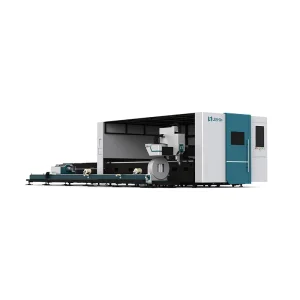
Engineered for high-speed sheet metal processing and structural pipe cutting, providing peak performance for long-term batch production of thick carbon and stainless steel plate applications.
Fast, distortion-free welding processes replacing traditional MIG/TIG. Yields robust mechanical properties in thin metal panels with little to no post-weld grinding.
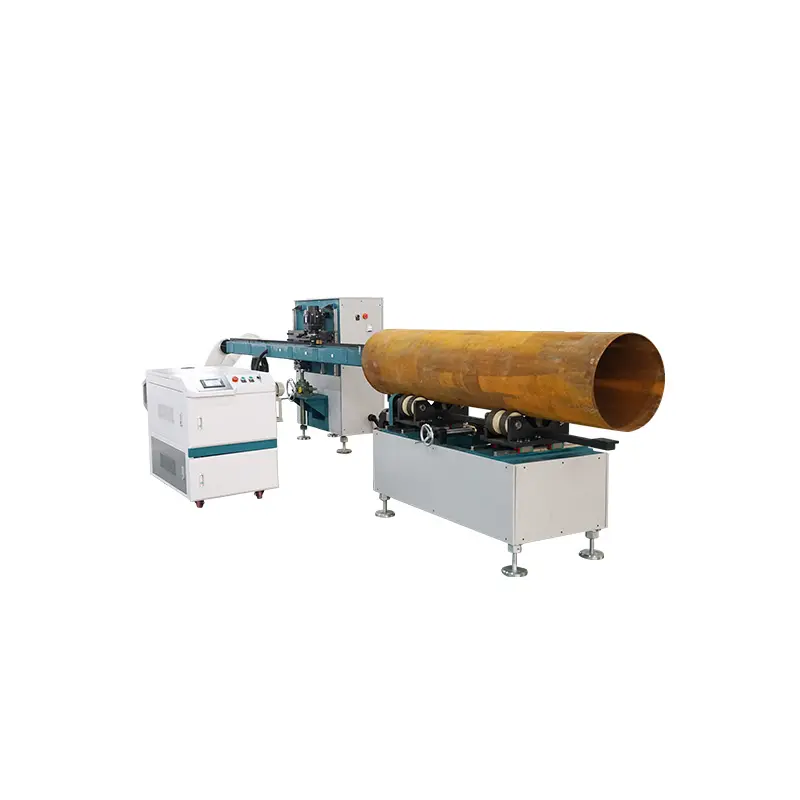
Clean rust, oxide coatings, and oils without toxic chemical abrasives. Restore worn metal shafts using single-axis surround cladding tech.
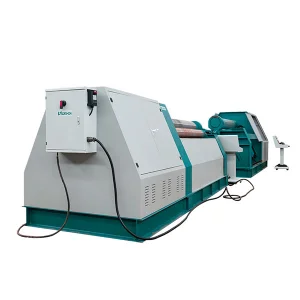
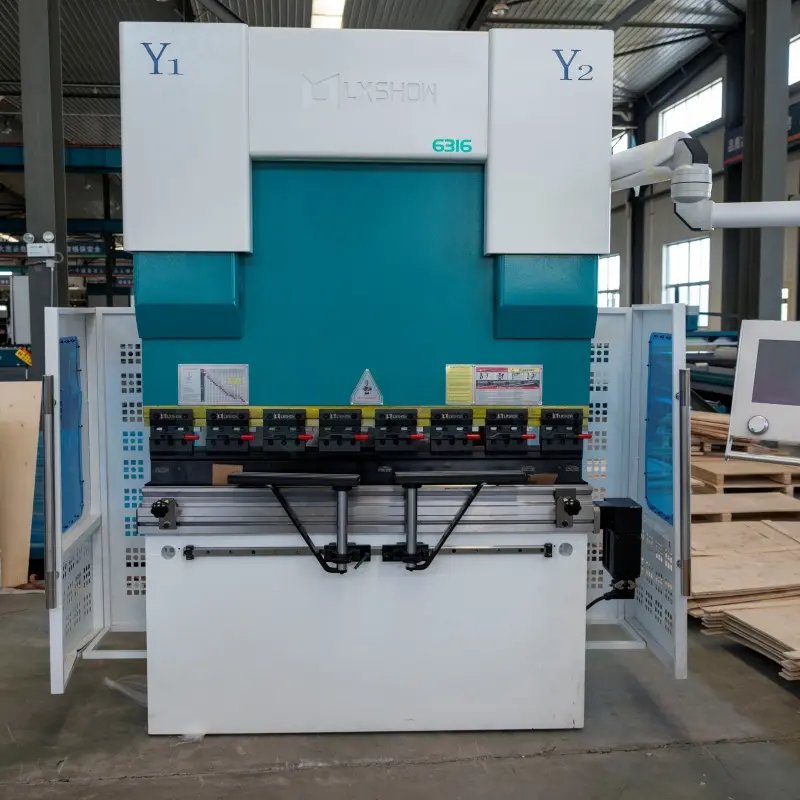
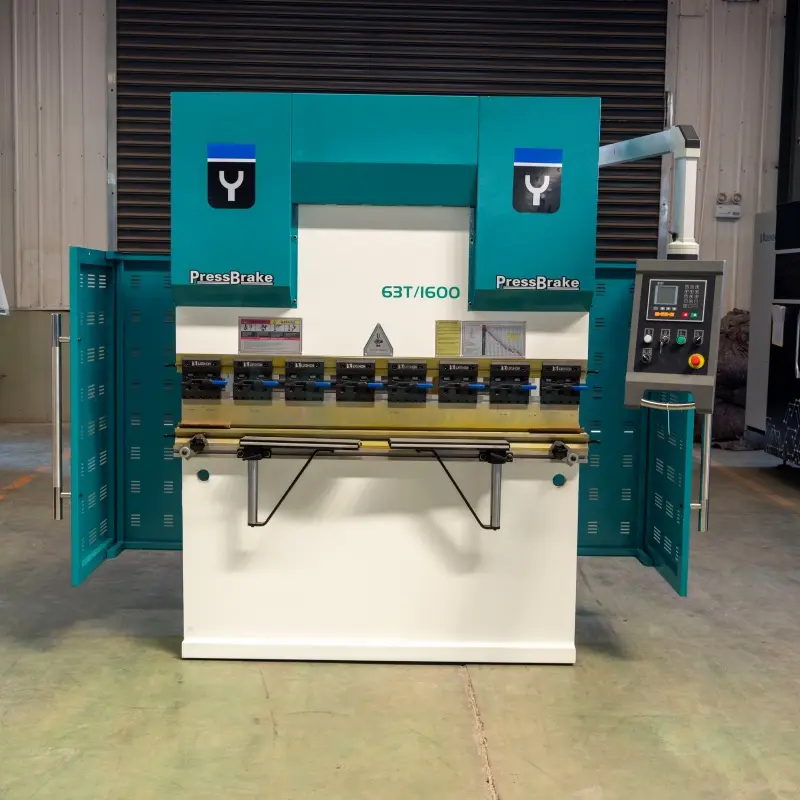
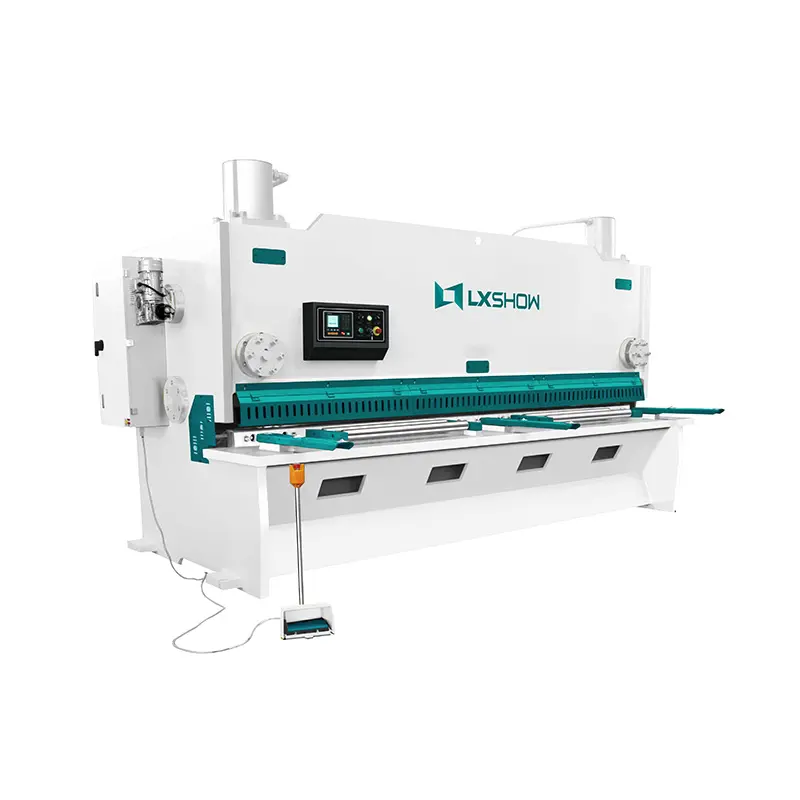
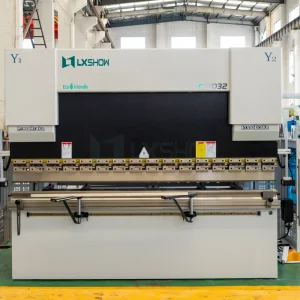
Precision CNC electro-hydraulic press brakes and shearing machinery designed to streamline secondary metal shaping workflows with extreme stability.
Clear, actionable technical answers addressing the most common concerns raised by procurement engineers and factory operators.
 Lxshow