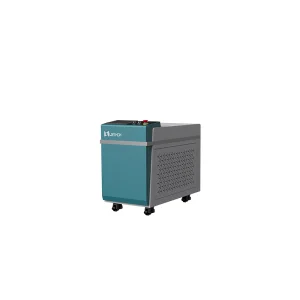
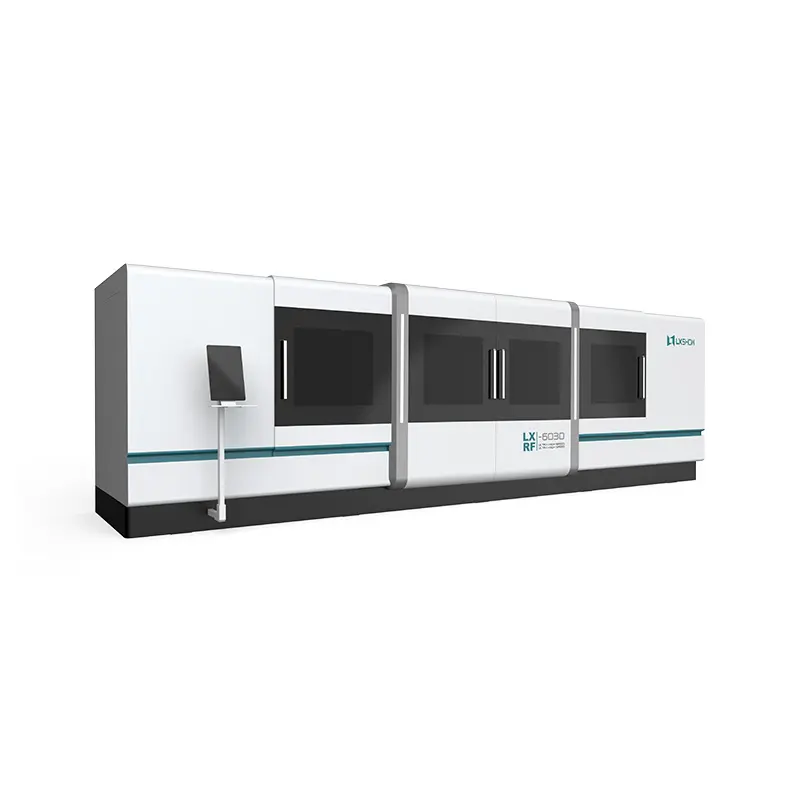
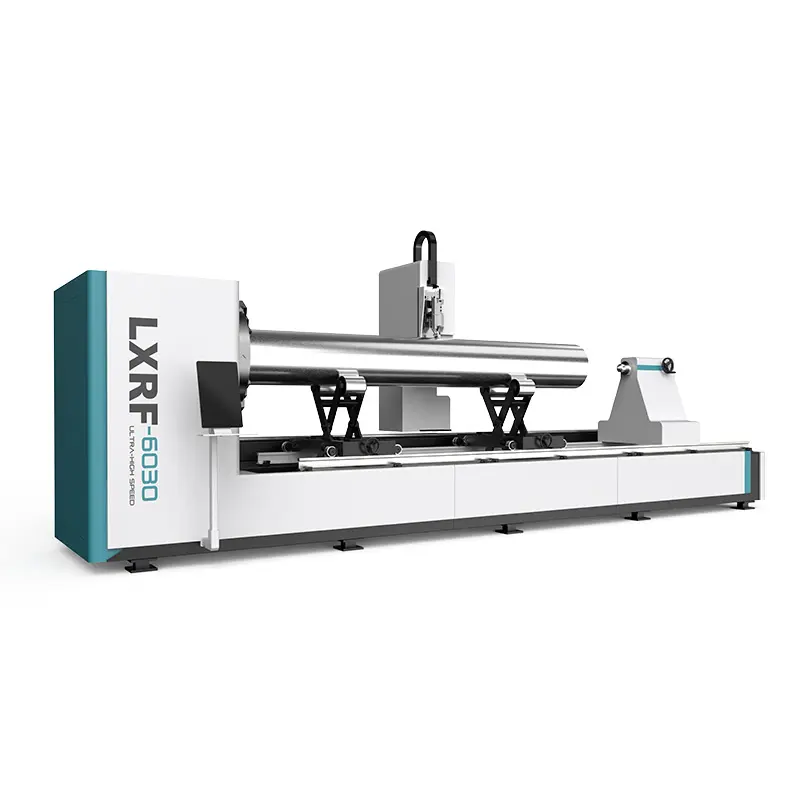
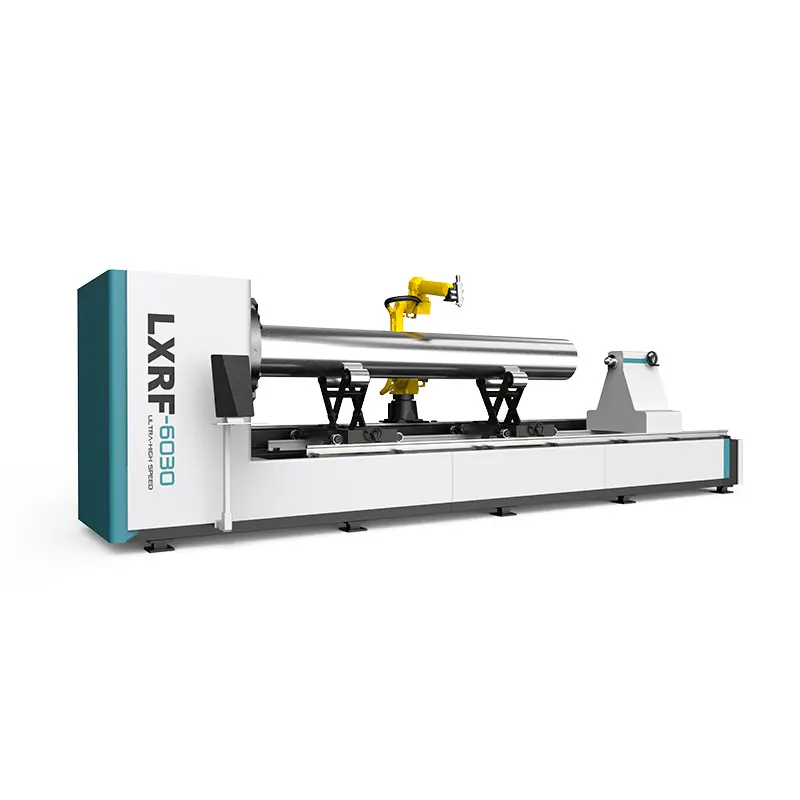
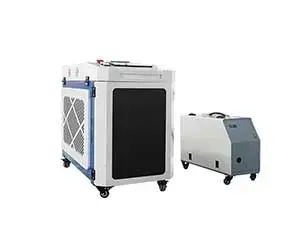
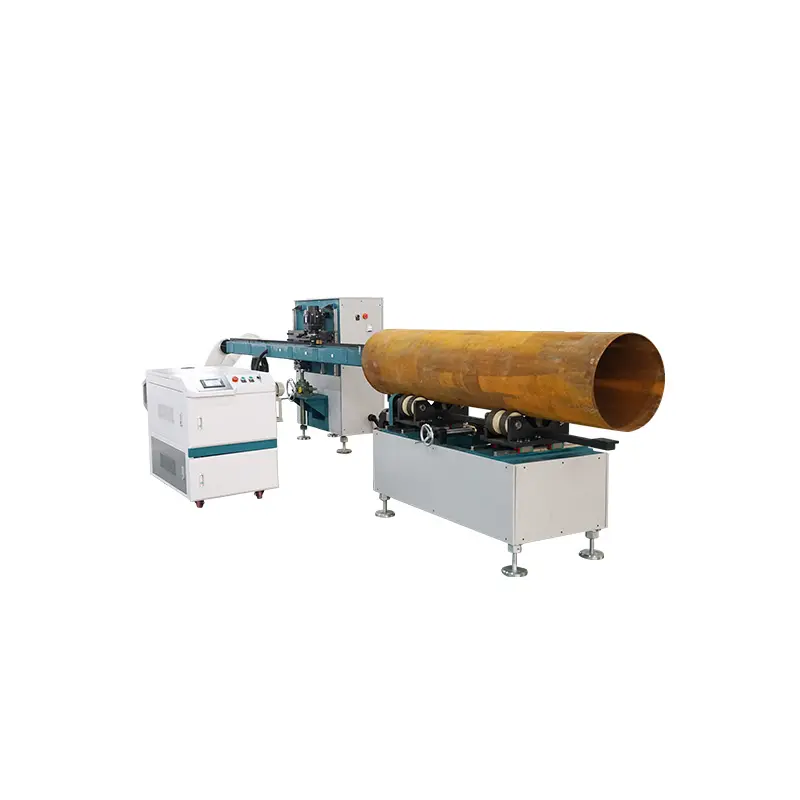
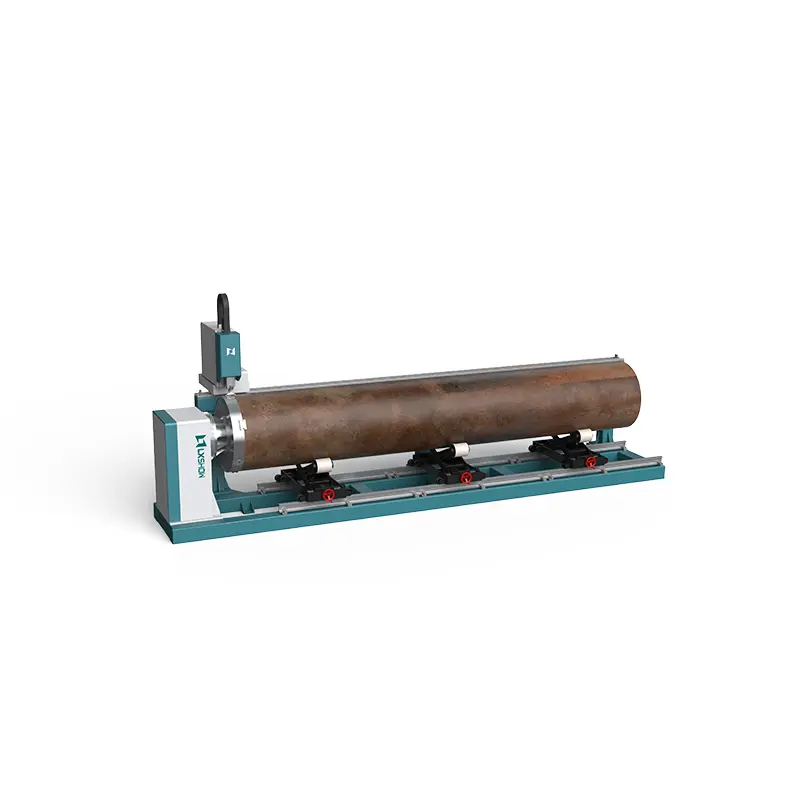
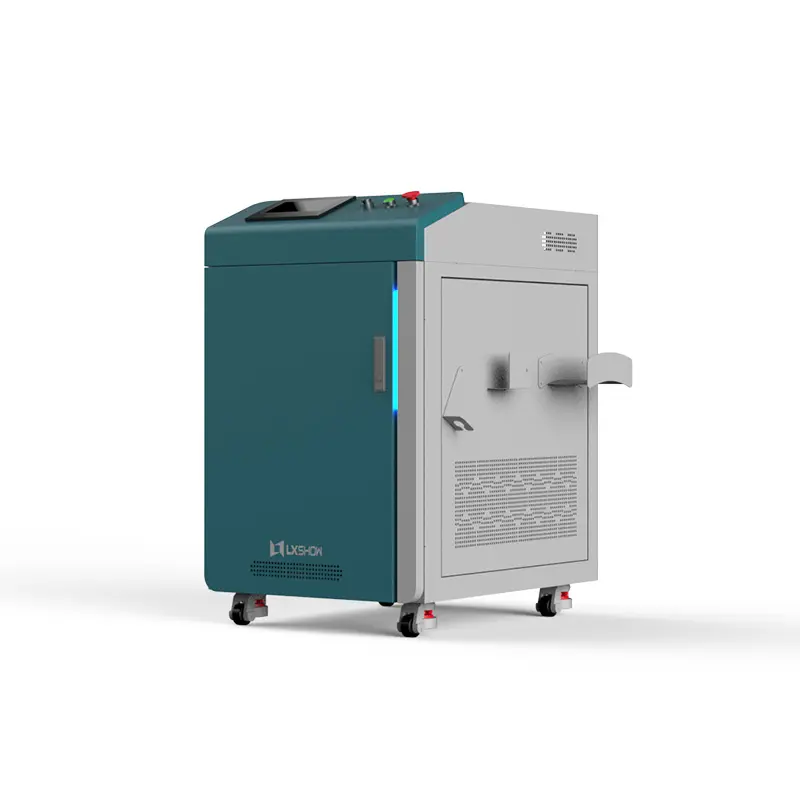
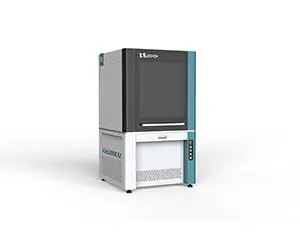
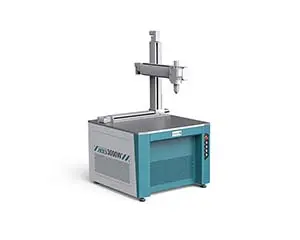
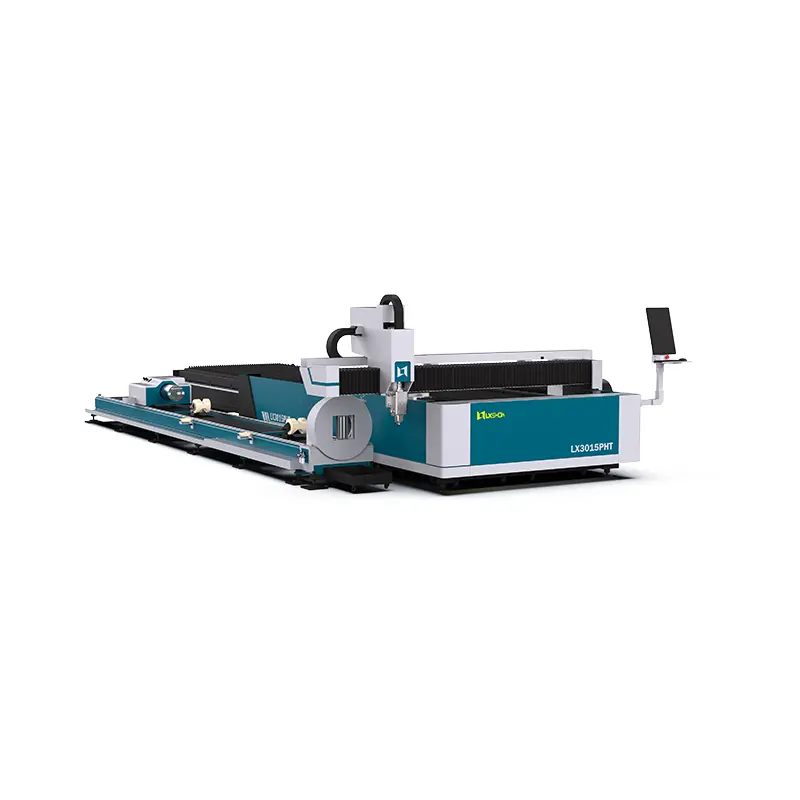
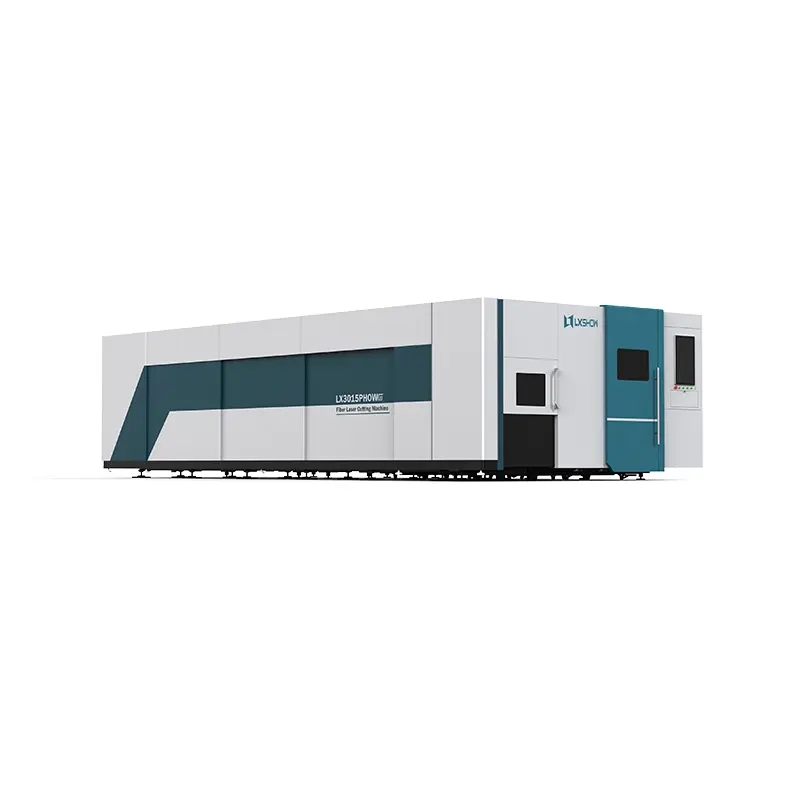
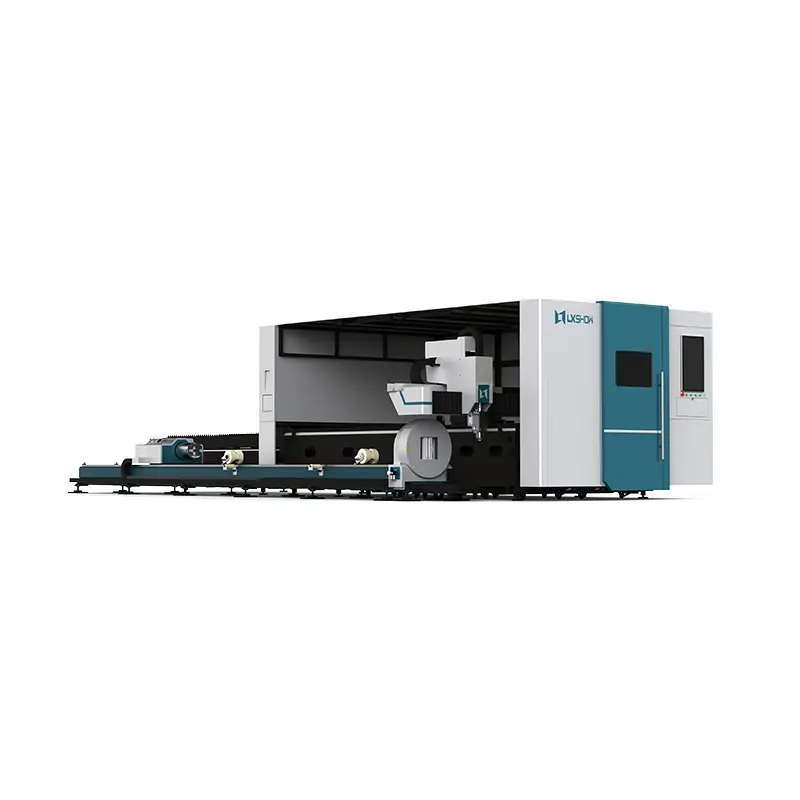
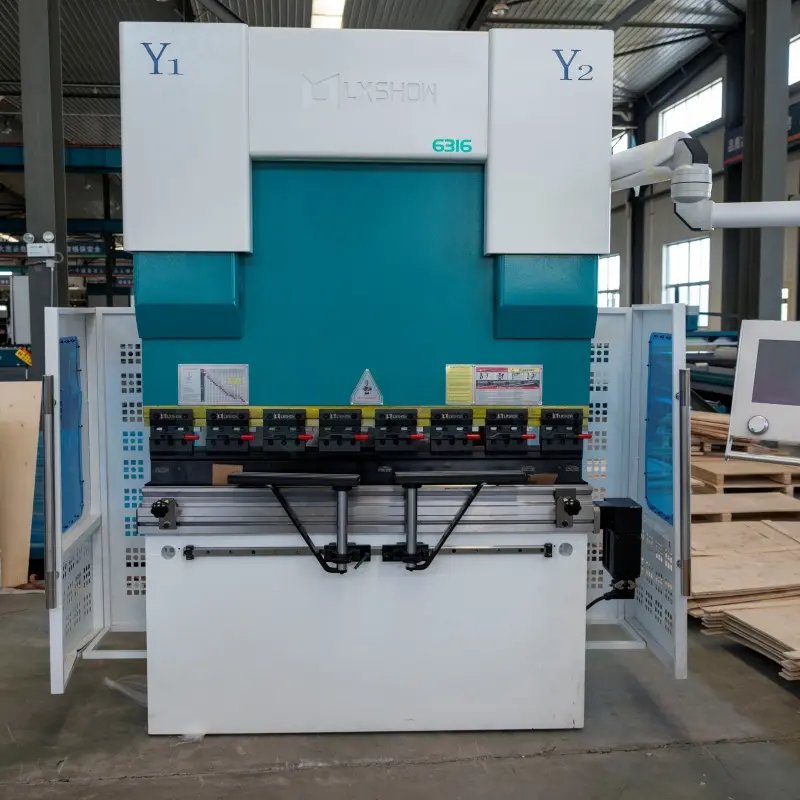
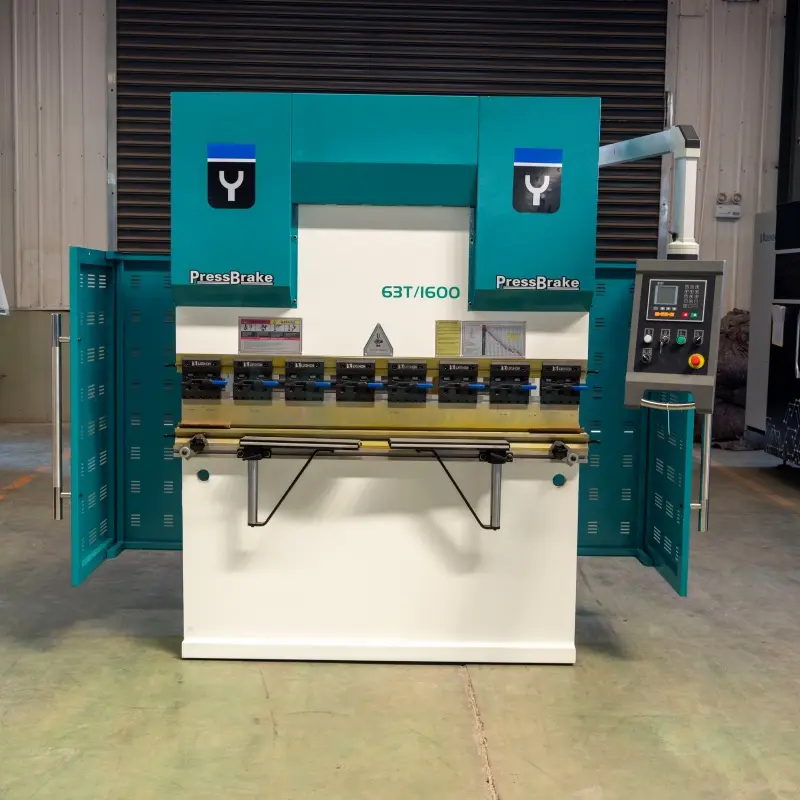
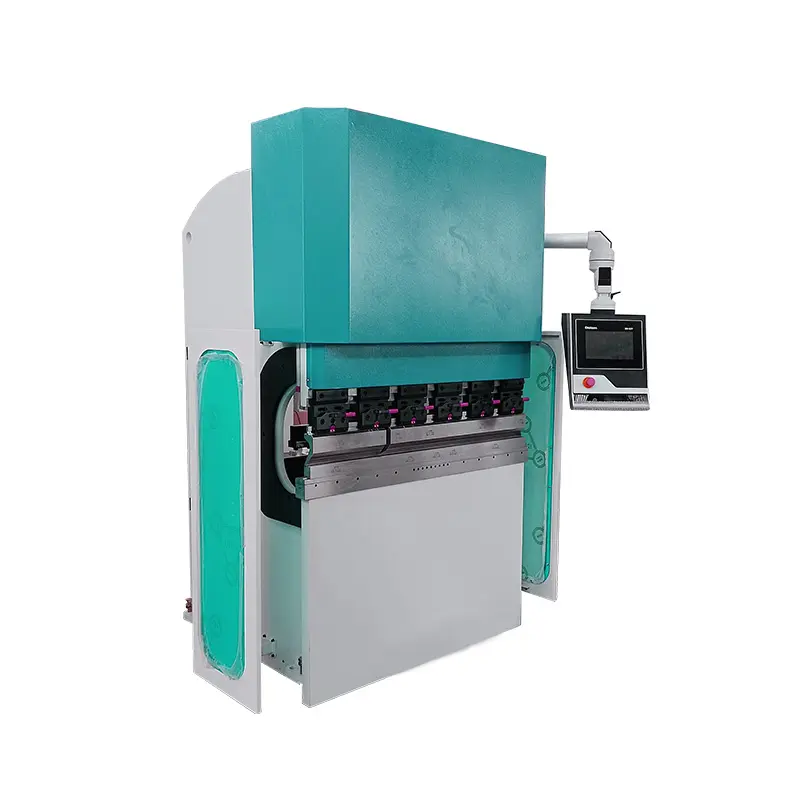
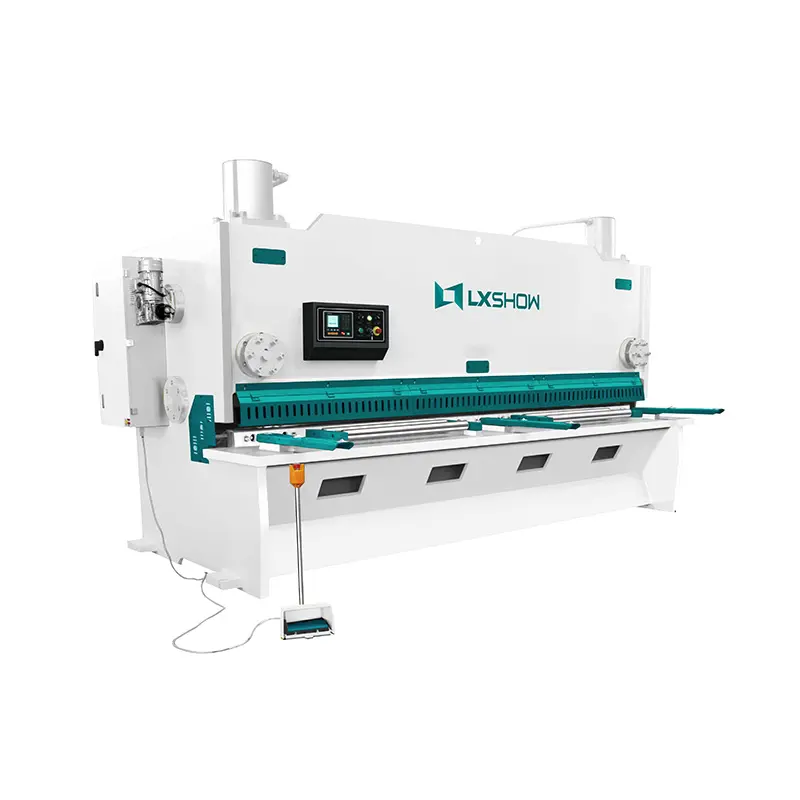
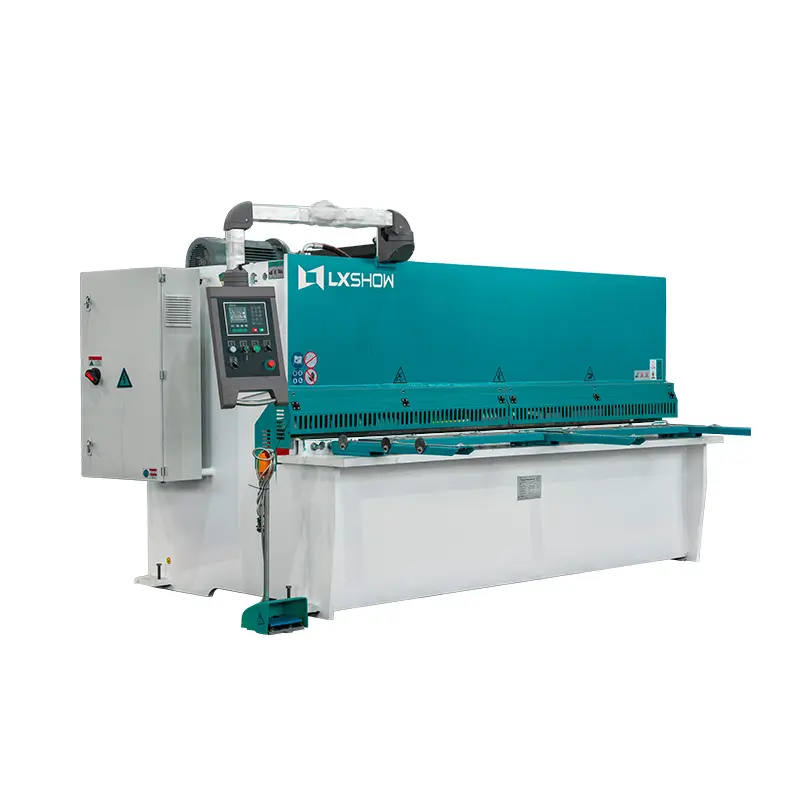
Explore our industrial-grade laser cleaning, cutting, marking, and bending systems engineered for structural aluminum and high-strength alloy processing.
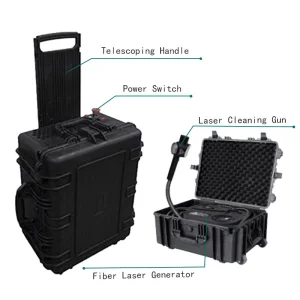
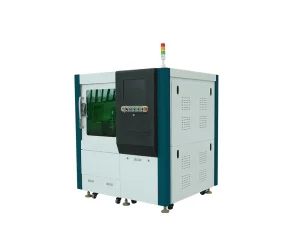
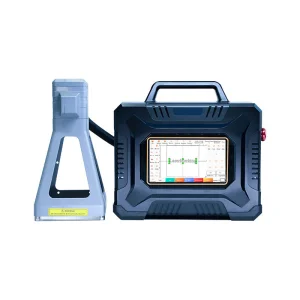
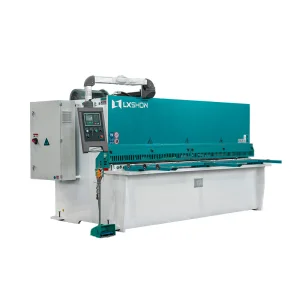
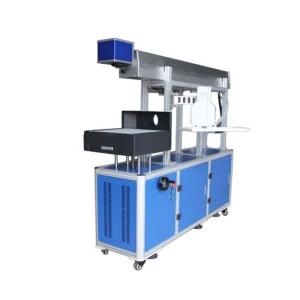
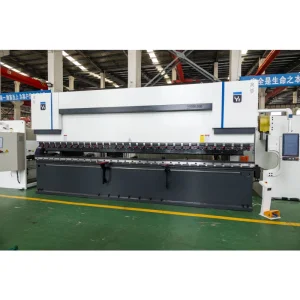
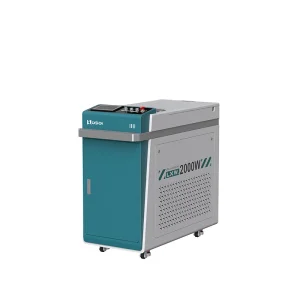
A trusted global leader in smart laser equipment and structural metal processing innovations.
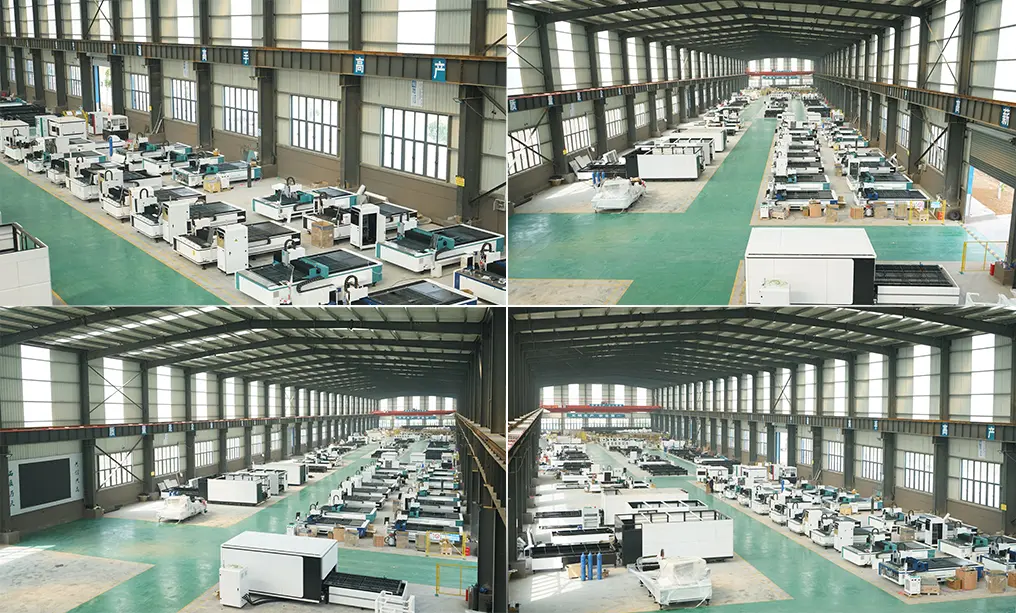
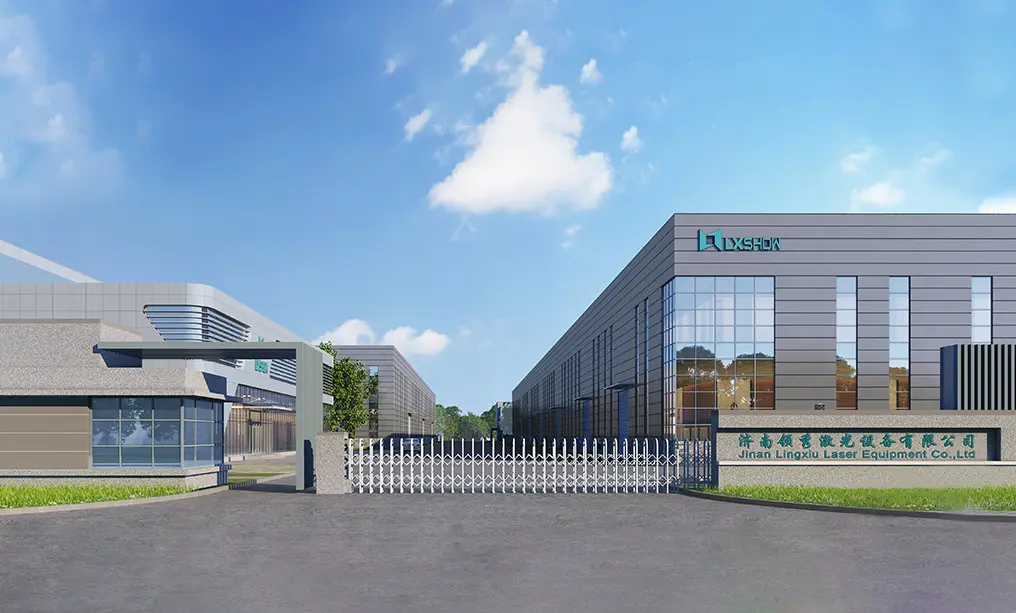
Established in July 2004, LXSHOW owns more than 500 square meters of high-tech research and office space alongside a 32,000+ square meter state-of-the-art manufacturing facility. We focus on providing world-class technical support and leading-edge laser cutting, welding, and cleaning solutions.
All LXSHOW machinery has strictly passed the European Union CE authentication, American FDA certificate standards, and operates under ISO 9001 certified manufacturing practices to guarantee structural safety, reliability, and precision.
Our industrial systems are actively operating across North America, Europe, Australia, and Southeast Asia. We supply comprehensive OEM services for over 30 leading international machinery brands, driving smart manufacturing globally.
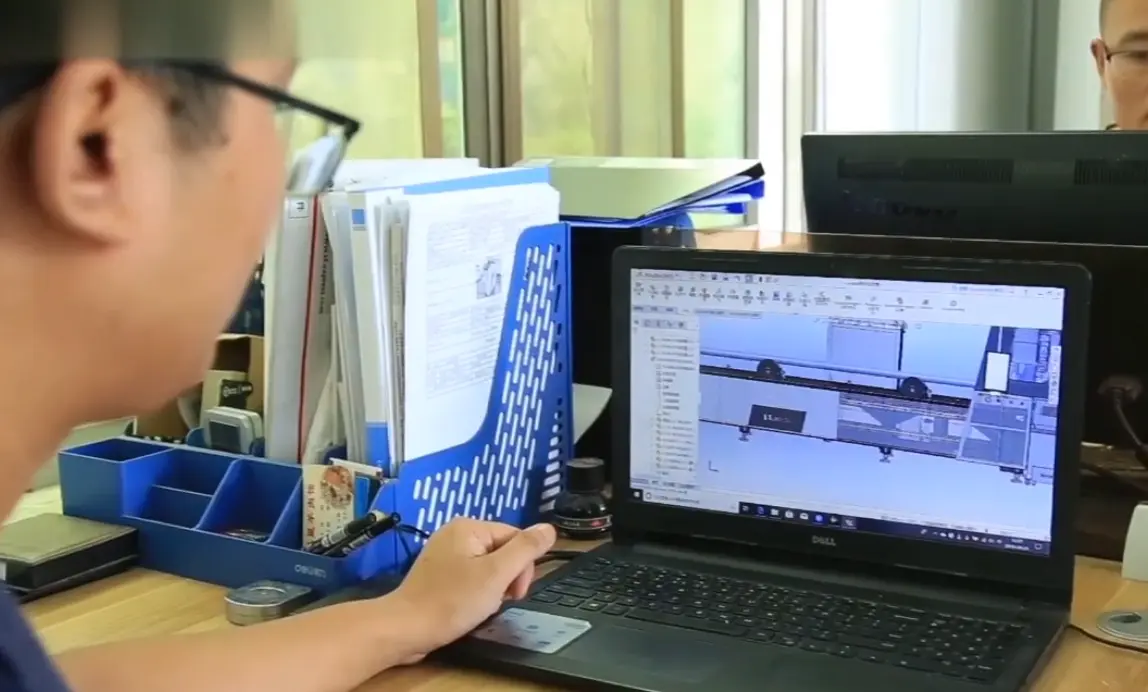
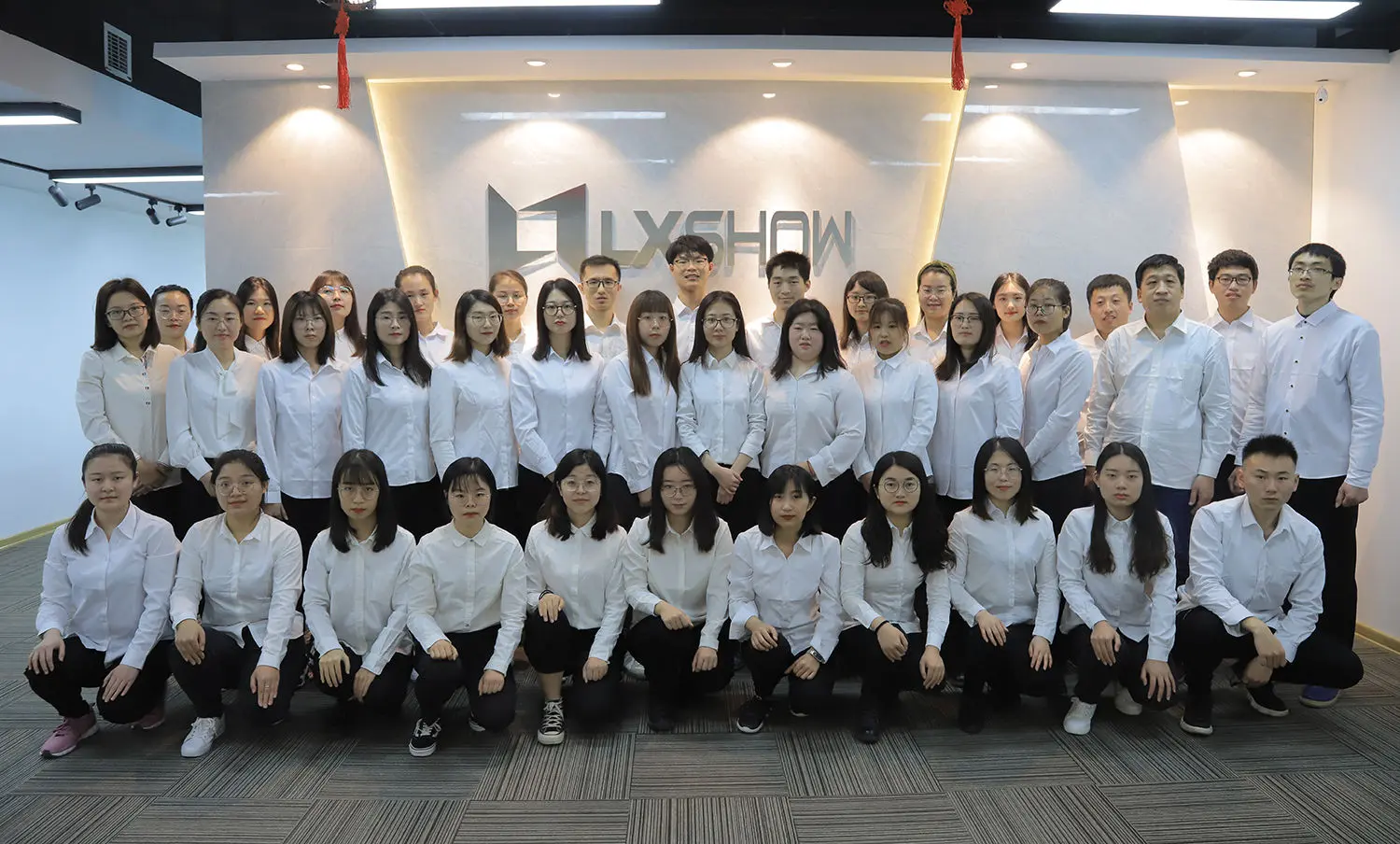
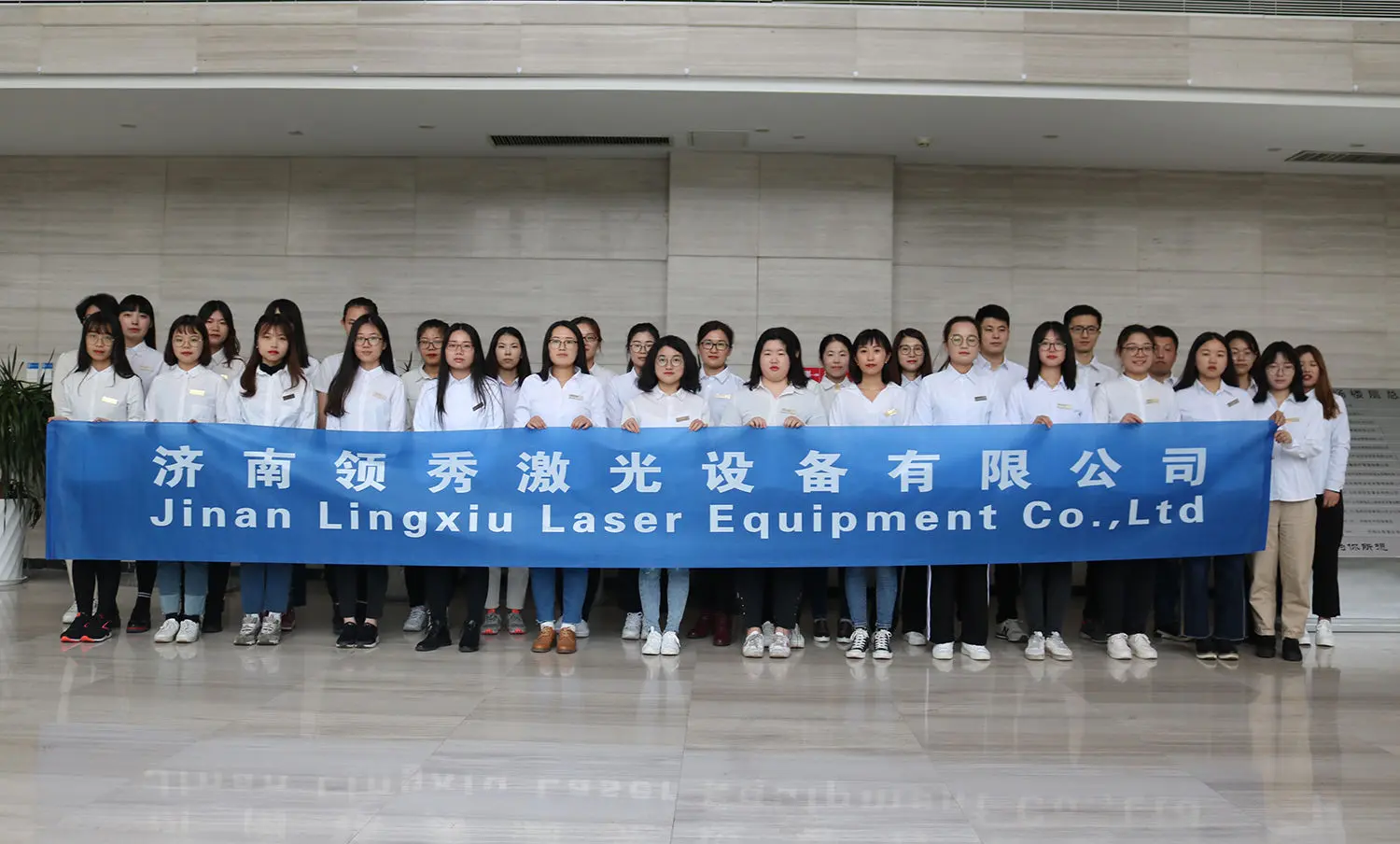
A comprehensive analysis of material science, processing technologies, supply chain efficiencies, and global application criteria for structural aluminum fabrication.
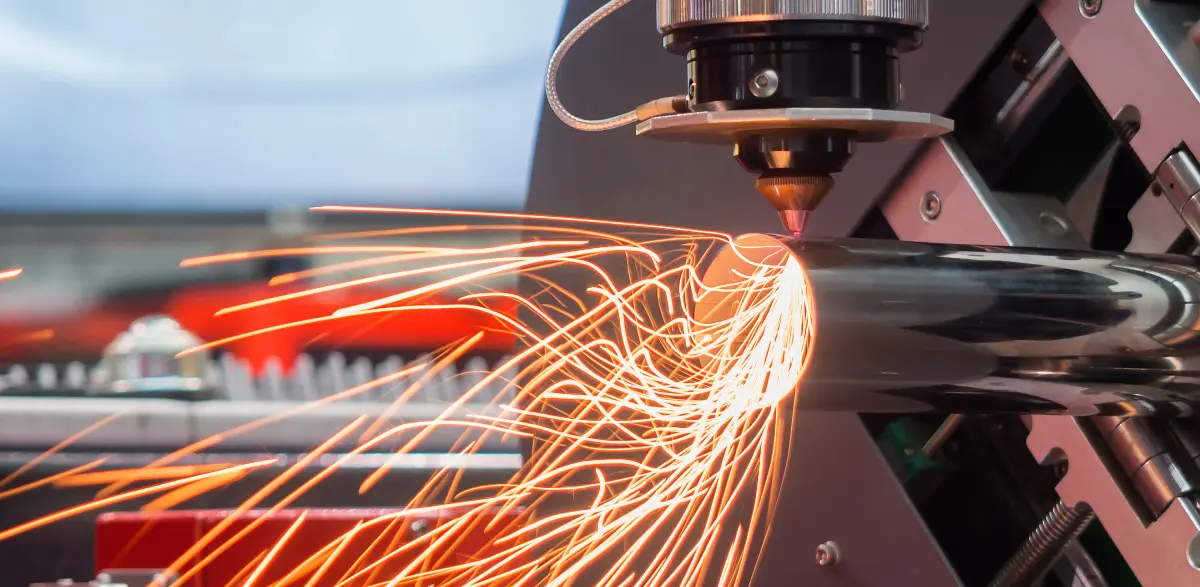
In modern engineering, aluminum has transitioned from a specialized aerospace material to the backbone of lightweight structural design, high-frequency consumer electronics, and automotive architectures. High-speed fiber laser cutting systems have unlocked new manufacturing thresholds, offering unmatched edge quality, minimal heat-affected zones (HAZ), and structural integrity.
Traditional stamping and mechanical CNC milling often struggle with aluminum's ductile nature and high thermal conductivity. Standard mechanical shearing can cause structural deformation along the edges, requiring costly secondary finishing. Fiber laser cutting systems bypass these limitations. They deliver concentrated photon energy that instantly melts the aluminum matrix, while high-pressure auxiliary gases (typically Nitrogen or Clean Dry Air) purge the melt channel. This thermal dynamics approach produces burr-free cuts with minimal kerf width, accelerating throughput across global supply chains.
Industrial manufacturers work with a wide range of aluminum alloys, each presenting distinct mechanical properties that require specialized laser cutting configurations:
| Alloy Series | Common Grades | Auxiliary Gas Used | Laser Source Power Range | Typical Applications |
|---|---|---|---|---|
| 1000 Series | 1050 / 1060 | Nitrogen (N₂) / Clean Air | 2 kW - 6 kW (Fiber) | Busbars, Electrical Shields, Reflectors |
| 3000 Series | 3003 / 3105 | Nitrogen (N₂) / Oxygen (O₂) | 3 kW - 12 kW (Fiber) | Heat Exchangers, Kitchenware, HVAC |
| 5000 Series | 5052 / 5083 | High-Pressure Nitrogen (N₂) | 4 kW - 20 kW (Fiber) | Marine Enclosures, Fuel Tanks, Automotive Panels |
| 6000 Series | 6061 / 6082 | High-Pressure Nitrogen (N₂) | 4 kW - 40 kW (Fiber) | Structural Frames, Aerospace Brackets, Machinery |
Cutting reflective aluminum alloys with fiber lasers requires a balance of power, gas pressure, focal length, and feed rates. Standard CO2 lasers operate at a 10.6 µm wavelength, which is mostly reflected by aluminum. In contrast, fiber lasers emit a wavelength of approximately 1.06 µm. This shorter wavelength is absorbed much more efficiently by metals, reducing energy waste and boosting processing speeds.
To prevent burrs and dross, the laser beam's focal spot must be placed deep inside the material, often near the bottom third of the sheet. High-pressure Nitrogen (ranging from 12 to 18 bar depending on sheet thickness) is injected coaxially with the laser beam. This gas acts mechanically, expelling molten aluminum before it can solidify at the bottom of the cut.
Additionally, using high-power systems (up to 40kW) with specialized beam shaping technology lets manufacturers cut thick aluminum plates (exceeding 25mm) with the speed and edge quality once reserved for thin sheet metal.
The global demand for laser-cut aluminum is driven by the push for lighter products in transportation, strict environmental regulations, and the expansion of smart cities. In the automotive industry, manufacturers are replacing heavier steel components with aluminum to extend the range of Electric Vehicles (EVs). Precision fiber lasers cut these components quickly and accurately, fitting seamlessly into automated production lines.
At the same time, architectural firms rely on laser-cut aluminum panels for custom exterior facades, acoustic ceilings, and structural sunshades. Aluminum's natural oxide layer provides excellent weather resistance, making it an ideal choice for durable outdoor installations.
China's manufacturing sector offers deep structural advantages that benefit global buyers. With localized access to massive raw aluminum refineries, integrated component suppliers, and advanced logistics networks, manufacturers can compress production cycles significantly.
At LXSHOW's 32,000+ square meter factory, we run vertically integrated assembly lines that handle everything from raw metal welding and stress-relieving heat treatments to final optical alignment and rigorous load testing. This concentration of resources minimizes reliance on third-party suppliers, insulates production from global supply shocks, and ensures consistent quality. By combining skilled local engineers with automated manufacturing, we deliver high-performance, cost-effective machinery without compromising on precision or build quality.
Operating across different global regions requires adapting to distinct environmental and regulatory demands:
The future of aluminum laser processing lies in smart, connected automation. Modern systems combine fiber lasers with automated loading bays, smart material storage, and articulated robotic arms to run continuous, lights-out production.
Real-time sensor arrays track cutting nozzle wear, monitor protective window temperature, and dynamically adjust gas pressure and focal position mid-cut. By integrating with factory ERP and MES systems, these smart laser cutters automatically adjust cutting programs based on production schedules, minimizing waste and optimizing raw material usage.
Exporting high-power laser systems globally requires strict compliance with international safety and quality standards:
To support our global customers, LXSHOW provides complete technical support, including remote diagnostics, on-site installation, safety training, and a prompt international parts delivery network.
Providing high-precision processing solutions designed for diverse industrial applications and metal classifications.
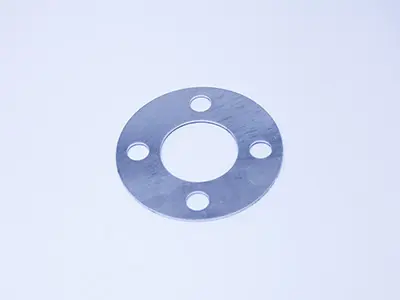
High-speed, reflective-resistant cutting for structural sheet alloys.
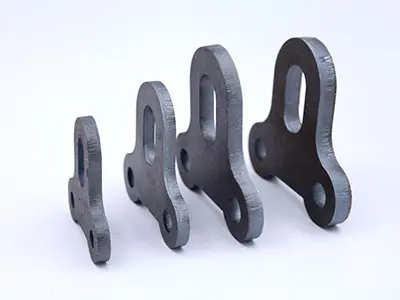
Oxygen-assisted clean-cut solutions for structural applications.
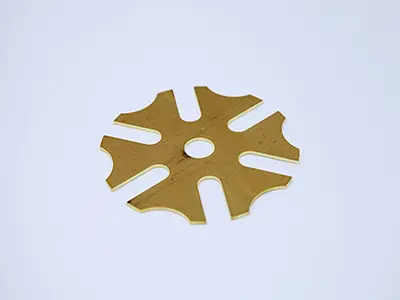
Specialized high-power beams optimized for highly conductive metals.
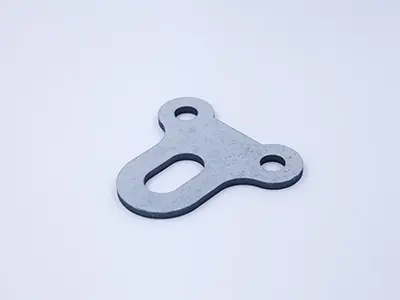
Clean cutting parameters designed to preserve zinc-coated layers.
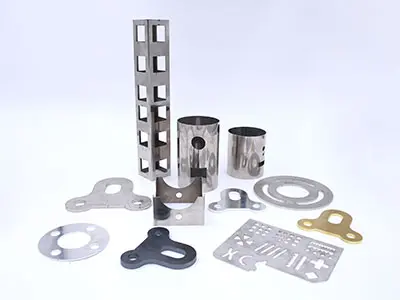
Engineered parameters for exotic materials and high-strength alloys.
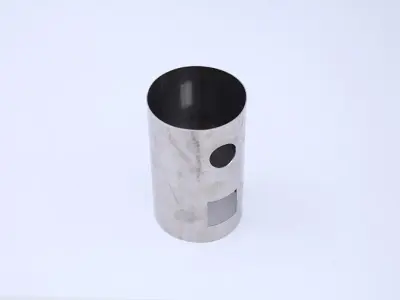
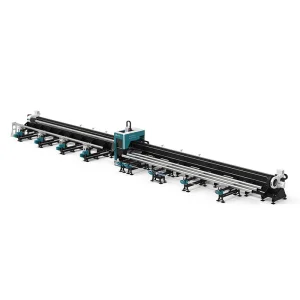
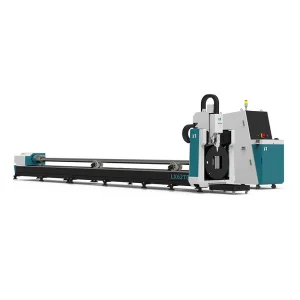
High-accuracy rotative chuck systems for tube and pipe profiling.
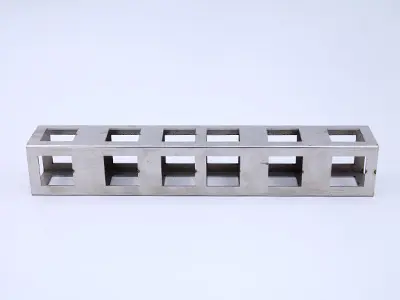
Advanced CNC tracking for square, rectangular, and channel profiles.
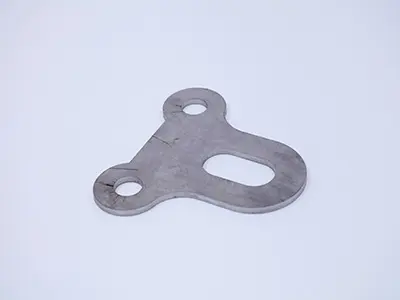
Nitrogen-purged processing for clean, oxide-free edge finishes.
Explore our complete lineup of laser cladding, cleaning, welding, and advanced CNC metal forming solutions.
Engineered for surface restoration, hardfacing, and durable batch cladding of thick industrial components.
Eco-friendly surface preparation, oxide removal, and paint cleaning for various metals.
High-speed, minimal deformation welding solutions for steel, aluminum, and copper.
Ultra-high speed sheet and tube laser cutting equipment from 1kW up to 40kW.
High-precision electro-hydraulic servo press brakes and electric bending centers.
Industrial shearing machines and multi-functional ironworkers for sheet metal processing.
Find answers to common questions about material science, laser selection, and quality control from our engineering team.
Select from our heavy-duty CNC fiber laser cutters, high-speed pipe processing lines, and electric press brakes.
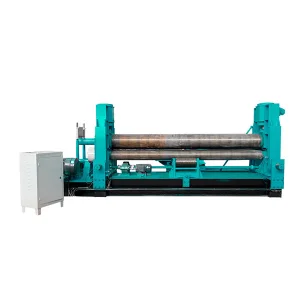
 Lxshow