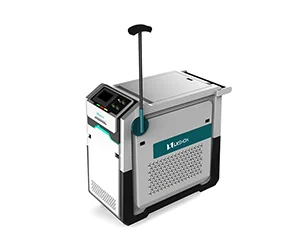
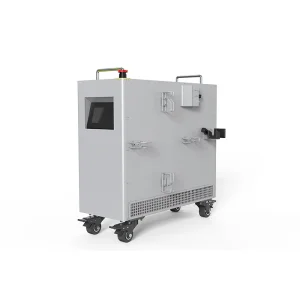
Optimized laser welding machines designed to handle demanding industrial processes in Romania's fast-growing automotive and precision manufacturing hubs.
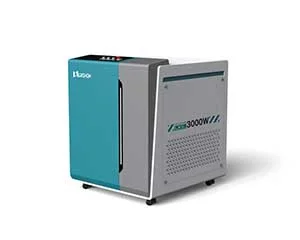
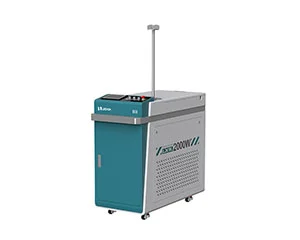
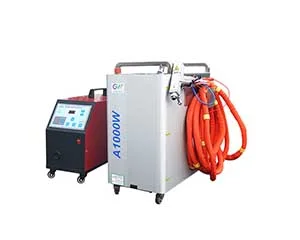
Romania has emerged as one of Central and Eastern Europe's most dynamic manufacturing landscapes. Bolstered by extensive automotive assembly hubs in Mioveni (Pitești) and Craiova, alongside aerospace clusters in Brașov and industrial parks in Cluj-Napoca and Timișoara, Romanian metal-working industries are undergoing rapid modernization. To maintain competitive cost structures and meet the strict quality thresholds set by European OEMs, local factories are systematically replacing classic gas-shielded arc welding (MIG/TIG) with high-efficiency fiber laser systems.
As leading suppliers serving Romania, we recognize the specific operational challenges that local manufacturers face: the need to reduce electricity consumption, eliminate post-weld grinding cycles, and address skilled labor shortages in the manual welding trade. Our laser welding technology addresses these needs directly, offering a system that works up to 4 times faster than standard TIG welding, requiring minimal training and providing superior aesthetic consistency.
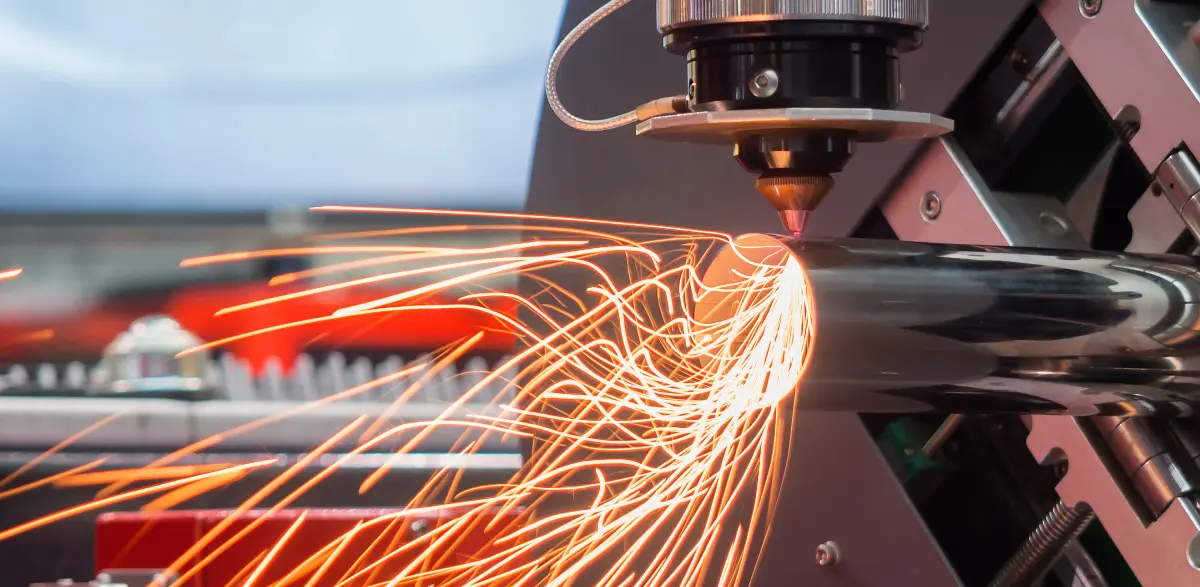
Over 18 years of professional focus on laser manufacturing. Supporting Industry 4.0 transformation across 150+ countries with world-class quality systems.
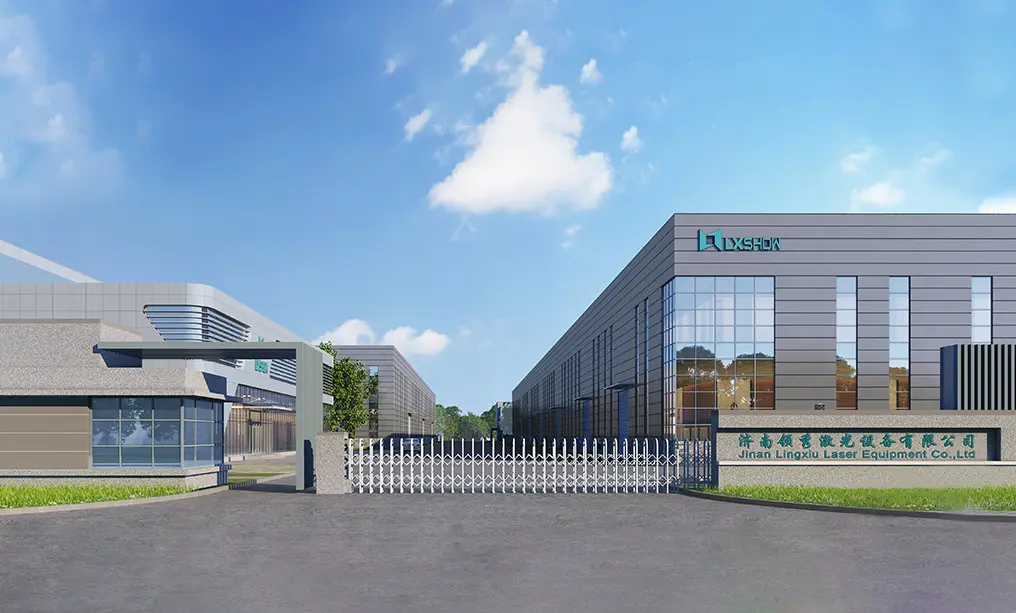
Established in July 2004, our facility integrates over 500 square meters of specialized research and design office space with a 32,000 square meter state-of-the-art production plant. As a recognized leader in laser smart equipment, we execute production operations under strict ISO 9001 compliance standards.
To support international integrations seamlessly:
Understanding the engineering mechanics behind high-speed fusion, localized heat input, and shielding gas parameters for modern alloys.
Traditional arc-welding methods depend on thermal conduction to melt the base metals, forming a broad heat-affected zone (HAZ) that triggers significant thermal distortion, warpage, and micro-cracking in sensitive alloys like EN 1.4301 (Stainless Steel 304) and aluminum grades.
Our handheld and robotic fiber laser welding systems employ high-density coherent light focused down to spot diameters as small as 0.2mm. This concentrates energy output to generate a keyhole-mode weld, where metal vaporizes locally to form a deep, narrow cavity. Capillary forces stabilize the molten wall, yielding high aspect ratio welds (deep penetration with minimal face width) that reduce the heat input by up to 80% compared to legacy MIG processes.
Air-Cooling vs. Water-Cooling Technical Breakdown:
Shielding Gas Dynamics & Welding Metallurgy:
To prevent oxidation of the weld bead during high-temperature crystallization, our systems are configured for exact gas-flow control (Argon or Nitrogen). By utilizing targeted coaxial and side-jet shielding nozzles, the molten pool is completely isolated from atmospheric oxygen.
For aluminum welding, which is increasingly prevalent in modern EV battery box frames, this gas shield prevents the entrapment of oxide films, resulting in defect-free joints. Additionally, integrated dual-wire feeding systems allow for gap bridging up to 2.0mm, accommodating fit-up tolerances common in real-world structural assemblies.
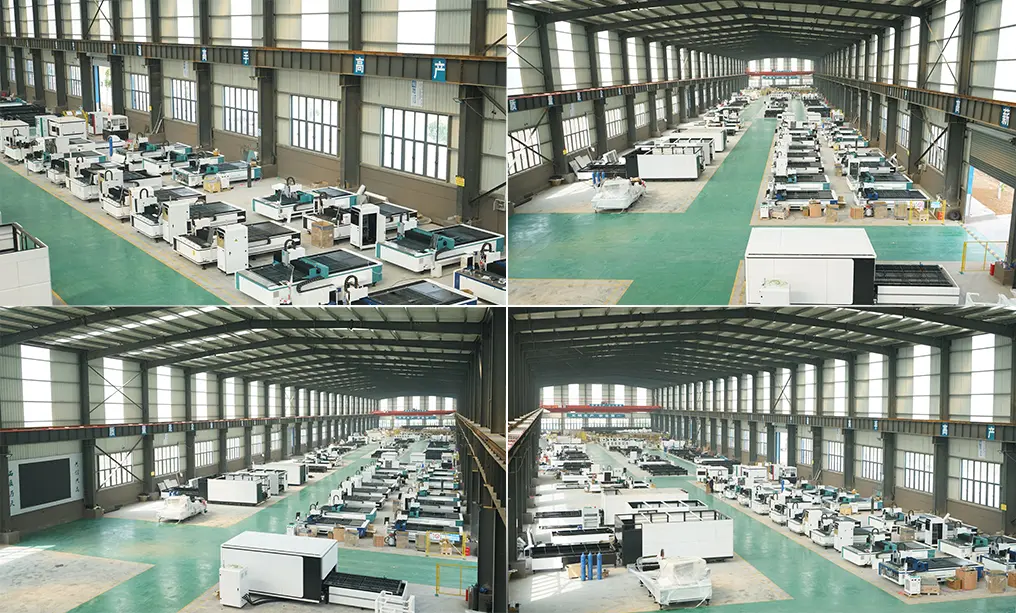
By consolidating our production footprint within China’s premier manufacturing zones, we leverage a highly mature supplier ecosystem for laser resonators, optoelectronics, precision CNC guideways, and servo drives. This clustering effect allows us to source core components at lower costs and keep our manufacturing lead times to a minimum.
Our Factory 4.0 model relies on structured standardized sub-assemblies. This approach allows us to configure custom OEM setups quickly, tailoring specific fiber laser systems to the needs of Romanian industrial distributors and end-users within 15 to 20 days of order receipt.
From machining casting beds in-house to conducting 72-hour continuous laser stress tests under high temperature, we control the entire assembly cycle to guarantee long-term system reliability.
Explore our field-tested line of handheld, tabletop, and automated robotic fiber laser welders, configured to meet European safety standards and industrial requirements.
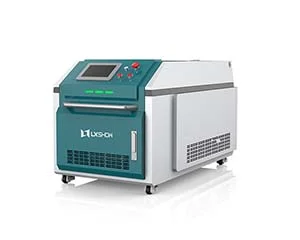
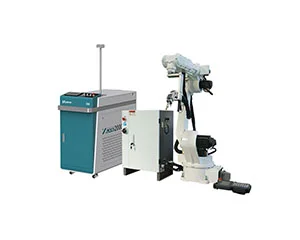
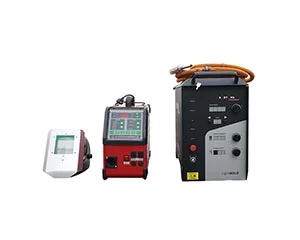
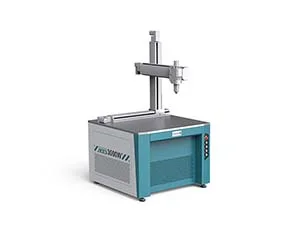
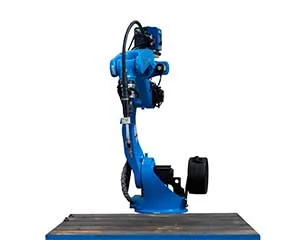
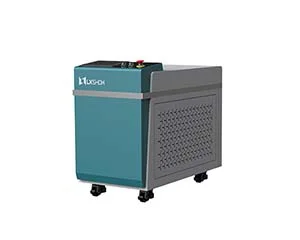
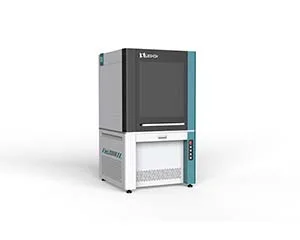
All original categories and model configurations are fully retained, optimized with technical details and direct communication links.
Provides a reliable solution for long-term cladding and surface restoration of industrial components.
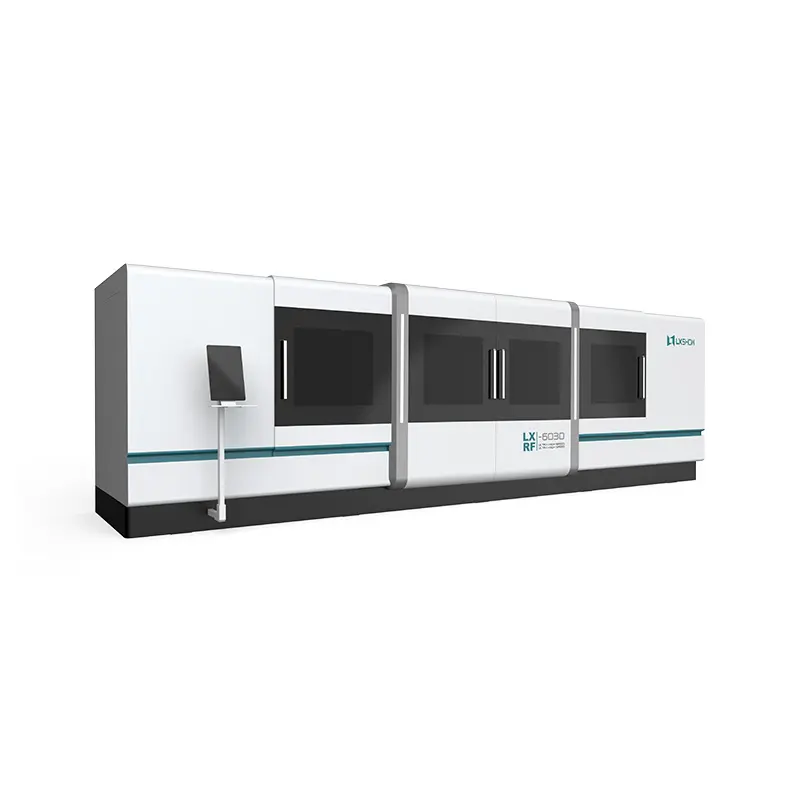
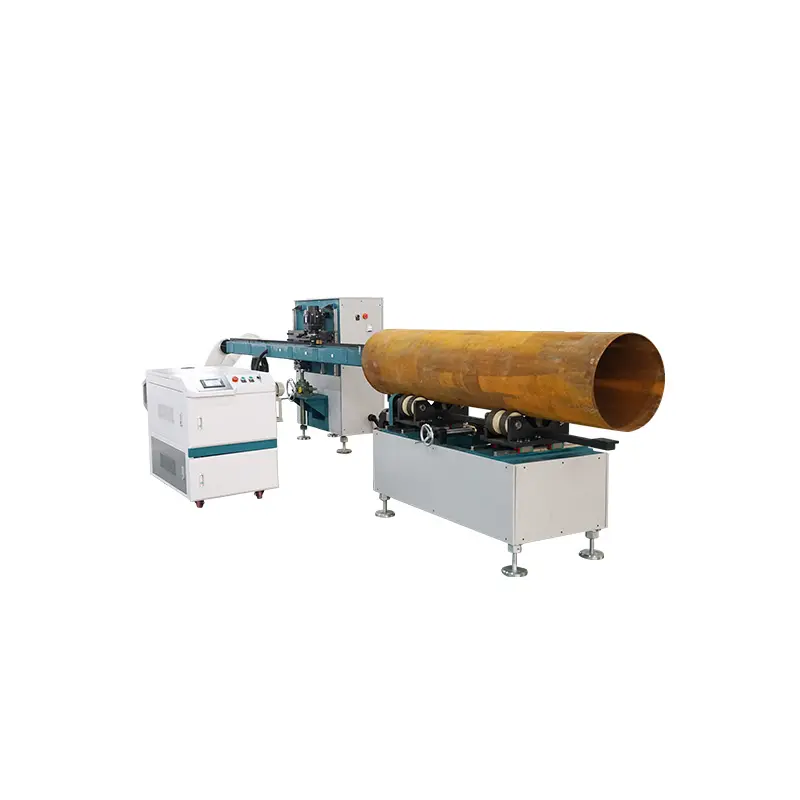
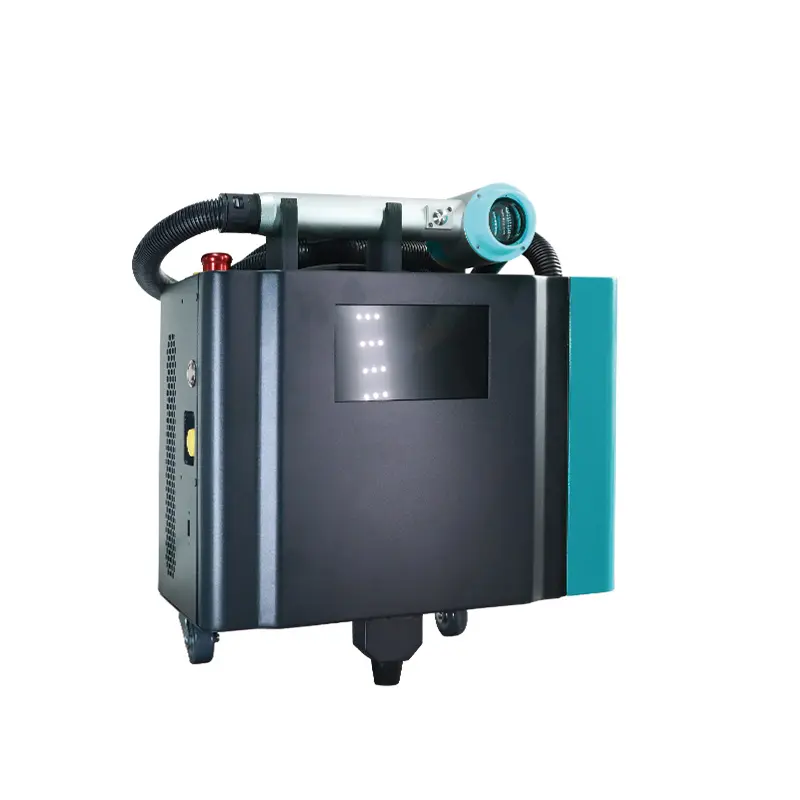
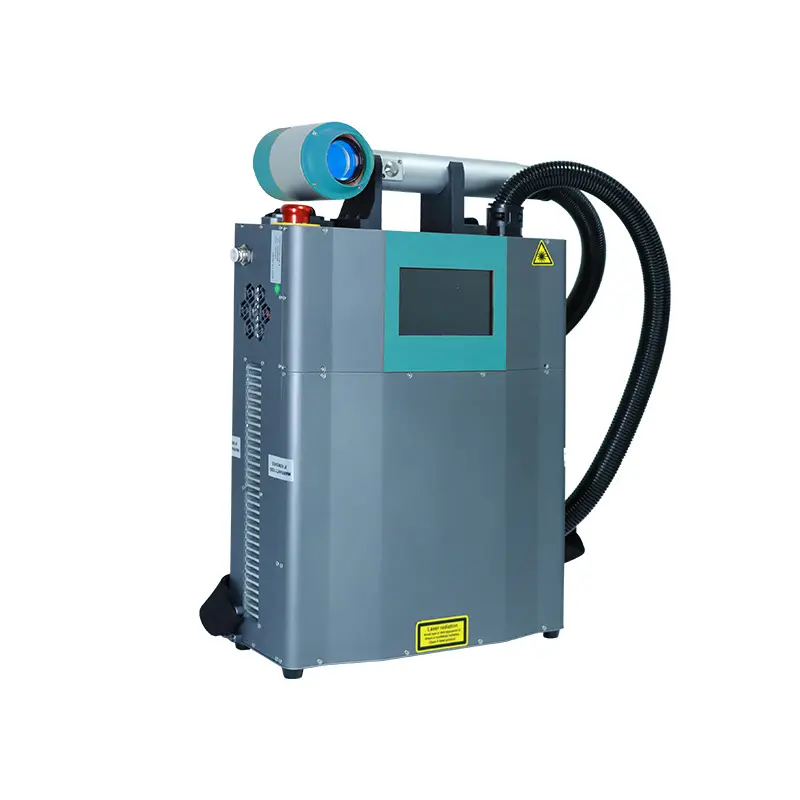
Designed for high-speed non-contact removal of rust, oxides, paint coatings, and manufacturing oils.
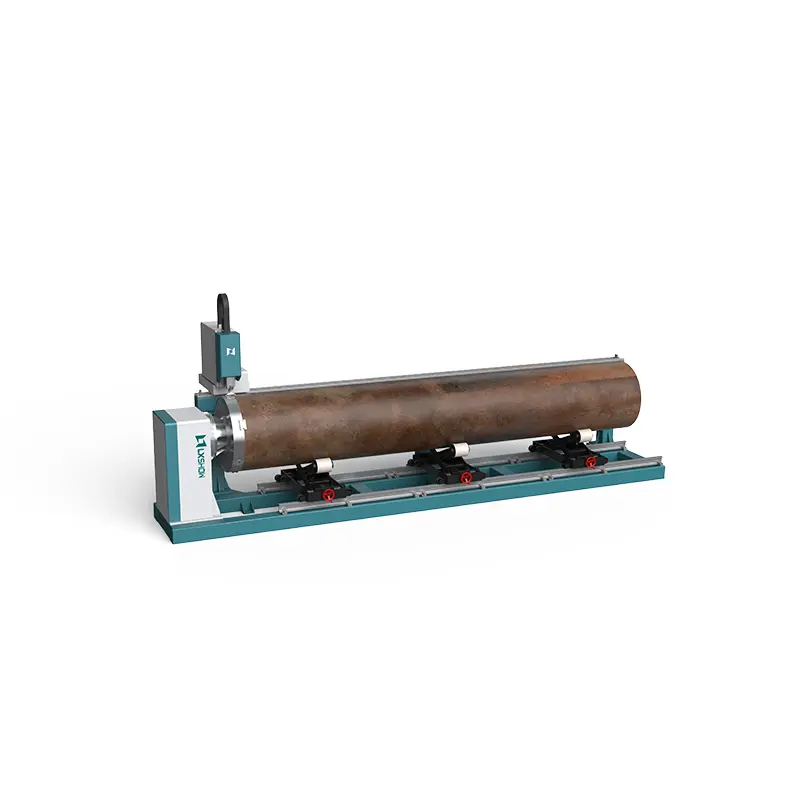
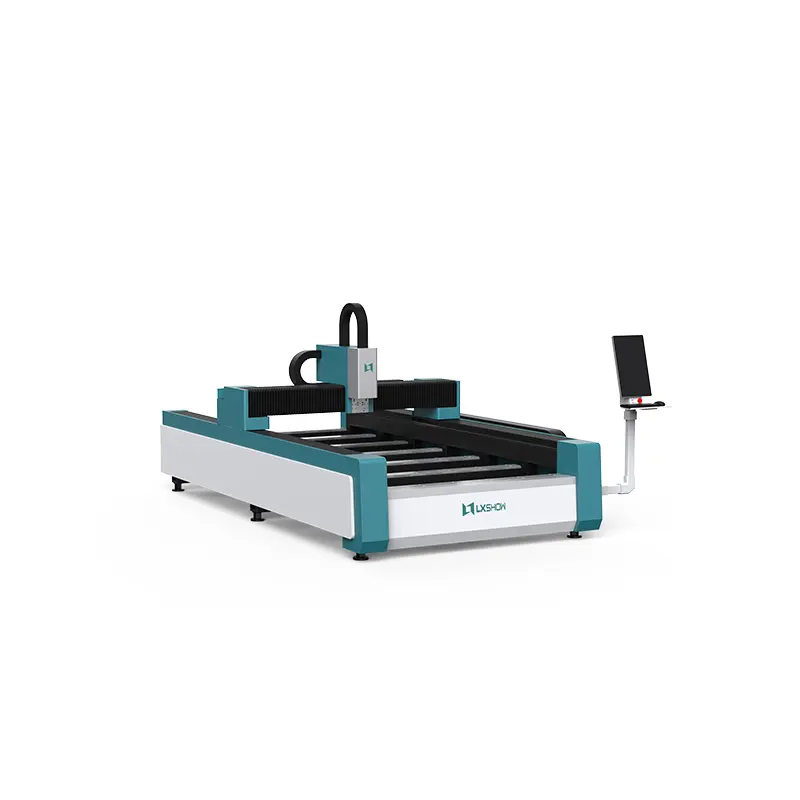
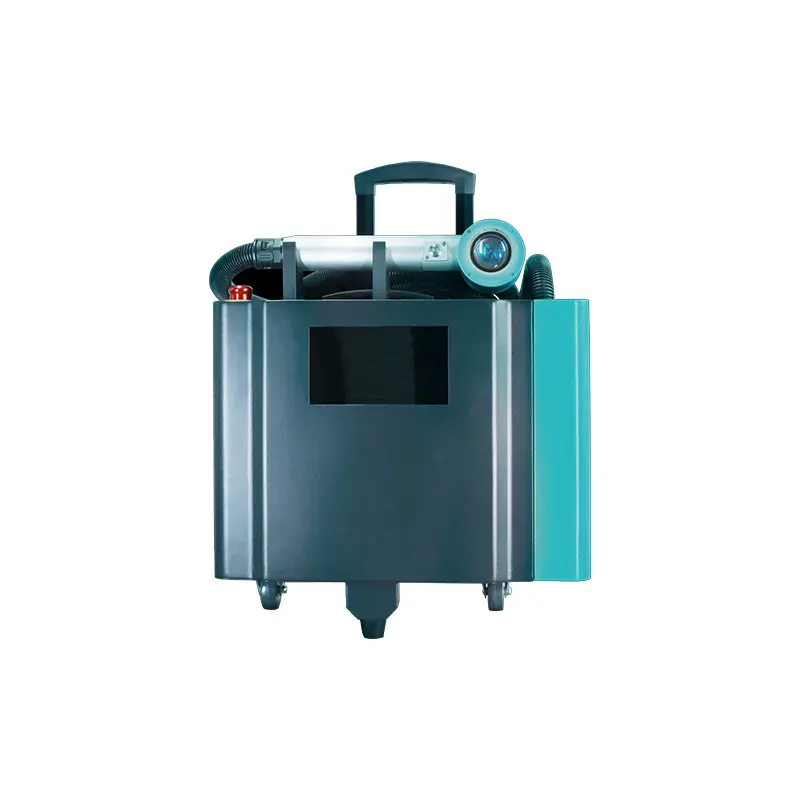
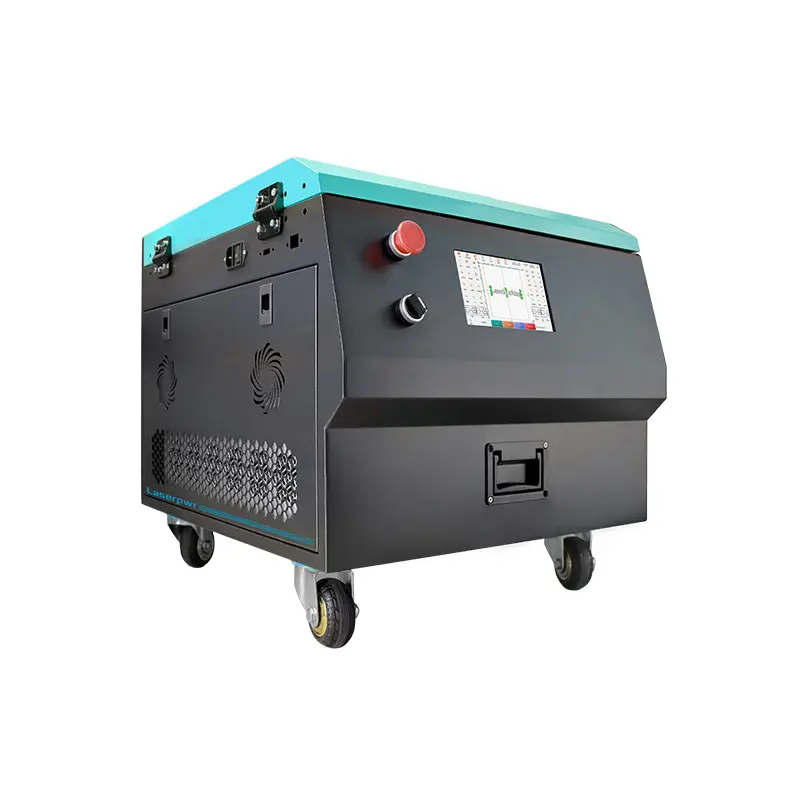
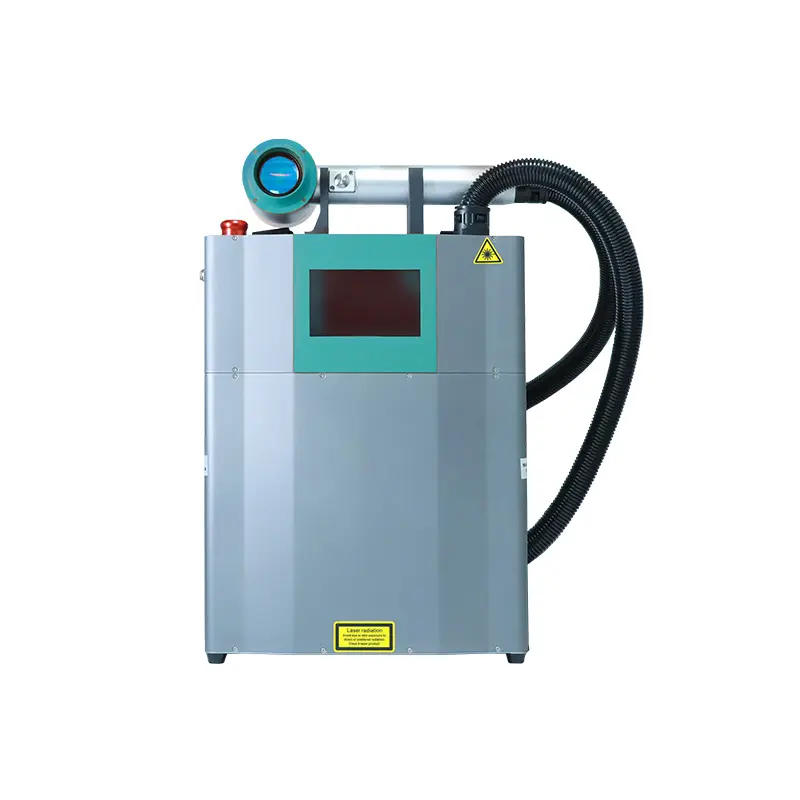
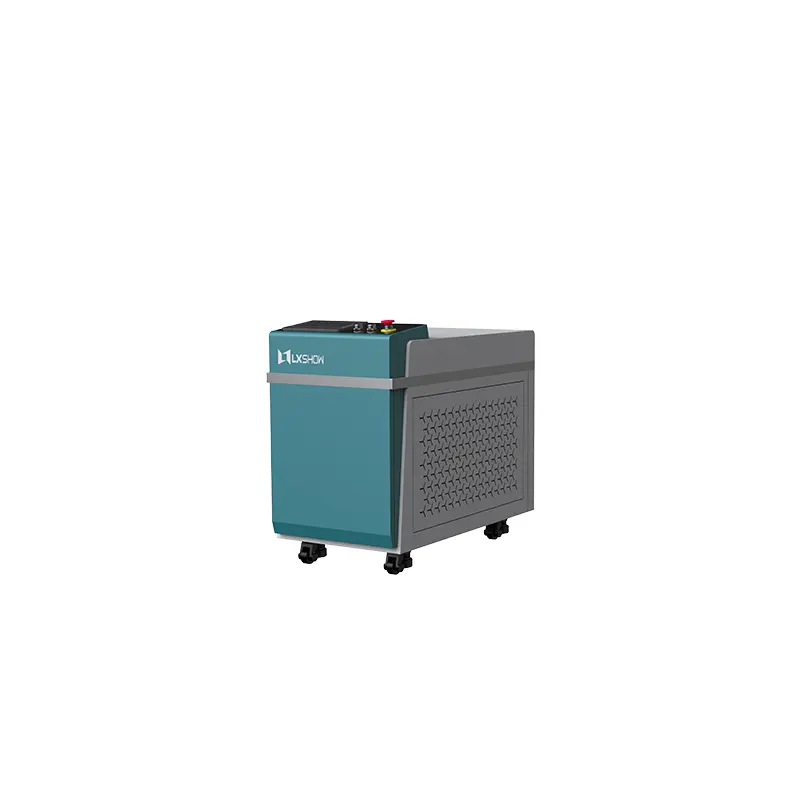
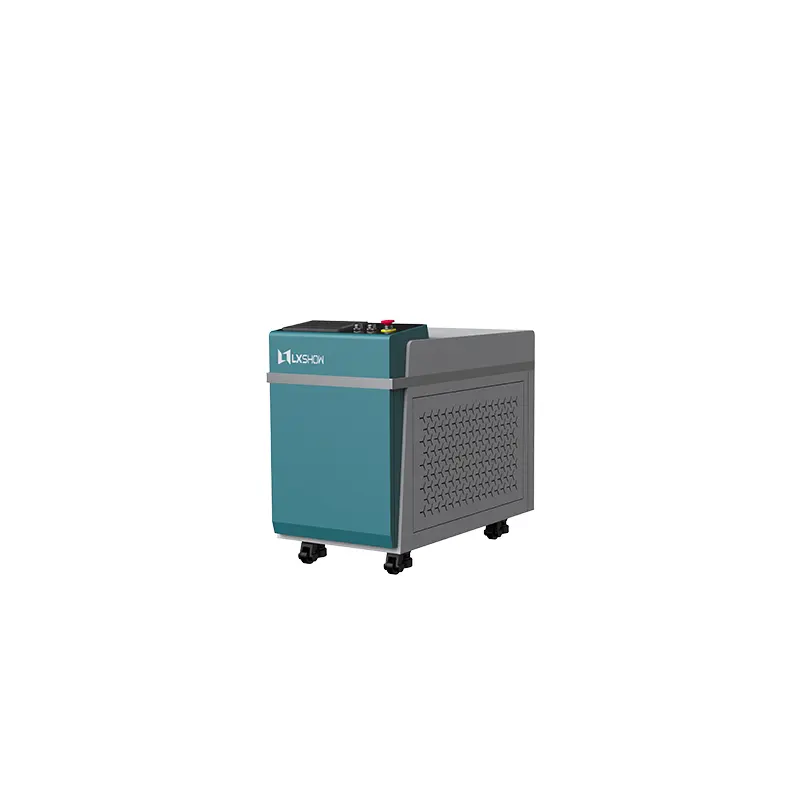
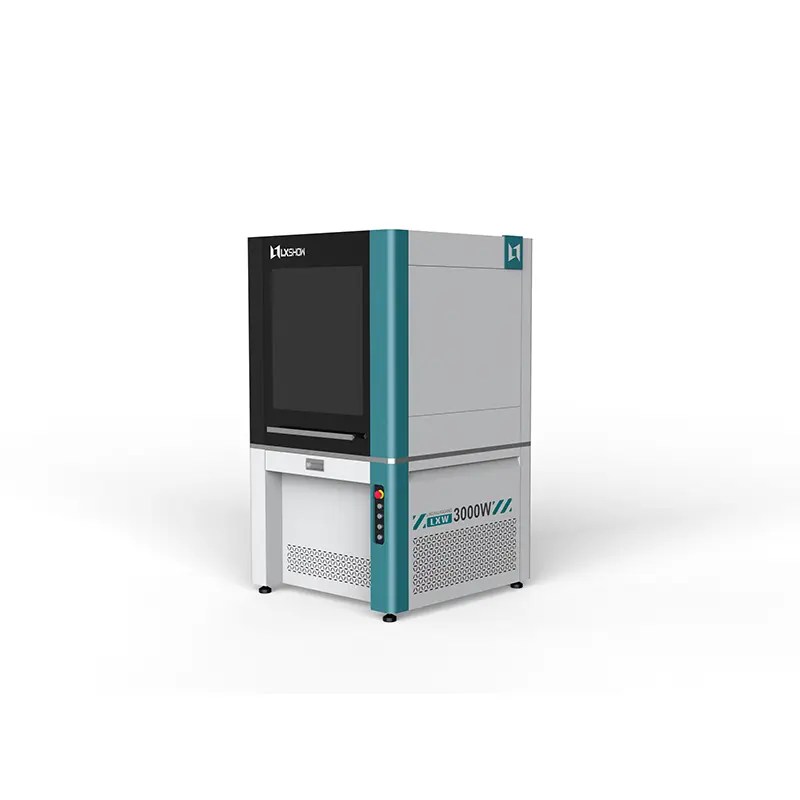
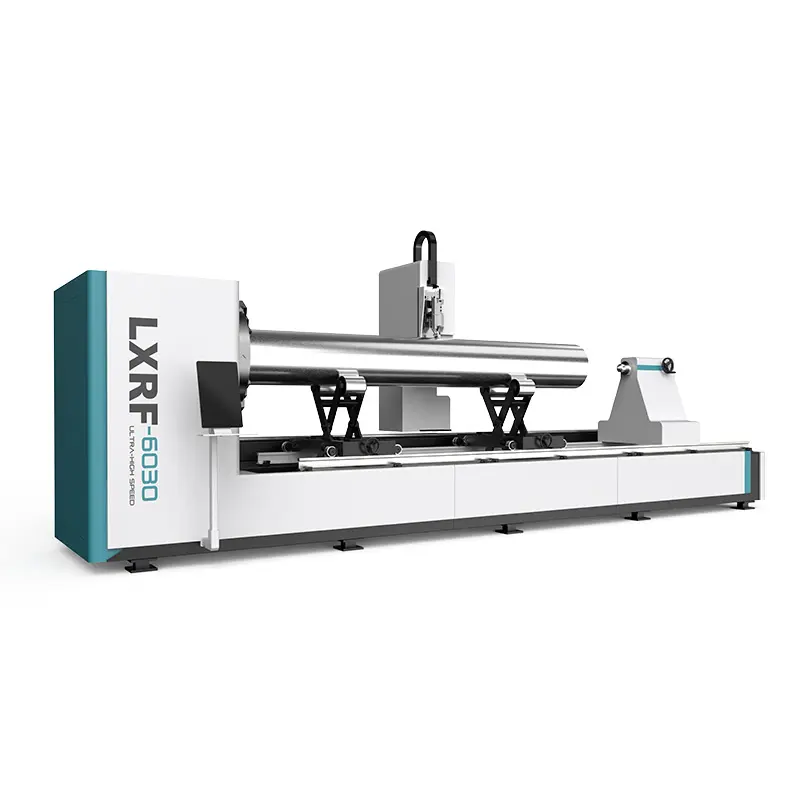
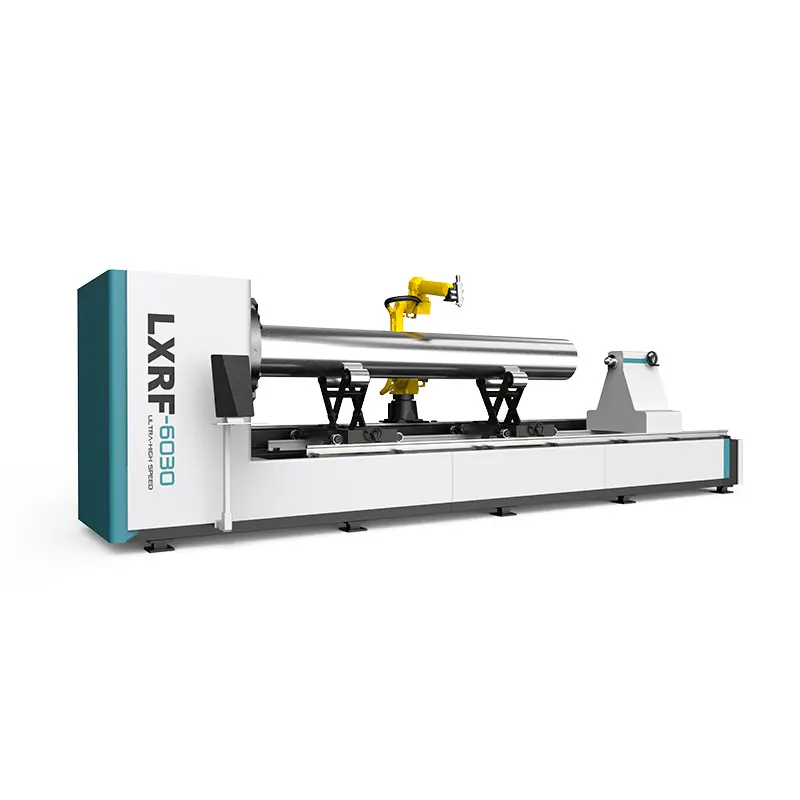
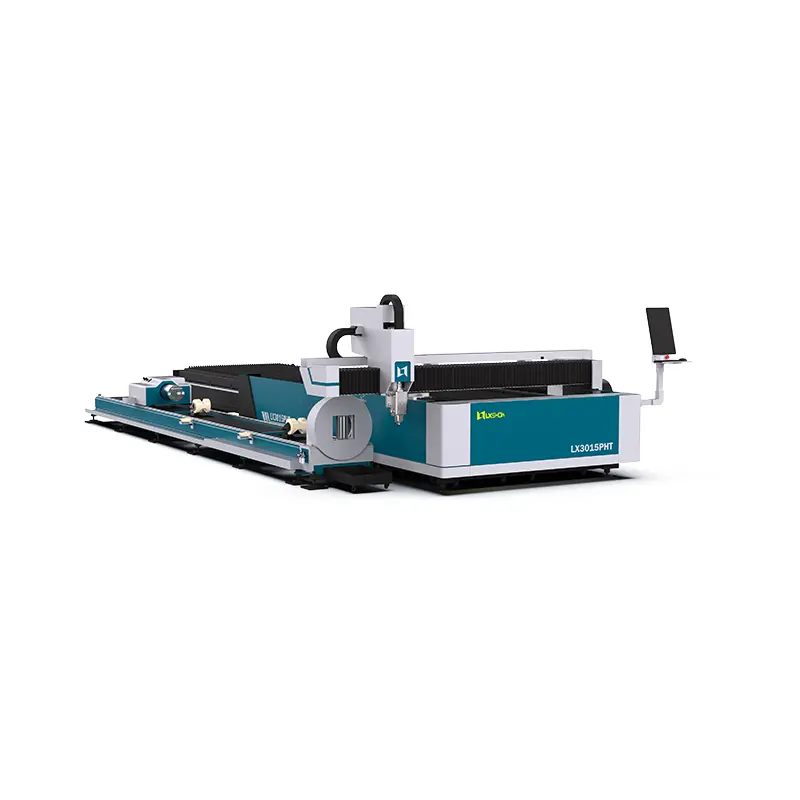
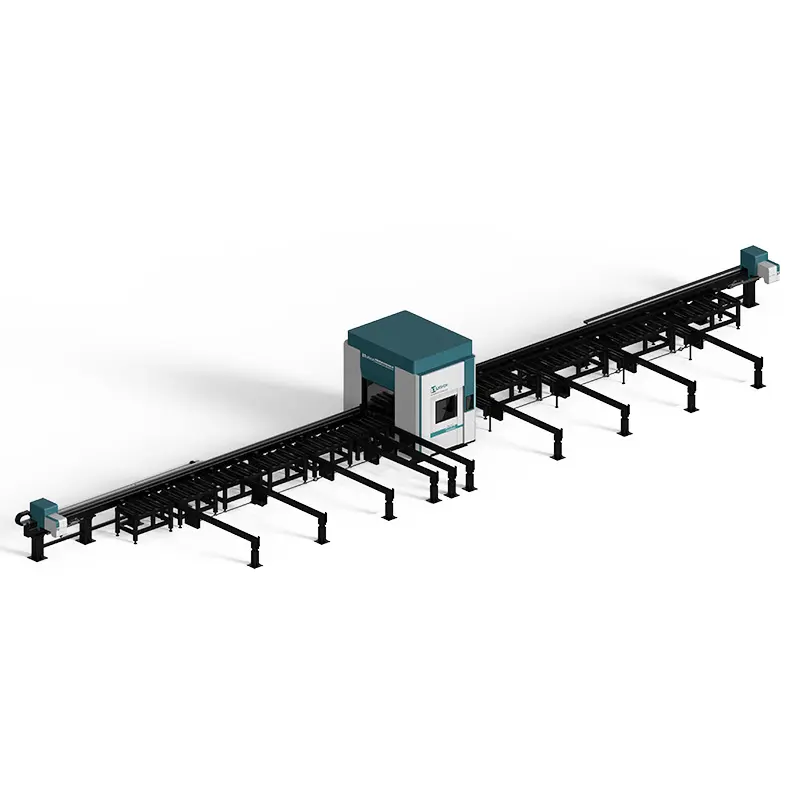
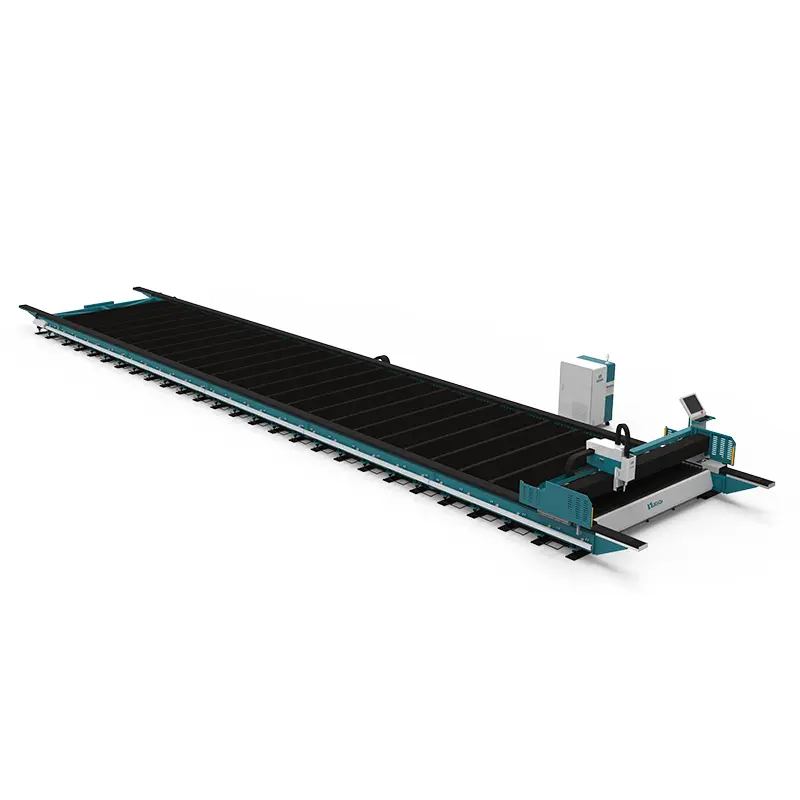
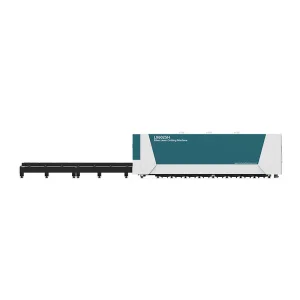
High-speed processing platforms for sheet metal and structural pipe profiles.
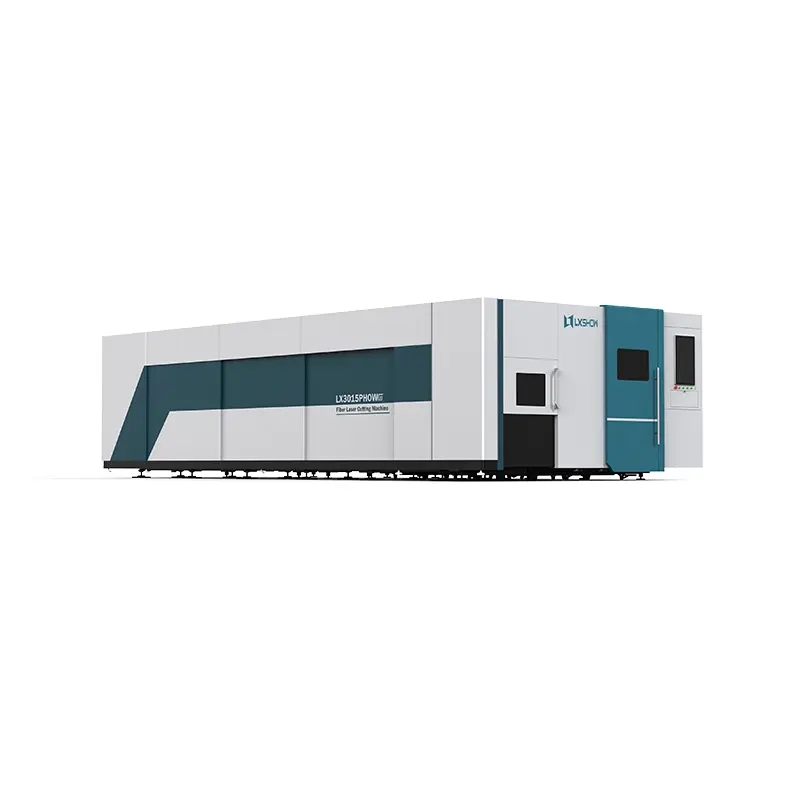
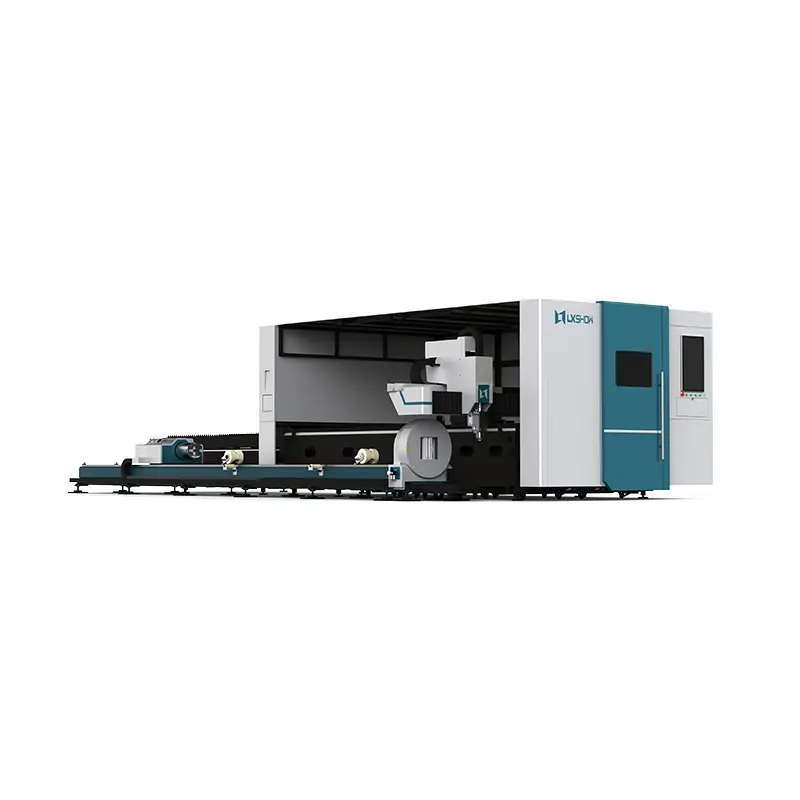
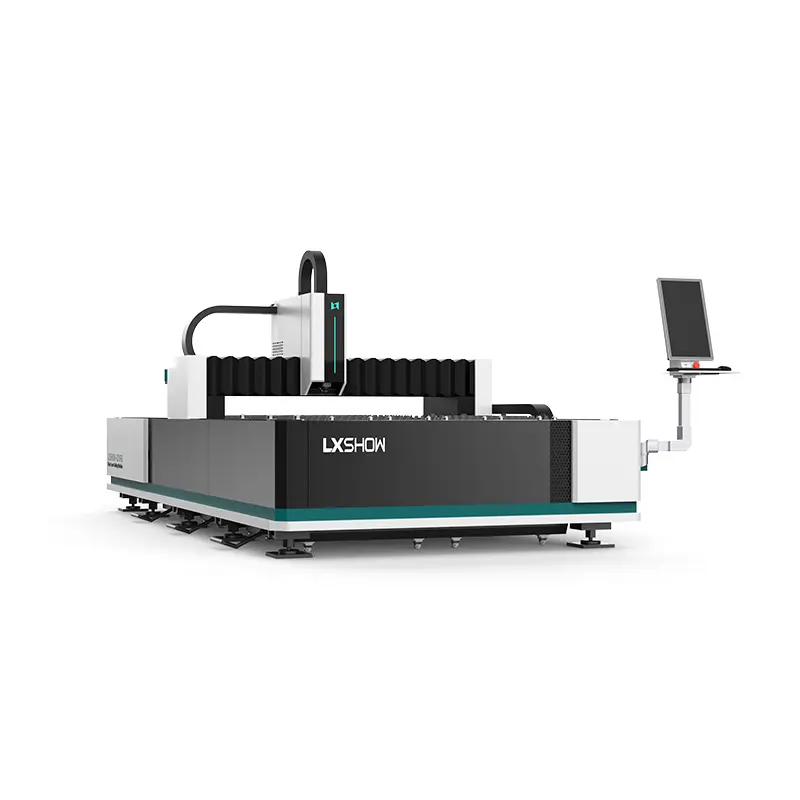
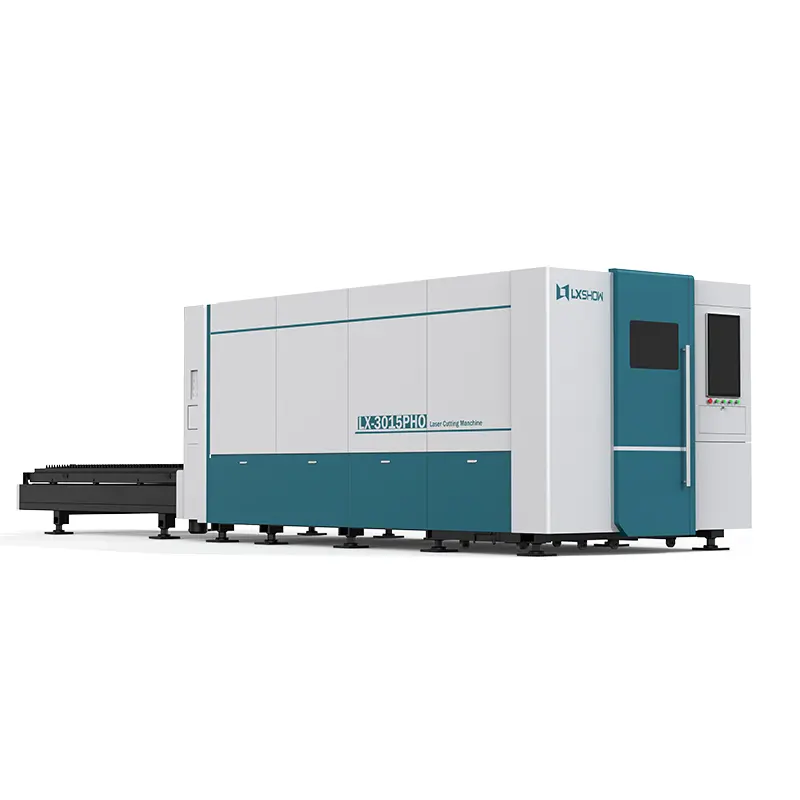
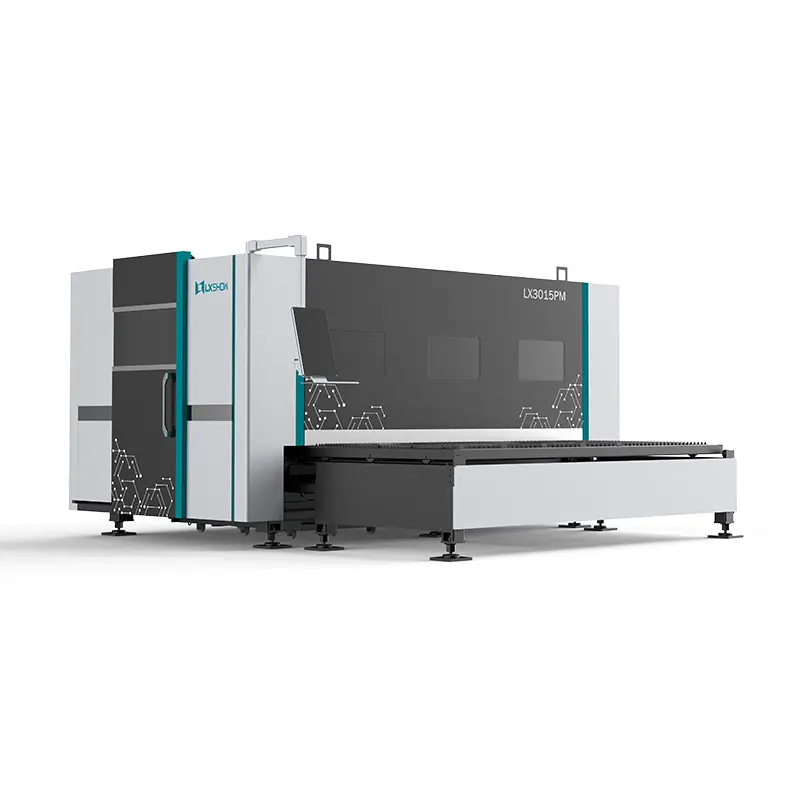
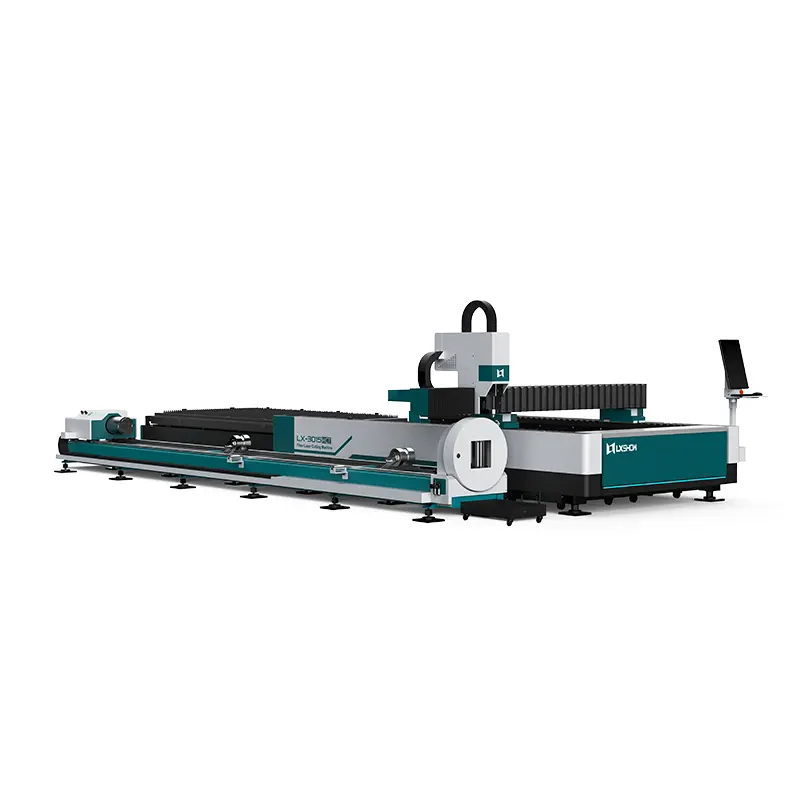
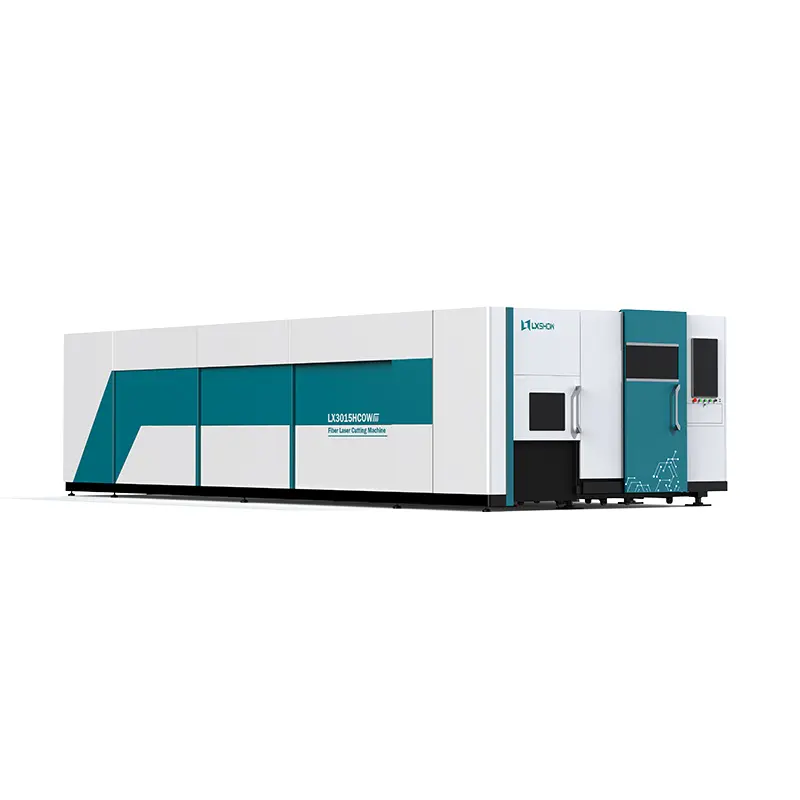
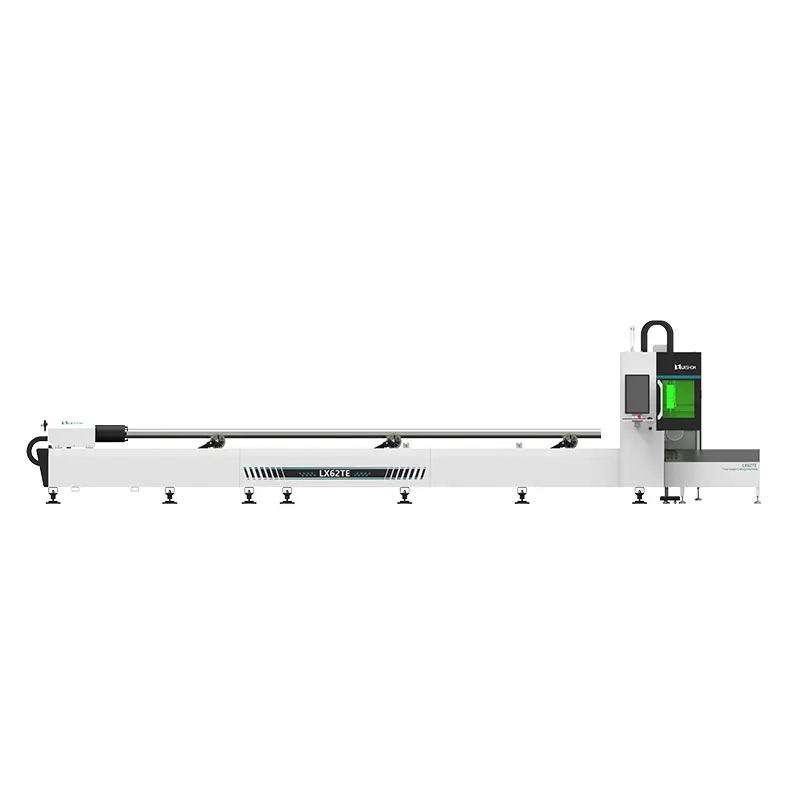
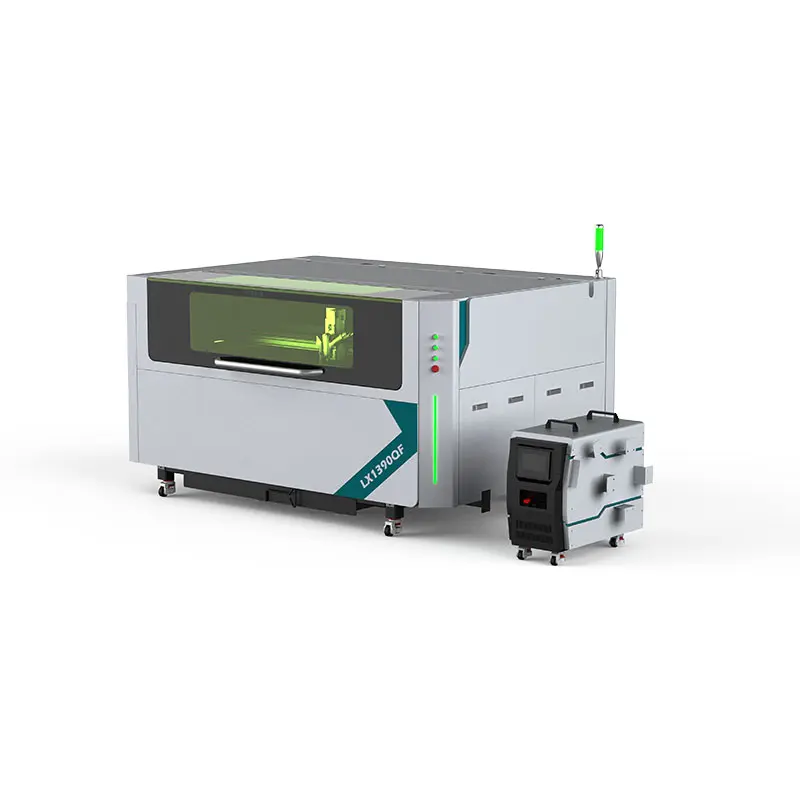
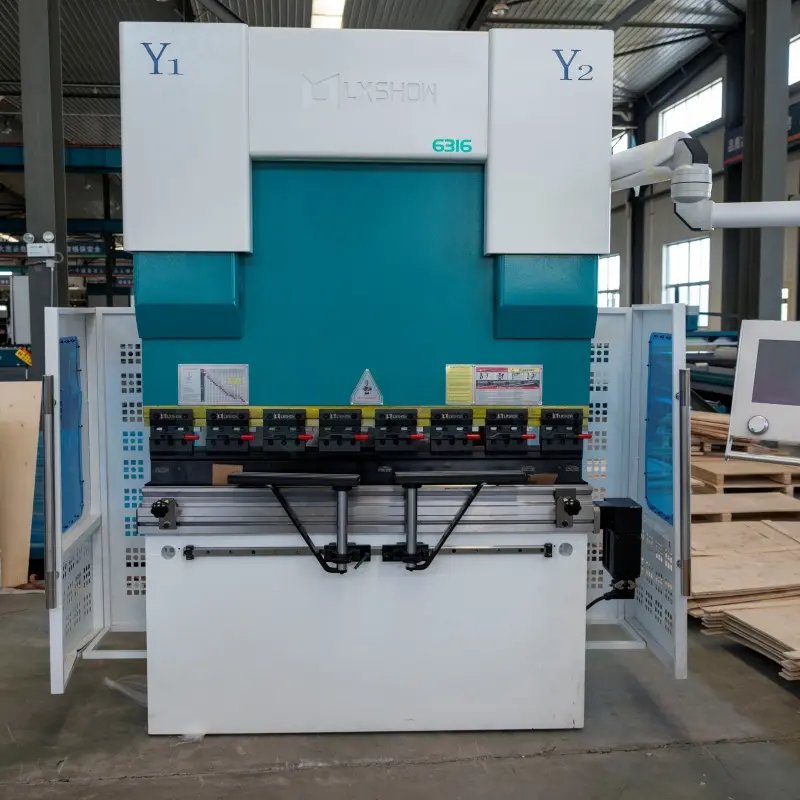
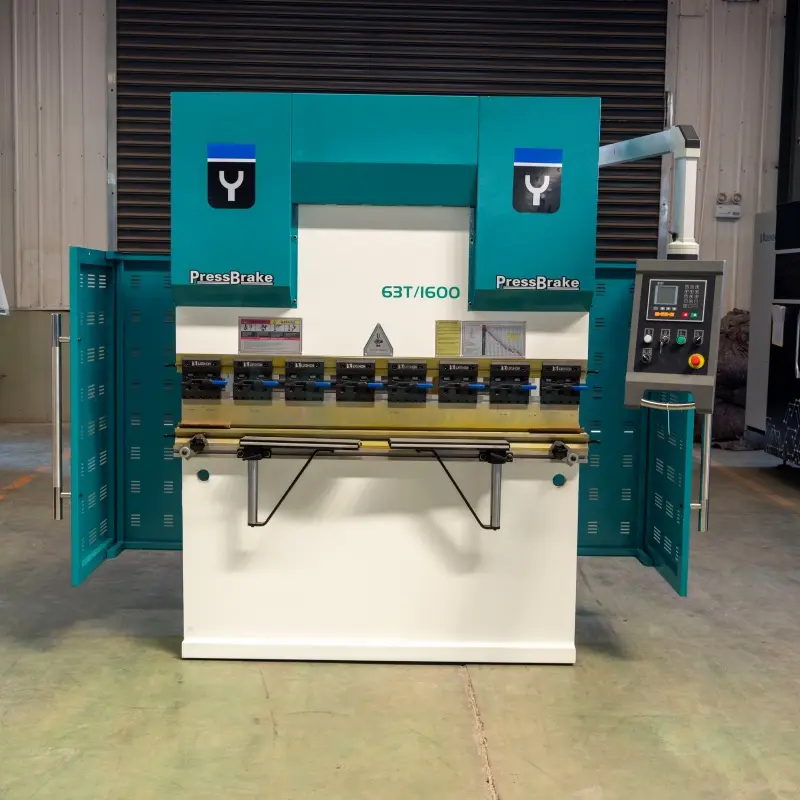
CNC press brake systems for high-repeatability sheet metal forming and bending.
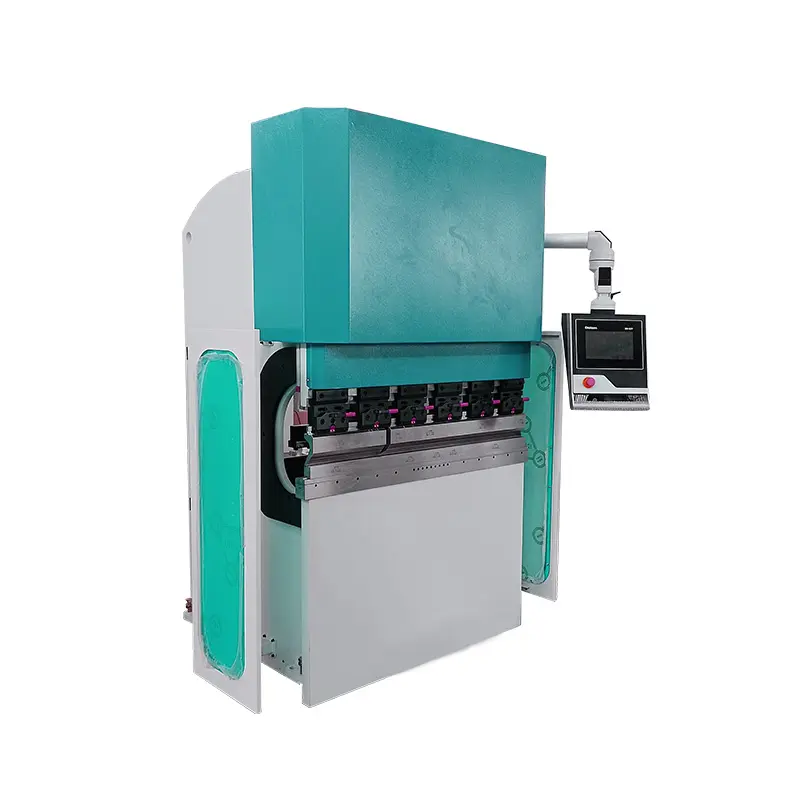
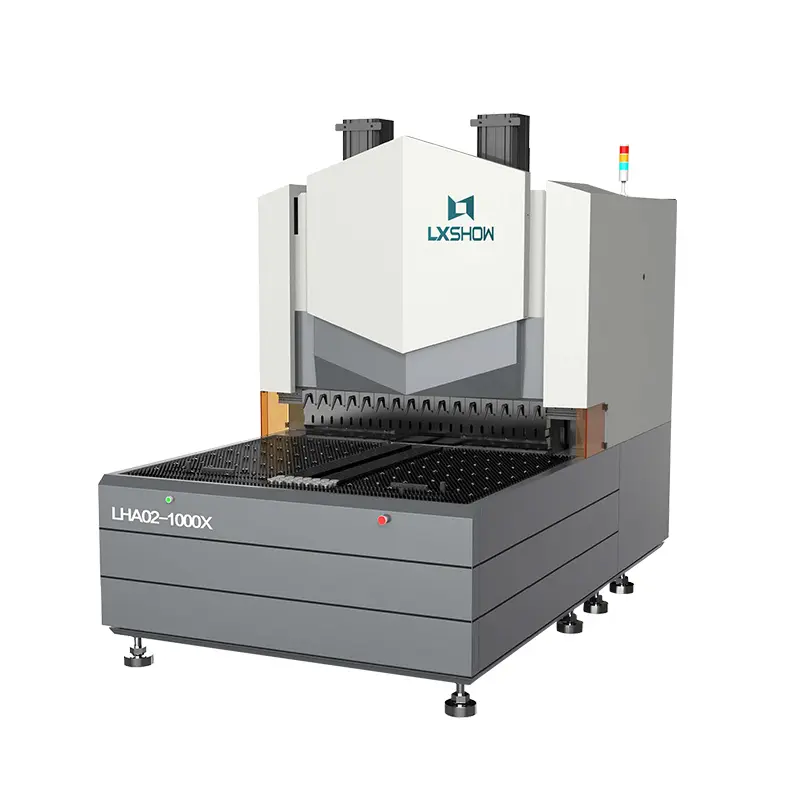
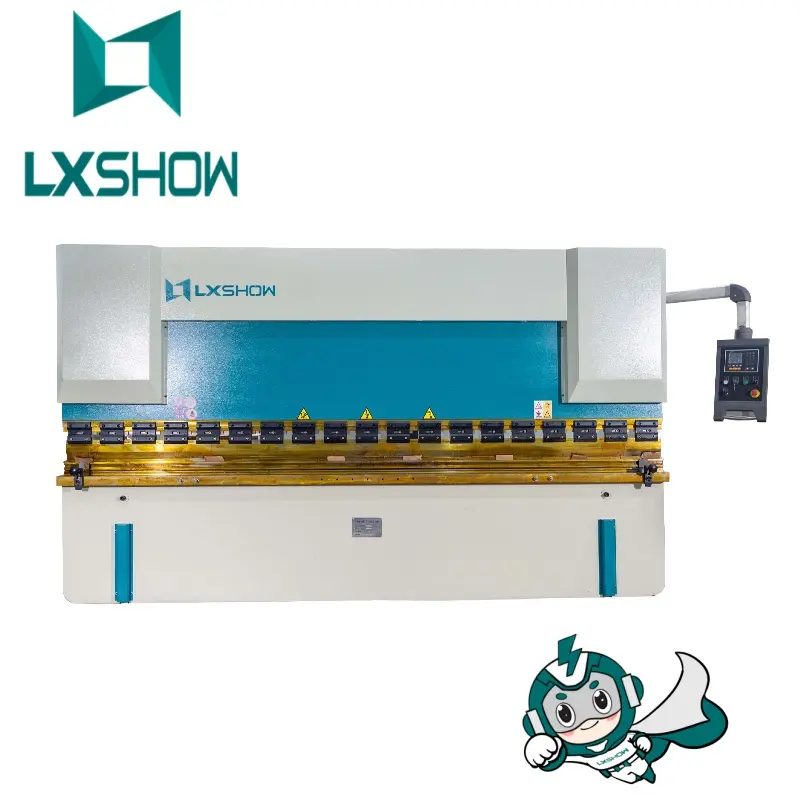
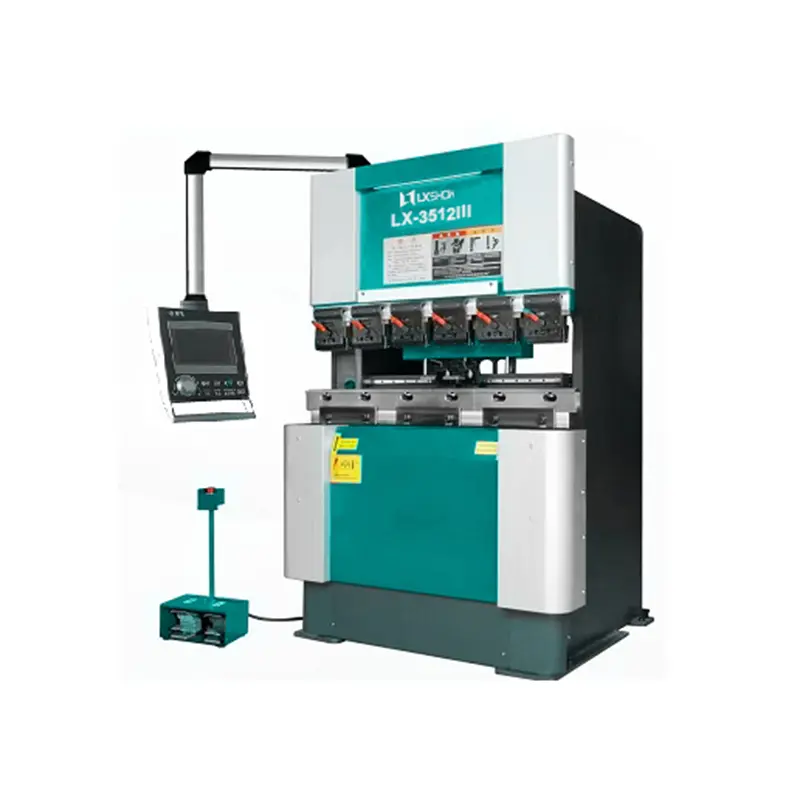
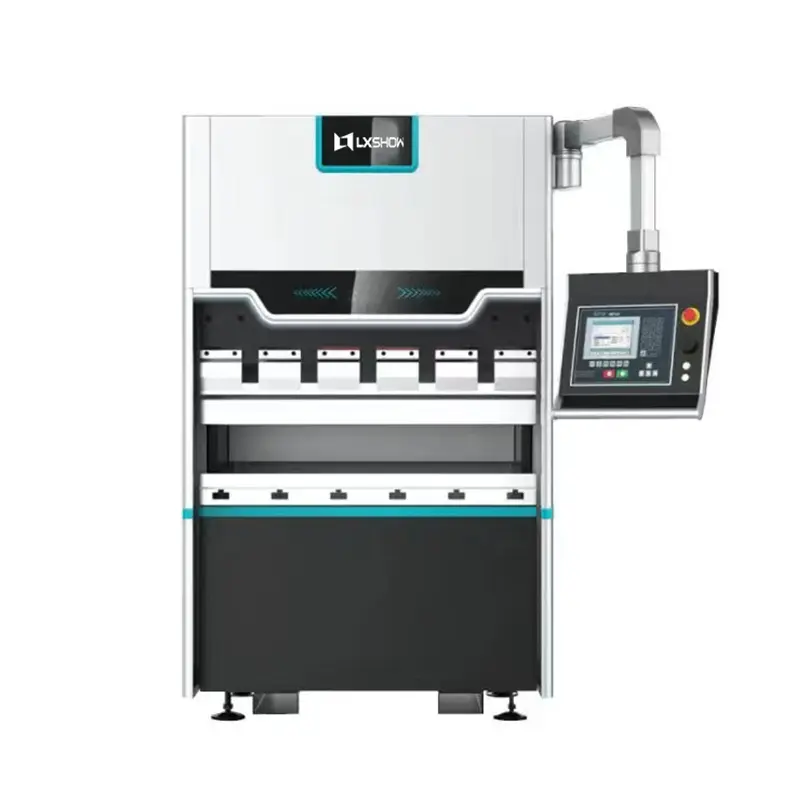
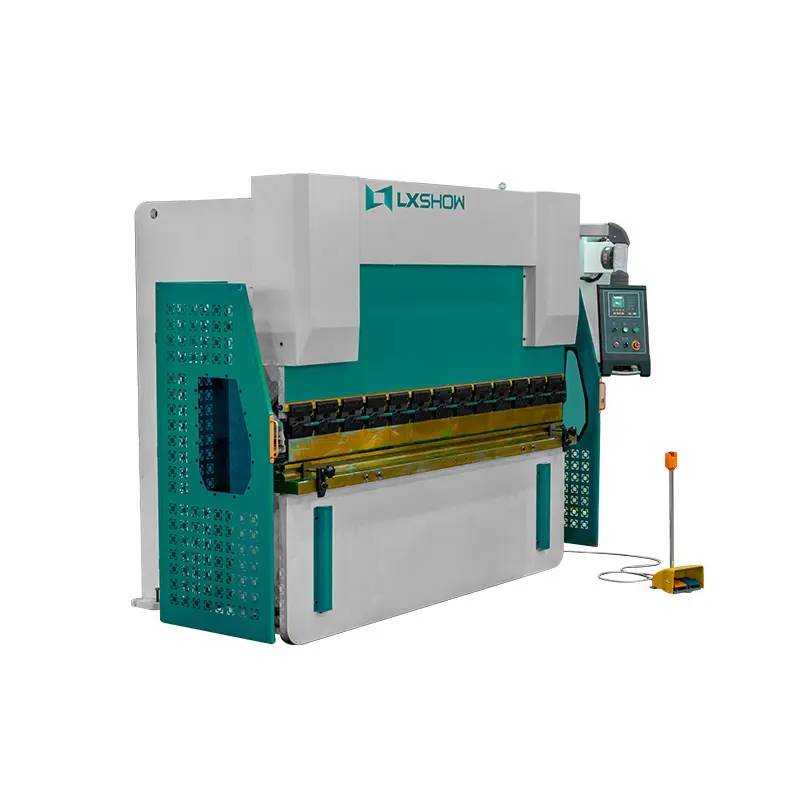
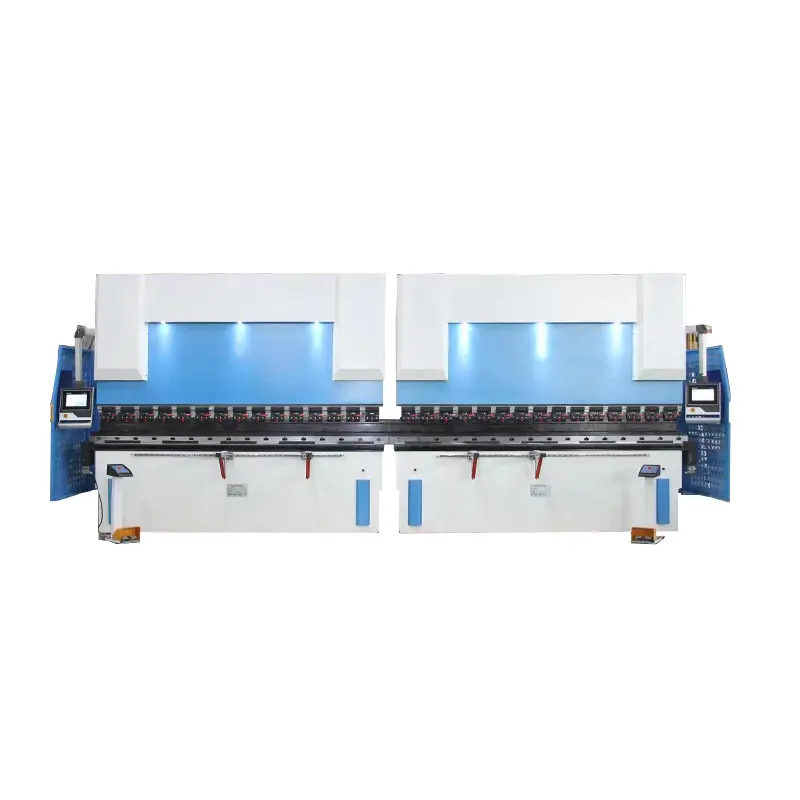
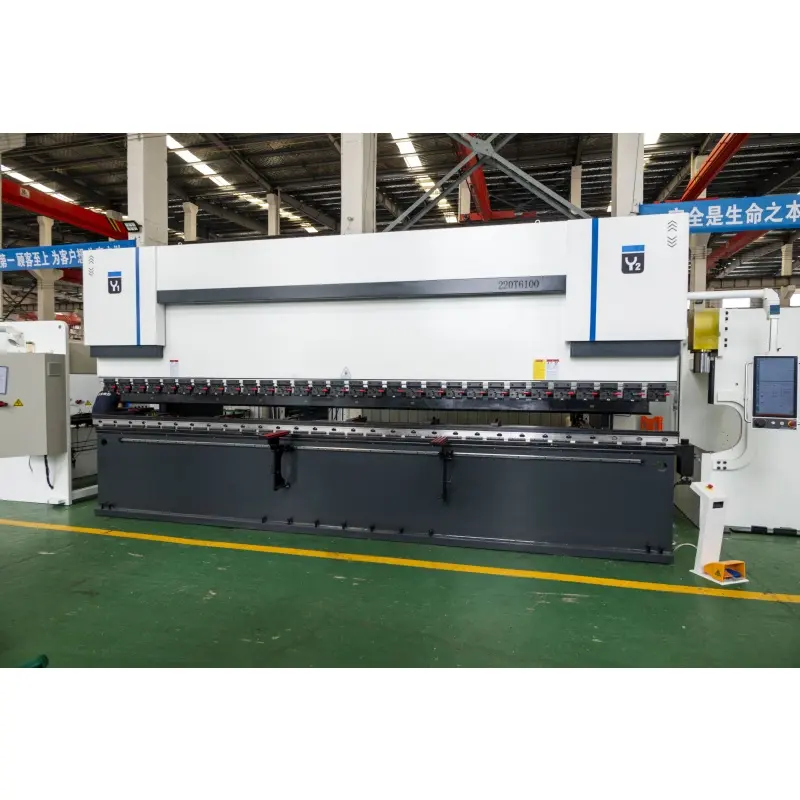
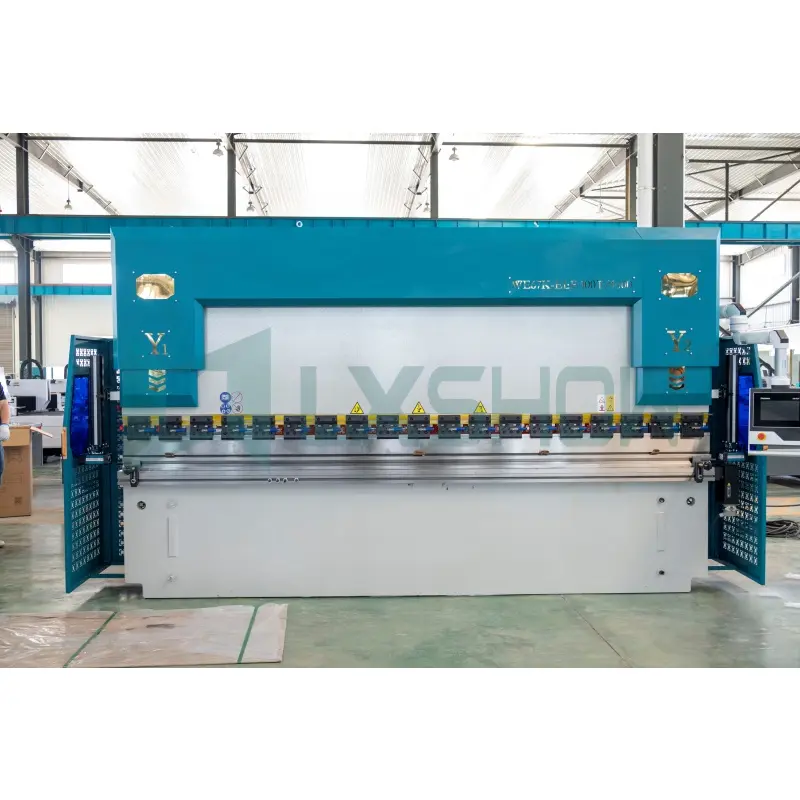
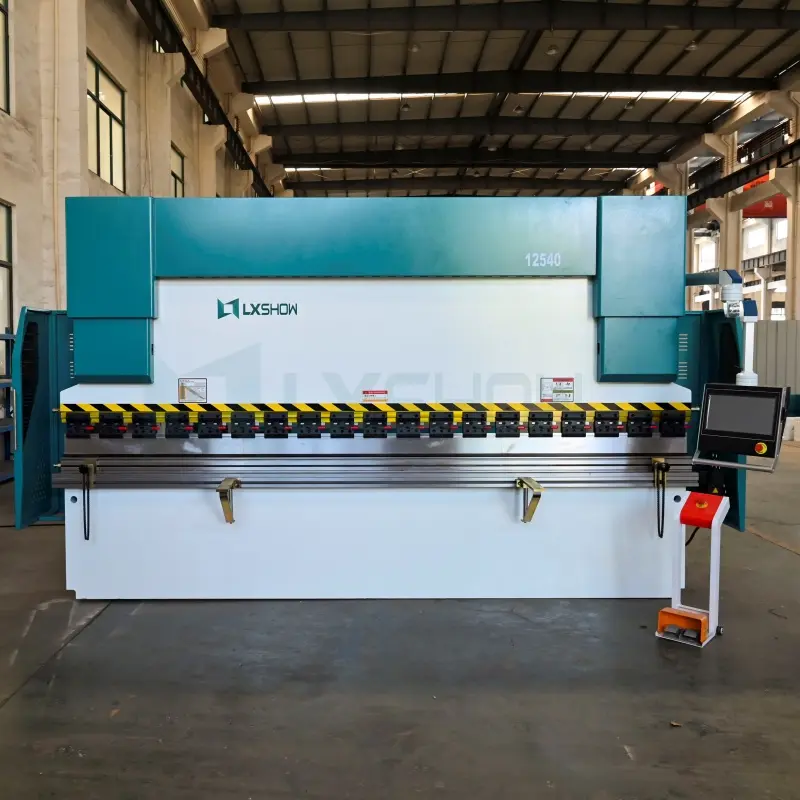
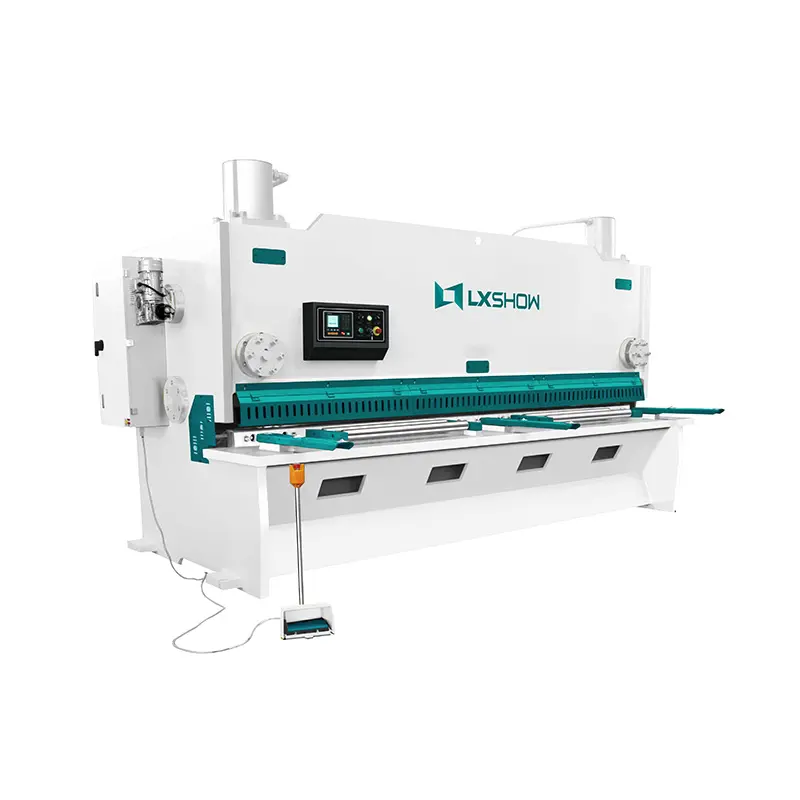
Heavy duty hydraulic shearing machines designed for rapid processing of structural steel blanks.
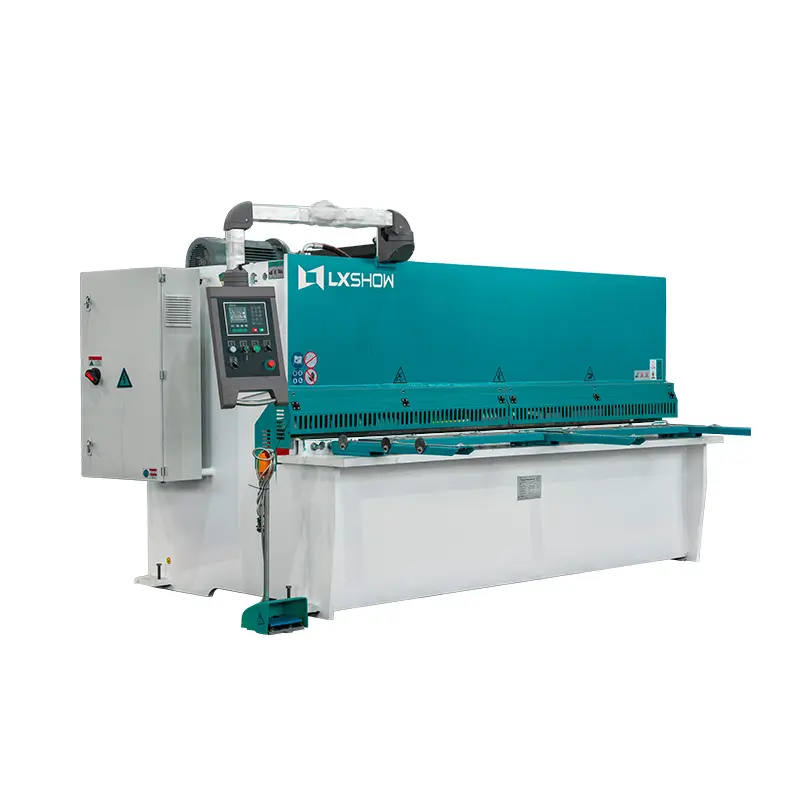
Precision air-cooled welders and industrial robotic installations configured for complex configurations.
Operating laser systems within the EU regulatory framework requires adhering to strict safety and technical guidelines. Our products are fully configured to comply with European harmonized safety standards, including EN 60825-1 (Safety of laser products).
Each machine shipped to Romania includes high-grade, CE-certified protective eyewear (protecting against the 1064nm near-infrared band), automated interlocks that cut off the laser emission if the welding nozzle loses contact with the metal workpiece, and integrated extraction ports for weld fume management.
Furthermore, our engineering teams offer dedicated installation assistance, remote troubleshooting, and on-site training workshops across major Romanian industrial parks to help operators optimize parameters for speed, gas economy, and joint strength.
Essential technical insights and advice for plant managers evaluating laser welding systems for production lines in Romania.
A 3000W continuous wave (CW) fiber laser system can achieve single-pass penetration of up to 6mm in stainless steel and carbon steel. In production environments, we recommend a 5mm threshold to ensure reliable joint quality and high speeds, reducing the need for multiple passes.
Air-cooled laser systems use high-efficiency heat sinks and fans, removing the weight and bulk of an external water chiller. While they are highly portable and well-suited for light fabrication, water-cooled systems are recommended for heavy-duty, continuous manufacturing environments where thermal stability is critical.
For stainless steel, high-purity Nitrogen gas is typically used. The nitrogen helps stabilize the austenitic phase of the steel, preserving corrosion resistance and preventing oxidation without the discoloration associated with oxygen exposure.
Yes. All systems carry CE certification in compliance with the EU Machinery Directive (2006/42/EC) and the Low Voltage Directive (2014/35/EU). They feature double-contact safety sensors on the gun head to prevent accidental beam emission.
Standard configurations are typically built and tested within 15 to 20 business days. Sea transit from our manufacturing plant to the Port of Constanța takes approximately 30 to 35 days, while air freight options are available for urgent deployments.
Consult with our engineers to configure the optimal power levels, optics, and automation systems for your factory in Romania.
Send Inquiry Now Lxshow