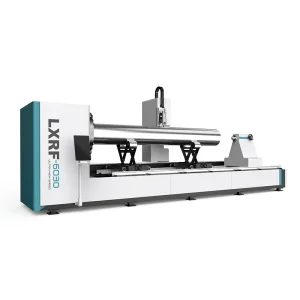
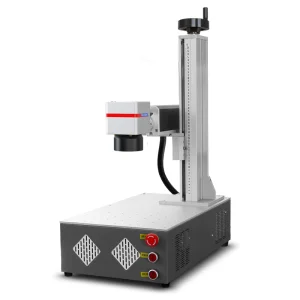
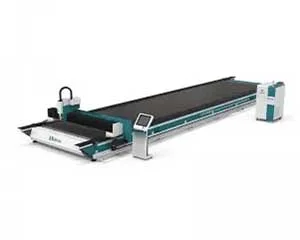
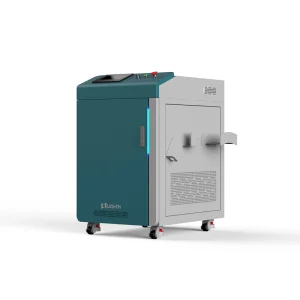
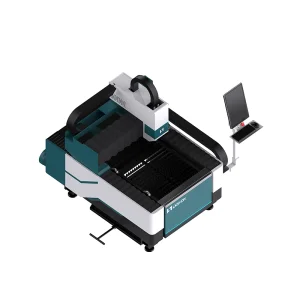
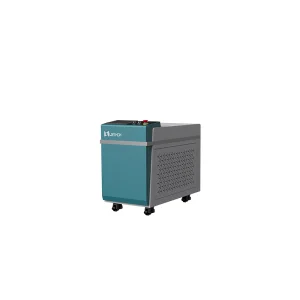
Explore our leading laser cladding systems optimized for performance, throughput, and sub-micron overlay accuracy required by New York's complex fabrication environments.
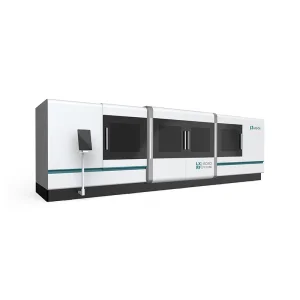
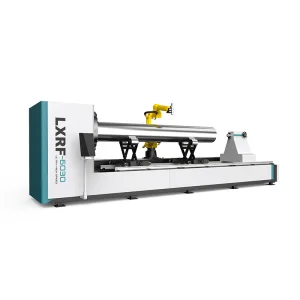
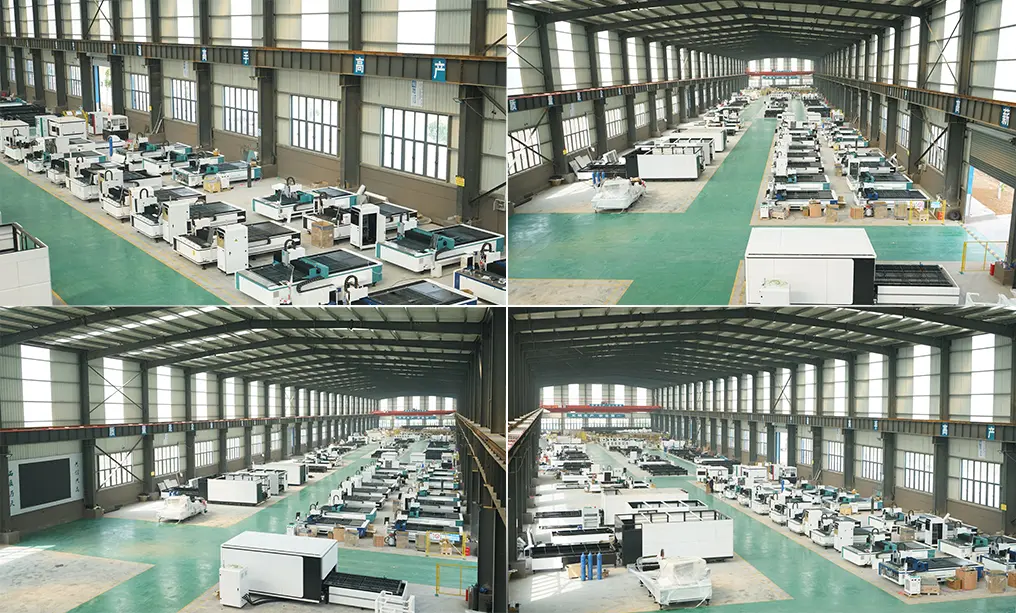
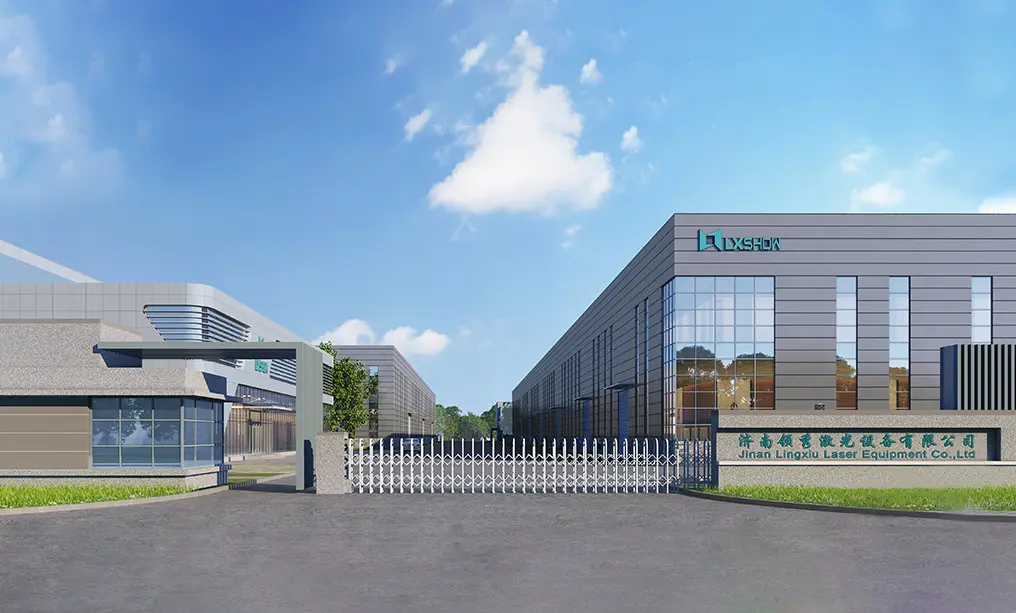
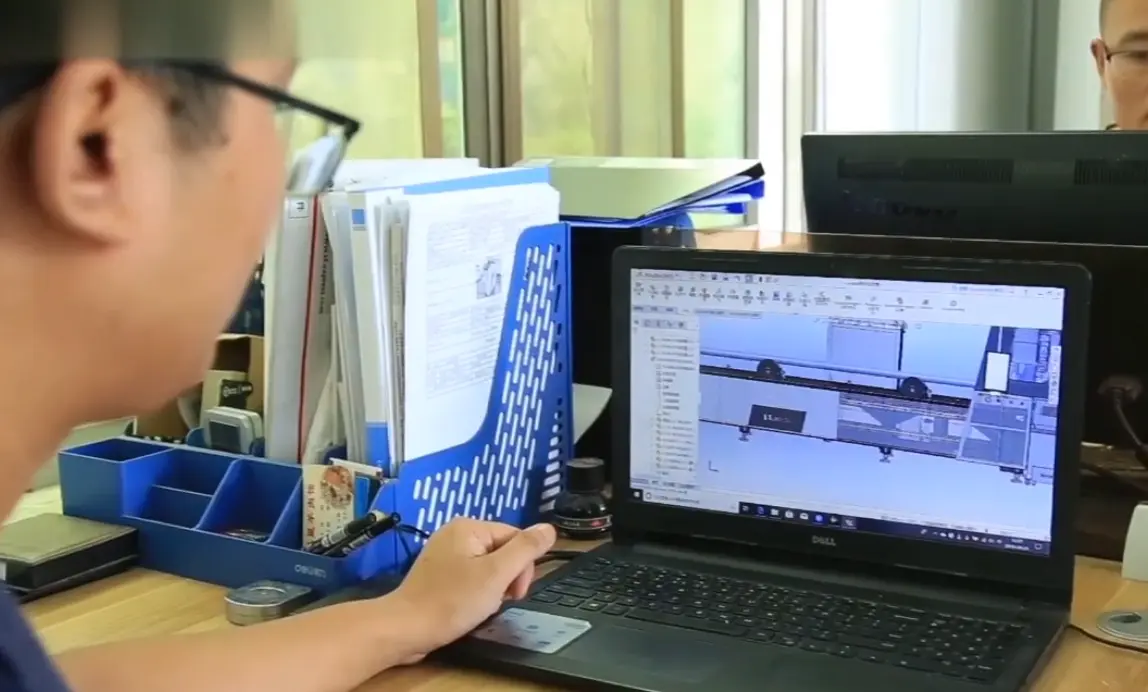
Since our establishment in July 2004, we have emerged as a global leader in intelligent laser equipment. Operating from a state-of-the-art facility spanning over 32,000 square meters alongside a dedicated 500-square-meter R&D office, we serve partners in over 150 countries. Our advanced production processes have assisted over 20,000 users worldwide in upgrading their manufacturing lines to Industry 4.0 standards.
New York State has long been a bedrock of industrial innovation, hosting robust sectors in aerospace, clean energy production, heavy transportation infrastructure, and marine engineering. From the precision aeronautics clusters on Long Island to the heavy power generation plants in Upstate New York, industrial components are continuously subjected to extreme conditions. High friction, extreme thermal cycling, oxidative environments, and mechanical stresses degrade critical operational components over time.
Traditional methods of surface restoration—such as thermal spraying, hard chrome plating, and traditional arc welding cladding—increasingly fall short of modern engineering demands. Chrome plating processes face stringent EPA environmental regulations, while traditional arc welding introduces excessive thermal energy. This high heat-input damages substrate materials through distortion, structural cracking, and wide Heat-Affected Zones (HAZ).
Our state-of-the-art laser cladding systems resolve these challenges. By utilizing high-energy density fiber lasers, our machines fuse cladding alloys (such as cobalt, nickel, and iron-based powders) directly with the substrate. The process forms an metallurgical bond with dilution rates under 5%, preserving the mechanical properties of the underlying metal while furnishing a high-performance outer wear layer. For New York-based companies looking to reduce down-time and double the operating life of key assets, this is the leading technology for resource optimization.
Aerospace & Propulsion: Refurbishing complex turbine blades, combustor components, and landing gear parts with specialized Superalloys (Inconel, Hastelloy) without compromising heat treatment cycles.
Power Generation & Turbines: Extending the service life of steam and gas turbine shafts, diaphragms, and valves operated by municipal power grids in NY.
Maritime & Docks: Protecting propulsion shafting, rudder assemblies, and hydraulic actuators from marine saltwater corrosion and pitting.
At the center of our laser cladding system is the synchronized coordination of three main sub-assemblies: the fiber laser source, the automated powder/wire feeding unit, and the multi-axis motion control platform. We configure these modules to establish highly repeatable, low-defect metal deposition tracks.
Using high-precision dual-hopper powder feeders, alloy powder is injected carrier-gas stream (typically Argon or Nitrogen) straight into the focal point of the laser. Coaxial alignment guarantees uniform heating of the powder stream, yielding a uniform deposition track regardless of the direction of travel.
We integrate advanced continuous-wave (CW) fiber lasers from top manufacturers like Raycus, Maxphotonics, or IPG. Offering power ratings up to 20kW, these sources produce excellent beam quality (BPP) and energy stability, critical for maintaining melt pool temperature parameters.
To coat complex geometric workpieces, we utilize high-precision single-axis and dual-axis positioners integrated with 6-axis industrial robots. The motion controller path planner matches laser power adjustments to linear travel speed, preventing thermal build-up at corners.
When partnering with our manufacturing facility, New York firms gain access to a vertically integrated supply chain optimized for cost efficiency, advanced R&D speed, and component quality. Our production strategy blends industrial scaling with high engineering standards:
High-Quality OEM/ODM Services: Over the past two decades, we have acted as an OEM supplier for more than 30 global industrial machinery brands. This depth of experience allows us to design bespoke systems matching particular factory space constraints, electrical profiles, and automation protocols.
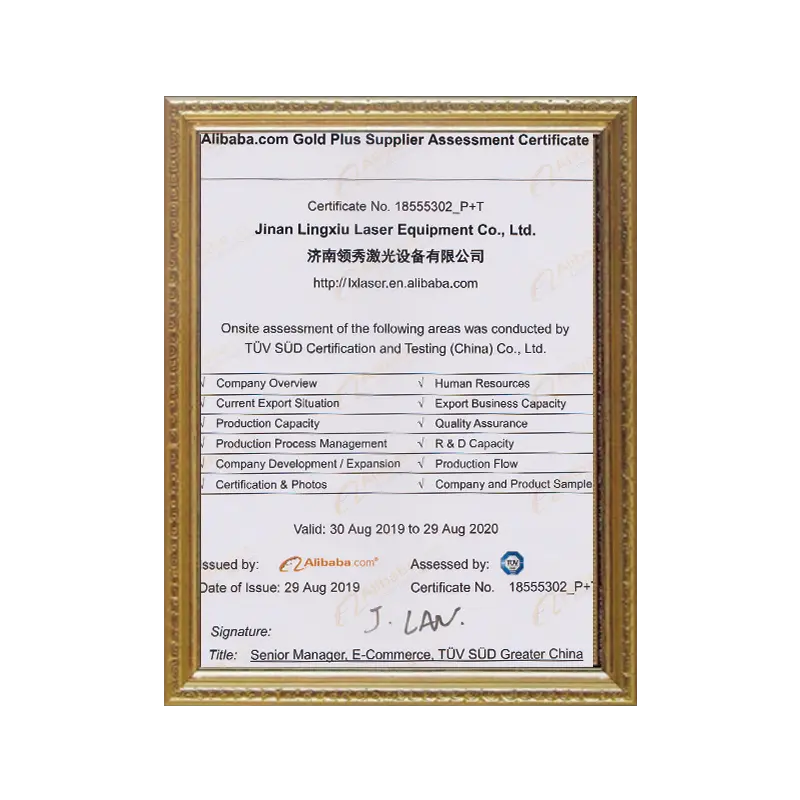
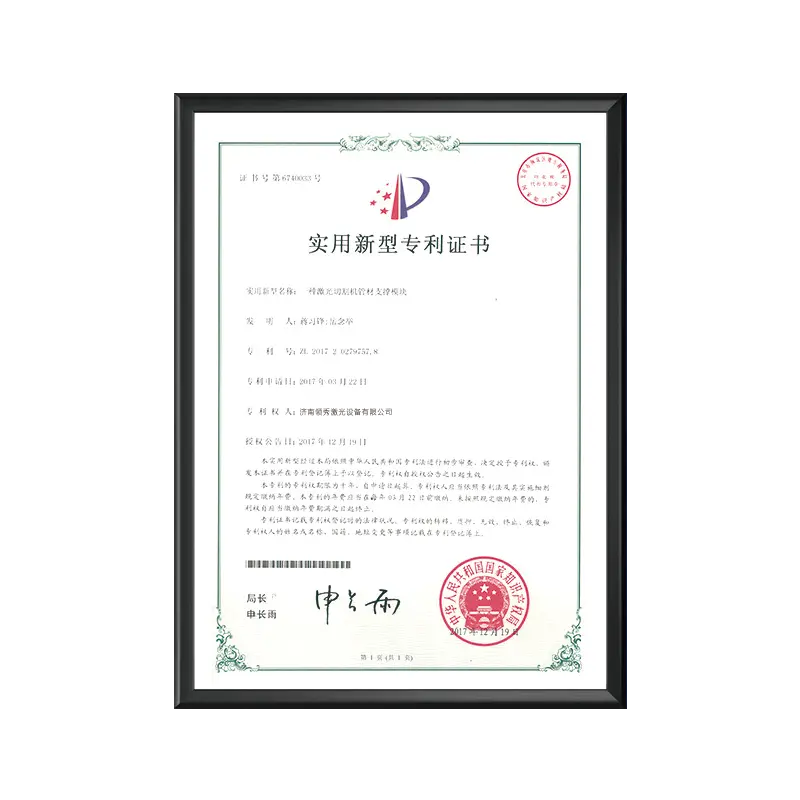
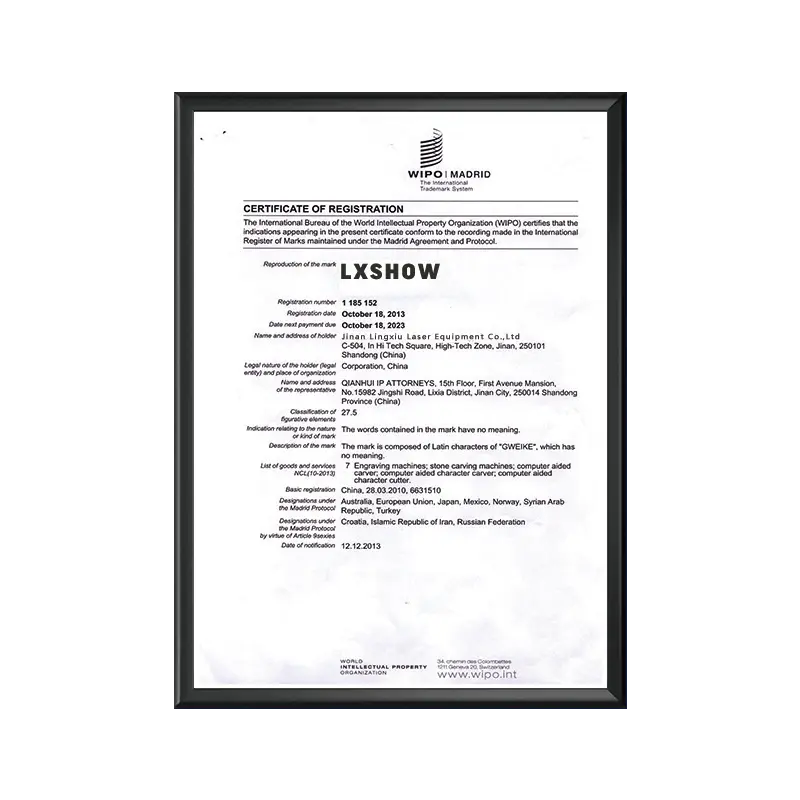
Uncompromised Quality Certifications: Compliance is a priority for overseas imports. Every system leaving our factory floor has successfully passed European Union CE authentication, holds an official American FDA certificate, and is fully certified to ISO 9001 quality management guidelines. This guarantees safety, reliability, and smooth integration within US manufacturing environments.
End-to-End Component Quality Control: By sourcing core optical units, precision linear guides, and control systems directly from premium global brands, we maintain strict control over system performance. All structural machine frames undergo stress-relief heat treatment cycles to guarantee structural alignment over years of operation.
Responsive Global Service: We do not simply export; we support. From dispatching initial installation teams to providing round-the-clock technical troubleshooting, our engineers ensure your systems run at maximum uptime.
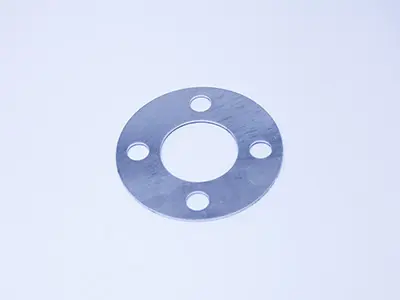
Our laser cladding systems are capable of depositing a wide range of specialized metallic powders onto a variety of industrial substrates.
Lightweight repair and local hardfacing for automotive applications.
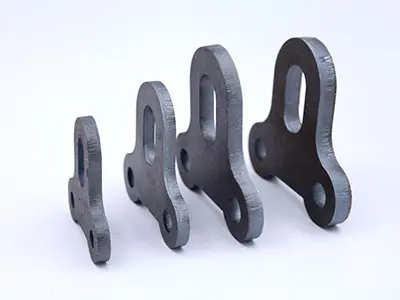
Ideal substrates for building up thick, hard-faced wear coats.
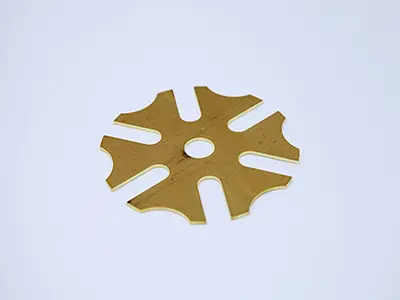
Depositing high thermal conductivity tracks for heat exchangers.
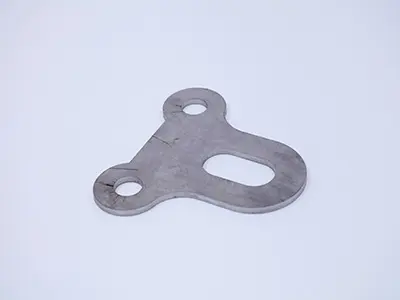
Applying corrosion-resistant layers on hydraulic actuator rods.
We partner with top-tier components manufacturers to engineer machines capable of stable continuous operations. Below is a look inside our component manufacturing and material selection standards:
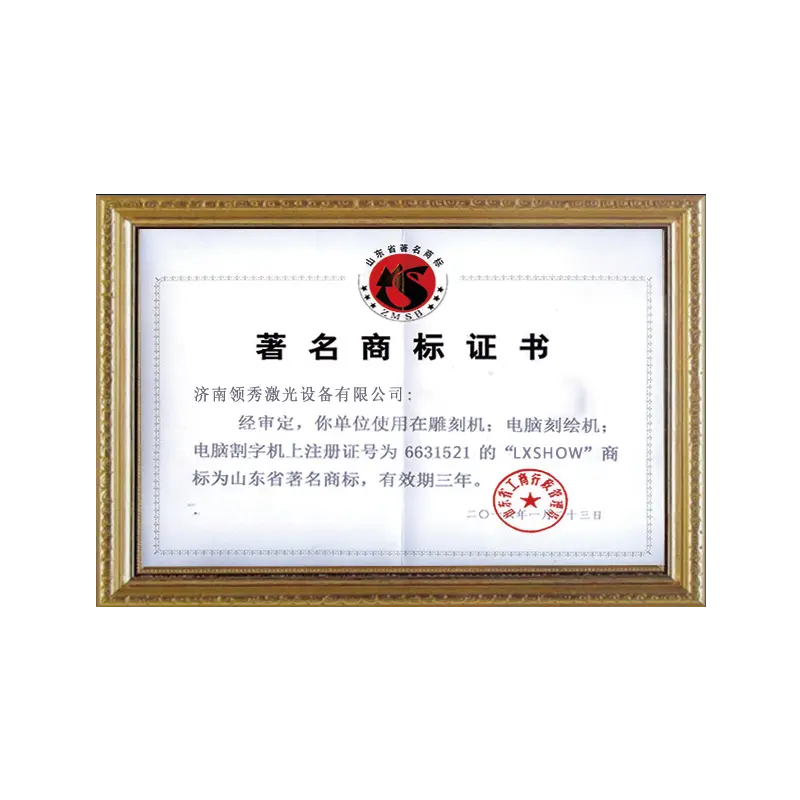
Our industrial lineup includes high-precision fiber laser cutting, welding, and surface cleaning systems. These systems complement our core laser cladding setups to deliver complete manufacturing lines.
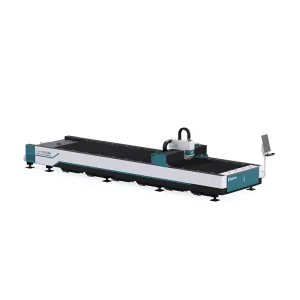
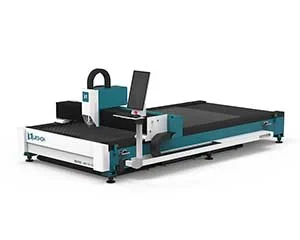
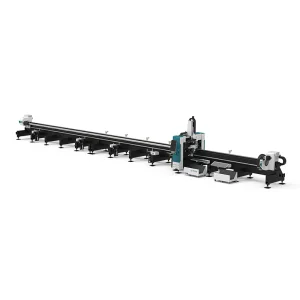
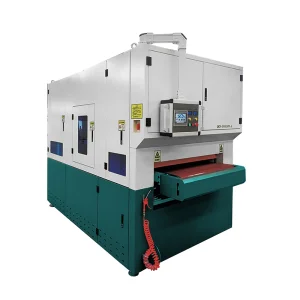
Technical answers to frequent engineering questions regarding cladding parameters, material selection, and installation requirements.
 Lxshow