 Lxshow
Boston Industrial Laser Cutting & Post-Processing Analysis
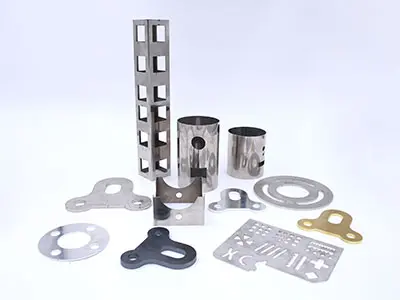
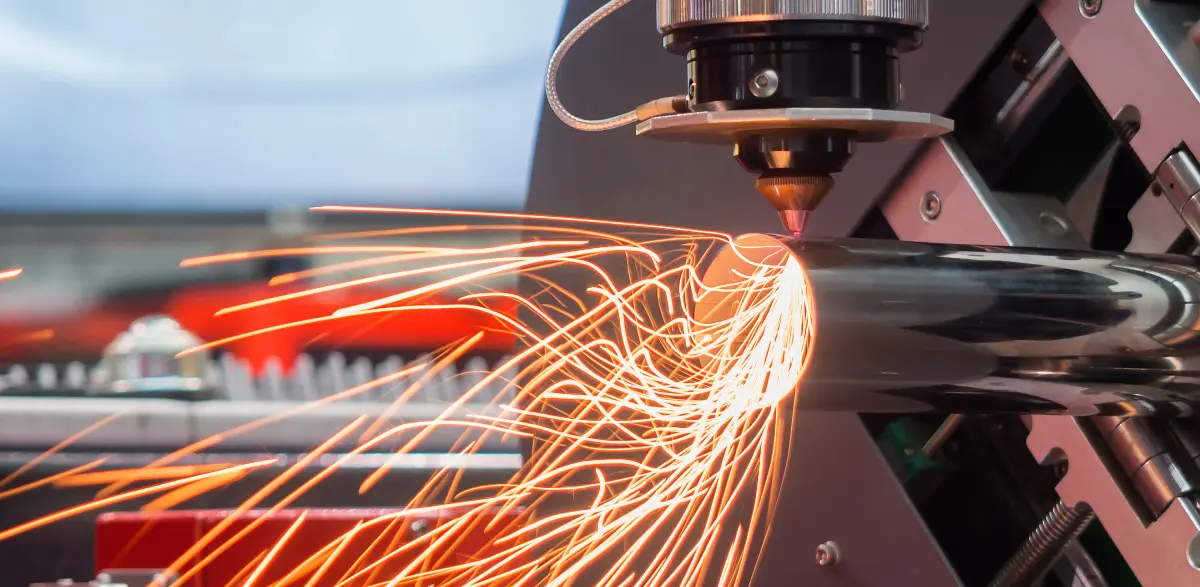
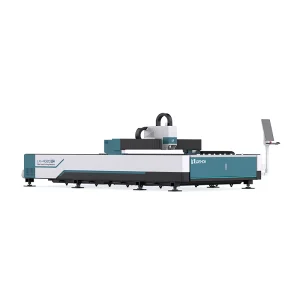
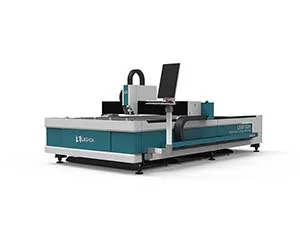
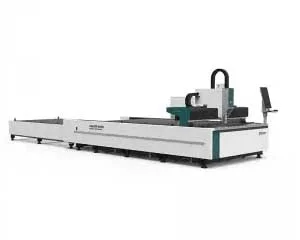
The Greater Boston region, historically anchored by the Route 128 technology corridor and major academic institutions like MIT, has transformed into a leading micro-hub for advanced manufacturing, aerospace technology, and medical instruments. Modern fabrication shops in Worcester, Waltham, and Quincy are moving away from traditional mechanical cutting tools toward high-power fiber laser cutting machines. The transition is driven by the demand for higher edge quality, tighter tolerances, and faster cycle times.
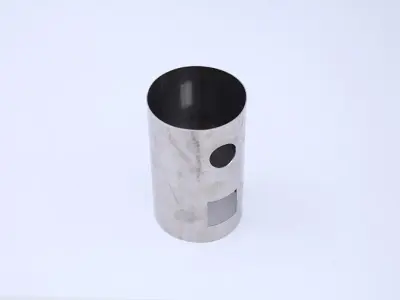
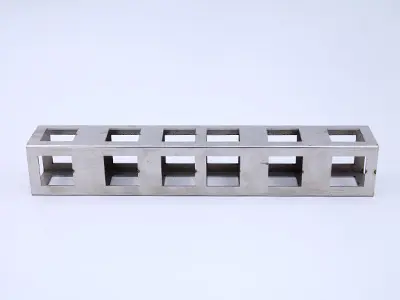
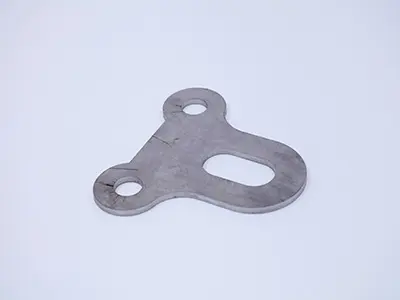
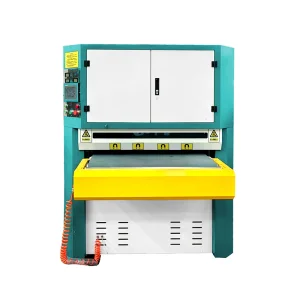
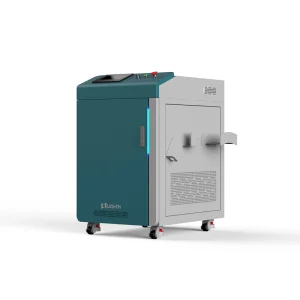
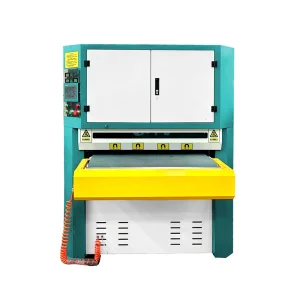
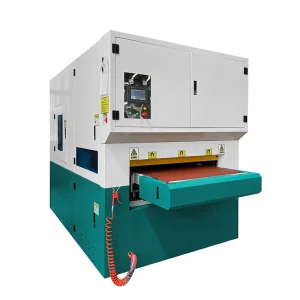
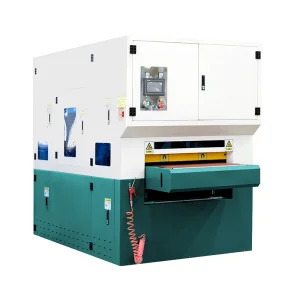
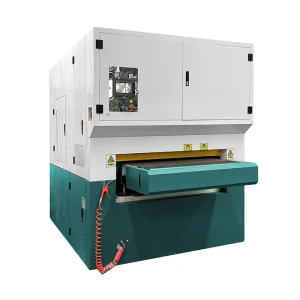
However, thermal cutting processes like fiber laser processing leave trace elements, dross, and mechanical stress zones on sheet metal parts. This has prompted the integration of post-processing systems such as the Series 800 Edge Grinding and Deburring Machines. In fields like medical device manufacturing, leaving even a microscopic burr on stainless steel can lead to system failures, fluid dynamics disruption, or regulatory non-compliance under FDA audit protocols.
Information Gain: The Physics of Post-Cut Edges
When a Ytterbium fiber laser (~1.07 µm wavelength) vaporizes metal, the melt shear flow is driven by helper gases (N2 or O2). As the laser head moves, cooling rates on the edge create a Heat Affected Zone (HAZ). For high-precision parts, removing this micro-hardened layer is essential. Mechanical polishing using planetary abrasive belts (found in the LX-RRS-M-800) uniformizes the edge radius, yielding a standard structural finish that complies with ASTM specifications.
Boston Regional & Global Industrial Realities
Boston's local commercial manufacturing ecosystem relies heavily on specialized sub-contracting. Job shops must be agile enough to handle prototype runs of thin-gauge aluminum for drone components one day, and heavy structural carbon steel for commercial infrastructure the next. Key segments driving local laser cutter adoption include:
- Robotics and Autonomous Systems: Companies in the Seaport District and Cambridge designing advanced logistics robots that require precisely cut structural frames.
- Medical Instrument Packaging: Polished sheet metal cabinets with zero contamination risks, requiring edge finishing systems like the LX-RR-M-800.
- Aerospace & Defense: Machined parts that require strict deburring and polishing before being powder coated or anodized.
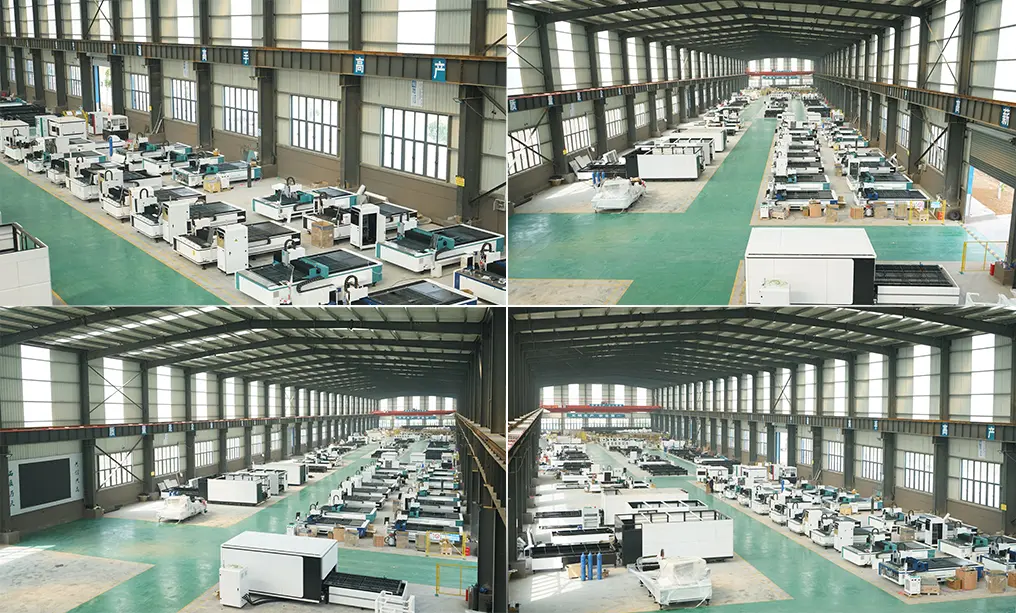
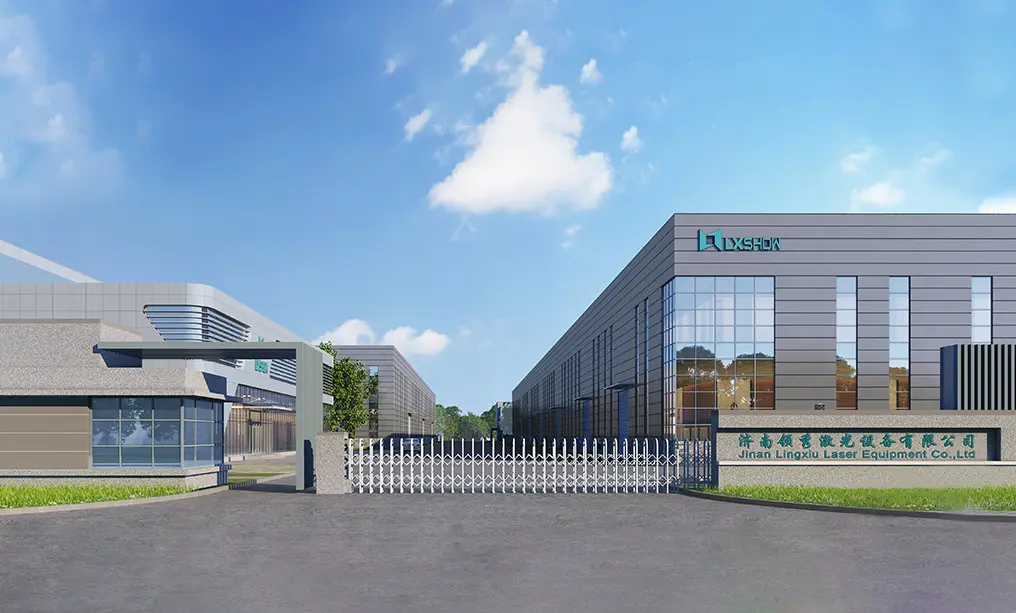
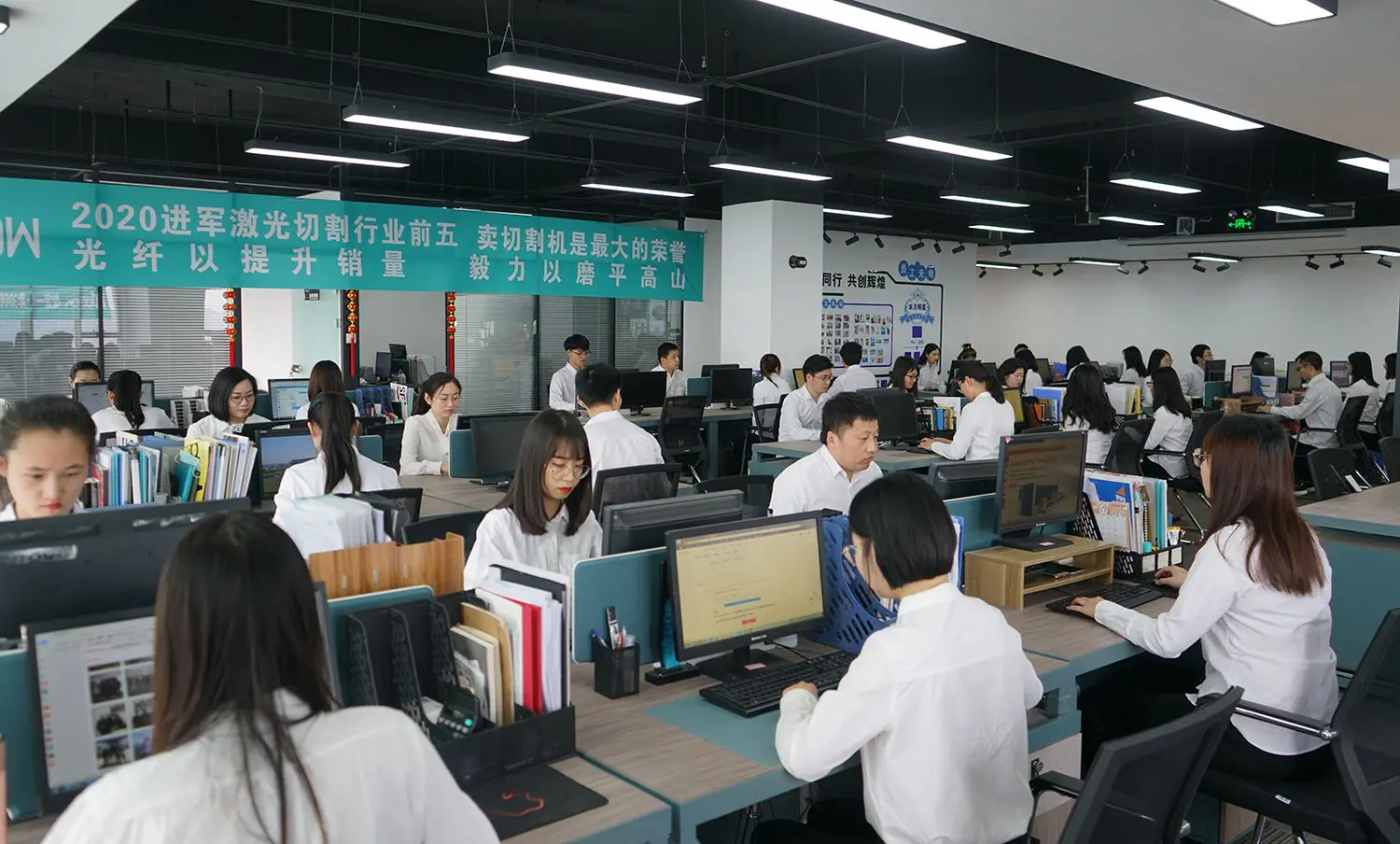
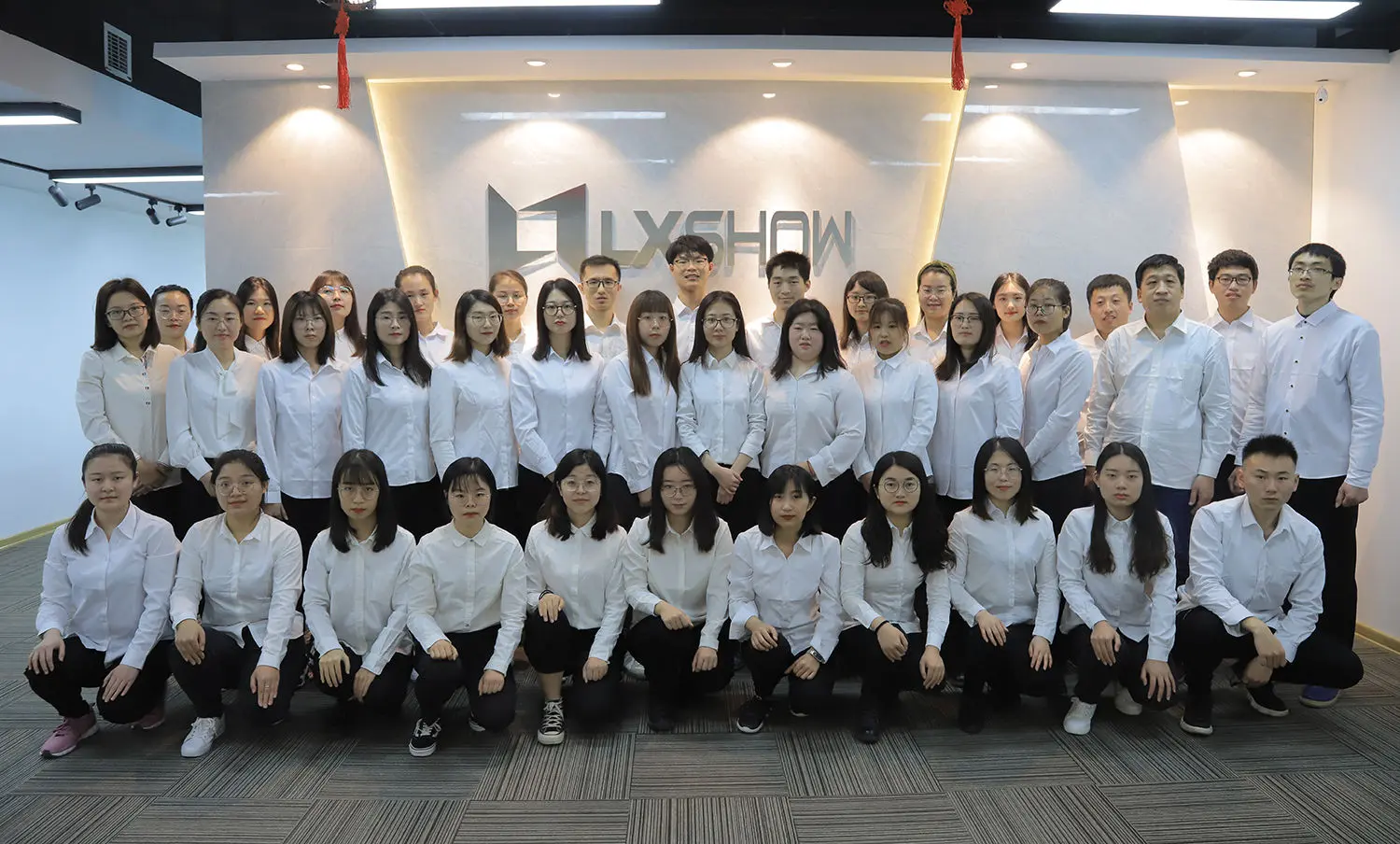
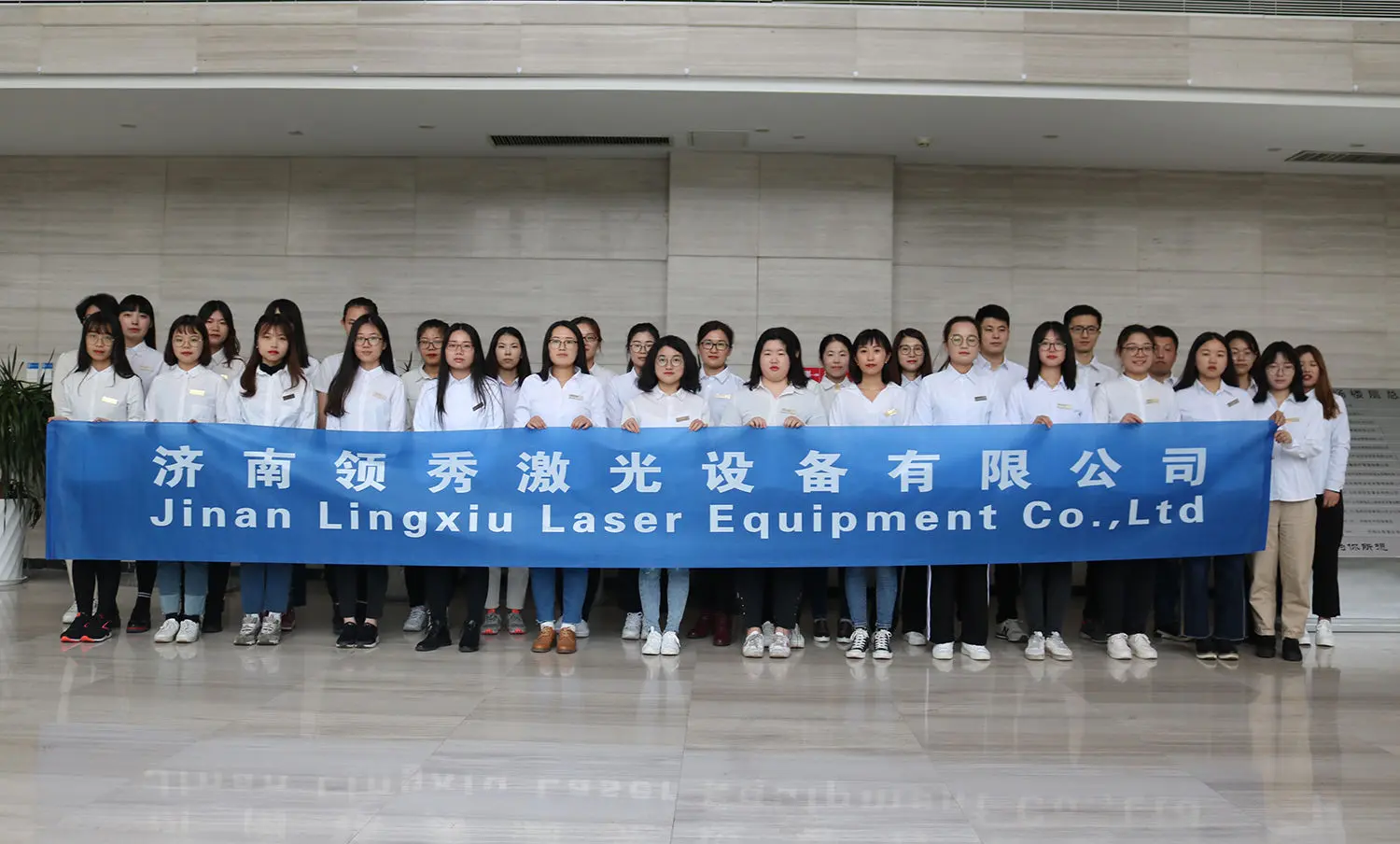
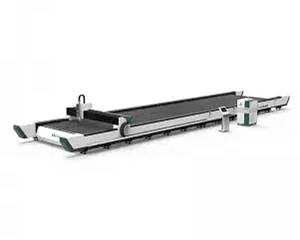
Globally, the fiber laser cutting machine market is projected to reach $10.2 billion by 2030, driven by the expansion of automotive production lines and sheet metal processing in industrial parks. As power levels continue to increase from 12kW to 40kW, the speed of cutting thick materials has skyrocketed. Our factory in Jinan, spanning over 32,000 square meters, supports these global demands by providing customized OEM configurations for high-performance laser cutters and ancillary deburring equipment.
Technical Roadmap & Future Outlook (Through 2040)
By 2040, we aim to establish ourselves as a global reference point in the laser equipment field. Our roadmap centers on three core pillars:
1. Intelligent Automation & Closed-Loop Control: Future systems will integrate real-time optical tracking cameras that detect burrs post-cut. These cameras will automatically communicate with finishing machines to adjust pressure, feed rate, and brush speeds without human intervention.
2. Smart Nesting and Gas Conservation: Integrating AI into CNC software will optimize cutting paths, saving up to 15% in material waste. Assist-gas monitoring will regulate nitrogen flow, reducing gas consumption by 20% to 30%.
3. Advanced Laser Wavelength Integration: Combining UV lasers, green lasers, and fiber lasers on multi-head workstations will allow manufacturers to process hybrid metal-plastic composites and micro-circuits on a single machine bed.
Macro Industry Solutions for Global Scalability
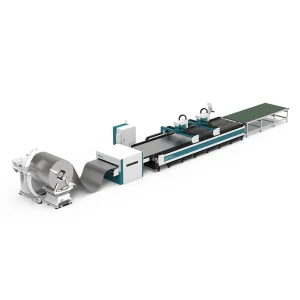
To address structural manufacturing challenges, we supply comprehensive macro-industrial packages. For instance, our unwind-level-cut lines (e.g., the ODM LX6015FLD) allow manufacturing plants to feed raw coil metal straight into a fiber laser head, bypass shearing steps, and output nested parts automatically. This pipeline reduces direct labor costs and floor space requirements, providing an end-to-end line from raw sheet coil to final deburred product.