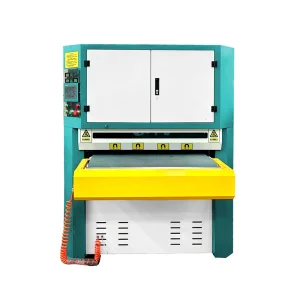
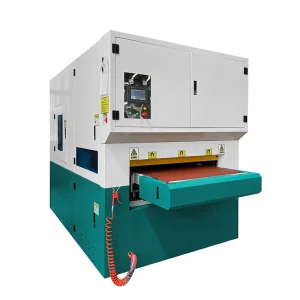
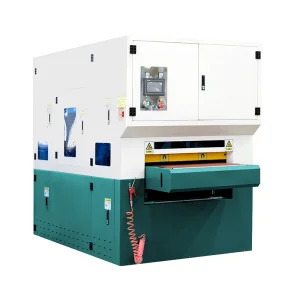
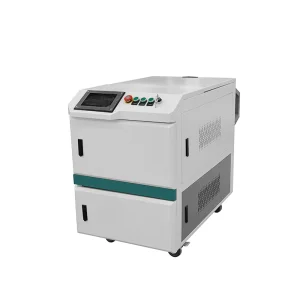
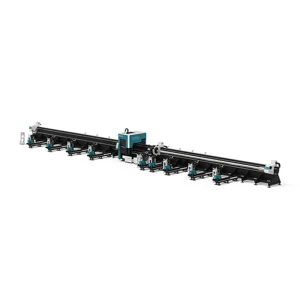
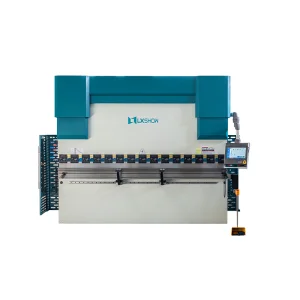
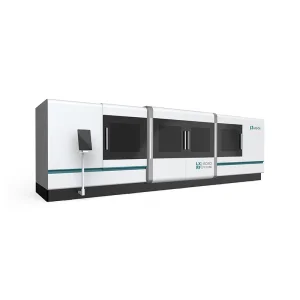
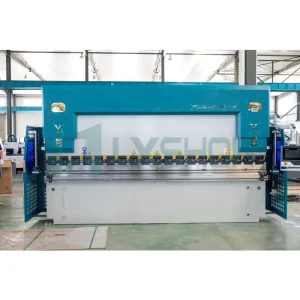
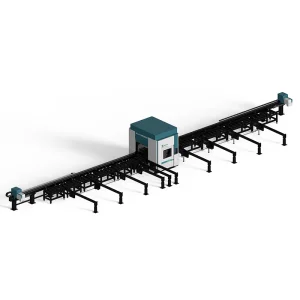
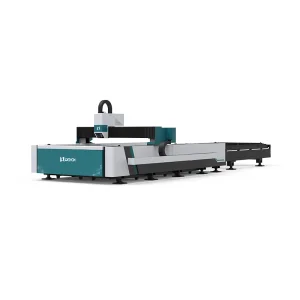
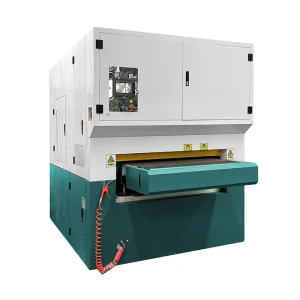
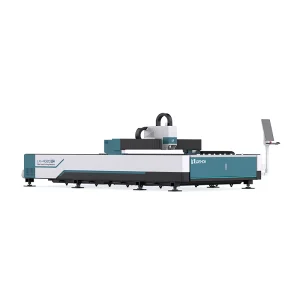
800 Series Manufacturers & Factory in Brazil

Precision Metal Finishing & High-Efficiency Surface Grinding Solutions Optimized for the Brazilian Manufacturing Sector

Send Inquiry Now
18+
Years Industry Expertise
150+
Global Countries Exported
20k+
Active Users Worldwide
32k+
M² Manufacturing Plant

Deep Analysis: The Role of 800 Series Finishing Technology in Brazil's Modern Industry

Brazil's industrial ecosystem is undergoing a dramatic paradigm shift. With programs like Nova Indústria Brasil (NIB) driving modernization, the demand for precision, automation, and speed in sheet metal fabrication has reached record levels. Key sectors—such as automotive assembly in São Paulo (ABC Region), aerospace components manufactured in Vale do Paraíba, agricultural equipment hubs in Rio Grande do Sul, and heavy metal mining structures in Minas Gerais—demand high-precision surface processing that manual labor simply cannot achieve.

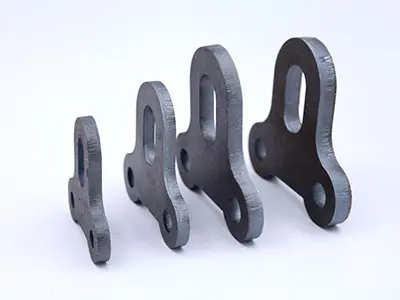
This is where the 800 Series Deburring and Polishing Machines become critical. By implementing an automated, multi-directional abrasive brush configuration with an 800mm processing width capacity, factories can process high volumes of laser-cut parts, stamped components, and sheared metal sheets. Whether dealing with heavy slag from CO2/Fiber lasers or micro-burrs on delicate aerospace titanium alloys, the 800 Series delivers uniform edge rounding (up to R2.0mm) and oxide layer removal in a single pass.

Key Technological Trends in Brazil's Metalworking Industry

In the face of rising operational costs (commonly referred to as the "Custo Brasil"), local fabricators must focus on reducing secondary post-processing bottlenecks. Traditional manual deburring using hand grinders presents three major challenges:

  • Inconsistency: Human operators cannot guarantee identical edge rounding across hundreds of complex geometry parts.
  • Safety Hazards: Airborne dust particles, noise pollution, and repetitive strain injuries increase liability and operating costs.
  • Bottleneck Creation: Modern fiber laser cutters can process hundreds of parts per minute, yet manual deburring teams can only process a fraction of that speed, stagnating the production line.

Deploying automated machinery like the LX-RRS-A-800 or the wet-operating LX-RRW-800 streamlines workflow efficiency, reducing labor reliance by up to 80% while enhancing painting, powder coating, and plating adhesion due to consistent surface finishes.

Chinese Industry 4.0 Integration: Redefining Supply Chain Resilience

Choosing a reliable Chinese manufacturer for 800 Series industrial machinery brings structural advantages. China's advanced manufacturing clusters combine direct material sourcing, R&D agility, and rapid production iteration under strict quality management networks. All key components—from Schneider electric elements to IPG/Raycus laser sources and heavy-duty structural steel frame platforms—are designed for sustained 24/7 manufacturing environments.

By blending Chinese Industry 4.0 precision with Brazilian local distribution networks, purchasers secure high-reliability equipment with rapid delivery timelines. Furthermore, our compliance with international safety protocols (including CE Authentication, American FDA registration, and ISO 9001 quality certificates) ensures direct compliance with Brazil's strict NR-12 workplace safety regulations, shielding operators and businesses alike.

Industrial Application Sectors

  • Aerospace & Aviation Components
  • Automotive Chassis & Interior Mounts
  • Agricultural Harvesting Equipment
  • Stainless Steel Kitchenware & Catering
  • Electric Enclosure Cabinets
  • Heavy Civil Infrastructure Steel

Reliable Certification Standards

Our products strictly follow standard protocols certified by:

• European Union CE Authentication
• American FDA Registered Certificate
• ISO 9001 Standard Control System

Material Specialization & Application Scenarios

Custom setups adjusted for optimal mechanical and chemical characteristics during machining.
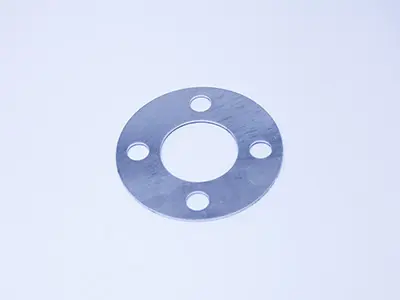
Aluminum processing
Aluminum Alloys
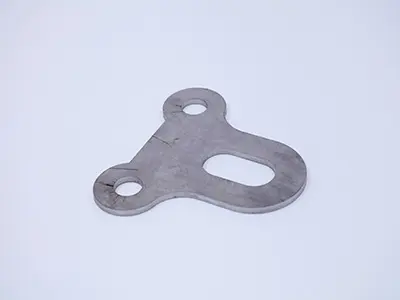
Carbon Steel processing
Carbon Steel
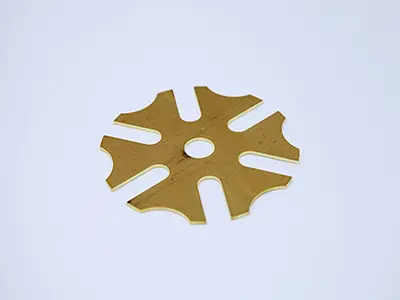
Copper processing
Copper & Brass
Stainless steel processing
Stainless Steel

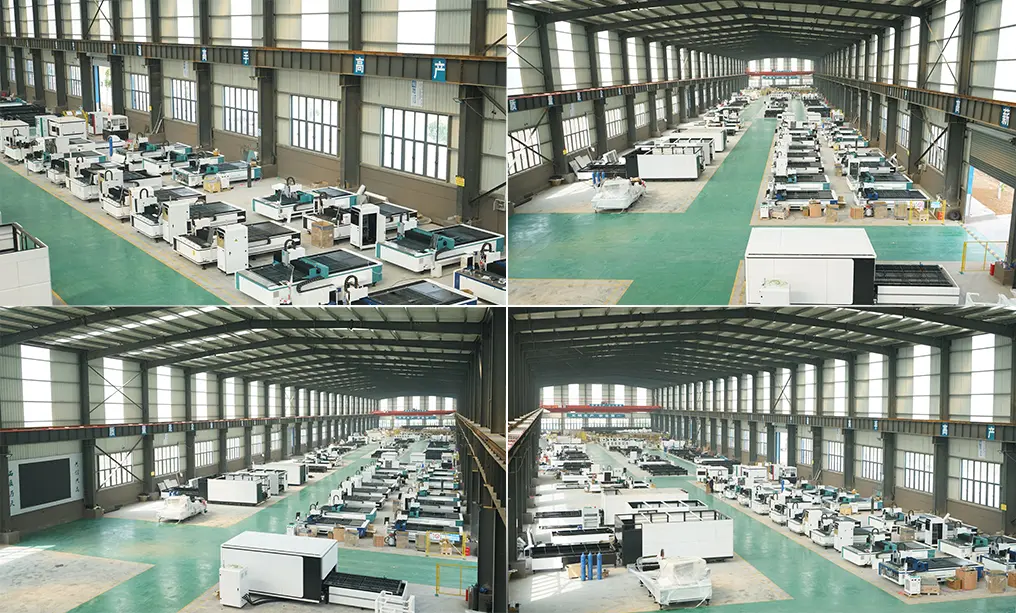
Inside Our Production and Research Facilities

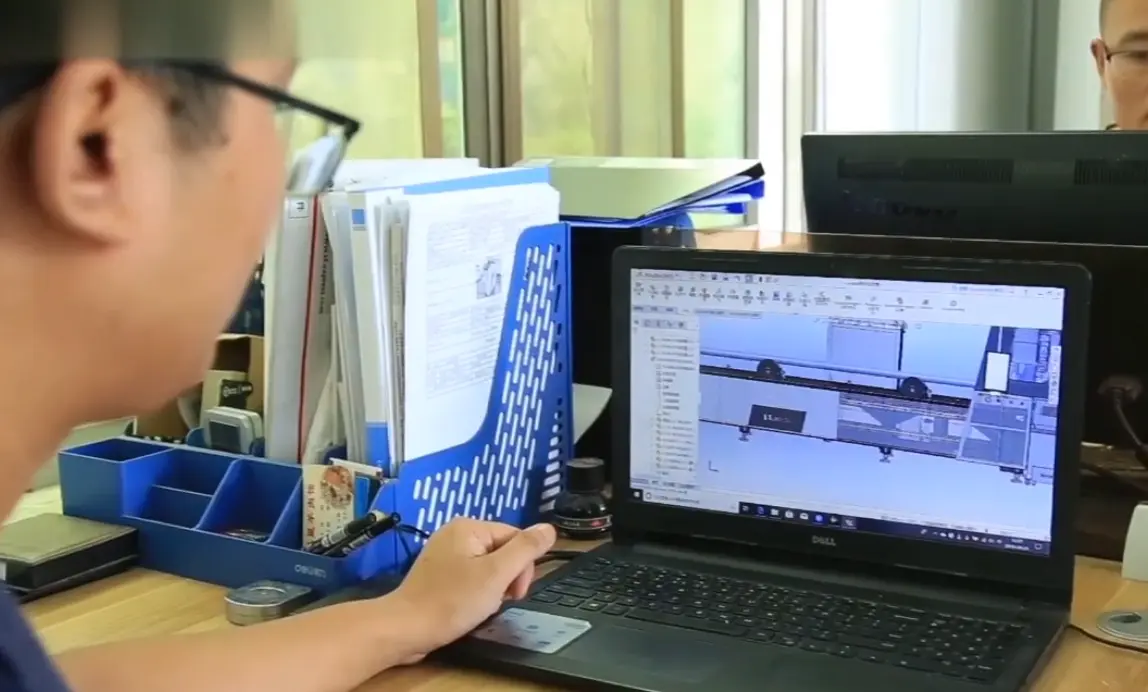
Operating since 2004, supporting global metal fabricators with premium machining design and engineering teams.

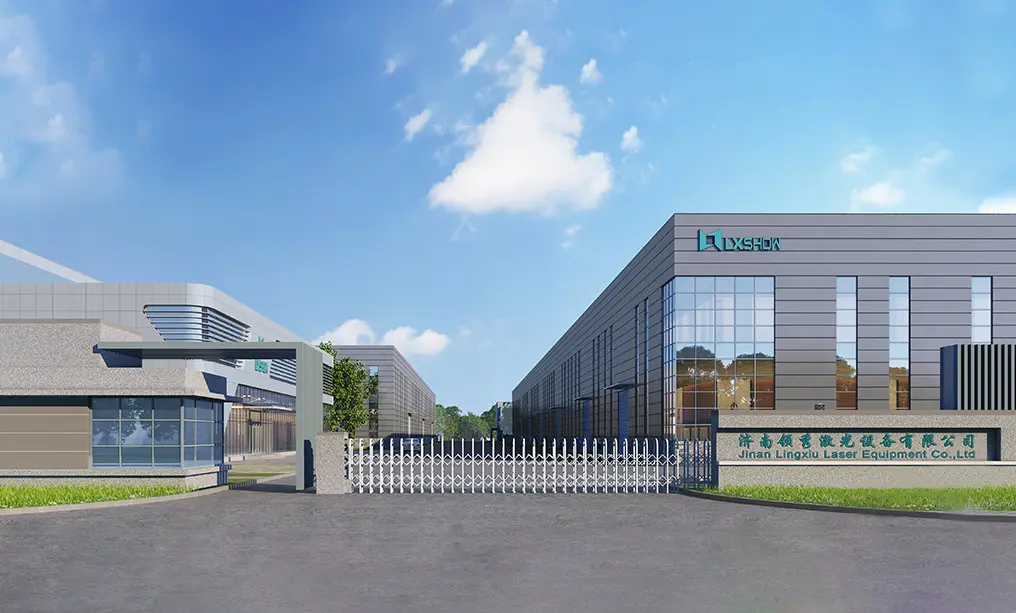
We hold a workspace encompassing more than 500 square meters of high-tech research facilities and a modern 32,000 square meter factory floor. A dedicated engineering staff delivers customized OEM support for over 30 global brands, shipping reliable equipment to Europe, North America, Southeast Asia, and South America.
Expert Q&A: Sourcing 800 Series Machines in Brazil

Direct answers regarding engineering performance, setup requirements, import logistics, and operational safety compliance.

1. Why is the 800mm conveyor width critical for deburring sheet metal parts?
An 800mm width offers the optimal balance between space requirements and product capacity. This allows operators to process mid-to-large structural components, or feed multiple smaller stamped pieces side-by-side on a continuous vacuum conveyor system. It matches standard cutting limits of most mainstream industrial fiber lasers, removing bottlenecks in modern assembly lines.
2. How does a wet deburring system compare to a dry deburring system?
Dry systems, like the LX-RRS-A-800, use industrial dust extractors to collect metal particles, ideal for carbon steel and standard sheet metal work. Wet systems, like the LX-RRW-800, use water spray cooling systems to suppress fine dust particles, virtually eliminating explosion risks when processing aluminum alloys. The wet system also ensures cool part handling and avoids heat deformation on thin sheet metals.
3. Do these machines meet Brazilian NR-12 workplace safety regulations?
Yes, our machines can be ordered with comprehensive safety configurations that align with NR-12 requirements. This includes dual-channel emergency stop buttons, physical safety interlock switches on all main access panels, overload line protection, and fully enclosed operating zones to prevent hands or clothing from reaching moving parts.
4. What is the typical edge rounding radius range on stainless steel?
By using high-performance, multi-directional abrasive brush rotations, the 800 Series can achieve uniform edge radii ranging from R0.5mm up to R2.0mm. This removes sharp corners and ensures consistent paint/powder-coat adhesion, vital for manufacturing military, aerospace, and food-grade kitchen equipment.
5. What is the process for customs clearance and importing to Brazil?
Our logistics division provides full documentation support, including HS Code classification, Commercial Invoices, Packing Lists, and Bill of Lading. We work closely with your chosen customs broker in Porto de Santos or Porto de Paranaguá to ensure seamless importation under Brazil's Mercosur import rules, minimizing delay and optimization of local taxes.