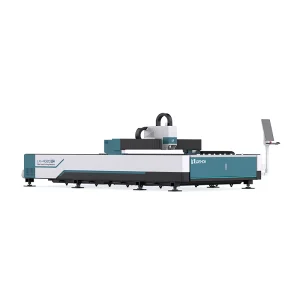
Explore our top-tier catalog of industrial laser machinery, optimized for sheet metal processing, tube manipulation, and ultra-high-efficiency fiber cutting.
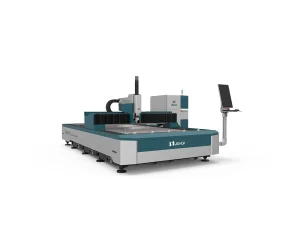
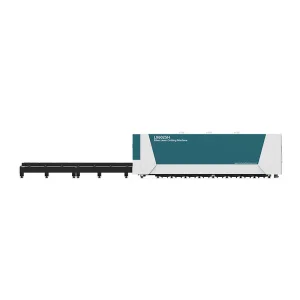
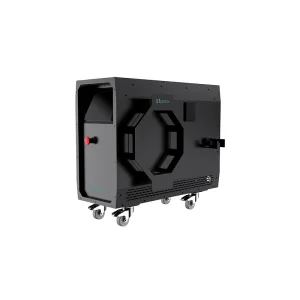
An In-Depth Tech Whitepaper analyzing global macro trends, thermal engineering dynamics, and precision efficiency matrices.
The global industrial manufacturing landscape is witnessing an unprecedented transition towards miniaturization, lightweight structural design, and sub-millimeter component accuracy. From high-frequency 5G communication housings and medical-grade cardiovascular stents to advanced aerospace thermal baffles, the cutting of ultra-thin metallic sheets (ranging from 0.1 mm to 3.0 mm) requires technology that transcends traditional mechanical stamping.
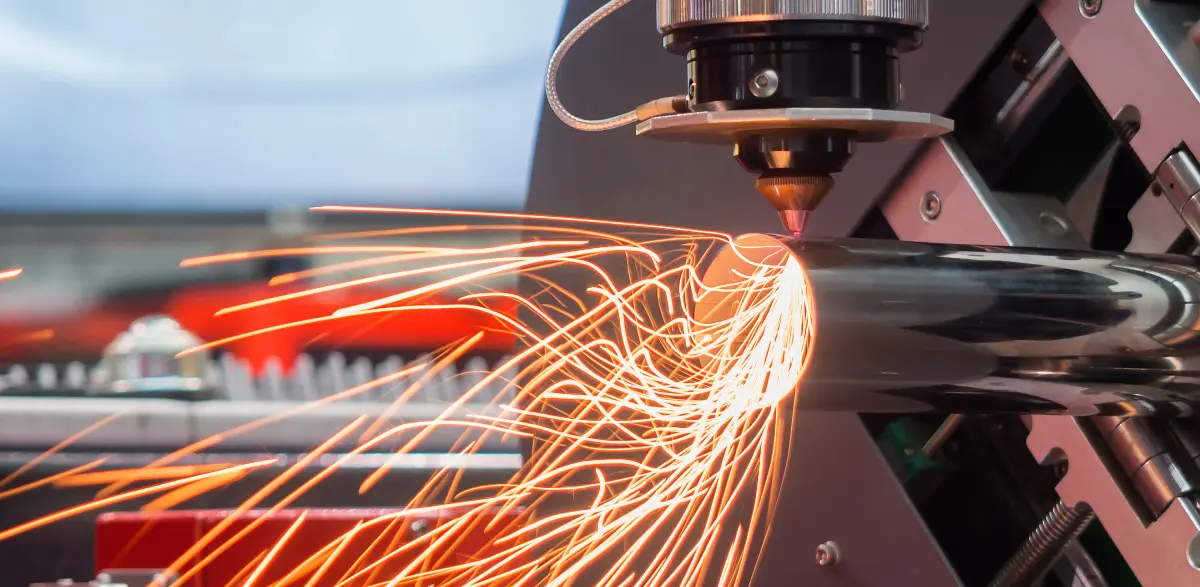
Traditional machining technologies induce mechanical stress, micro-cracks, and boundary deformation, rendering raw thin-gauge metals unusable for complex, load-bearing applications. CNC Fiber Laser technology has emerged as the definitive solution, utilizing high-density energy streams to achieve local melting and vaporizing with minimal Heat-Affected Zones (HAZ).
As a specialized manufacturer, our development paradigm centers on the optical and thermodynamic challenges unique to thin-gauge metals. In this domain, processing efficiency is determined not by sheer laser power (KW), but by beam quality (M²), focus spot diameter, gas dynamic optimization, and ultra-high-speed acceleration gantries that prevent localized thermal accumulation.
Understanding the parameters that separate generic cutting systems from high-end aerospace/medical grade thin-gauge processors.
Thin metal processing depends on beam intensity rather than brute-force power. An M² factor close to 1.0 ensures a highly concentrated focal spot (often <30 microns), maximizing laser intensity. This allows the laser to penetrate the metal instantly, producing high-speed feed rates and exceptionally clean kerfs.
Auxiliary gases play a vital role. In cutting thin stainless steel, high-pressure Nitrogen (N₂) is used to expel molten metal without oxidation, resulting in paint-ready edges. When processing copper or brass, specialized oxygen (O₂) flow control manages reflective energy and controls the heat-affected zone.
When processing thin sheet metals, cutting speeds can exceed 80 m/min. In order to handle tight radiuses and complex geometries without corner burning, the machine frame must support acceleration rates up to 2.5G. This demands high-rigidity structural beds paired with high-performance linear motors.
Different alloys have distinct reflective, thermal conduction, and chemical absorption characteristics. Our fiber laser configurations are optimized for each category.
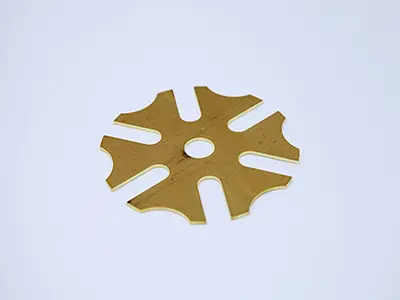
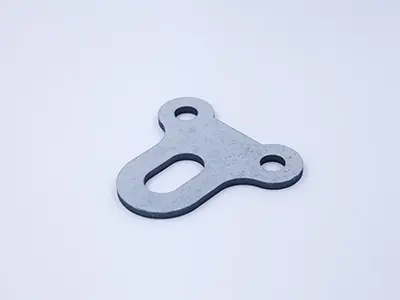
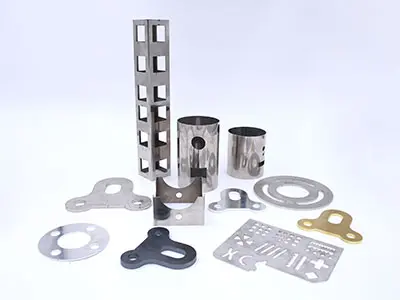
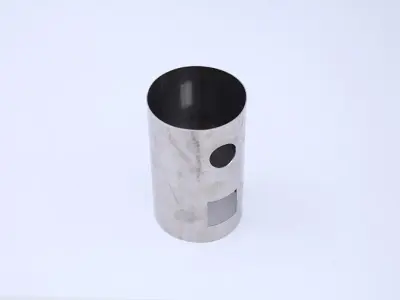
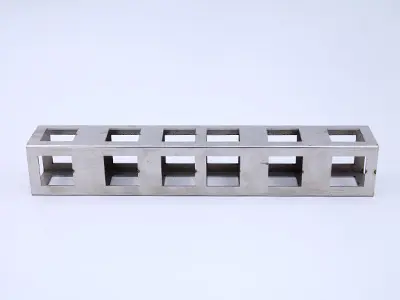
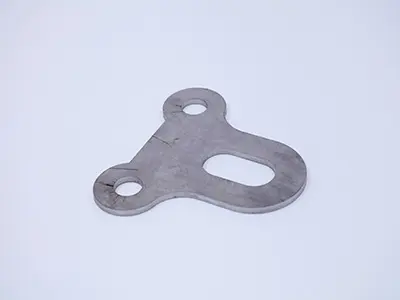
Leading the industry since 2004 with international certifications, specialized design teams, and a state-of-the-art production facility.
Founded in July 2004, our enterprise has grown from a regional research-driven engineering group into a global leader in laser smart equipment. Today, we manage over 500 square meters of specialized optical and mechanical research offices, alongside our primary 32,000+ square meter manufacturing plant.
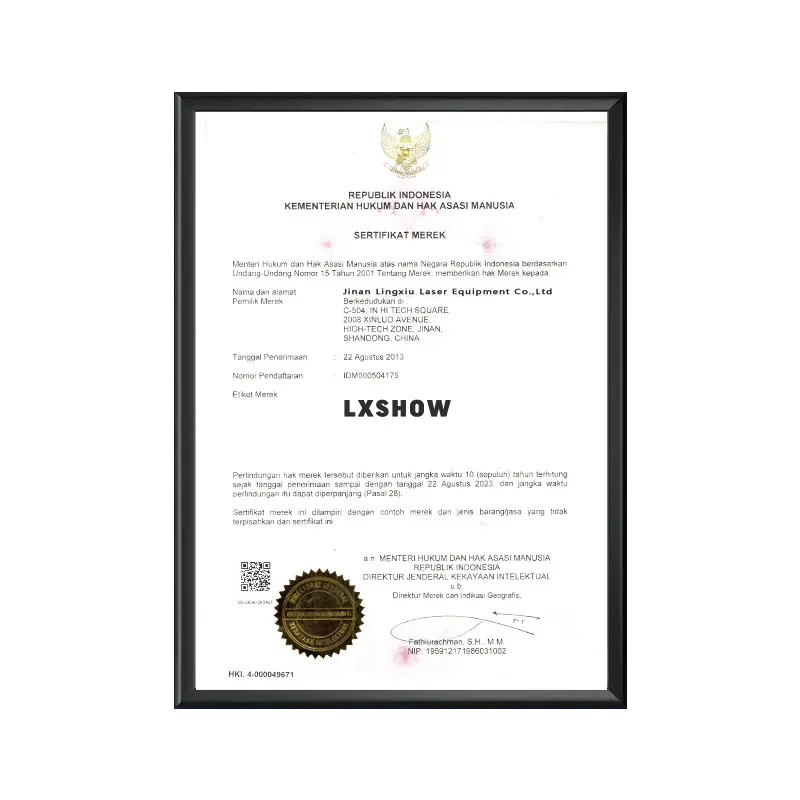
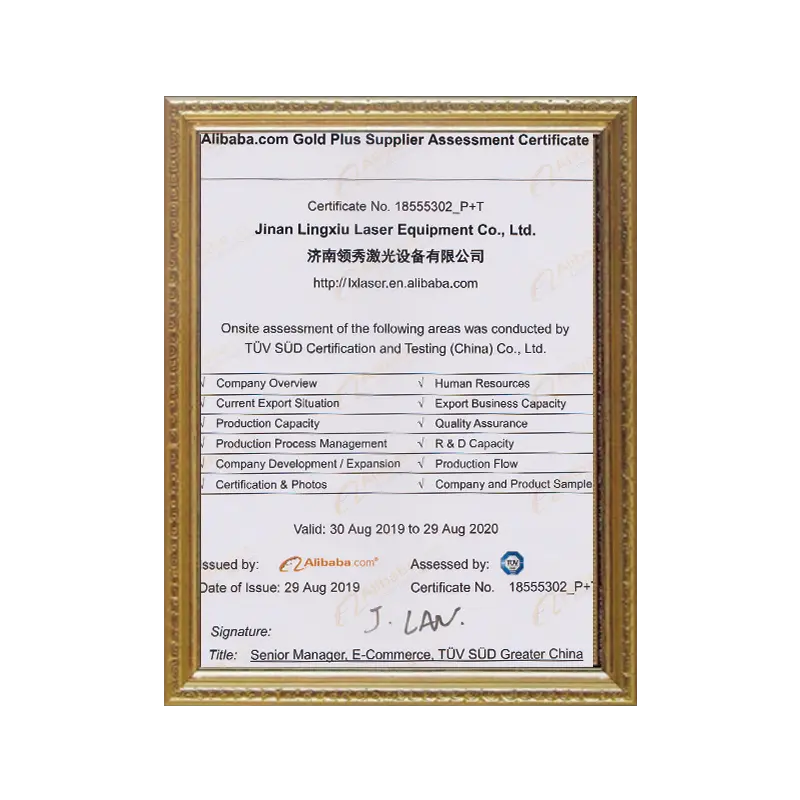
Every system in our portfolio meets rigorous quality controls and international regulations, carrying certified European Union CE authentication, American FDA registration, and ISO 9001 quality management credentials.
By integrating Industry 4.0 standards with digitalized production tracking, we deliver highly reliable OEM and ODM services. We actively support more than 30 global brands and supply complete systems to industrial clients across 150+ countries.
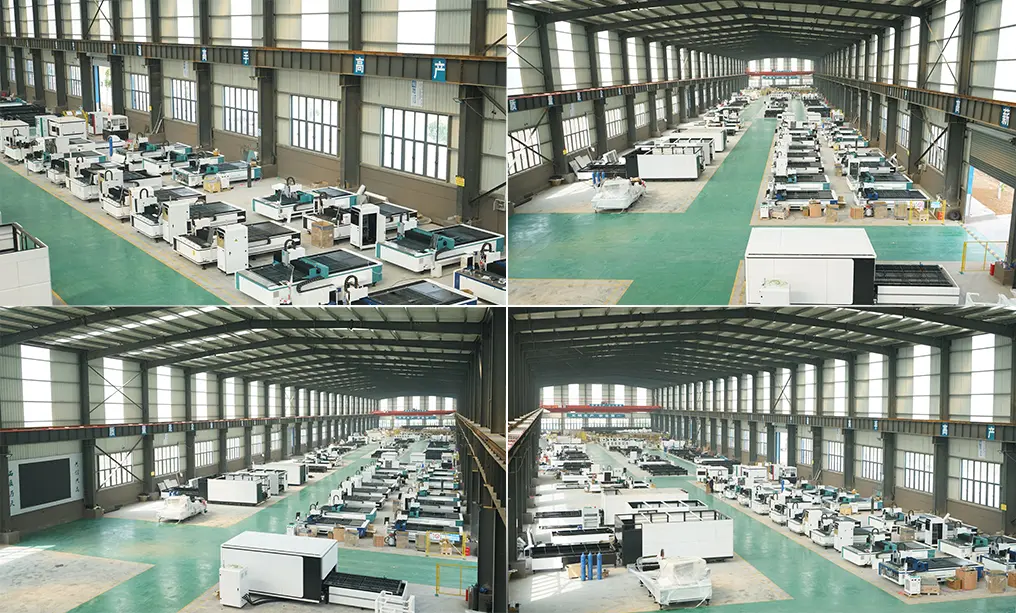
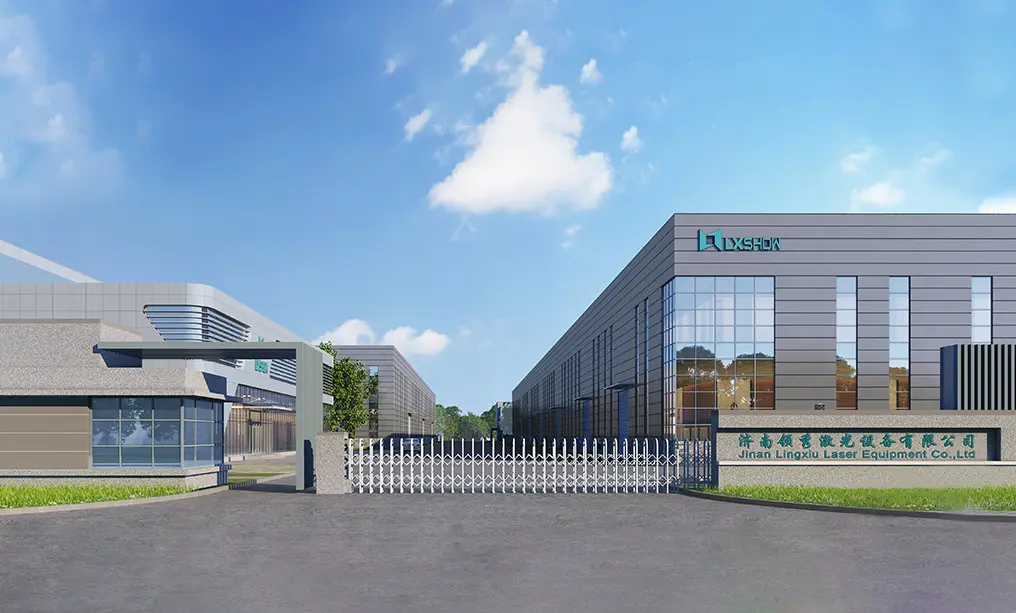

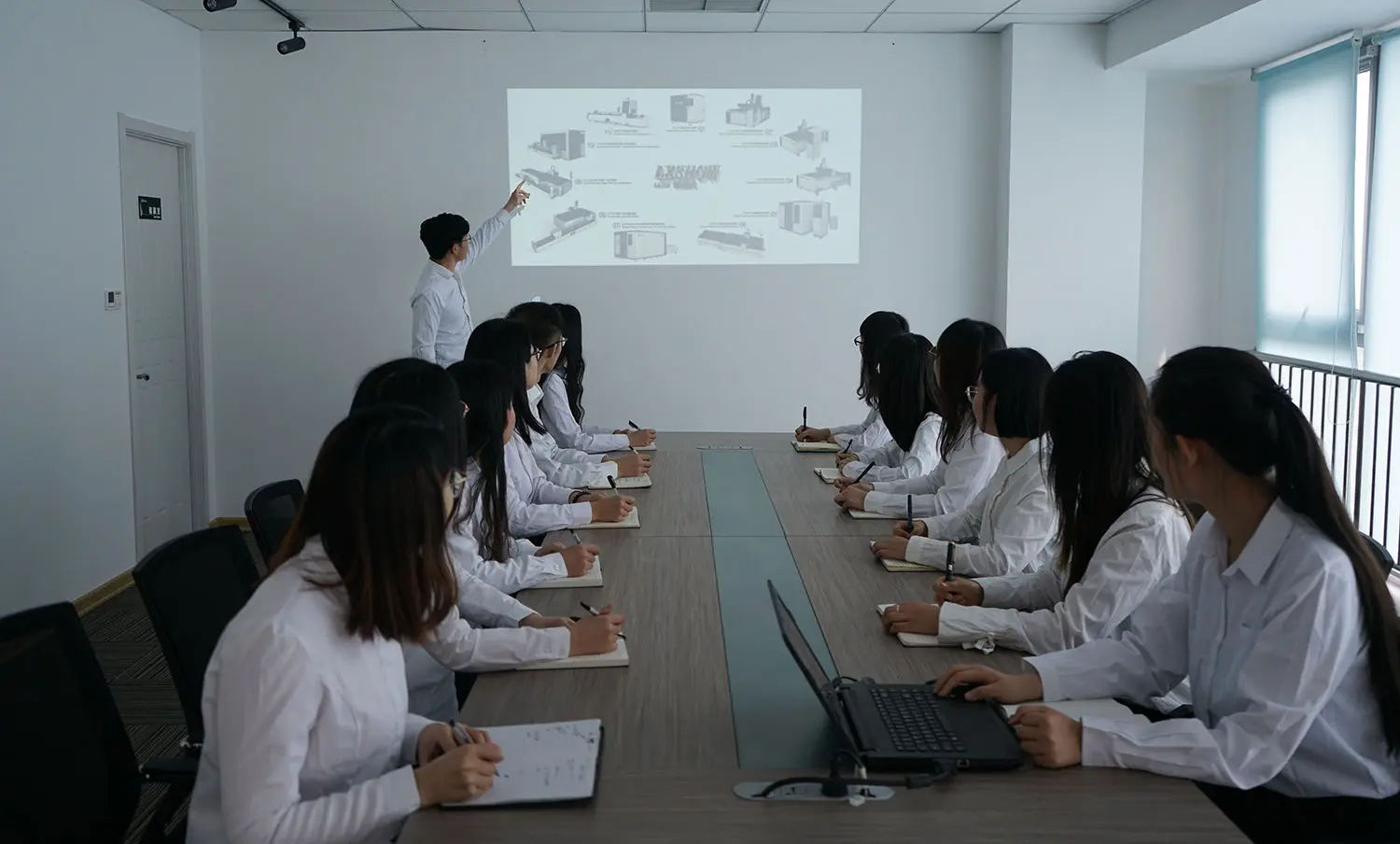
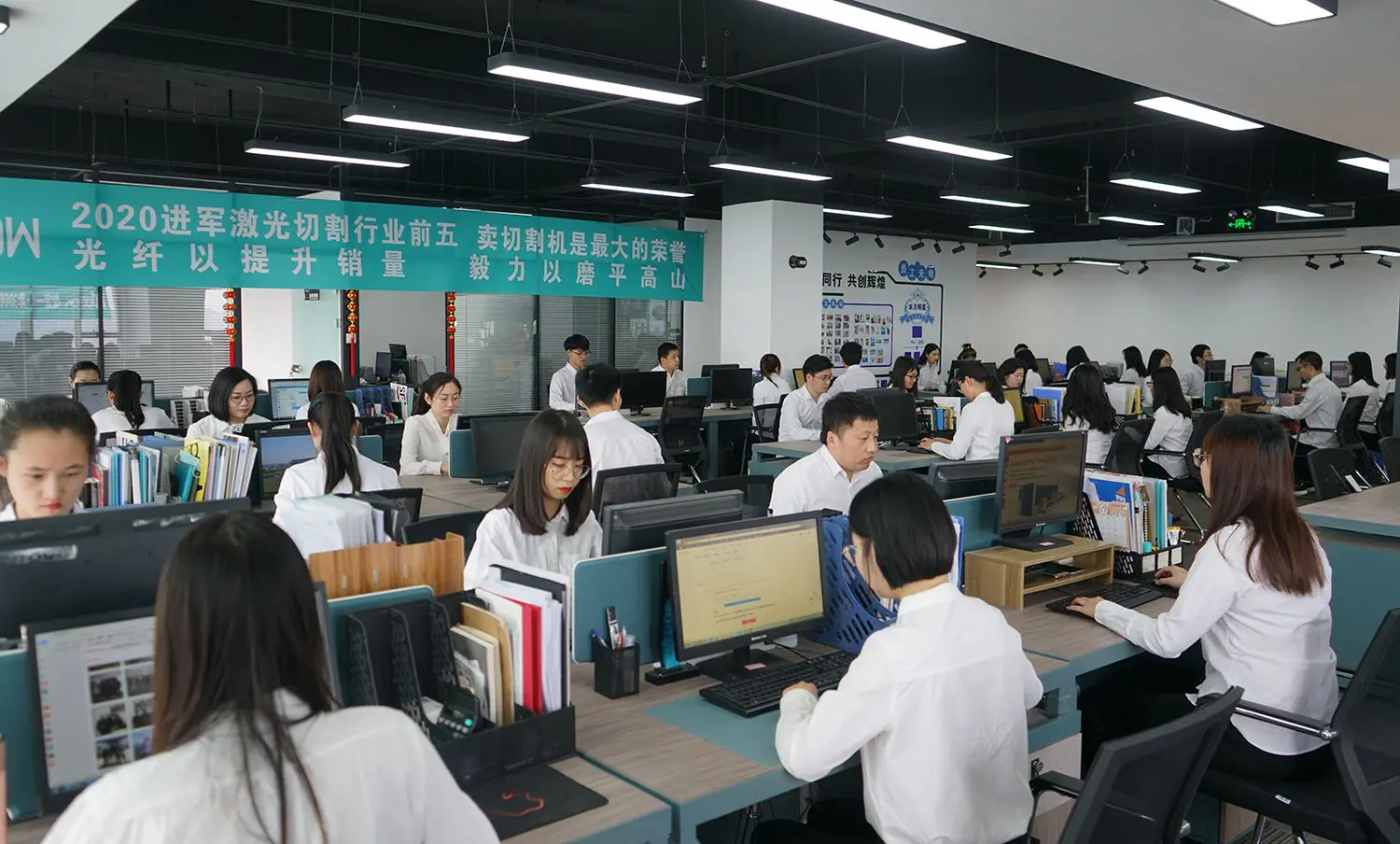
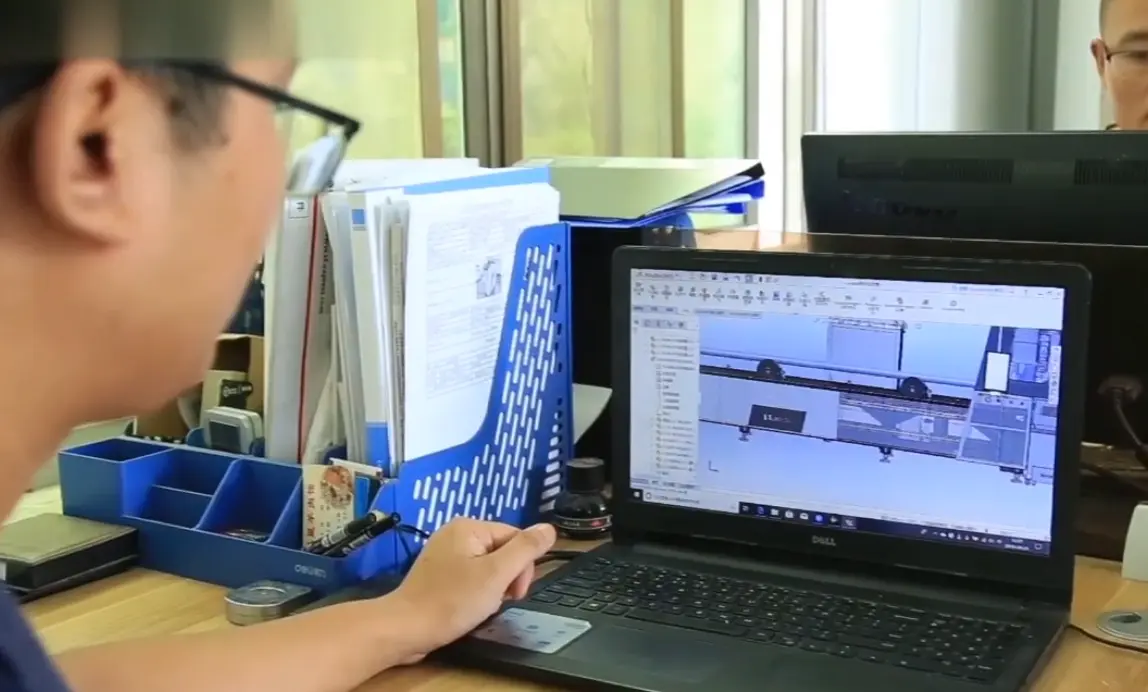
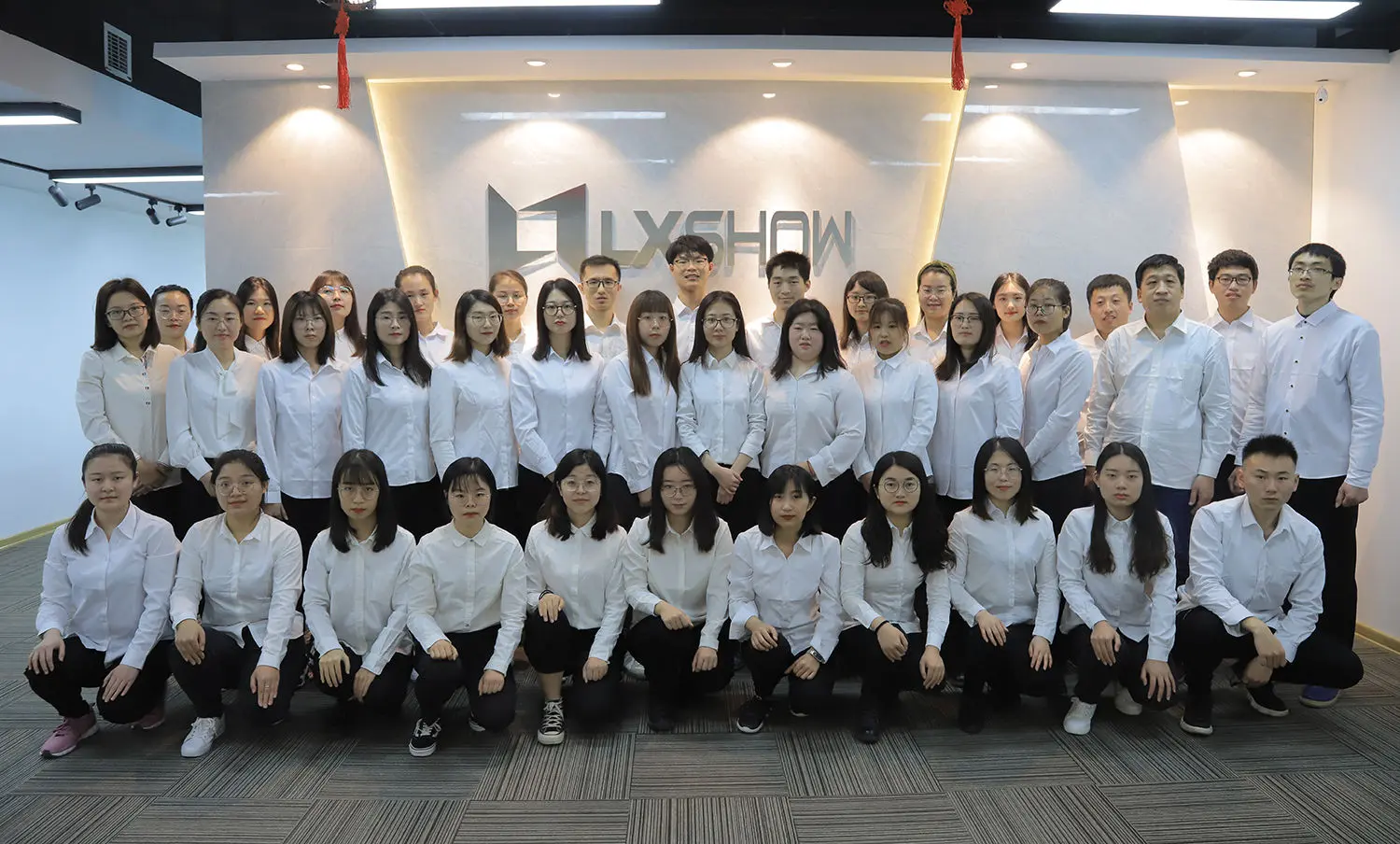
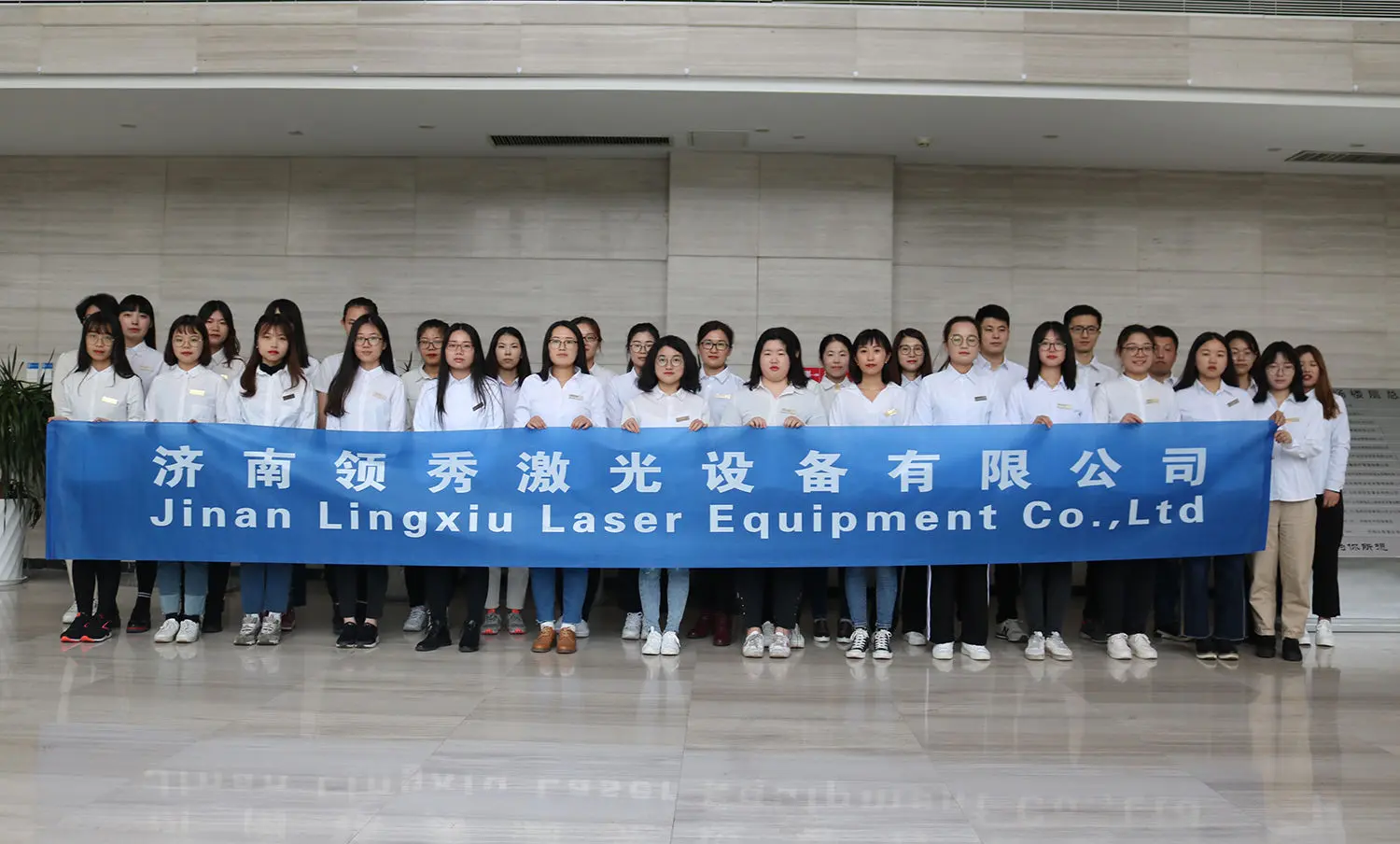
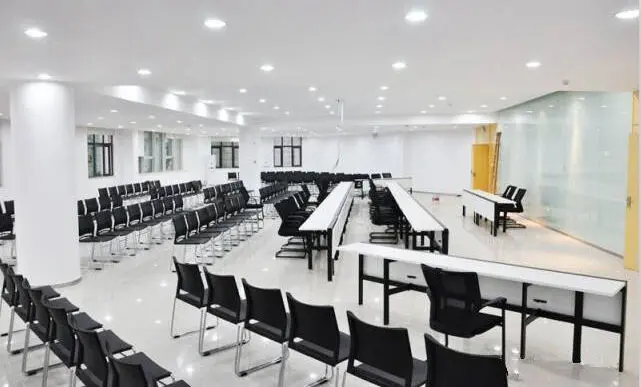
Why Chinese manufacturing hubs offer cost benefits, speed, and customization for thin-gauge metal laser cutters.
Our facility is located in an optimized industrial cluster. This proximity allows us to source structural machine frames, optical lens assemblies, gantry castings, and high-frequency servo drives with minimal lead times. This integrated supply chain reduces component transport overhead, allowing us to invest in superior QC.
We implement strict quality assurance protocols at every stage. We utilize laser interferometers to calibrate axis straightness to within ±0.02 mm, verify dynamic thermal behavior, and subject every system to a 72-hour continuous test cycle before shipping.
We support customization to meet diverse factory footprints and regional electric standards. We construct tailored enclosures, integrate customized software, and adapt automatic loading/unloading configurations for over 30 global brands.
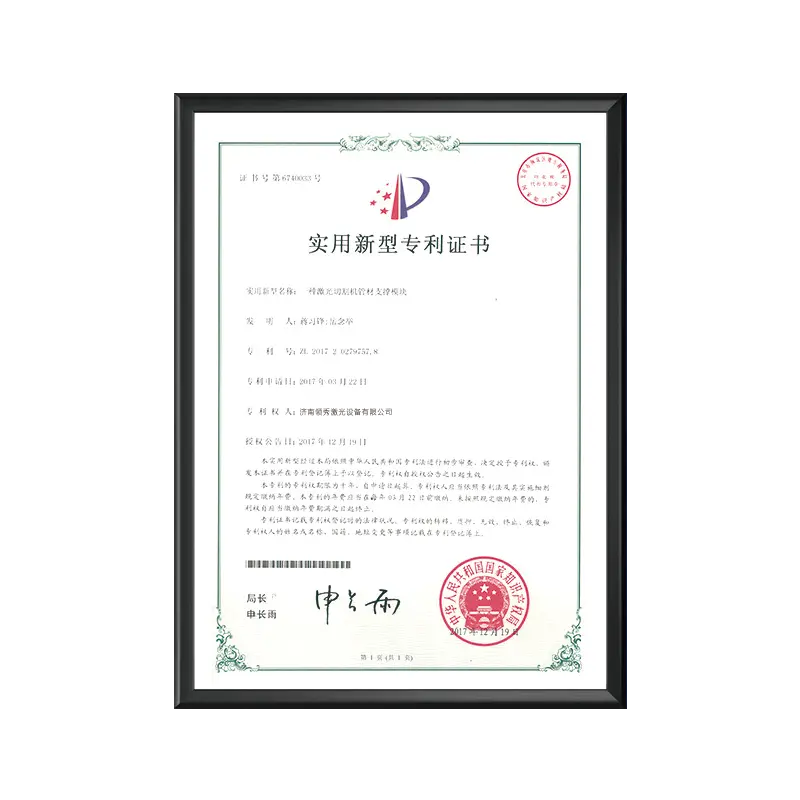
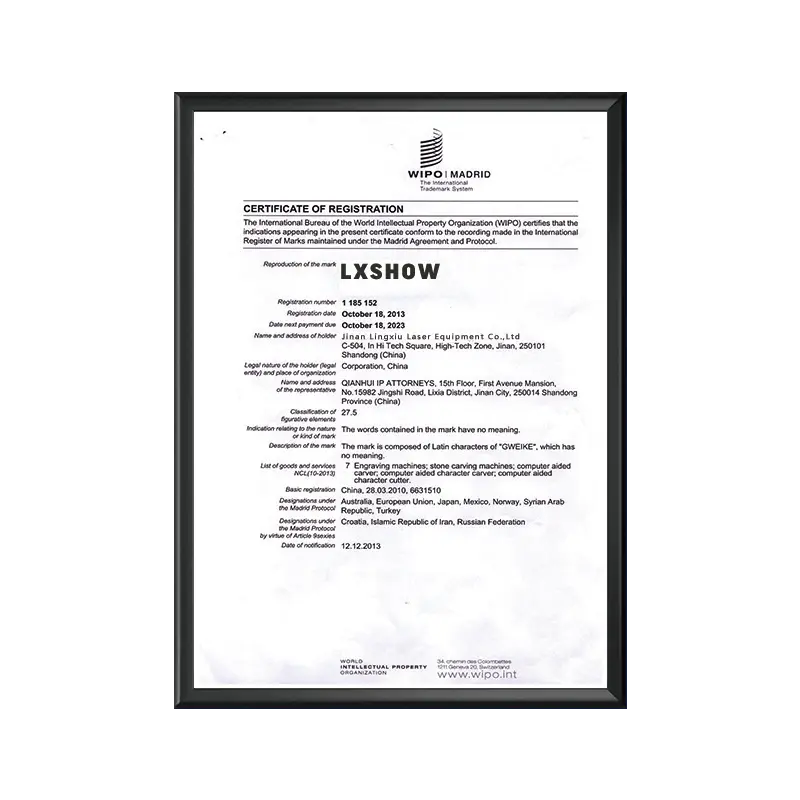
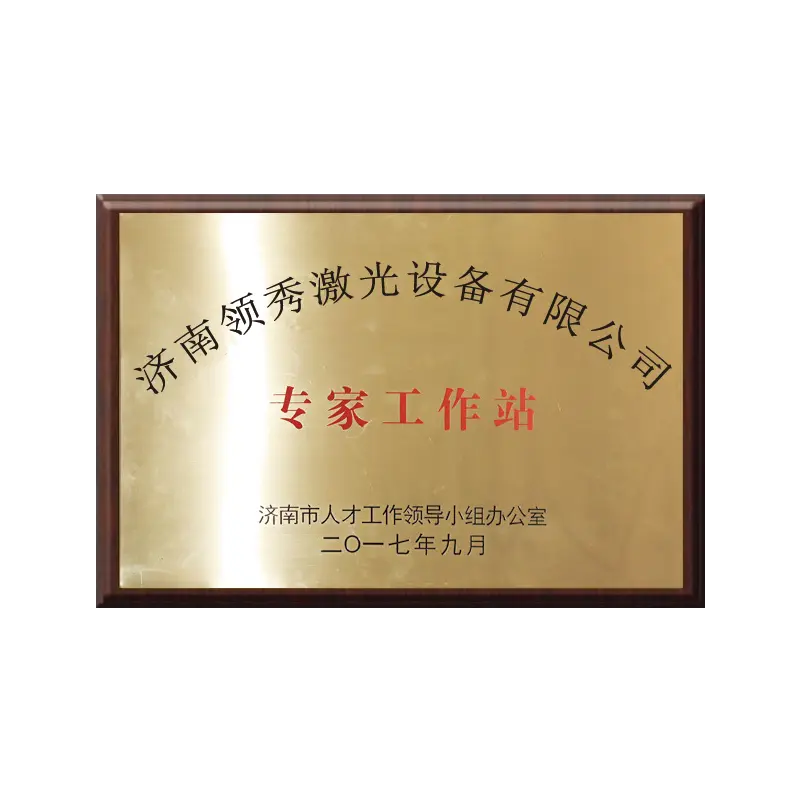
Certified Technology Partners & Compliance Badges

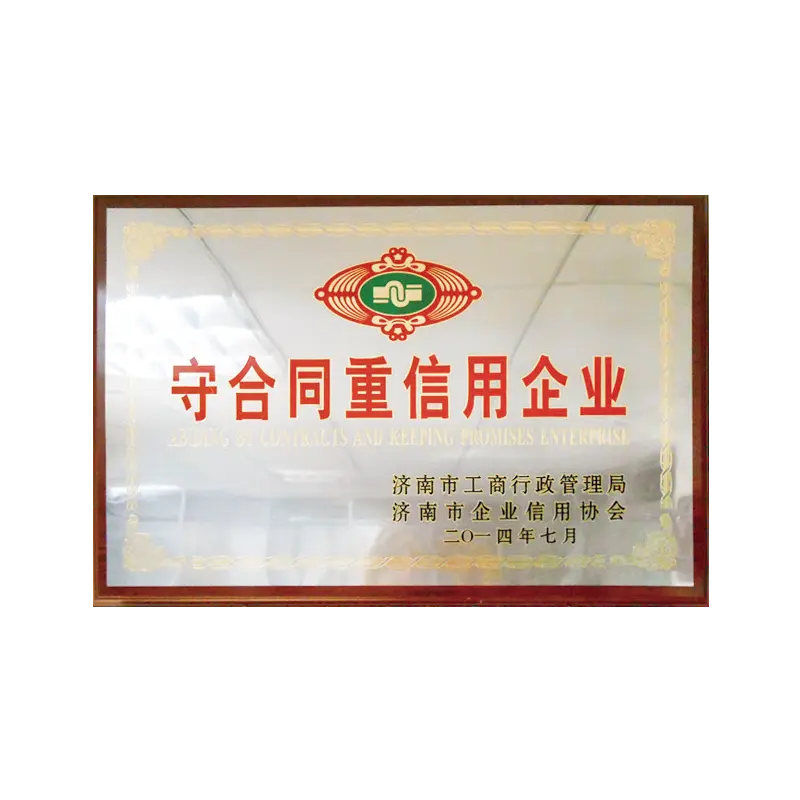
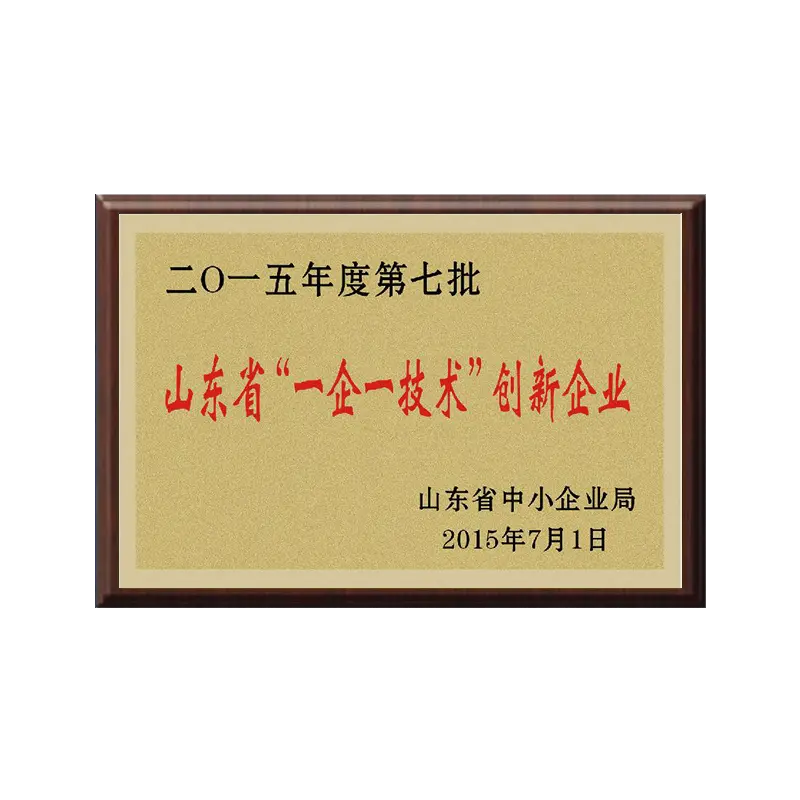
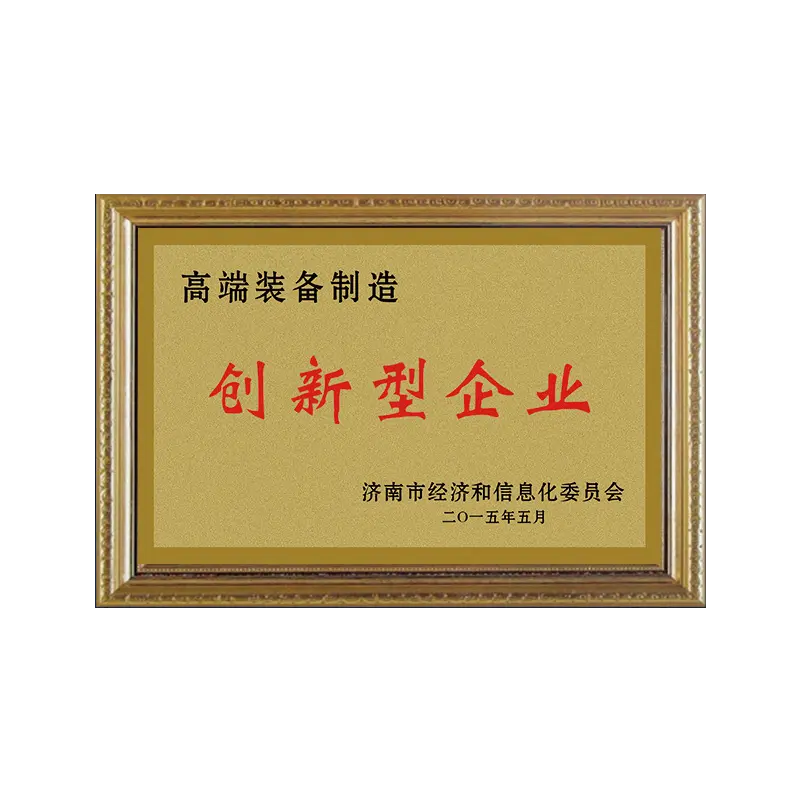
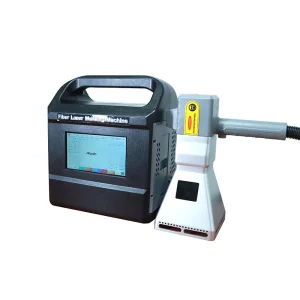
Our specialized equipment divisions address different manufacturing needs, including cutting, welding, cleaning, bending, and cladding.
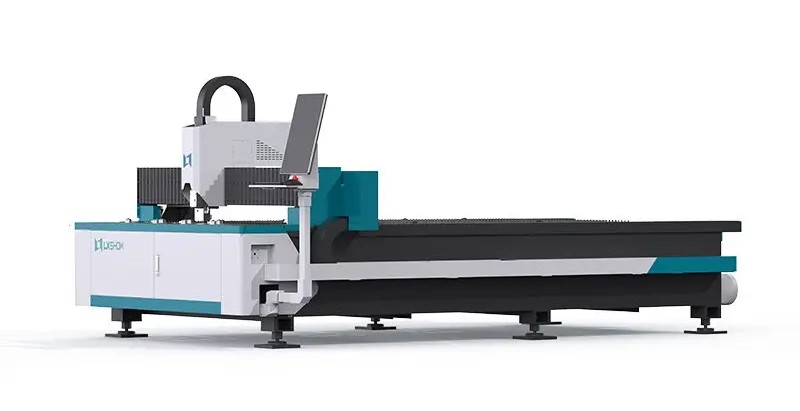
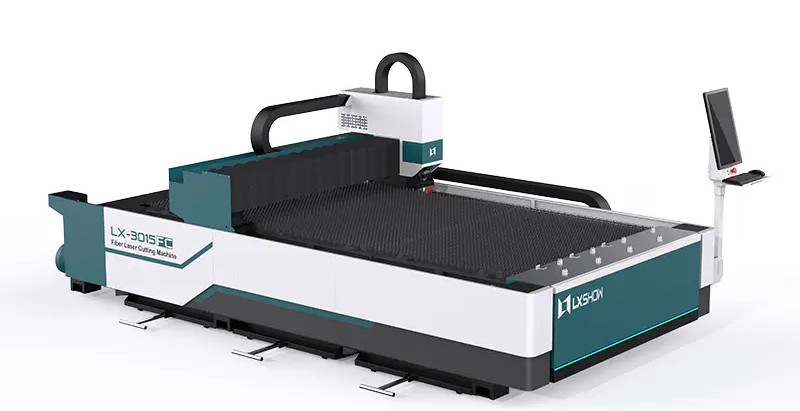
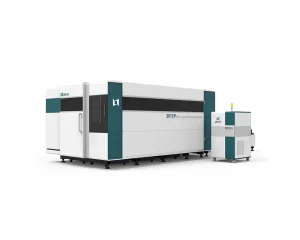
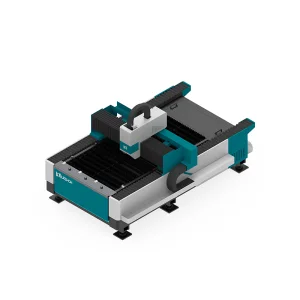
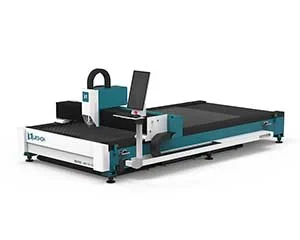
Optimized for ultra-thin and high-reflectivity alloy sheets. Equipped with intelligent CNC controllers and automatic height adjustment for precise processing.
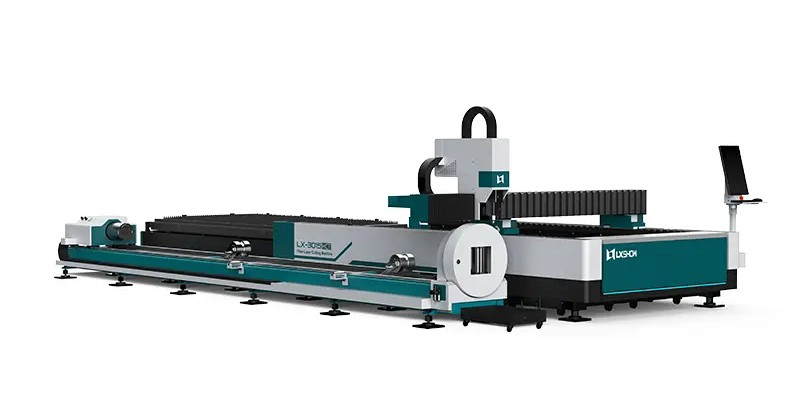
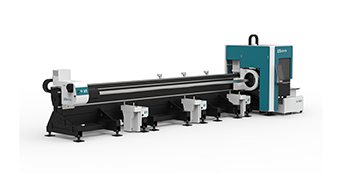
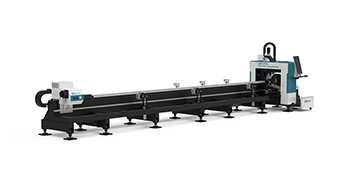
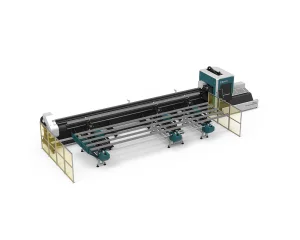
Versatile dual-purpose platforms featuring rotators for round and square tube profiling alongside flat sheet cutting on a single machine footprint.
High-speed automatic rotary chuck systems configured for precision profiles, square tubing, oval formats, and multi-angle beveling applications.
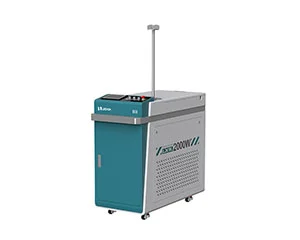
Includes both handheld and automated robotic cell weld systems, delivering smooth seam profiles with minimal thermal distortion.
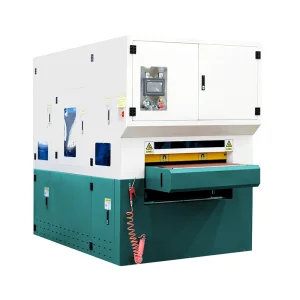
Environmentally safe systems that remove surface oxides, rust, paint coatings, and machining residues without damaging the underlying substrate.
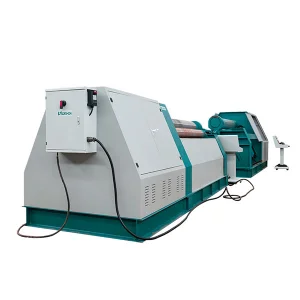
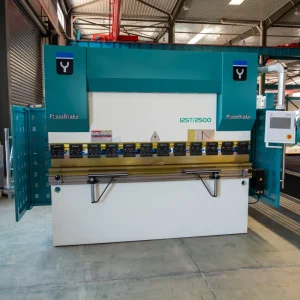
High-accuracy CNC sheet bending systems that achieve consistent bend angles across multiple profiles and variations in material thickness.
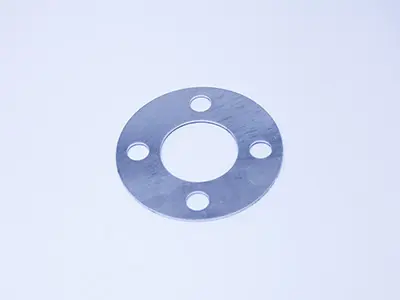
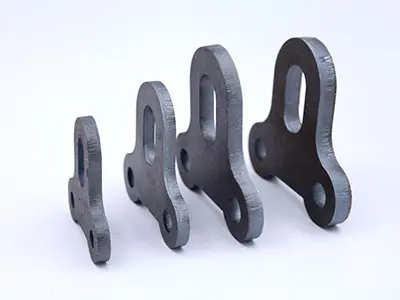
From precision hardware to architectural components, see how our systems are utilized across various industries.
The thin metal laser cutting industry is evolving toward higher process integration and automation. Key trends include:
A major electronics enclosure client experienced edge quality challenges when processing 1.2 mm aluminum alloys. Our team supplied the LX3015F system, configured with a high-speed gantry and a optimized auxiliary nitrogen gas flow.
This update improved feed rates by 35% while eliminating secondary deburring requirements. This change resolved the production bottleneck, allowing the manufacturer to process high-reflectivity metals reliably without protective coating burn-off.
Technical responses to common procurement and operational questions from global buyers and mechanical engineers.
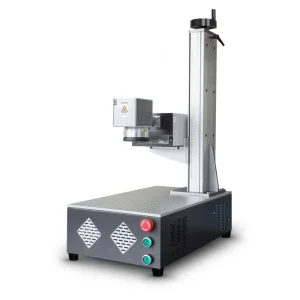
Browse our broader range of manufacturing equipment, including sheet bending, tube cutting, and portable laser marking systems.
 Lxshow