Explore our flagship series of fiber laser cutting systems, automatic deburring mechanisms, and tube processing tools designed for modern industrial throughput.
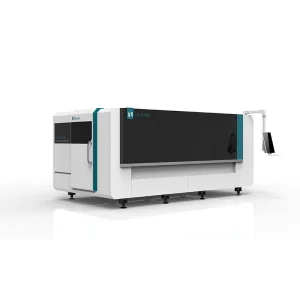
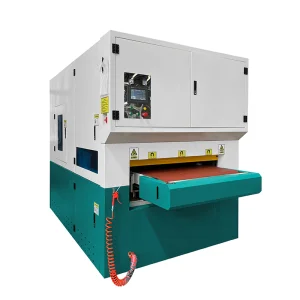
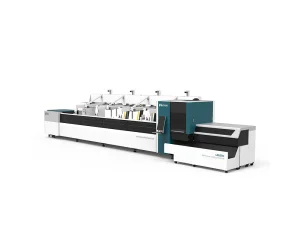
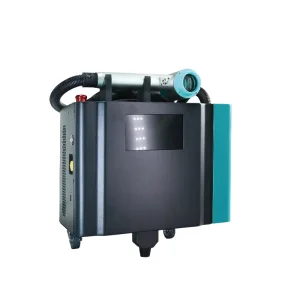
Understanding macro-industrial dynamics and structural migrations toward solid-state fiber laser technologies.
The transition from legacy thermal cutting systems to high-performance CNC fiber laser cutting machines represents one of the most critical structural transformations in modern metalworking. Worldwide commercial manufacturing demands rapid throughput, high material yields, and tight tolerances. These demands make traditional tool-and-die configurations or older CO2 laser technologies increasingly obsolete. Solid-state fiber lasers operate at an excitation wavelength of approximately 1.06 microns, which allows for optimal energy absorption rates in ferrous and non-ferrous metals alike.
Across key industrial zones in North America, Western Europe, and East Asia, factories face rising labor costs and strict regulatory standards. These factors drive the adoption of fully enclosed, automated material processing platforms. The fiber laser system addresses this need by delivering high electrical efficiency (often exceeding 35% compared to CO2's 8-10%) and eliminating optical path components like mirrors and internal gas purge networks. This efficiency reduces downtime, lowers operating costs, and delivers a return on investment that supports large-scale industrial operations.
A look inside the component engineering and mechanics that drive heavy industrial throughput.
Welded steel plate configurations are heat-treated in high-temperature tempering furnaces to eliminate internal stresses, preventing mechanical deformation over decades of high-speed acceleration.
Third-generation extruded aerospace aluminum structures deliver high stiffness with minimal weight. This enables gantry acceleration rates of up to 1.5G without sacrificing dimensional accuracy.
Premium fiber sources (Raycus, IPG, Max Photonics) are paired with auto-focus cutting heads. This combination features internal water-chilled collimating optics and real-time height sensing.
The structural rigidity of a laser cutting machine determines its long-term precision. Premium machines utilize heavy, segmented rectangular tube welded structures or high-rigidity cast-iron machine beds. These components undergo thermal stress relief processes, including vibration aging and high-temperature tempering, to guarantee structural alignment over a long service life. Dynamic axis movement relies on precision helical racks, linear guide rails, and high-inertia AC servo motors. These systems prevent tracking deviation, even at high positioning speeds.
CNC control systems, such as CypCut (FSCUT), manage the laser output power, focal position, and gas pressures (Oxygen, Nitrogen, or Compressed Air) in real-time. By utilizing nesting algorithms (like CypNest), operations optimize sheet utilization to reduce scrap metal generation. Intelligent features like "FlyCut" and "Frog-Leap" path planning reduce cycle times by optimizing travel paths. Additionally, capacitive distance sensors detect workpiece variations, helping to protect the optical head from collisions.
More than 18 years of technical expertise, manufacturing infrastructure, and compliance certification.
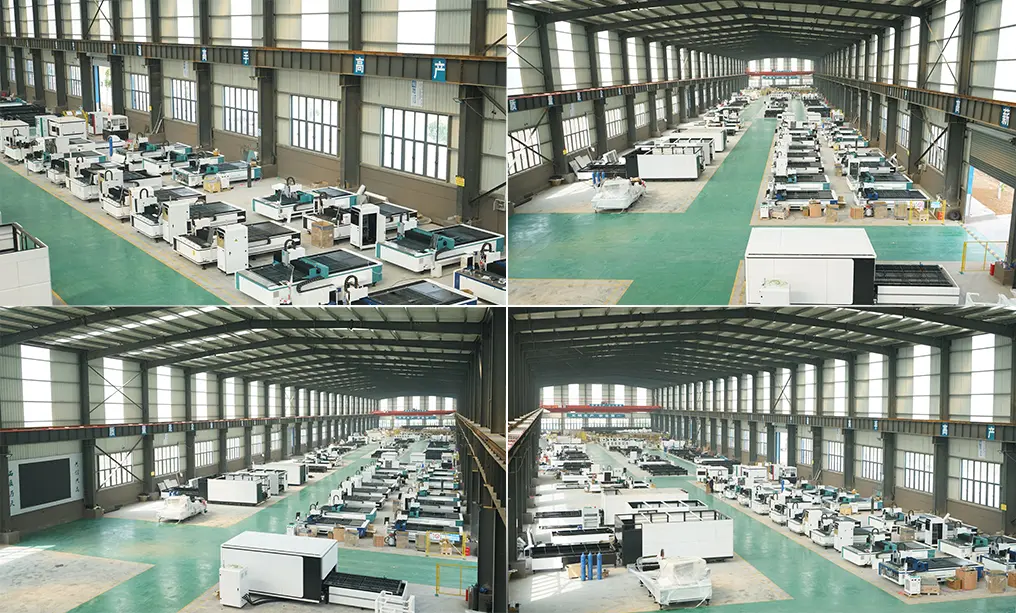
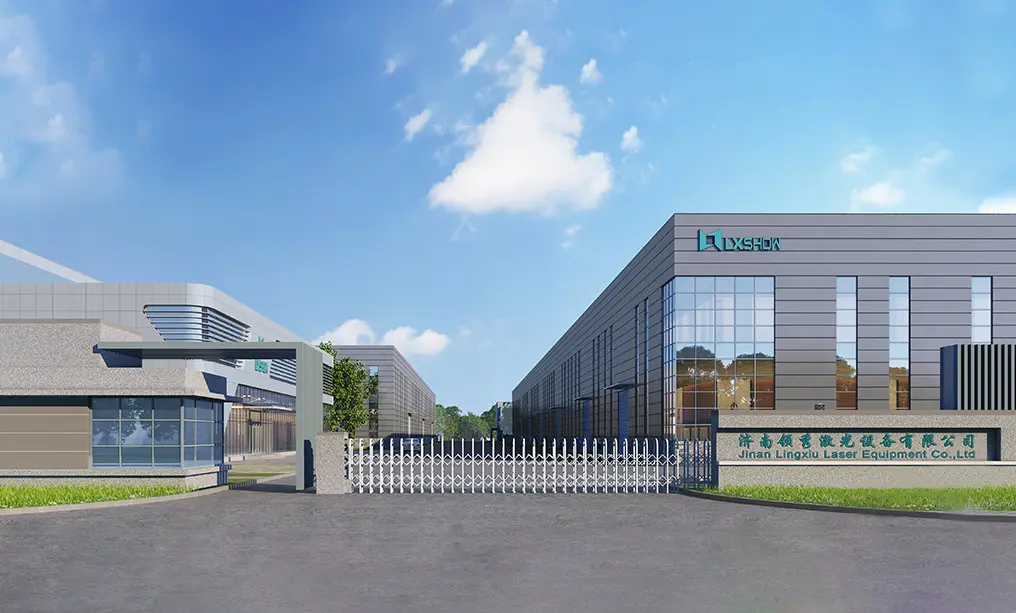
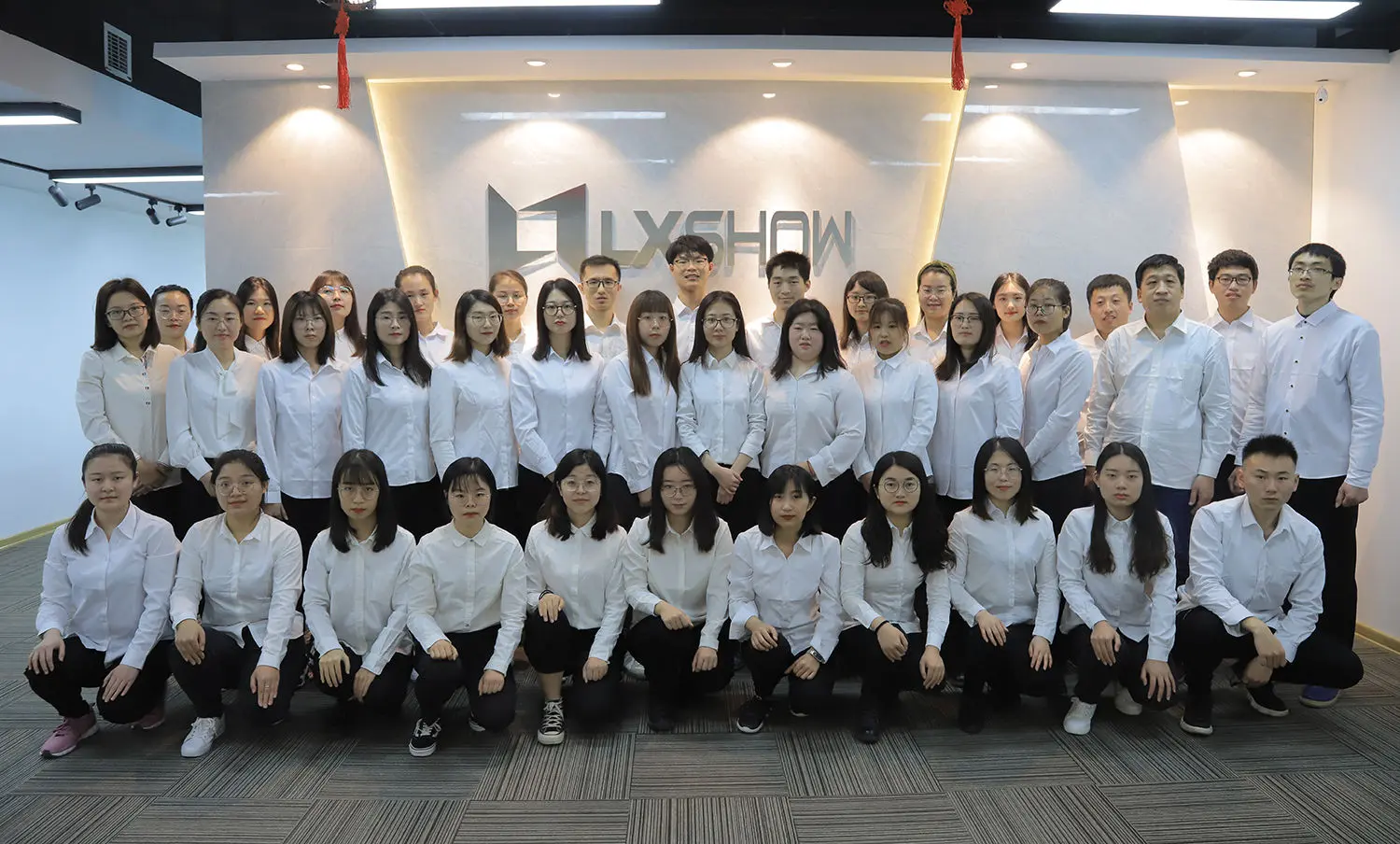
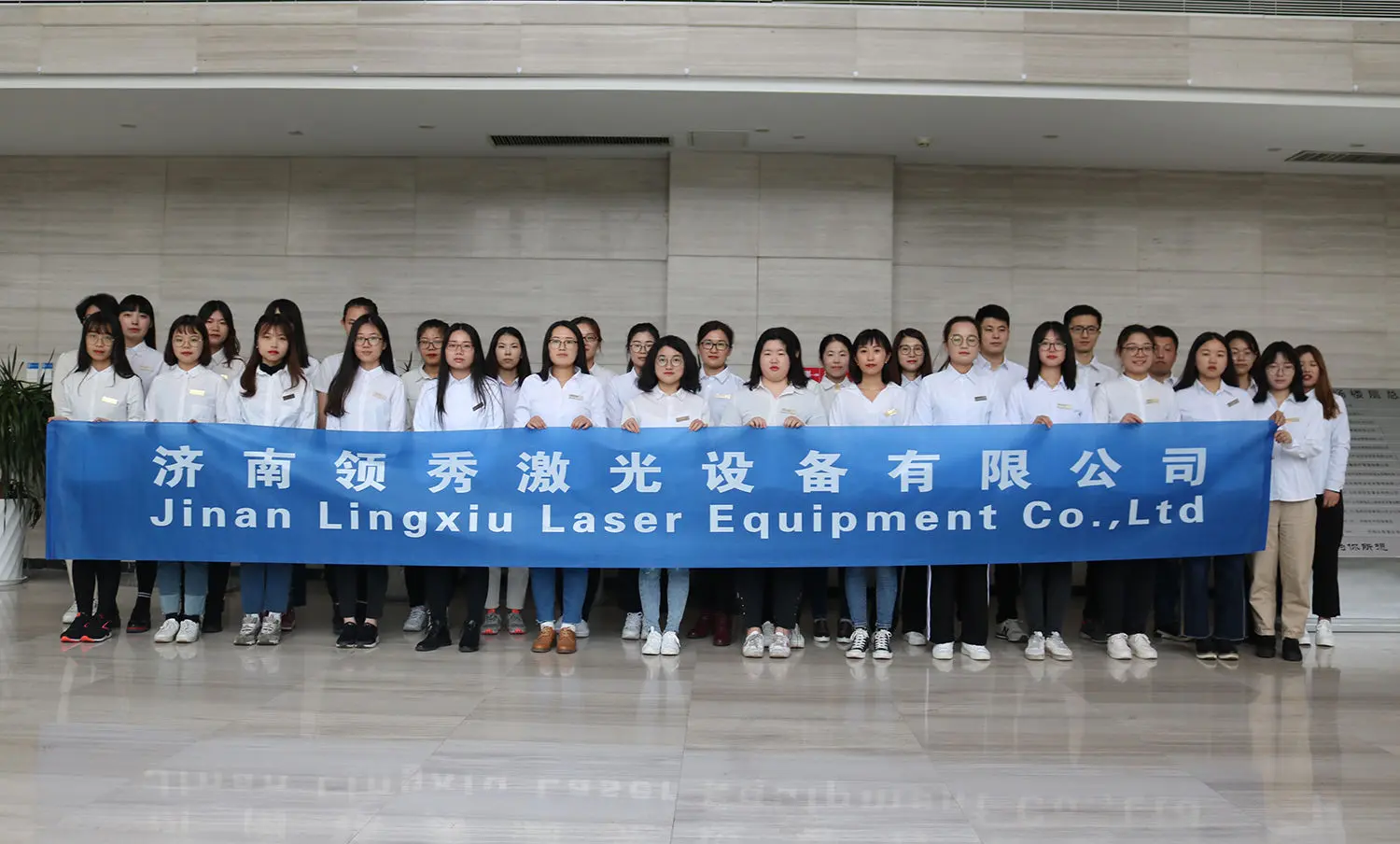
Established in July 2004, our enterprise has grown from a regional engineering team into an international provider of intelligent laser equipment. Operating from a modern 32,000-square-meter manufacturing plant alongside a 500-square-meter research and development center, we maintain quality standards across all production stages. Our mechanical testing protocols ensure that every gantry, guide rail, and chassis meets our technical specifications before delivery.
Our commitment to quality control is verified by international certifications, including the European Union CE Authentication, United States FDA Certification, and compliance with the ISO 9001 quality management system. In addition to our direct sales operations, we provide comprehensive OEM and ODM services to over 30 global industrial brands, supporting their localized distribution and service networks.

Deploying laser technology to address the specific production needs of diverse global industries.
Industrial laser systems must handle a wide variety of processing requirements. From heavy agricultural fabrication to high-volume automotive parts production, regional facilities require machinery adapted to their local materials, environmental rules, and output goals. A factory processing structural steel plate for bridge girders relies on high-power fiber lasers (12kW–30kW) paired with clean oxygen assist gas to produce smooth, dross-free edge finishes on carbon steel. Conversely, a precision electronics enclosure plant requires clean nitrogen assist gas to prevent edge oxidation on stainless steel and aluminum workpieces.
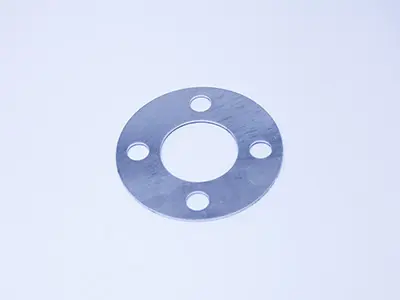
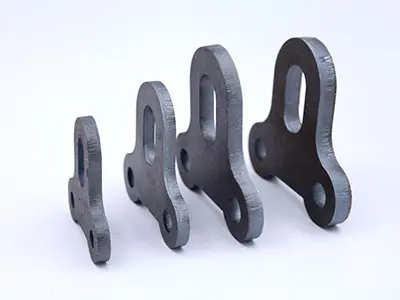
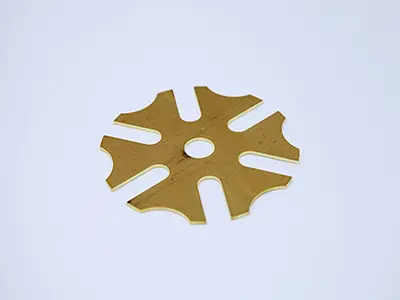
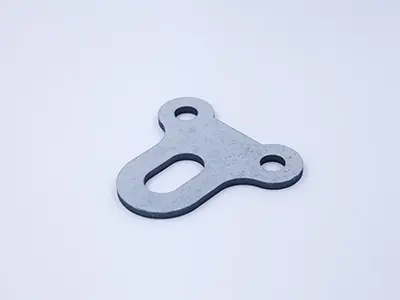
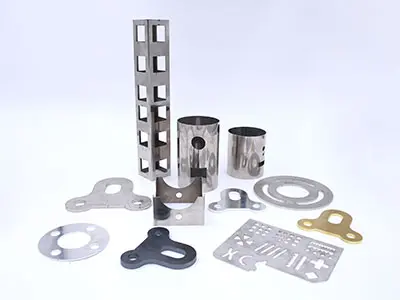
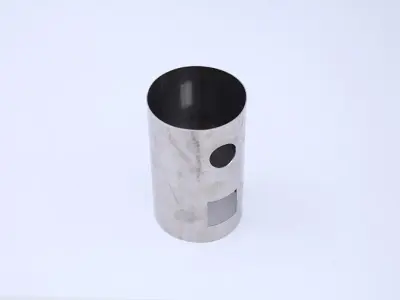
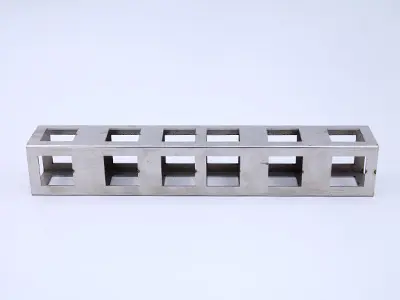
Our machinery supports operations across a range of applications, including:
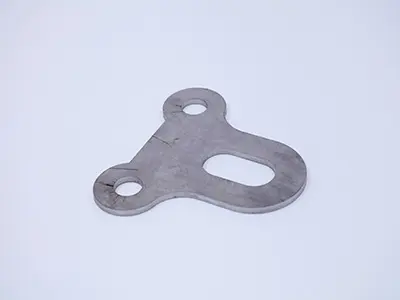
Leveraging regional industrial clusters to deliver cost-effective and reliable machinery.
Our production facilities are situated in a major industrial hub for CNC machinery. This location offers direct access to key component suppliers, including precision gear rack manufacturers, structural steel providers, and optical component vendors. This regional clustering simplifies our sourcing processes, allowing us to maintain stable production schedules and complete machinery builds with shorter lead times than fragmented supply networks can manage.
This integrated supply chain provides clear operational benefits, including:
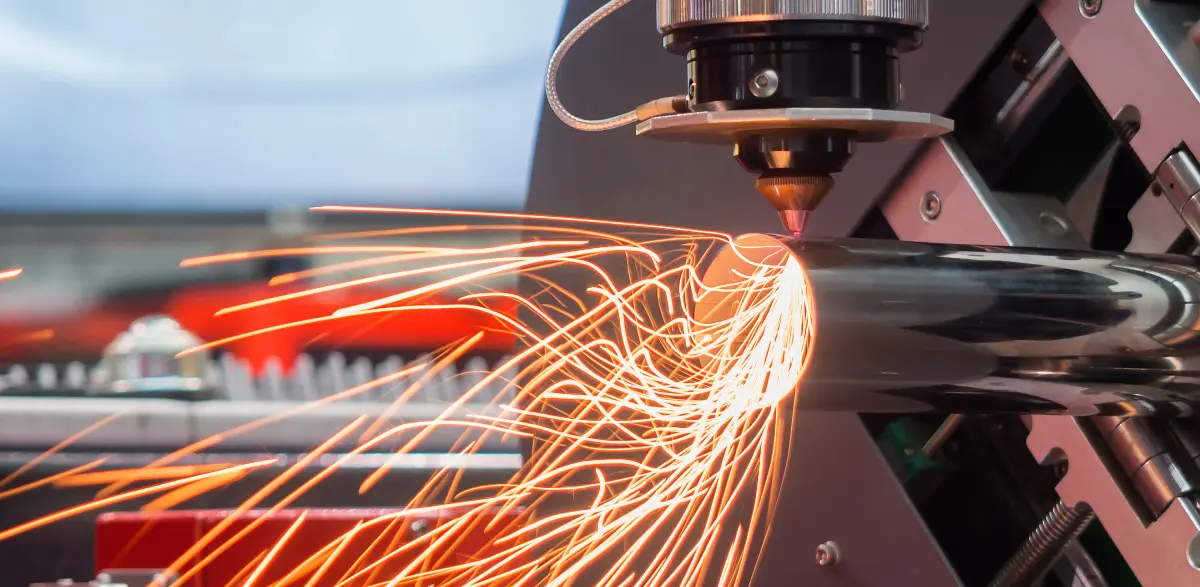
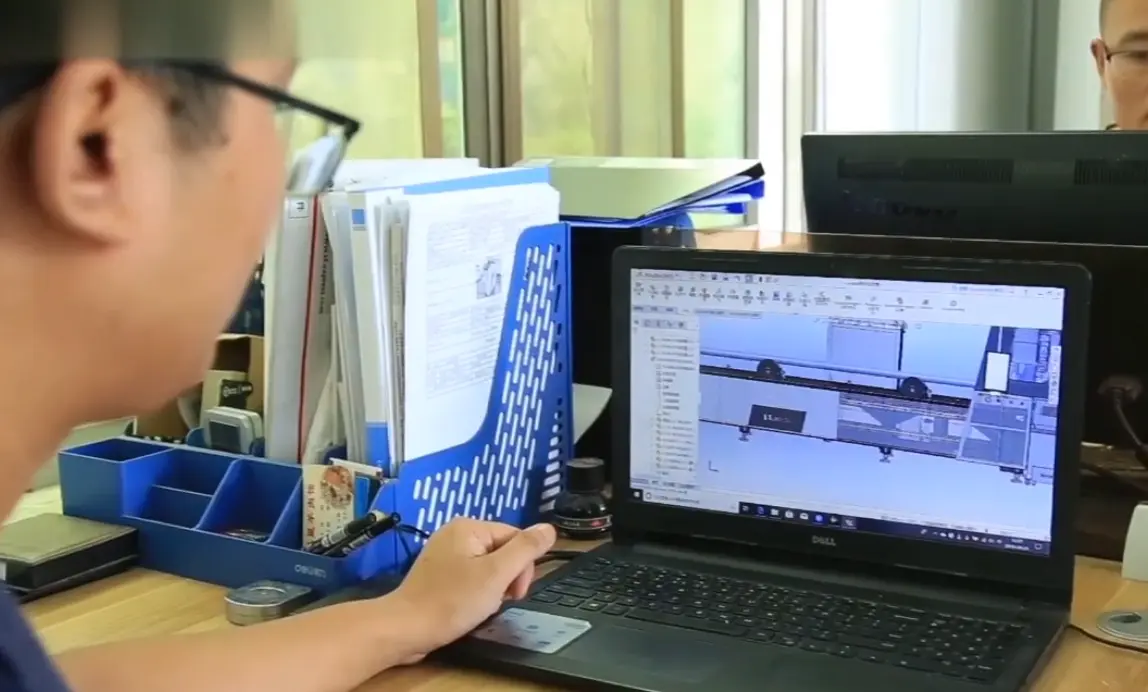
Heavy Gantry Machining Center - Precision Alignment Phase
Developing next-generation CNC systems, automated material handling, and green manufacturing processes.
As the metal fabrication industry moves toward greater automation, our long-term R&D roadmap focuses on integrating advanced sensing and control technologies. Our goal is to expand our presence in the global laser market by introducing systems that adapt dynamically to varied operating conditions, optimizing both cutting quality and energy consumption.
| Development Phase | Key Technologies | System Improvements | Target Industries | |
|---|---|---|---|---|
| 2024 - 2026 | High-power diode arrays, closed-loop optical sensors. | Real-time kerf monitoring, automated nozzle cleaning, auto-focus adjustment. | Automotive panels, metal enclosures, structural components. | 12kW–20kW Systems |
| 2027 - 2030 | Multi-axis robotic loading, automated material sorting. | Fully integrated material lines, automatic sheet thickness identification. | Aerospace parts, heavy machinery, high-volume job shops. | 30kW+ Platforms |
| 2031 - 2040 | Intelligent cutting optimization, adaptive power distribution. | Self-correcting cutting heads, minimized assist gas consumption, solar-grid compatibility. | Smart factories, next-generation transport, energy infrastructure. | Intelligent Systems |
Developing these technologies will improve overall system utility. Dynamic gas monitoring helps reduce gas usage by matching flow rates to material thickness. Closed-loop optical diagnostics detect cuts in real-time, helping to prevent nozzle damage and reduce scrap metal. These automated features help facilities maintain consistent production quality with less manual intervention.
System engineering backed by international safety certifications and structured technical service.
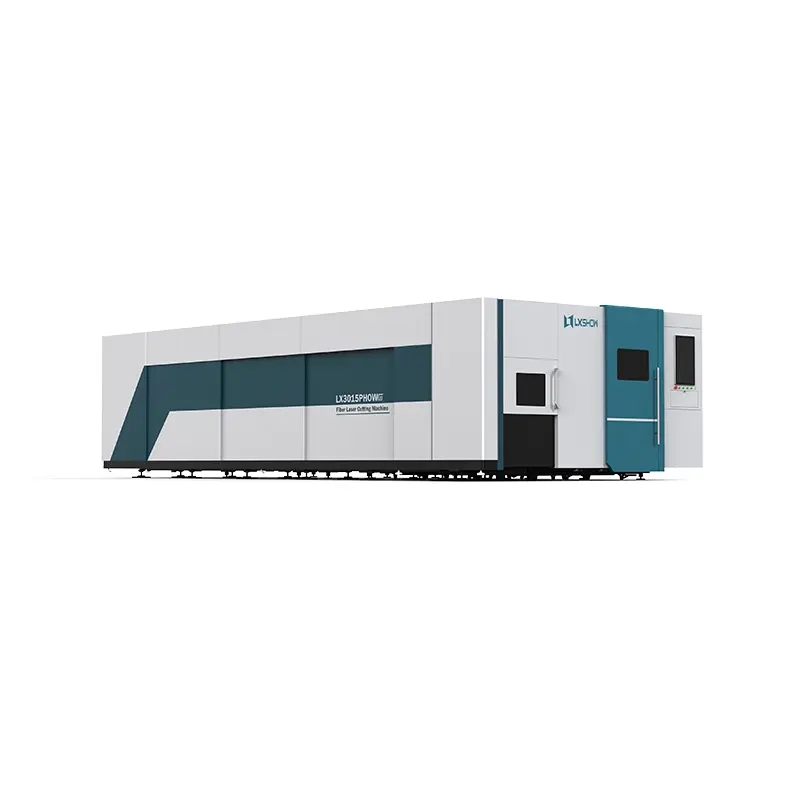
Exporting machinery globally requires strict compliance with regional safety, environmental, and electrical standards. Our fiber laser systems are built to meet these requirements. Each machine features electrical systems built in accordance with EU CE directives, using insulated, color-coded wiring, dual-channel safety relays, and protected conduit routing to ensure safe operation. High-power systems, such as the 3015PHO, feature fully enclosed cabins with OD6+ rated laser safety glass to protect operators from stray reflections.
To support global installations, we maintain a dedicated technical service structure:
Our core equipment lineup, spanning fiber cutting, laser cladding, welding, cleaning, and sheet metal bending systems.
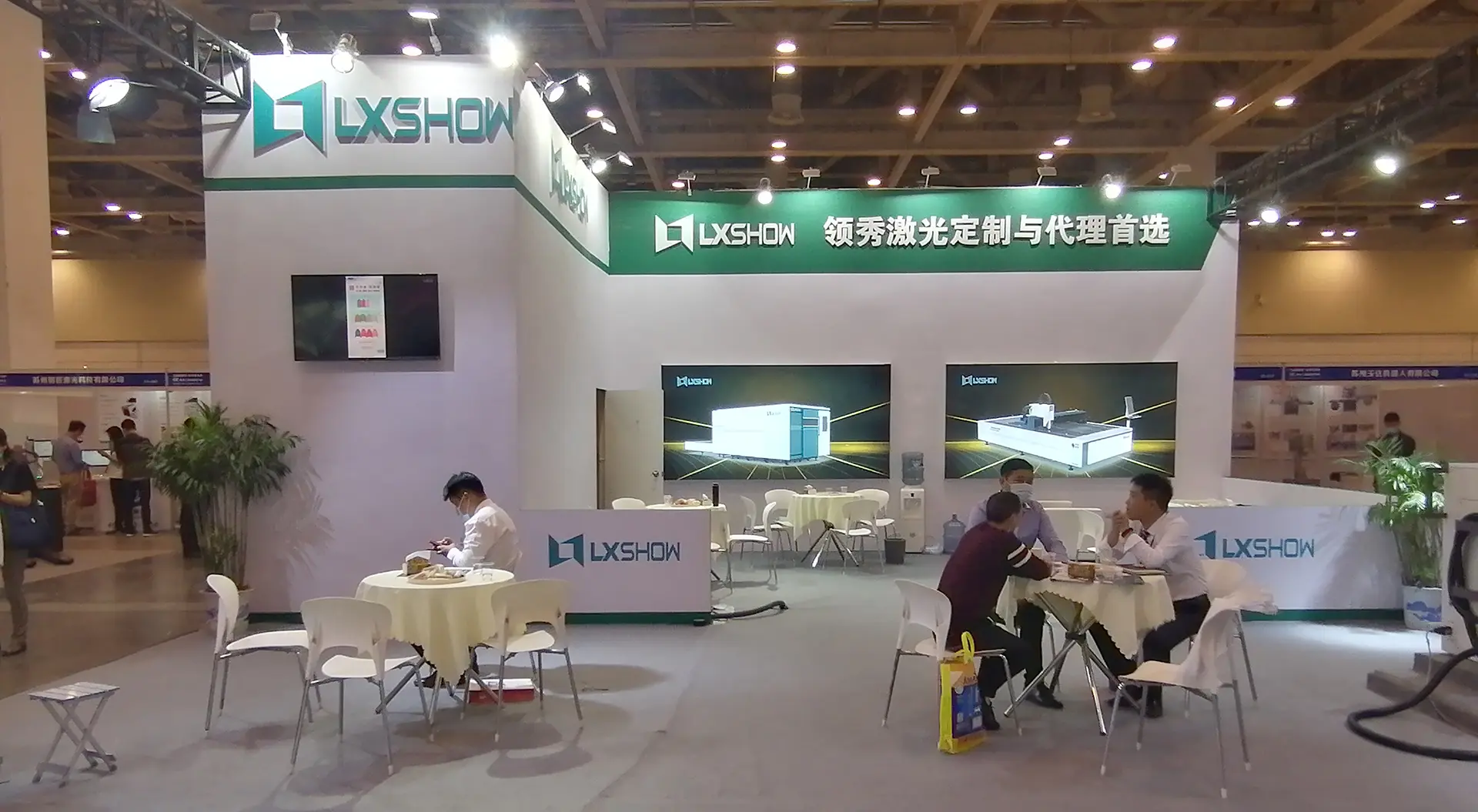
From raw plate preprocessing and laser cutting to final edge finishing and forming.
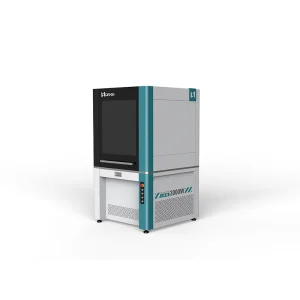
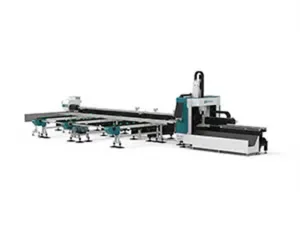
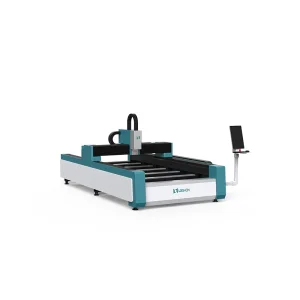
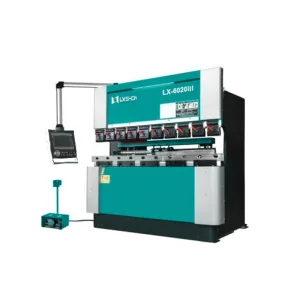
Our systems are deployed across metal forming shops, electronics manufacturing, and heavy equipment production. This equipment range includes fiber cutters, handheld laser welders, surface cleaners, CNC press brakes, and sheet shears, providing a complete set of tools for metal fabrication lines.
Designed for surface alloy modification and component rebuilding using high-accuracy rotational positioners.
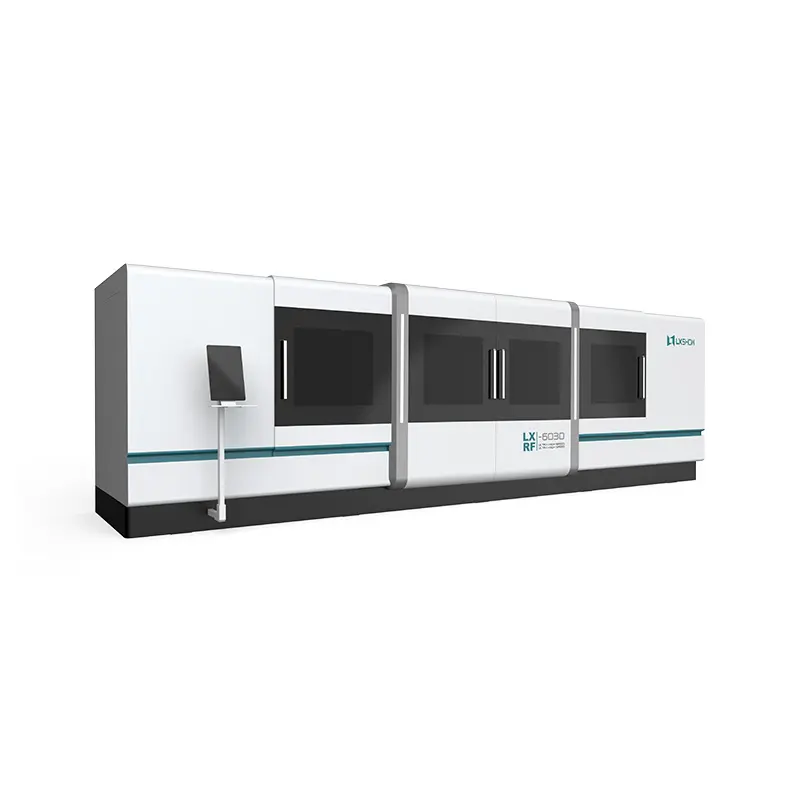
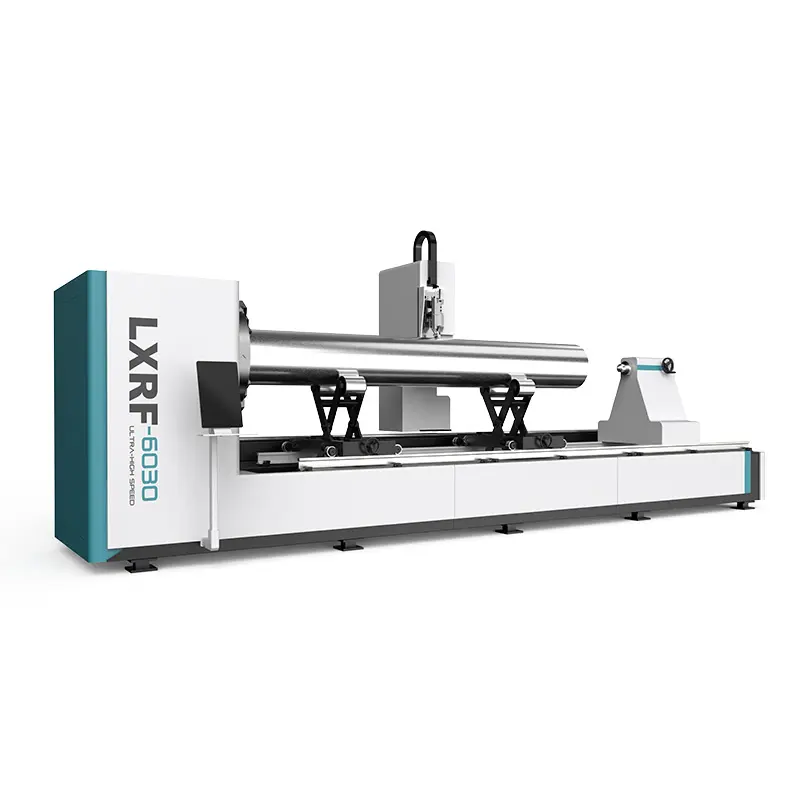
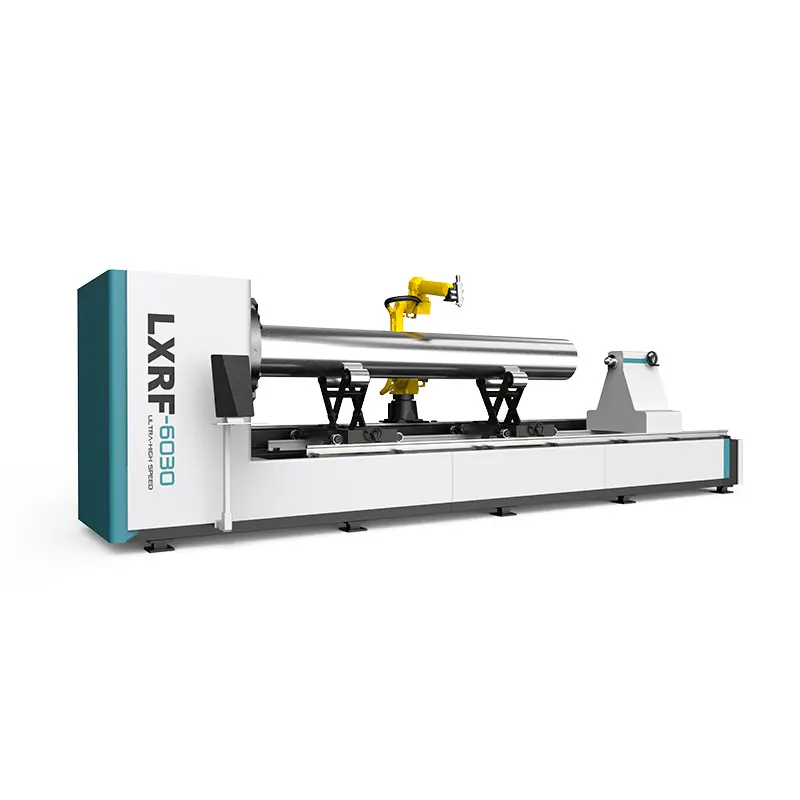
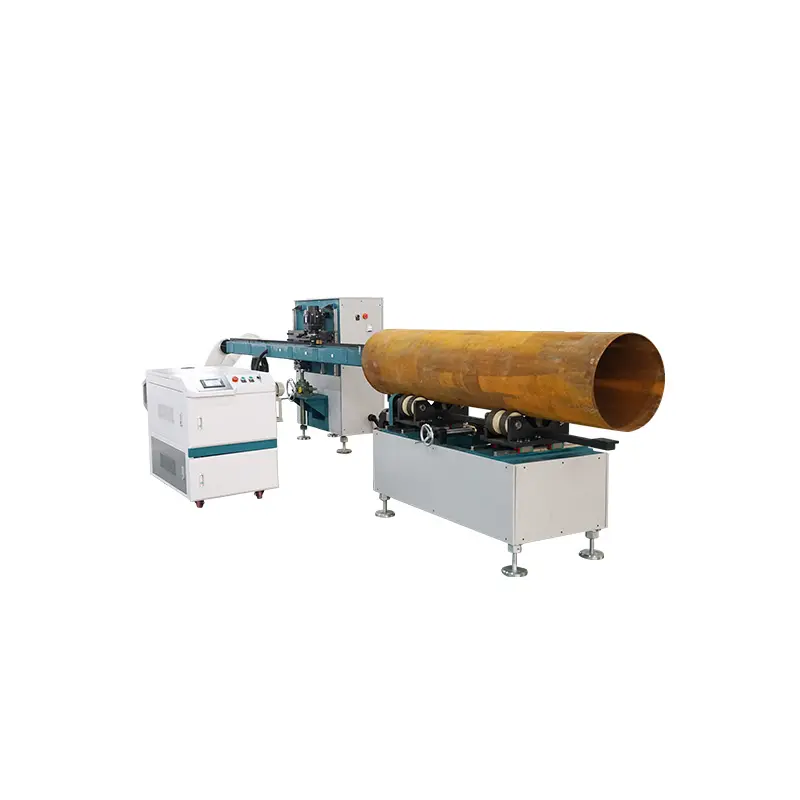
Eco-friendly rust, paint, and oxide removal without abrasive media or chemicals.
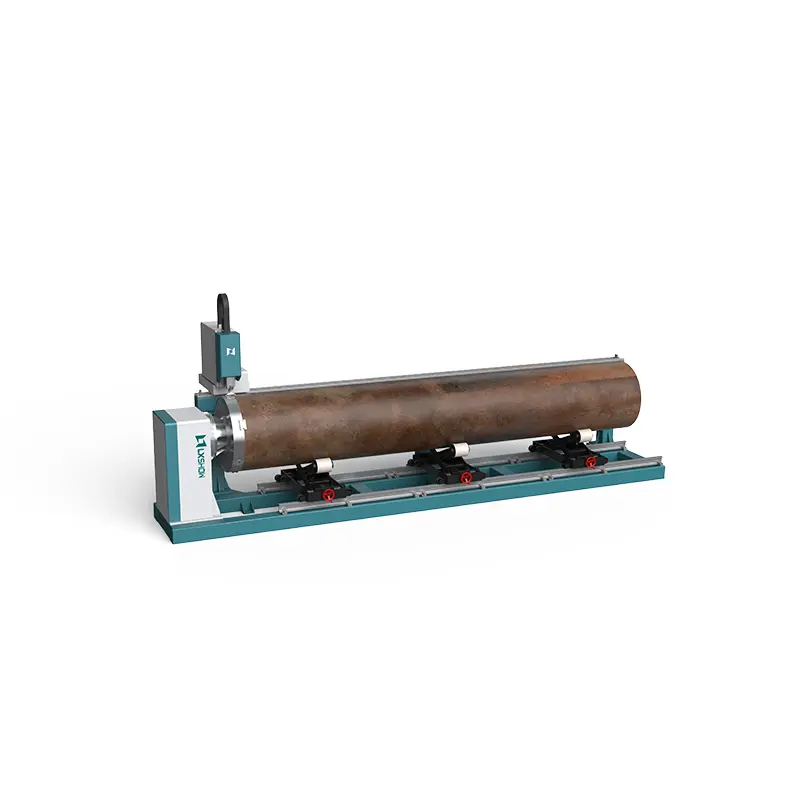
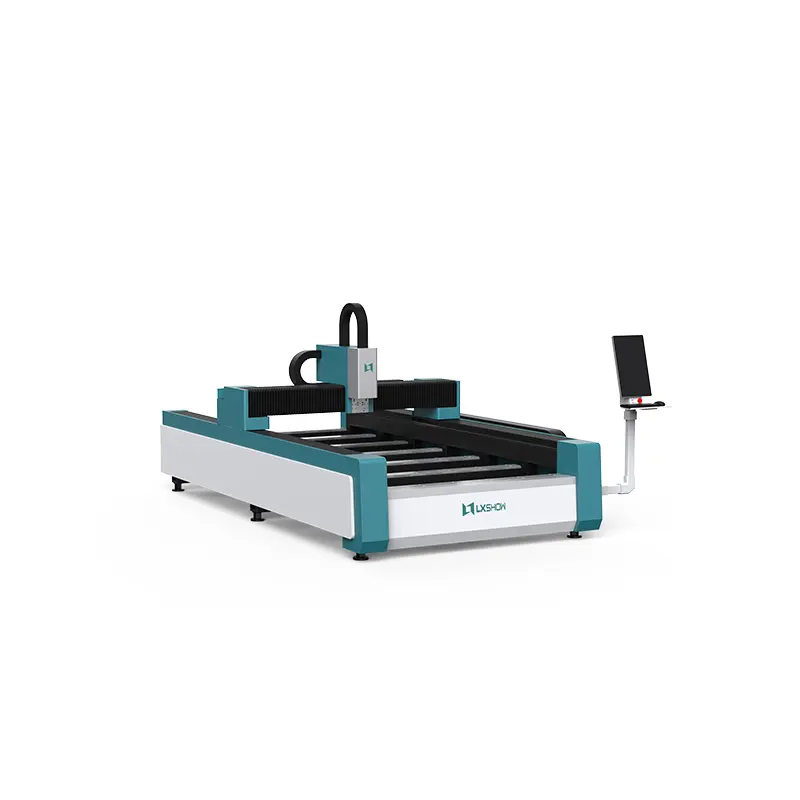
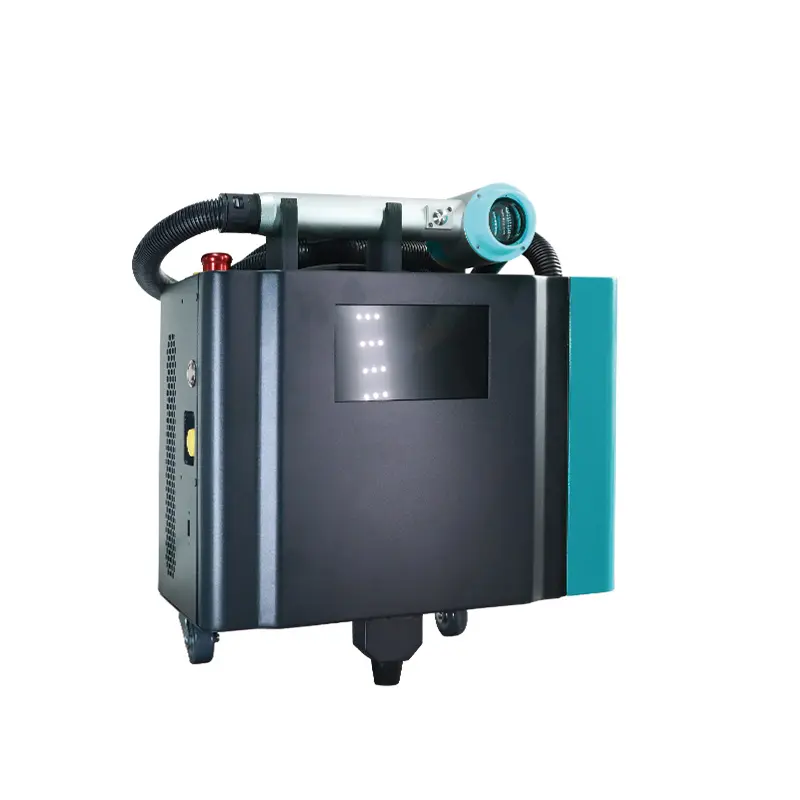
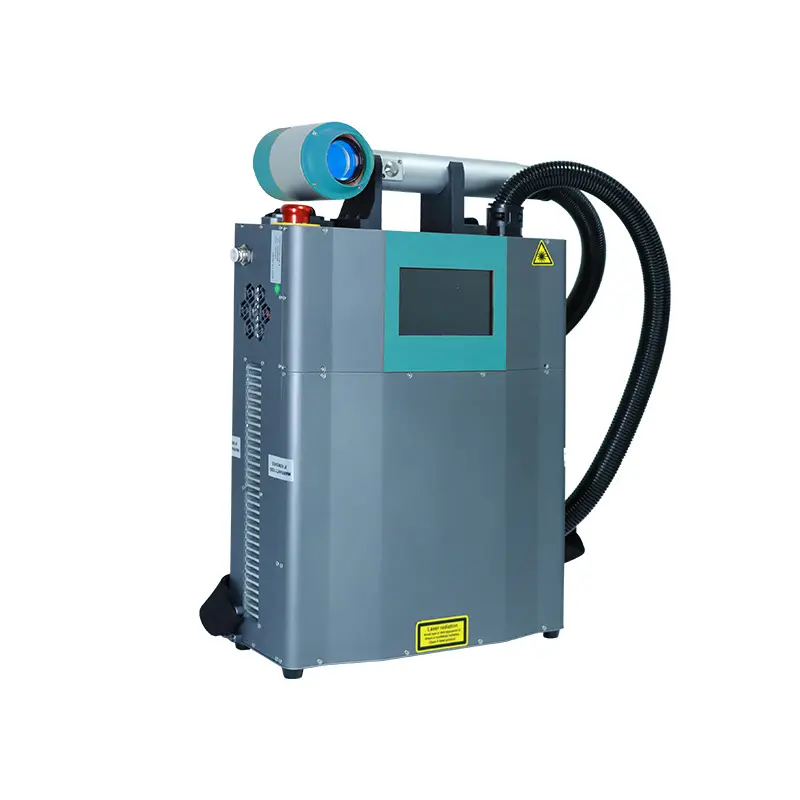
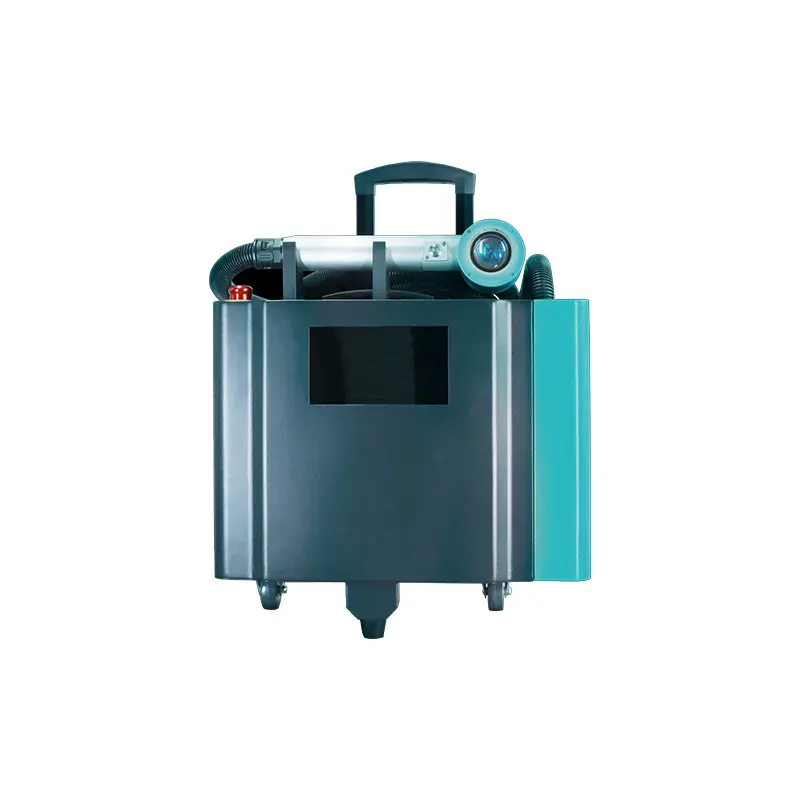
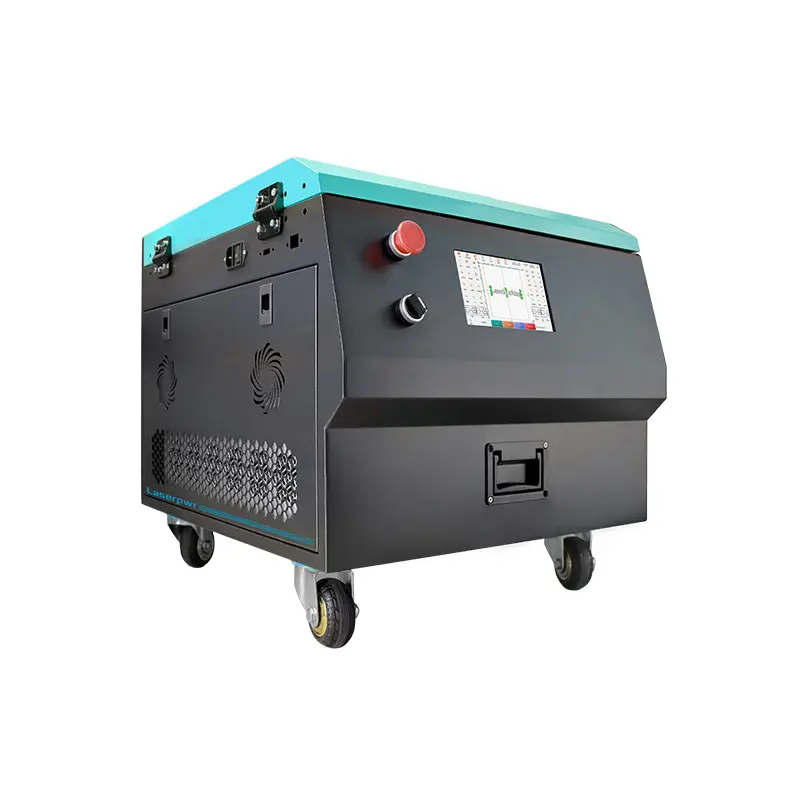
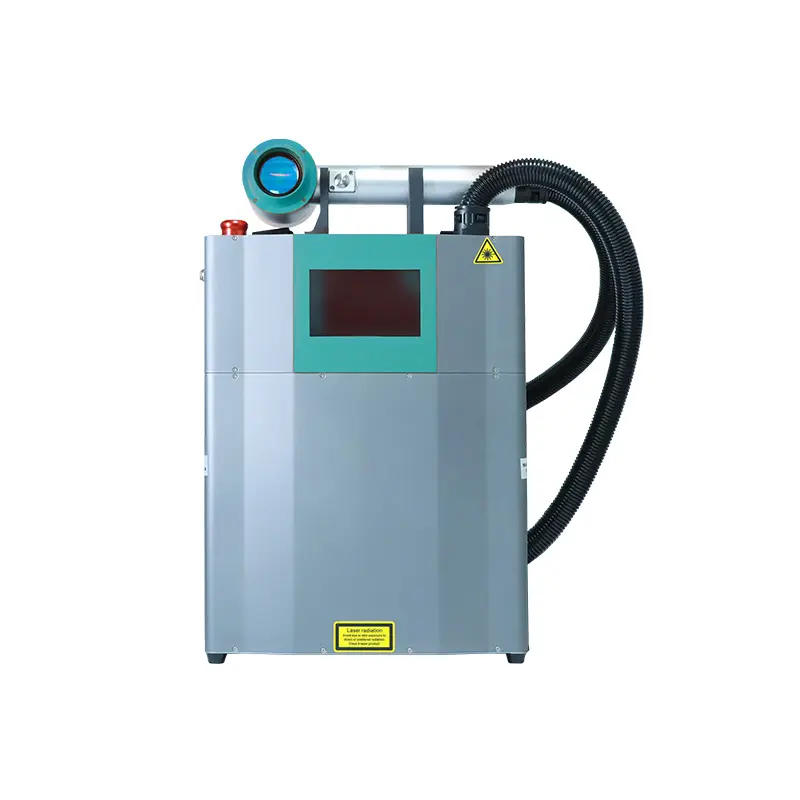
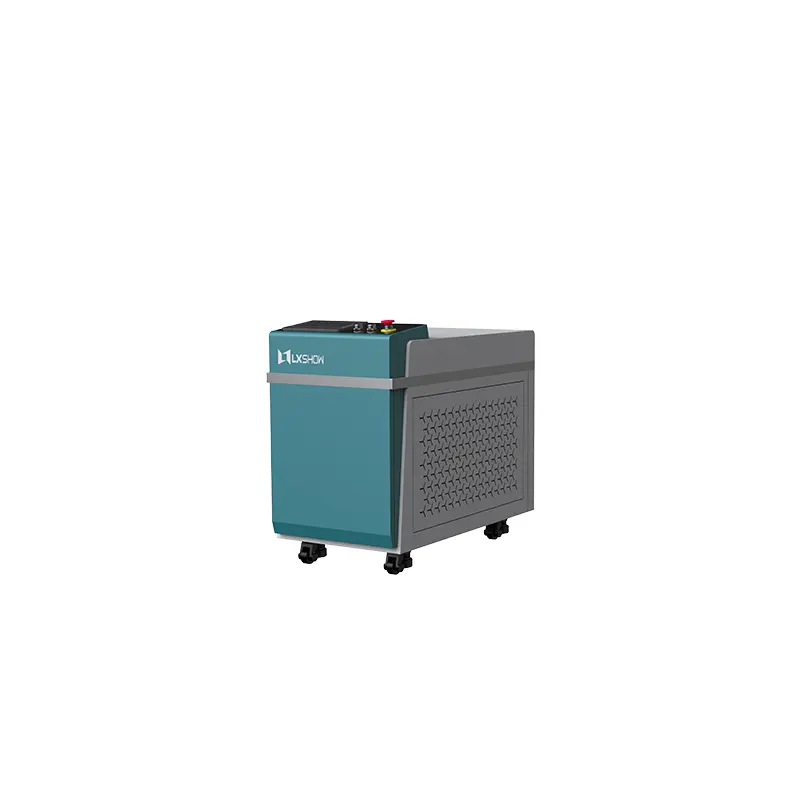
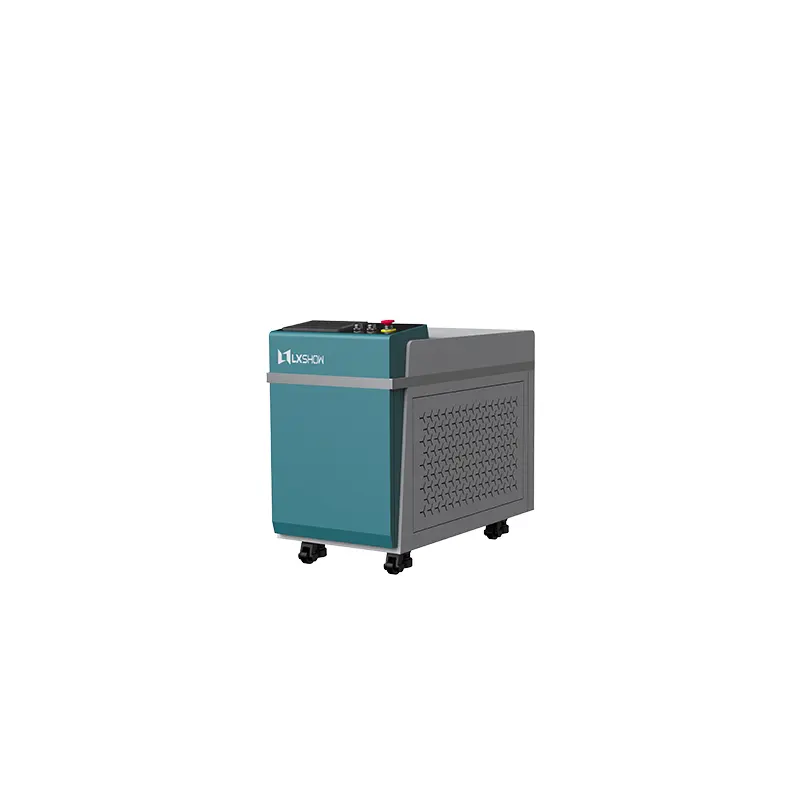
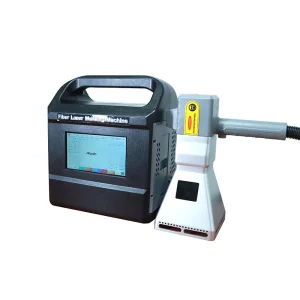
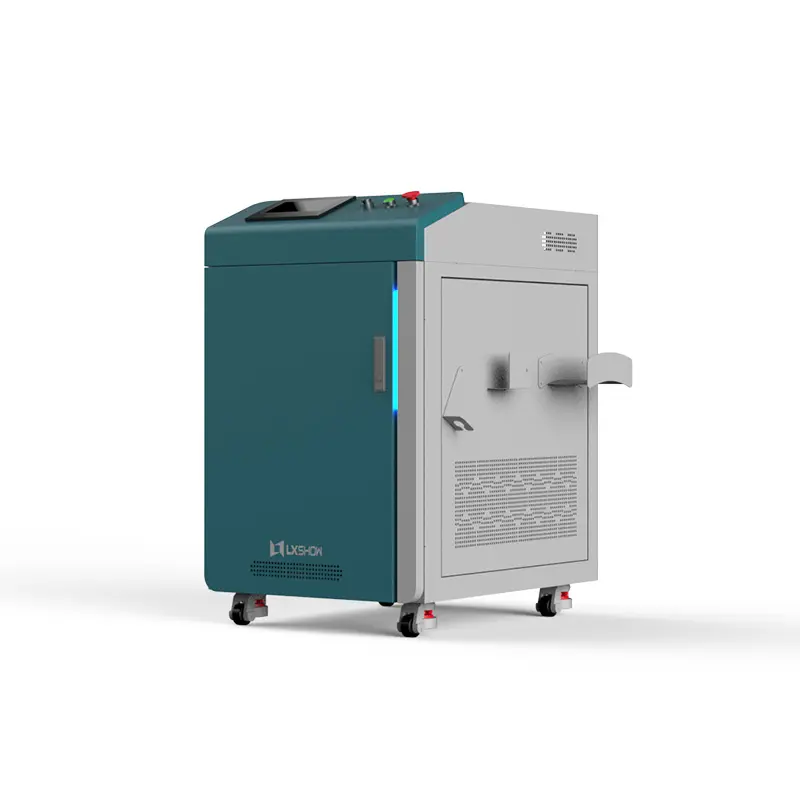
High-speed manual and robotic welding systems with minimized heat-affected zones.
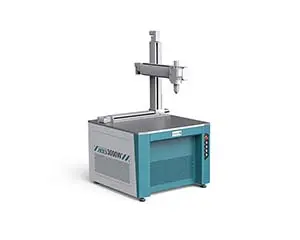
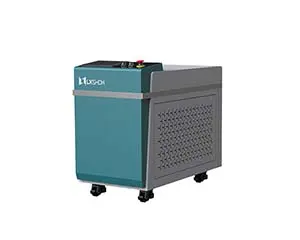
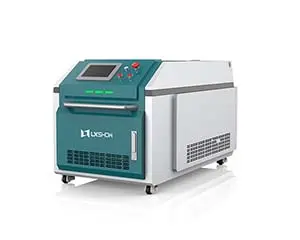
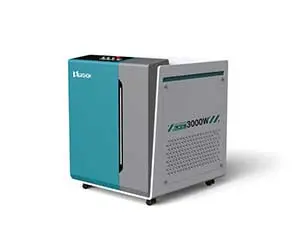
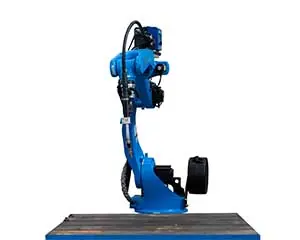
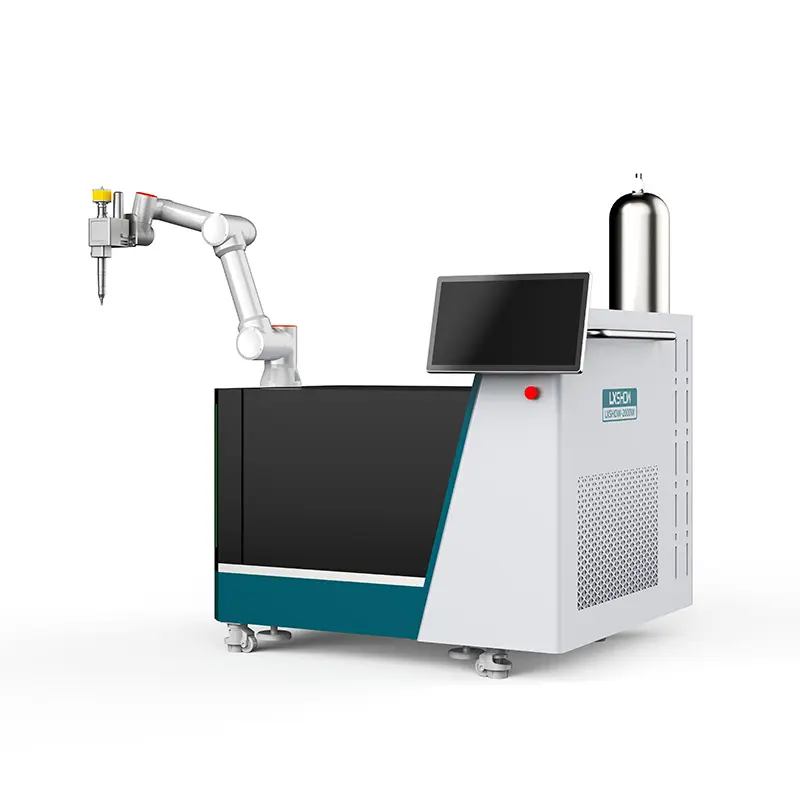
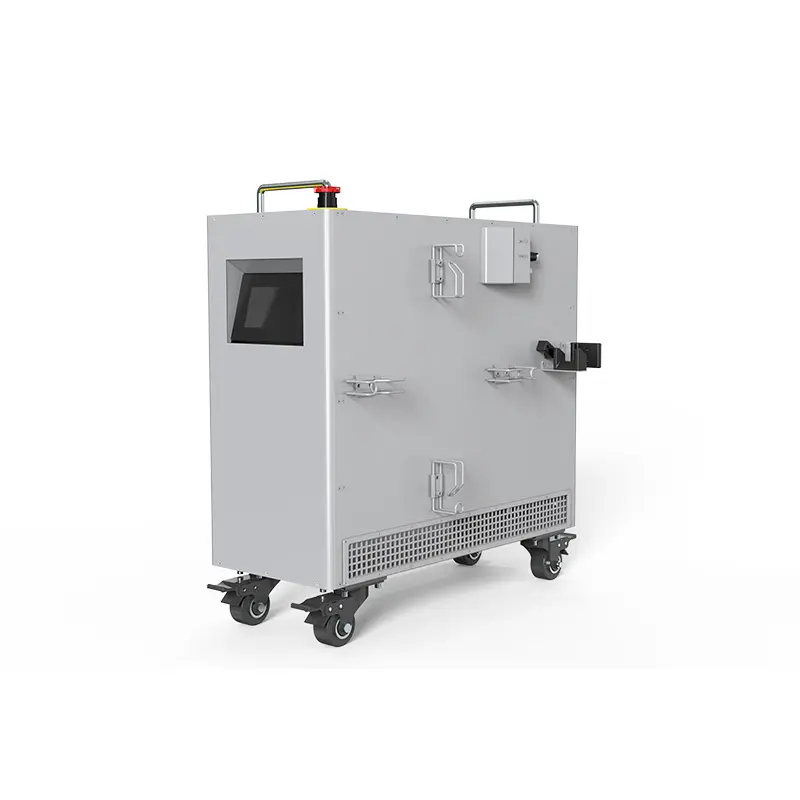
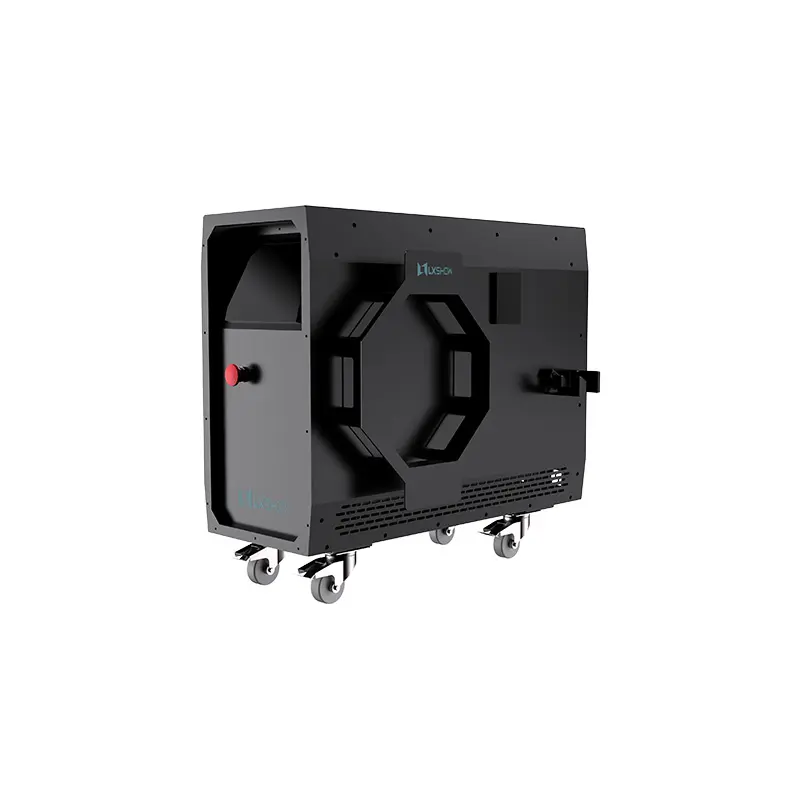
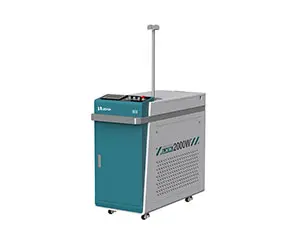
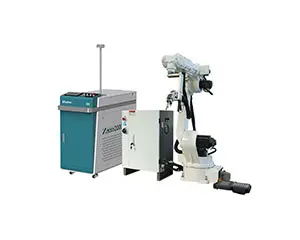
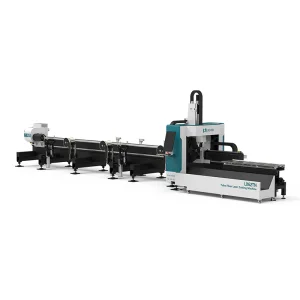
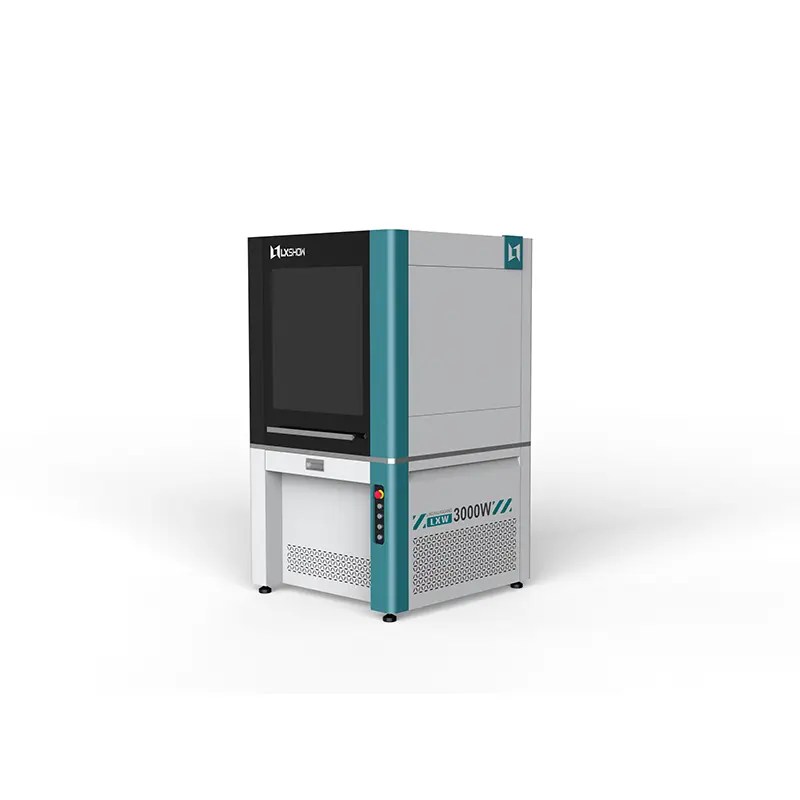
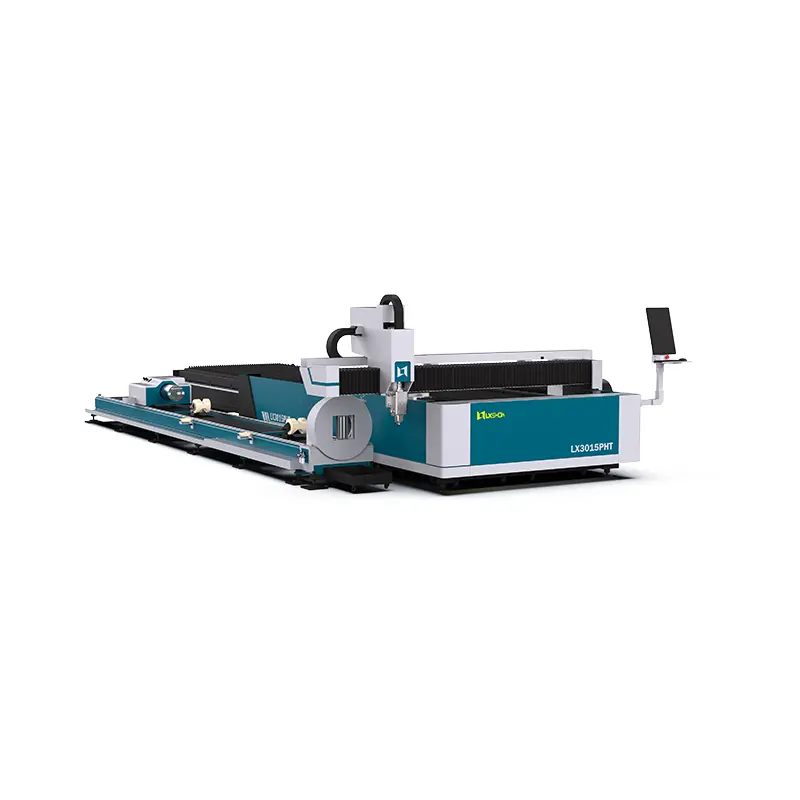
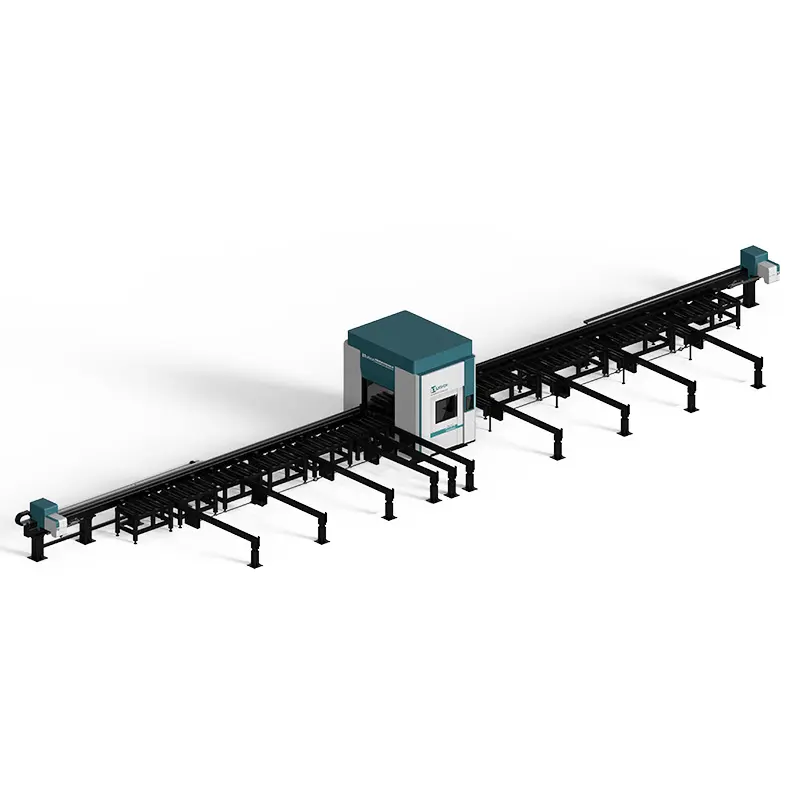
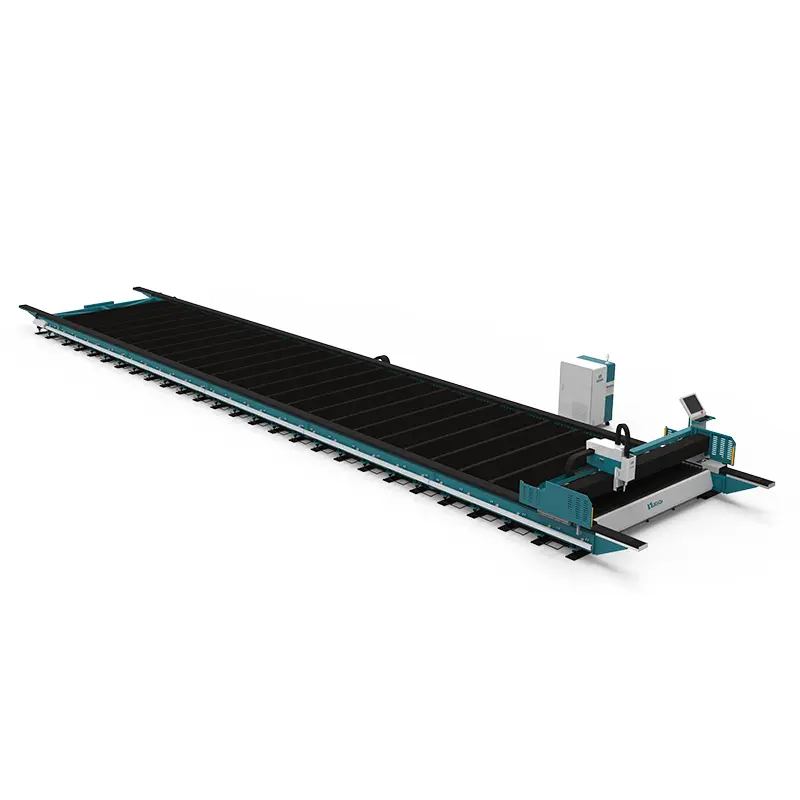
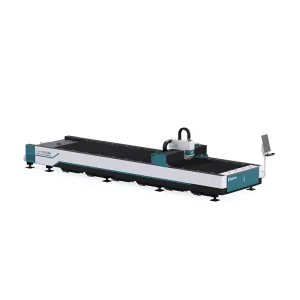
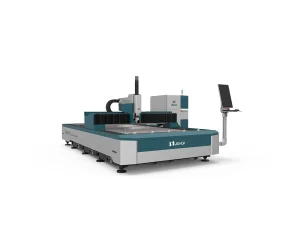
High-capacity flat sheet and structural tube fiber laser systems.
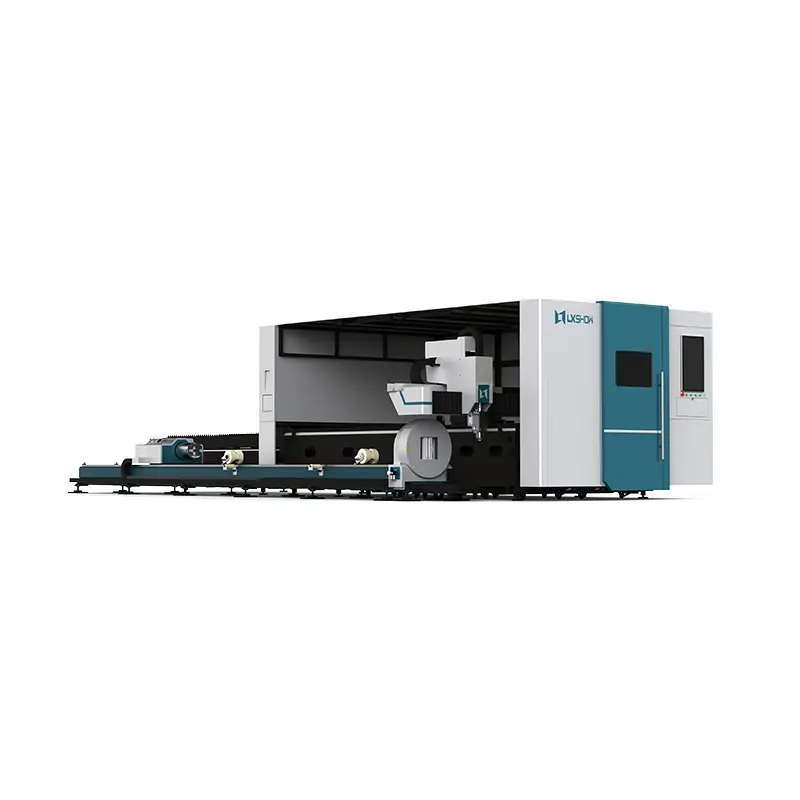
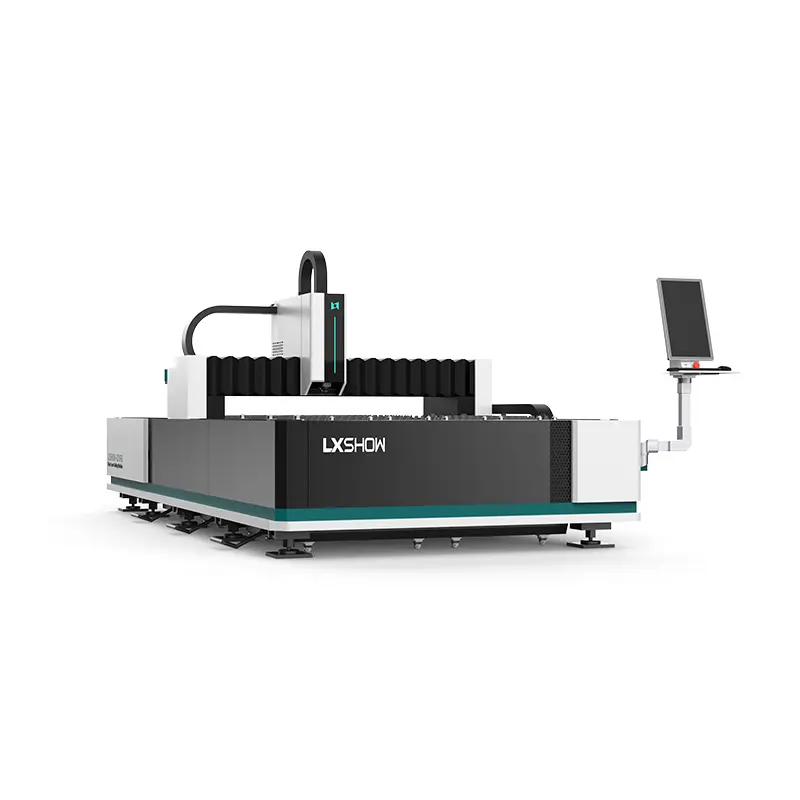
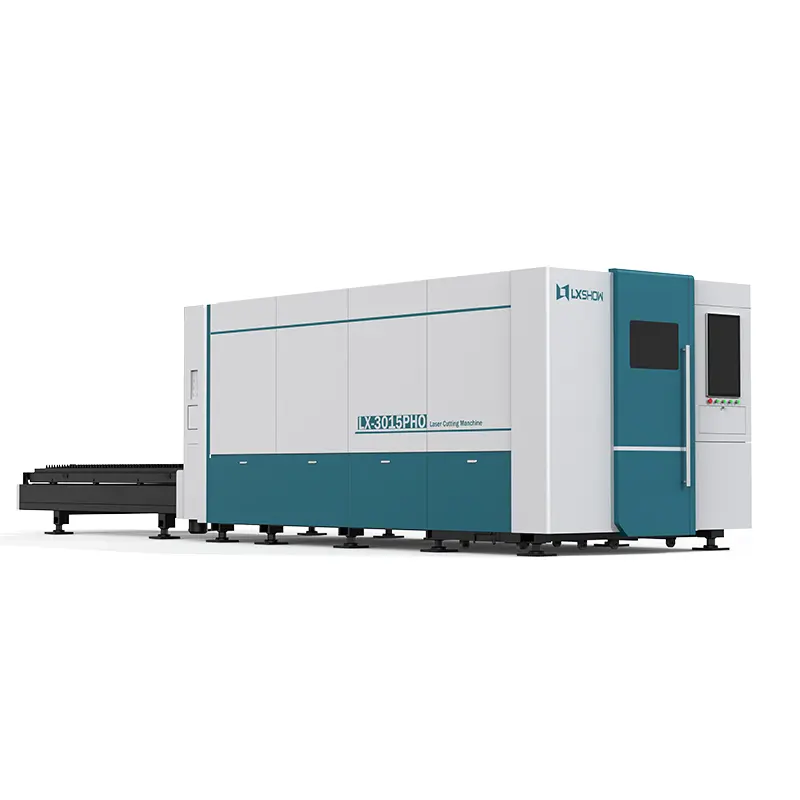
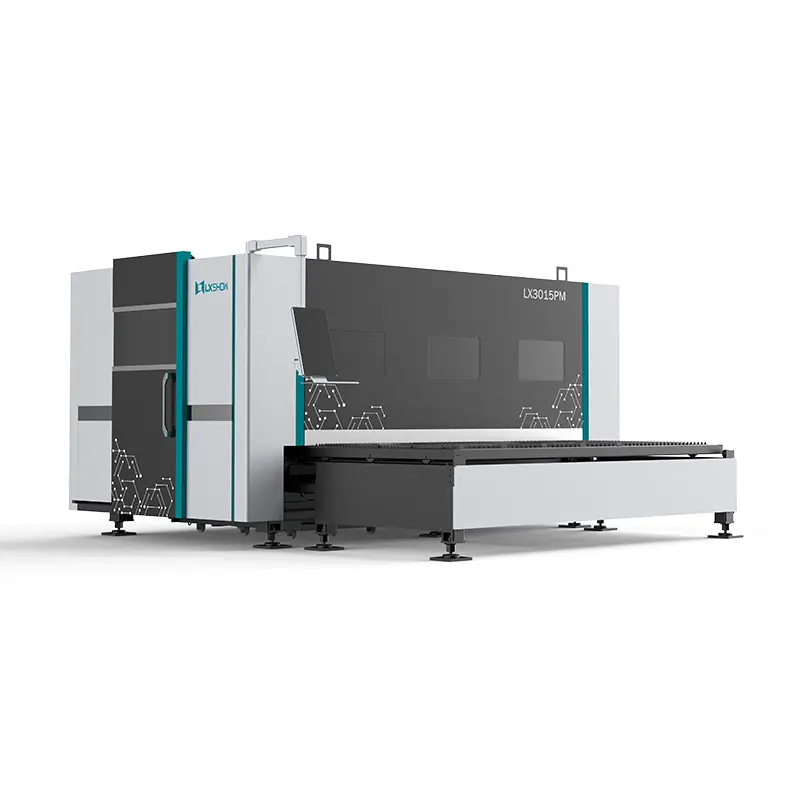
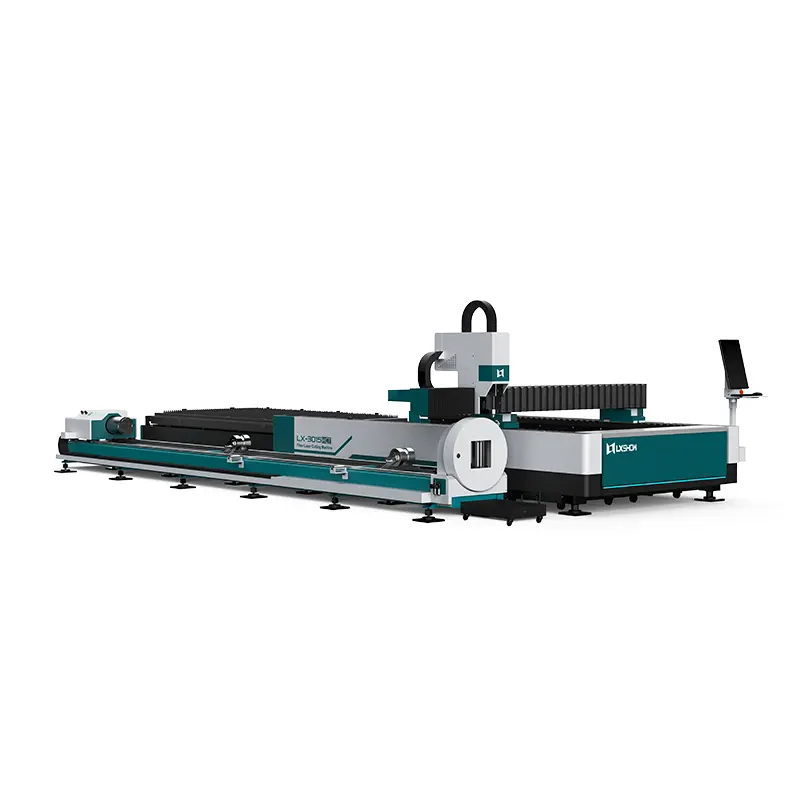
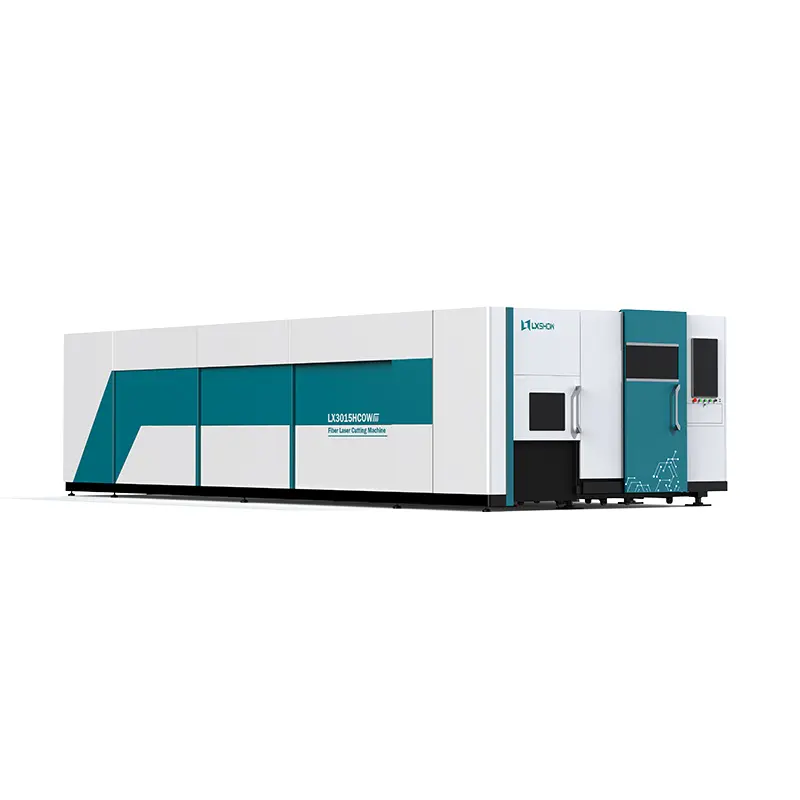
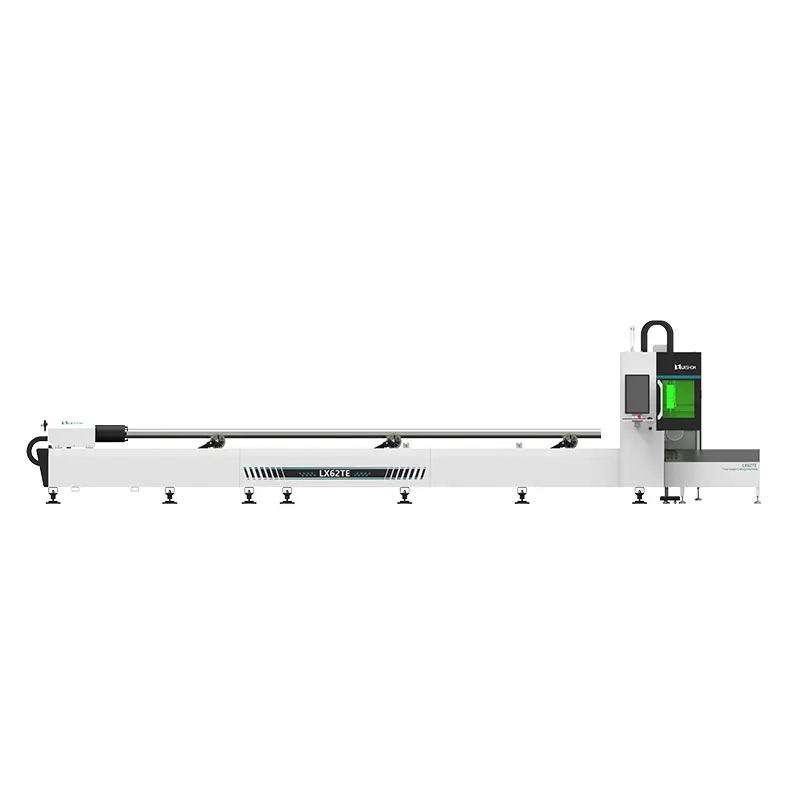
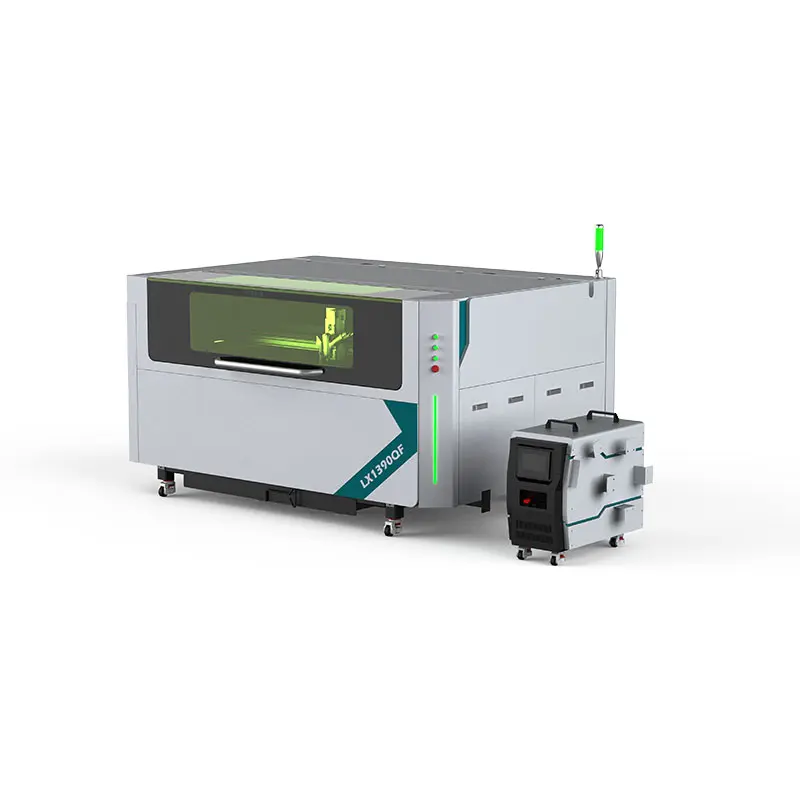
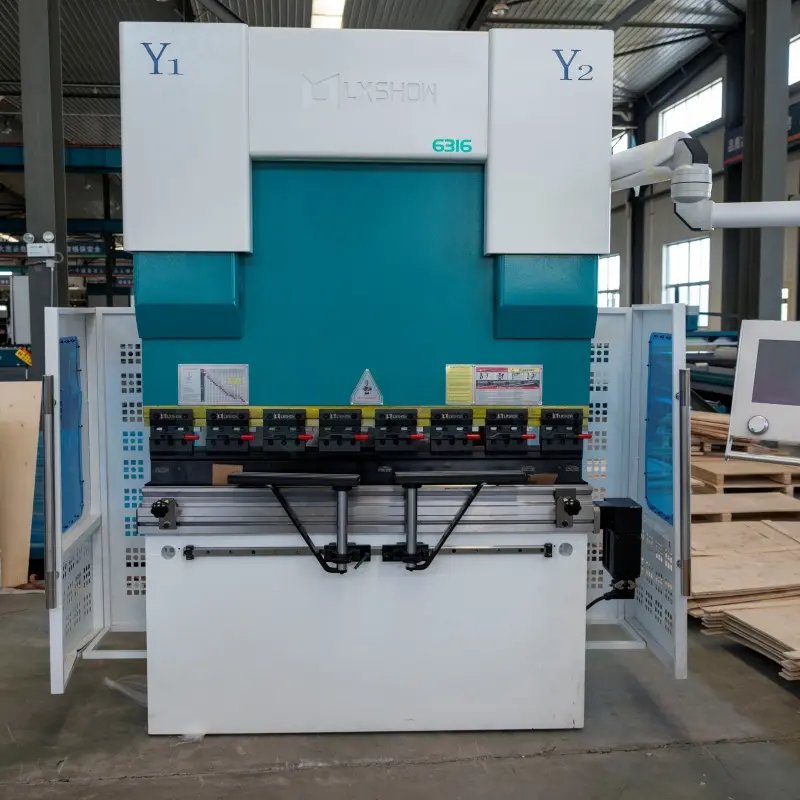
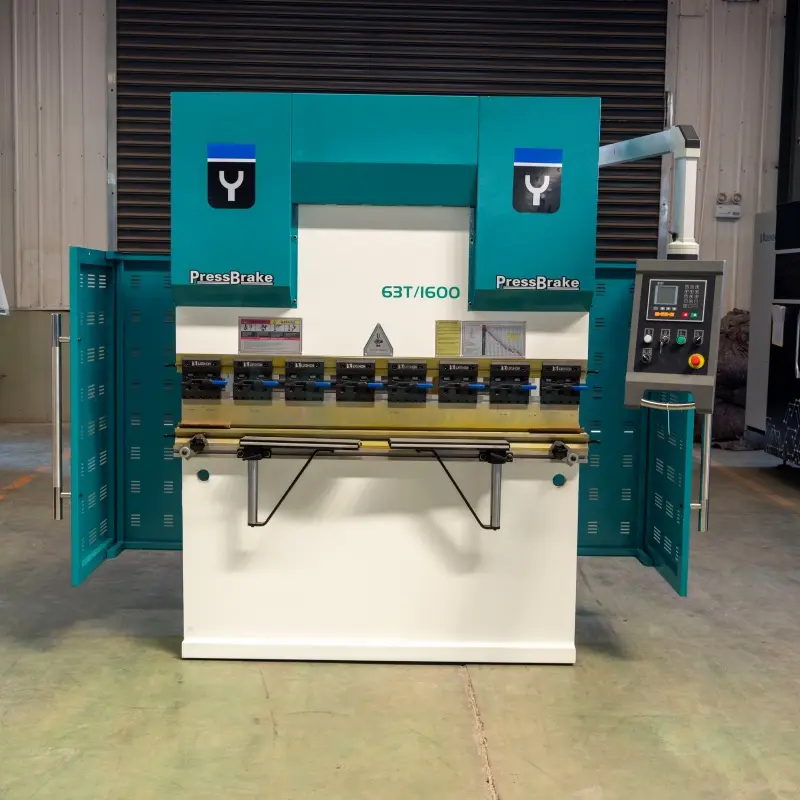
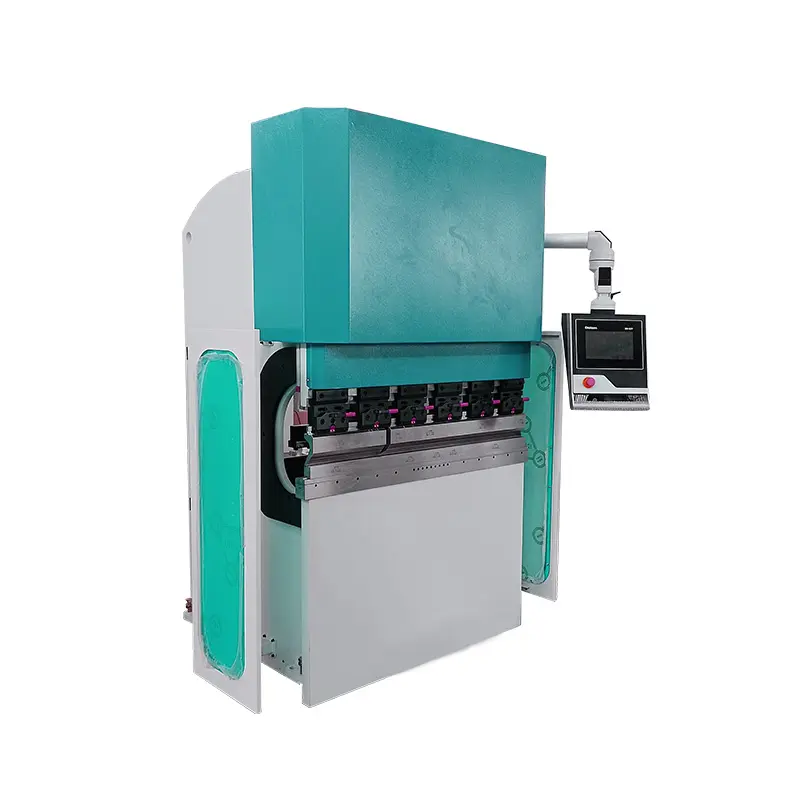
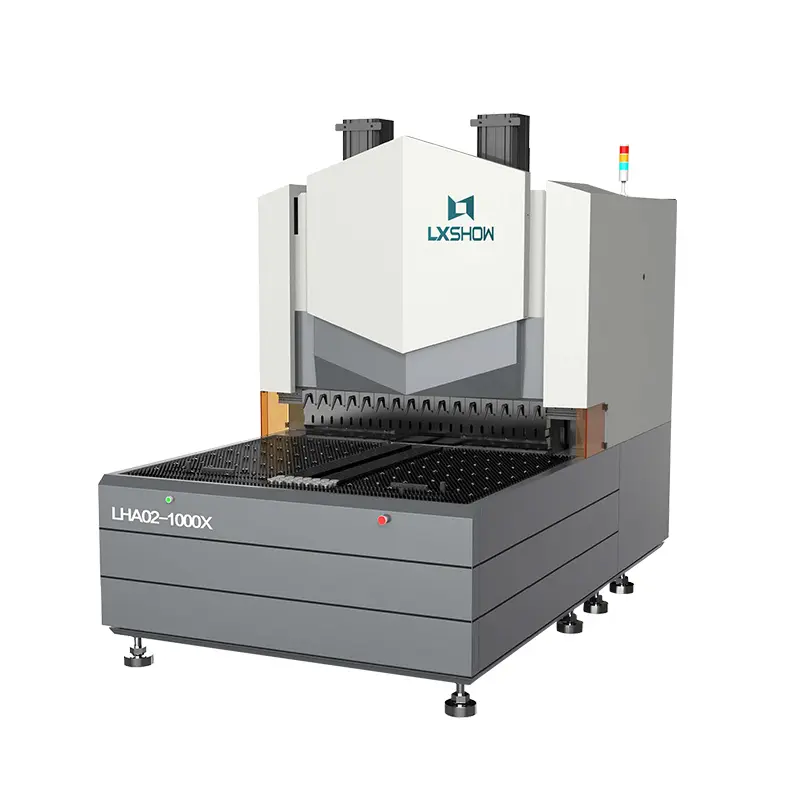
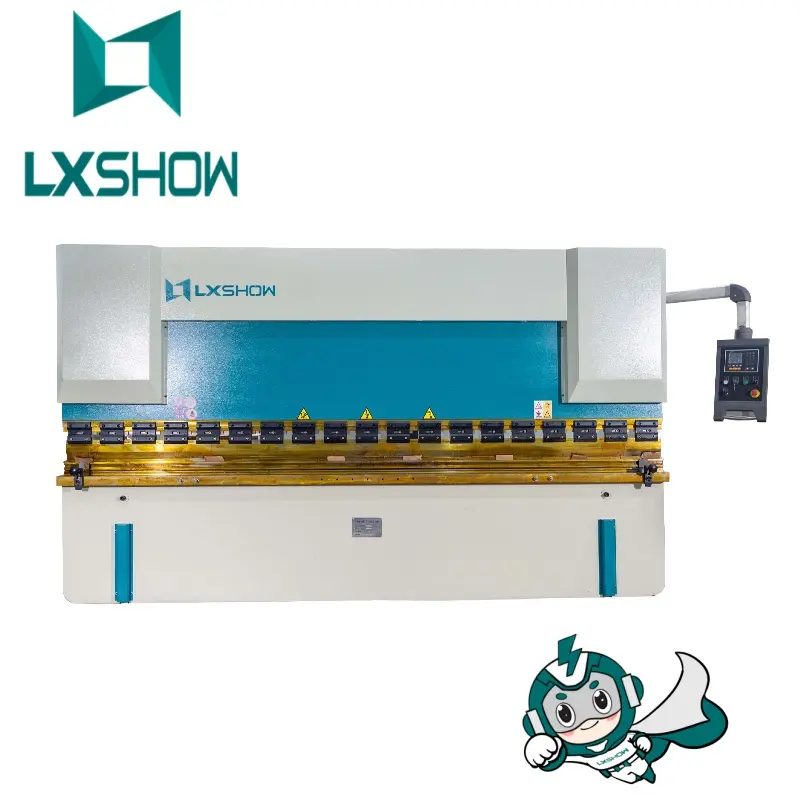
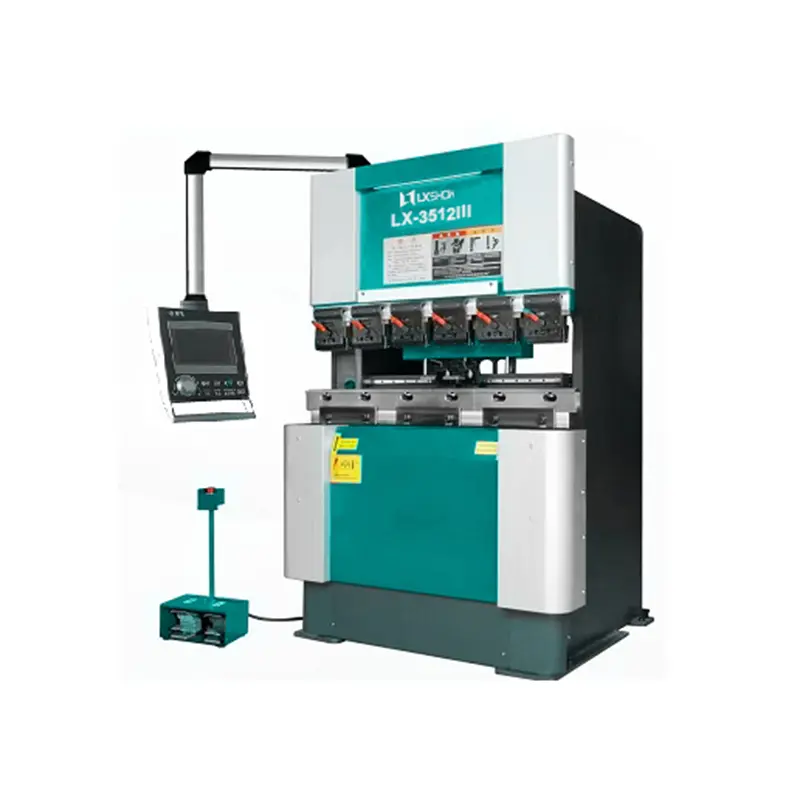
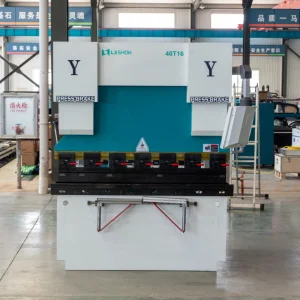
Electro-hydraulic servo press brakes and electric benders for accurate sheet metal forming.
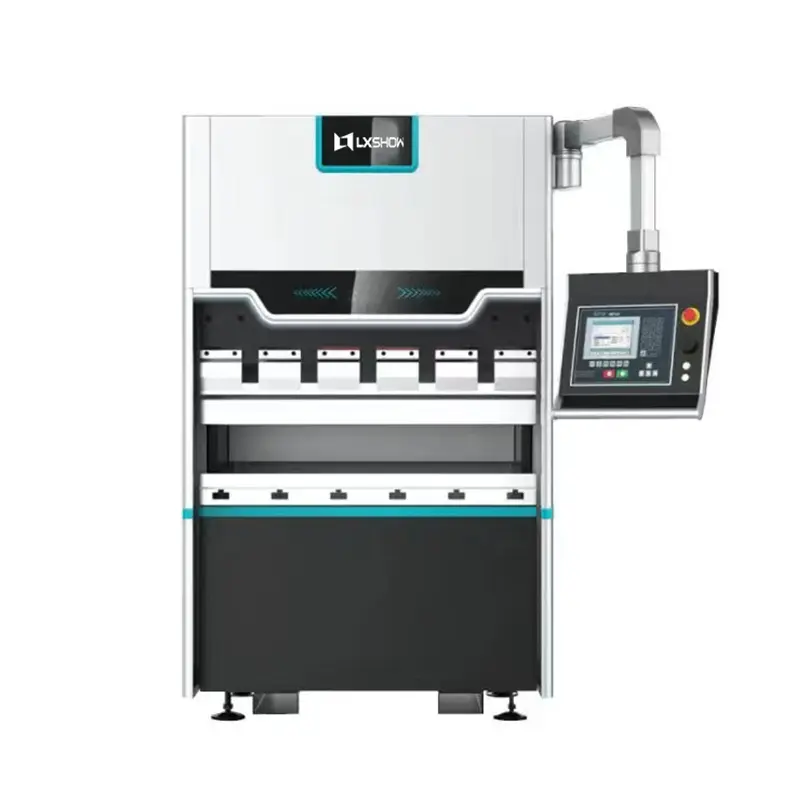
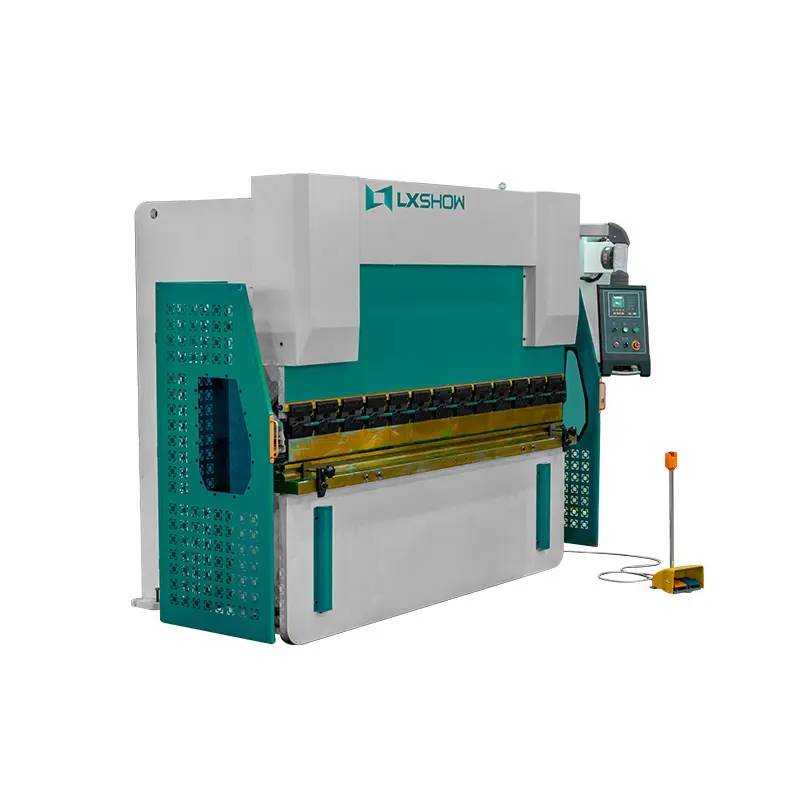
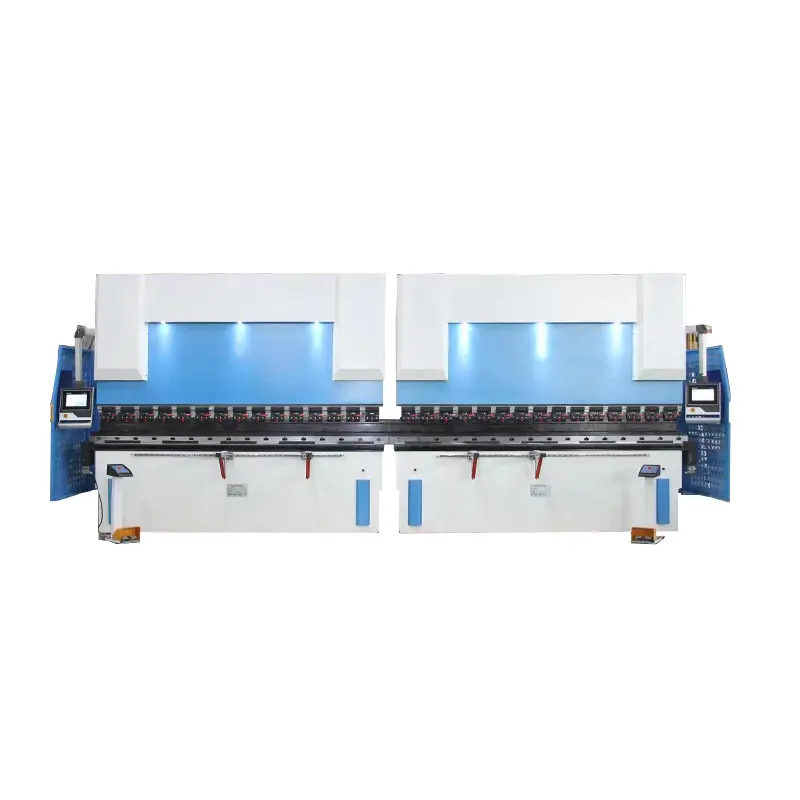
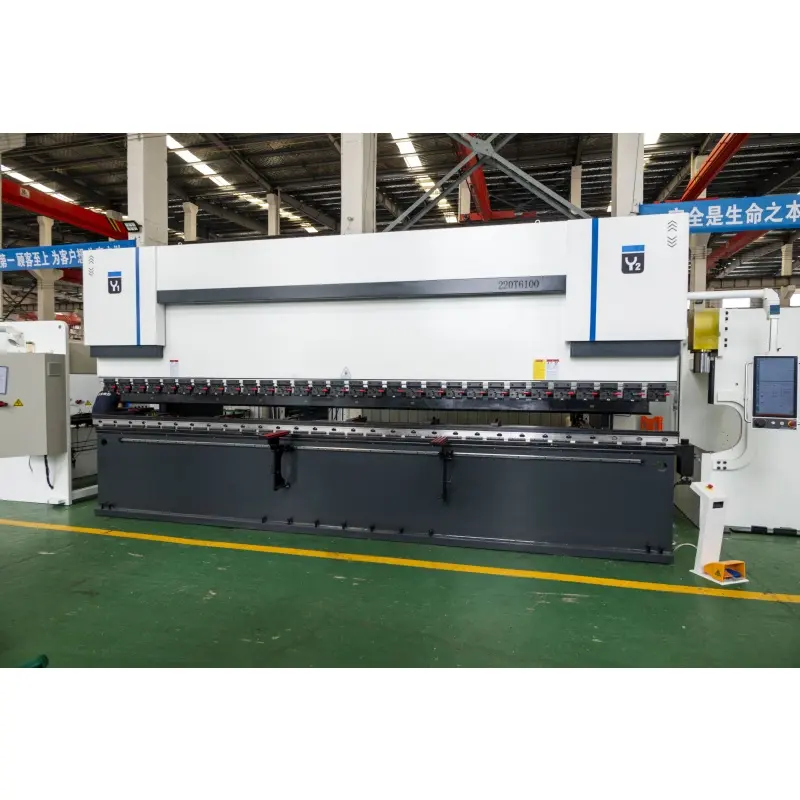
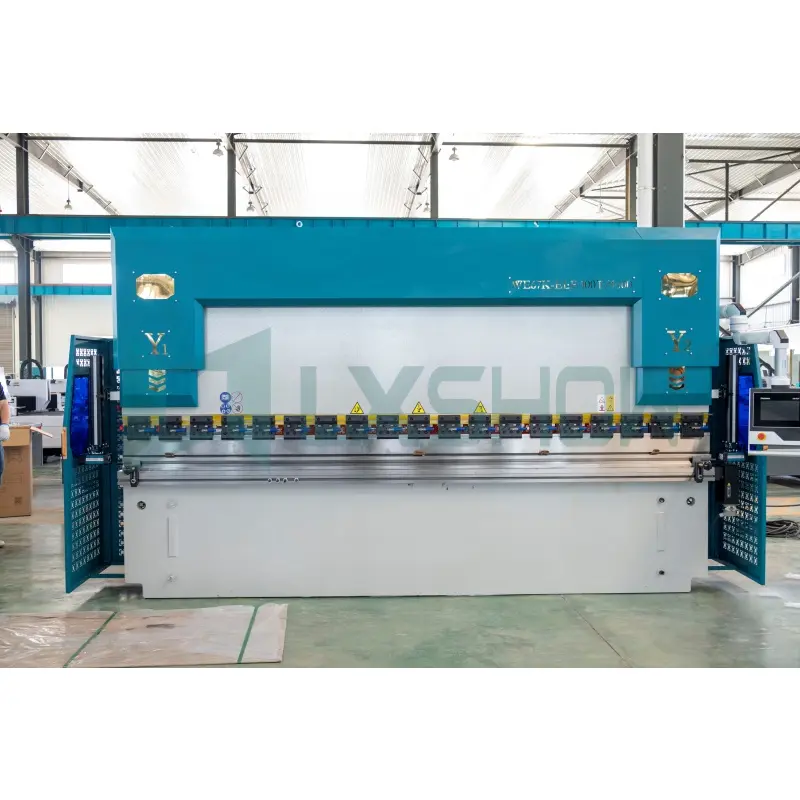
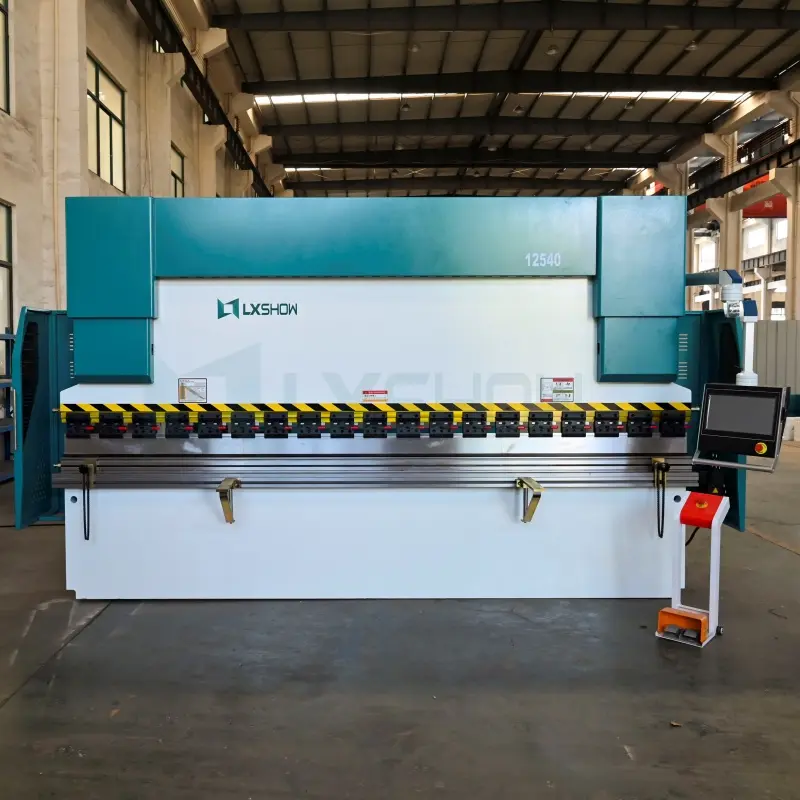
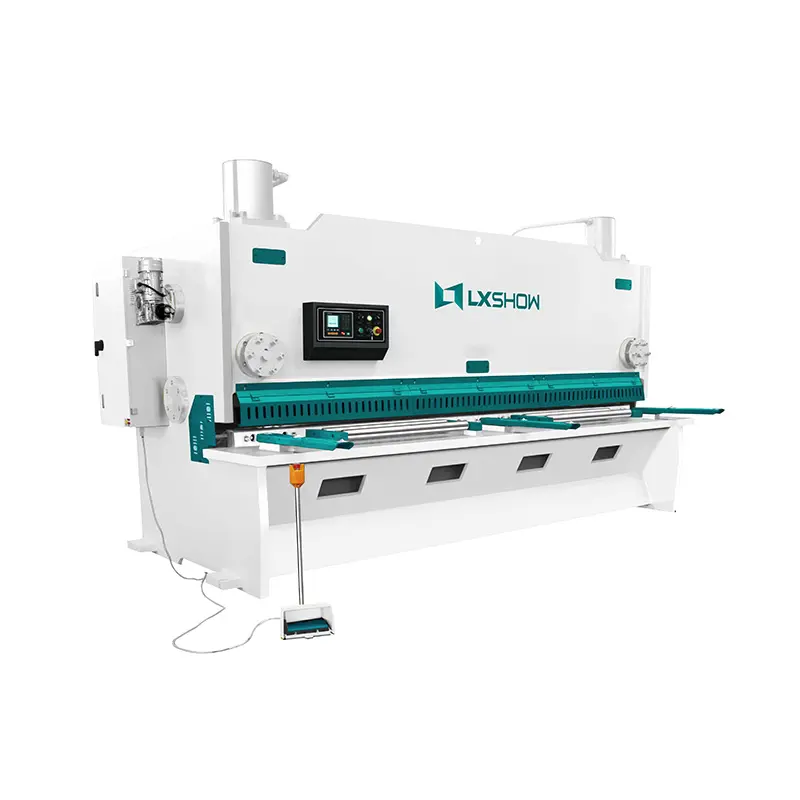
Hydraulic gate shearing and multi-functional angle metal punching systems.
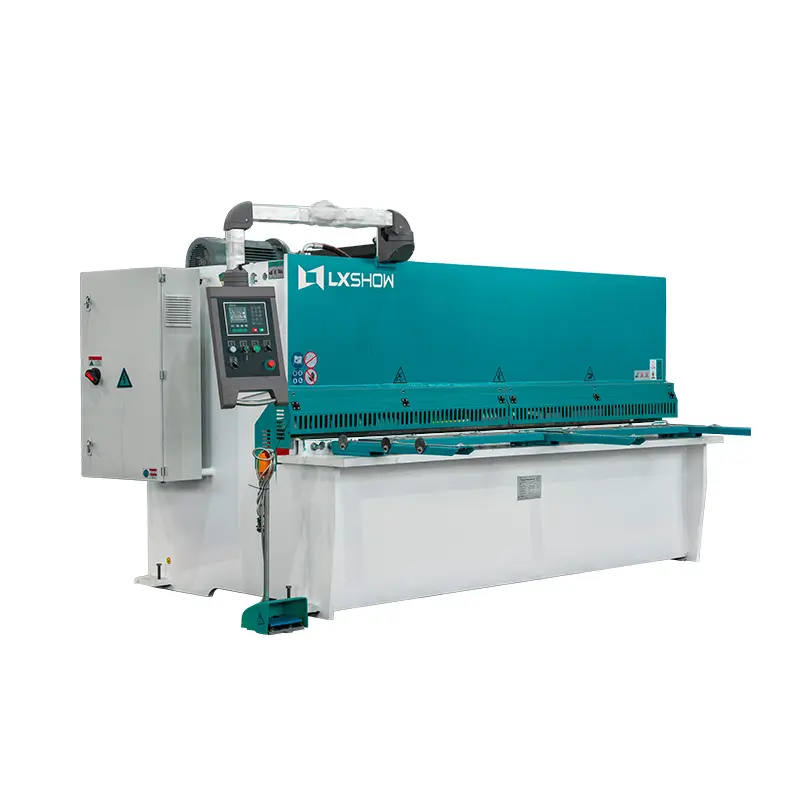
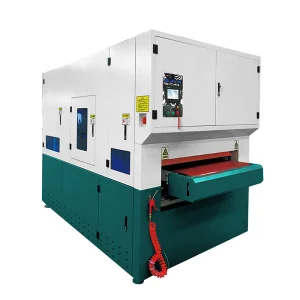
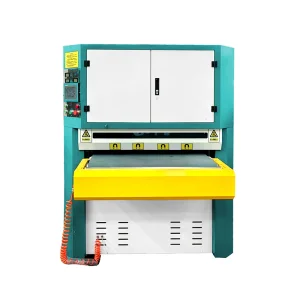
Premium CNC systems designed for high-capacity industrial fabrication and surface prep operations.
Answers to common questions regarding system selection, logistics, certifications, and operational costs.
IPG Photonics is a global brand known for stable beam profiles and low degradation rates, making it suitable for high-tolerance applications. Raycus is a major domestic brand that offers a balance of cutting performance and cost-efficiency, suitable for general carbon and stainless steel processing. Max Photonics offers high-power output (up to 30kW+) at a competitive price point, suitable for heavy structural steel and thick plate processing.
Assist gas selection depends on the material type and edge quality requirements:
Our systems comply with safety and quality regulations. For the European market, our machinery carries the CE Mark, confirming compliance with Machinery Directive 2006/42/EC and Electromagnetic Compatibility Directive 2014/30/EU. For the US market, our lasers are registered with the FDA, and we utilize electrical components that meet UL guidelines to simplify the import and setup process.
Standard flatbed laser configurations are typically completed within 20 to 30 days. Custom configurations—such as custom bed sizes, fully enclosed designs, exchange tables, or specialized tube rotators—require 40 to 50 days to allow for structural adjustments, electrical integration, and post-assembly testing.
Routine maintenance is essential for consistent operation. Key tasks include:
 Lxshow