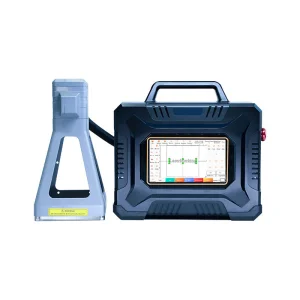
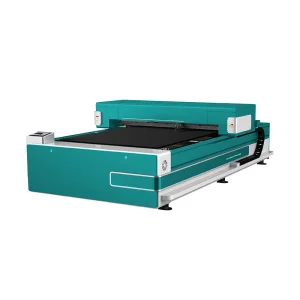
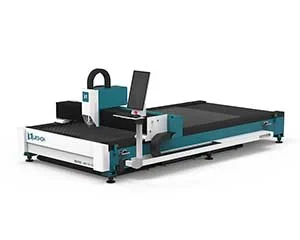
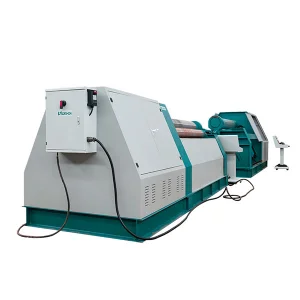
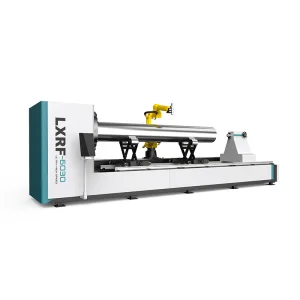
State-of-the-art CNC fiber laser cutting, welding, and surface treatment machinery designed for high-precision manufacturing.
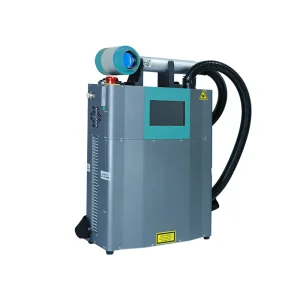
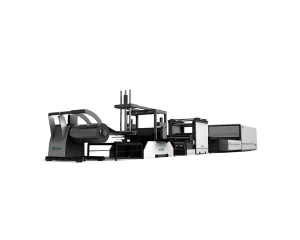
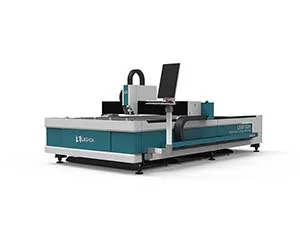
In the modern manufacturing landscape, the role of a premier sheet metal laser cutting factory transcends basic fabrication. Today's industrial buyers, OEM product designers, and procurement managers prioritize technological versatility, supply chain resilience, and extreme precision. CNC sheet metal laser cutting has evolved from a niche sheet-profiling method into the cornerstone of global manufacturing automation.
As a leader in laser smart equipment, our operations are focused on providing great technical support. We maintain a professional laser cutting machine, laser welding, and laser cleaning machine communication center. With the rapid deployment of Industry 4.0 paradigms, we are continuously building our digital manufacturing suites and future plants, enabling companies worldwide to construct and operate smart manufacturing facilities. All our equipment has passed the stringent European Union CE authentication, carries the American FDA certificate, and operates under strict ISO 9001 quality management credentials. By serving more than 120 countries and supplying custom OEM services for over 30 leading global brands, we serve as a vital link in the international manufacturing value chain.
"Technological innovation and absolute process control are the foundations of the modern smart factory. Our mission is to optimize material yield, minimize heat-affected zones (HAZ), and guarantee absolute repeatability across thousands of fabrication cycles."
The geographical clustering of sheet metal supply chains in China has created an unparalleled ecosystem for cost efficiency and speed. A modern sheet metal laser cutting factory located in this hub benefits from immediate access to premium raw material refineries (producing high-grade carbon steel, alloy steels, and architectural aluminum), quick-turn tooling partners, and optimized logistics networks.
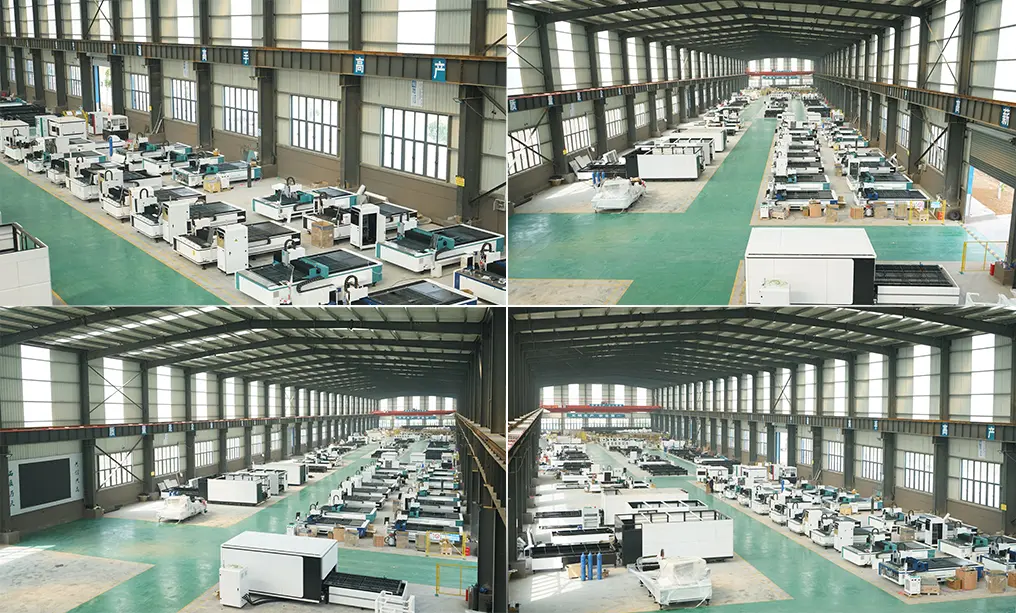
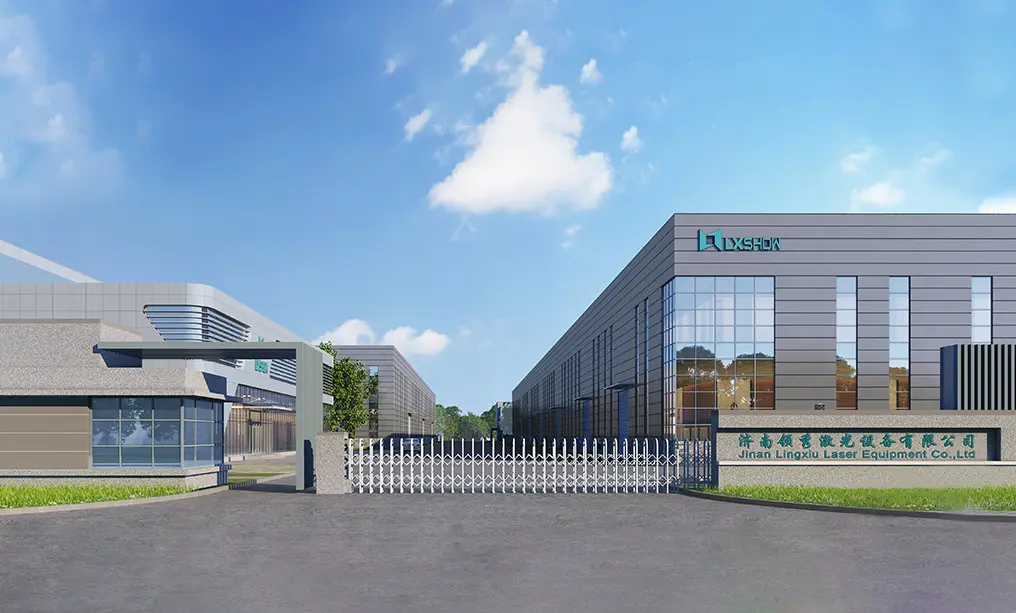
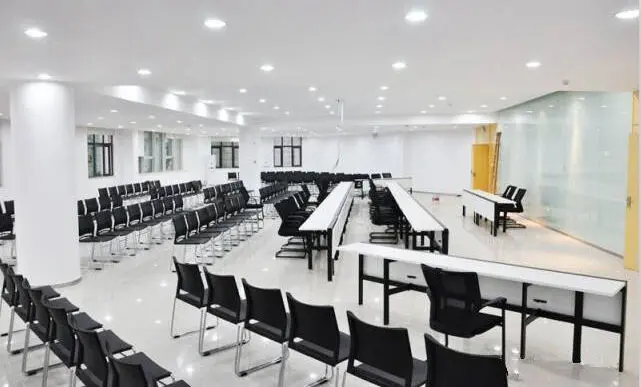
Established in July 2004, our facility covers more than 500 square meters of dedicated researching and office space, paired with a massive 32,000 square meter state-of-the-art production factory. This vast space allows for modular assembly lines where high-power fiber laser machines, automated deburring tables, sheet metal bending units, and robotic welding arms are configured to maximize throughput.
By maintaining a vertically integrated assembly ecosystem, we mitigate the risks associated with third-party components. We construct our own rugged machine bases, utilizing heat-treatment ovens to relieve internal stresses before CNC milling. This ensures that the high gantry acceleration (often exceeding 1.5G) of our 20kW+ fiber lasers does not lead to structural deformation over decades of continuous operation.
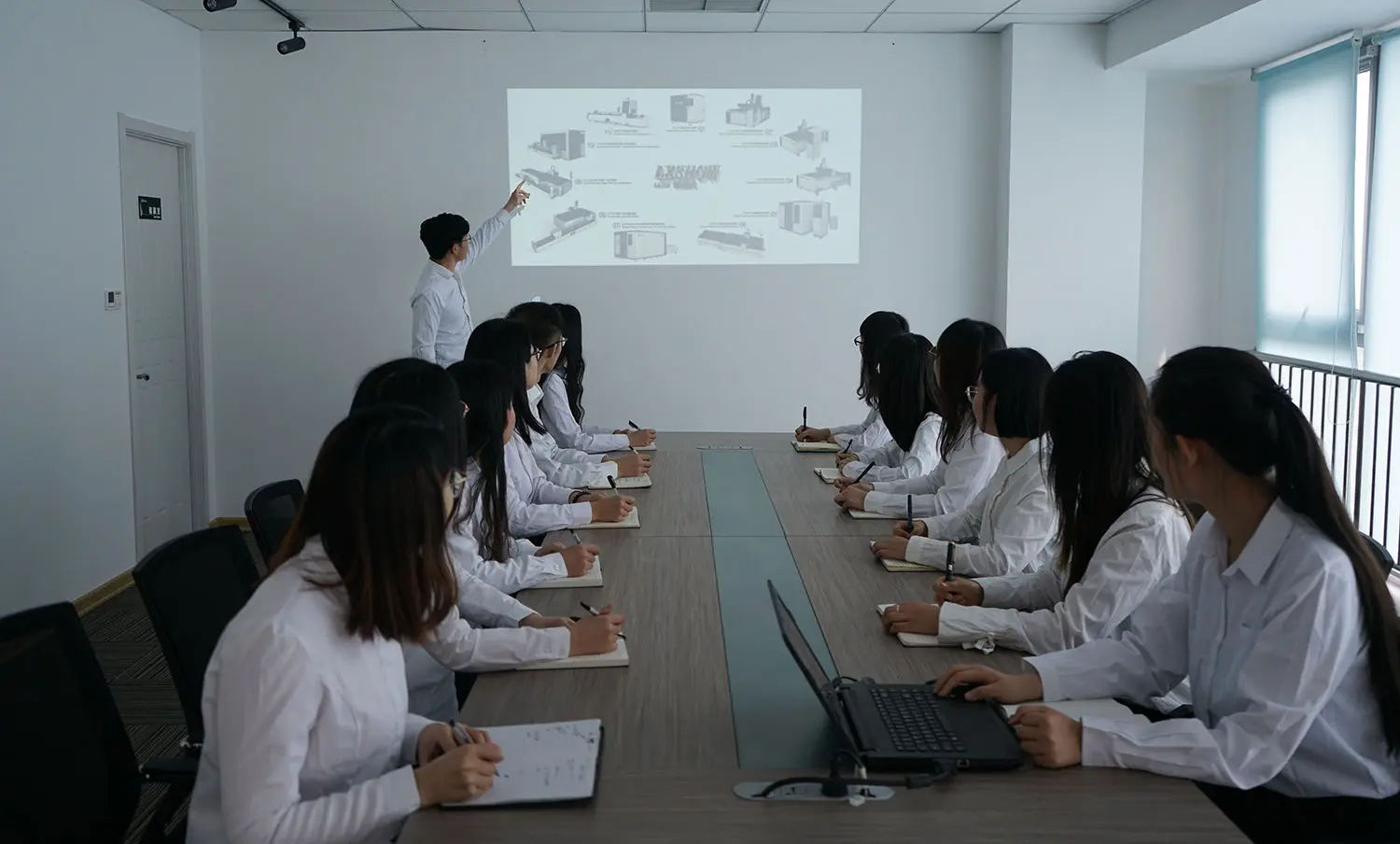
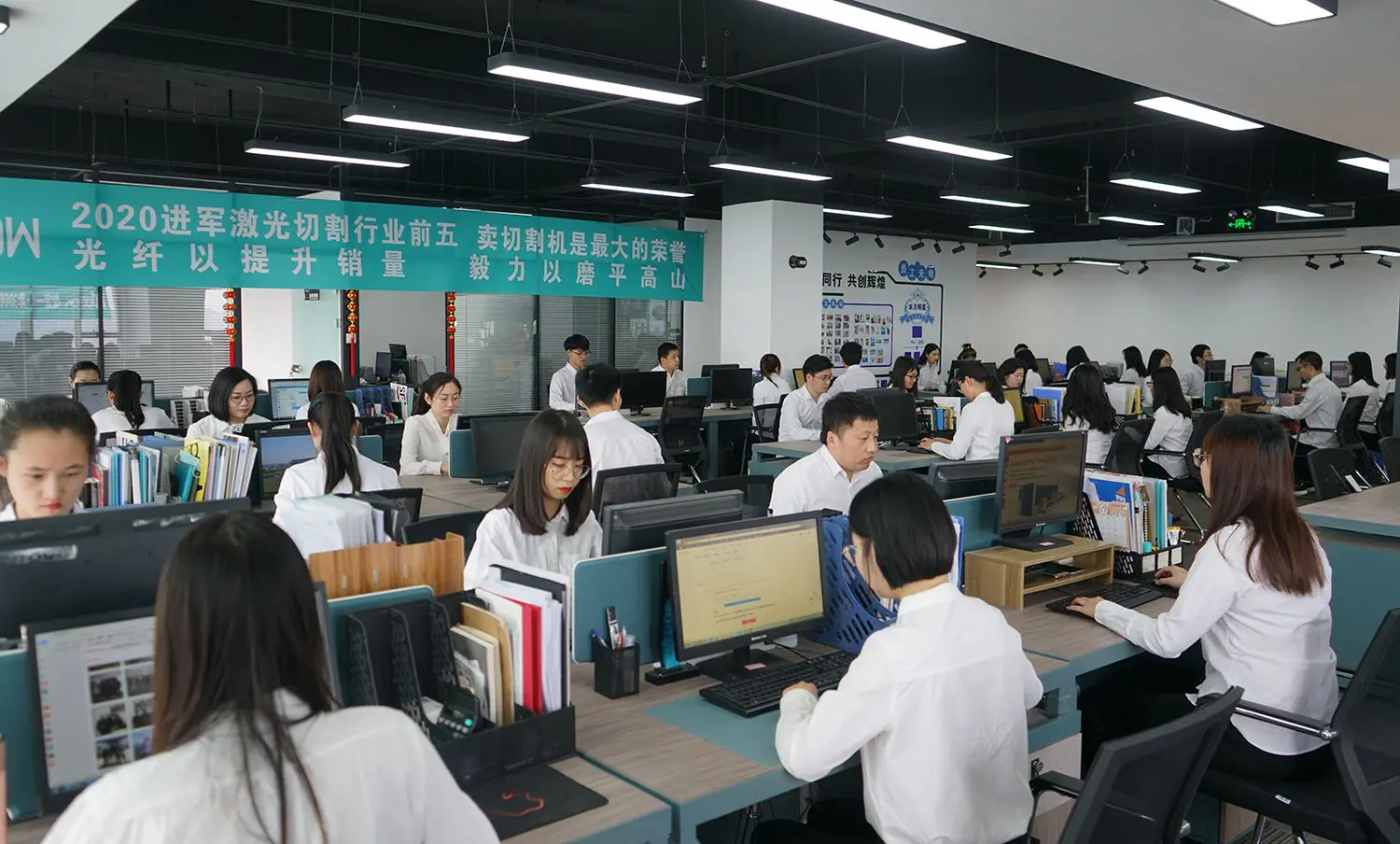
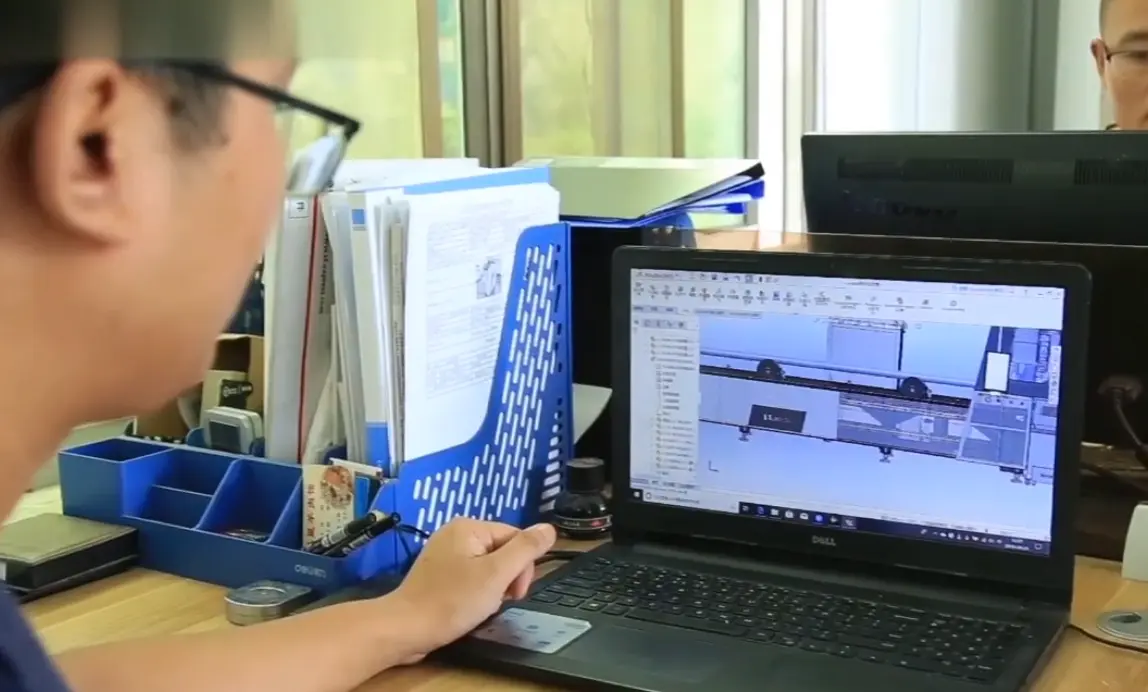
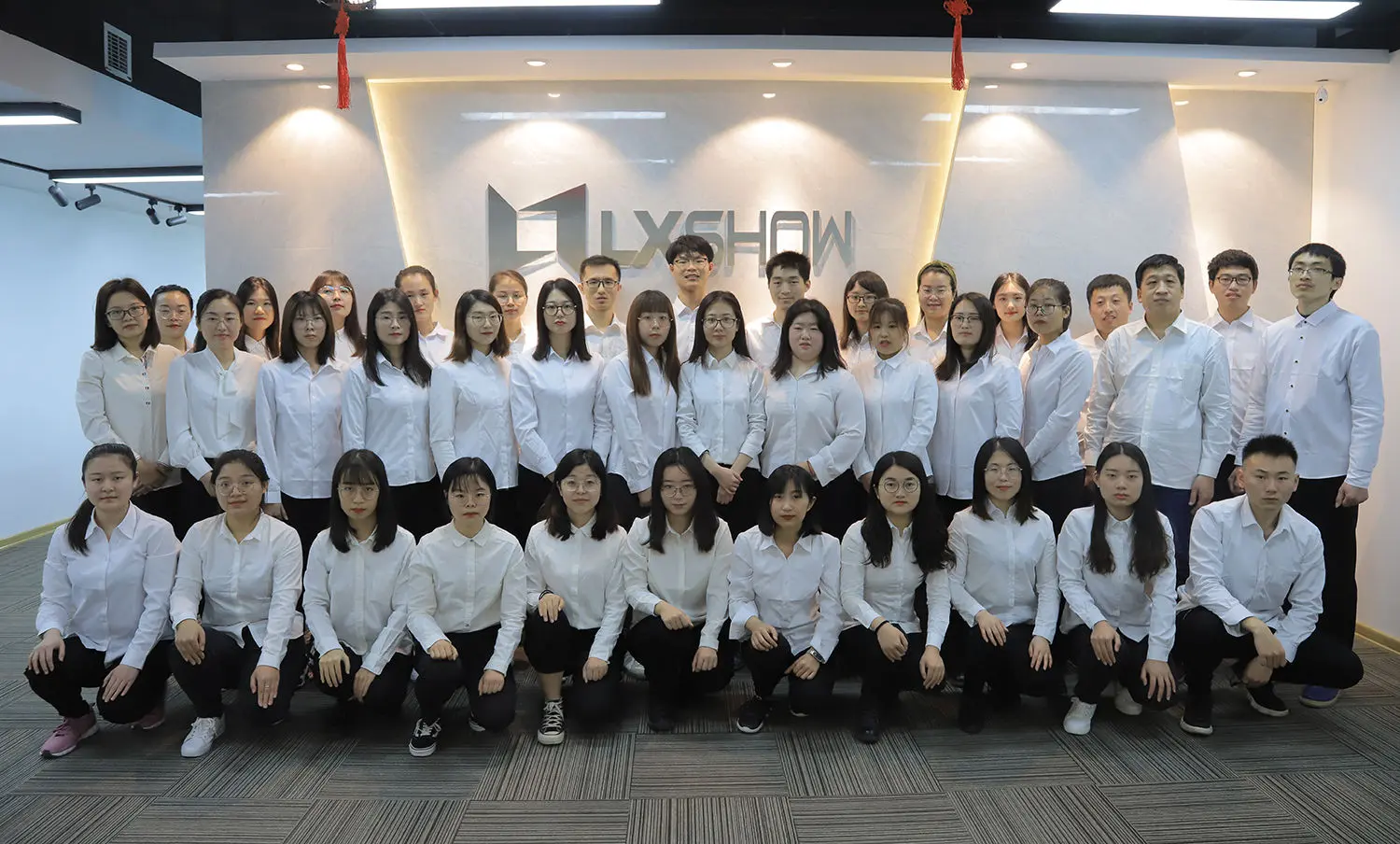
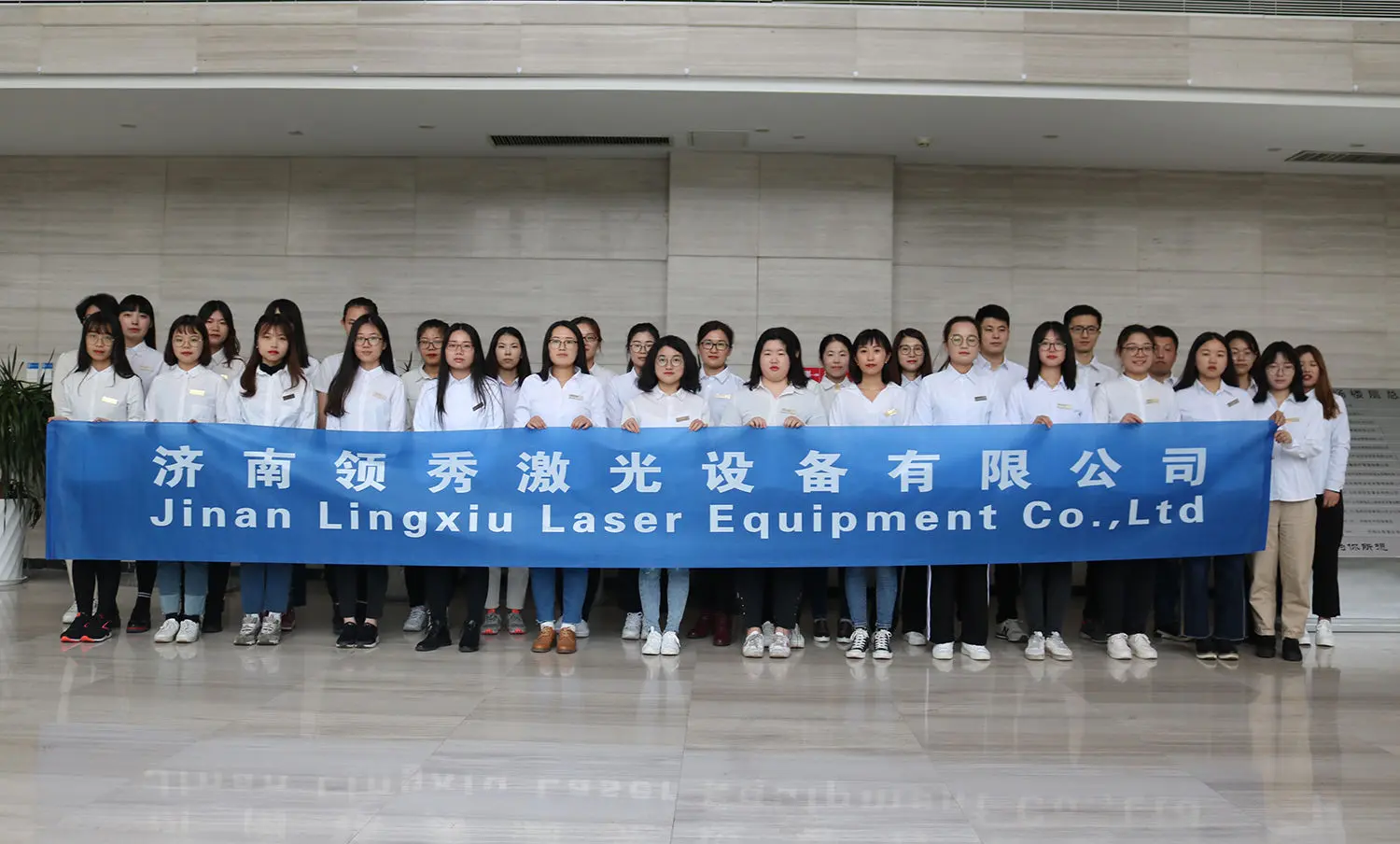
Explore the physical footprint of our smart manufacturing facility, where our teams coordinate daily to deliver top-tier metal processing equipment and services.

The choice of laser source defines the operational profile of a sheet metal laser cutting factory. While CO2 lasers (operating at a 10.6 µm wavelength) were the historical workhorses for thick polymers and organic compounds, fiber lasers (operating at a 1.06 µm wavelength) have decisively claimed dominance in metal fabrication.
The advantages of fiber laser cutting systems include:
Fiber lasers operate at conversion efficiencies above 30%, compared to just 8-10% for traditional CO2 resonators. This dramatically lowers electrical consumption and thermal loads on internal water cooling systems.
The shorter wavelength of fiber lasers is absorbed far more readily by metals, especially highly reflective materials such as copper, brass, and aluminum, reducing back-reflection hazards.
Because the laser beam is delivered via a flexible fiber optic cable directly to the cutting head, there are no mirrors, bellows, or beam alignment protocols, ensuring continuous and stable cutting cycles.
Looking forward to 2040, we aim to be one of the most critical technology innovators in the laser field. The integration of active real-time height sensing, auto-focus cutting heads, and smart optical nozzles allows our machines to handle material variations dynamically. As part of our Industry 4.0 vision, our research centers are actively developing predictive maintenance modules that alert operators to protective lens degradation or assist-gas pressure anomalies before defects occur.
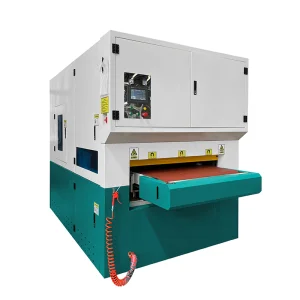
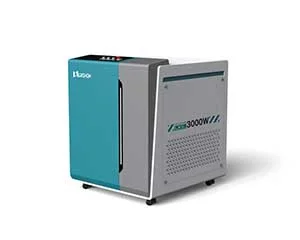
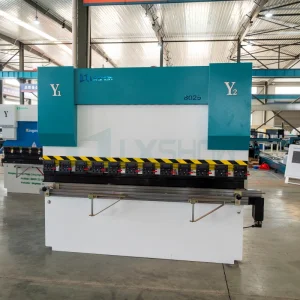
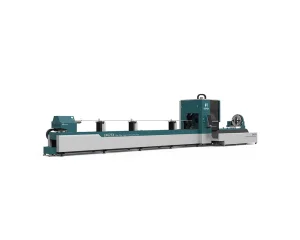
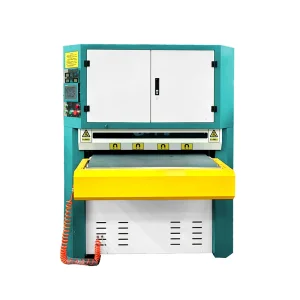
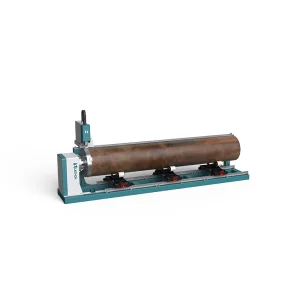
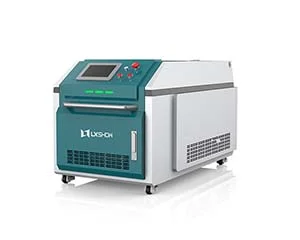
A true sheet metal laser cutting factory does not operate in isolation. High-volume buyers require integrated, end-to-end downstream processing to convert raw laser-cut profiles into finished structural assemblies. Our product lines reflect this holistic approach, incorporating advanced secondary operations such as automatic deburring, high-precision bending, plate rolling, and multi-axis laser welding:
Downstream Optimization Strategy: Combining fiber laser cutting with automatic deburring (such as the LX-RRS-M-1300) removes dross and sharp edges instantly. Following this with hydraulic bending and robotic welding minimizes material transit times and maintains spatial tolerances within ±0.05mm.
Our machines and components are widely applied across multiple high-stakes sectors:
For global procurement teams, auditing a sheet metal laser cutting factory requires looking beyond raw speed. It demands verifying rigorous quality control protocols. Under the Google E-E-A-T (Experience, Expertise, Authoritativeness, Trustworthiness) criteria, trust is established through verified certifications, material traceability, and consistent performance metrics.
All of our machinery is manufactured under ISO 9001 quality management guidelines. The mechanical components—including linear guides, rack-and-pinion drives, and electronics—are designed to meet international standards. Furthermore, our laser systems feature safety enclosures that comply with FDA Class I Laser Product safety codes, shielding operators from diffuse laser reflections and incorporating interlock switches for total runtime protection.
Our systems cut, shape, and weld a wide variety of industrial metals, ensuring perfect edge quality across different thicknesses:
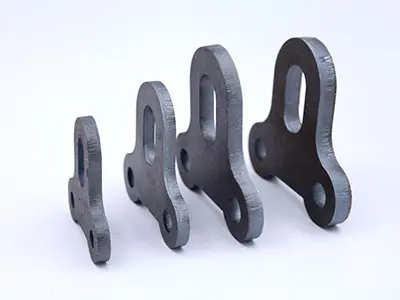
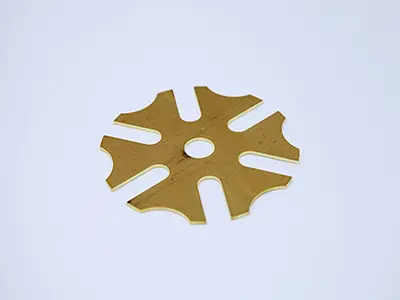
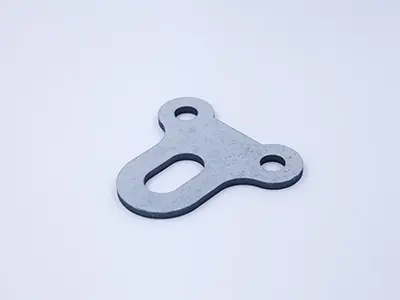
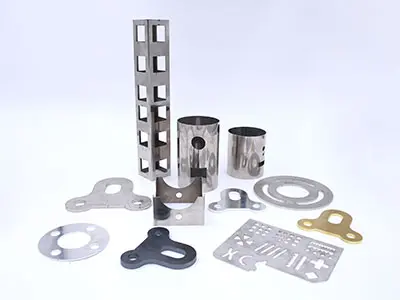
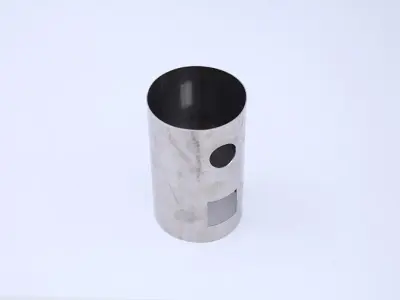
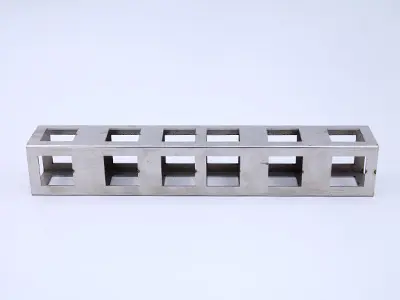
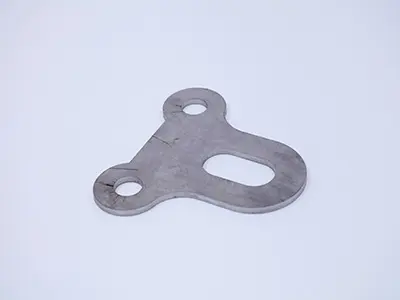
Explore our line of automated bending machinery, heavy tube cutters, plate rollers, and specialized laser surface cleaning systems.
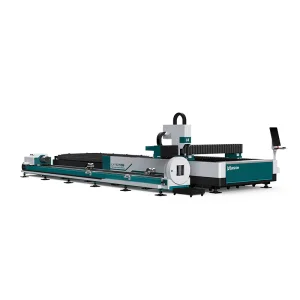
Common questions from procurement engineers and manufacturing managers about sheet metal laser processing capabilities.
 Lxshow