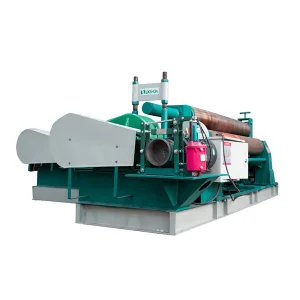
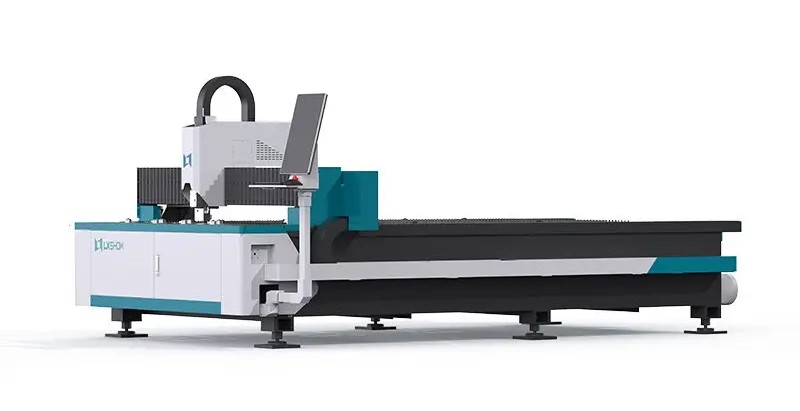
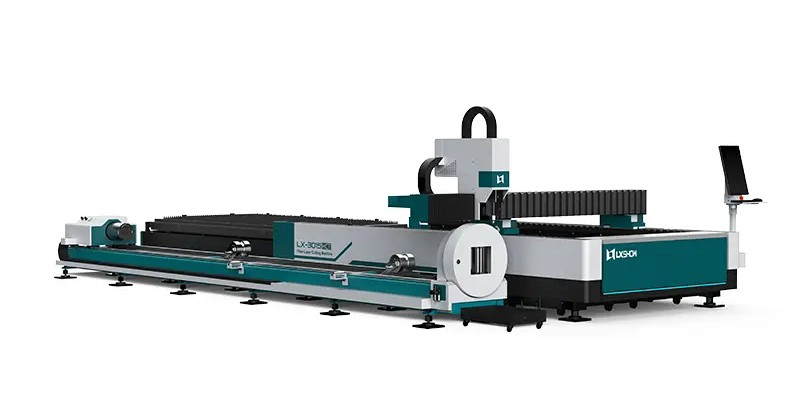
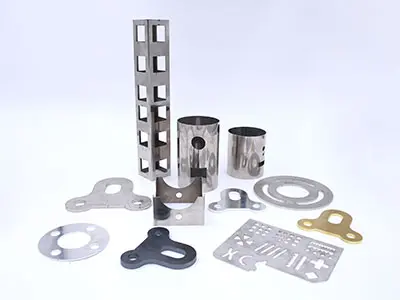
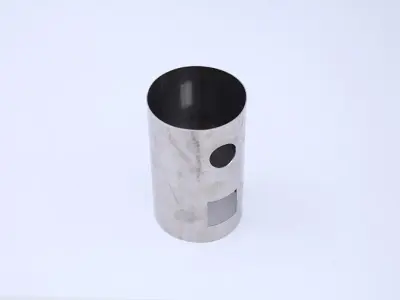
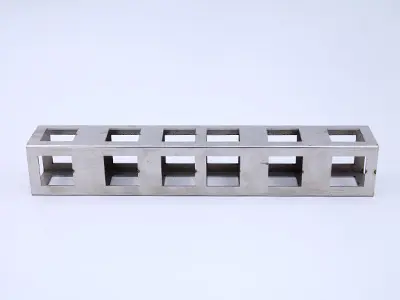
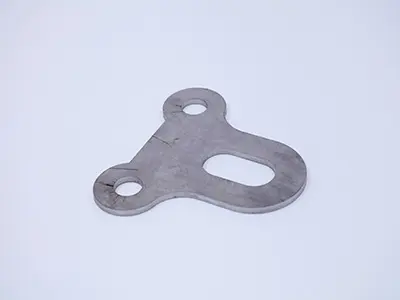
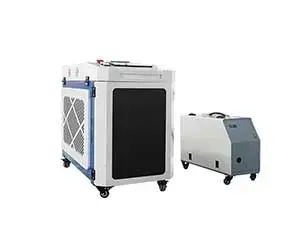
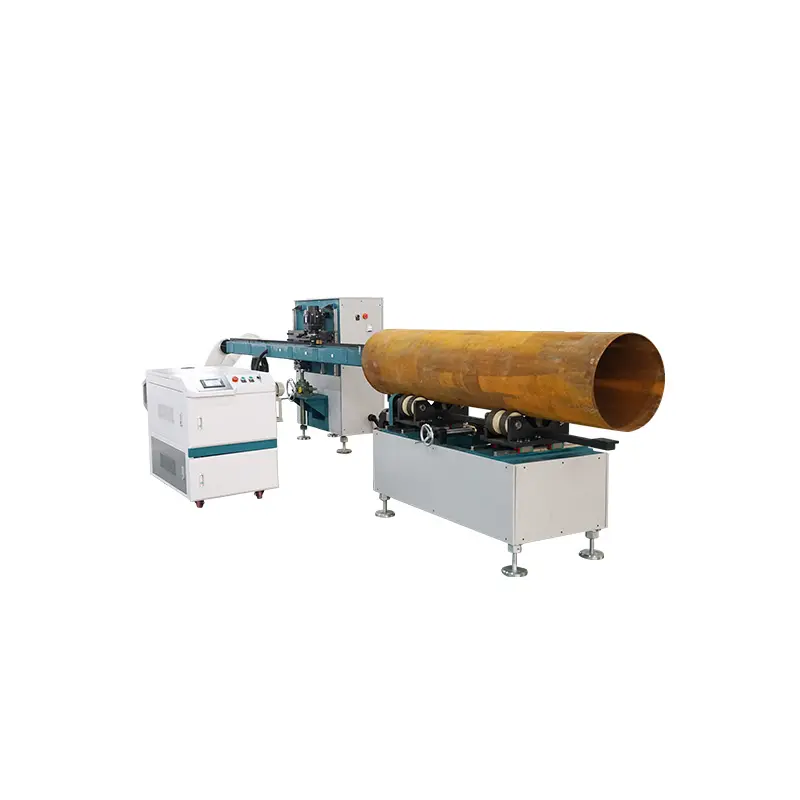
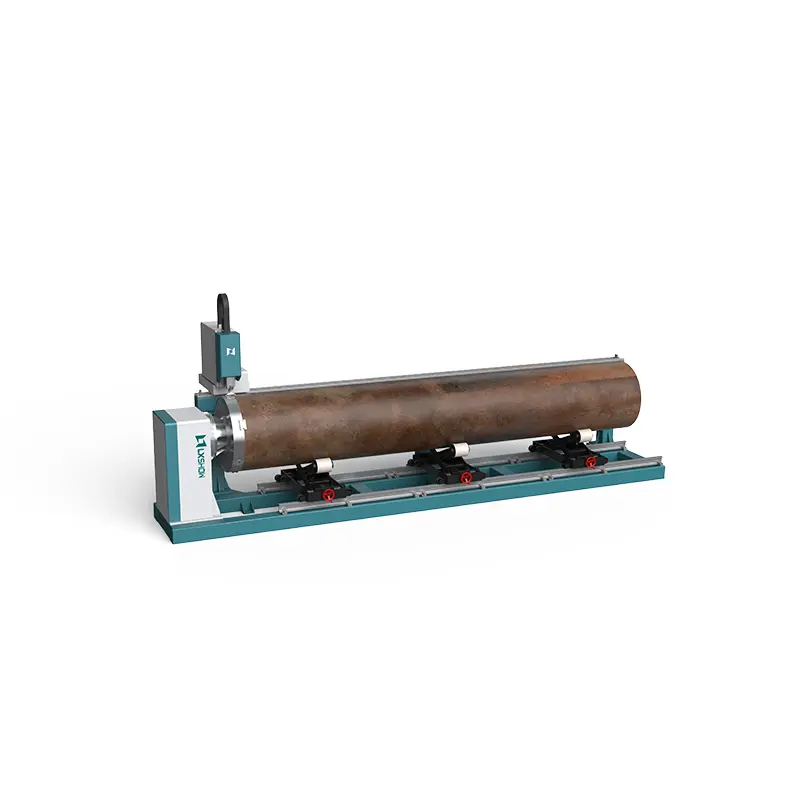
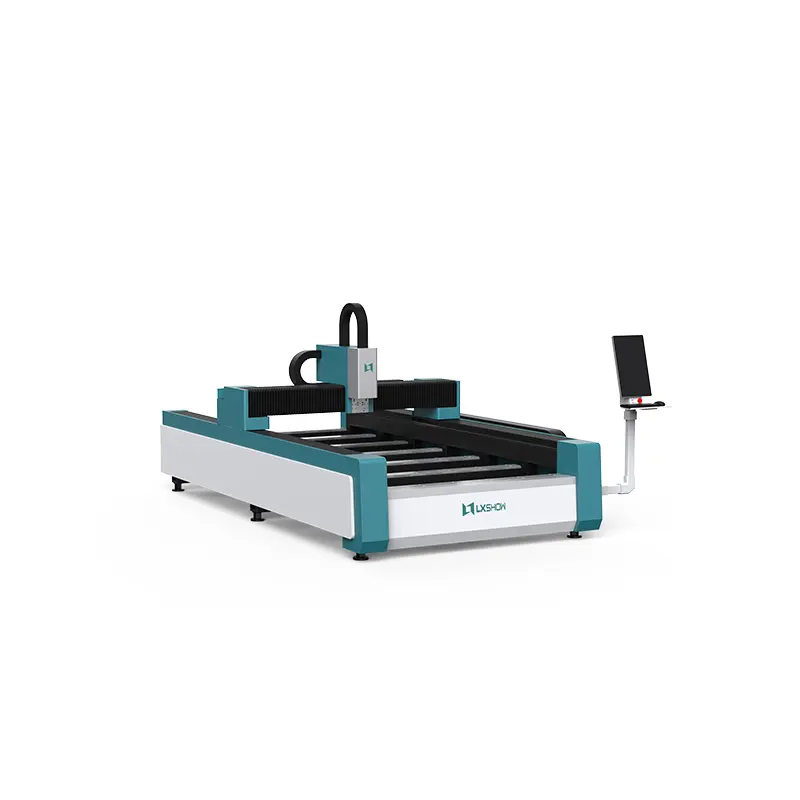
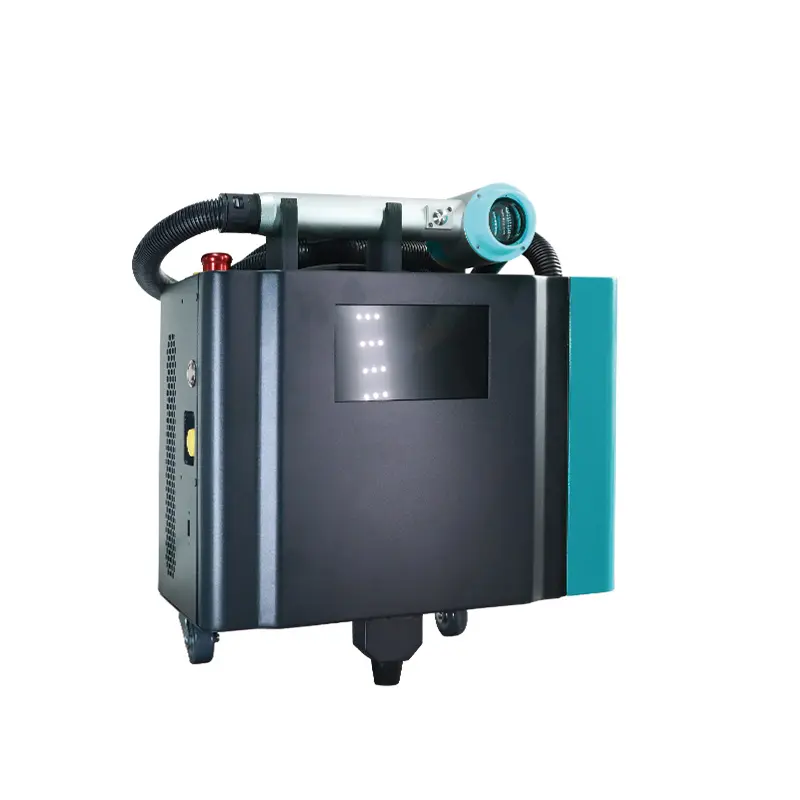
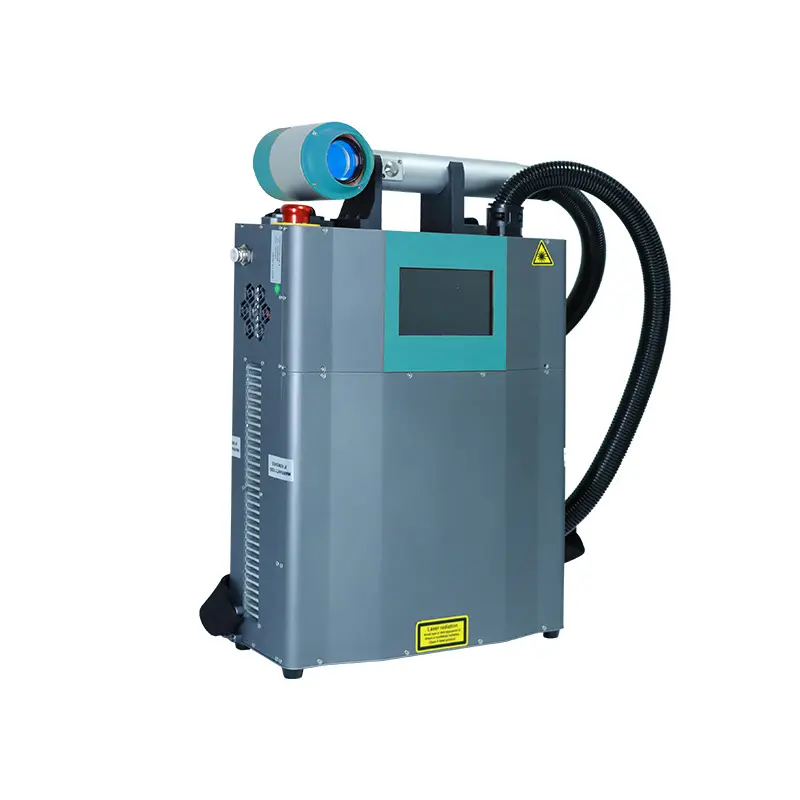
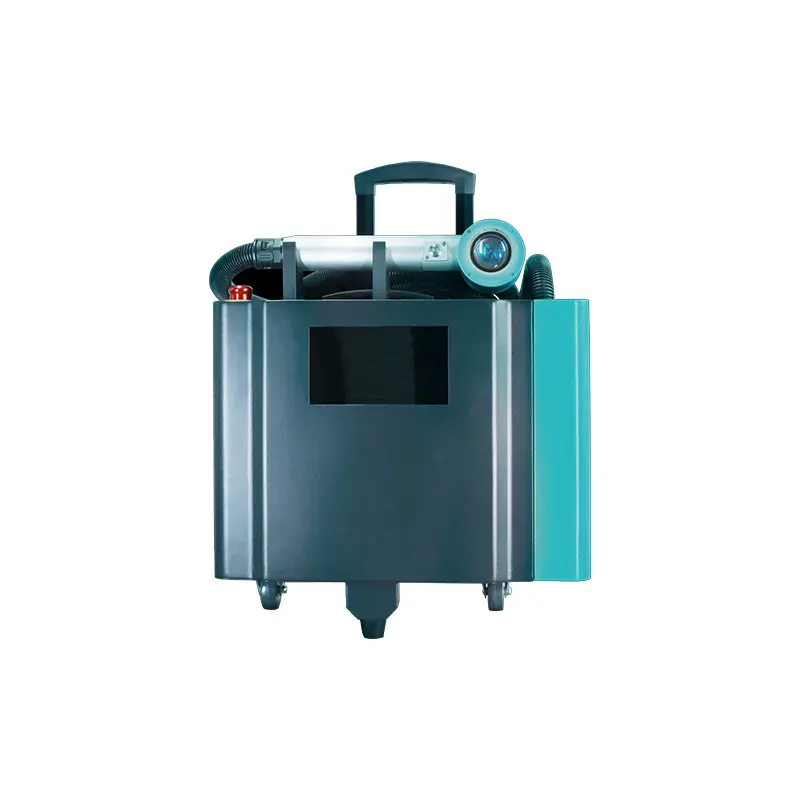
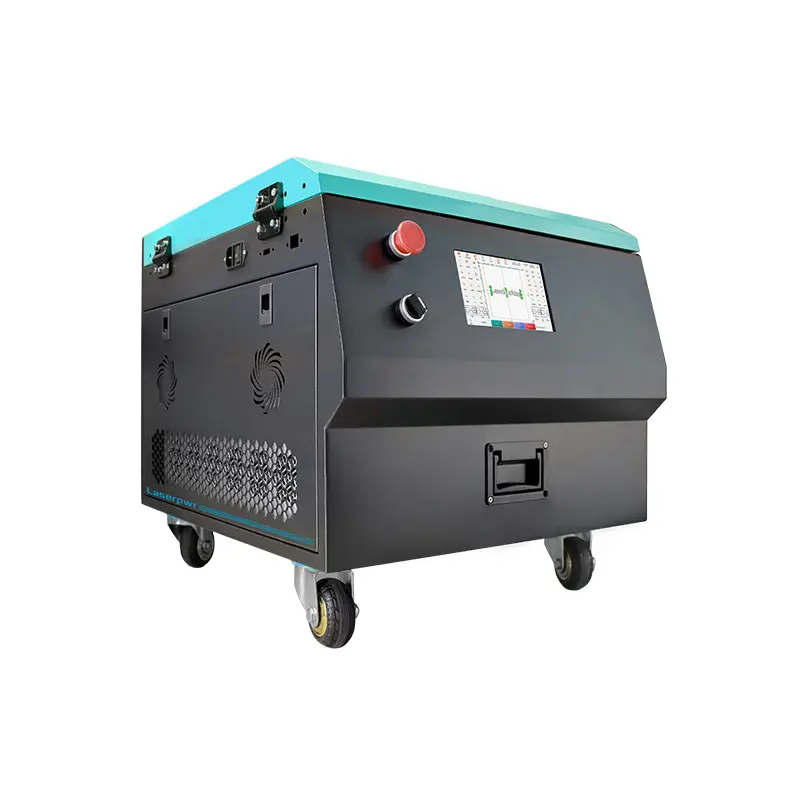
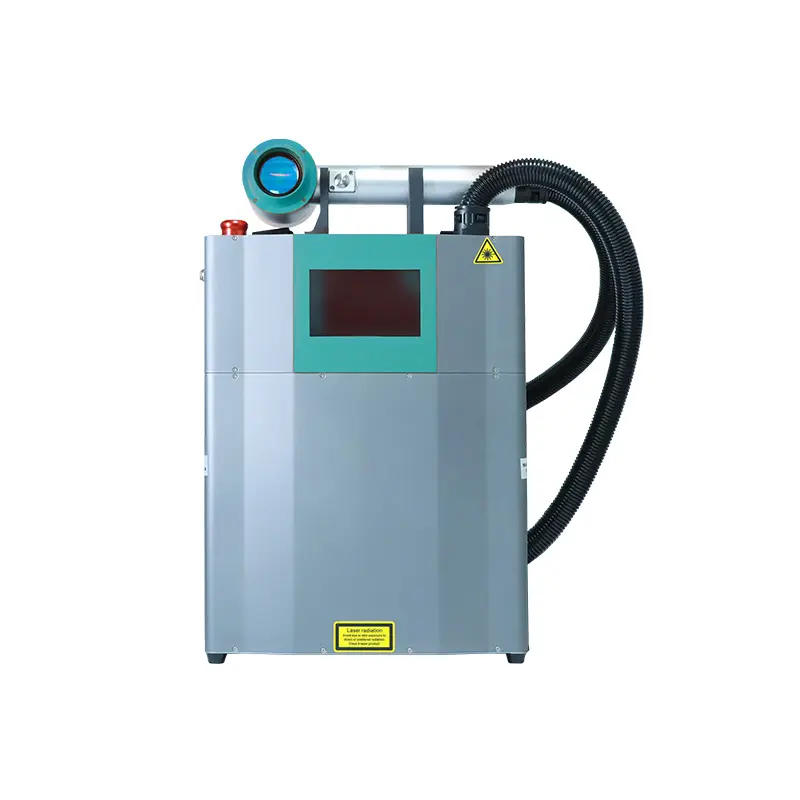
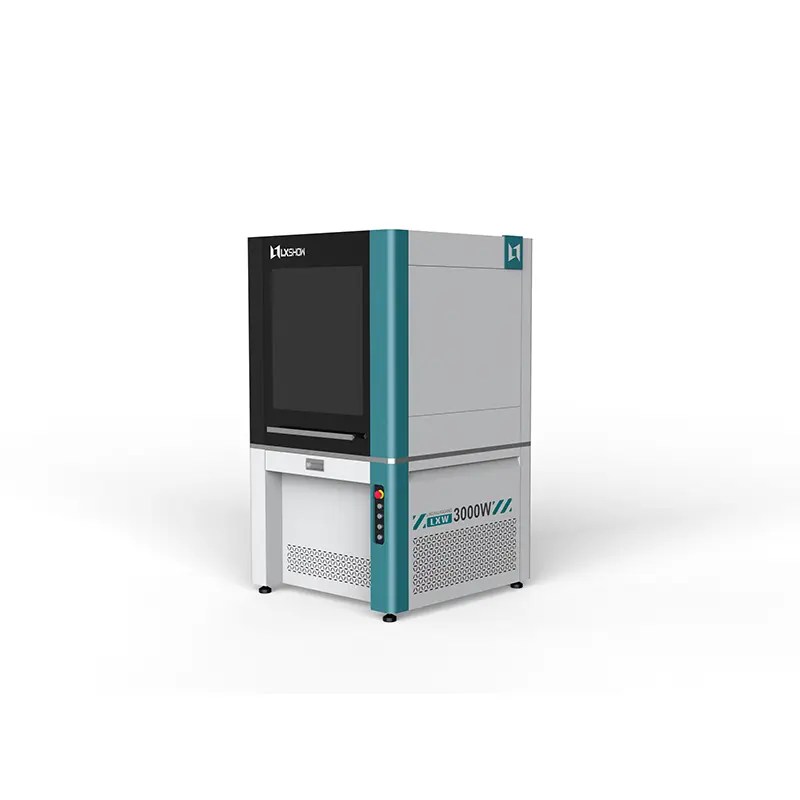
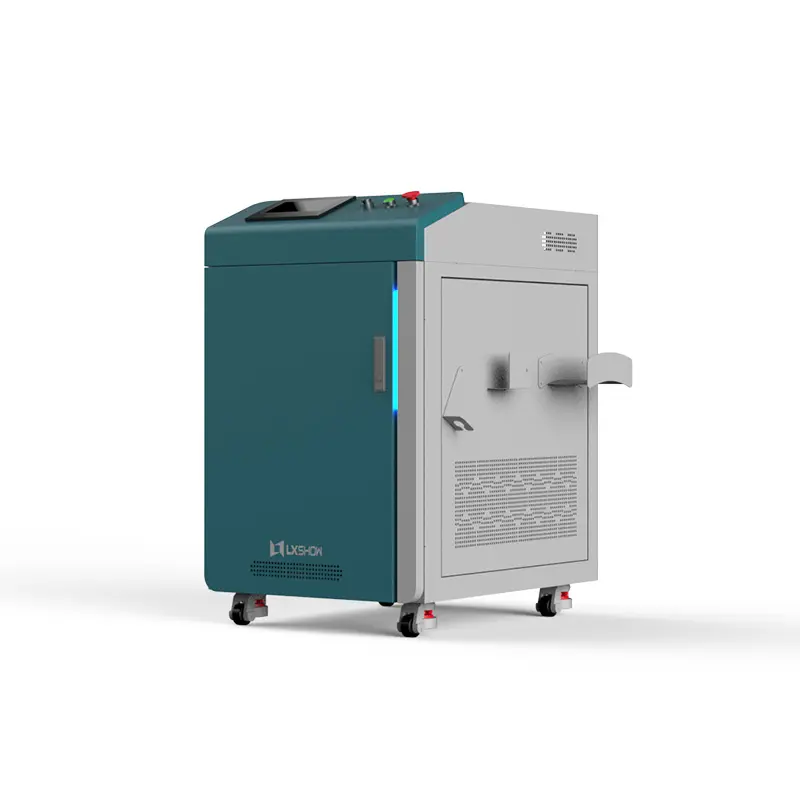
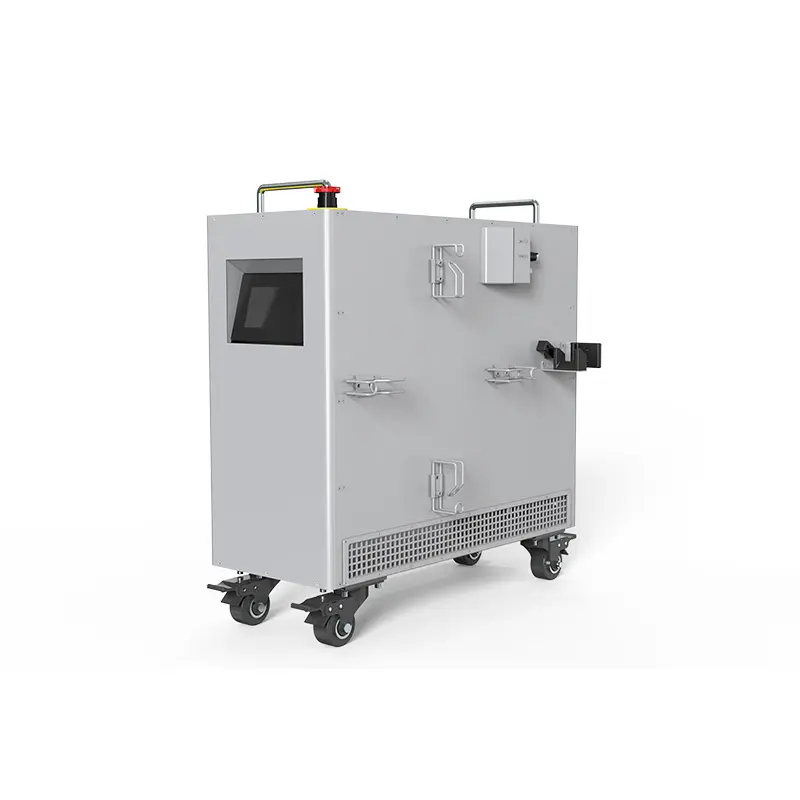
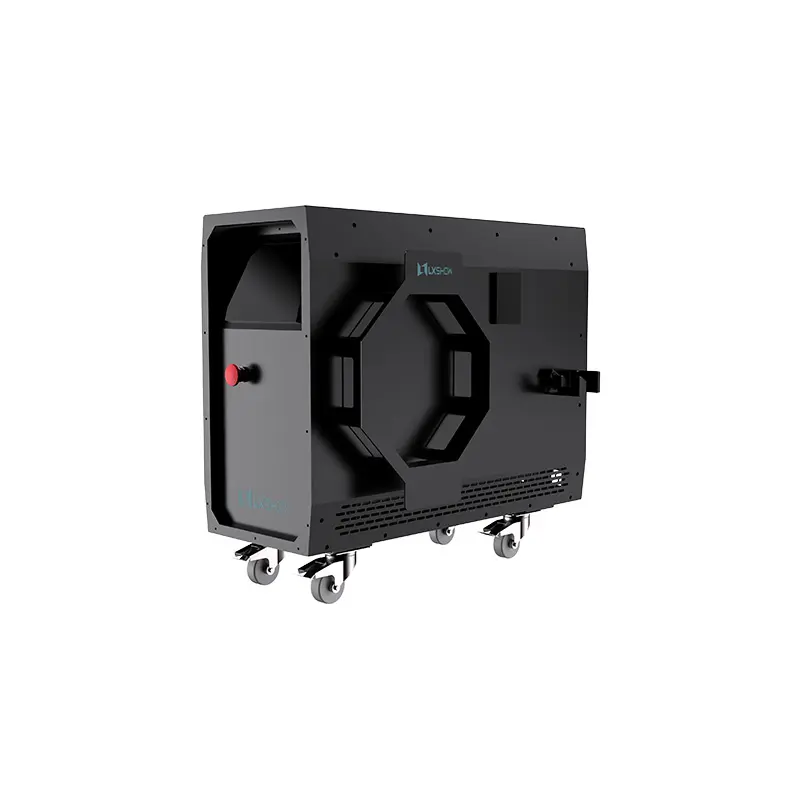
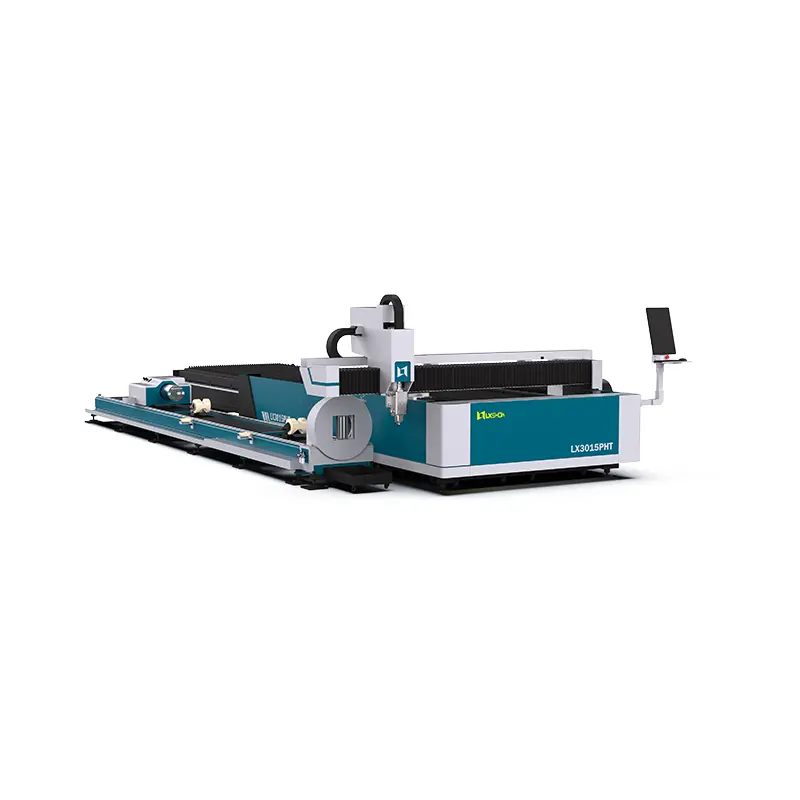
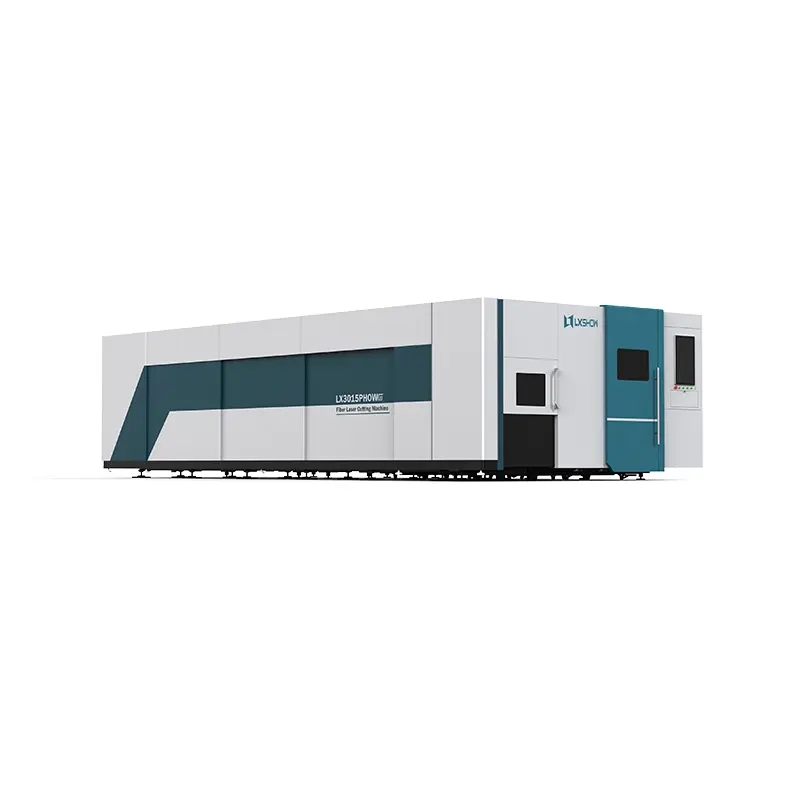
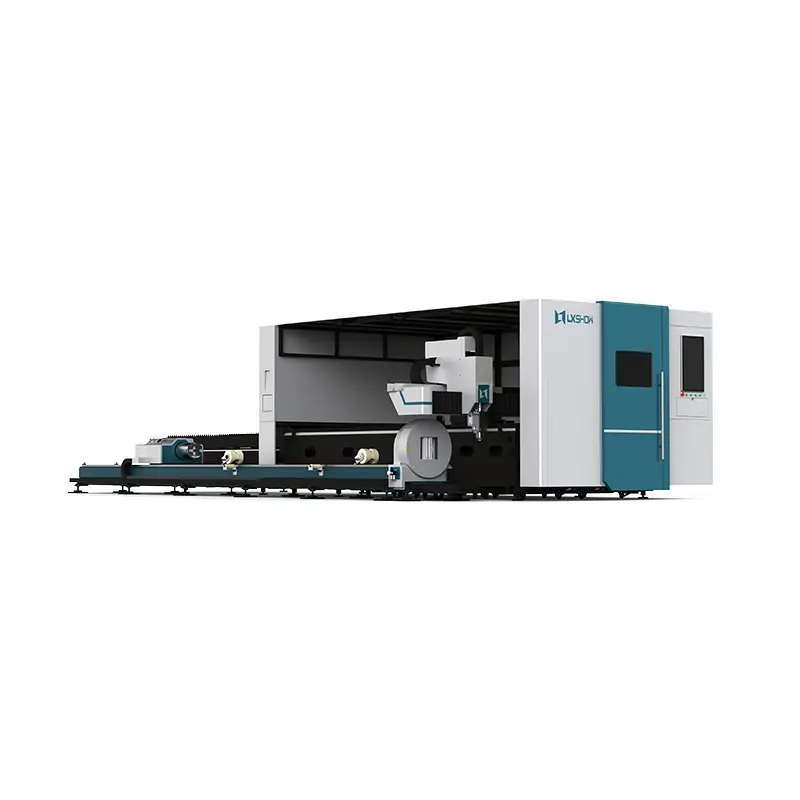
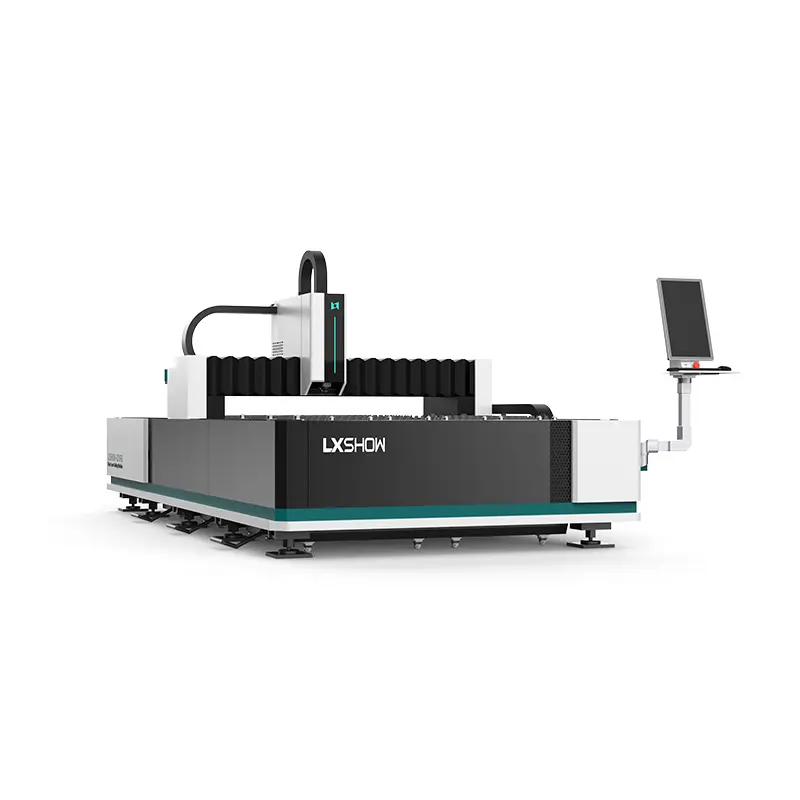
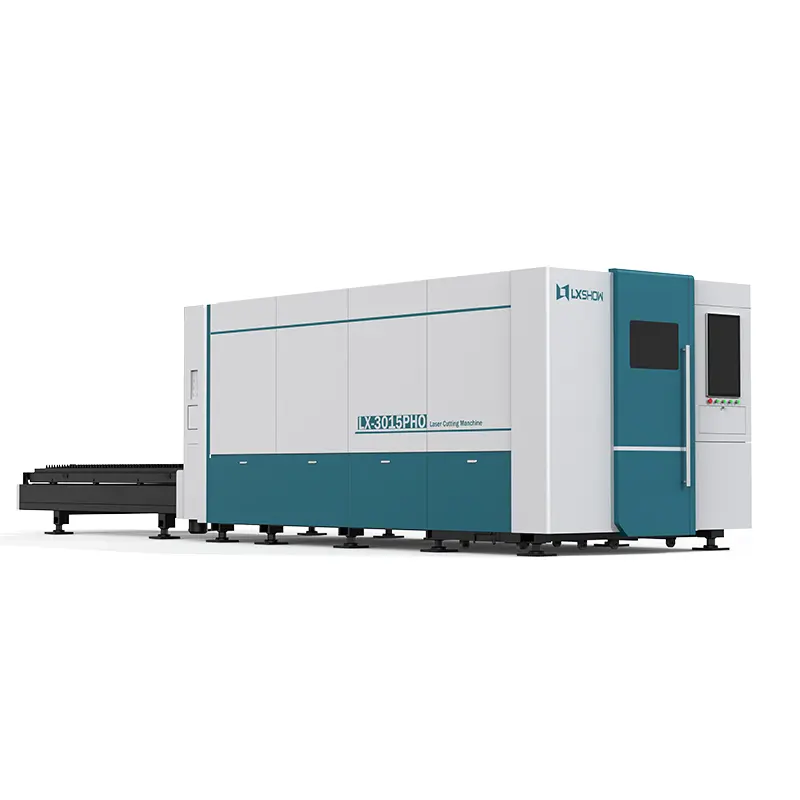
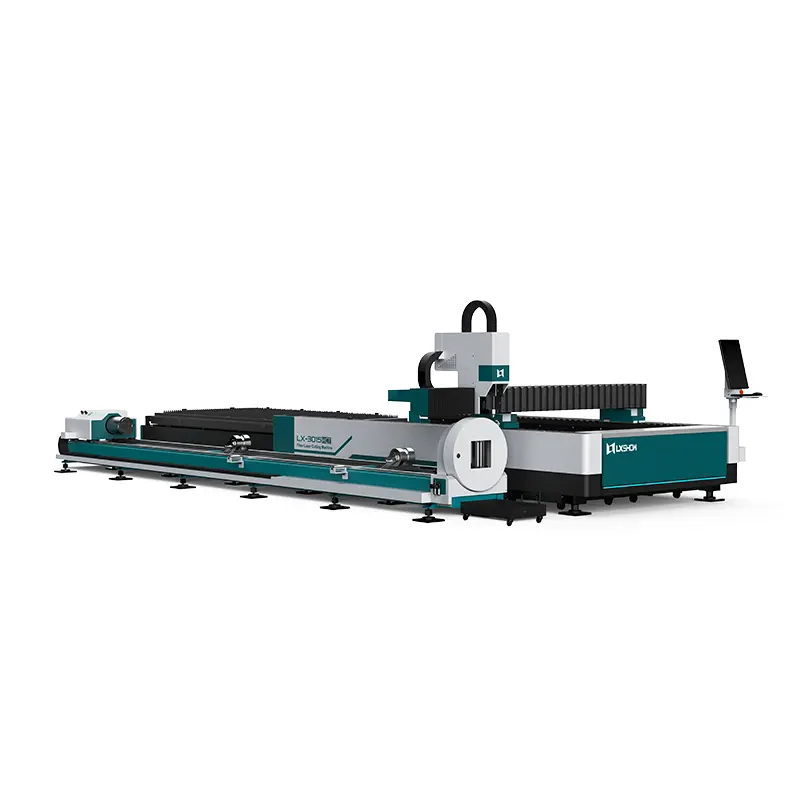
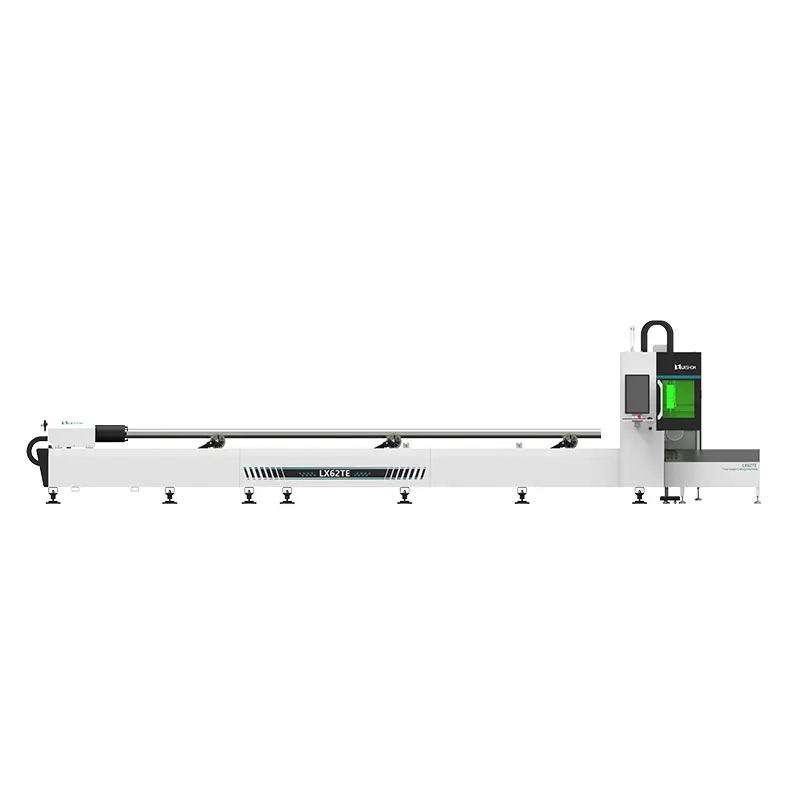
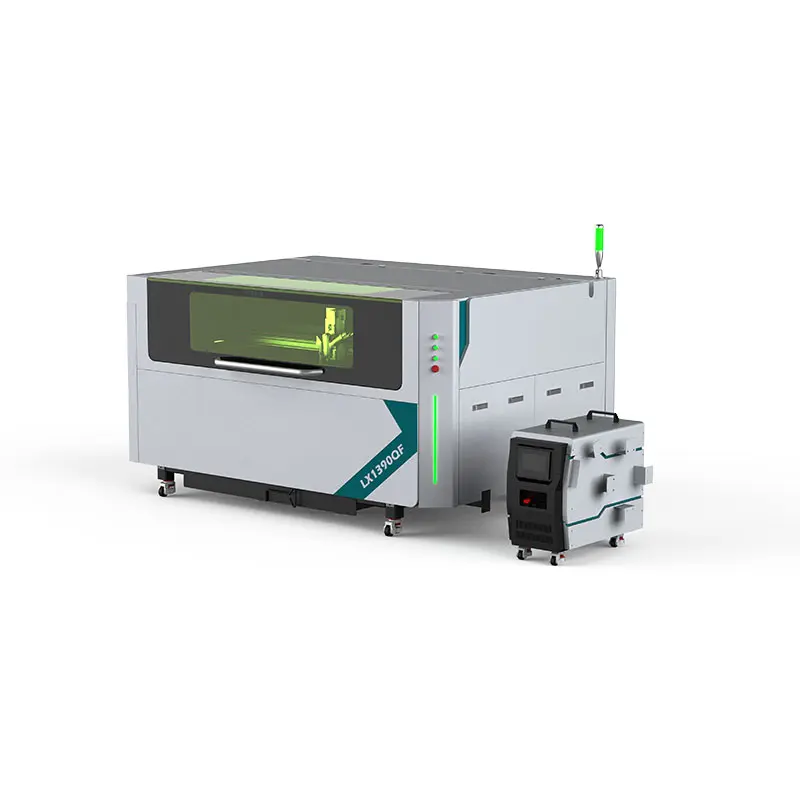
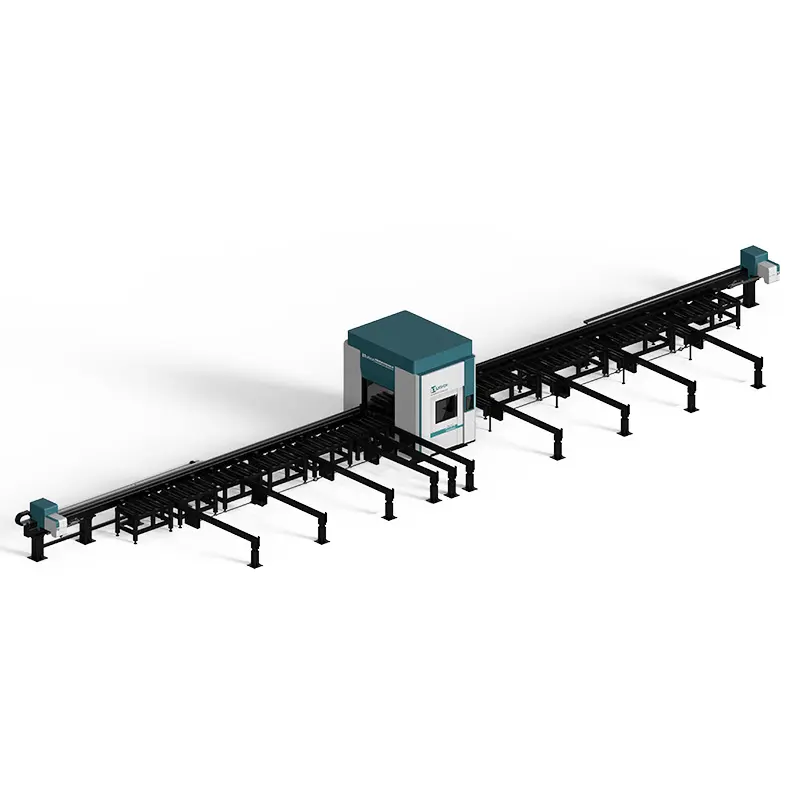
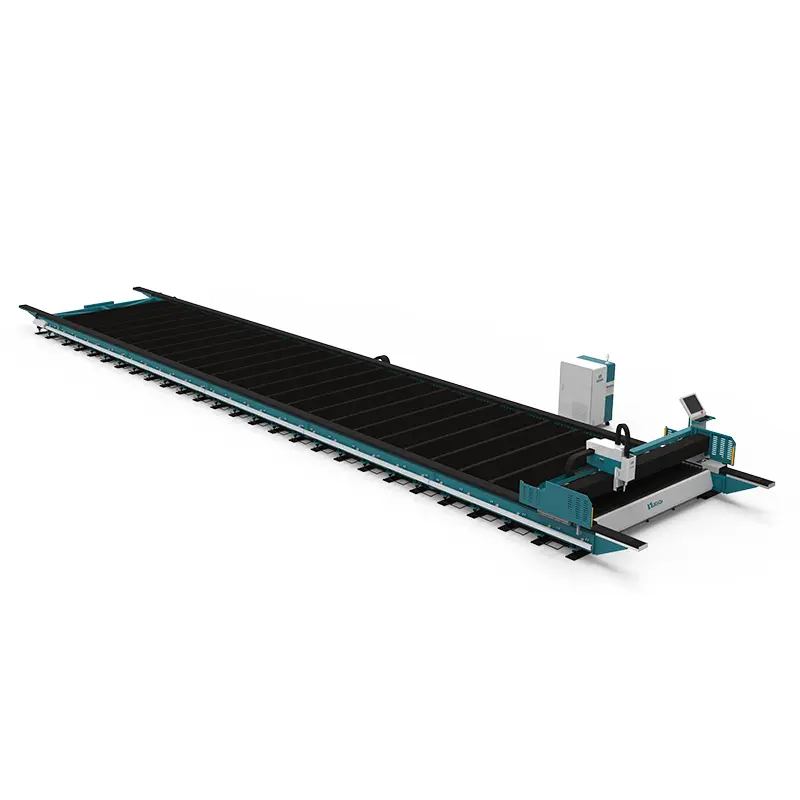
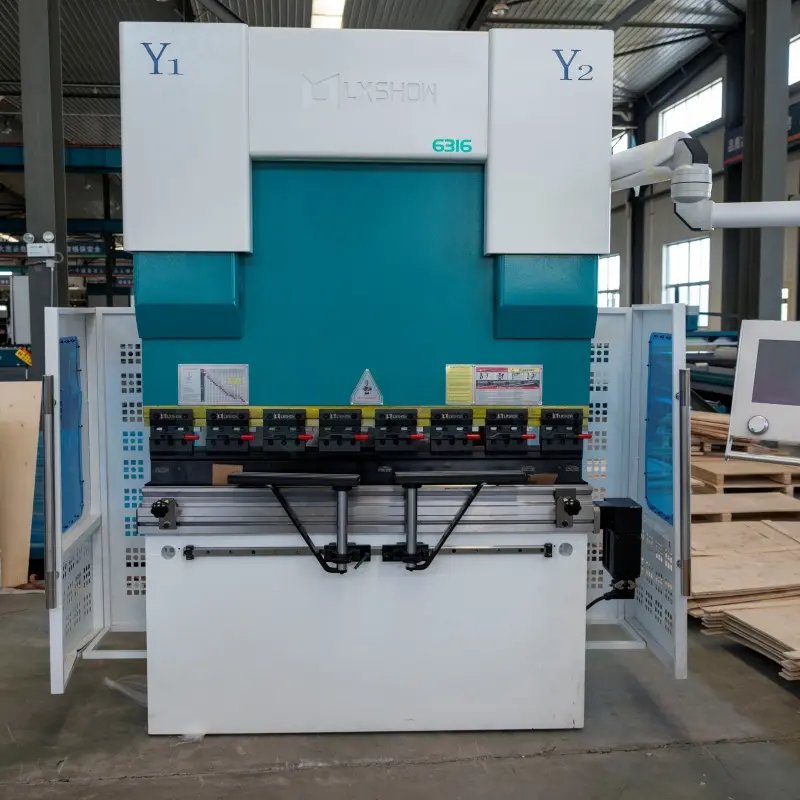
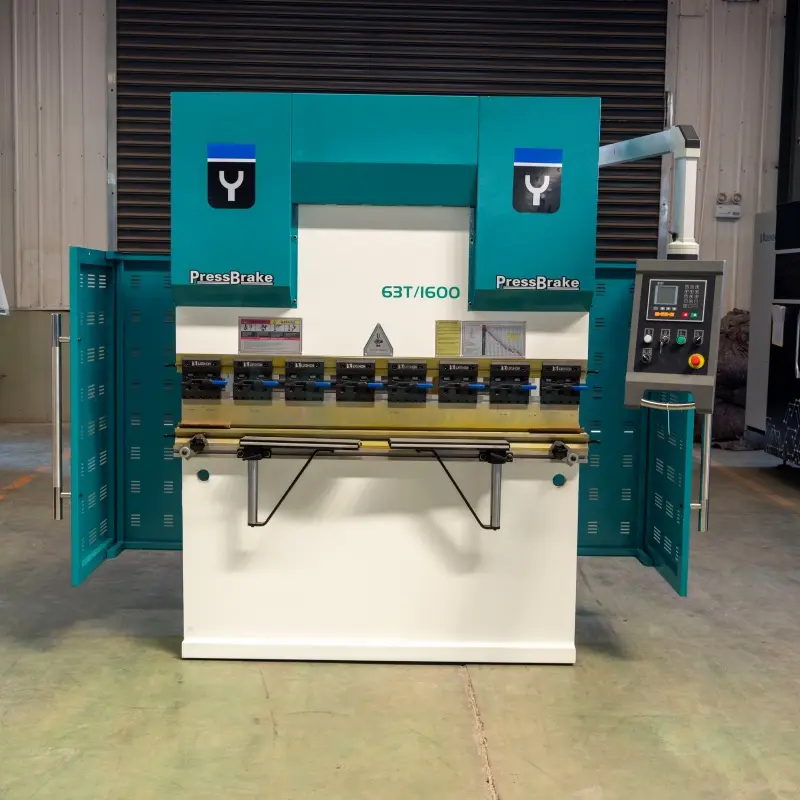
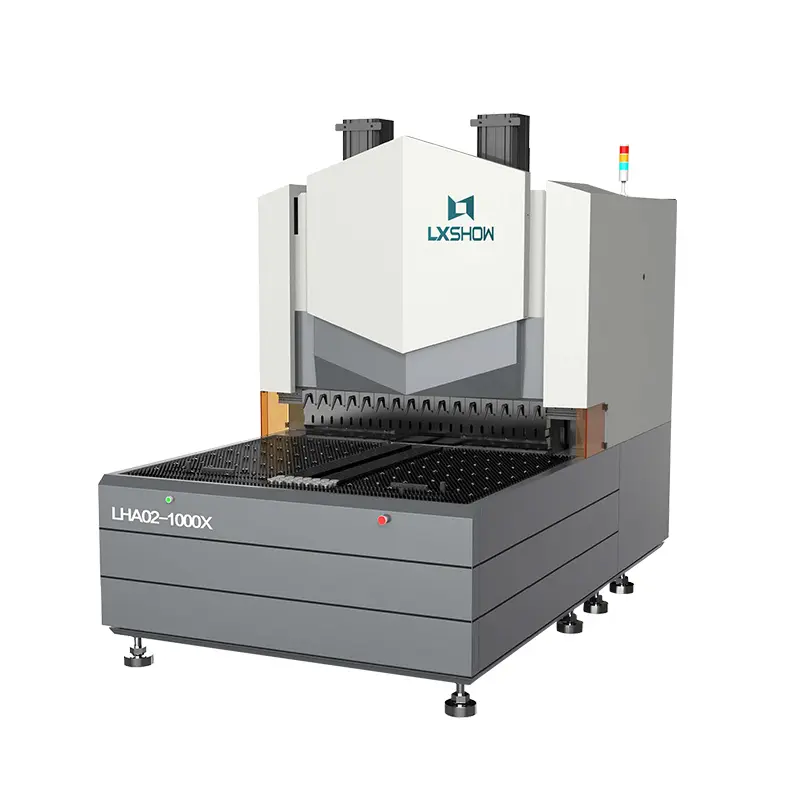
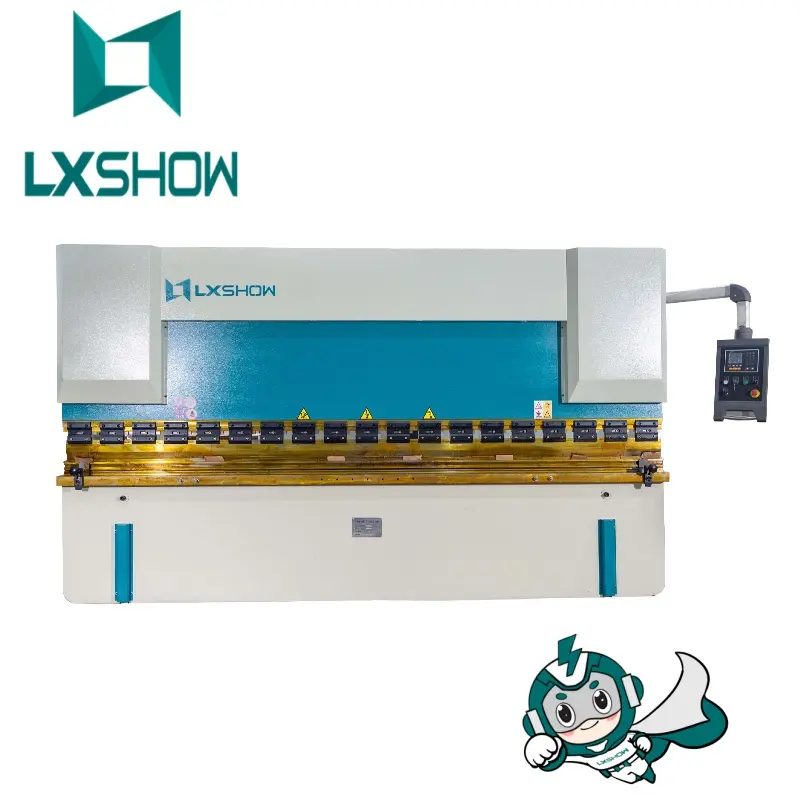
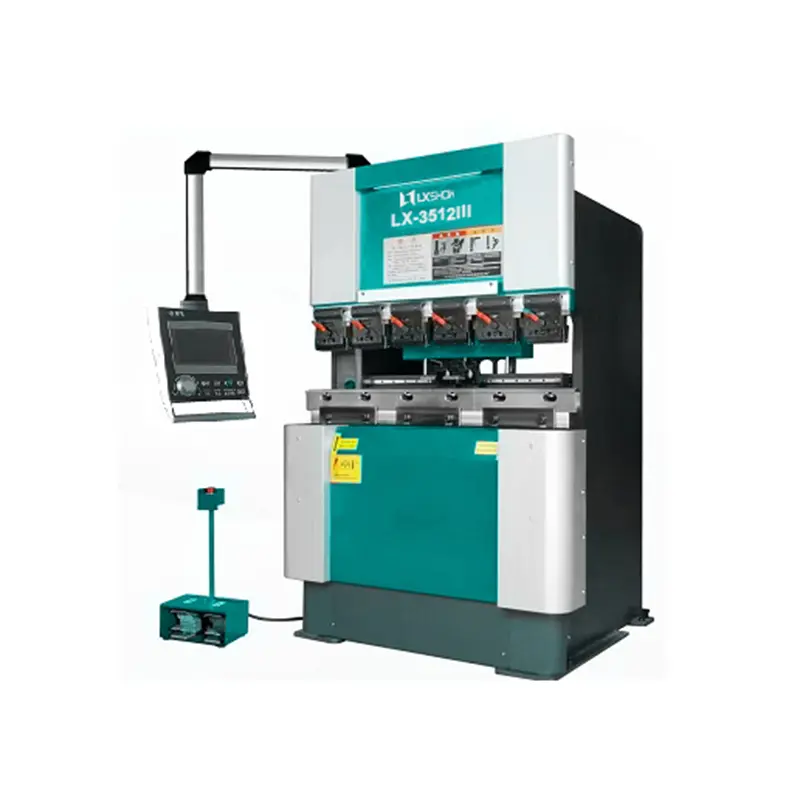
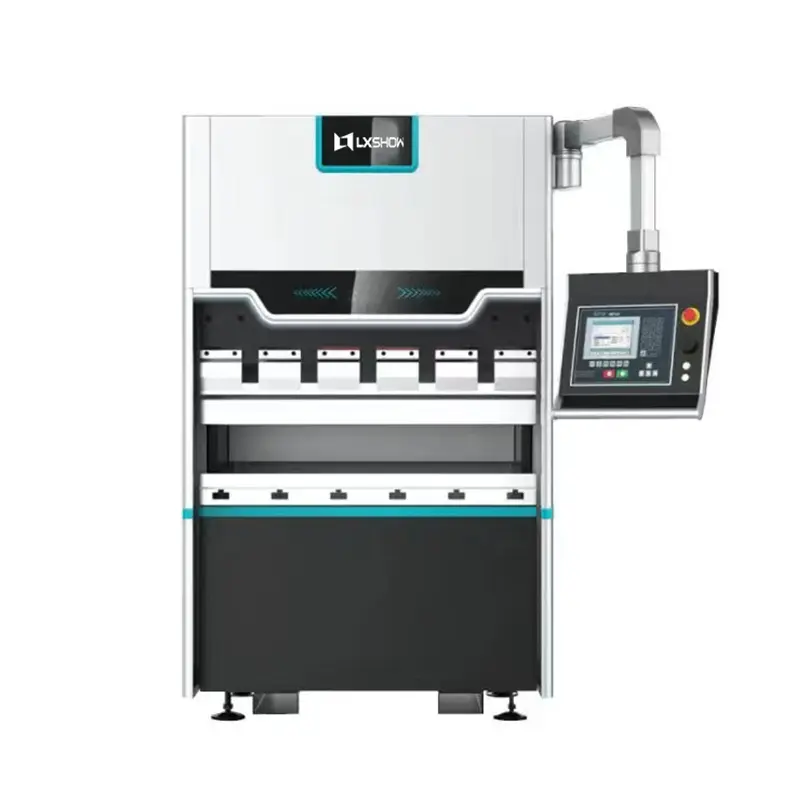
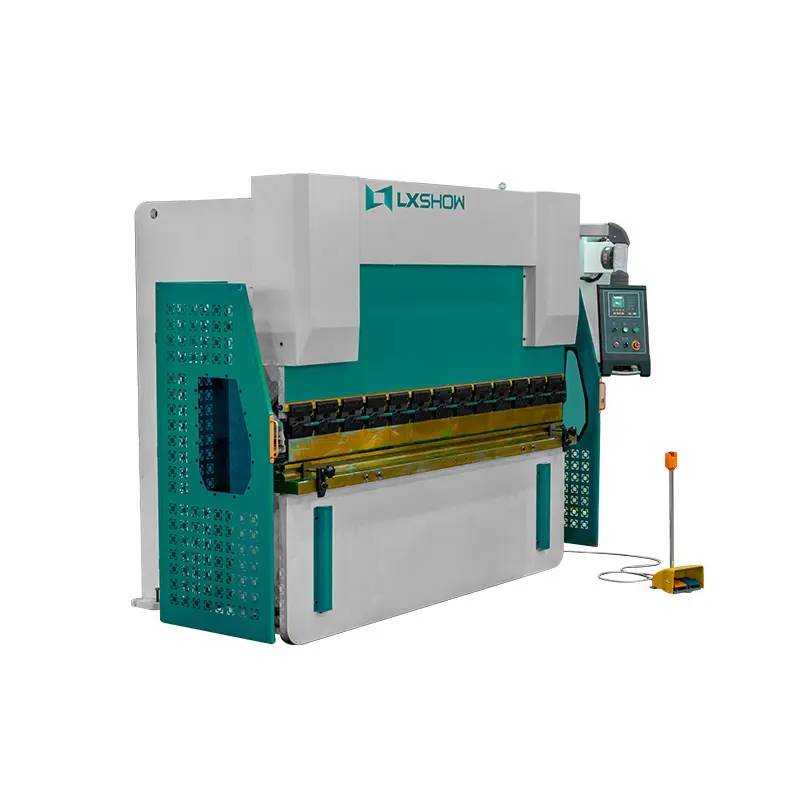
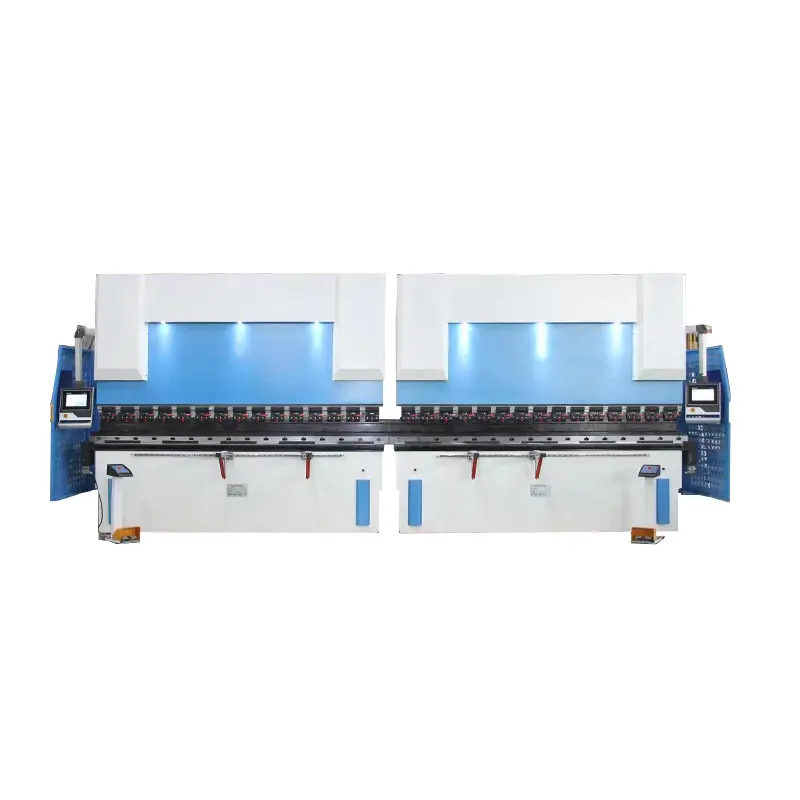
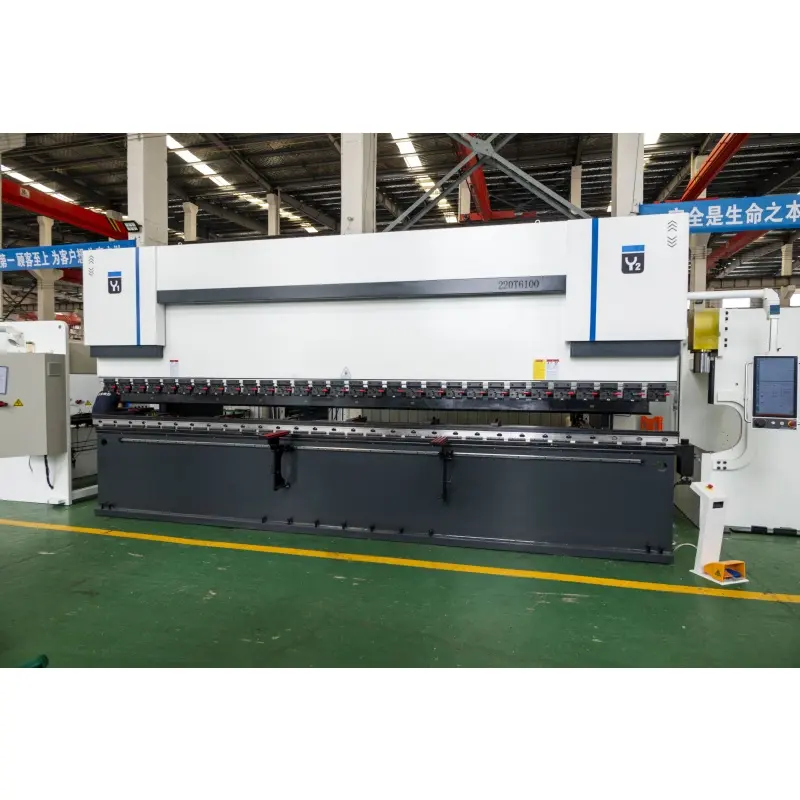
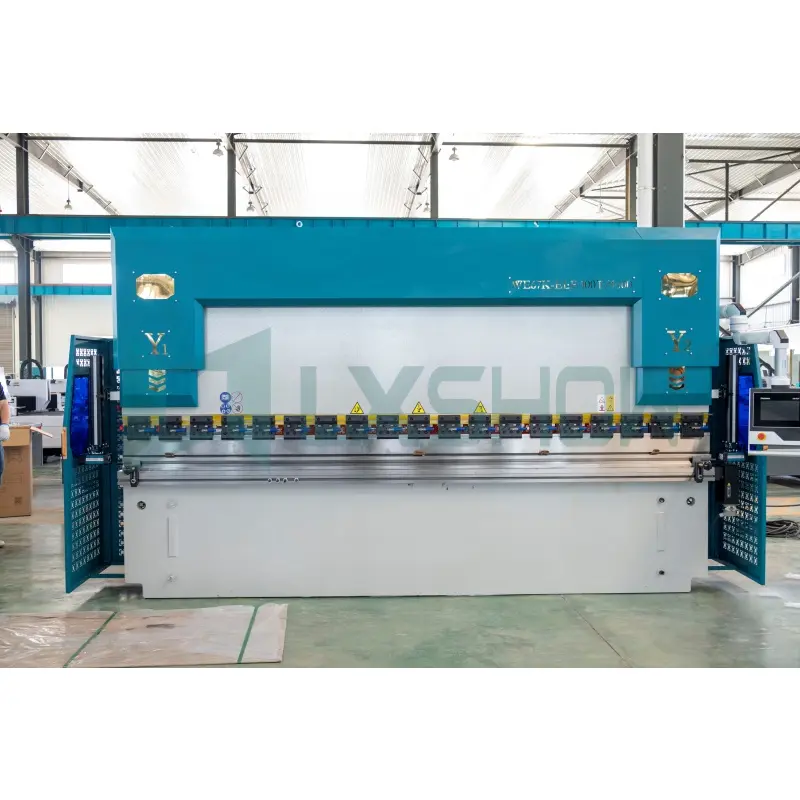
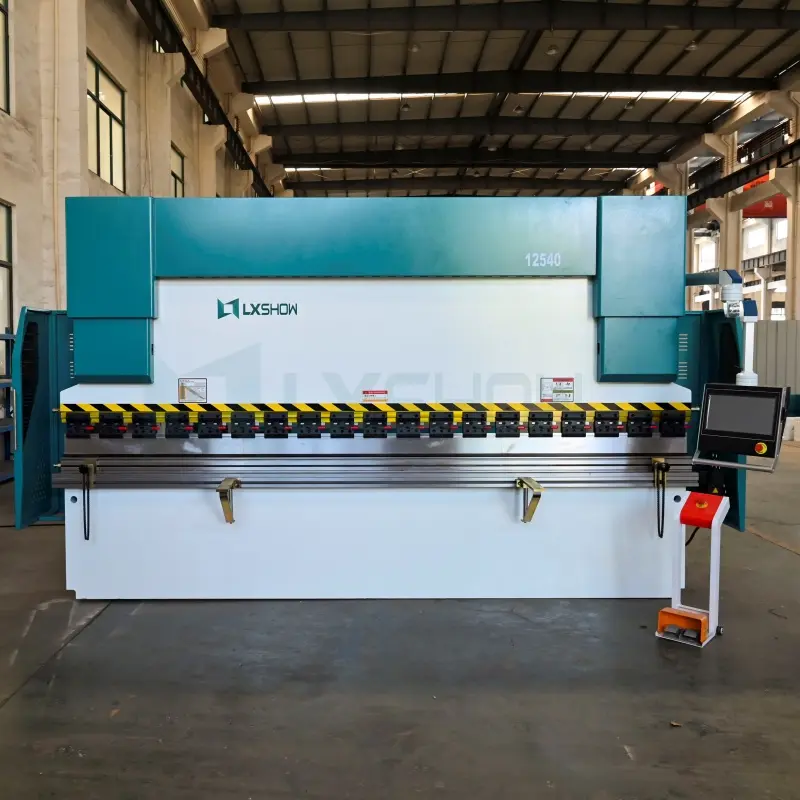
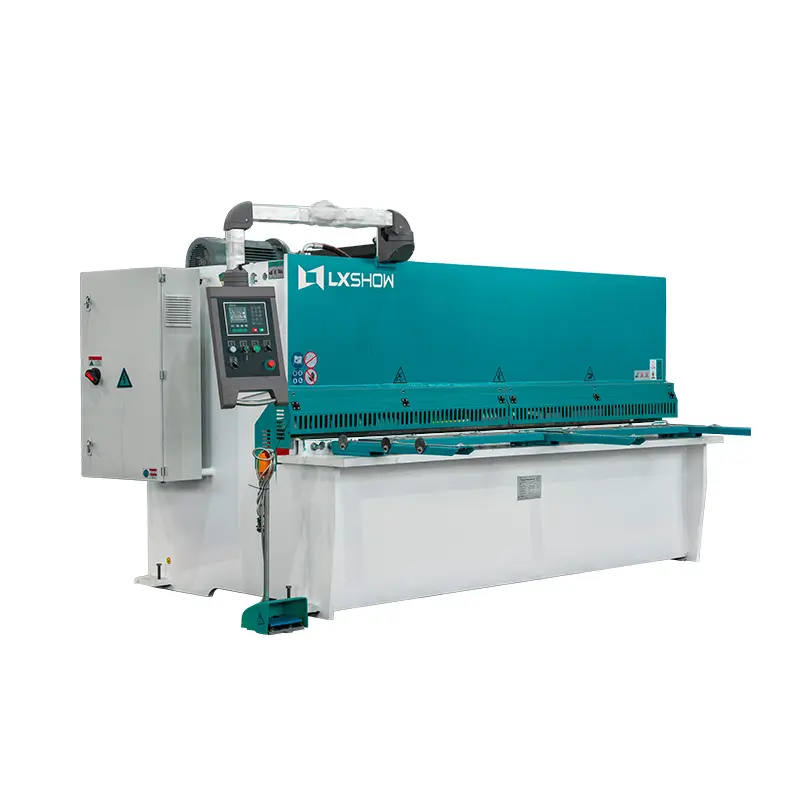
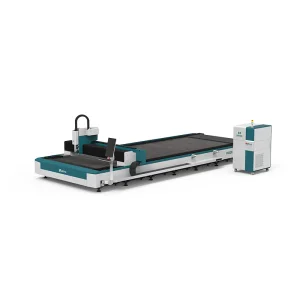
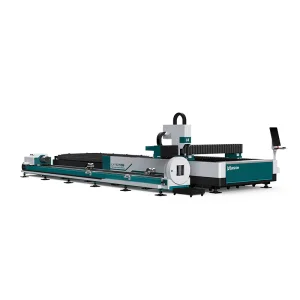
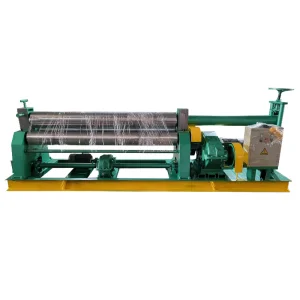
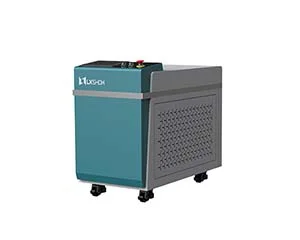
Direct factory supply featuring optimized fiber laser cutting systems, automatic bending networks, and multi-functional structural rollers.
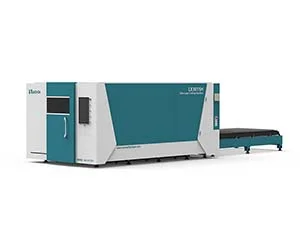
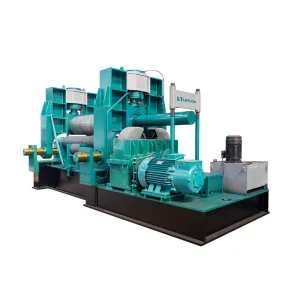
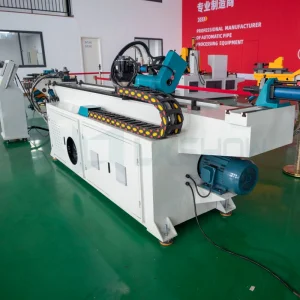
An authoritative overview of mechanical engineering developments, structural market trends, and deployment strategies for high-power laser manufacturing systems.
The global metal fabrication paradigm has undergone a dramatic transformation, shifting decisively from traditional CO2 gas lasers to advanced solid-state fiber laser technologies. By delivering energy through flexible optical fibers, modern fiber laser systems achieve electrical-optical conversion efficiencies exceeding 35%, vastly outperforming the 8-10% typical of old-world CO2 units. This efficiency leap translates directly into minimized operational footprints, lower electricity requirements, and significantly decreased thermal load on structural workpieces.
In the current industrial market, cutting systems ranging from 10kW to 30kW have evolved from luxury options to standard processing tools. Ultra-high-power fiber lasers drastically accelerate thick plate processing, effectively reducing carbon steel, stainless steel, and aluminum processing times. Integrated beam-parameter control allows for real-time adjustments of the laser spot profile. This control optimizes cutting parameters on the fly, yielding clean, dross-free edges on heavy plates and micro-precision cuts on thin gauge foils alike.
Global manufacturing procurers—whether operating in heavy engineering, shipbuilding, structural steel, automotive assembly, or precision medical tooling—measure capital expenditure success by one primary metric: cost-per-part (CPP). Modern smart procurement requires machinery that matches raw processing speeds with minimal downtime, easily maintaining high uptime across multiple shifts.
As a result, B2B procurement pipelines increasingly demand automated material handling. Dual-pallet exchange tables allow operators to load new sheet metal and collect finished parts without pausing active operations, maximizing beam-on time. In addition, integration with Smart Manufacturing Execution Systems (MES) allows processing parameters, consumable lifetimes, and energy consumption profiles to be monitored via cloud dashboards, ensuring real-time visibility and predictable maintenance.
China's manufacturing sector has evolved from a volume assembly base into a globally integrated ecosystem driven by automated precision and collaborative clusters. The fiber laser cluster, centered in Jinan, benefits from local access to high-rigidity structural machine beds, precision laser source developers, optical assembly cleanrooms, and experienced engineering specialists.
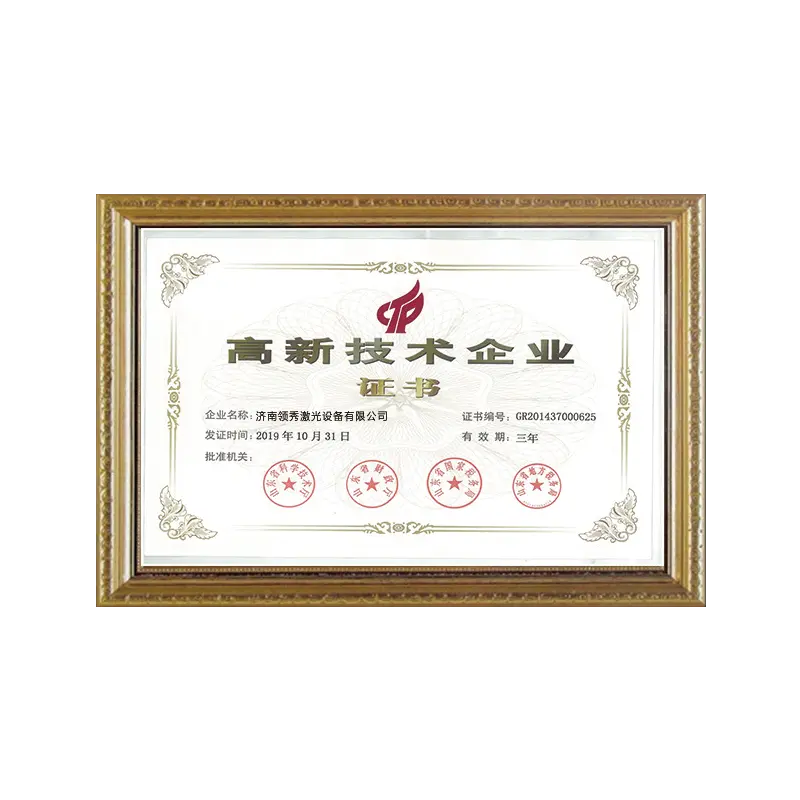
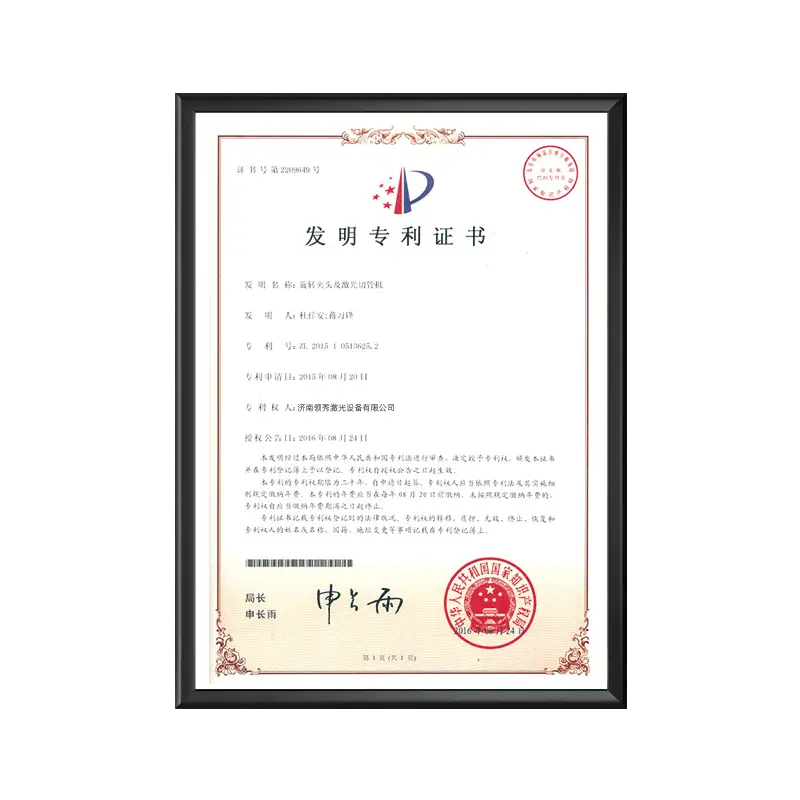
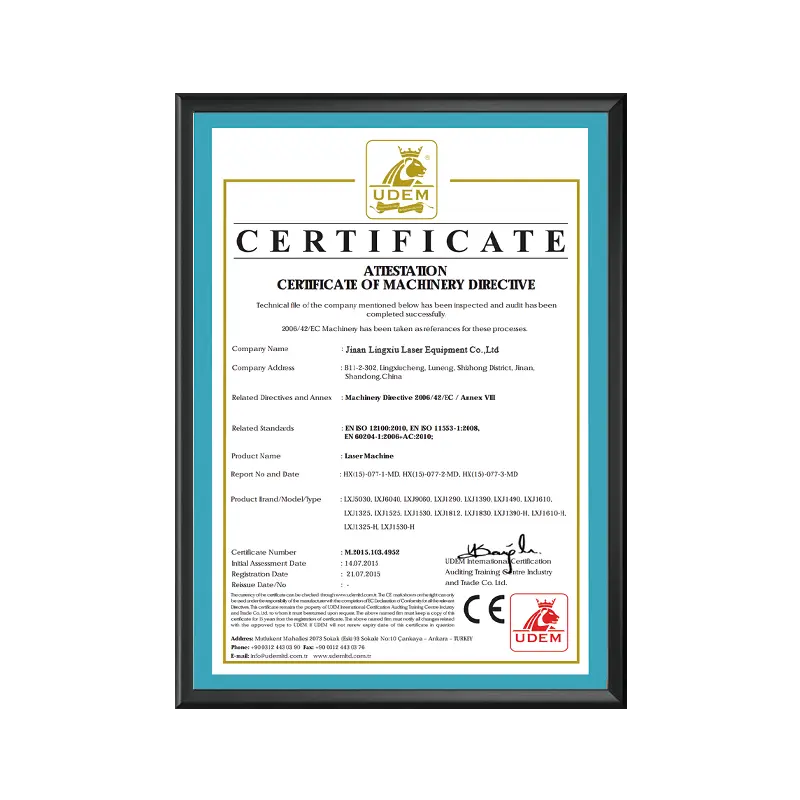
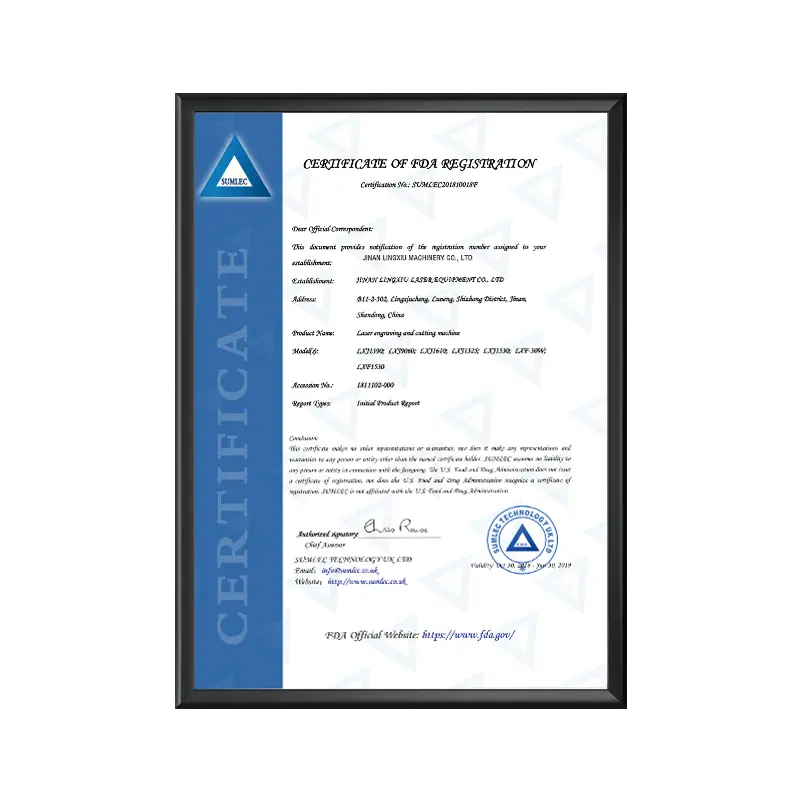
By designing and constructing CNC machinery in-house, domestic manufacturers provide complete supply chain control. This model reduces dependency on imported optical modules, enabling rapid system integration and reliable delivery schedules. Because components like machine beds, optical heads, gantry systems, and nesting software are developed and tested under one unified quality management protocol, machinery exhibits exceptional field longevity and reliability, backed by international certifications including CE compliance, FDA registration, and ISO 9001 quality audits.
Modern laser cutting and metal forming systems serve a diverse range of structural, industrial, and artistic applications:
For carbon steel, nitrogen-assisted laser cutting creates clean, oxidation-free edges ready for downstream powder coating. In high-power stainless steel processing, gas pressure optimization prevents thermal stress fractures and warp defects. For highly reflective metals like brass, copper, and aluminum alloys, specialized optical back-reflection sensors actively protect the fiber core from damage, allowing stable, high-speed execution.
Leading laser smart equipment innovations since 2004, serving 150+ countries and supplying OEM services globally.
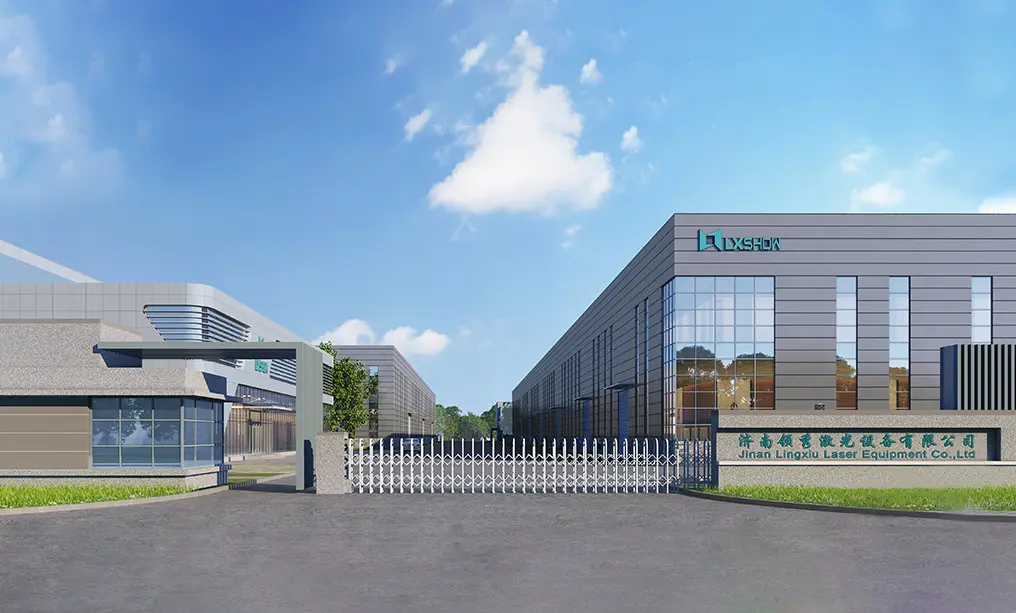
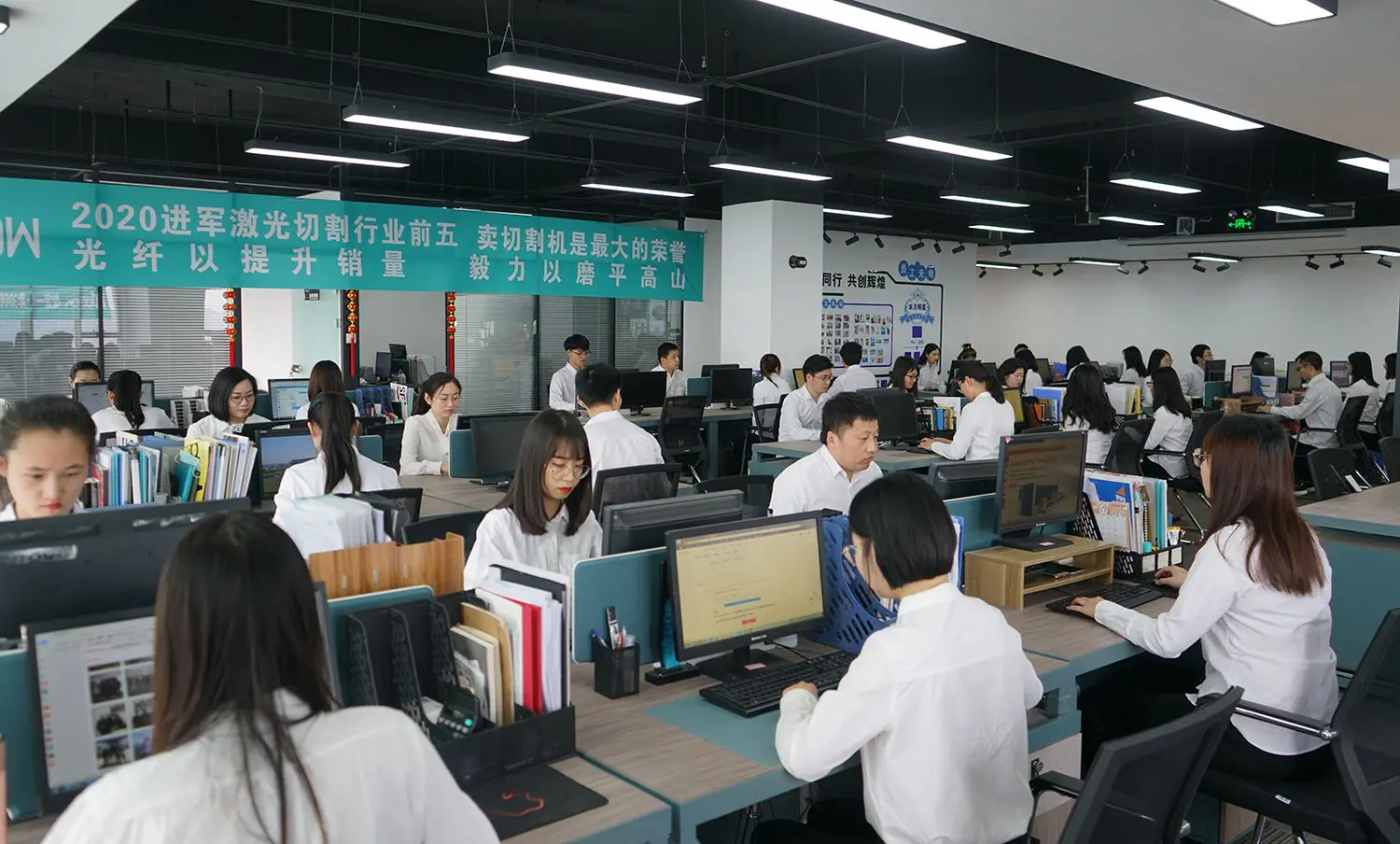
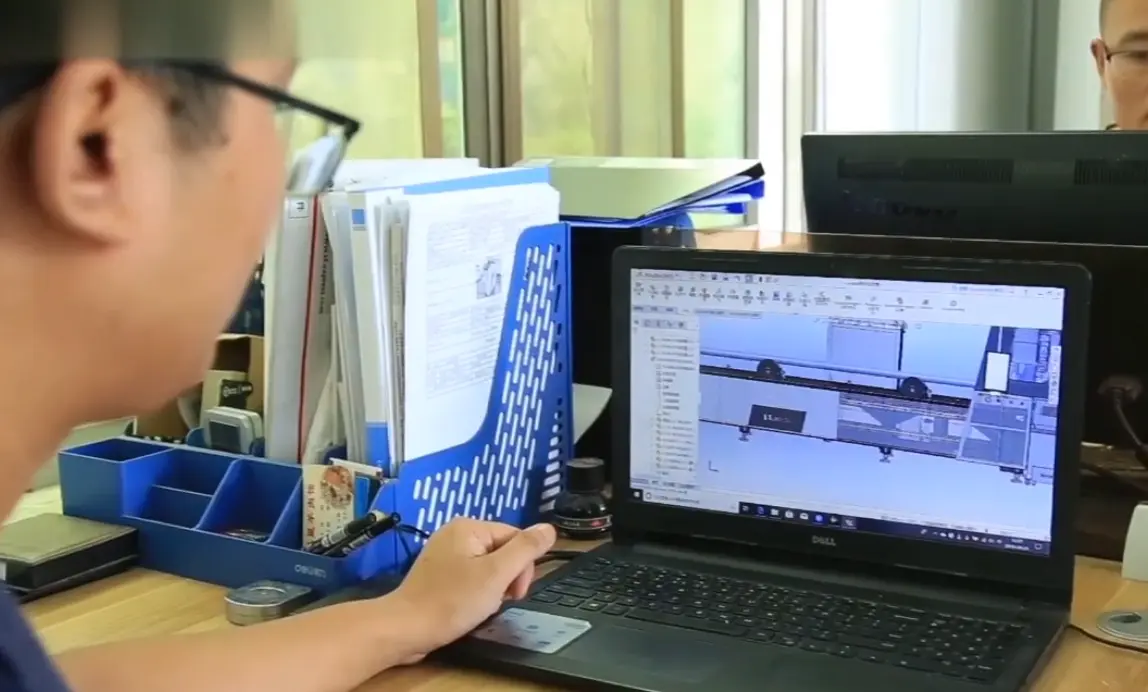
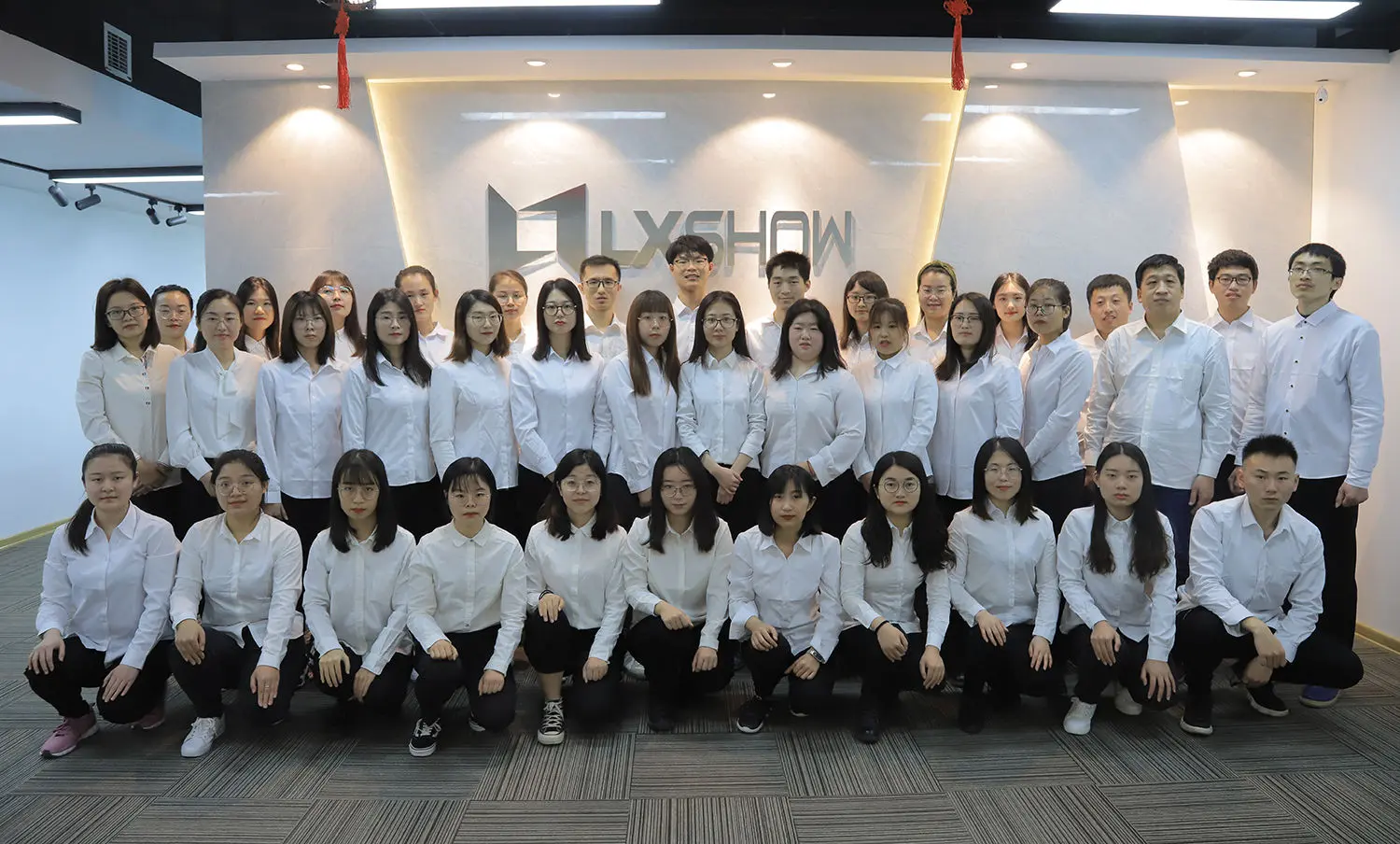
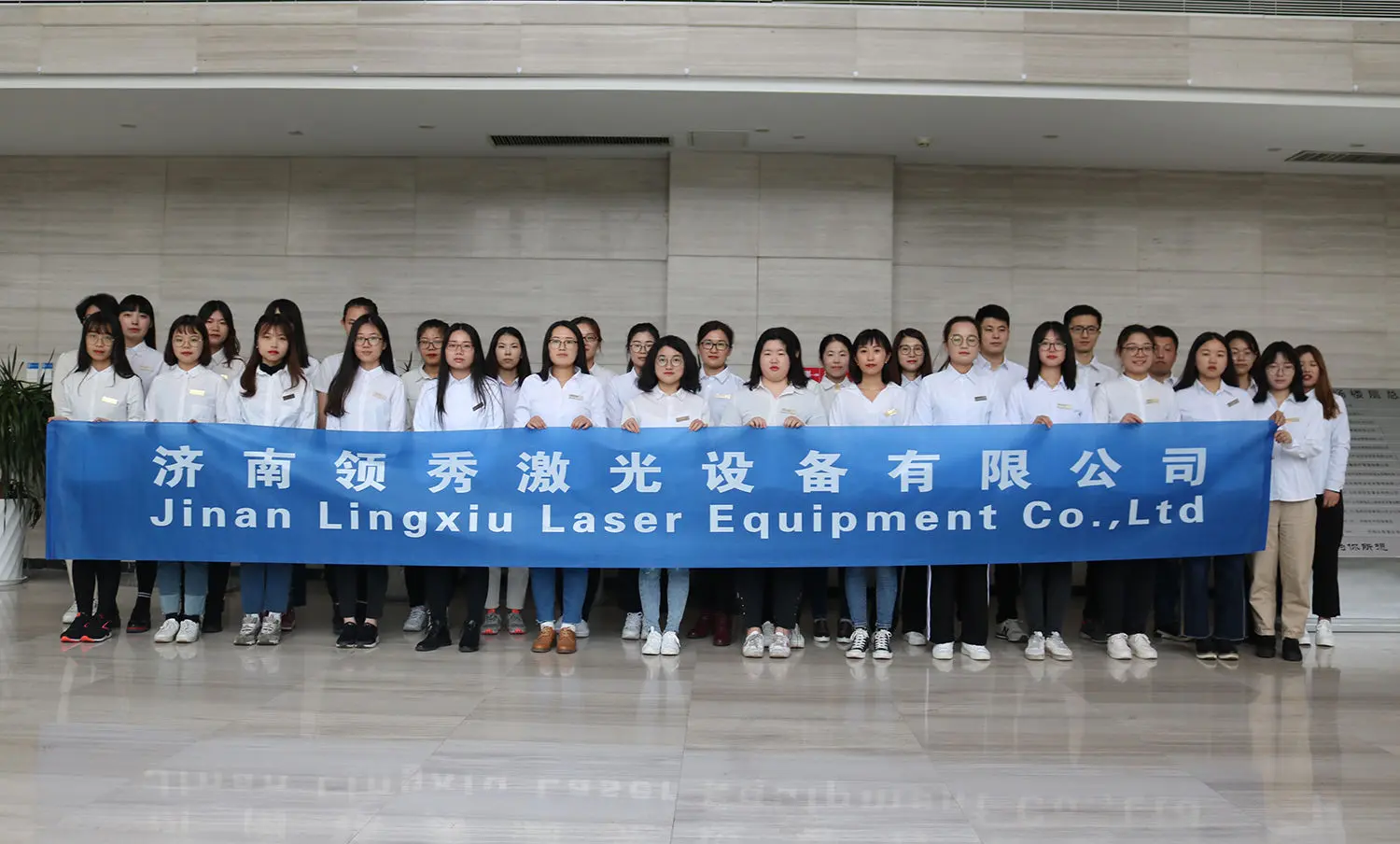
Helping World Metal Cutting: Established in July 2004, LXSHOW owns more than 500 square meters of researching and office space, along with a modern 32,000 square meter factory campus. As an innovator in smart laser technology, we focus on providing responsive technical support alongside robust fiber laser cutting, welding, and surface cleaning solutions.
Our long-term development strategy aims to position LXSHOW as a major globally integrated partner in the laser field. To achieve this, we help enterprises scale their manufacturing and transition smoothly into smart, automated production environments.
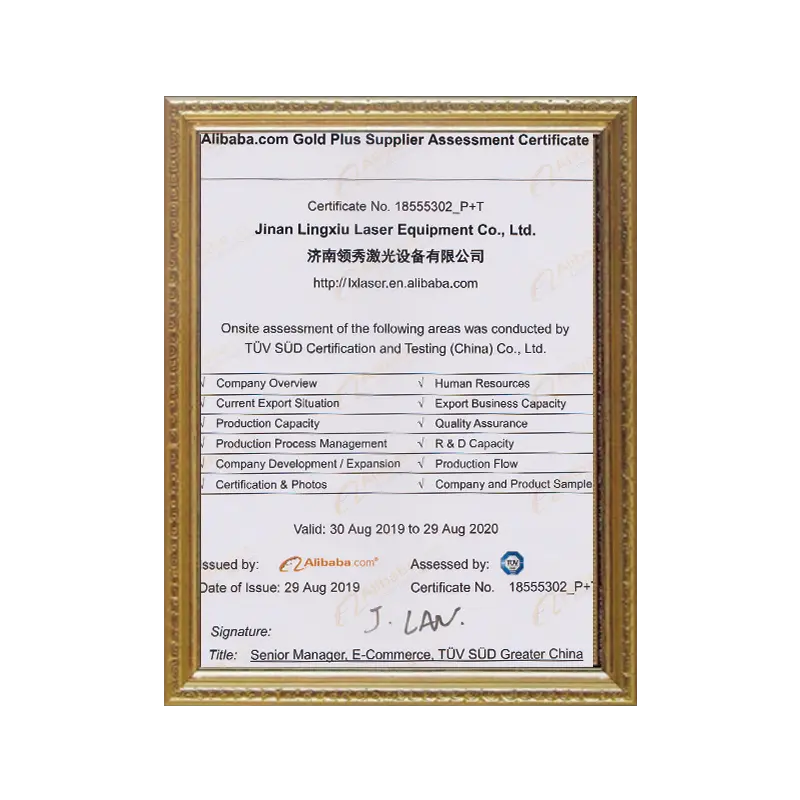
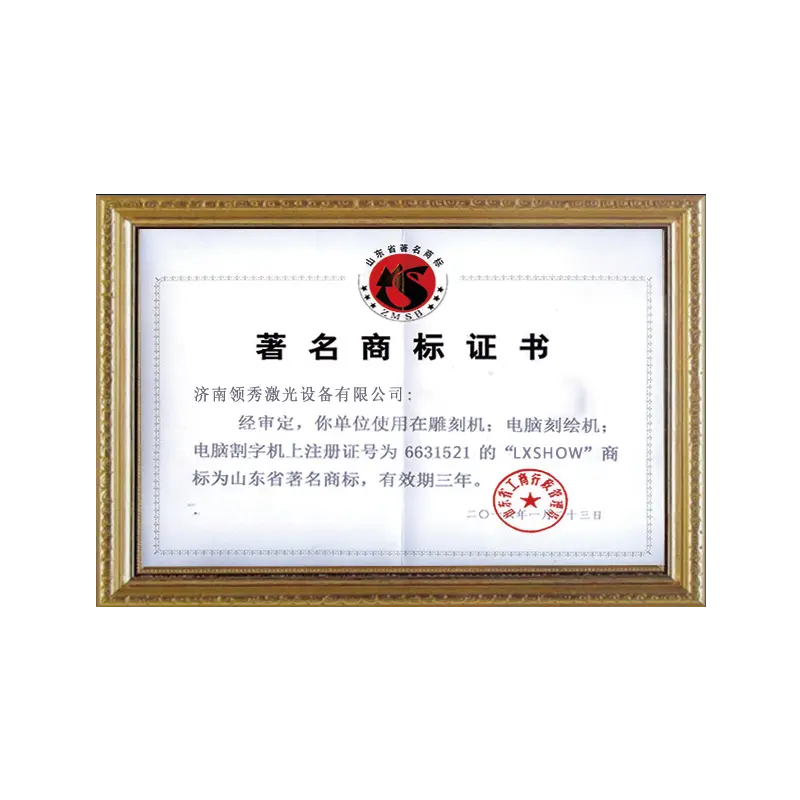
All machines pass European Union CE authentication, American FDA certification, and conform to ISO 9001 standards. Products are exported to the USA, Canada, Australia, Europe, South East Asia, Africa, and beyond, with specialized OEM services supplied to over 30 international industrial brands.
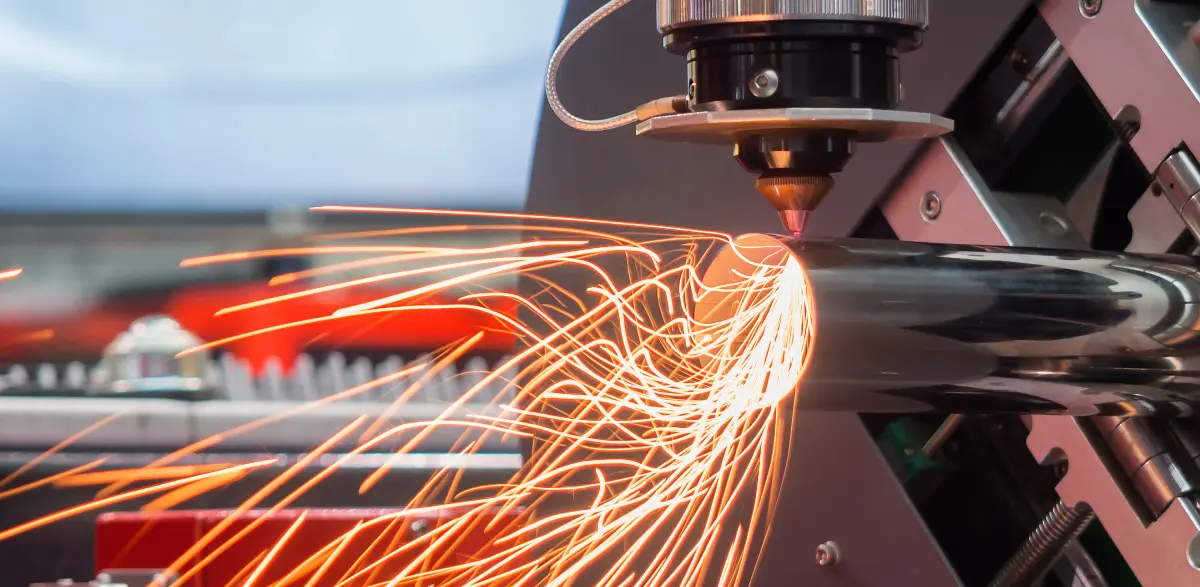
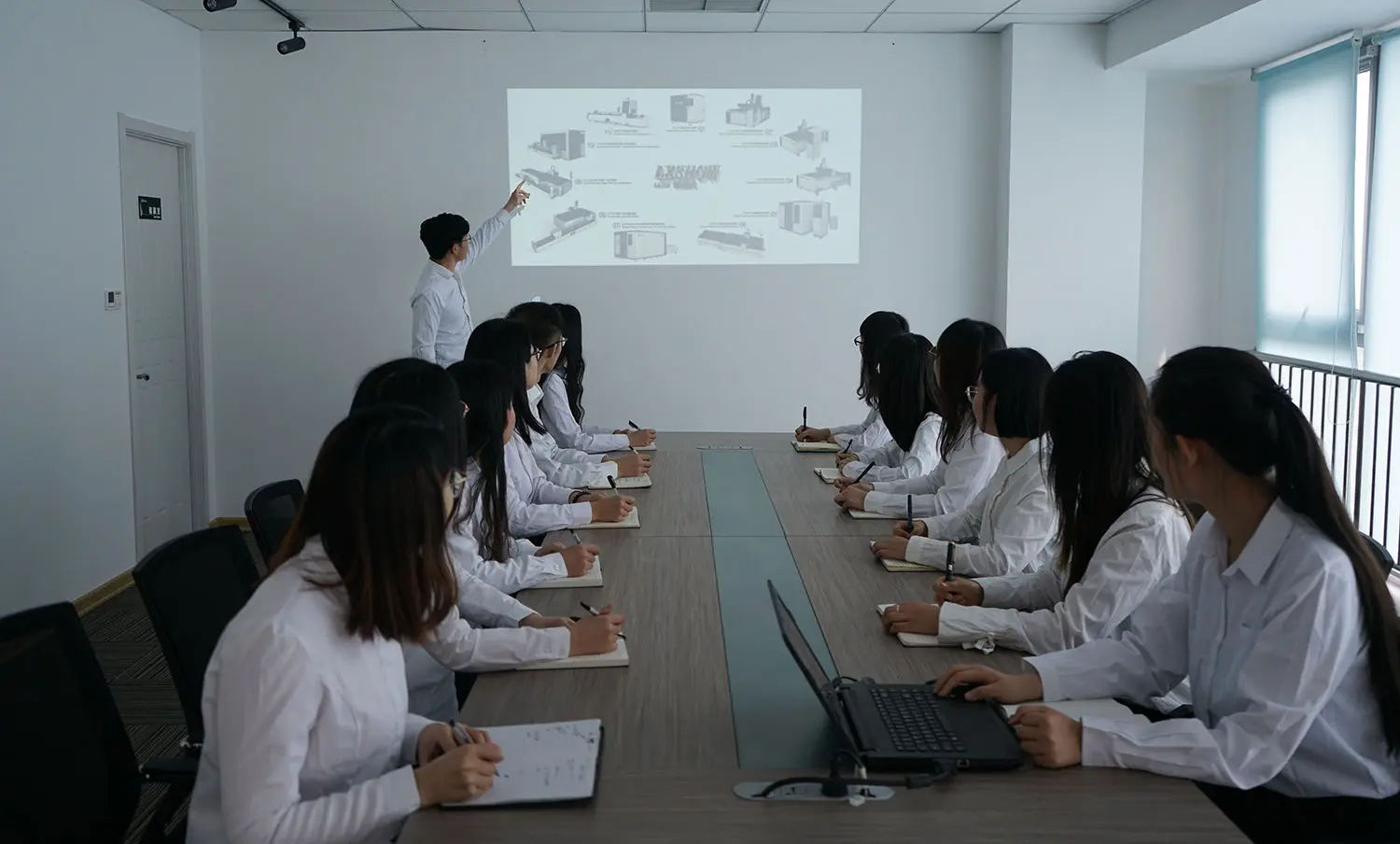
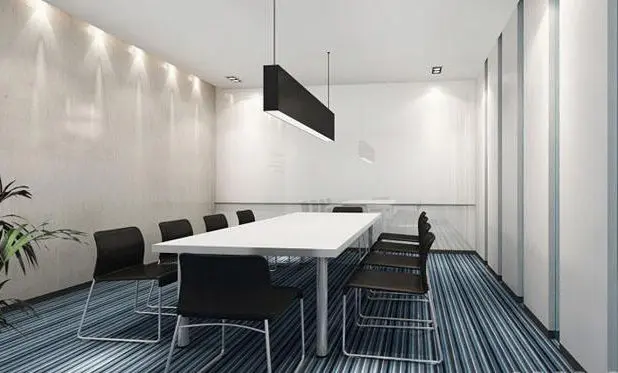
Explore the layout of our R&D hub, production lines, and client training centers designed to ensure repeatable product quality and global-ready service pipelines.
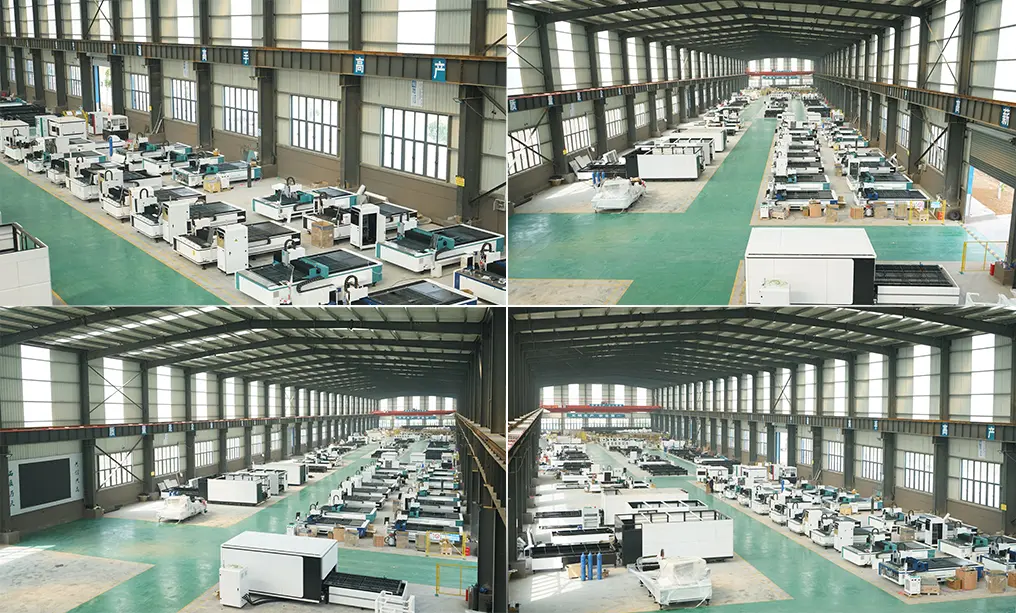
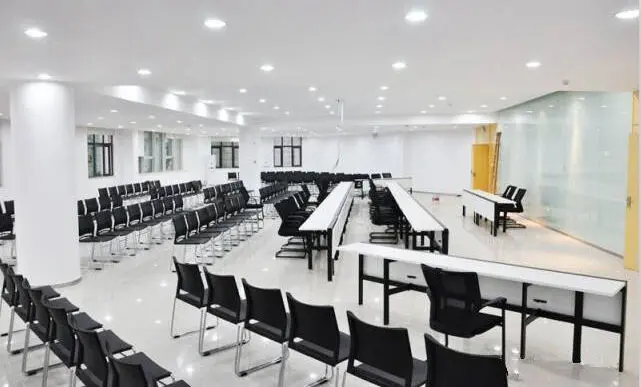
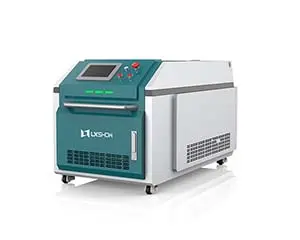
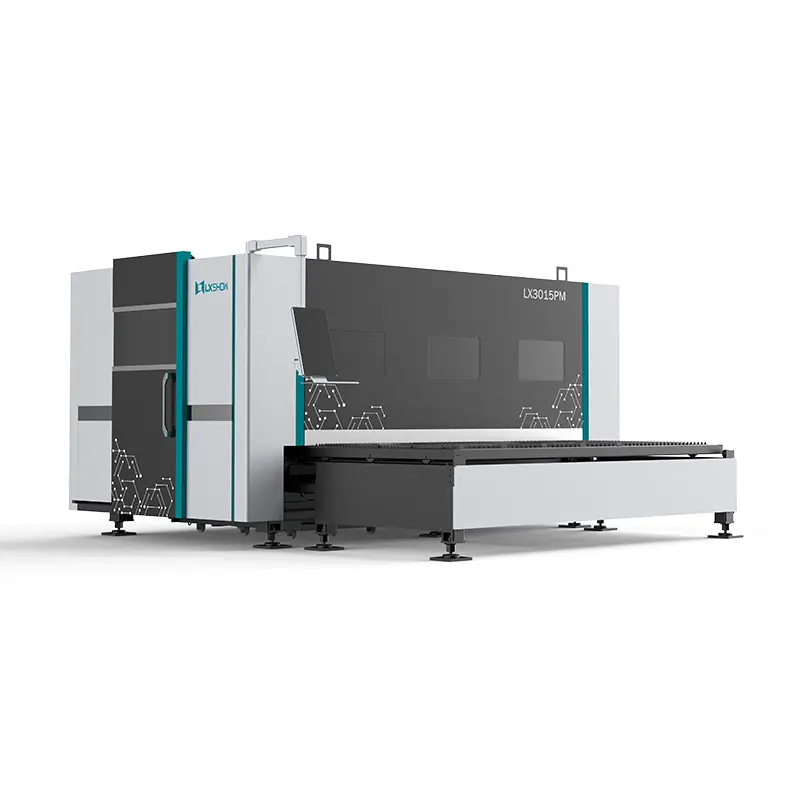
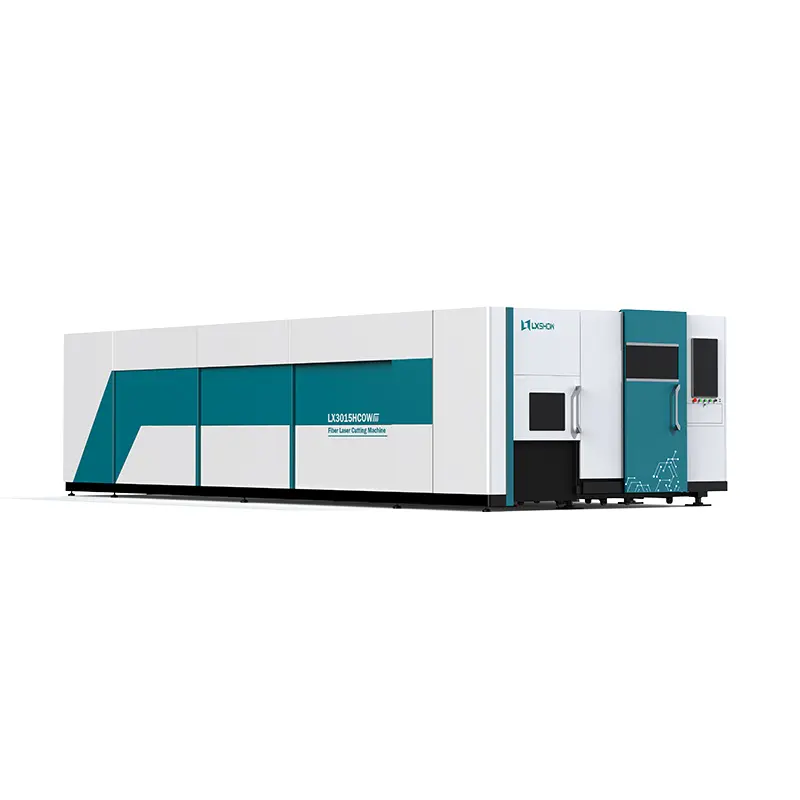
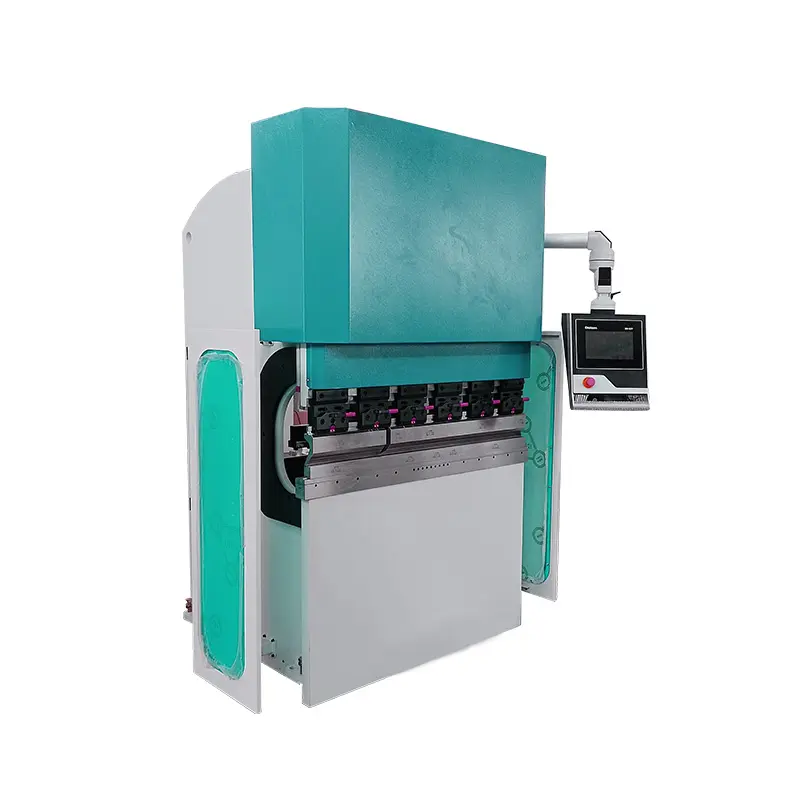
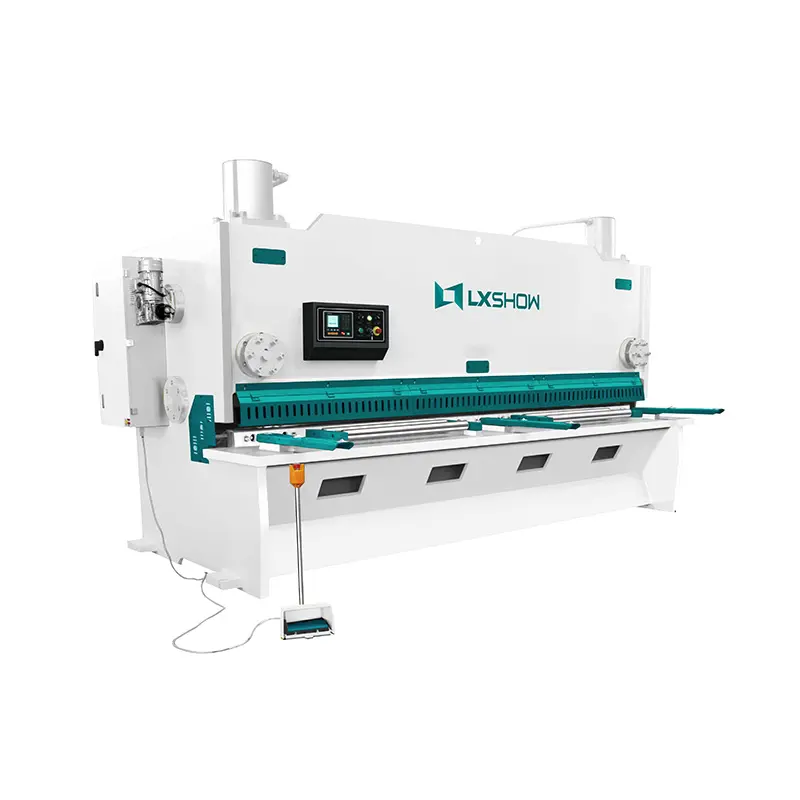
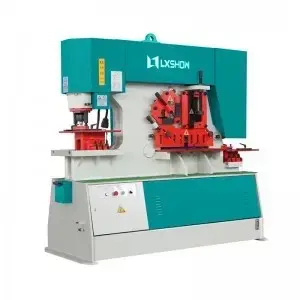
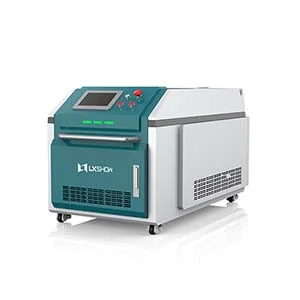
Explore our full line of sheet metal cutters, cladding networks, bending systems, and integrated metal shears.
Our machines are optimized to process structural plates, round tubes, square tubing, and special aluminum sheets with dynamic accuracy, ensuring long-term batch reliability.
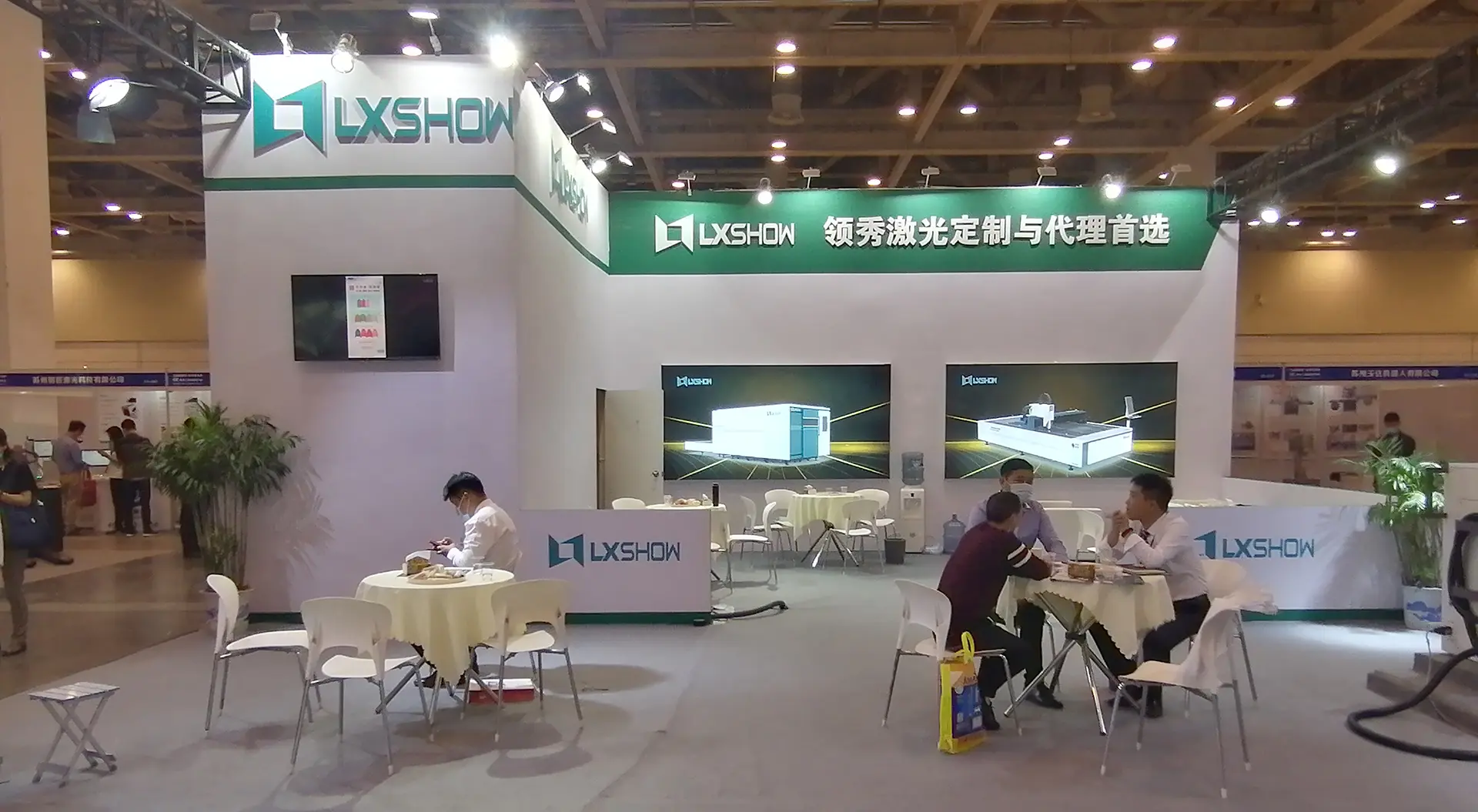
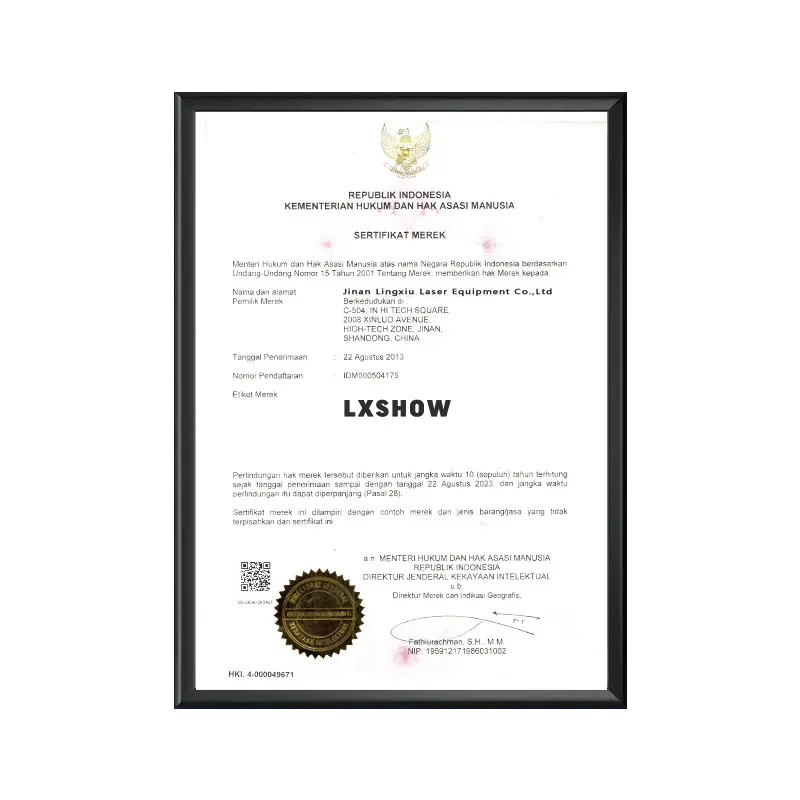
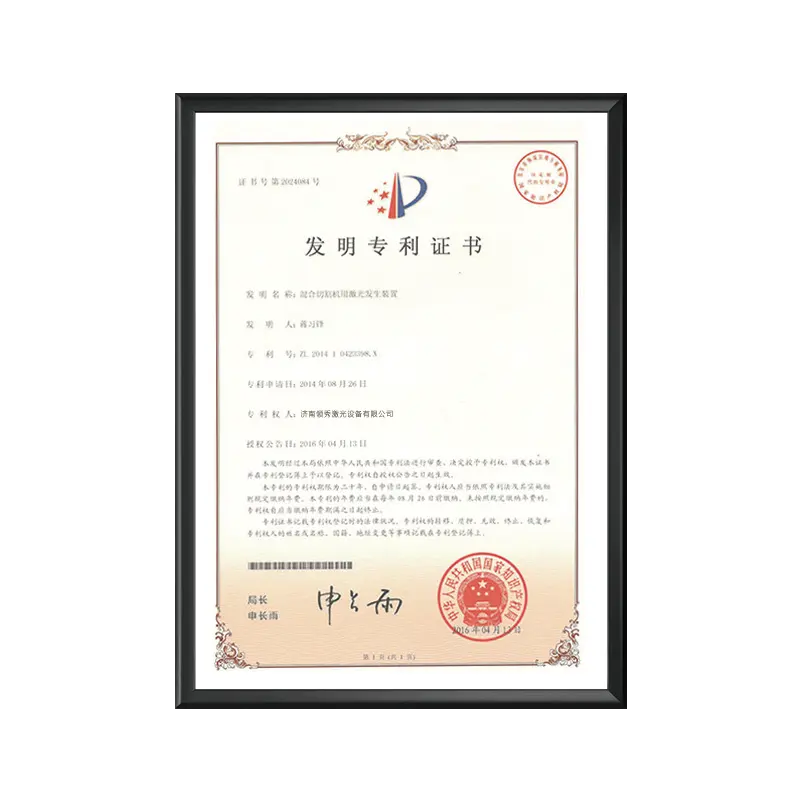
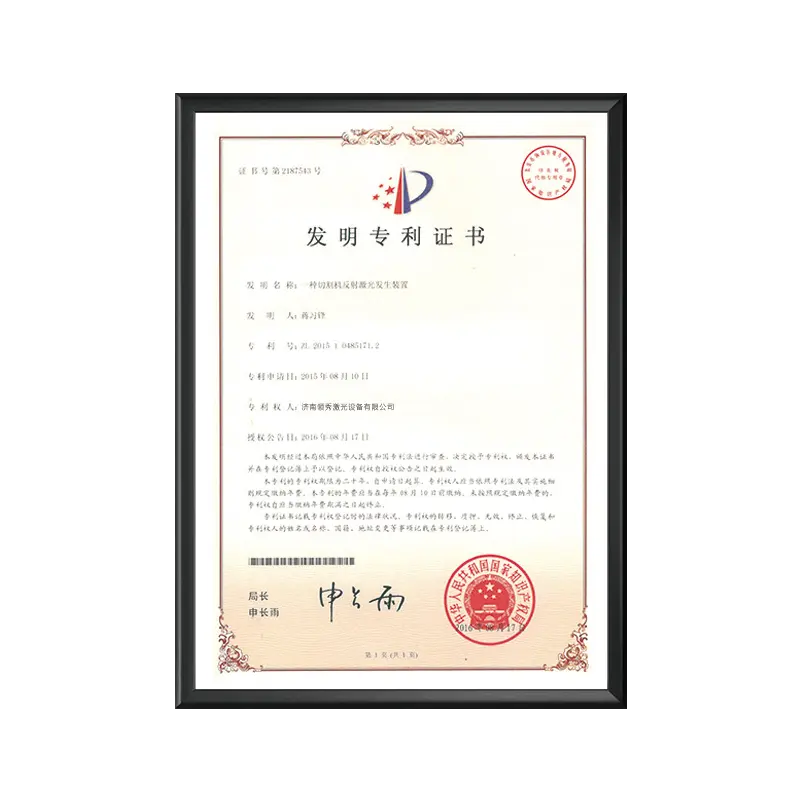
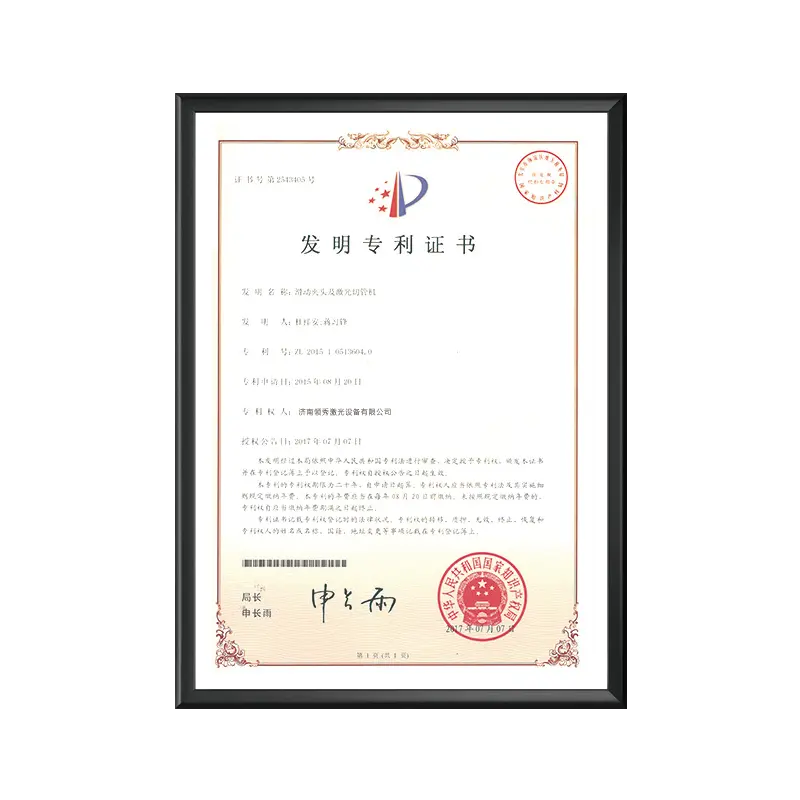
Select a specific category below to view technical parameters, active capacities, and design configurations.
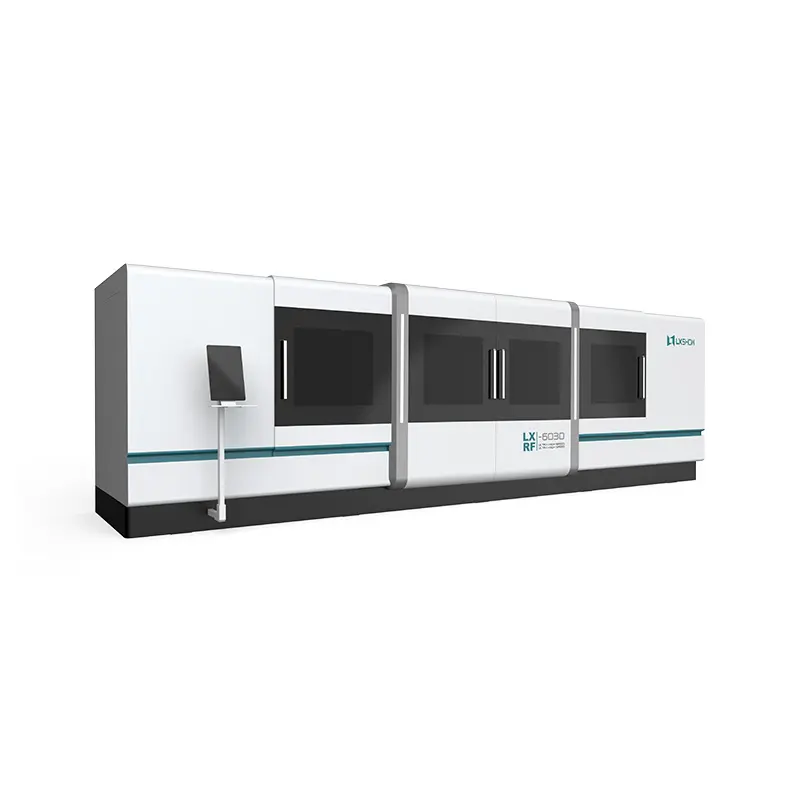
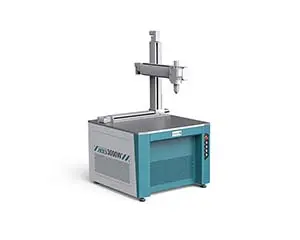
High-speed metal restoration cladding system featuring a single-axis layout.
Send Inquiry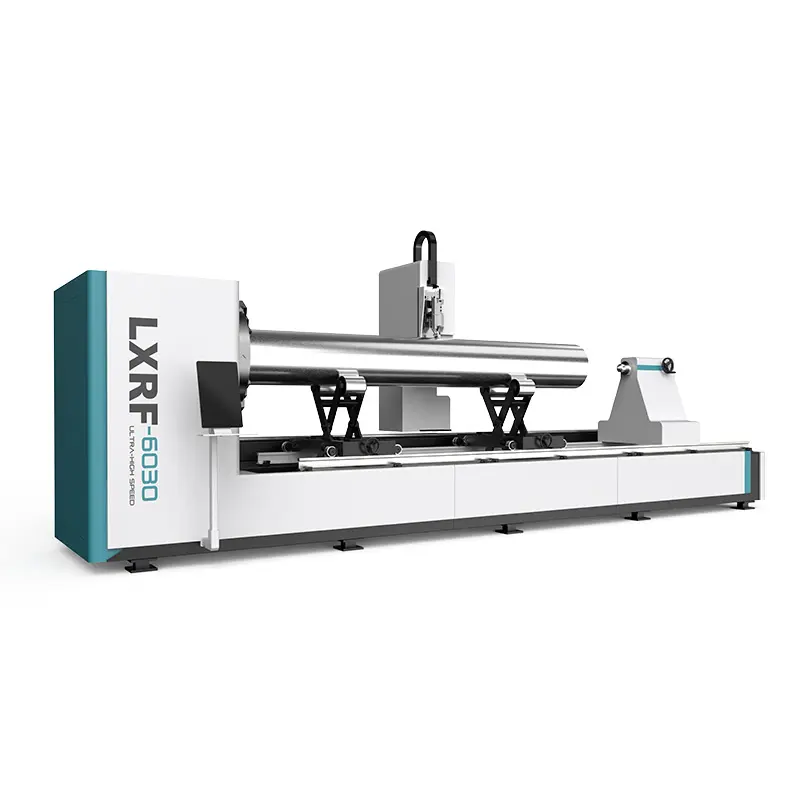
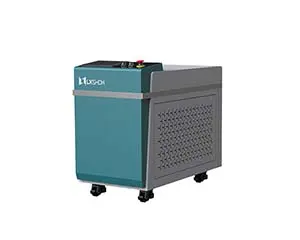
Heavy-duty positioner module with smooth rotational axes for precise coating application.
Send Inquiry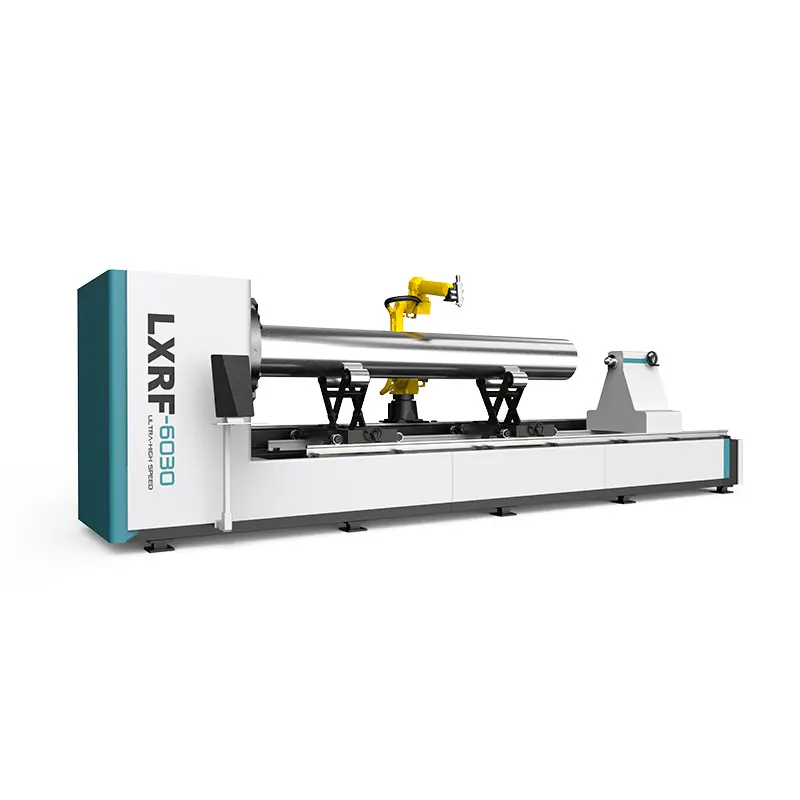
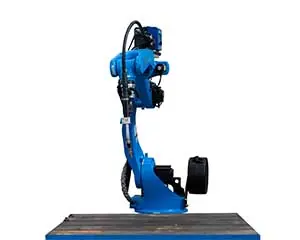
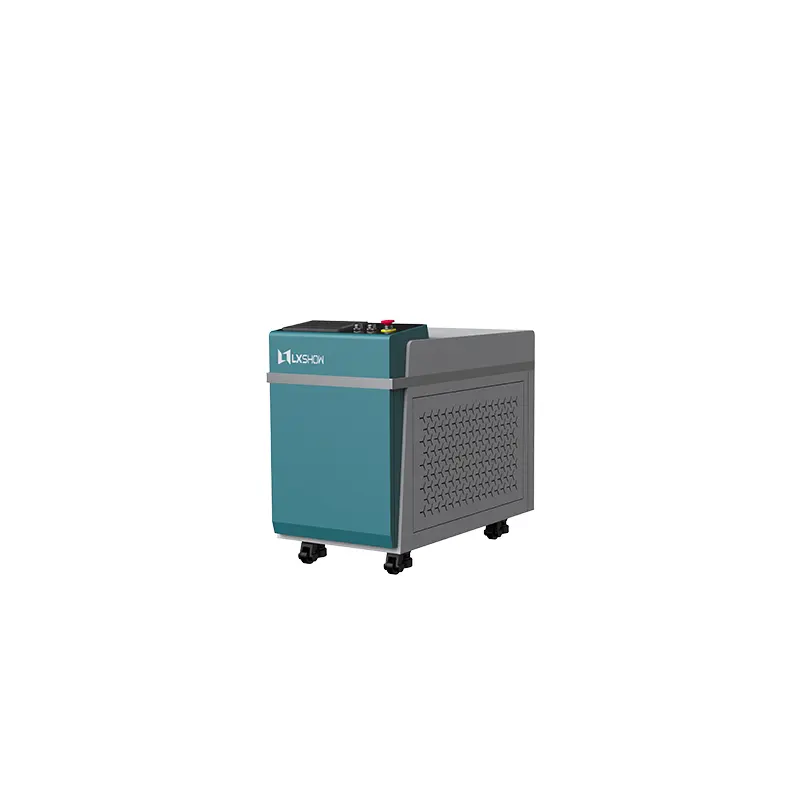
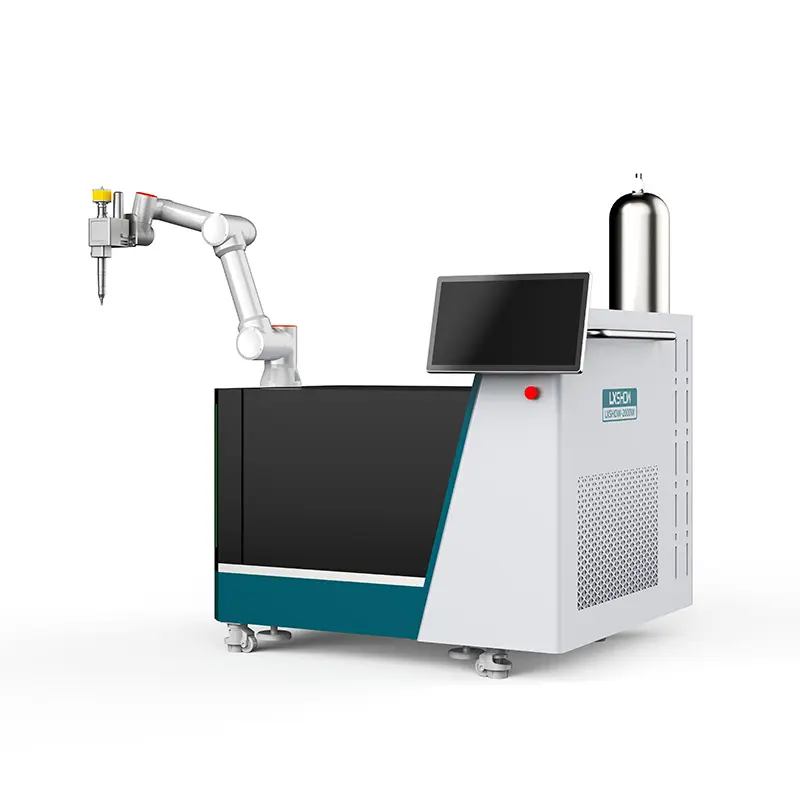
Fully integrated CNC robotics for high-fidelity multi-dimensional surface hardening.
Send Inquiry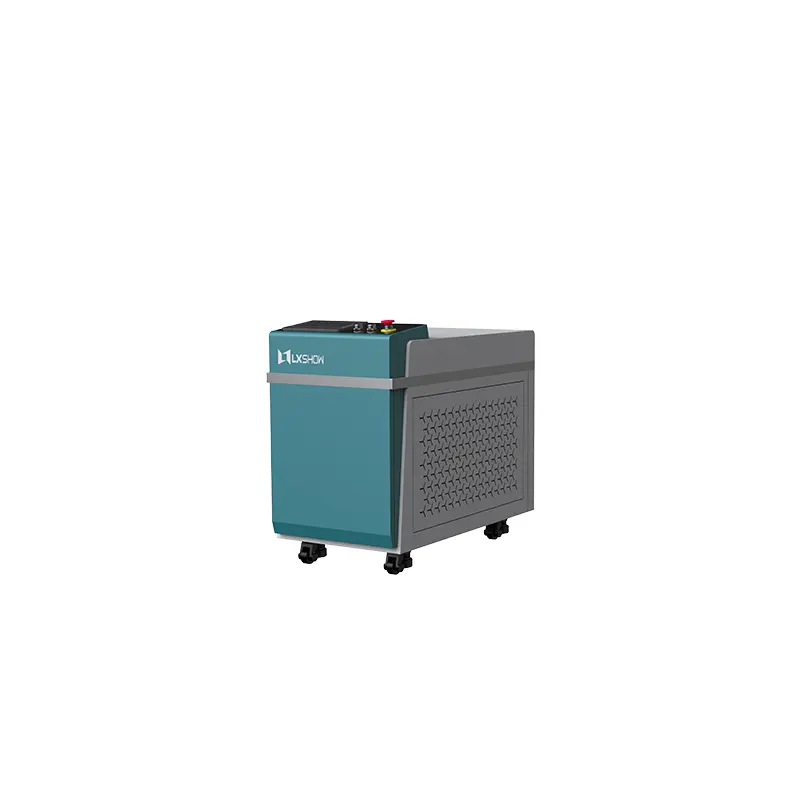
Get professional answers about power selection, gas options, maintenance, and international shipping configurations.
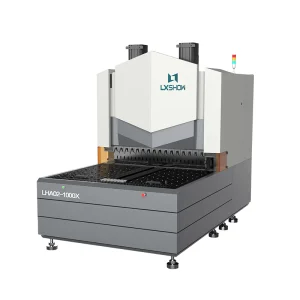
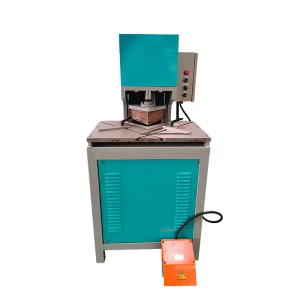
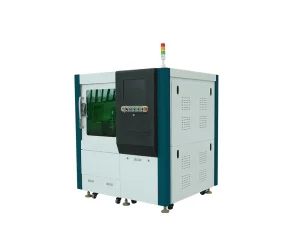
Heavy-duty CNC bending, automated corner cutting, rust removal, and high-power metal tube integrated processing machinery.
 Lxshow