Direct supply from high-capacity manufacturing lines. Certified with CE, FDA, and ISO 9001 protocols.
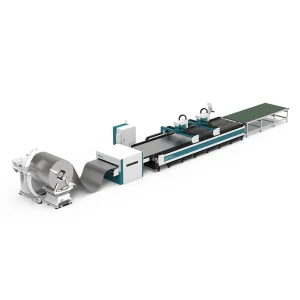
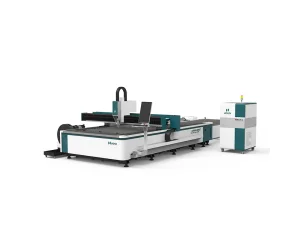
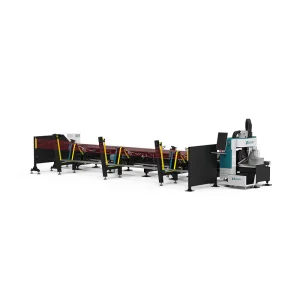
Since the commercial introduction of optical fiber laser systems at the turn of the century, sheet and tube fabrication has underwent a fundamental paradigm shift. In comparison to legacy CO2 and YAG laser setups, fiber laser technology offers unmatched electro-optical conversion efficiency (exceeding 30% versus CO2's typical 8% to 10%). This leap translates directly into reduced energy consumption, simplified maintenance, and a significantly smaller carbon footprint.
By transmitting high-intensity laser energy through flexible optical fibers directly to the cutting head, the risk of optical path misalignment is eliminated. Modern manufacturing plants demand high performance, multi-kilowatt power levels, and comprehensive network diagnostics to ensure high uptime. As a pioneer in the smart machinery space since 2004, our systems provide clean edge cuts across complex nesting layouts on highly reflective alloys.
Operating from a high-tech manufacturing center that spans more than 32,000 square meters of production space, we support heavy fabrication demands with custom CNC designs, structural milling, and precision calibration tools. Supported by our dedicated 500+ square meter R&D research office, we refine structural stability, optimize fluid mechanics within the cutting nozzle, and engineer reliable laser beam profiles.
Our complete systems are certified under strict international compliance standards, including European Union CE authentication, American FDA certification, and ISO 9001 management protocols. This robust governance framework guarantees that every laser system leaves our facility calibrated for stable industrial operations, providing reliable performance in critical markets like aerospace, automotive, electronics, and medical device fabrication.
Understanding Total Cost of Ownership (TCO) and structural resilience in modern manufacturing supply chains.
Procurement teams are shifting focus from purchase price to lifetime operational efficiency. Fiber laser systems reduce secondary process steps through integrated slag-free cutting and built-in deburring systems, driving down the overall cost per part.
Modern metal fab workshops demand remote diagnostics, predictive maintenance indicators, and IoT compatibility. Real-time telemetry prevents unexpected optical head issues, maximizing overall equipment effectiveness (OEE).
By sourcing systems from complete, vertically integrated production clusters, global buyers secure reliable access to replacement parts, custom nozzle assemblies, optical lenses, and prompt customer engineering support.
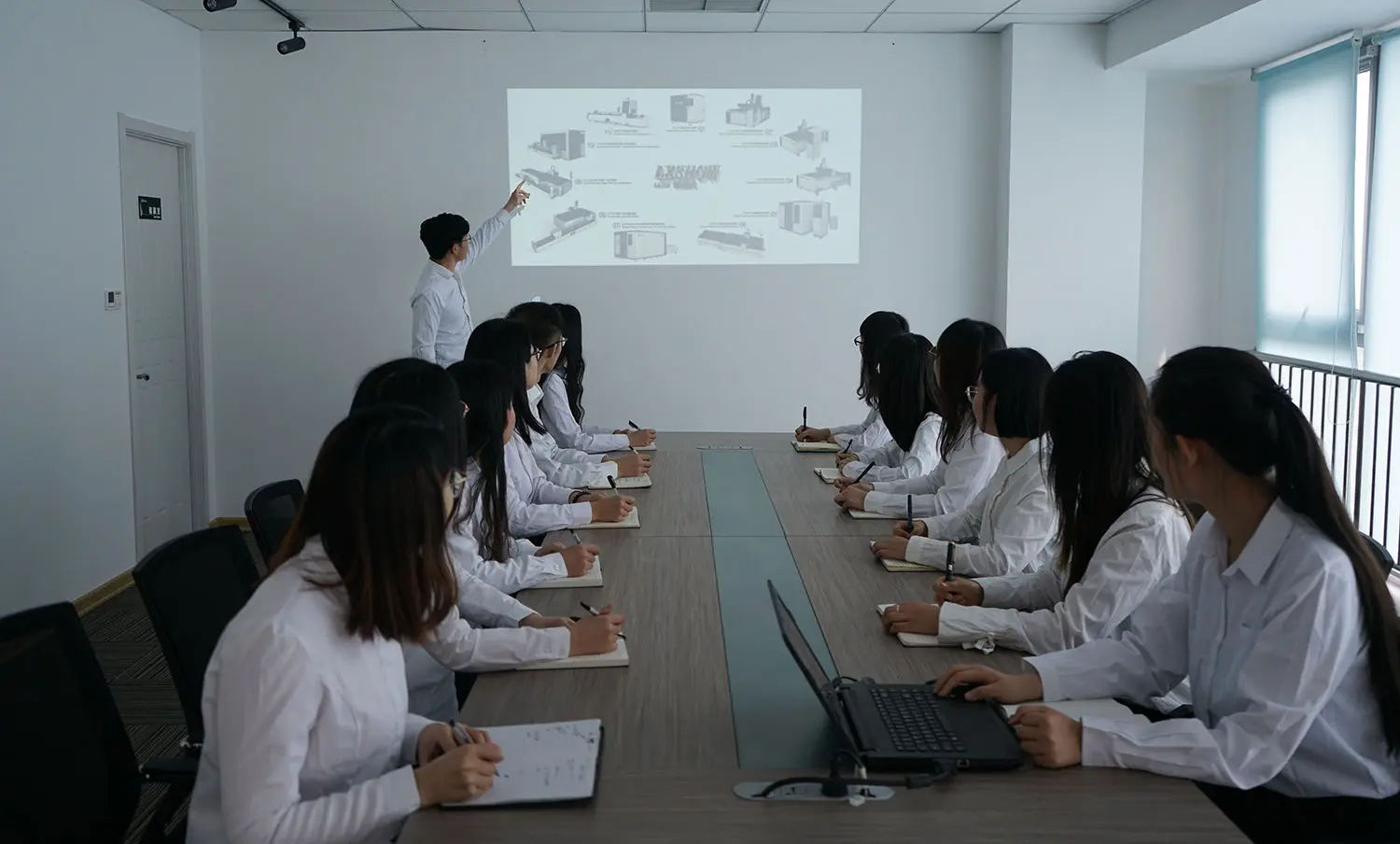
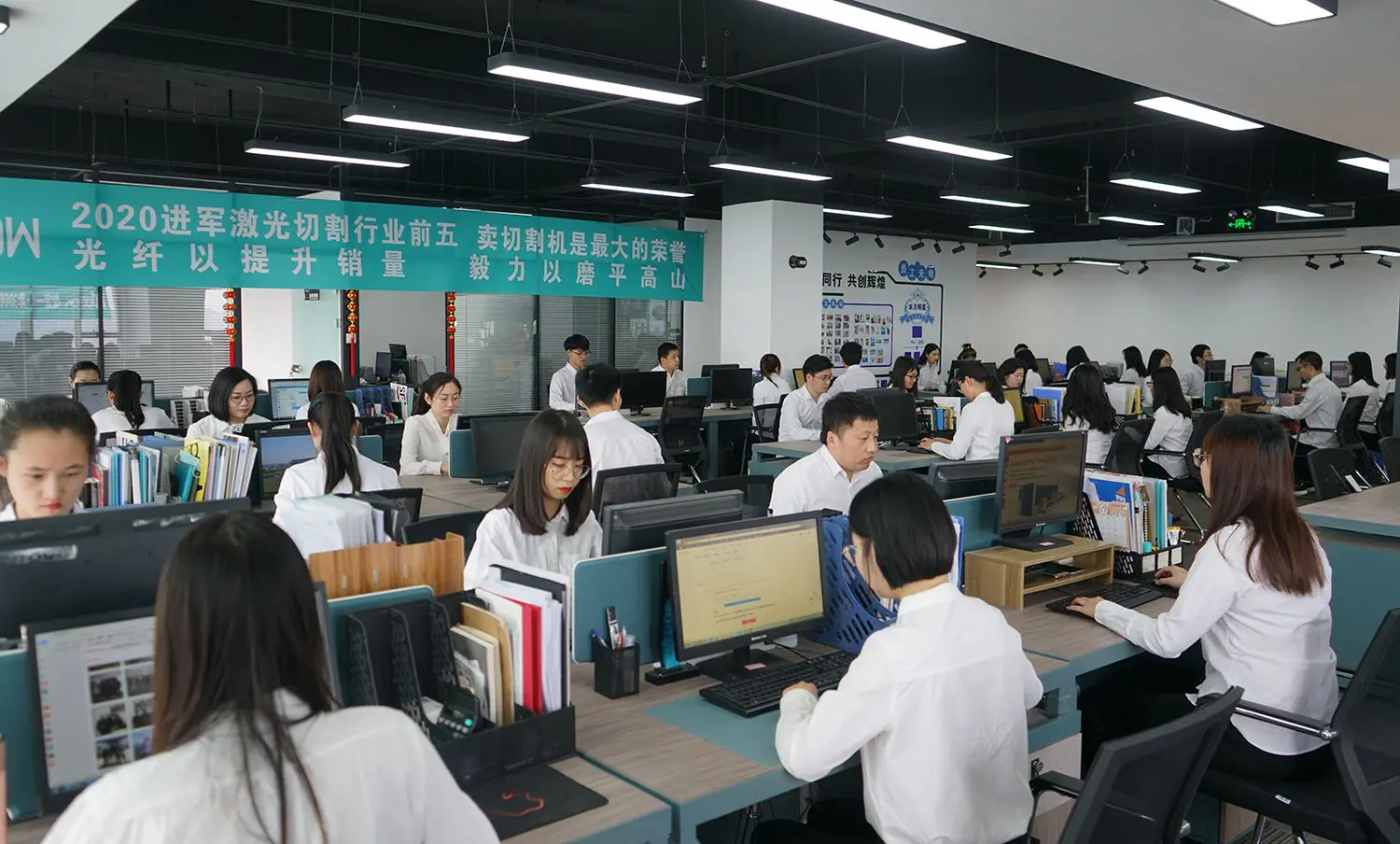
A closer look at our high-capacity production plant, design offices, and technical service hubs.
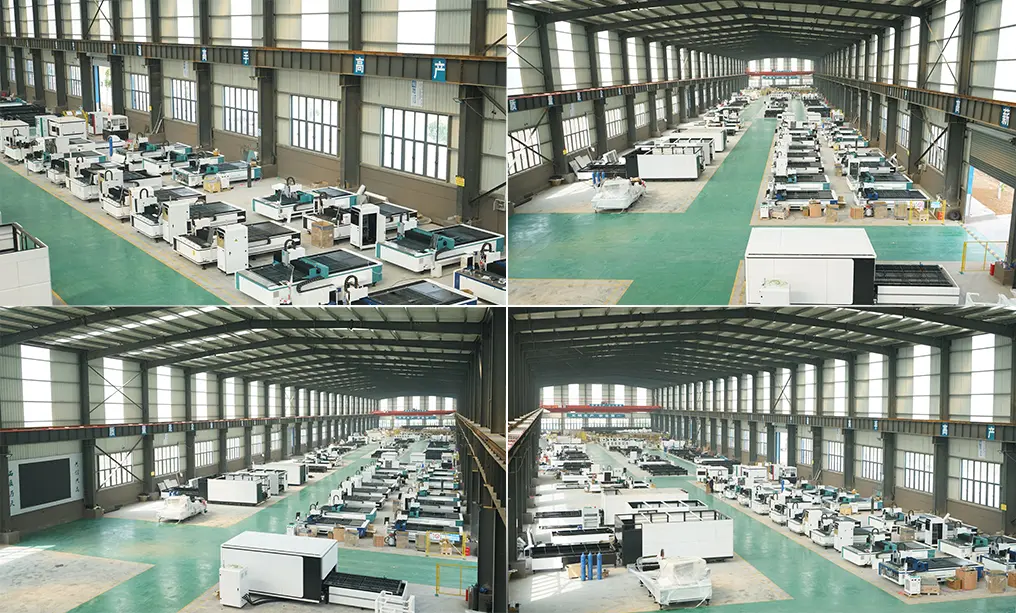
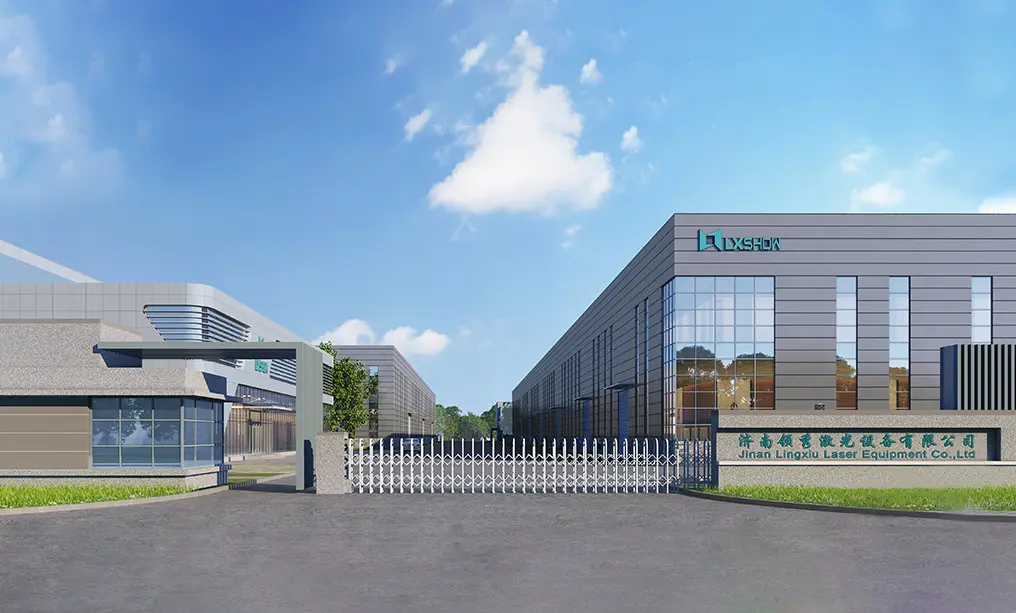

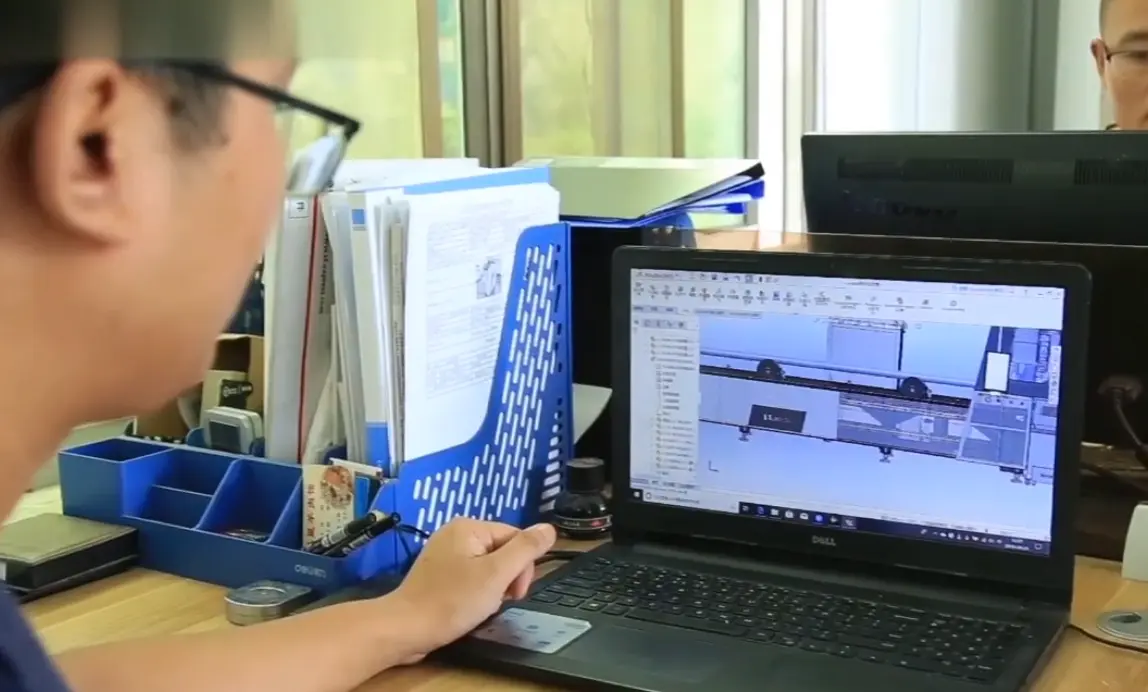
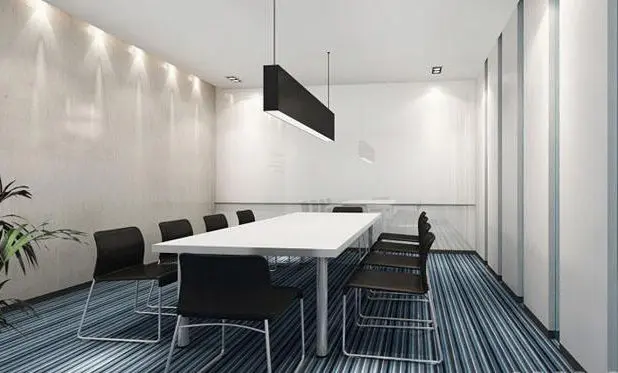
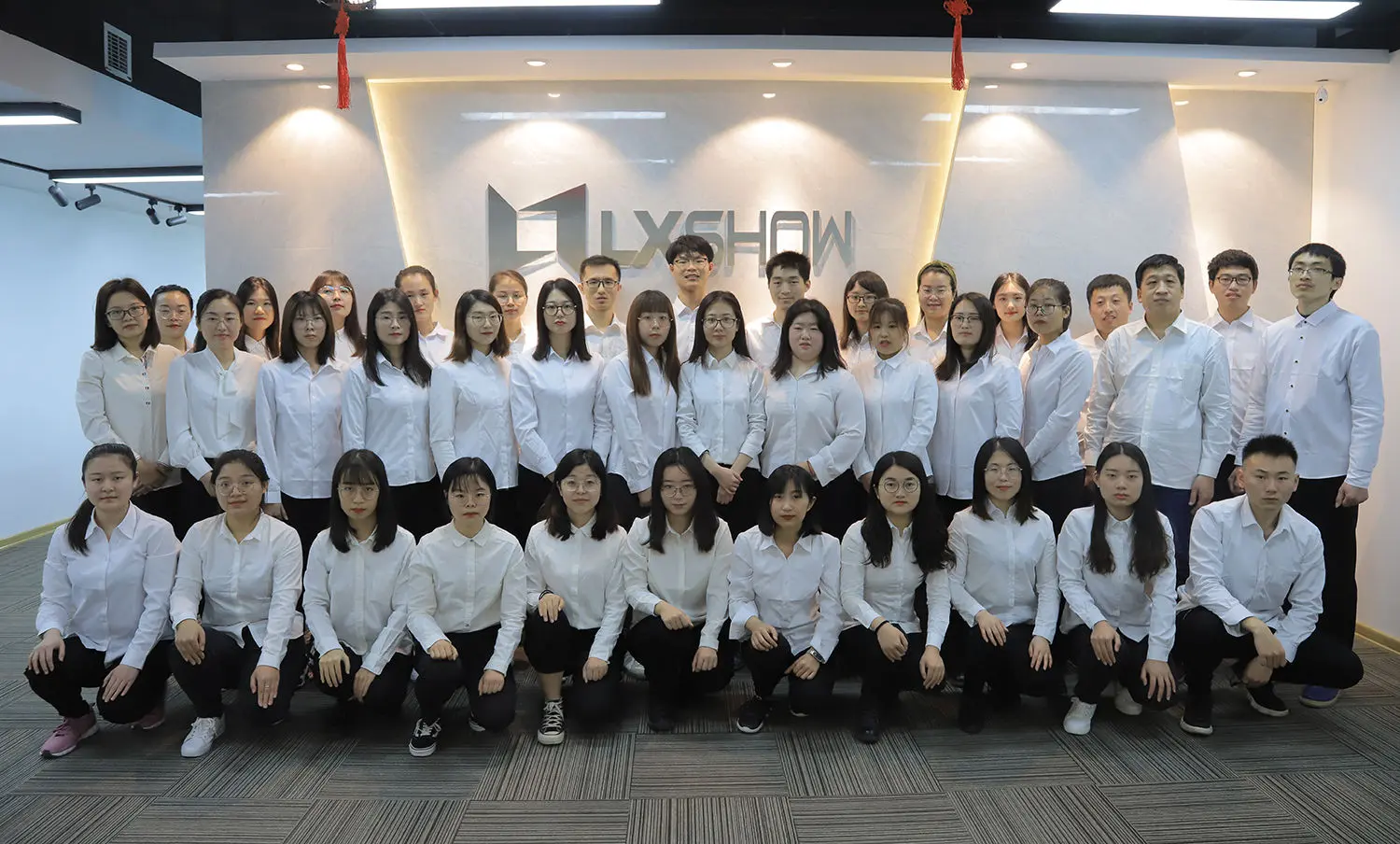
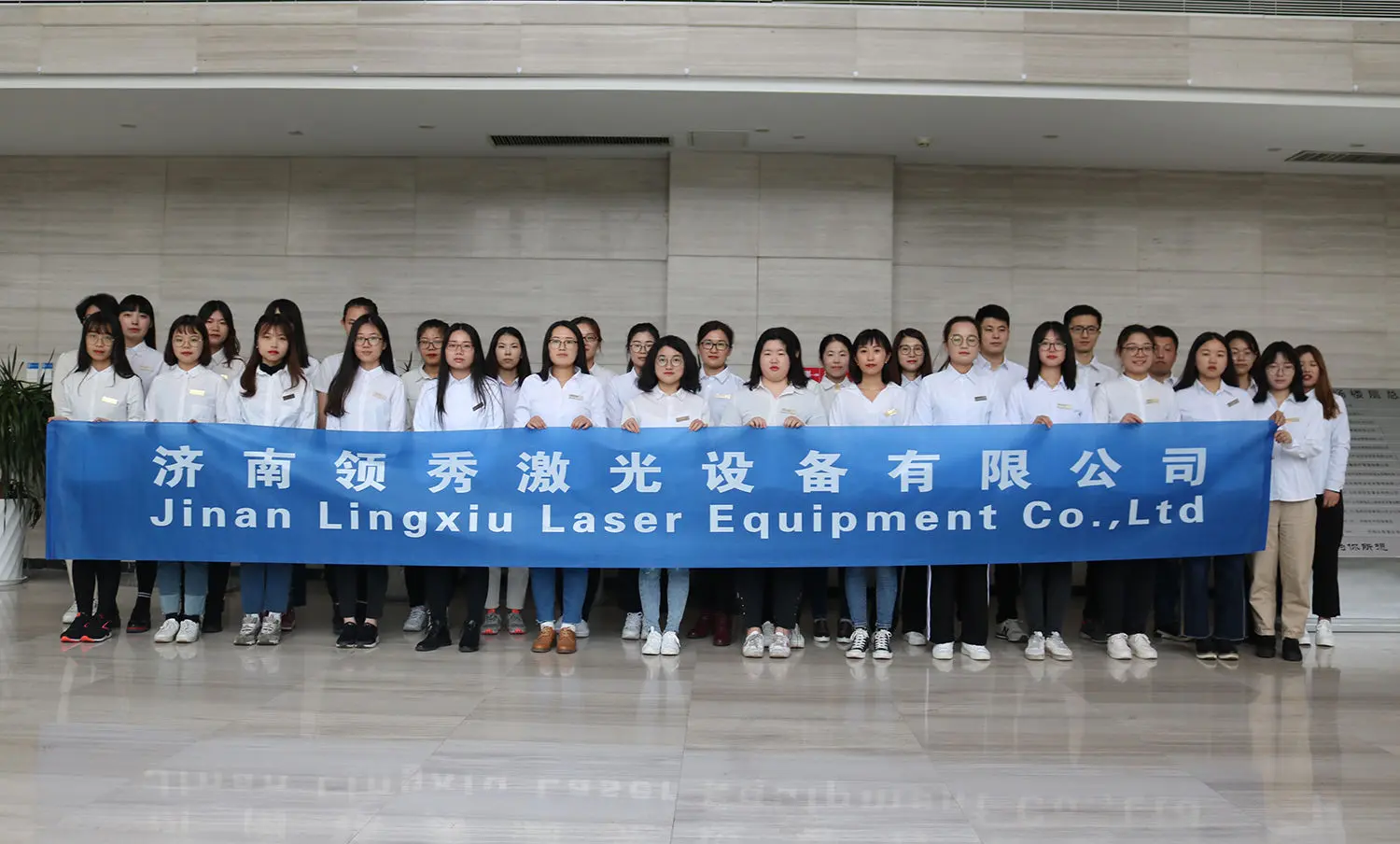
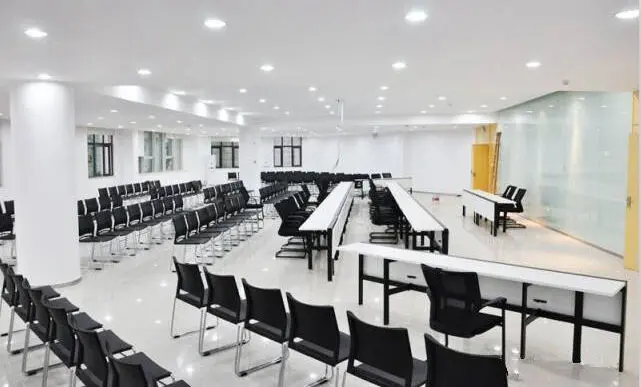
China's transition to smart manufacturing—often called Industry 4.0—focuses on building complete, resilient supplier ecosystems. Unlike isolated factories, our production facility in Jinan operates within a mature industrial hub. This setup guarantees immediate access to refined cast iron machine beds, high-accuracy rack-and-pinion systems, precision glass optics, and world-class laser generators like Raycus and Maxphotonics.
By handling heavy welding, stress-relieving heat treatments, precision milling, and quality calibration in-house, we control every manufacturing step. Our beds are tempered at high temperatures for over 24 hours to eliminate internal stresses, ensuring they won't warp during high-acceleration operations. That's why our heavy-duty systems can run reliably for decades in demanding industrial environments.
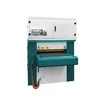
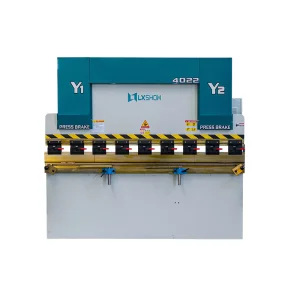
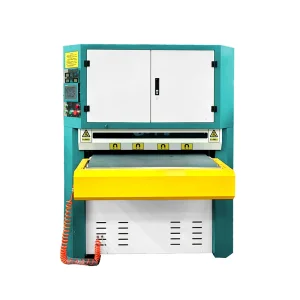
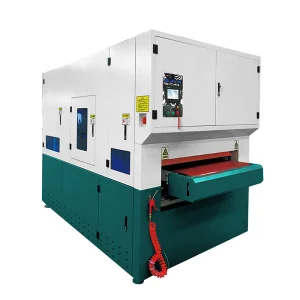
High-performance production lines require more than raw cutting power. As fiber lasers run faster, subsequent steps like deburring, edge polishing, and bending can become bottlenecks. To address this, we offer an integrated product range that pairs our fiber lasers with automated deburring machines (like the LX-RRW-450 and LX-RRS-A-450) and CNC press brakes.
This integrated approach ensures parts transition smoothly from cutting to finishing without manual handling delays. Combining deburring, edge rounding, and oxide layer removal into a single automated line helps fabricators achieve clean, paint-ready finishes on carbon steel, stainless steel, and aluminum parts.
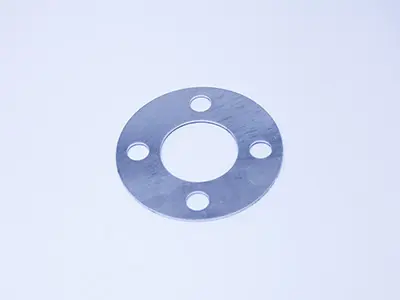
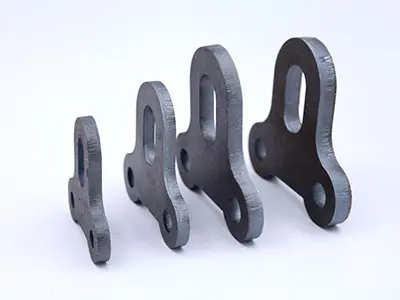
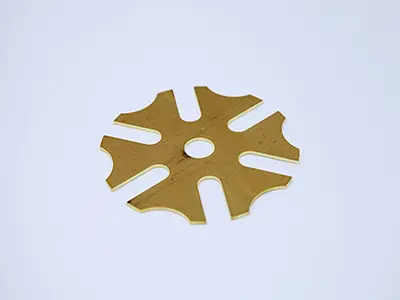
Technical guidance from our senior engineering team to help you make informed procurement choices.
Assist gases play a key role in the quality of the laser cut. Oxygen is typically used for cutting carbon steel because it triggers an exothermic reaction that adds energy to the process, allowing for lower-pressure cuts. However, this leaves an oxide layer on the cut edge that must be removed before painting or welding. Nitrogen, on the other hand, acts as an inert shield that prevents oxidation, leaving a bright, clean, weld-ready edge that is ideal for stainless steel and aluminum.
Higher power levels directly increase throughput and allow for cutting thicker materials. For example, a 3kW fiber laser cuts carbon steel efficiently up to 20mm. Upgrading to a 12kW or higher generator raises that limit beyond 40mm and significantly speeds up cutting on medium thicknesses. It also allows you to use high-speed air or nitrogen cutting on materials where oxygen was previously required.
For fiber lasers rated above 3kW, the actual cutting time is very short. Without an exchange table, the machine sits idle while operators unload finished parts and load new sheets. An automatic exchange table swaps the completed cutting bed for a fresh sheet in under 20 seconds, keeping the laser running and maximizing overall equipment effectiveness (OEE).
High-power fiber lasers operate at a 1.06-micron wavelength, which can cause severe eye damage from direct or scattered beams. Class 1 fully enclosed housings with laser-safe viewing windows are crucial for operator safety. Additional protective systems like safety interlocks, dynamic collision protection on the cutting head, and dust extraction ventilation are also standard requirements.
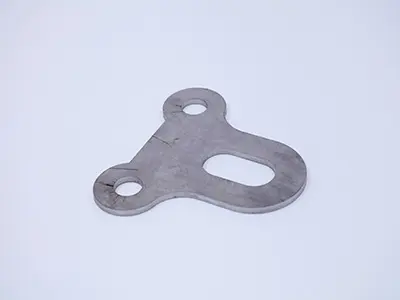
Even high-precision laser cuts can leave tiny micro-dross deposits or sharp corners, especially when cutting thick metals or using oxygen. Deburring machines automate the removal of these burrs and round sharp edges on both sides in a single pass. This ensures parts are safe to handle and meet tight quality standards for painting, plating, or welding.
Providing robust metalworking solutions for international buyers.
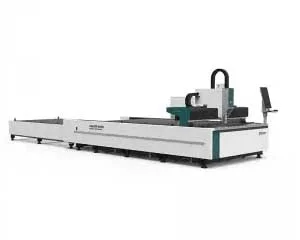
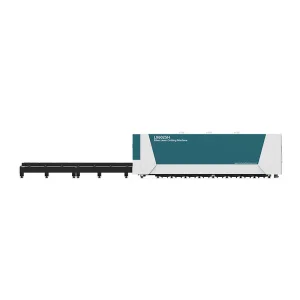
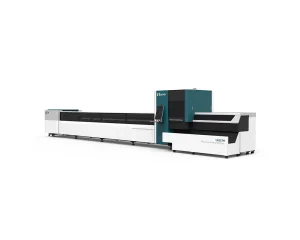
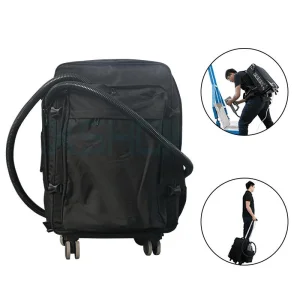
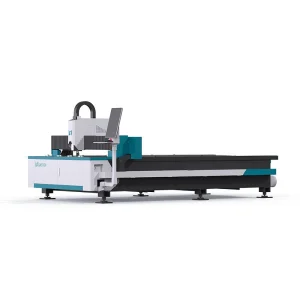
Explore our full range of smart metalworking equipment, cladding, cleaning, and sheet forming systems.
Enabling surface hardening, restoration, and corrosion-resistant coatings with precise material deposition.
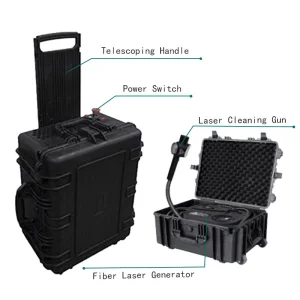
Eco-friendly, chemical-free surface preparation and oxide layer removal for industrial maintenance.
High-speed, low-distortion welding for structural metals, stainless steel, and alloy frames.
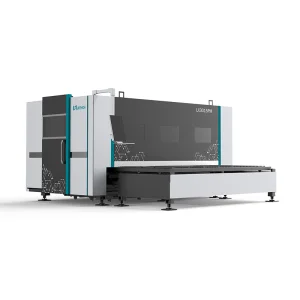
Unmatched cutting speeds and edge quality across light sheets and thick plates.
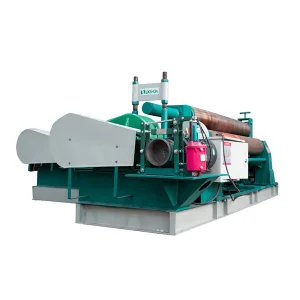
High-precision hydraulic and full-electric forming equipment for sheet metal shops.
 Lxshow