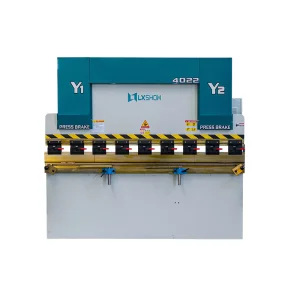
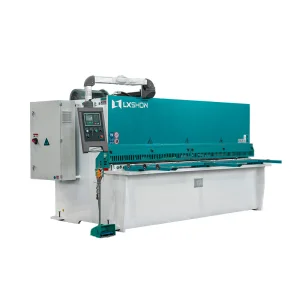
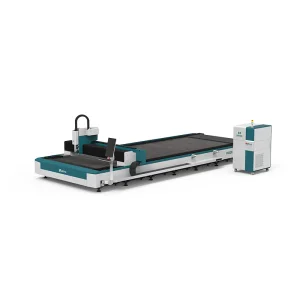
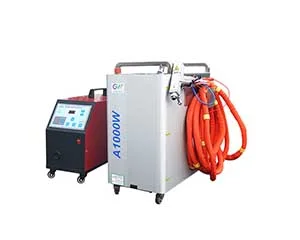
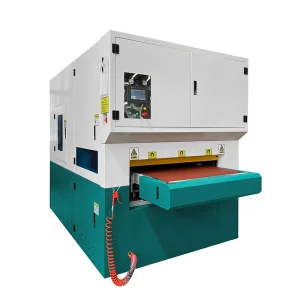
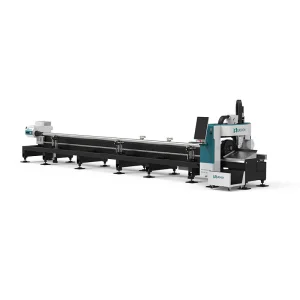
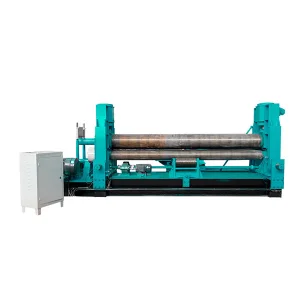
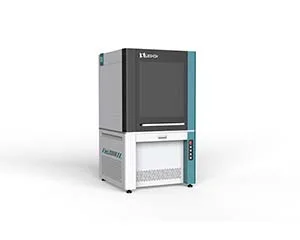
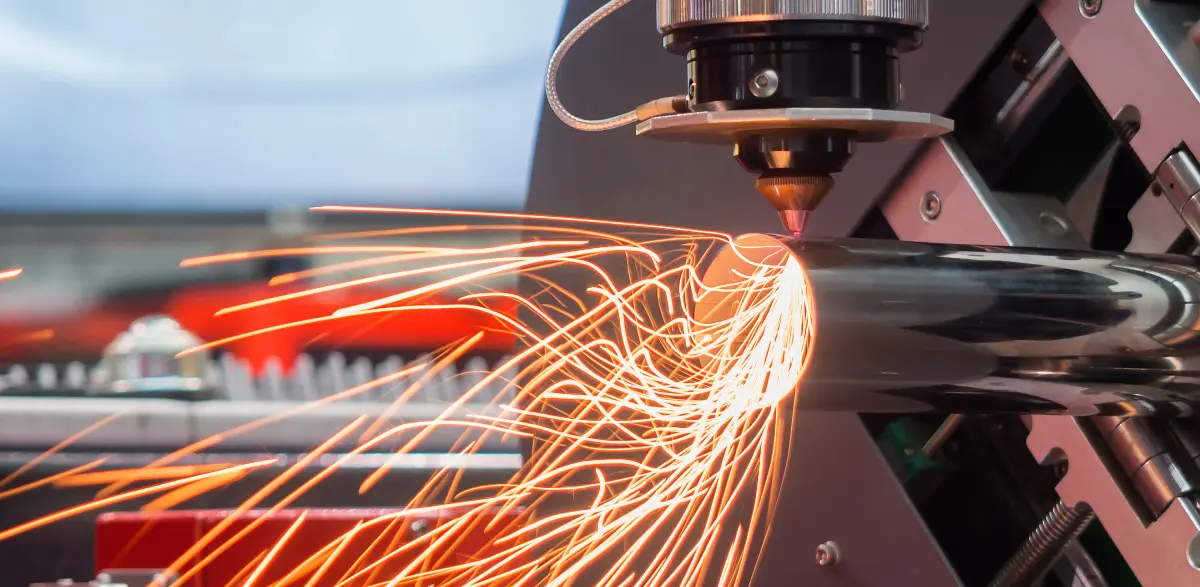
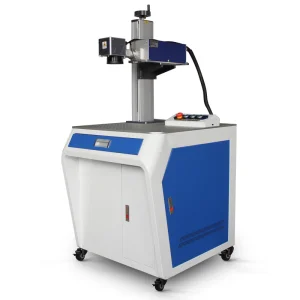
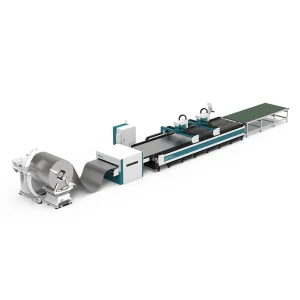
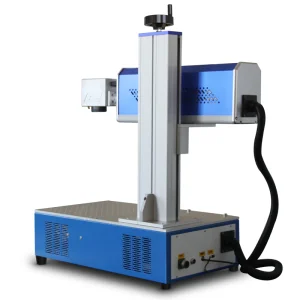
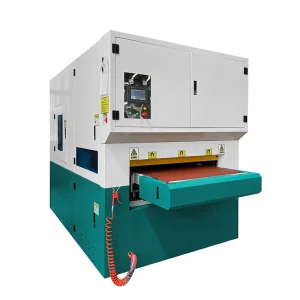
Explore our flagship product range including precision laser systems, metal sheet bending systems, deburring centers, and rolling equipment engineered for structural aluminum processing.
In modern metallurgy and structural fabrication, laser cutting aluminum plates has transitioned from a specialized service to a foundational pillar of manufacturing. Known for its exceptional strength-to-weight ratio, high electrical and thermal conductivity, and outstanding corrosion resistance, aluminum is the primary material driving lightweight innovations. From the high-velocity aerospace domain and lightweight electric vehicle chassis structures to high-density server enclosures, precision laser-cut aluminum panels are indispensable.
However, processing aluminum plates using laser technology demands extreme mechanical and optical competence. Due to the high reflectivity and thermal dispersion rates inherent in aluminum alloys, conventional cutting methodologies fail. Only through advanced high-power fiber laser machines—integrated with cutting-edge optical focusing systems and high-purity auxiliary gas configurations—can manufacturers deliver slag-free, high-tolerance aluminum parts that align with the requirements of structural engineering and component design.
Processing diverse aluminum families (5000, 6000, 7000 series) with optimized laser parameters to prevent hot cracking and reduce heat-affected zones (HAZ).
Deploying pressurized Nitrogen (N2) or Oxygen (O2) configurations to eliminate molten aluminum oxidation and maximize surface finish consistency.
Applying modern deburring systems and precision CNC press brakes to prepare edge profiles for structural welding, anodizing, or powder coating.
Procurement teams and design engineers must understand the metallurgical differences between various aluminum grades when specifying laser-cut plates. Different alloys exhibit unique thermal absorption patterns that directly impact structural performance and cost structure.
5000 Series (Magnesium Alloyed - e.g., 5052, 5083): Recognized for its superior saltwater corrosion resistance and high weldability. Laser-cut 5000 series aluminum is heavily utilized in maritime engineering, chemical containers, and automotive structural components. It requires optimized focus parameterization to avoid micro-dross formation.
6000 Series (Silicon & Magnesium Alloyed - e.g., 6061, 6082): The industry standard for structural extrusions and frames. It has high mechanical toughness and responds well to heat treatment. However, during high-power fiber laser cutting, these alloys can suffer from slight micro-cracking along the cut path due to thermal shock, demanding advanced pulse-modulation techniques.
7000 Series (Zinc Alloyed - e.g., 7075): Offering the highest tensile strengths comparable to steels. Widely processed in aerospace manufacturing, this alloy is highly sensitive to heat input. The laser energy density must be calculated precisely using a high-power CNC fiber laser cutter like the LX6025F Fiber Laser Cutting Metal Machine to maintain material integrity.
| Alloy Grade | Chemical Composition | Reflectivity Coefficient | Laser Cutting Feasibility | Primary Applications |
|---|---|---|---|---|
| 5052-H32 | Al-2.5Mg-0.25Cr | Moderate-High (72%) | Excellent | Marine Parts, Enclosures, Fuel Tanks |
| 6061-T6 | Al-1.0Mg-0.6Si | High (78%) | Very Good (High Power) | Structural Frames, Heavy Machinery components |
| 7075-T6 | Al-5.6Zn-2.5Mg-1.6Cu | Extreme (85%) | Requires Fiber Tech | Aerospace Ribs, High-stress brackets |
| 1060 | Pure Al (>99.6%) | Extreme (>90%) | Highly Reflective (Challenging) | Busbars, Electrical Connectors |
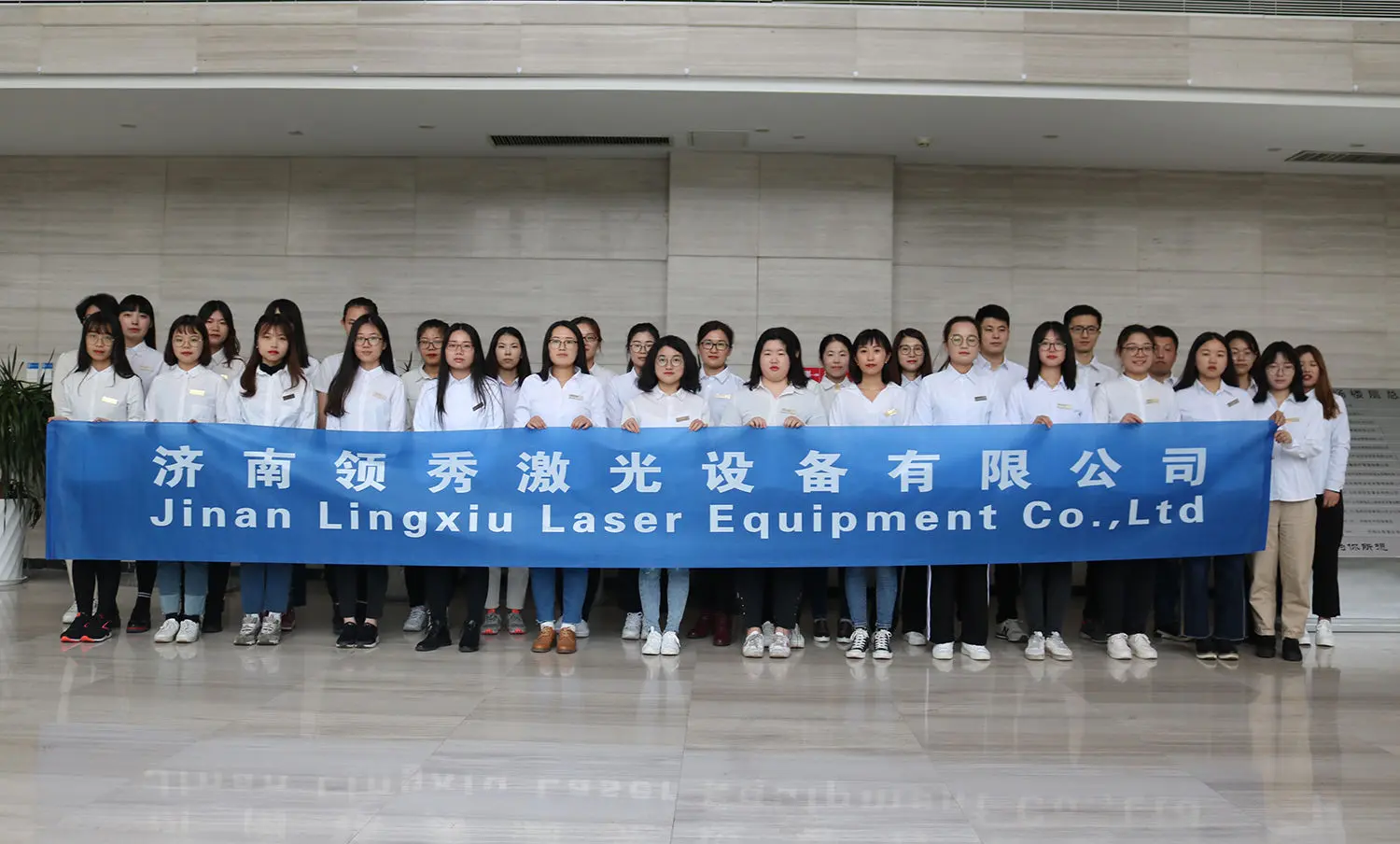
Established in July 2004, our organization has emerged as an authoritative leader in the laser smart equipment industry. Over the past 18 years, we have dedicated ourselves to continuous research, technical refinement, and manufacturing excellence in high-power sheet metal and tube processing systems.
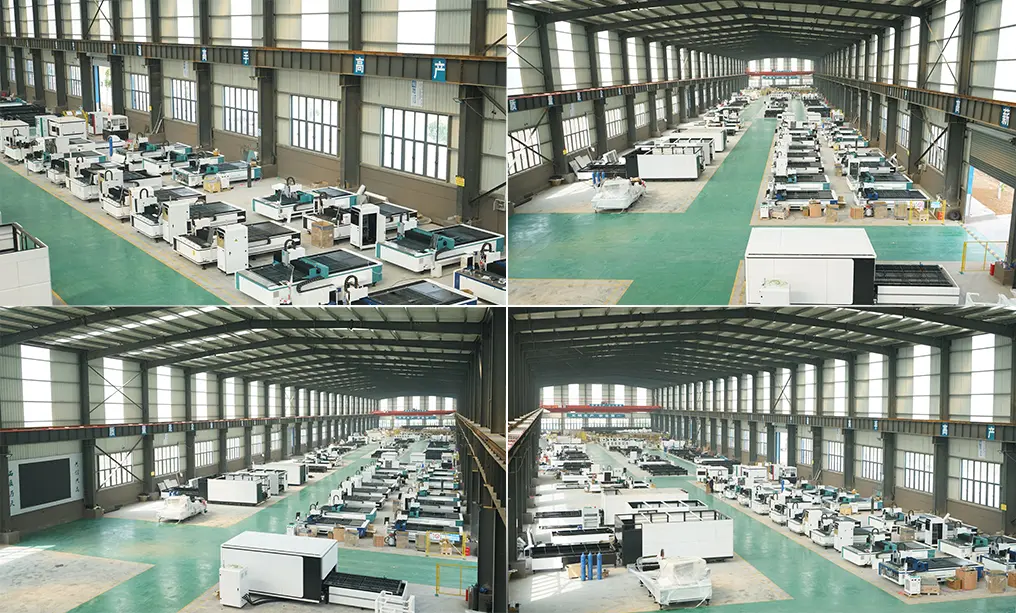
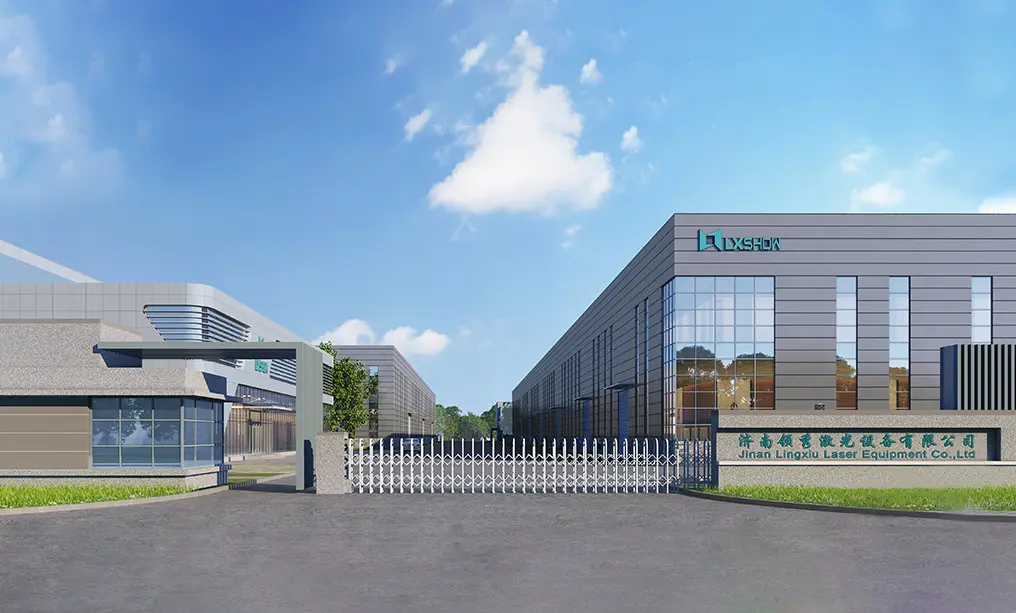
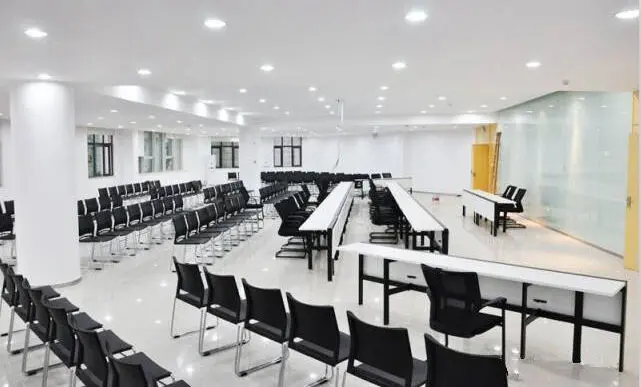
Operating from an expansive research facility of over 500 square meters and a modernized manufacturing plant exceeding 32,000 square meters, our technical teams design industrial-grade solutions engineered to support smart factory automation. Today, we support more than 20,000 active users across 150+ countries, supplying OEM solutions to more than 30 global industrial brands.
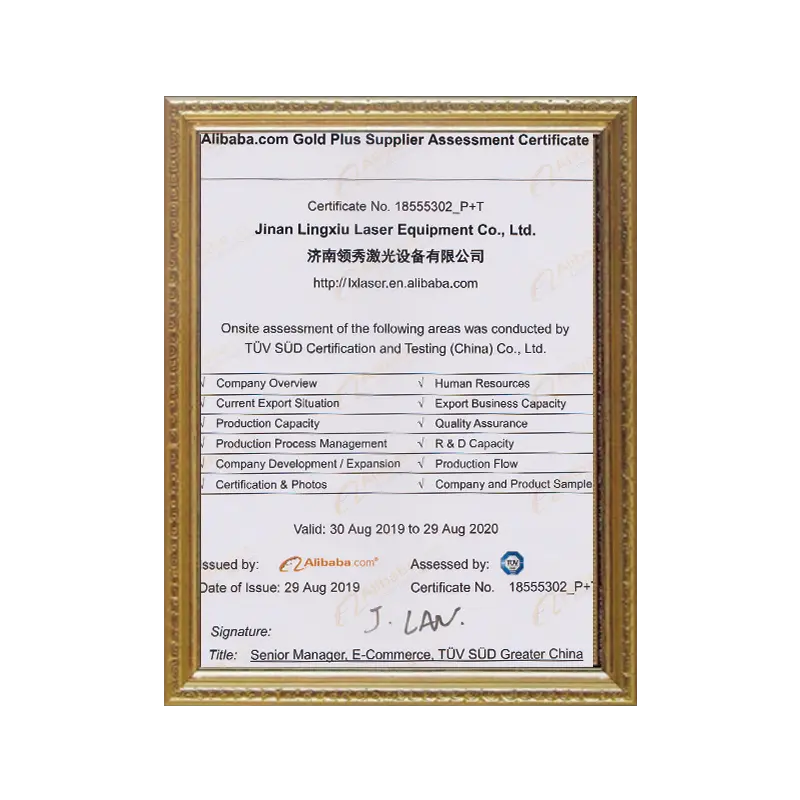
Our global operations are anchored on rigorous quality management systems. All industrial laser platforms are certified under ISO 9001, and we strictly conform to international safety directives, holding the European Union CE authentication and American FDA certificate.

Precision laser processing is more than a single cutting operation. It encompasses a continuous process chain including leveling, profiling, mechanical deburring, bending, and specialized structural joining. The flowchart below outlines the processing lifecycle of high-quality laser-cut aluminum plate parts.
Relieving internal stress in aluminum coils or thick plates. Machines like the LX6015FLD Fiber Laser Unwinding and Leveling Line prepare stock surfaces for extreme flatness prior to cutting.
Leveraging 1kW to 30kW fiber laser sources. A high-density laser beam vaporizes the path instantly, assisted by high-purity Nitrogen to eject melt material and maintain smooth, oxidation-free edges.
Post-cutting slag must be cleared. Double-sided deburring lines (e.g., LX-RRS-M-1000) use multidirectional abrasive belts to round sharp edges safely.
CNC bending systems like the electro-hydraulic WG67K Press Brake fold the parts. Final assembly is performed with high-efficiency hand-held or robotic fiber laser welders.
To achieve high-quality results, operators must coordinate multiple laser cutting parameters. Below is an engineering configuration matrix for cutting industrial-grade Al-alloy sheets:
| Thickness (mm) | Laser Power Requirement | Auxiliary Gas type | Gas Pressure (Bar) | Nozzle Type & Diameter | Cutting Speed Range |
|---|---|---|---|---|---|
| 2.0 mm | 1.5 kW - 2.0 kW | Nitrogen (N2) >99.99% | 12 - 14 Bar | Double-layer 1.8mm | 22 - 28 m/min |
| 5.0 mm | 3.0 kW - 4.0 kW | Nitrogen (N2) >99.99% | 14 - 16 Bar | Double-layer 2.5mm | 6.0 - 8.5 m/min |
| 10.0 mm | 6.0 kW - 8.0 kW | Nitrogen or Clean Air | 16 - 18 Bar | Double-layer 3.0mm | 1.8 - 2.5 m/min |
| 20.0 mm+ | 12.0 kW - 20.0 kW | Nitrogen (High Pressure) | 18 - 20 Bar | Double-layer 4.0mm | 0.8 - 1.4 m/min |
Aluminum alloys are selected for their combination of weight, structural integrity, and chemical stability. Different industrial sectors rely on laser-cut aluminum panels to solve specific engineering challenges.
Processing high-yield strength 7075-T6 aluminum skin sheets and internal structural ribs. Precision cutting maintains high fatigue resistance and edge quality, which is critical for safety-critical aviation parts.
Fabricating lightweight components for electric vehicles. Precision-cut 5052 and 6061 plates are used for battery structural enclosures, ensuring tight tolerances, excellent crash energy absorption, and thermal management.
Producing panels for high-frequency telecommunications hardware, outdoor electrical cabinets, and server racks. This setup provides EMI shielding, structural rigidity, and efficient heat dissipation.
As an established industrial partner, our machinery group supports the entire fabrication sequence for these applications. In addition to high-power fiber laser cutters, we design and export Hydraulic Plate Rolling Machines and advanced QC12Y Hydraulic Pendulum Shearing Machines to ensure that raw materials are accurately prepared before final cutting and forming.
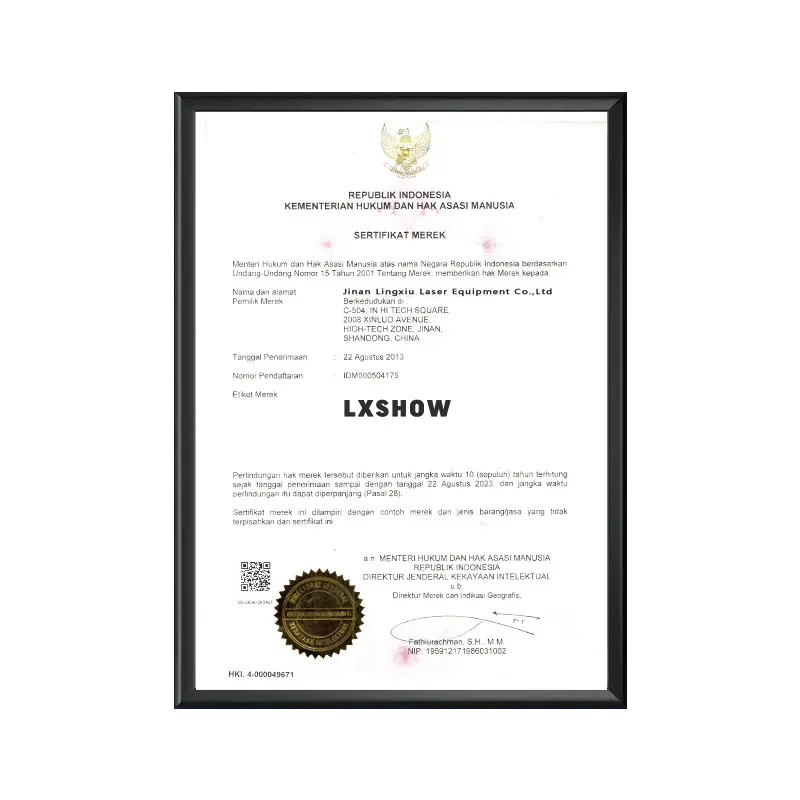
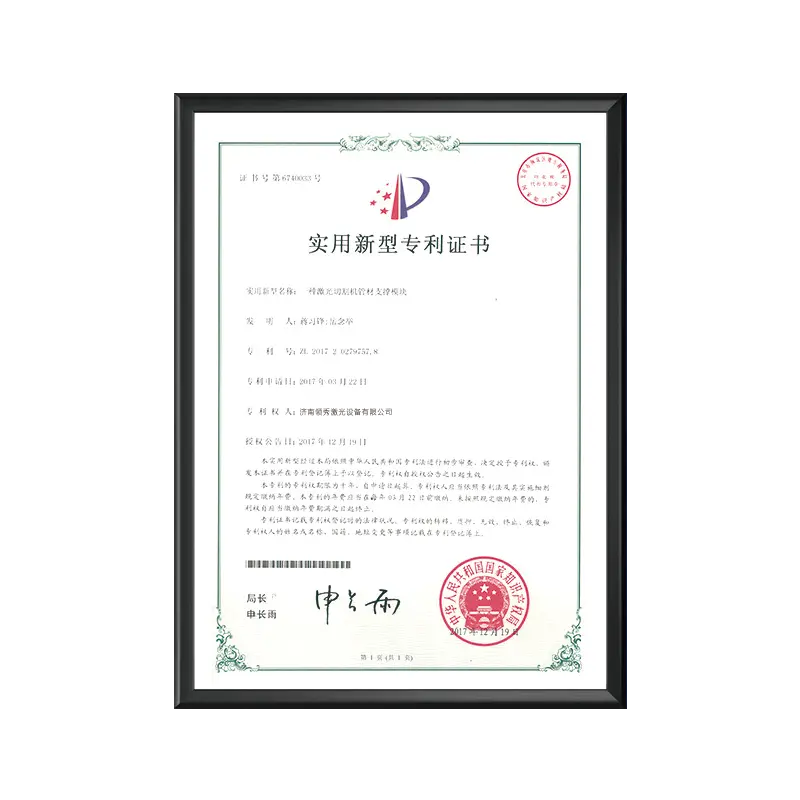
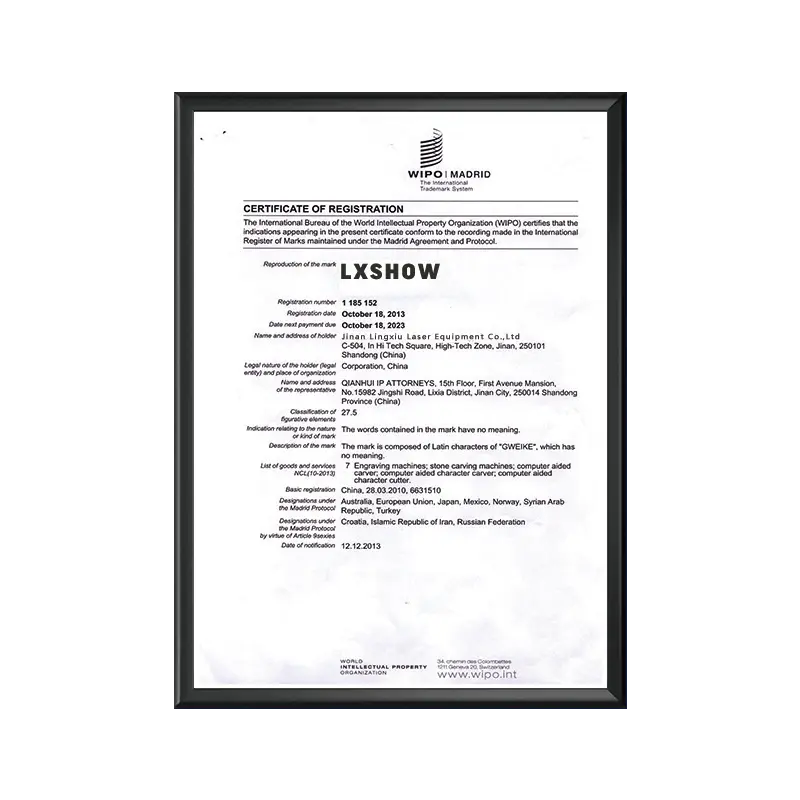
Sourcing industrial machinery and fabricated components internationally requires strict adherence to international safety and quality standards. Our group maintains comprehensive certifications to guarantee compliance across all major regulatory markets.
All laser cutters and forming systems carry European Union CE authentication, certifying compliance with mechanical safety, electromagnetic compatibility (EMC), and low-voltage directives.
Our high-power fiber laser systems are registered with the United States FDA Center for Devices and Radiological Health (CDRH), guaranteeing safe operating enclosures and laser radiation control.
Our 32,000-square-meter manufacturing facility operates under an ISO 9001 quality management framework. This structure ensures complete traceability of components and materials throughout the assembly cycle.
By working with certified manufacturers, buyers can streamline import processes, reduce on-site safety risks, and ensure long-term machine reliability. Our factory supports OEM and ODM configurations for global suppliers, tailoring machinery voltage configurations, CNC control software localization, and custom material loading systems to meet regional requirements.
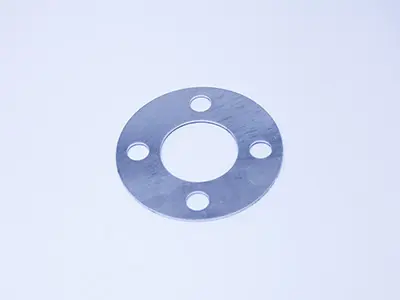
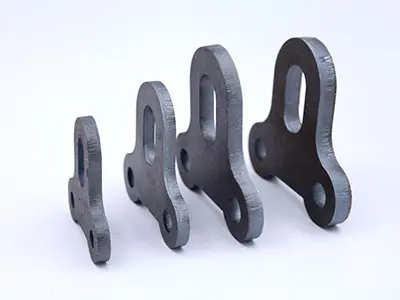
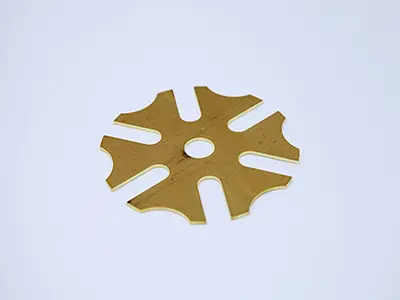
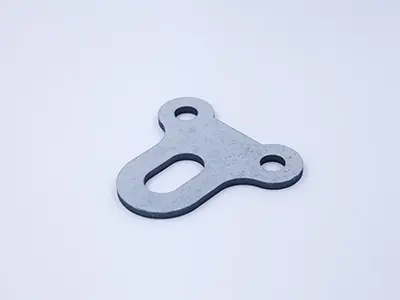
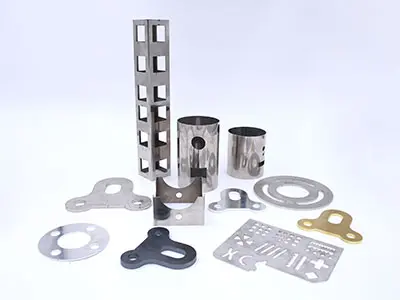
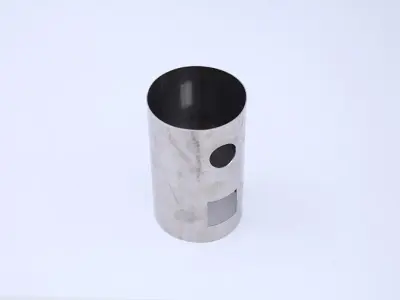
We categorize materials and processing capabilities to match specific client requests. Below is our visual classification grid:
Explore additional systems, including UV and CO2 laser marking platforms, high-speed tube cutters, handheld laser welders, and automated robotic systems.
Beyond our standard cutting solutions, we offer complete product lines optimized for metal processing shops. This catalog includes laser cladding, laser cleaning, handheld laser welding, high-power sheet fiber cutters, high-capacity bending brakes, and industrial shearing machines.
Our laser cladding solutions provide a reliable method for applying surface coatings and repairing worn components, ensuring long-term wear resistance.
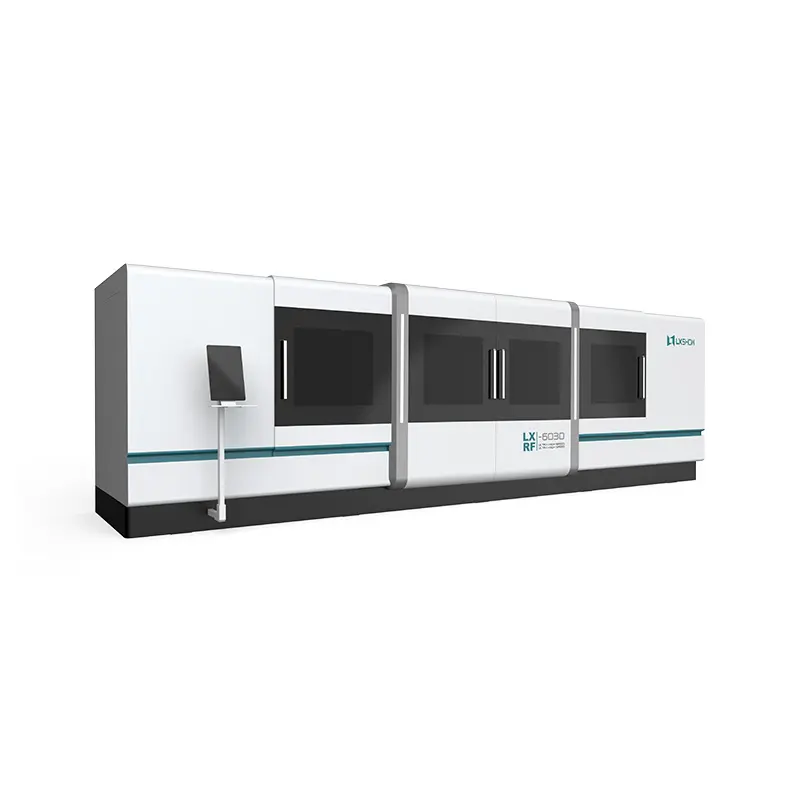
Industrial-grade surround cladding system for cylindrical workpieces.
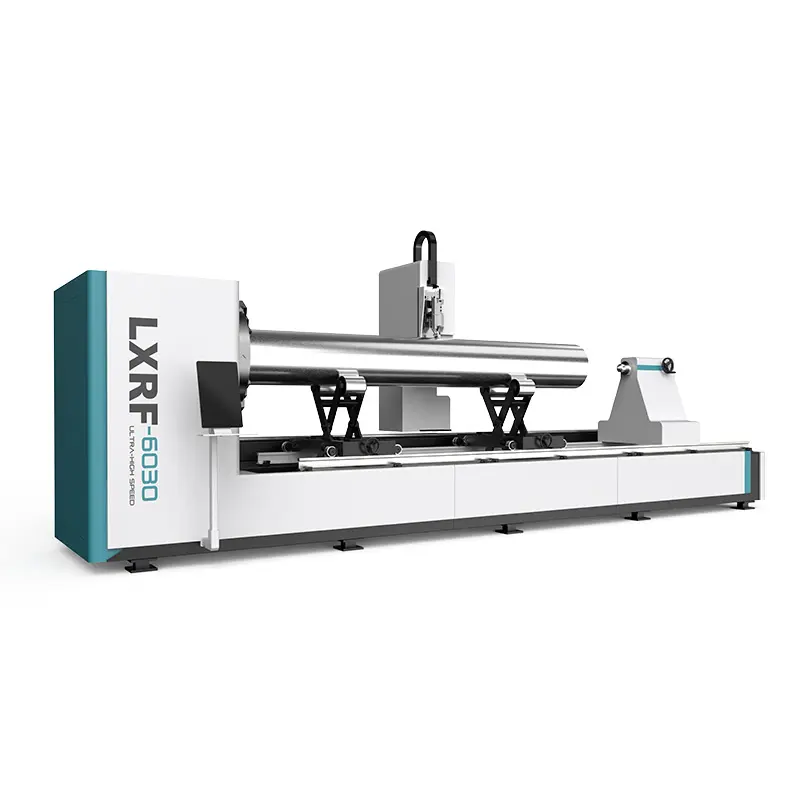
High-stability single-axis positioner designed for complex components.
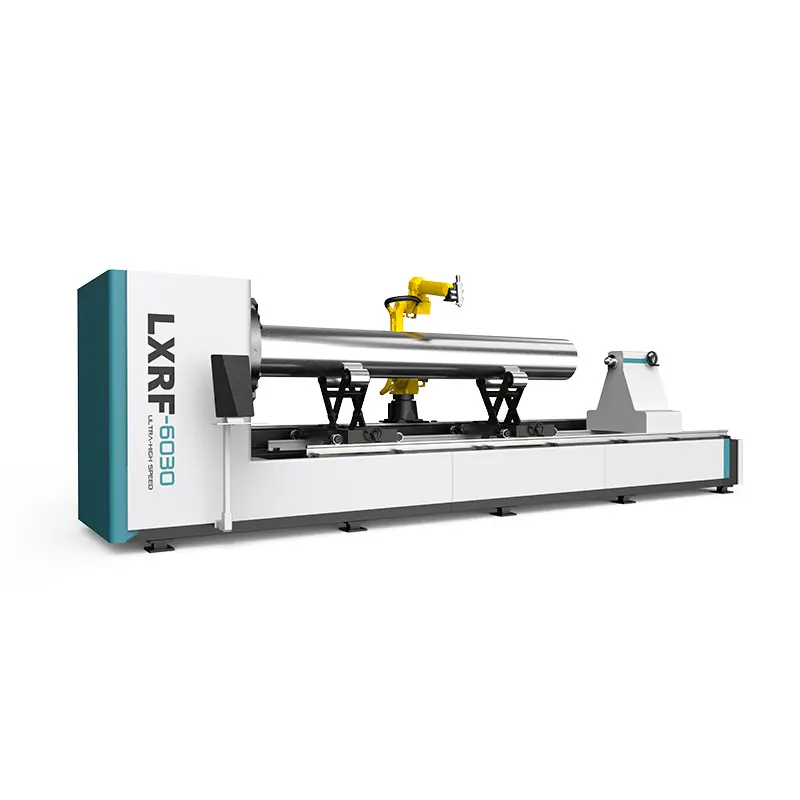
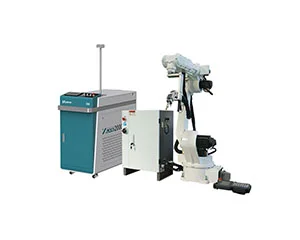
Multi-axis robotic arm system integrated with precise cladding heads.
Laser cleaning is a non-contact process for removing paint, oxides, and rust from aluminum and steel sheets before welding or anodizing.
Integrated laser system for welding and surface prep.
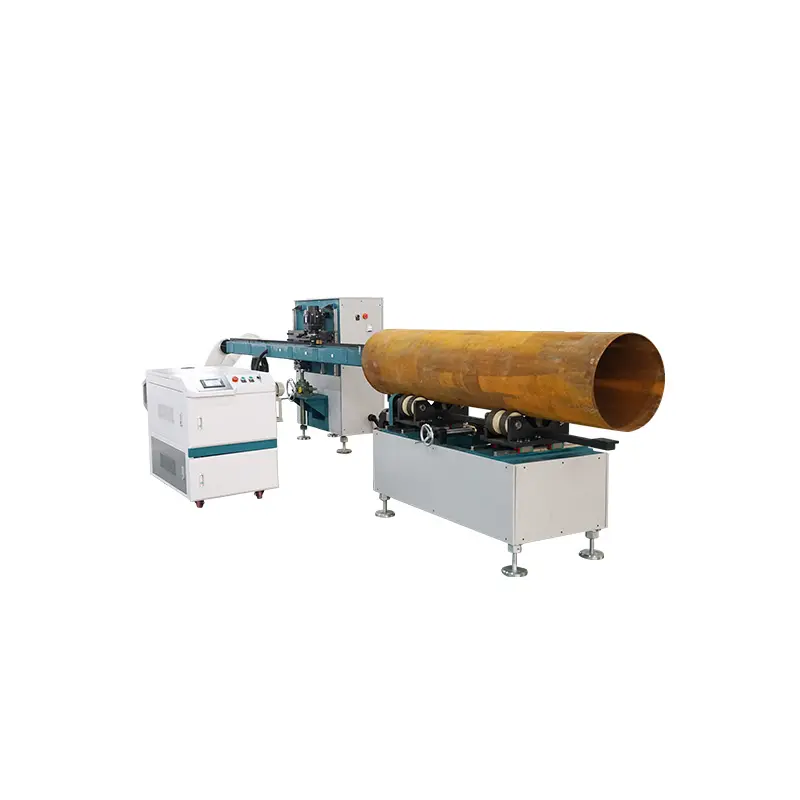
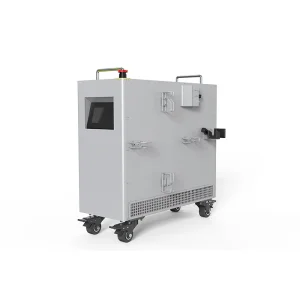
Specialized optics for cleaning the interior surfaces of tubes.
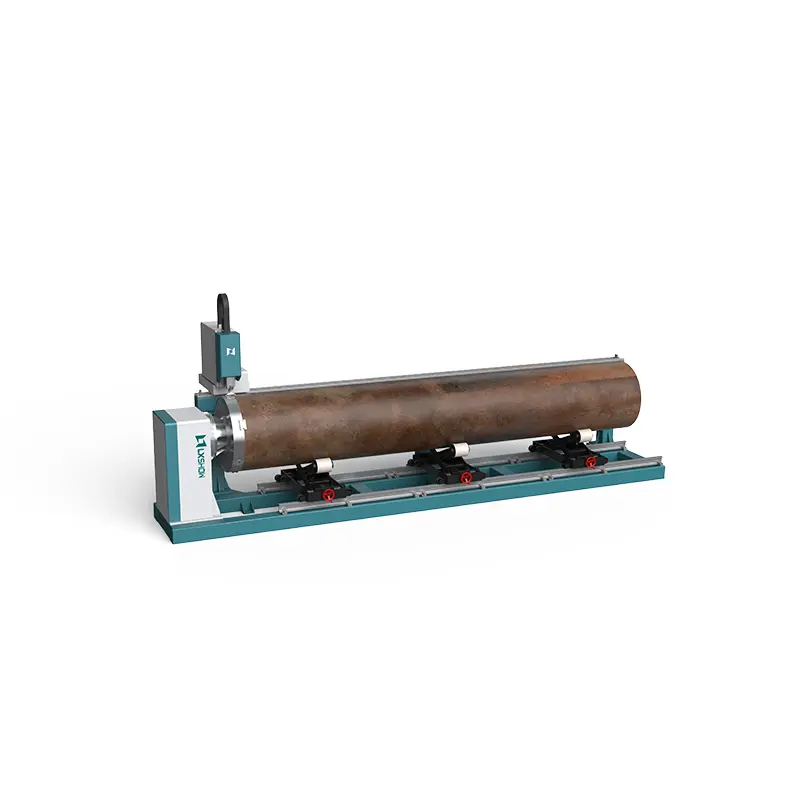
High-speed cleaning of exterior tube profiles.
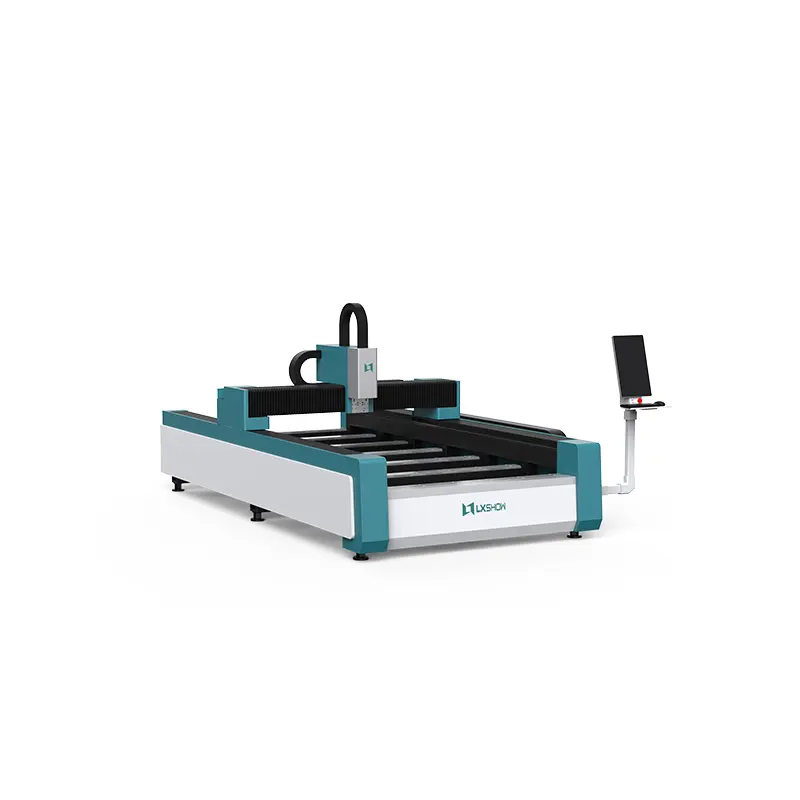
Gantry-type surface cleaning for wide plates.
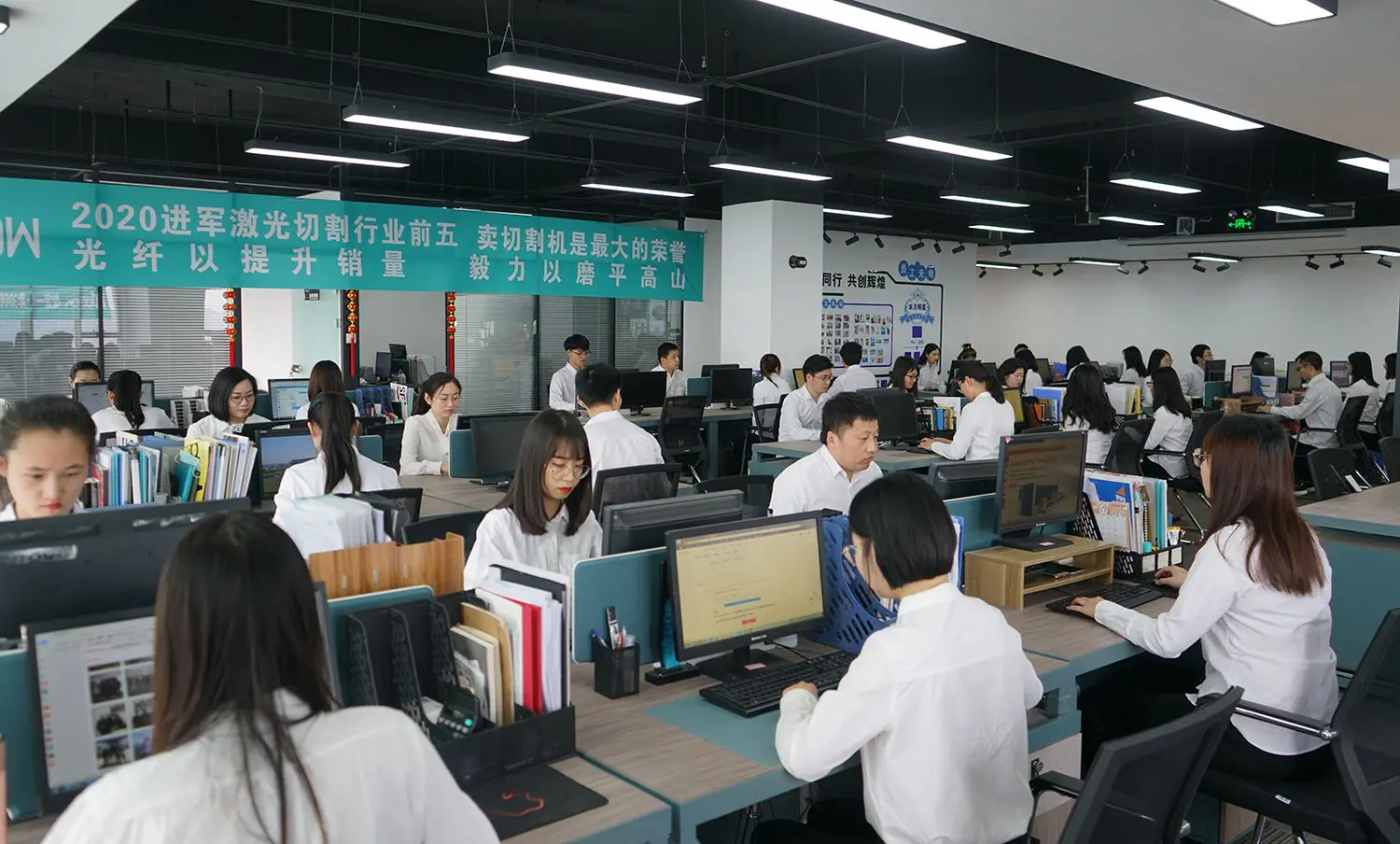
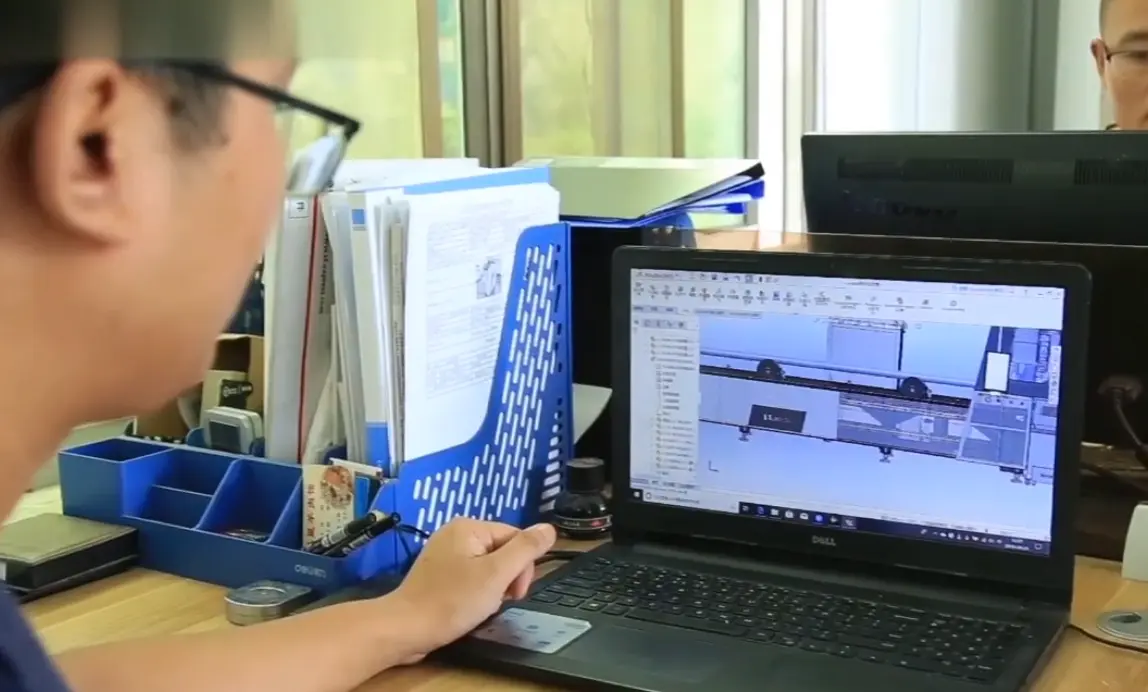
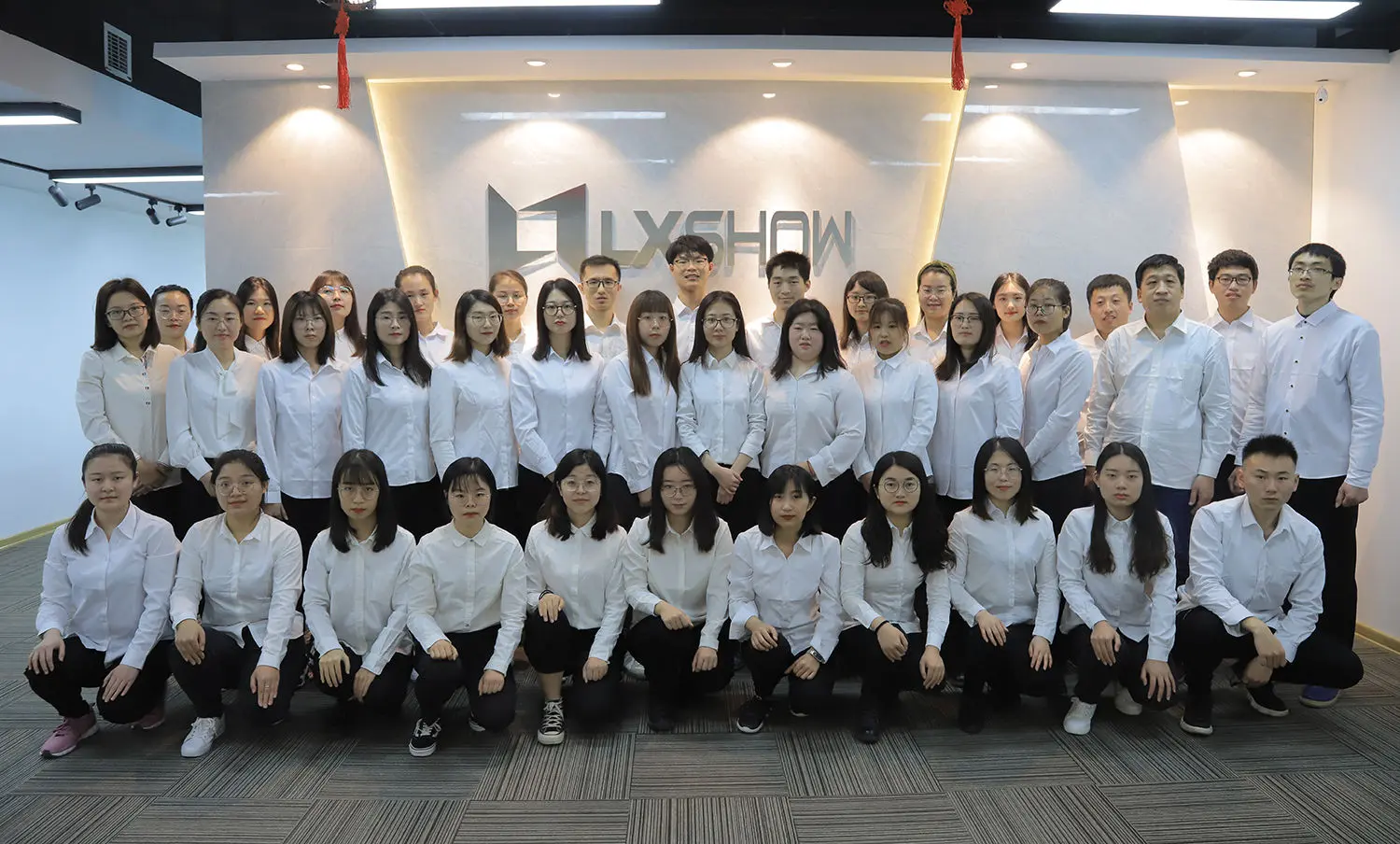
Our global operations are supported by state-of-the-art production environments and quality control facilities.

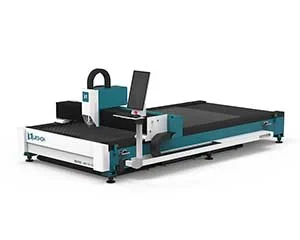
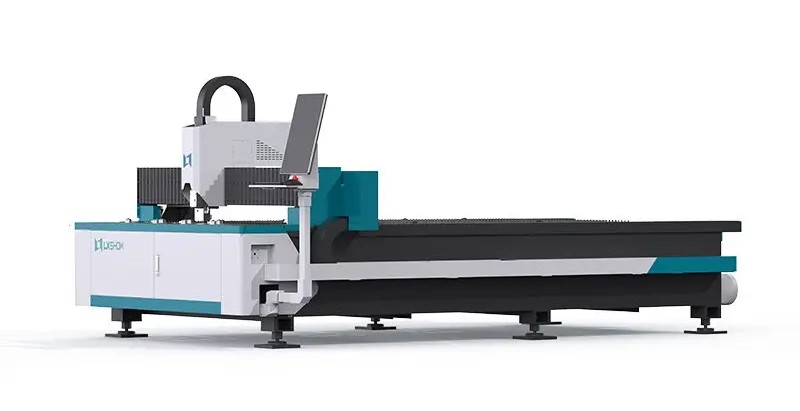
Focused flat-bed laser cutting machines with dual exchange worktables for handling standard formats.
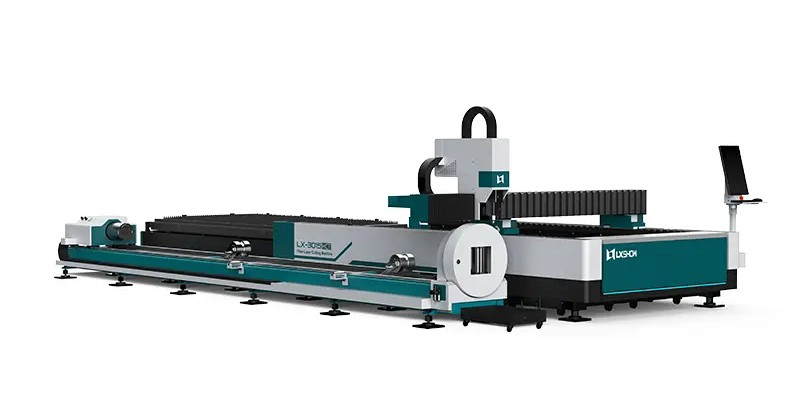
Dual-purpose laser setups that cut both sheet stock and hollow profiles on a single machine.
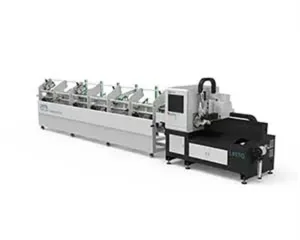
Pneumatic chuck-driven tube cutters for processing square, round, and custom-shaped extrusions.
 Lxshow