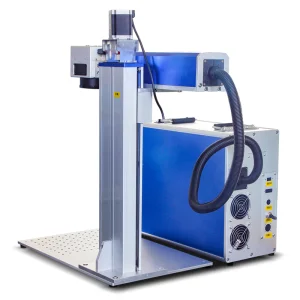
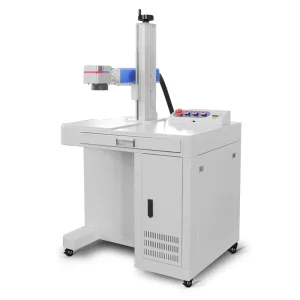
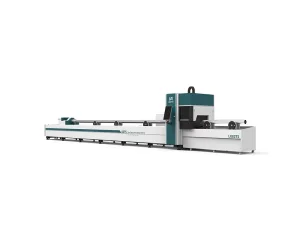
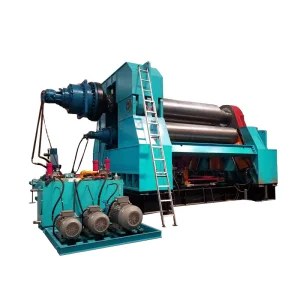
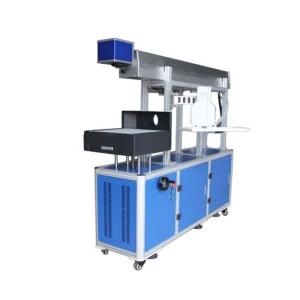
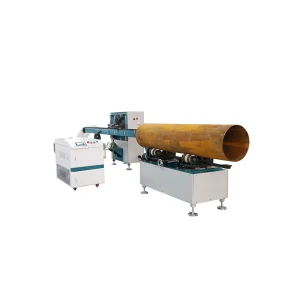
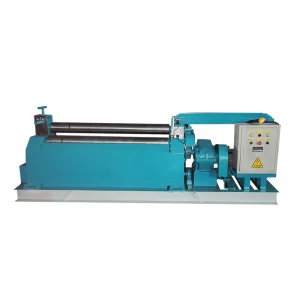
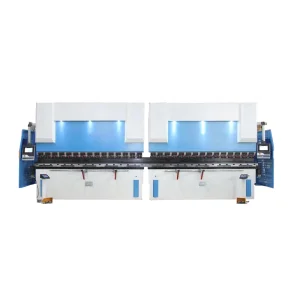
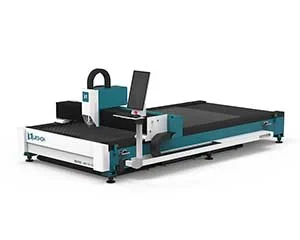
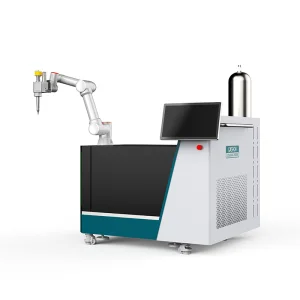
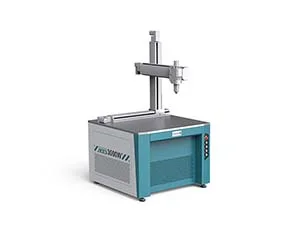
Explore our state-of-the-art catalog of fiber laser cutters, high-precision hydraulic bending benders, and marking systems engineered for global manufacturing excellence.
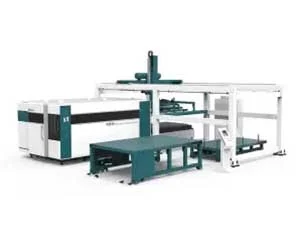
Empowering precision industries since 2004 with cutting-edge laser technologies and global standard certification.
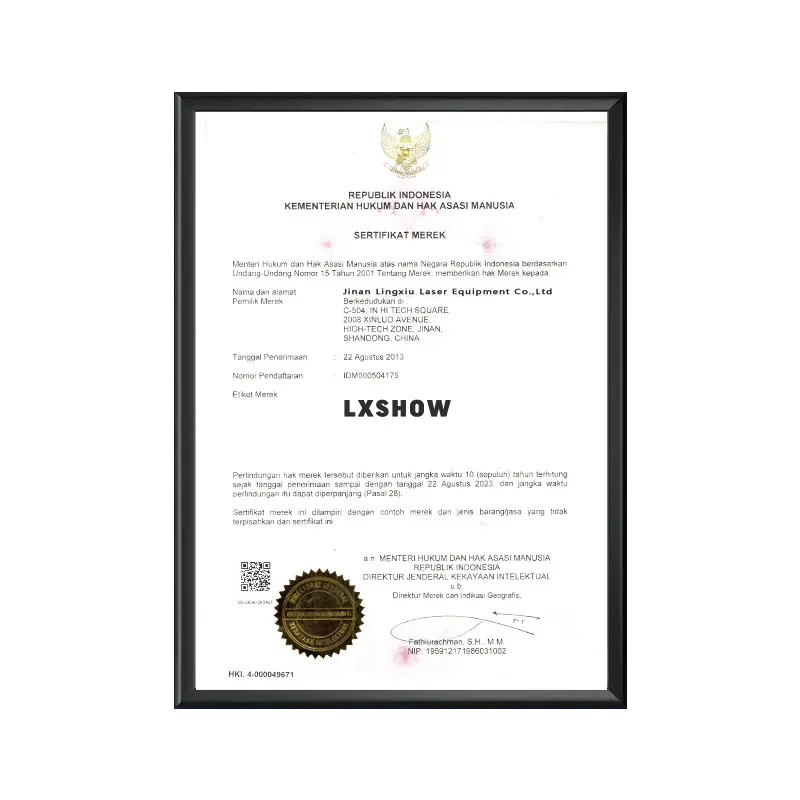
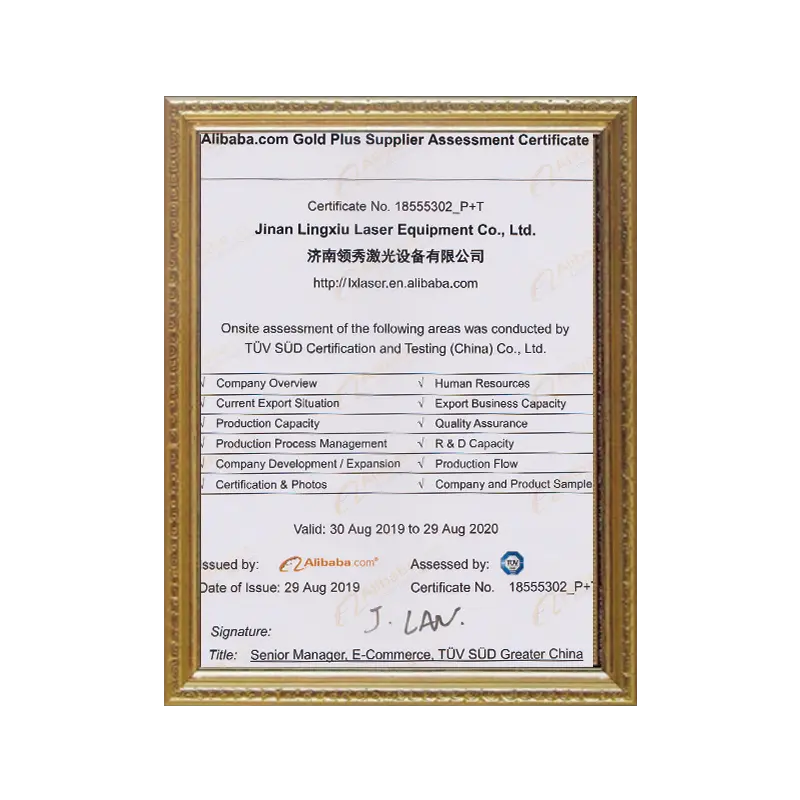
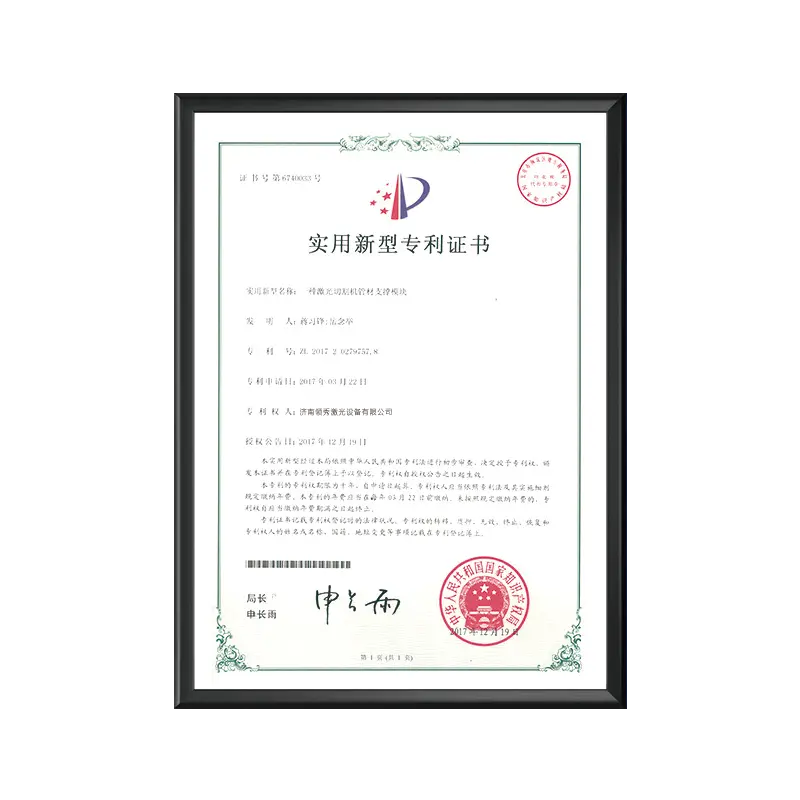
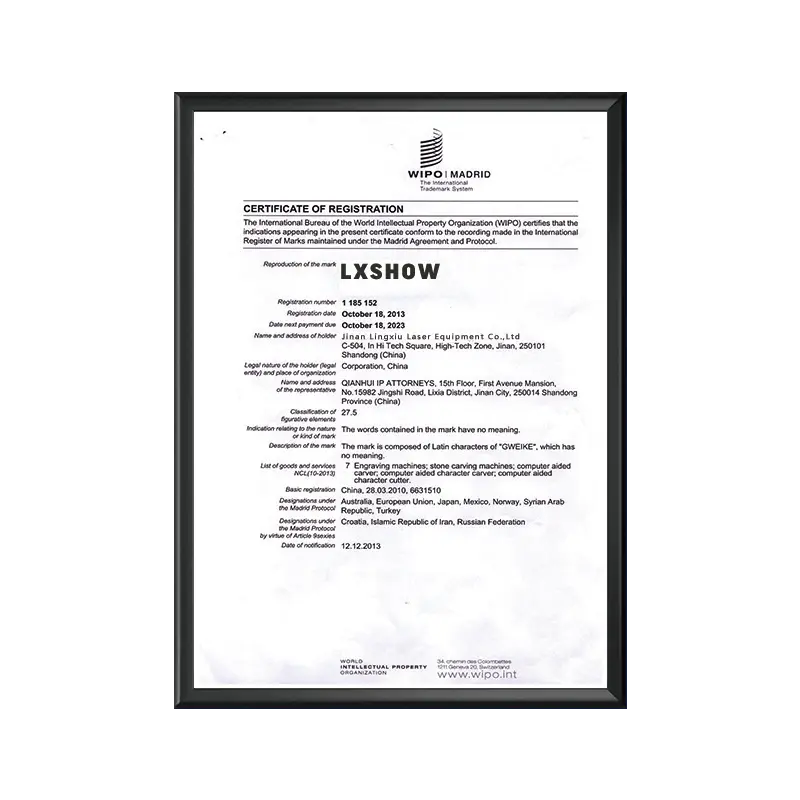
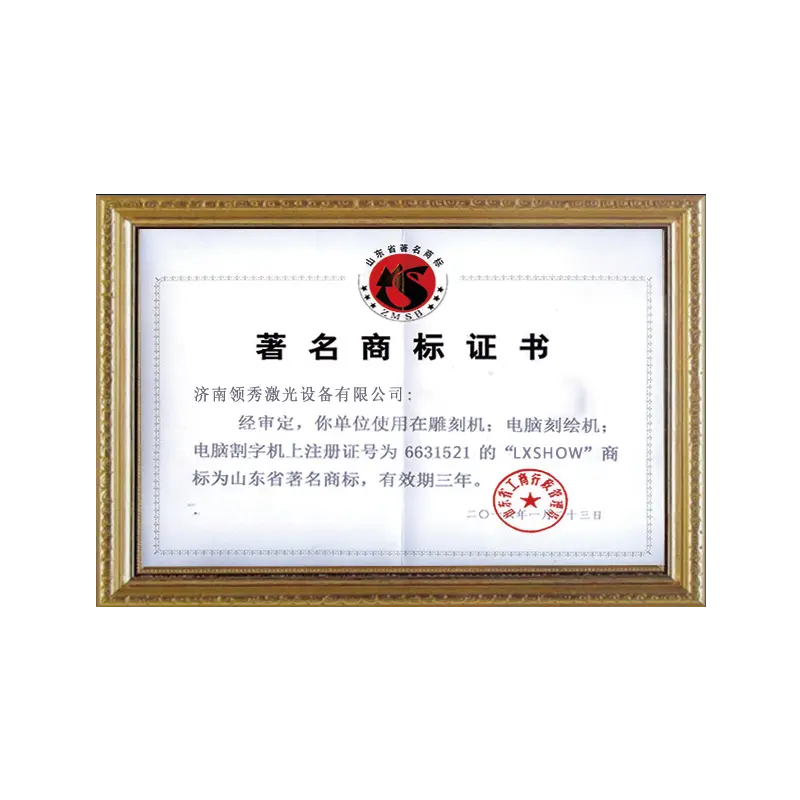
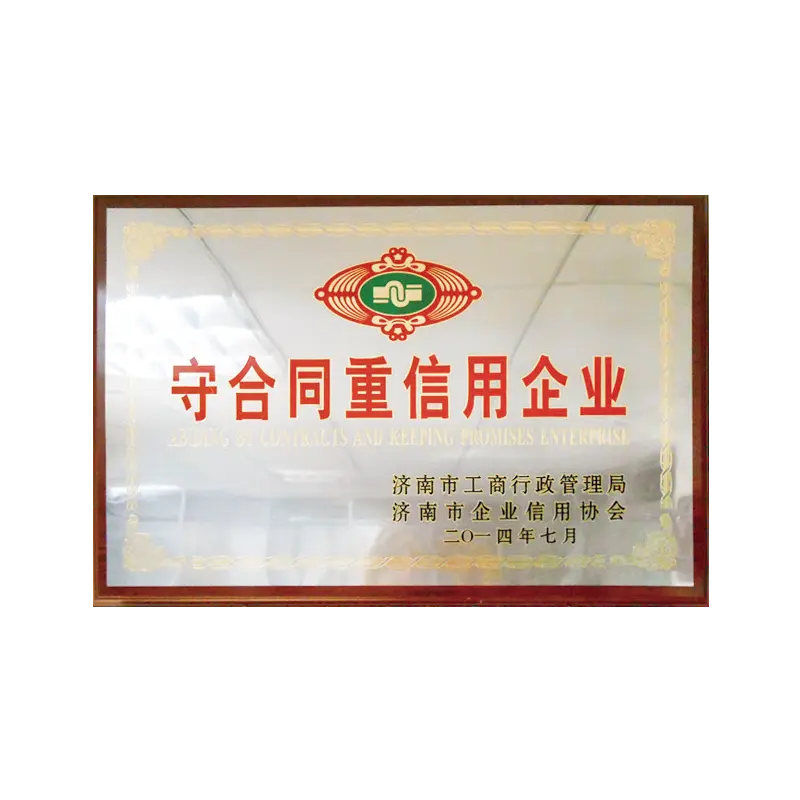
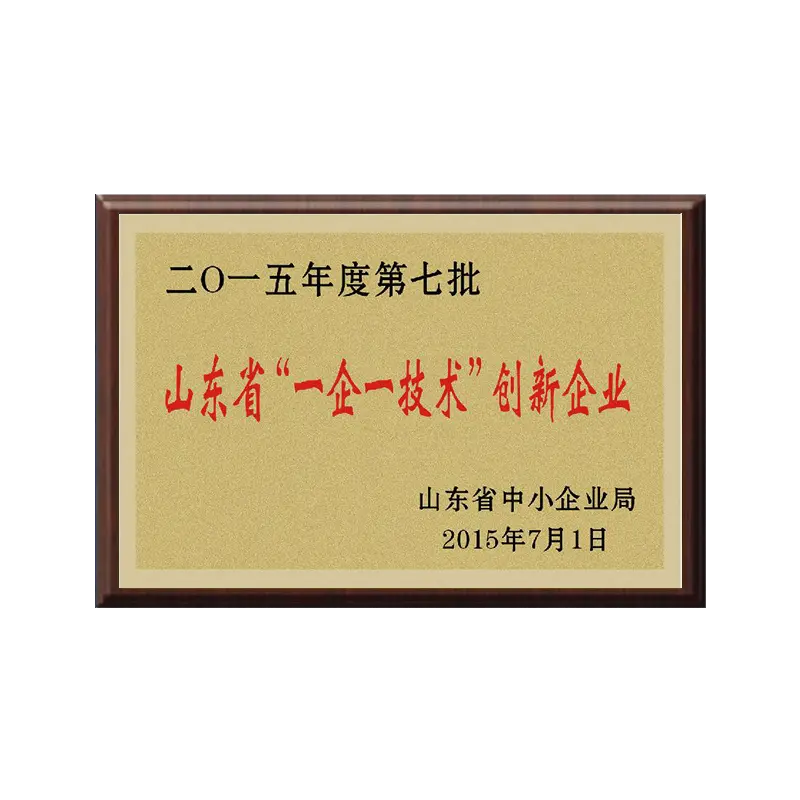
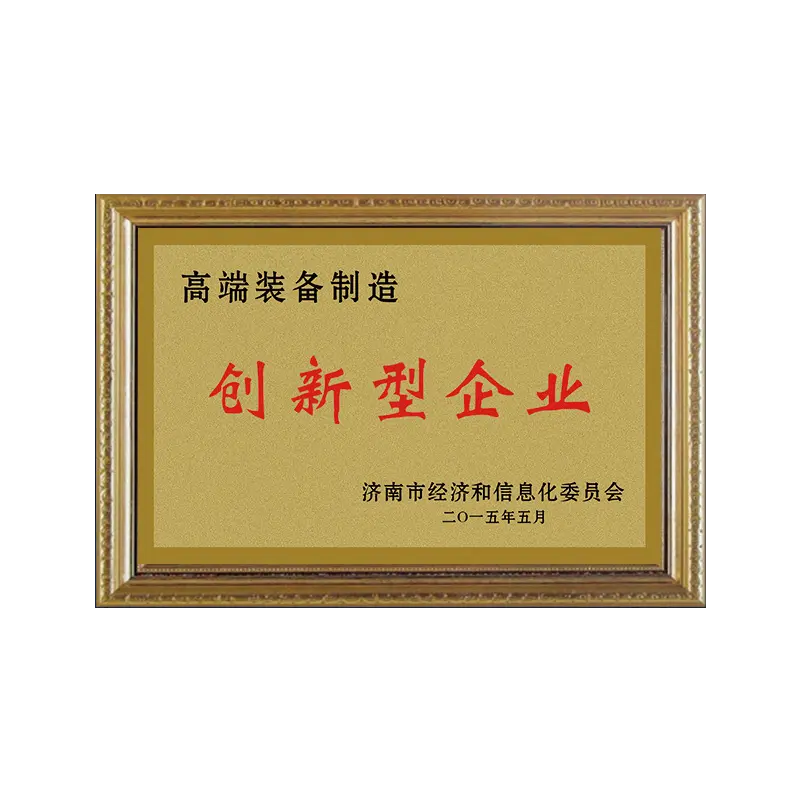
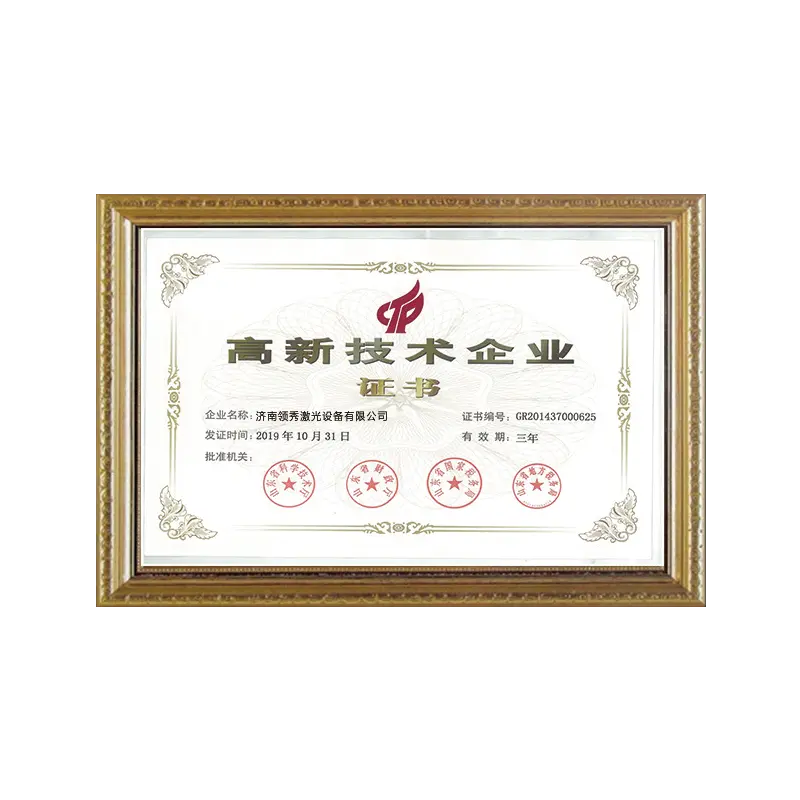
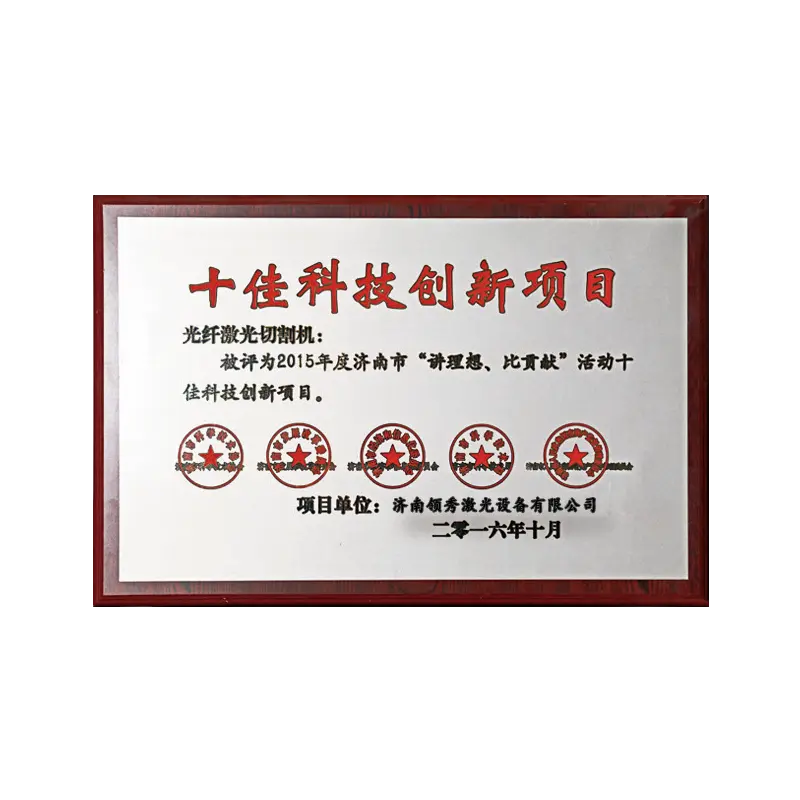
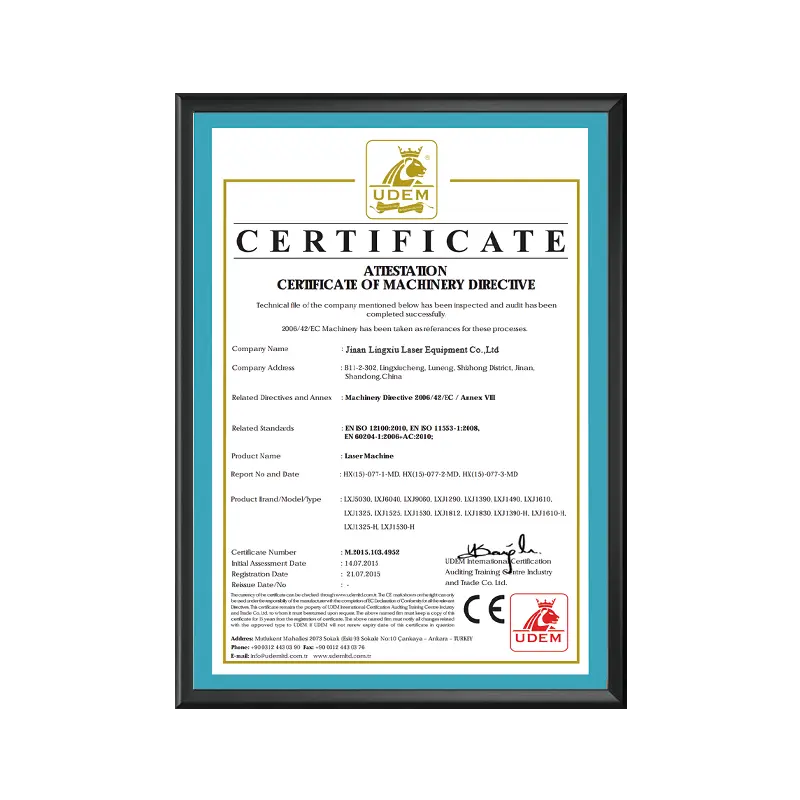
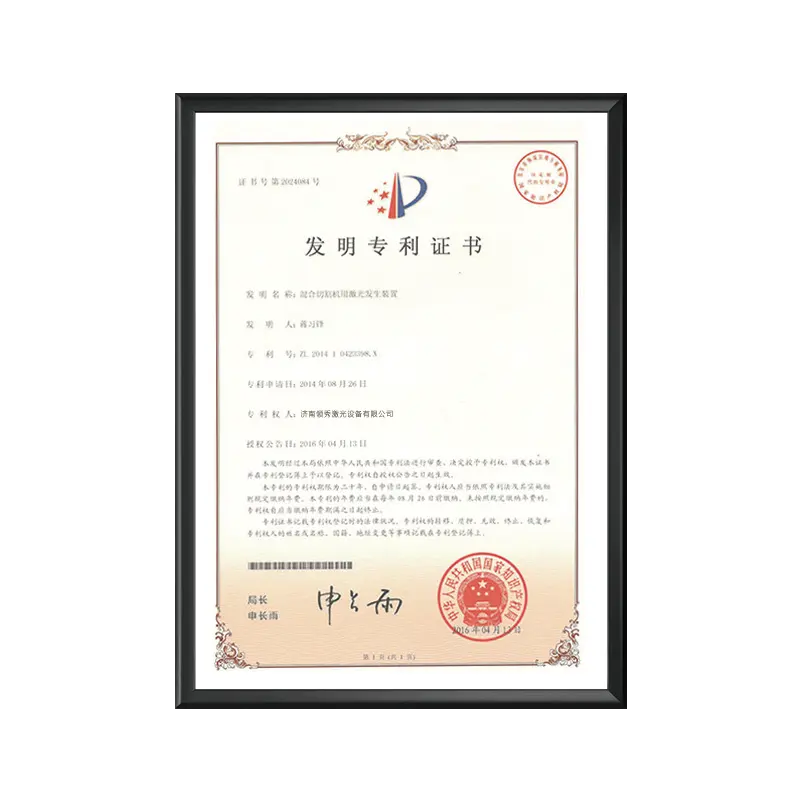
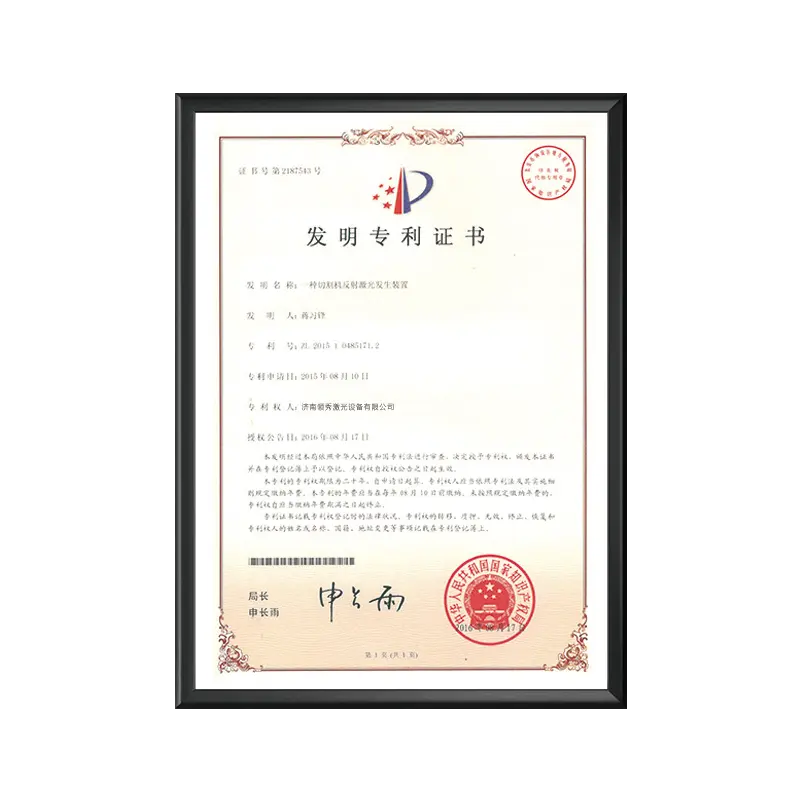
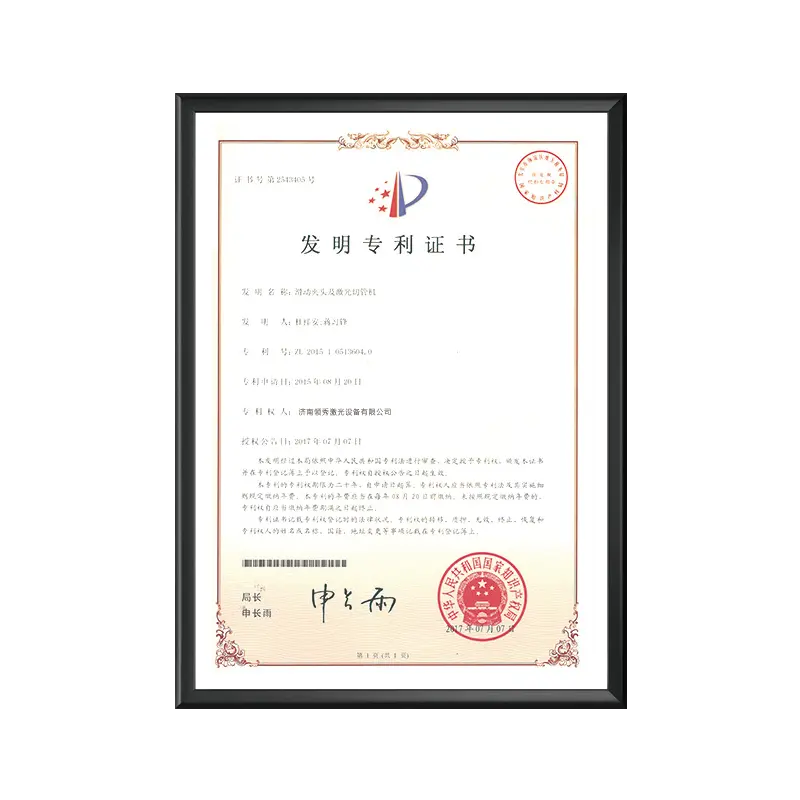
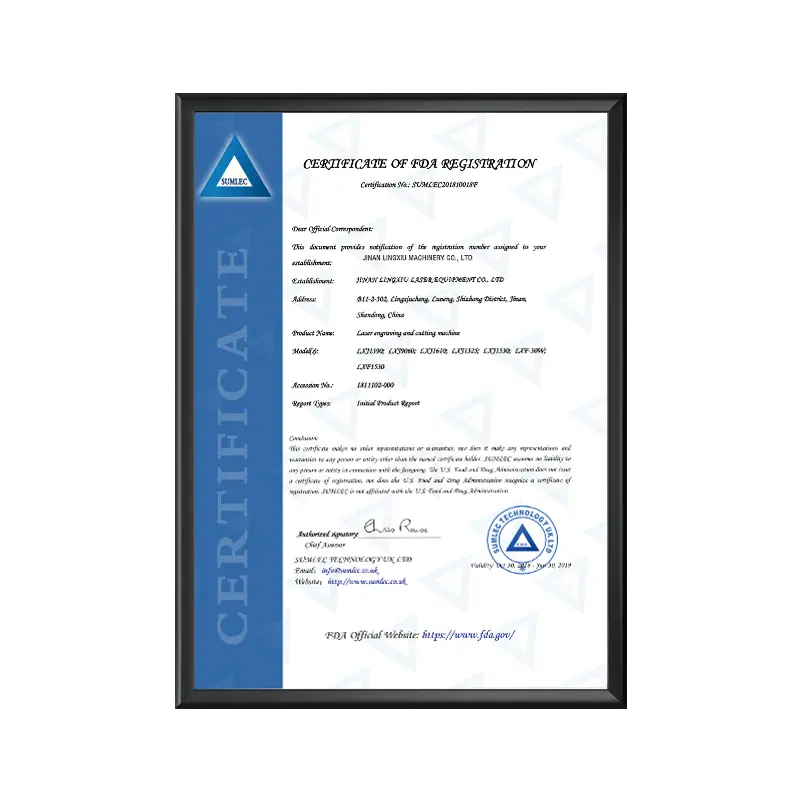
Every laser cutting, welding, and cleaning system we manufacture is built to meet stringently monitored standards. All machines are certified under European Union CE authentication, American FDA certificate, and conform to the globally recognized ISO 9001 quality management standards.
We are actively building smart factory systems, preparing companies around the globe for the dawn of Industry 4.0. Our systems integrate seamlessly with automatic load-unload robotics and custom factory automation lines, transitioning from traditional factories into future-proof, intelligent manufacturing structures.
With a comprehensive corporate framework established in July 2004, including over 500 square meters of pure research space, we regularly support OEM configurations for more than 30 global industrial machinery brands. Our tailored specifications span a spectrum of fiber power levels (1kW to over 30kW).
An in-depth perspective on the industrial landscape, technical advancements, local optimization and strategic roadmaps shaping global smart fabrication.
The global metal fabrication and industrial cutting machinery sector is undergoing a profound paradigm shift. Historically centered on mechanical cutting methods, modern manufacturing has decisively transitioned toward laser-assisted precision technologies. Fueled by industrial demands in key regions—such as the United States, Germany, Japan, and developing manufacturing zones in Southeast Asia and Latin America—there is an unprecedented call for high efficiency, zero-scrap production, and tight geometric tolerances.
Across the aerospace, structural engineering, and automotive sectors, the integration of advanced alloys necessitates cutting machinery that minimizes heat-affected zones (HAZ). Modern fiber laser cutters utilize high-energy-density beams directed through flexible fiber-optic cables, achieving cut-edge quality that eliminates the need for post-processing deburring or mechanical refining. Research indicates the global metal laser cutting market is projected to reach double-digit compound annual growth rates, guided heavily by the transition of standard CNC workshops into fully automated smart factory networks.
Understanding the mechanical and physical boundaries of cutting machine variations is critical for optimal equipment selection. Metal fabrication systems generally fall into three major technical classifications, each catering to specific operational workflows:
Customizing the laser or bending system configurations to match specific materials is a core competency. Different metals interact uniquely with laser light and bending forces:
Aluminum & Reflective Alloys: Highly reflective in nature, aluminum requires a high-density, stable fiber optical delivery system to prevent damage from back-reflections. Our fiber laser cutting lines feature specialized isolators to safely cut thick aluminum plates without performance degradation.
Carbon Steel & Iron: Oxygen-assisted cutting on thick carbon steel plates relies heavily on the thermal energy of chemical reactions, whereas high-pressure nitrogen-assisted cutting is used for stainless steel components to prevent oxidation along the edges, ensuring a pristine finish ready for immediate welding.
Structural Tubes & Profiles: The transition from flat sheet cutting to complex tube geometries requires multi-chuck systems (such as our three-chuck heavy-duty design). Three-chuck configurations allow zero-tailing waste cutting of round, square, and rectangular profiles, generating significant material savings for structural steel fabricators.
Take a step inside our 32,000 sqm production hub. Our workflow includes design, manufacturing, quality testing, and customer training divisions.
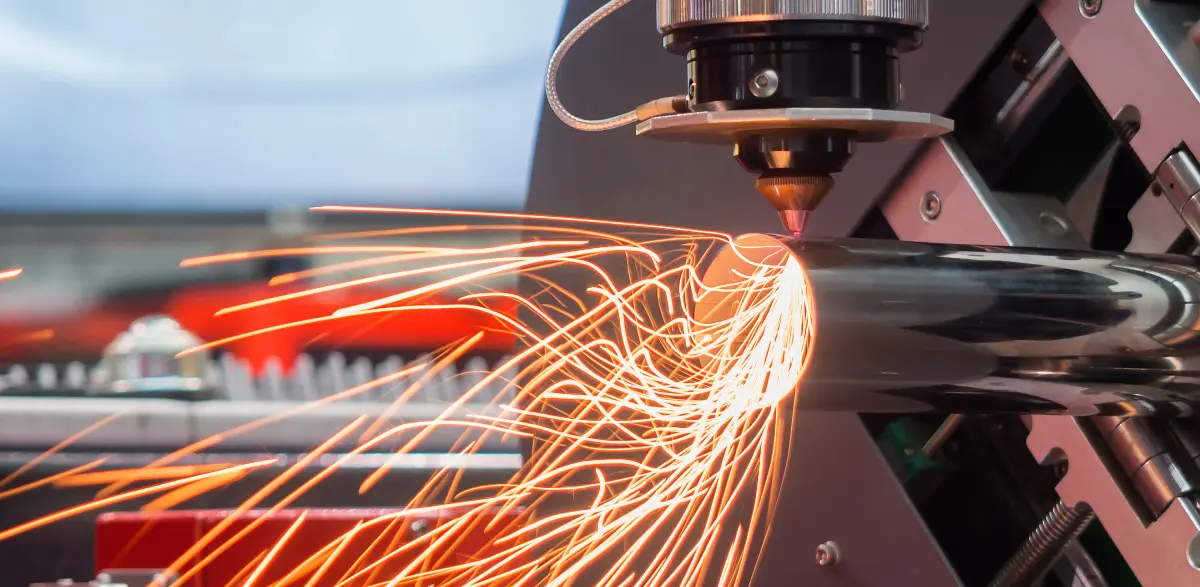
Global Metal Cutting Division
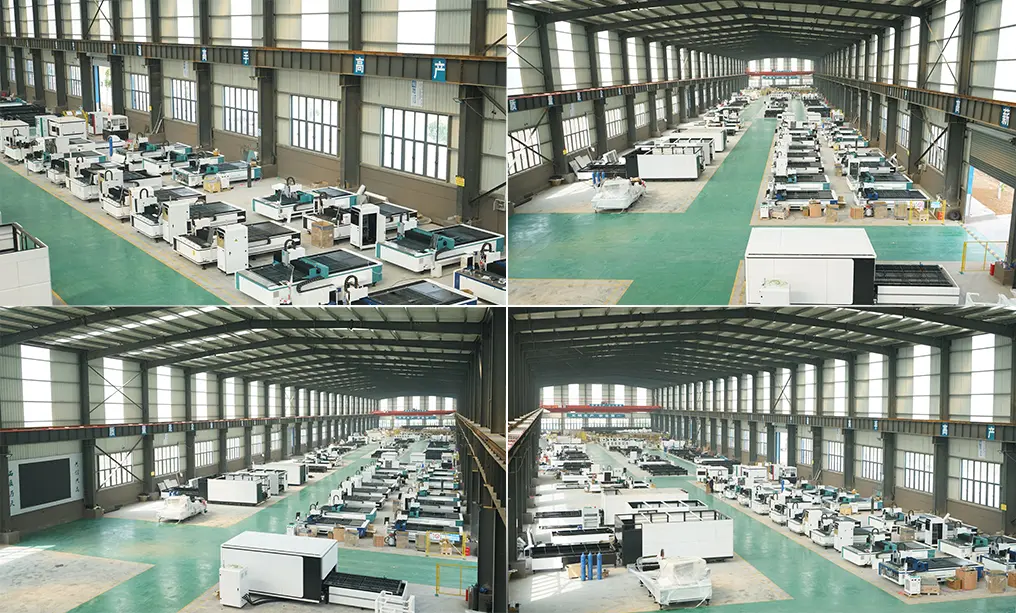
Production Workshop
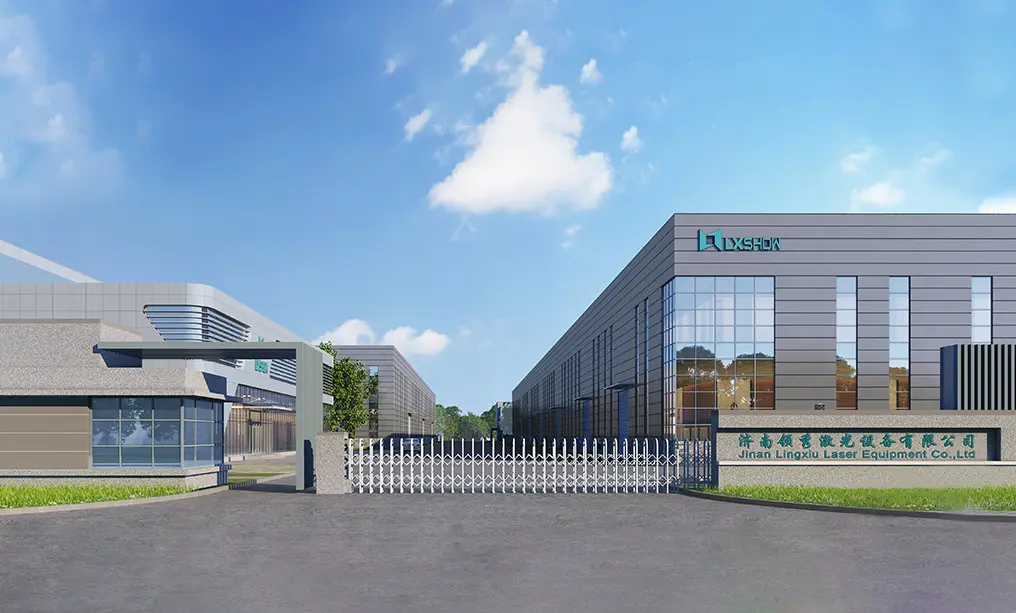
Manufacturing Hub

Headquarters Reception
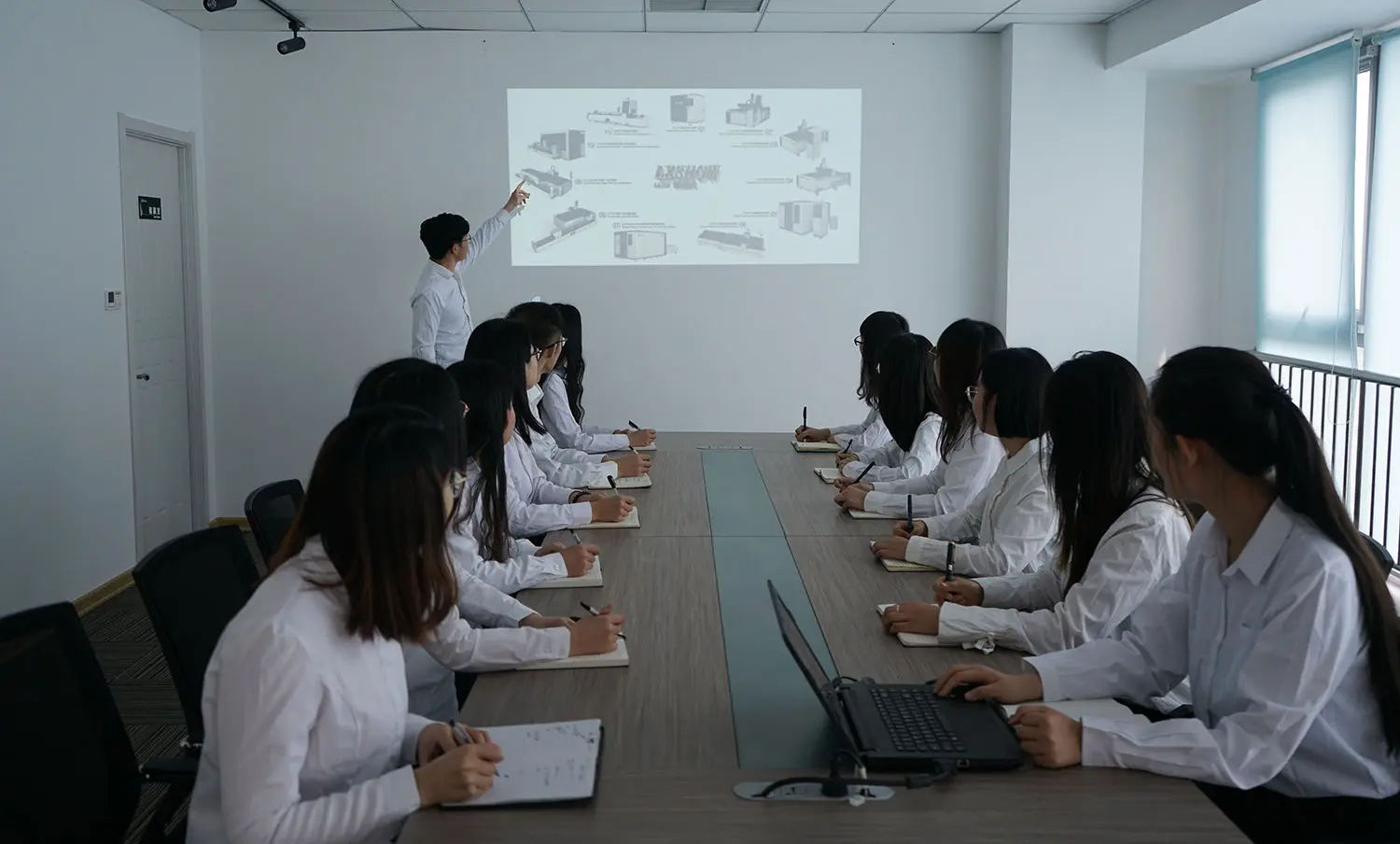
Executive Meeting Room
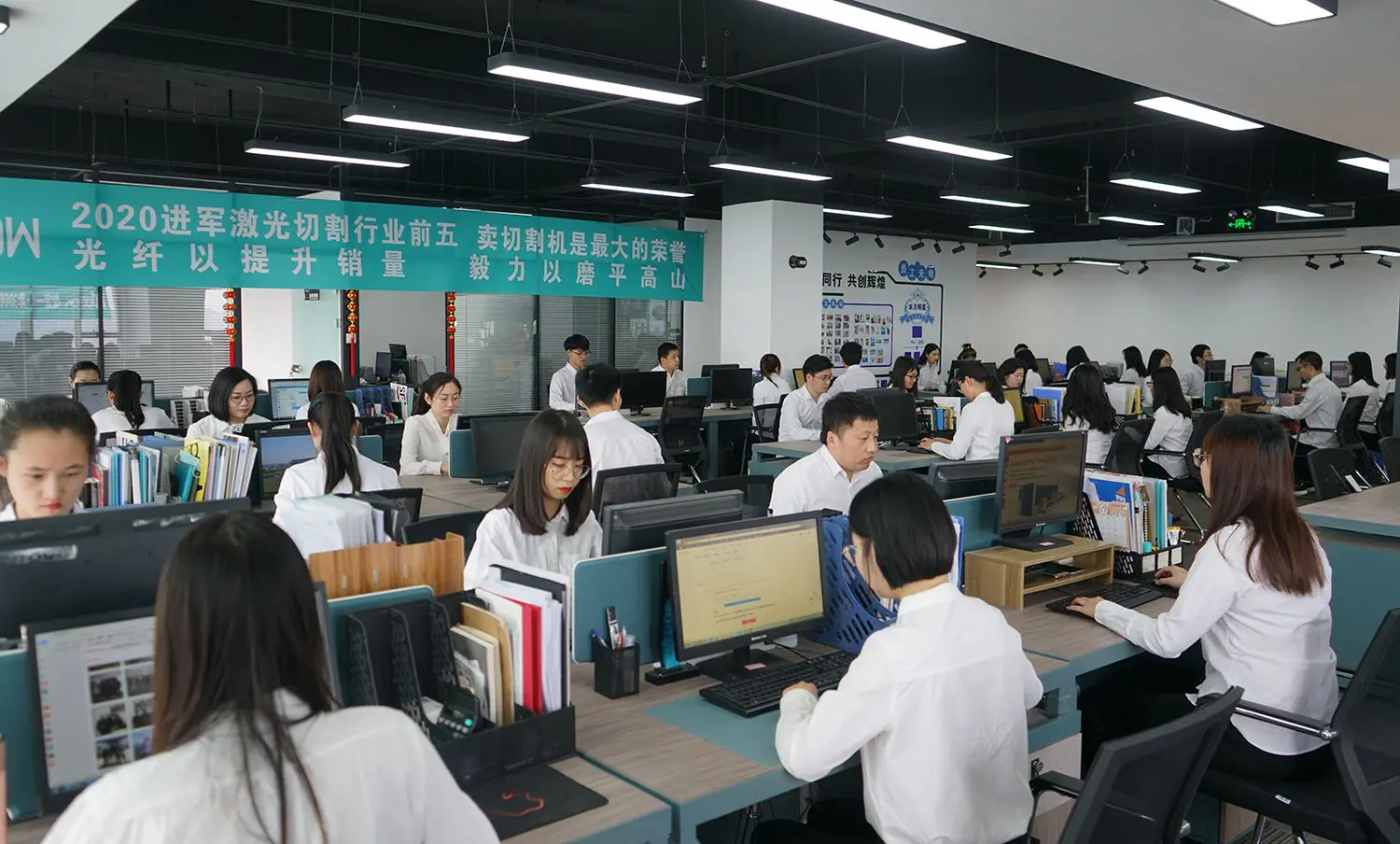
Global Operations Office
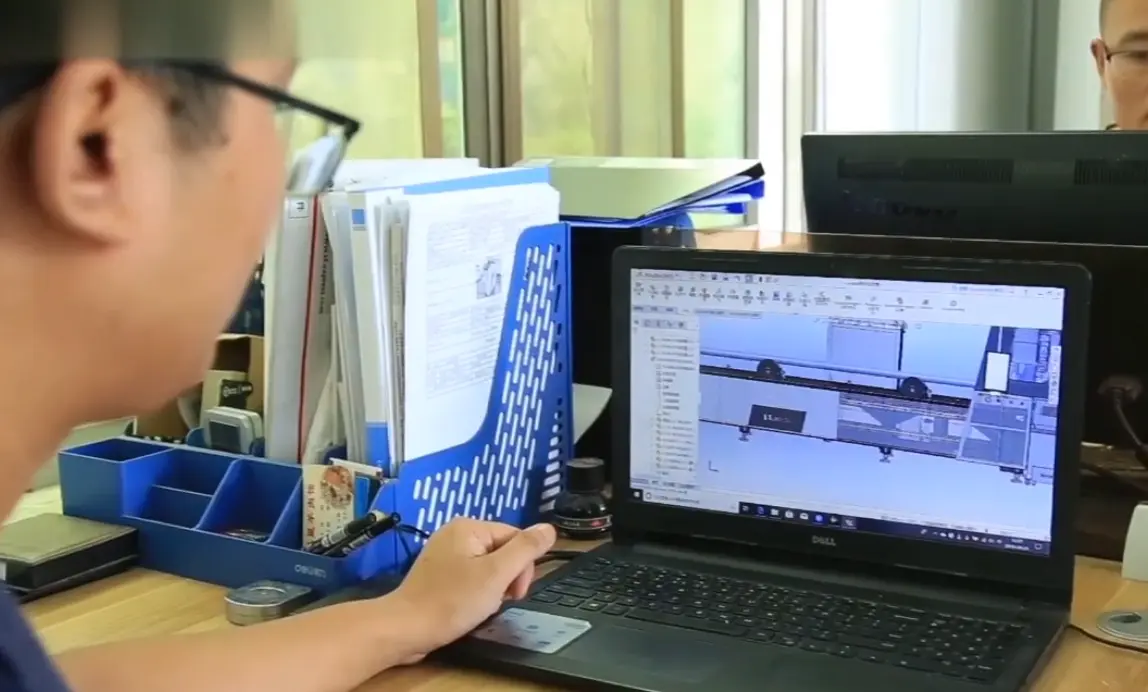
Research & Machine Design
Client Reception Office
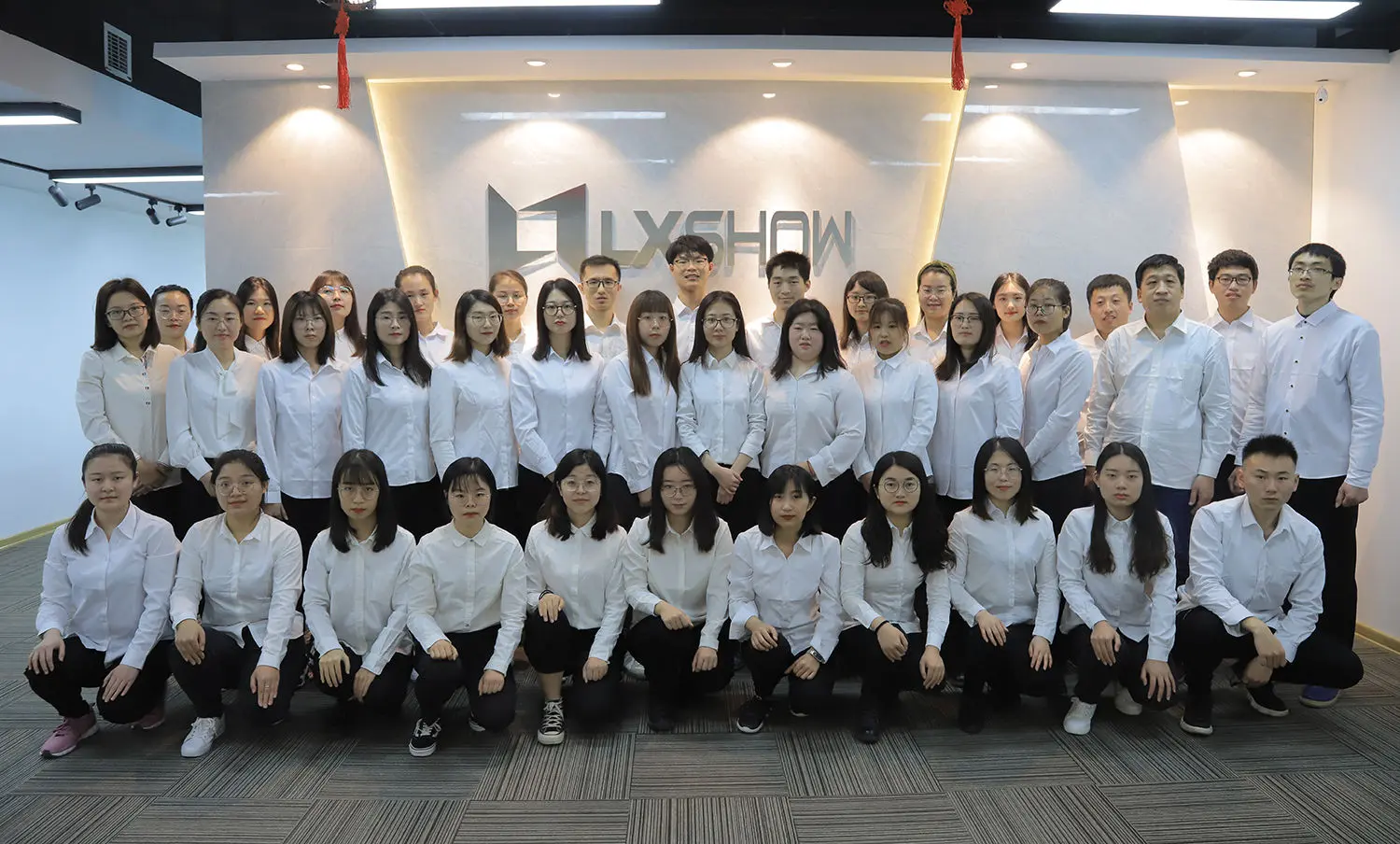
International Sales Team I
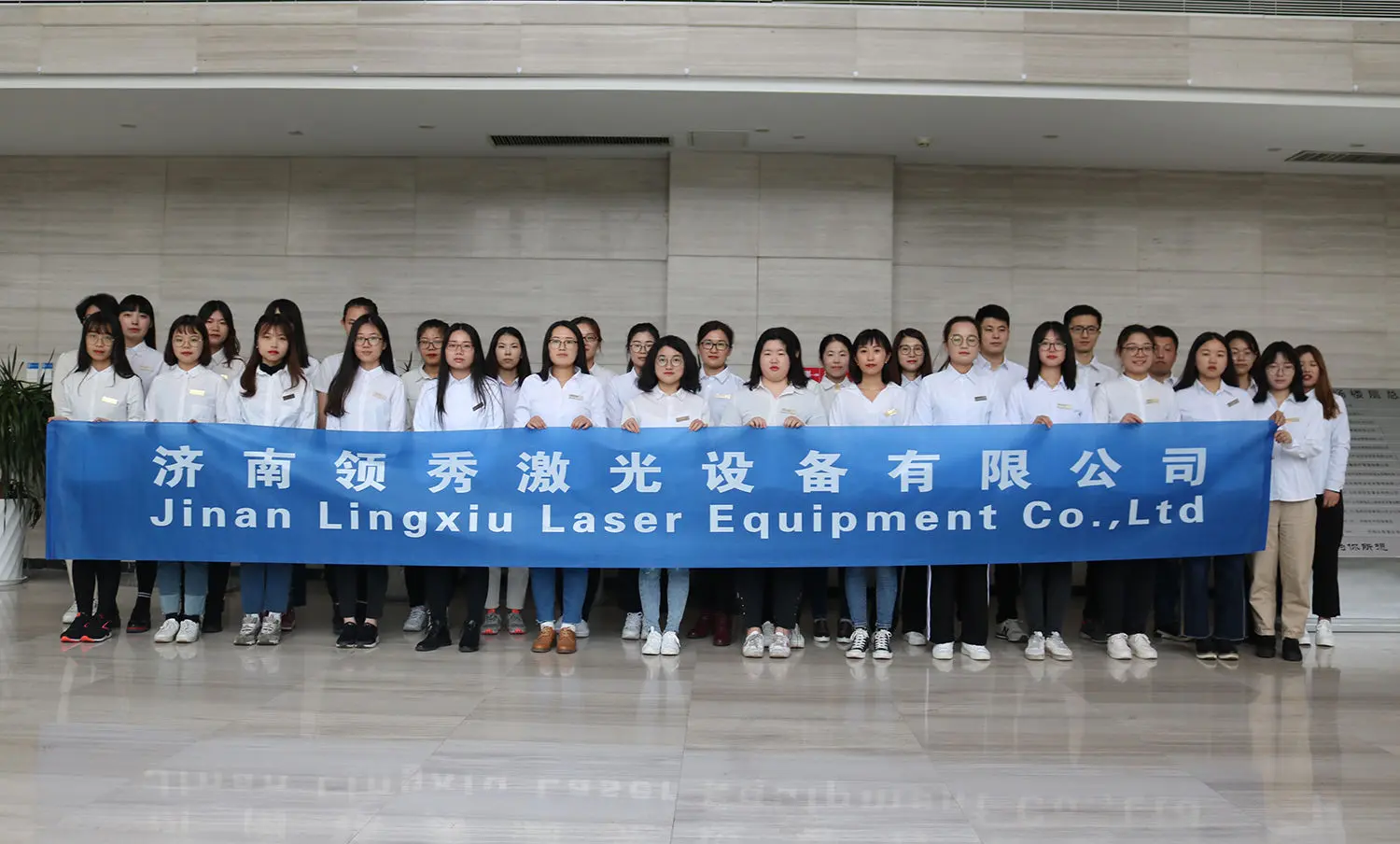
International Sales Team II
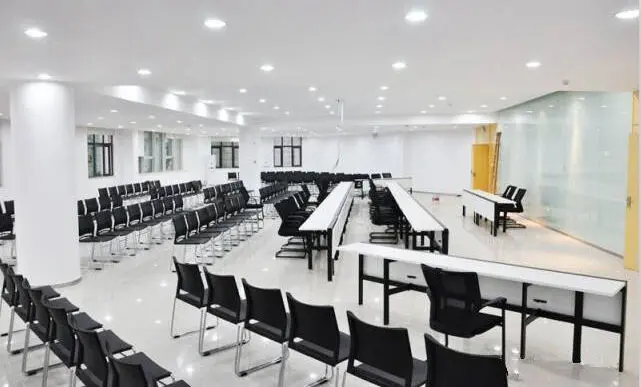
Technical Training Center
As we march towards our corporate vision for 2040—aiming to be among the most influential manufacturers in the laser processing field—our R&D roadmap focuses on three technological pillars:
Our solutions cater directly to localized market needs worldwide:
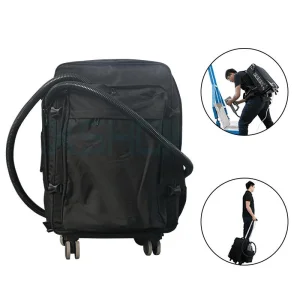
In the United States and Europe, our emphasis is on high-efficiency, fully enclosed machines that comply with safety regulations, alongside automated CNC press brakes to counter escalating labor expenses. In contrast, for the fast-paced packaging, jewelry, and advertising industries in Southeast Asia and Latin America, compact splitting laser marking machines, backpack laser cleaners, and versatile manual laser welding stations offer the versatility needed for rapid adaptation in custom manufacturing workshops.
Leveraging advanced optical structures to deliver optimized cutting dynamics for global manufacturing industries.
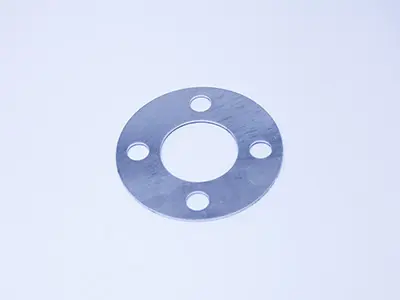
Reflective protection circuits allow seamless processing of thick, conductive plates.
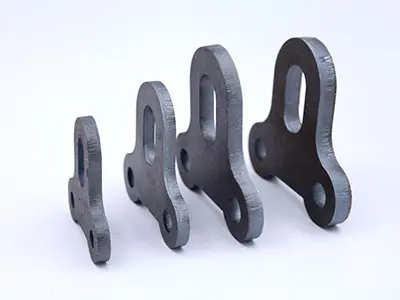
Gas-assisted piercing guarantees clean, slag-free finishes across thick carbon profiles.
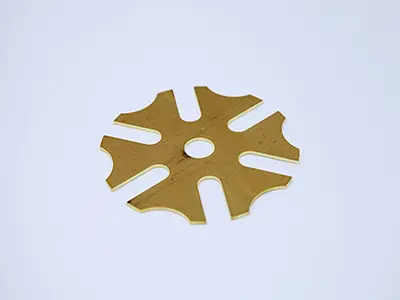
Ultra-stable fiber beams provide precise energy focus for high reflective yellow metals.
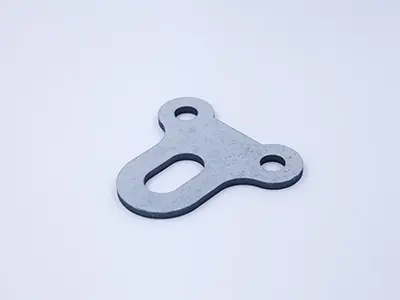
Maintains the integrity of thin zinc coatings while cutting, avoiding edge corrosion.
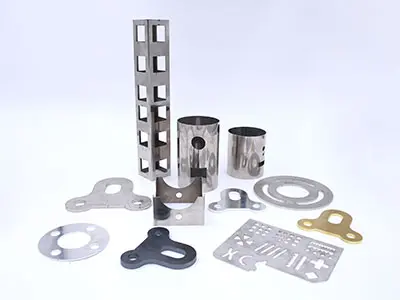
Configurable options for specialized titanium, nickel alloys, and gold foils.
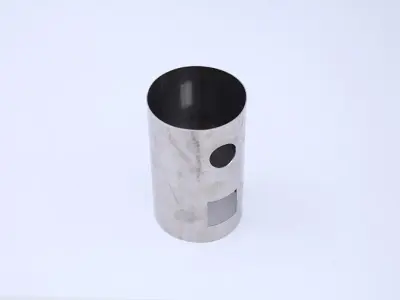
Robust rotational chuck coordinates seamlessly with laser heads to handle cylindrical geometries.
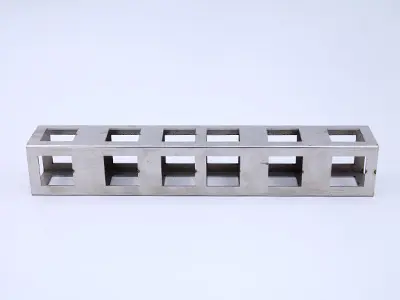
Maintains consistent laser beam focus on tube corners via dynamic height sensors.
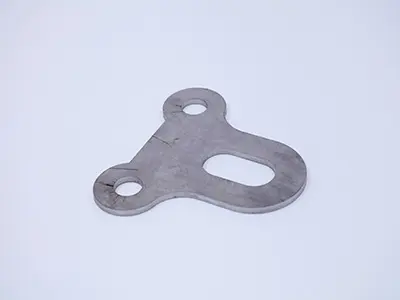
Preserves corrosion-resistant edges via high-pressure nitrogen cutting techniques.
Browse through our quality inspection systems, optical components, structural frames, and system assembly highlights.
Resolving key technical queries, gas optimization parameters, safety standards, and performance diagnostics.
Direct access to specialized sub-segments: Sheet cutting, integrated sheet-tube lines, and multi-chuck rotary tube processing systems.
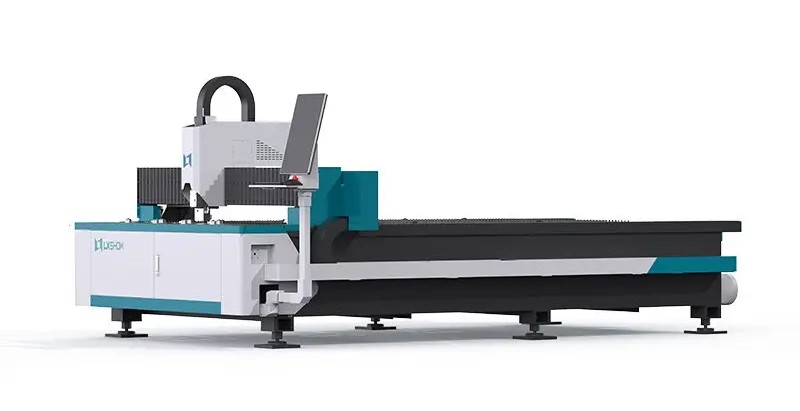
Optimized for high-speed cutting of large format carbon, stainless, and aluminum sheet metal structures.
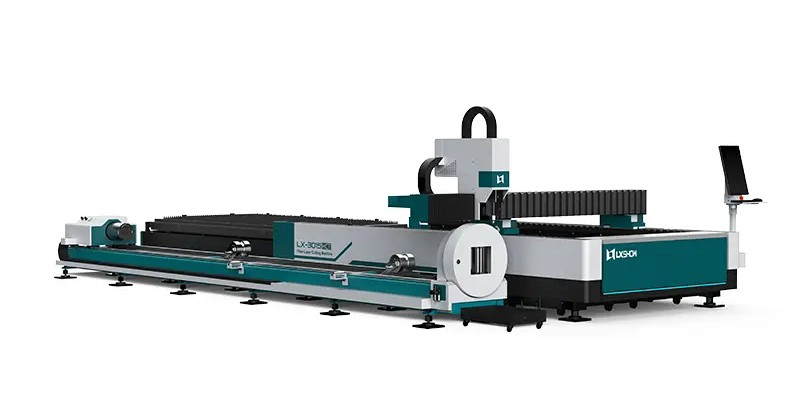
Integrated hybrid platforms capable of alternating between flat plate profiles and cylindrical/square tubes.
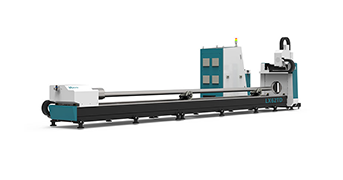
Dedicated tube processing systems featuring multiple chucks to achieve high accuracy and zero material waste.
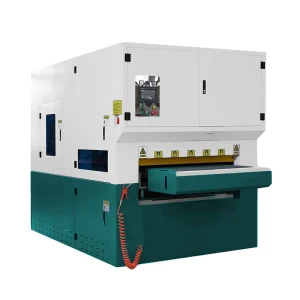
Select from our industrial-grade deburring, roll-forming, backpack-style rust-removers, and high-power enclosed fiber cutters.
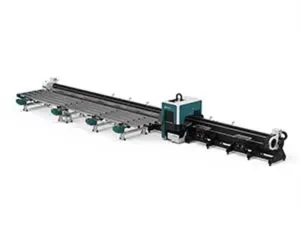
 Lxshow