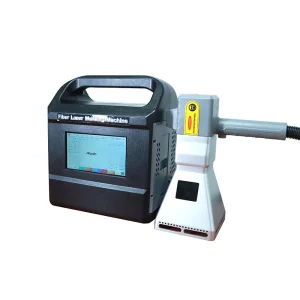
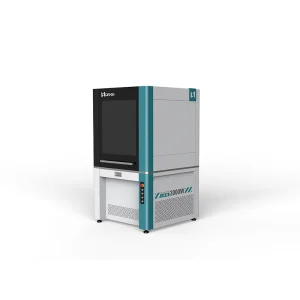
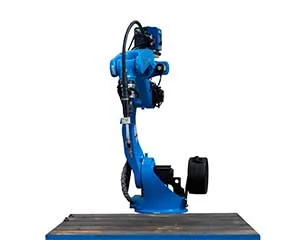
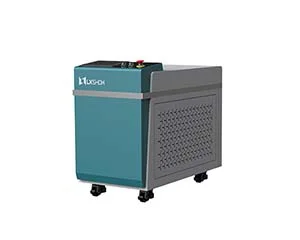
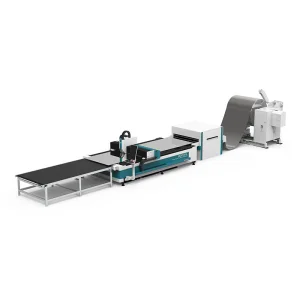
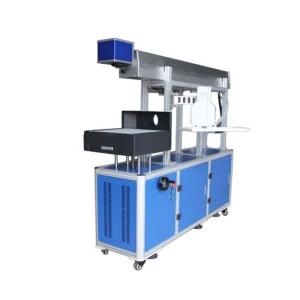
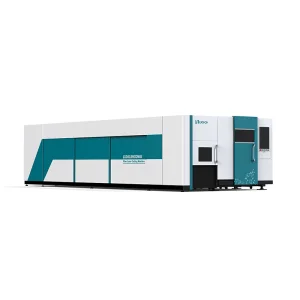
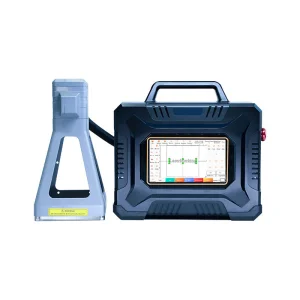
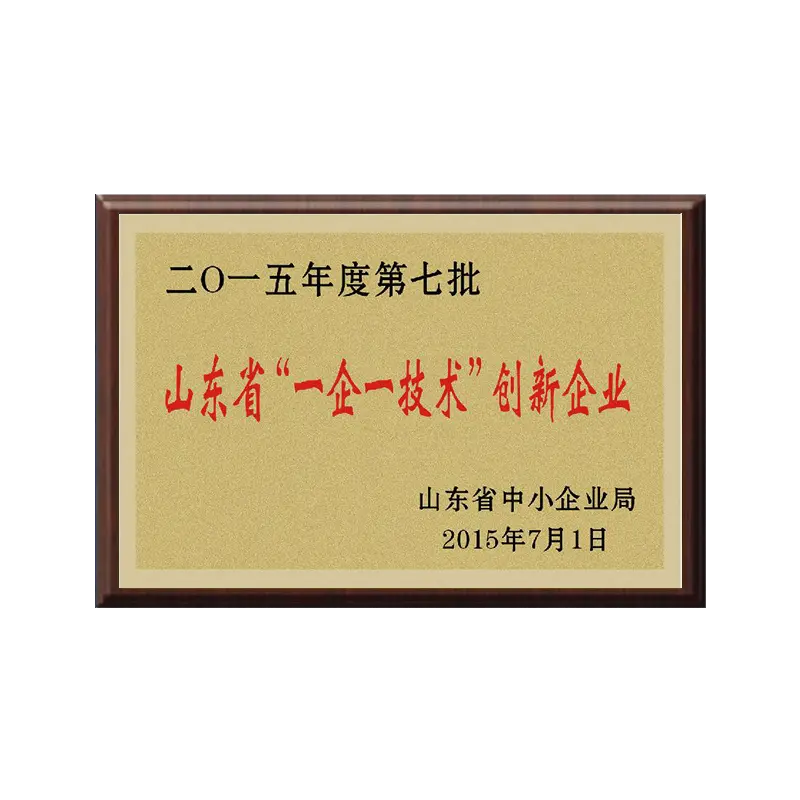
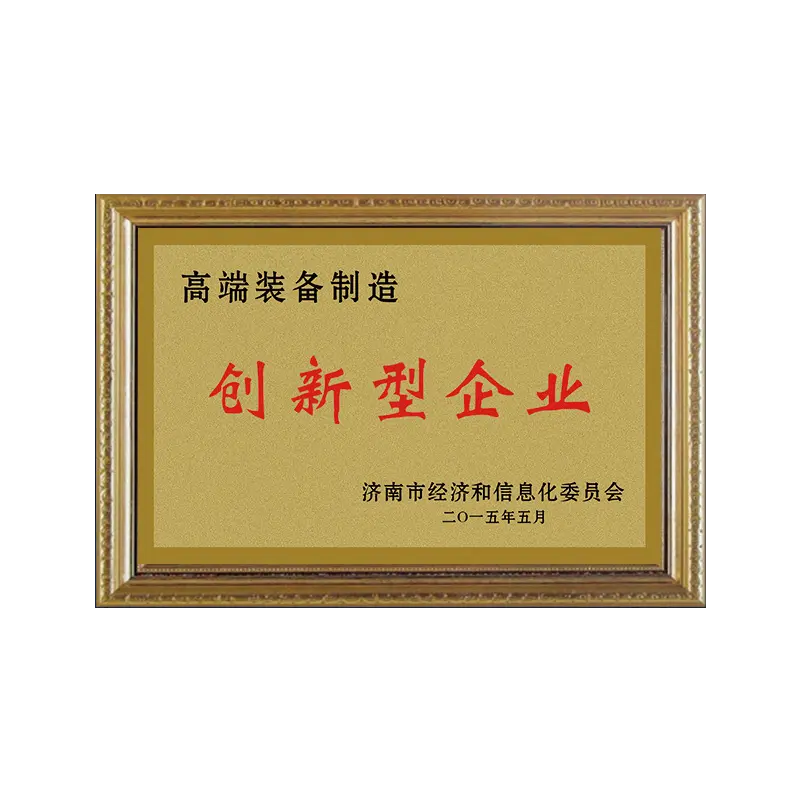
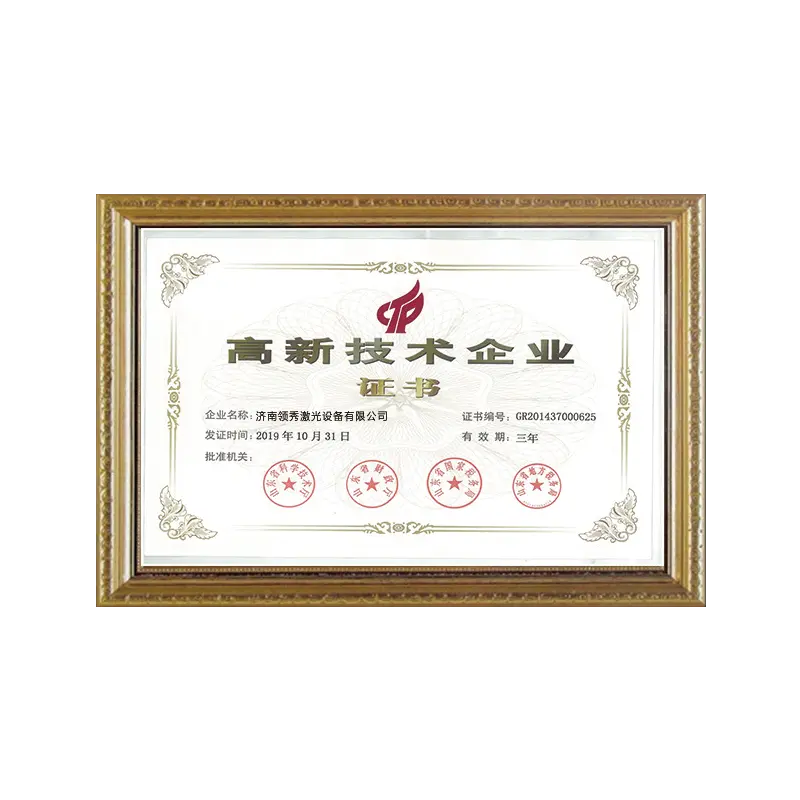
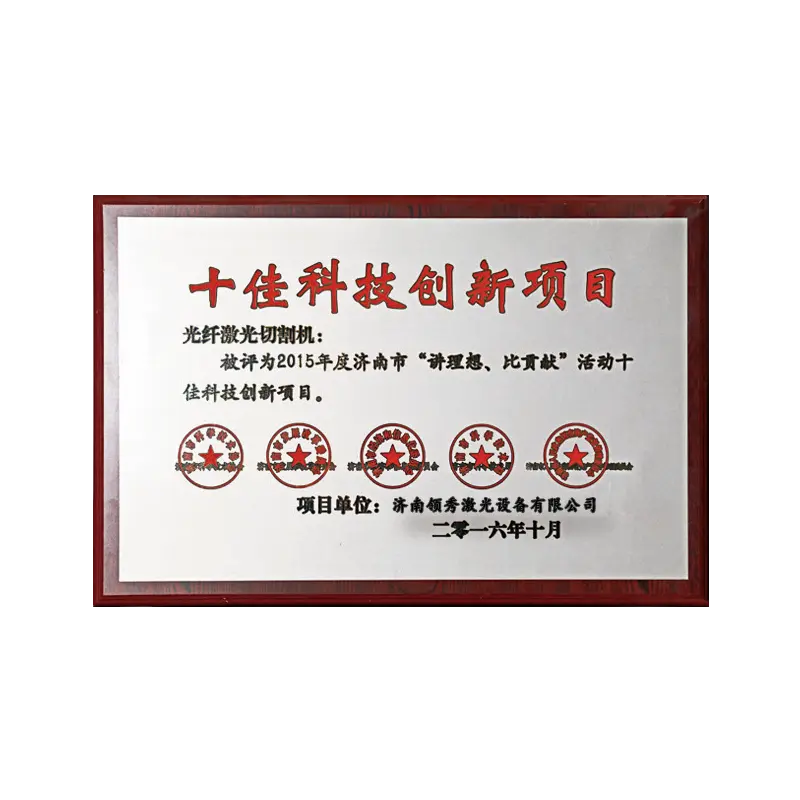
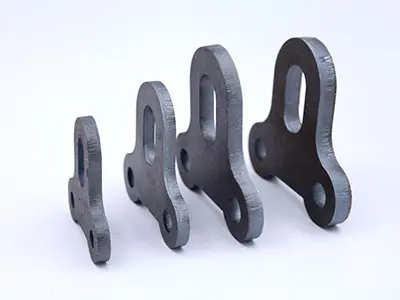
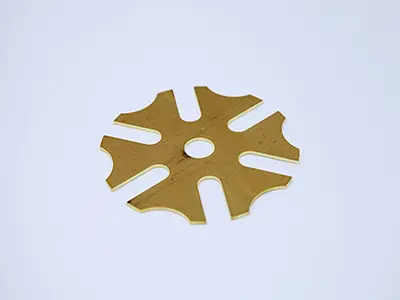
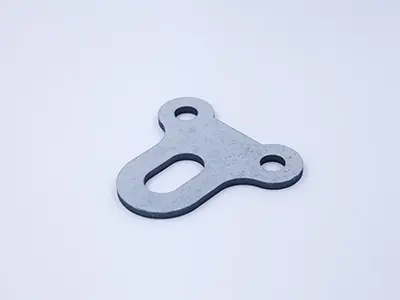
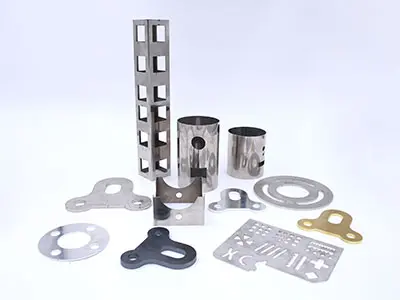
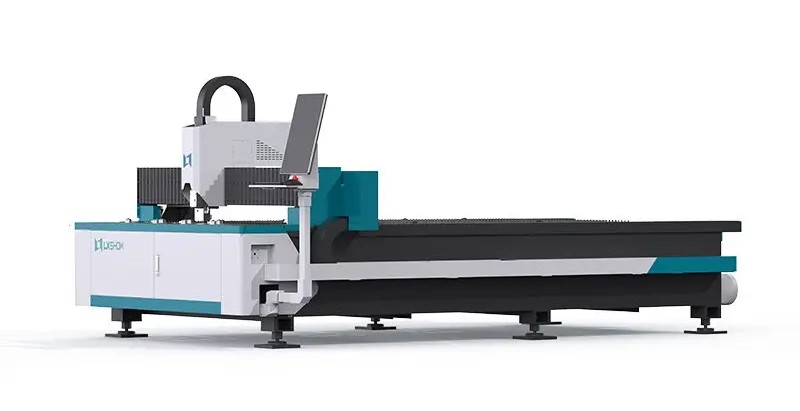
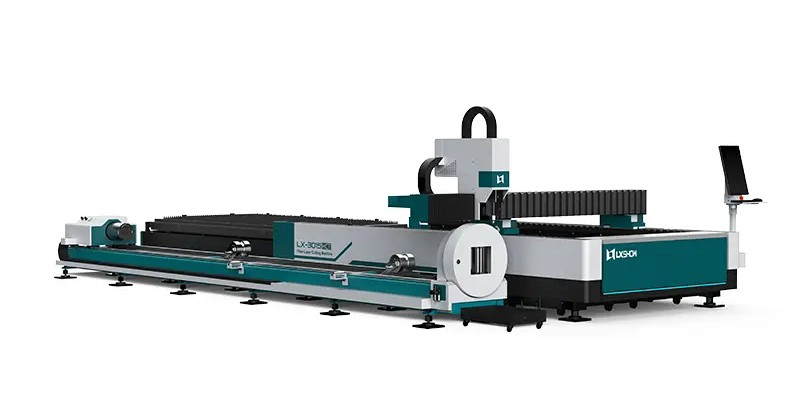
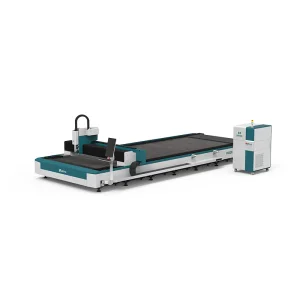
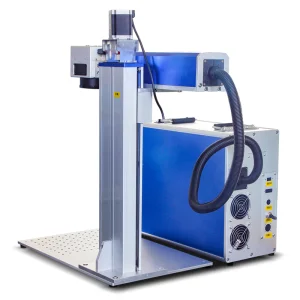
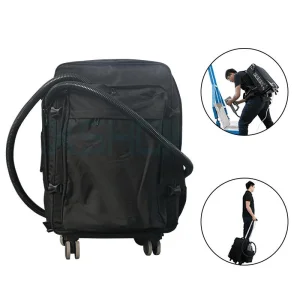
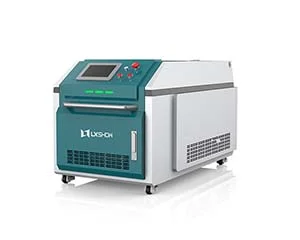
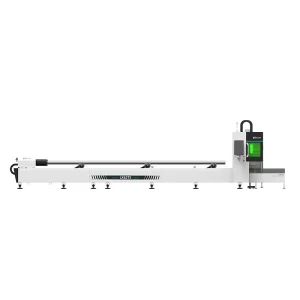
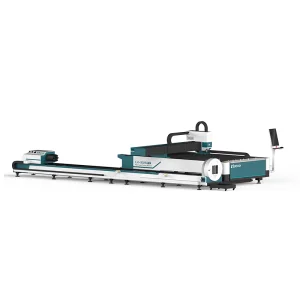
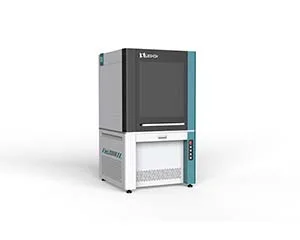
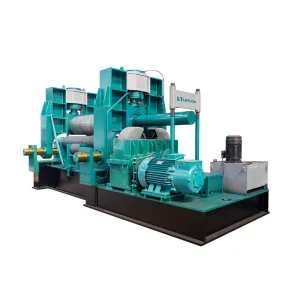
Explore our leading laser marking, cutting, welding, and cleaning solutions deployed globally.
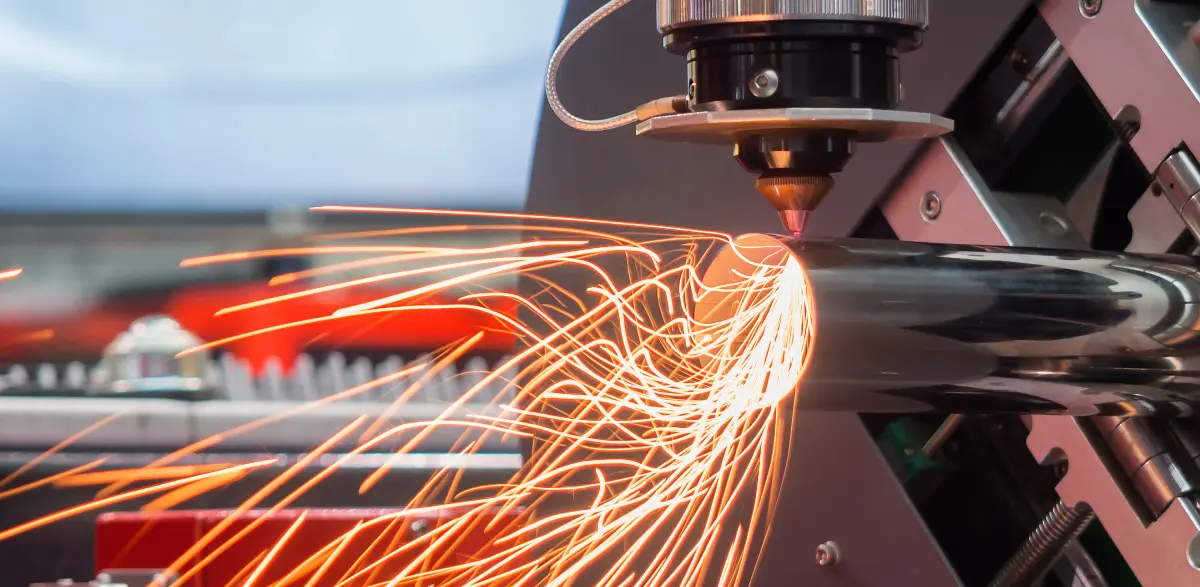
In the modern manufacturing landscape, custom laser cutting of sheet metal has transitioned from a specialized, high-cost profiling technology to the very backbone of agile industrial production. Originally dominated by CO2 laser systems, the sheet metal fabrication sector has undergone a massive technological shift towards solid-state fiber lasers. Fiber lasers operate at a wavelength of approximately 1.064 microns—about ten times shorter than that of CO2 lasers—allowing for vastly superior absorption rates in metallic elements such as carbon steel, stainless steel, aluminum, brass, and copper.
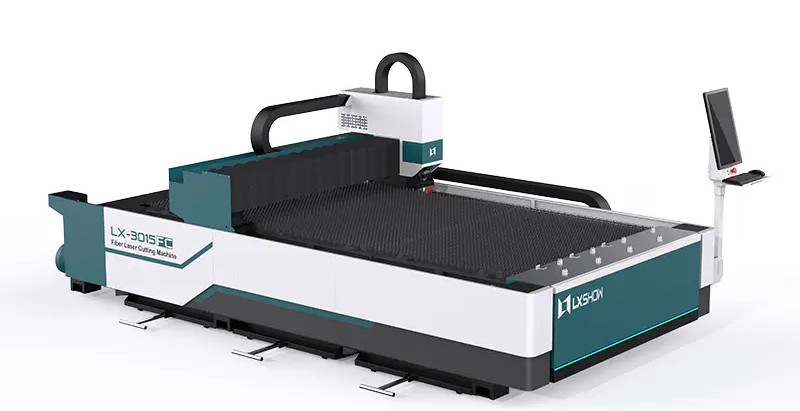
This technological leap yields two fundamental advantages for global industrial buyers: extraordinary processing speeds in thin-to-medium gauge metals and a drastic reduction in operating costs. Modern CNC fiber laser cutters manipulate laser beams through intricate fiber optic cabling directly to the cutting head, eliminating the maintenance-heavy reflective mirrors and beam-path purge gases characteristic of legacy equipment. Today, custom laser cutting factories utilize high-power systems ranging from 1kW up to 30kW, processing material thicknesses up to 50mm with sub-millimeter tolerances.
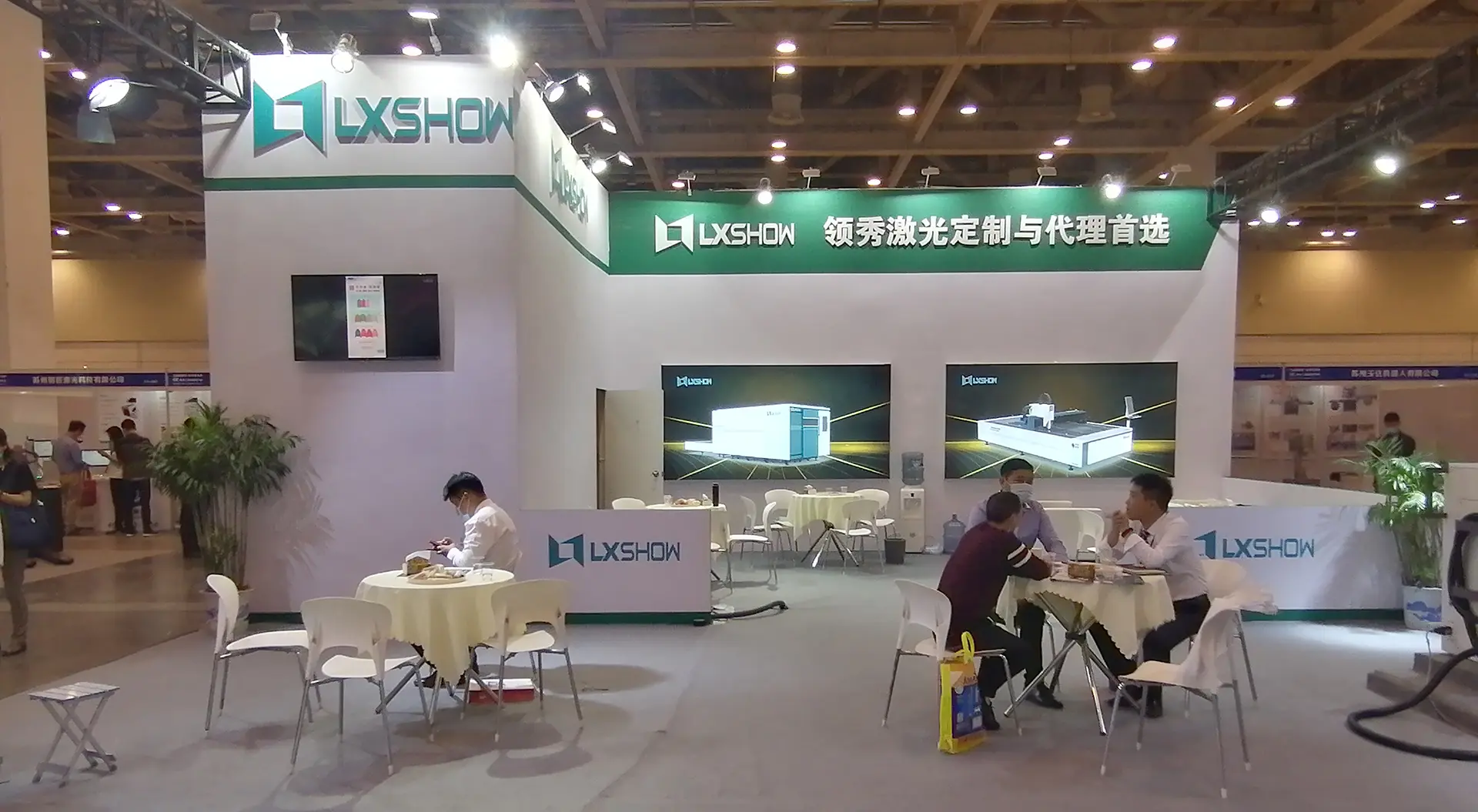
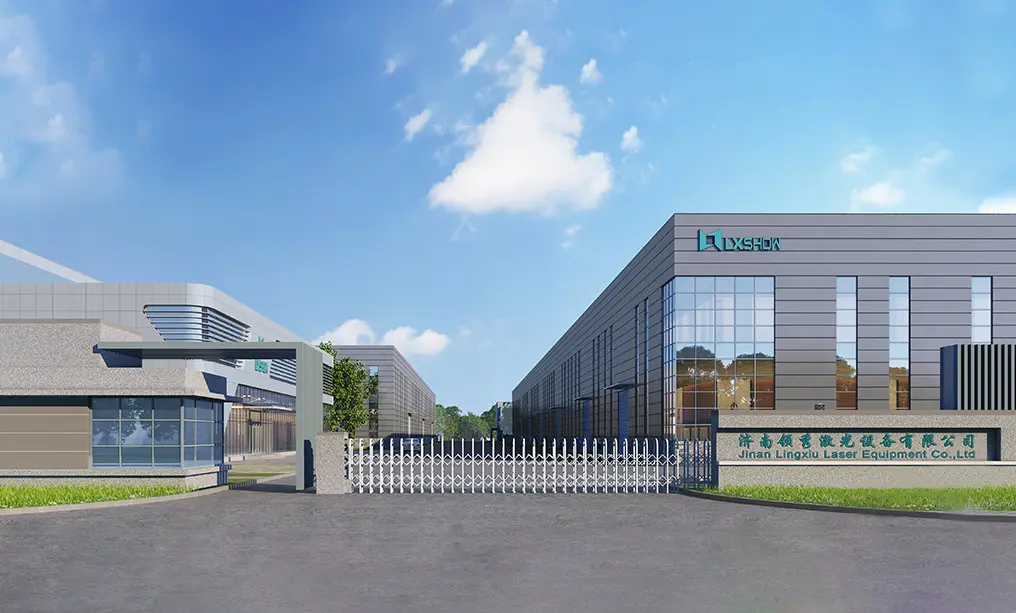
Our infrastructure, engineering expertise, and global reach guarantee supply chain security and uncompromising quality.
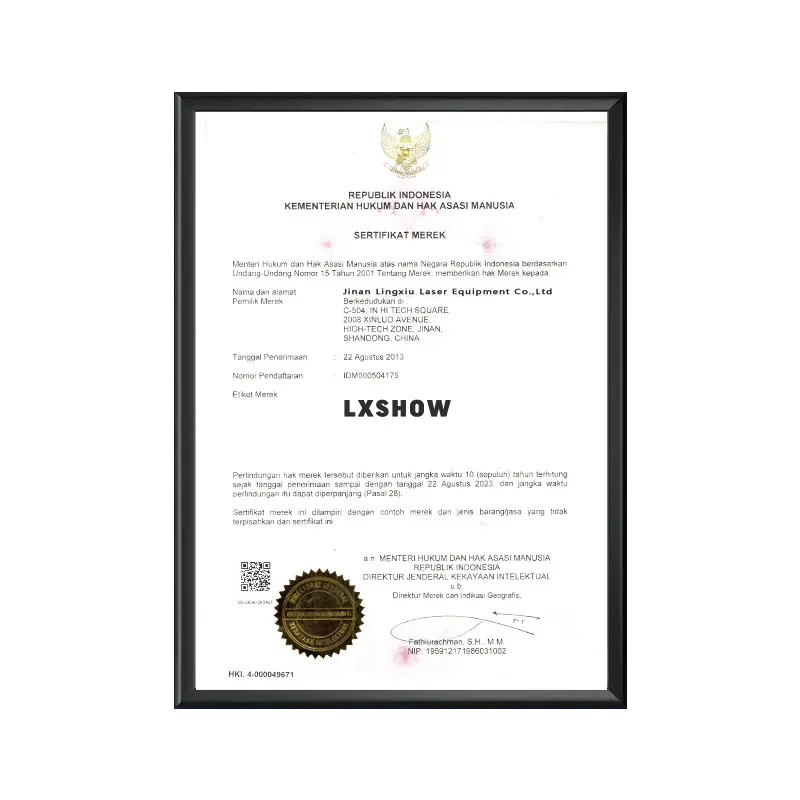
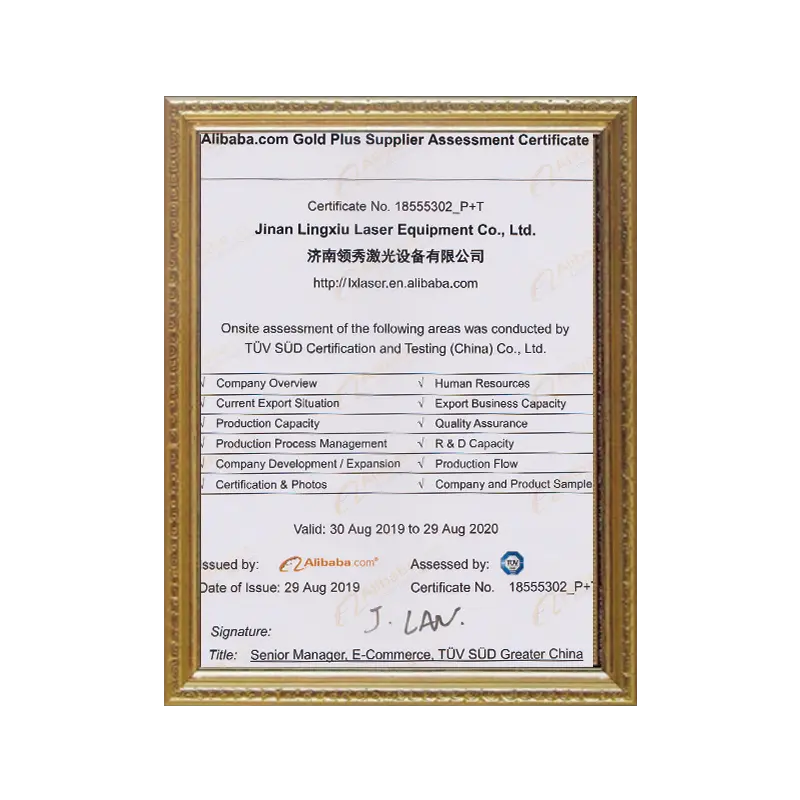
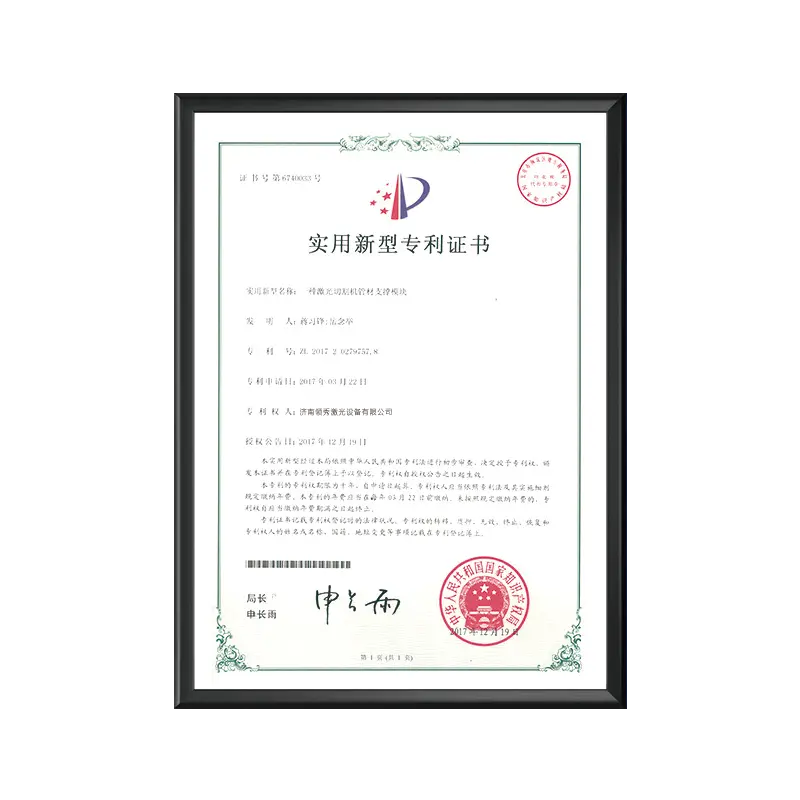
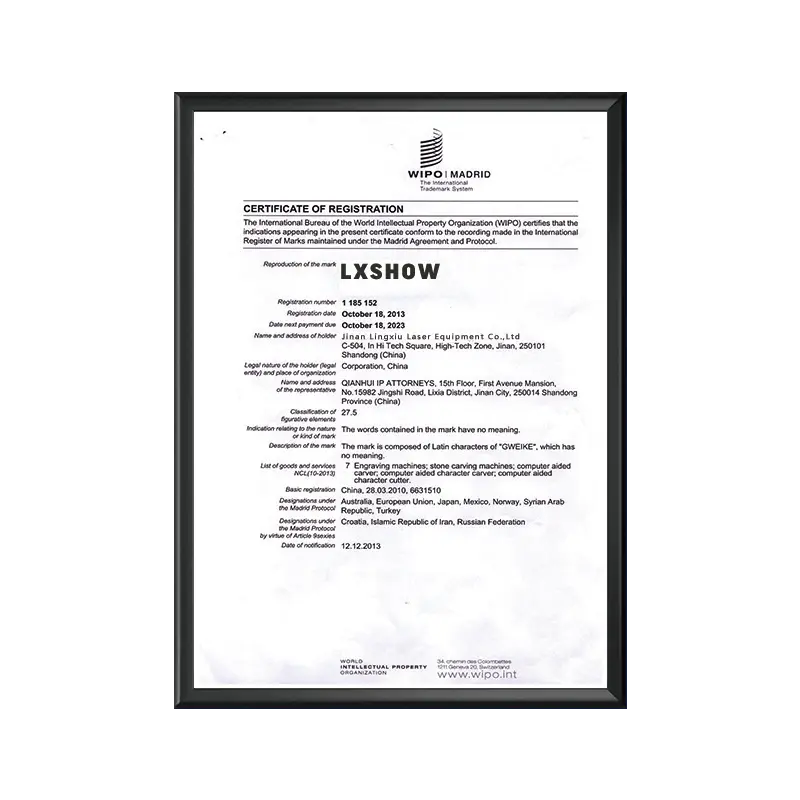
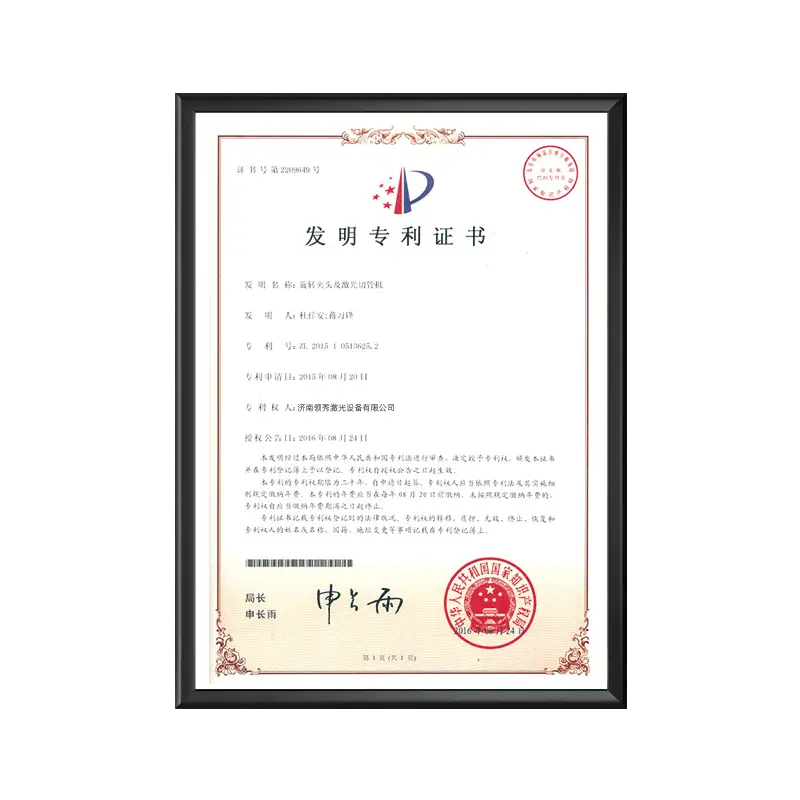
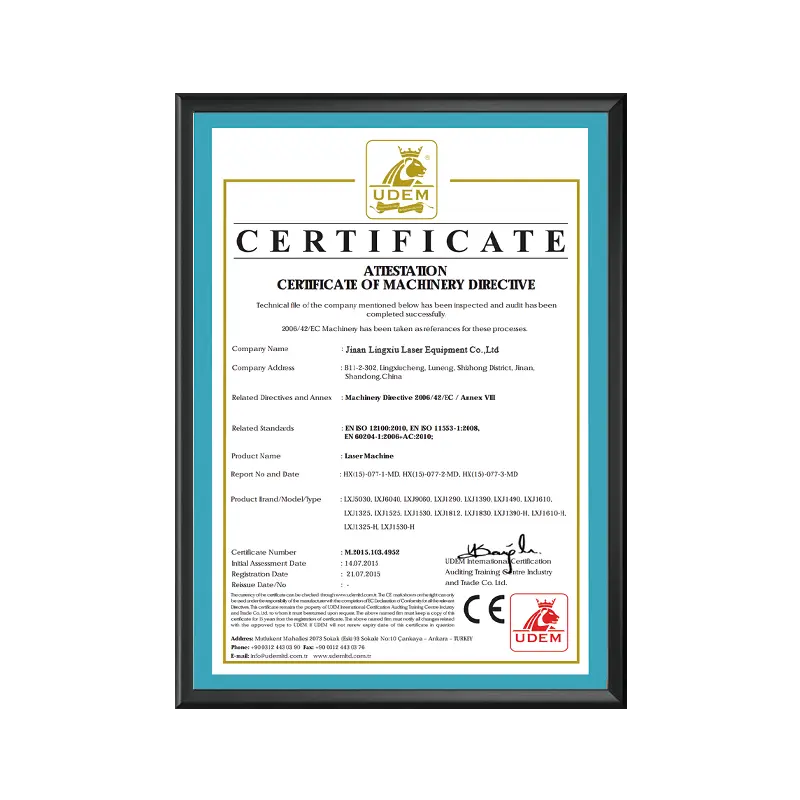
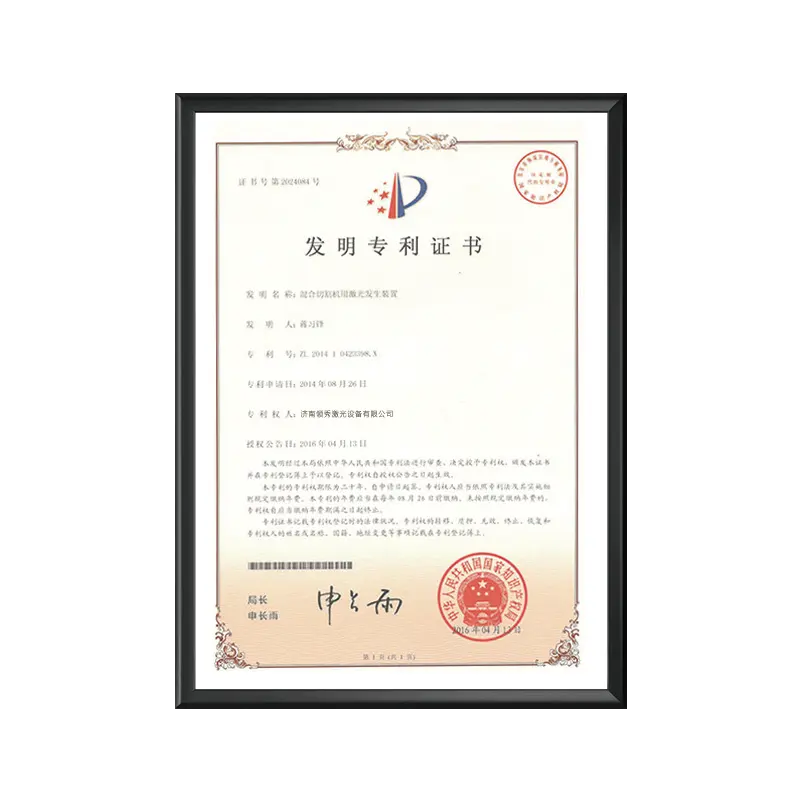
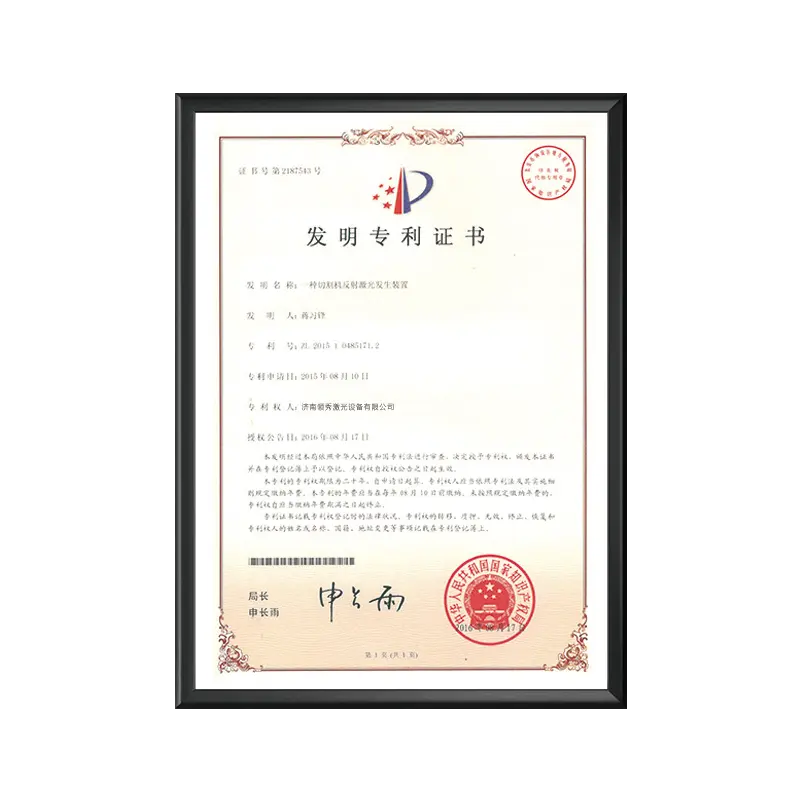
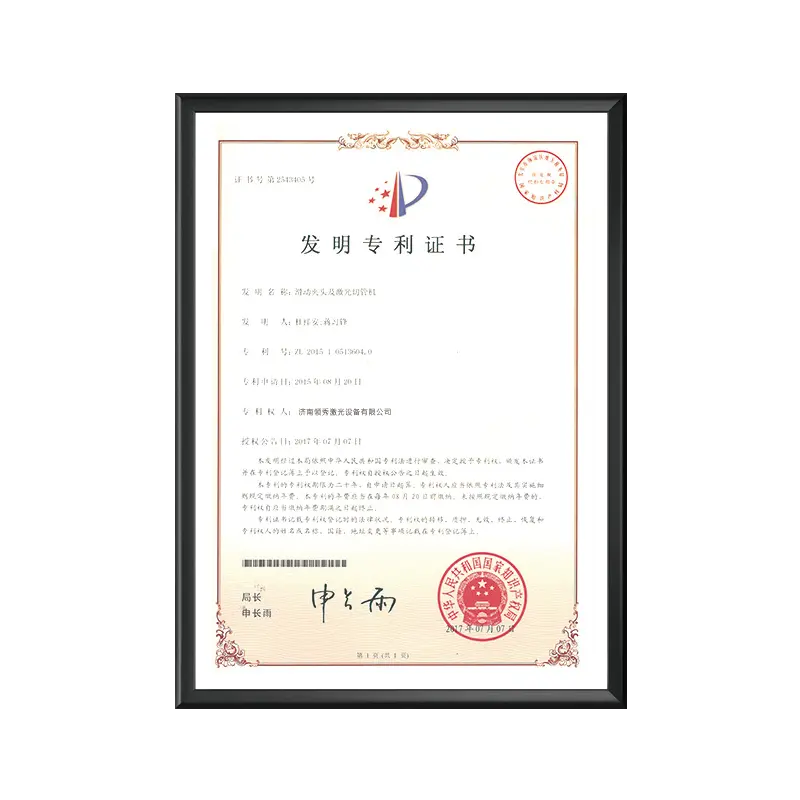
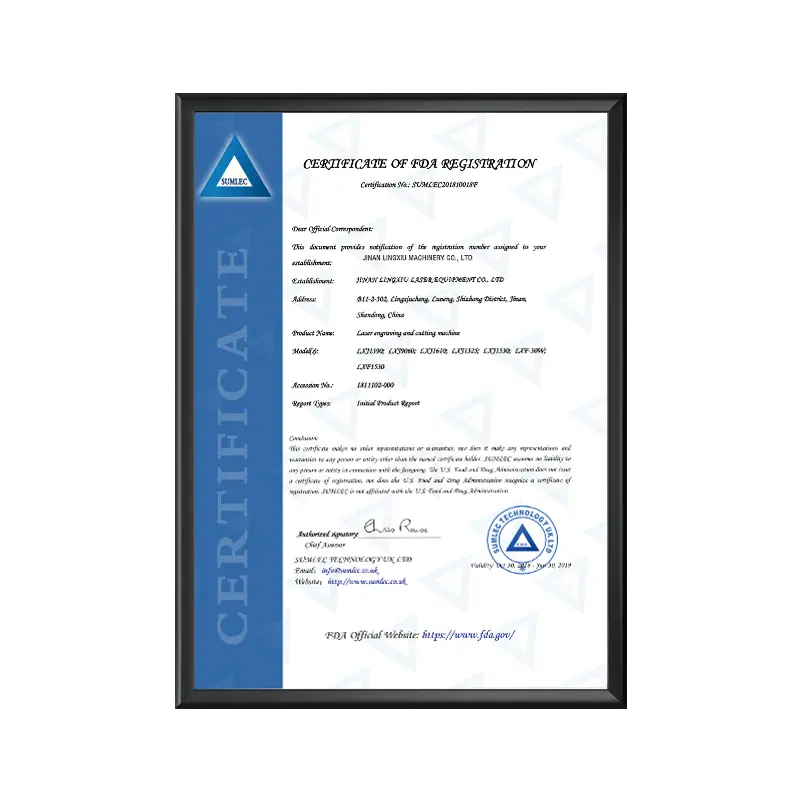
Established in July 2004, we own more than 500 square meters of specialized research and office space, backed by an advanced 32,000 square meter intelligent manufacturing floor. All machinery has passed the European Union CE authentication, American FDA certificate, and is certified to ISO 9001 standards.
Why industrial enterprises must evaluate supplier technology, quality management systems, and capacity.
Industrial components in automotive and aerospace fields demand linear tolerances of ±0.05mm. Selecting factories equipped with high-precision gantry coordinate drives and dual-drive rack-and-pinion systems prevents structural warping and ensures high repeatability across massive production runs.
Reputable custom sheet metal suppliers guarantee compliance using Mill Test Reports (MTRs). Traceability ensures that structural alloys, such as aerospace-grade Aluminum or corrosion-resistant 316L Stainless Steel, perform to their theoretical physical specifications.
Laser cutting inevitably generates a Heat-Affected Zone (HAZ) along the cut profile. Controlling laser power density, modulation frequencies, and utilizing Nitrogen (N2) shielding gases prevents surface oxidation, dross accumulation, and micro-cracking.
Through intense integration of IoT, big data, and automation, Chinese smart factories have transitioned to the Factory 4.0 standard. At our 32,000+ sqm facility, we deploy automated material storage systems, multi-axis robotic arms, and fully integrated sheet metal laser cutting, bending, welding, and cleaning lines. This end-to-end digital orchestration minimizes human intervention, eliminates scrap waste through advanced nesting algorithms, and cushions global supply chains from price volatility by optimizing manufacturing throughput.
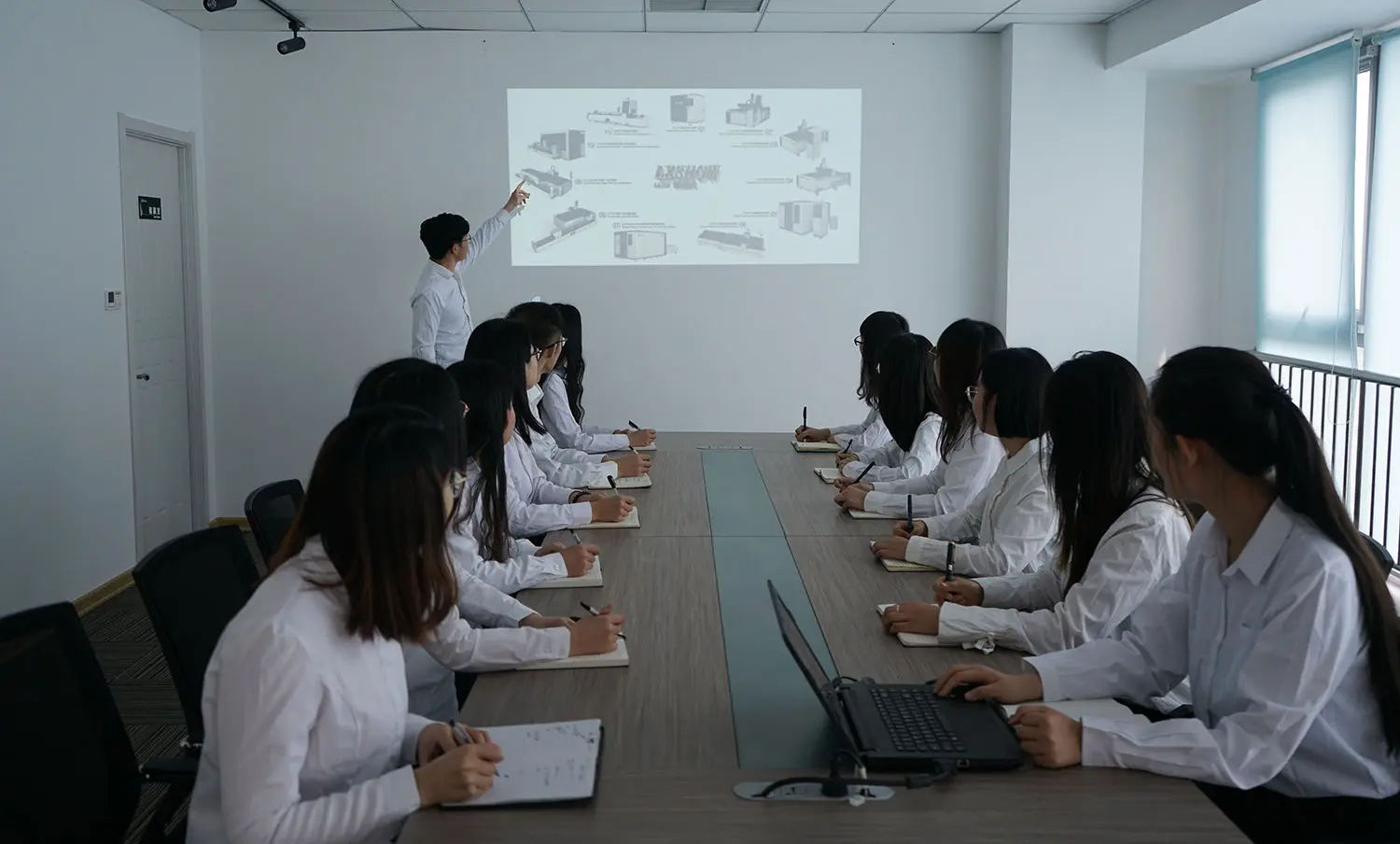
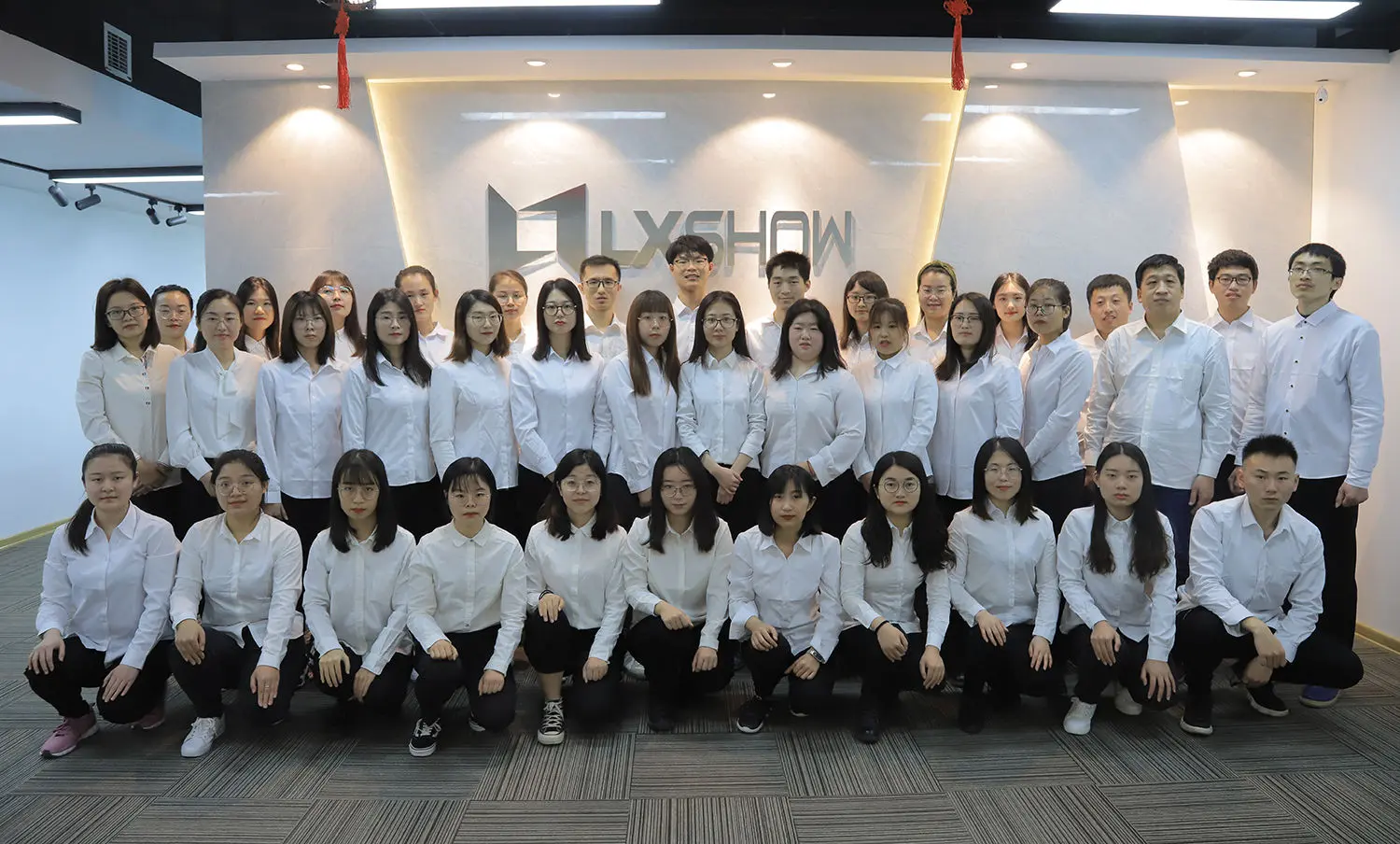
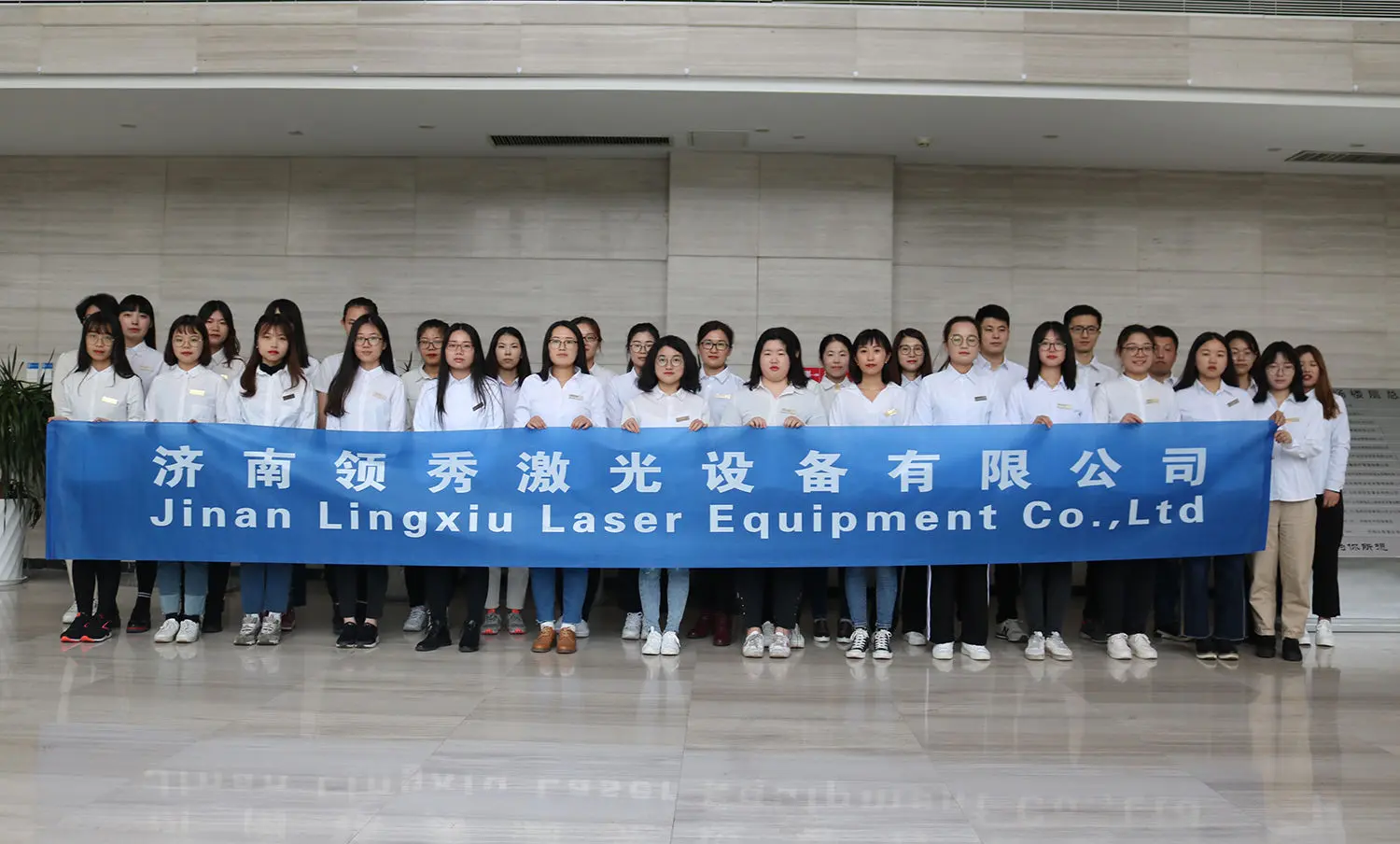
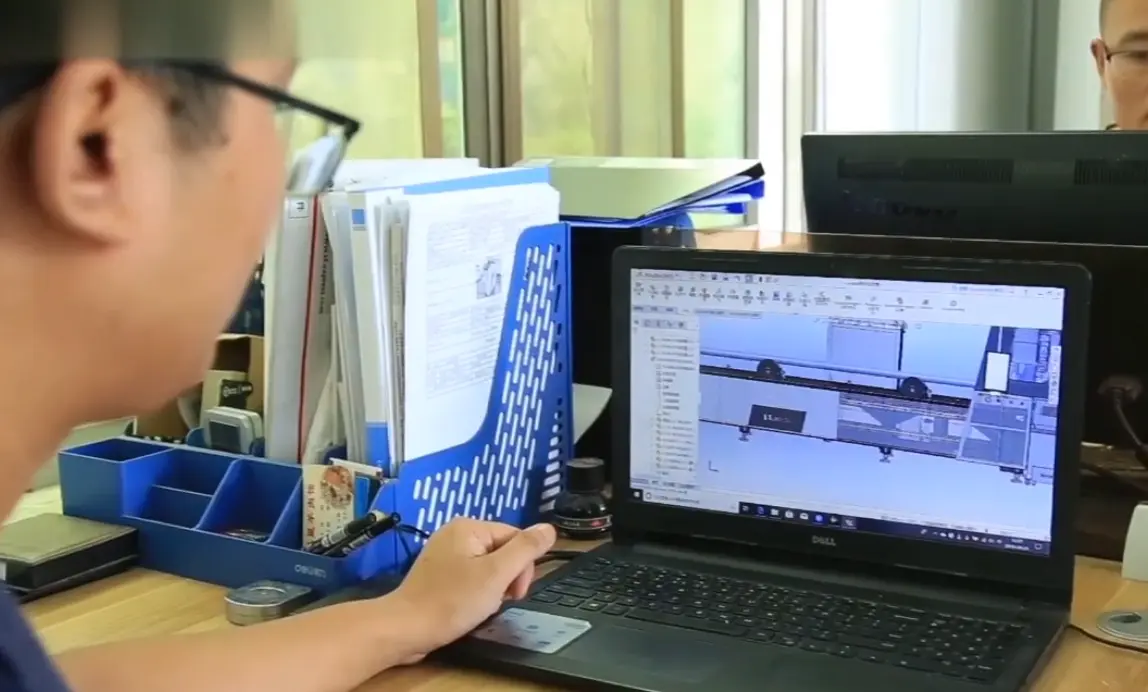
Transparency is the core of E-E-A-T. View the departments engineering your future manufacturing systems.
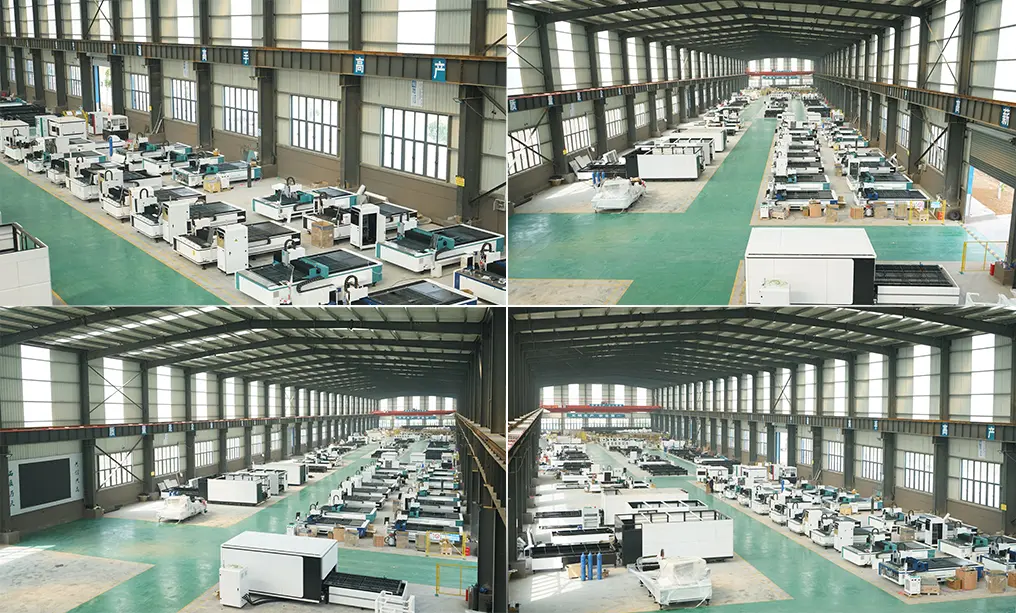
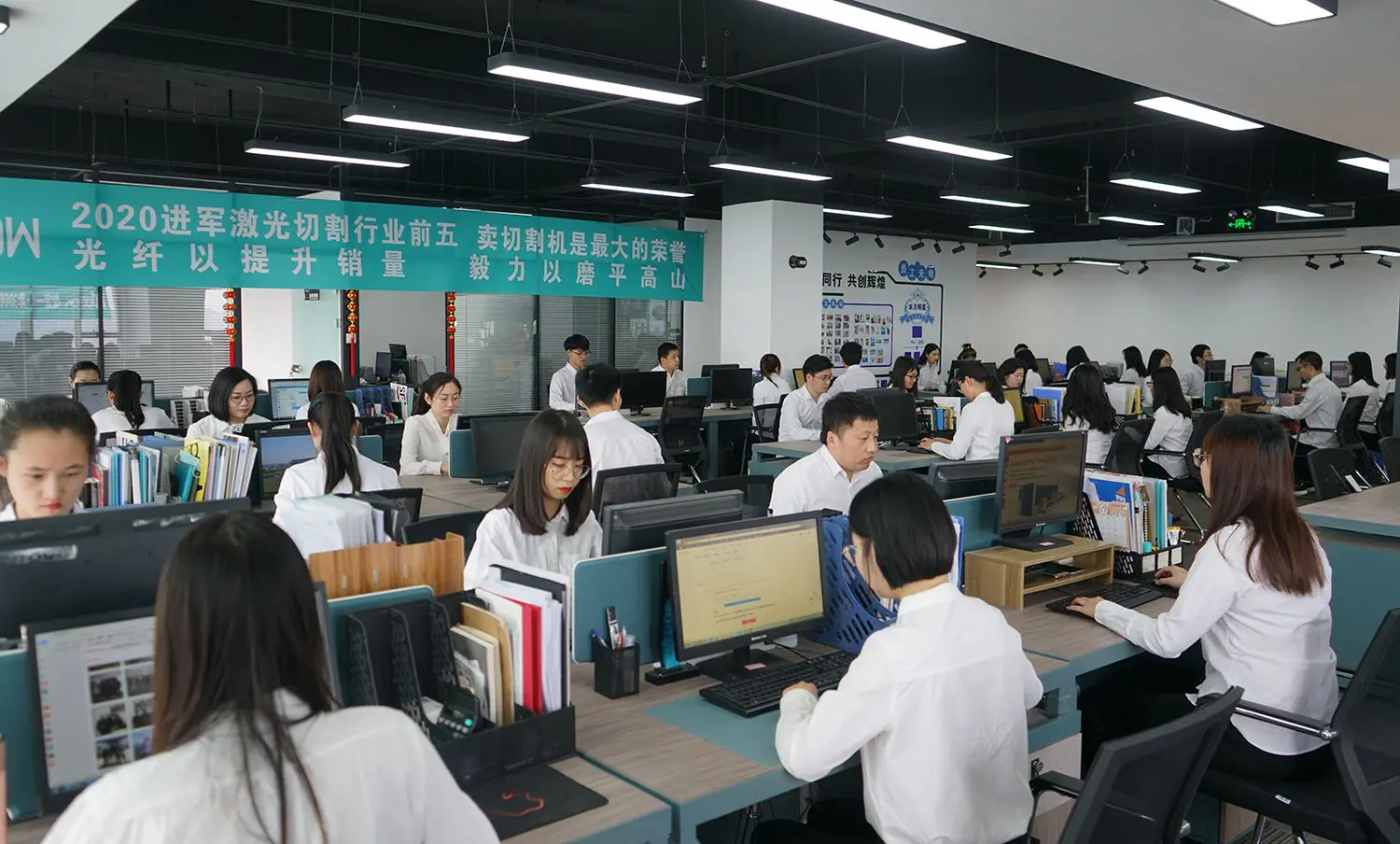
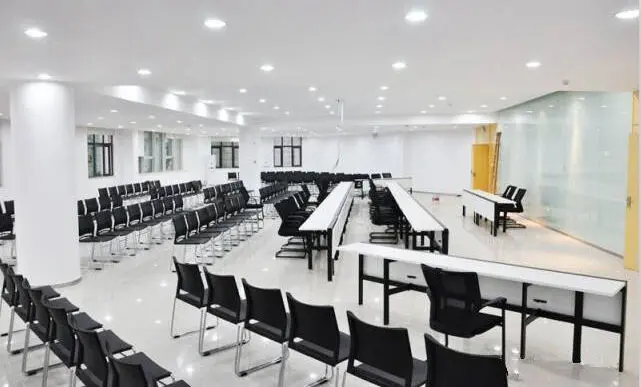
Deploying custom laser systems across versatile materials and structural environments.
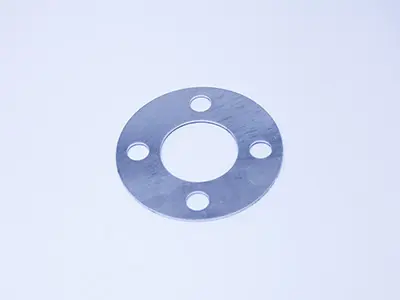
Industrial laser cutting handles different metals uniquely based on their thermal conductivity and reflectivity. For instance, carbon steel requires oxygen to facilitate exothermal burning, while stainless steel and aluminum utilize high-pressure nitrogen gas to blow away the molten metal before oxides can form. Below are the key raw metal classifications optimized by our technology:
Precision-cut sheet metals are assembled into components that drive critical global supply sectors. Through high-frequency nesting technology and digital alignment systems, we provide fabricated elements to these sectors:
As manufacturing paradigms tilt toward carbon neutrality and hyper-customization, the laser cutting industry has adapted. The most prominent trend is the adoption of ultra-high power lasers (12kW - 40kW). These systems not only cut carbon steels faster but can cut without the auxiliary combustion reactions of Oxygen, relying solely on rapid nitrogen ejection. This process, often referred to as "nitrogen clean-cut," eliminates subsequent mechanical edge cleaning procedures before powder coating or welding.
Additionally, the incorporation of Artificial Intelligence (AI) and Machine Learning in CNC pathing has yielded remarkable efficiency gains. Intelligent nesting engines now analyze geometric constraints in real-time, decreasing steel remnant waste by up to 18%. Advanced optical systems with dynamic beam shaping allow the laser core configuration to morph on the fly—from a narrow, intense focal point for swift thin metal slicing, to a wider, uniform energy ring designed to safely cut thick plate metals.
Answers to critical engineering and logistical questions regarding sheet metal fabrication.
Pioneering solutions in laser structural design, welding technology, and metal restoration.
 Lxshow