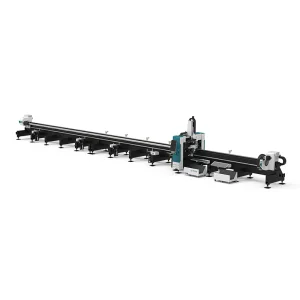
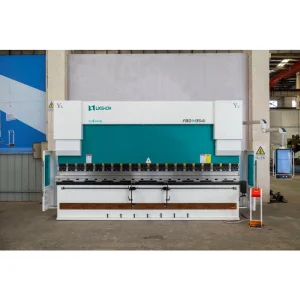
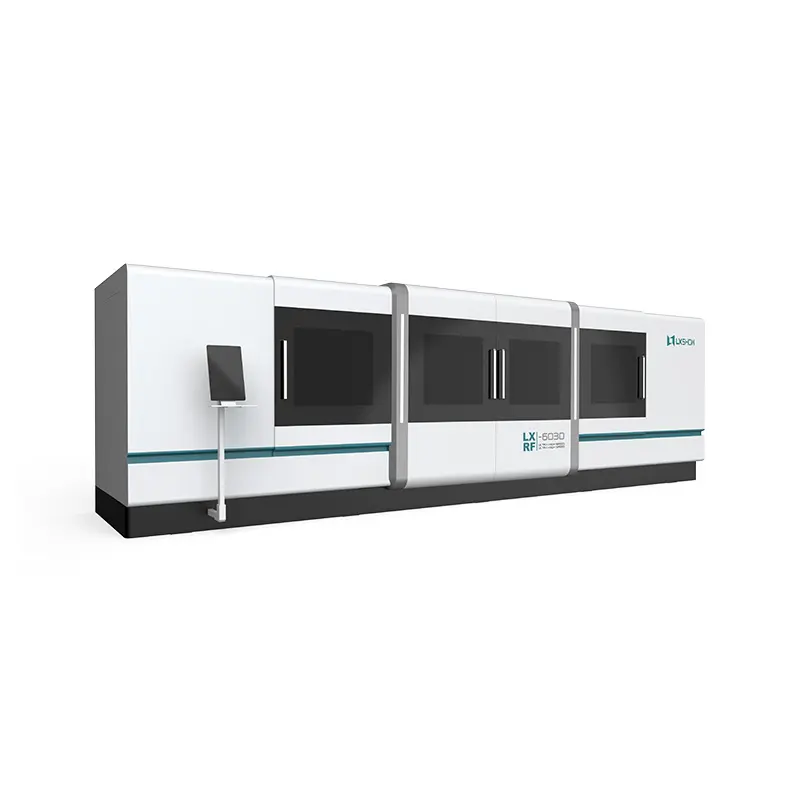
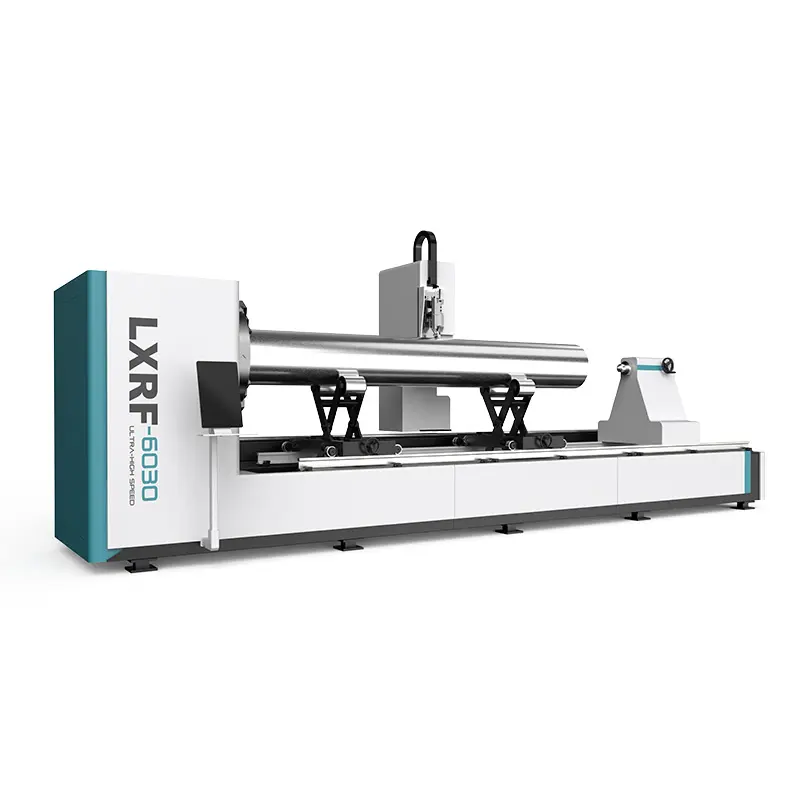
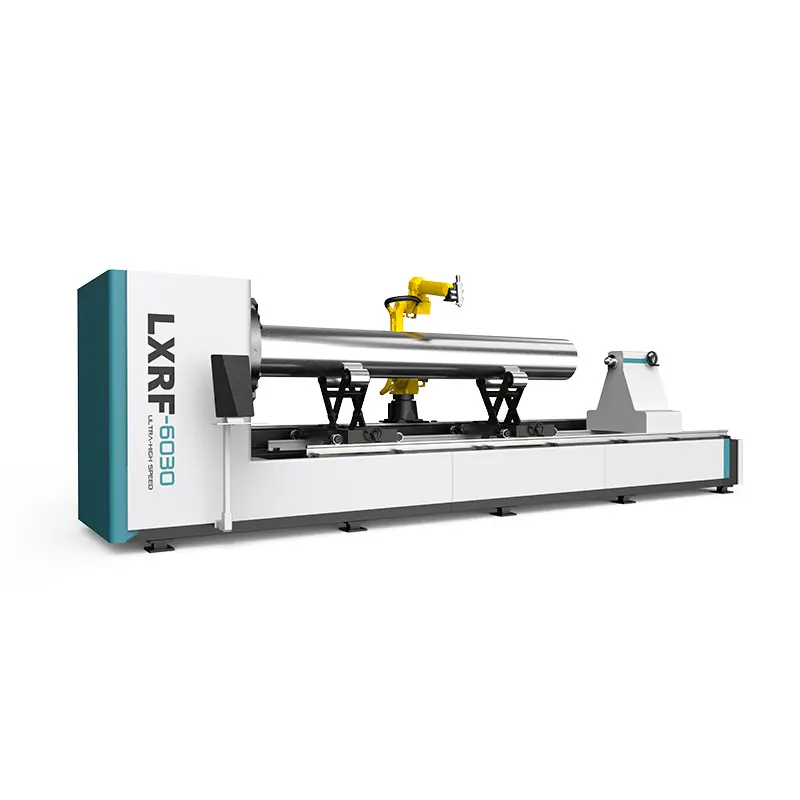
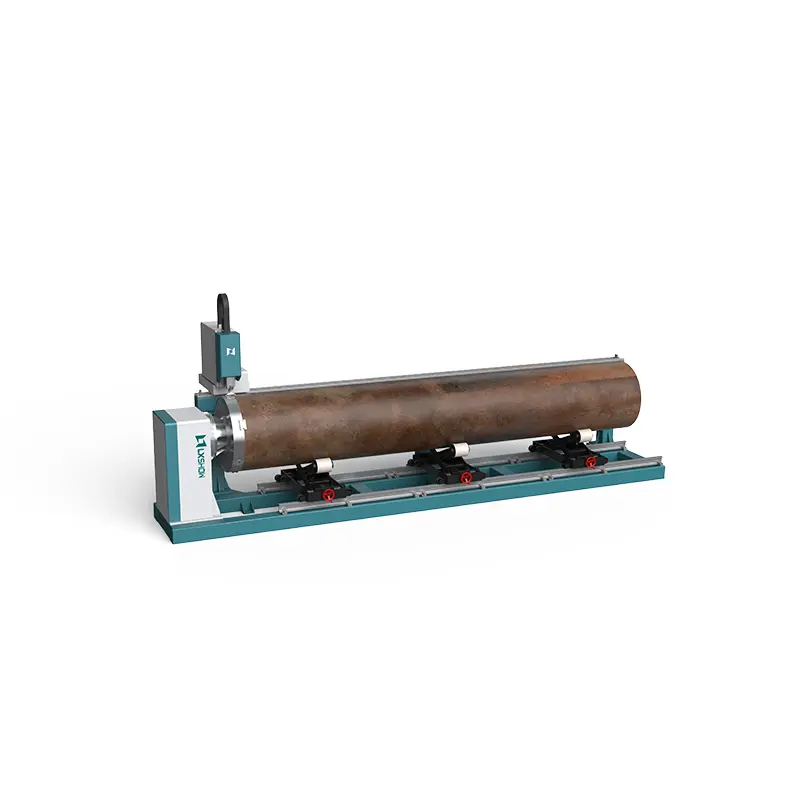
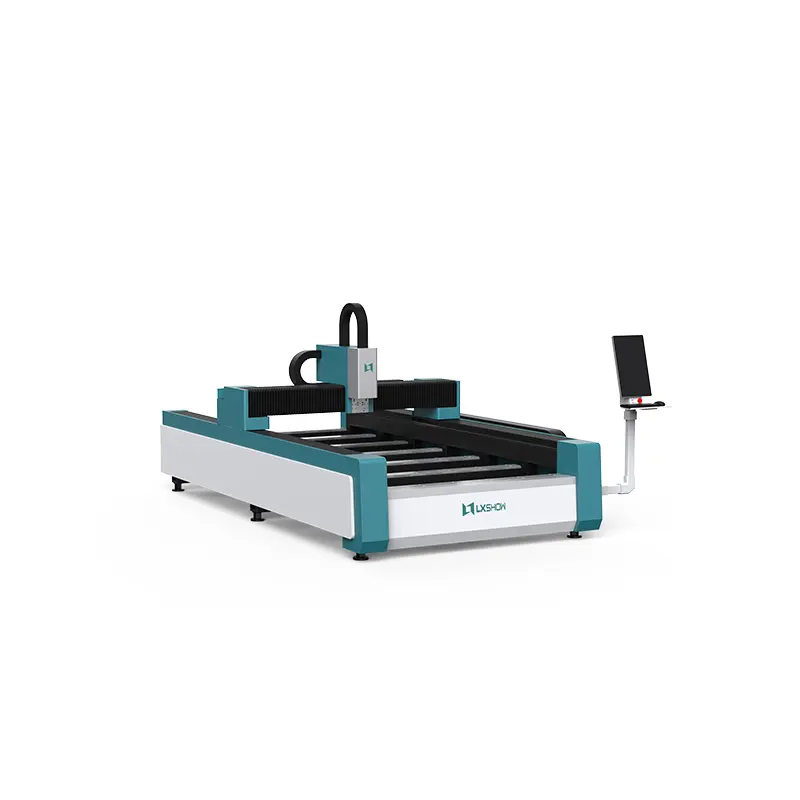
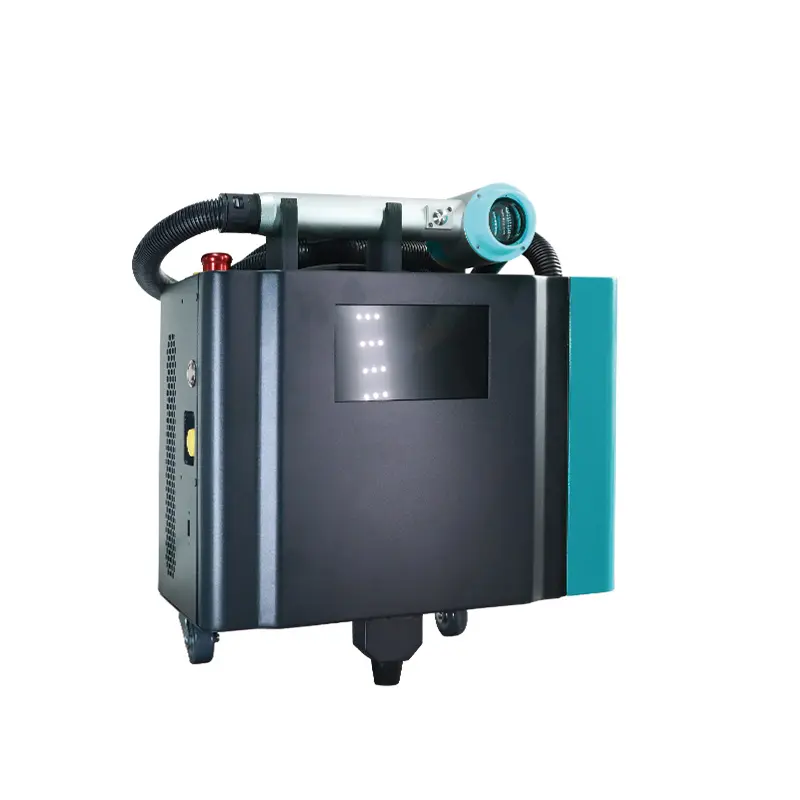
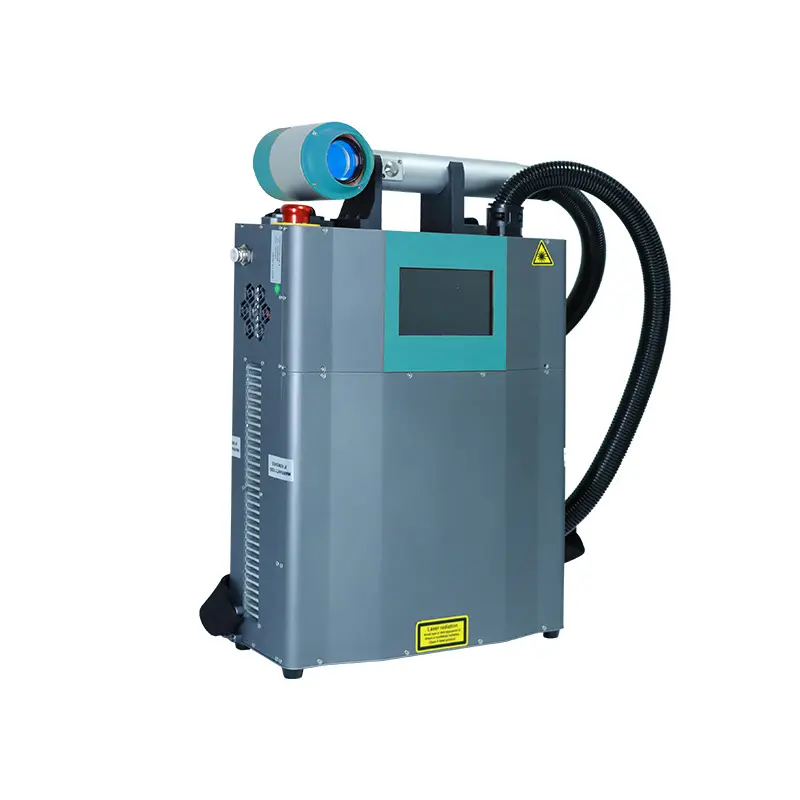
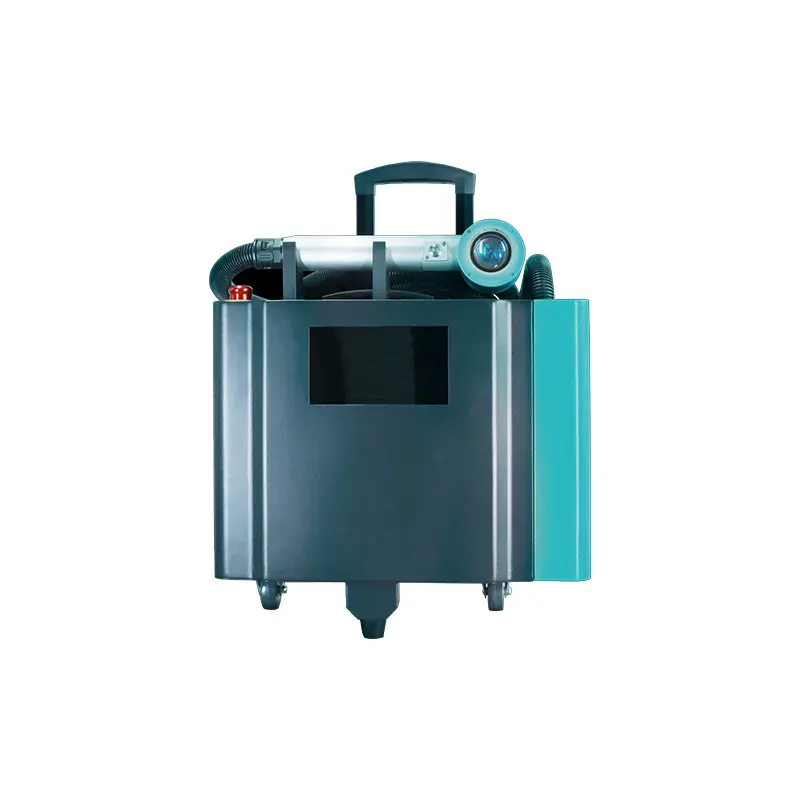
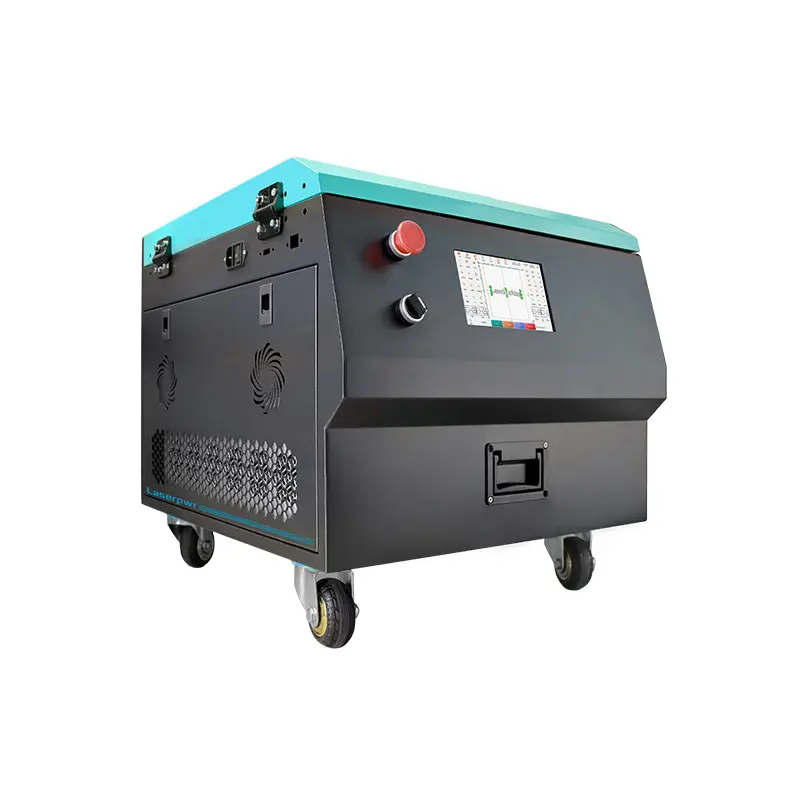
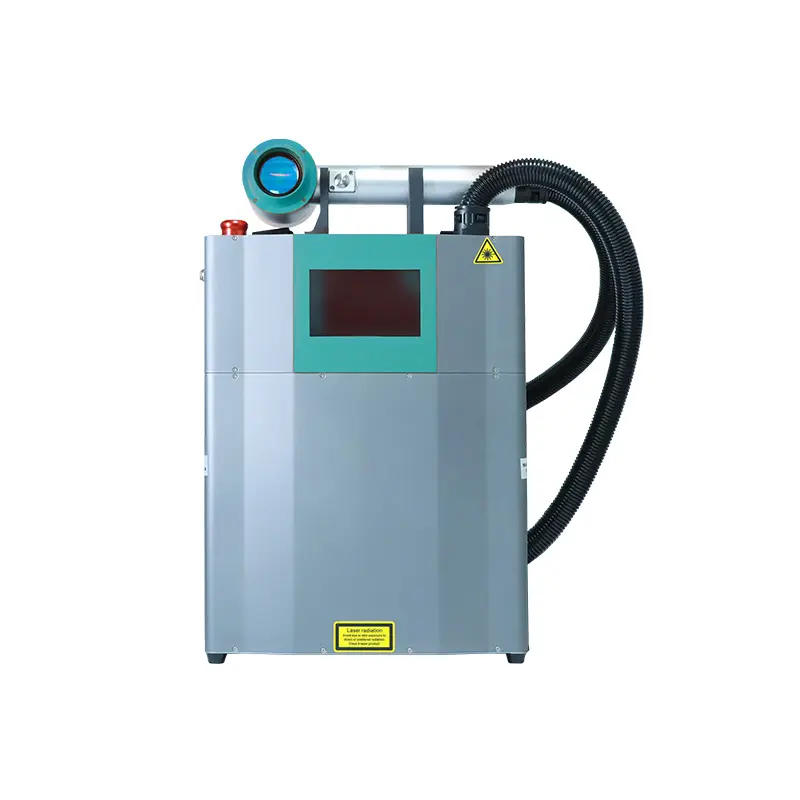
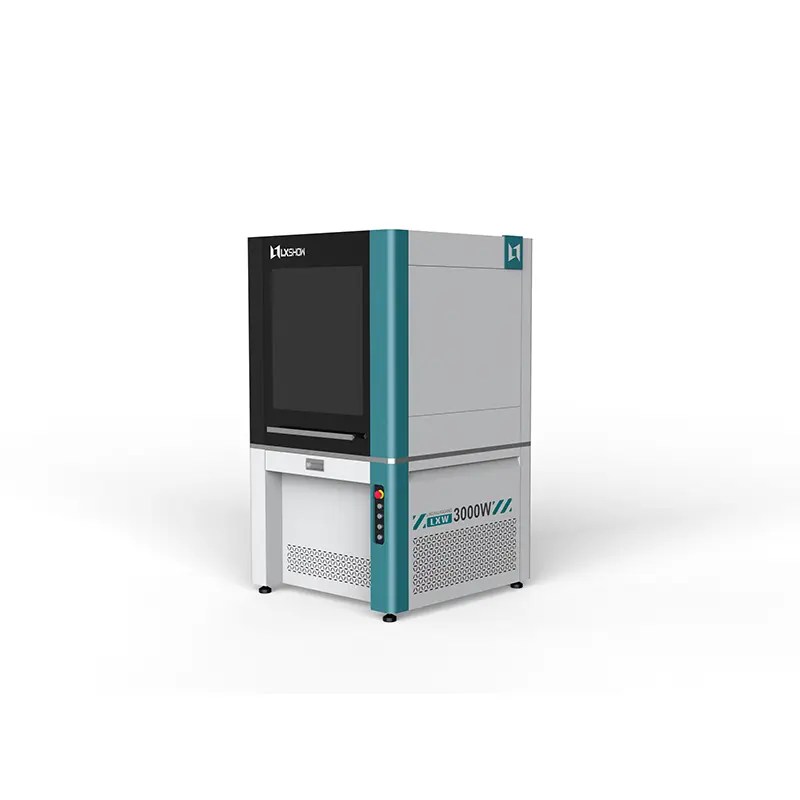
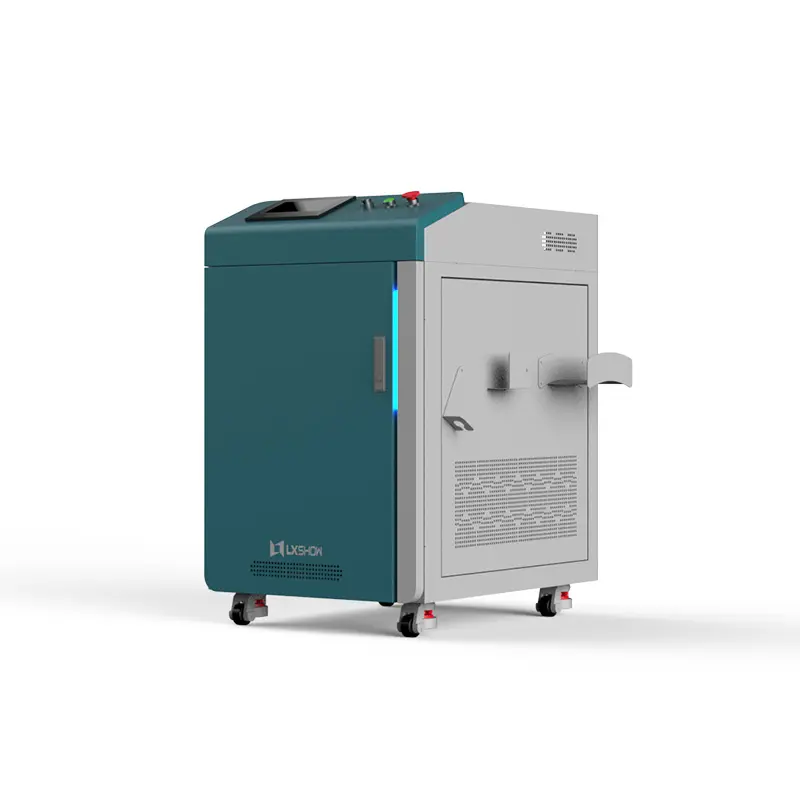
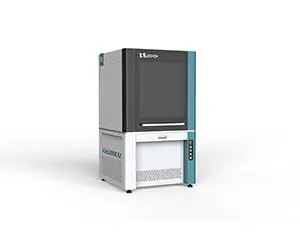
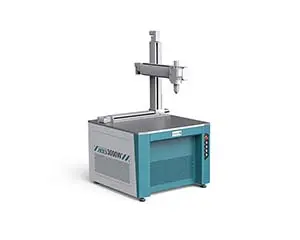
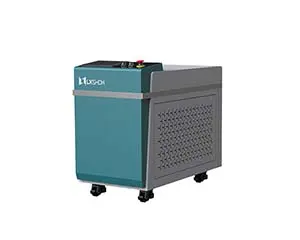
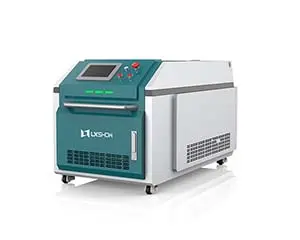
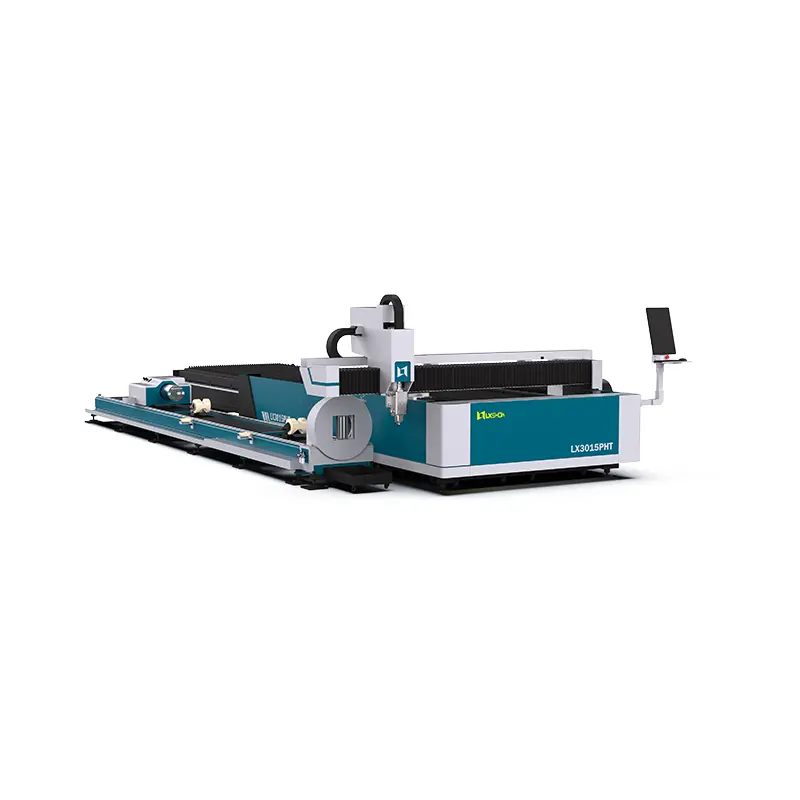
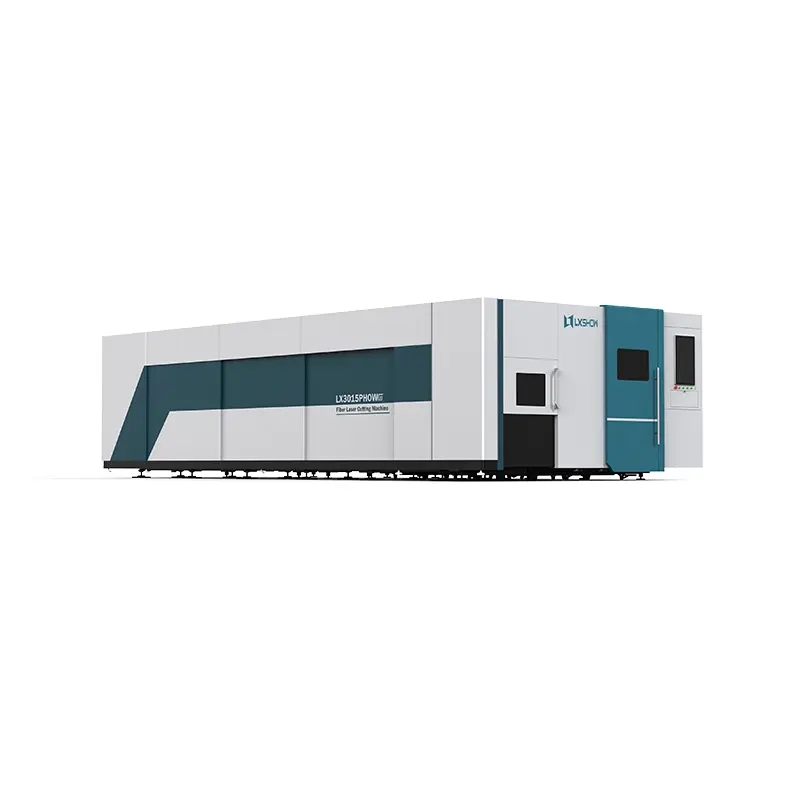
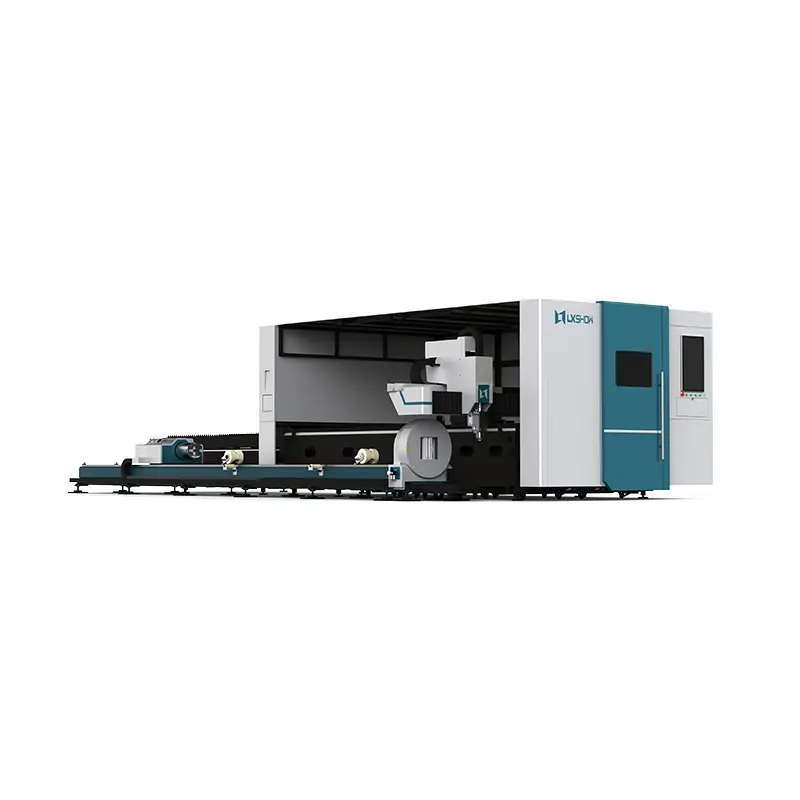
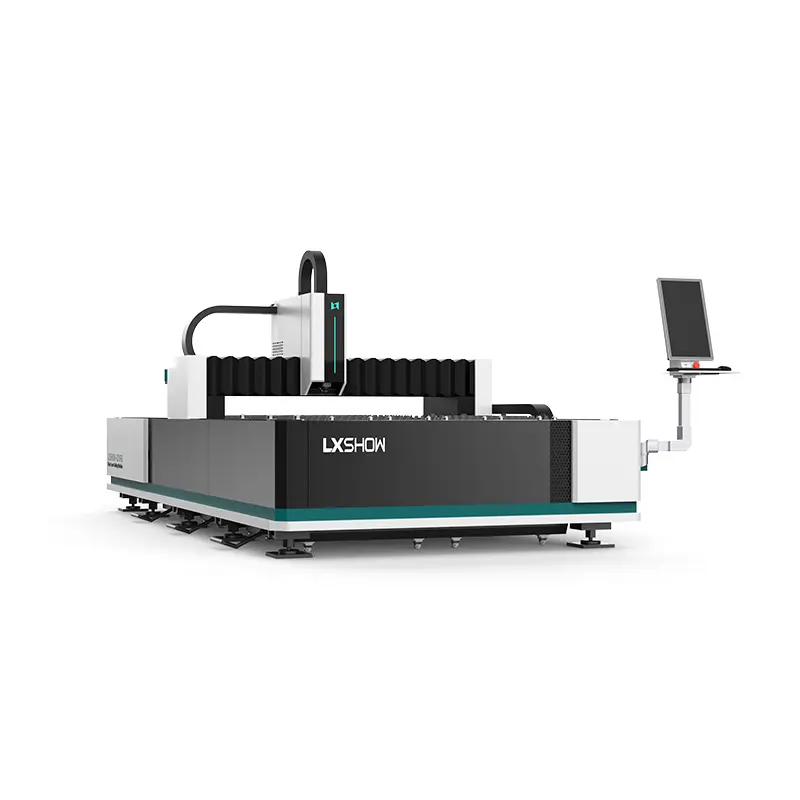
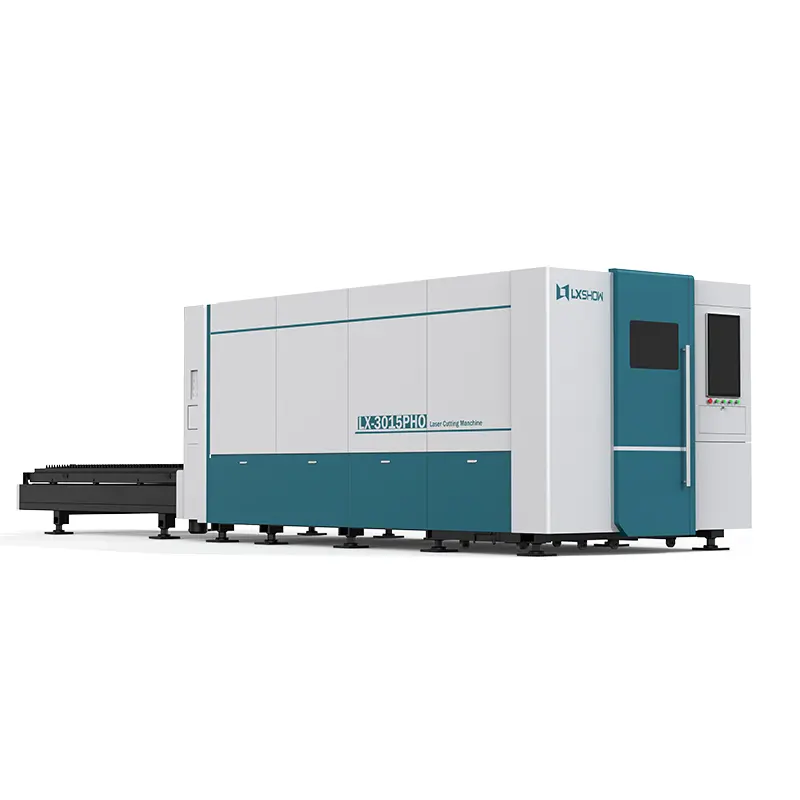
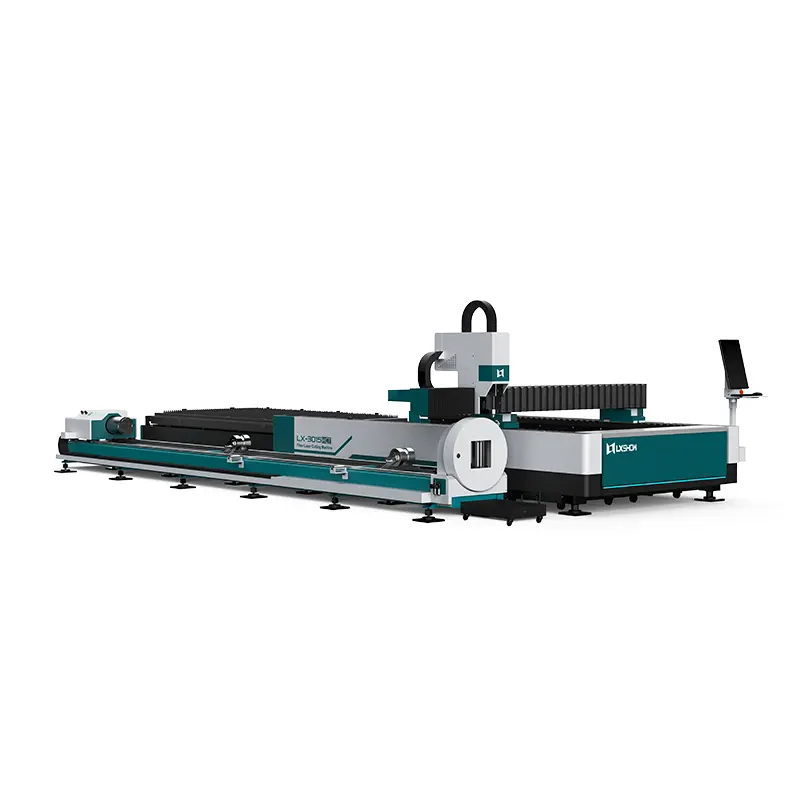
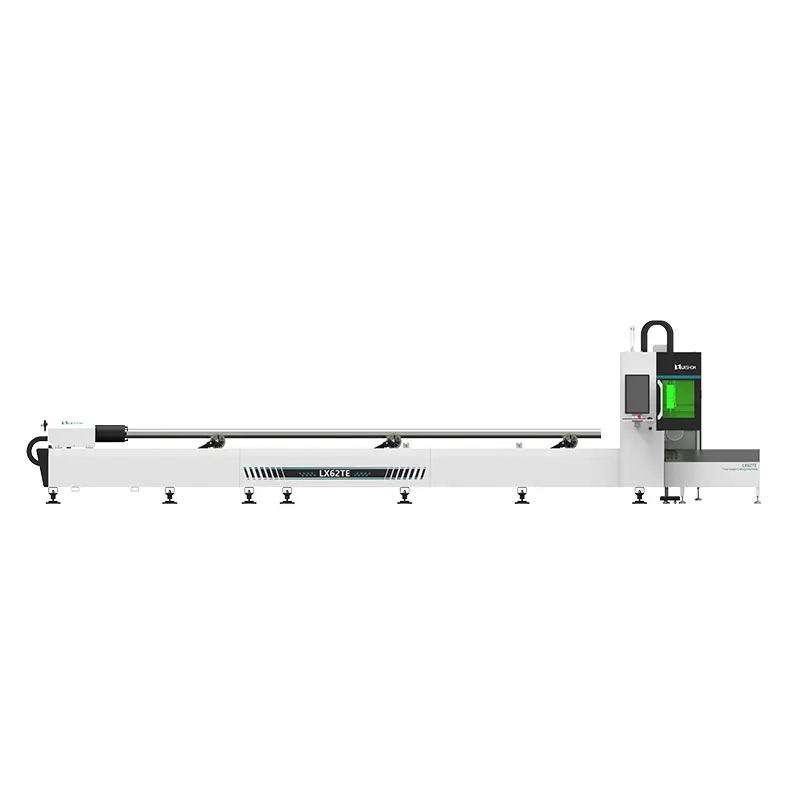
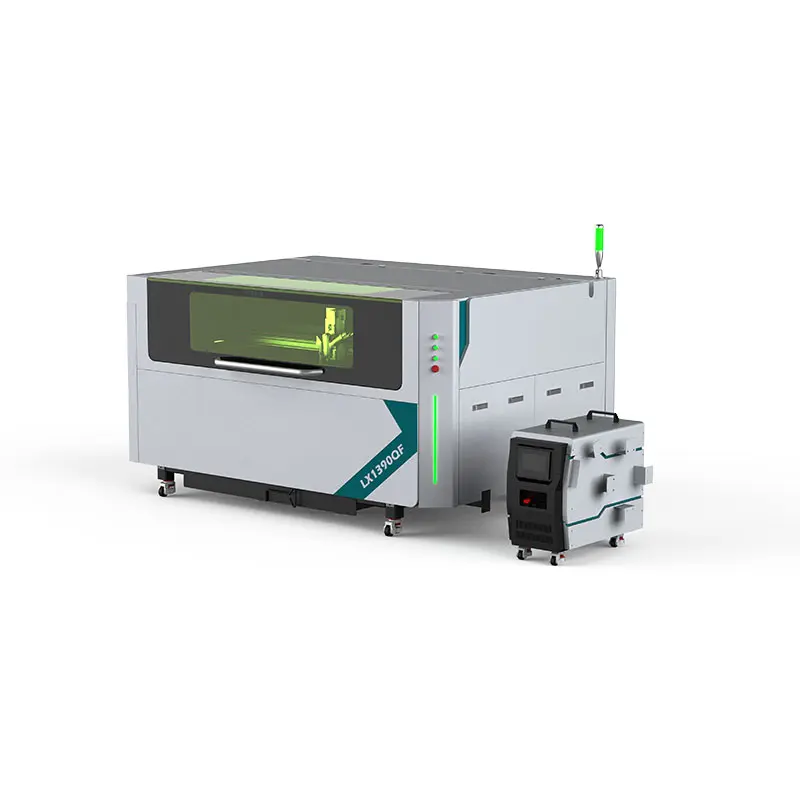
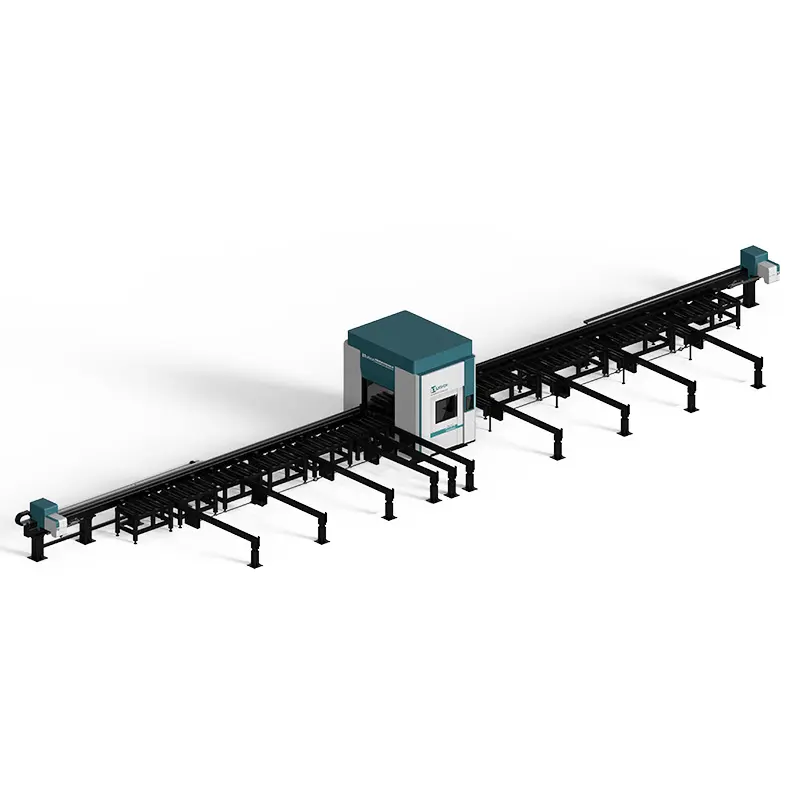
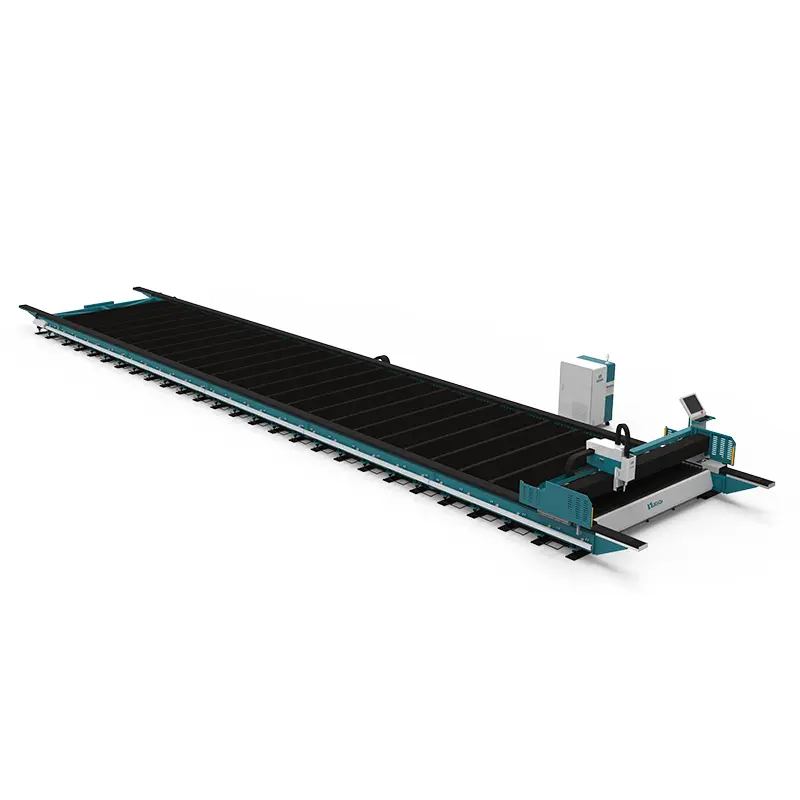
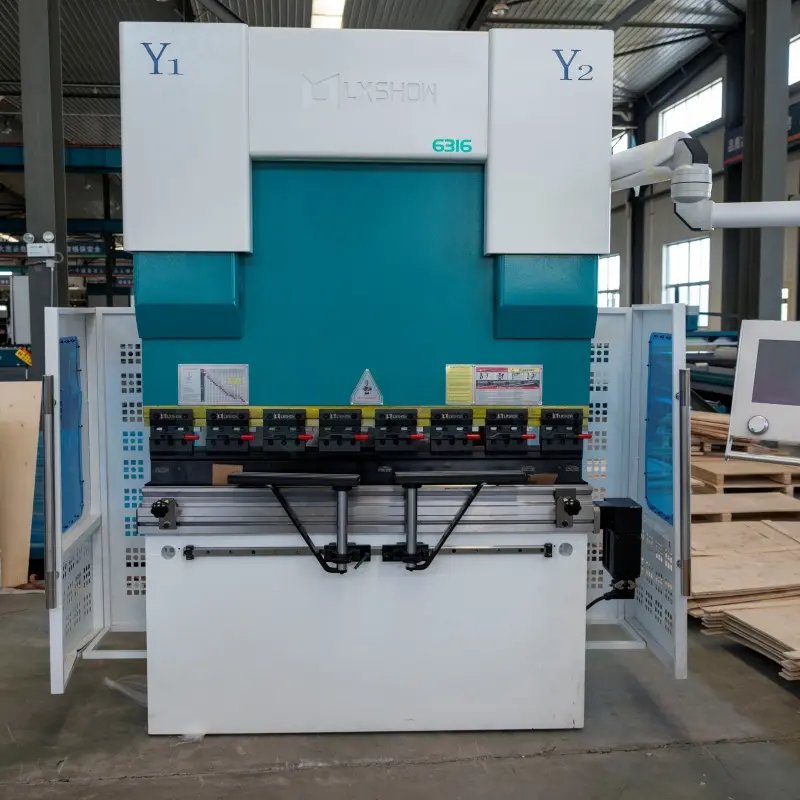
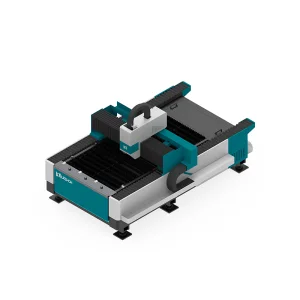
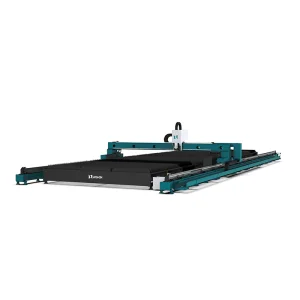
Advanced high-power fiber laser cutting machines, CNC plate processors, tube profile cutters, and auxiliary manufacturing equipment engineered for industrial-scale high productivity.
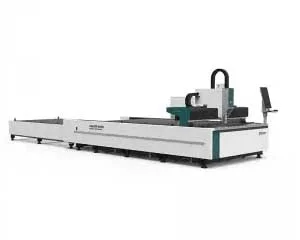
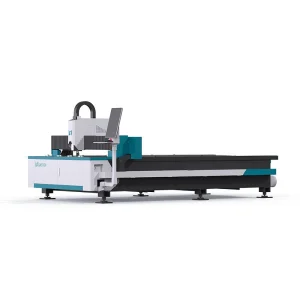
Exploring macro trends, structural transformations, technological advancements, and custom manufacturing deployments worldwide.
In the modern industrial epoch, steel manufacturing is undergoing a profound digital transformation. Steel factories and processing plants are transitioning away from traditional mechanical shearing, stamping, and plasma cutting toward highly automated, intelligent fiber laser cutting systems. Globally, the demand for custom laser cutters is driven by the need for increased dimensional accuracy, reduced scrap rates, and localized flexibility in global supply chains. As smart factory architectures (Industry 4.0) take root in North America, Europe, and the Asia-Pacific region, the fiber laser has emerged as the definitive tool for high-power structural steel and sheet metal processing.
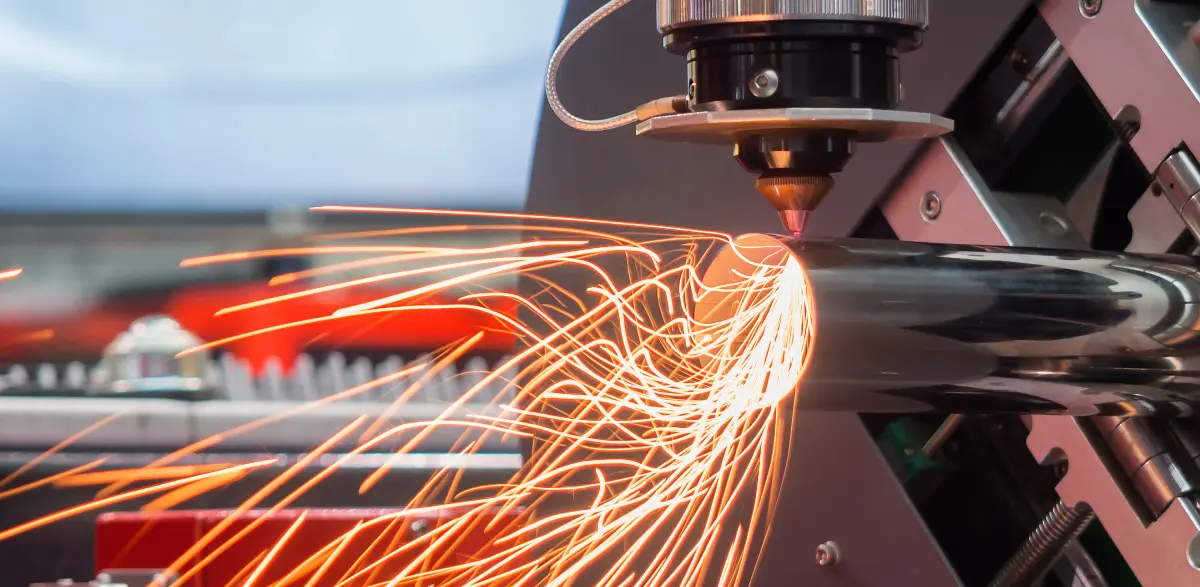
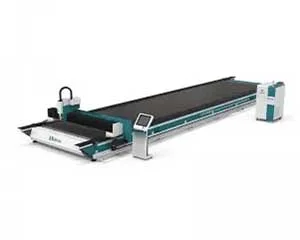
As manufacturing demands move toward thicker plates and faster cycle times, the technology roadmap for laser cutters shifts toward ultra-high-power ranges (from 12kW up to 40kW). These advanced systems allow steel factories to cleanly slice through carbon steel, stainless steel, and high-performance alloys without post-processing requirements.
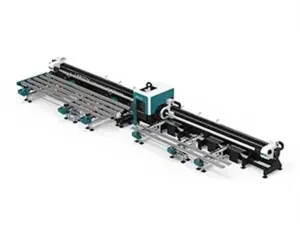
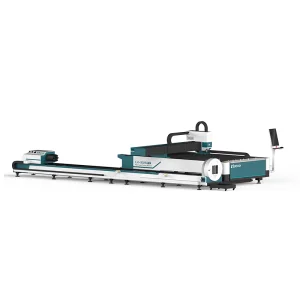
Furthermore, auxiliary technologies such as automatic exchange tables, four-chuck tube processing, robotic integration, and localized nitrogen generation systems are streamlining operations. Dynamic CNC parameters, real-time height tracking sensors, and protective optical enclosures ensure that these high-power machines operate safely and continuously in multi-shift heavy industrial environments.
Systems scaled up to 40kW enable rapid cutting profiles through thick plates with minimal heat-affected zones, reducing downstream finishing costs.
Dynamic double exchange tables reduce load/unload cycles to under 15 seconds, maximizing laser beam duty cycle and throughput.
Fully networked CNC systems transmit real-time telemetry back to central MES/ERP platforms, enabling preventative maintenance.
Heavy industrial steel factories require systems optimized for regional steel grades and structural profiles. From standard plates to structural tube profiles (H-beams, channel steel, and rectangular tubing), the geometry of the material dictates the handling requirements of the machine. The integration of high-performance components ensures stable processing across a wide array of metals:
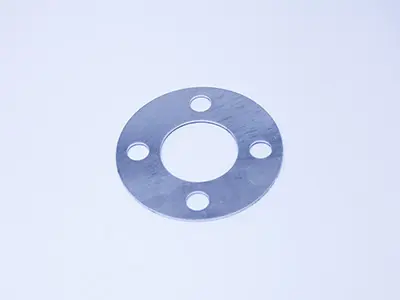 Aluminum
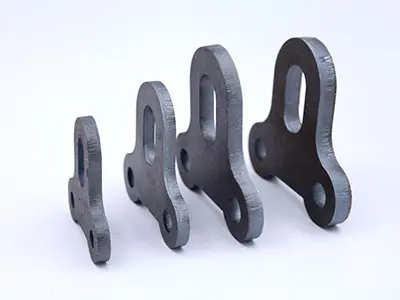 Carbon Steel
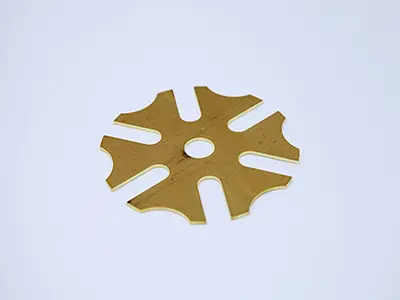 Copper
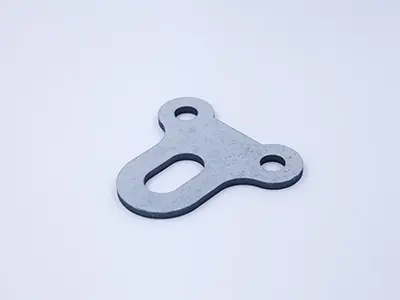 Galvanized
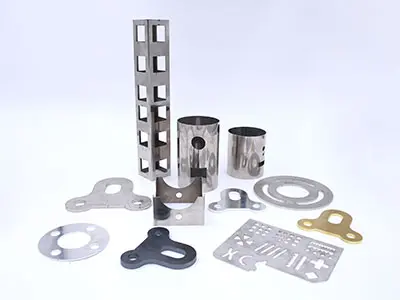 Other Metal
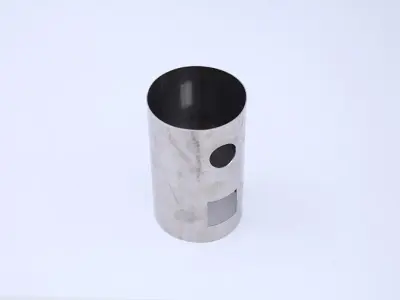 Round Tube
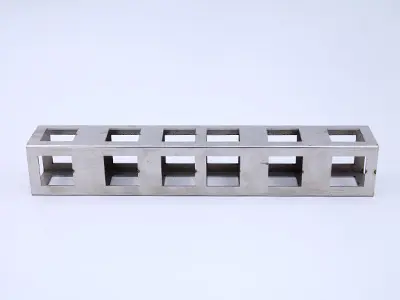 Square Tube
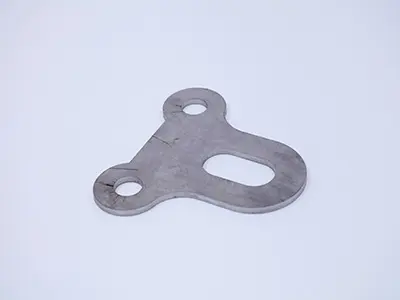 Stainless Steel
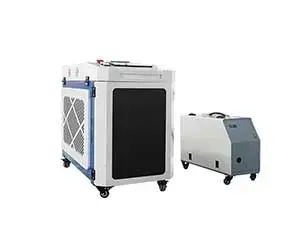
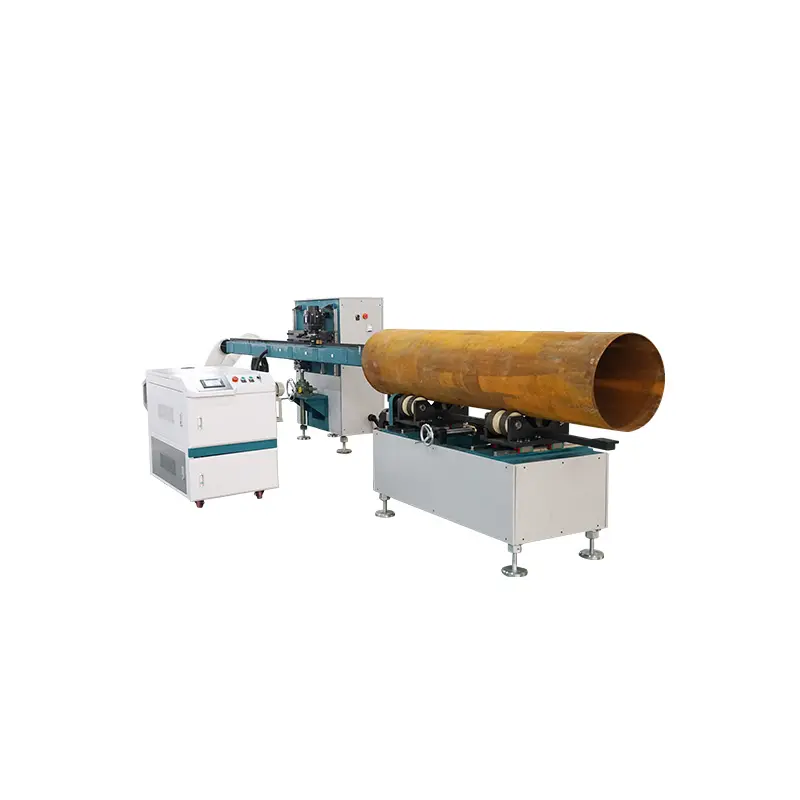
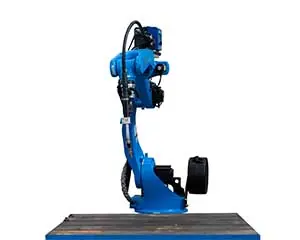
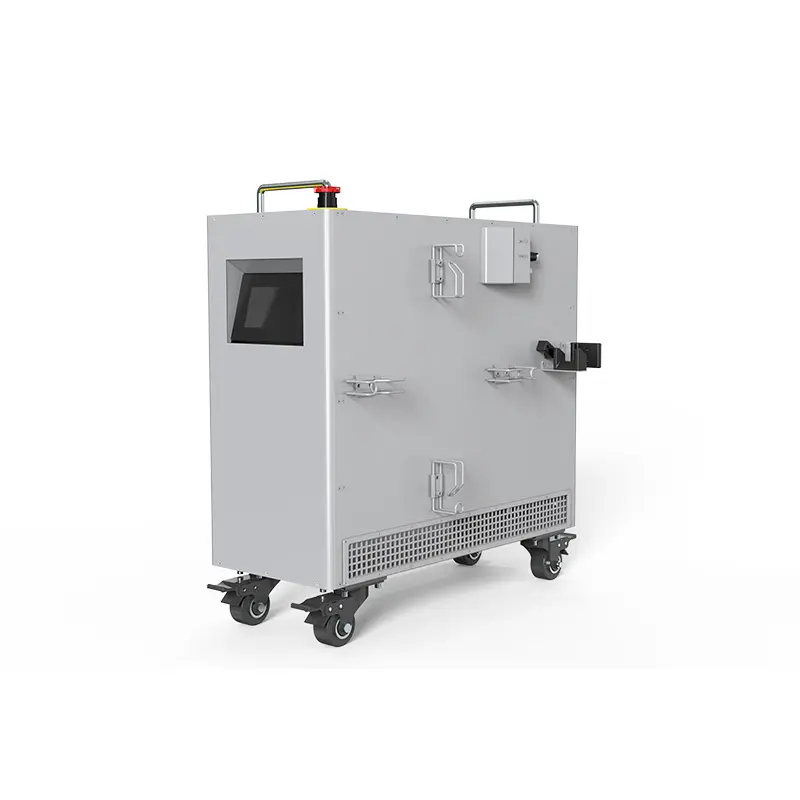
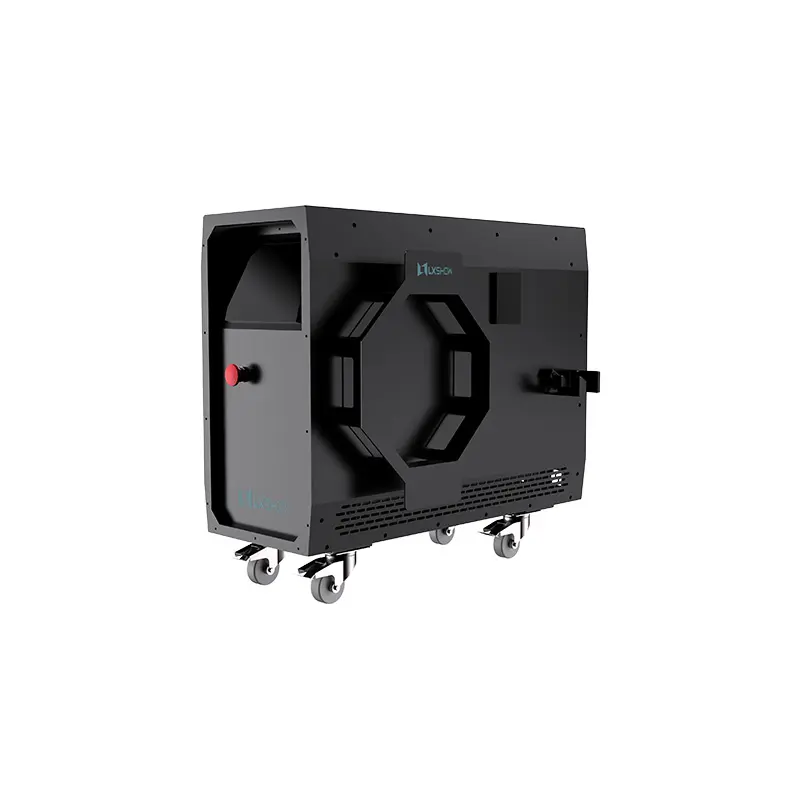
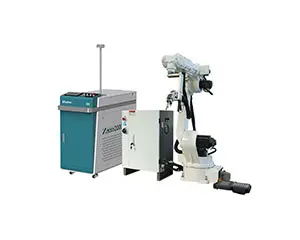
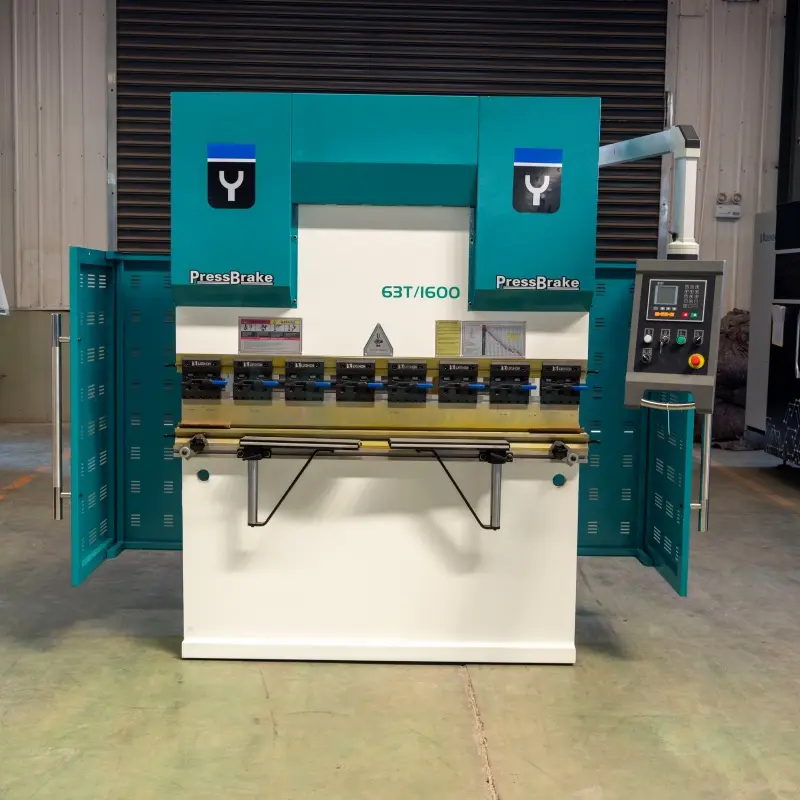
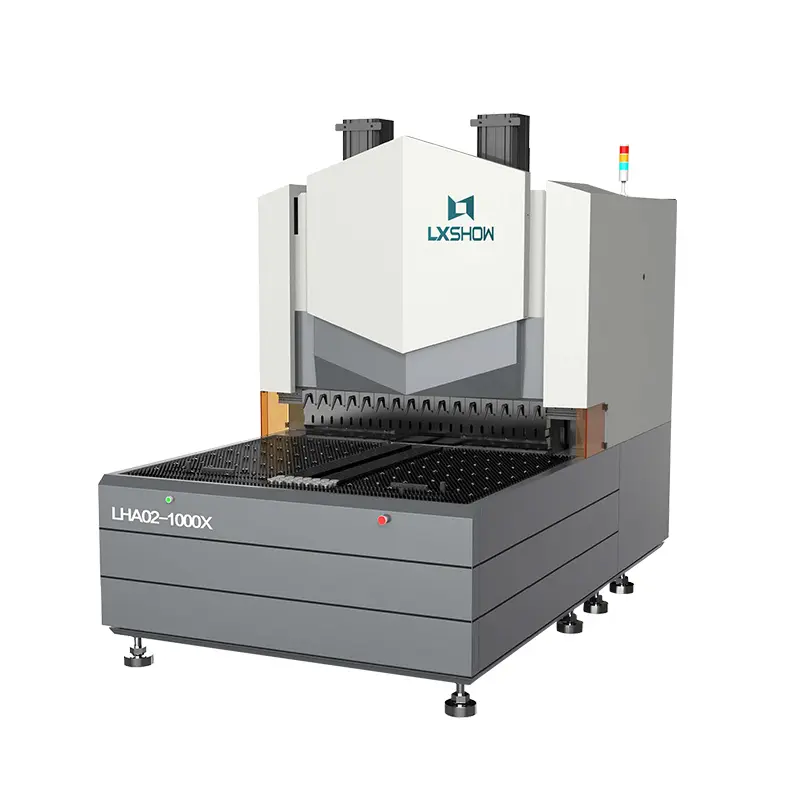
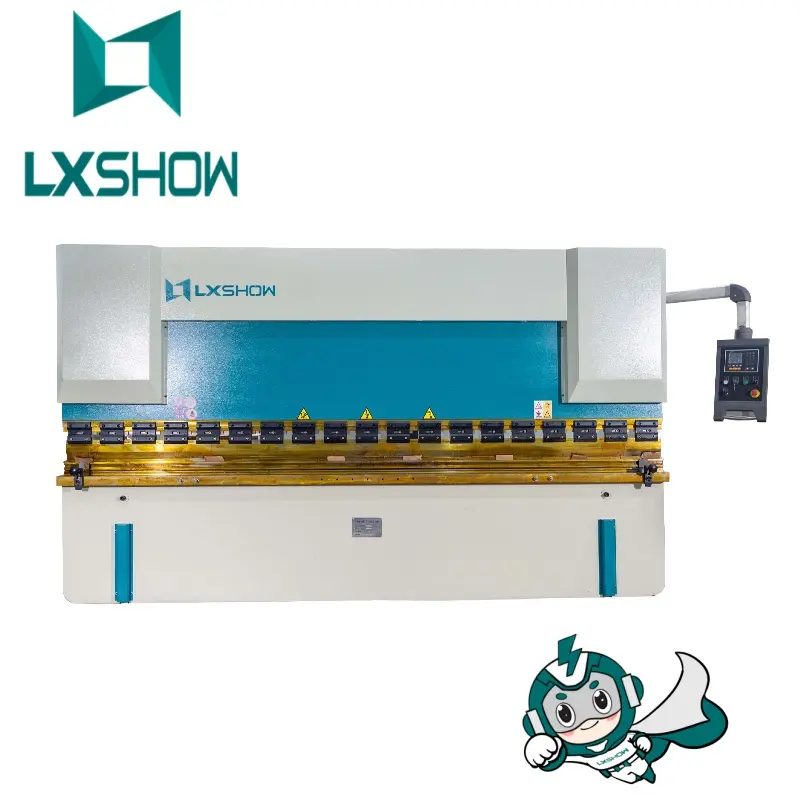
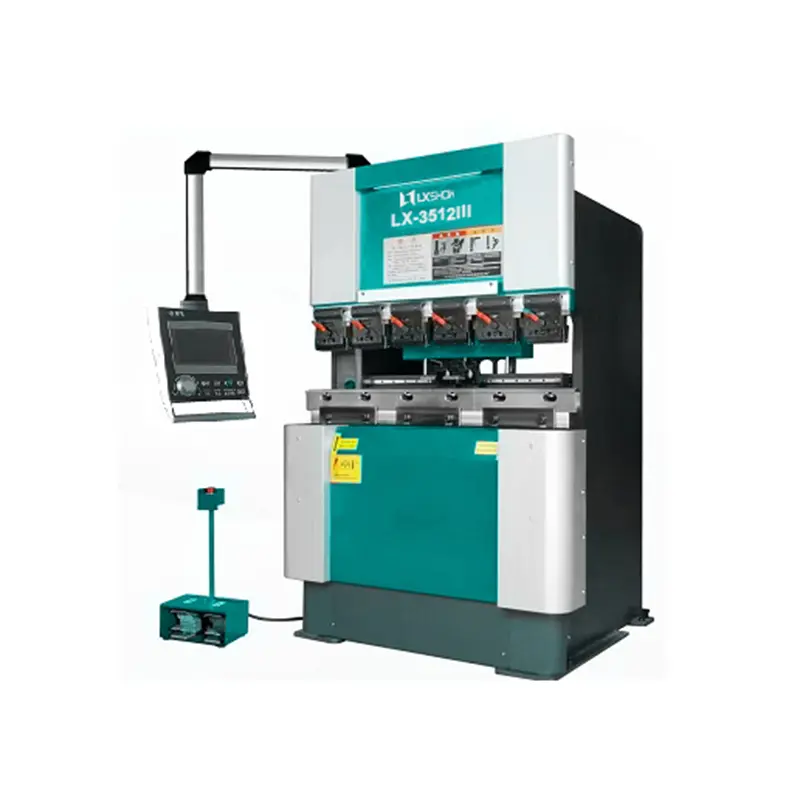
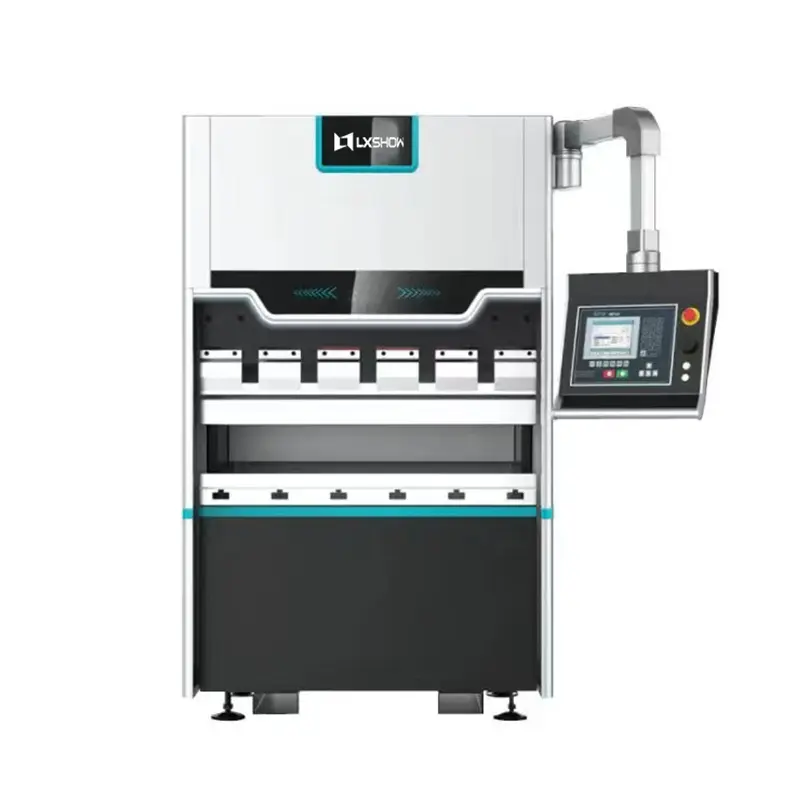
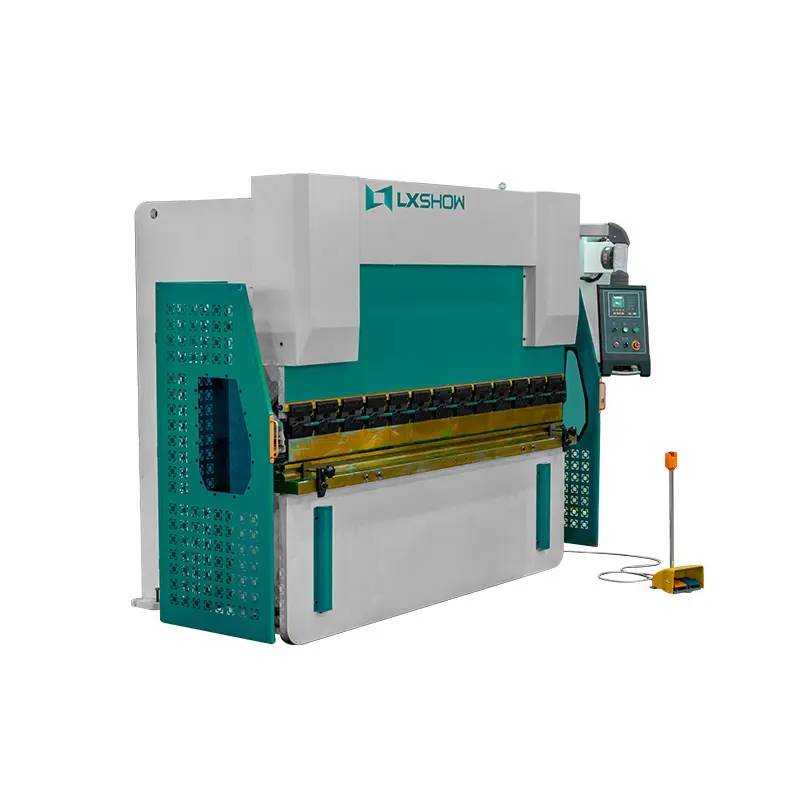
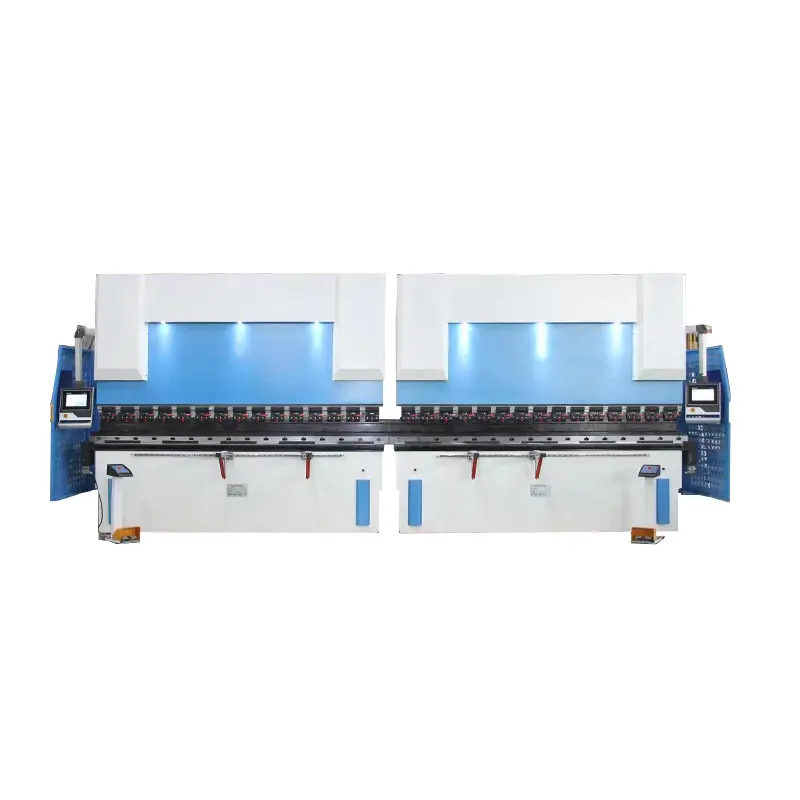
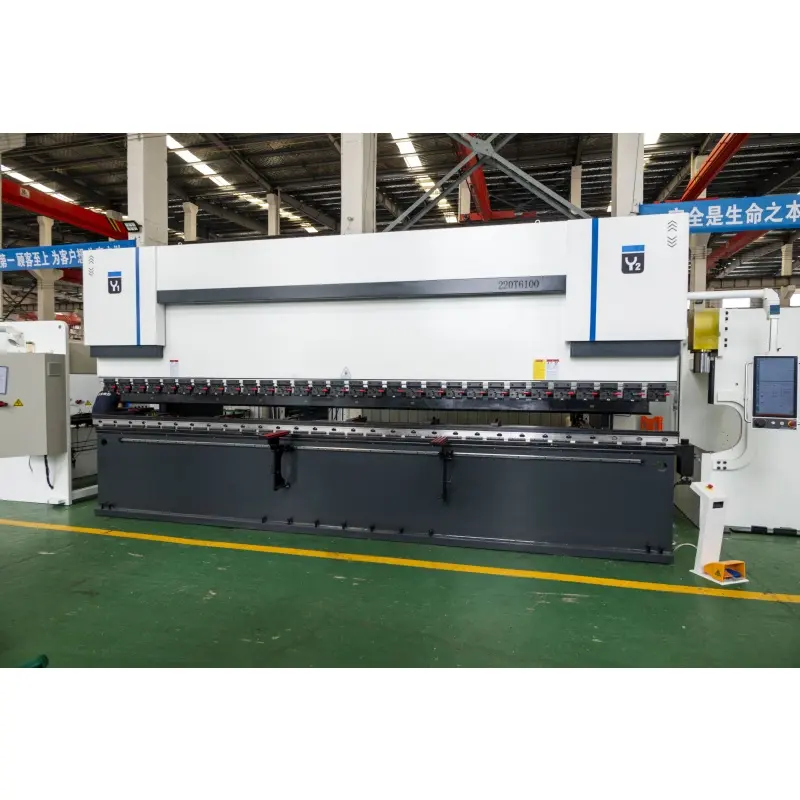
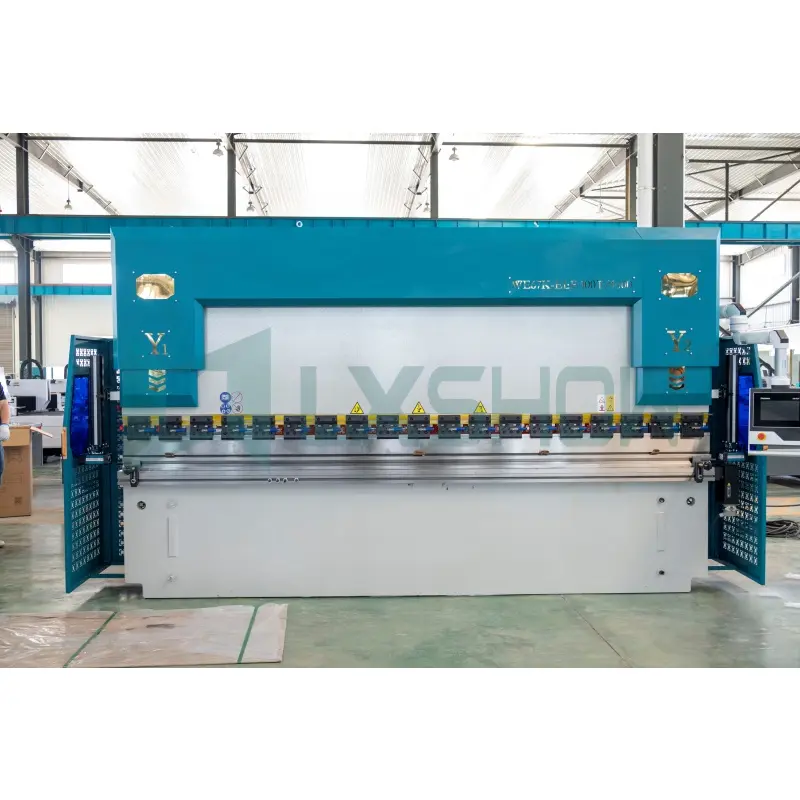
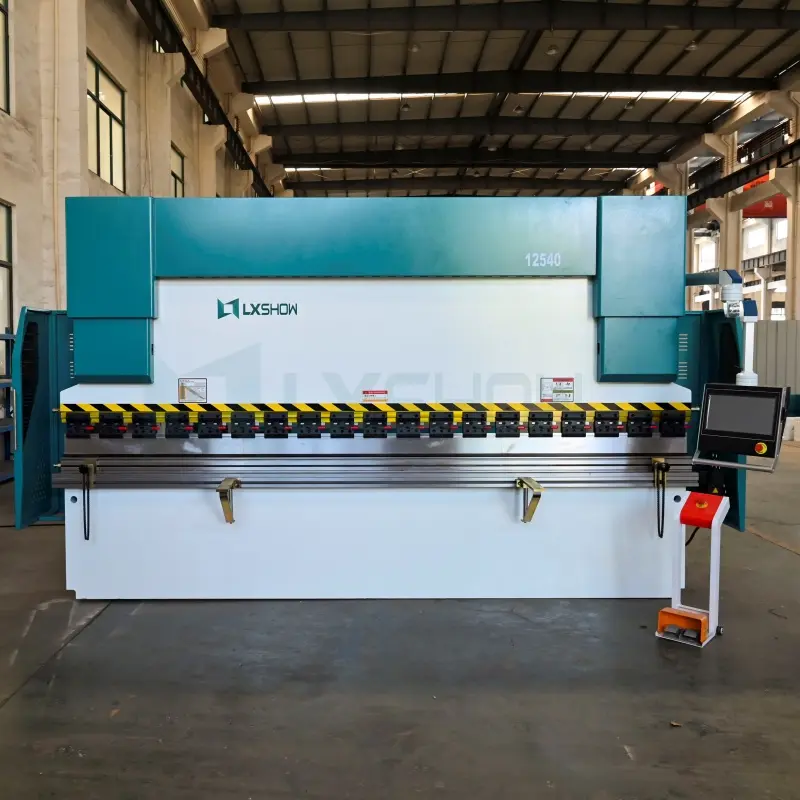
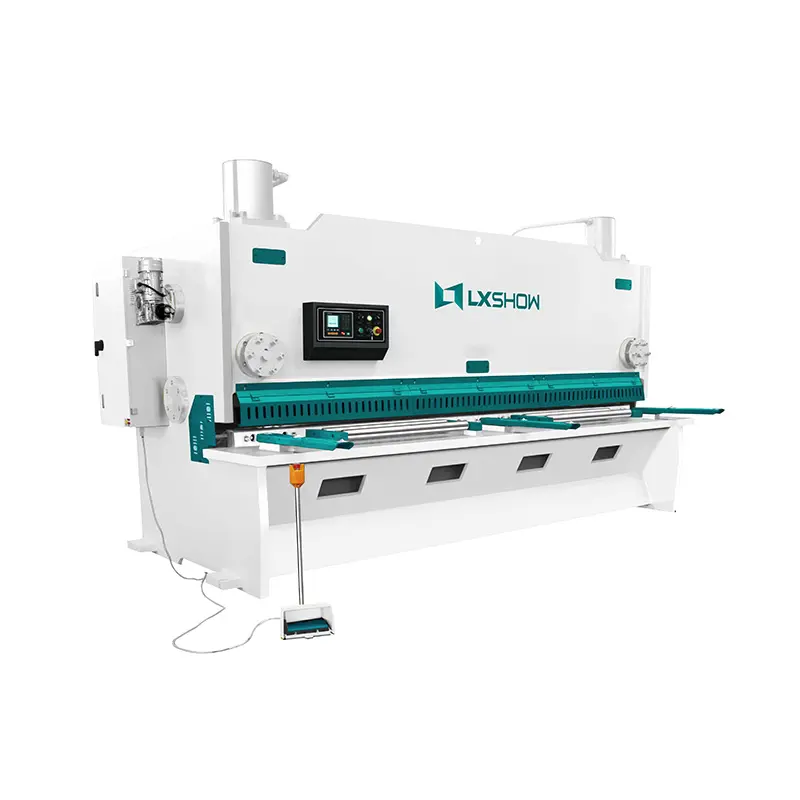
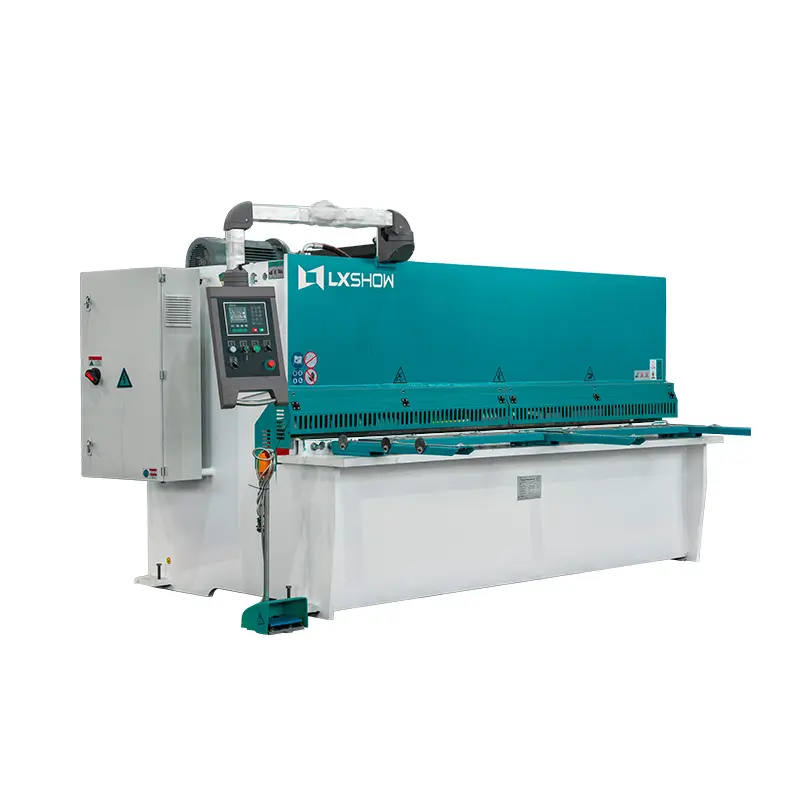
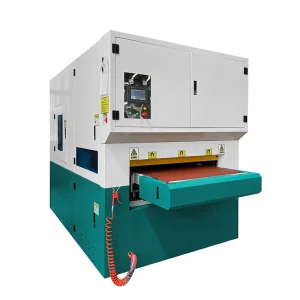
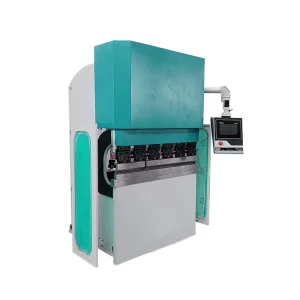
Cutting is just the first step in metal fabrication. To unlock maximum productivity, modern steel factories coordinate their workflows using synchronized secondary machinery. High-tonnage CNC bending machines mold the laser-cut profiles with precise angular fidelity. Following bending, handheld or robotic fiber laser welding systems form structurally robust joints with minimal weld distortion. Finally, high-efficiency polishing and cleaning machines descaled and finish the products, ensuring complete compliance with strict ISO and quality metrics.
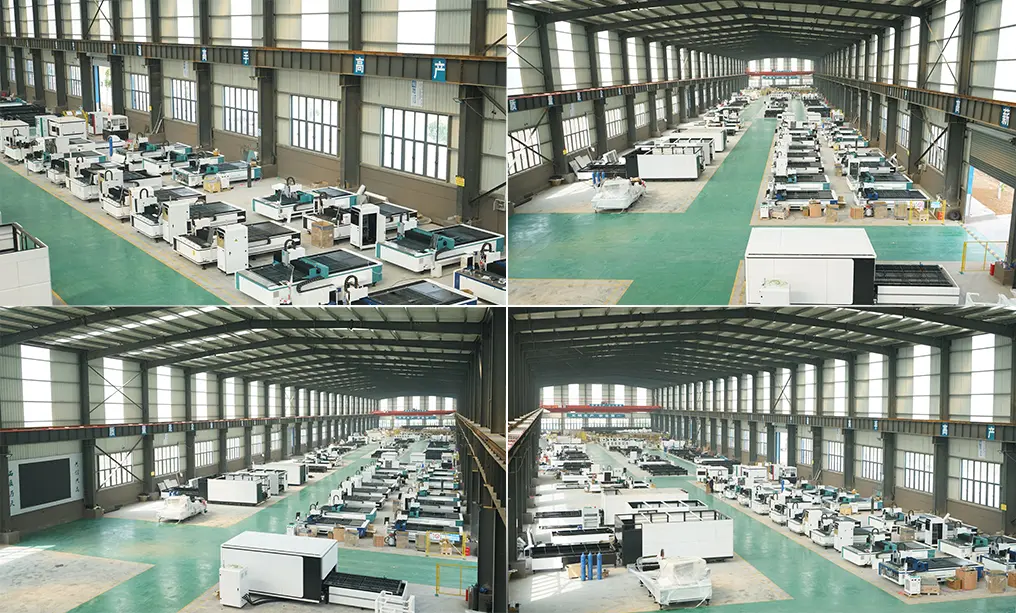
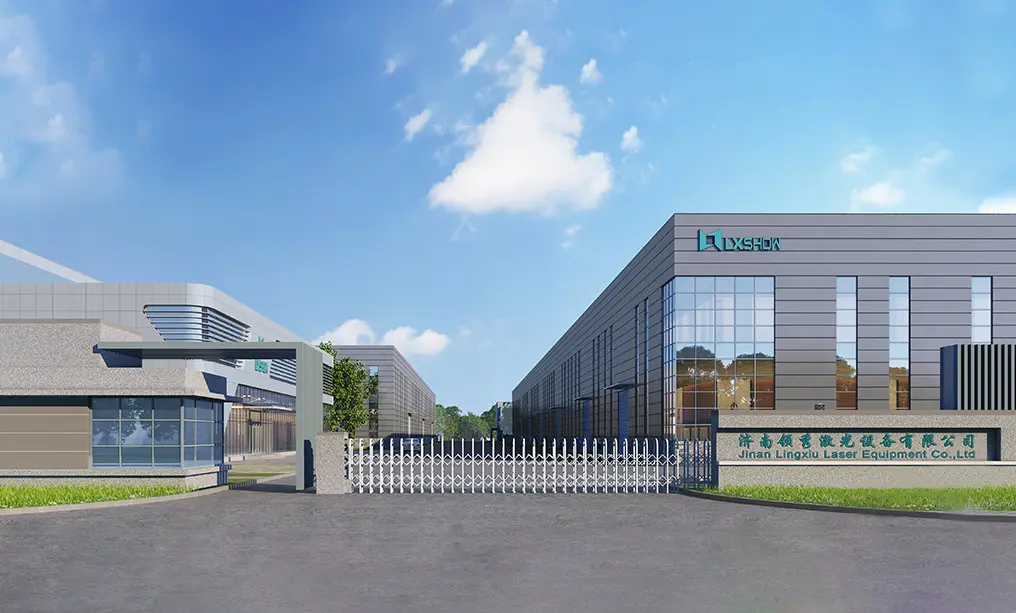
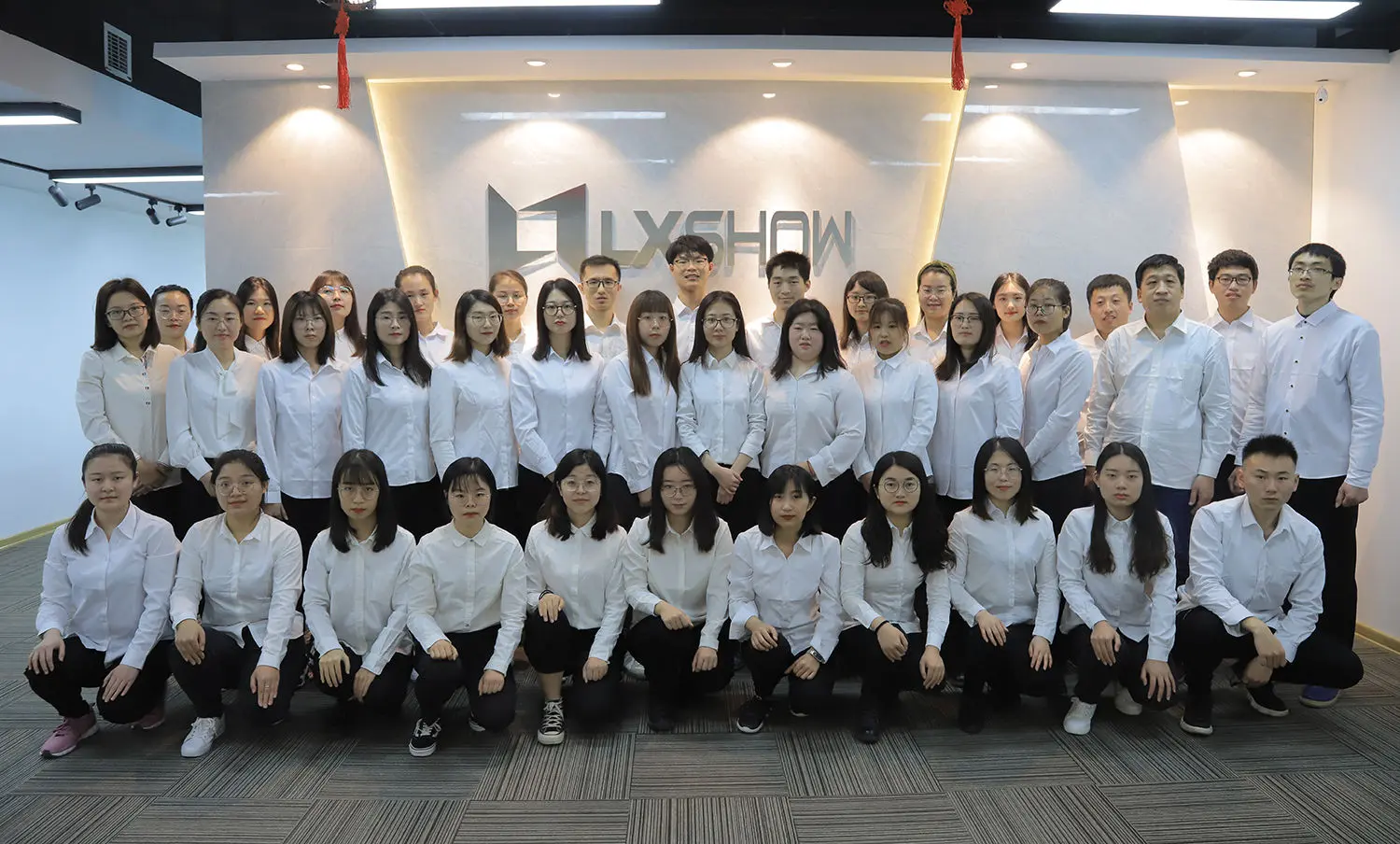
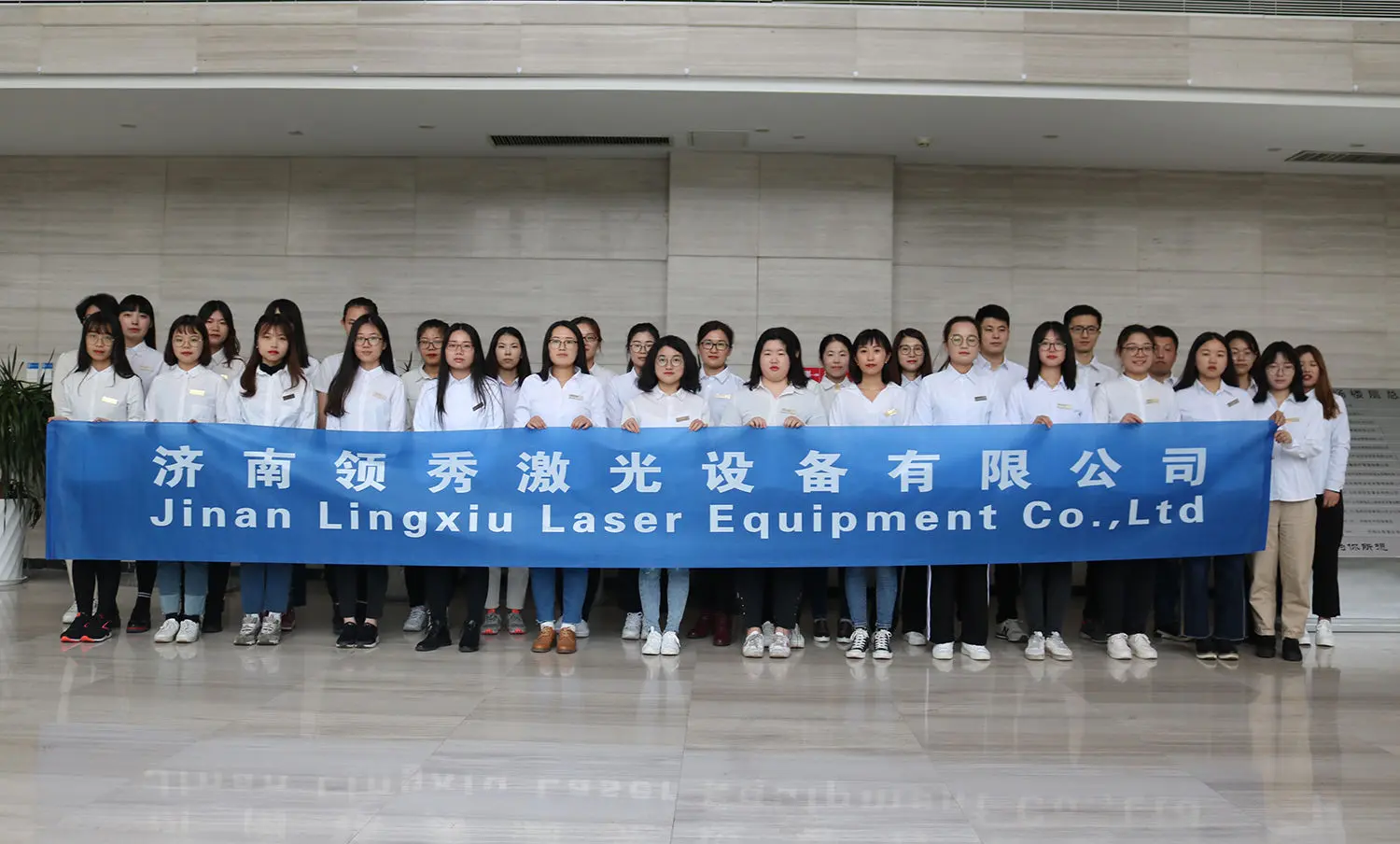
Established in July 2004, our enterprise has consistently driven technological innovation in the laser smart equipment sector. With over 500 square meters of dedicated research and corporate office space, paired with a state-of-the-art 32,000 square meter manufacturing factory, we build advanced machinery designed to modernize global metalworking.
All our machines have passed the European Union CE authentication, the American FDA certificate, and are manufactured under strict ISO 9001 quality management guidelines. Providing reliable OEM and ODM services for over 30 global manufacturers, we supply high-performance solutions to more than 120 countries, empowering steel factories globally to transition into smart, efficient automated hubs.

Detailed architectural, operational, and purchasing considerations compiled by our senior engineering leads.
Browse our exhaustive catalog of machinery designed to form, weld, finish, and clean metal structures across a wide range of industrial applications.
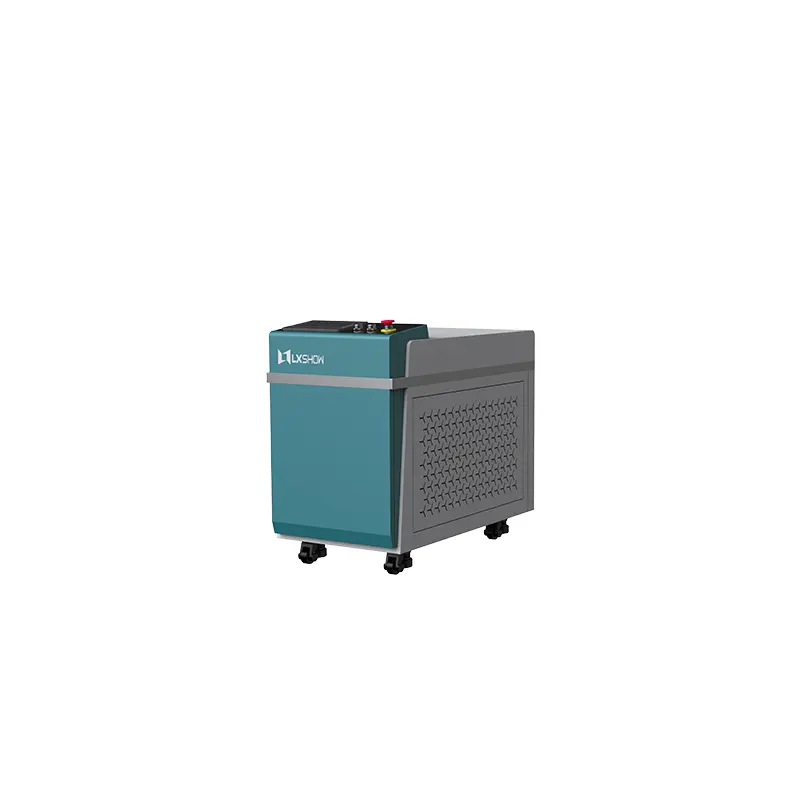
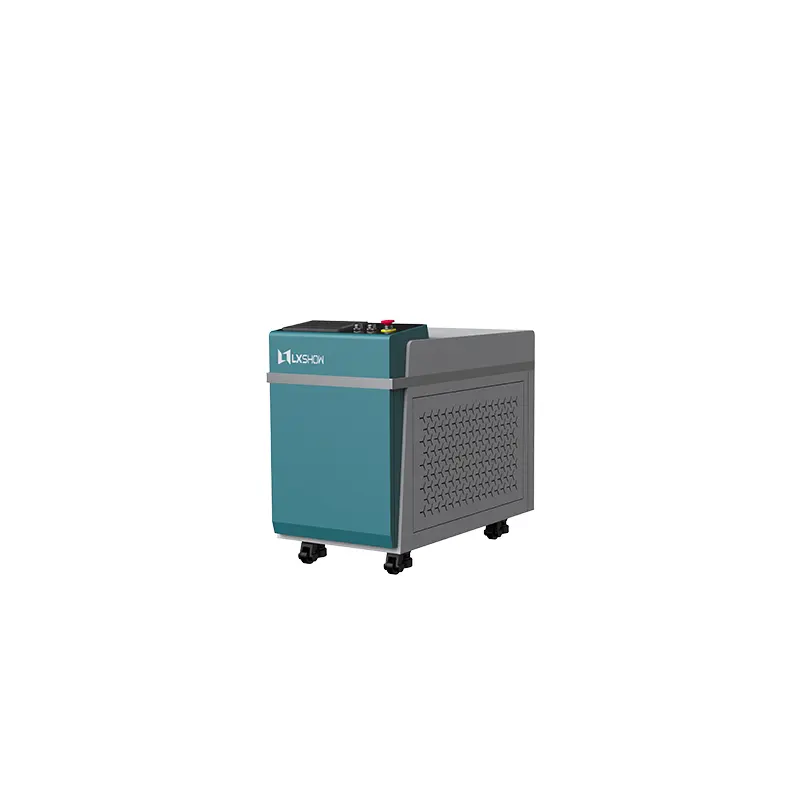
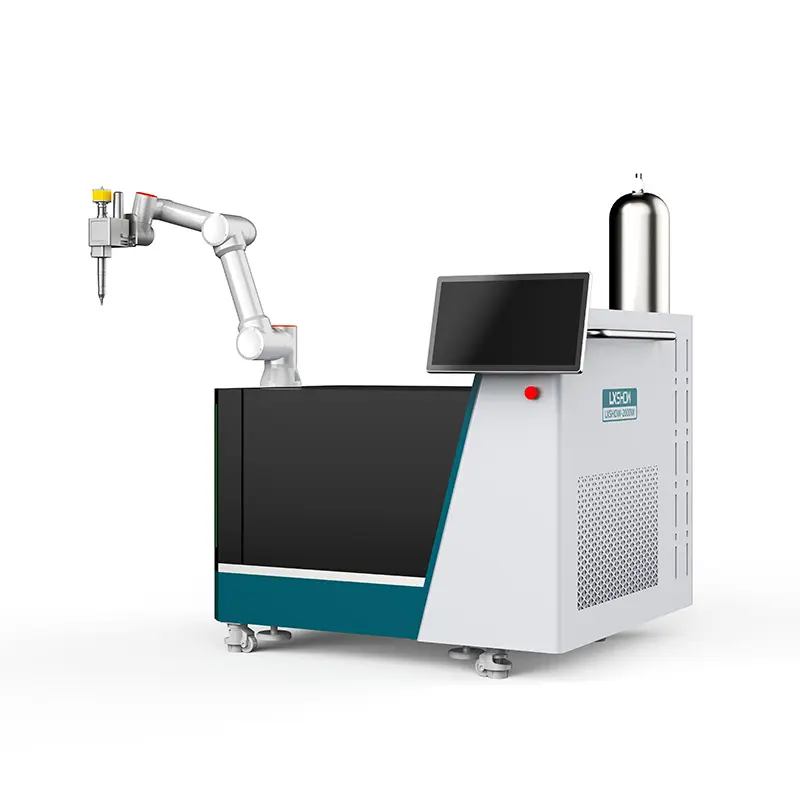
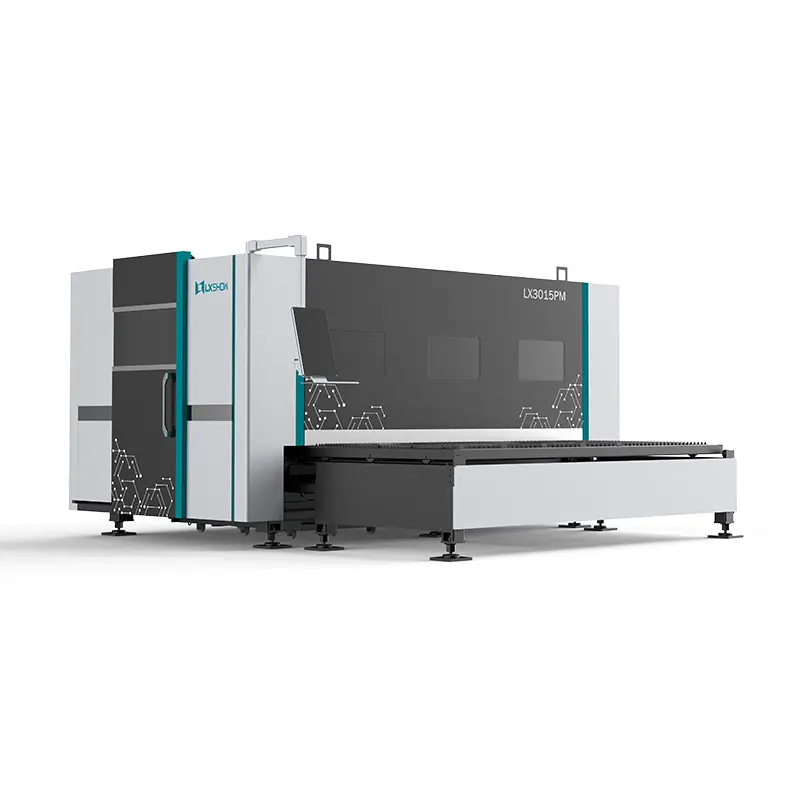
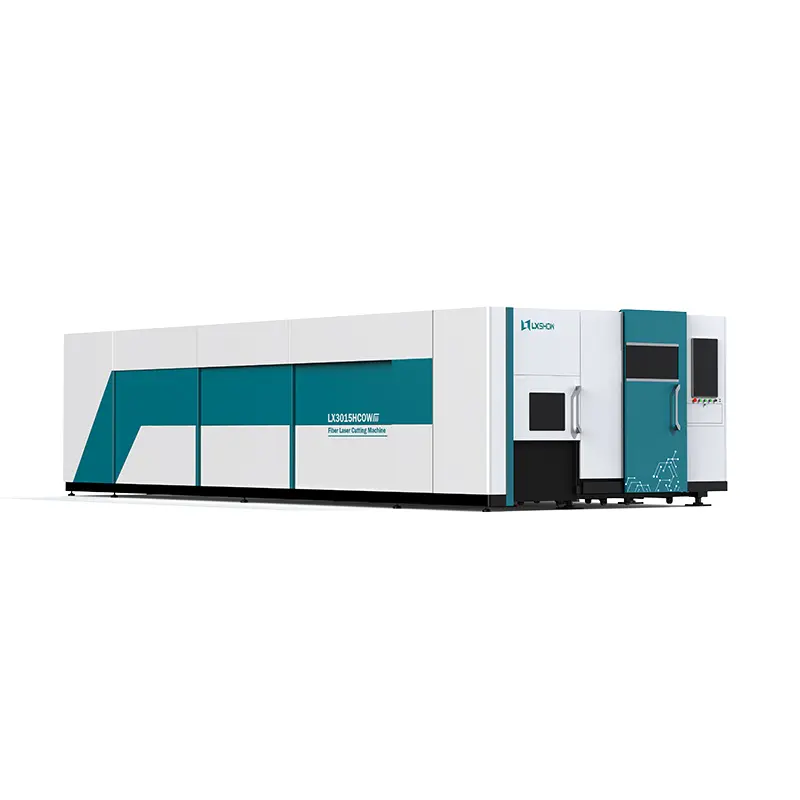
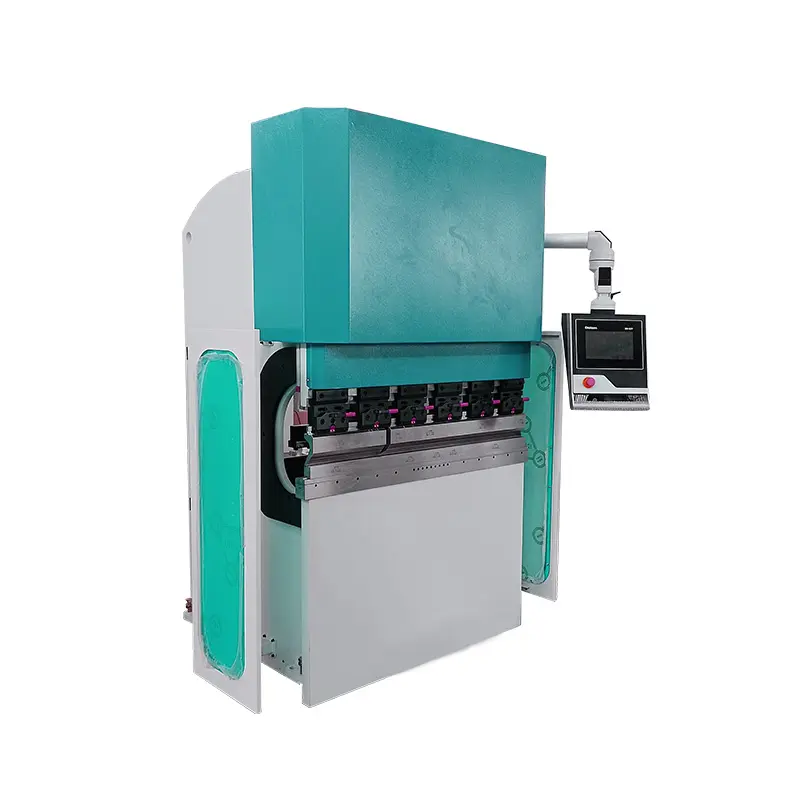
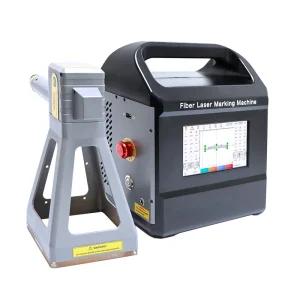
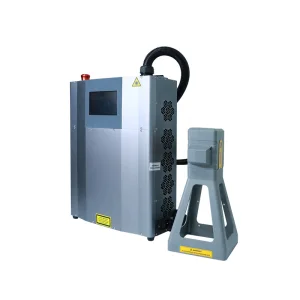
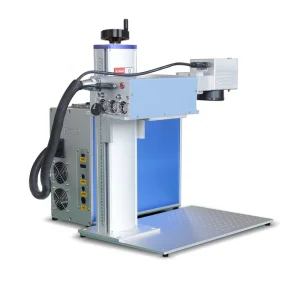
Explore auxiliary tools and compact systems including high-precision marking setups, portable laser systems, and light-duty specialized cutters.
 Lxshow