Deep Industrial Whitepaper & Smart Manufacturing Sourcing Guide for Global Precision Metal Fabrication (Updated for Industry 4.0 Era)
High-performance CNC laser, bending, and plate rolling systems direct from manufacturing facilities
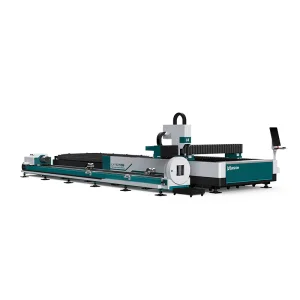
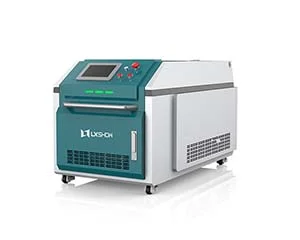
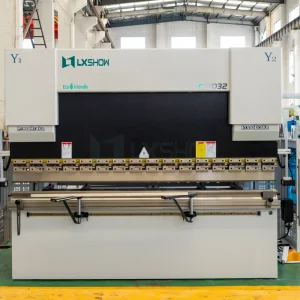
In the modern manufacturing sector, industrial laser processing has evolved from an optional specialized tooling technique into the primary backbone of heavy industry metal fabrication. The transition from traditional carbon dioxide (CO2) lasers to solid-state fiber laser technology marks one of the most critical paradigm shifts in fabrication history. While CO2 systems rely on a complex configuration of mirrors and internal gas mixtures to generate a 10.6-micrometer wavelength beam, fiber lasers construct the optical cavity directly inside an active optical fiber doped with rare-earth element Ytterbium (Yb). The resulting beam has a wavelength of approximately 1.07 micrometers, which is absorbed far more efficiently by structural metals—especially highly reflective materials such as copper, brass, and aluminum.
This physical characteristic translates directly to double or triple the cutting speeds on thin sheet metal compared to legacy technologies of equivalent electrical draws. Historically, CO2 systems dominated high-thickness cutting due to superior edge quality. However, the development of high-intensity beam-shaping units and advanced dynamic collimators has enabled fiber lasers of 12kW, 20kW, and up to 30kW capacities to easily slice carbon steel plates up to 50mm and stainless steel up to 80mm with outstanding surface finishing. Consequently, global metal processing hubs are phasing out CO2 cutting in favor of fiber laser technology to reduce energy draw, lower maintenance, and increase structural output per hour.
Industrial procurement teams evaluating laser cutting manufacturers prioritize specific technical metrics that go far beyond basic pricing tables. To establish a competitive advantage and maintain high system availability, commercial buyers must look at three critical core competencies:
Our machinery configurations undergo extensive certification regimes. We maintain European Union CE authentication, American FDA registration and CDRH laser safety compliance, and our manufacturing facilities operate under the stringent requirements of ISO 9001:2015 quality management systems. Our engineering presence extends to over 150 countries with 20,000+ satisfied active industrial installations globally.
The global leadership of Chinese laser cutting machine factories is a direct outcome of integrated geographic clusters and advanced Industry 4.0 production strategies. In regions like Jinan, Shandong, an entire supply chain ecosystem coexists within a 50-kilometer radius. This clustering integrates mechanical gantry foundry casting, precision gear rack manufacturing, sheet metal cover fabrication, and advanced optoelectronics development. For international procurement managers, this synergy translates to optimized production cycles and unparalleled component cross-compatibility.
China's smart factories integrate automated loading and unloading solutions (including raw sheet storage towers and robotic sorting arms) to transform individual cutting stations into fully autonomous production cells. This configuration supports 24/7 "lights-out" manufacturing operations. Real-time predictive maintenance, connected via secure cloud networks, tracks laser diode degradation and cooling loop stability. This proactive technology helps manufacturers avoid catastrophic field failures and minimize unplanned operational downtime.
Advanced fiber laser cutting systems serve as the core fabrication platform across a wide array of demanding industrial fields. The high versatility of these machines allows fabricators to process flat sheets and structured profiles across diverse mechanical setups:
Engineered for high adaptability across diverse metallurgy and rigorous industrial demands
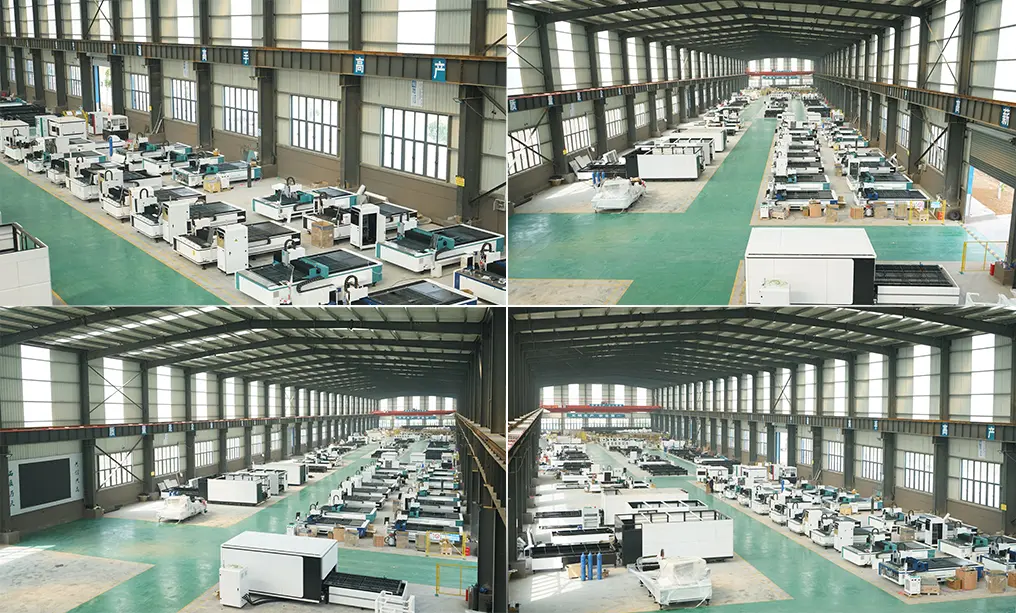
State-of-the-art assembly lines optimized for structural mechanical alignment of CNC machinery beds.
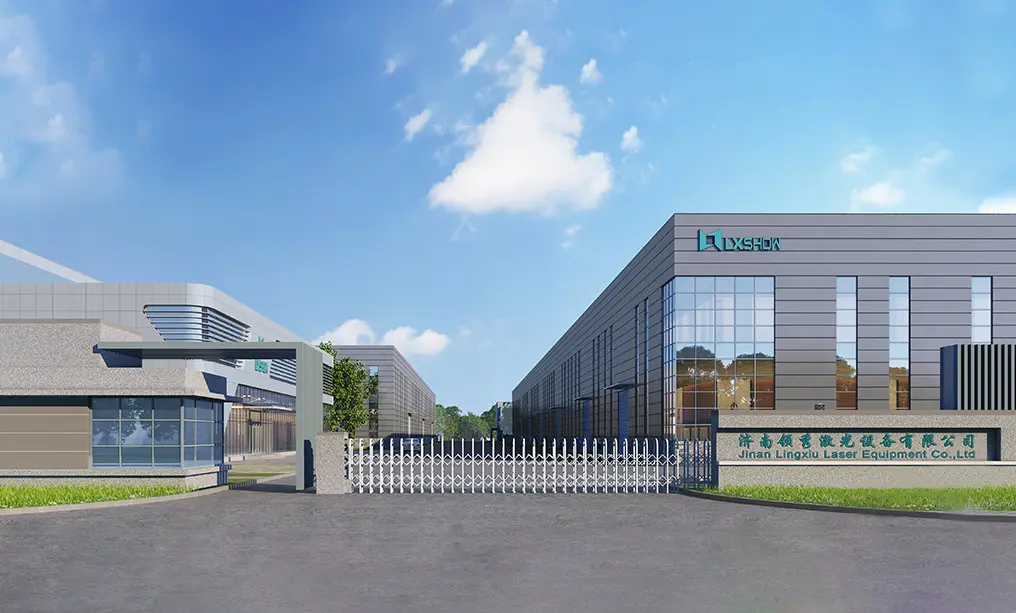
Rigorous quality control using laser interferometer measurement tools to verify sub-micron gantry positioning.
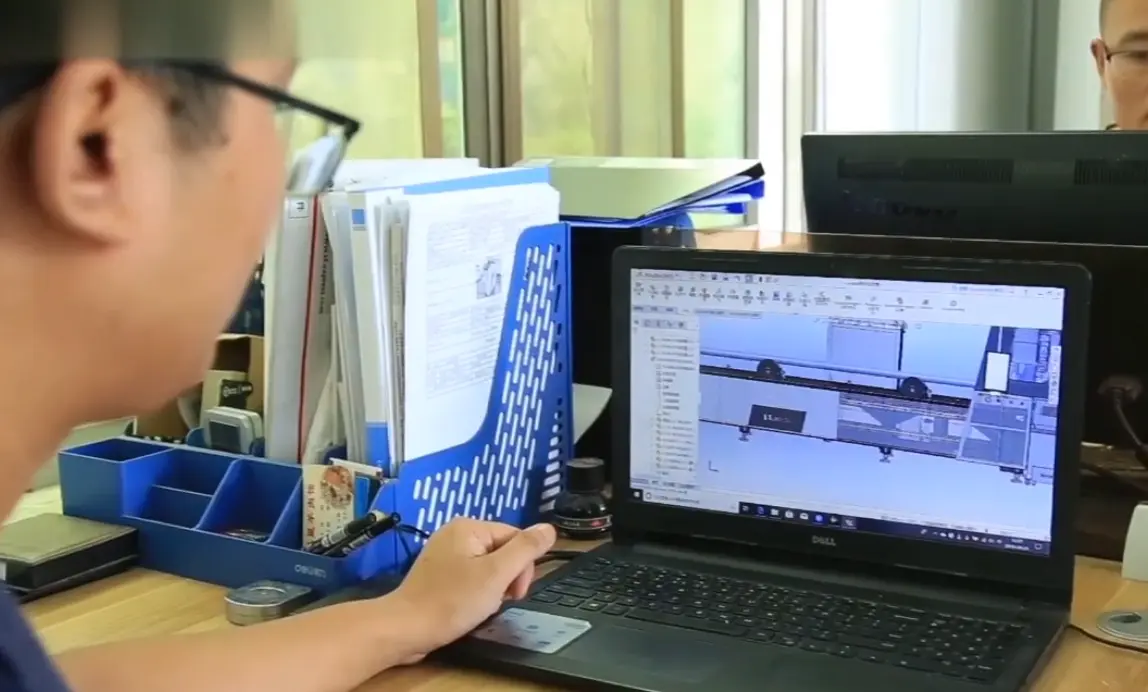
Custom software-hardware integration for special customer requests, handling heavy structural frames and robotic arms.
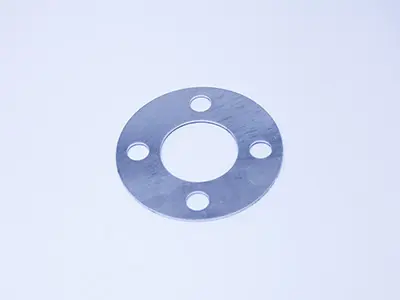 Aluminum Alloy
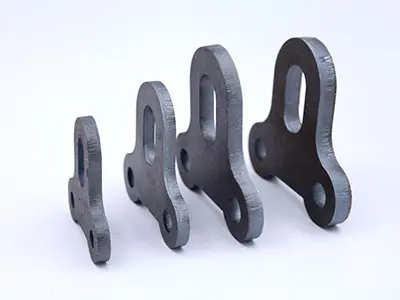 Carbon Steel
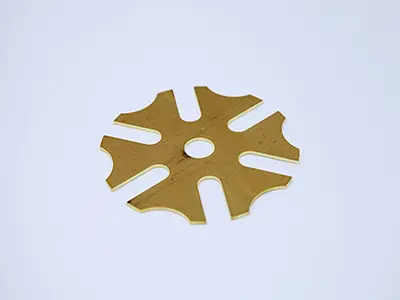 Copper & Brass
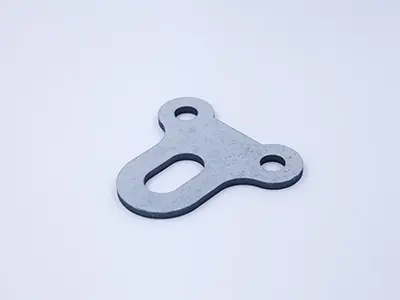 Galvanized Steel
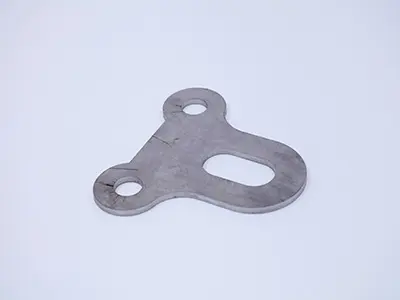 Stainless Steel
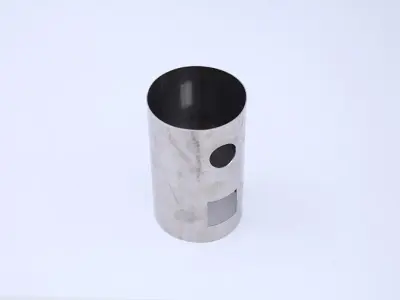 Round Tube
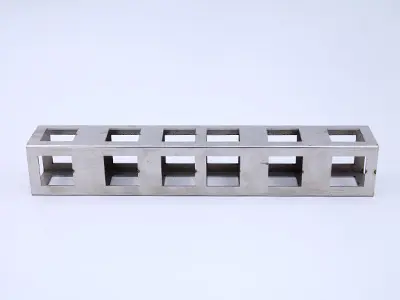 Square Tube
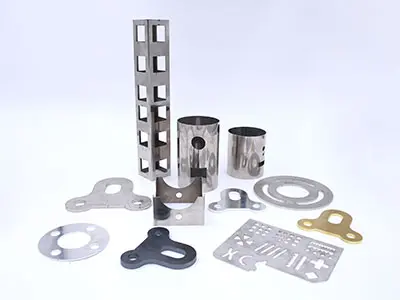 Specialty Alloys
Answers to critical questions asked by procurement departments and factory managers
Fiber lasers operate at a 1.07 µm wavelength, which is absorbed far more readily by metals than the 10.6 µm wavelength of CO2 lasers. This leads to cutting speeds up to 300% faster on thin metal sheets (below 6mm). In addition, fiber lasers do not rely on reflective mirrors or internal gas mixtures, significantly cutting down on maintenance costs, mirror alignments, and gas use. The electro-optical efficiency of fiber lasers is also around 30-35%, whereas CO2 systems average only 8-10%, reducing long-term electrical costs.
Stainless steel is typically cut with Nitrogen (N2) at high pressure (up to 20 bar) to displace oxygen and prevent oxidation along the cut edges. This delivers a bright, clean, weld-ready surface. Carbon steel, especially in thicknesses above 6mm, is cut using low-pressure Oxygen (O2). Oxygen creates an exothermic reaction that melts the steel, enabling the laser to cut through thick sections. However, this process leaves an oxide layer that must be removed before welding or painting.
During high-speed cuts, the gantry experiences deceleration forces up to 2G. If the machine bed lacks sufficient mass or has residual stress from welding, it can flex, warp, or vibrate. Quality manufacturers anneal the welded steel frame at over 600°C for hours. This stress-relieving process guarantees that the frame remains stable and keeps its shape, ensuring high cutting accuracy (±0.03mm) even after years of continuous operation.
To export to the European Union, machines must comply with the Machinery Directive and carry the CE mark. In the United States, laser systems must be registered with the FDA Center for Devices and Radiological Health (CDRH). Because fiber lasers operate at a wavelength invisible to the human eye, the machine must feature a Class 1 fully enclosed safety housing with protective glass windows that filter out the 1.07 µm wavelength to prevent eye damage.
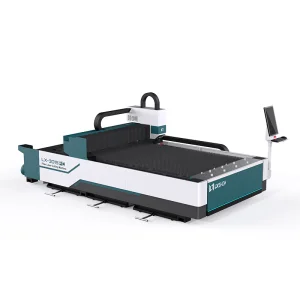
An dual exchange table (shuttle table) system allows the operator to load raw metal sheets and unload finished parts on the external table while the laser continues cutting on the internal table. This configuration keeps the machine active up to 95% of the work shift, compared to only 50-60% on single-table machines where cutting must stop during loading and unloading.
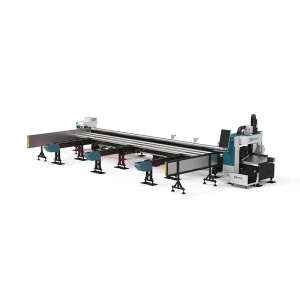
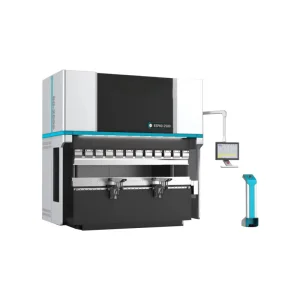
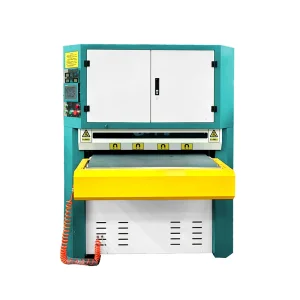
Extend your capabilities with dynamic tube processing, heavy deburring, and high-power clean setups
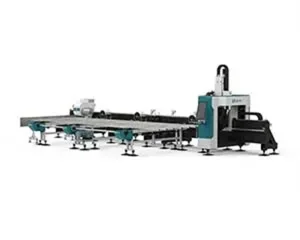
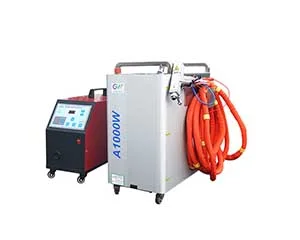
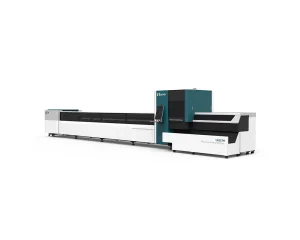
 Lxshow