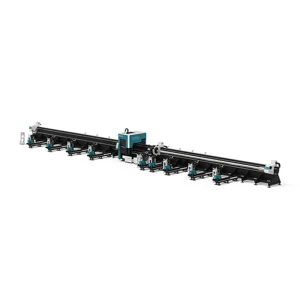
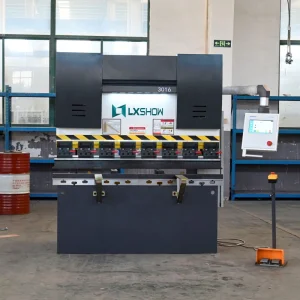
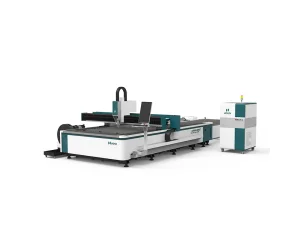
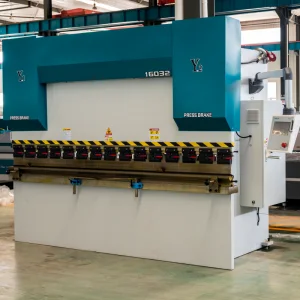
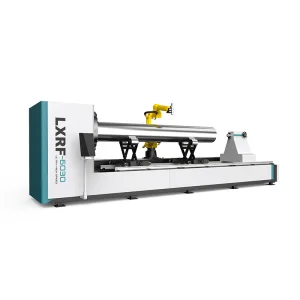
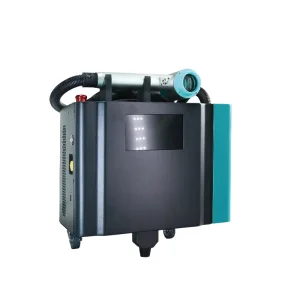
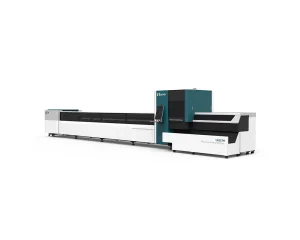
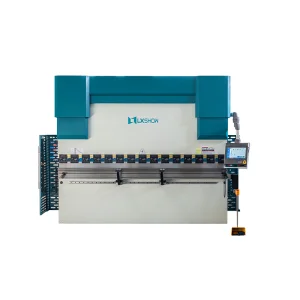
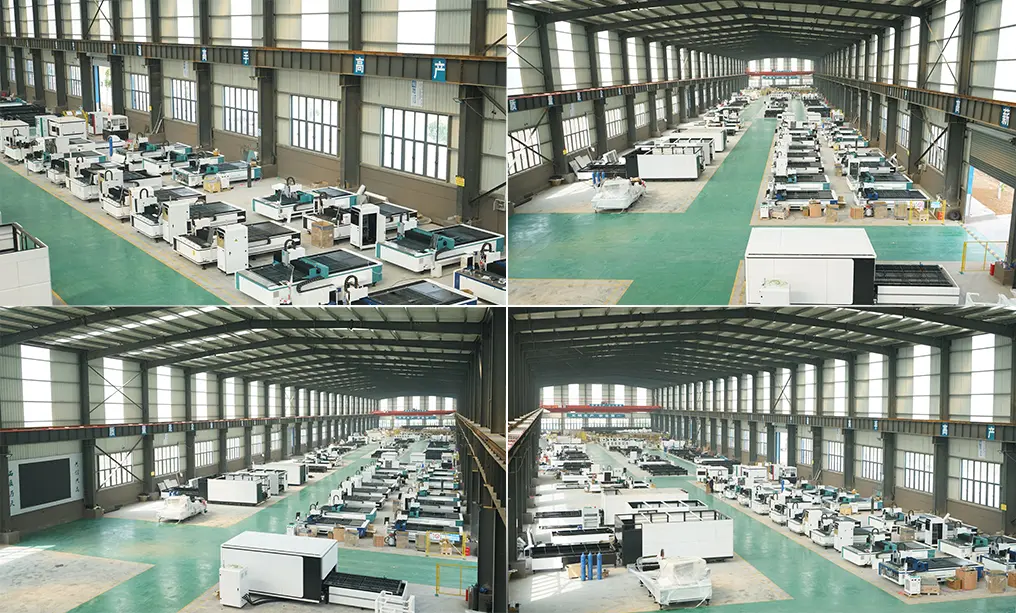
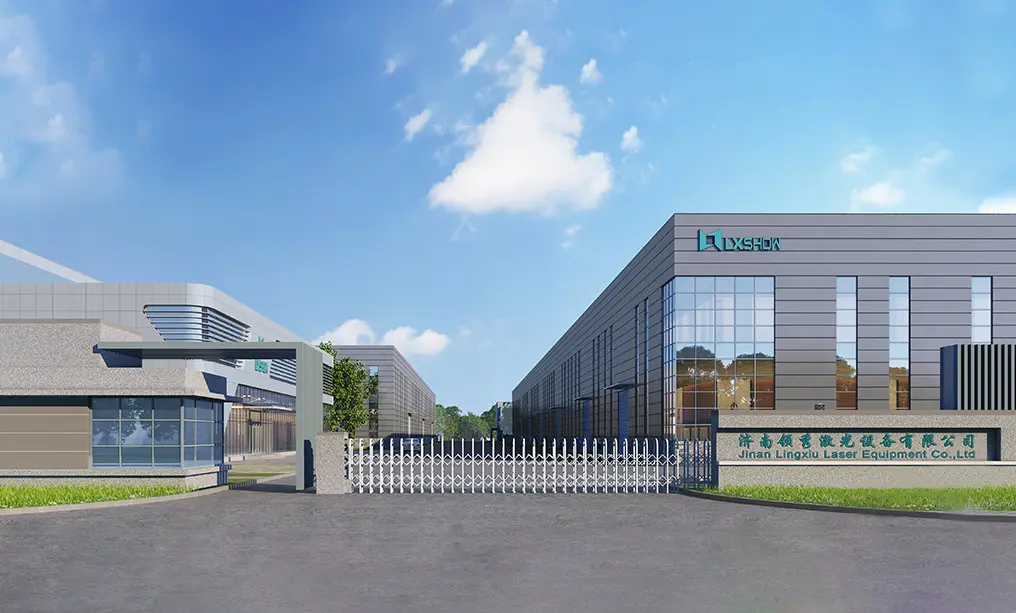
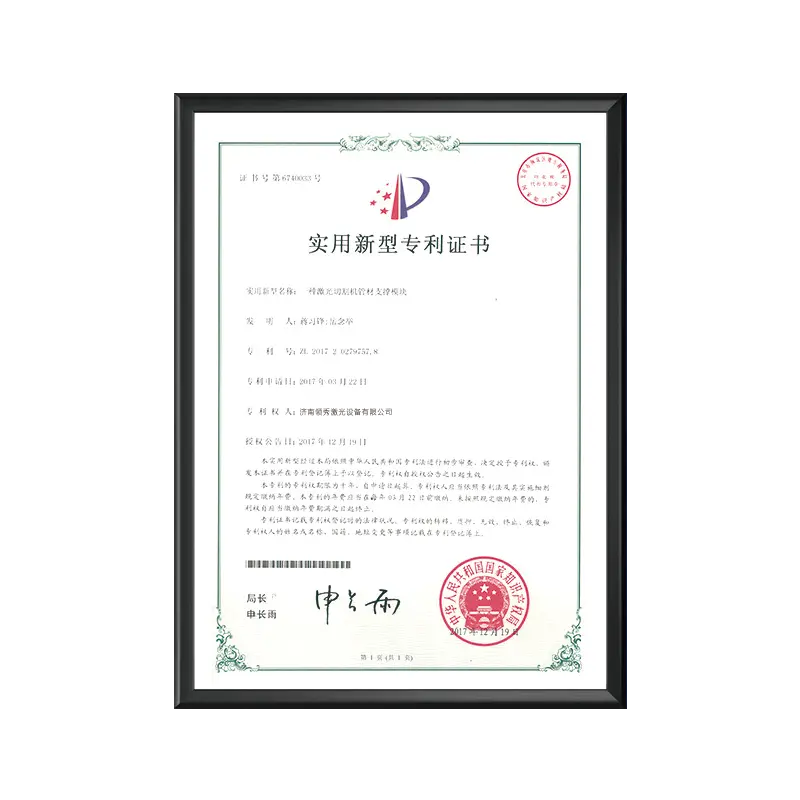
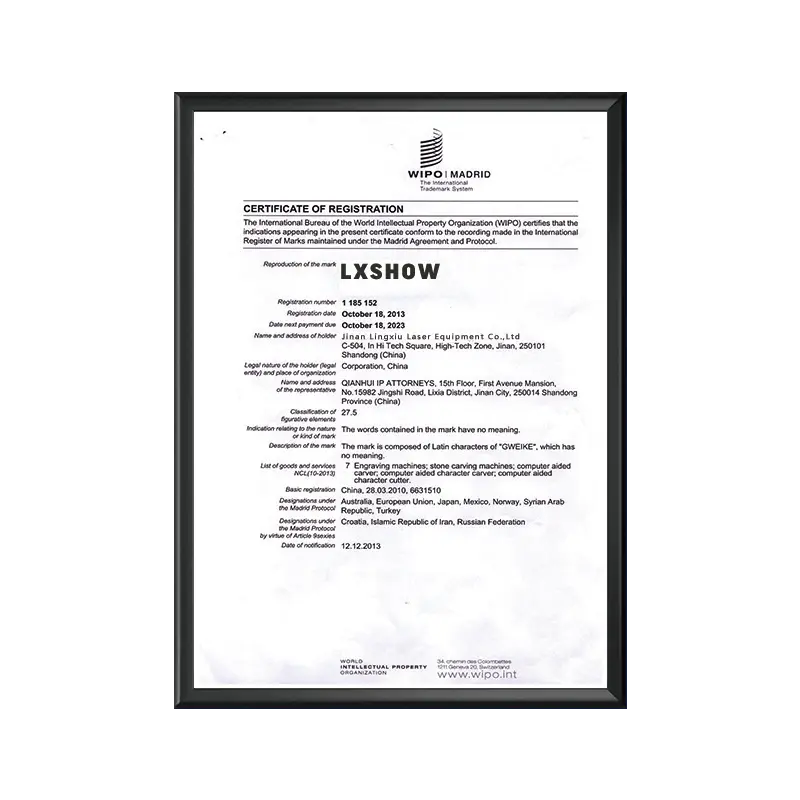
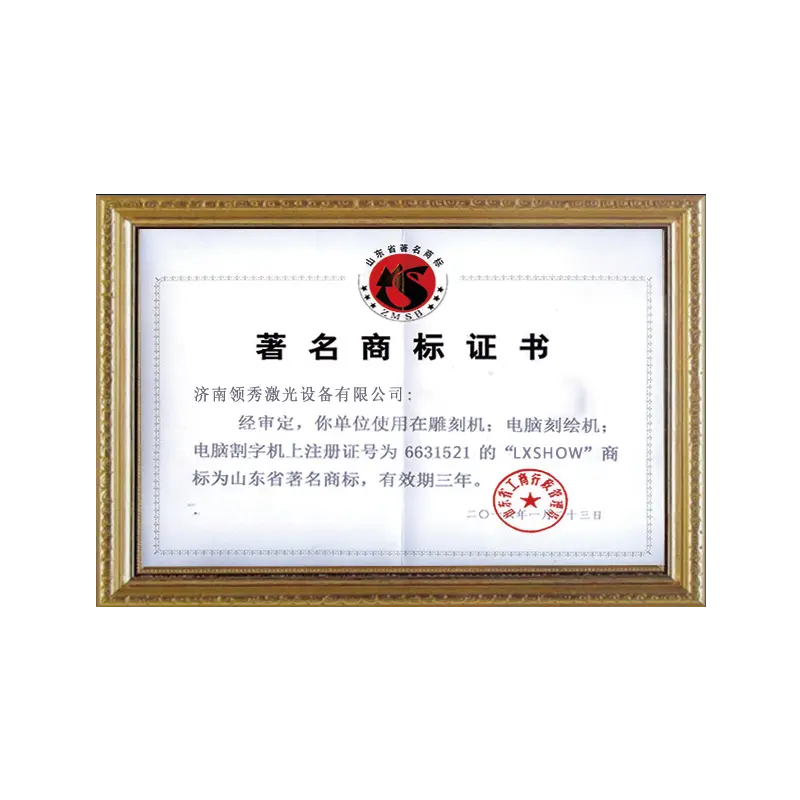
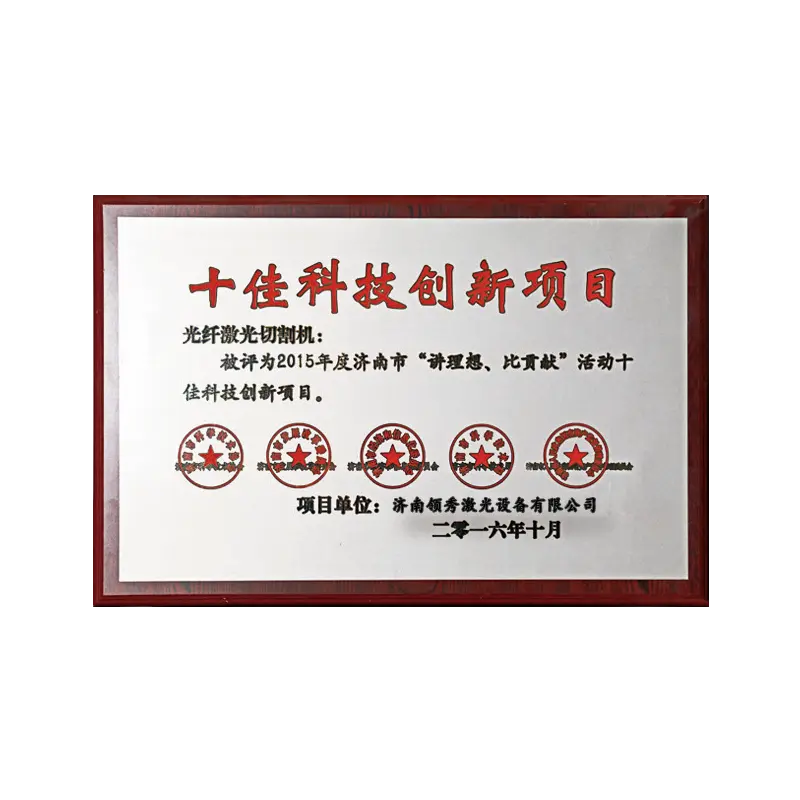
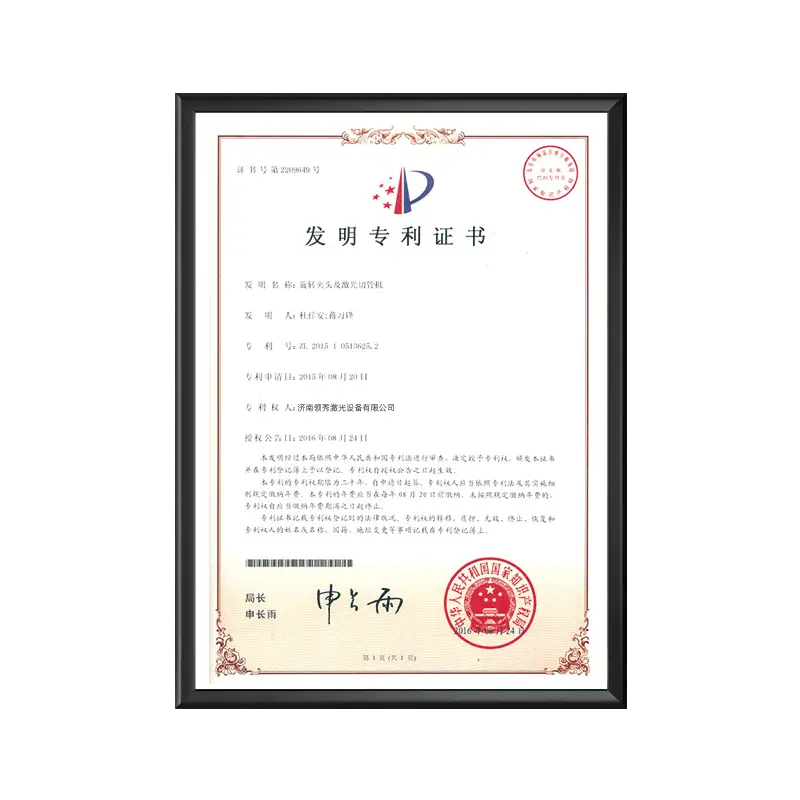
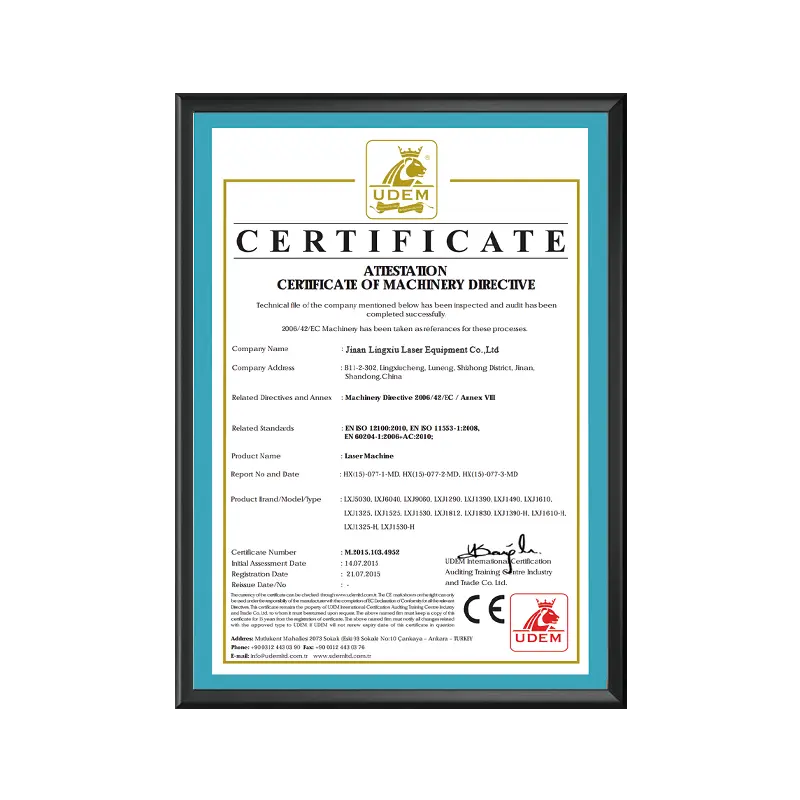
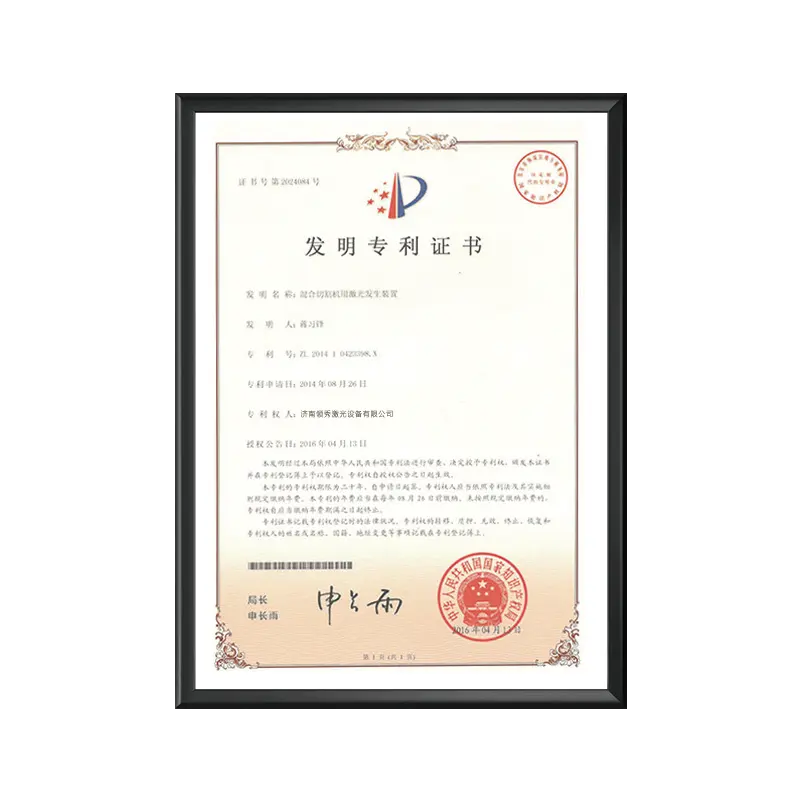
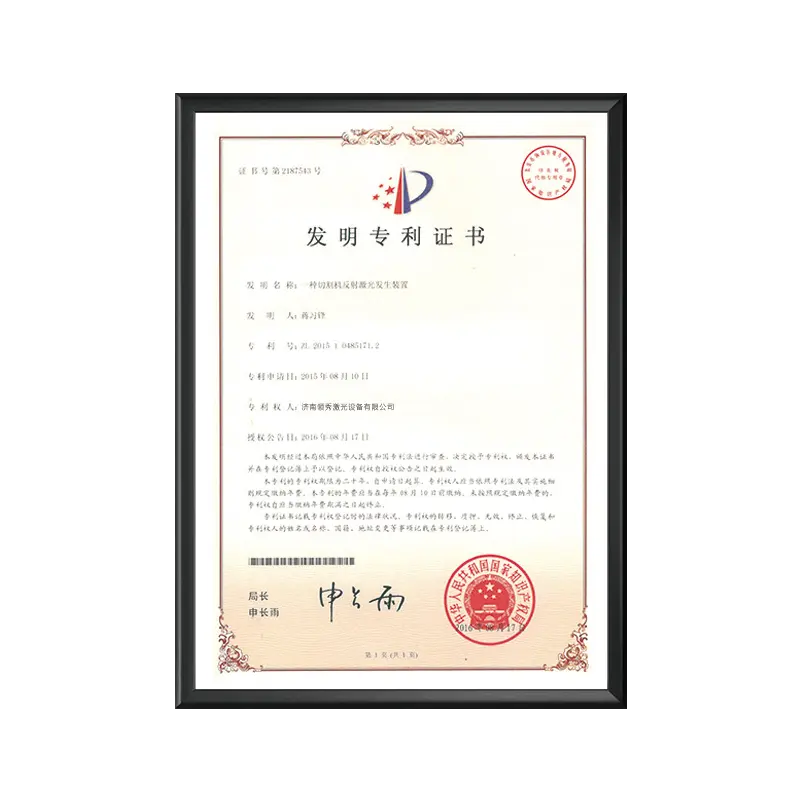
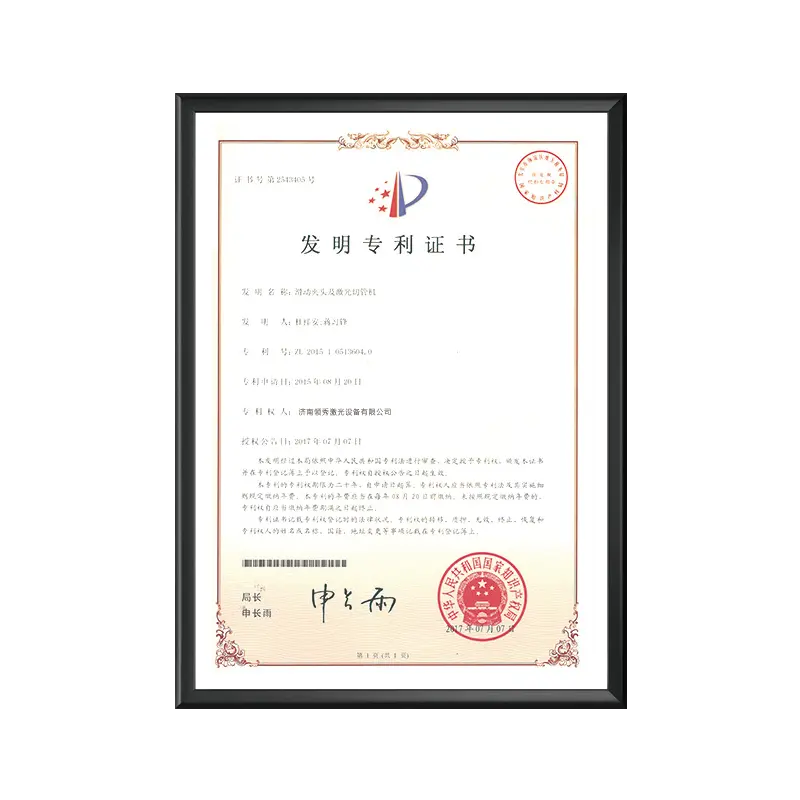
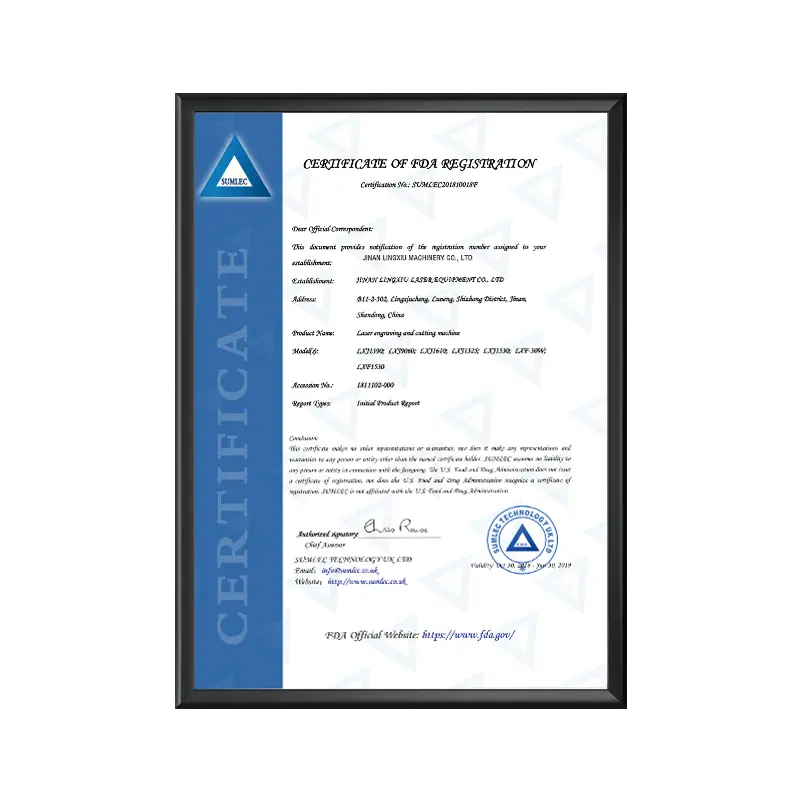
Established in July 2004, LXSHOW is a leading global developer and manufacturer of laser smart equipment. With over 500 square meters of dedicated R&D space and a 32,000+ square meter factory, we deliver high-performance sheet, tube, and integrated laser solutions. All machines comply with European Union CE authentication, American FDA certificate criteria, and ISO 9001 standards.
Explore our premium machinery range designed for high-efficiency structural metal processing
The global manufacturing environment is undergoing a deep structural transformation characterized by the integration of cyber-physical systems, autonomous processes, and smart energy usage. This paradigm shift, widely referred to as Industry 4.0, demands high levels of agility, resource efficiency, and precision in materials processing. Metal fabrication is at the core of this transition, where legacy mechanical tooling is increasingly replaced by adaptive, software-controlled laser processing technology.
High-performance fiber laser cutting systems serve as the foundation of modern smart factories. Unlike traditional mechanical shearing or plasma thermal cutting, fiber lasers emit a highly concentrated beam via optical fibers, achieving minimal heat-affected zones (HAZ), precise kerf control, and virtually zero tooling wear. By deploying integrated automation components, such as exchange tables, robotic arms, and automatic load/unload cells, manufacturers can convert discrete, batch-based cutting tasks into continuous, fully automated production streams.
The adoption of fiber lasers is driven by economic requirements for faster cycle times, lower per-part costs, and high raw material utilization. Industrially developed regions are facing labor shortages and stringent environmental regulations, which increases the demand for automated, eco-friendly systems. Fiber lasers convert energy efficiently (30% to 40% electro-optical efficiency compared to less than 10% for traditional CO2 gas lasers), lowering operational power requirements and carbon footprints.
In emerging industrial centers, the expansion of infrastructure, automotive assembly, and commercial electronics fabrication relies on accessible, high-precision tooling. Chinese manufacturing has evolved beyond low-cost production to advanced technology design. Suppliers like LXSHOW lead this shift by incorporating premium components, such as IPG or Raycus resonators, Precitec/Raytools autofocus cutting heads, and Siemens/Beckhoff motion controllers, ensuring reliable performance in demanding environments worldwide.
Sub-millimeter positioning tolerances and high acceleration rates for complex geometries.
High wall-plug efficiency reduces power consumption and carbon footprint significantly.
Seamless integration with MES/ERP networks via industrial communication protocols.
International industrial operations require strict compliance with safety, performance, and environmental standards. For heavy industrial equipment, certifications such as the European Union’s CE Mark, the United States FDA CDRH registration, and ISO 9001 quality management standards are critical. These compliance steps verify structural integrity, electrical safety, radiation containment (such as Class 1 laser enclosures), and reliable production line control.
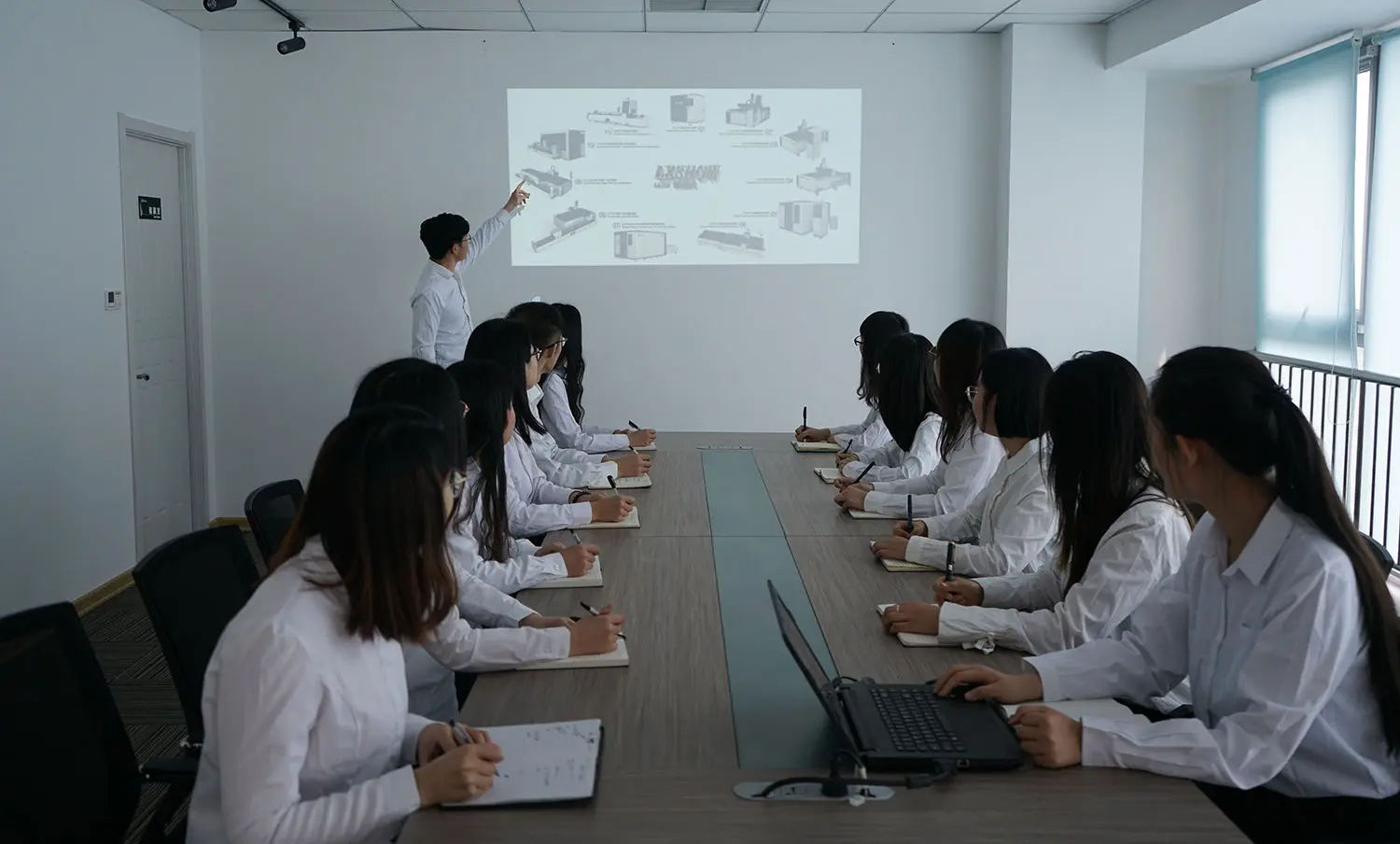
LXSHOW coordinates a global distribution and technical assistance network to deliver rapid field service, localized operator training, and supply chain parts availability. By operating dedicated service hubs across Europe, North America, Southeast Asia, and the Middle East, our technical teams can resolve technical challenges, perform preventive maintenance, and adjust cutting recipes for regional alloy standards.
Modern manufacturing requires specialized cutting setups tailored to specific applications. Below is an overview of how diverse industries utilize specific fiber laser systems to achieve higher operational efficiency:
| Machine Category | Typical Laser Power Range | Material Capacities | Primary Application Areas |
|---|---|---|---|
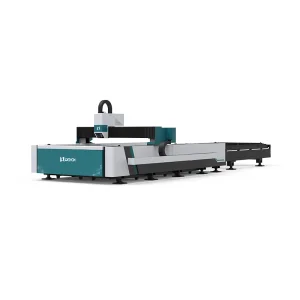
| Plate Laser Cutters (e.g., LX3015ET) | 1,000W – 30,000W | Carbon/Stainless Steel, Brass, Copper, Aluminum | Job shops, industrial enclosures, auto body parts |
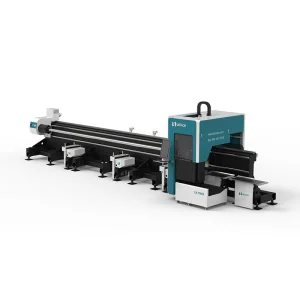
| Heavy-Duty Tube Lasers (e.g., LX62TH) | 1,000W – 6,000W | Round, Square, Rectangular, Oval and H-Steel Profiles | Construction, structural framing, agricultural machinery |
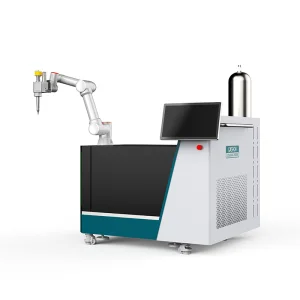
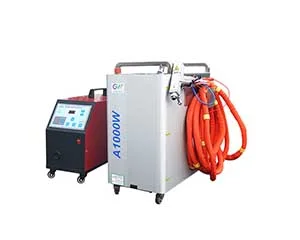
| Handheld Laser Welders (e.g., LXW-1000W) | 1,000W – 3,000W | Thin sheet metals, dissimilar metal joints | Kitchenware, cabinetry, localized repair |
| Laser Cleaning Systems (e.g., LXC-Metal) | 100W – 3,000W (Pulse/CW) | Rust, oxide scale, paint coatings, oil contaminants | Surface prep, shipyard maintenance, historic restoration |
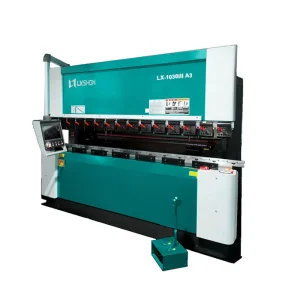
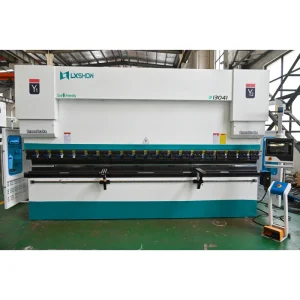
| Precision Bending Machines (e.g., WE67K Series) | Hydraulic/Electric (30T - 300T) | Formed metal sheet profiles | Structural assemblies, aerospace, cabinetry fabrication |
LXSHOW’s product development roadmap focuses on the integration of artificial intelligence, real-time closed-loop monitoring, and energy-efficient laser components. Over the next decade, we are focusing on:
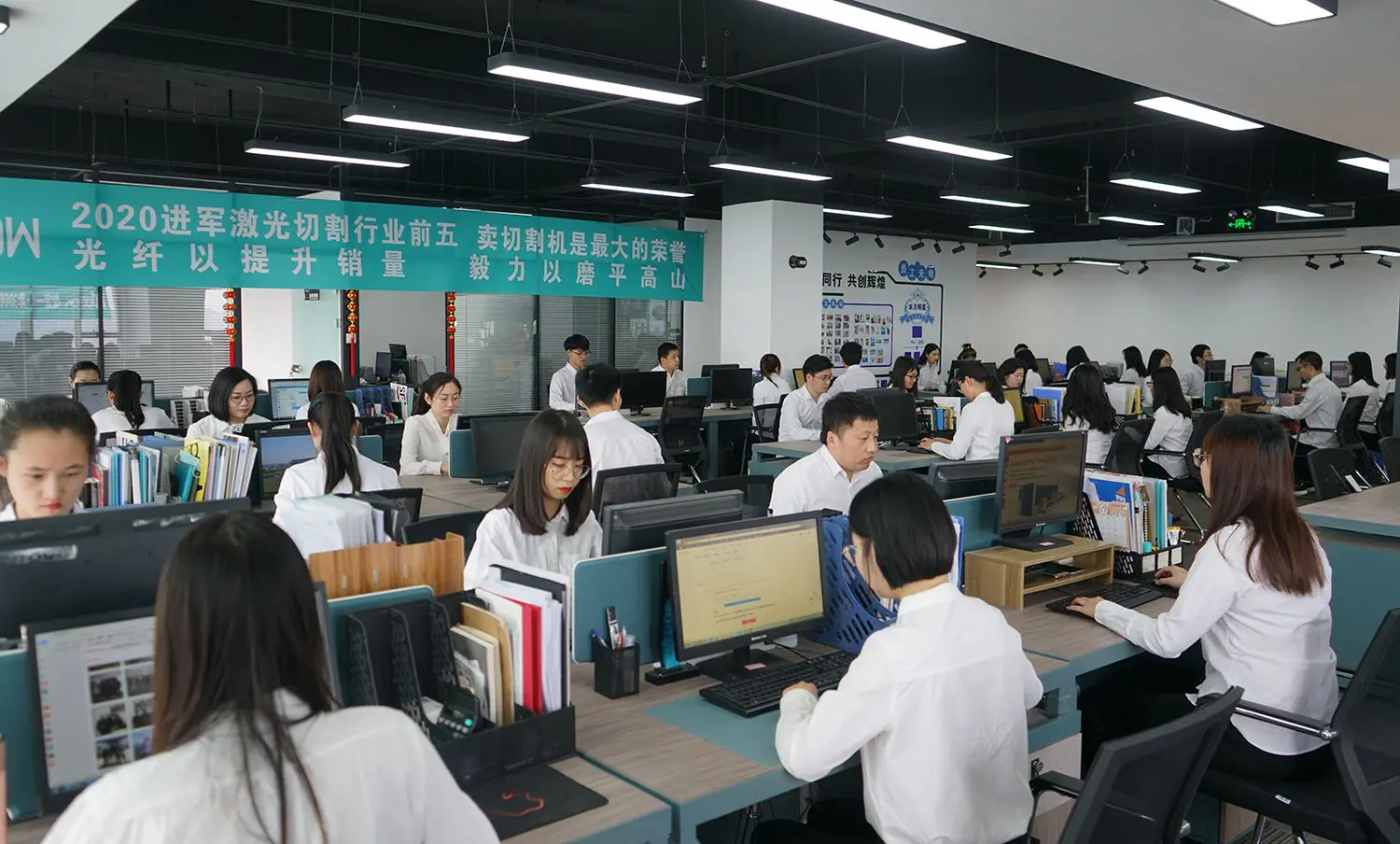
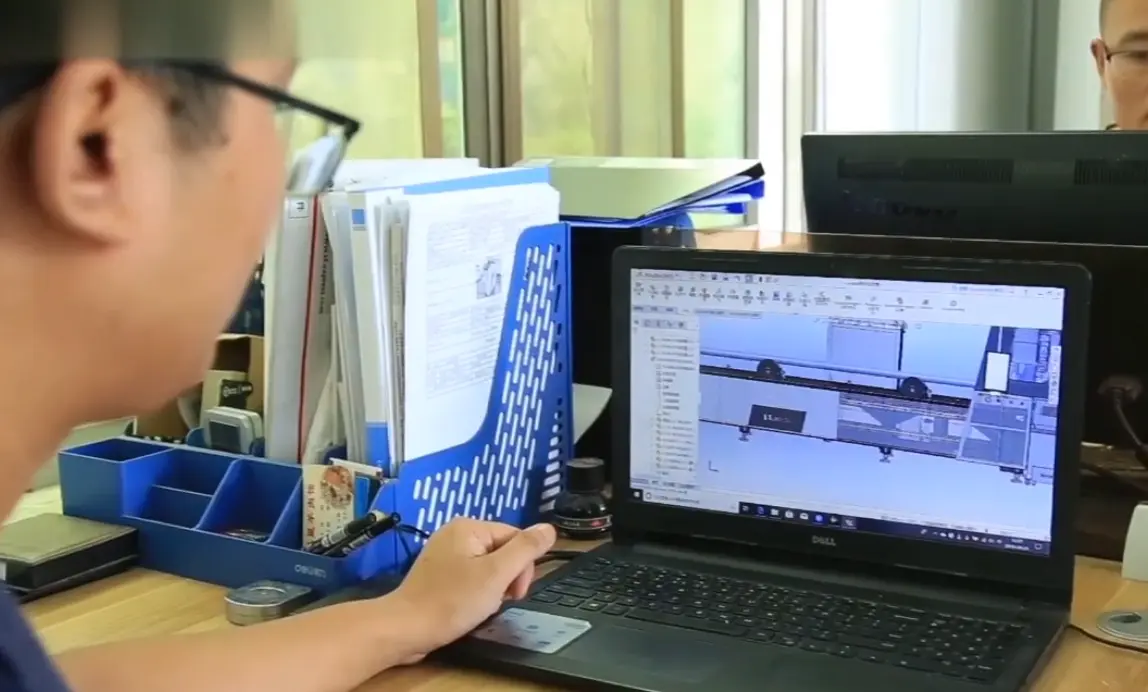
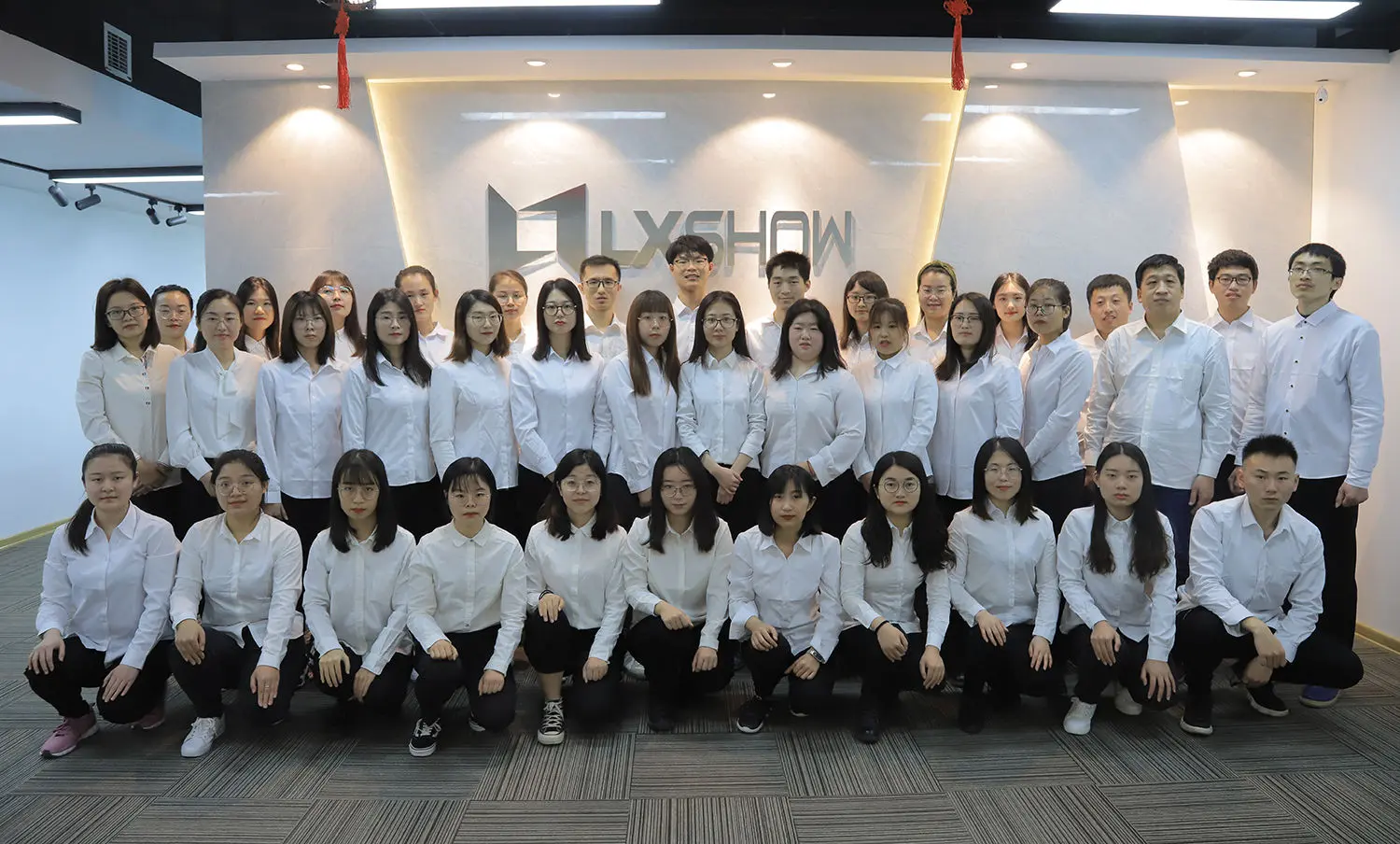
Where high-performance laser technology is designed, manufactured, and quality-tested
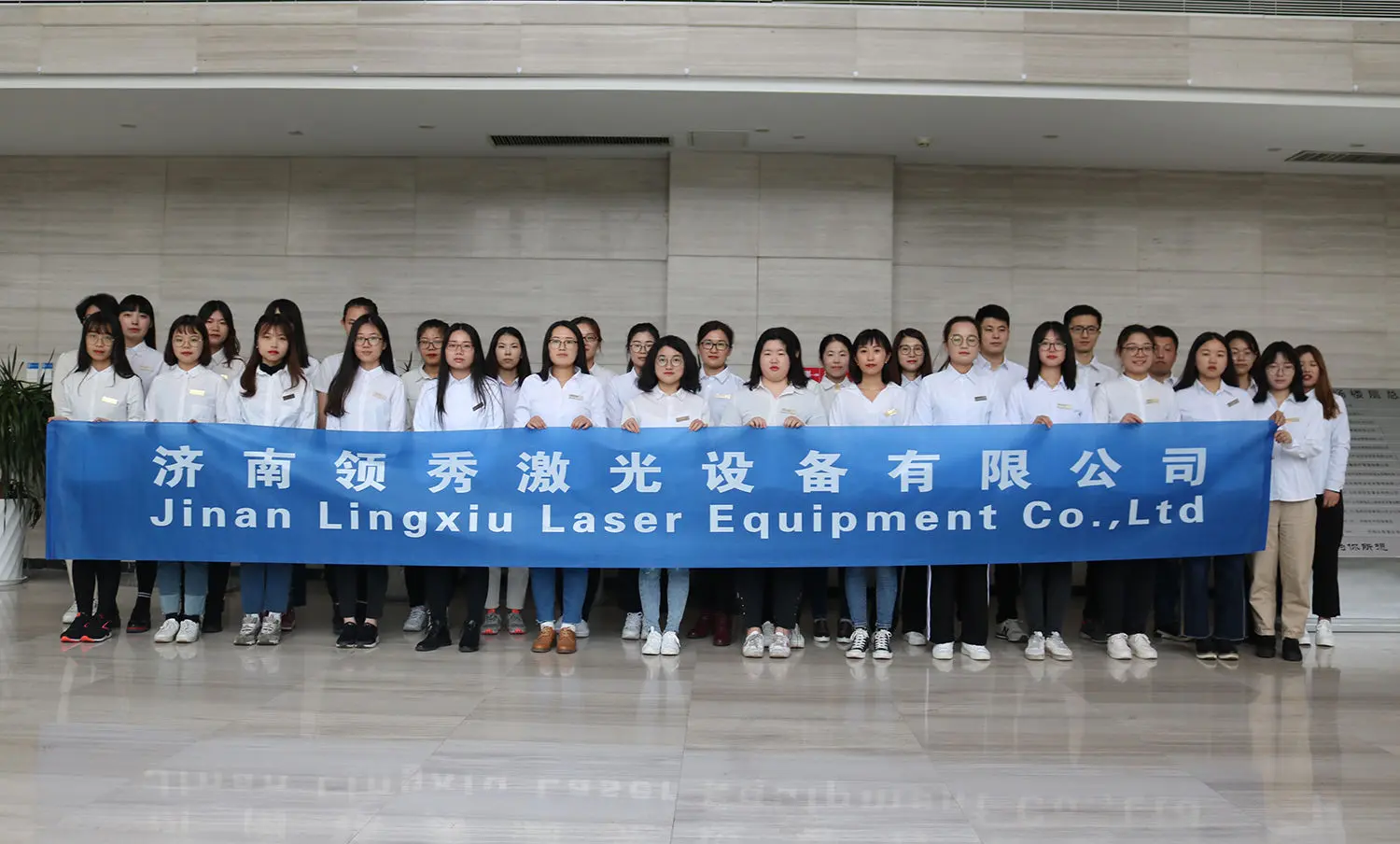
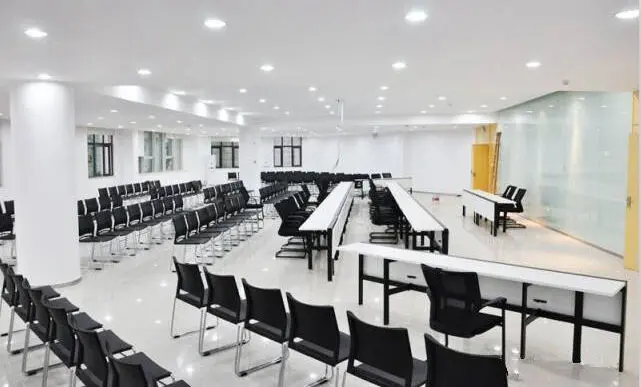
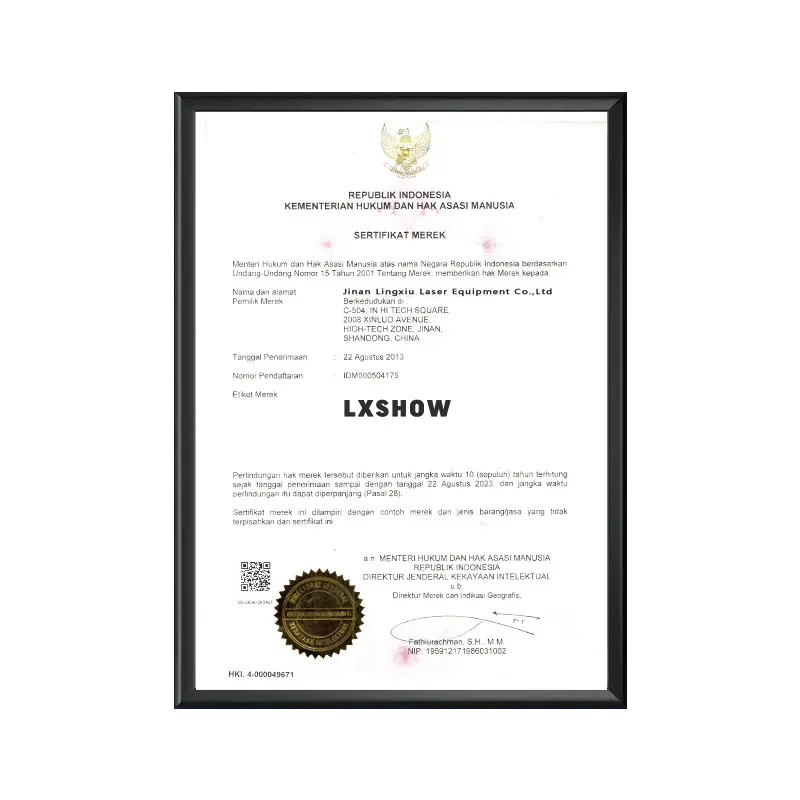
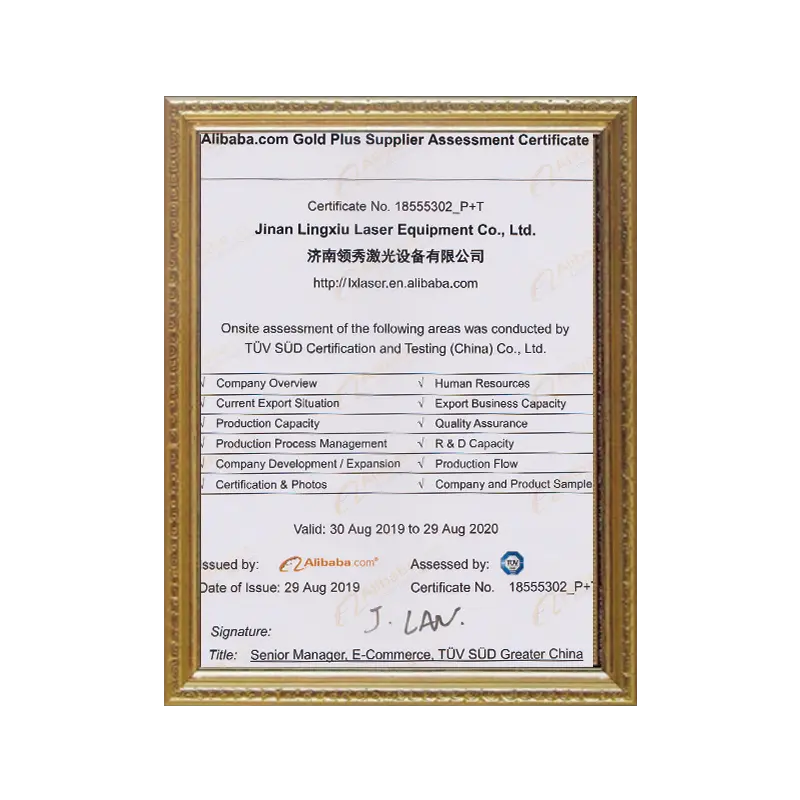
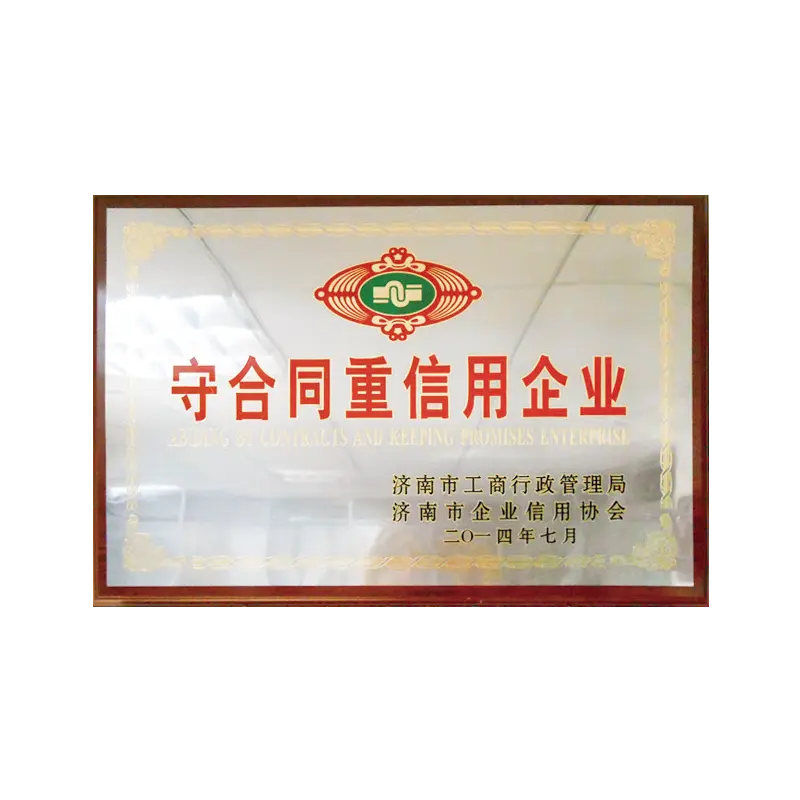
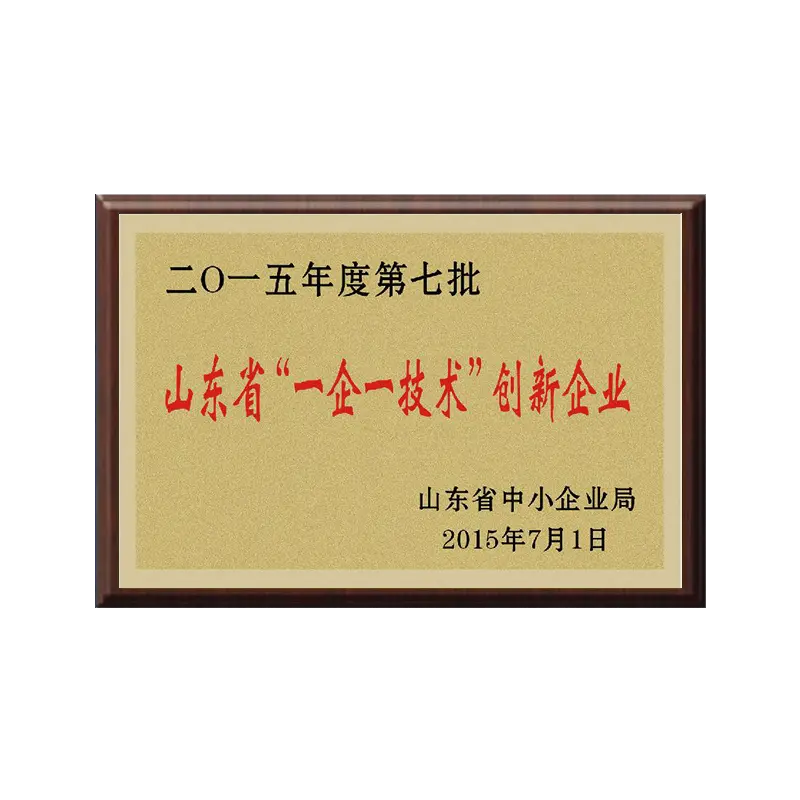
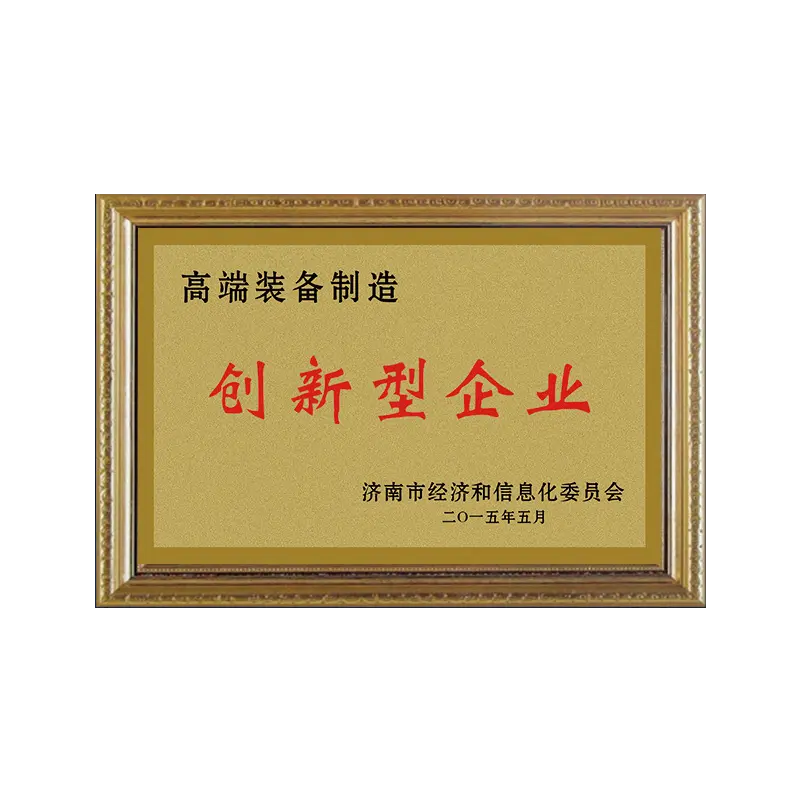
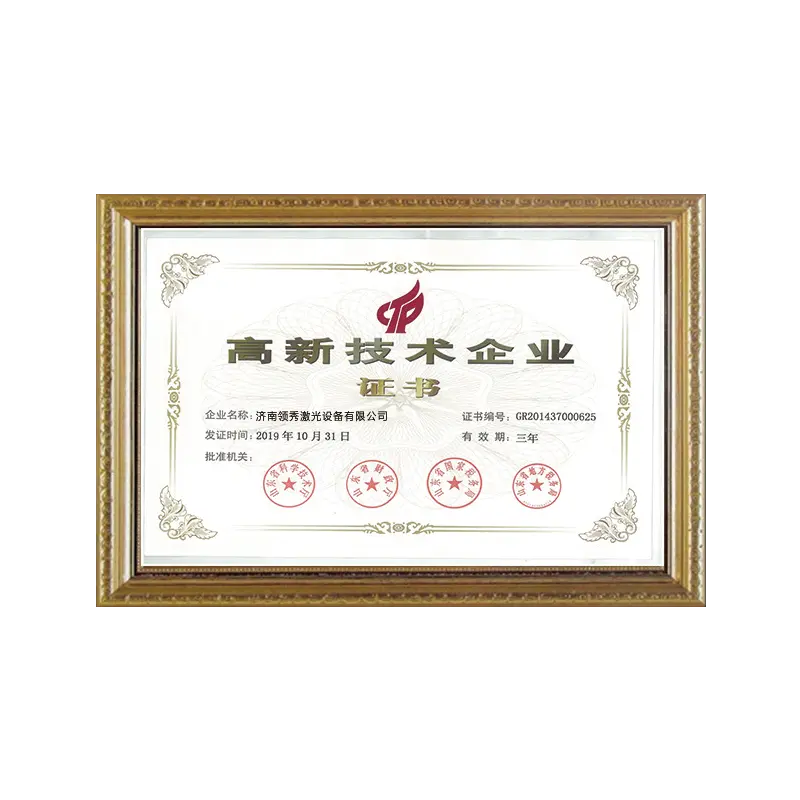
Explore specialized industrial equipment, from heavy cladding components to high-tonnage sheet metal bending press brakes
Enables reliable, long-term coating and surface repair applications for heavy industrial components.
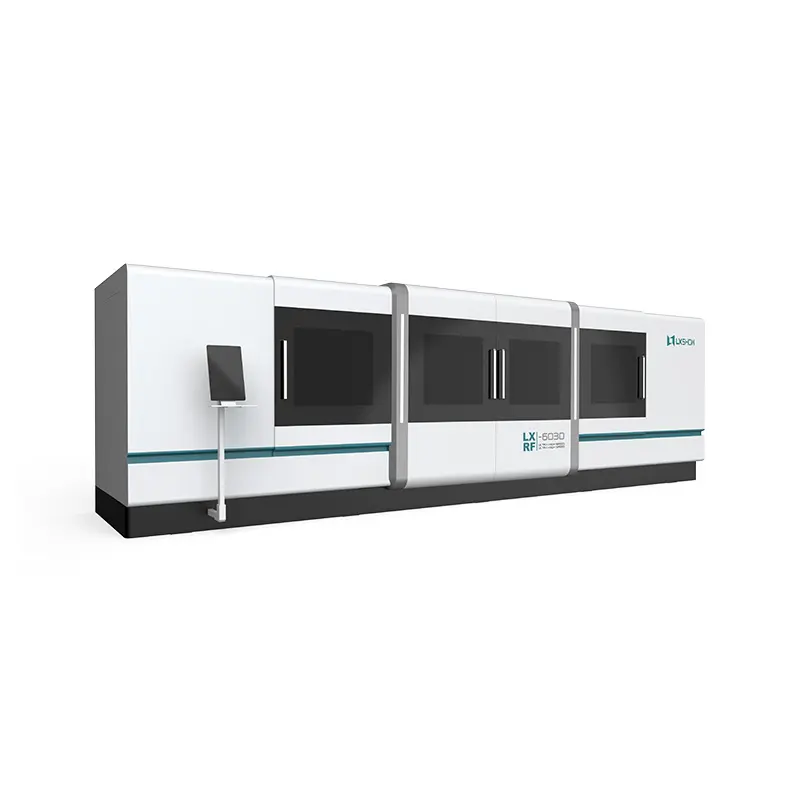
Designed for stable batch coating operations on rotationally symmetric parts.
Inquire Now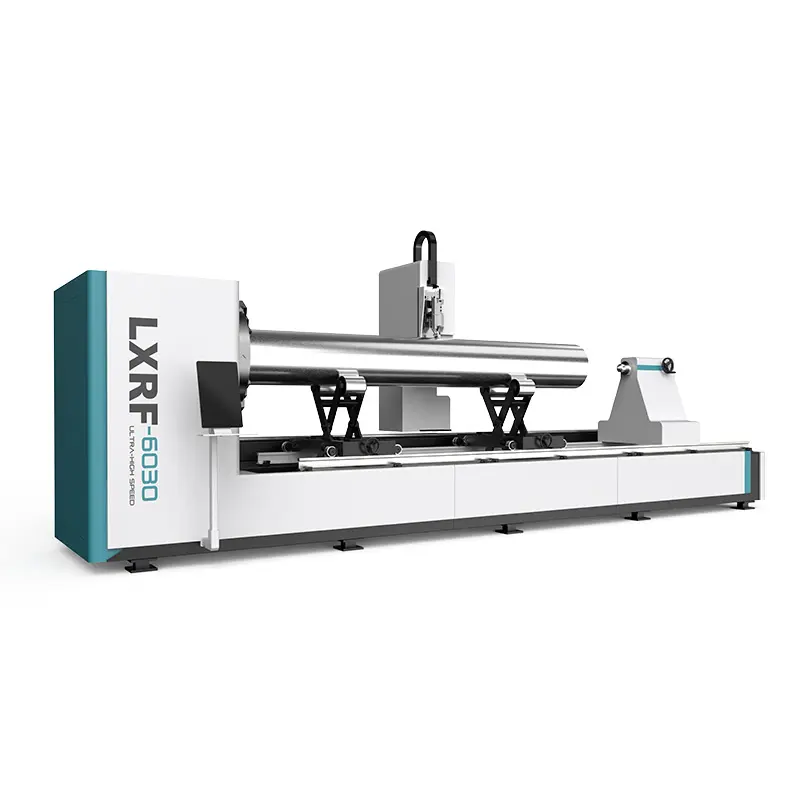
High accuracy positional control system built for robotic manufacturing cells.
Inquire Now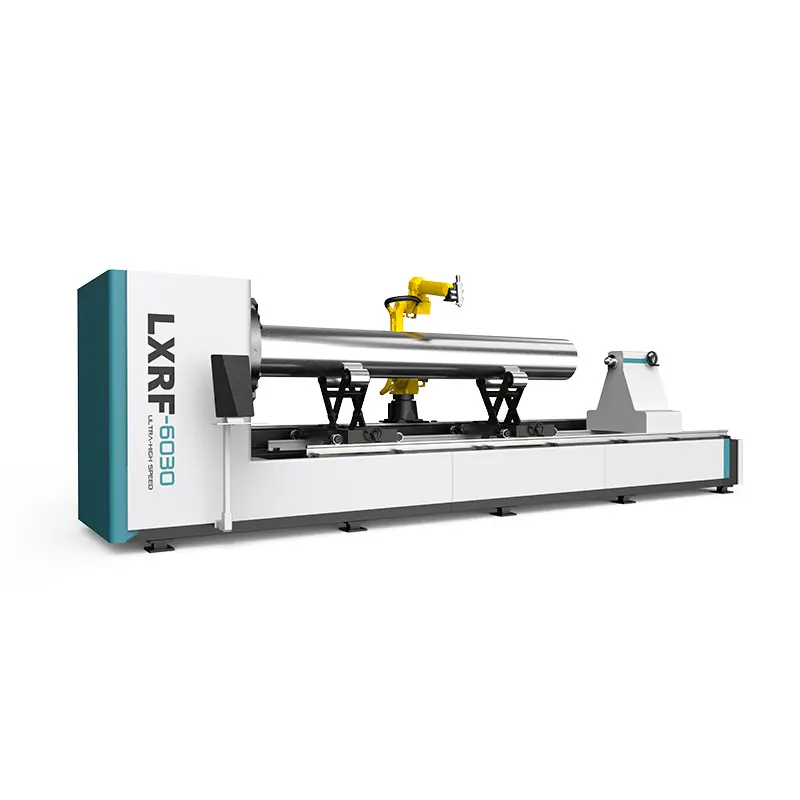
Multi-axis industrial robot arm integrated with high-power cladding optics.
Inquire NowEco-friendly surface preparation, paint removal, rust stripping, and oxide cleaning systems.
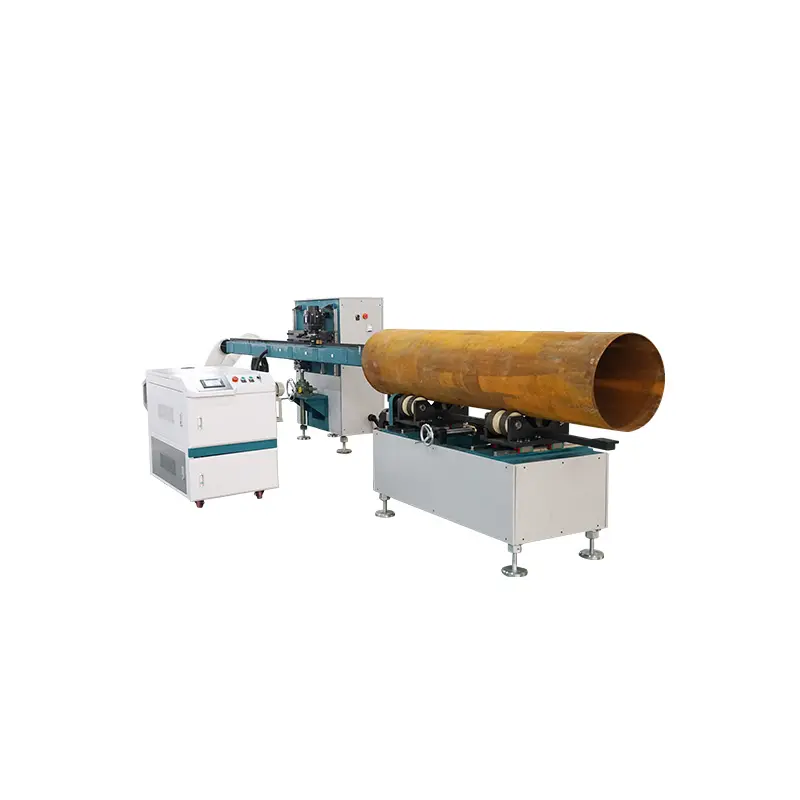
Specifically designed to descale and clean the internal surfaces of pipes.
Inquire Now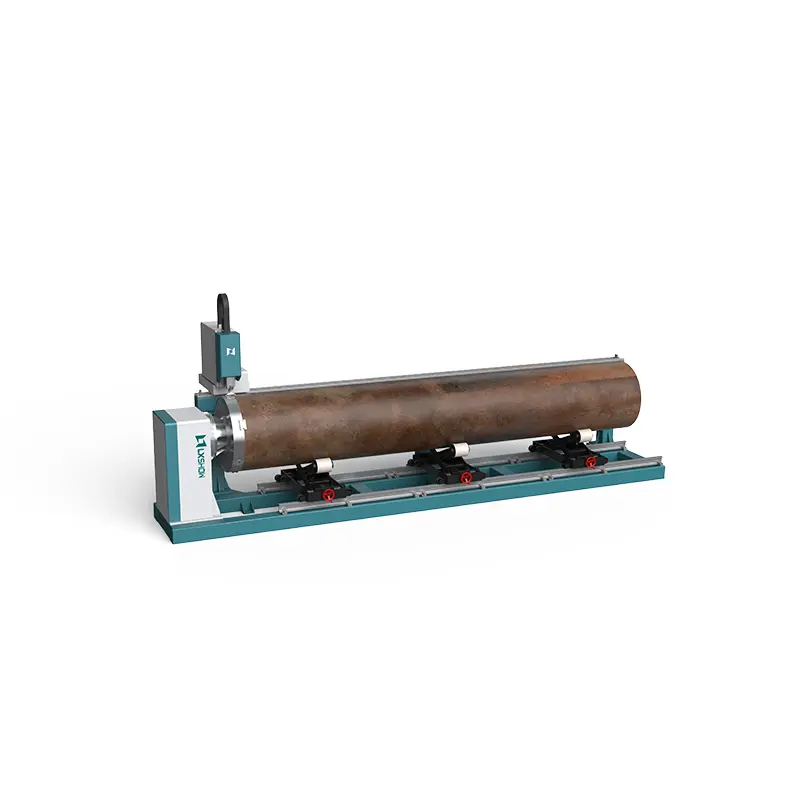
High-speed cleaning of exterior profiles and structural framework.
Inquire Now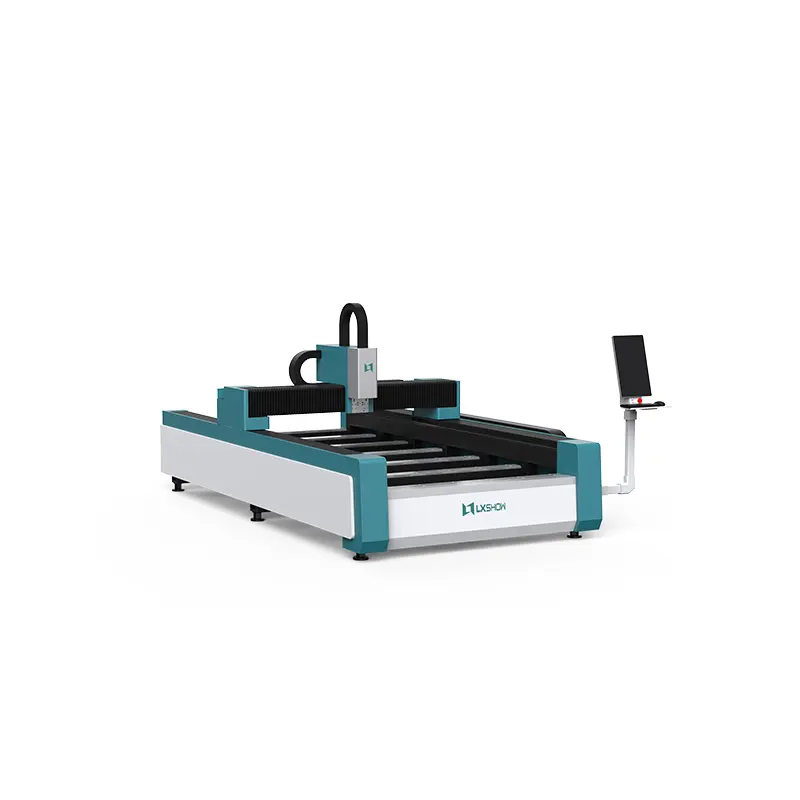
Large-area scanning systems for rapid flat plate oxide layer removal.
Inquire Now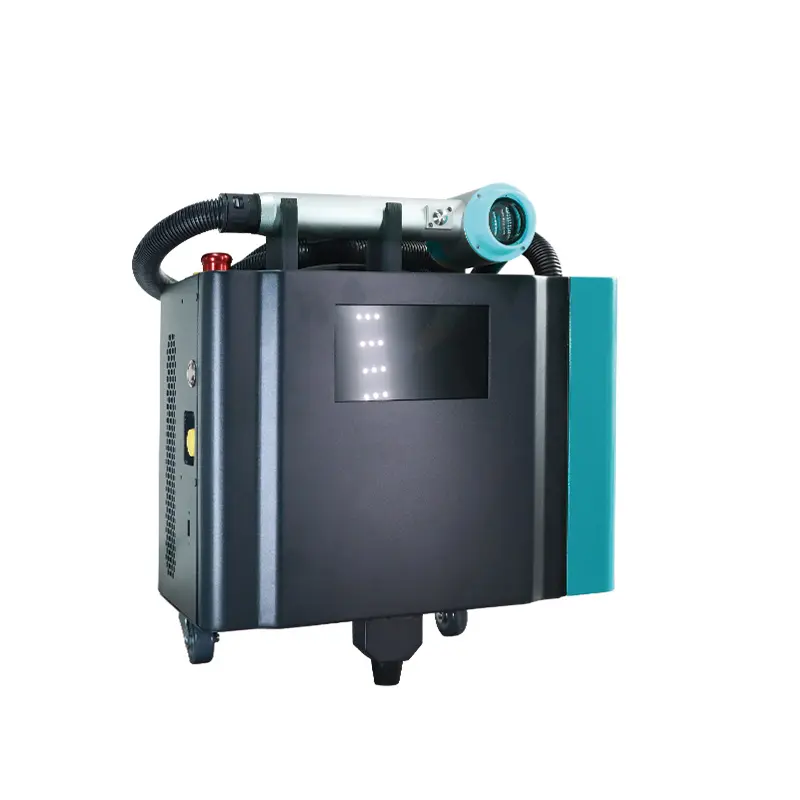
Delivers high weld strength, minimal heat distortion, and fast welding speeds for metals.
Maximum safety enclosure for high-power laser welding operations.
Inquire Now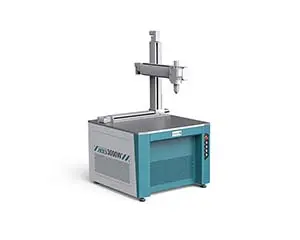
Ideal for high-precision components and electronic assemblies.
Inquire Now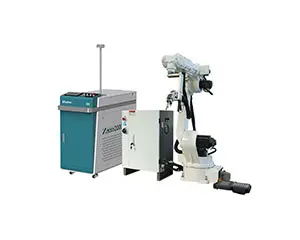
Automated 3D laser welding for complex structural configurations.
Inquire NowHigh mechanical stability and advanced control for precise angle forming.
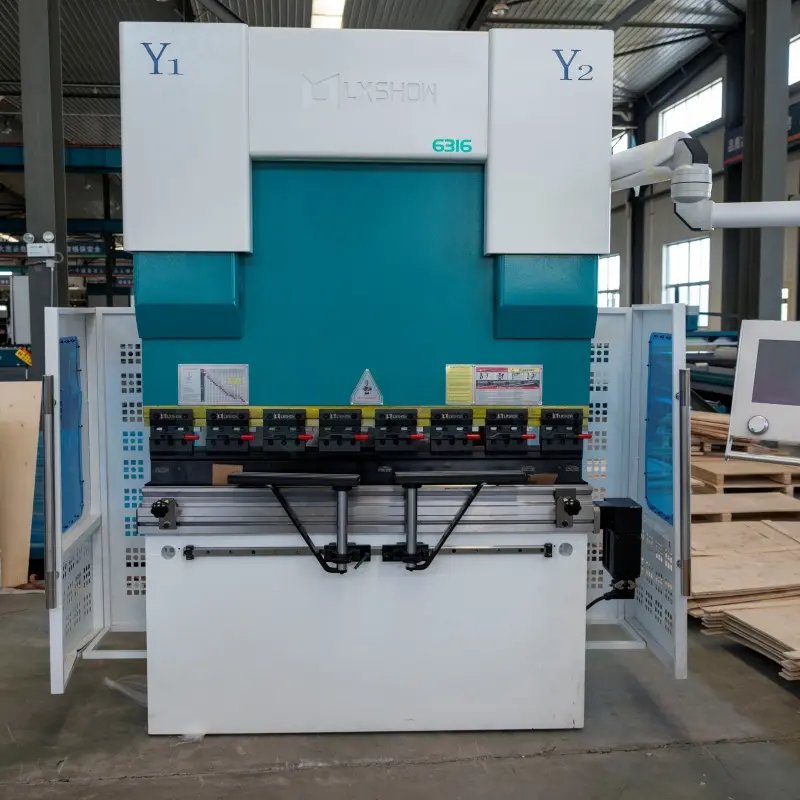
Precise electronic synchronization for repeatable sheet metal bending.
Inquire Now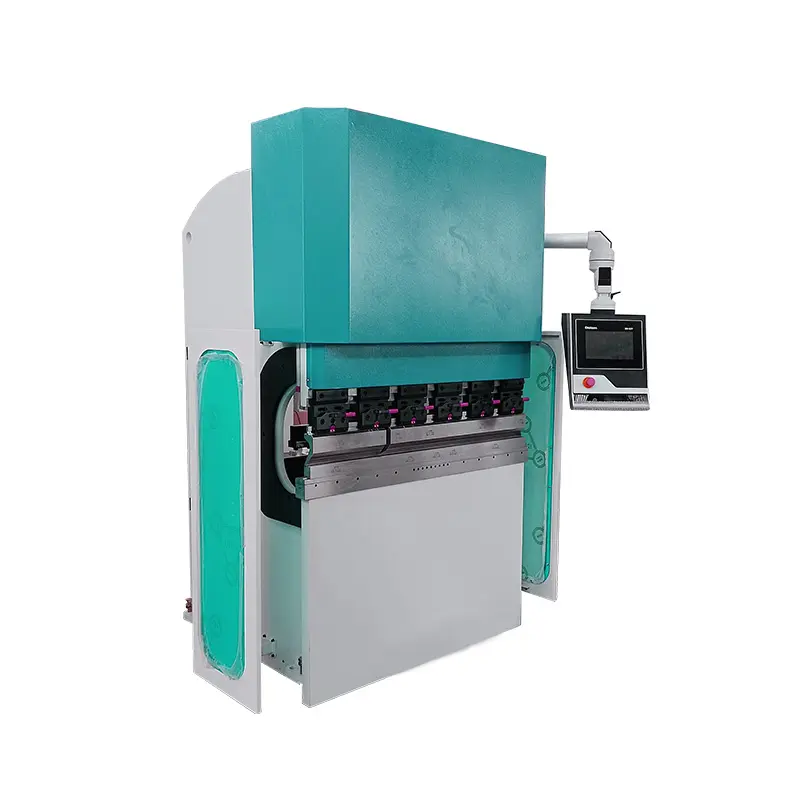
Clean, eco-friendly system with no hydraulic fluids and high speeds.
Inquire Now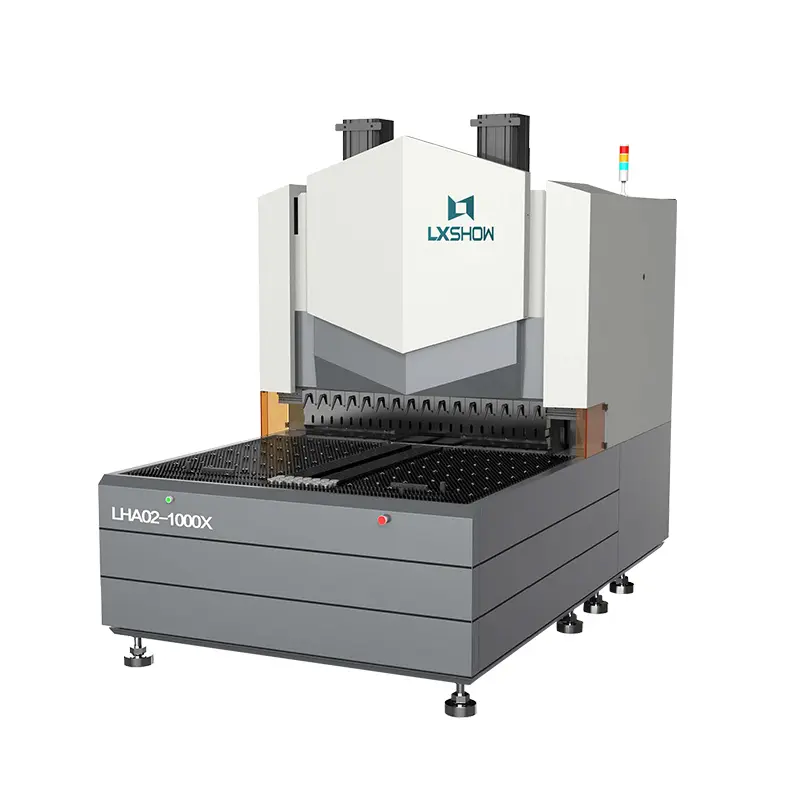
High-speed panel bending for complex, multi-sided sheet metal parts.
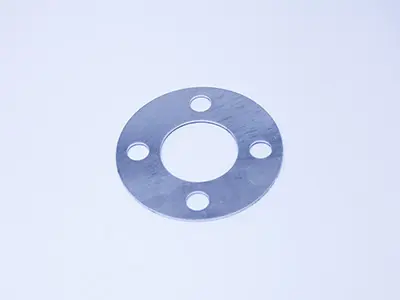
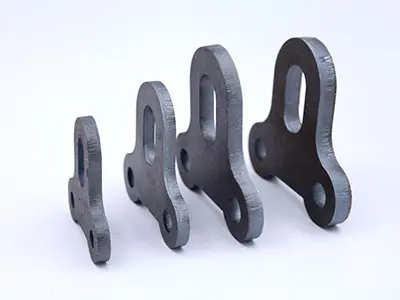
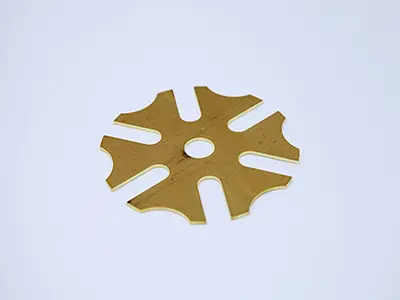
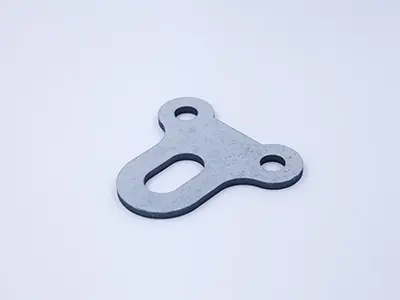
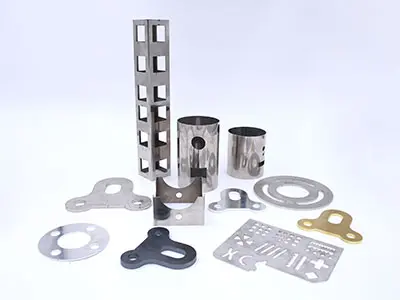
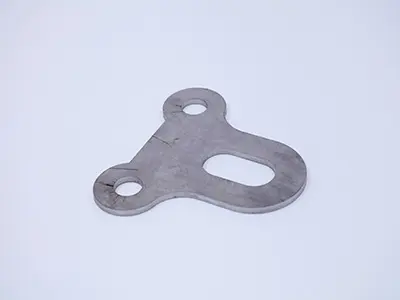
Inquire NowOur machinery is designed to process diverse metals for high-performance global industries
Answering technical queries for production supervisors, procurement managers, and design engineers
High-capacity machinery built to handle demanding metal fabrication requirements
 Lxshow