Engineered for structural steel, precision sheet metal fabrication, and automated production pipelines.
A comprehensive overview of global manufacturing challenges, technological evolution, and capital expenditure optimization.
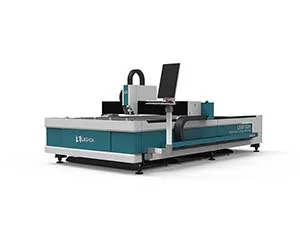
The global steel processing sector is experiencing an unprecedented structural transition. Across markets in North America, the European Union, Southeast Asia, and Latin America, manufacturers face a combination of strict regulatory pressures, escalating labor costs, and a demand for shorter lead times. In response, fiber laser cutting systems have transcended their role as luxury equipment to become standard, indispensable infrastructure for any metal service center or fabrication shop aiming for long-term competitiveness.
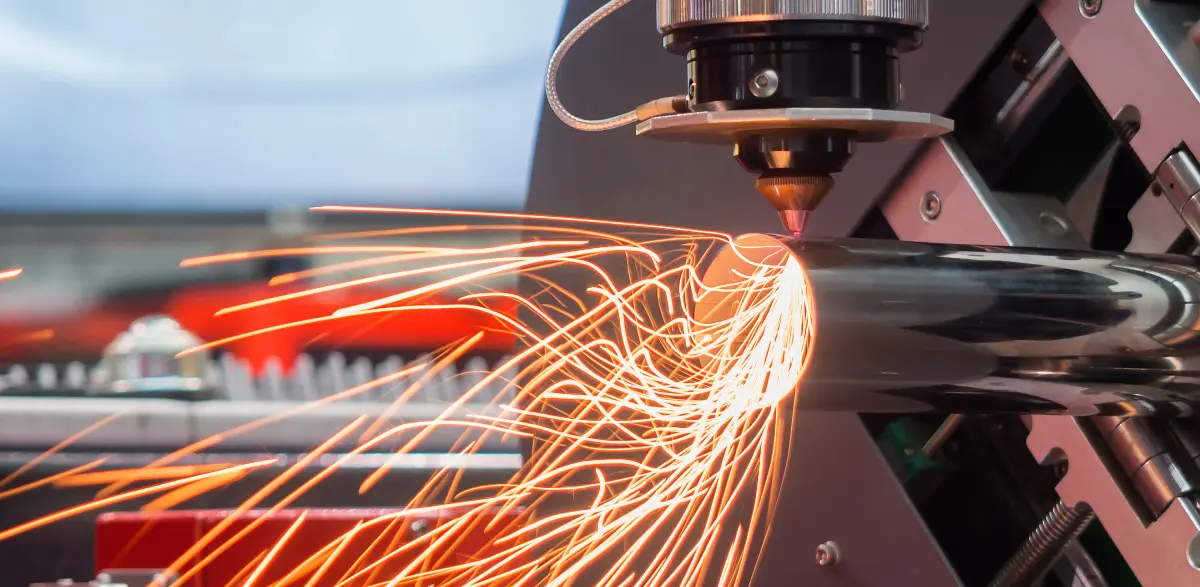
Compared to legacy CO2 lasers or plasma cutting systems, modern fiber lasers offer vastly superior electro-optical conversion efficiency (exceeding 35% compared to the 8-10% of CO2 systems). This transition dramatically cuts operational power usage, which represents a massive chunk of overhead in industrial fabrication plants. Additionally, the fiber laser wavelength (typically around 1.06 micrometers) is highly absorbed by common engineering steels, particularly carbon steel and stainless steel, facilitating swift processing speeds and minimal heat-affected zones (HAZ). This guarantees clean edges that require zero secondary dressing or post-process grinding, significantly improving throughput for downstream manufacturing steps like bending and robotic welding.
When engineering directors analyze global sourcing decisions, the geographic location of the supplier plays a major role in quality, lead time, and cost structure. China—particularly Jinan, Shandong province—has consolidated its position as the premier global cluster for fiber laser design and assembly. This concentration of specialized manufacturing capabilities results in distinct advantages:
Modern manufacturing requires multi-material capability. Fiber laser resonators deliver precise wavelengths ideal for processing structural carbon steels, highly reflective copper alloys, and high-tensile stainless steel sheets. Below is a structured breakdown of material classifications and localized engineering scenarios:
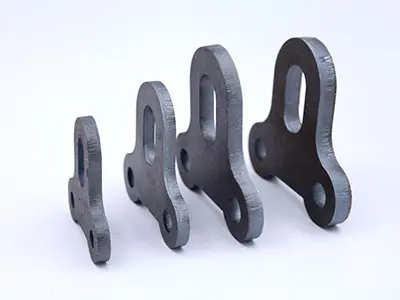
Utilized primarily in construction machinery, shipbuilding, and infrastructure. High-power oxygen-assist cutting delivers quick results in thick plate structures, forming clean oxidation layers that promote welding preparation.

Critical for commercial kitchenware, pharmaceutical processing containers, and automotive exhausts. Nitrogen-assist high-pressure cutting expels molten metal to prevent slag buildup, ensuring a shiny, clean-cut edge.
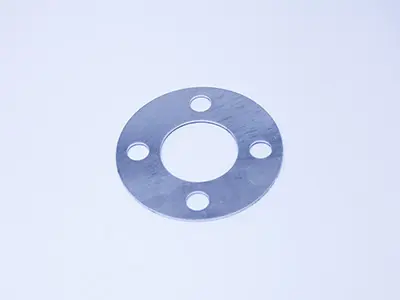
Popular in aerospace structure design and light commercial vehicles. High-speed laser cutting solves the thermal dissipation issues typically encountered with mechanical tools, ensuring stress-free components.

Highly reflective metals are tricky for traditional laser platforms. Advanced fiber laser resonators with built-in back-reflection protection allow continuous cutting of busbars, electrical grids, and heat exchangers.

Used widely in industrial cabinets, ventilation duct systems, and structural framing. Optimized laser systems vaporize the zinc coating cleanly along the kerf path without peeling the protective zinc layer nearby.
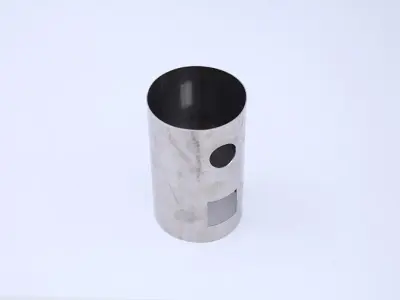
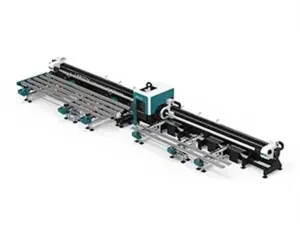
Perfect for structural frameworks, commercial gym gear, and agricultural vehicles. Tube cutting systems utilize high-precision rotary chucks to execute complex fish-mouth joints and intersection profiles.
Sourcing large-scale laser systems requires balancing capital expenditure with operational parameters. Purchasing directors, engineering executives, and plant managers should evaluate several critical technical variables before placing orders:
The manufacturing sector is progressing past standalone equipment toward fully connected ecosystems. The integration of high-power CNC laser cutting systems, automatic storage towers, and load/unload automation forms the foundation of modern smart factories. The implementation of IoT tracking modules permits production supervisors to oversee laser diagnostics, nozzle status, and gas levels remotely via mobile and desktop management dashboards.
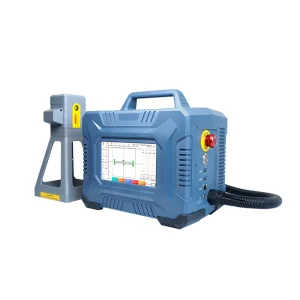
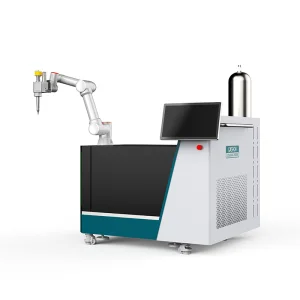
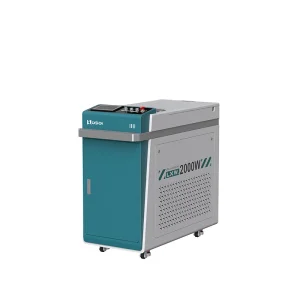
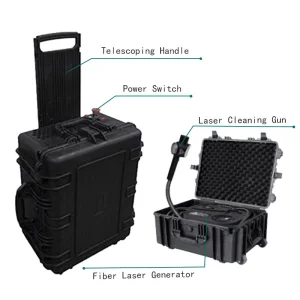
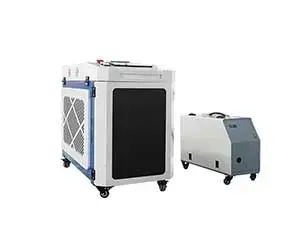
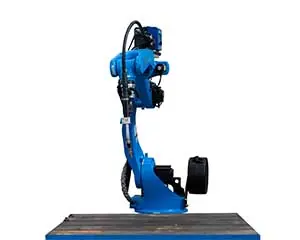
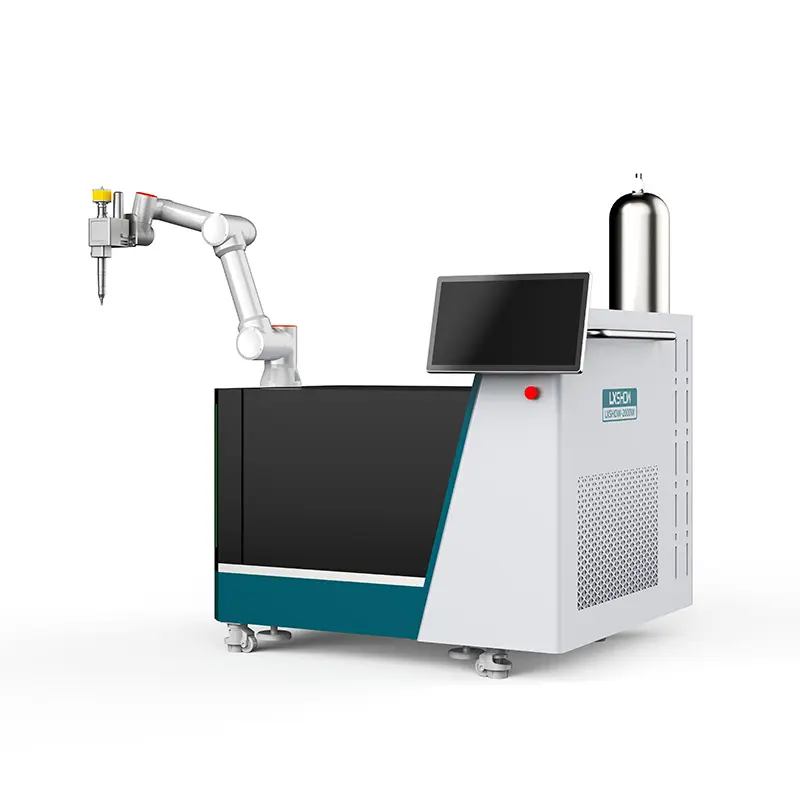
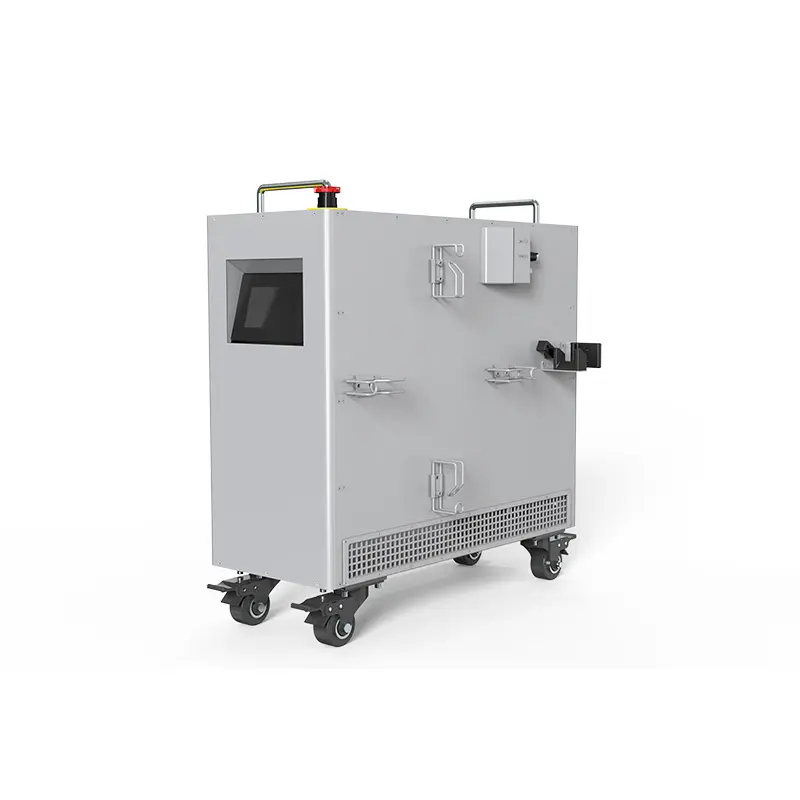
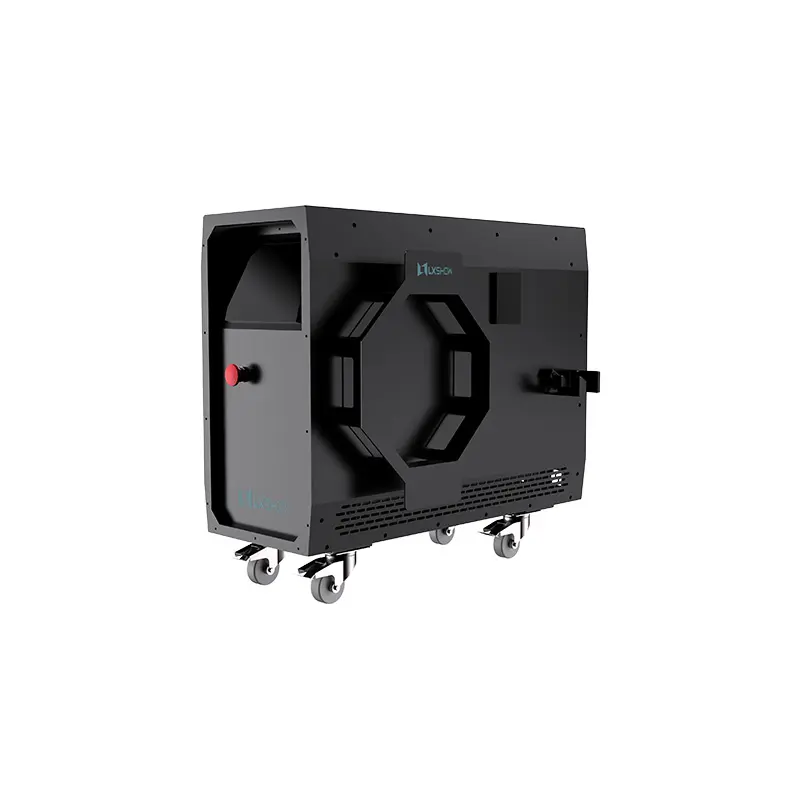
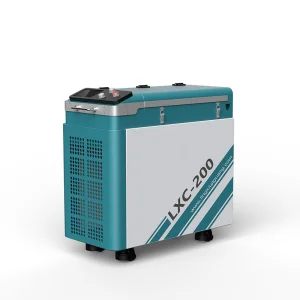
Simultaneously, secondary processing is evolving. Modern robotic welding arms (like the 2026 High Precision CNC Welder) and portable handheld cleaners work alongside laser cutters. Handheld cleaners remove oxidation layers from carbon steel parts, preparing them for precision welding and ensuring structural integrity in heavy-duty machinery. Using unified manufacturing setups reduces manual transport of materials, minimizes handling scratches, and boosts safety across the plant floor.
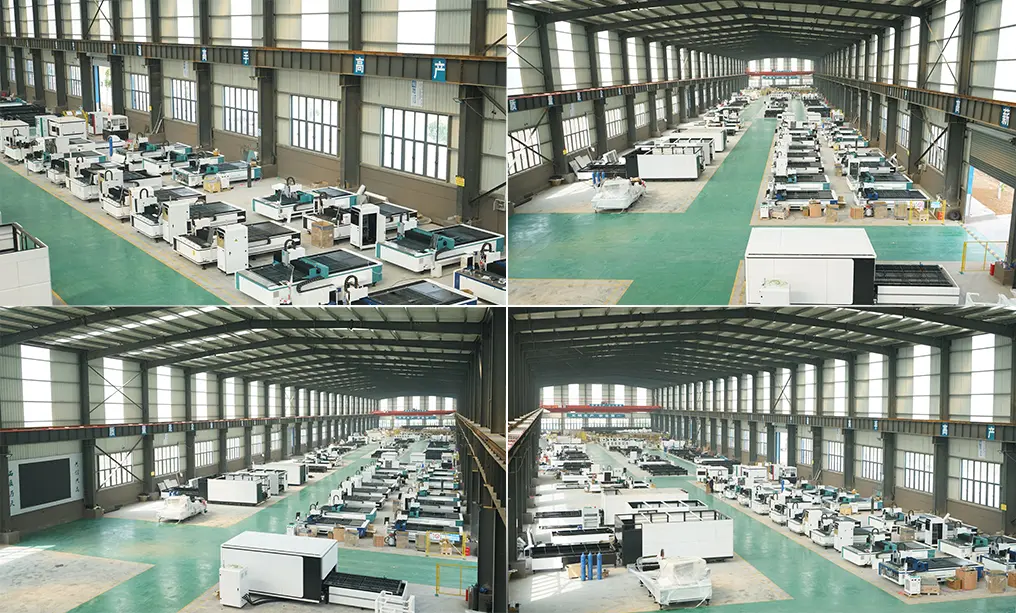
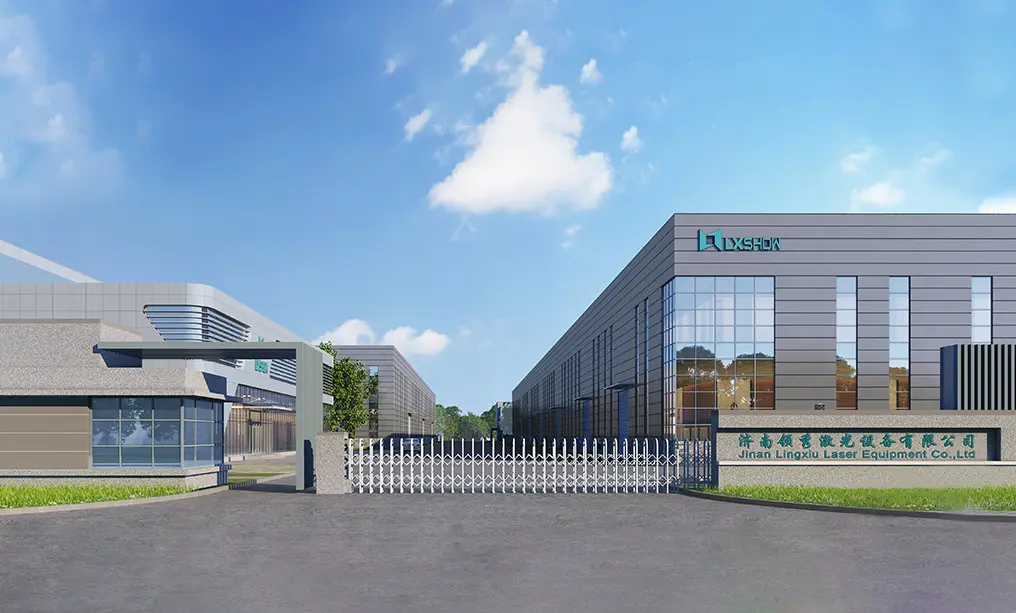
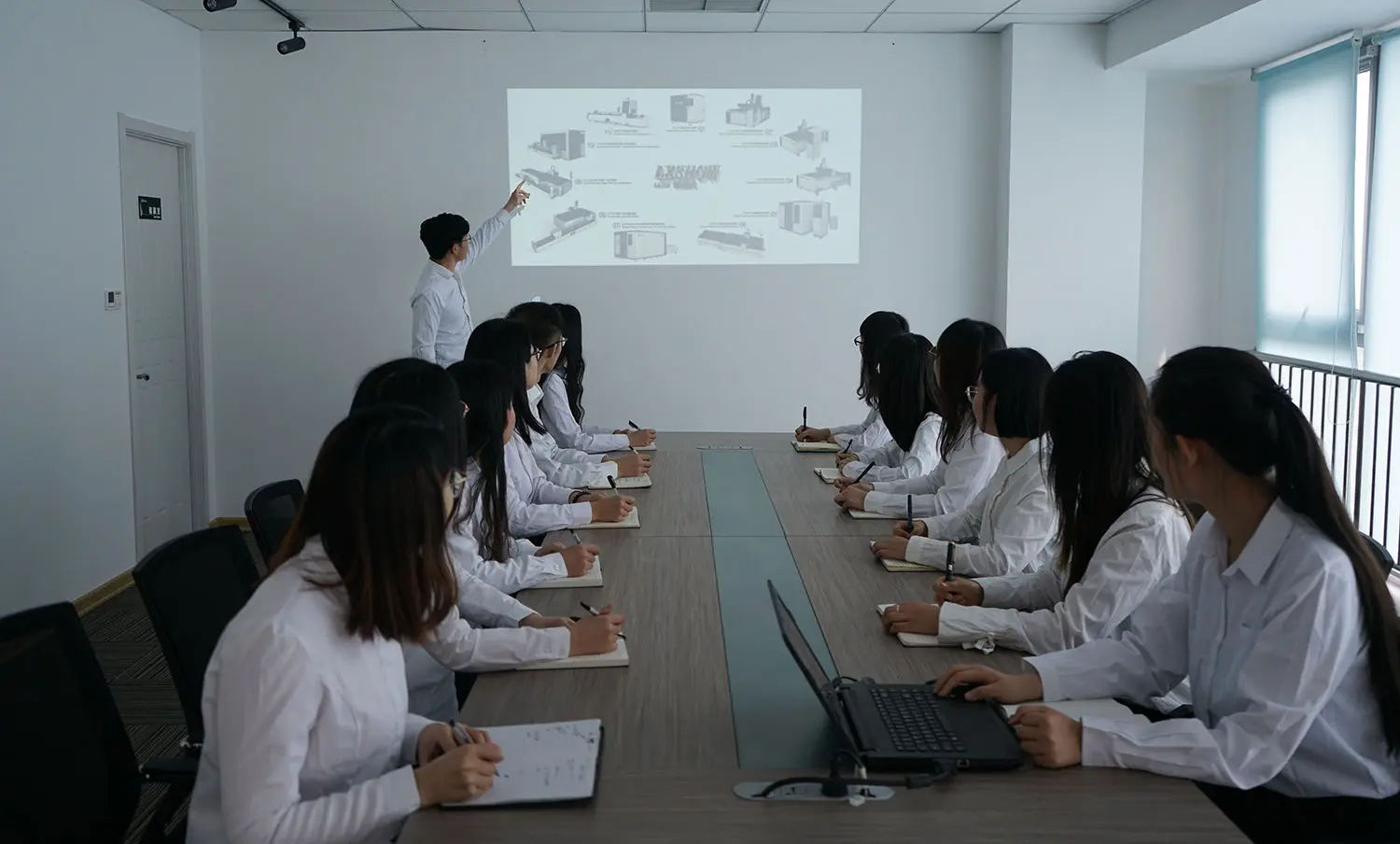
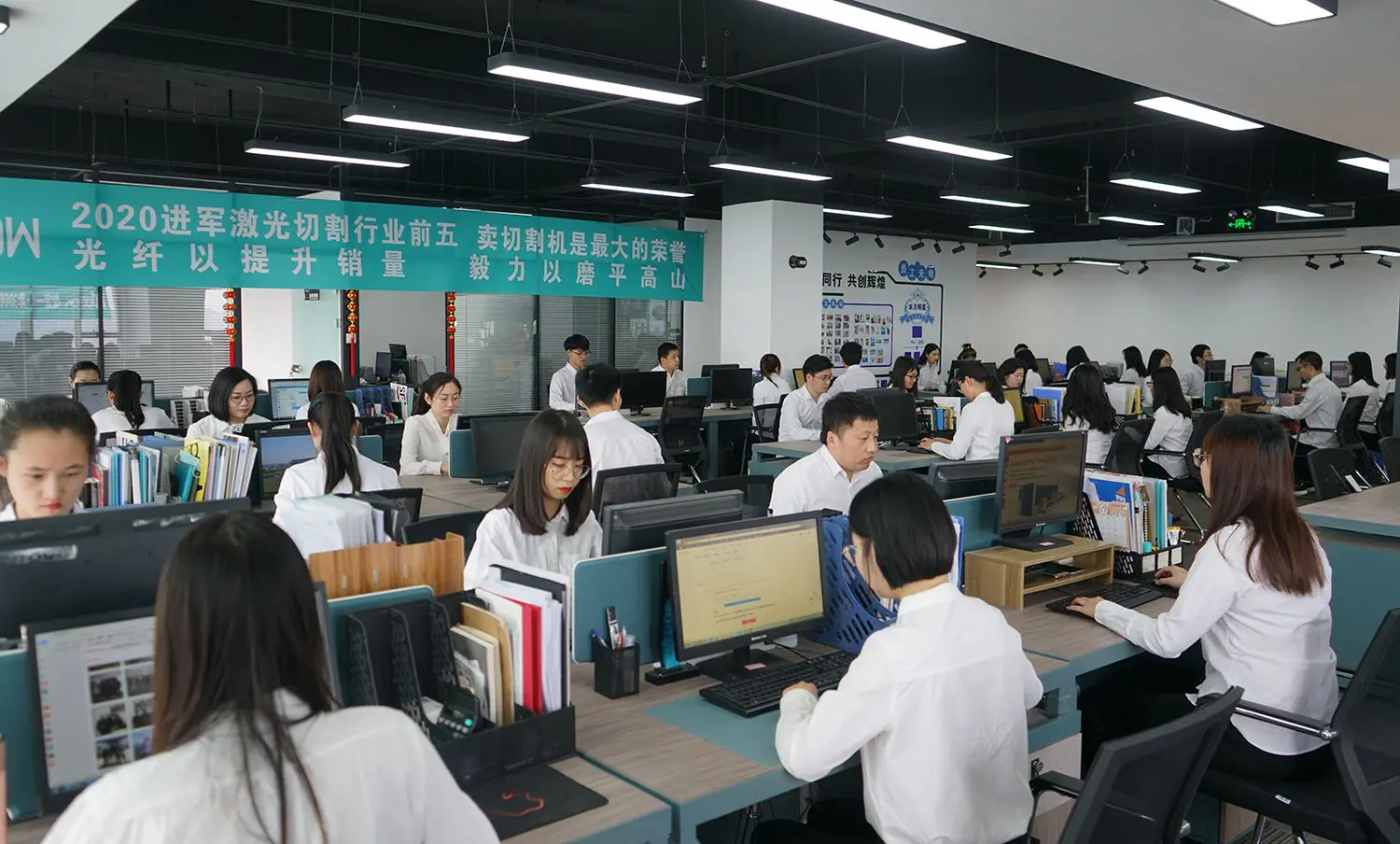
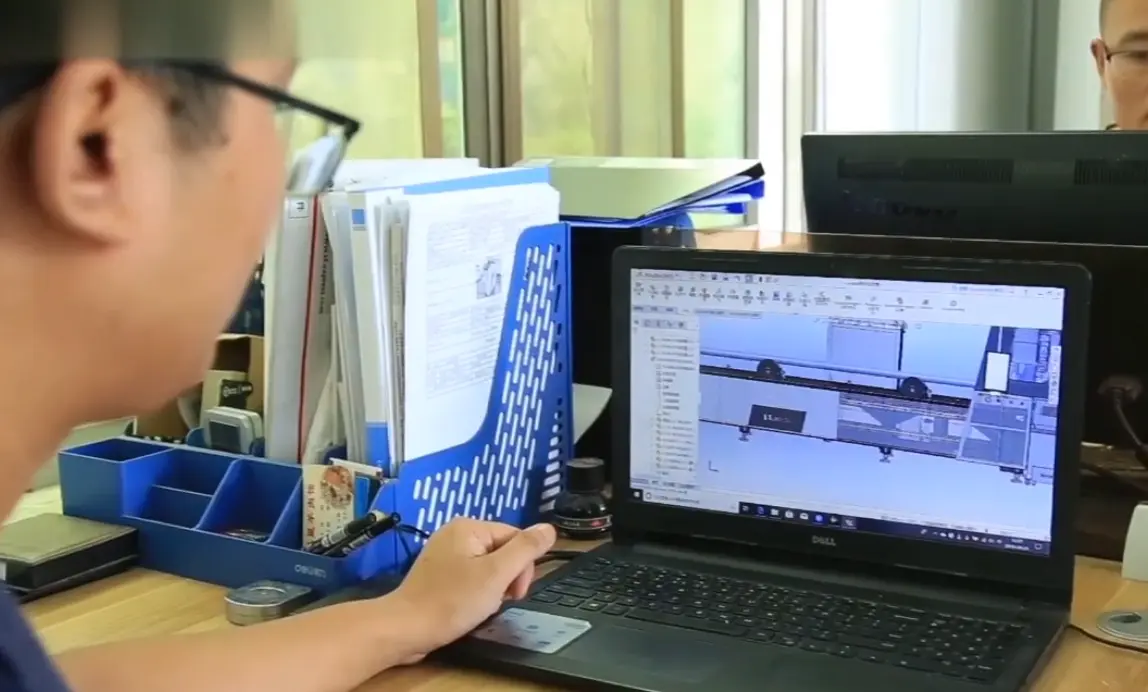
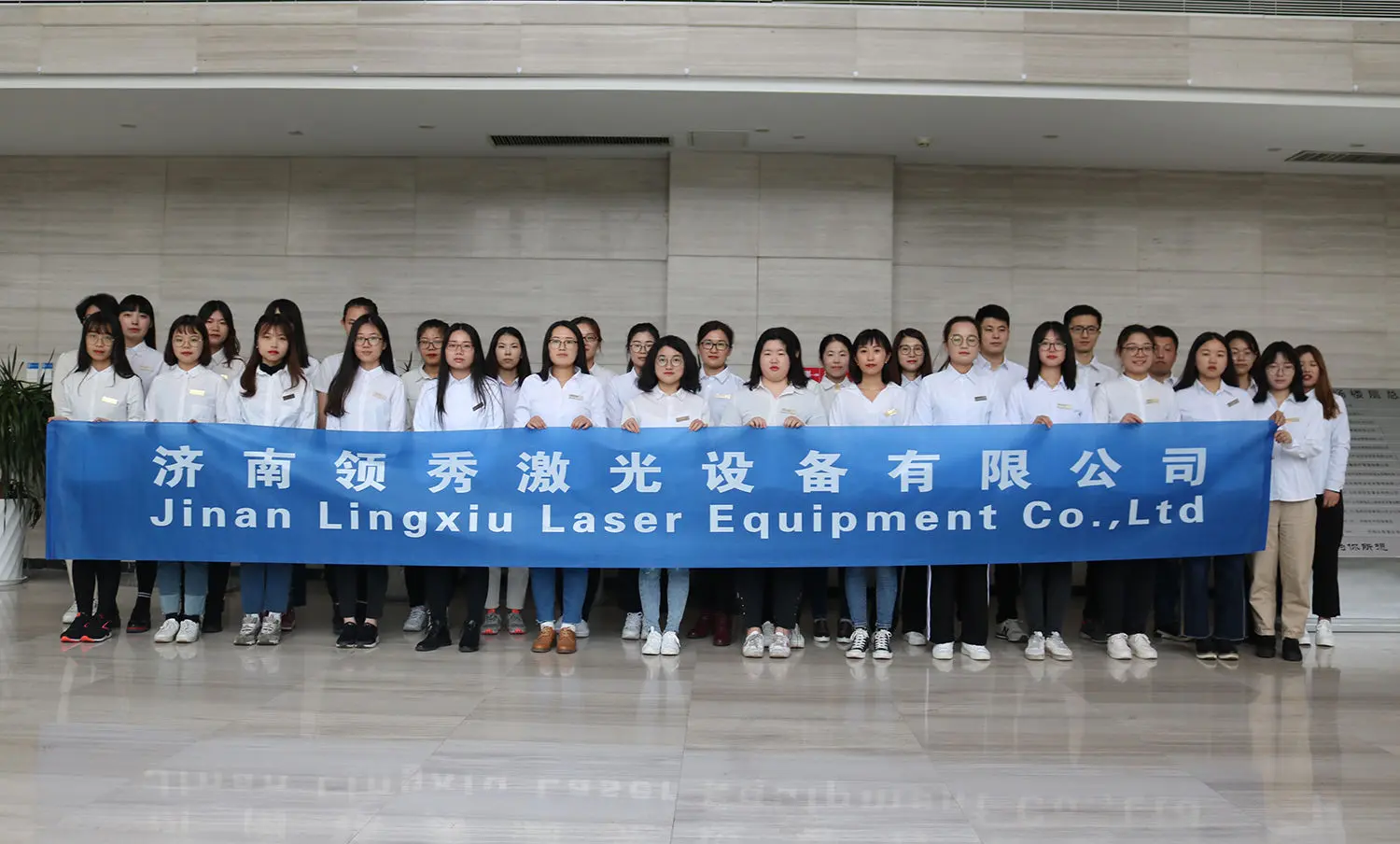
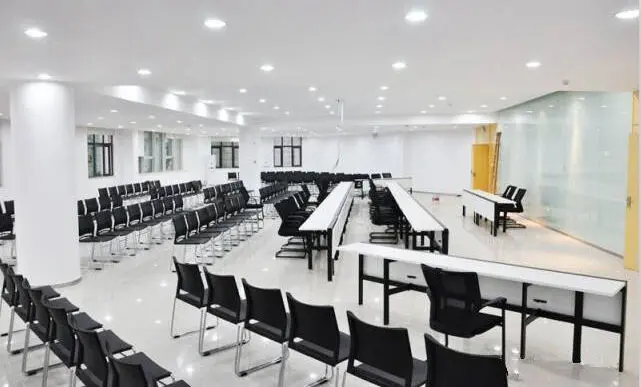
A tour inside our industrial fabrication workshop, professional design office, and testing departments.


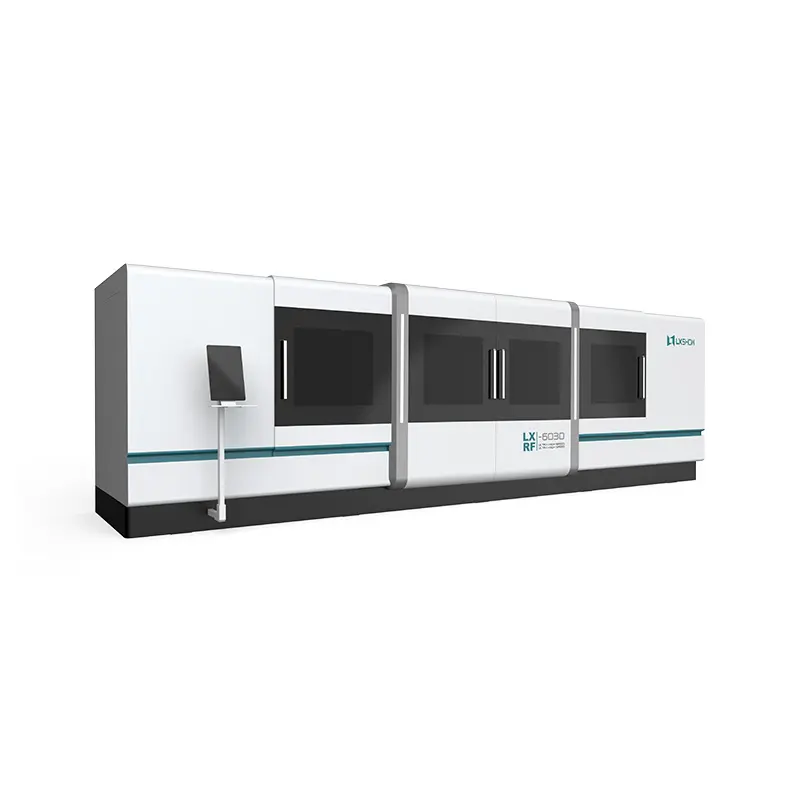
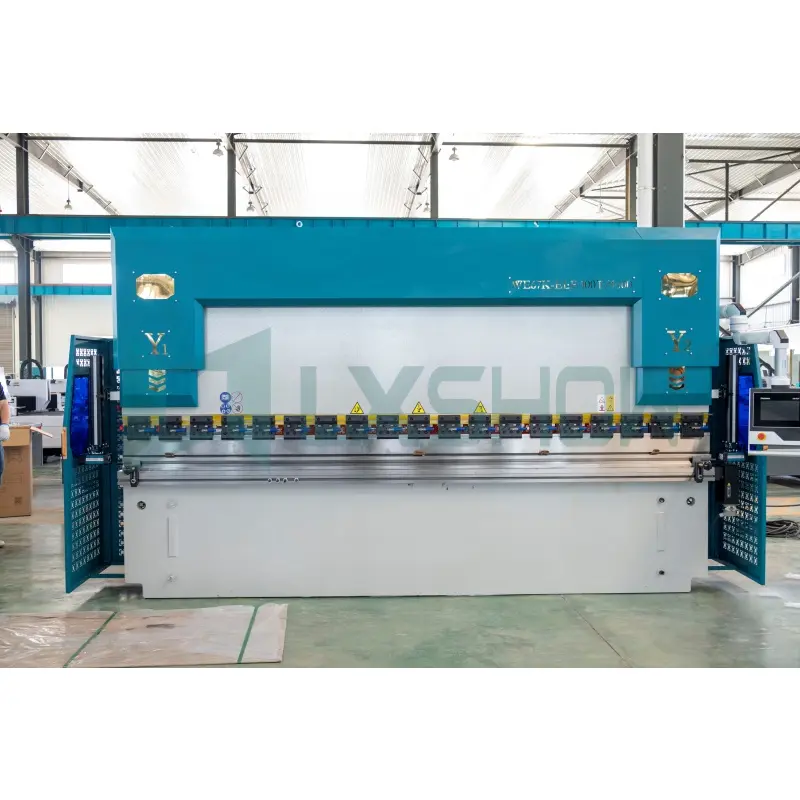
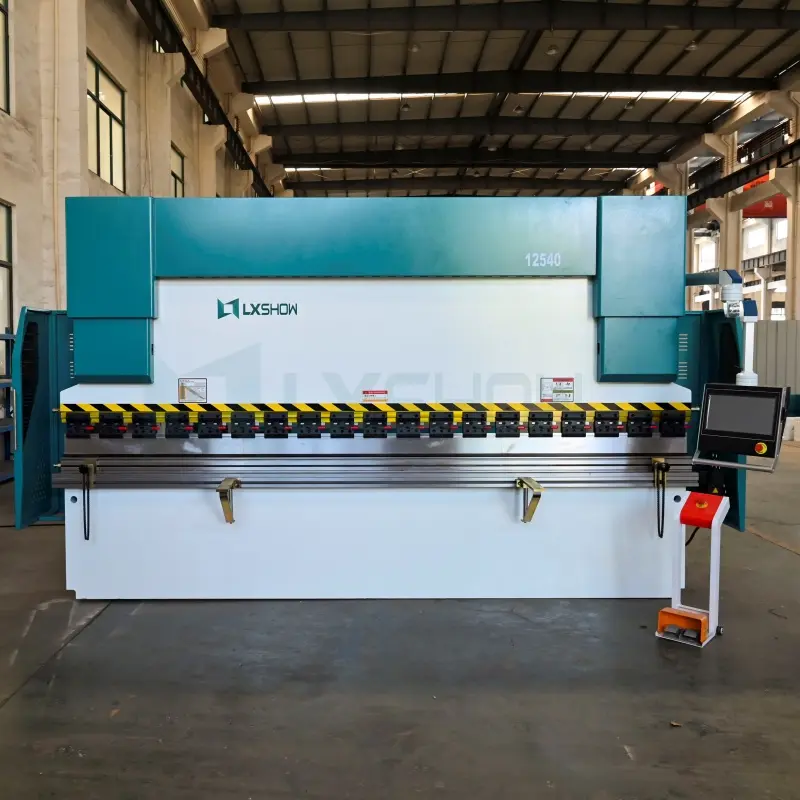
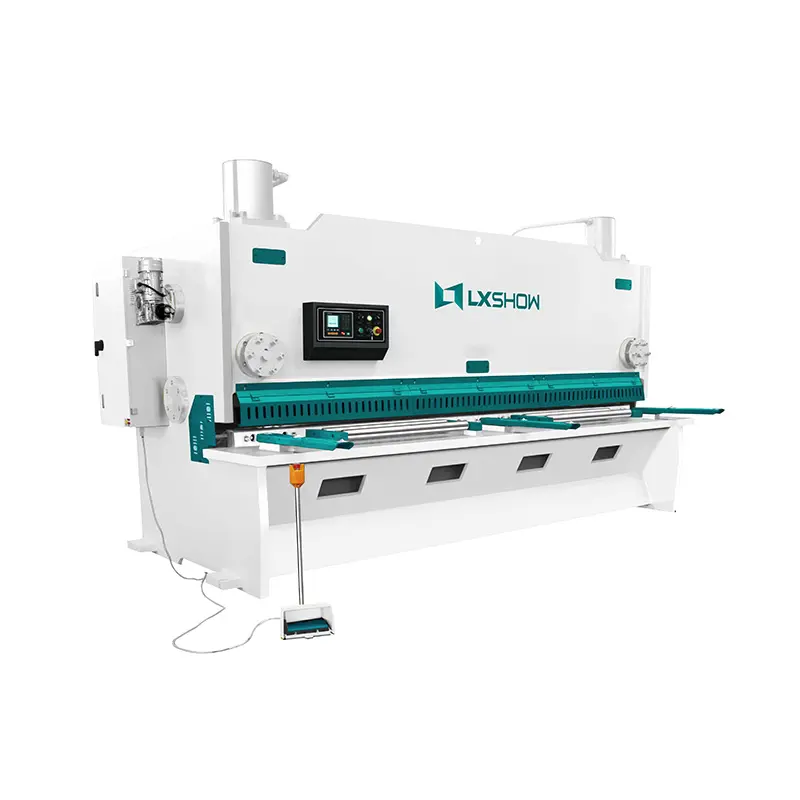
Explore our targeted product categories covering cladding, cleaning, welding, sheet bending, and shearing equipment.
Enables durable repair and micro-alloy cladding for industrial gearboxes, drill shafts, and surface engineering.
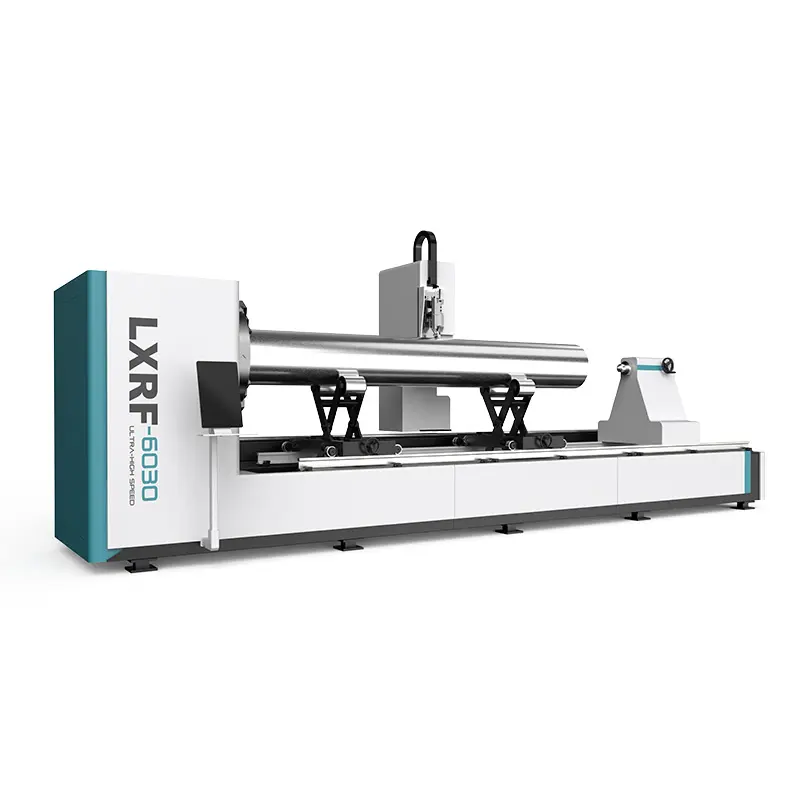
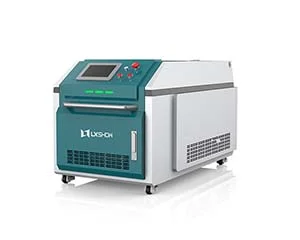
Delivers chemical-free surface preparation, paint removal, rust oxidation clearing, and surface profiling.
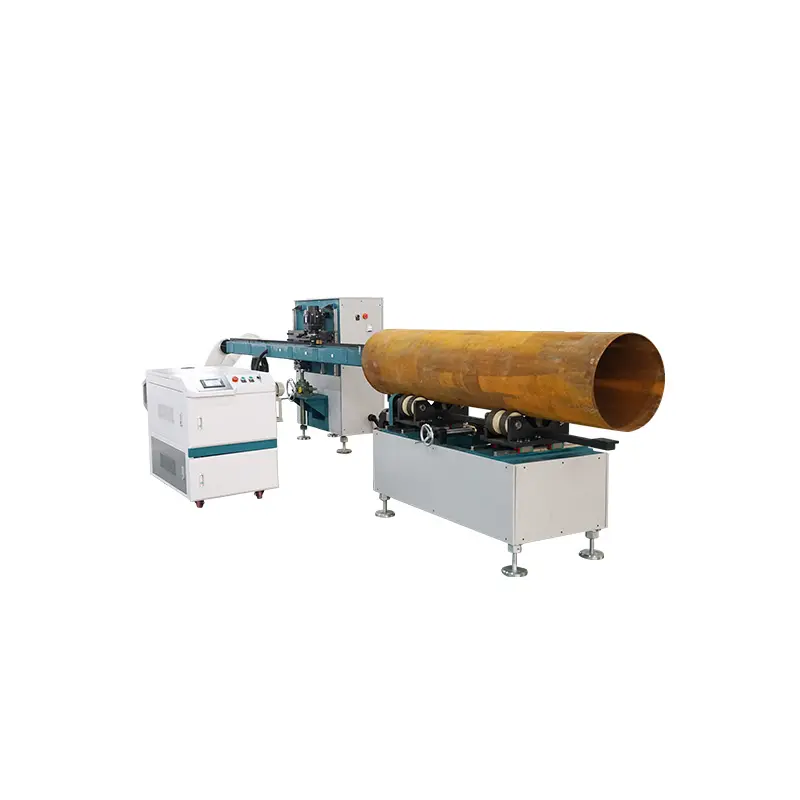
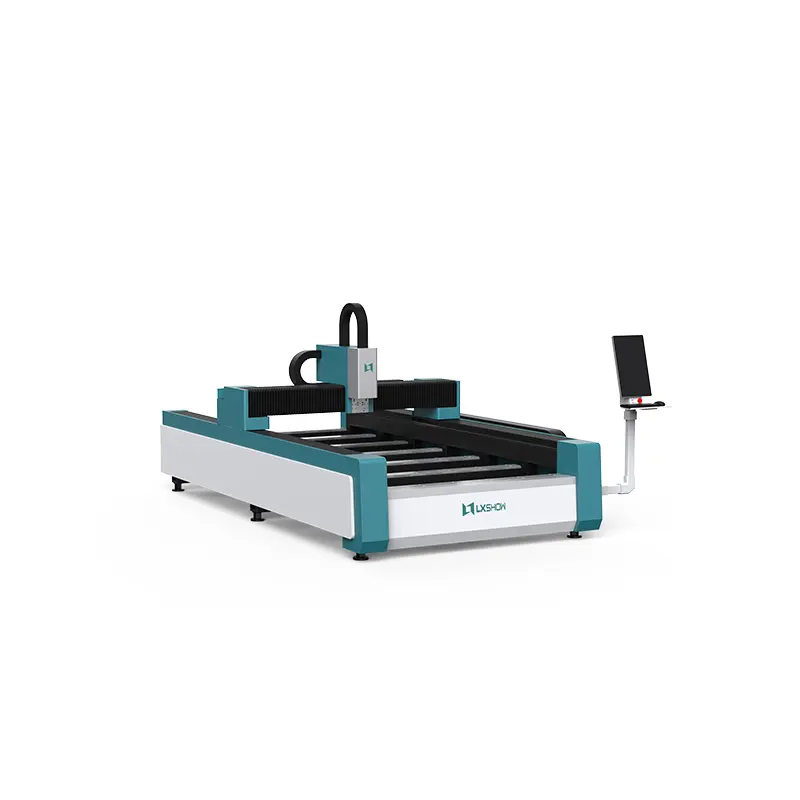
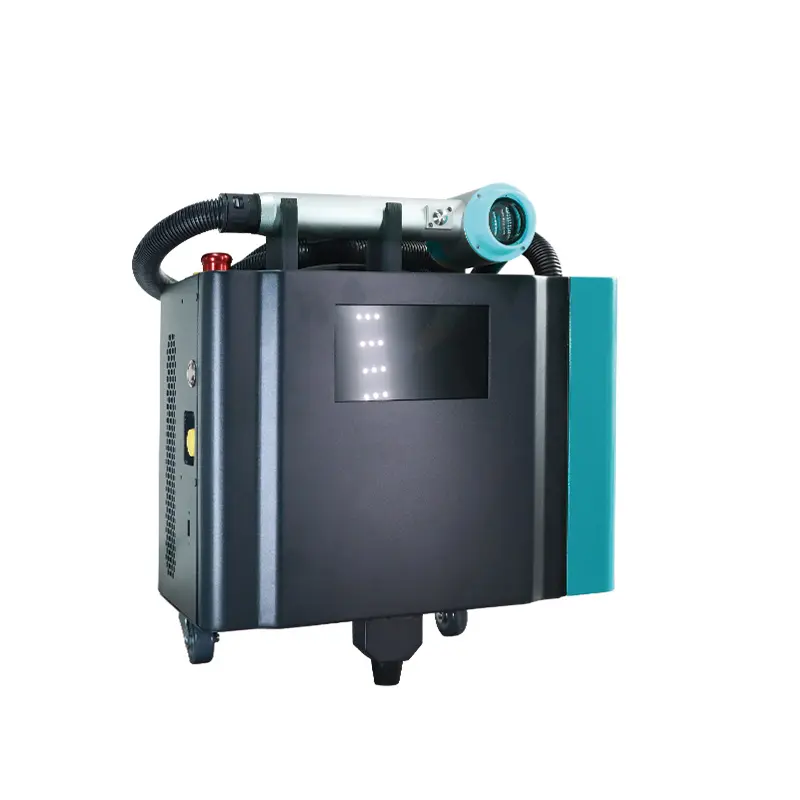
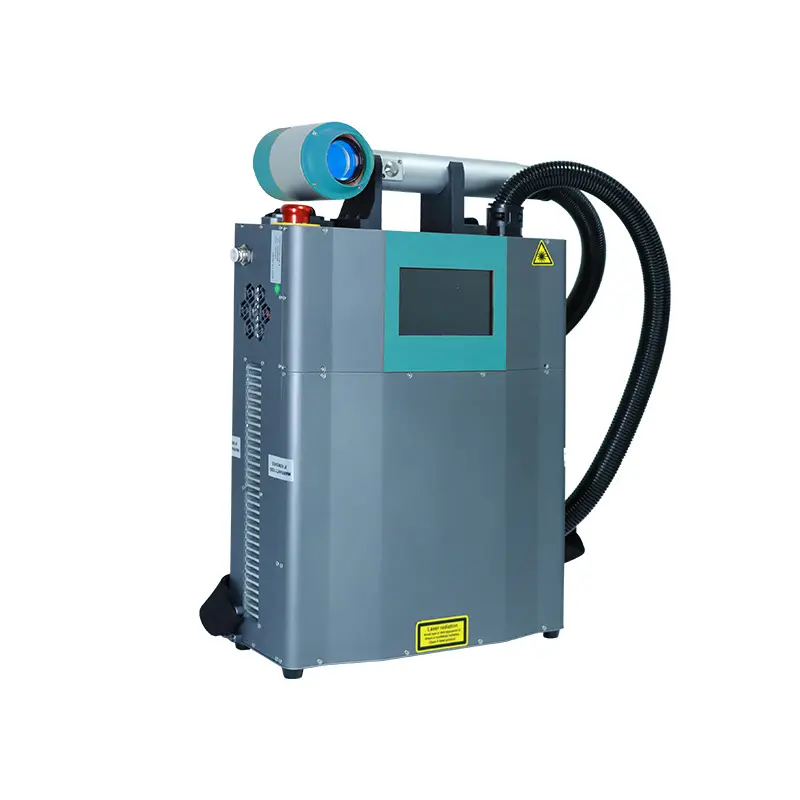
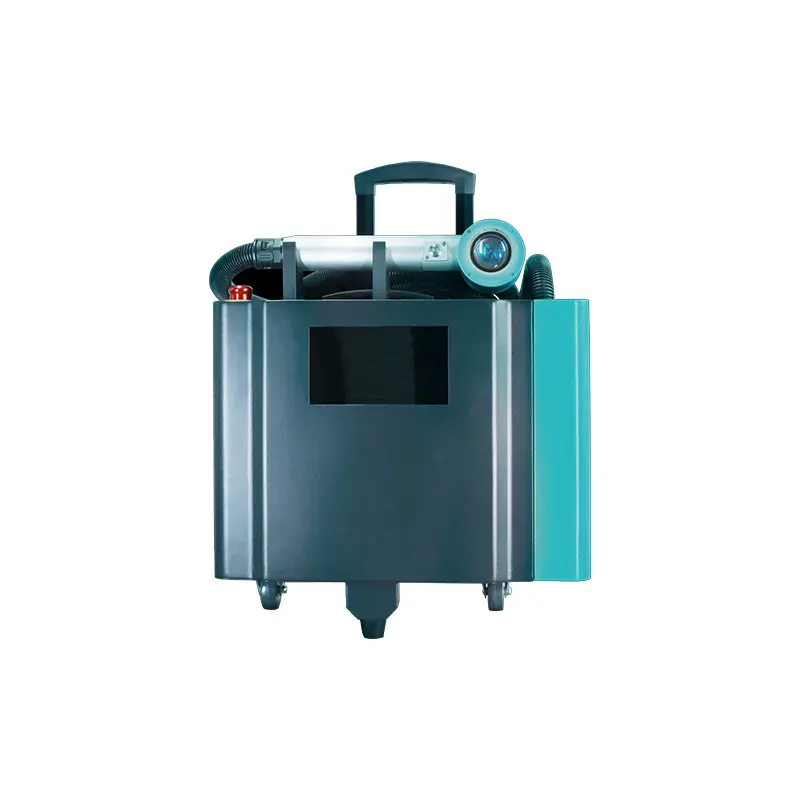
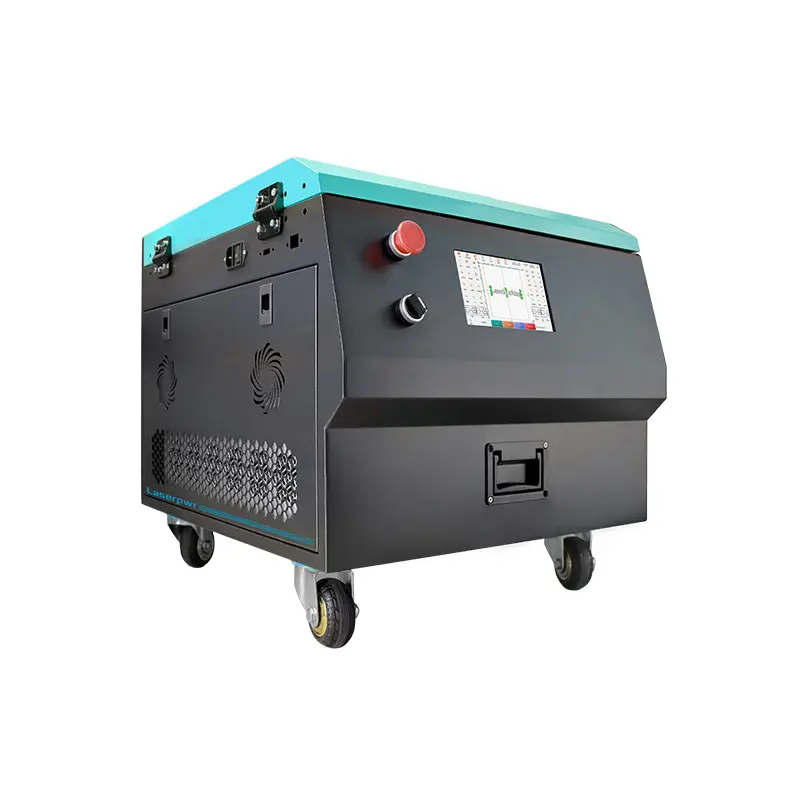
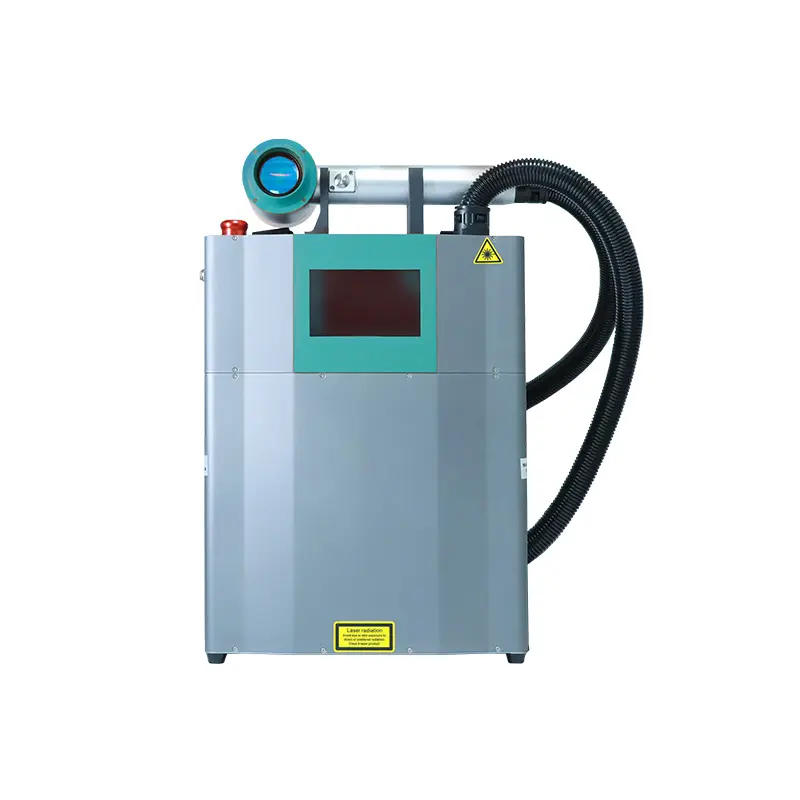
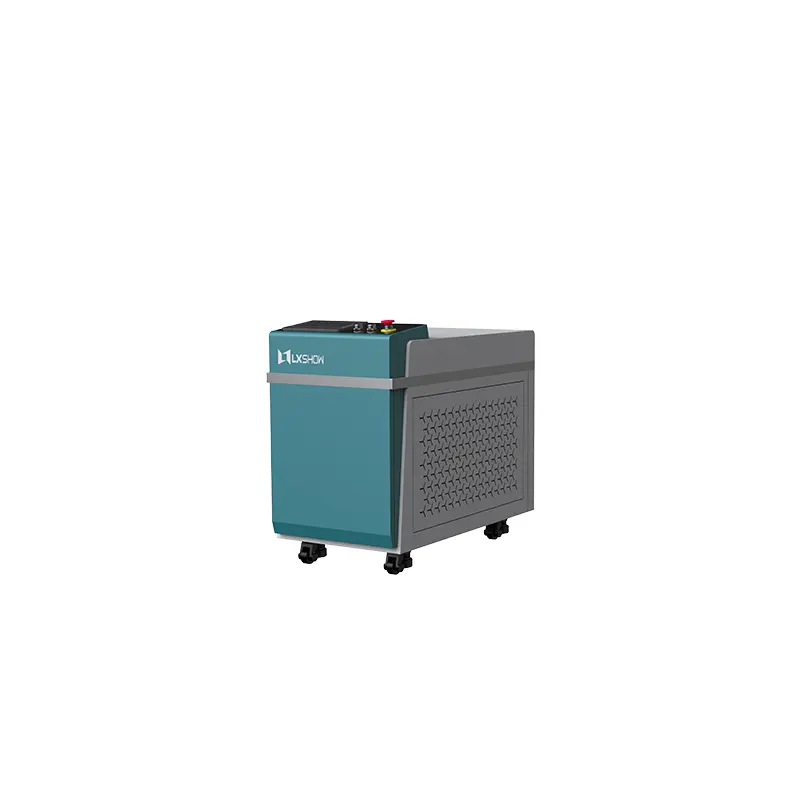
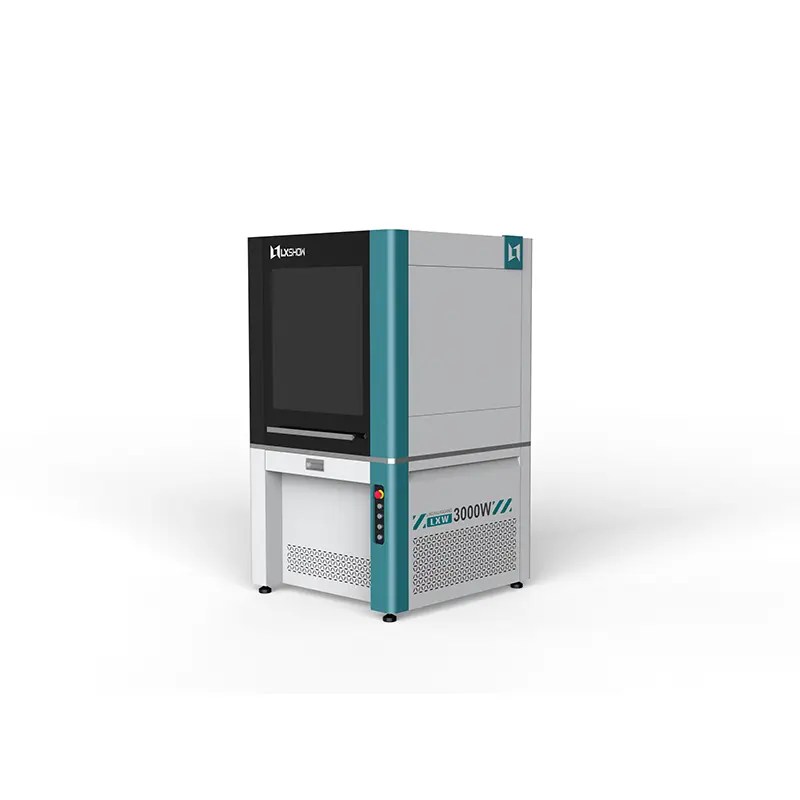
Replaces traditional MIG/TIG welding with dynamic, high-strength joiners and minimal thermal distortion.
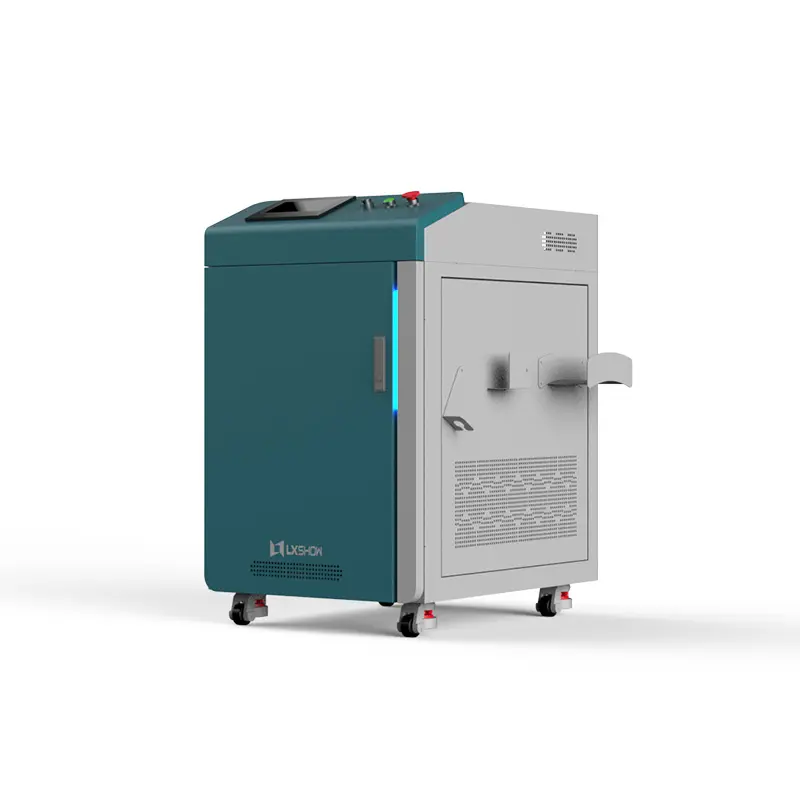



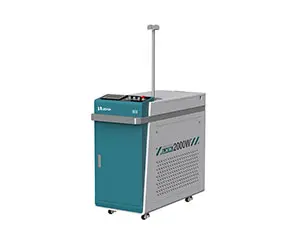
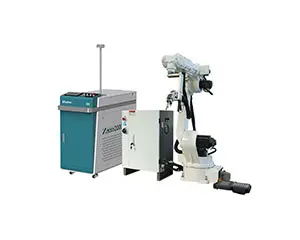
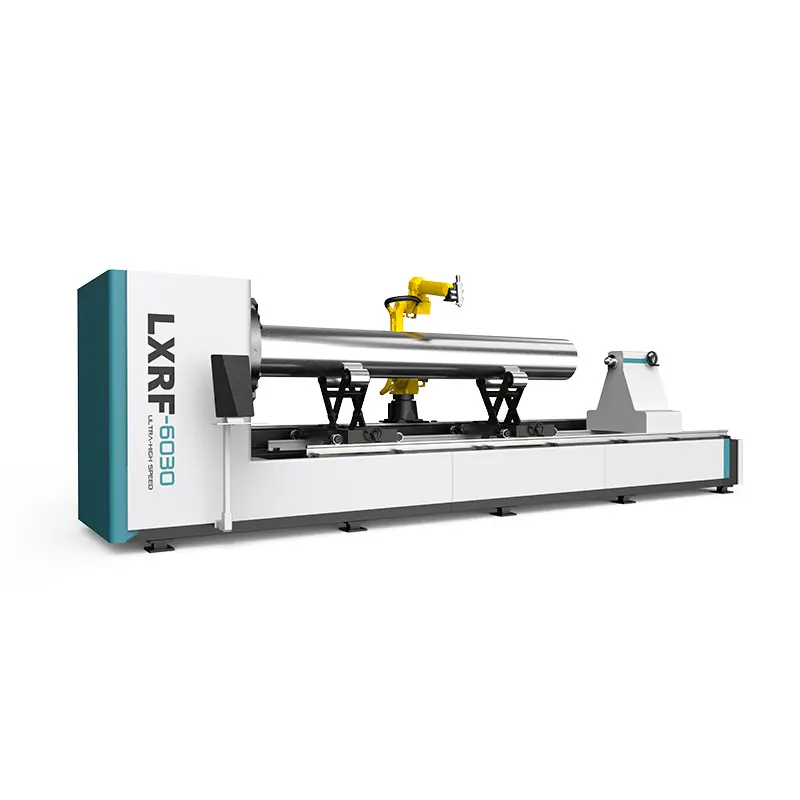
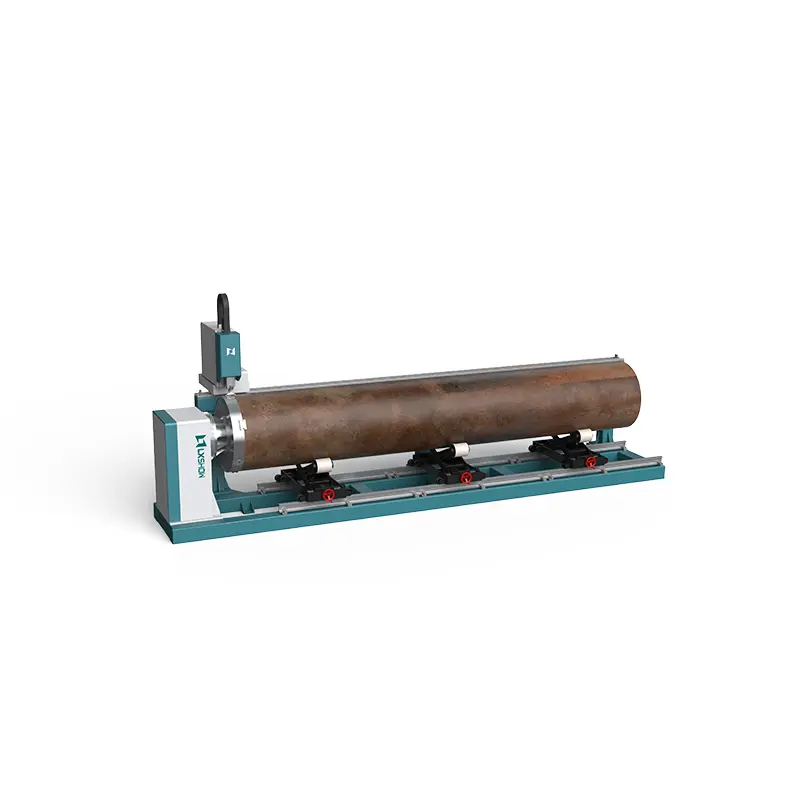
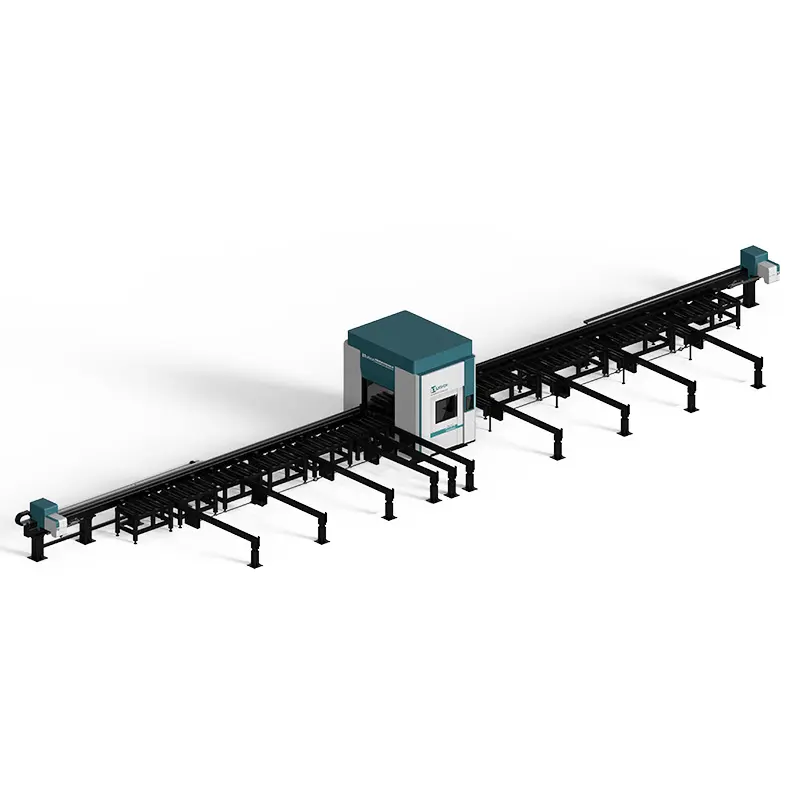
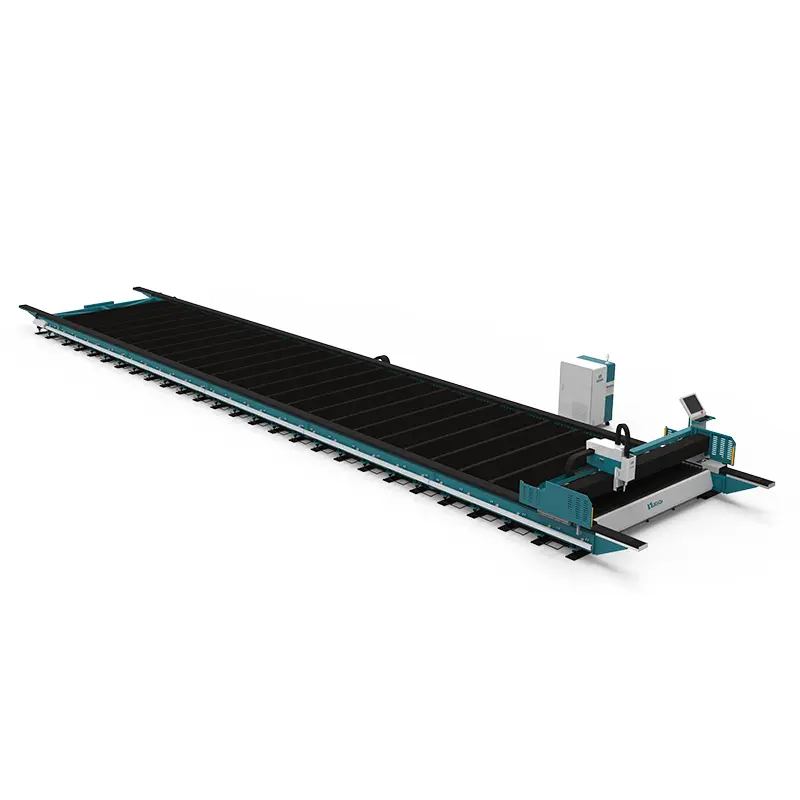
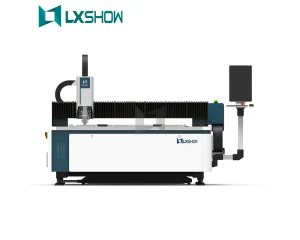
High-precision processing for steel sheets, structural profiles, circular tubes, and square enclosures.
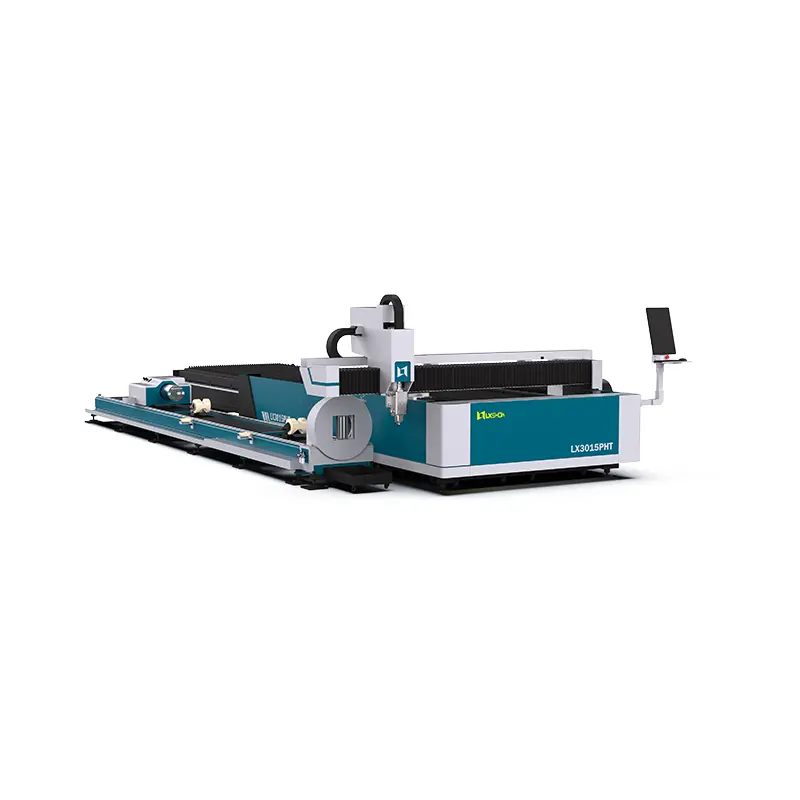
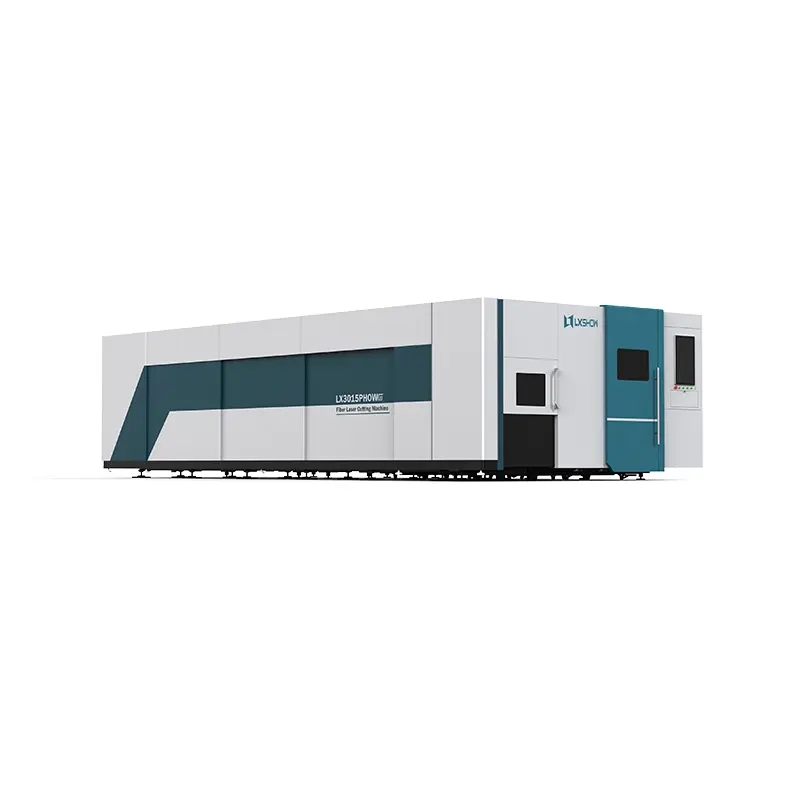
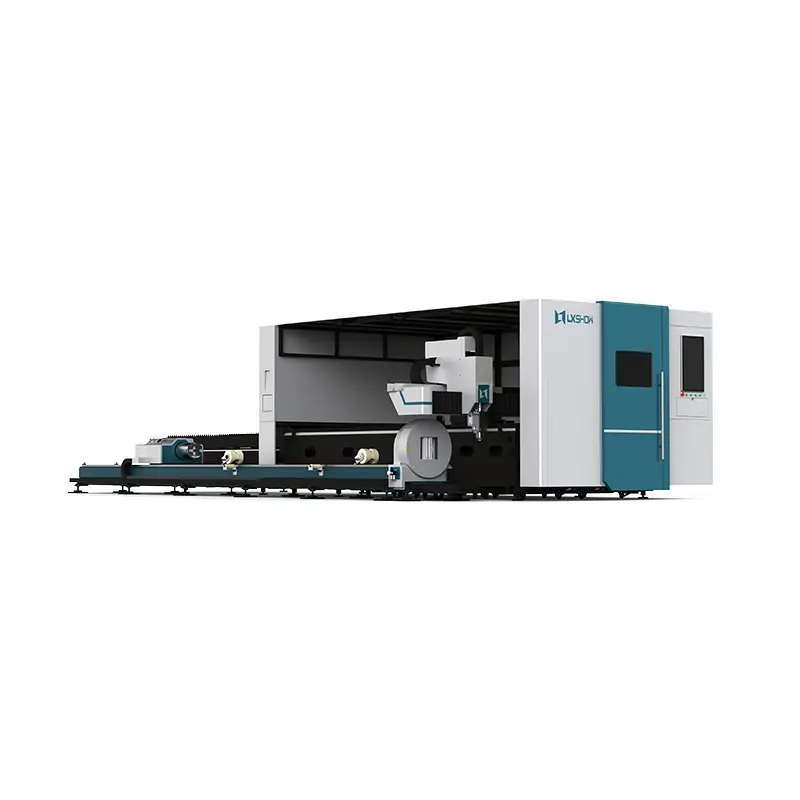
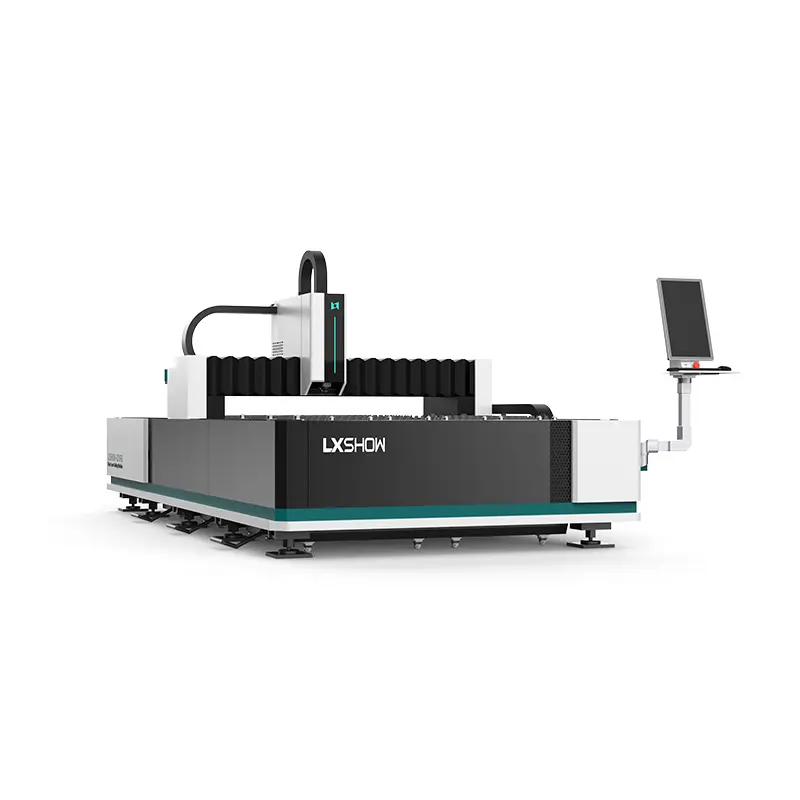
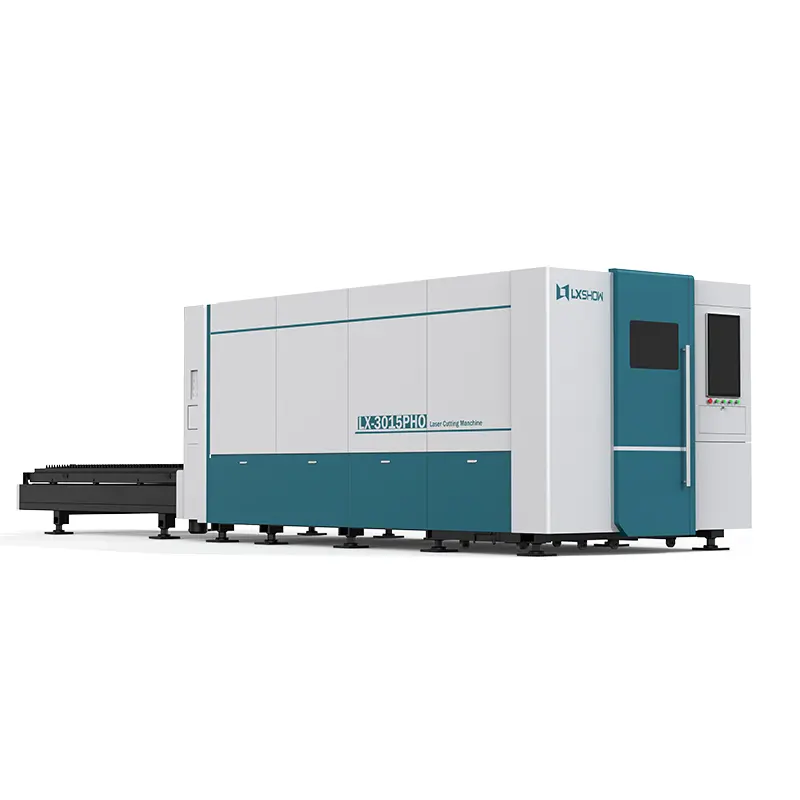
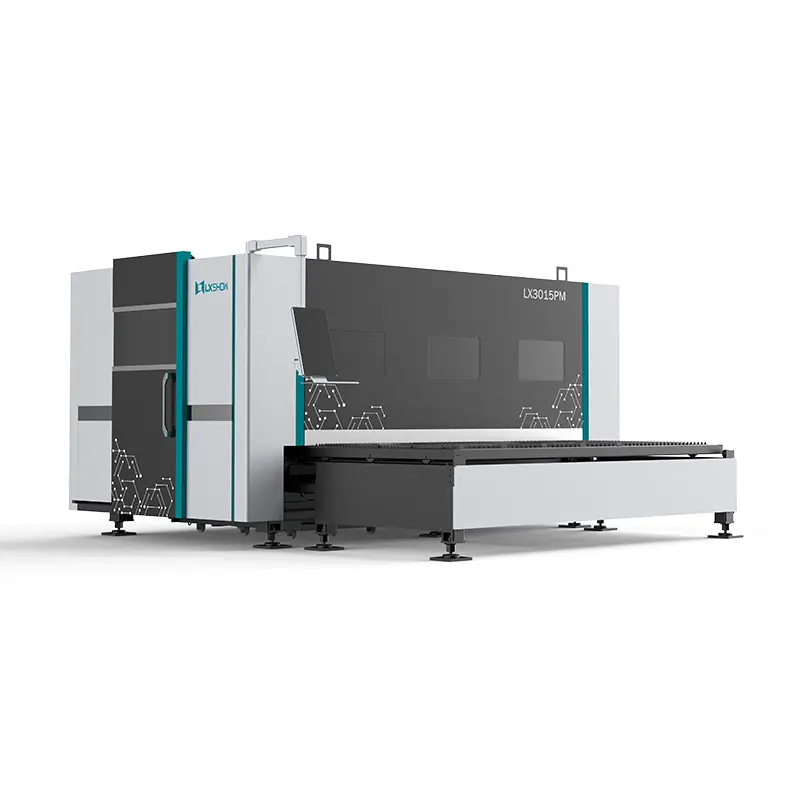
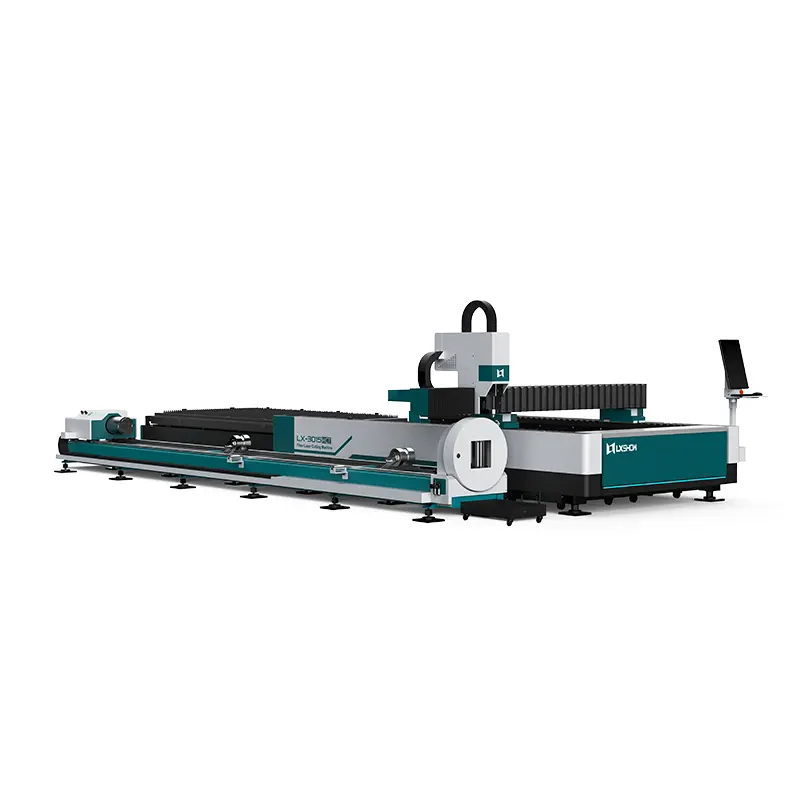
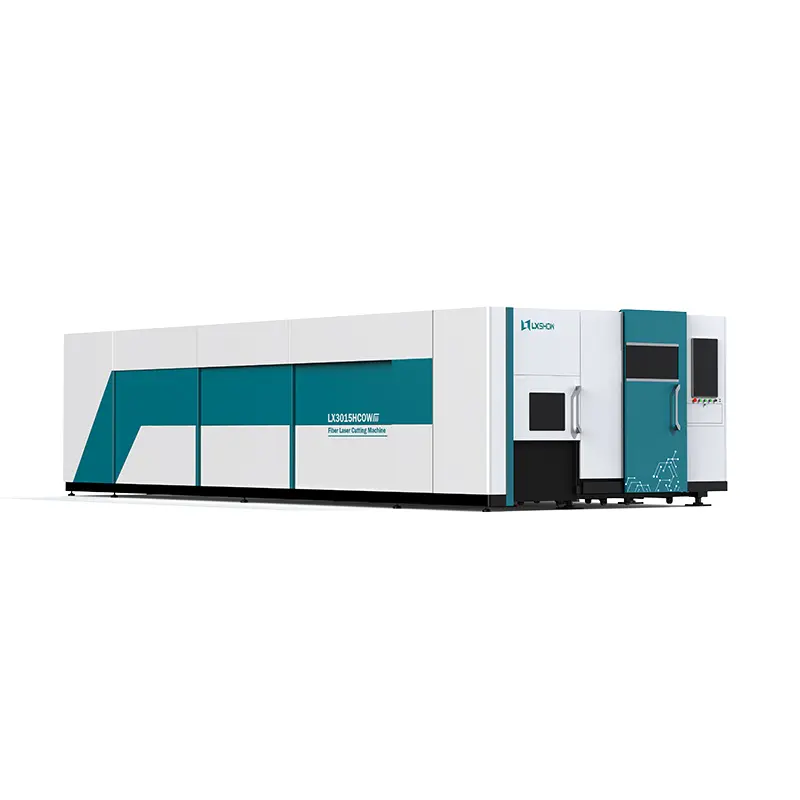
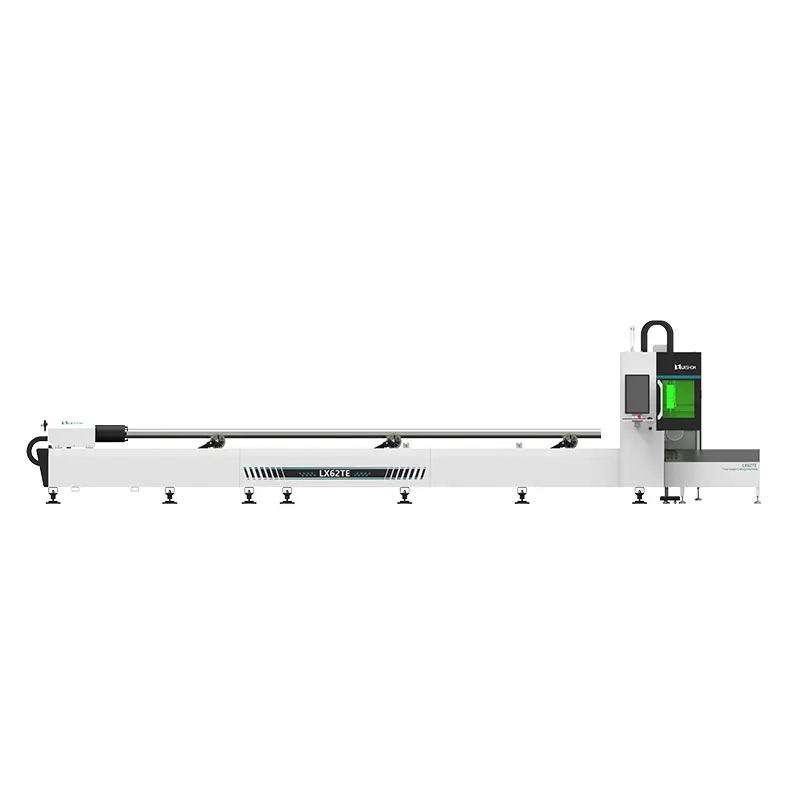
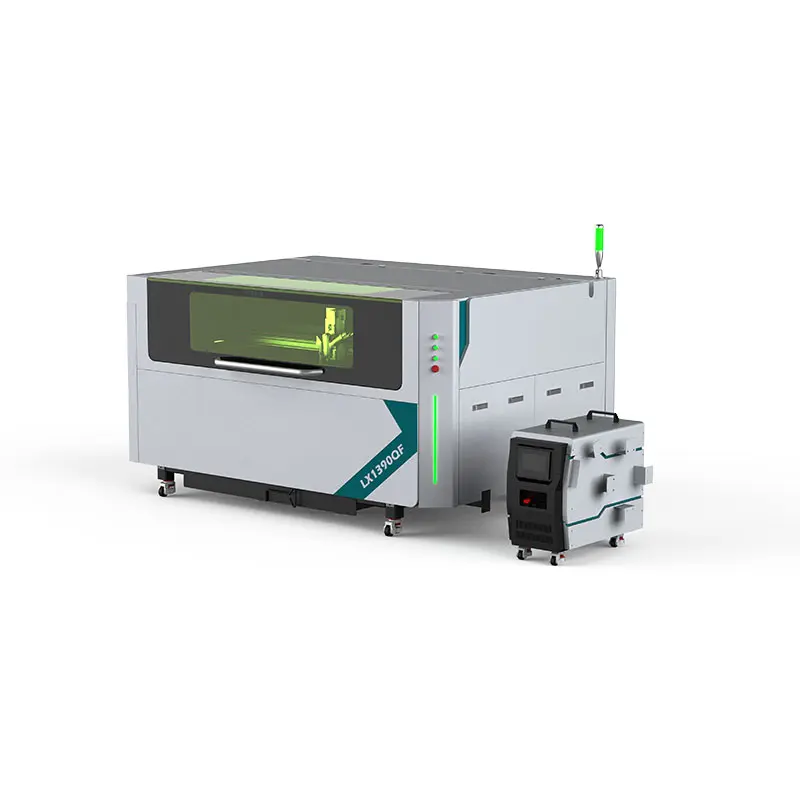
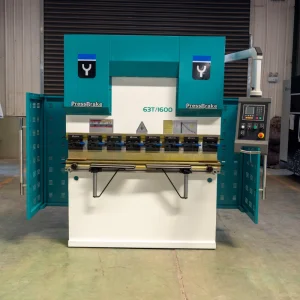
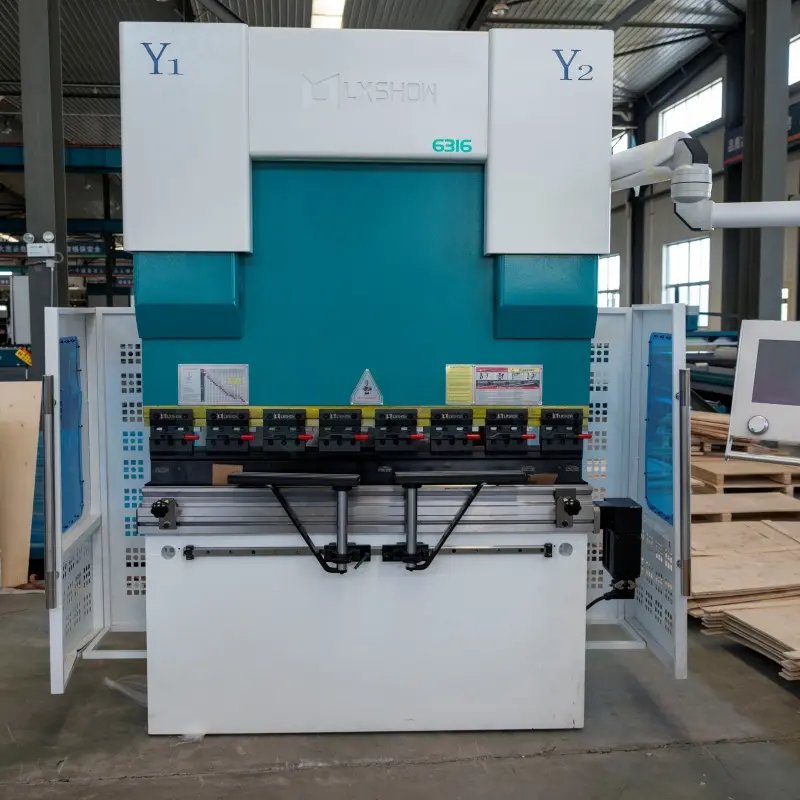
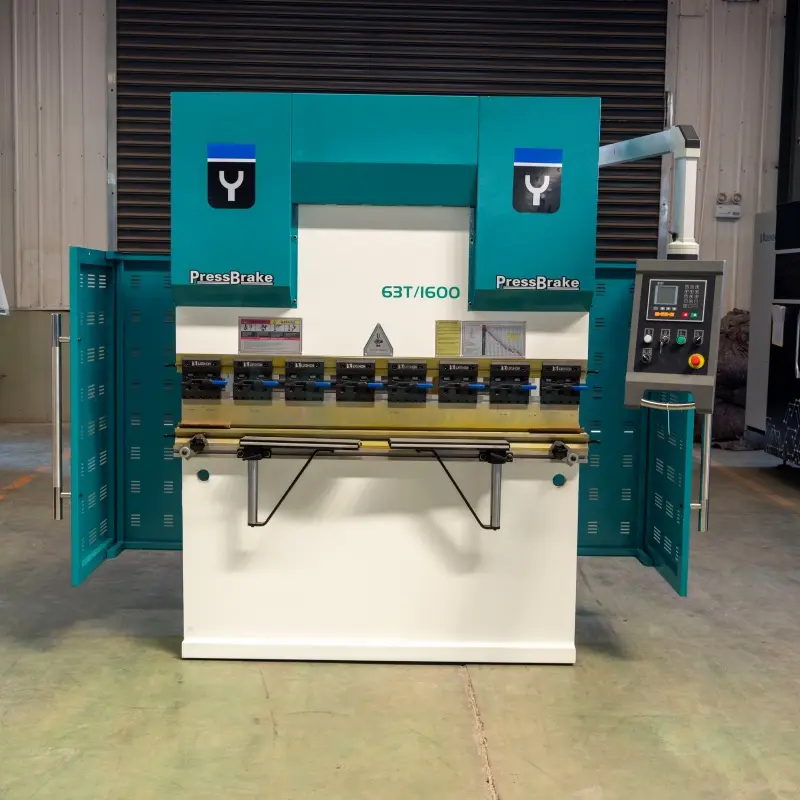
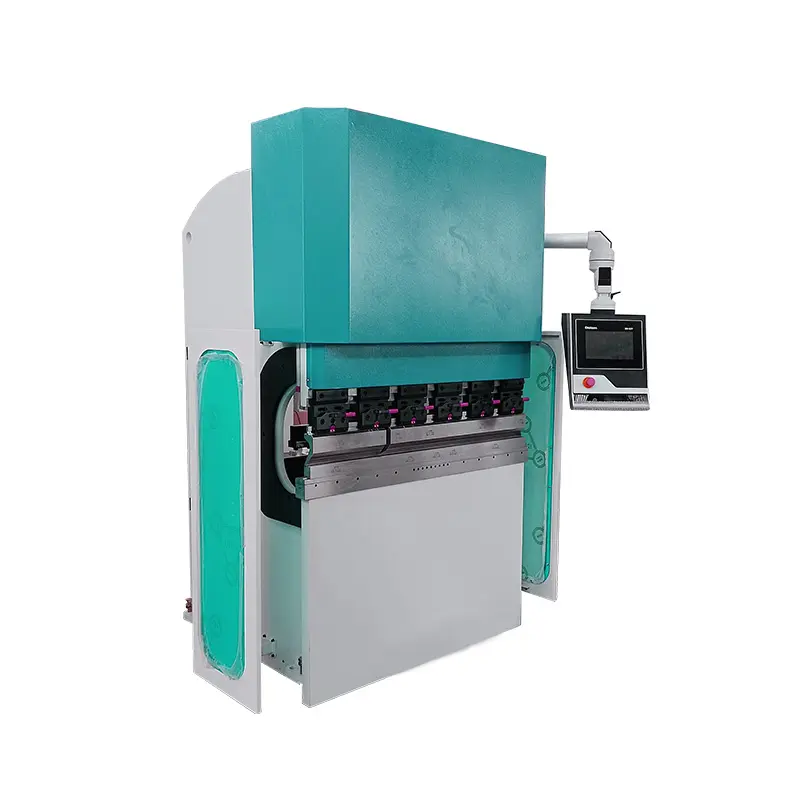
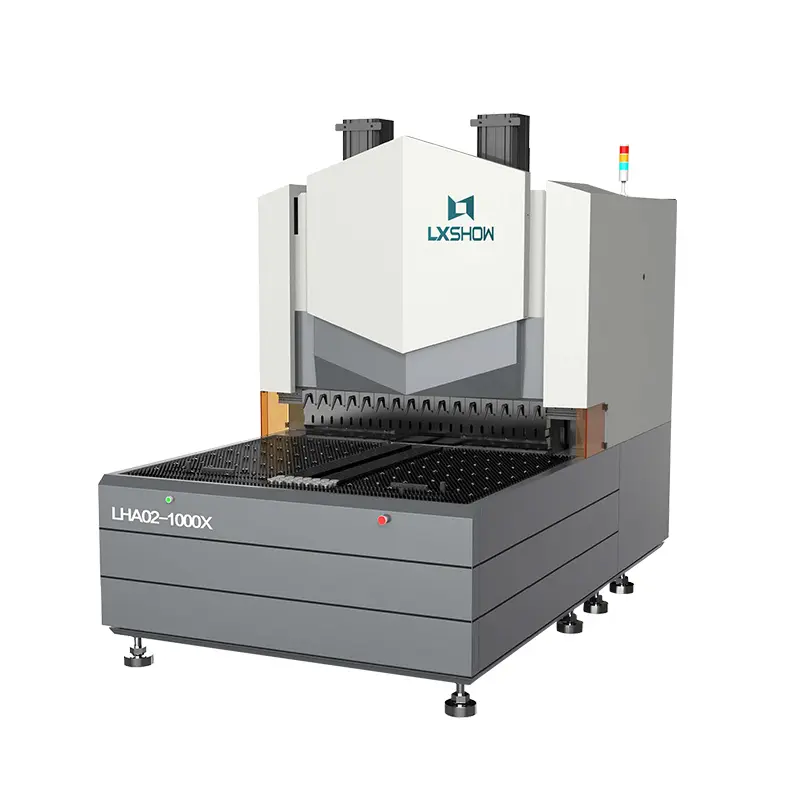
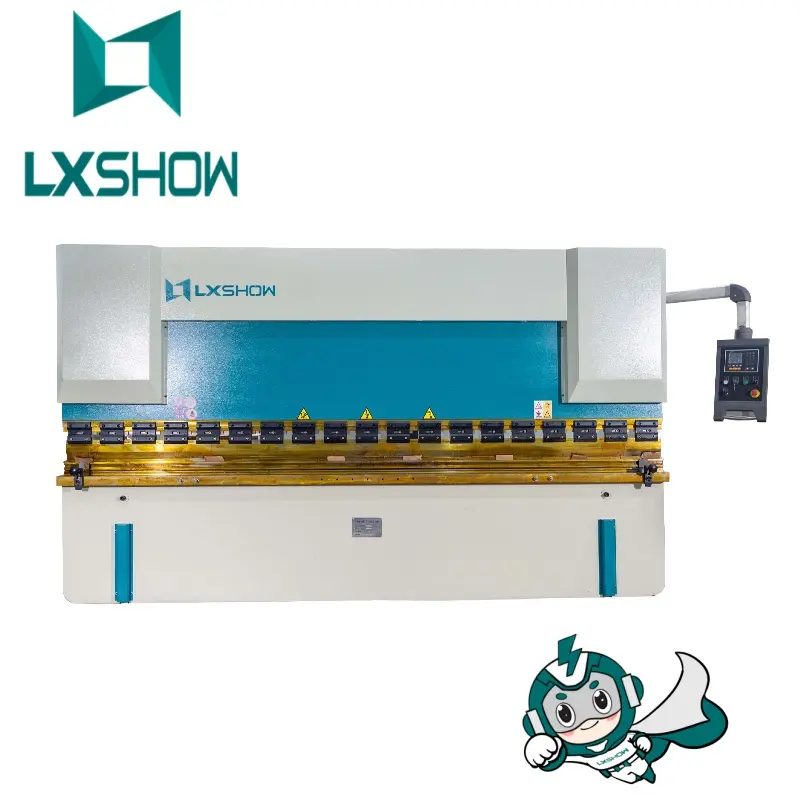
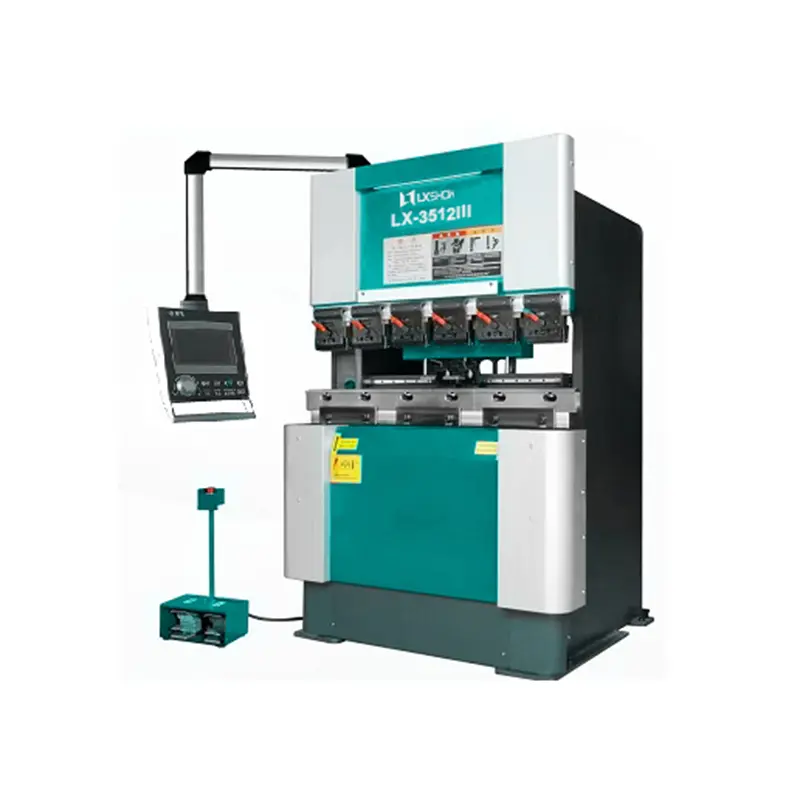
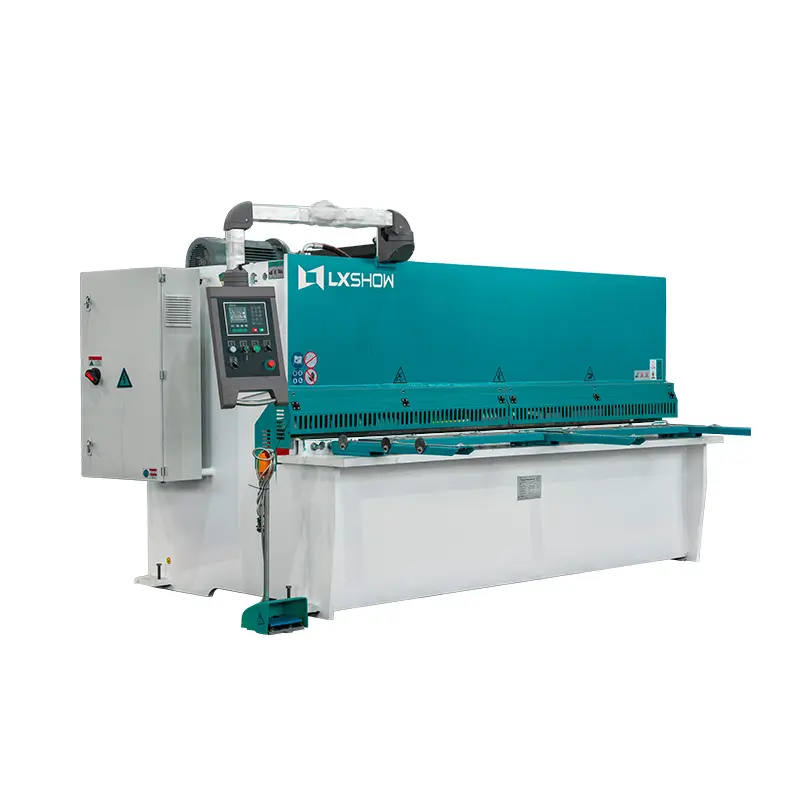
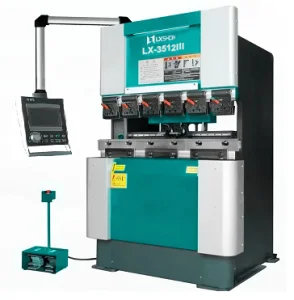
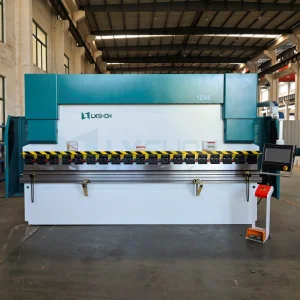
Delivers high-precision press brakes and shears to support structural fabrication and steel forming.
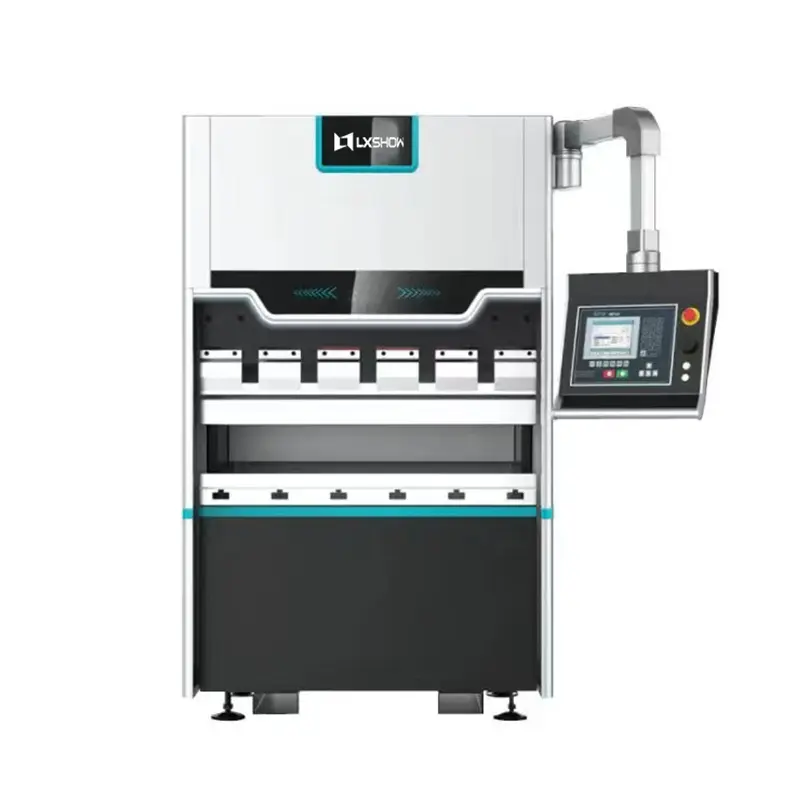
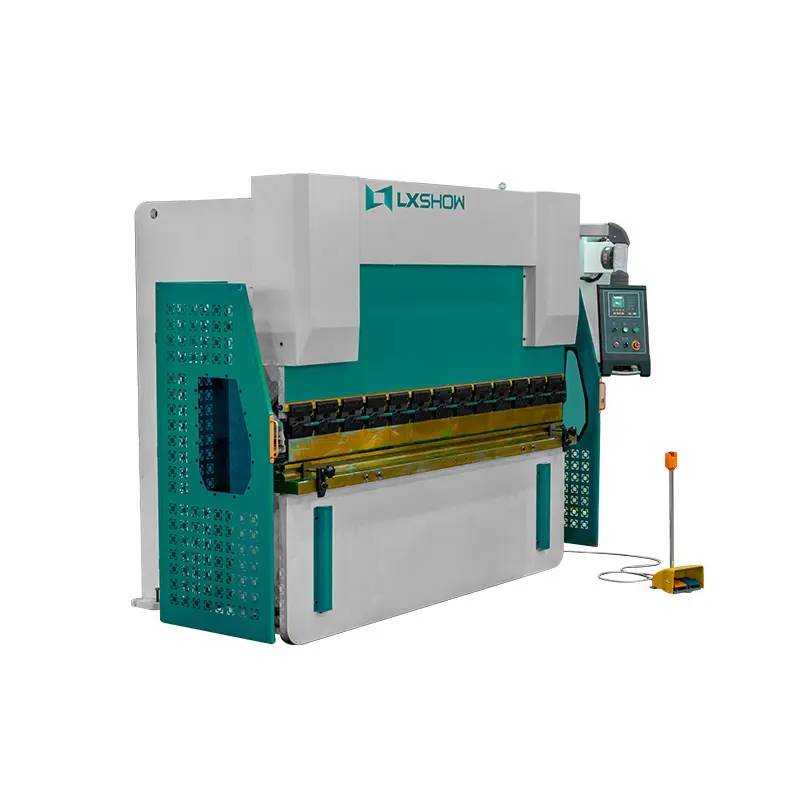
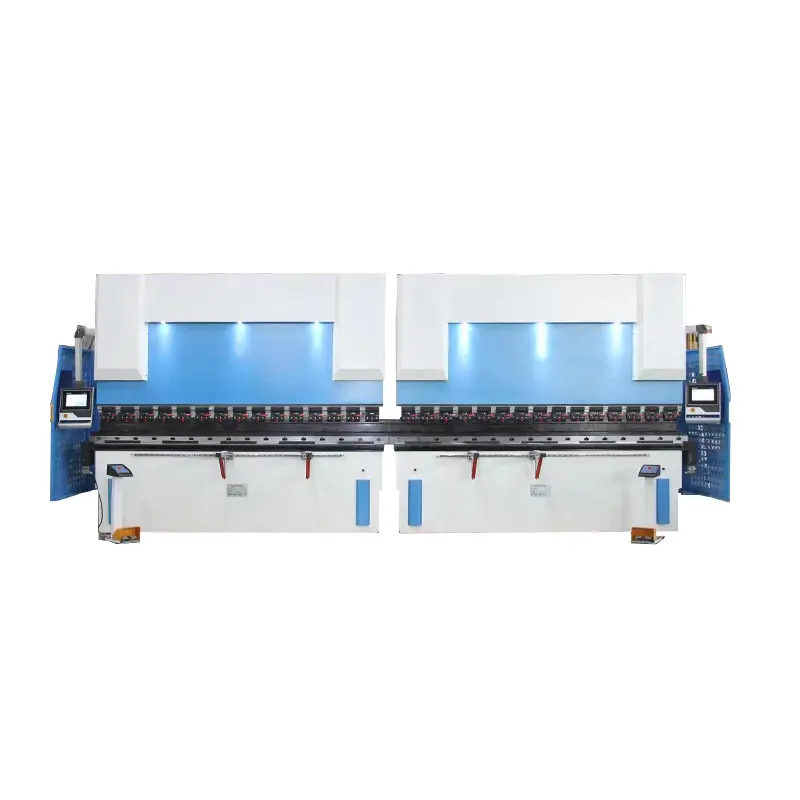
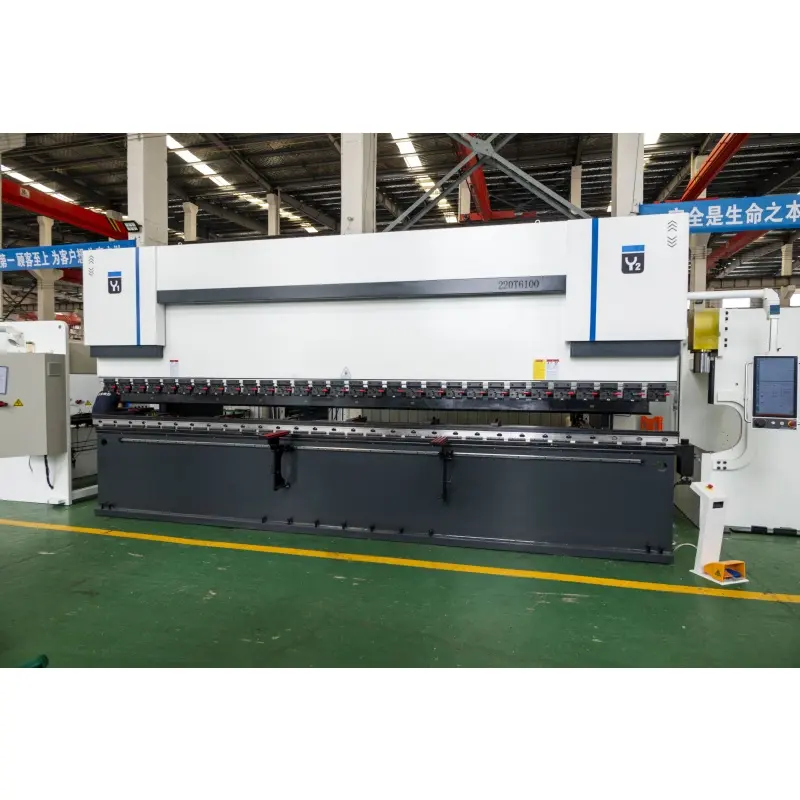
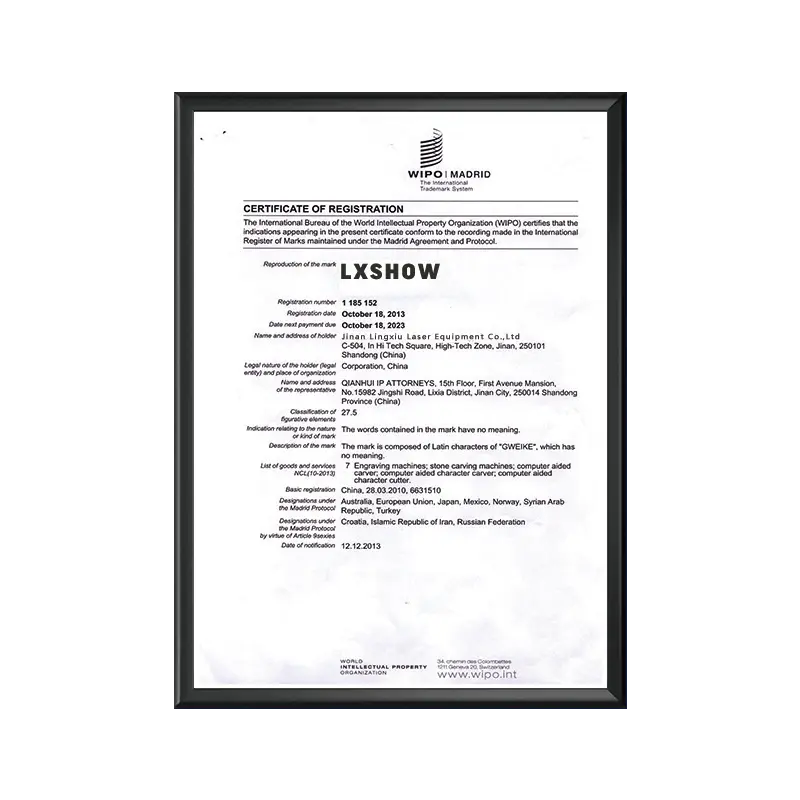





Technical guidance to assist your engineering department when configuring industrial laser cutting platforms.
A: The selection depends primarily on your average material thickness. A 3kW system cuts carbon and stainless steel sheets up to 20mm, but operates most efficiently on thicknesses under 10mm. If your production involves continuous processing of steel plates over 12mm, a 12kW system provides cutting speeds up to 400% faster, uses less gas per cut meter, and results in a smaller heat-affected zone.
A: Stainless steel is typically cut using high-pressure nitrogen (N2) to prevent oxidation, ensuring a clean, weld-ready surface. Carbon steel is commonly processed using oxygen (O2) to support an exothermic reaction that aids the cut, though nitrogen or clean compressed air can be used on thinner carbon steel sheets to achieve high processing speeds.
A: Dual exchange tables permit the operator to load raw steel sheets and unload cut parts on one table while the laser processes materials on the other. This setup minimizes idle time and can double throughput in high-volume, multi-shift production environments.
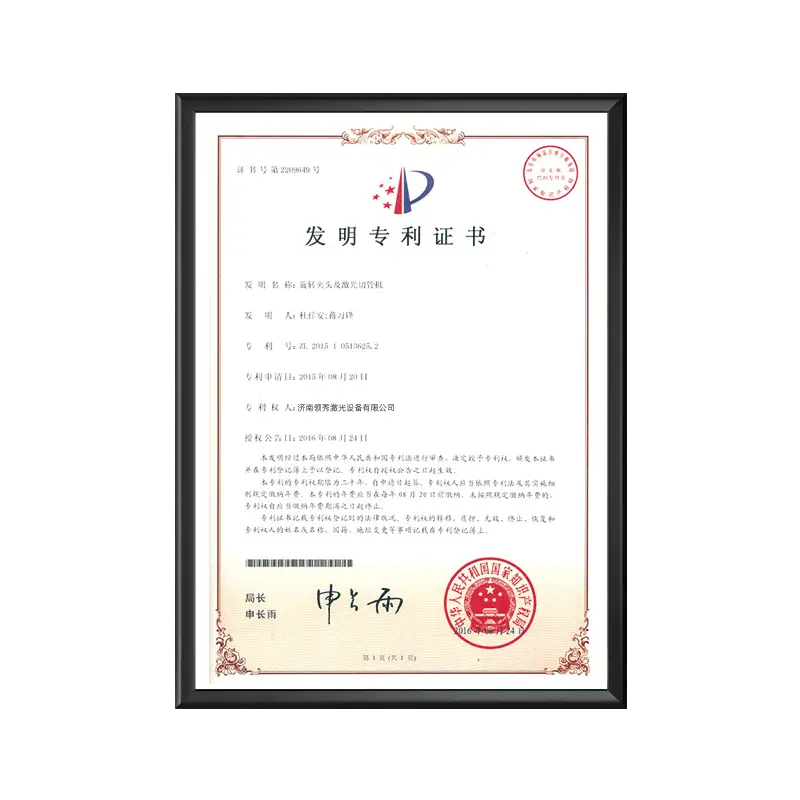
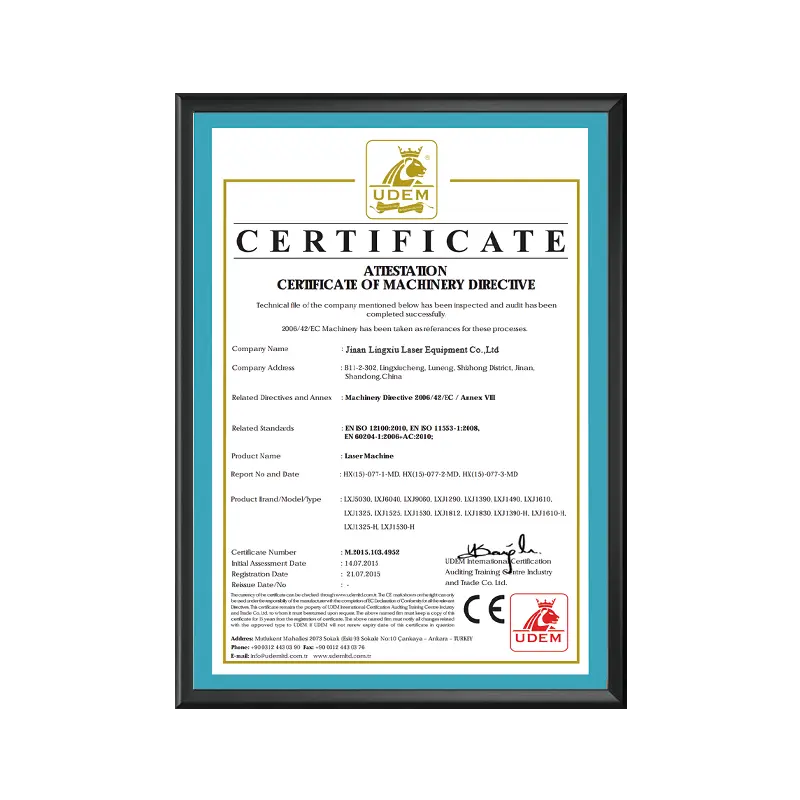
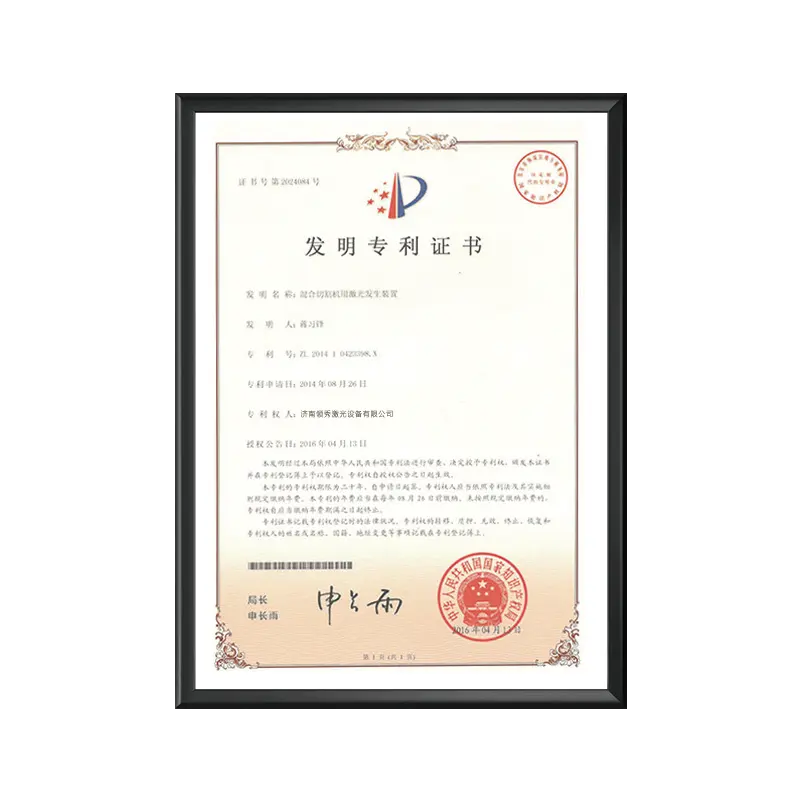
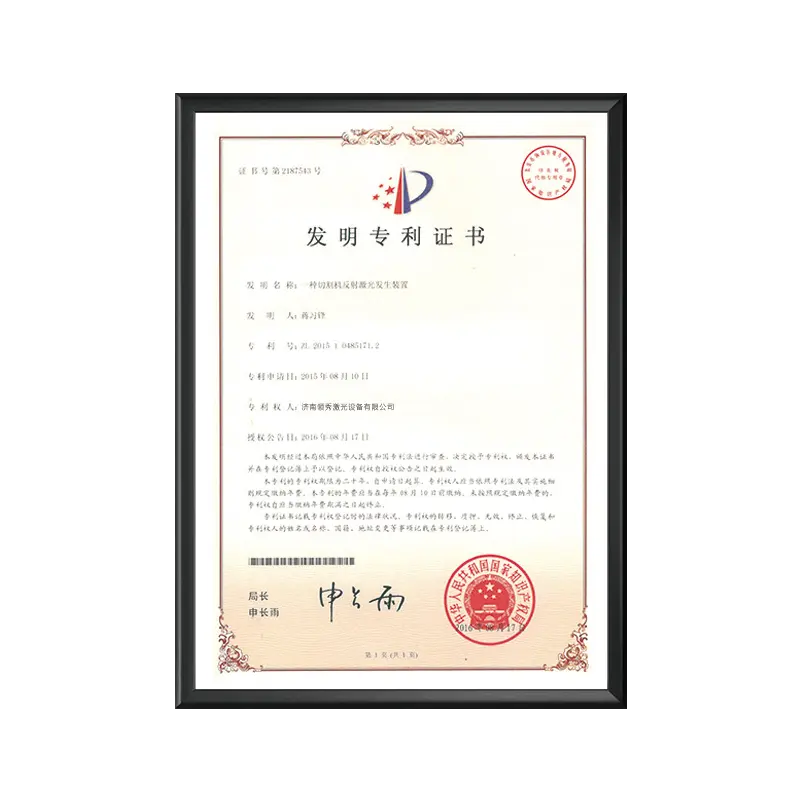
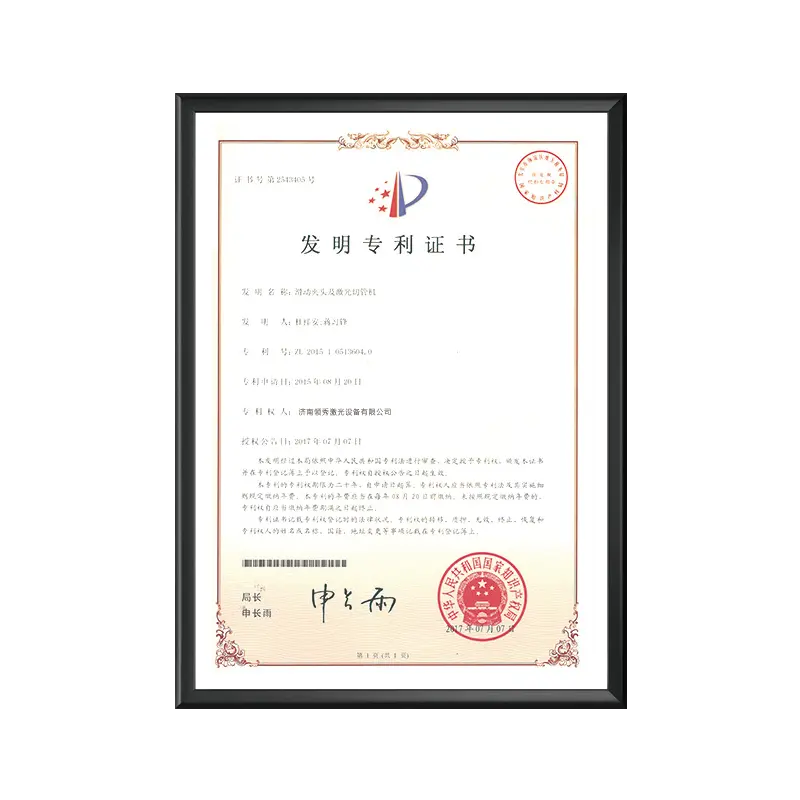
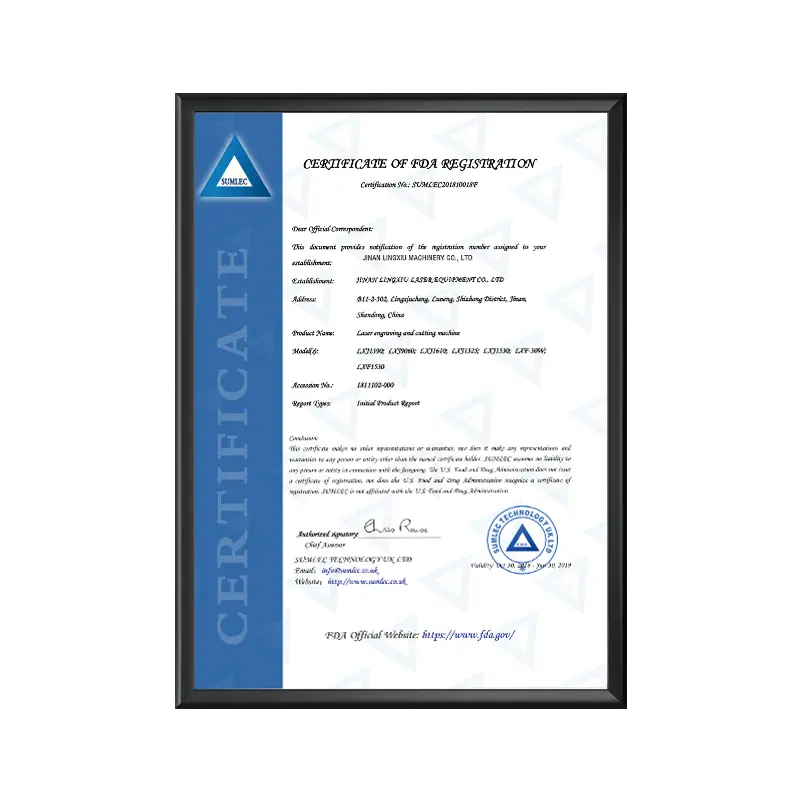
A: Ensure the manufacturer provides CE conformity documentation for European markets, FDA accession numbers for the United States, and ISO 9001 quality management certificates to verify components and assembly processes meet international standards.
A: Yes. Modern fiber lasers operate at wavelengths well-suited for absorption by reflective metals. When paired with back-reflection optical isolators, these systems cut copper, brass, and aluminum without risking damage to the laser source resonator.
A: Quality fiber laser sources (such as IPG, Raycus, or Maxphotonics) have a diode lifetime of approximately 100,000 operational hours. This translates to more than a decade of use under normal production conditions, with minimal maintenance compared to legacy CO2 systems.
A: Three-in-one systems (such as the LXCW series) are cost-effective, versatile units suited for repair depots, research shops, and smaller custom fabrication facilities. However, high-throughput industrial plants with specialized tasks generally achieve better efficiency using dedicated single-purpose machines.
A: Heavy-duty steel gantries are subjected to high thermal tempering and vibration stress relief to eliminate internal stress created during welding. This step prevents the machine frame from warping over time, ensuring mechanical precision of ±0.03mm is maintained for years.
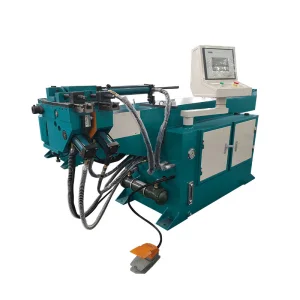
Complete your production line with high-output cleaning, precision bending, and automated plate rolling systems.
 Lxshow