High-precision fiber laser cutting, welding, cleaning, and bending machinery engineered for Industry 4.0 paradigms.
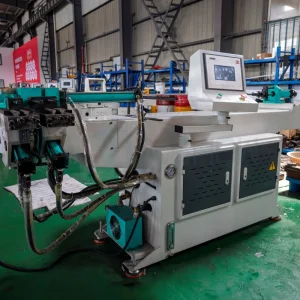
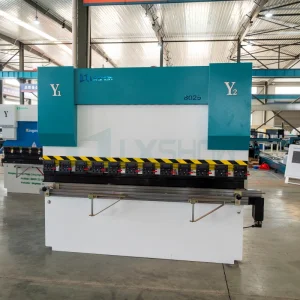
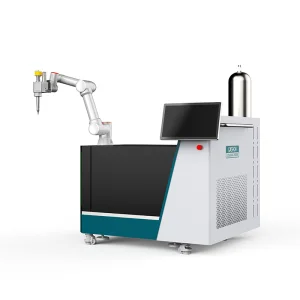
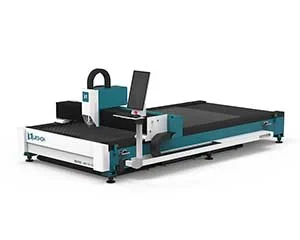
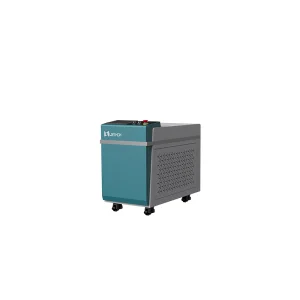
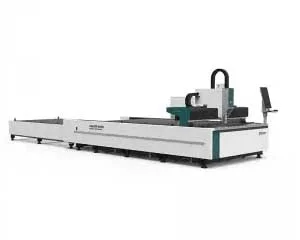
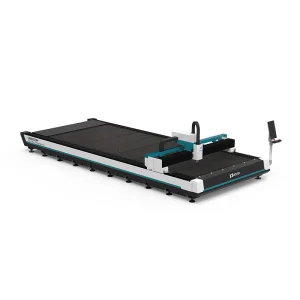
Analyzing the shift from heavy floor-standing machines to highly optimized compact laser units.
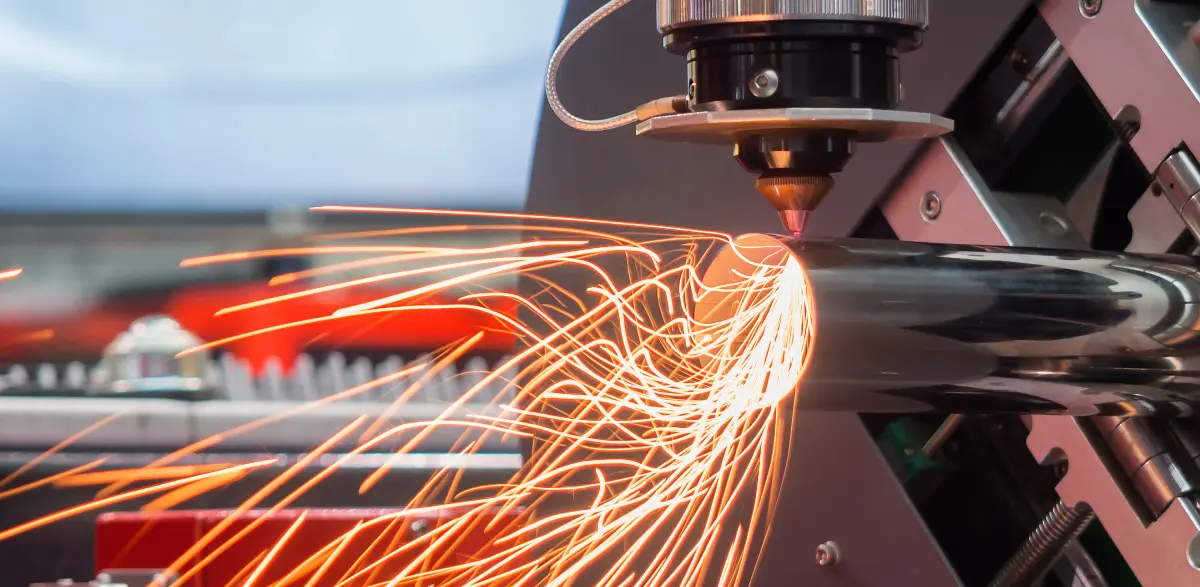
For decades, high-precision metal fabrication was restricted to large industrial complexes utilizing massive multi-kilowatt laser systems. The introduction of desktop fiber laser cutting machines has revolutionized the supply chain structure, providing precision metal fabrication capabilities on an extremely small footprint. Built to operate within limited space constraints, these desktop machines utilize advanced solid-state optical fibers to deliver high-density laser beams directly to materials with minimal thermal dispersion.
With laser wavelengths hovering around 1.064 microns, fiber systems are highly absorbed by metallic substrates compared to traditional CO2 counterparts, resulting in a dramatic increase in energy efficiency. This shift permits small shops, medical instrument fabricators, research centers, and jewelry makers to perform clean, micron-level cuts without the burden of large-scale installation and utility costs.
Strategic considerations for supply chain leaders sourcing compact CNC machinery.
Global procurement teams prioritize machinery with stringent certifications. All equipment under modern portfolios carries complete European Union CE authentication, American FDA certificates, and is fully certified under the ISO 9001 quality management framework to guarantee baseline safety and operational compliance.
Modern desktop systems demand low power requirements (often single-phase 220V) combined with high dynamic speeds. The integration of high-response servo motors, precision ball-screws, and robust software (such as CypCut Lite) minimizes kerf width and reduces scrap material.
Procuring agents seek platforms capable of working with highly reflective materials such as brass, copper, and aluminum, alongside standard stainless steel and carbon steel sheet metal. Desktop fiber lasers are uniquely suited for these demanding applications.
Strategic buyers prioritize vendors offering established OEM and ODM services. In today’s competitive environment, over 30 global manufacturers rely on custom fabrication partnerships to deliver brand-aligned enclosures, software localized translations, and specialized laser components tailored to regional dynamics.
Discover how advanced factory infrastructure since 2004 secures consistent delivery and price stability.
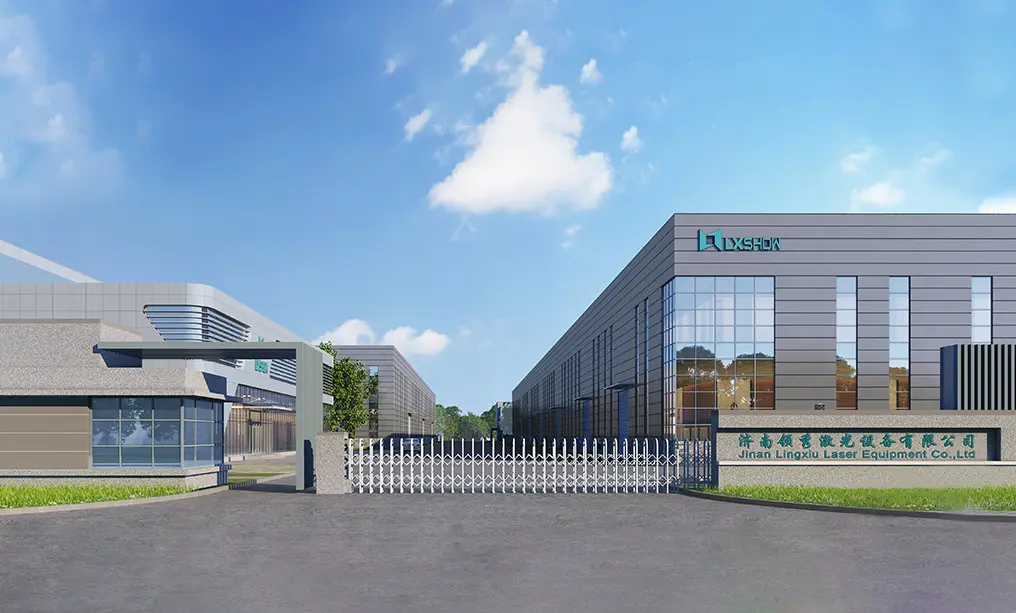
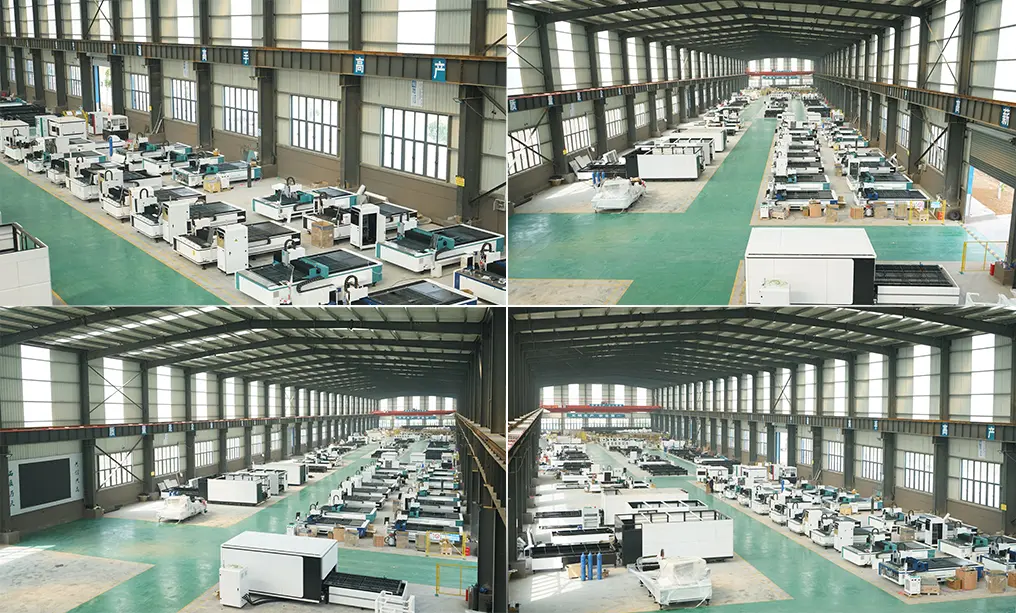
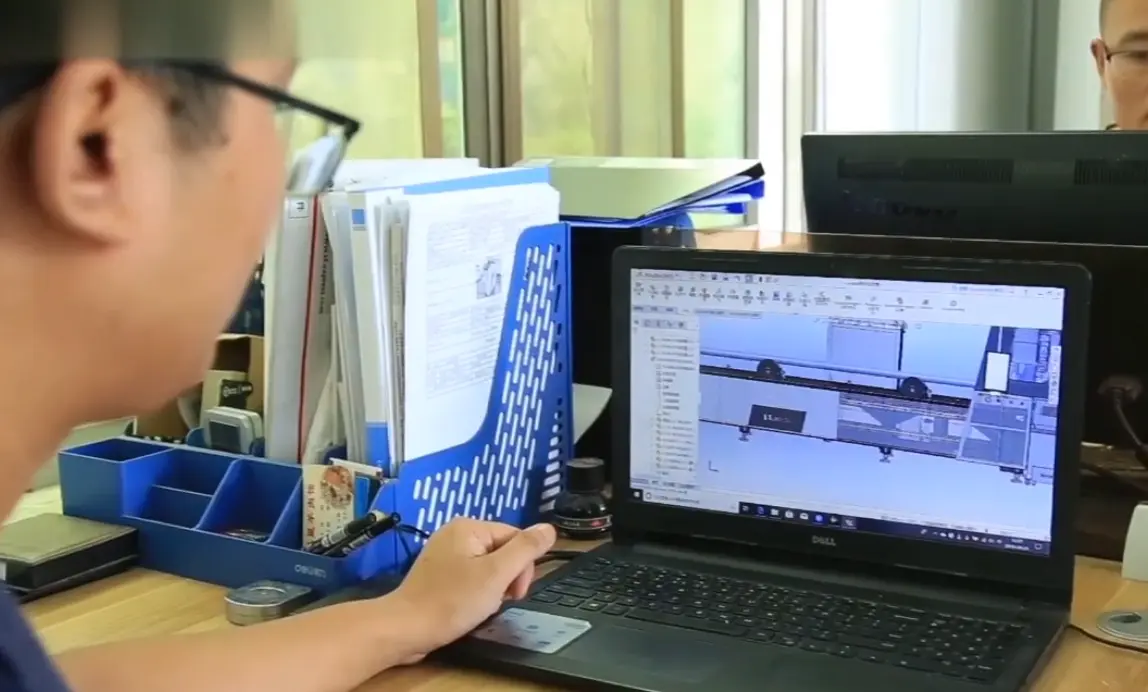
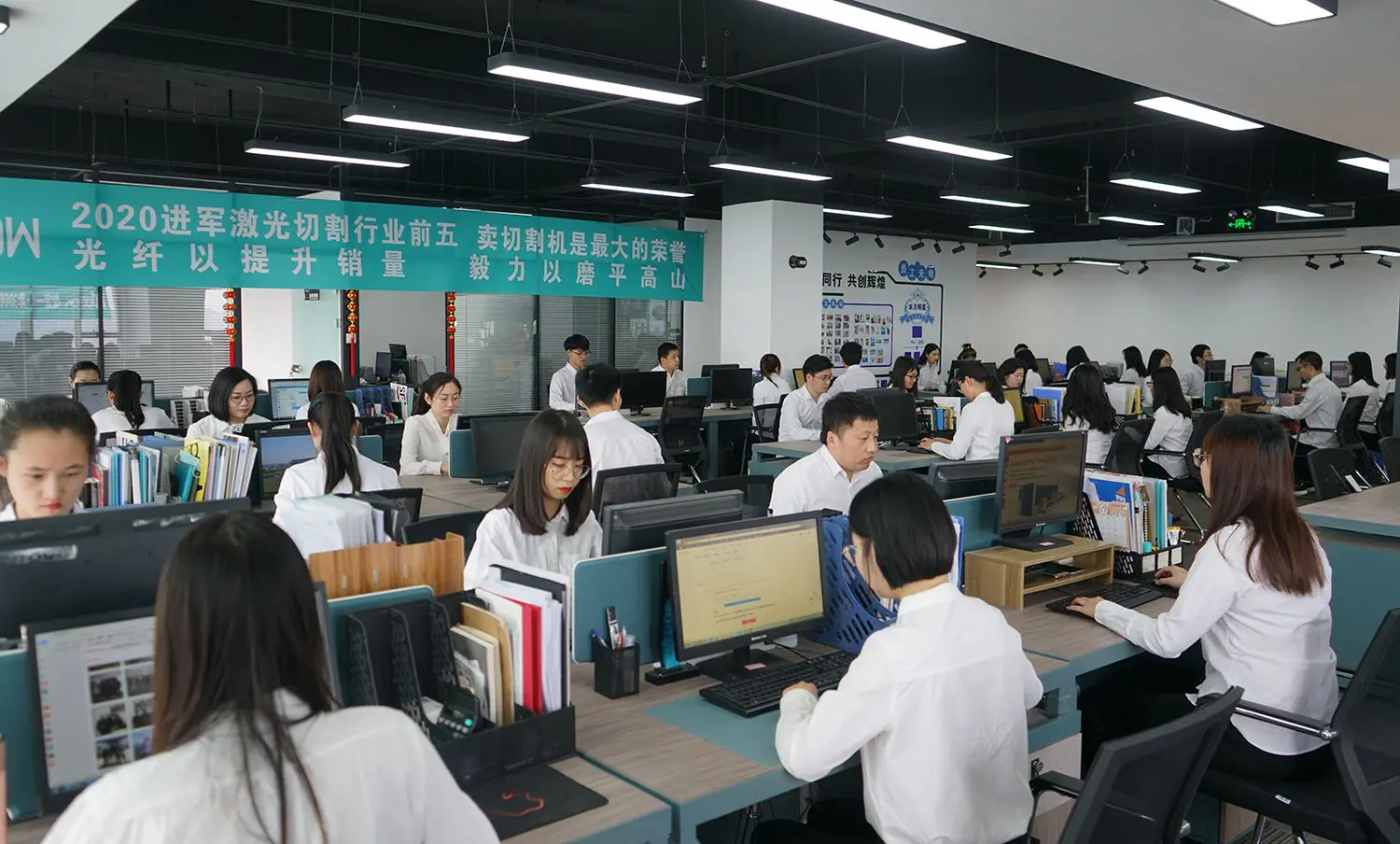
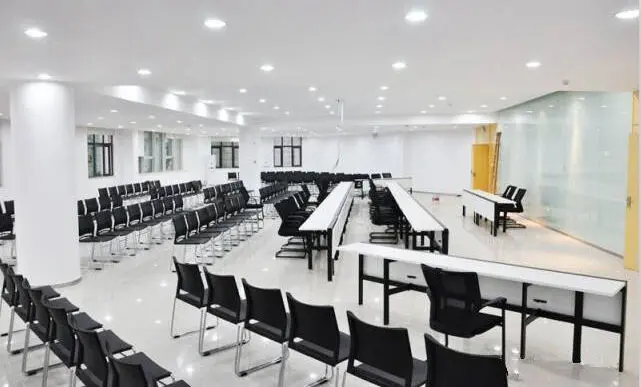
Operating a massive 32,000 square meter factory along with 500 square meters of dedicated research and development offices enables the execution of rapid production cycles and high-volume orders. This central manufacturing footprint forms the core of China's Industry 4.0 layout, where digital controls and robotic automation converge.
By producing structurally critical components in-house, including heavy-duty stress-relieved welded frames, we ensure structural integrity. This prevents machine distortion over years of continuous operation, maintaining tolerances as low as ±0.02 mm.
Understanding how desktop fiber lasers process diverse materials across key industries.
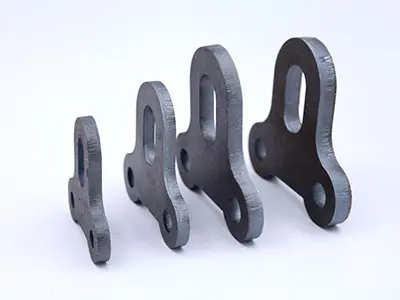
Desktop laser cutters are highly utilized across various sectors including steel fabrication, packaging, custom gifts, automotive, jewelry, aerospace, precision molds, integrated circuits, and electronics production.
Their precision and small footprint make them ideal for fabricating fine surgical tools, clean medical implants, customized electrical enclosures, micro-circuits, and custom automotive components. In jewelers' workshops, desktop fiber lasers cut gold, silver, and platinum sheets without requiring manual post-processing, saving precious material and polishing time.
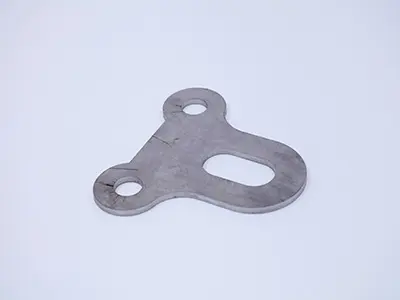
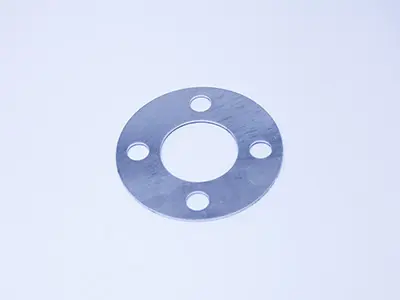
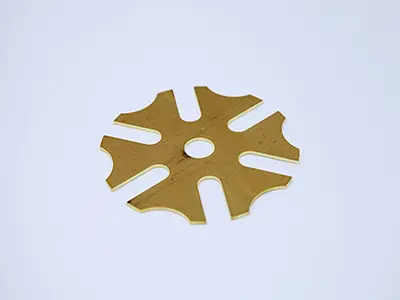
Direct answers to the most common queries from manufacturing engineers and purchasing managers.
The maximum cutting thickness depends on the laser source power. A standard 1000W desktop fiber laser is capable of cutting carbon steel up to 10mm and stainless steel up to 5mm. A 2000W system extends this capacity to 16mm for carbon steel and 8mm for stainless steel. For reflective materials like copper and aluminum, capacities are typically 30-40% lower due to laser reflection factors.
Fiber lasers operate at a wavelength of 1.064 microns, which is significantly better absorbed by metals than the 10.6 micron wavelength of CO2 lasers. Consequently, fiber lasers process thin to medium metal sheets up to three times faster while consuming less than a third of the operating power. Additionally, fiber lasers utilize solid-state diodes instead of fragile glass tubes and gas mixtures, reducing routine maintenance requirements.
Imports to Europe require CE compliance certificates covering electromagnetic compatibility and mechanical safety. Importing to the United States requires FDA registration and accession numbers for the laser source, ensuring class-compliant radiation safety. Our machines carry full CE, FDA, and ISO 9001 certifications, streamlining customs clearance processes.
Yes. Although desktop systems are compact, they feature industrial-grade components, including cast frames, heavy-duty linear guide rails, and water chillers. This allows them to run 24/7 in production settings, provided they are maintained with clean lenses and kept free of dust build-up.
Fiber lasers are highly reliable and require minimal maintenance compared to other types. Key maintenance tasks include checking and cleaning the protective lens daily, inspecting linear guide rails for dust weekly, lubricating the X/Y axes monthly, and changing the chiller's deionized water every 3 to 6 months.
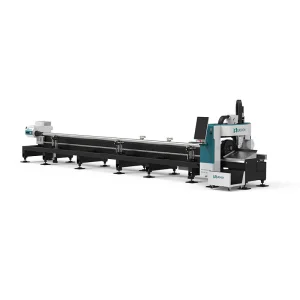
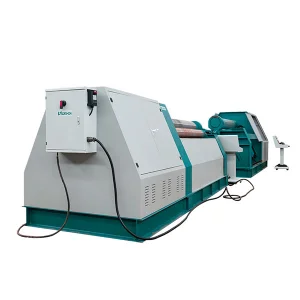
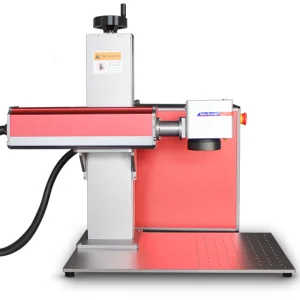
From entry-level markers to high-capacity CNC laser pipe cutters, discover machines optimized for your workflow.
 Lxshow