High-power density, minimal heat-affected zones, and exceptional durability under intensive industrial environments.
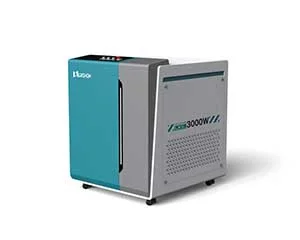
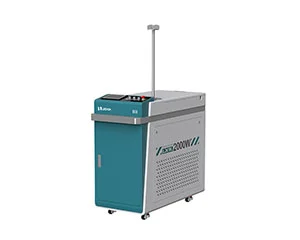
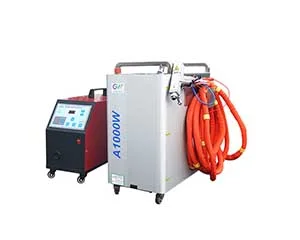
Russia's vast industrial sector is undergoing a profound structural transformation. Traditional heavy engineering hubs across the Urals, Siberia, Volga, and the Central federal districts are progressively replacing legacy manual arc welding techniques (MMA, TIG, and MIG) with automated, high-precision fiber laser processing lines. This migration is catalyzed by the pressing demand for localized component manufacturing, especially within the automotive, pipeline, energy, and aerospace engineering fields. As localized manufacturing demands accelerate, Russian fabricators face a dual challenge: maintaining ultra-reliable weld joints while scaling up annual throughput.
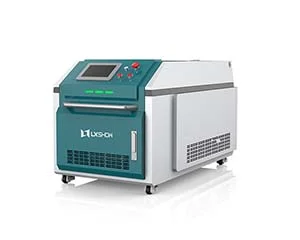
Laser welding machines exported to Russia must satisfy specific structural and environment-resilient criteria. In regions like Chelyabinsk, Nizhny Novgorod, and Yekaterinburg, metal fabrication workshops operate in widely varying temperatures, requiring laser equipment with advanced thermal stabilization. High-brightness fiber laser sources combined with intelligent water chillers ensure that optical modules remain within precise thermal windows, preventing power decay or component degradation. Furthermore, Russian engineering specifications demand compliance with stringent GOST standards, making the acquisition of high-end, certified laser hardware from top-tier exporters a business priority.
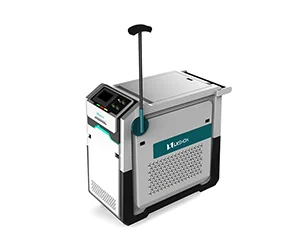
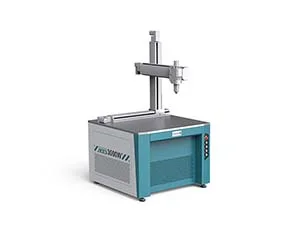
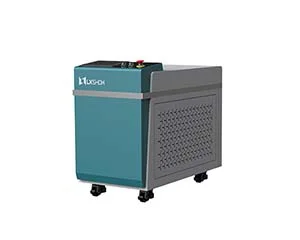
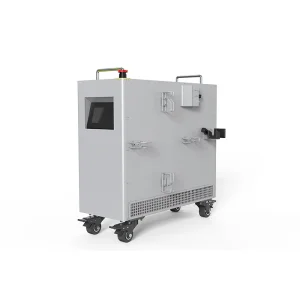
The global laser processing sector is experiencing rapid technological convergence. The primary trend is the exponential adoption of handheld fiber laser welding equipment. Previously, laser welding was confined to complex, fixed CNC stations which restricted its application on large or irregularly shaped structures. Today's handheld laser welders, ranging from 1000W to 3000W, provide workers with the flexibility of manual welding but at 4 to 10 times the execution speed. These units can weld stainless steel, carbon steel, aluminum alloys, and brass with minimal post-weld grinding requirements.
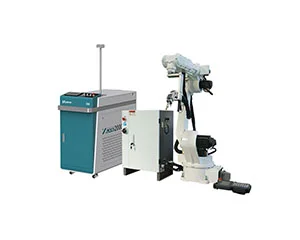
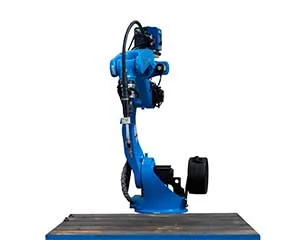
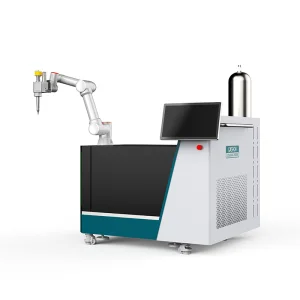
The second major trend is the integration of collaborative robotics (cobots) and multi-axis industrial robotic arms. For Russian exporters and factory owners looking to automate repeat production lines—such as agricultural machinery or automotive sheet-metal enclosures—a robotic arm paired with a continuous-wave (CW) fiber laser source minimizes human error, optimizes welding speed, and delivers outstanding repeatability. The transition to wobble-welding heads has also solved the traditional alignment tolerances of laser welding, allowing the beam to oscillate dynamically and bridge wider gaps in fit-ups without sacrificing joint strength.
Industrial buyers globally, and specifically within Eastern Europe and Central Asia, require high-uptime supply chains. In modern procurement, sourcing goes beyond purchasing a machine; it involves acquiring a long-term production partner. China's Factory 4.0 infrastructure excels in this context by leveraging end-to-end component integration. From domestic high-purity glass fiber production and diode manufacture to structural sheet metal fabrication and CNC controller development, Chinese laser manufacturers have consolidated the supply chain. This consolidation ensures that Russian importers receive machines built with high-grade components (such as Raycus, MAX, or JPT laser engines) at competitive costs.
Supply chain resilience has become a vital metric for operations managers. Standard lead times from European manufacturers are often delayed due to component supply bottlenecks, whereas Chinese smart-manufacturing facilities maintain robust reserves of laser sources, optical modules, and mechanical chassis components. With standardized assembly lines audited under ISO 9001 and systems certified under European CE and American FDA guidelines, these modern Chinese exporters provide reliable industrial gear designed for continuous duty.
High-speed welding of auto chassis, body panel joints, and battery tray enclosures. Replaces traditional resistance spot welding with a continuous structural bead.
Weld execution for thin-walled oil & gas distribution tubes, heat exchangers, and stainless steel structural storage silos with flawless hermetic sealing.
Deformation-free welding of food-grade stainless steels. Eliminates the necessity for long polishing steps, maintaining aesthetic surfaces immediately post-weld.
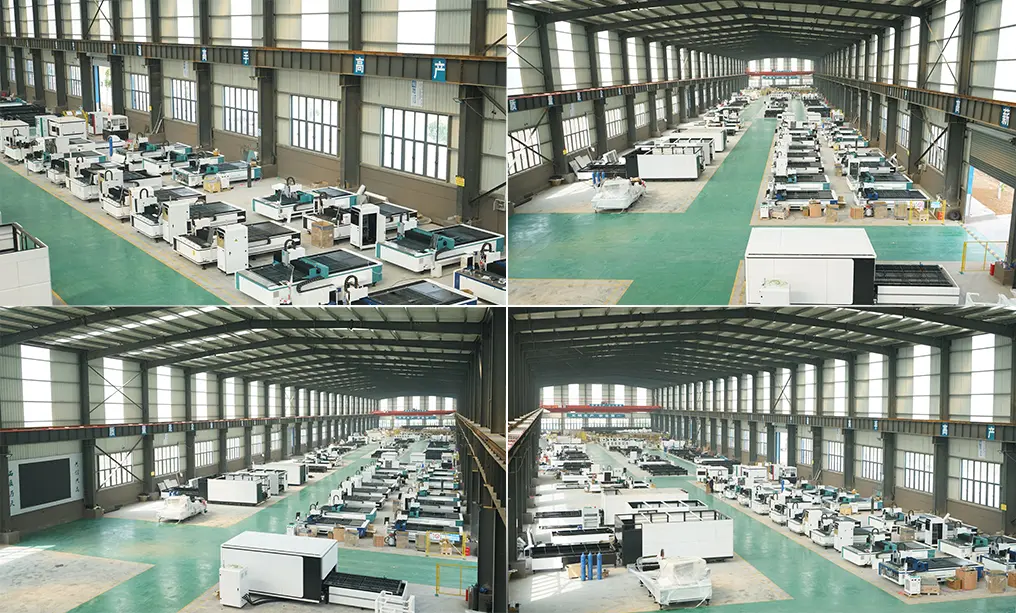
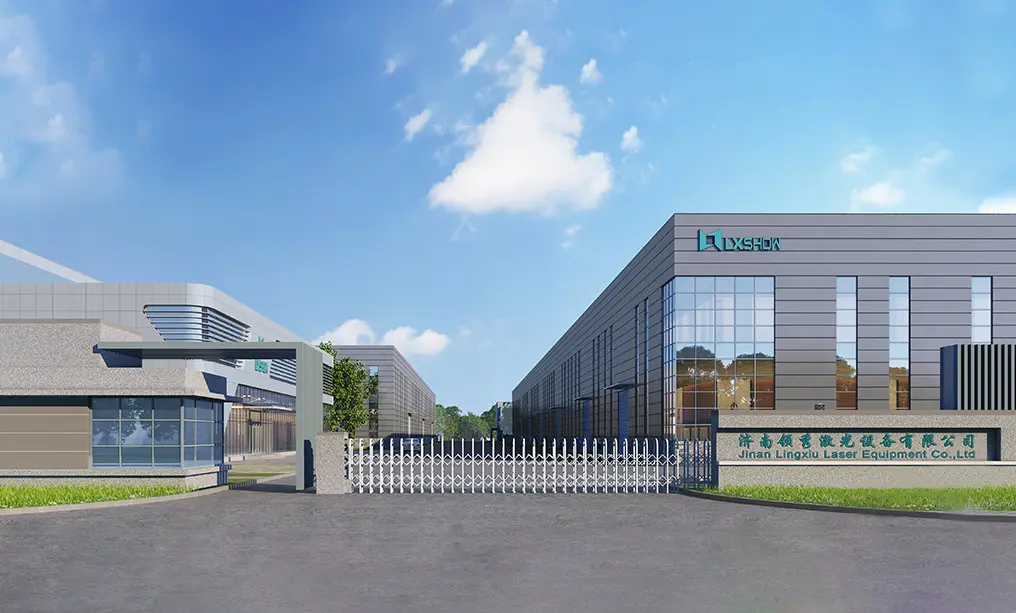
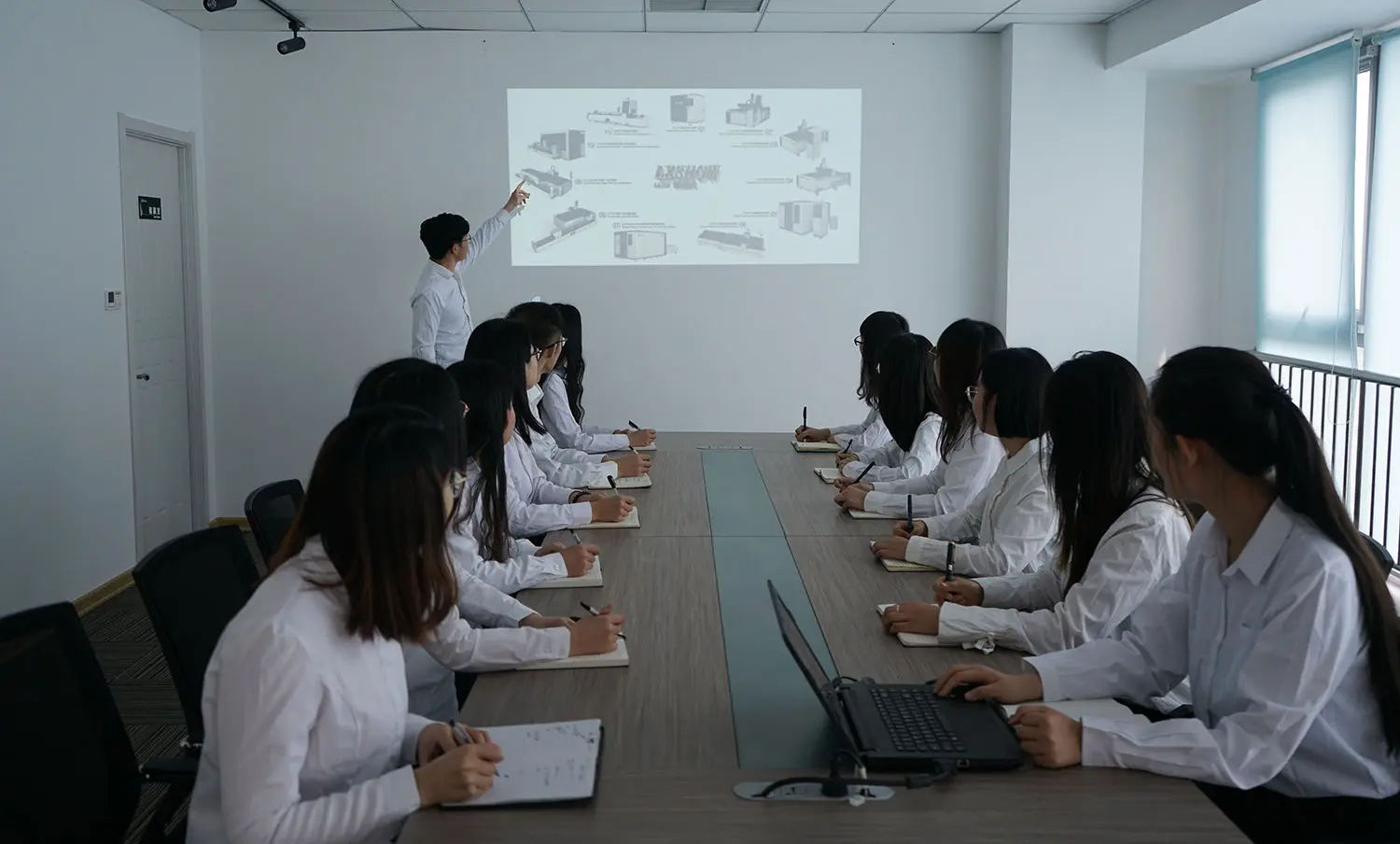
Established in July 2004, our enterprise occupies a leading position in the research and manufacture of CNC laser equipment. With over 500 square meters of specialized laboratory and R&D space, coupled with a 32,000 square meter state-of-the-art production factory, we support global industries in realizing smart manufacturing.
Our systems have successfully achieved European Union CE authentication, American FDA certification, and are produced under strict ISO 9001 quality management guidelines. We focus on providing direct industrial solutions in more than 150 countries, offering specialized OEM services for over 30 global brands.

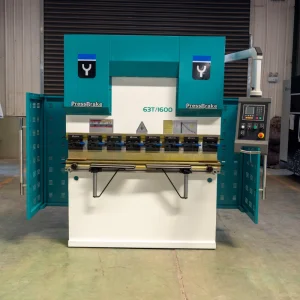
Explore our complete catalog of industrial laser welders, robotic arms, cladding modules, and CNC metal bending machinery built for Russia's growing manufacturing footprint.
We support multi-functional systems designed to build high-performance sheet metal and industrial production plants.
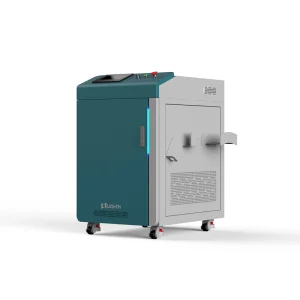
Essential information on sourcing, importing, and integrating industrial fiber laser welders in the Russian Federation.
Importing equipment to Russia requires compliance with EAEU (Eurasian Economic Union) regulations, specifically the EAC mark, which mandates validation of compliance with Technical Regulations TR CU 004/2011 (LVD), TR CU 020/2011 (EMC), and TR CU 010/2011 (Machinery Safety). Logistics are typically managed via rail transport (Trans-Siberian routes) or border road bridges like the Heihe-Blagoveshchensk link, guaranteeing delivery speeds to manufacturing hubs in European Russia within 15–20 days.
Fiber laser welding delivers energy concentrated in a microscopic spot, creating a high-depth-to-width ratio weld seam. It increases welding speed by up to 10 times compared to manual TIG, minimizes the heat-affected zone (HAZ) to prevent metal deformation, and eliminates the need for post-weld grinding. This delivers significant labor cost savings and higher throughput for production workshops.
Yes, but environmental precautions are necessary. Standard water-cooled chillers must not freeze, as this can damage the internal laser optics. In sub-zero Siberian or northern Russian environments, factories must operate these systems inside heated production halls (maintained above 5°C), or use approved cooling additives (anti-freeze agents specifically rated for laser optics) in accordance with the manufacturer's operational instructions.
Argon (Ar) is the most common choice, providing excellent shielding and arc stabilization for stainless steels and aluminum alloys. For carbon steel structure applications, high-purity Nitrogen (N2) can be used to improve tensile properties and lower operational costs. The gas flow rate must be set precisely (typically between 15-20 L/min) to prevent porosity in the weld bead.
Yes, we offer comprehensive remote video commissioning, multilingual operational manual documentation (including Russian), and coordinate with regional distribution partners in Russia to provide onsite installation, parameter tuning, and operator safety training for automated CNC and robotic configurations.
 Lxshow