High-performance laser deposition cladding systems customized for Poland's rigorous metallurgical standards.
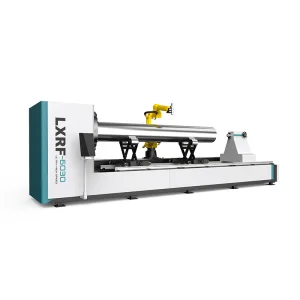
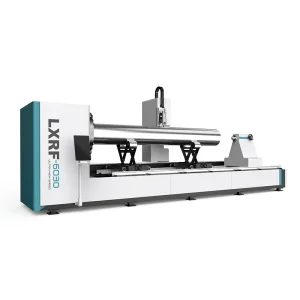
Poland has emerged as a powerhouse of industrial manufacturing in Central and Eastern Europe. Key industrial zones such as the Silesian Voivodeship, Aviation Valley in Podkarpackie, and the automotive clusters in Gliwice and Tychy require advanced metallurgical and surface engineering technologies. The demand for industrial laser cladding machines in Poland is driven by the urgent need to rebuild, repair, and reinforce wear-critical components.
Traditional welding processes like PTA (Plasma Transferred Arc) are increasingly being replaced by high-precision, CNC-controlled laser cladding. With a lower heat-affected zone (HAZ) and minimal dilution rates (often under 5%), local Polish factories are adopting laser deposition to significantly extend the lifespan of hydraulic cylinders, turbine blades, extrusion screws, and agricultural implements.
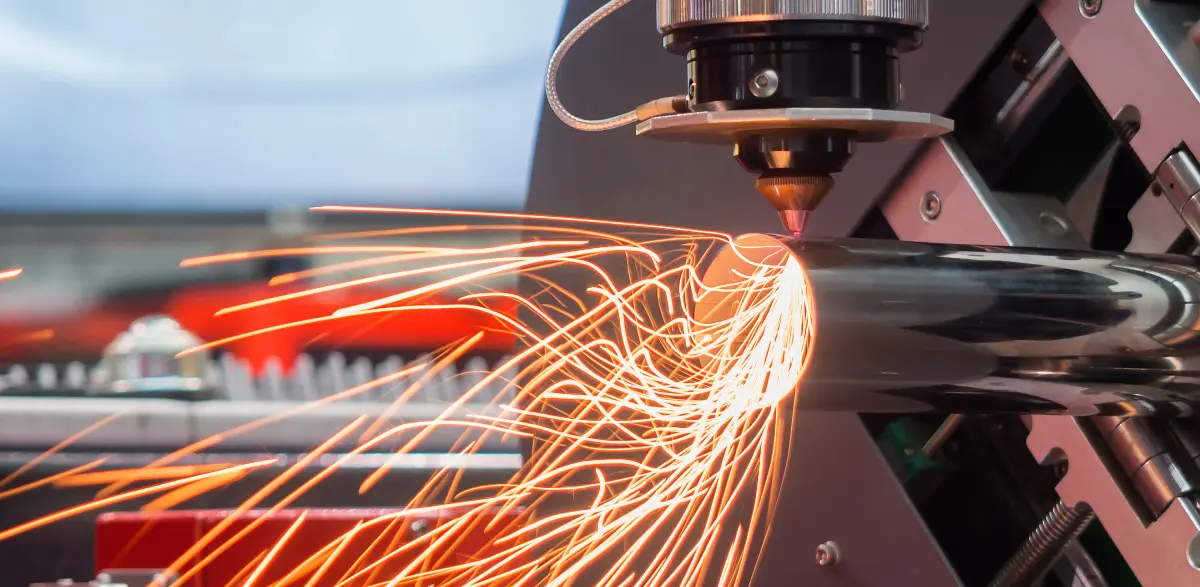
European Union environmental frameworks strictly control hexavalent chromium emissions, effectively phasing out traditional hard chrome plating. Coaxial powder laser cladding is the direct, eco-friendly replacement compliant with EU REACH directives.
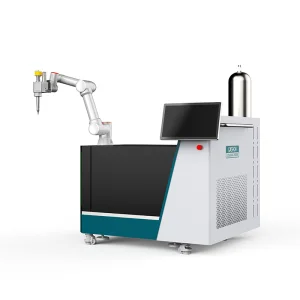
Modern Polish enterprises require smart systems. Our LXRF series integrates multi-axis robotics, real-time closed-loop temperature control, and industrial IoT compatibility for seamless smart factory operations.
Whether using Nickel-based superalloys, Stellite cobalt alloys, or high-chromium martensitic steels, our powder feed systems ensure precise alloying with superior bond strength (>400 MPa).
In today's highly volatile economic environment, supply chain resilience is a non-negotiable factor for Polish manufacturing procurement. Our manufacturing ecosystem in China operates under the strict principles of Industry 4.0, combining state-of-the-art robotic assembly with end-to-end component traceability.
By leveraging standardized structural components, optimized raw material sourcing, and localized assembly protocols, we deliver laser cladding systems that reduce capital expenditure for Polish buyers by up to 35% compared to Western European alternatives, without compromising performance. Furthermore, our machines comply fully with the European Union's CE Authentication, American FDA regulations, and ISO 9001 quality management metrics.
For the copper mines of Lower Silesia and coal mining operations near Katowice, laser cladding restores excavator teeth, transport chutes, and conveyor drives subjected to intense abrasive wear.
Gdańsk and Szczecin shipyards rely on high-corrosion-resistant alloy cladding on propeller shafts, rudder bearings, and marine engine valve seats exposed to harsh marine environments.
Providing ultra-precise structural repairs on turbine blades and compressor rotors in the Aviation Valley, maintaining high metallurgical properties with zero micro-cracks.
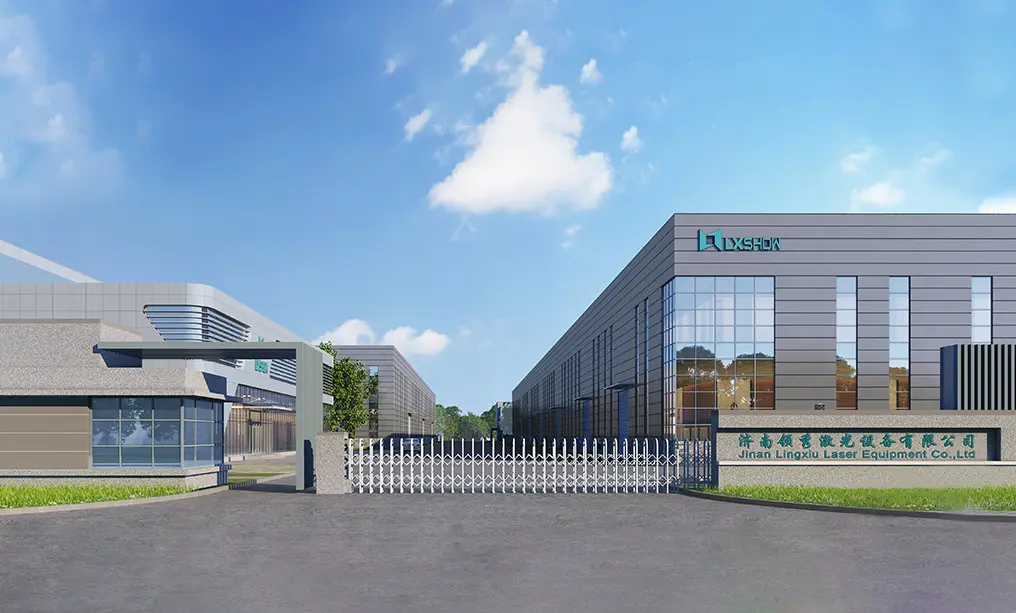
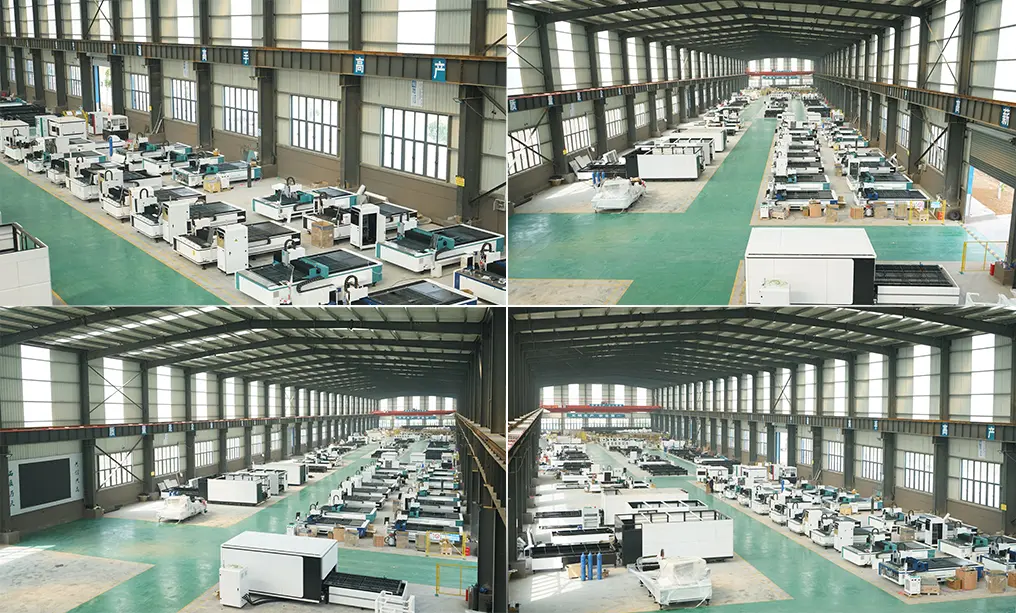
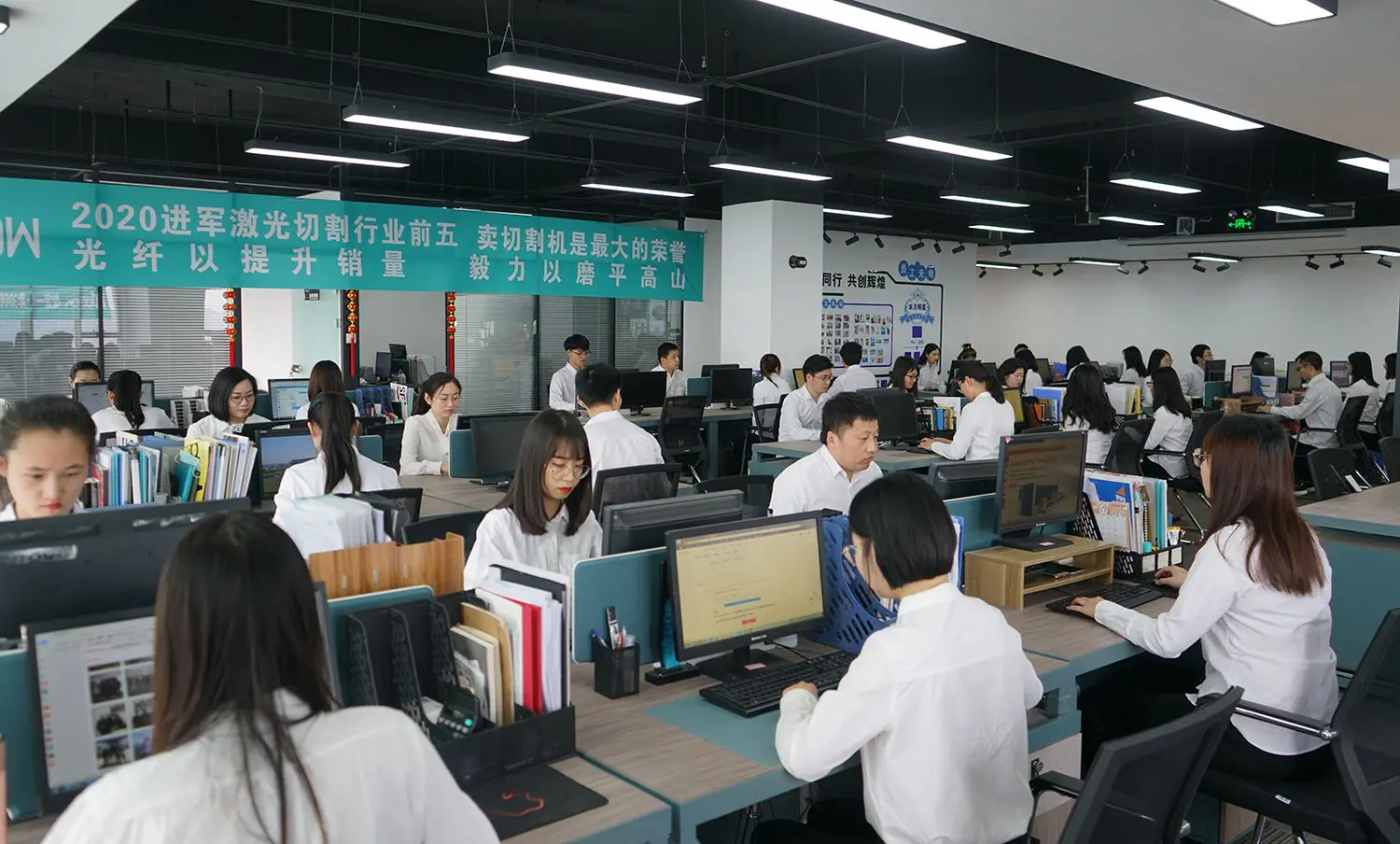
Operating since 2004, our 32,000+ sqm manufacturing facility supports heavy industrial laser system design, assembly, and testing.
Our cladding heads and powder feeder modules are designed to process diverse base materials and powder alloys.
Whether operating on cylindrical parts or complex 3D mold profiles, the advanced optical configurations provide stable energy distribution to minimize base material melting and maximize process speed.
Engineered to satisfy industrial standards across 150+ countries. The machines integrate perfectly into heavy-duty automated manufacturing processes.
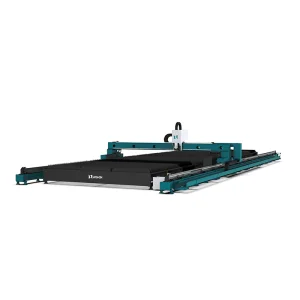
Expand your manufacturing capability. Discover our complete line of industrial laser equipment built for durability and continuous operations.
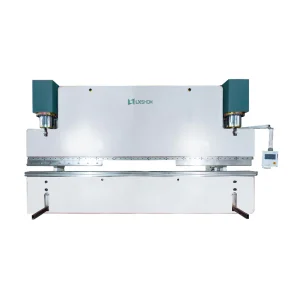
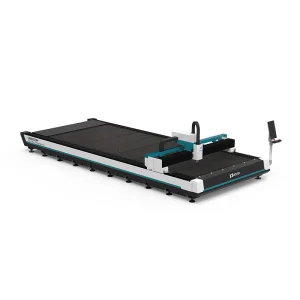
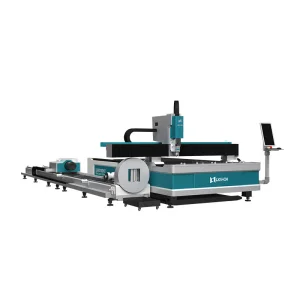
Understanding the engineering benefits of transitioning from legacy thermal treatments to precision laser surface deposition.
| Technology Metric | Coaxial Laser Cladding | Submerged Arc / Arc Welding | Hard Chrome Plating |
|---|---|---|---|
| Bonding Quality | Metallurgical (Bond Strength >400 MPa) | Metallurgical (Low consistency) | Physical Adhesion (Prone to flaking) |
| Dilution Rate | < 5% (Preserves powder chemistry) | 20% - 30% (High matrix contamination) | 0% (No heat transfer) |
| Heat-Affected Zone (HAZ) | Minimal (0.5mm - 1.0mm) | Severe (3.0mm - 6.0mm) | None (Chemical deposition) |
| Environmental Impact | Eco-friendly (Low waste, no chemicals) | High fumes and slag production | Toxic Cr6+ waste (REACH Banned) |
Answers to common questions regarding local deployment, logistics, and technical specifications for Polish clients.
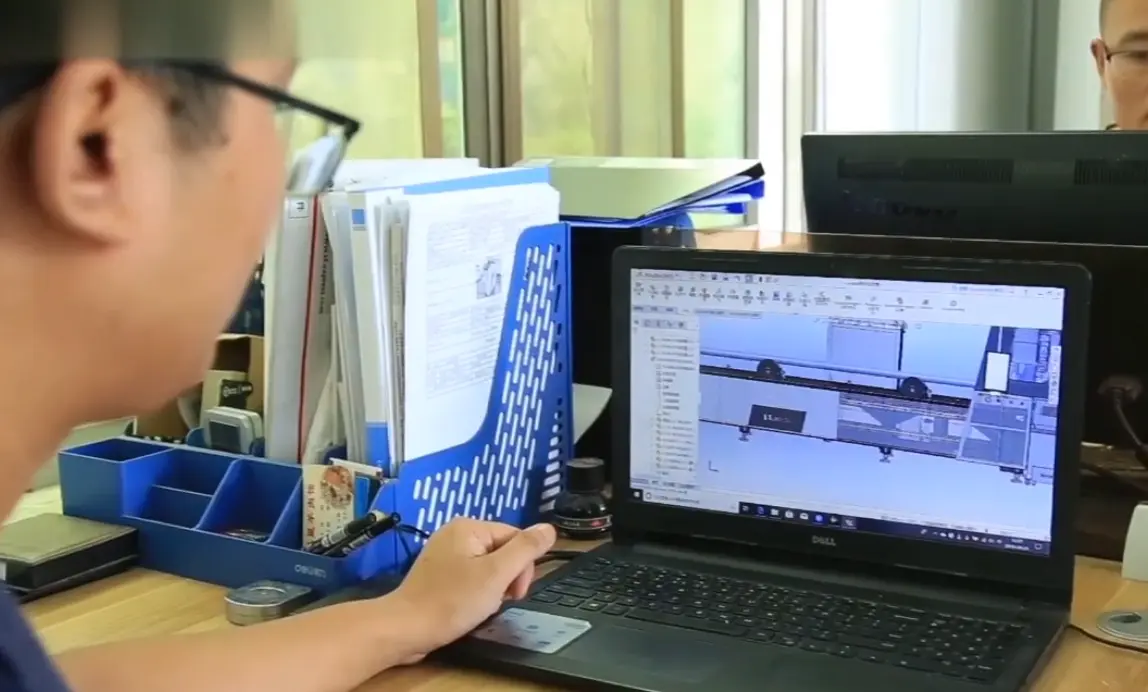
Get in touch with our engineering team today to receive a personalized ROI projection, material test report, or custom system CAD layout tailored for your factory in Poland.
 Lxshow