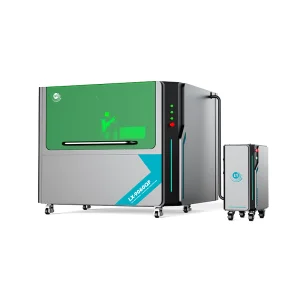
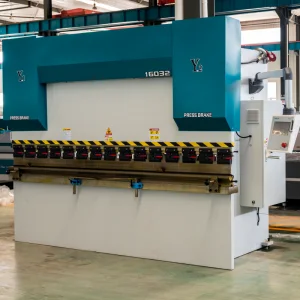
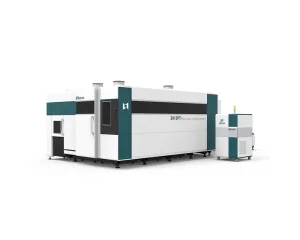
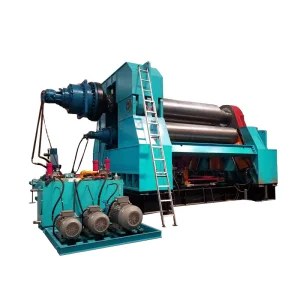
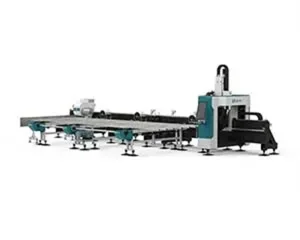
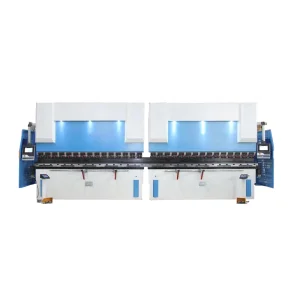
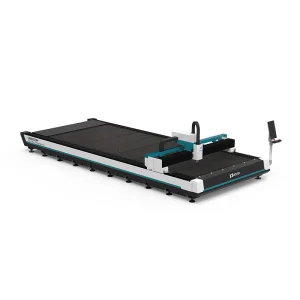
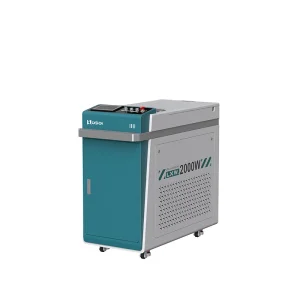
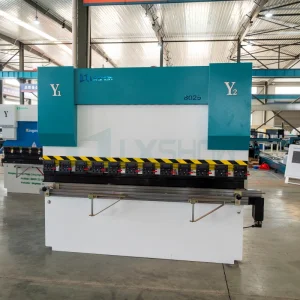
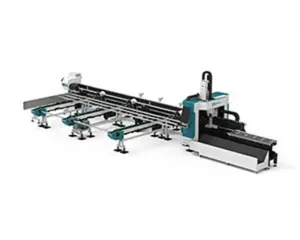
Engineered for high-volume automotive precision and zero-defect heavy industrial metal fabrication in the Chubu region.
Nagoya, the capital of Aichi Prefecture, stands as the unrivaled heartland of Japan’s manufacturing (Monozukuri) sector. Accounting for a dominant share of Japan's automotive assembly, heavy transport engineering, and aerospace components, the local supply chain requires high reliability and high output speeds. The demands on metal fabrication have evolved from traditional cutting procedures to highly digitized, sensor-driven fiber laser cutting systems and automated CNC bending lines.
In this high-precision ecosystem, FG Series CNC systems bridge the gap between traditional reliability and Industry 4.0 automation. By delivering micron-level mechanical tolerances, advanced thermal compensation, and seamless integration with CAD/CAM nests, we provide Japanese manufacturers with the tools to mitigate rising labor costs and localized skilled labor shortages.
Modern global logistics require agile production lines that can transition between mild steel, stainless steel, and highly reflective metals like aluminum, copper, and brass. Procurement executives across Nagoya's industrial zones (such as Minato Ward, Komaki, and Kariya) face strict guidelines under global sustainability standards (Green Procurement) and energy consumption targets. The transition from CO₂ laser sources to high-power fiber laser sources (ranging from 1kW to 30kW) has become the gold standard for reducing per-part energy consumption by up to 50%.
Furthermore, structural steel fabricators require combined sheet and tube processing capability to optimize footprint area on their shop floors. The integration of dual-purpose lasers, coupled with automatic loading and unloading mechanics, minimizes physical material handling and secures continuous, unattended night-shift operations.
How the FG Series engineering architecture addresses high-duty cycle operations and strict international standards.
Each machine base undergoes thermal stress relief tempering at over 600°C, ensuring structural stability and preventing bed deformation over decades of high-speed acceleration.
Equipped with state-of-the-art optical sensors, active collision avoidance laser heads, and fully enclosed protective housings meeting European CE and US FDA safety mandates.
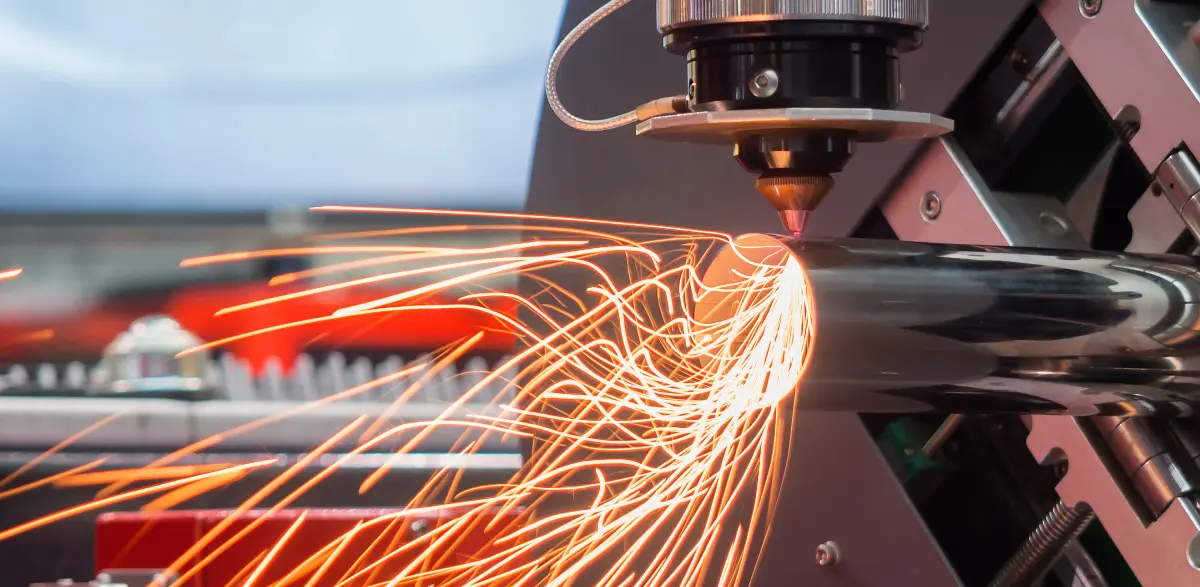
Incorporates synchronized dual-drive gantry mechanics, high-precision helical racks, and Japanese Yaskawa or Fuji servo systems to achieve positional accuracy of ±0.02mm.
All production operations adhere strictly to international manufacturing codes. Our systems hold the European Union **CE Authentication**, American **FDA Certificates**, and the manufacturing facilities operate under **ISO 9001** quality management controls. For Japanese clients, localized voltage parameters (typically 200V/220V 3-phase, 50Hz/60Hz) are integrated at the factory level, eliminating the need for bulky and inefficient external transformer setups.
Entering the Japanese industrial supply chain demands strict post-purchase technical support. We understand the high cost of downtime in Toyota-affiliated parts suppliers (Tier 1/Tier 2). To ensure maximum productivity, our customer-centric support framework features:
Our commitment to building smart manufacturing facilities guarantees that our laser cladding, laser welding, and high-performance bending machines fit perfectly into Japanese digital manufacturing workflows (Industry 4.0).
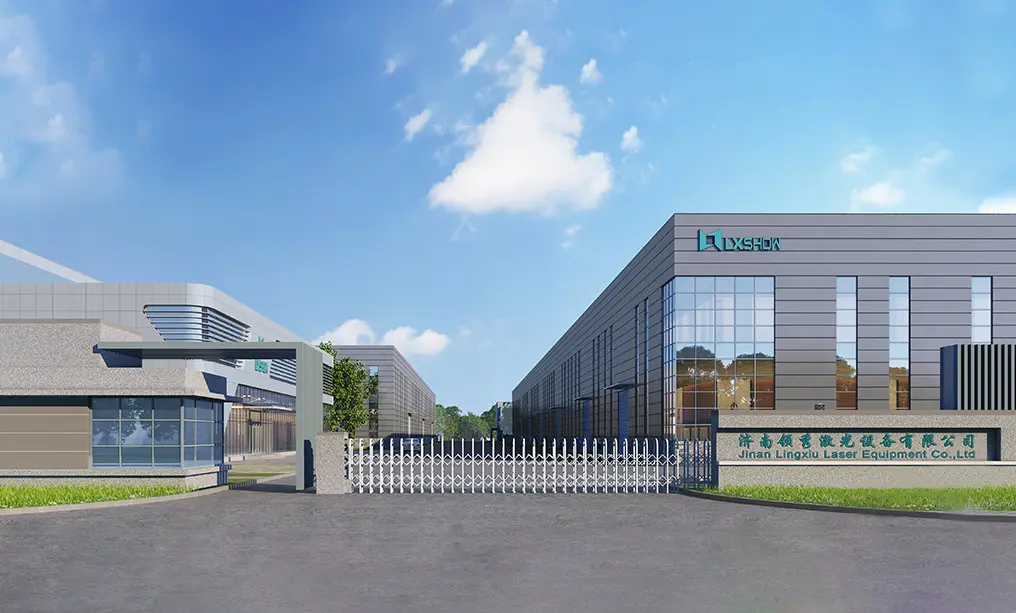
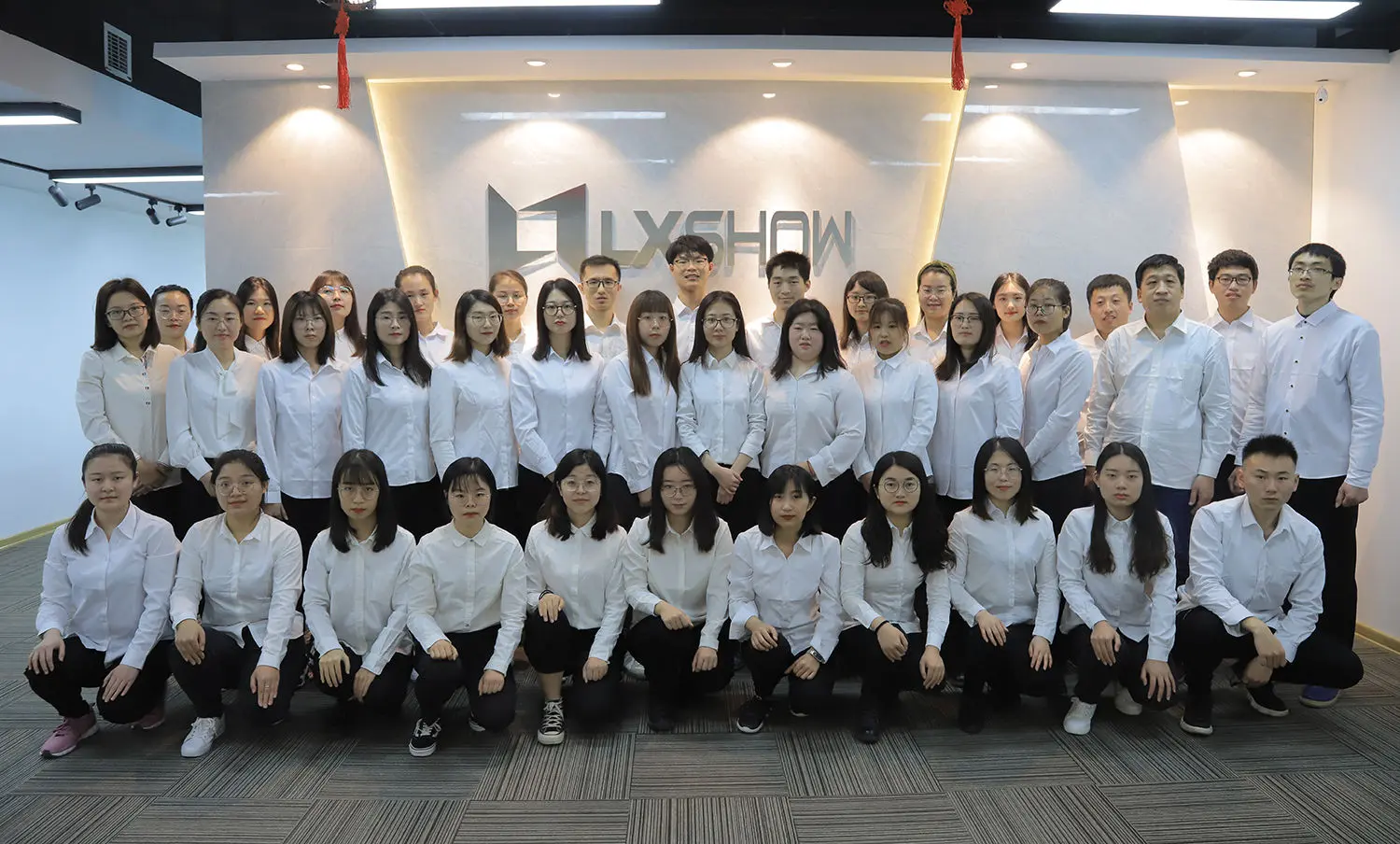
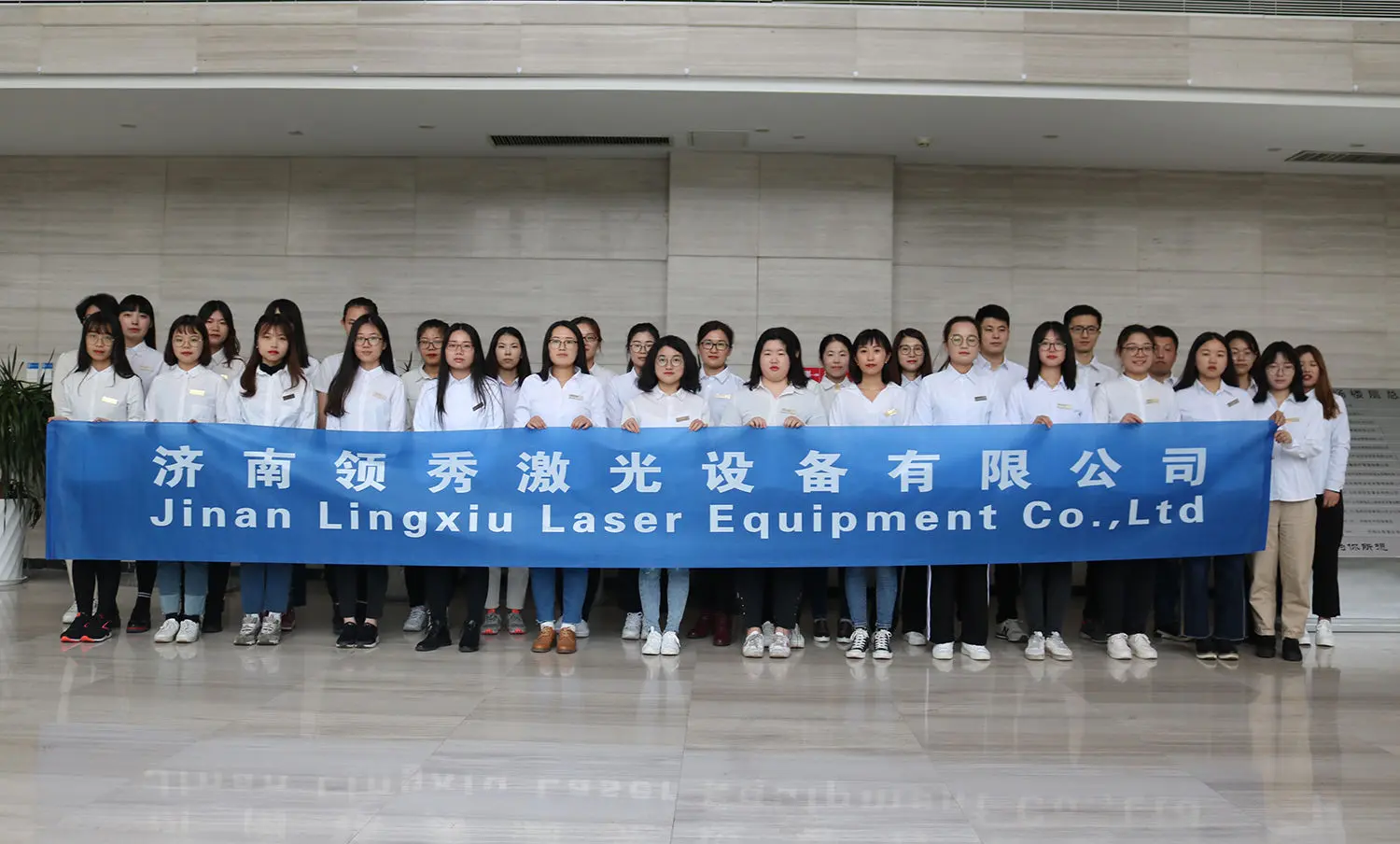
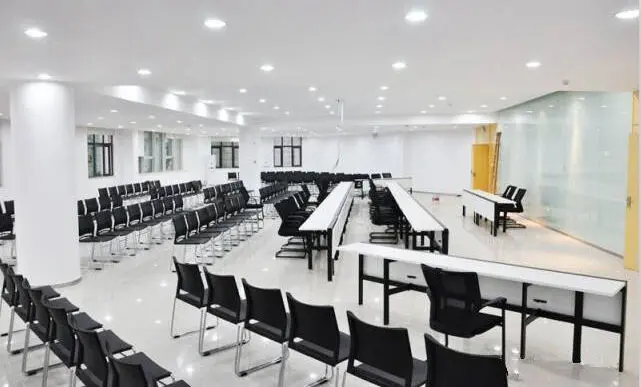
Since 2004, our 32,000 square meters factory complex has housed world-class research, machine design, and assembly facilities.
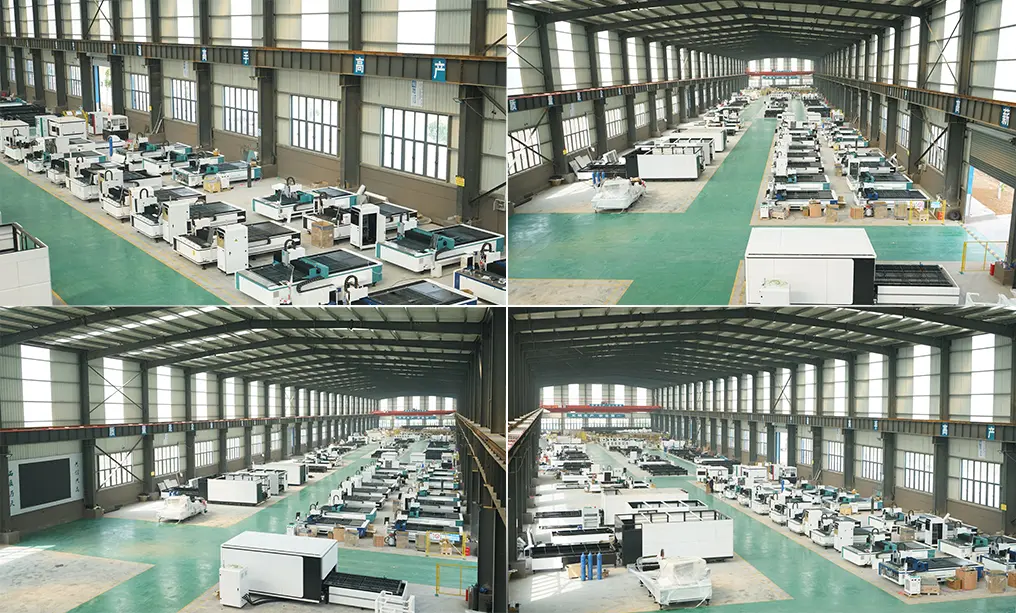
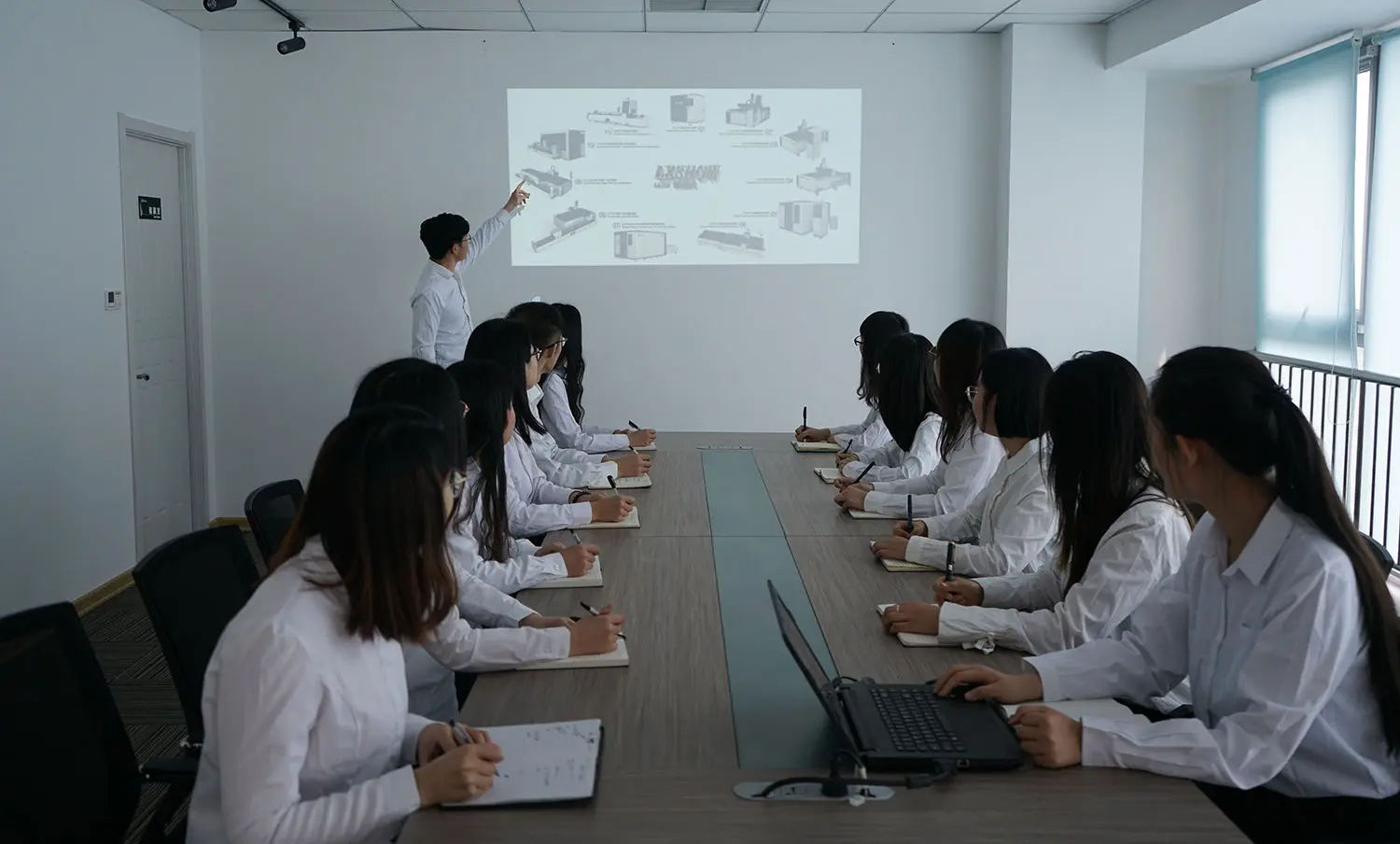
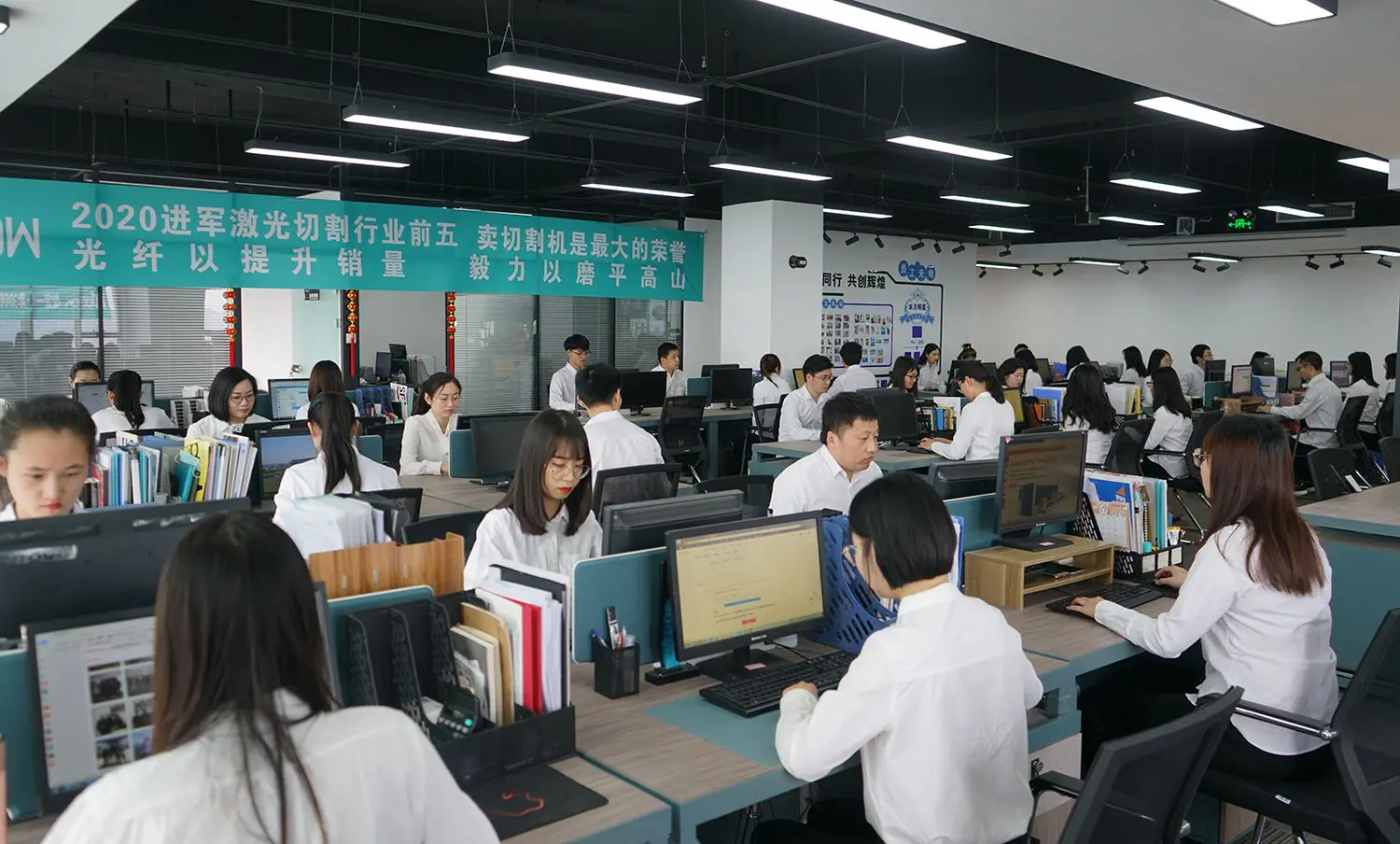
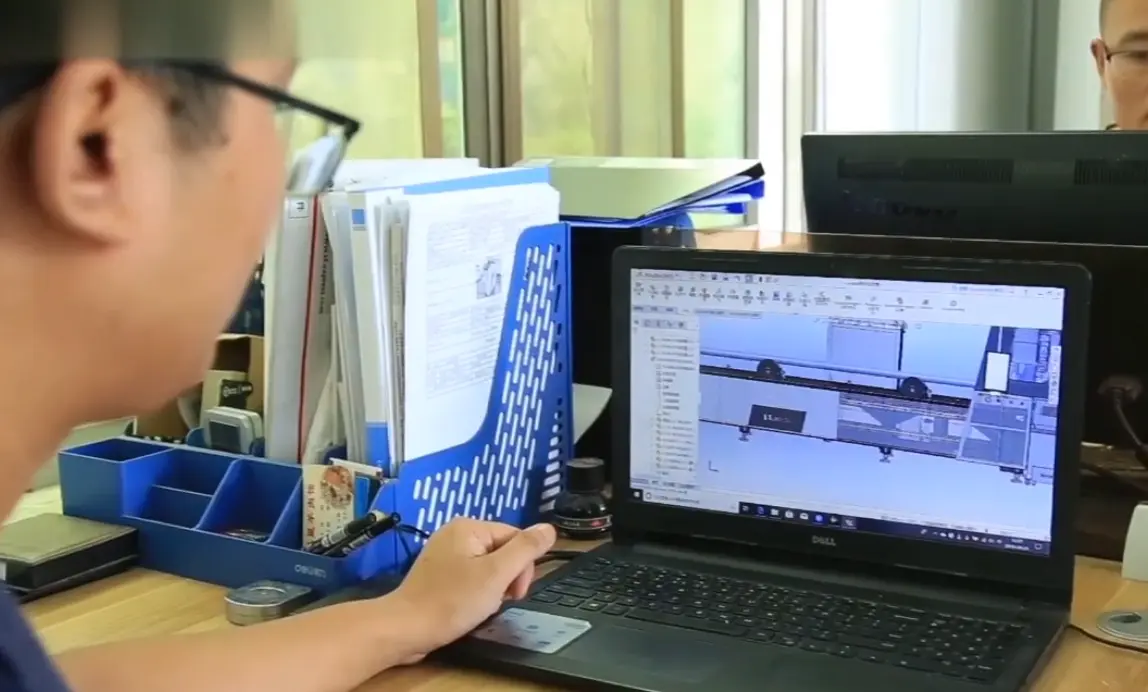
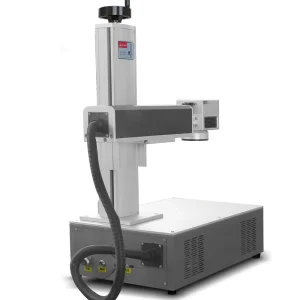
High-precision metal fabrication tools, laser cutters, bending apparatus, and handheld cleaners.
As the smart manufacturing shift continues, laser processing will evolve from a mechanical operation to an AI-guided process. Our roadmap outlines key milestones designed to support Nagoya's next generation of manufacturing facilities:
Real-time optical monitoring during laser cutting detects imperfections and adjusts beam parameters instantly. This dramatically reduces material waste, ensuring that high-value raw materials are utilized optimally.
By connecting CNC press brakes directly with angle measurement instruments, our systems perform real-time springback compensation. The operator no longer needs to run multiple trials; the system reaches the exact target angle on the first cycle.
By linking our machines with local MES (Manufacturing Execution Systems) and ERP databases, we enable plant supervisors to monitor throughput, maintenance cycles, and raw material utilization via a single control panel. This digitization supports the factory of the future, targeting fully autonomous processing by 2040.
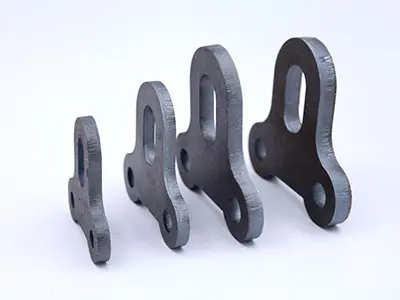
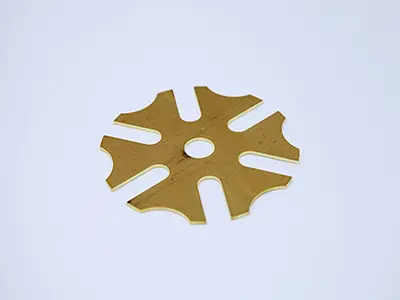
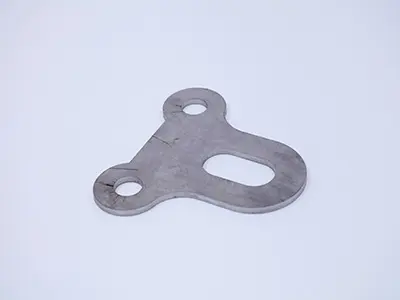
Engineered for all common structural and decorative metals utilized within Japan’s heavy industry.
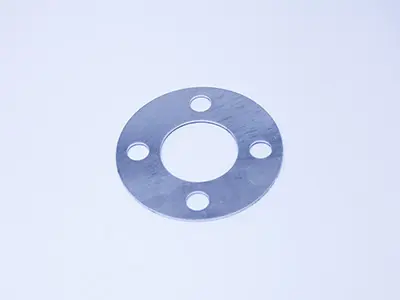
Answering key queries on integration, import processes, and operation parameters for Japanese buyers.
Partner with a globally recognized manufacturer. Contact our application engineering team today for custom machine configurations, exact pricing, and comprehensive import support for Nagoya and Aichi Prefecture.
Send Inquiry Now Lxshow