 Lxshow
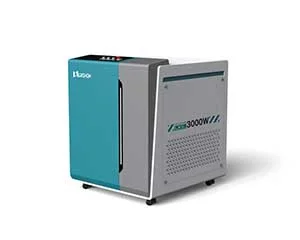
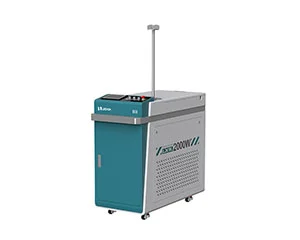
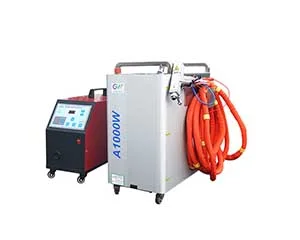
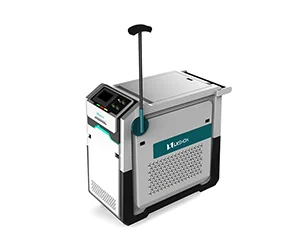
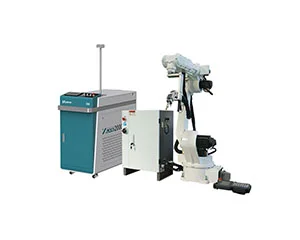
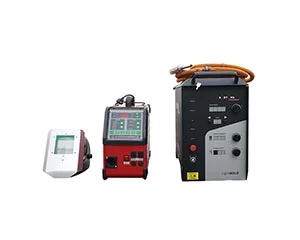
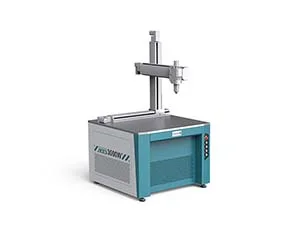
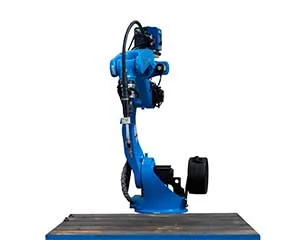
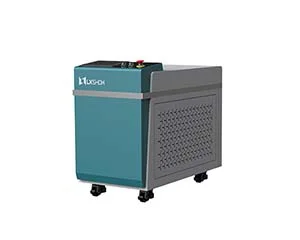
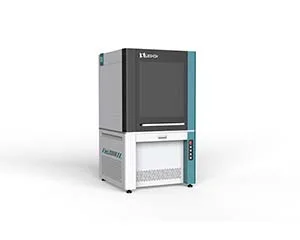
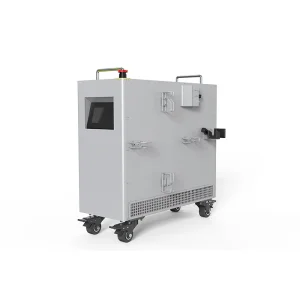
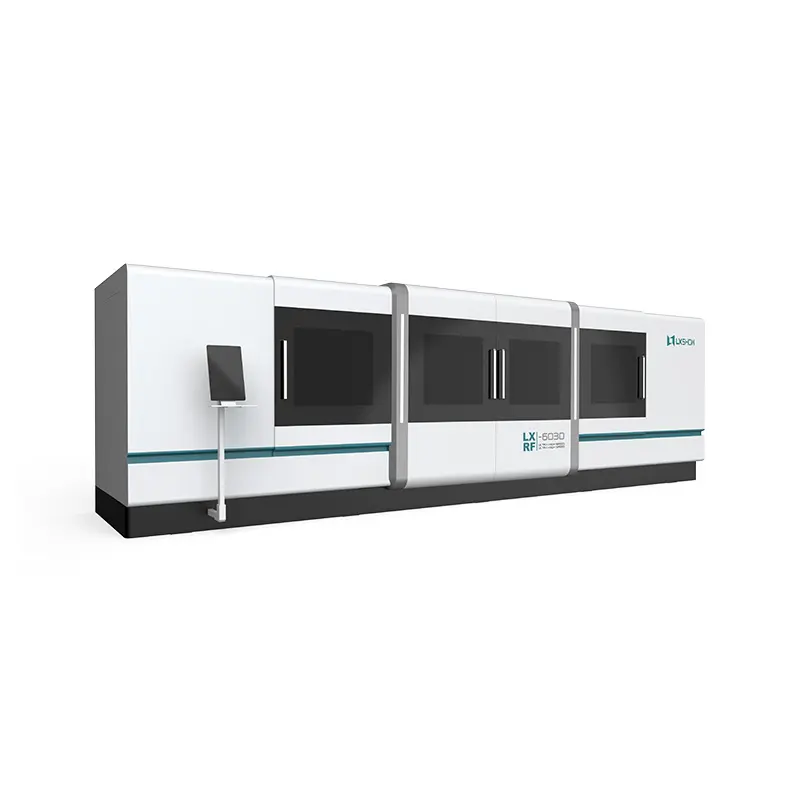
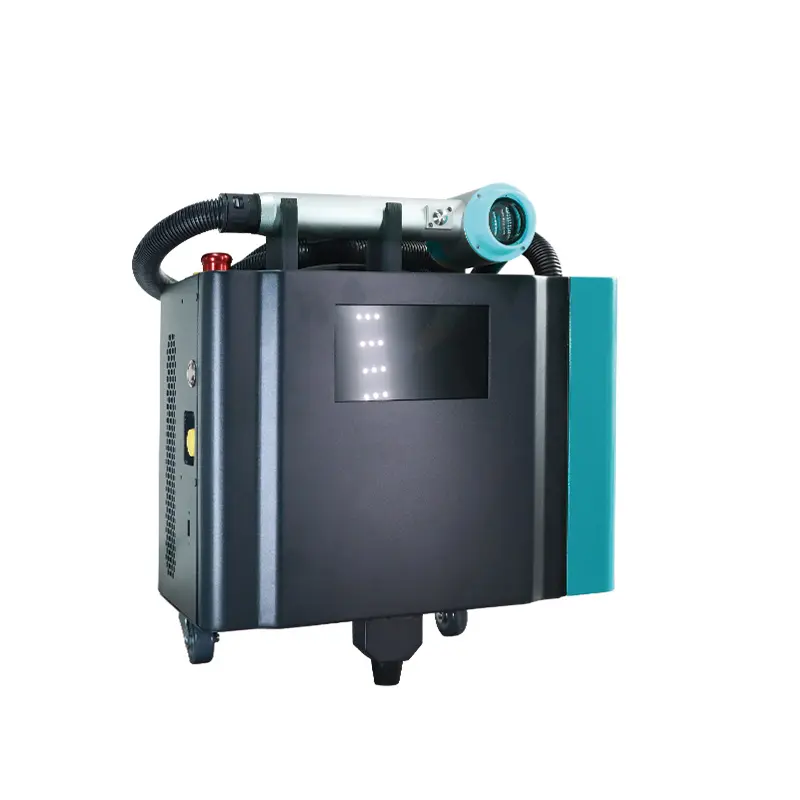
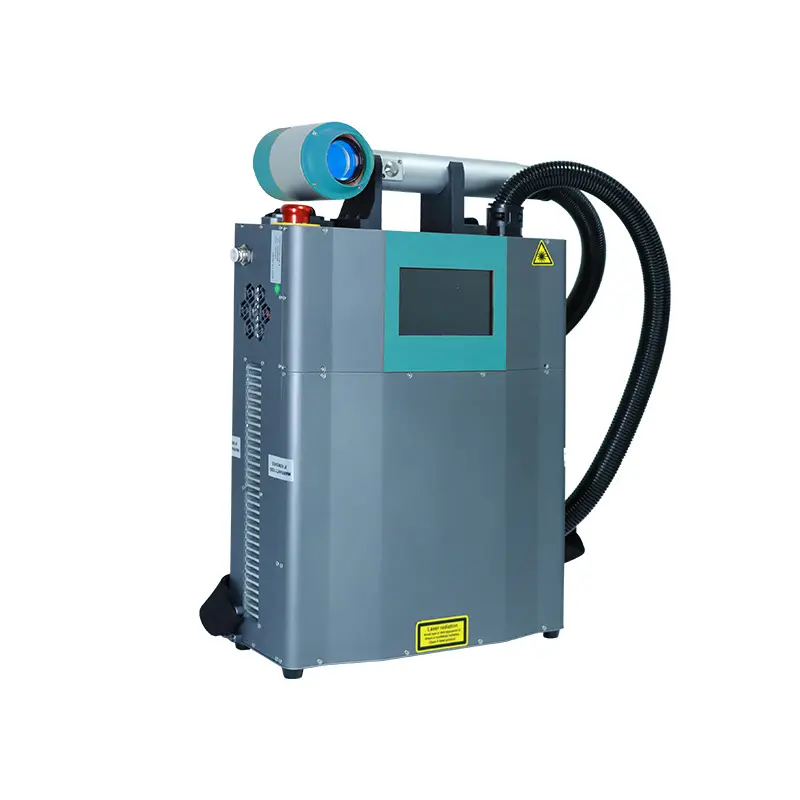
The global metal manufacturing sector is undergoing an accelerating shift toward automation. Industry estimates suggest that the market for handheld and robotic fiber laser welders is expanding at a double-digit CAGR. Driving this growth is the transition from conventional fusion welding processes to solid-state laser resonators (1070nm wavelength), which yield up to 10 times higher processing speeds and eliminate the need for post-weld grinding.
In advanced economies such as Canada, Germany, and the United States, industrial energy rates make machine efficiency a critical factor in purchasing decisions. Traditional arc welding equipment suffers from low energy conversion rates. By comparison, modern fiber laser welders operate at electro-optical conversion efficiencies exceeding 35%, dramatically reducing utility costs.
Additionally, JPT, Raycus, Maxphotonics, and IPG laser resonators are being paired with advanced dual-wobble weld heads to handle wider seam gaps. This expands the use of laser welding to structural steel, marine components, and large-format sheet metal enclosures where fit-up tolerances are less precise.