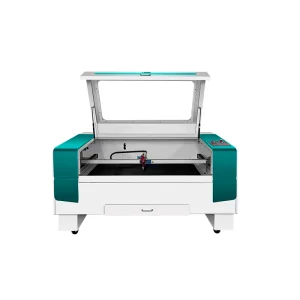
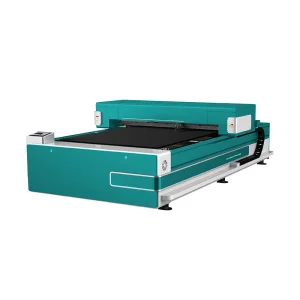
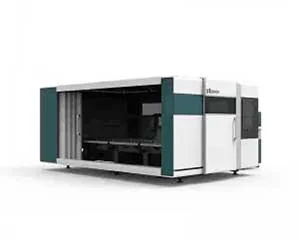
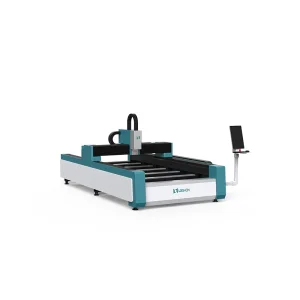
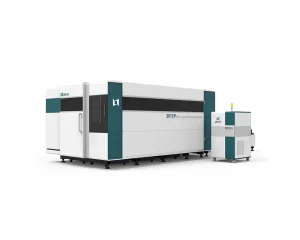
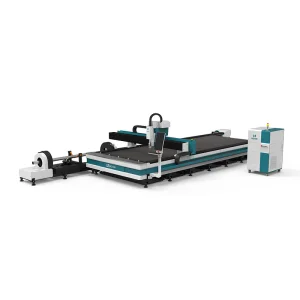
Designed for local industrial materials processing: Acrylic, Wood, Textiles, and Metal Sheet fabricating solutions.
As Central Asia's industrial powerhouse, Uzbekistan is undergoing a structural transition driven by the national modernization plan, "Strategy of Actions on Five Priority Areas." Heavy industrial zones in Tashkent, Samarkand, and the Fergana Valley are rapidly pivoting from legacy manual tooling to smart manufacturing architectures. Industrial CNC systems, particularly CO2 Laser Machines and Fiber Laser Cutters, are now the bedrock of localized production.
By shifting processing from traditional cutting dies to digital laser workflows, regional manufacturers in Tashkent and Namangan are experiencing dramatic reductions in raw material waste and a tenfold increase in throughput speed. With our direct technical supply chains between high-end manufacturing hubs and local Uzbekistan operators, we deliver unmatched production reliability, backed by robust machinery designed for continuous operation in variable climate regions.
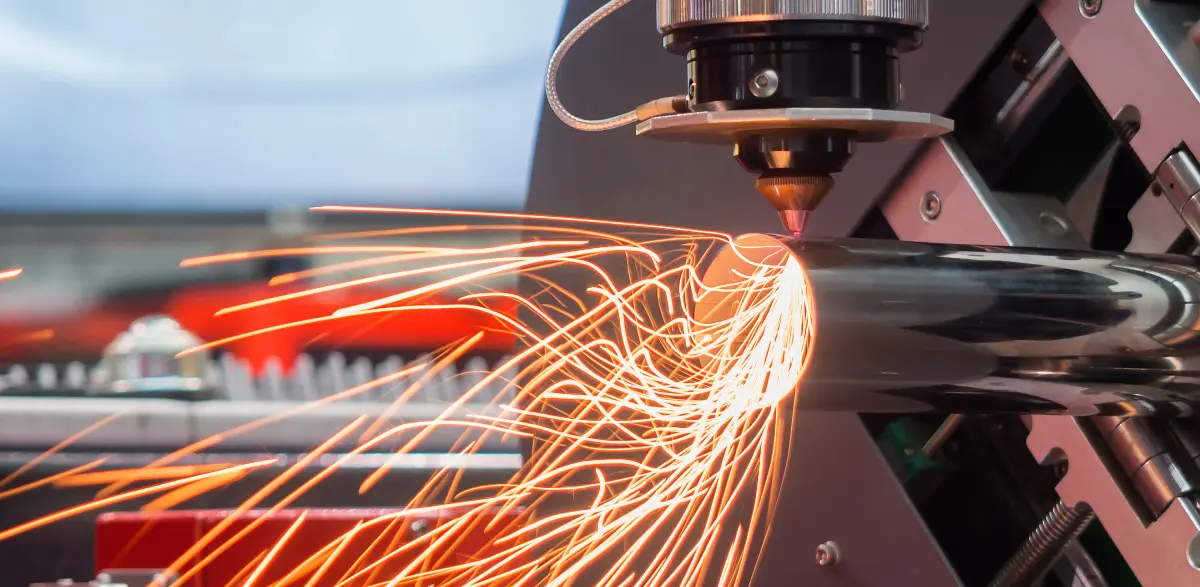
Understanding the thermodynamics of laser optics is key to maintaining operation stability. In continental climates like Uzbekistan, where ambient temperatures fluctuate drastically between summer and winter, our CO2 laser equipment features closed-loop cooling configurations and high-purity optics to prevent focal deviation.
Whether cutting leather for Tashkent’s footwear clusters or engraving cabinetry components in Samarkand, our machinery ensures compliance with international quality baselines. All systems are certified under European Union CE authentication, American FDA certificates, and ISO 9001:2015 standards, securing a seamless import process and factory clearance within the regional logistics networks.
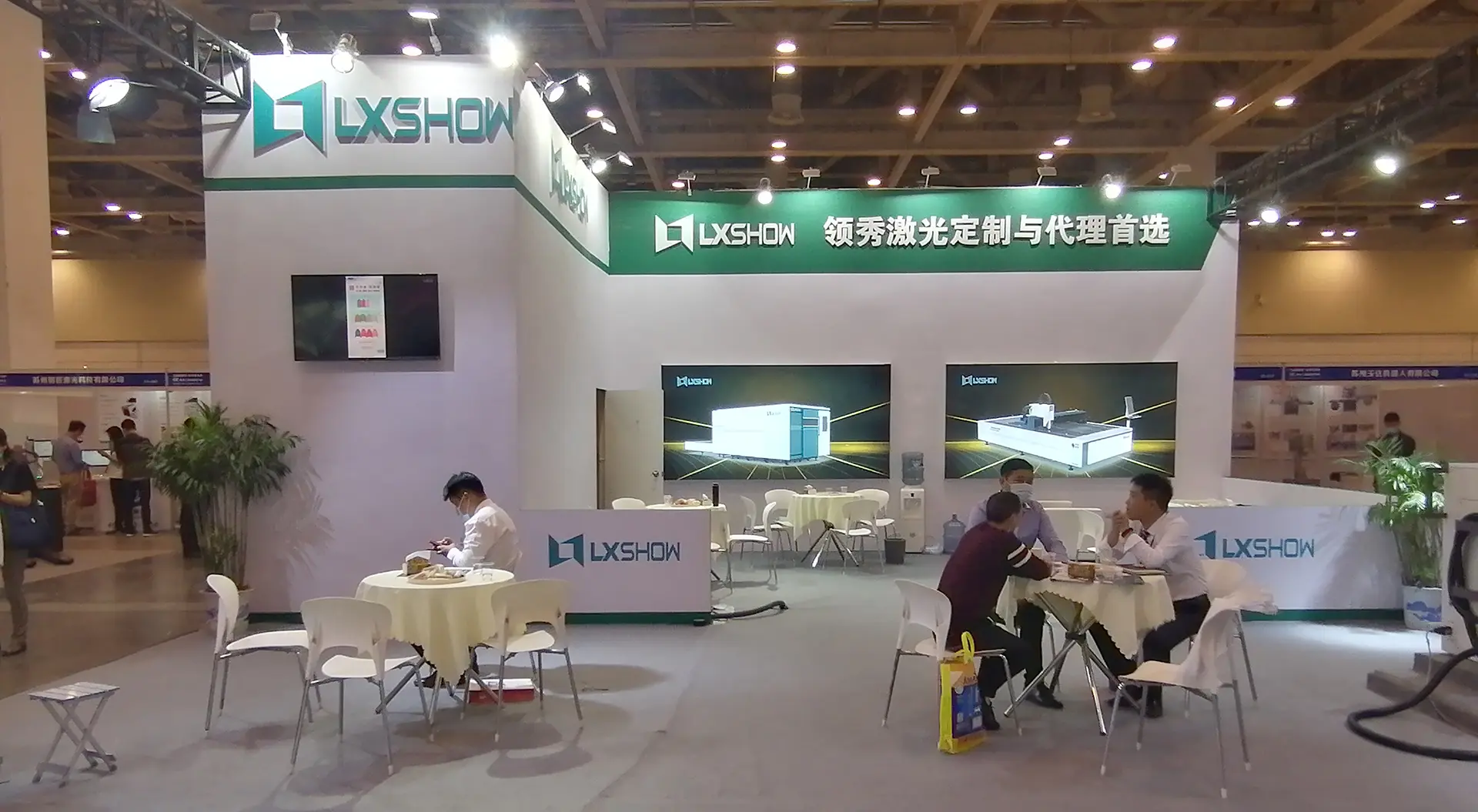
Years Laser Focus (Since July 2004)
Square Meters Factory Area
Countries Utilizing Our Machines
Global Industrial Installations
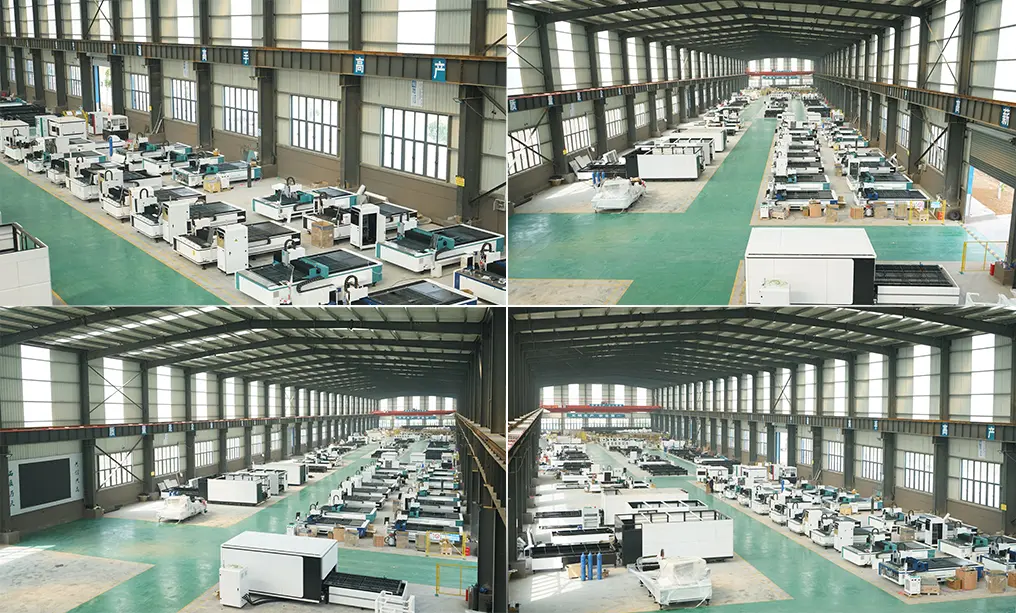
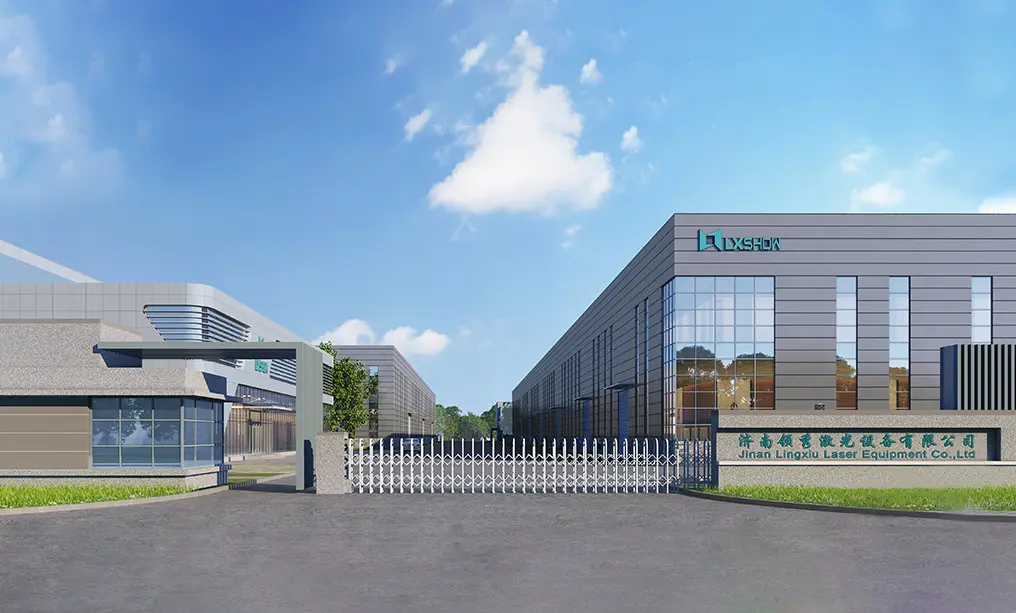
Ensuring structural rigidity and components excellence to meet tough industrial settings across Central Asia.
Our technologies bridge the gap between high raw-material versatility and extreme cutting precision.
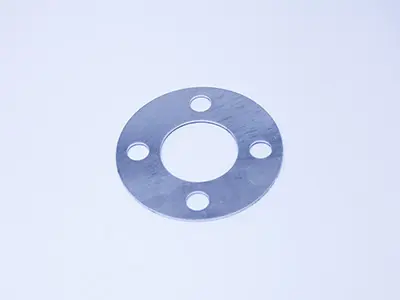
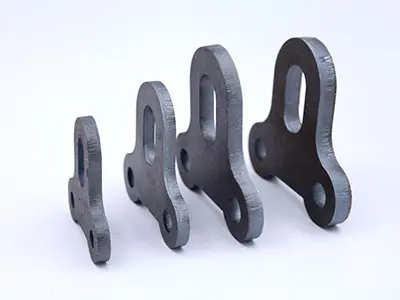
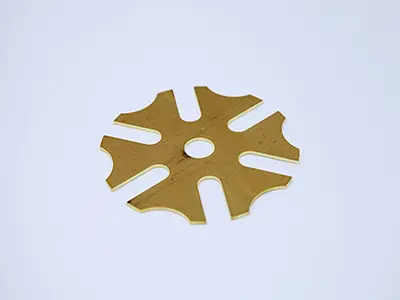

The selection of the optical emission source dictates operational success. CO2 gas-discharge lasers emit light at a wavelength of 10.6 micrometers, which is highly absorbed by organic compounds (acrylics, timber, fabrics, synthetic leather, glass). In contrast, Fiber lasers operate near 1.06 micrometers, optimal for high-energy density penetration of metallic crystalline lattices (stainless steel, carbon steel, copper, aluminum).
For operations processing mixed media, deploying both CO2 systems (for acrylic lettering, cabinetry veneers, and leather trim) and Fiber lasers (for heavy machine guards, bracketry, and ductwork) is the most efficient configuration. By matching the wavelength of emission to the thermodynamic absorption spectrum of the workpiece, processing speeds rise by up to 200%, with gas consumption reduced by half.
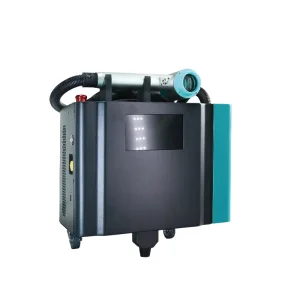
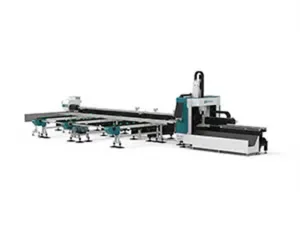
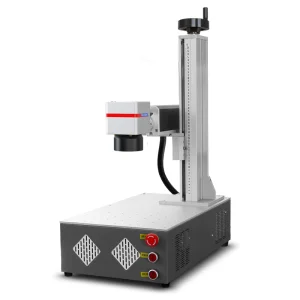
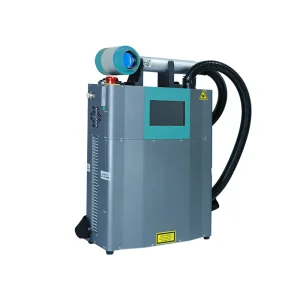
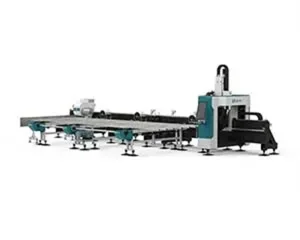
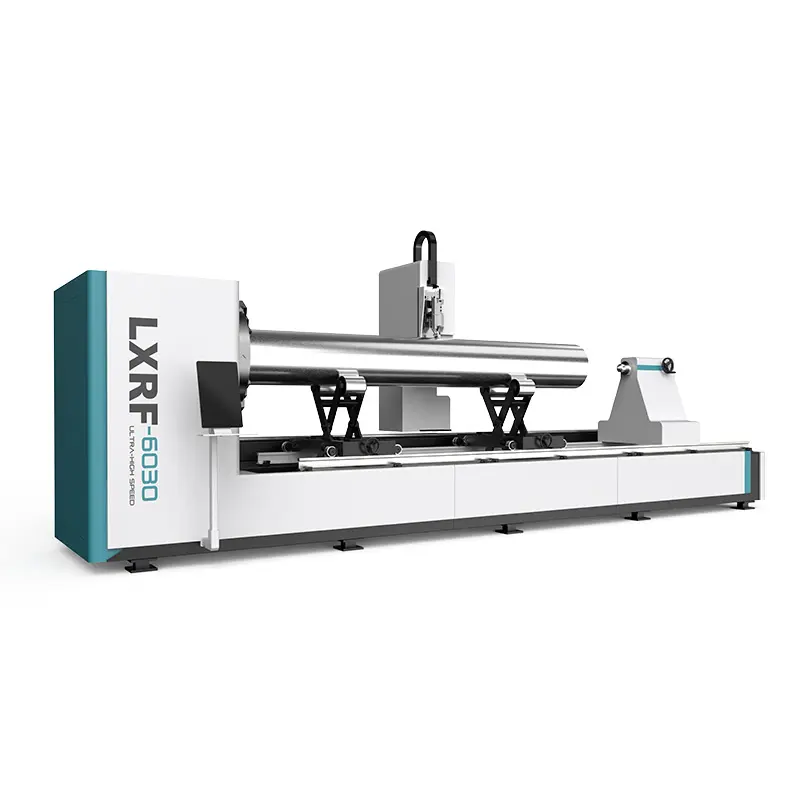
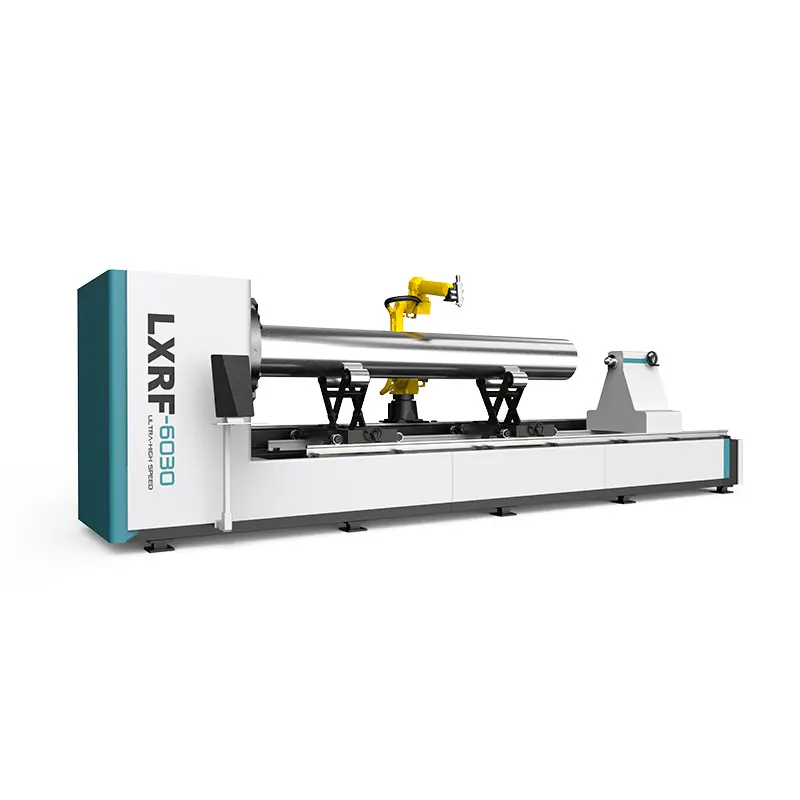
Industrial solutions from advanced cleaning and robotic welding to automated fiber tube profiling.
Explore specialized industrial equipment built to optimize heavy and light manufacturing workflows.
Provides stable, wear-resistant rebuilding of industrial shafts, mining tools, and hydraulic cylinders in Uzbekistan industrial zones.
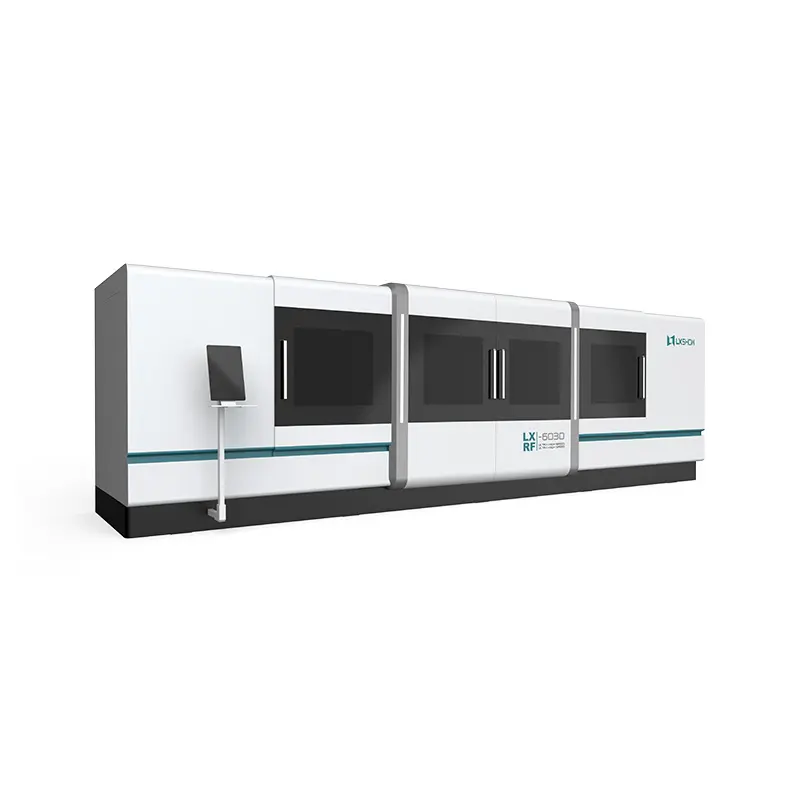
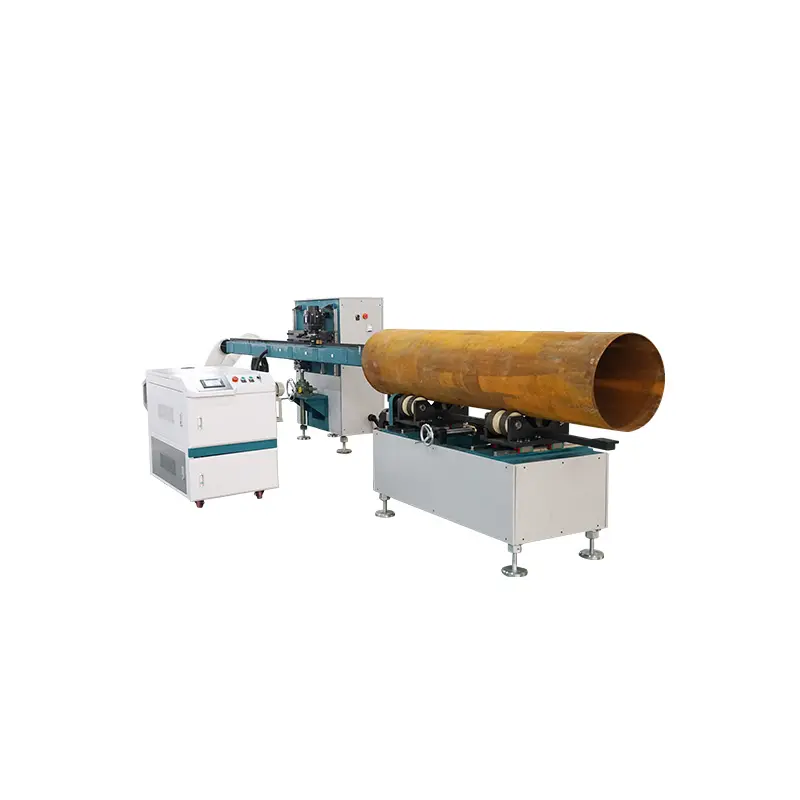
Non-abrasive rust stripping, oxide removal, and low distortion welding for auto repair, defense, and architectural frames.
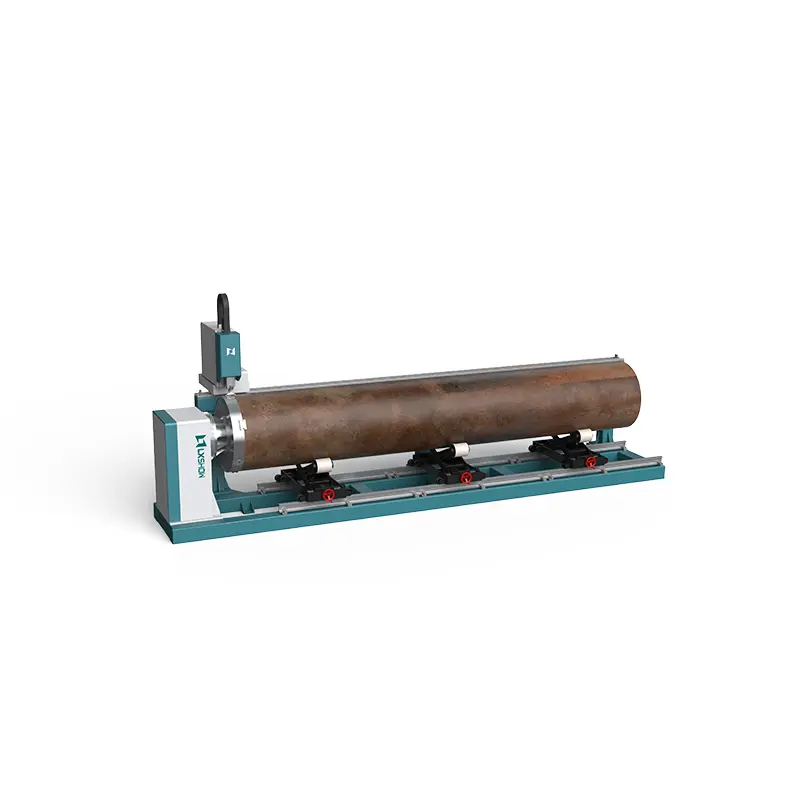
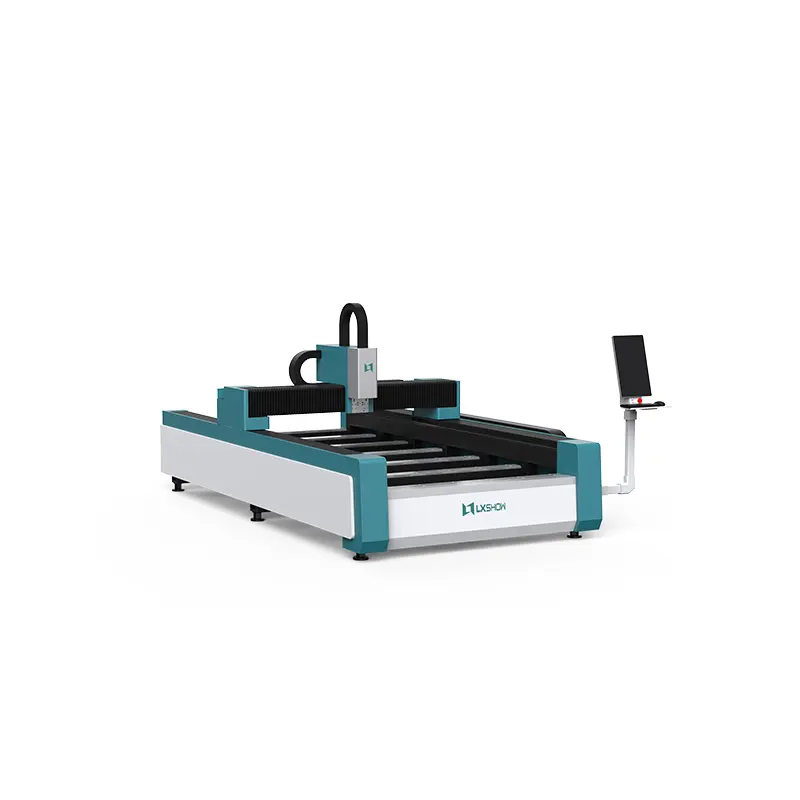
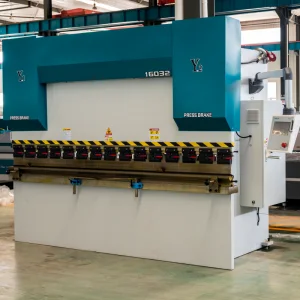
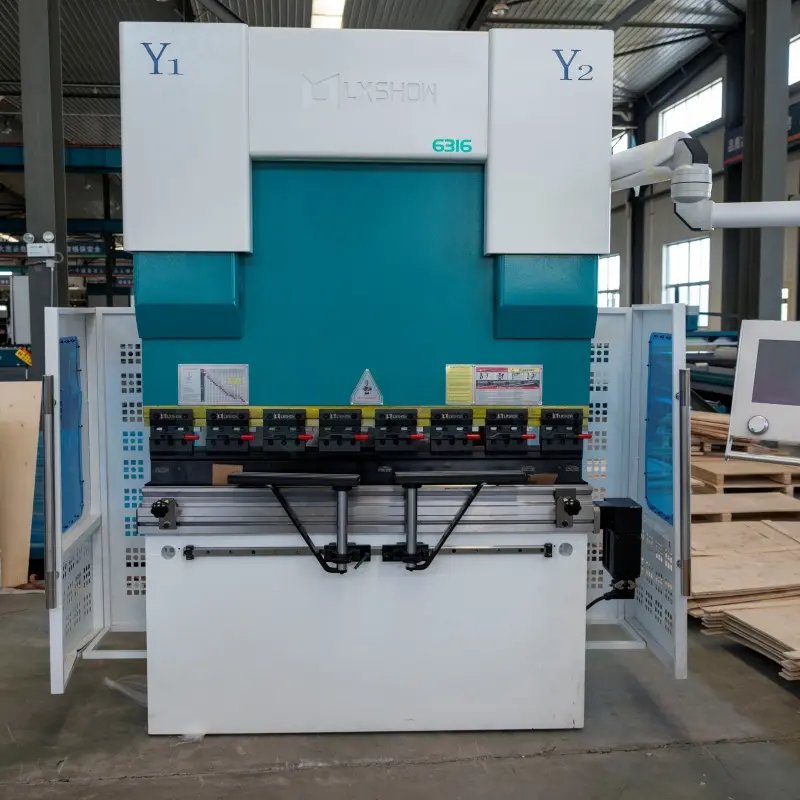
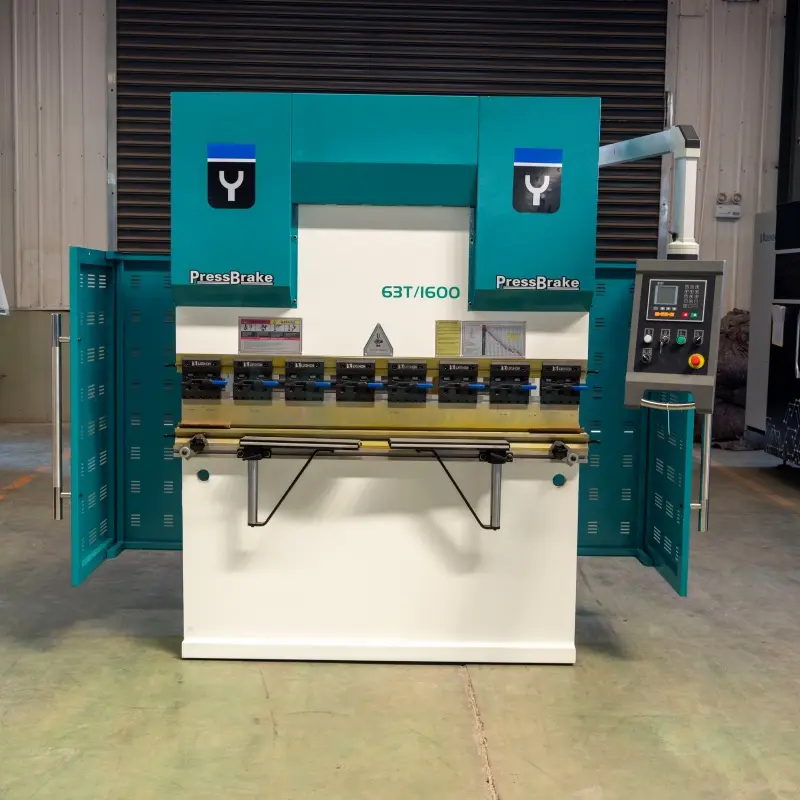
Ensure exact bend angles and fast tooling swaps for medium to thick plate bending in Uzbekistan construction equipment industries.
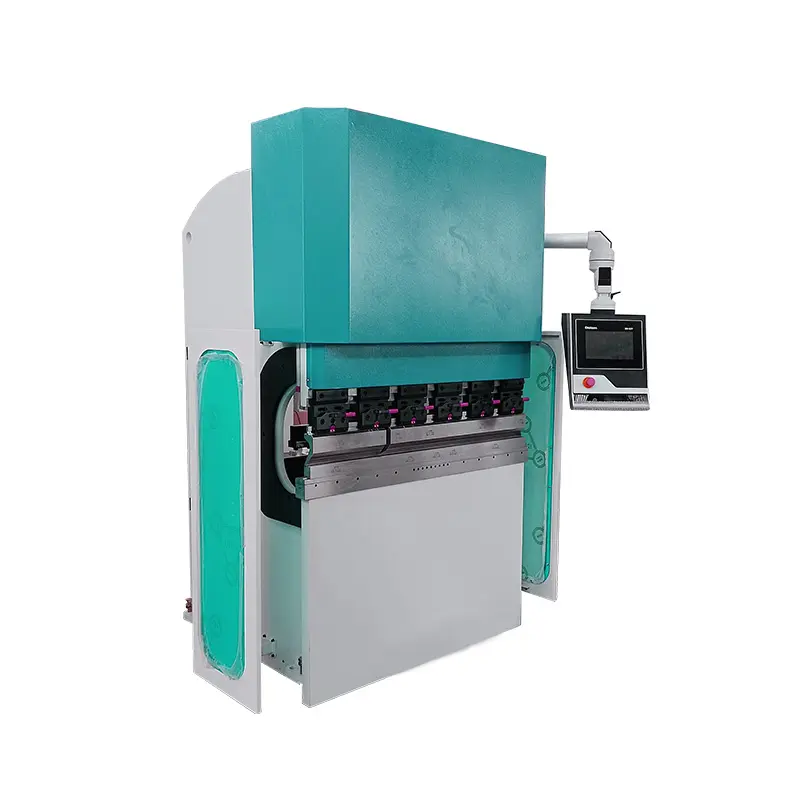
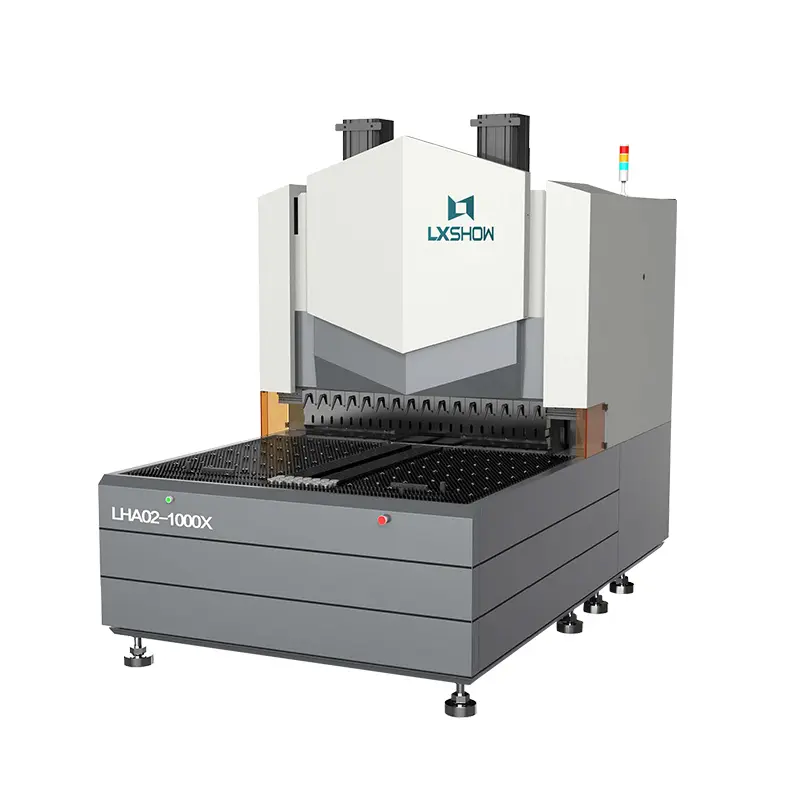
How we ensure continuous operation, rapid training, and seamless customs clearance in Uzbekistan.
Importing capital equipment into Uzbekistan requires compliance with domestic technical regulations alongside regional customs protocols. We supply comprehensive documentation including certificate packs, export licenses, HS codes declarations (typically 84561100 for laser systems), and Eurasian Economic Union (EAEU) compliance certificates. This ensures your machine passes the Tashkent Customs Hub without holding delays or extra demurrage costs.
To maximize your equipment ROI, we offer specialized installation support. Our field application engineers travel directly to your facility in Samarkand, Fergana, or Bukhara. We conduct complete structural leveling, optical alignment, and system parameter tuning. Furthermore, we train local operators in Russian or English on CAD/CAM programming, optics alignment, chiller cleaning cycles, and essential laser safety protocols.
Minimizing production downtime is critical. We maintain a reliable supply chain of replacement consumables including:
We leverage local logistics lanes to deliver essential items directly to your factory floor in under 48 hours.
Clear, direct answers regarding customs, configuration, maintenance, and operation in Central Asia.
Most industrial CO2 and Fiber laser cutters require a stable 3-phase 380V (50Hz) power supply. Because voltage fluctuations can occur in rapidly growing industrial areas, we strongly recommend installing an industrial voltage stabilizer (servo-motor regulator type) to protect the laser source and control circuitry from damage.
For CO2 laser cutting of acrylic and timber, compressed air is sufficient to blow away exhaust fumes and prevent combustion. For Fiber cutting of steel, Nitrogen (N2) is used for an oxide-free, bright edge finish, while Oxygen (O2) is preferred for carbon steel to speed up the process through exothermic reaction.
Standard CO2 lasers cannot cut metals due to the 10.6um wavelength reflecting off metal surfaces. However, special hybrid CO2 laser systems equipped with oxygen gas assist and auto-height-following heads can cut thin carbon and stainless steel sheets, though Fiber lasers are much more efficient for regular metal fabrication.
Maintaining the water chiller is critical. In temperatures above 35°C, the chiller must keep the laser tube below 22°C. Ensure the chiller has clear ventilation, check water levels weekly, and use distilled water to prevent mineral scale buildup inside the laser glass tubes.
 Lxshow